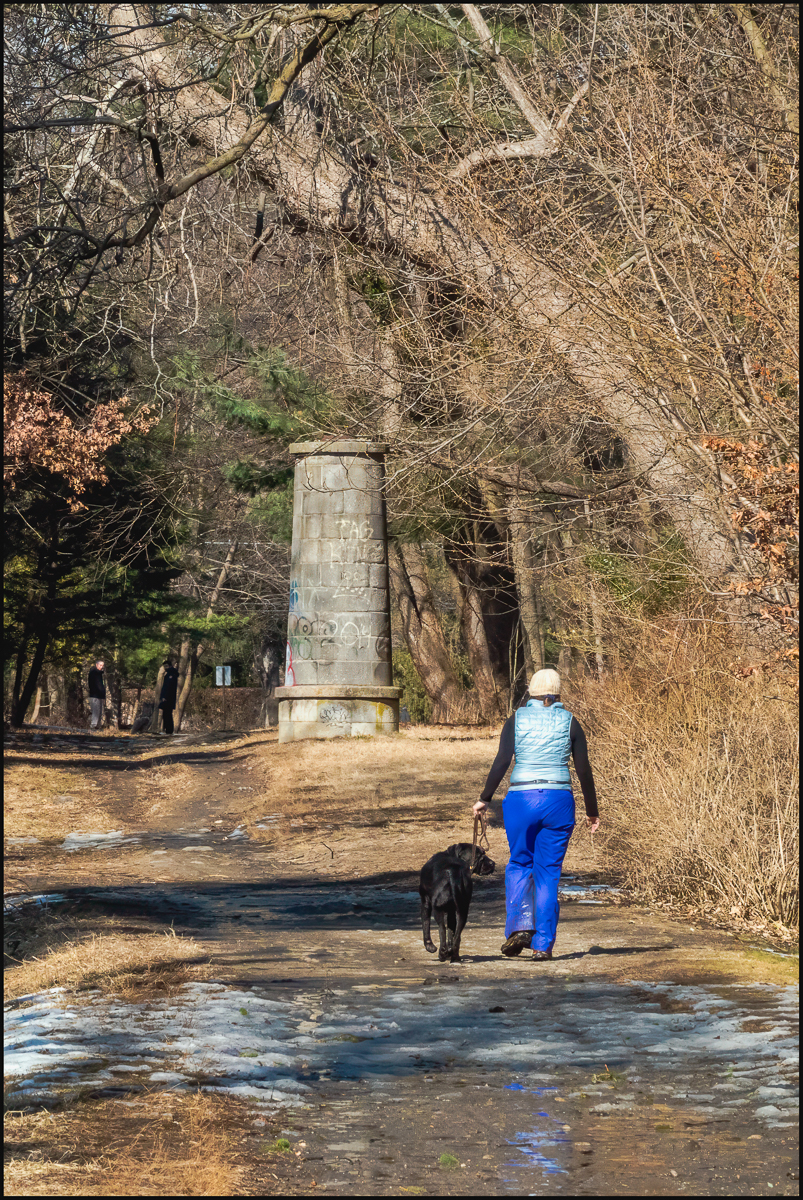
On my way up to the park, and not far from Ardsley station I crossed the Old Croton Aqueduct where a woman was walking her dog. The stone structure in the background is one of the aqueduct’s 21 ventilators.
Taken with a Sony RX10 IV
Photographs and thoughts on photography and camera collecting

On my way up to the park, and not far from Ardsley station I crossed the Old Croton Aqueduct where a woman was walking her dog. The stone structure in the background is one of the aqueduct’s 21 ventilators.
Taken with a Sony RX10 IV
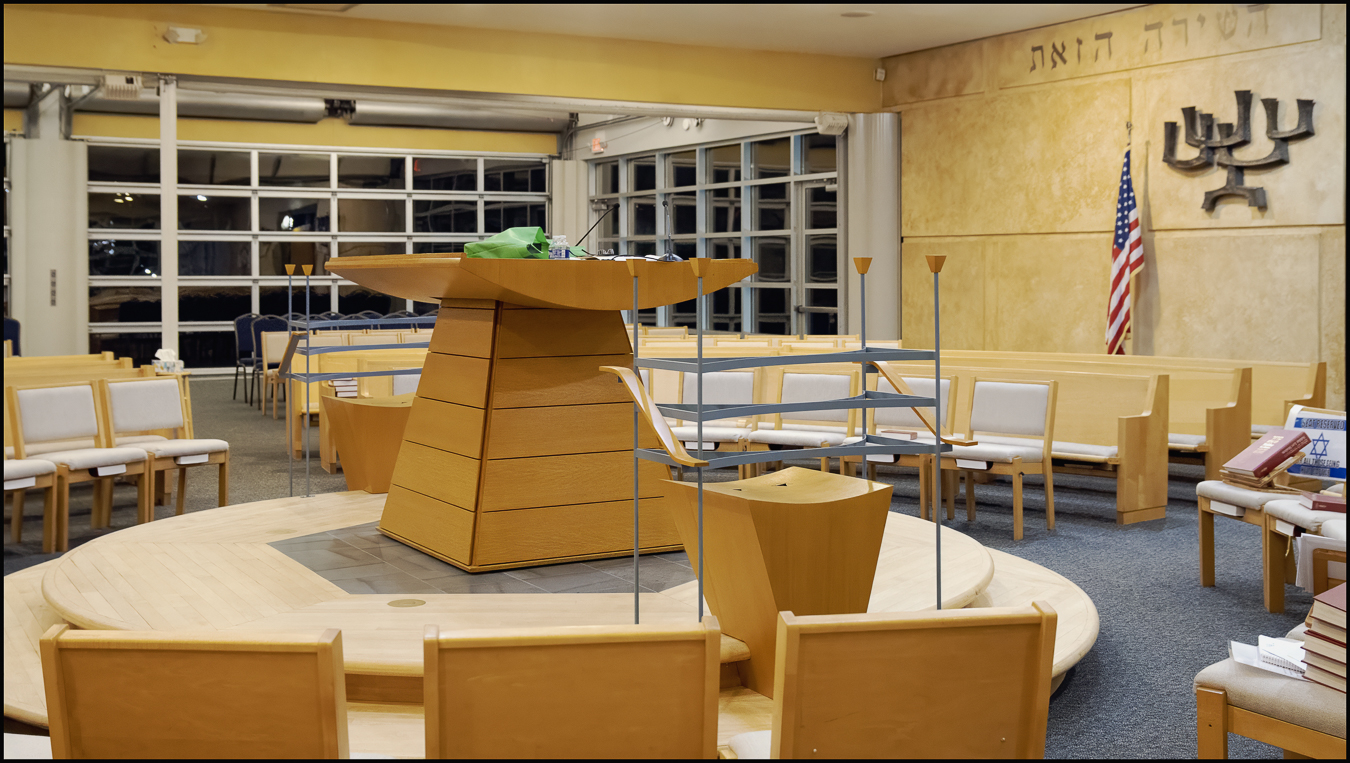
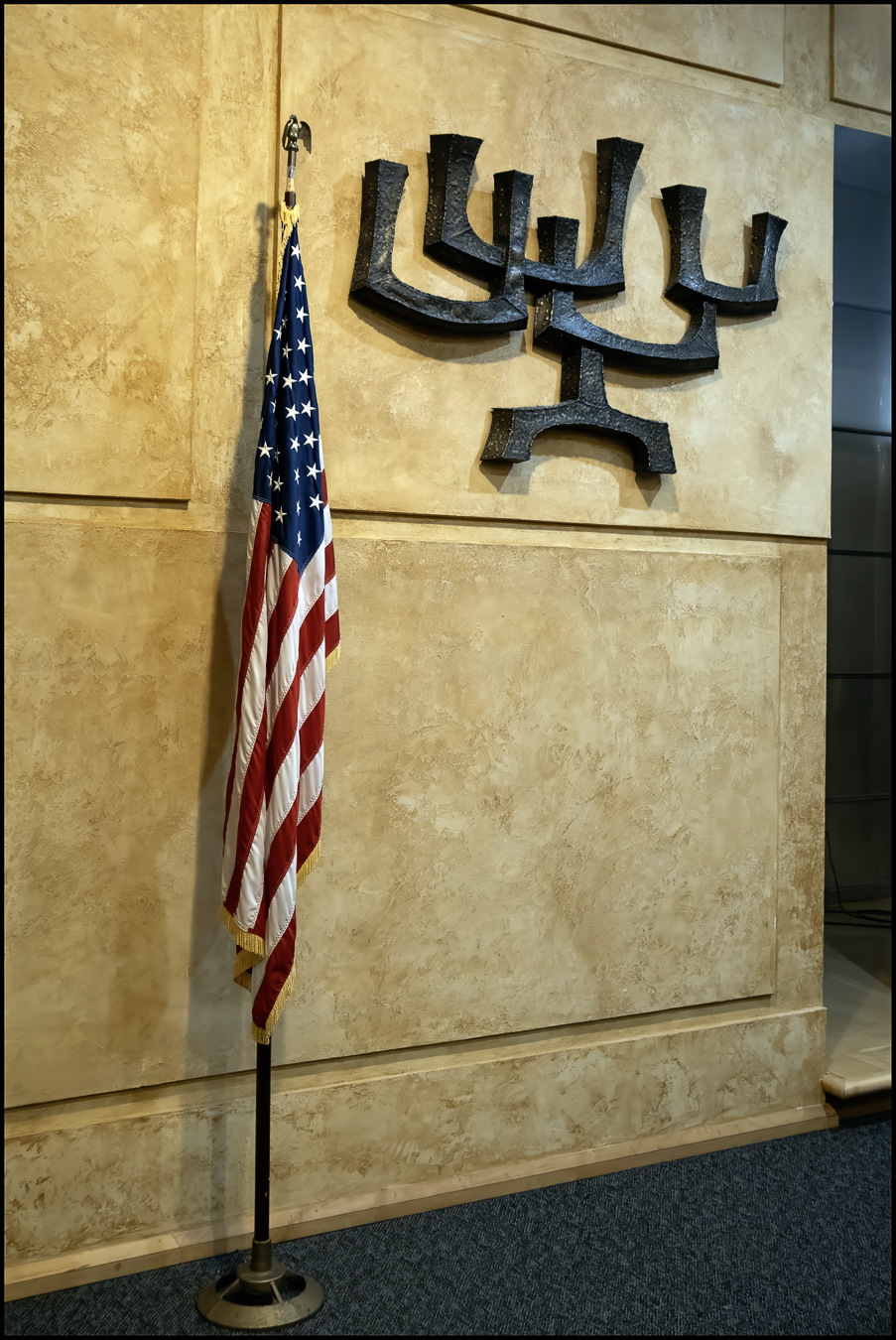
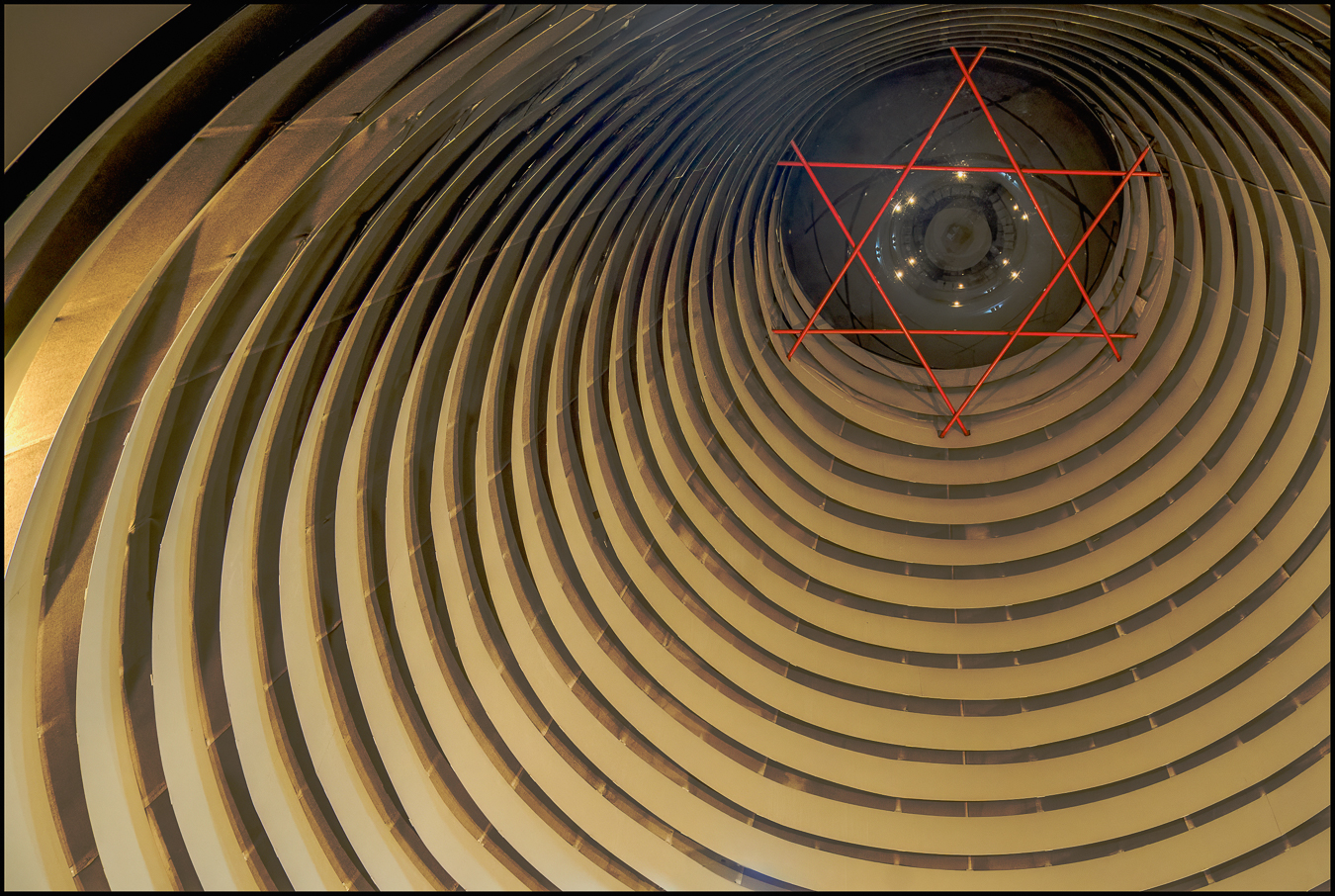
In the preceding post I wrote about the Congregation Sons of Israel Cemetery. In it I mentioned that I had learned about the cemetery from a presentation on the synagogue organized by the Briarcliff Manor-Scarborough Historical Society. Shortly afterwards I realized that I had not done a post on that presentation, so here goes.
This year the Briarcliff Manor Scarborough Historical Society has organized a number of presentations on the Village’s Houses of Worship. The presentation took place, Wednesday, November 13, 2024, at 7:00 pm at the Congregation Sons of Israel (CSI). Mr. Irwin Kavy presented a comprehensive history of the synagogue. A highlight of the presentation was when Mr. Kavy showed a time capsule that had been found in the building that previously housed the synagogue. He also showed and described the contents. The presentation ended with a lengthy Q&A that provoked an enthusiastic response from the participants. A video of his presentation is now available courtesy of Mr. Kavy and the CSI.
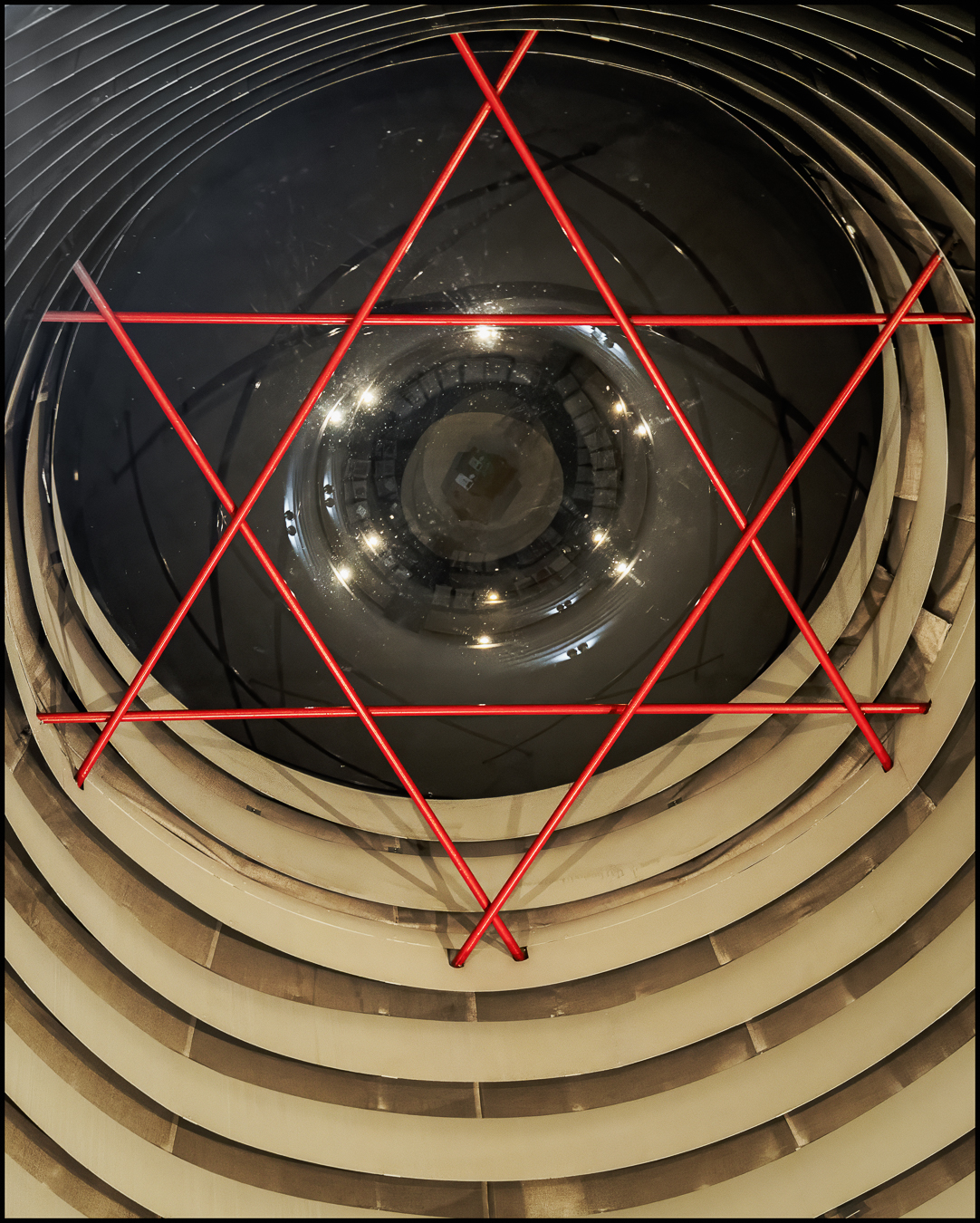
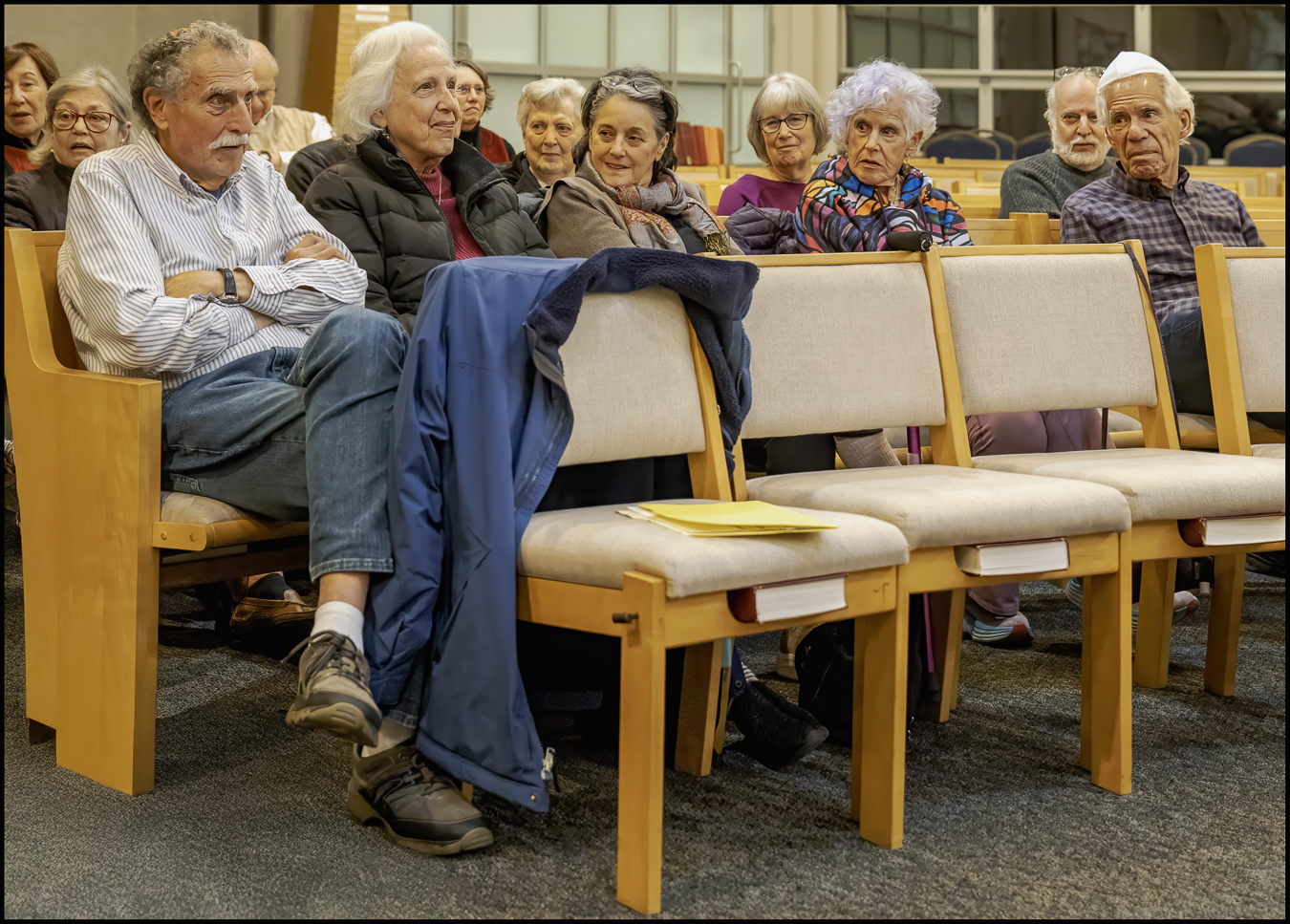
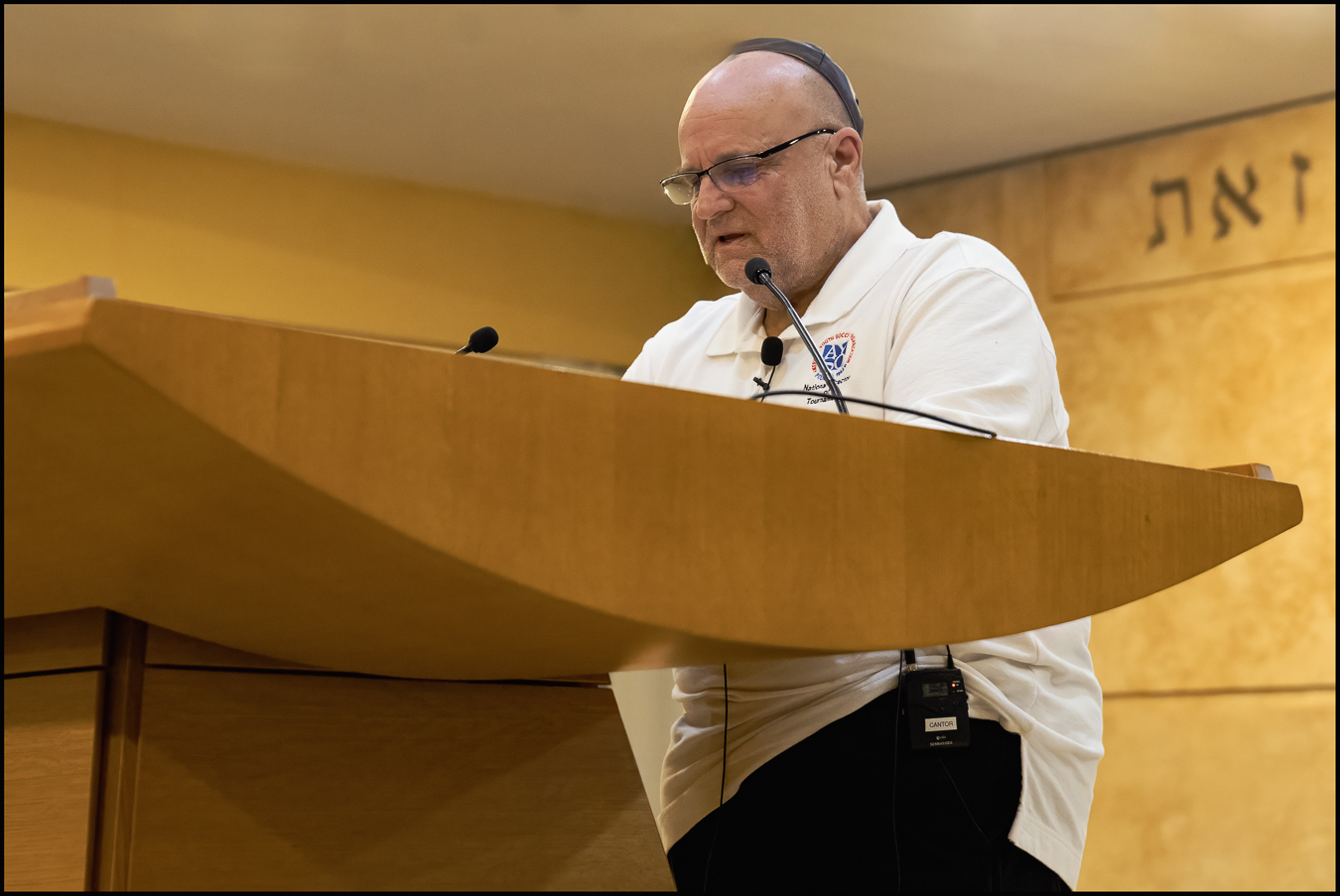
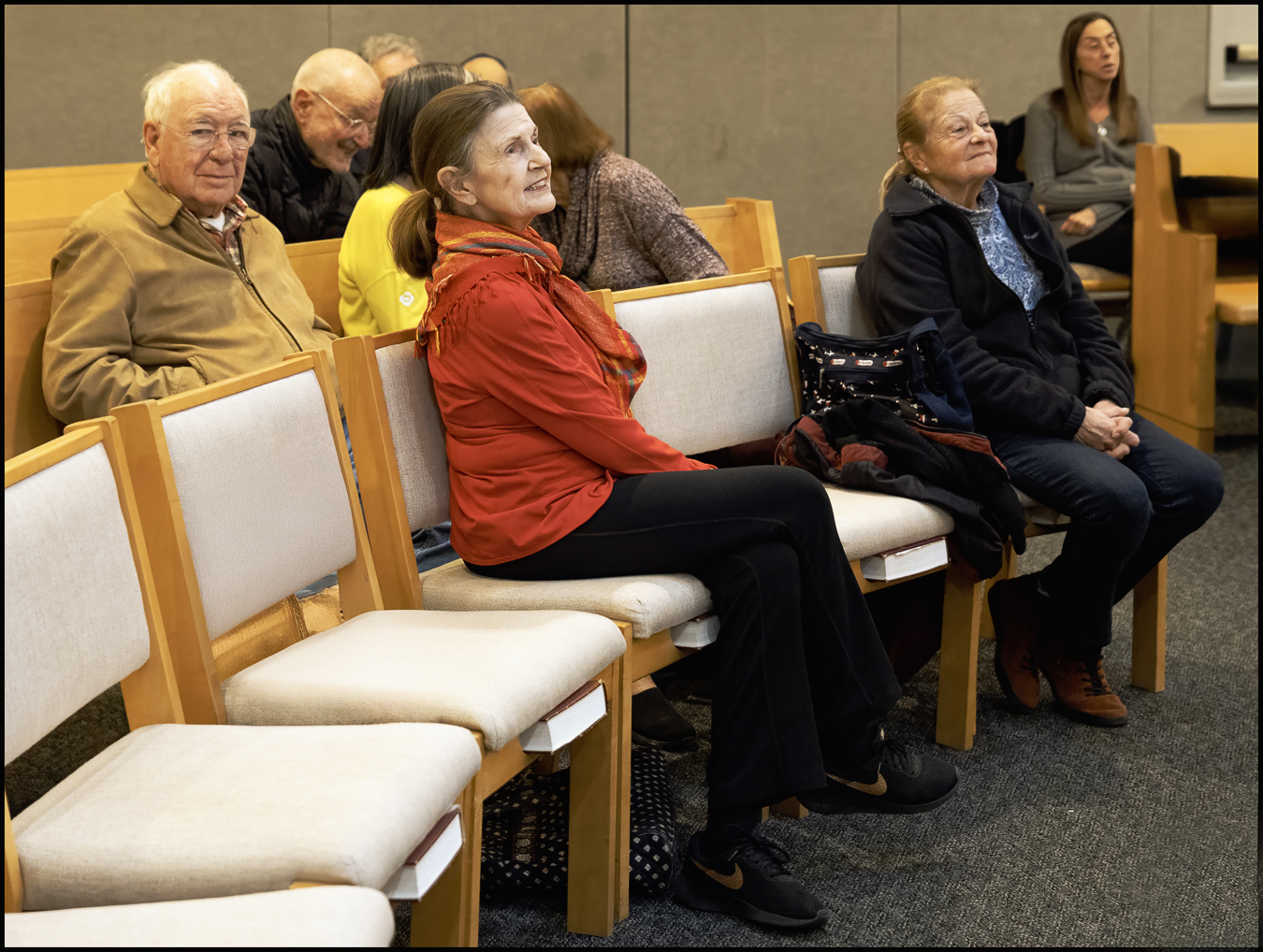
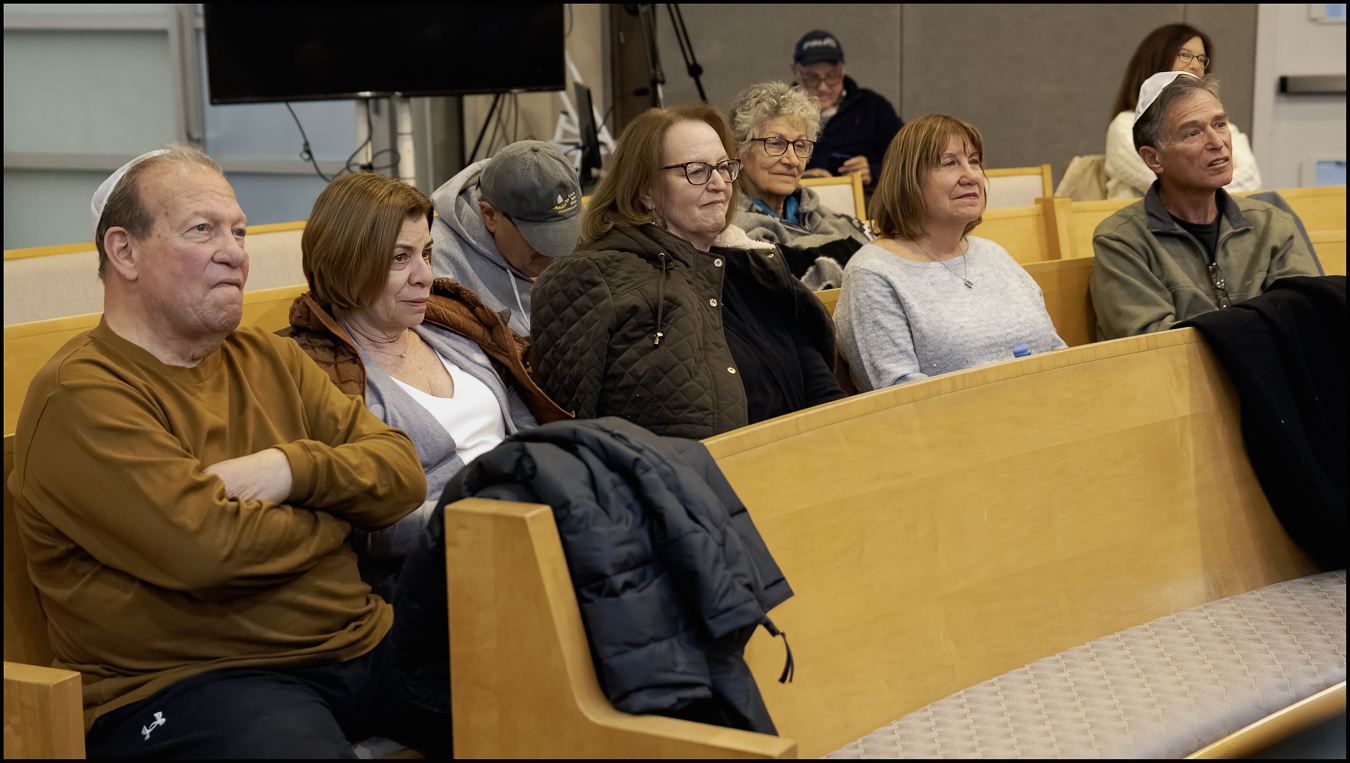
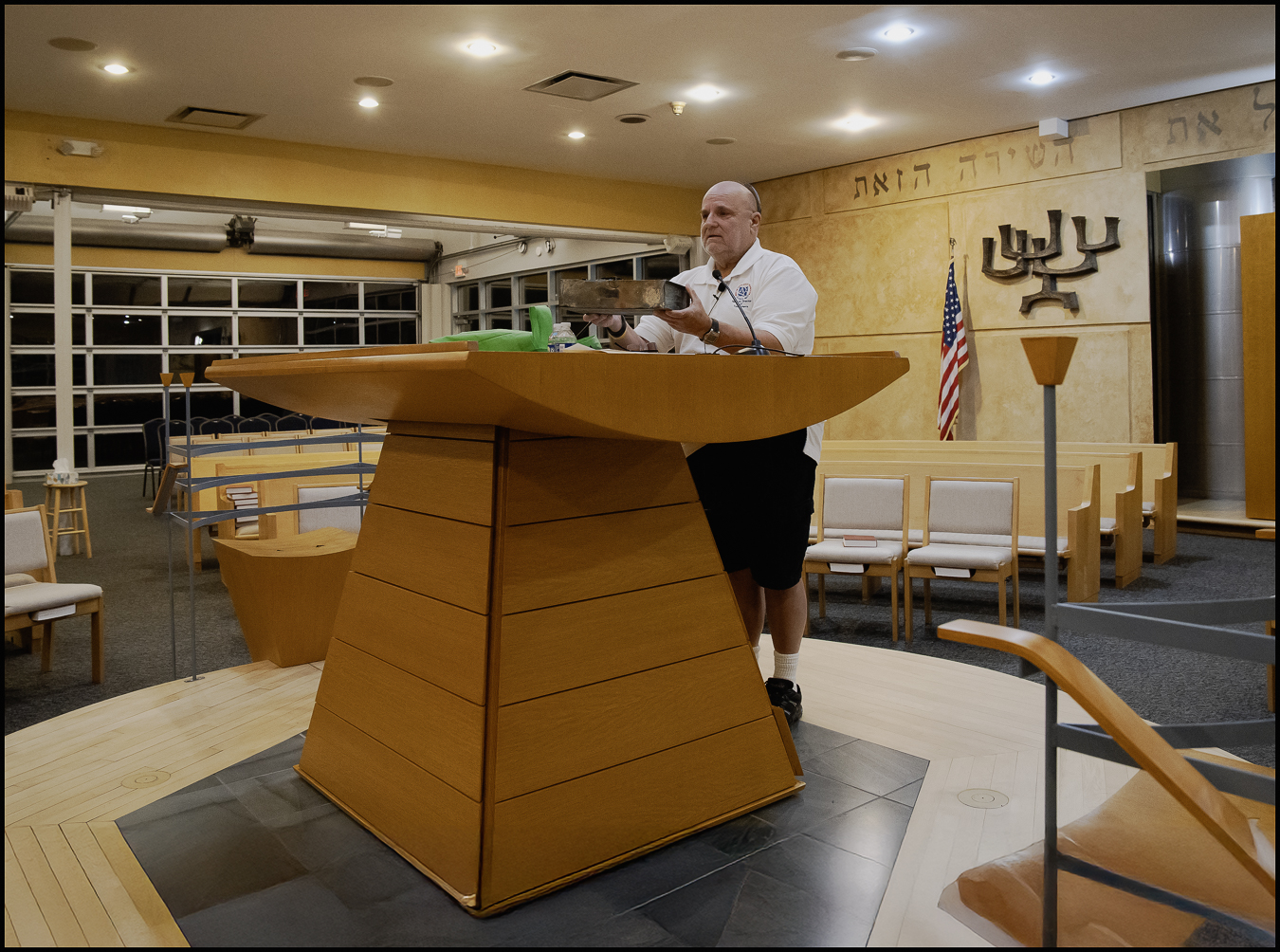
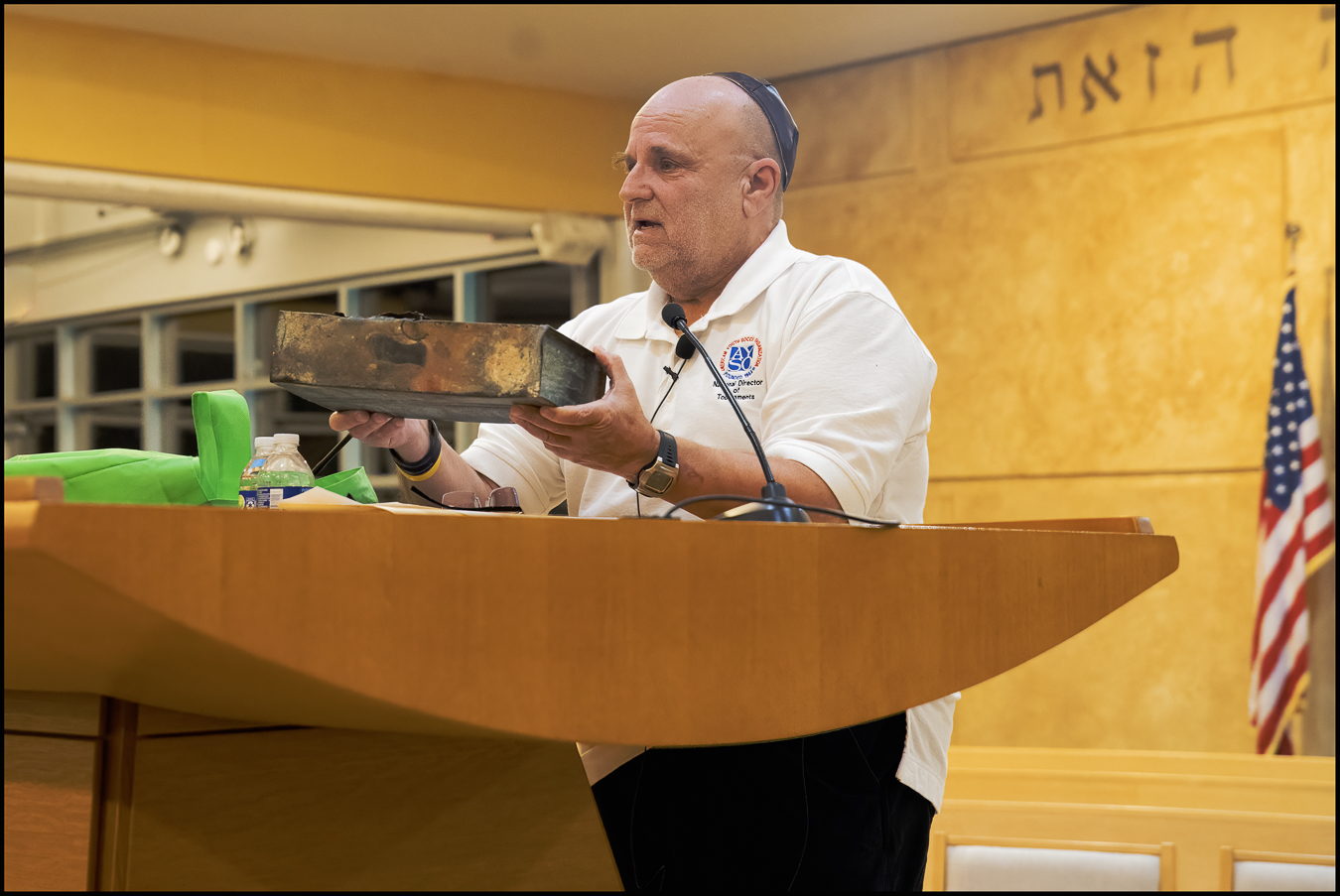
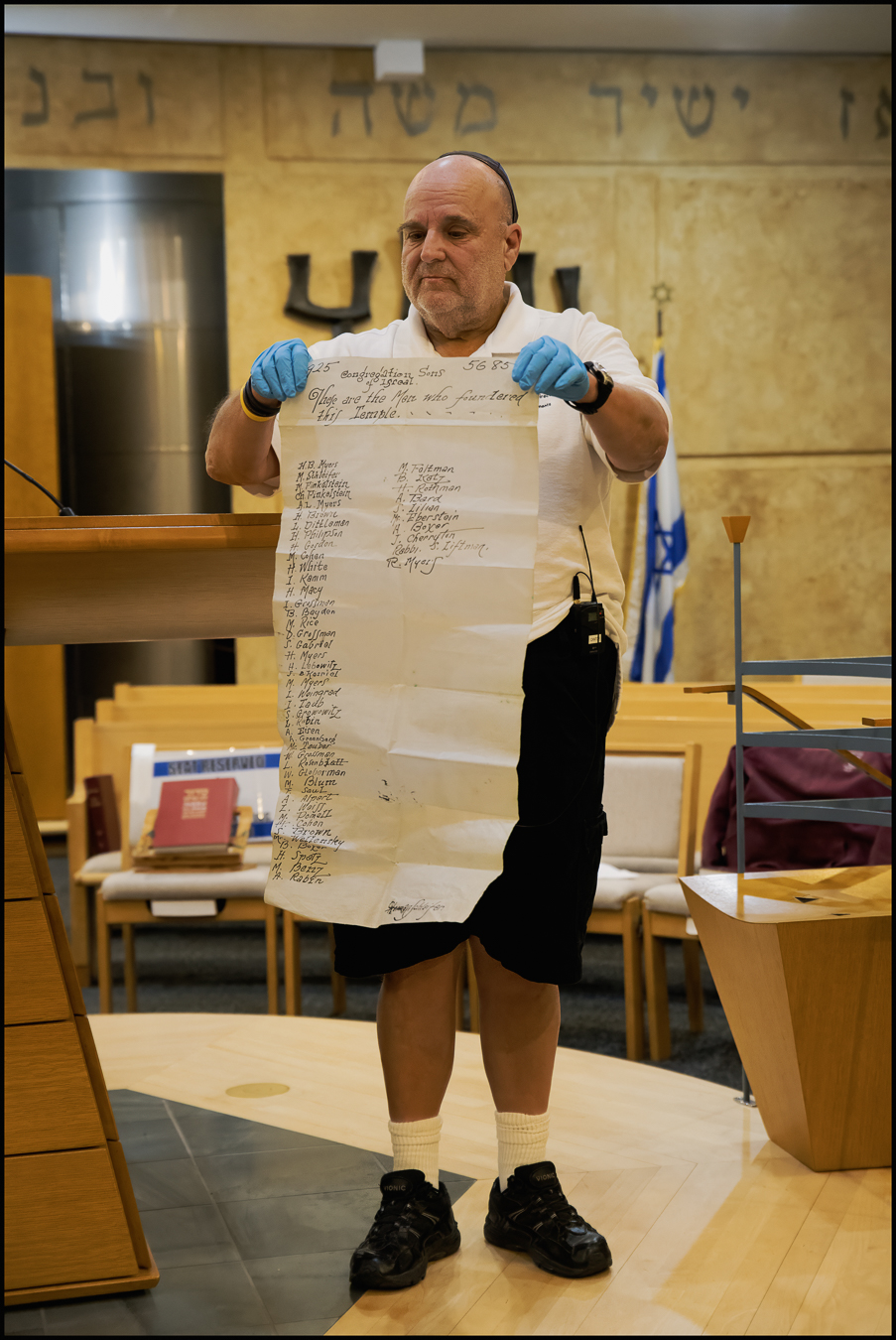
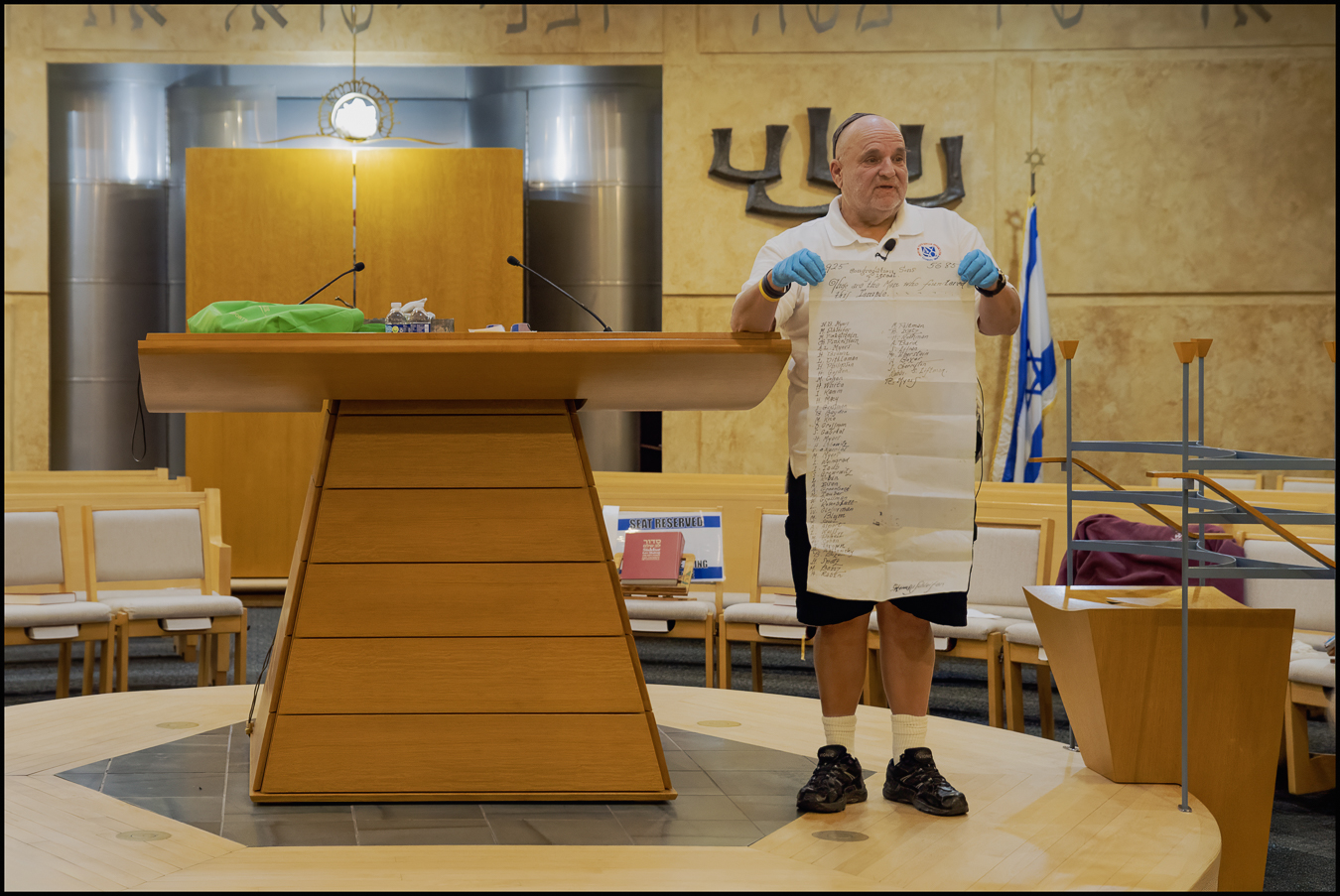
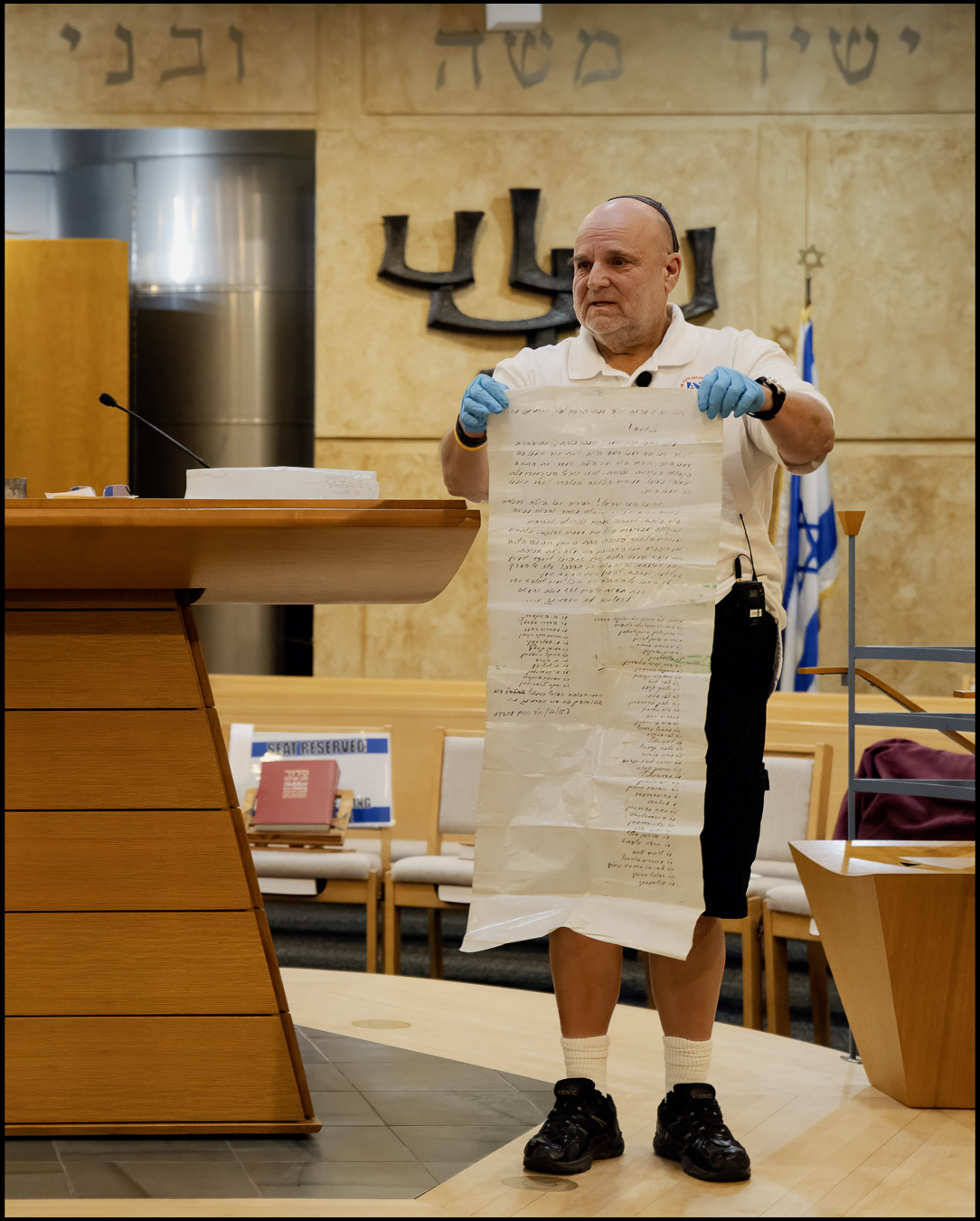
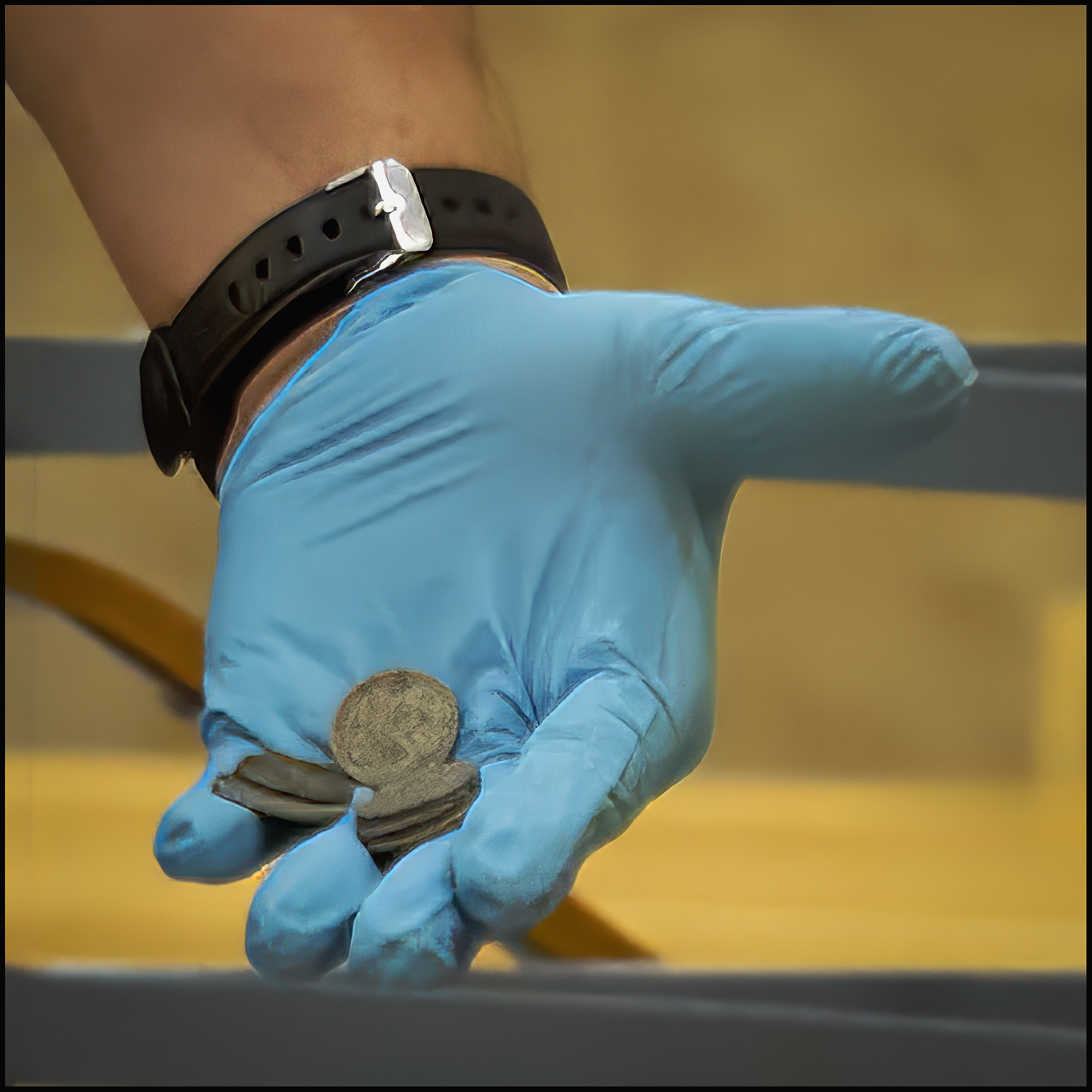
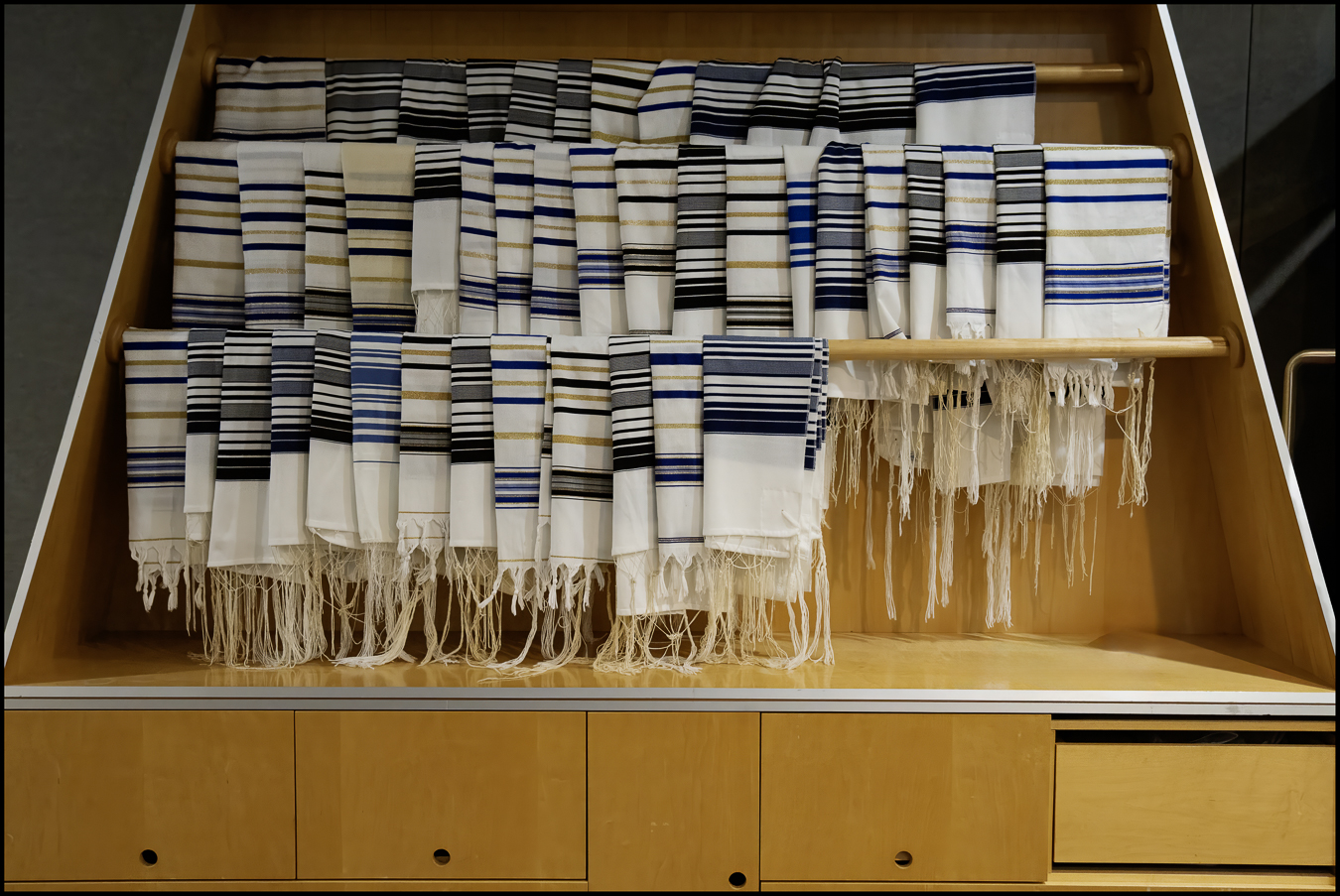
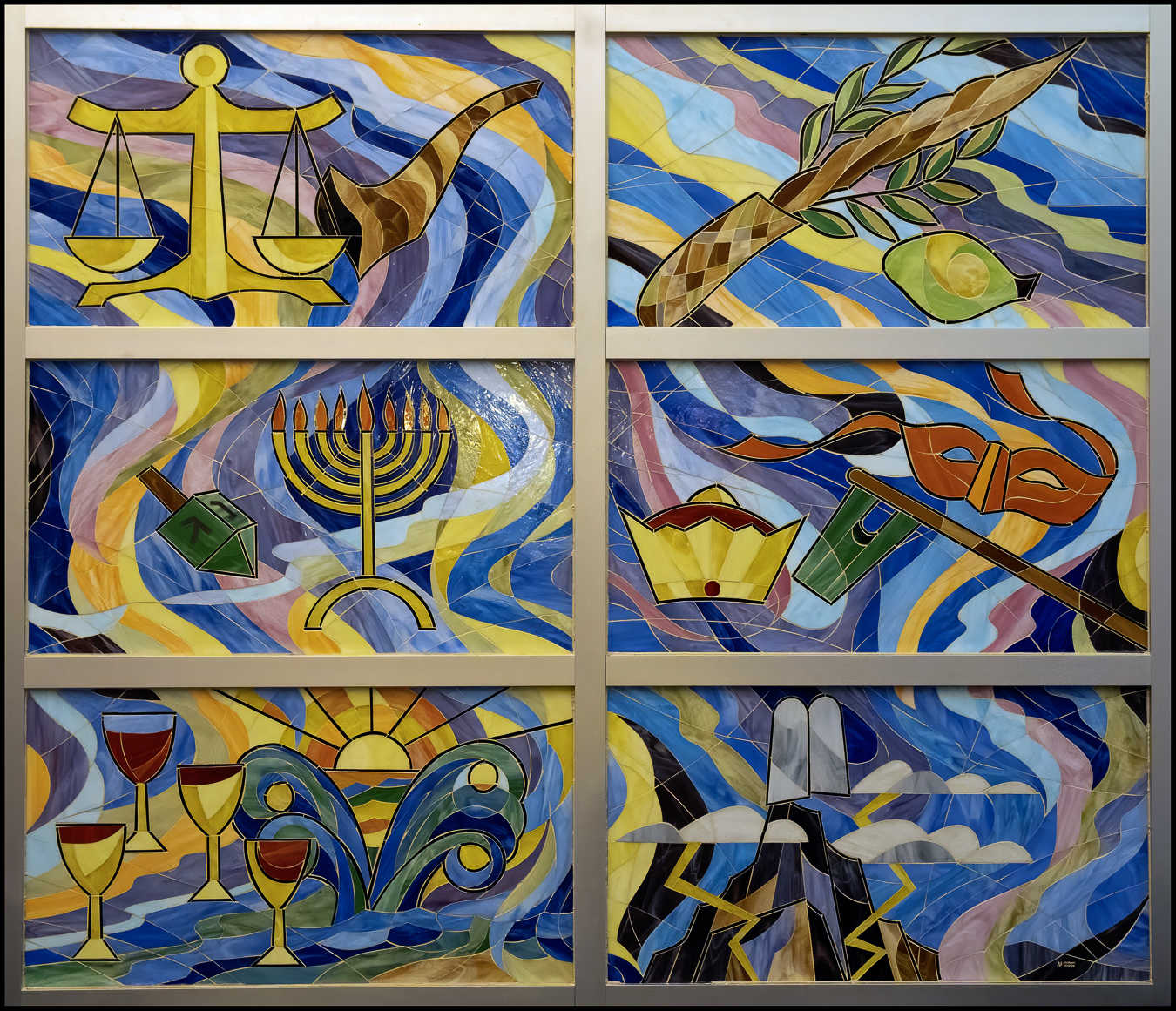
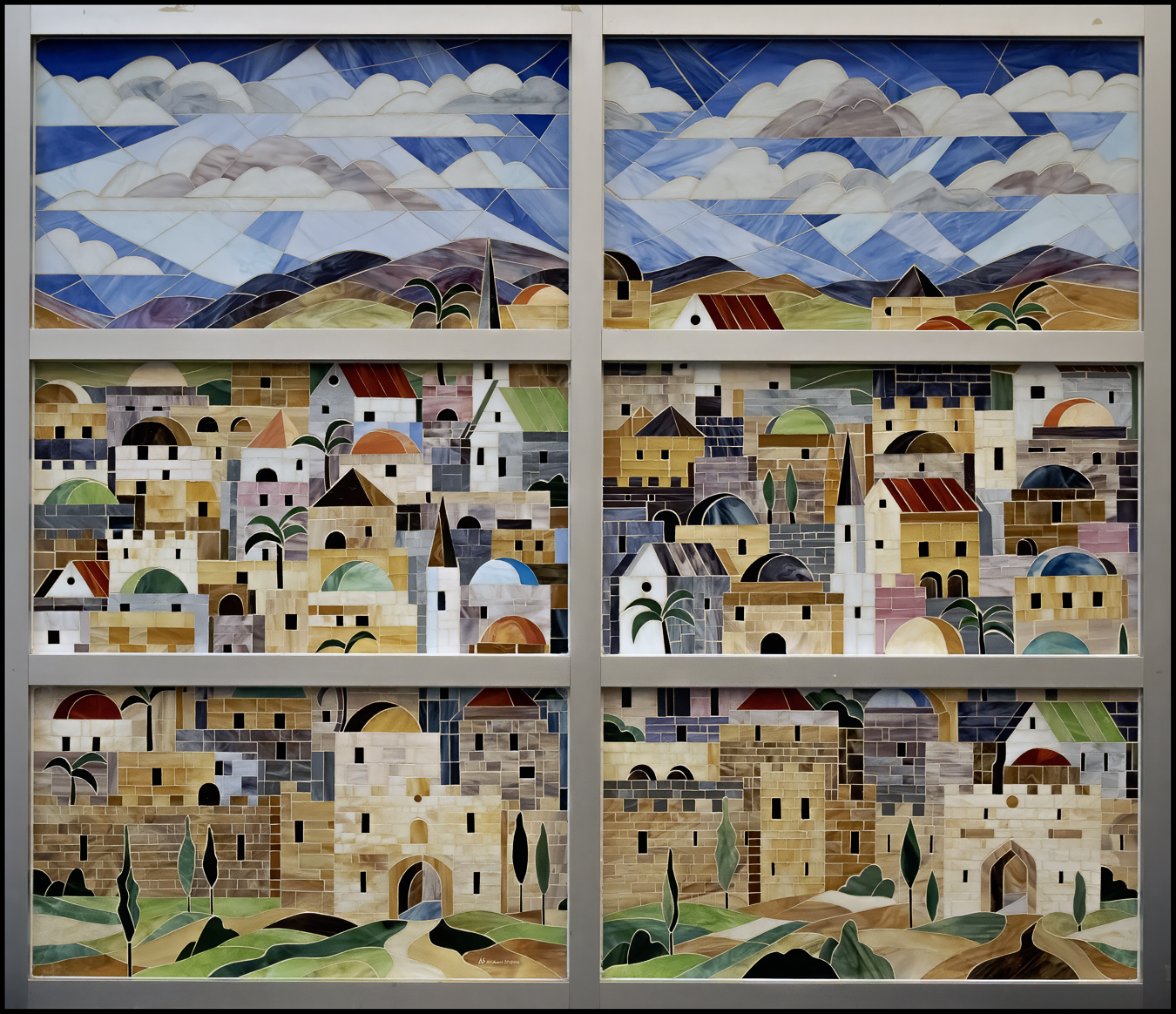
Taken with a Sony A7IV and Rokinon/Samyang AF 24-70 f2.8 FE
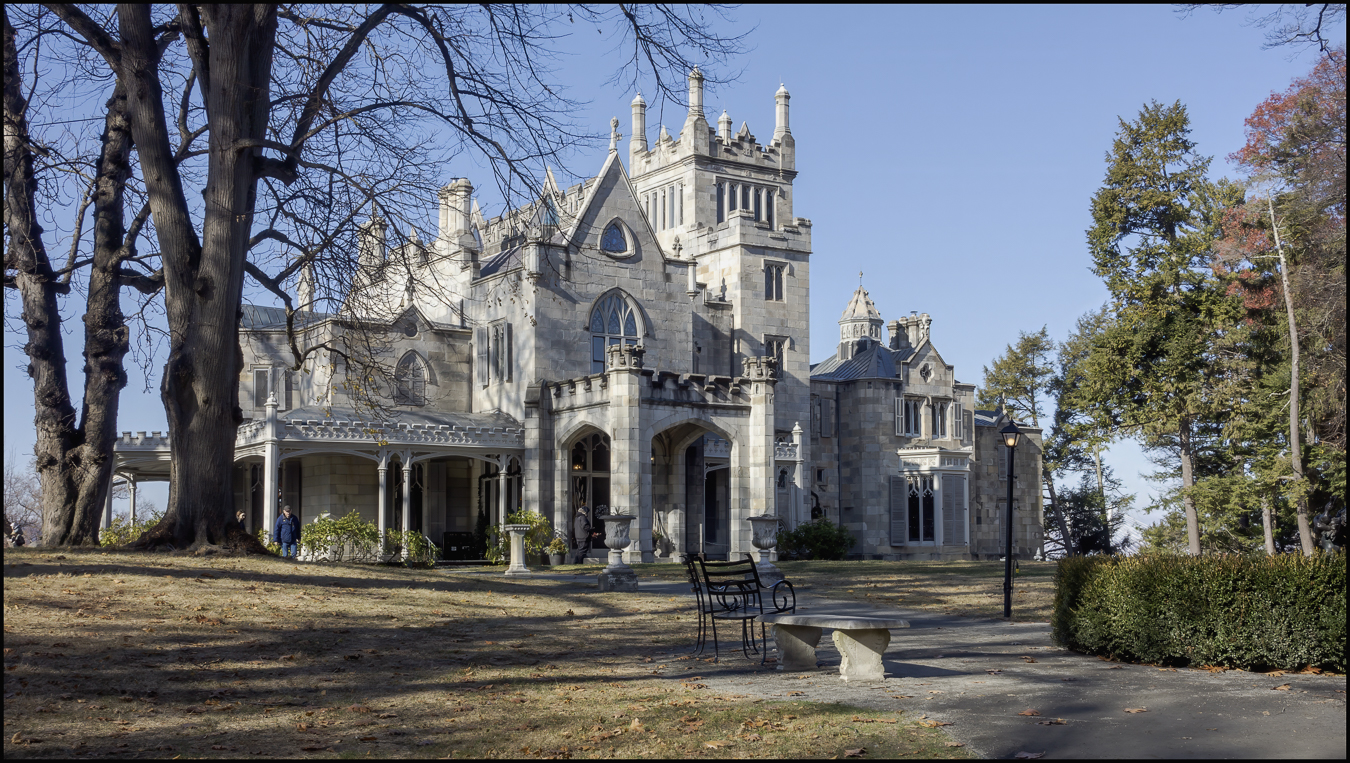
For those who don’t know the area:
Lyndhurst is a Gothic Revival country house that sits in a 67-acre park beside the Hudson River in Tarrytown, New York. The house was designated a National Historic Landmark in 1966. The home was designed in 1838 by Alexander Jackson Davis and owned in succession by New York City mayor William Paulding Jr., merchant George Merritt, and railroad tycoon Jay Gould. Paulding named his house “Knoll”. Its limestone exterior was quarried in present-day Ossining, New York. Merritt, the house’s second owner, doubled the size of the house in 1864–1865 and renamed it “Lyndenhurst”. His new north wing included an imposing four-story tower, a new porte-cochere, a new dining room, two bedrooms and servants’ quarters. Gould purchased the property in 1880 to use as a country house. He shortened its name to “Lyndhurst” and occupied it until his death in 1892. In 1961, Gould’s daughter Anna Gould donated it to the National Trust for Historic Preservation. The house is now open to the public.
I went there just before Christmas with my friends George and Martha. Although I’ve been to, and through the property many times I’ve never actually been inside. It was good to see the interior. As you can see they had put a lot of effort into preparing for Christmas. Maybe too much. Very festive, but maybe a Christmas tree (sometimes more) it every room was a bit too much

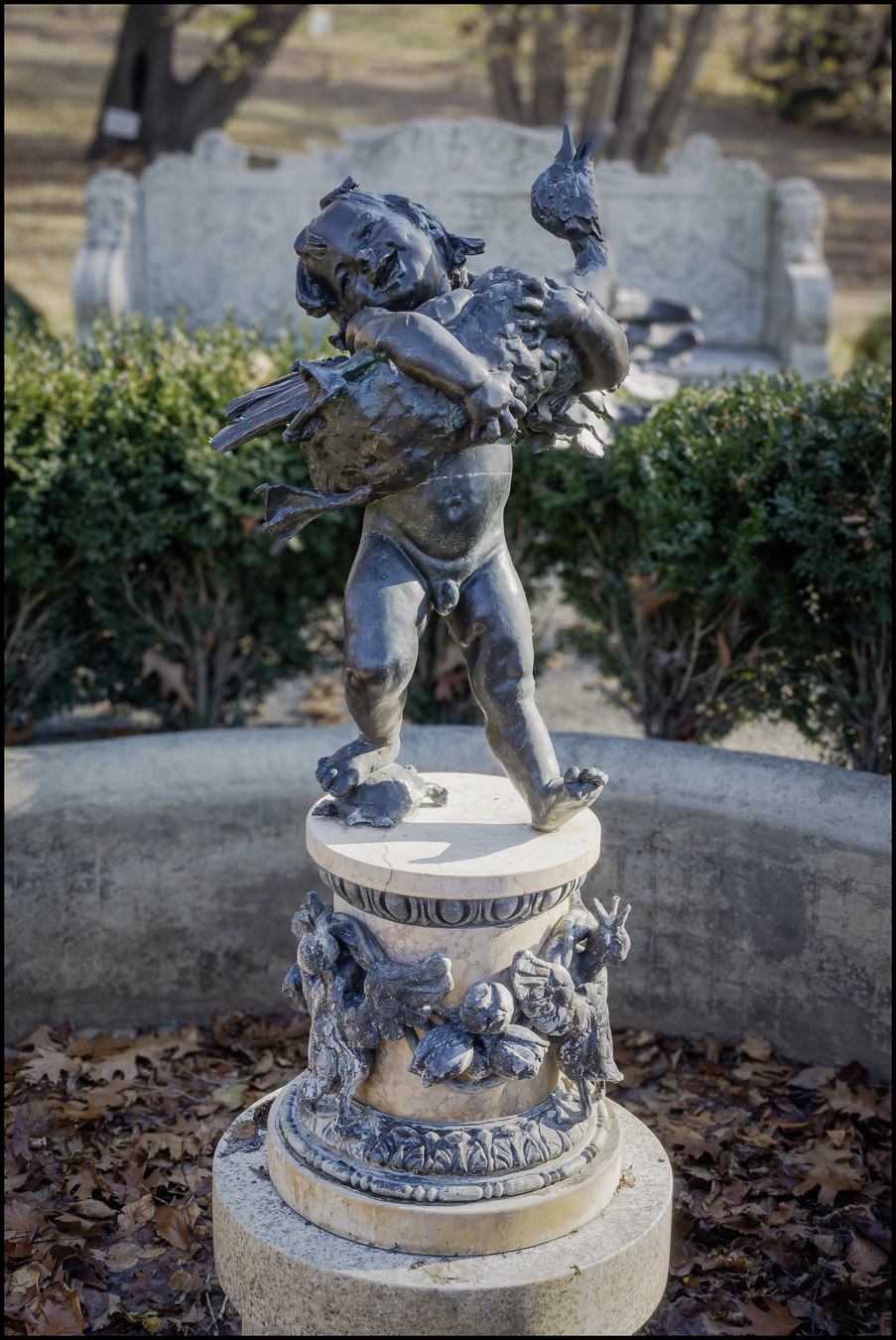


Taken with a Sony RX100 M3

After the show we stopped at a fairly new restaurant in Grand Central Terminal.
It’s called Grand Brasserie, and the New York Times described it as follows:
Rick Blatstein, having sold OTG, his airport restaurant company with hundreds of outlets, continues to think big. His new company, Vizz Group, has taken over the landmark Vanderbilt Hall in Grand Central Terminal, previously run by City Winery, and the adjacent dining room, formerly Cornelius. Grand Brasserie is an airy 400-seat restaurant and bar, open during the terminal’s hours. The Rockwell Group’s design with Art Deco and Beaux Arts accents and splashes of scarlet on tabletops and seats reflect the style of many Parisian brasseries and railway terminals.
About three weeks ago I’d had lunch there with her husband who was there on business


Taken with a Sony RX100 M7
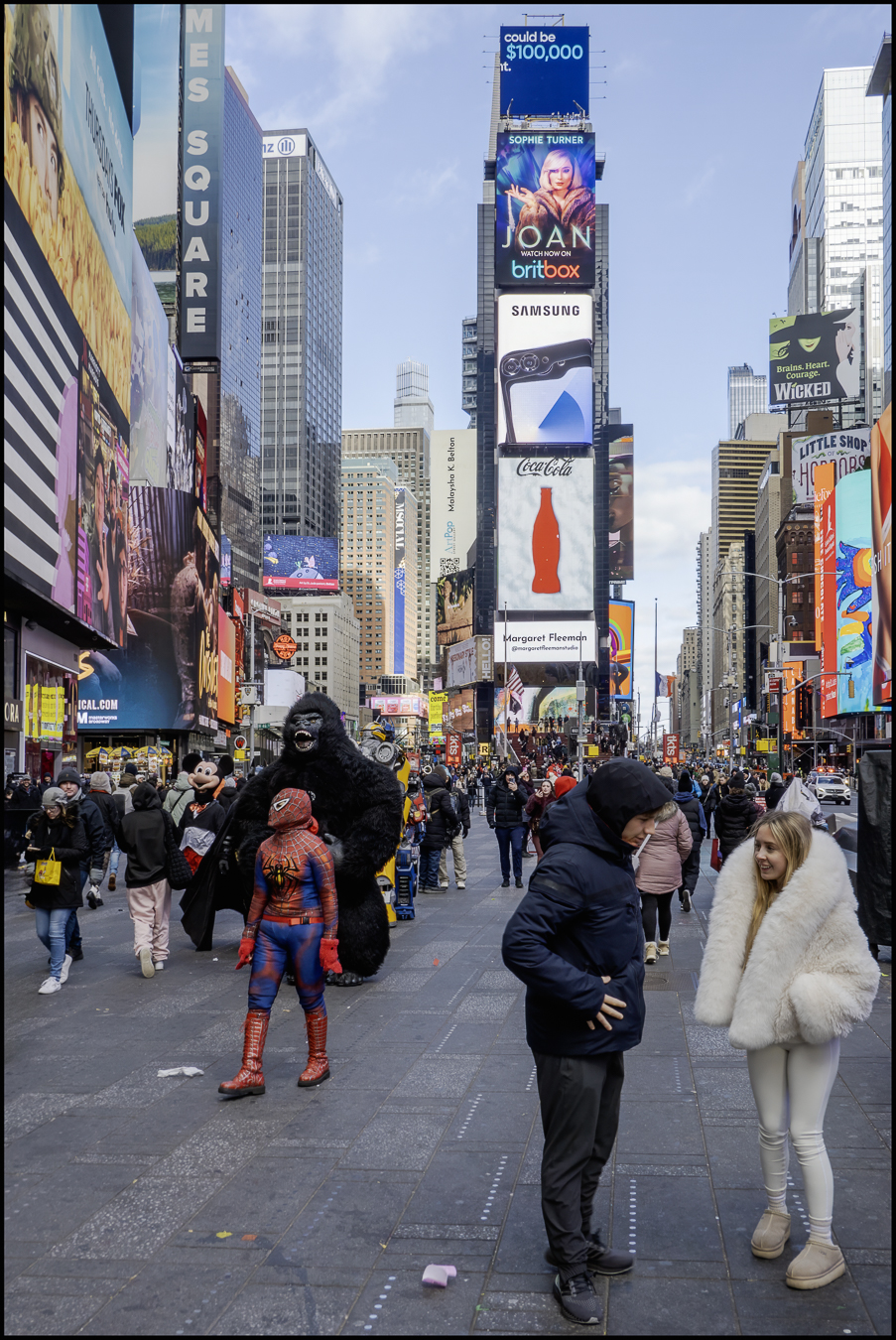
According to Wikipedia (which provides additional information)
Times Square is a major commercial intersection, tourist destination, entertainment hub, and neighborhood in the Midtown Manhattan section of New York City. It is formed by the junction of Broadway, Seventh Avenue, and 42nd Street. Together with adjacent Duffy Square, Times Square is a bowtie-shaped plaza five blocks long between 42nd and 47th Streets.
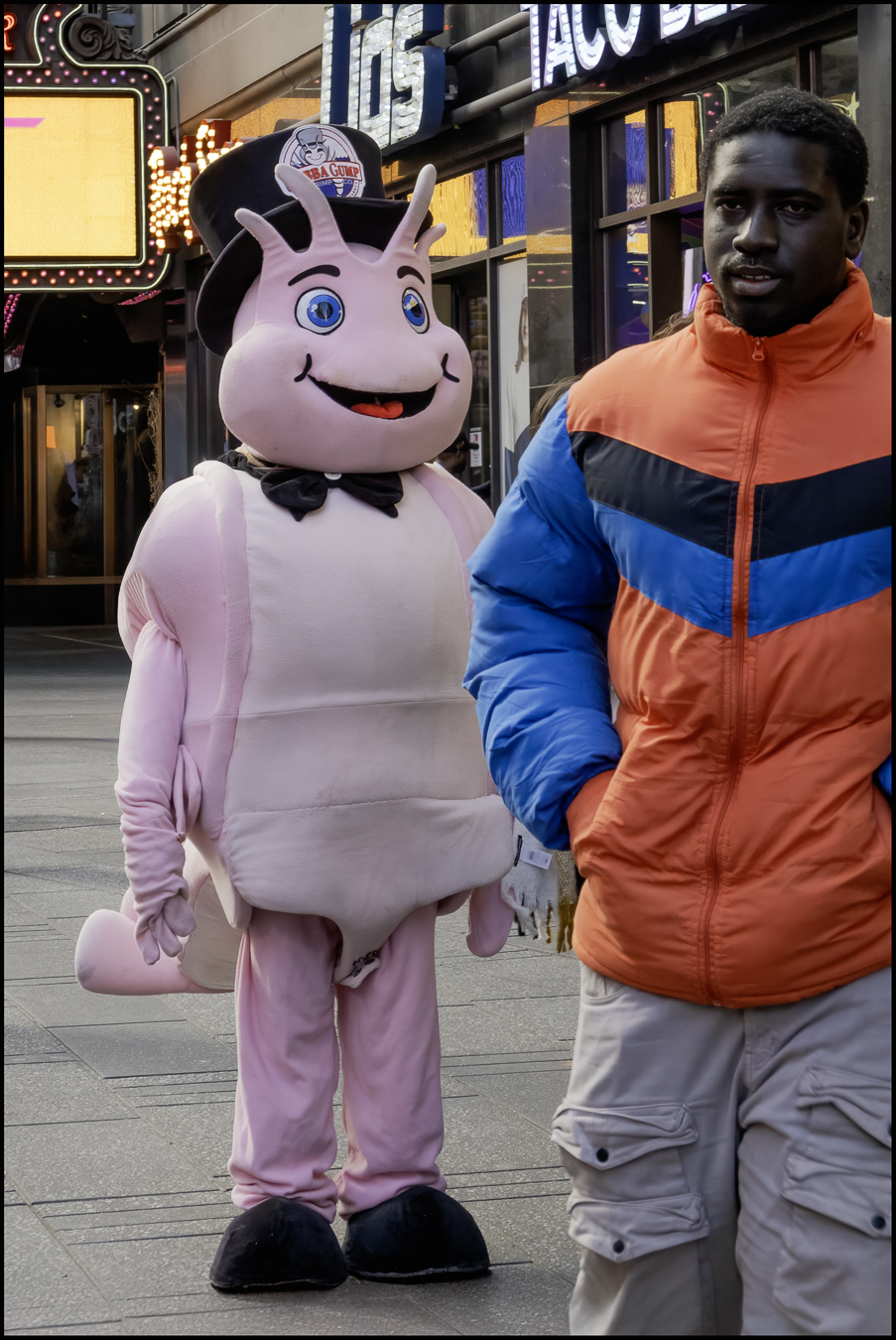
Times Square is brightly lit by numerous digital billboards and advertisements as well as businesses offering 24/7 service. One of the world’s busiest pedestrian areas, it is also the hub of the Broadway Theater District and a major center of the world’s entertainment industry. Times Square is one of the world’s most visited tourist attractions, drawing an estimated 50 million visitors annually. Approximately 330,000 people pass through Times Square daily, many of them tourists, while over 460,000 pedestrians walk through Times Square on its busiest days. The Times Square–42nd Street and 42nd Street–Port Authority Bus Terminal stations have consistently ranked as the busiest in the New York City Subway system, transporting more than 200,000 passengers daily.
Formerly known as Longacre Square, Times Square was renamed in 1904 after The New York Times moved its headquarters to the then newly erected Times Building, now One Times Square. It is the site of the annual New Year’s Eve ball drop, which began on December 31, 1907, and continues to attract over a million visitors to Times Square every year, in addition to a worldwide audience of one billion or more on various digital media platforms.
Times Square, specifically the intersection of Broadway and 42nd Street, is the eastern terminus of the Lincoln Highway, the first road across the United States for motorized vehicles. Times Square is sometimes referred to as “the Crossroads of the World” and “the heart of the Great White Way”
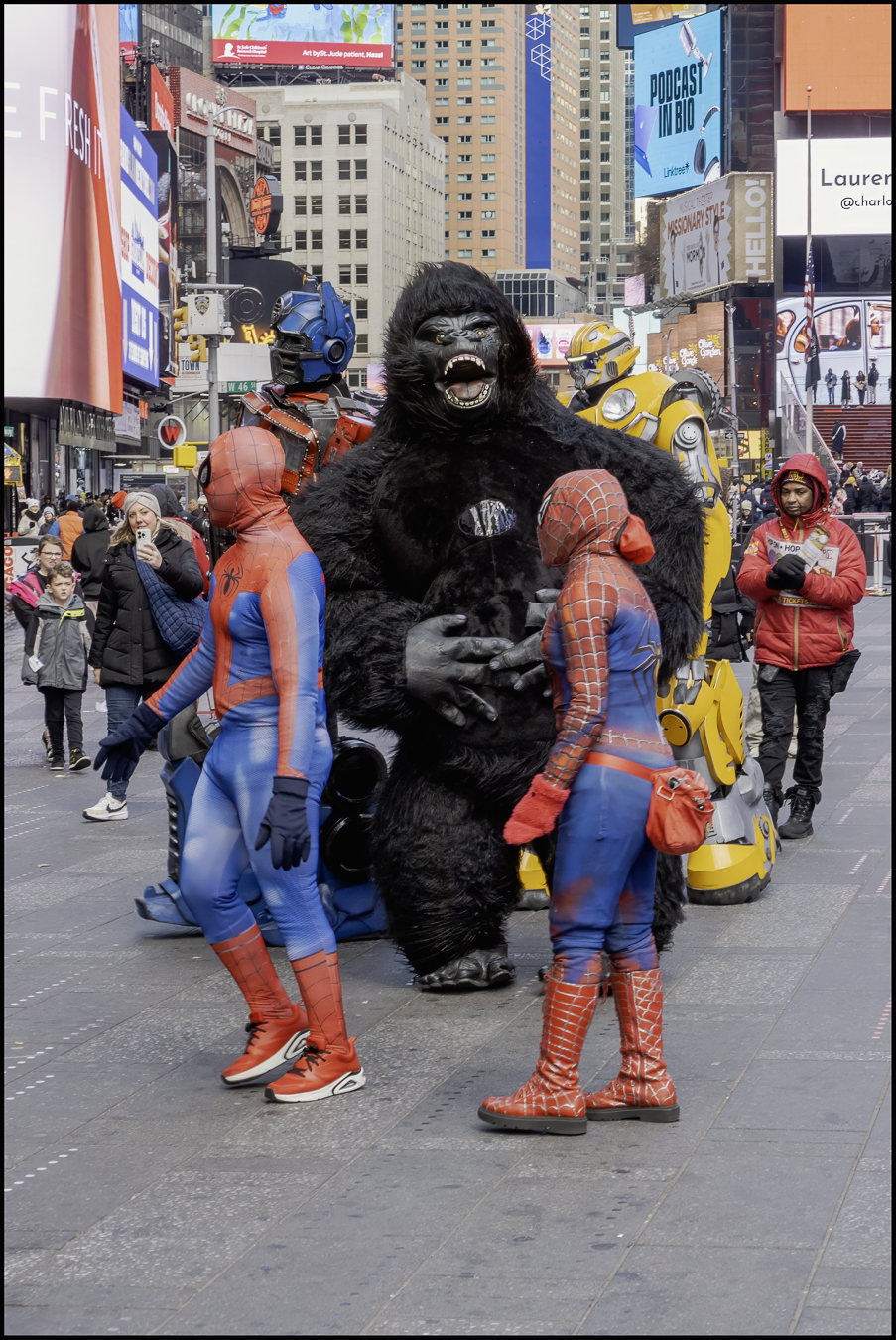
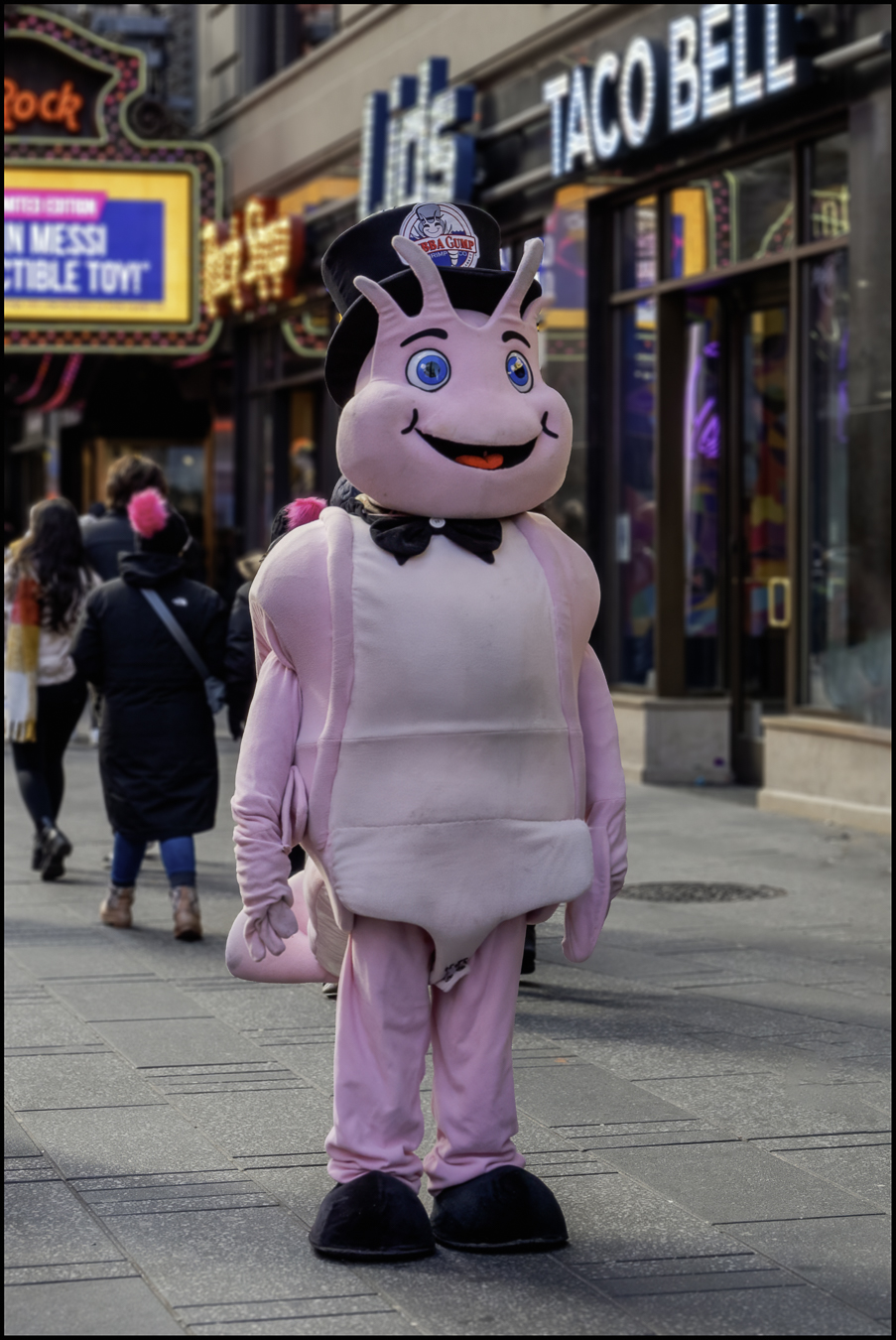
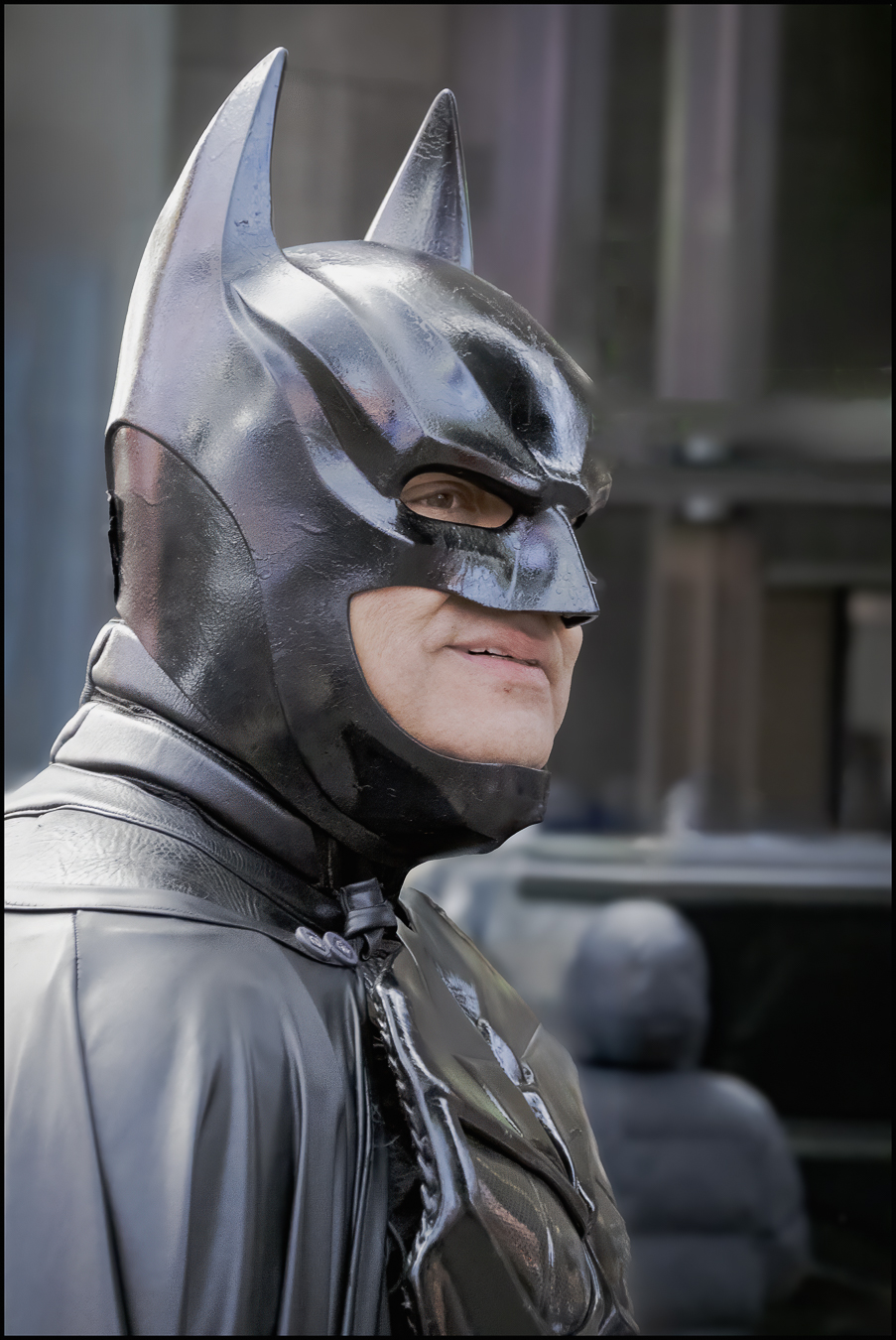
Taken with a Sony RX100 MVII