Main Street Briarcliff Manor

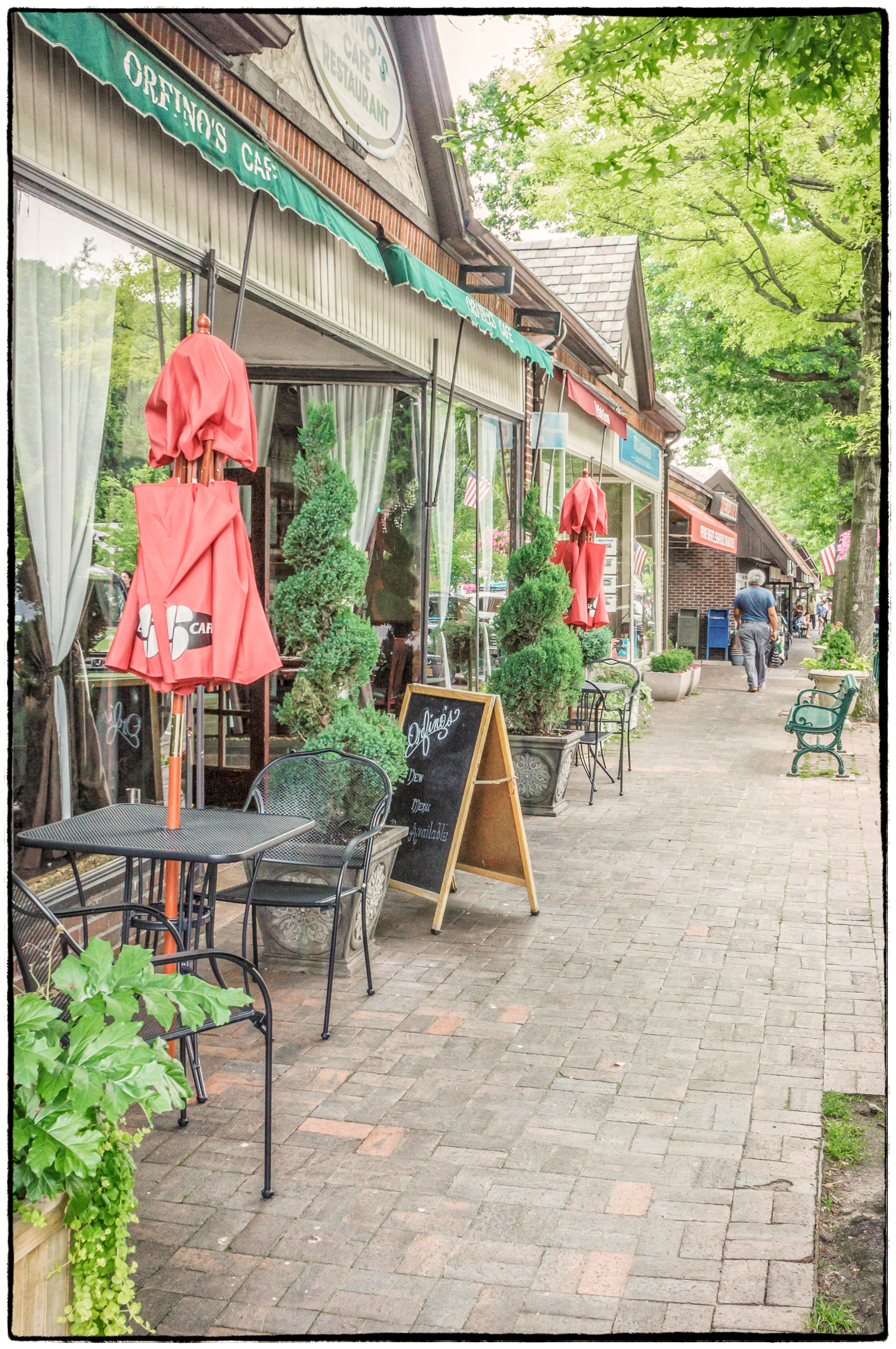
Above a picture of Pleasantville Road in Briarcliff Manor. Although it’s not called ‘main street’ that’s pretty much what it is. It has a butchers, a hardware store, a stationary store, an art store, a few restaurants etc. We’ve lived there for about 17 years and it really is a charming village. We recently received a notification from the Briarcliff Manor and Scarborough Historical Society informing us of significant changes to portions of Wikipedia related to the village:

We have a real Wikipedia whiz in our midst – Michael Feist. He was just recognized by the Wikipedia “top guys” as a producer of superior work. If you follow this link you’ll see the most recent addition Mike has made to the online encyclopedia. The article has a gold star above it, as does his article on Briarcliff Manor. Few contributors receive this designation of excellence for their submissions.

Mike has been writing for Wikipedia for some time. Among other things it gives him an outlet for his continual questing, researching mind. Last summer he organized a Wikipedia “edit-a-thon” at the Briarcliff Library. So far as I observed an edit-a-thon is a marathon session of work and collaboration with lots of food and drinks (very important) and lots of hookups where very smart guys (and there was one girl) connect their laptops and just go for it. It’s not a contest — it’s one helping another with tricky stuff, which has to conform to certain Wikipedia guidelines.

When the Wikipedians were here last summer I showed them around the EOCW Historical Center and they loved the photographic and written material we have about our local history. However, as you can see, it has been Michael who has taken that ball and run with it.

Other Articles by Michael Feist include:

History of Briarcliff Manor
Timeline of Briarcliff Manor
Walter W. Law
Briarcliff Farms
Scarborough Historic District
Beechwood
Sleepy Hollow Country Club
All Saints’ Episcopal Church
Briarcliff Manor Public Library
Briarcliff Manor Fire Department
Scarborough train station
Briarcliff Manor Union Free School District
Briarcliff College
Briarcliff High School
Dr. Holbrook’s Military School
Scarborough Day School
Edith Macy Conference Center
Carrie Chapman Catt House

Michael Feist also authored: “Briarcliff Manor: Then & Now“, a book of historical and contemporary photos – each photo taken from the same location. The book is also available from the Briarcliff Manor and Scarborough Historical Society.
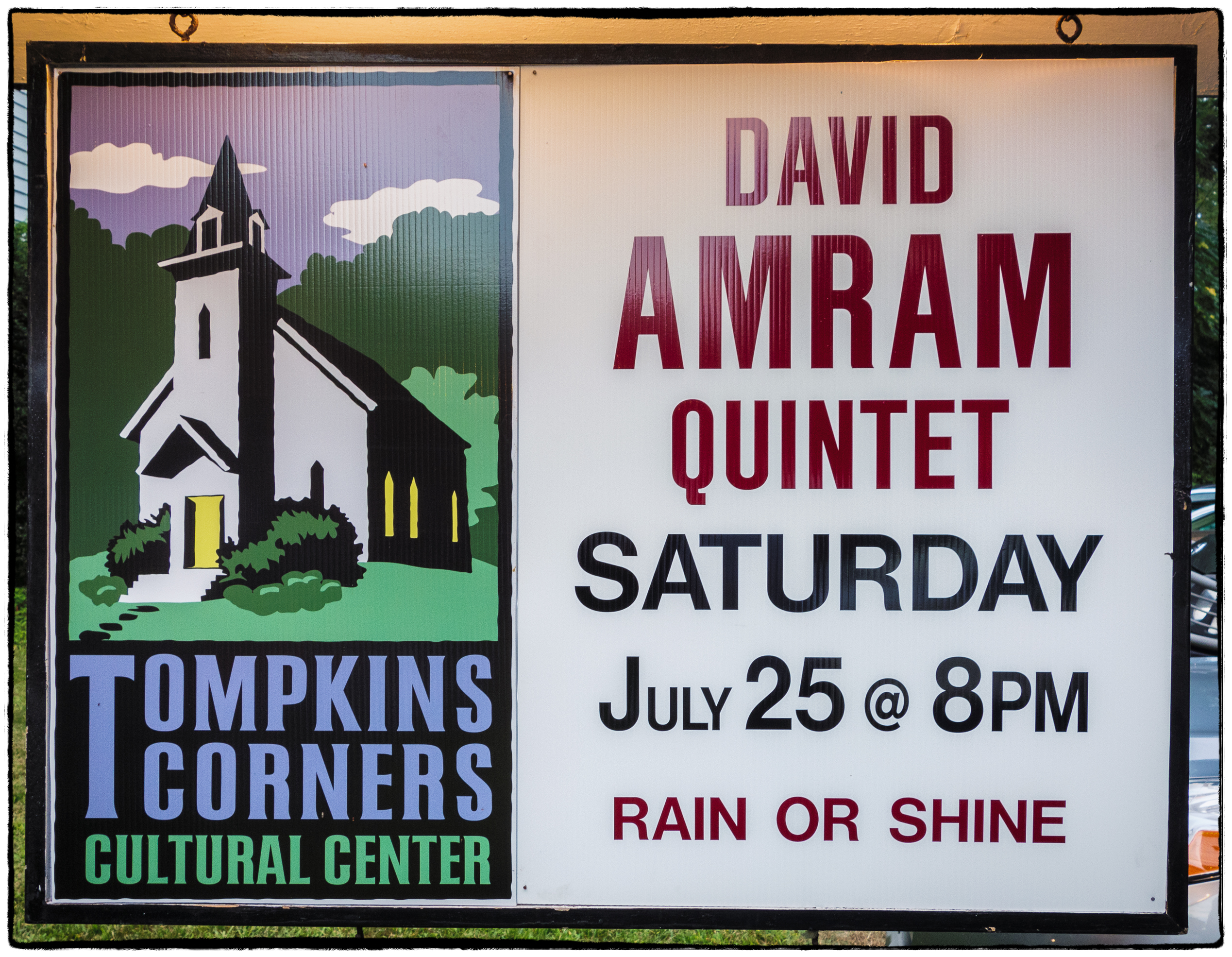
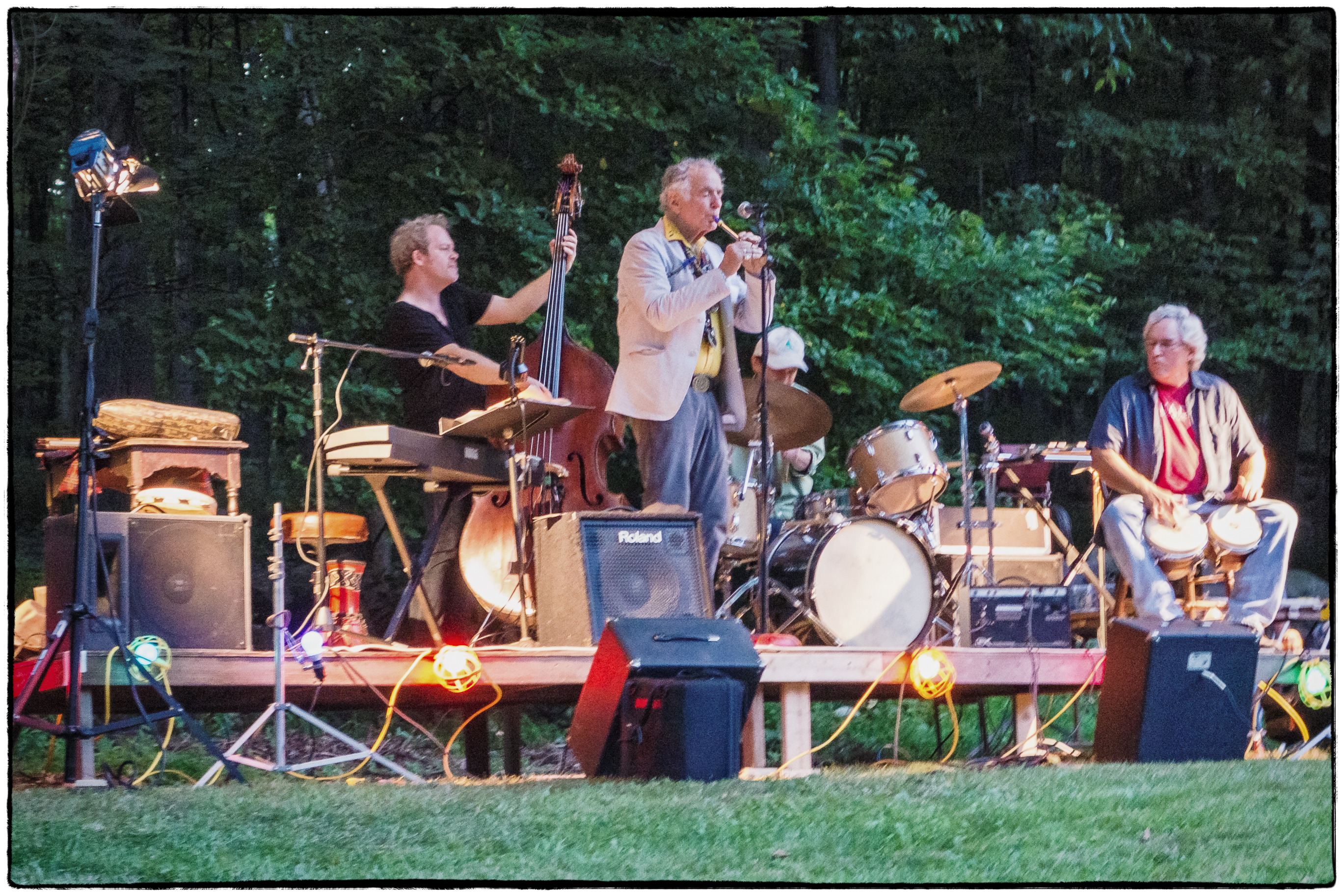
David Amram Quintet at Tompkins Corners Cultural Center

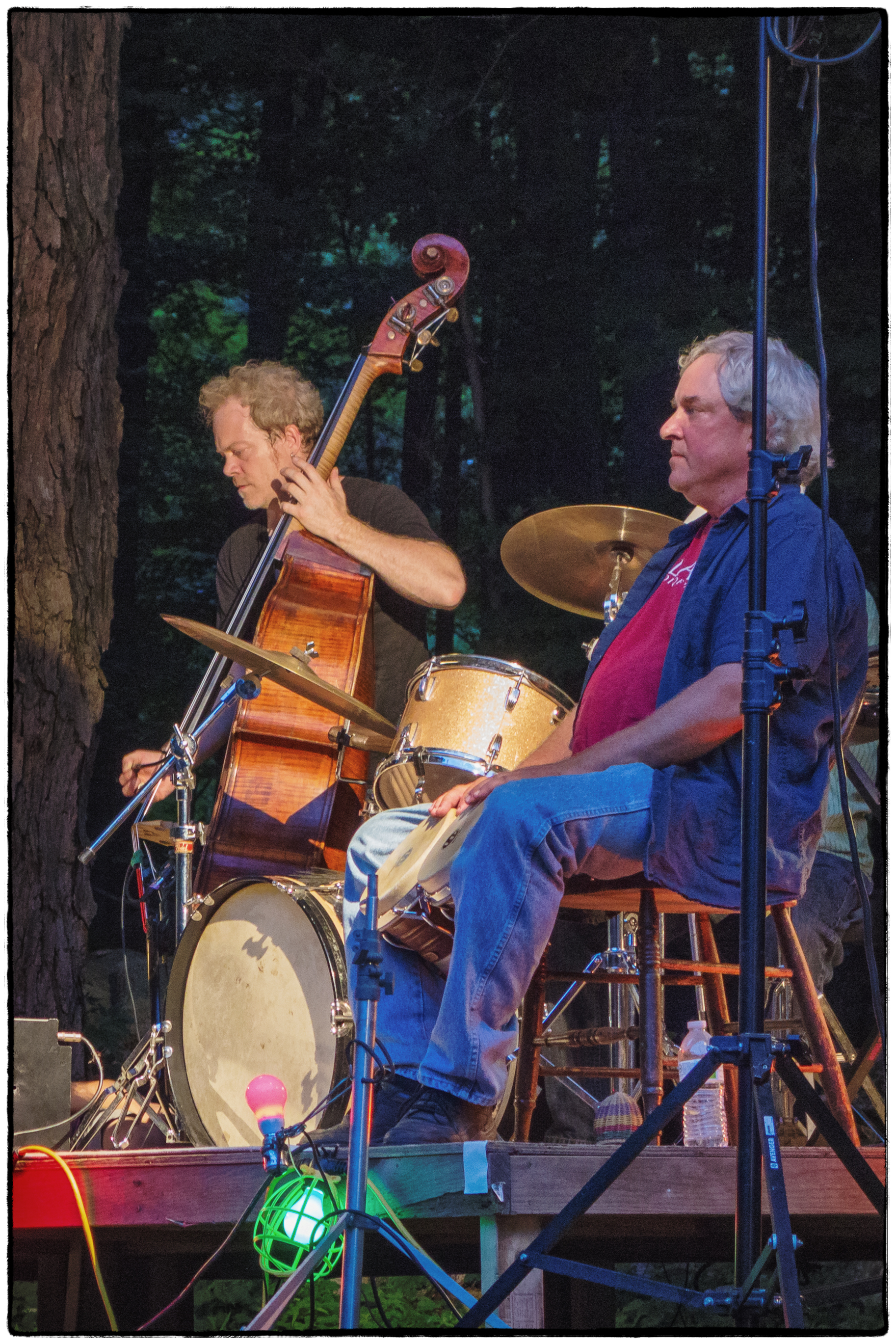
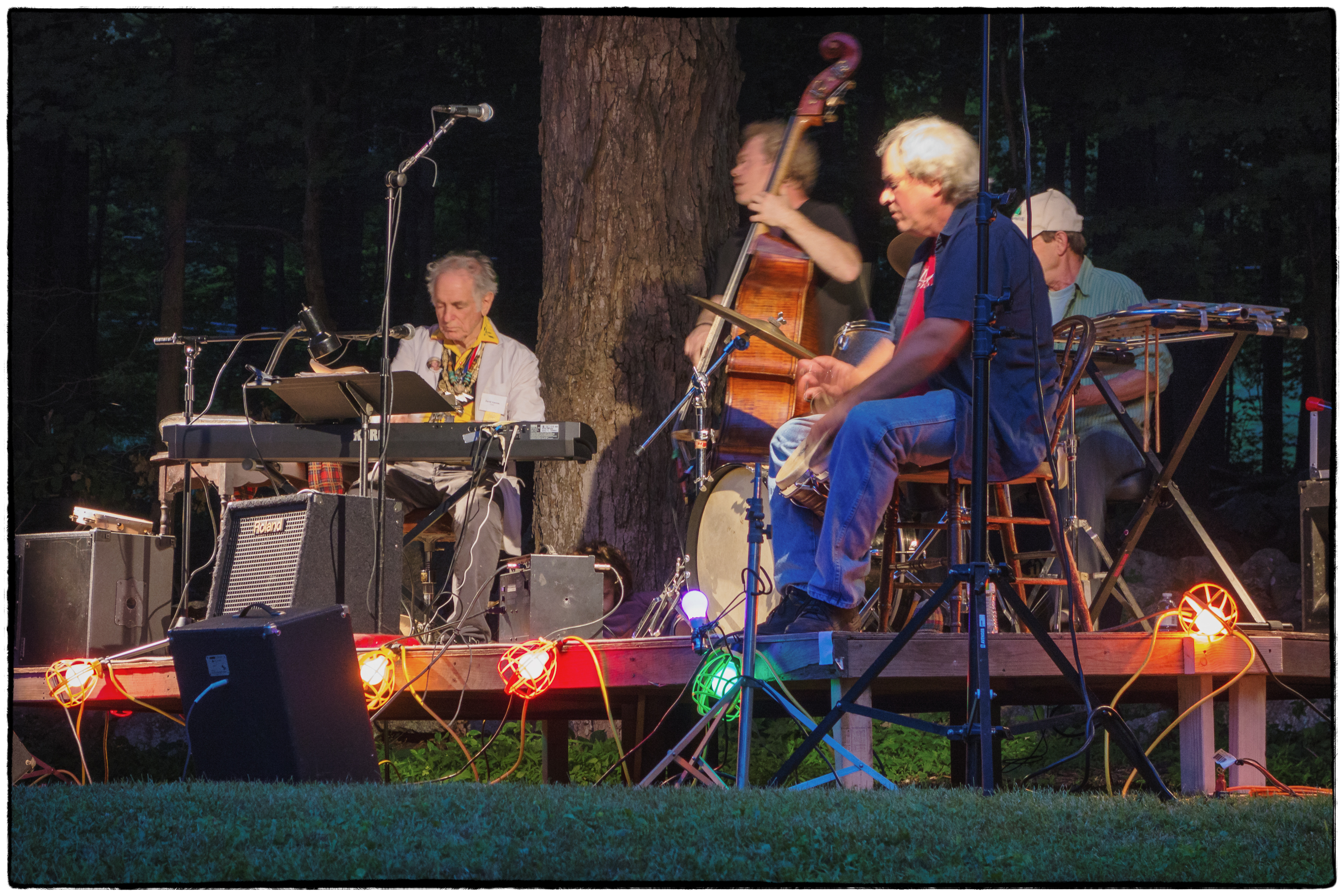
I’ve posted earlier on the Tompkins Corners Cultural Center. Their latest event was a performance of the David Amran Quintet. The music was great and Mr. Amram, acting as host, was informative and amusing. The weather was good and on a clear, cool evening a great time was had by all. And yes even though this was billed as a quintet there were only four of them. Apparently the fifth member was indisposed.


Tompkins Corners Cultural Center

Friday marked the opening of the Tompkins Corners Cultural Center in the former United Methodist Church, now to be the regular venue for a famers market. Fruit, vegetables, crafts, wine and entertainment (including the renowned John Cohen of New Lost City Ramblers fame). We missed the dinner and movie in the evening.

According to Wikipedia:

Tompkins Corners United Methodist Church is located along Peekskill Hollow Road (Putnam County Route 21) in Putnam Valley, New York, United States. It is a wooden frame structure built in the 1890s. In 1983 it was listed on the National Register of Historic Places, the only property exclusively in Putnam Valley to so far receive that distinction.

The congregation was founded in 1789, making it one of the oldest Methodist churches in the state outside of New York City. It can trace its roots to early missionary work by Methodist evangelist Freeborn Garrettson. Today it is part of the United Methodist Church. Since 2011 it has been closed.

In 1833 the first church on the site was built. By 1890 it had become outdated, and the current structure replaced it the next year. Its L shape, unusual for that era, was necessitated by the reuse of the original church’s foundation. A nearby carriage house, used in the past for church events and today as storage space, remains from the original church. It is a contributing resource to the National Register listing.

After standing empty for four years the church has recently been purchased by a group of concerned locals so that it can become a badly needed community cultural center. More information can be found at: Historic Church to Become Cultural Center and on the Center’s Facebook Page.

The band.

Colorful bags.

Cherries. A bit out of focus, but my wife tells me that they tasted much better than the cherries she’d bought at the supermarket. We also got some blueberries, which I’ve yet to try.

Vegetables. We bought some very tasty tomatoes (and yes I know that they are fruits, but everyone seems to treat them like vegetables); and some golden beets, which I roasted last night for dinner.

Inside the church.

Here’s where we live

No, not in the large house in the photograph – that’s long gone. As far as I can determine our house is approximately where the star is. Vestiges of some of the structures still remain, one of them as a wall on the edge of our property. We were told (don’t know if it’s true) that the other side of the wall was once a rose garden. Our friends Ken and Doreen Cross have a house, which is located where the lawn is in the picture. Their neighbors house was built on the site of the mansion, some pieces (e.g. the front steps) of which seem to have been incorporated into the more recent structure. The whole estate was landscaped by Olmstead Brothers, founded by John Charles Olmsted and Frederick Law Olmsted, Jr. the nephew (and adopted son) and son of Frederick Law Olmstead the famous architect of New York’s Central Park.

The photograph depicts Waldheim, the 130-acre country estate of New York banker James Speyer. Located in Scarborough, New York, the estate featured sprawling farm lands, a nine-hole golf course, gardens, and a lake. It was purchased in 1946 to be subdivided into residential lots. Source: “Swope Interests Plan Residences on Speyer Land, New York Times, May 5, 1946”

He also had a house in New York City, specifically at 1058 Fifth Avenue. I have been unable to find any photographs of the interior of Waldheim, but the Museum of the City of New York (Speyer was one of the founders) has a number of photographs of the interior of the 1058 Fifth Avenue Residence. If Waldheim was anything like this it would have been quite opulent.