Am I an Artist?

I had a friend, now departed, called Paul. Once upon a time he was a well-known daytime TV star. When I first met him, he was 80 years old, but still very active. One of his activities was to periodically have lunch with a group of people who called themselves: “Writers, Artists, and Thinkers”. He encouraged me to come along to these gatherings. Although I did go to a few I was somewhat reluctant for two reasons: First, I’m a bit of a loner and don’t like to mix with people I don’t know; and second, and perhaps more importantly, I’ve never really thought of myself as belonging to any of these categories.

However, lately I’ve been reading a lot of stuff about art, creativity, imagination etc. So I’ve decided to give a bit more thought to the subject of whether or not I might be an artist.

I suppose the first thing to consider is how do you define art? The Merriam Webster dictionary defines art as:

“The conscious use of skill and creative imagination especially in the production of aesthetic objects.” The dictionary also defines a work of art as something that is “produced as an artistic effort or for decorative purposes.”

Another thing to consider might be: Is Photography even an Art? This question has been debated since the appearance of the first camera. It’s still being discussed today. I don’t want to get into the details of this discussion here, but I’m convinced that it has now been decided in favor of photography being an art. Photographs now appear on the walls of museums and prestigious galleries and often command large sums of money. Because of all the challenging creative decisions (e.g. regarding lighting, composition, subject, symbolism, lens choice, point of view, timing etc.) the photographer has to make in order to make a compelling picture, it’s not a stretch to see photography as an art.

Billions of photographs are taken every day. Should they all be considered art? Perhaps not. I think it all depends on the intent of the photographer. Many, probably most of billions of photographs don’t intend to be anything more than a simple record shot e.g. here’s a picture of mum and dad at the beach. I believe that to aspire to be an artist the photographer must go beyond the simple record shot, generally taking more time over the selection of a subject, looking at the the subject from all angles to find the best position, patiently waiting for the right light, pressing the shutter just the right moment etc.

“Put another way, a photographer’s art is the ability to capture a moment of reality and turn it into viewable image of interest and/or beauty…The process of judging whether photography is art, reminds us that neither painting nor sculpture is as pure an art form as is sometimes supposed. Bronze sculpture can be cast and recast in a large number of copies; and our knowledge of Greek sculpture comes not from original Greek statues but from Roman copies. Furthermore, it has been estimated that as many as 1 in 10 paintings that hang in the best art museums, are copies not originals. At the end of the day, a camera along with a dark room and its processing chemicals, is not so very different from a painter’s brushes and paints. It remains no more than a set of tools with which a photographer tries to create an image: an image to stir our soul, in the way that images do.” (Is Photography Art?).

Of course, none of the above addresses the issue of talent. I might be able to meet the standard of the definition, practice all the creative factors mentioned above and still produce mediocre (or worse) results).

Salieri in the movie “Amadeus” comes to mind. He had some talent (probably much more in reality than in the movie). His tragedy was that he had devoted himself whole-heartedly to God and his music and probably thought he was doing all right, but then came Mozart, and unlikeable person with who had much, much more musical talent and to whom composing remarkable music seemed to come easily. In the photography world (and in other creative endeavors) I imagine that there a many more Salieris than there are Mozarts.

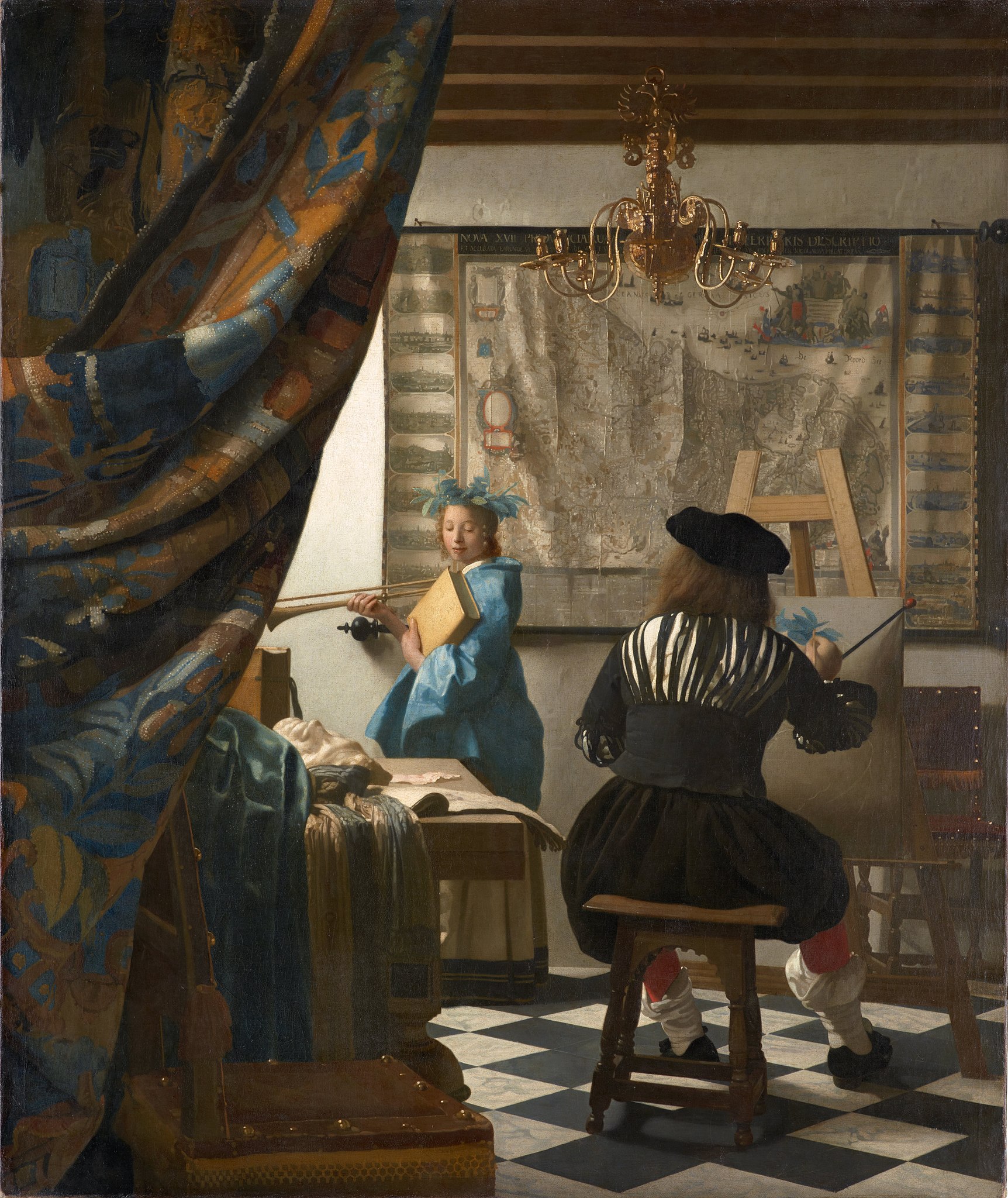
So, in light of the above, am I an artist? I still feel that calling myself an artist feels a little pompous. However, I suspect that I probably am. I’m just a very mediocre (at best) one. I don’t think Vermeer has much to worry about.

In future I’ll refer to myself as an artist who uses a camera as a tool, rather than as a photographer, which seems to emphasize the technical aspects (F-Stops, Apertures, Shutter Speeds, ISO, burst rates etc.) over the more creative aspects. As I’ve discovered you can (and should) master the technical aspects, but even if you do this alone won’t necessarily make you a better photographer.
A Visit to Boston – Day Three – Final thoughts

I thoroughly enjoyed my short visit to Boston and enjoyed very much seeing some old friends that I hadnt’ seen for quite some time. I really like Boston. I’d been there before, when my younger daughter was studying at Boston University. I remember meeting people, going out for meals etc., but I don’t actually recall looking around Boston. This time I saw a lot more, but somehow, I felt that I hadn’t seen as much as I had wanted to. There just wasn’t enough time.

I’d like to go again, take my time and see more of Boston.

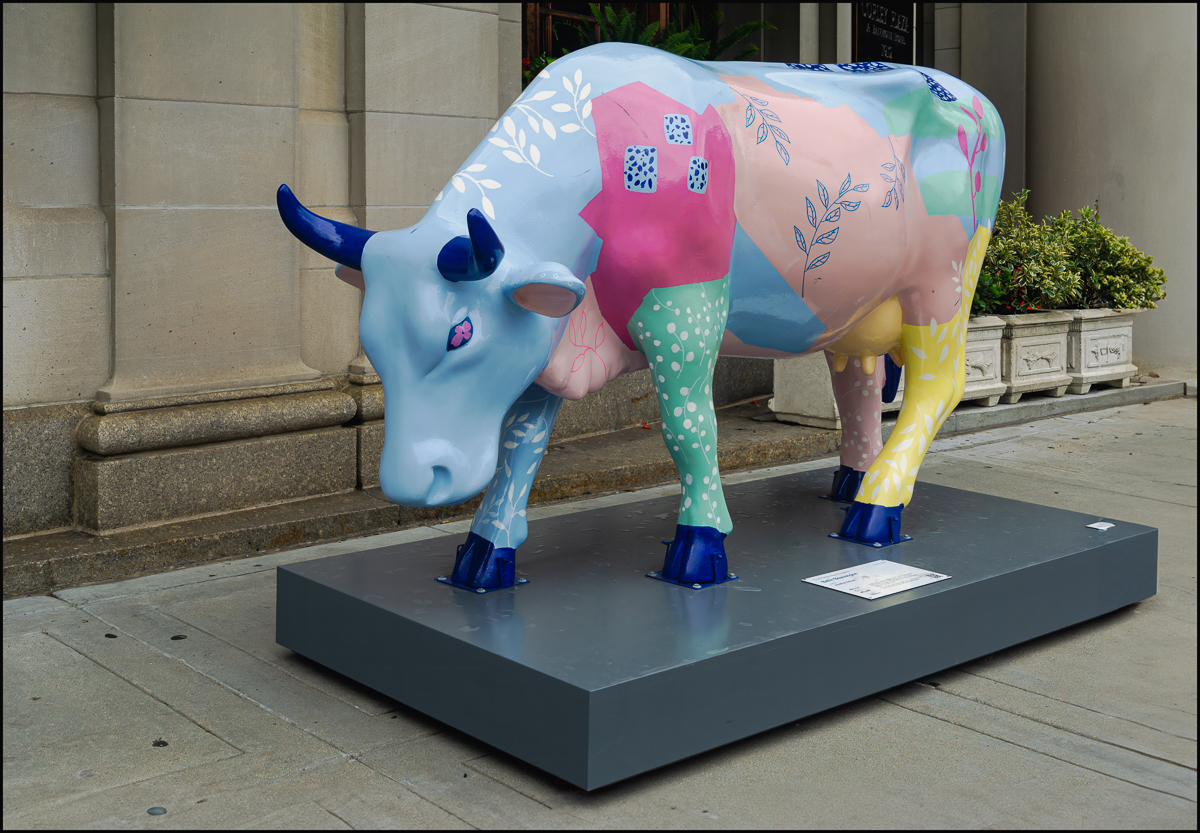
And to close I thought it would be appropriate to show yet another cow, this one seen outside the Fairmont Copley Plaza Hotel on Copley Square. Hope you like it.

Taken with a Sony A6000 and 18-135mm f3.5-5.6 OSS.

You’re a photographer. You’re not a Photographer.

Earlier this month I published A Rant. I let loose on a photographer whose work I largely respect and admire except when he goes on at length along the lines of “Your not a photographer if you use an iphone; don’t print your work; don’t use a sophisticated camera etc. You can fill in the blanks.

He’s at it again, this time on his YouTube channel.

This time he made me think about who is a photographer and who isn’t. He seems to feel that unless you reach a particular standard (presumably defined by him) you’re not fit to call yourself a photographer.

I don’t agree.

As far as I can tell a photograph is “a picture made using a camera, in which an image is focused onto film or other light-sensitive material and then made visible and permanent by chemical treatment, or stored digitally.”. Photography is “the art or practice of taking and processing photographs.” It follows that a photographer is someone who practices the art or practice of photography. So everyone who practices photography is a photographer. The word “photography” was created from the Greek roots φωτός (phōtós), genitive of φῶς (phōs), “light” and γραφή (graphé) “representation by means of lines” or “drawing”, together meaning “drawing with light”.

So let’s have no more of this “You’re not a photographer if…”. If you’re using a camera to take/make/capture (whichever you prefer) something, then you’re a photographer.

To me photographers fall somewhere along a whole spectrum depending on their talent, skills, experience etc. On one end are the truly bad photographers (see picture on the left above taken by me sometime in the 1980s), on the other are people like Robert Frank (see picture on the right above) who’s acknowledged to be a superb photographer. All other photographers are somewhere in between.

So it’s not a question of “You’re a photographer – You’re not a photographer”. Rather it’s “You’re a bad photographer; You’re a mediocre photographer”; You’re a good photographer” etc. “I think that’s what my blogging/Youtubing friend is getting at.

Fine art photography

I follow a number of landscape photographers on YouTube. I’ve noticed a trend in the way they are using the words “fine-art”. They usually use it to describe a particular type of image:

  • Black and white.
  • Minimalist composition: i.e. usually a single subject, often situated in water.
  • Still water made smooth with a long exposure.

Something like the above, but not quite. The above image is one of mine and I don’t do that kind of photography. This is probably the closest I come. Maybe a better illustration would the work of Theodore Kefalopoulos. Don’t get me wrong. I’m not criticizing this type of work. When done well I rather like some of it.

Rather I feel that labeling this type of photography as “fine art” is too limiting. Surely “fine art” photography is broader that this. Wikipedia provides the following definition, which I prefer even though I don’t altogether agree with it (why, for example can photojournalism not be considered “fine art”):

Fine-art photography is photography created in line with the vision of the photographer as artist, using photography as a medium for creative expression. The goal of fine-art photography is to express an idea, a message, or an emotion. This stands in contrast to representational photography, such as photojournalism, which provides a documentary visual account of specific subjects and events, literally representing objective reality rather than the subjective intent of the photographer; and commercial photography, the primary focus of which is to advertise products, or services.

Clearly I’ll have to think about this some more. I’m not sure that I fully understand what “fine art” photography is, but I think I know what it’s not: it’s not limited to black and white; minimalist; long exposure seascapes.

Taken with a Fuji X-E3 and Fuji XF 10-24mm f4

Iphone Pictures

In an earlier post (See: A Rant) I took exception to what a photographer I follow on his blog and on YouTube was saying about phone cameras not being “real cameras” and people who use them not being “real photographers. In that post I said:

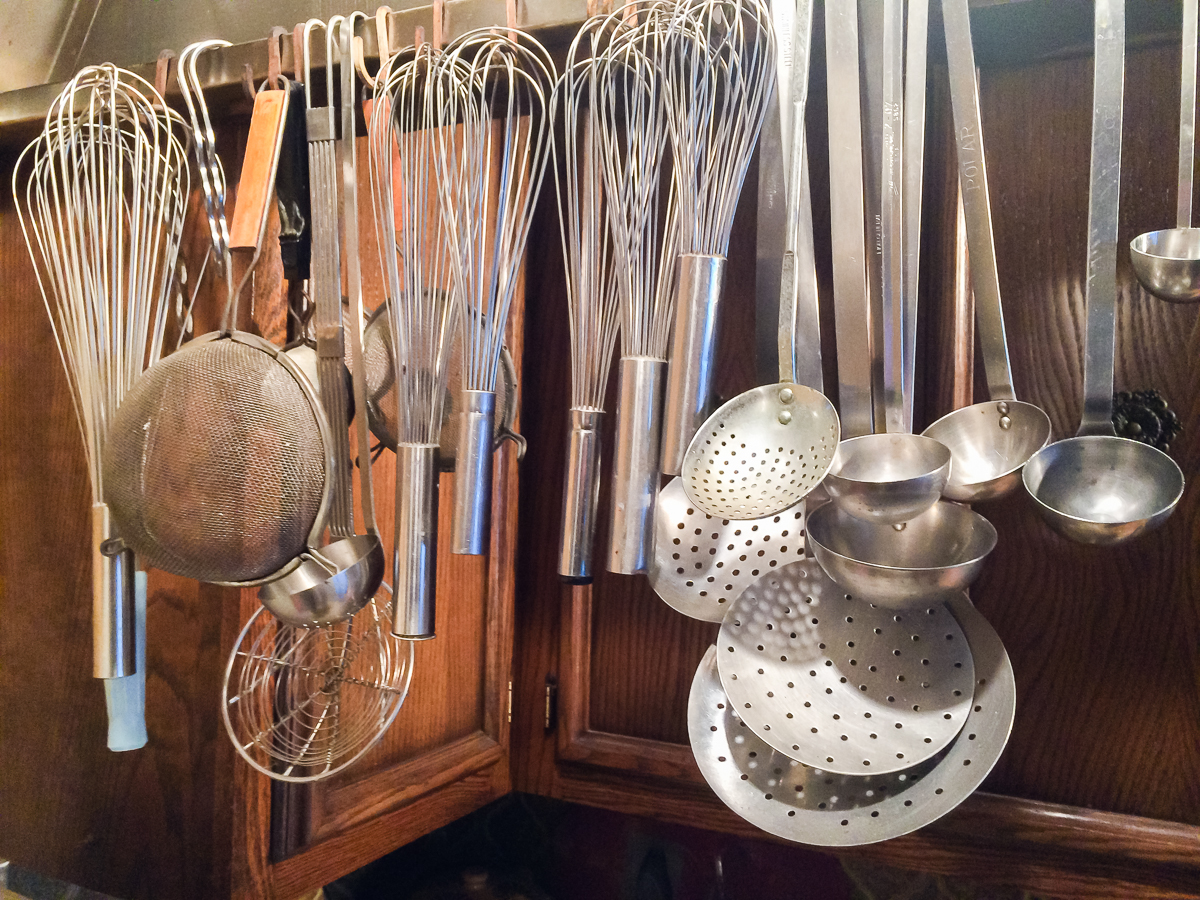
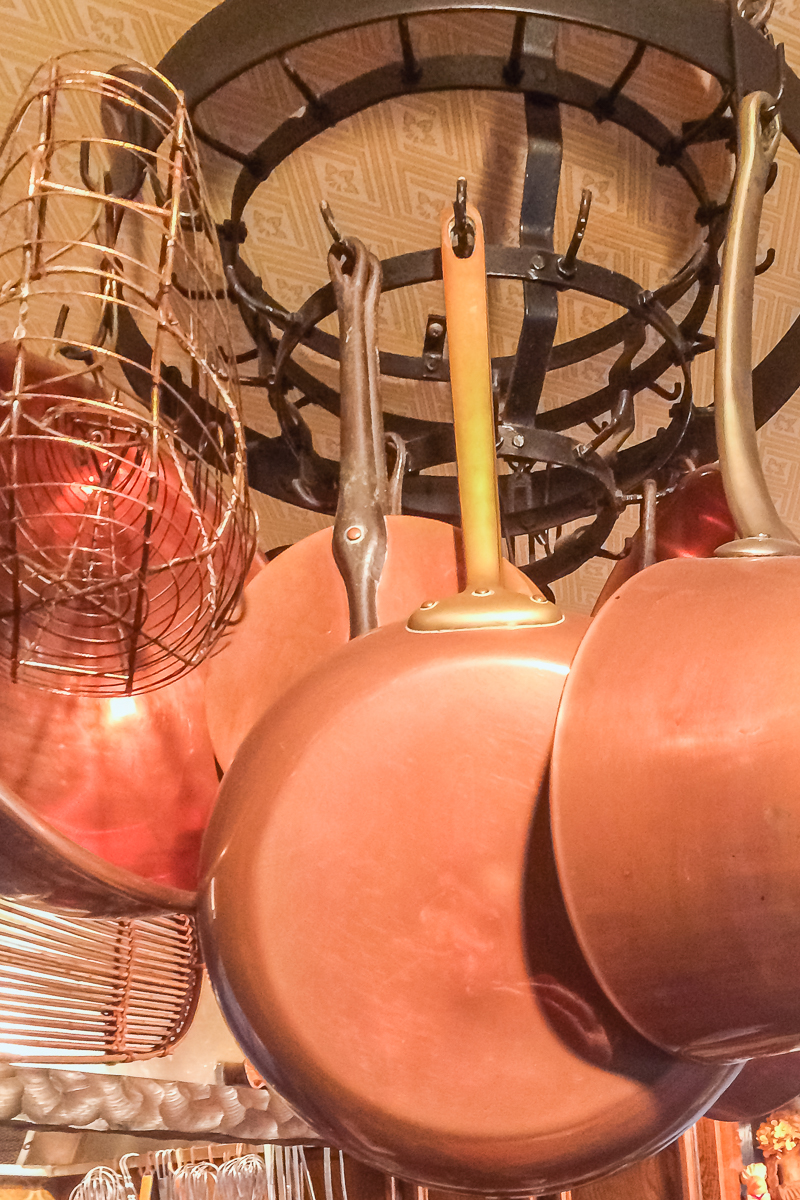
I love cameras. I collect them and have all kinds: film; digital; point and shoot; professional; 35mm; medium format etc. I tend to use “real” cameras more than iphones, but have been known to use my iphone for mundane documentary pictures, for fast sharing, and when I didn’t have another camera with me. For example, I was once invited to a friend’s house. Her name was Germaine and she was already quite old at the time and was talking about leaving that particular house soon. So I decided I would take some pictures in and around her house as I souvenir for her. I then used the images to make her a photobook. The only camera I had with me was an iphone, and quite an old one (an iphone 5s, which came out in 2013) at that, but the photobook looked great and she really liked it.

However, when I was preparing this post I remembered with great sadness that Germaine had passed away last August at the age of 100. When I first posted about her on the occasion of her 92nd birthday I wrote the following.

Germaine is a fascinating person as can been seen from this extract from the Alsace-New York Newsletter, Spring 2007 celebrating Germaine’s induction as ‘Chevalier dans l’Ordre du Merite’:

“Germain Schneider-Chandelier was born on the 22nd of February 1922, at Leutenheim, Alsace, in the Lowe rRhine, the older daughter of a family of six children, 5 daughters and a son. Her childhood and her adolescence have been marked by the hardship of World War II since as many Alsations, here family had to leave Alsace and take refuge in their particular case, near Limoges in the Center of France.
1945, back to Alsace: a new life is starting. One day, when some of the father’s friends participate in a hunting party on his land, Germain is offered a position as governess of the three children of the Minister Plenipotentiary Arnaud Wapler. For the record it is said that one day, as she was filling in for the cook, Germaine offered to bake a dessert: “A chocolate charlotte”: a cake which changed her destiny. This same year 1954, together with a group of 20 people, Germaine abord the ‘Indochine’ crossed the Atlantic. After 12 days, she landed in Boston when she started to work for the Consul General Mr. Chambon.

1954: beginning as a Professional Caterer: Germaine makes the decision of living in New York City. With an early established professional experience, Germaine is self-employed. First she works from home, as a caterer for individuals and families from whom she organizes weeding, luncheons, dinners, cocktail parties…Later she works for big companies such as Chanel, Christian Dior, Hubert de Givenchy, Hermes. She is now “The Caterer” of New York high society.

1962: Germain meets Marcel Chandelier. This event will change their life together. Marcel Chandelier, who came over in 1958 is “Maitre Cuisinier de France”. Together they join their talents and create “La Maison Germaine”. Marcel and Germaine officially open “Germaine Catering” a great ultra-professional kitchen, located at 39-09 33rd street, Long Island City, Queens.

1964: A great new York wedding”: This time, it is the wedding of Germaine Schneider and Marcel Chandelier. The union of a same passion for excellence, which made of Germaine Catering a name synonymous of the French quality and know-how.

Even after Marcel Chandelier’s passing, Germaine will continue to work with the diplomatic community in New York City, the great political personalities: Golda Meir, the Kennedy family, Jacqueline Kennedy, Hilary Clinton, for the release of her book, the American Ballet Theater, the Metropolitan Museum of Art, The Museum of Modern Art, the Botanical Garden.

The New York Daily News referred to her in June 1979 as the “Most legendary caterer in New York”.

Germaine is a remarkable person. She’s still incredibly sharp and physically active and could easily pass for someone 20 or even 30 years younger. At last week’s garden club meeting she came down a series of very steep steps better than many of her juniors. She also says what she thinks, which can be quite a shock until you get to know her. At first I was afraid to bring anything I had prepared to the garden club meeting if she was going to be there, but I eventually did and even got a few positive comments – high praise indeed. She’s offered to teach me some cooking techniques.

The photobook I created is long gone. I only made one copy and I gave that to her. Moreover, the service that produced the book is no longer around so I can’t order another one. I do, however, still have the pictures


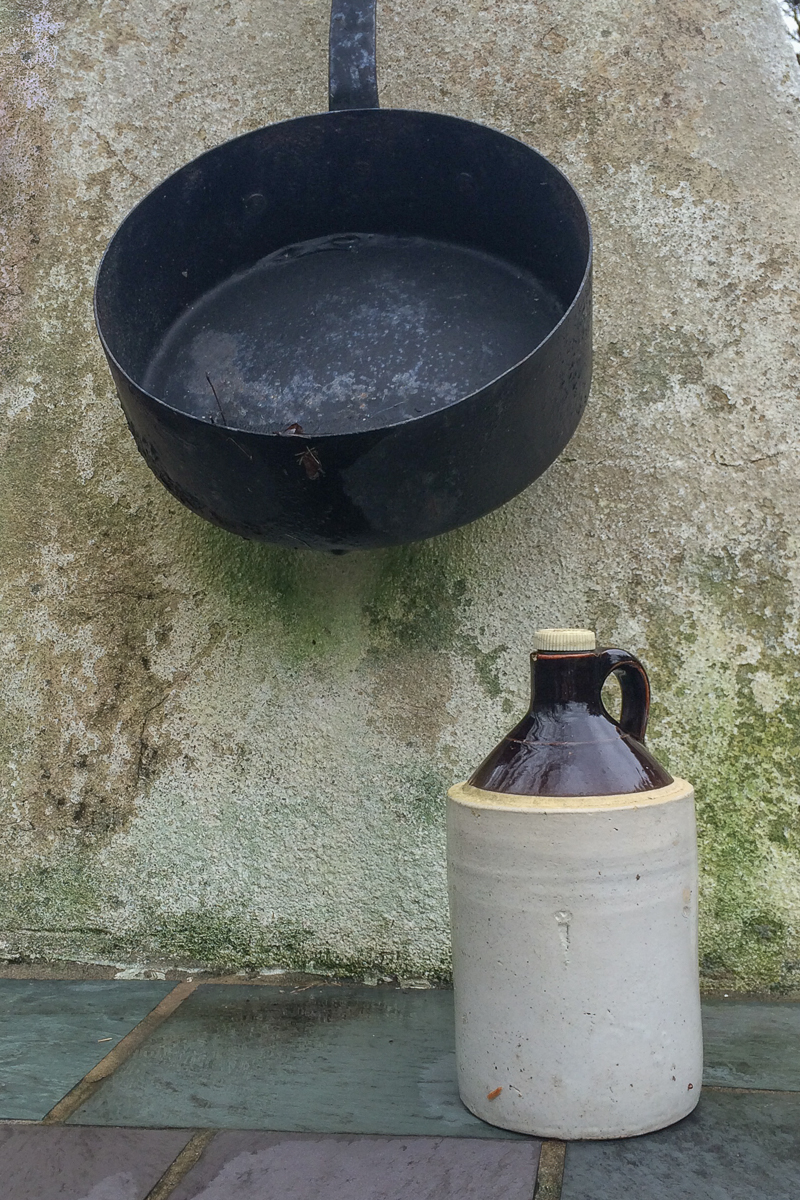
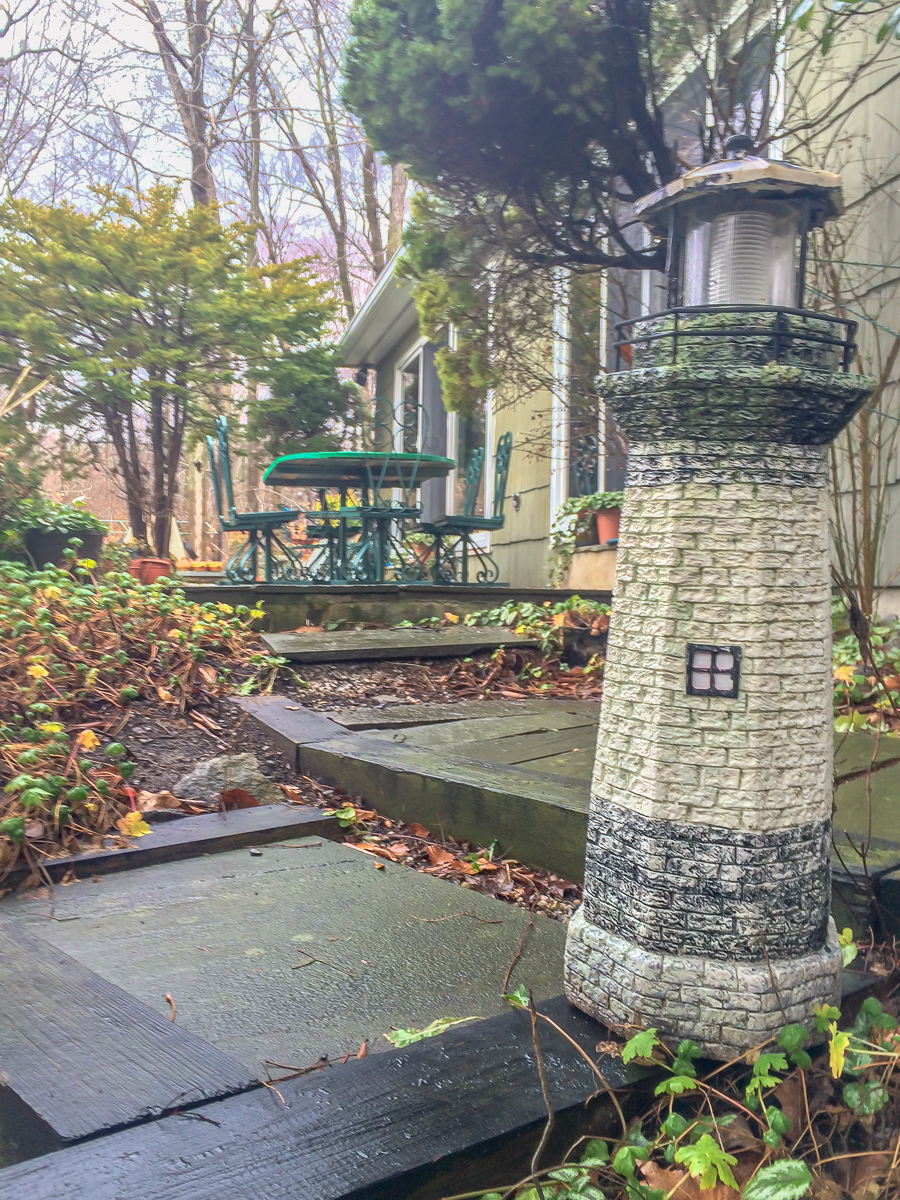
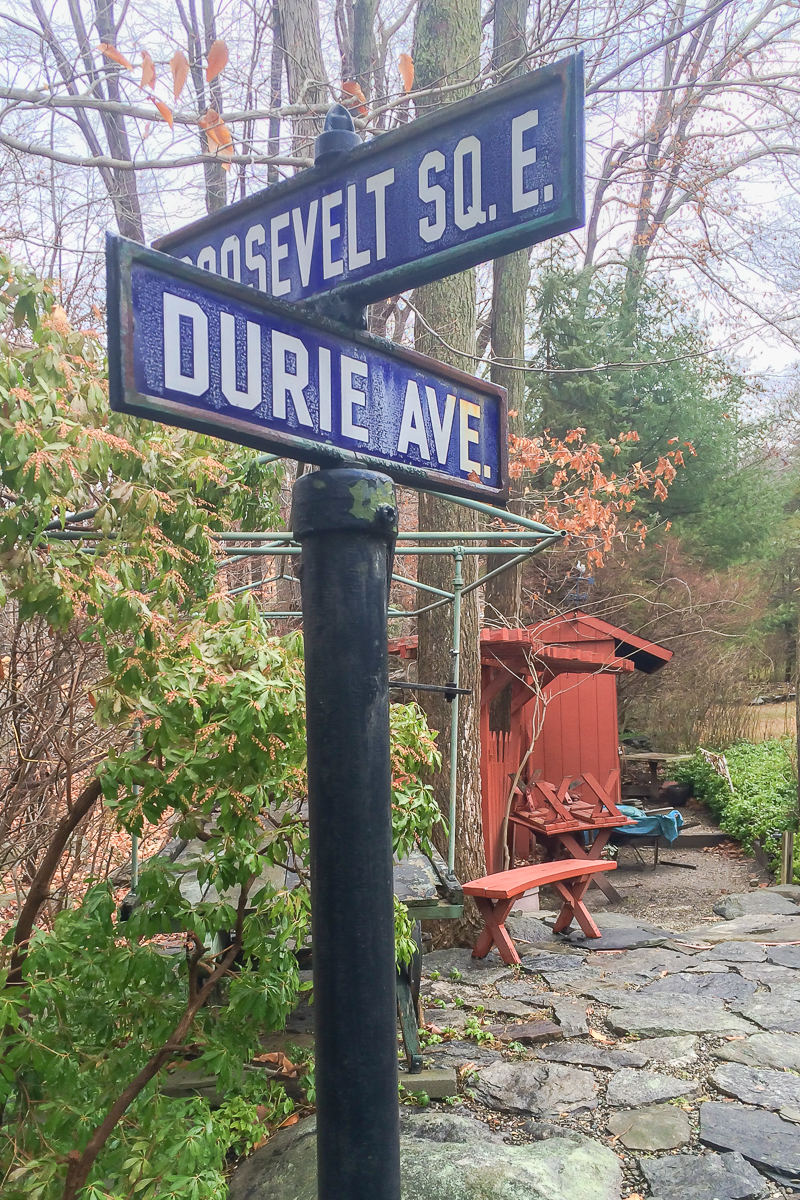
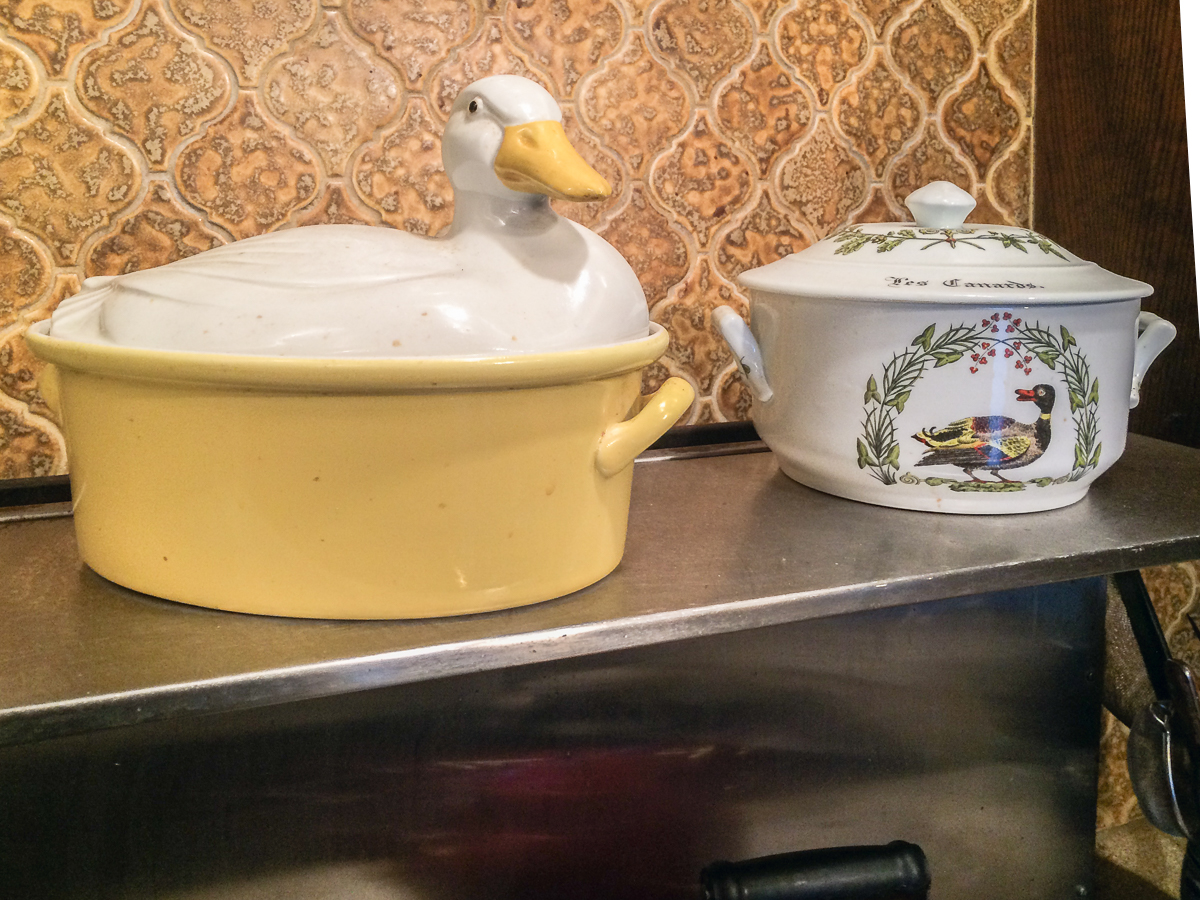
I rather like the pictures and hope that they illustrate the point that you can use an Iphone and still be a “real” photographer. I also hope that they function as a fitting memorial to a remarkable person.

All pictures taken with an Iphone 5s except for the first, which was taken with a Sony Nex 5N and some kind of adapted vintage manual focus lens. I no longer remember which one and of course I have no EXIF data to help me.