Can you spot the red car. Up your photography game using the red car theory

I just came across this YouTube video – from one of my favorite photographers/content creators. His name is Craig Roberts, and his channel is called E6. The video’s premise is that if, every time you go out to take photographs, you have a goal (e.g. as in this case red cars) in mind you will see red cars where otherwise you might not. You would see things that you otherwise might miss.

I’d agree with this…up to a point. Yes, you might well see things you would otherwise miss, but you might also miss equally or even more interesting photographic opportunities because you’re focusing so much on looking for your subject.

Maybe a way around this is to spend a morning focusing on a particular subject followed by an afternoon wandering around with no focus to see what you find? Or maybe spend one day on a particular subject and the next day just wander around?

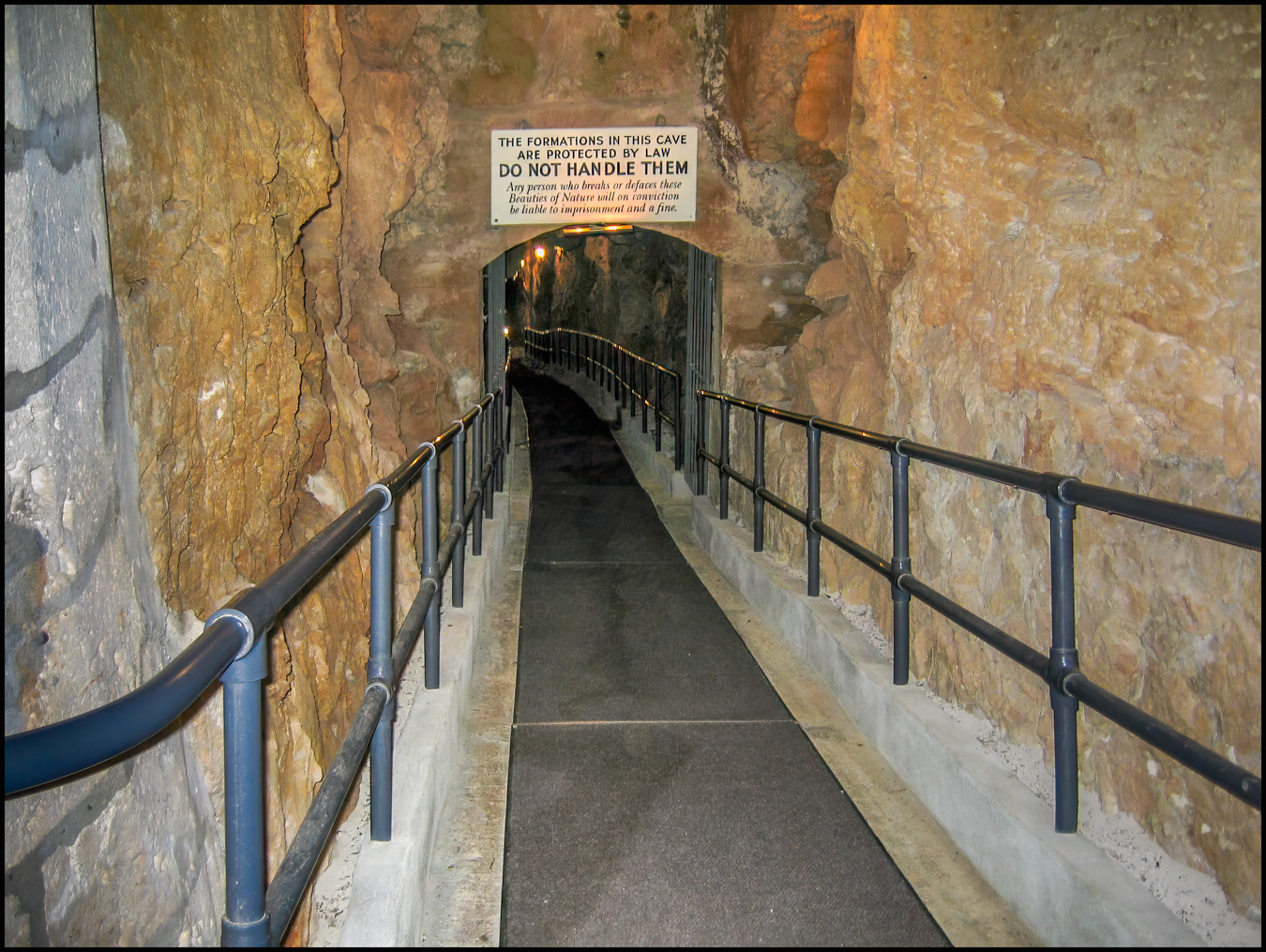
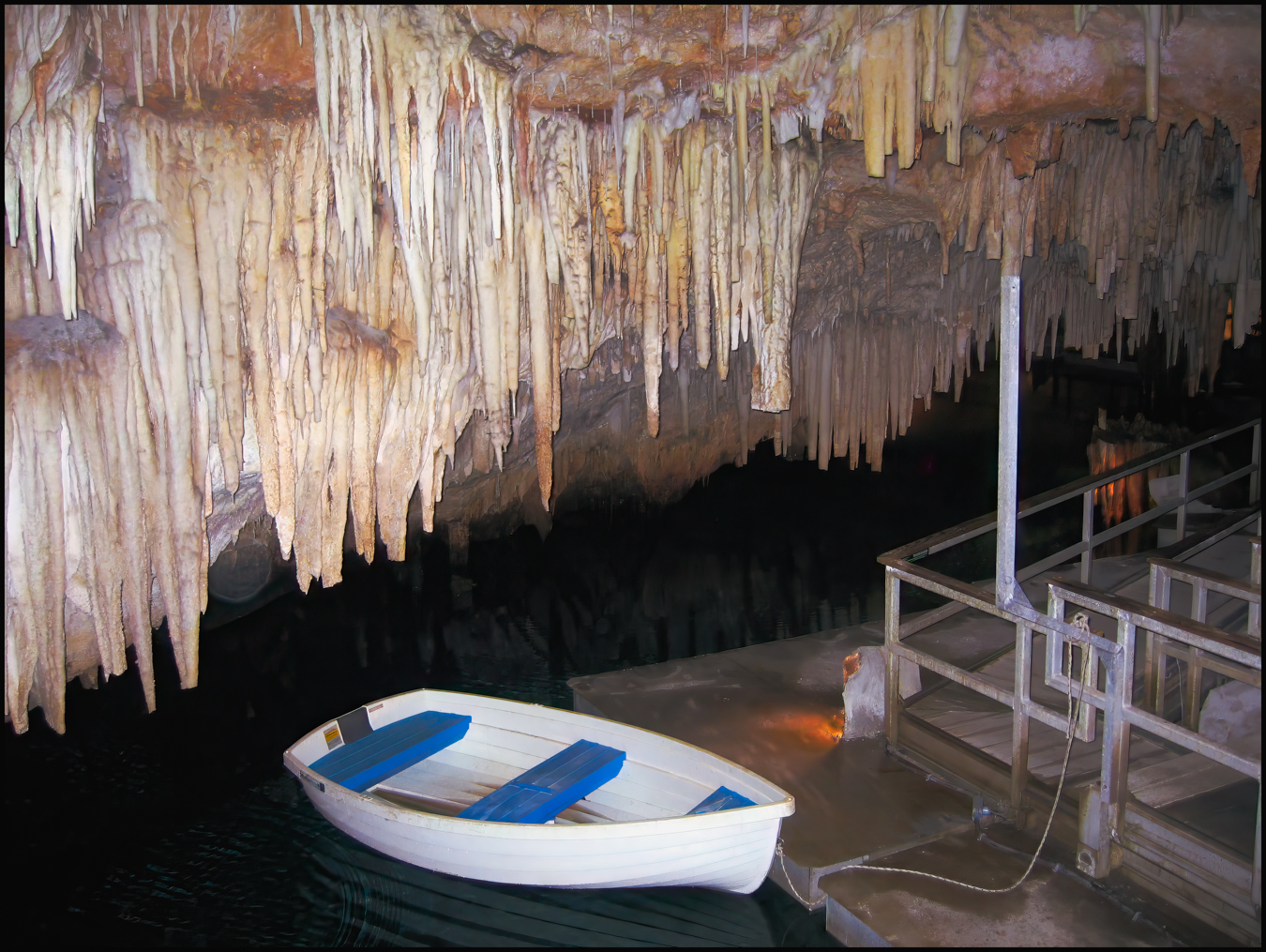
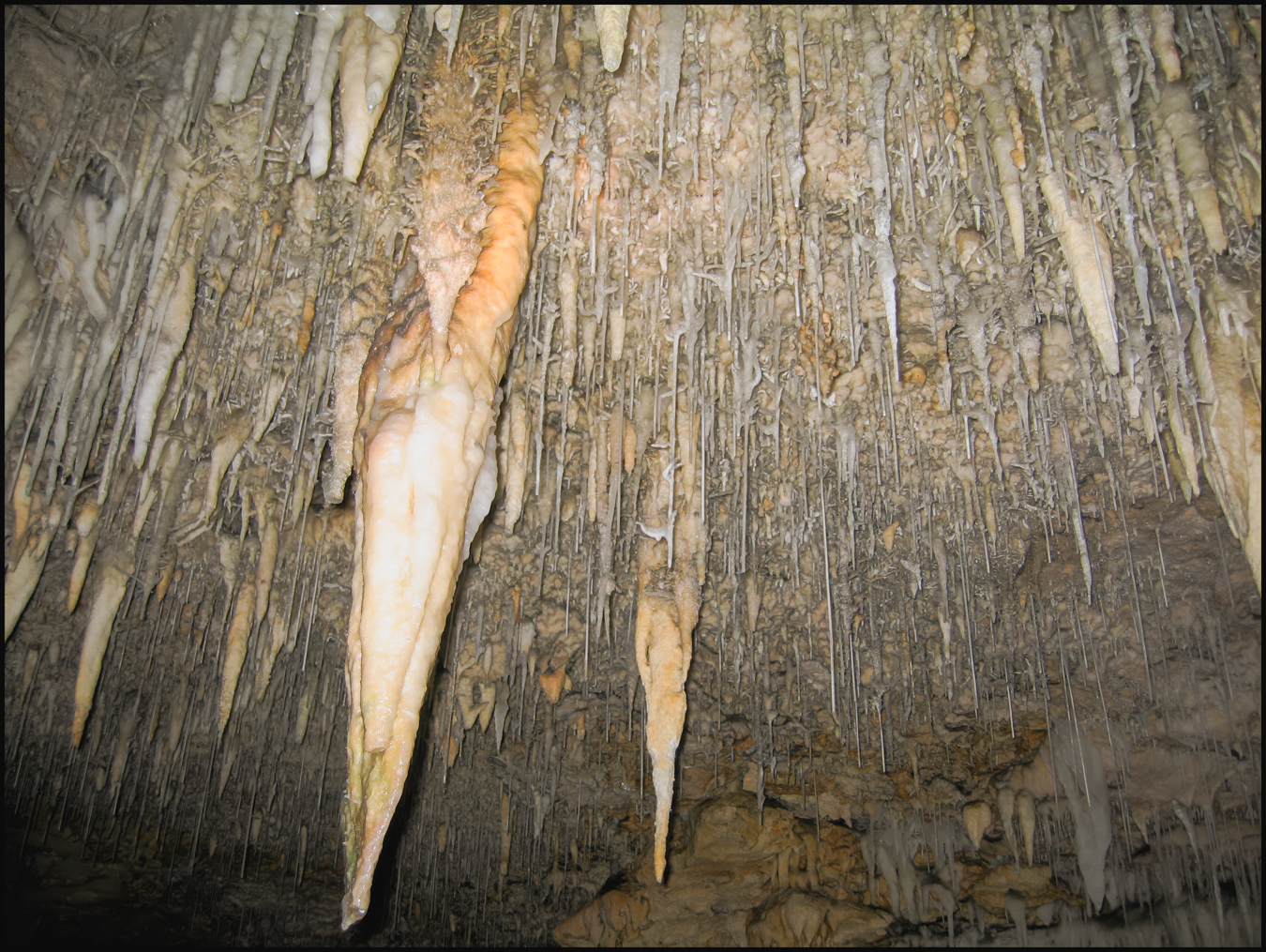
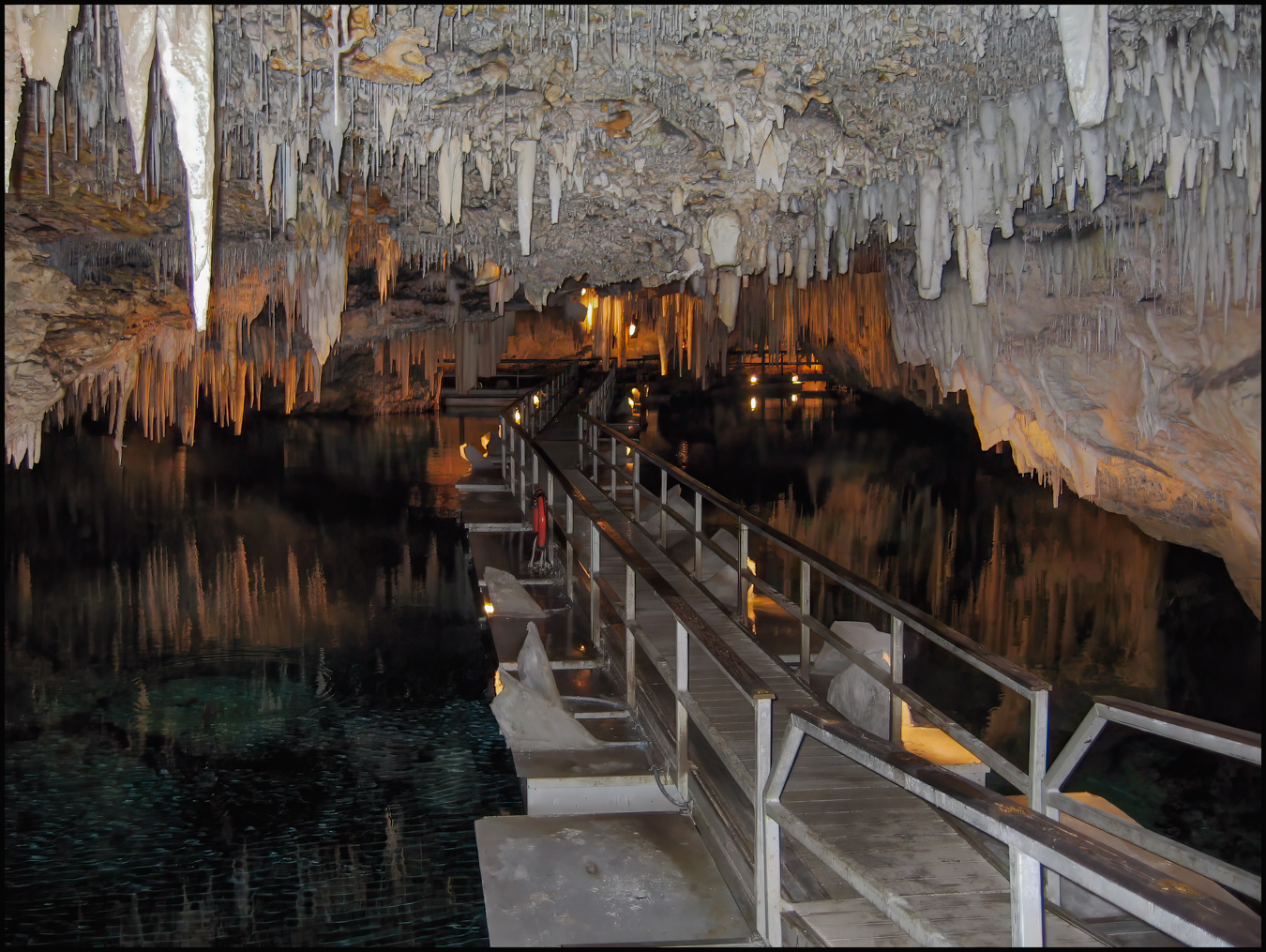
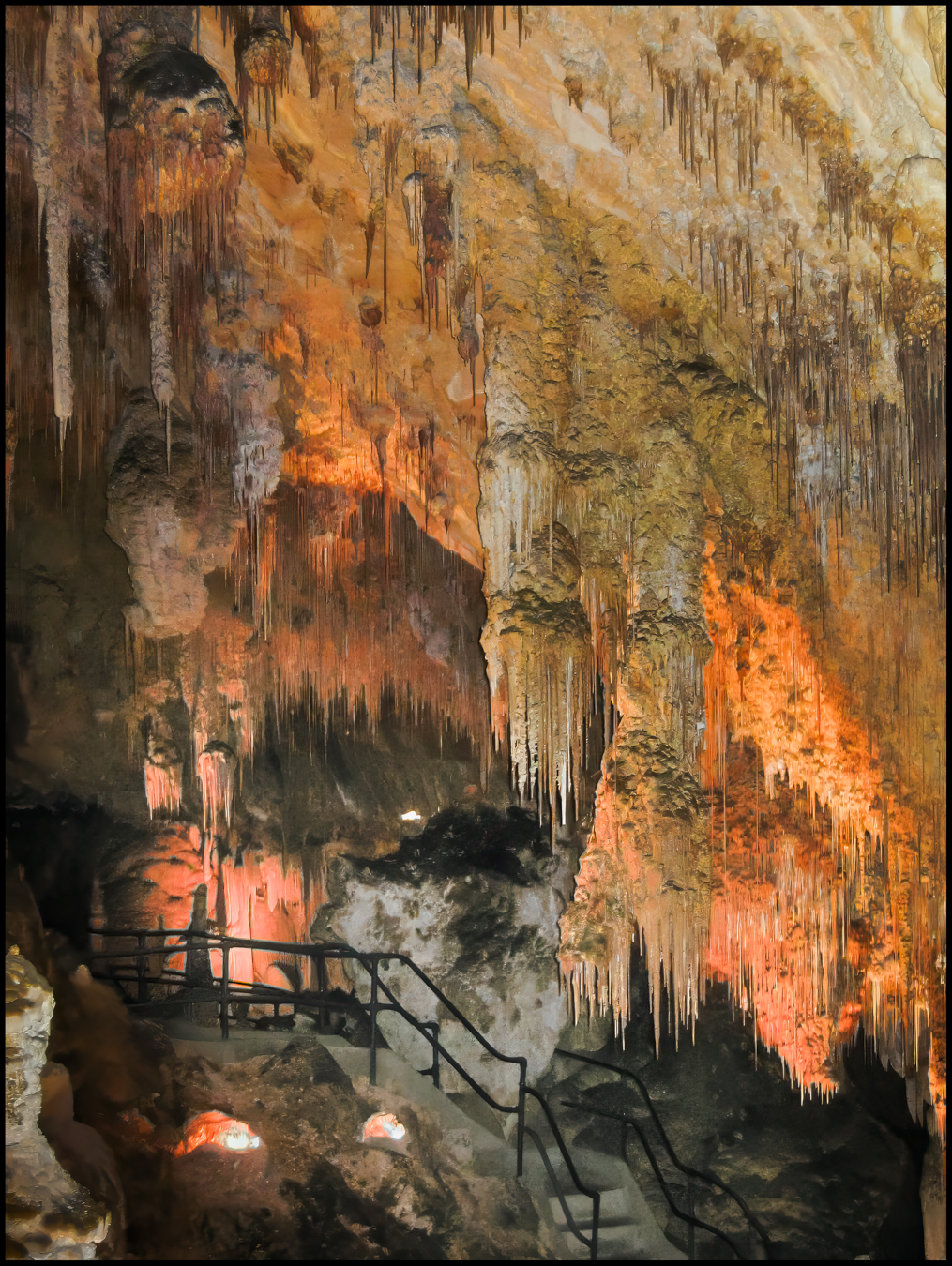
Crystal Cave, Bermuda 2005

We went to Bermuda in April, 2005. Bermuda is a lovely place: picturesque, clean, well-organized – a sort of Switzerland in the North Atlantic. I was actually surprised that it was in the Atlantic as I’d always thought of it as being in the Caribbean. Nice though it is it’s also quite small and unless you want to spend all of your time in/at/around the water there’s not all that much to do. There are a few excursions though and one day we went on one of them: to these caves. From the entrance to the caves you go down a very steep set of steps. That finished my wife. She has a fear of heights and just couldn’t go down, so she said she wait for me outside. So down I went. I’m glad we went. I like caves and these were pretty impressive. Wikipedia describes them as follows:

Crystal Cave is the most famous of Bermuda’s many subterranean caverns. It is located in Hamilton Parish, close to Castle Harbour. The cave is approximately 500 m long, and 62 m deep. Lower 19 – 20 m are below water level. The cave formed at lower sea level and, as the sea level rose, many speleothems, which formed in air, now are under water level.

A tourist attraction since 1907, it was discovered in 1905 by Carl Gibbons and Edgar Hollis, two 12-year-old boys searching for a lost cricket ball. Soon after, the Wilkinson family (the owners of the property since 1884) learned of the discovery, Mr. Percy Wilkinson lowered his 14-year-old son Bernard into it with a bicycle lamp on 140 feet of strong rope tied to a tree to explore the cave.

The area surrounding Harrington Sound (which lies to the south of Crystal Cave) is of limestone formation and noted for many subterranean waterways, through which the waters of the sound empty into the Atlantic. Crystal Cave is one of these, and – as its name suggests – is one of the most spectacularly beautiful, with many stalactites, stalagmites, and deep crystal-clear pools. However, some crystal formations have been damaged by earthquakes in the far past.

The pictures aren’t stunning, but considering they were taken with a Canon Powershot S50 (an early 2000s 5Mp camera – essentially a fairly sophisticated compact point and shoot) they’re not that bad either. It was quite dark an I was quite surprised that I got anything at all.


Phantom of the Opera anyone?


Stalgtites


Walkway across the water.


Cathedral in Stone

Taken with a Canon Powershot S10

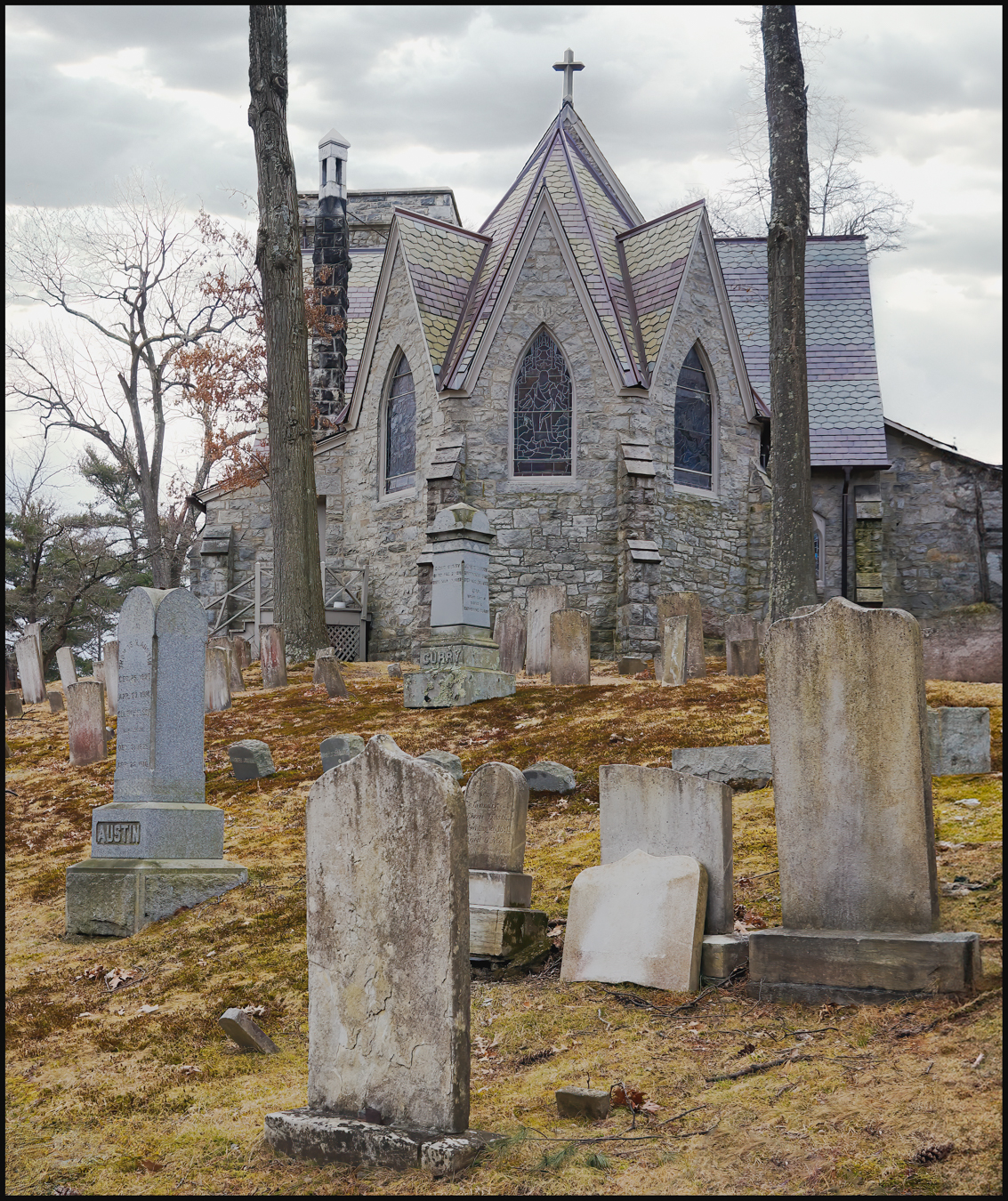
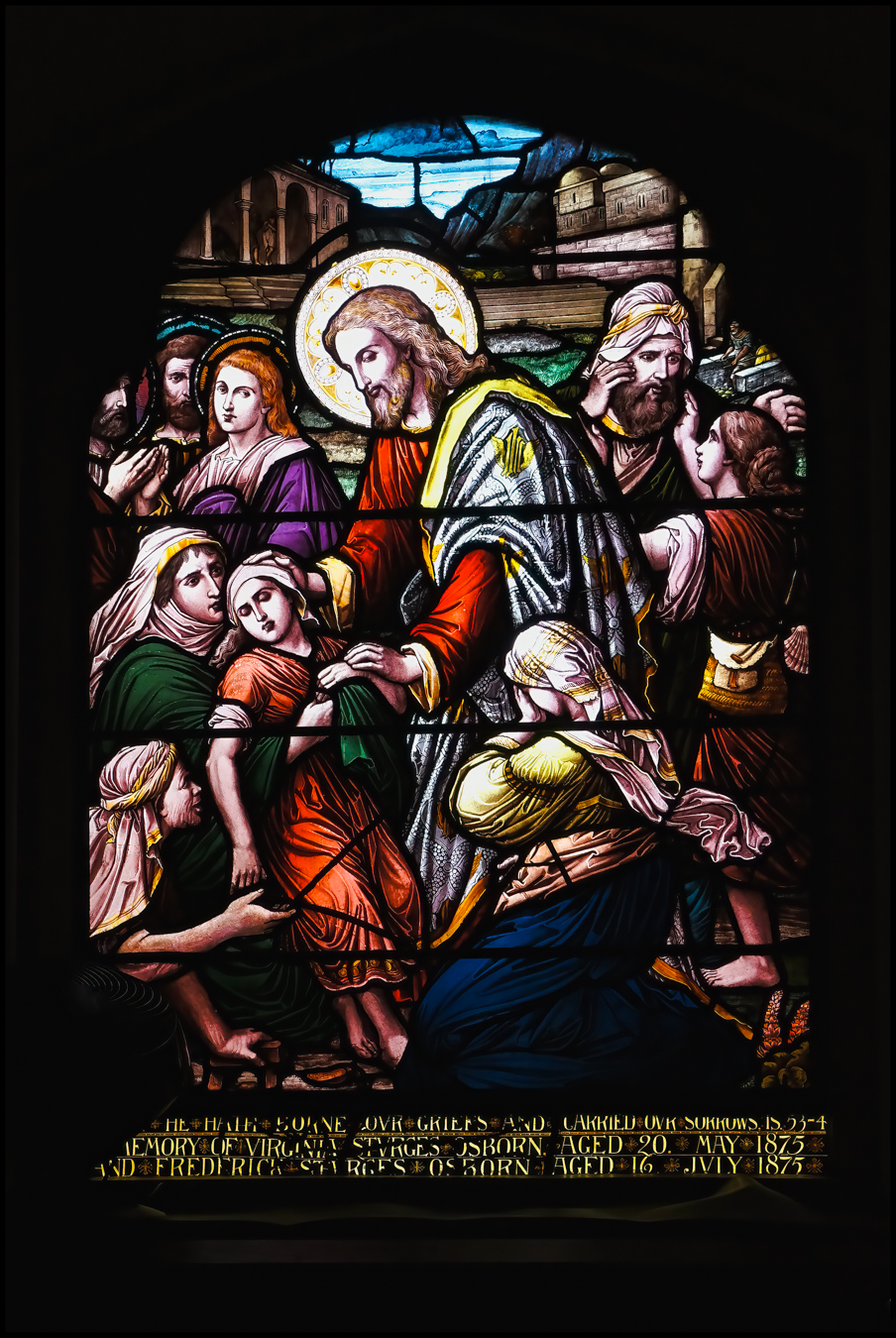
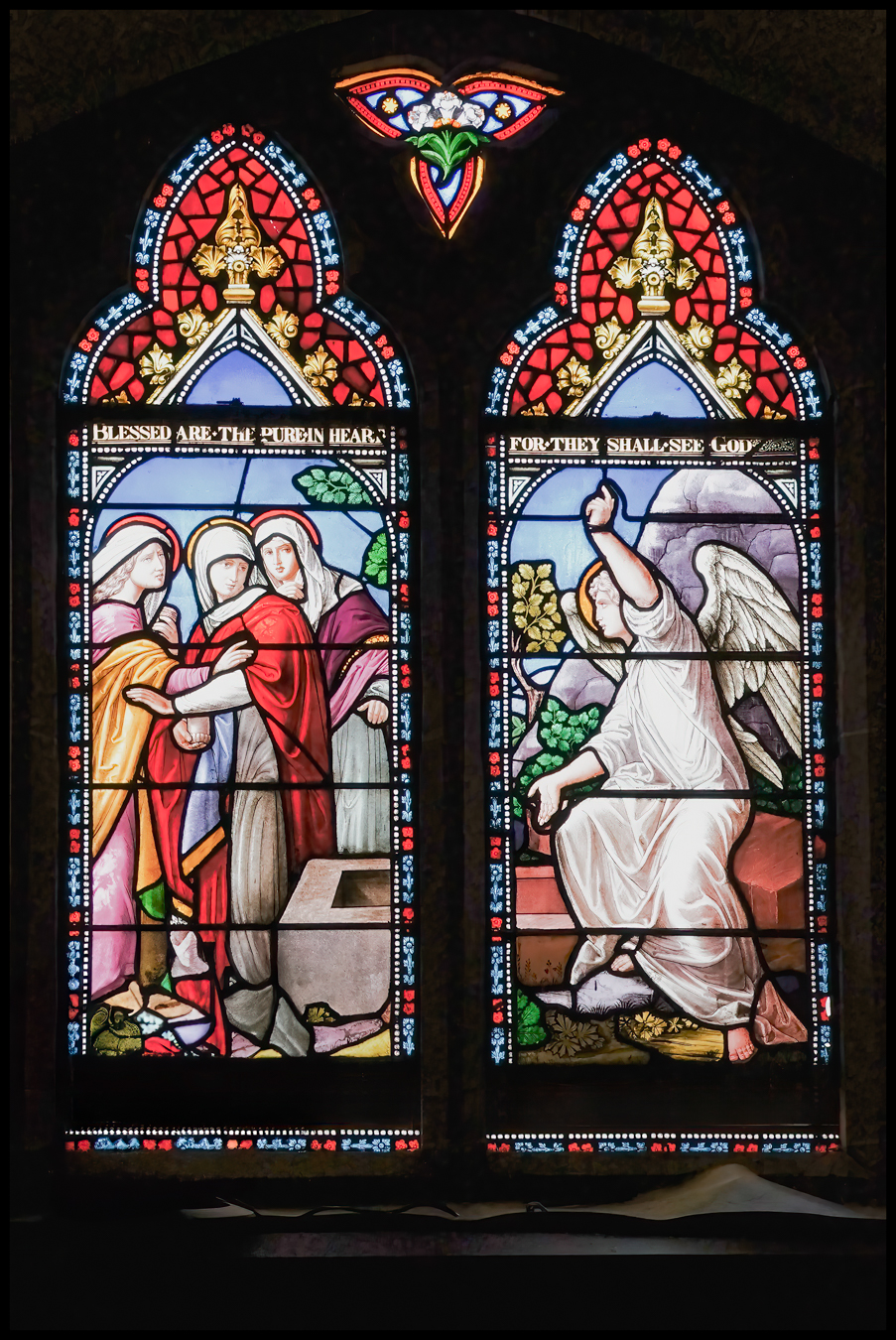
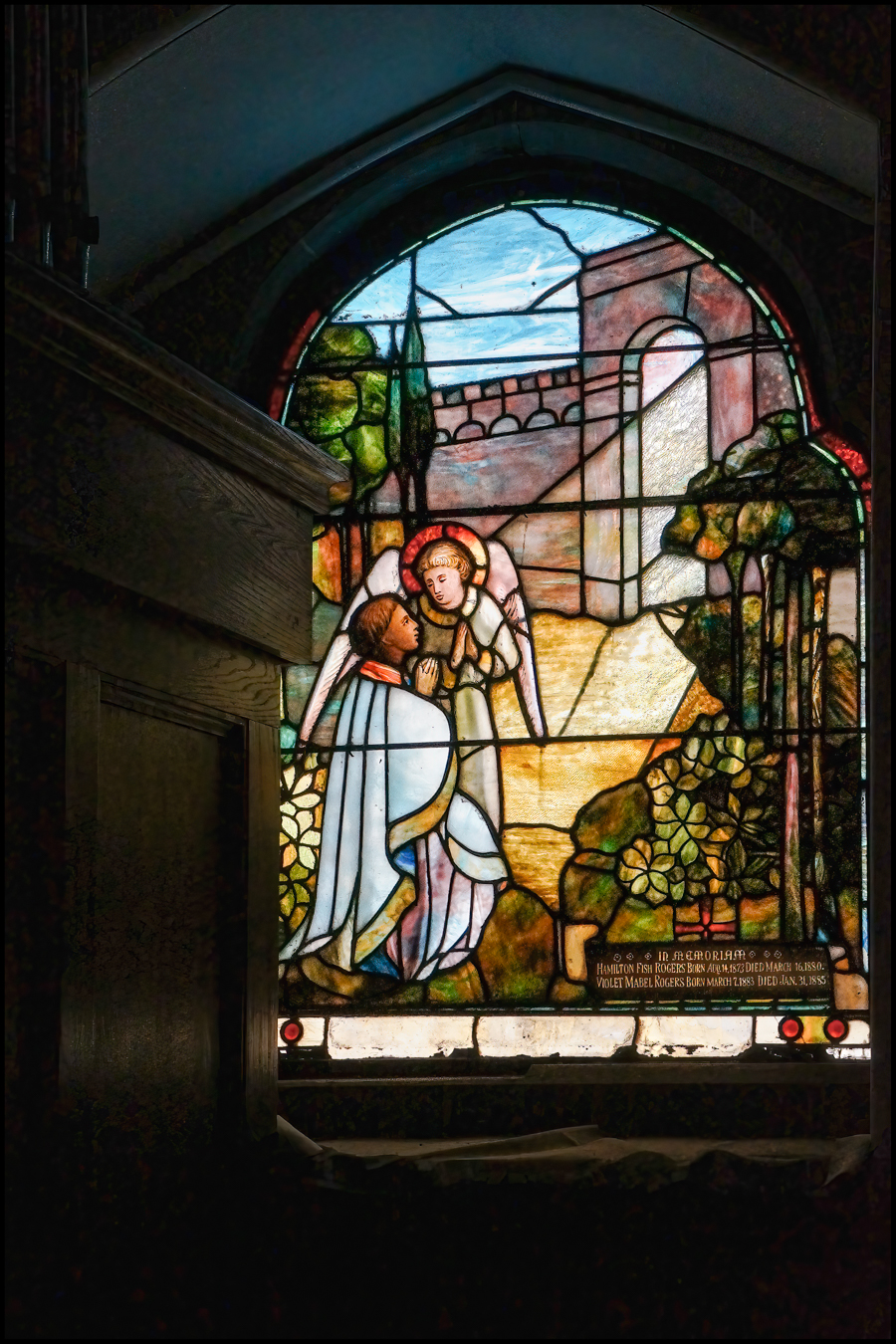
One of my Favorite Hudson Valley Churches

It’s St. Philip’s Church in the Highlands in Garrison, NY.

According to the Church’s website St. Philip’s Church:

…began as a modest wooden chapel, a northern outpost of St. Peter’s Church in Peekskill. Built in 1771 for the residents of what is now Garrison, the chapel was called St. Philip’s partly to honor the Philipse family, the largest landowner in the area. St. Peter’s itself was founded only a few years earlier, in 1767; it received a royal charter from King George III in 1770.

Beverly Robinson, a vestryman of St. Peter’s, gave the land for St. Philip’s. Although a good friend of George Washington, he was a Loyalist and was heavily involved in Benedict Arnold’s treasonous plot to turn West Point over to the British in 1780. At the end of the Revolutionary War, Robinson fled to England, losing all his property.

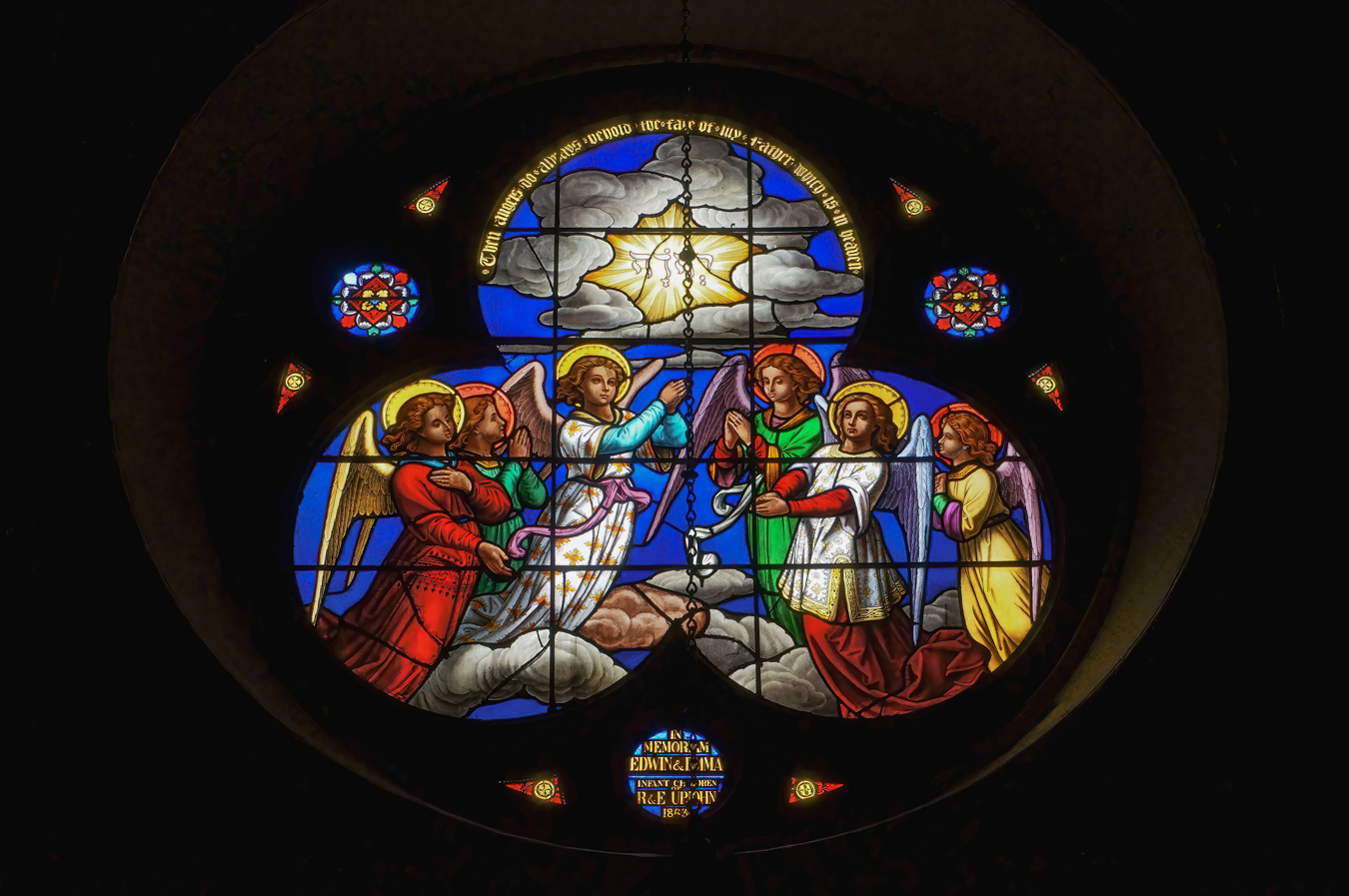
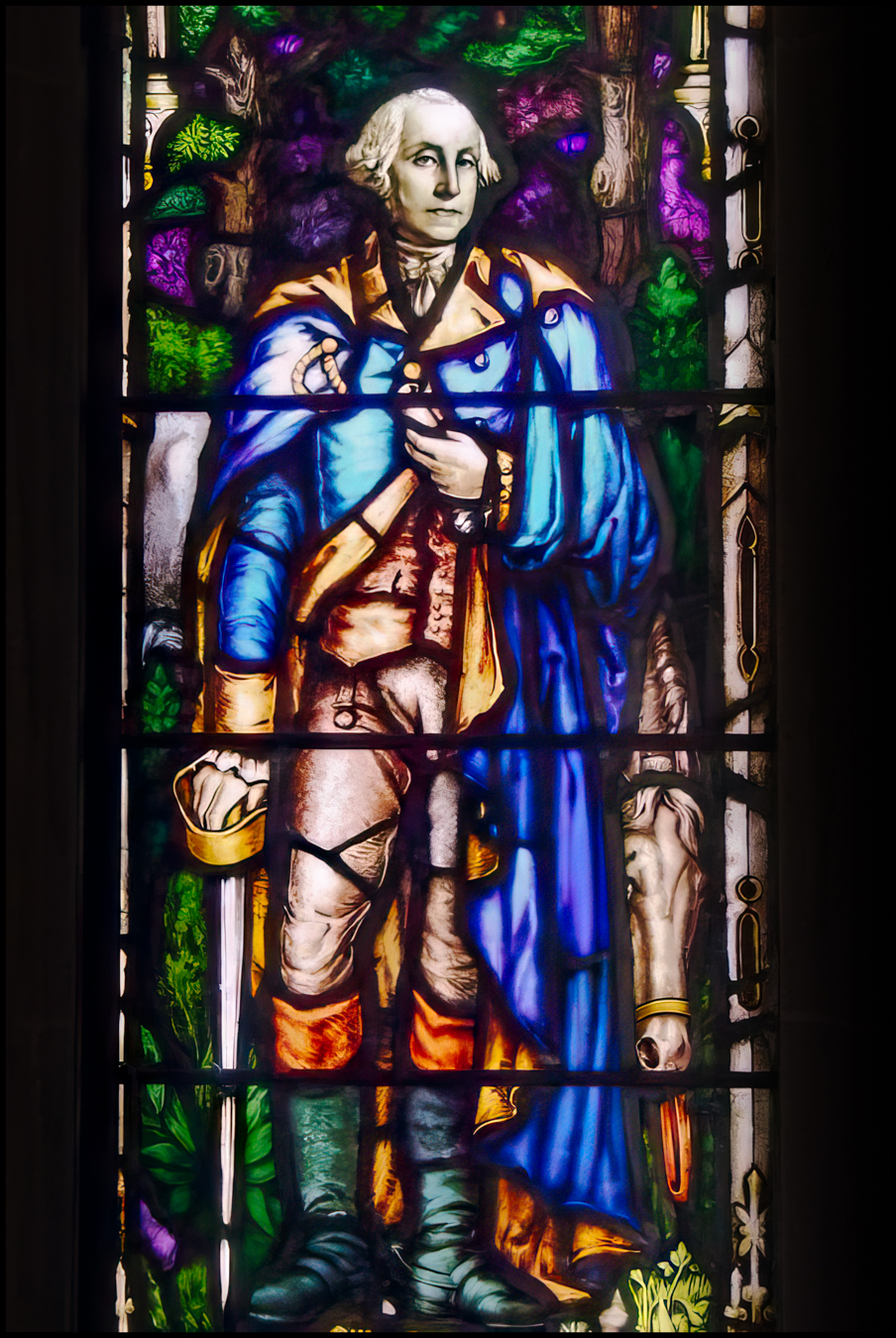
In 1775, the Loyalist rector of St. Philip’s fled to Canada, so no services were held. There is a story that, during the Revolutionary War, Washington was riding past St. Philip’s when one of his officers said, “That is a Tory church,” to which Washington, a loyal Anglican, said, “It is my church.” (A stained-glass window portraying Washington is in the vestibule today.) The chapel was dismantled during the war and its materials were used to help construct the small fort at West Point. The chapel was reopened in 1786, and a larger wooden church was built in 1837. St. Philip’s officially became independent from St. Peter’s in 1840, reflecting the growth in Garrison’s population.

The Hudson River Railroad was finished in 1849, bringing new residents to the Garrison area: families named Fish, Osborn, Sloan, Livingston, and Toucey, who worshipped at St. Philip’s and are buried here.

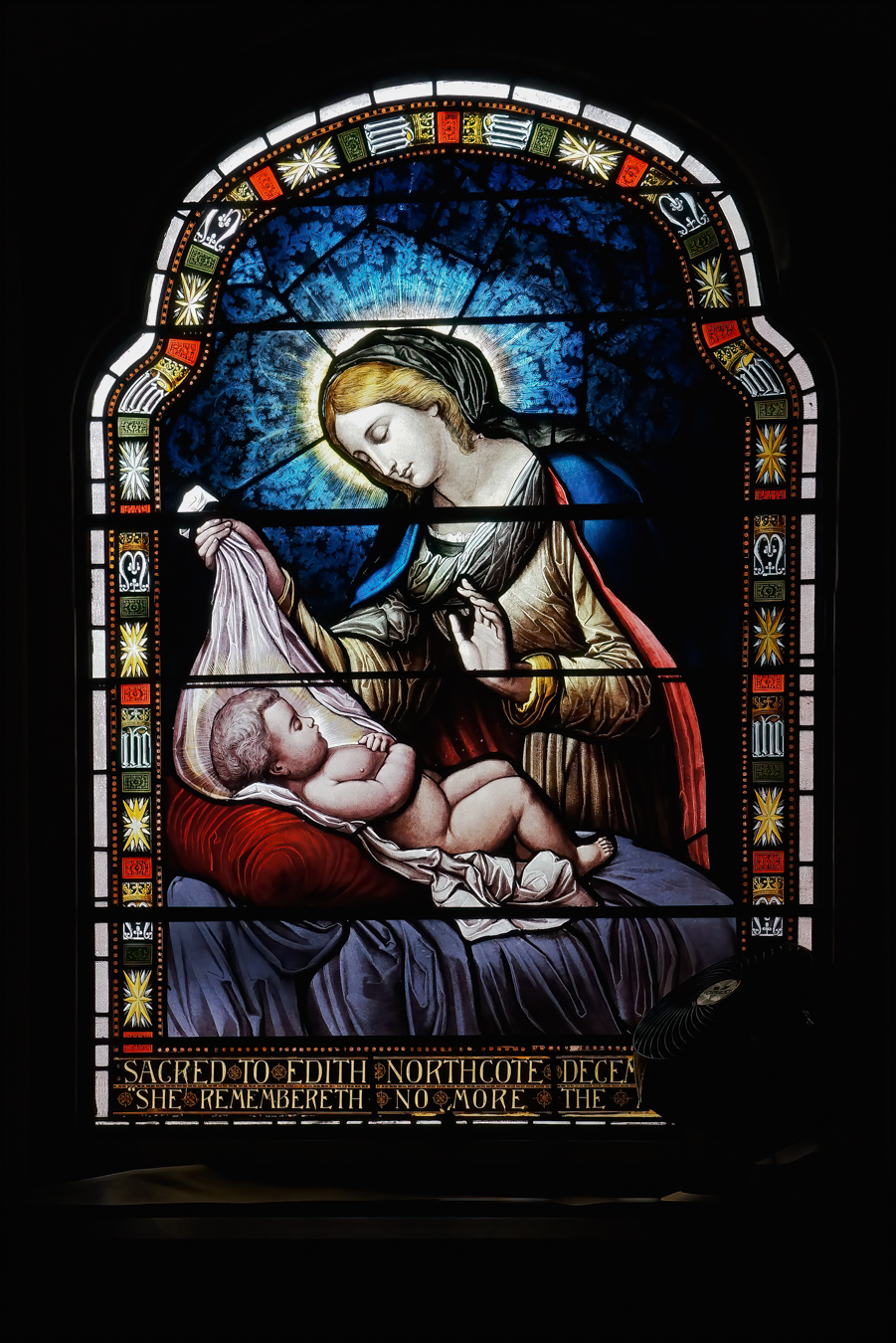
In 1860, renowned British-born architect and vestryman Richard Upjohn designed a superb Gothic Revival church as a gift to his parish, St. Philip’s. A founder of the American Institute of Architects, Upjohn championed the Gothic Revival ecclesiastical style and is best known for Trinity Church in New York City. A noted Scottish stonemason, Smeaton Forson, came from Scotland to build the new St. Philip’s. Completed at a cost of $9,350 in 1862, it continues today, beautiful and steadfast, to inspire all who worship here.

Dedicated to St. Philip’s, Upjohn also designed a wooden Rectory, built in 1854. It was replaced in 1911 by the present stone building, the cost of which was donated by the family of railroad executive Samuel Sloan, a vestryman and warden. The stone Parish House was built in 1900, a substantial gift from the Toucey family. Generous contributions from William Henry Osborn and Stuyvesant Fish added the Sexton’s House in 1917, so that, by then, our buildings and grounds looked essentially as you see them today.

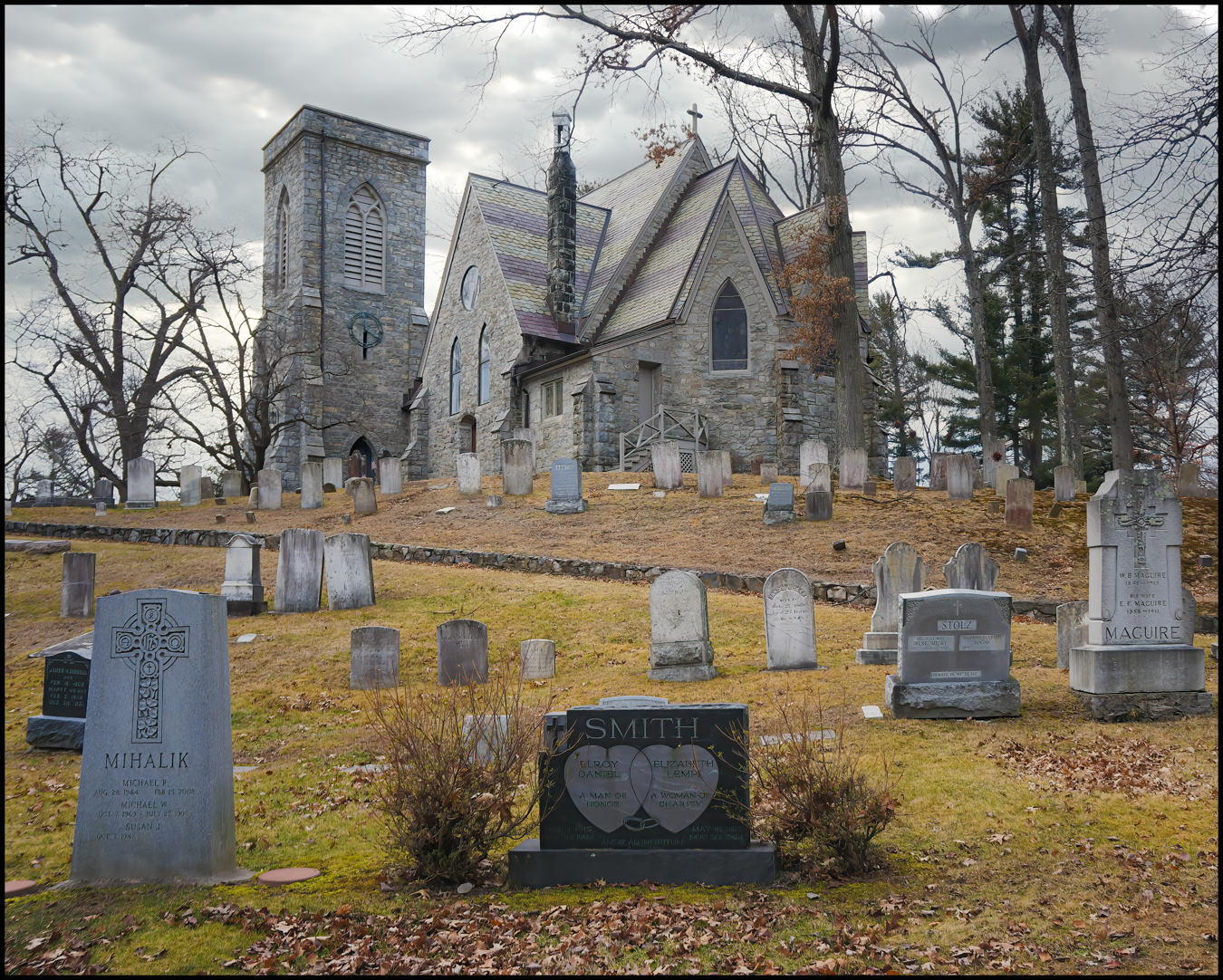
Taken in April 2012 with a Sony Nex 5n and Sony 18-55mm ƒ/3.5-5.6

Deer behaving strangely

It was, for once, a nice day yesterday. After finishing at the Historical Society, I was sitting on the deck outside my bedroom when I noticed some movement.

I often see deer, have lots of pictures of them and I don’t generally want any more. Usually, they arrive either singly or in groups, munch around for a while and then amble off. This time, however, their behavior was quite different. They were rubbing up against and licking each other.

I wonder why?


Taken with a Sony RX10 IV

Another newly acquired camera

A friend recently gave me some old cameras. There were two film cameras: a Minolta Maxxum 7000 and a Pentax MG. I already have a couple of Maxxum 7000s, and I wasn’t very interested in having another one. I was momentarily interested in the Pentax until I realized that the MG was the lowest in the line that included the much better MX, ME, ME Super, MV etc.. In any case the MG’s mirror was stuck in the up position and the film advance wouldn’t…er…advance. I might keep it as an illustration of a Pentax MG, but I don’t see ever using it.

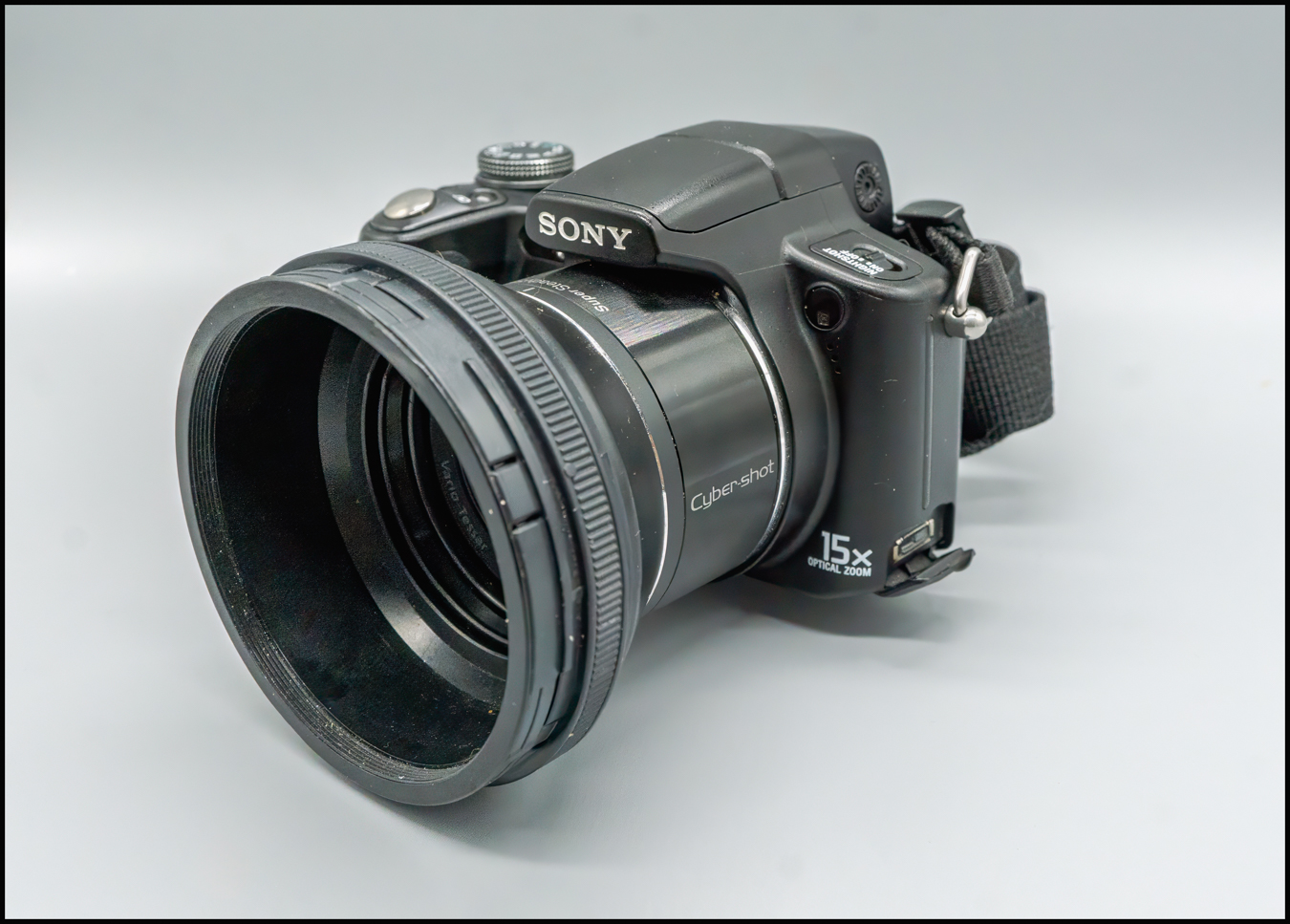
That just left the other two cameras: A Kodak P880 and this one: a Sony DSC-H50. This was fine because nowadays I’m mostly interested in trying older digital cameras.

I couldn’t use the P880 immediately because I didn’t have a memory card that was old enough, and low capacity enough to work with the camera: the smallest memory card I had was 4gb and it appears that the camera would support only up to 2gb. So off to see if I could find one.

That just left the Sony DSC-H50 to try, which I did. How did I like it? Well, actually quite a lot. For social media posts and small prints, it’s more than adequate. The things I liked most were:

  • Lots of features
  • Tilting LCD
  • The size (small) and weight (light).
  • Ease of use. I figured out how to use it quickly and with no difficulty.
  • The images are sharp.
  • The colors are pleasing.
  • The zoom lens: very broad range (31–465 mm f/2.7-4.5) for a camera this small.

What I didn’t like:

Of course, you have to bear in mind that this is a sixteen-year-old camera and as such suffers from the technological limitations of the day: low resolution, noise related problems, limited ISO, less than stellar focus etc. But I knew that would be the case.

There were a few disappoints though:

  • No RAW.
  • Terrible chromatic aberration
  • Control pad/scroll wheel combination is fiddly
  • Menu/Home options are confusingly ordered and divided up

There’s are a number of reviews around. After perusing a number of them I think I liked this one most.

For more pictures taken with this camera see here.