A walk to Sparta Cemetery – Sparta Cemetery

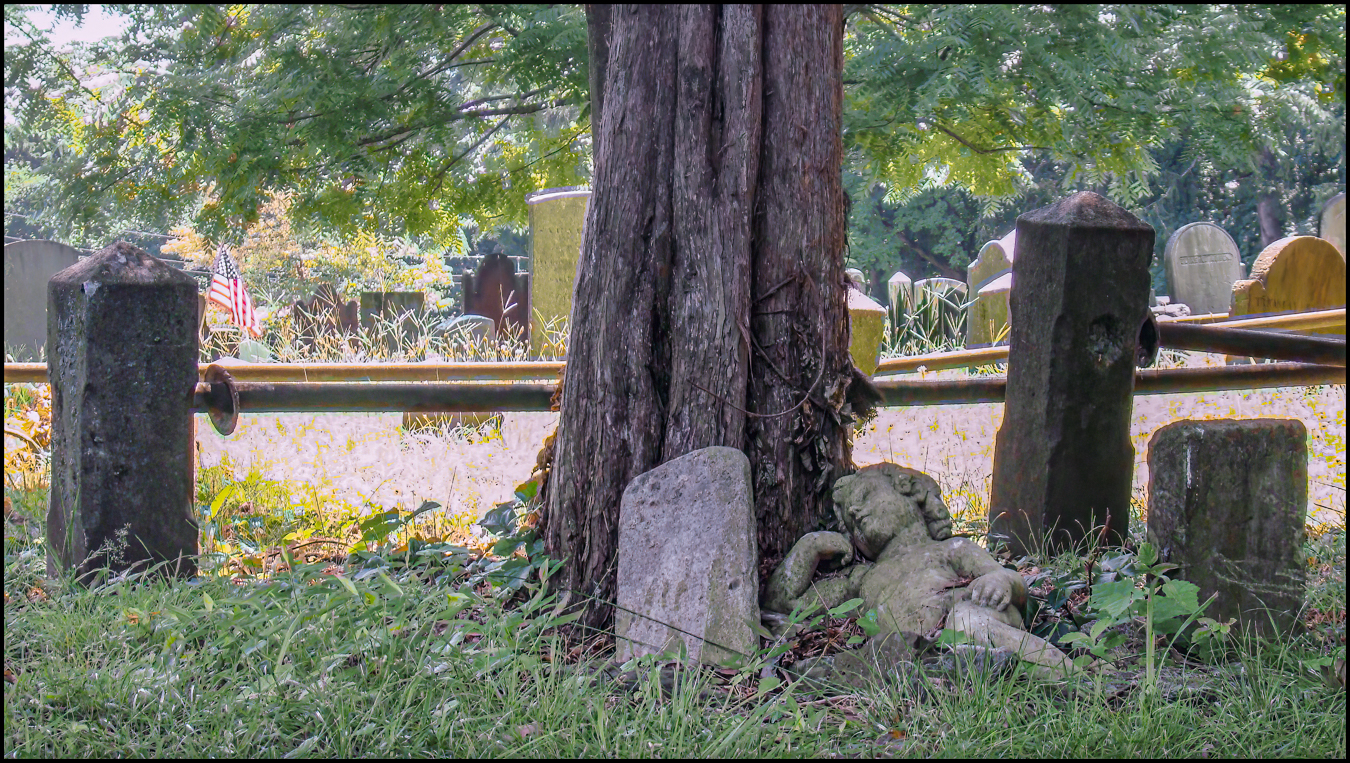
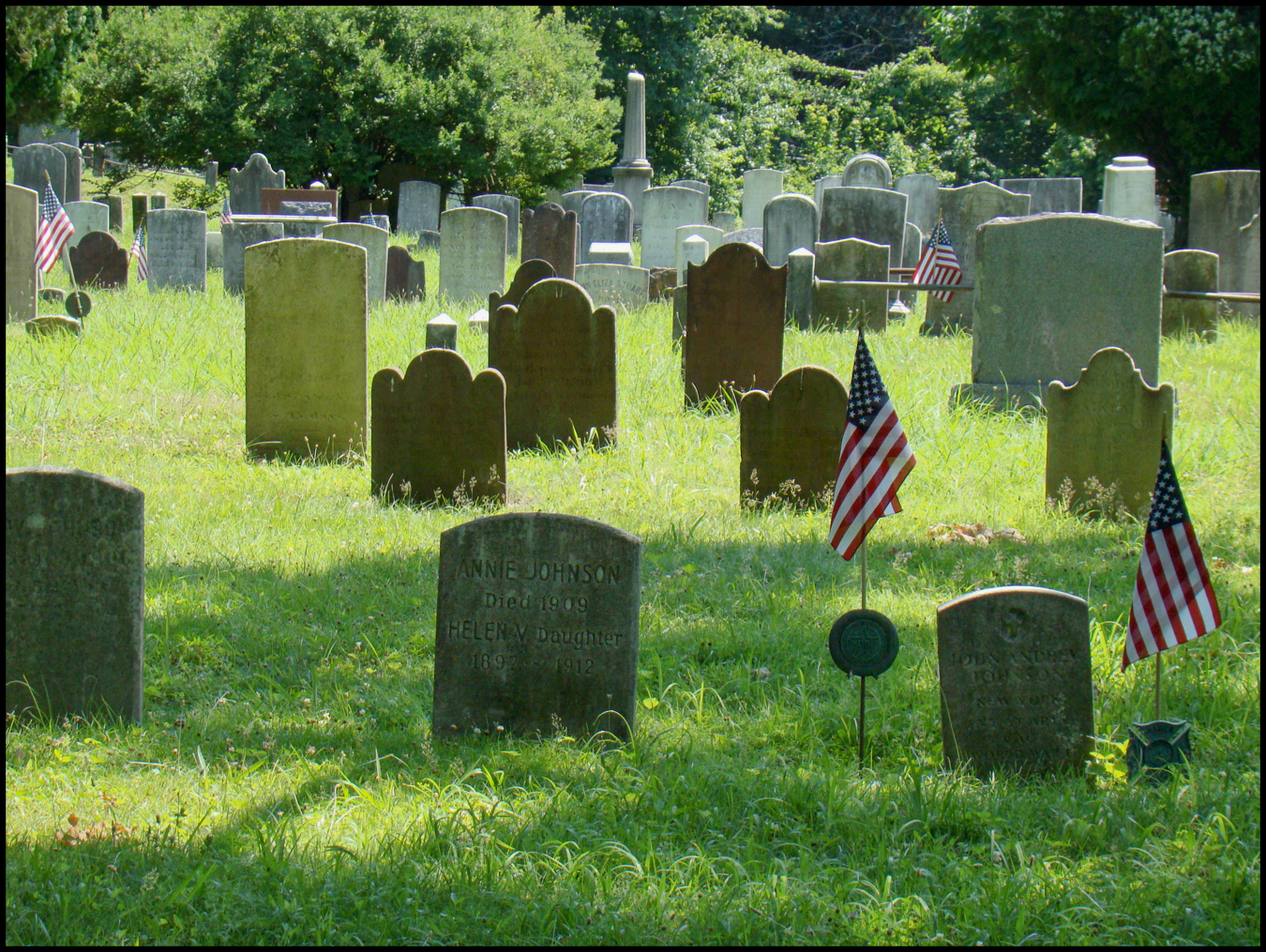
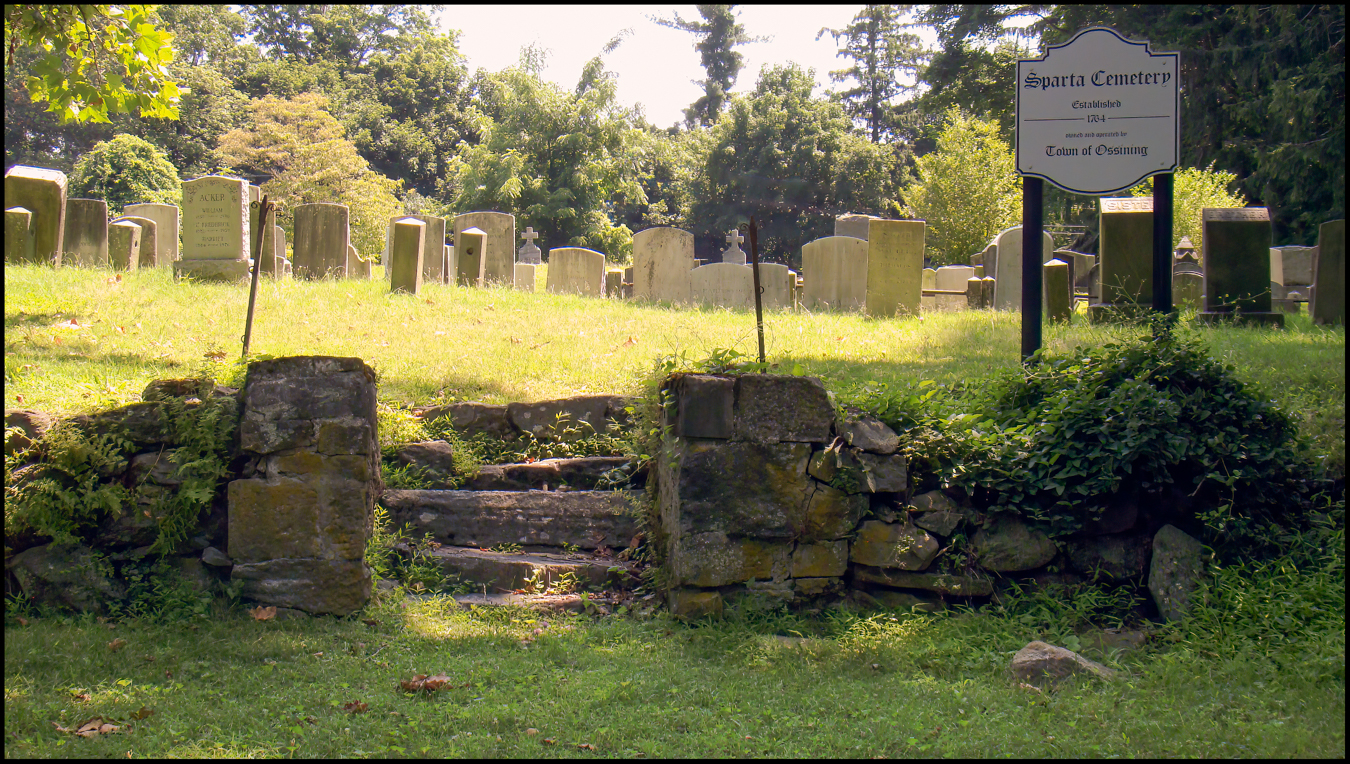
Sparta Cemetery, or the Presbyterian Burying Ground at Sparta, is a two-acre (0.81 ha) burying ground dating to 1764, making it the oldest cemetery in Westchester County. It is the only contributing property outside Briarcliff Manor; the Ossining Historical Society has maintained the cemetery since 1984. As of 1984, the cemetery is still owned by the First Presbyterian Church of Ossining; its original church building was built c. 1768 and was moved towards the center of Ossining in 1800. The grounds hold 34 known Revolutionary War veterans. Many of the area’s earliest residents are buried in the cemetery.

In September 1780, HMS Vulture fired a cannonball into the gravestone of Abraham Ladew, Jr., who died in 1774, at the age of 7. The Vulture was traveling south from Croton Point to pick up Major John André, a rendezvous that never occurred; Andre was captured in Tarrytown on his way to the vessel.


That’s all I have to say about Sparta Cemetery. I’ve done many posts on this cemetery (you can look them up) and on this occasion, I had been walking for around two hours, it was almost noon, and it was getting hot and humid. So, I didn’t stay long. Just a few shots taken from near the entrance, and I was off.

Taken with a Sony DSC-H50

A walk to Sparta Cemetery – A Path

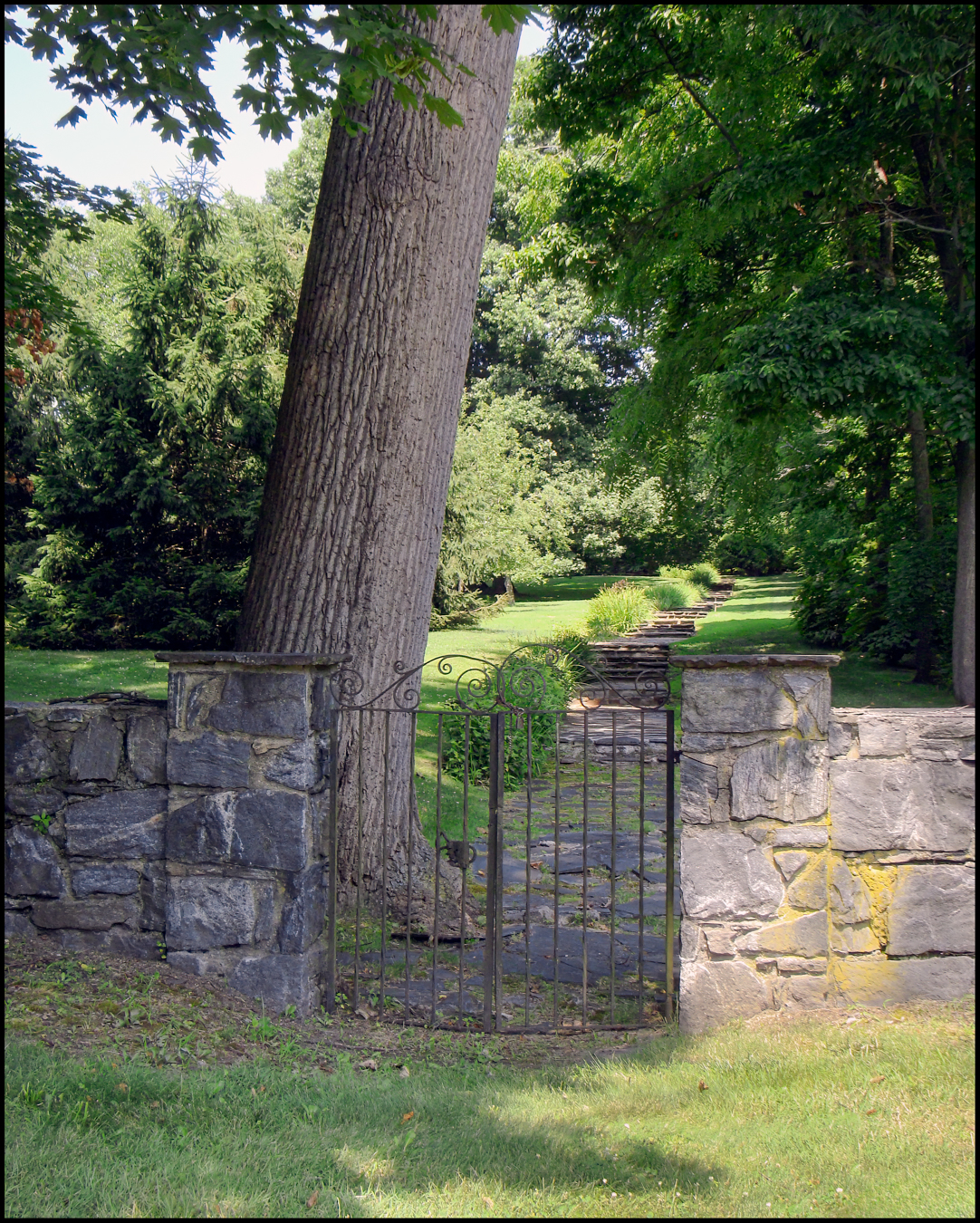
This path is directly across Revolutionary Road from the Scarborough Presbyterian Church Manse. I’ve no idea where it leads to (some grand house I imagine). I liked the stone pillars, the wrought iron gate and the way the path just leads away…to nothing. I’ve taken pictures of it before. In spring bright yellow daffodils grow alongside the path.

Taken with a Sony DSC-H50

A walk to Sparta Cemetery – The Scarborough Presbyterian Church Manse

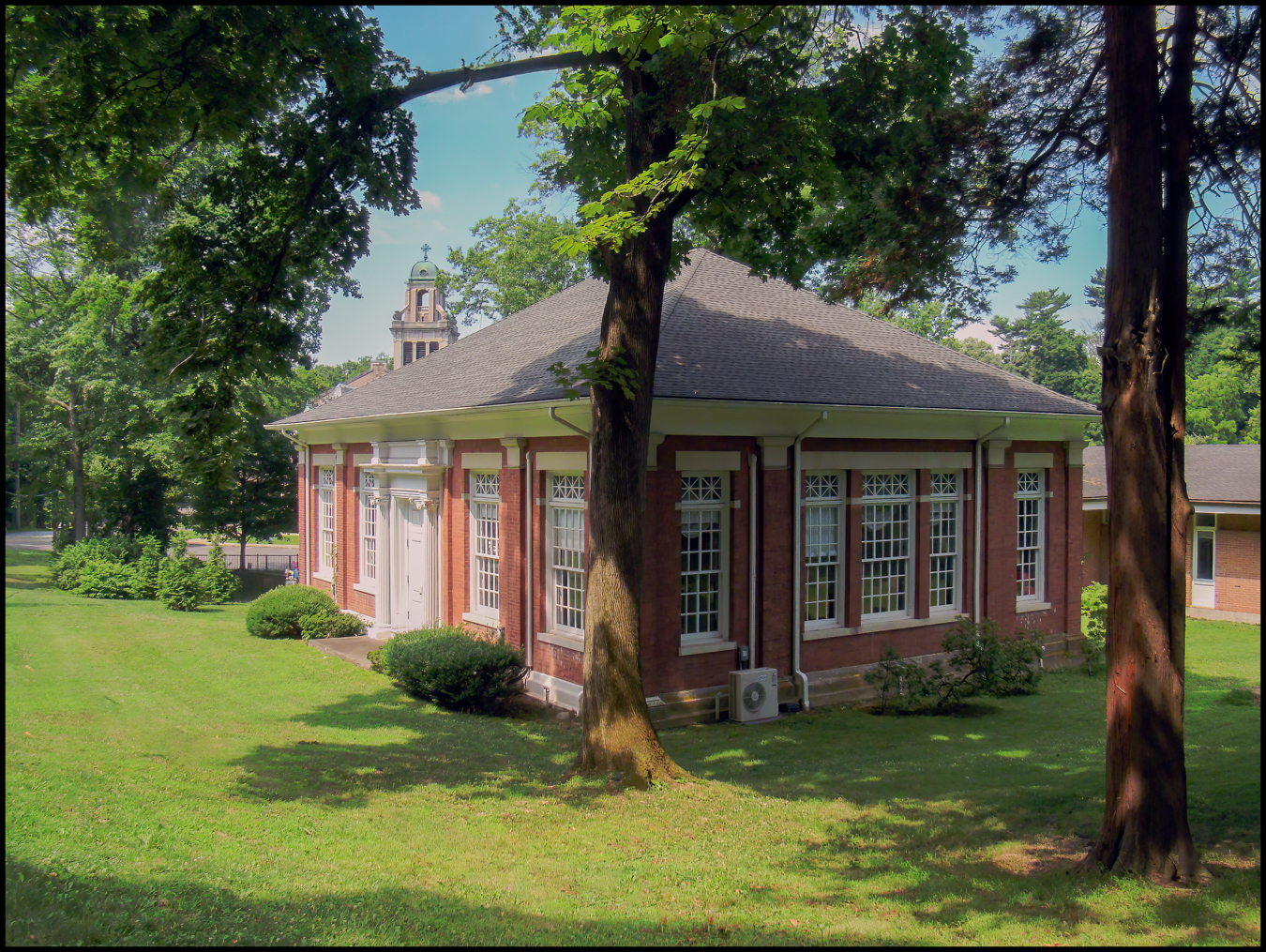
The Manse is across the road from the Presbyterian Church.

According to Mary Cheever.

During his pastorate at the church, Mr. Blessing lived with the Misses Dennis, cousins of Mr. Shepard, whose home was on the site of the Arcadian Shopping Center. With the arrival of the second minister, Benjamin T. Marshall, a manse was established in the house Dr. Holden had built for his son George Clarence Holden on the hill on the hill between the Holden homestead and Scarborough Road (later the Easton House). The present manse next to the Sparta Buying Grounds on Revolutionary Road was given by Mrs. Shepard and completed in 1913. It was designed by William C. Holden, son of George C. Holden, who was the builder, and who owned and operated the Ossining Pressed Stone Company on the river front in Ossining Village. (Mary Cheever. The Changing Landscape. A History of Briarcliff Manor-Scarborough, pp.53-54).

I don’t have much to say about this other than that I found it interesting.

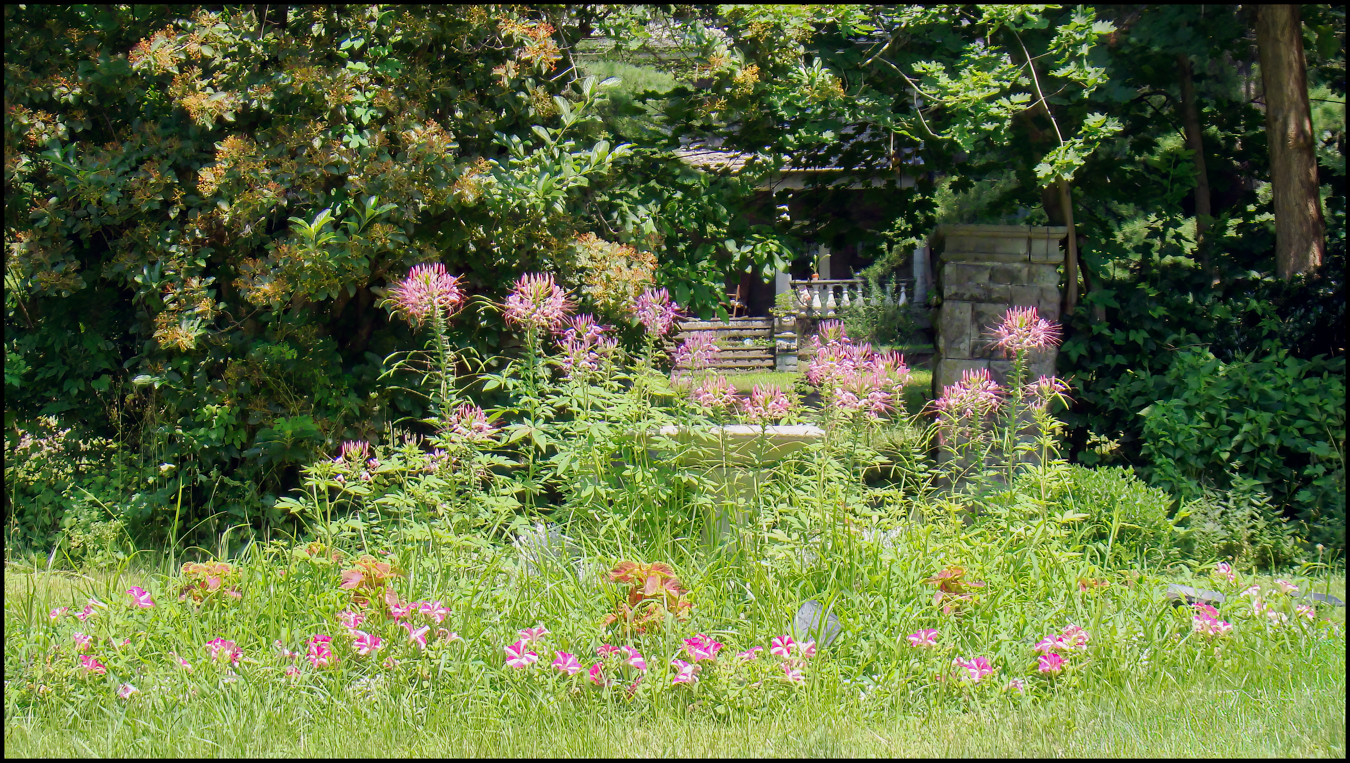
The flower bed is located directly in front of the entrance to the Manse.

Taken with a Sony DSC-H50

A walk to Sparta Cemetery – Around the Scarborough Presbyterian Church

According to Wikipedia:

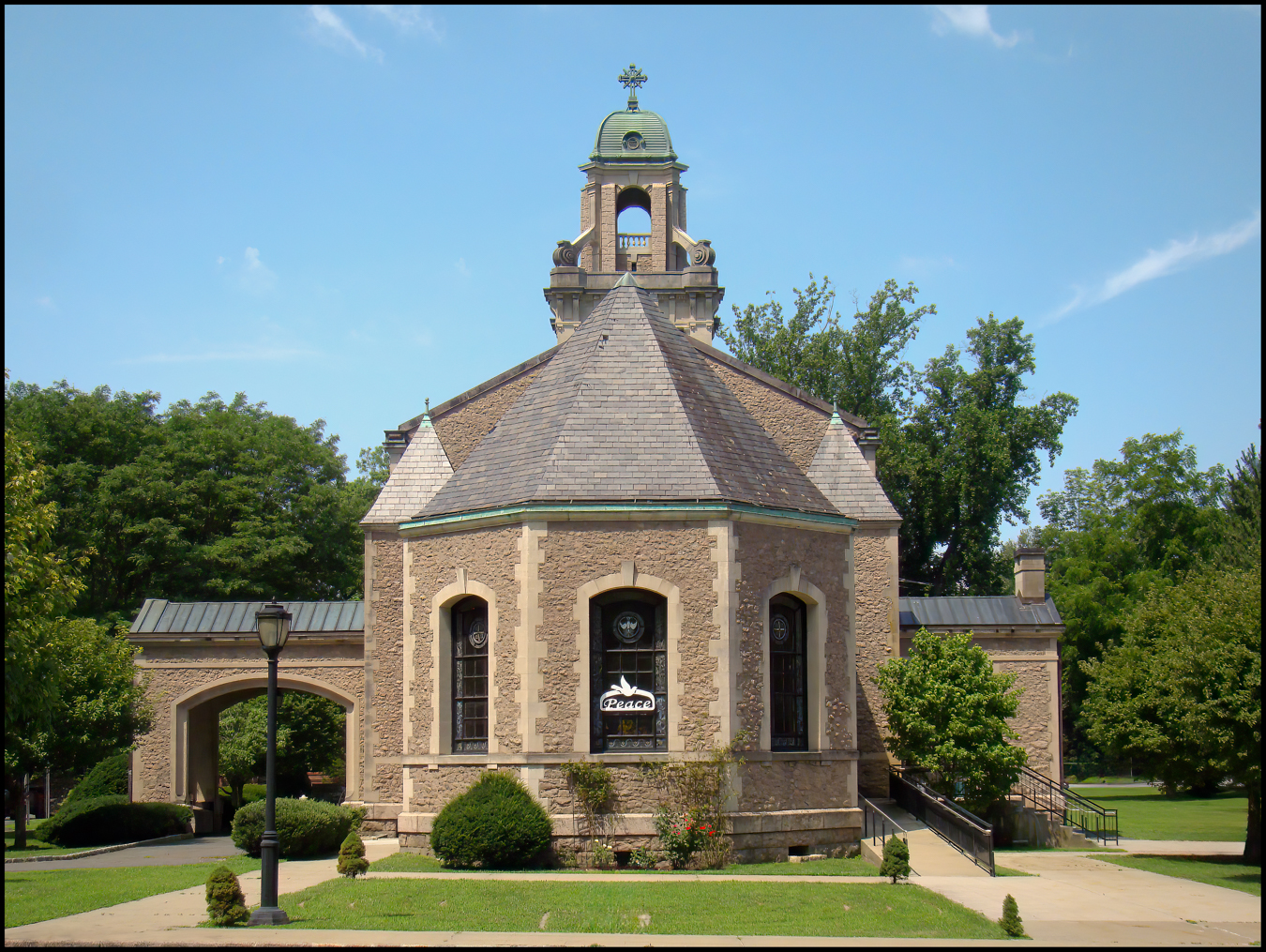
Scarborough Presbyterian Church is the third-oldest in Briarcliff Manor., and has a 2.75-acre (1.11 ha) property. The church has its origins with Elliott Fitch Shepard and his wife Margaret Louisa Vanderbilt Shepard purchasing a roadhouse on the Albany Post Road. In 1892, after enlarging and remodeling the store, adding diamond-paned windows and replacing the floors and porches, the building was first used as a church. The church’s organization meeting was held with nineteen charter members.

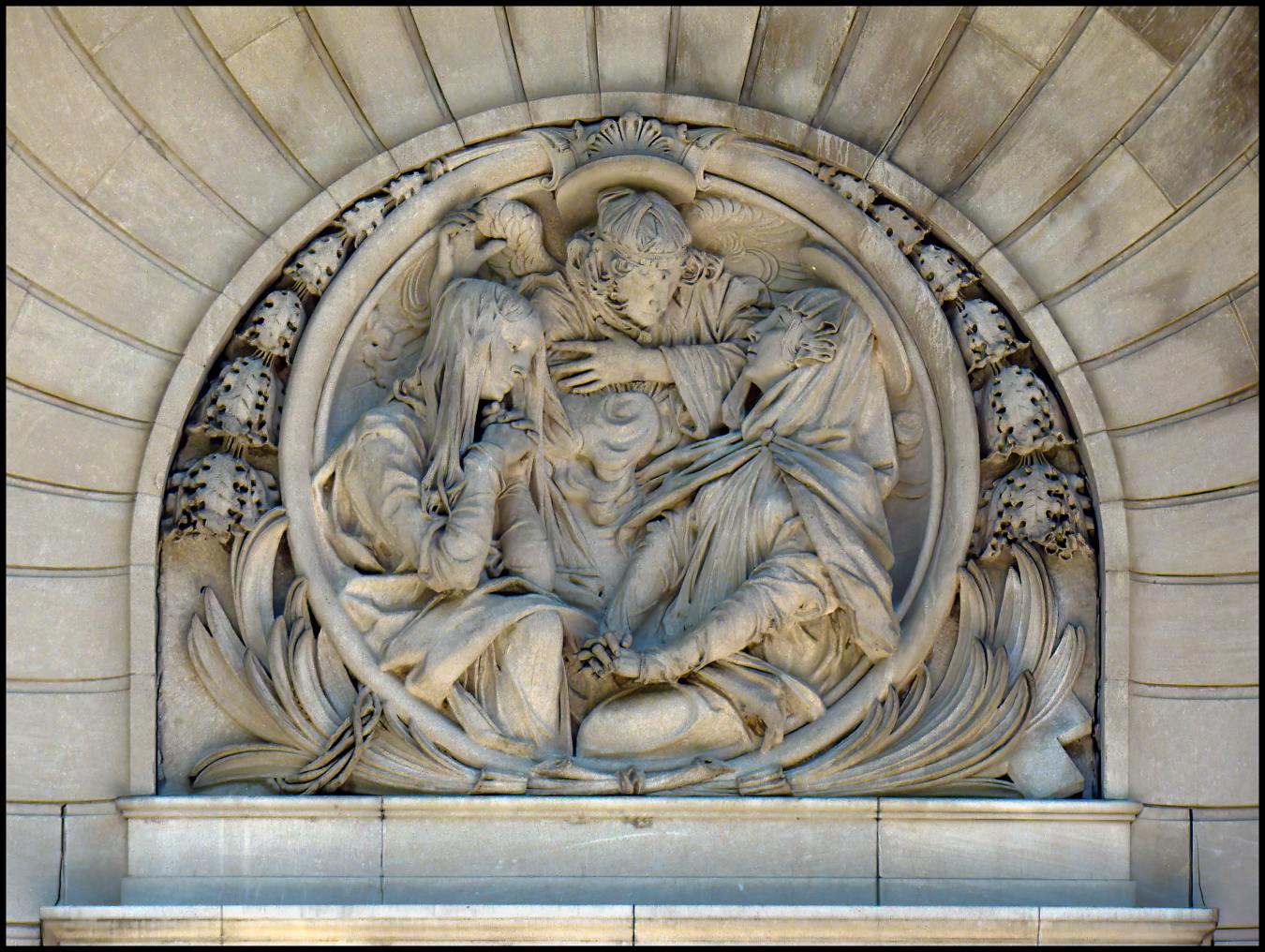
After Elliott Fitch Shepard’s death in March 1893, Margaret donated the present church building and manse. The Spanish Renaissance-style church was designed by Augustus Haydel (a nephew of Stanford White) and August D. Shepard (a nephew of Elliott Shepard and of William Rutherford Mead. The two nephews later designed the 1899 Fabbri Mansion in Manhattan. The church’s cornerstone was laid on October 13, 1893. During construction of the building’s foundation, workers found quicksand, though Shepard was intent on constructing the church there and had the construction workers dig 30 feet into the ground to find firm ground for the foundation. European workers were brought to the site to aide in the building’s construction. The Italian Renaissance Revival building was of limestone delivered from Indiana by railroad, requiring a special track laid at Scarborough to accommodate the delivery. The completed church was dedicated on May 11, 1895, in memory of Elliott Fitch Shepard. It was briefly known as Shepard Memorial Church. The dedication was attended by Cornelius Vanderbilt II, Frederick W. Vanderbilt, Chauncey Depew, William Sloane of W. & J. Sloane, William Seward Webb, H. Walter Webb, and James A. Burden Jr.

It was built of pink granite rubble with limestone trim, with a steeple supported by flying buttresses. The interior has mosaic tile floors, fluted pilasters with gilded capitals, a coffered ceiling made of redwood, and stained-glass windows. The church’s 1,498-pipe organ was constructed around 1894; it was the first all-electric action organ in the world. The 3-acre (1.2 ha) church property also contains the church’s carriage house, used for offices, and the parish house, designed by Augustus D. Shepard and completed in 1908.

From 1929 to 1974, the Scarborough Engine Company of the Briarcliff Manor Fire Department had its first firehouse in the church’s garage building or barn, which is older than the church building itself.

Since around 1995, the church has run the Scarborough Presbyterian Children’s Center, a non-denominational preschool housed in a building next door to the church, with an outdoor playground nearby. The preschool serves families in Briarcliff Manor and Scarborough, Ossining, Tarrytown, Sleepy Hollow, Pocantico Hills, and Pleasantville.

In 1995, some of the church was renovated; in 2002, the building was more fully renovated due to years of floodwater and runoff damage, including floods from Hurricane Floyd.

Taken with a Sony DSC-H50