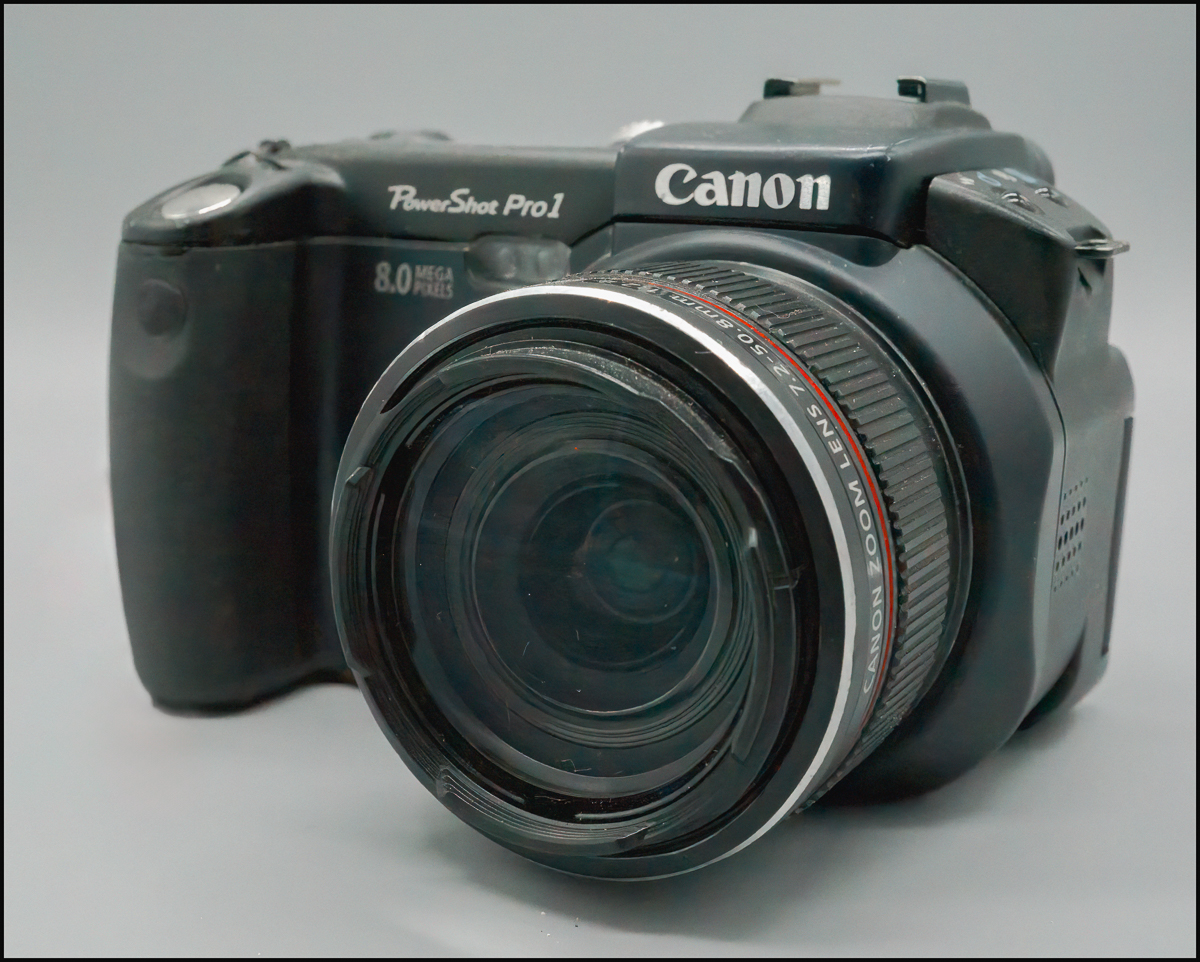
I first came across this camera on a YouTube video entitled: What makes this 8mp CCD camera so special? on YouTube Channel called Snappiness (which I can heartily recommend to anyone who’s interested in older digital cameras).
There’s a good review at Canon PowerShot Pro1 Review.
I was intrigued enough that I decided to get one for myself. Why? Well, I must admit that the major reason was that red ring on the lens. If you’ve watched the video above, or read the review, or are just into Canon cameras, you’ll know that the ring indicates ‘L’ series glass: the best that you can get for Canon cameras. I wouldn’t normally want to spend the money that Canon ‘L’ series glass commands. I was sure that this was a marketing gimmick. How could you possibly get this type of lens on an admittedly very old (2004 vintage) sub $100 camera.
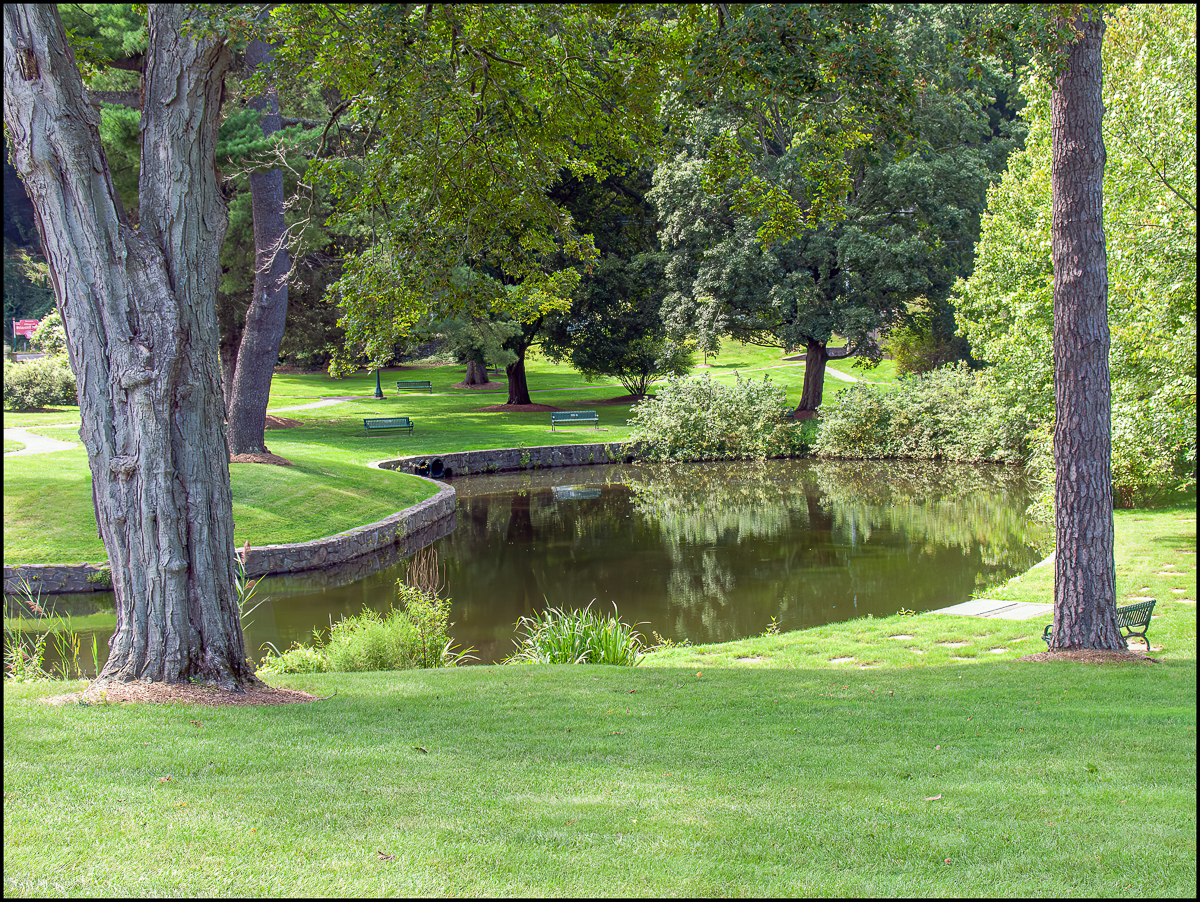
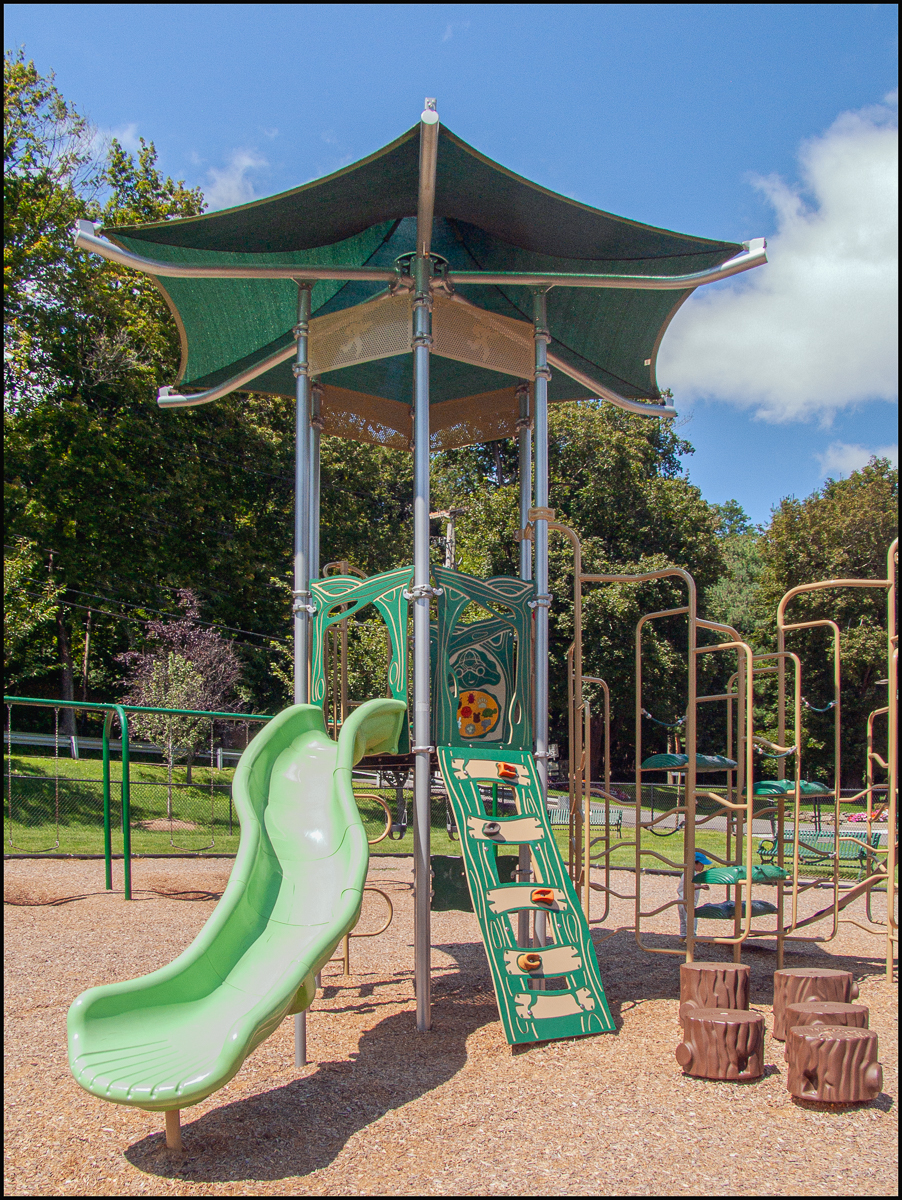
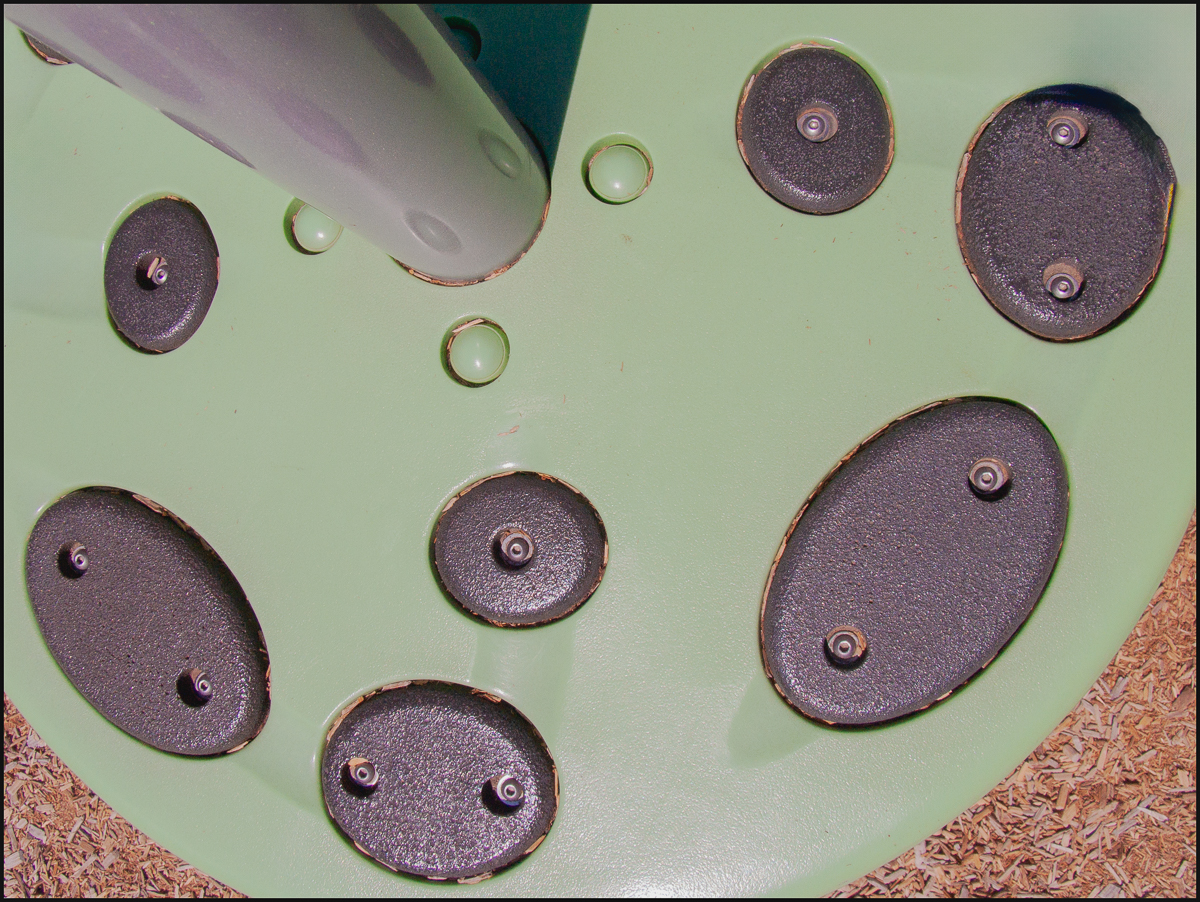
When it eventually came, I went to our local park to try it out. You can see the results below.





no images were found
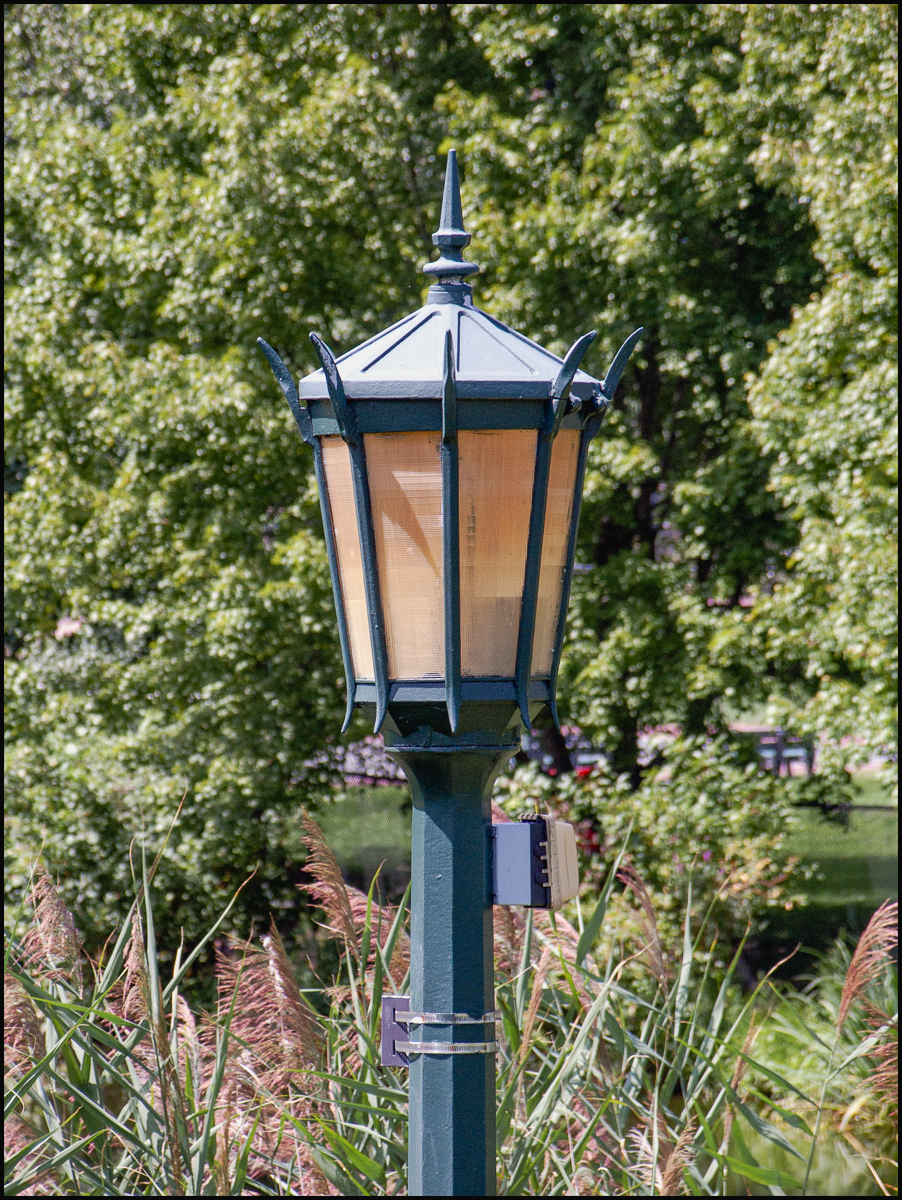
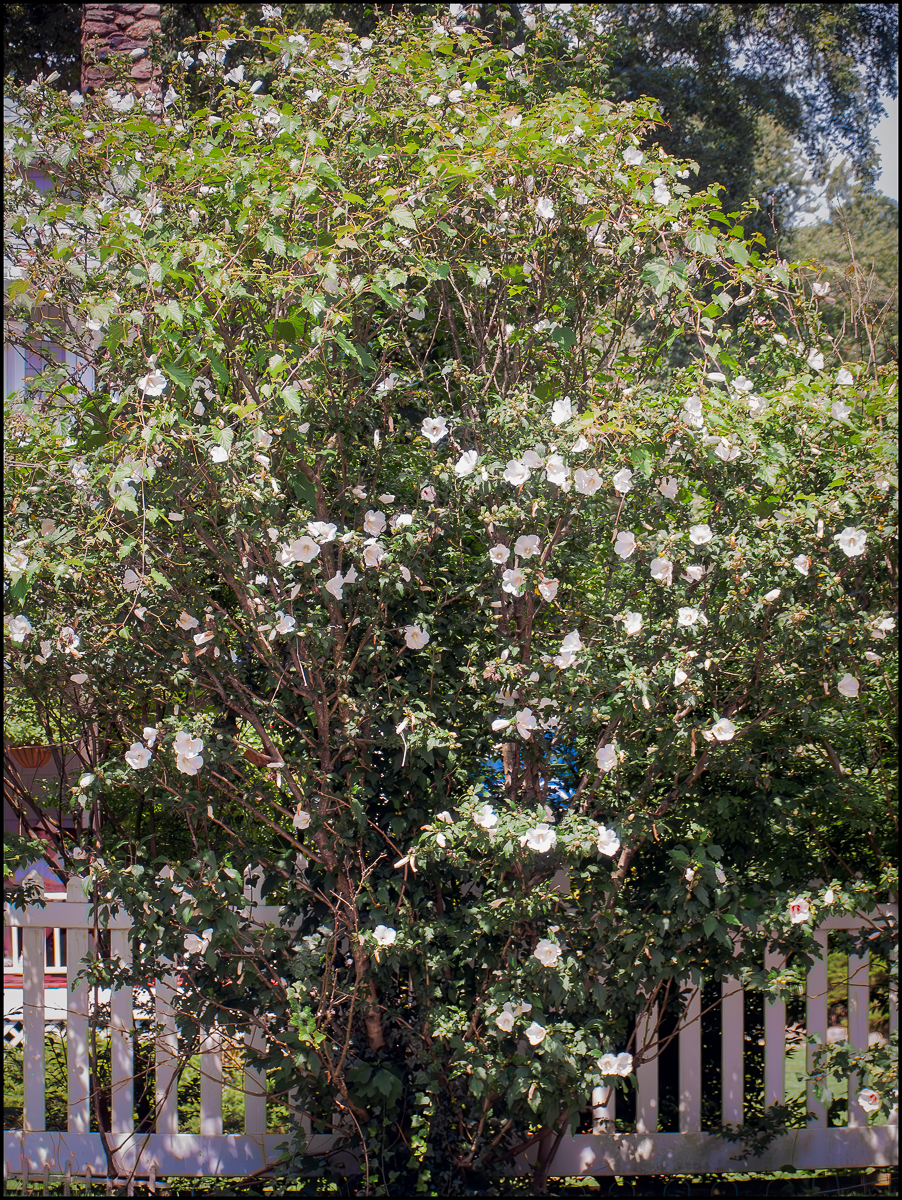

The review above concludes:
The PowerShot Pro1 is a camera designed to be familiar to current Canon owners, easy enough to use for first time buyers and yet still provide a semiprofessional feel and feature set. Canon has borrowed from its professional lens line to put an L quality label on the lens system to indicate that this is a new lens and it has been designed to fulfill the high-resolution requirements of an eight-megapixel CCD. In use the Canon felt slightly slower than I was expecting, certainly not much faster than the G5 and I didn’t see any marked improvement in speed overall from that camera.
Overall image quality was good, that L lens proving it can deliver the resolution and that Canon’s reliable DiGiC image processor can turn out a quality image with good tonal and color balance and no noticeable artifacts. We had two areas of disappointment from an image quality stance, firstly the lens exhibited noticeable lens shading especially at wide angle and/or maximum aperture, secondly noise levels were high enough to be seen at ISO 100 and progressively worse at higher sensitivities. This is clearly a trait of the eight megapixel sensor and while we commend Canon for taking a ‘purist’ approach to image processing these levels of noise really should have been tamed with an (optional?) noise reduction feature.
The Pro1 left me feeling neither hot nor cold, the camera delivered as much resolution as we had expected with on the whole good image quality but didn’t really perform as we would hope ‘across the board’. I didn’t see any major improvements in performance and ‘usage feel’ and was left slightly disappointed by noise levels at higher sensitivities and the potential lens shading. That said there’s little doubt that the Pro1 can deliver great images when used carefully and should certainly be in the top three on your shopping list if you’re considering an eight-megapixel prosumer digital camera.
The review mentions the following ‘Pros’ (remember these were pros in 2004. Most of them wouldn’t be very special nowadays):
- Very good resolution, joint best of group
- Wide angle seven times zoom lens, fast at wide
- Selectable color space (sRGB / Adobe RGB)
- Good shot to shot times
- Good flash performance
- Time-lapse feature
- Relatively compact and lightweight
- Good ergonomics, decent hand grip, zoom ring
- Wide range of accessories available
- Some unique features (ND filter etc.)
- Clean image, quality image processing thanks to DiGiC
- Large 2.0″ Tilt & Twist LCD monitor, 235,000 pixels
- High resolution electronic viewfinder
- Supplied IR remote control
I’d agree.
As for the ‘Cons’:
- Vignetting / lens shading at maximum aperture
- Visible noise from ISO 100 upwards
- Slower than expected startup time
- Limited latitude of image parameter adjustment
- No AF assist lamp
- No live view histogram
- Lower than advertised continuous shooting speed
- Long CF write times for Super-Fine images (4.8 sec)
- Disappointing battery life – camera bug?
- Poor automatic white balance in artificial light
- No WB fine tuning
None of these bother me too much. Once upon a time the “Visible noise from ISO 100 upwards” might have bothered me. But with the kind of noise reduction available nowadays it’s not really much of a problem.
I rather liked it. It’s small, light, has a decent zoom range (28 – 200 mm equiv). I liked the ergonomics. It’s fits into my current passion for collecting older digital camera. And it really is very sharp for a camera that cost next to nothing.