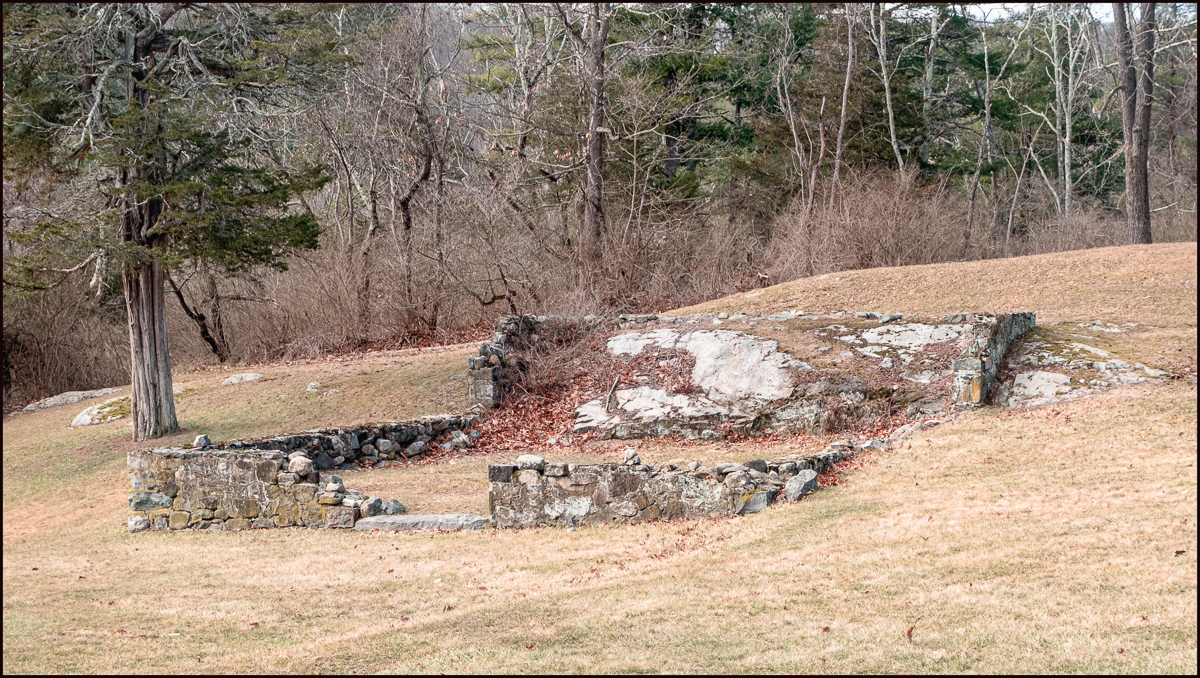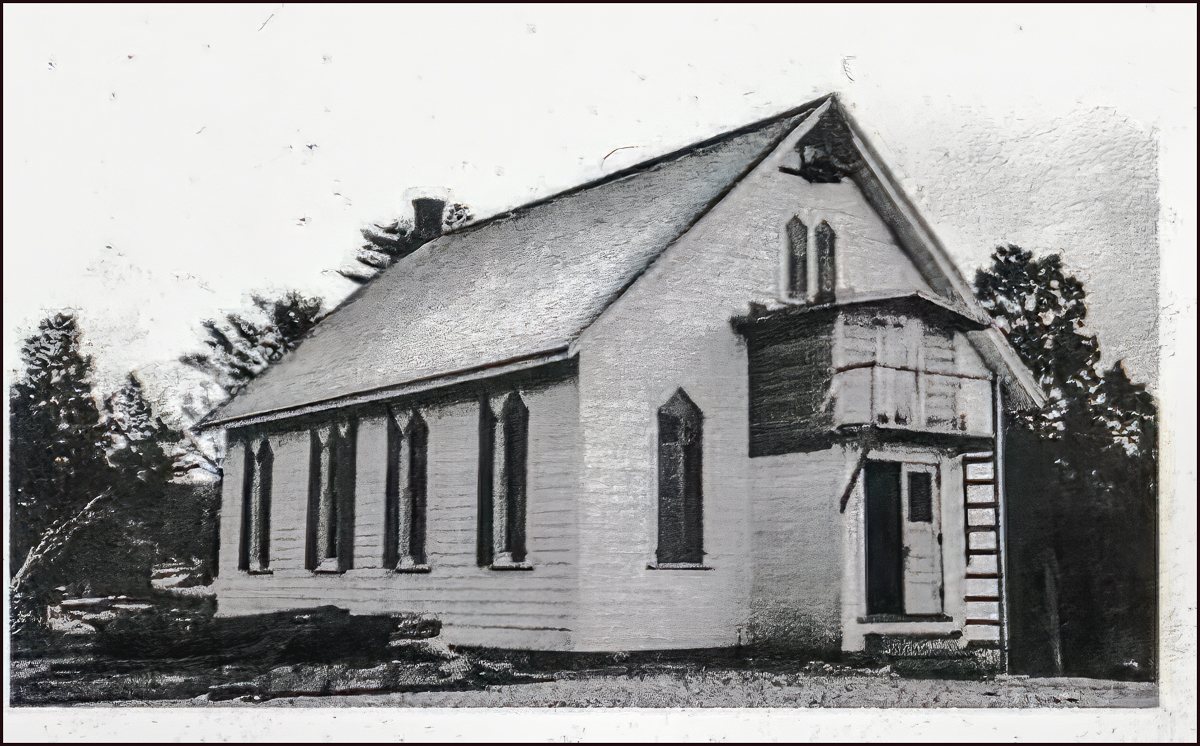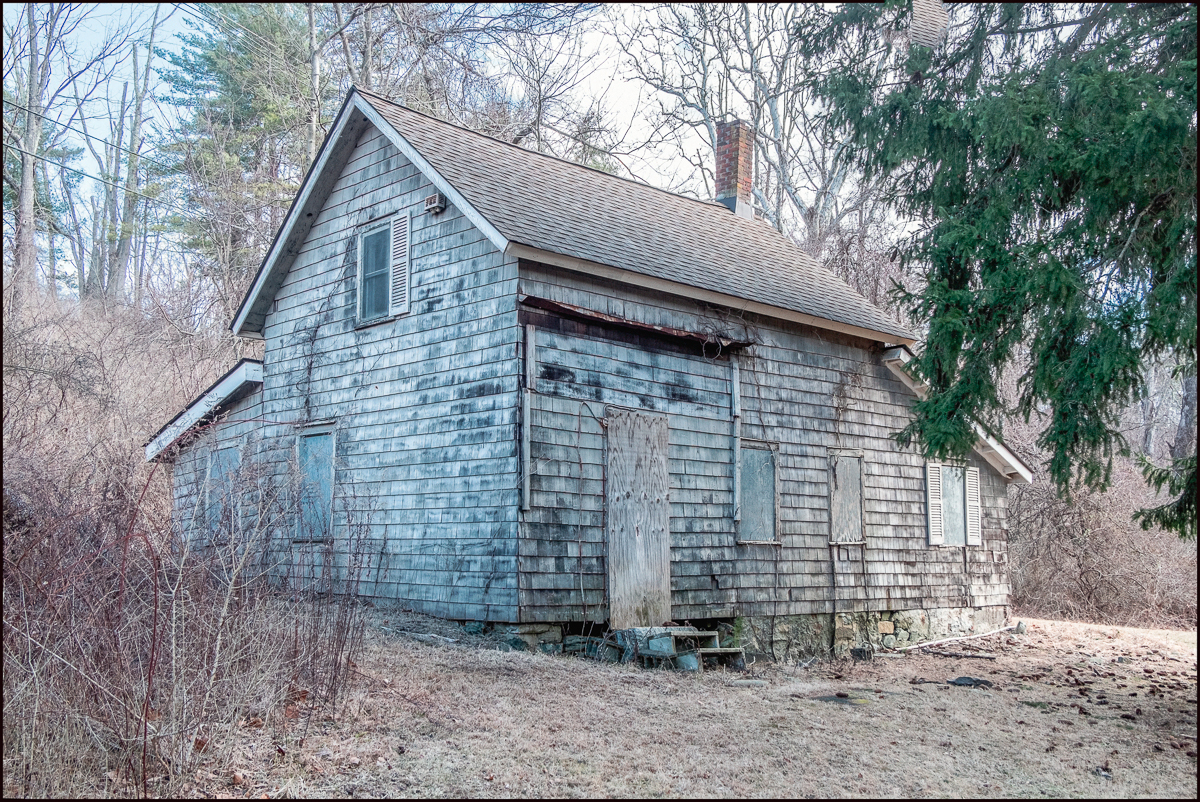
“Lakeville, a Vanished Community. At the height of production, the Sterling Ironworks employed 500 men. According to one list, they were “founders, miners, mineburners, ore pounders and furnace fillers, banksmen, and stock takers, refiners of pig iron and drawers of bar, smiths and anchor smiths, carpenters, colliers, wood cutters, and common laborers”. Some of these titles may be curiosities now, but each had an essential part in making raw iron ore into useful tools and weapons. At first, miners and other workmen lived rent free in company-owned houses, but in the 1870s, the Sterling Iron and Railway Company began renting 140 houses to the miners. In the wintertime, local farmers augmented the work force as woodcutters. Numerous foundations around the mine are reminders of the church, school, hotel, store, homes and offices that made Lakeville a busy little community. This home is one of the last remaining Lakeville houses; some of the other homes were moved to surrounding communities.” (Information Board. The pictures on this sign give some idea of the extent of this highly industrialized community that began in 1736. The wooded vista around you shows very little evidence of its former presence).
Taken with a Fuji X-E3 and Fuji XC 16-50mm f3.5-5.6 OSS II