All that remains of Rockwood Hall

I recently went to Rockwood Hall (See: From the Rockefeller Preserve to Rockwood Hall – Overview and subsequent posts). For more on Rockwood Hall see: An early morning walk at Rockwood Hall

While there it occurred to me that Rockwood Hall might make a good subject for some infrared photography. I knew that the foliage and the grass would turn bright white and the foundations (all that remains of Rockwood Hall) would become dark. So, I returned with my primary infrared camera month or so later.


Taken with a Sony Nex 3 (converted to full spectrum Infrared) and Sony FE 28-70 f3.5 – f5.6

Spotted Lanternfly Nymph revisited

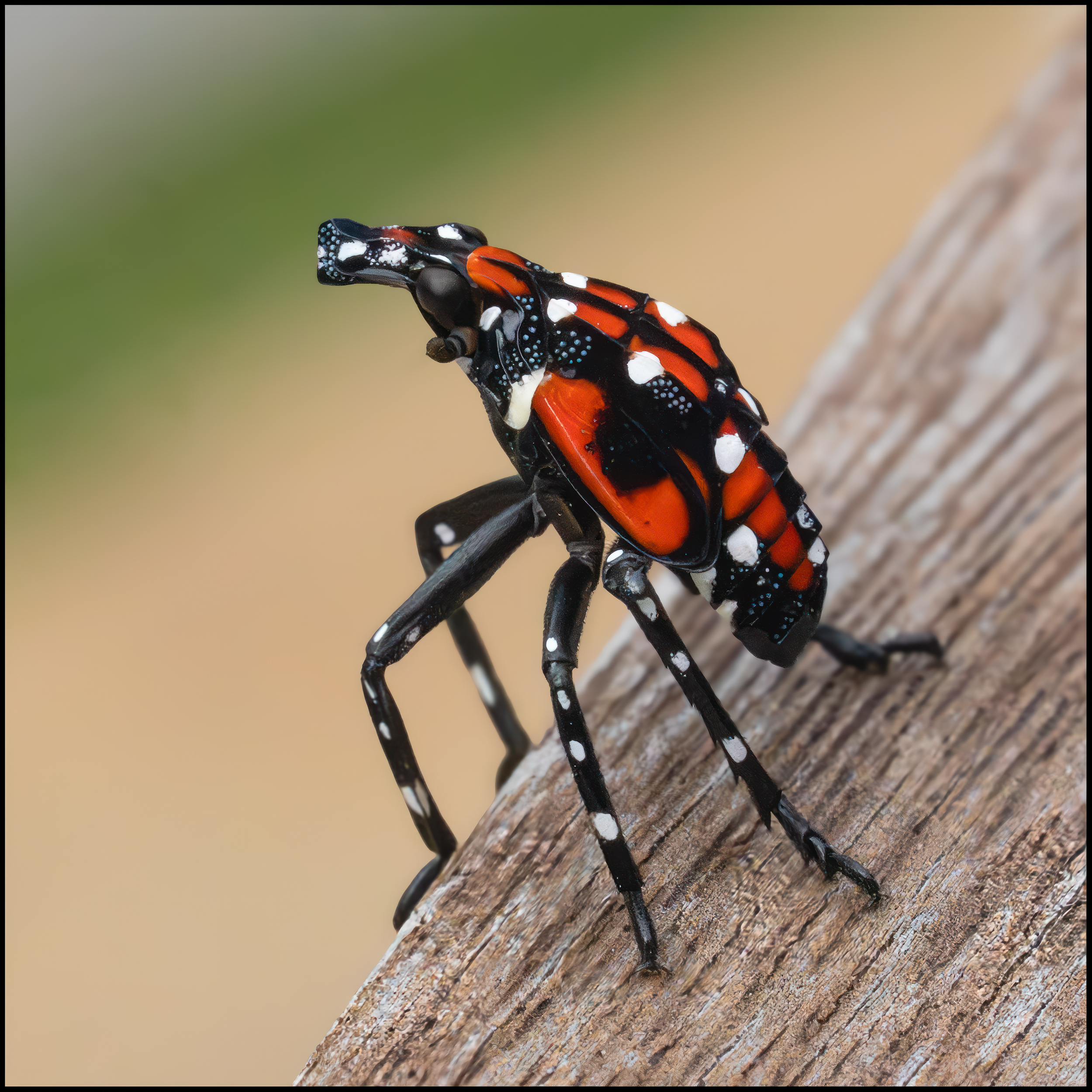
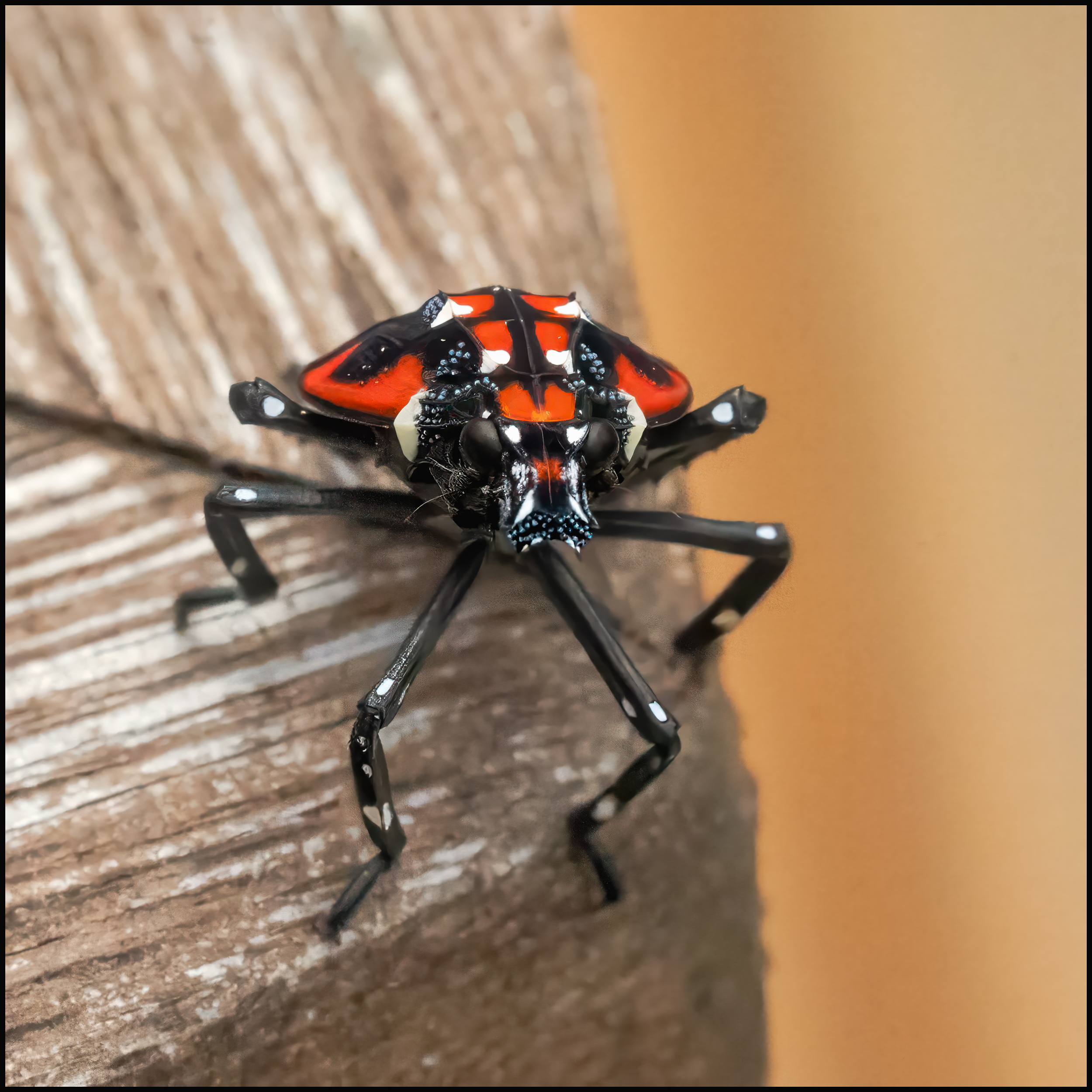
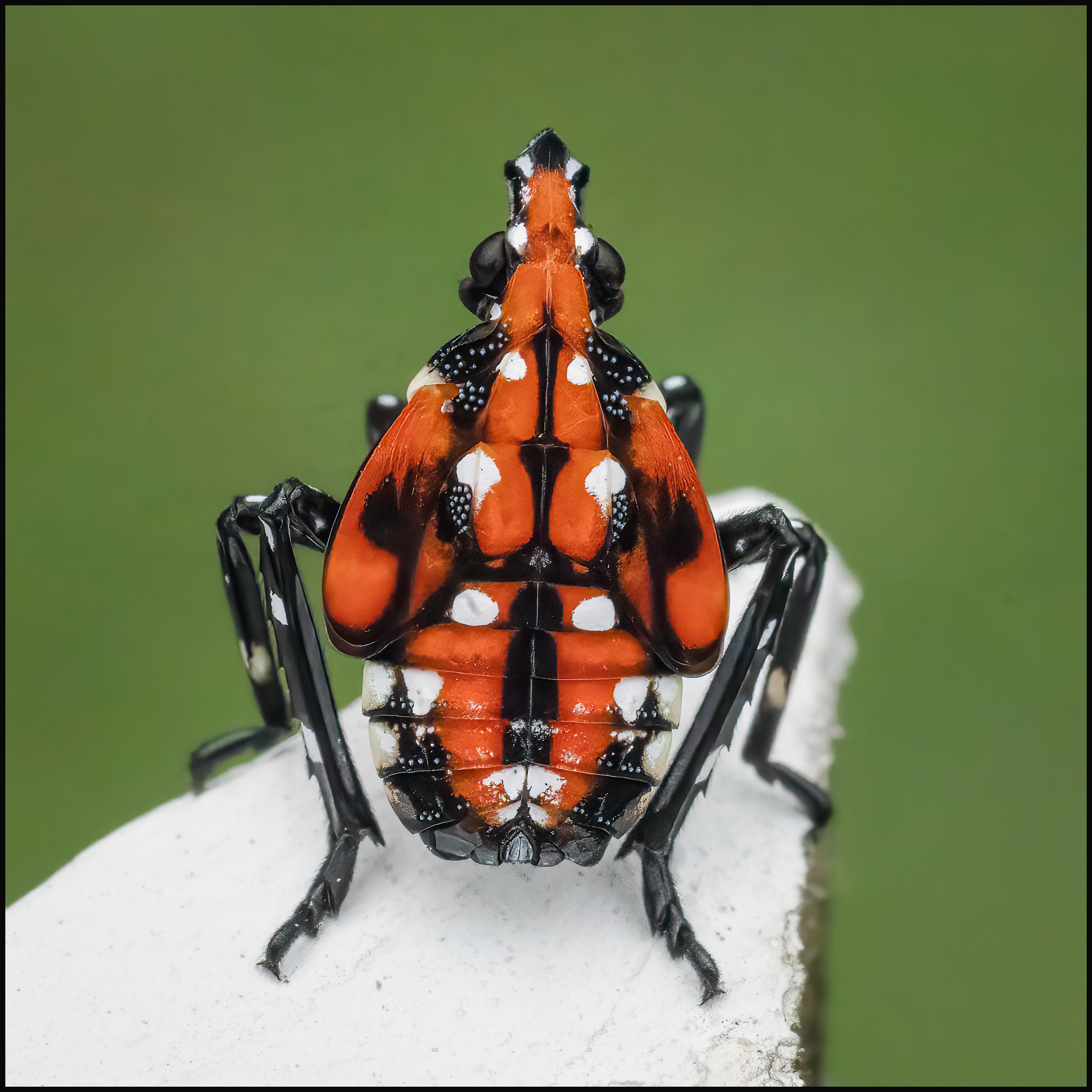
On July 4 I did a post about a small black bug with white spots, which turned out to be a Spotted Lanternfly nymph. They’re still around in quite large numbers, but they’ve been changing. They’re a little larger and have developed red coloring. And, if I’m not mistaken, they’ve started to develop wings. Seems like they’re on the way to becoming an adult.


Taken with a Sony A7IV and Tamron 90mm f2.8 Macro

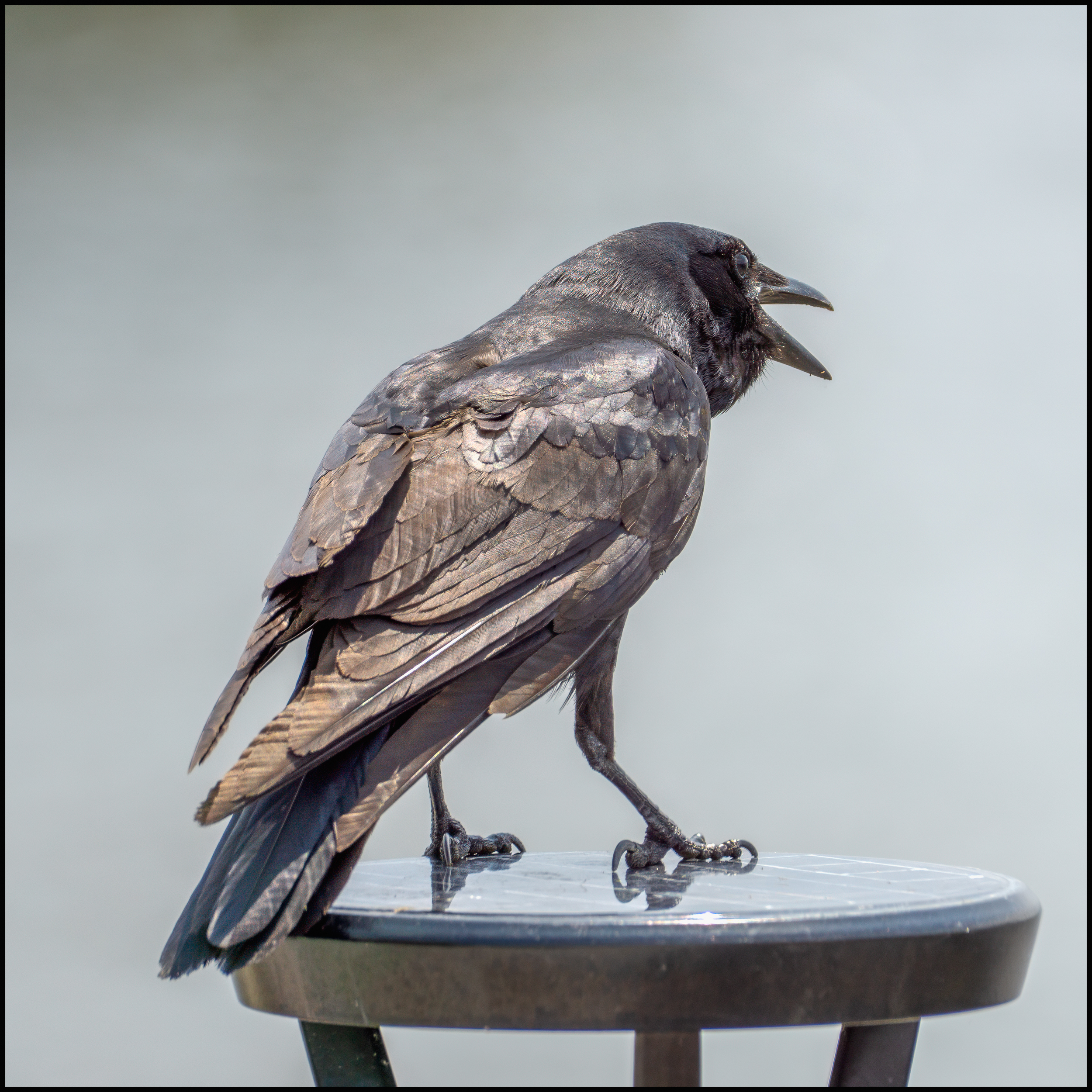
A Crow

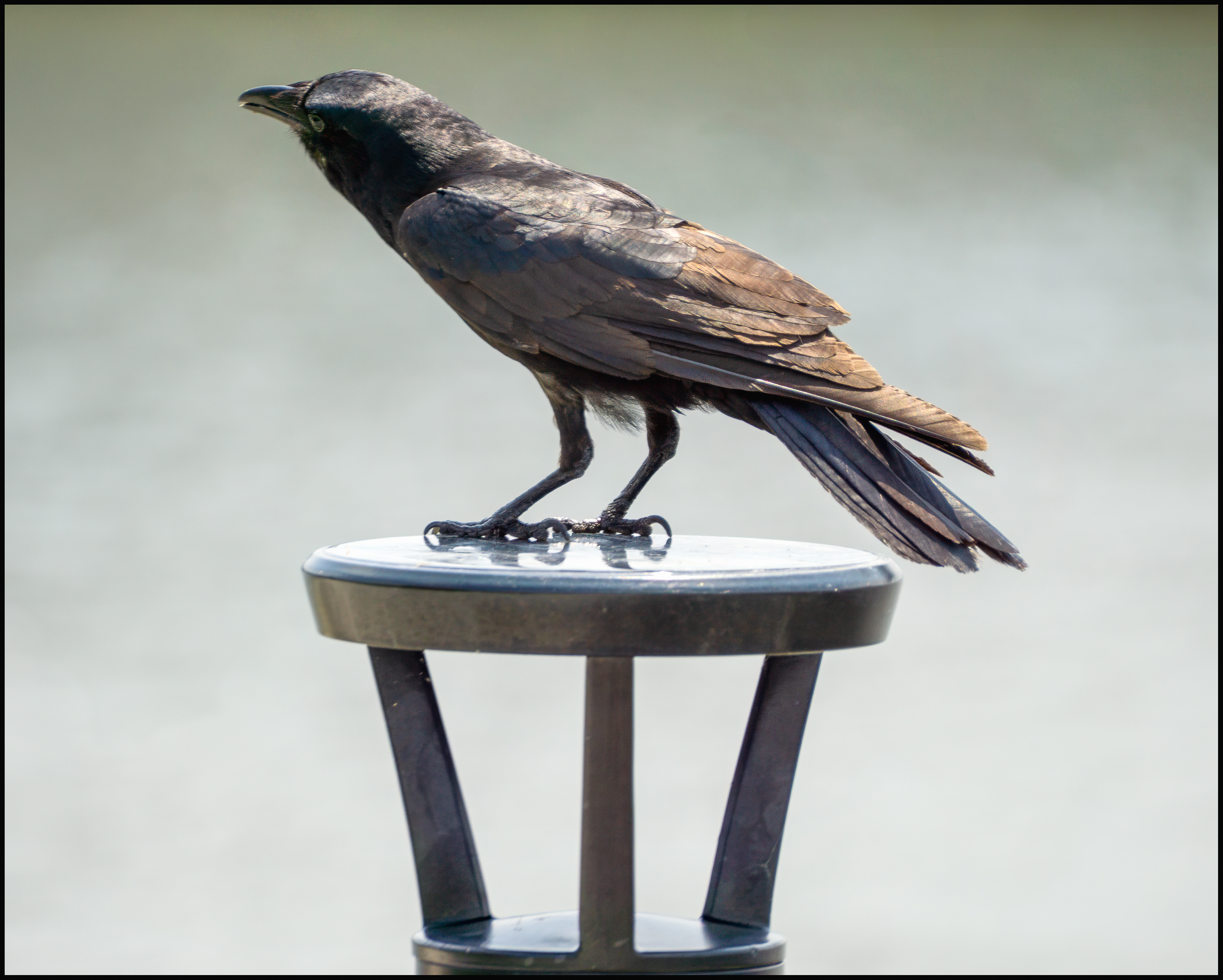
Crows belong to the genus Corvus. The collective name for a group of crows is a “murder”. Some people don’t like them, perhaps because they associate them with death.

Taken with a Sony A6000 and Tamron 28-300mm f/4-7.1 Di III VC VXD lens.

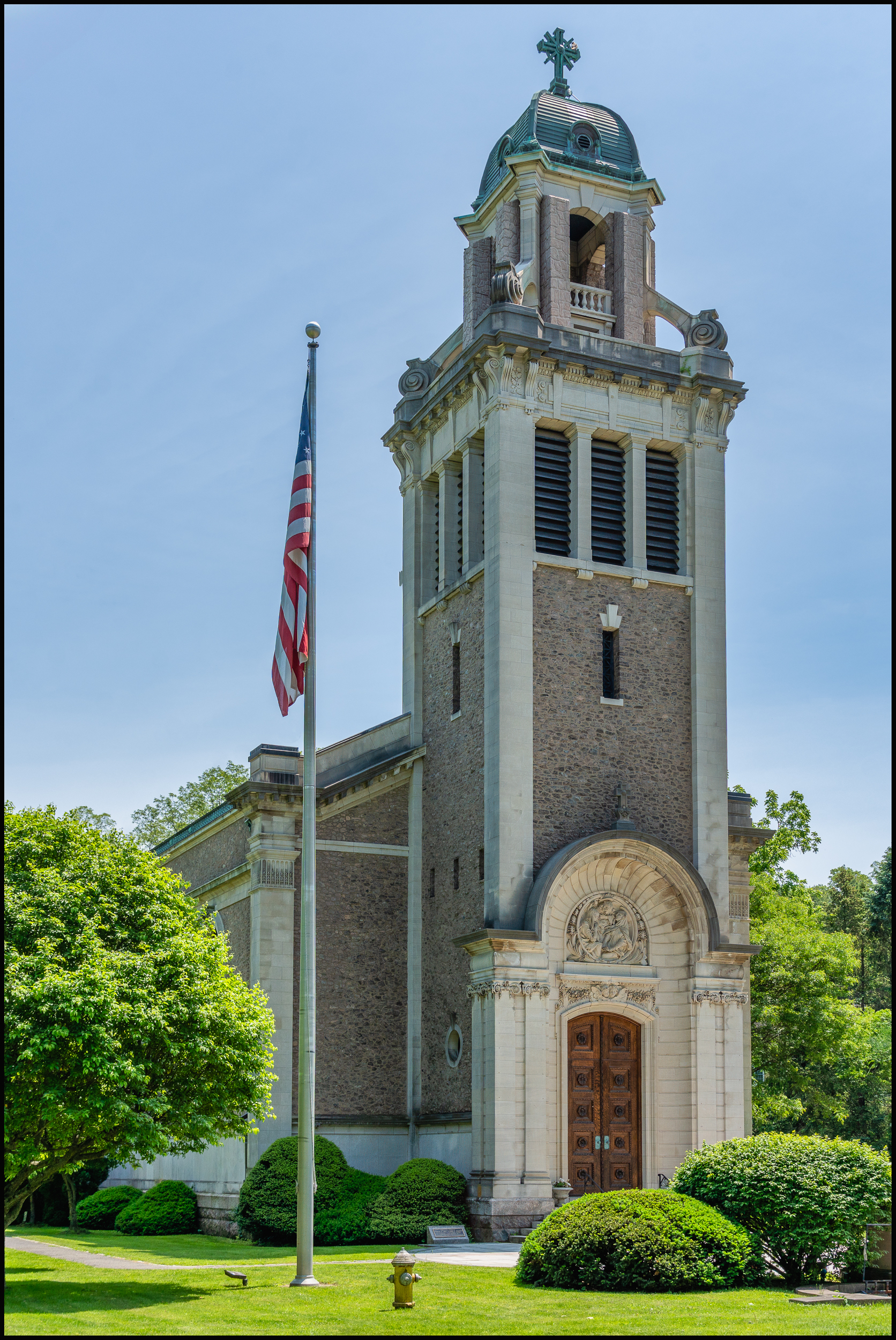
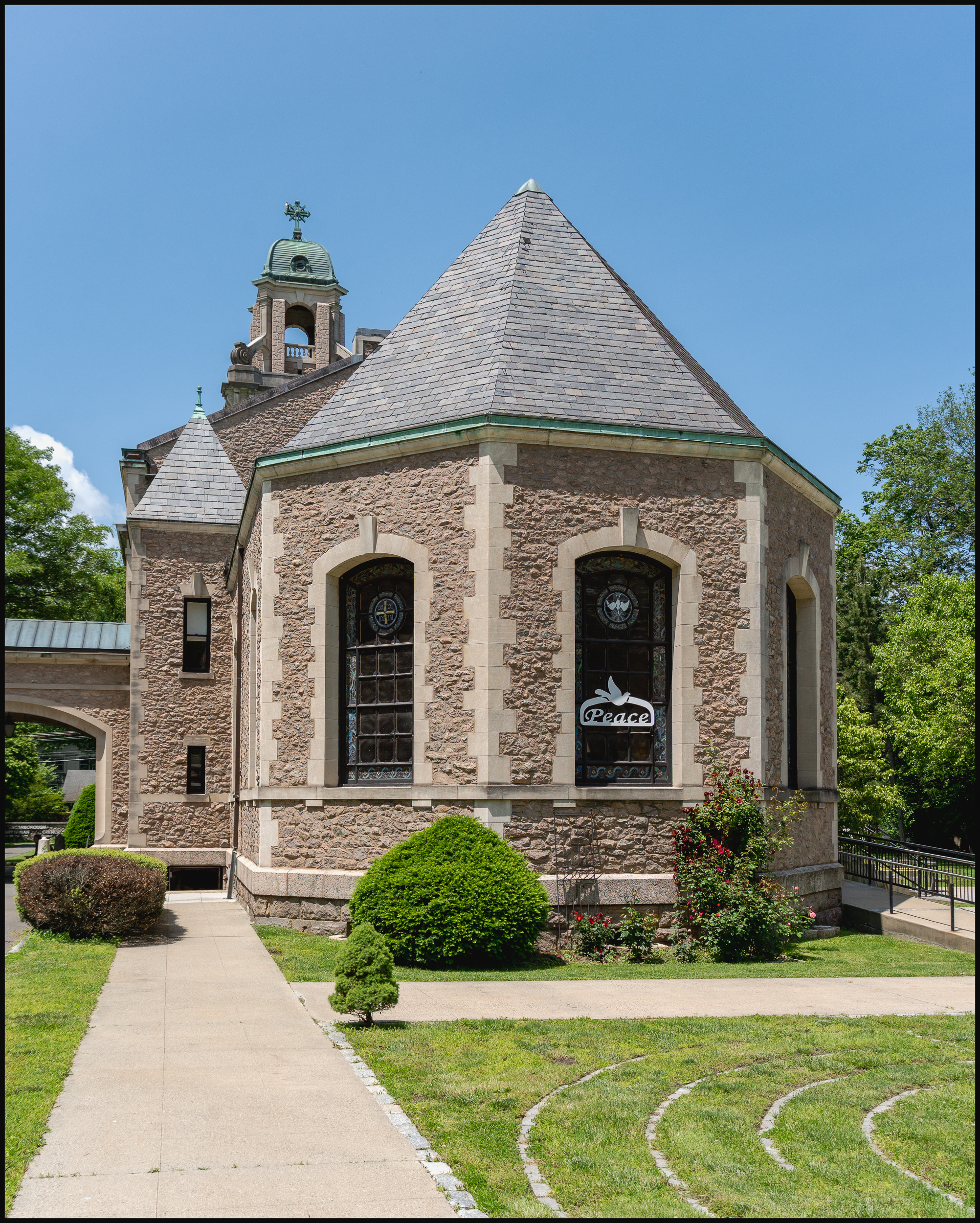
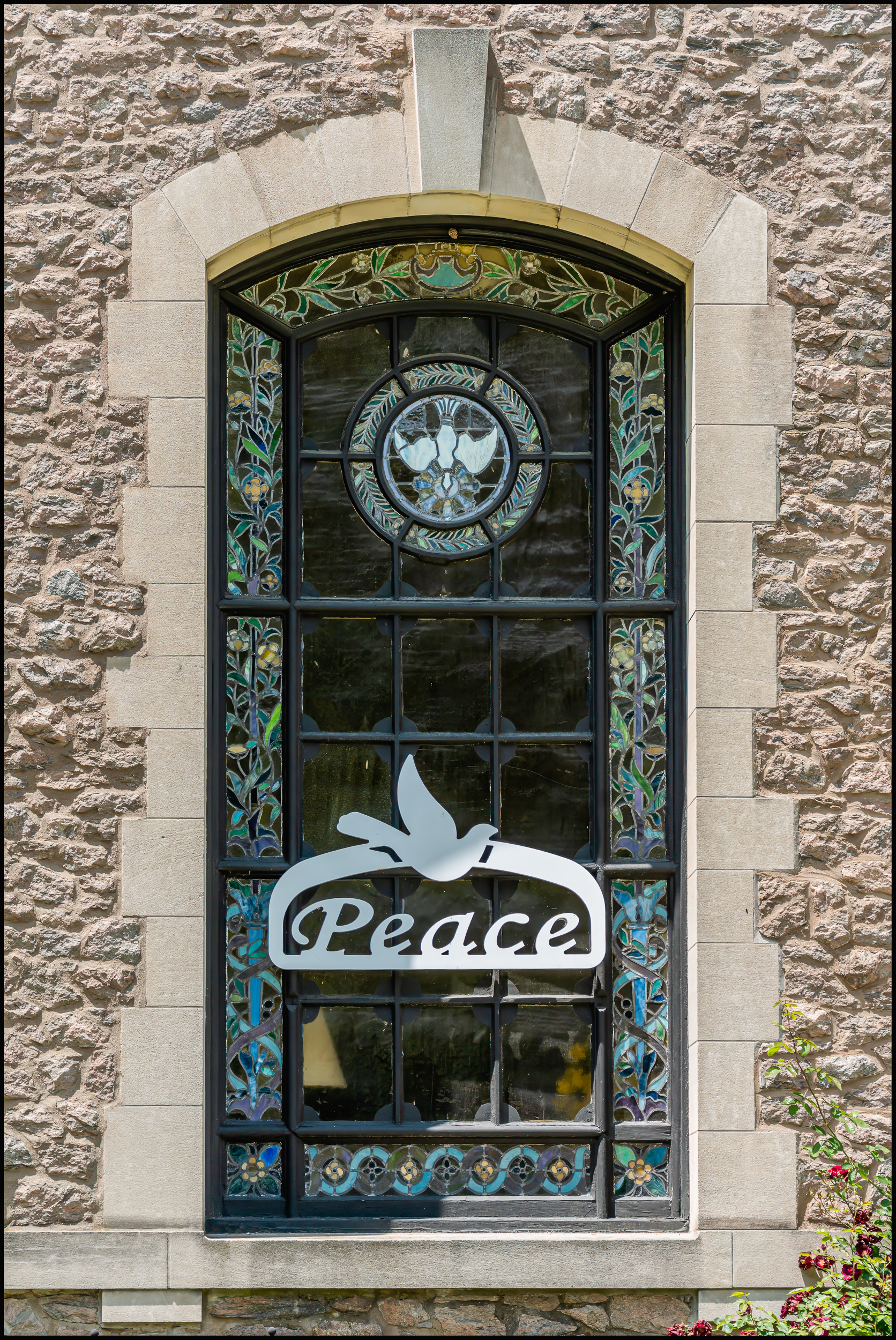
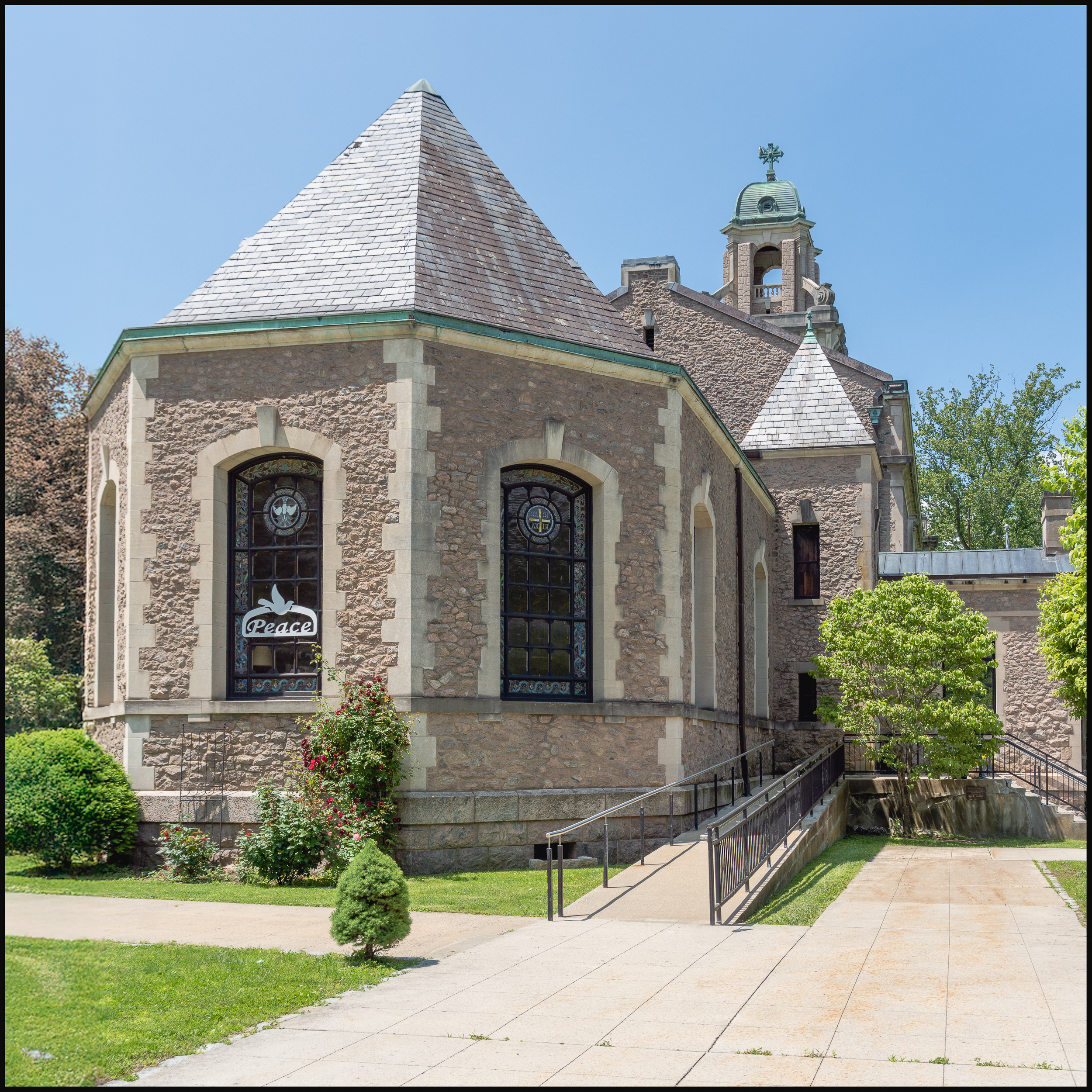
Scarborough Presbyterian Church

The Scarborough Presbyterian church is the third oldest in Briarcliff Manor. It’s about a twenty-minute walk from my house.

“A roadhouse on Albany Post Road purchased late in the 19th century by Elliott Fitch Shepard and his wife, Margaret Louisa Vanderbilt, eventually became the Scarborough Presbyterian Church. The roadhouse building was enlarged and renovated by the Shepards and in 1892 used as a small church.

The current church building was designed by Augustus Haydel, a nephew of Stanford White, and August Shepard, a nephew of Elliott F. Shepard and in 1893 the cornerstone for the new building was laid” (Church website).


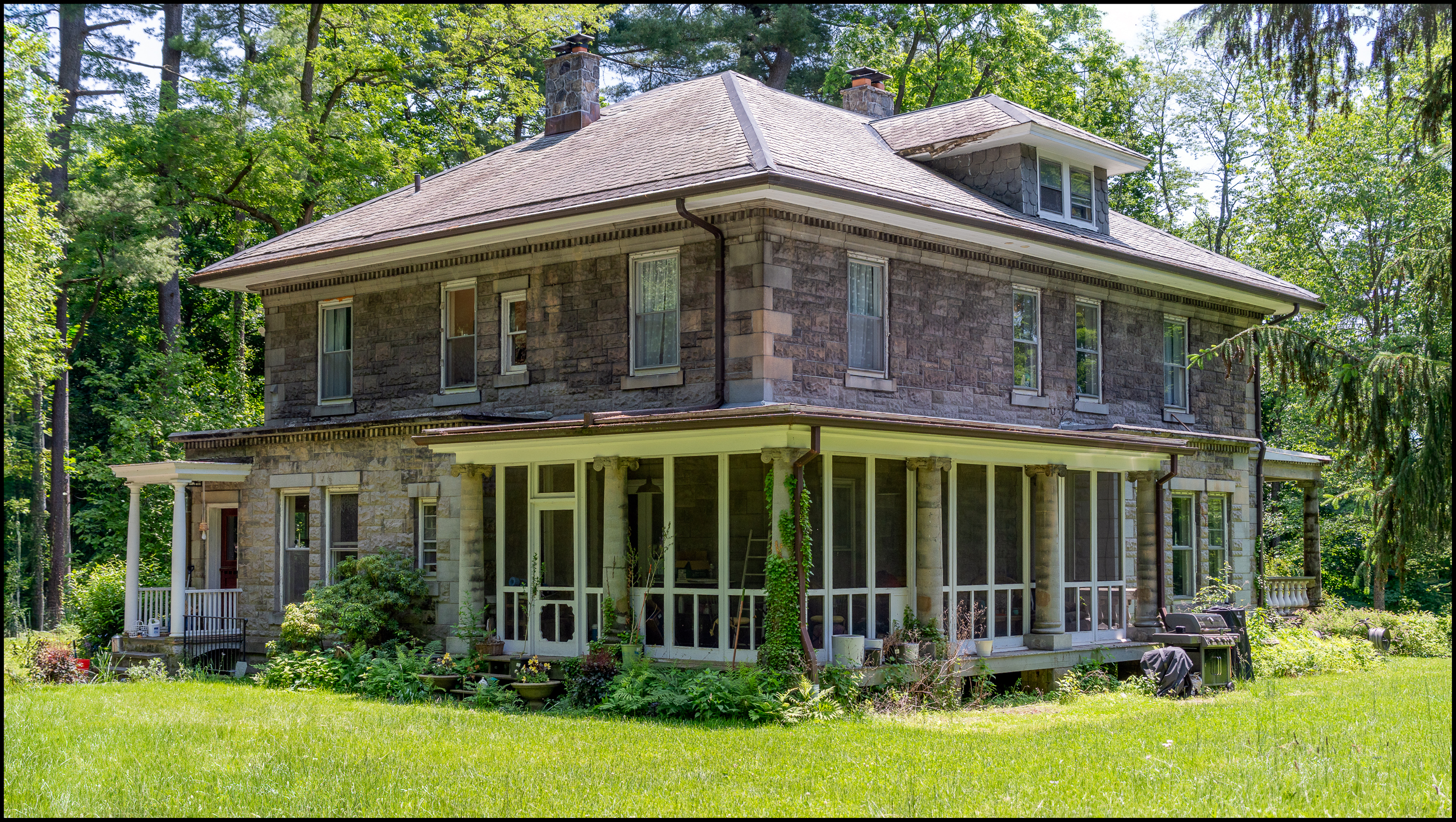
The Manse


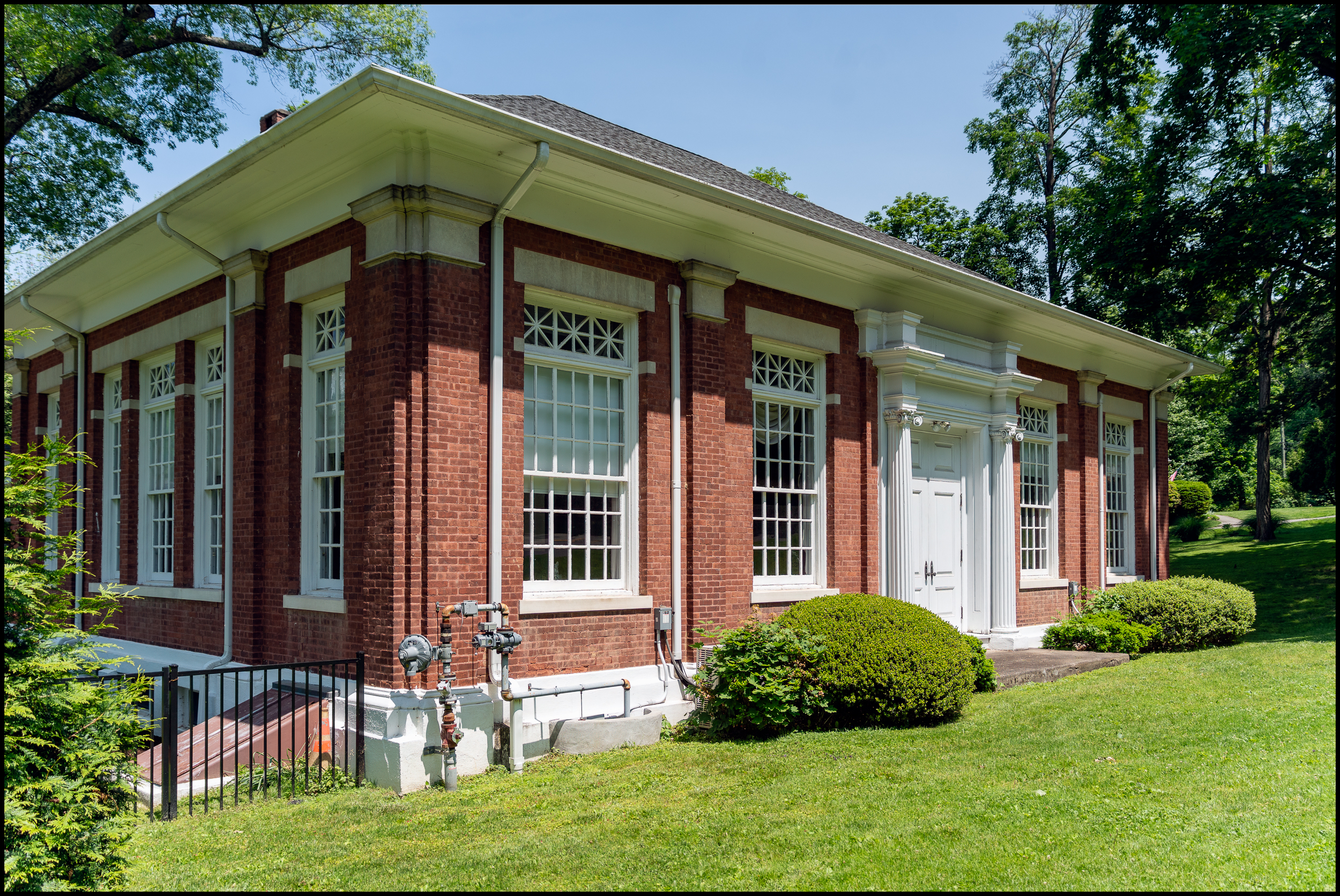
The Parish House.

For more information on the church see here and here.

Taken with a Sony A7IV and Tamron 28-300mm f/4-7.1 Di III VC VXD lens.

North Salem

North Salem is located in the northeast corner of Westchester County. Above: Once the Purdy homestead (1775). Now a restaurant: Purdy’s Farmer and the Fish.

“In the 1730s, European settlers began to create a self-sufficient farming community out of the forested wilderness of the Titicus River Valley. The Keelers, Purdys, Van Scoys, Wallaces and other first families built their homes on parcels of the oblong (the eastern edge of town; ownership disputed with Connecticut) and on Stephen Delancey’s share of Van Cortlandt Manor. The Oblong portion here and in Lewisboro was the original town of Salem, while the Van Cortlandt Manor section was known as Delanceytown. Eventually, Salem was divided into Upper and Lower Salem. In 1788, the Town of North Salem was incorporated to include both Delanceytown and Upper Salem.

In the 1840s, the hamlets of Purdys and Croton Falls sprang up around two stations on the new Harlem Railroad. Dairy farmers thrived, using the new iron horse to get products to market. Imaginative entrepreneurs imported exotic animals and started America’s first circuses. Others created summer camps and vacation communities around Peach Lake.

When the New York City water supply was expanded in the 1890s, new dams and reservoirs displaced hundreds of people in North Salem and surrounding towns. The entire hamlet of Purdys was moved or torn down, along with farms and residences in the Titicus Valley and parts of Croton Falls.

For more information on each of these buildings see here:


Doorway to the Purdy Homestead/Farmer and the Fish.


Delancey Hall (1765-1773).


Once the Lobdell House (c. 1848). Now “The Annexe” housing a number of town offices.


Former Lobdell House – Hickory Glen (1883). Now the home of still more town offices.


Balanced Rock (Glacial period). Is it a man-made artifact or a stunning accident of nature?


Above (and below): The Stebbins B. Quick Carriage Barn (c. 1869).

Taken with a Sony Nex 5n and Sony E 55–210 mm F4.5-6.3 OSS