A lonely Bell

In the preceding post there are a couple of lists of notables who either attended services, or contributed to the funding of St. Mary’s Episcopal Church in Briarcliff Manor, NY. However, I deliberately left out one name so I could mention him in this post.

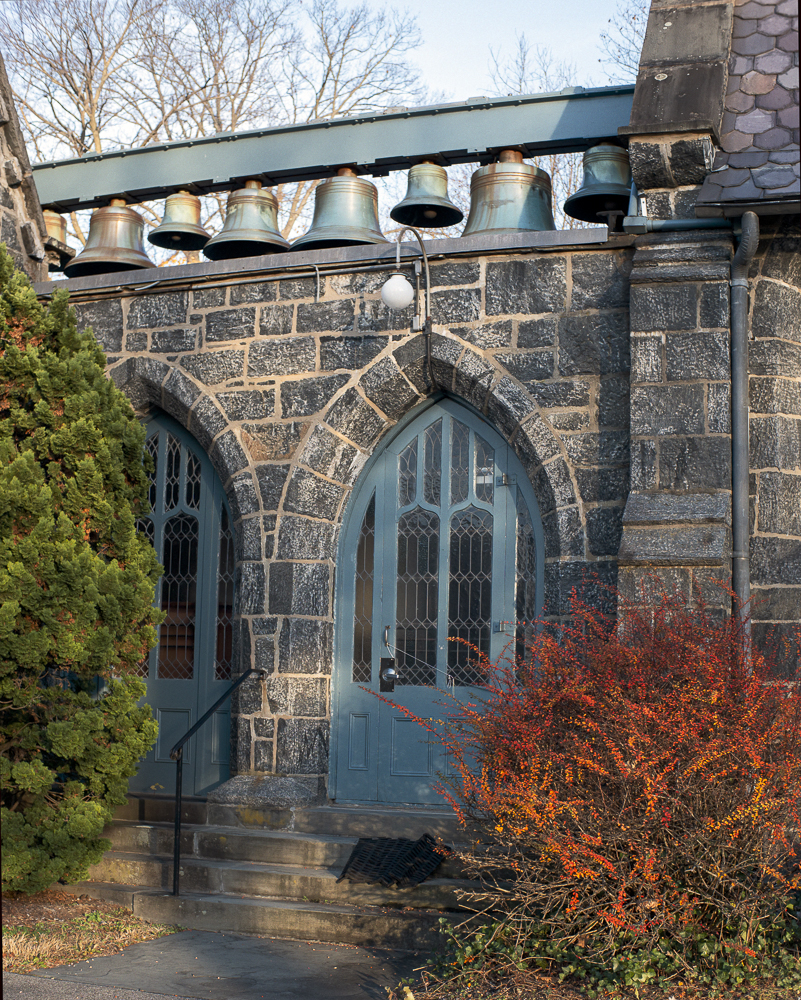
As I was leaving the church I noticed this small bell tucked away in a corner of the buildings. I thought to myself, I wonder what that is and stopped to take a look. Then I noticed a plaque over the bell. It reads: “Commodore Matthew C Perry 1794-1856 “Father of the Steam Navy” and opener of Japan who made his home here for many years in “The Moorings”. A founder of this church and donor of the bell used until 1910.” Now I didn’t know the other founders and donors listed in the earlier post, but I had heard of Commodore Perry. According to Britannica:

Matthew C. Perry, in full Matthew Calbraith Perry, (born April 10, 1794, South Kingston, R.I., U.S.—died March 4, 1858, New York City), U.S. naval officer who headed an expedition that forced Japan in 1853–54 to enter into trade and diplomatic relations with the West after more than two centuries of isolation. Through his efforts the United States became an equal power with Britain, France, and Russia in the economic exploitation of East Asia.

.

But wait…there’s more.

According to an online article entitled “The Bells of St. Mary’s. From Villahermosa, Tabasco, to Scarborough, New York: The Mysterious Journey of a Mexican Church Bell”:

One Hundred and seventy-three years ago the United States and Mexico were at war and in the end; vast amounts of Mexican territory became American property along with other things once owned by Mexicans. As happens in every war American soldiers carried home war trophies such as photographs, uniforms, medals flags, rifles, pistols and even cannons that once belonged to the former enemy. This is the story of one of those trophies, a church bell that once hung in the belfry of a Roman Catholic Church called “Iglesia de la Virgen de la Concepción” in the City of Villahermosa, the capital of the State of Tabasco, in the Republic of Mexico. It seems that this church was the successor of several church buildings (known by various names) that have stood in the central square of Villahermosa (once known as San Juan Bautista) since 1614. The “Iglesia de la Virgen de la Concepción” no longer stands as it was shelled by American naval artillery during an engagement between the American and the Mexican forces in mid June of 1847, known as the “Second battle of Tabasco.” The Iglesia was subsequently replaced by several other churches in this site since then the latest being the Catedral del Señor (Cathedral of the Lord).
During the Second Battle of Villahermosa the Americans under the personal command of Commodore Matthew C. Perry stormed ashore with a force of 1200 sailors and marines and took a defensive fortification known as Fort Acachapan manned by 600 troops under the command of Colonel Claro Hidalgo. Perry unlimbered his artillery and shelled the fort then ordered a charge. With his sword in hand, Perry personally led the troops that drove the Mexicans back and he briefly occupied the town and subsequently abandoned it when he realized that he did not have enough troops to hold it. It was probably at this time that he or one of his troops found the bell among the ruins of the bombed out church and decided that it was a worthy commemorative trophy and later took it back to the U.S. ” In those times church bells were considered legitimate prizes of war.

As it happened, Commodore Perry was a resident of the hamlet of Scarborough, NY where he built a home he called, The Moorings ” on 125 acres of land on the shores of the Hudson River near to where Rookwood Park (sic. should be Rockwood Hall) a section of Rockefeller State Park now stands.

At some point after he returned to his home, perhaps in 1851, Commodore Perry presented the bell to the church and had it inscribed as follows: ” Captured At Tobasco (sic) 1847″ and below that, “Presented by Commodore M.C. Perry, Recast.” The bronze bell is 20 inches tall and has a diameter of 18 inches at the bottom end. Most likely the bell was an alloy comprised of copper and other base metals that was locally mined and cast into bronze at a nearby forge. This historical bell was replaced by a larger modern bell in early November of 1910 , donated by the financier, August Belmont, Commodore Perry’s son-in-law. The old bell was placed on an outside corner of St Mary’s to the left of the main entrance where it can be seen today.

I’ve lived in Briarcliff Manor for 22 years and I never knew about this connection to Commodore Perry. And to think that I almost missed the bell completely…

Taken with a Sony A6000 and 7artisans 25mm f1.8 lens.
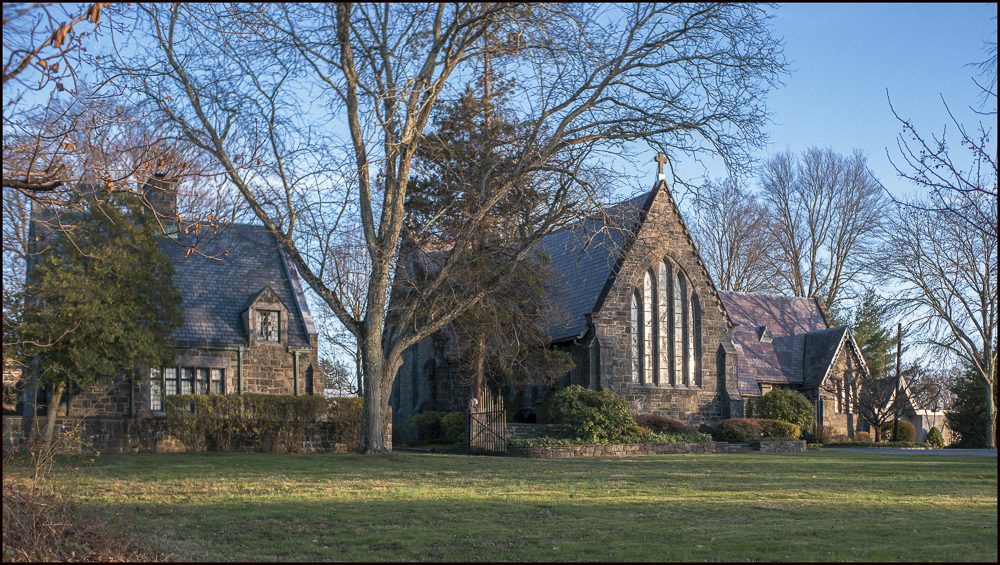
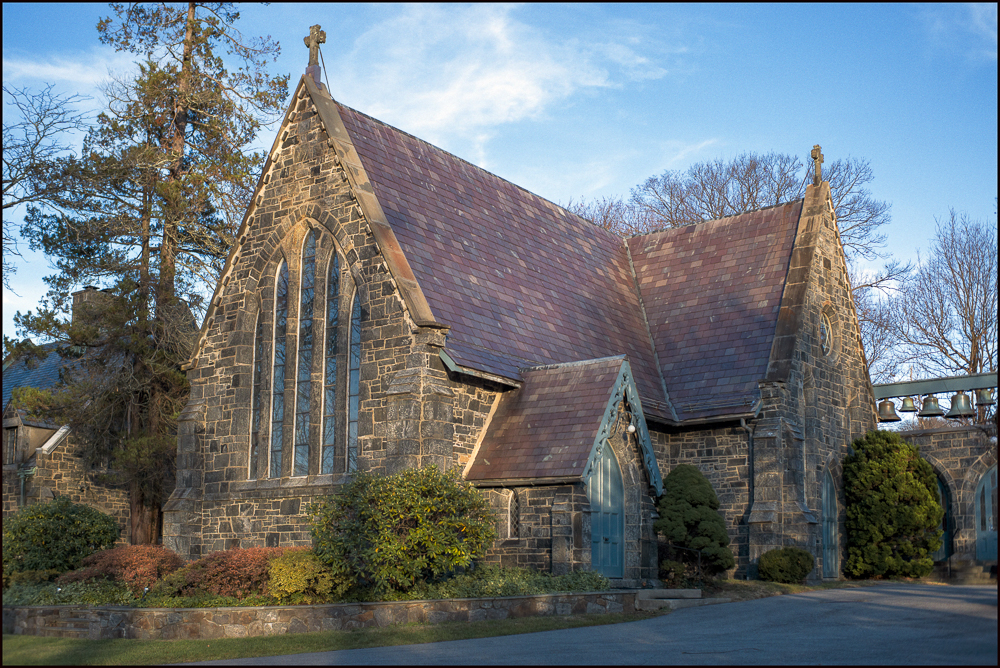
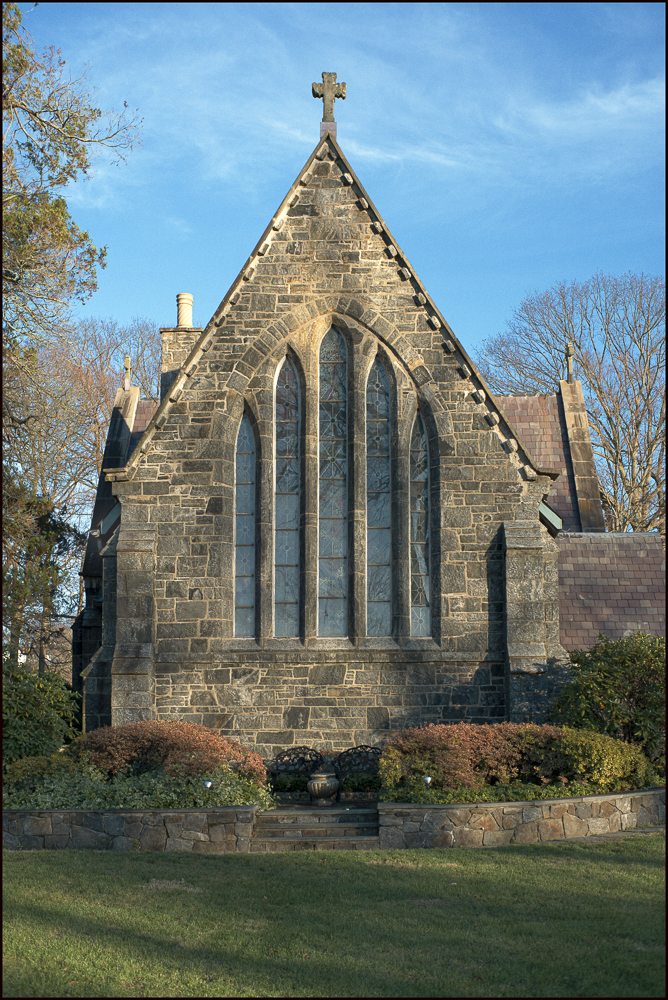
St. Mary’s Episcopal Church, Briarcliff Manor, NY

I’d often passed this church on Route 9 in the Scarborough section of Briarcliff Manor. It’s an attractive old church and I thought it might be nice to stop by and take a few pictures, but I never did. Then one day I read somewhere that the church was going to close so I thought I’d better get the pictures before someone decided to demolish it.

According to the Scarborough Historic District page on Wikipedia:

Saint Mary’s Episcopal Church, founded in 1839 by William Creighton and incorporated in 1883 as Saint Mary’s Church, Beechwood, is Briarcliff Manor’s oldest church; it was reincorporated in 1945 as Saint Mary’s Church of Scarborough. Its first service was in 1839 in a small schoolhouse on an acre of Creighton’s Beechwood property, at the corner of Albany Post and Sleepy Hollow Roads. The service was led by Creighton’s son-in-law Reverend Edward Nathaniel Meade.

The granite church was built in 1850 by local stonemasons and paid for primarily by Creighton and Meade and thier wealthy neighbors including James Watson Webb, William Aspinwall, and Ambrose Kingsland. The first services there were held on September 21, 1851. The church is in near-original condition, with a design based on the 14th-century Gothic St. Mary’s parish church in Scarborough, England and is the only church with a complete set of John Bolton (brother of William Jay Bolton) stained-glass windows.

The church’s rectory was built in 1931 as a memorial to its first two rectors Creighton and Meade. Notable parishioners included Viola Allen, and Washington Irving. Irving, the author of “Rip Van Winkle” and “The Legend of Sleepy Hollow”, brought and planted the ivy surrounding the church. He had received it from Walter Scott, from Abbotsford. The ivy of the parish house was brought from the Argonne battlefield, after World War I, by Narcissa Vanderlip. The 200-acre-plus (81 ha) Sleepy Hollow Country Club surrounds the church grounds on three sides.

On July 5, 2015, Saint Mary’s Episcopal Church closed after 175 years in operation.

William Rockefeller, who lived nearby at Rockwood Hall, was a regular attendee of the church in the last few years of his life.


Taken with a Sony A6000 and 7artisans 25mm f1.8 lens.
An old waterworks revisited

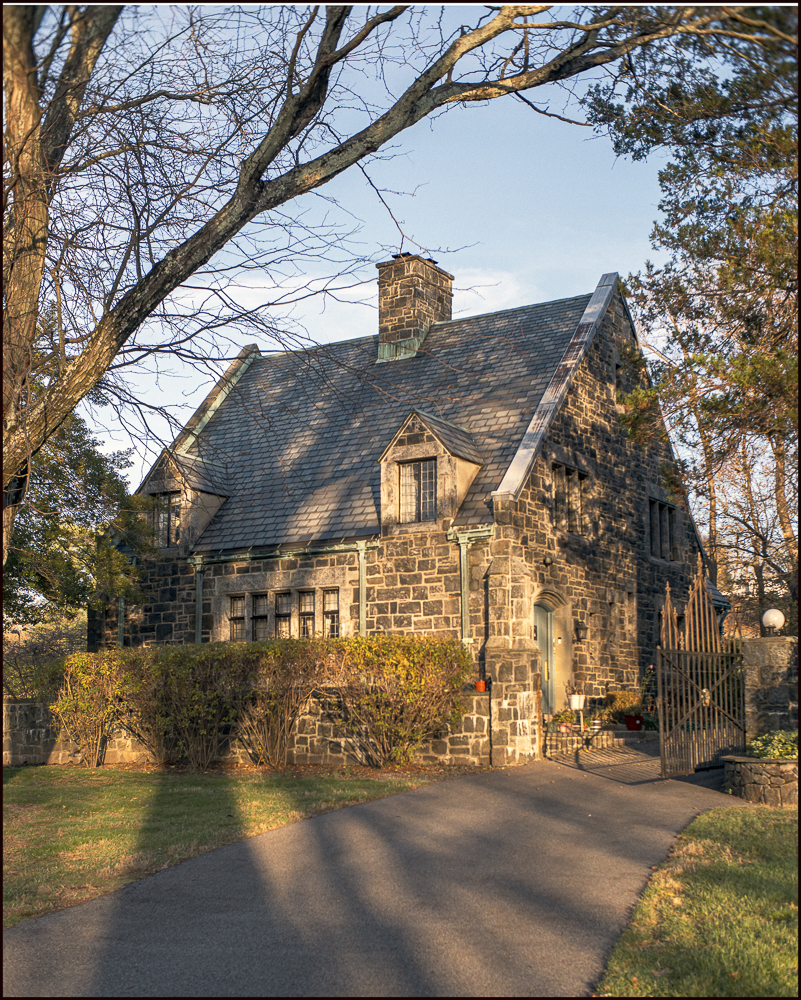
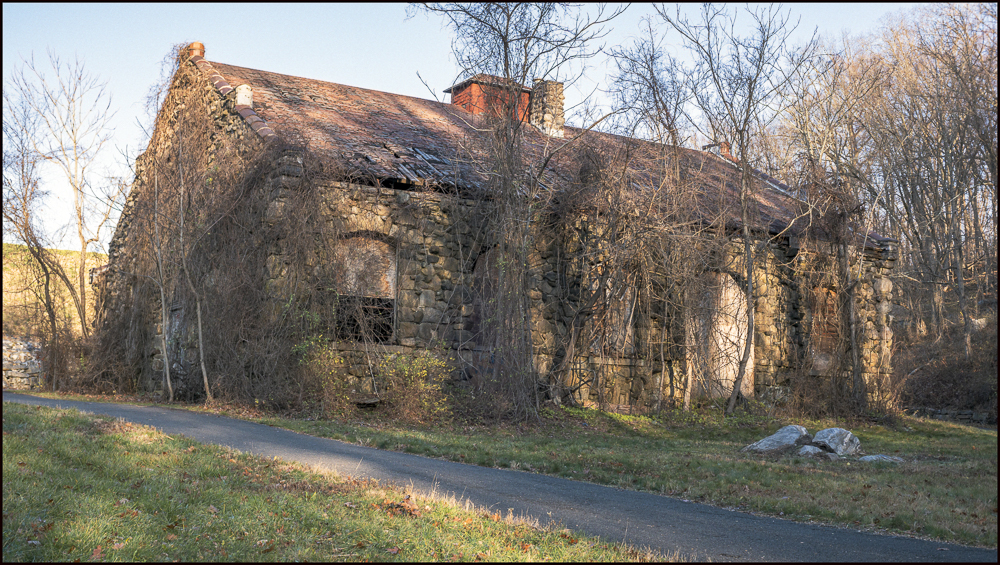
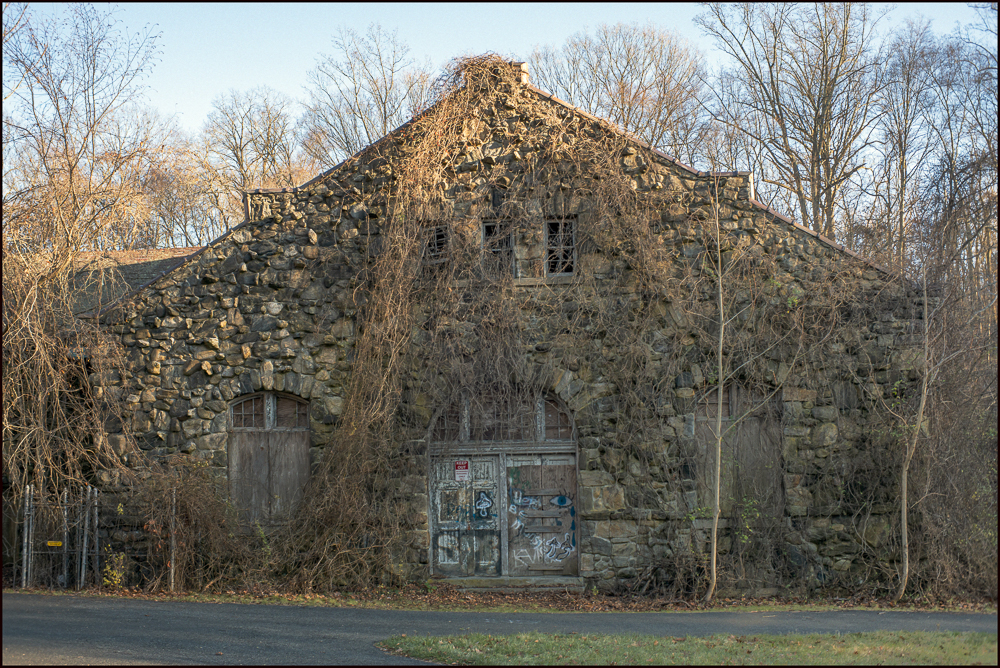
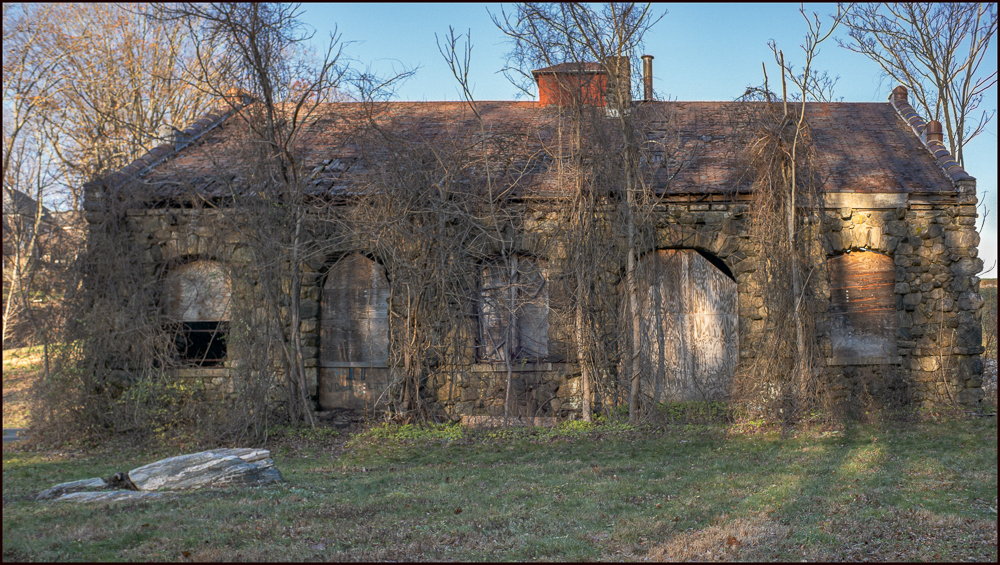
I’d recently (end October) been to this old waterworks near Pocantico Lake (see: An Old Waterworks). At that time I had difficulty taking the pictures I wanted because I had the wrong lens: a telephoto. It was a new lens and I was keen to try it. Unfortunately, I couldn’t get far enough back (I would have ended up in the river) to get the wider view of the buildings that I was looking for. So I decided to return with a more appropriate lens. Here are the results.


Taken with a Sony A6000 and 7artisans 25mm f1.8 lens.
Along the Pocantico River


Went for a walk along the Pocantico River, which states:

The Weckquaesgeek Native American tribe, who established their primary settlement around the mouth of a river in present-day Dobbs Ferry, also had a village at the mouth of the Pocantico River called Alipconck, meaning “place of elms”. The river historically set the dividing line between Mount Pleasant and Ossining.

The river was once called by the English as “the Mill river”, while the Native Americans called it Pocanteco, a derivative of the Algonquin term Pockóhantès, meaning a “run between two hills”. The Dutch called it the Sleepy haven kill. Dutch colonist Adriaen van der Donck’s Beschrijvinge van Nieu Nederlandt, published in Amsterdam in 1655, referred to the Pocantico River as “Slapershaven” . The anglicized term “Sleepy Hollow” grew to apply to the Pocantico’s river valley and later to the village of North Tarrytown in particular; the village changed its official name to Sleepy Hollow in 1996.

Frederick Philipse moved to the area and started purchasing land in the late 1600s, his properties would become known as Philipsburg Manor. He established his country seat at what was then known as North Tarrytown, at the mouth of the Pocantico River. A small community had already been established there when he arrived in 1683.

A ship called the Roebuck, which transported cargo to and from New York City, ended up in the river, where its keel was scavenged by the miller at the mill of the Philipsburg Manor House site.

Around the late 1890s, Walter W. Law and Briarcliff Farms deepened the river for a length of 2 miles (3 km), taking out the rifts so the stream would flow and the swamps adjacent to the river would drain. The workers also cut rock and took out trees that lined the swamps to reclaim land for farming.

The North Tarrytown Assembly, a large automobile factory in Sleepy Hollow, was owned and operated by General Motors for much of its history; a 1923 expansion of the facility involved land-filling the river; two-thirds of the factory site was land formerly occupied by the river. The river was rerouted south of the site.

During 1999’s Hurricane Floyd, the Pocantico was blocked by fallen trees and almost washed away the Philipsburg Manor historic site; about 70 employees of the parent organization Historic Hudson Valley assisted in its protection, along with the site’s curators and security guards, and other village residents.

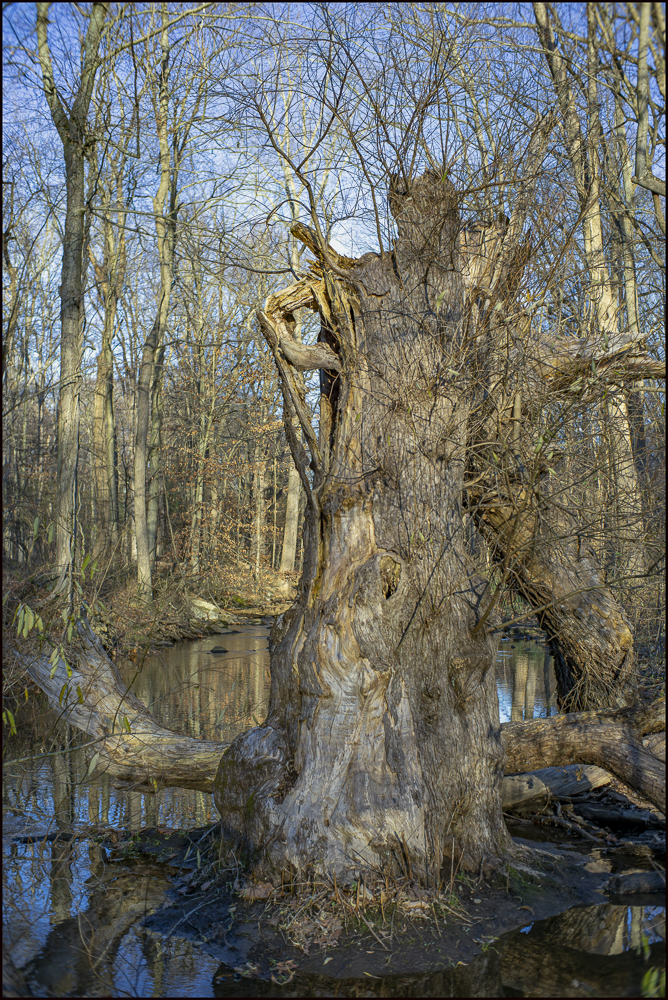
Above a fallen tree.


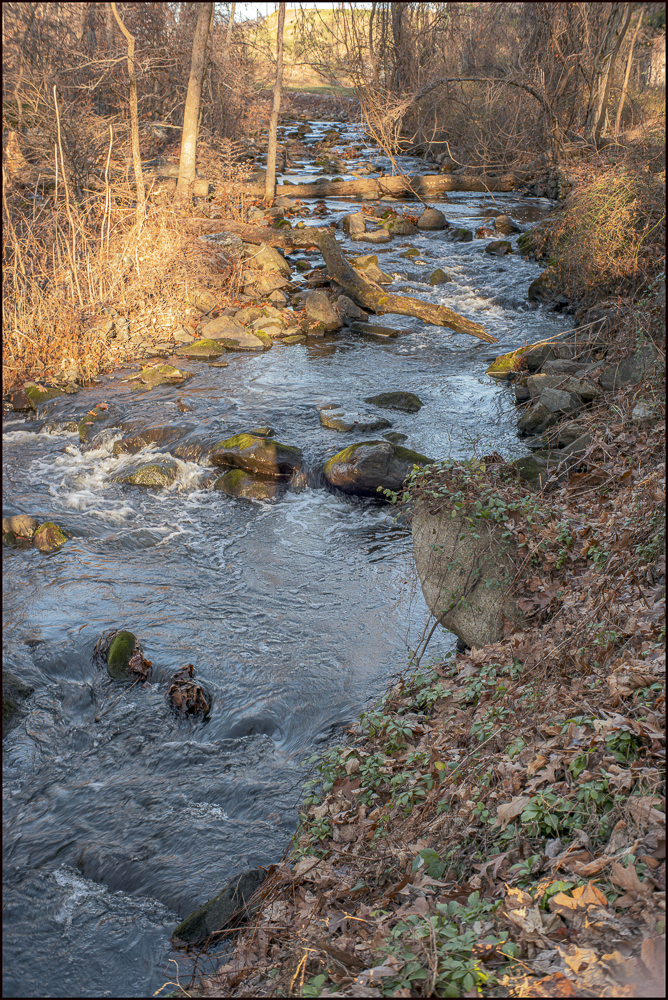
View of the river looking towards Pocantico Lake.


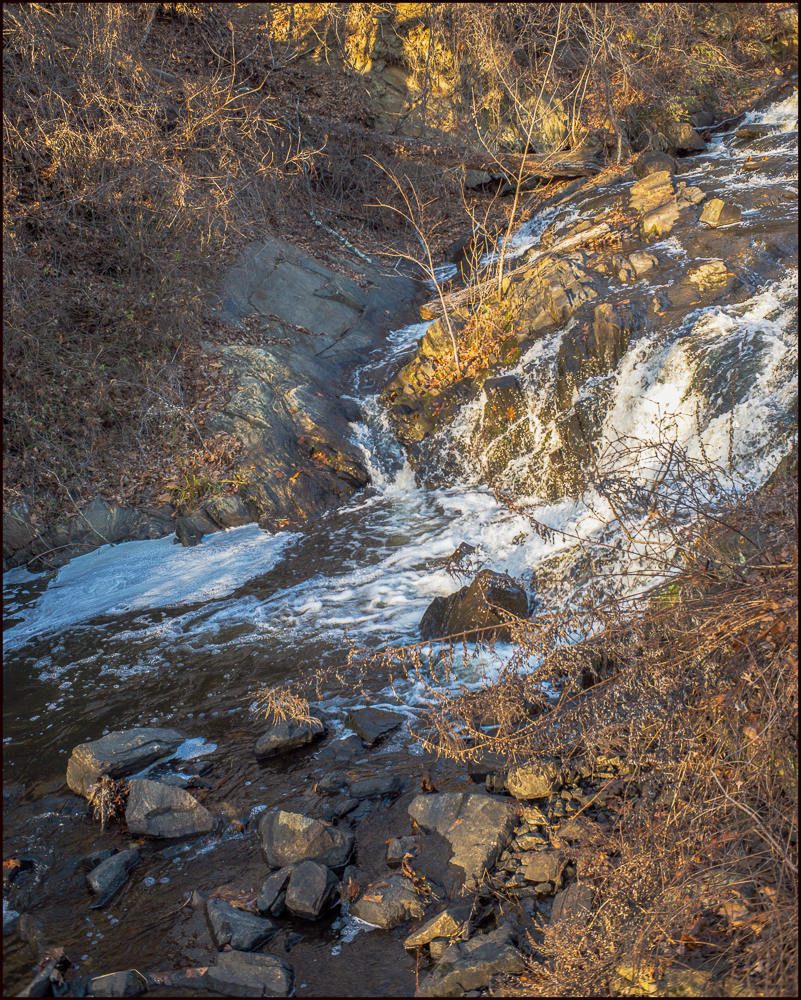
The river flowing over some rocks.


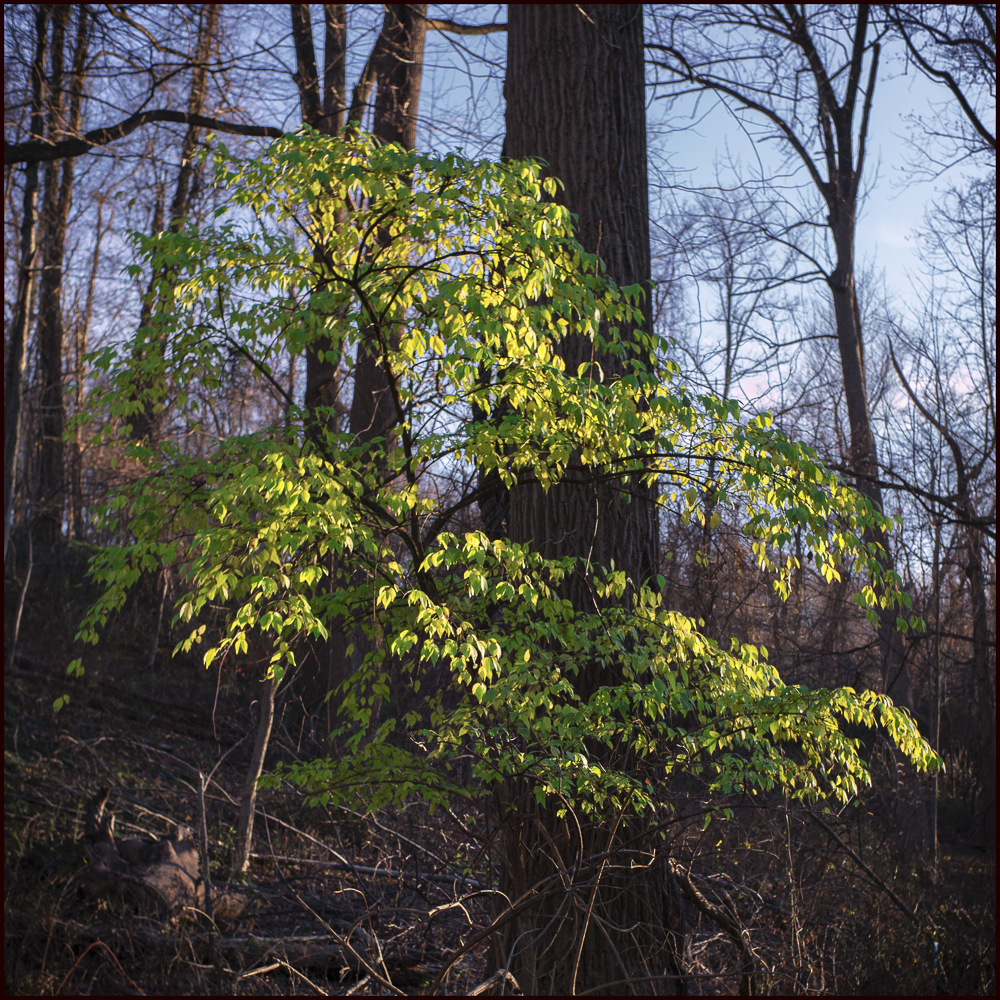
Light on green leaves.

Taken with a Sony A6000 and 7artisans 25mm f1.8 lens.
Croton Point Park

no images were found

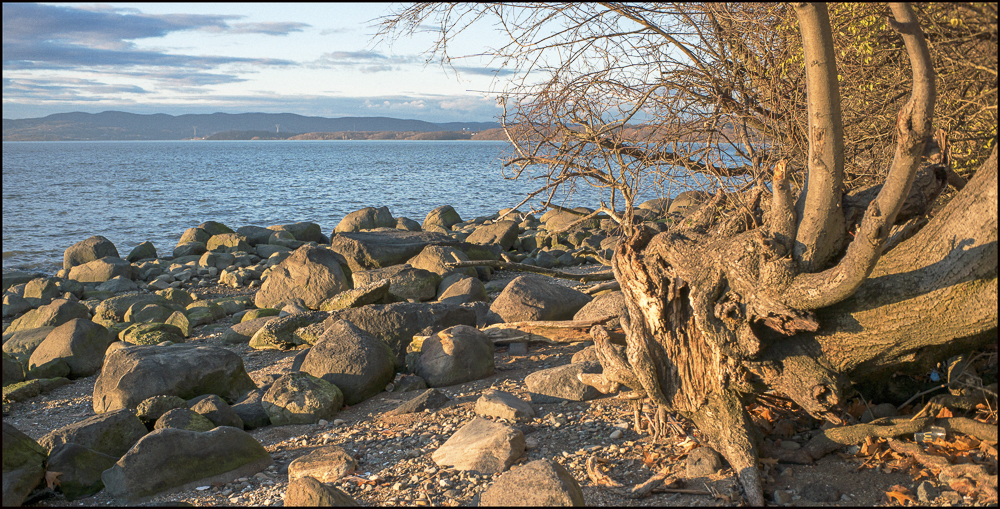
Last Thanksgiving I took the dog for a walk at Croton Point Park, NY. The weather was great, and the light was superb. Above: Rocks and a tree (with roots) looking vaguely North over Verplanck. You can just make out the Bear Mountain Bridge in the background, and behind that the Schunemunk Mountain State Park (I think).


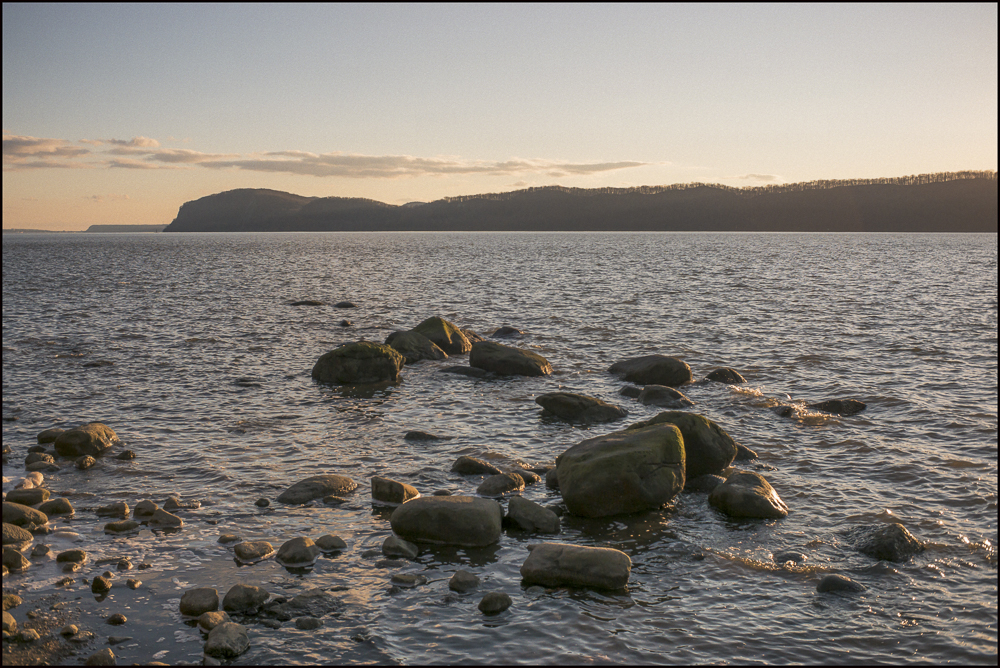
Rocks in the Hudson. Looking vaguely south towards Hook Mountain.


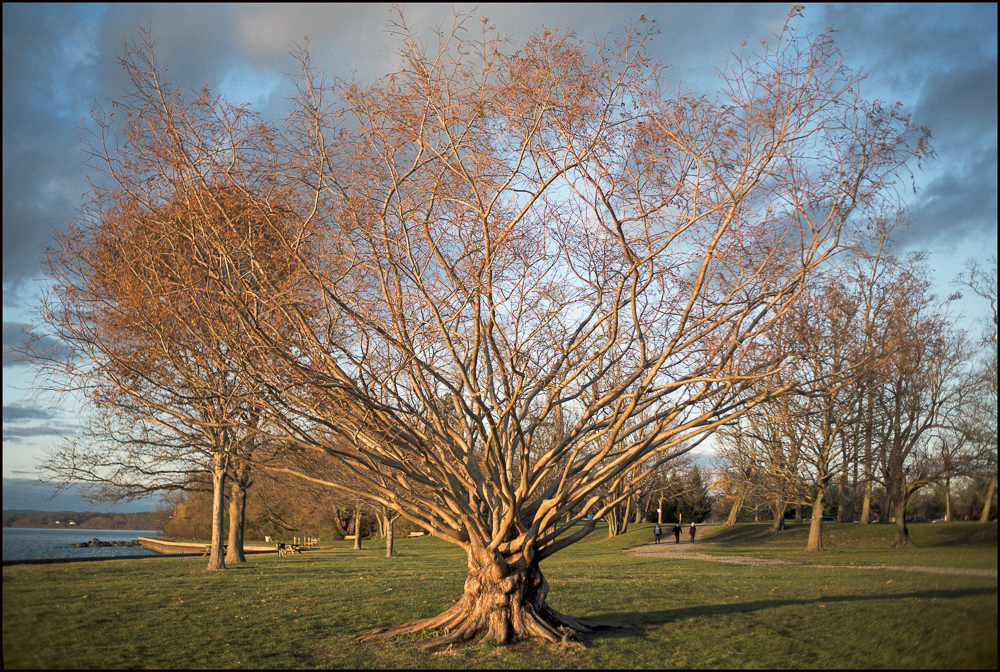
I love the symmetry of this tree.


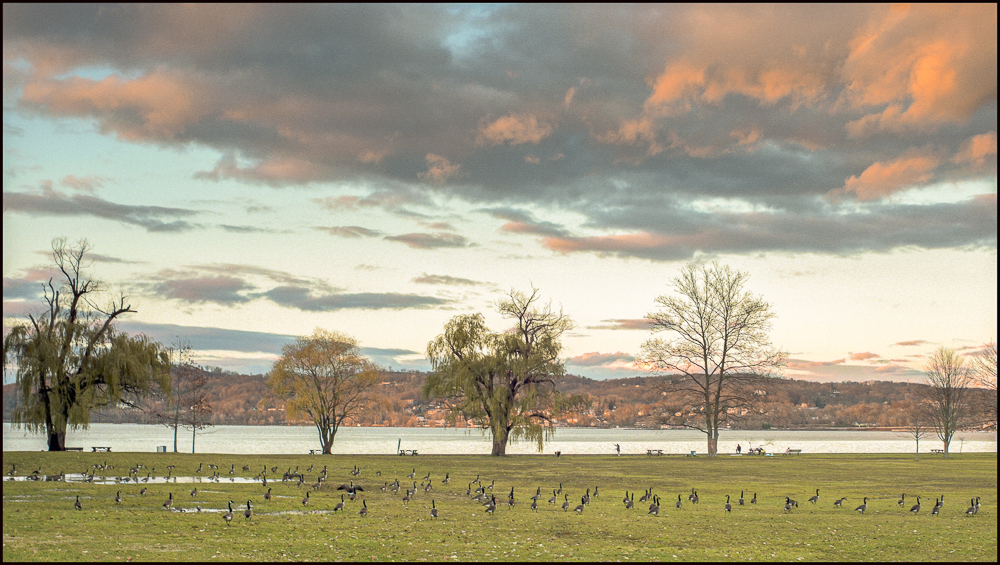
Geese at sundown. Looking towards Croton Landing (I think).


Another tree.

Taken with a Sony A6000 and 7artisans 25mm f1.8 lens.