Three Sisters

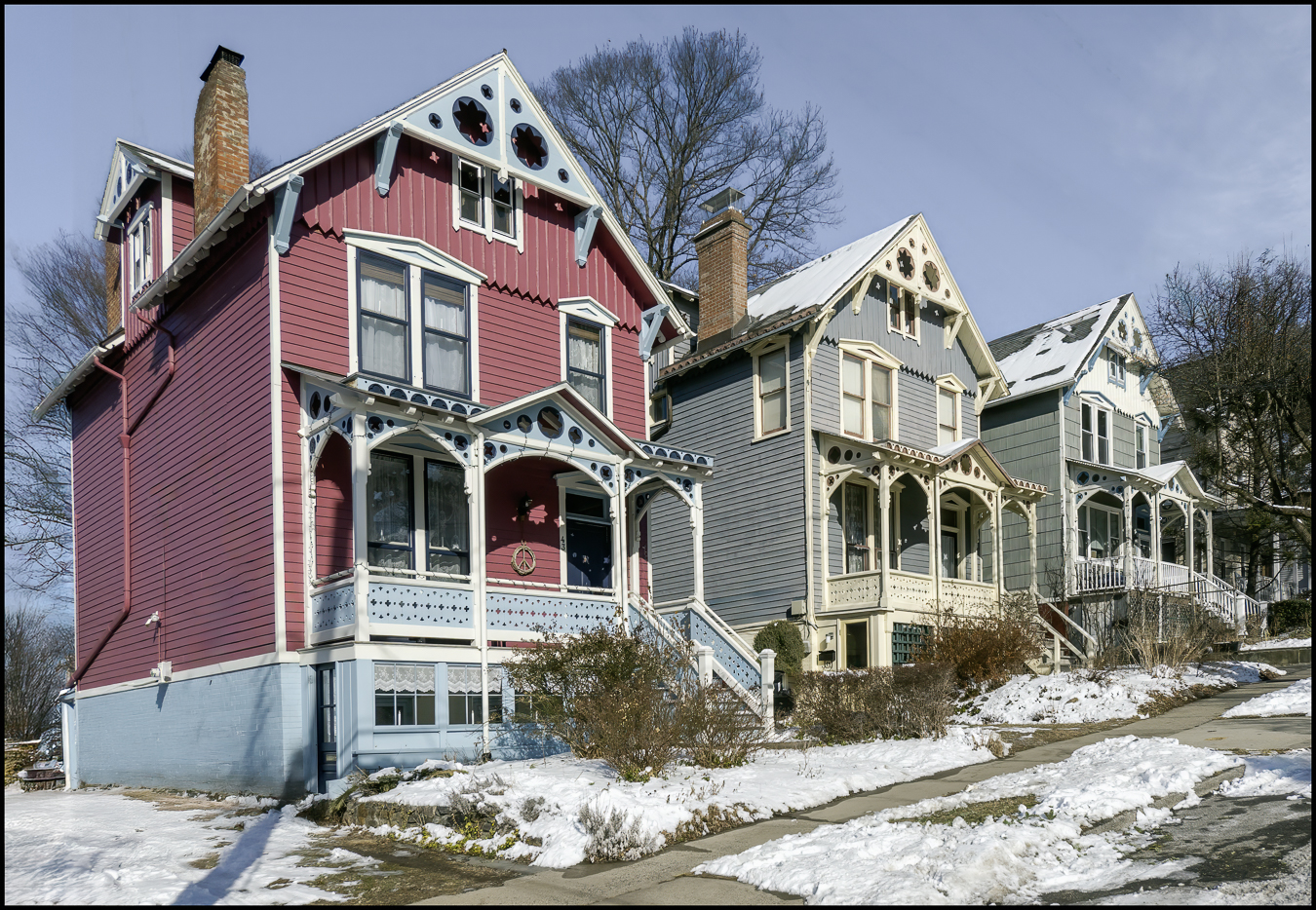
I’d taken pictures of all three of these houses (singly i.e. three separate pictures). I’d always wanted a picture of all three of them in a single image, but every time I passed by the road in front of them was covered with parked cars, which obscured and messed up the view. This time, when I passed and noticed there were no cars, I rushed over to get this picture.

According to the Village of Ossining Significant Sites and Structures Guide (Page 169):

Property Name(s): The Three Sisters
Street Address: 43, 45 and 47 Ellis Place
Section, Block, and Lot: Section 89.20, Block 3, Lots 29, 28 and 27, respectively
Architect/Builder: John O’Brien, Builder
Date of Construction: 1877
Architectural Style: Carpenter Gothic (1840s-early 1900s). Carpenter Gothic architecture, a subtype of the larger Gothic Revival movement, was a style that applied some of the forms typically associated with Gothic Revival architecture to cottage residences. This style was known for its use of board and batten siding, steeply pitched roofs, and elaborate ornamental features known as gingerbread that were made possible by the newly invented scroll saw, which allowed carpenters to cut wooden shapes that had been impossible previously.

The Three Sisters are each two- and one-half stories in height with a raised basement level and have a rectangular, side-hall plan. As originally built, the houses had their kitchens and dining rooms in the basement and a double parlor with side hall on the main floor level. The main façades contain two bays of pedimented one over one sash windows, with a pair of windows on the left side of each story and a single window on the right side of each story. The front porches that extend the full width of the façades contain a gable with a star motif that is repeated on the front-facing gable of each structure, each of which utilizes board and batten siding and contains a pair of small attic windows. All three structures contain asphalt shingle roofs with two side dormers and clapboard siding on all facings.

The Three Sisters are architecturally significant as examples of late 19th-Century Carpenter Gothic-style houses.

The Three Sisters, located at 43, 45, and 47 Ellis Place respectively, were built by John O’Brien, a local entrepreneur who owned and operated a stone and monument factory on Water Street. O’Brien built the houses from 1875-1877 for his three daughters: Birdie, Margaret, and Edith. All three houses have had a series of private owners since their construction and each is painted a different color: Number 43 is painted pink, Number 45 is blue, and Number 47 is gray.

Taken with a Sony RX100 MVII.
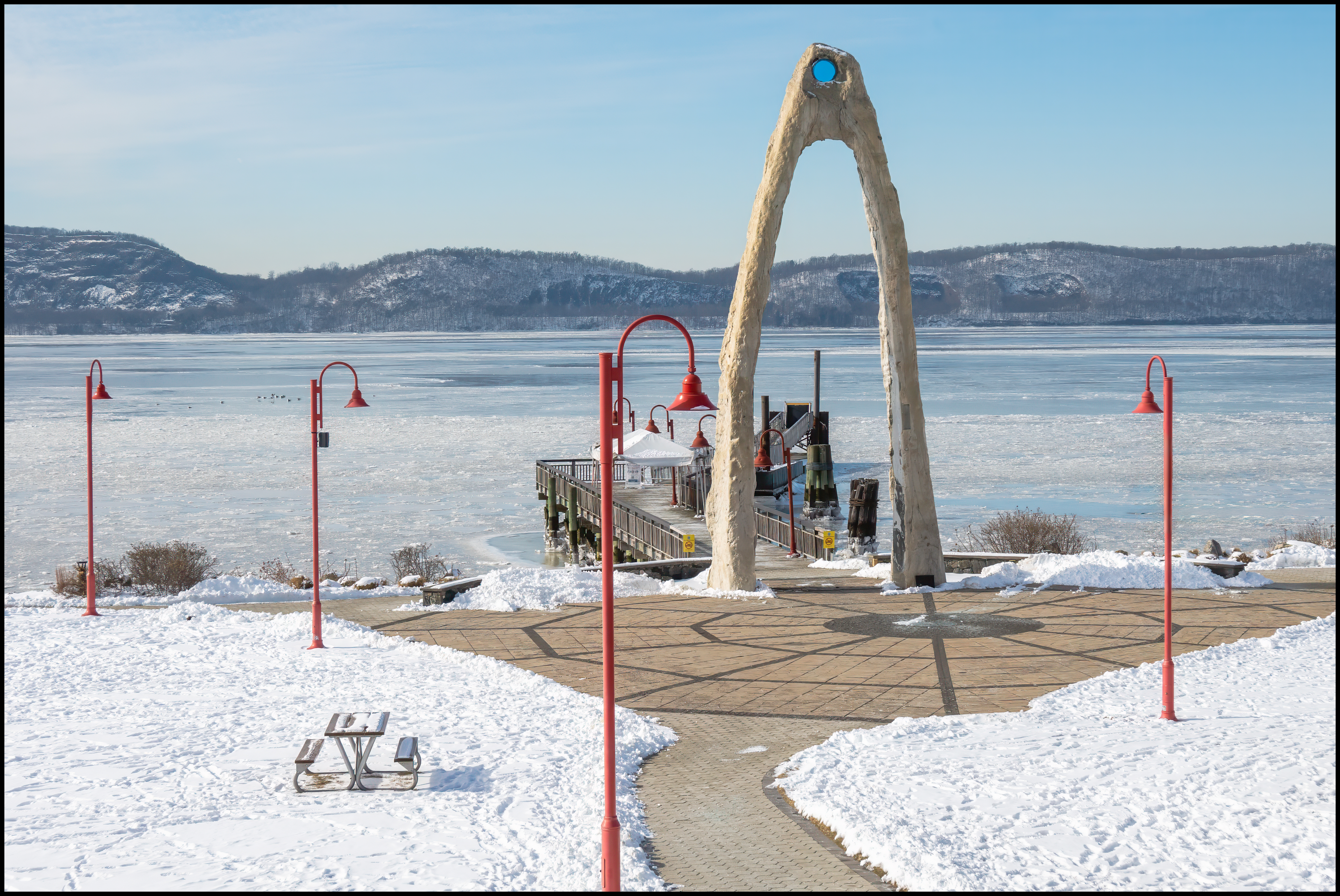
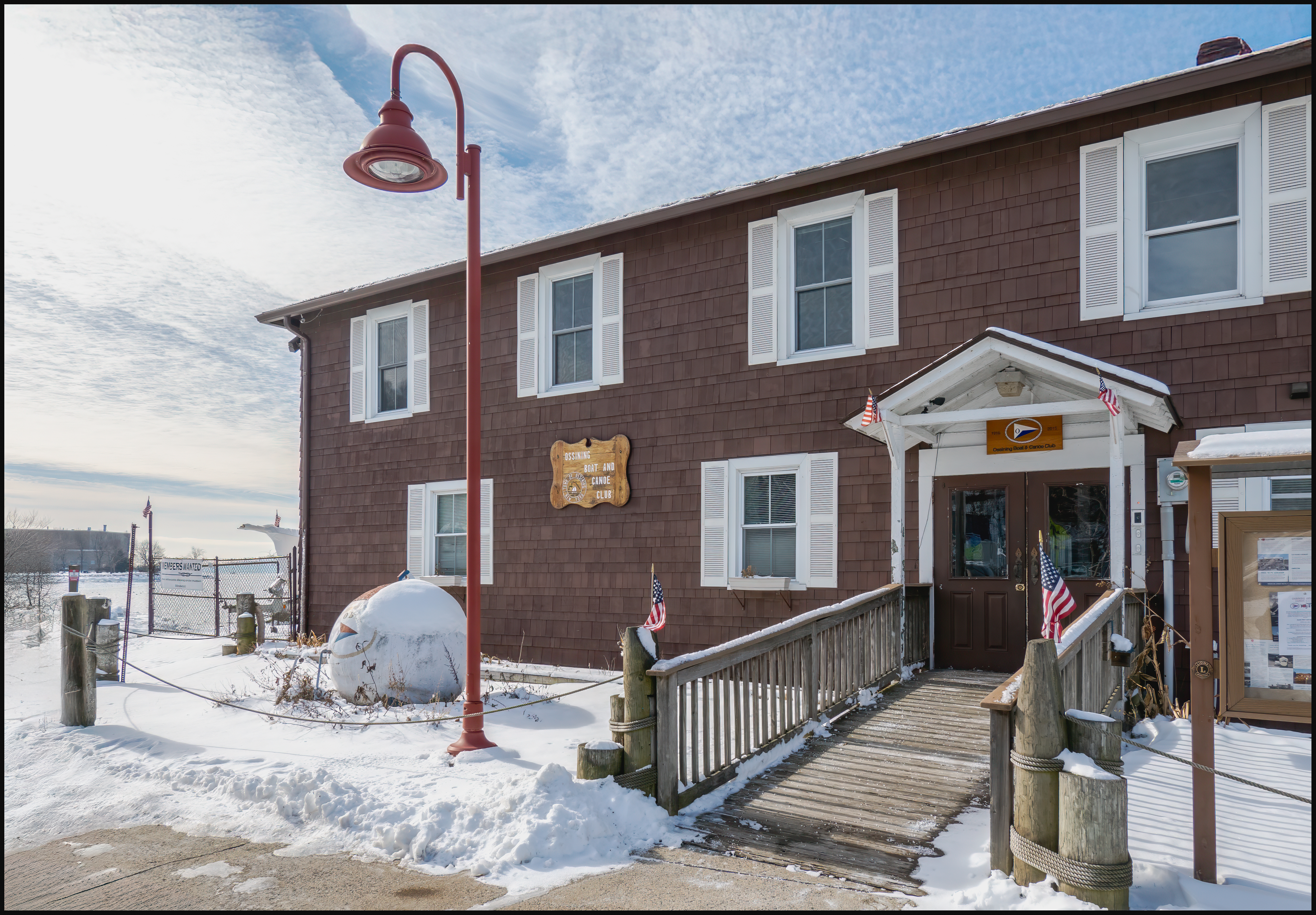
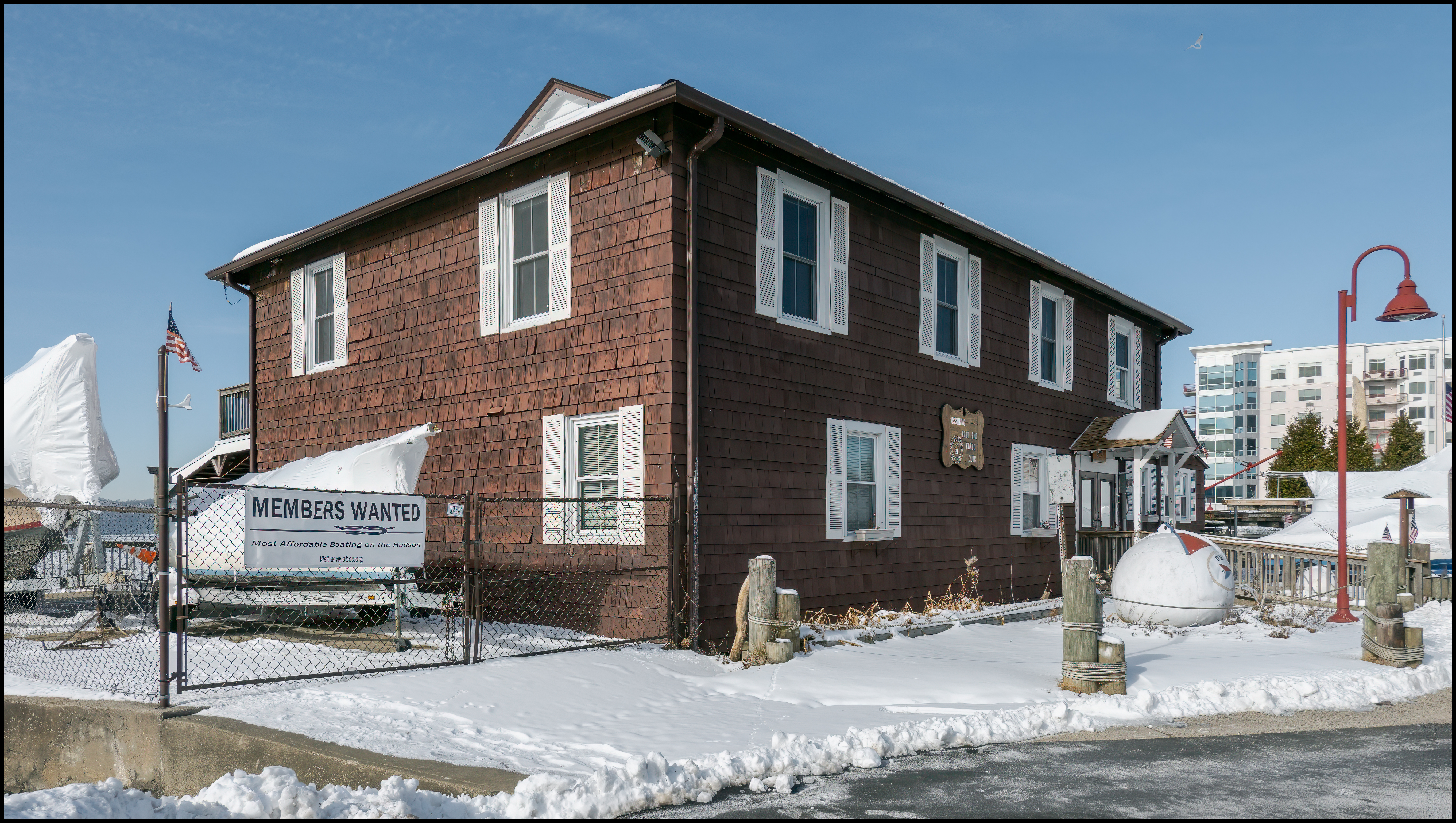
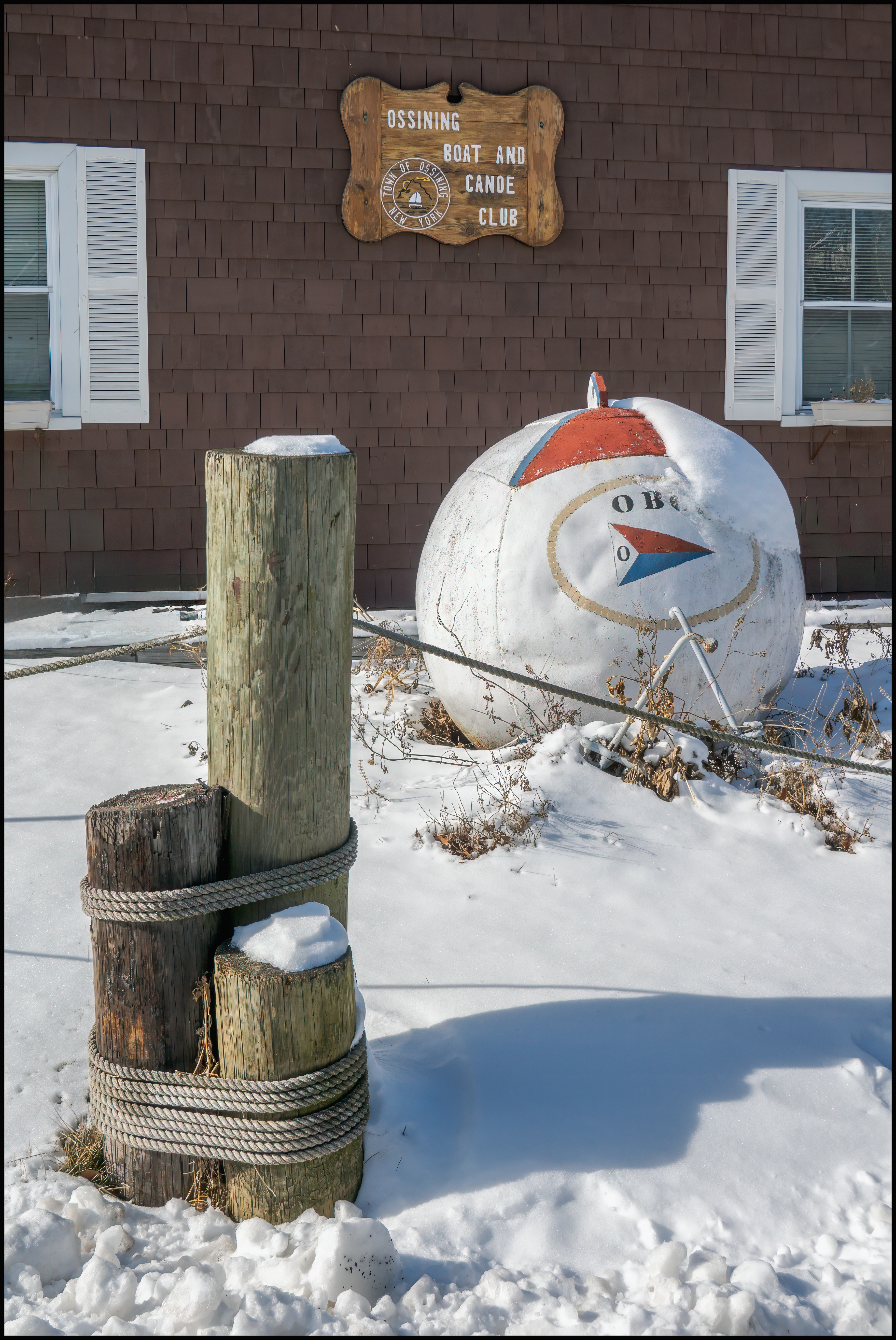
By the Ossining Boat and Canoe Club

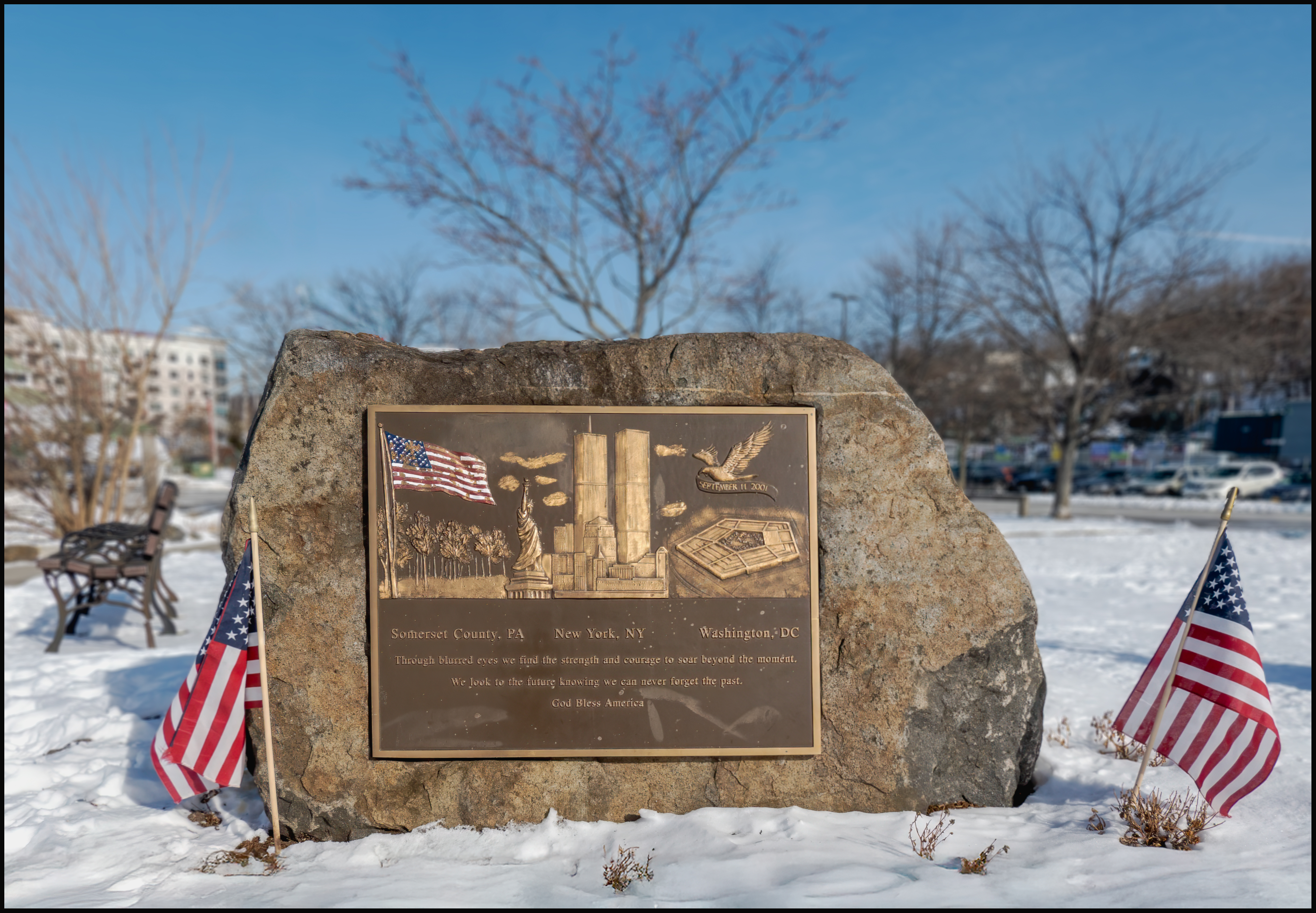
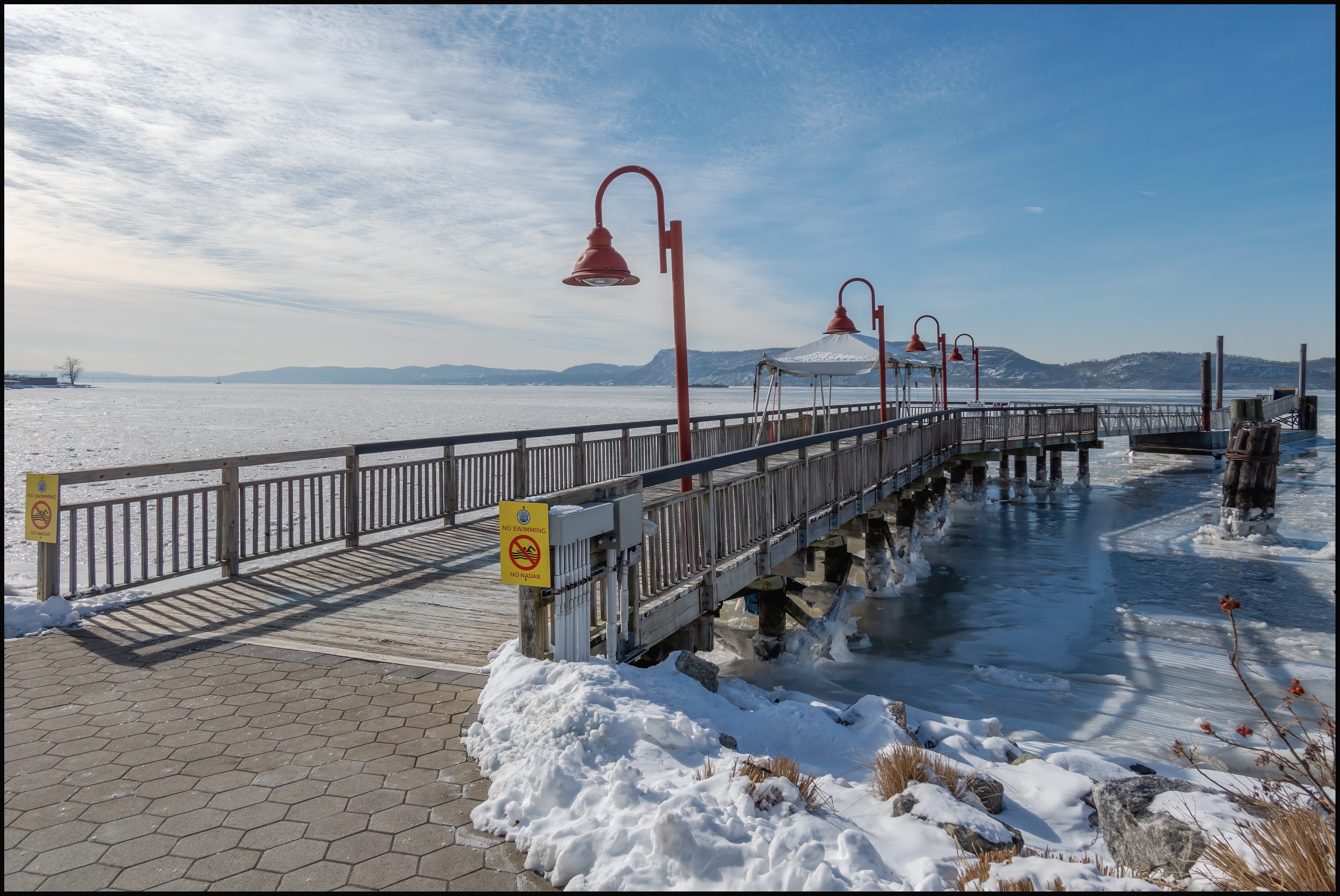
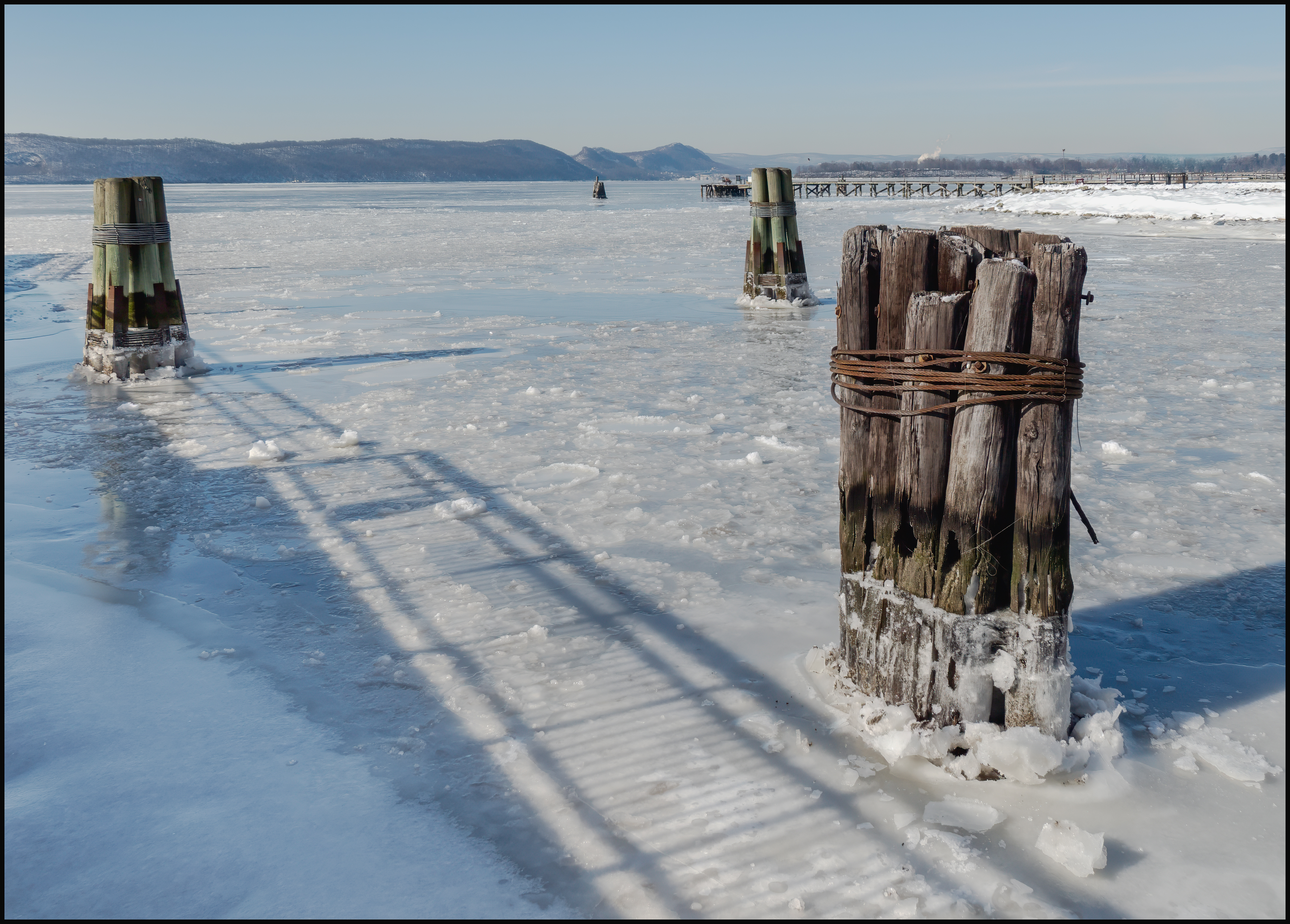
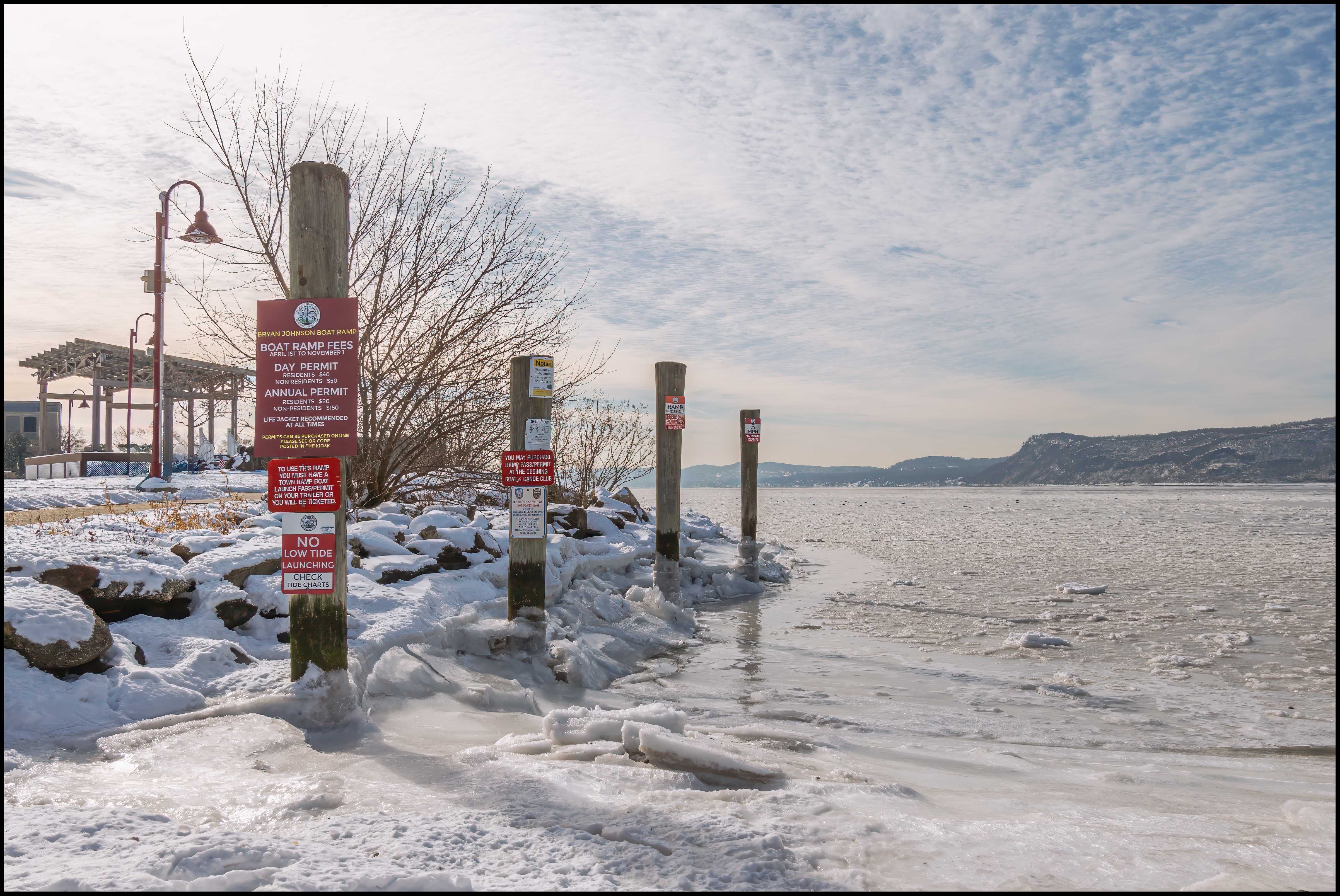
I went down to the river the other day. It was really too cold to take photographs. I had to take a few photographs, put my camera and my hands in pocket (luckily, I was using a very small, pocketable camera). Wait until my hands warmed up. Then take a few more quick pictures and repeat the whole process until I’d taken as many pictures as I could.

The pictures were taken around the Ossining Boat and Canoe Club. According to the Club’s website:

The Ossining Boat and Canoe Club was founded in 1915. At first it doesn’t sound like it was that long ago, but then we realize that cars were not all that common and that the highways in our area were not yet built. There were no malls or shopping centers and all goods where bought on Main Street or from a catalogue. The Tappan Zee Bridge would not exist to take us to the other side of the river for another forty years. Canoeing was an active national sport in those days and the club put a group in the water called the “Black Hawks”. This team competed as far away as Canada in a four-man racing canoe.

Building. The original clubhouse was erected by the members on the present site, just south of the Ossining RR Station on Westerly Road, in 1921. With the exception of some minor changes to the façade, the structure remains identical to its original frame. Some recent renovations to the club property include: a newly constructed ramp from the clubhouse to the docks, ample docking space for visitors and boaters in distress, and a completely refurbished upper deck offering magnificent views of the Hudson River and its shores. In addition to these, heating and air-conditioning were added to the club building.

Today the clubhouse is owned by the Town of Ossining and is exclusively licensed to the boat club.

Function. The boat basin itself is not so different from the days of the original site though modern moorings have replaced the wooden tree poles of the past. The club’s location on the east bank of the Tappan Zee has always provided sailors with miles of open water and fishermen with ample fishing spots. The club was conceived so that members could have access to the river at a reasonable rate. In order to maintain these reasonable rates all clubhouse maintenance and repairs are completed by the membership. There have always been two classifications of membership – working and associate. To accommodate schedules that do not allow for volunteer work hours, a third status was added as non-working. Our application form requests that the applicant list his or her skills and professions – in that way we make use of an invaluable pool of resources.


Taken with a Sony RX100 M3

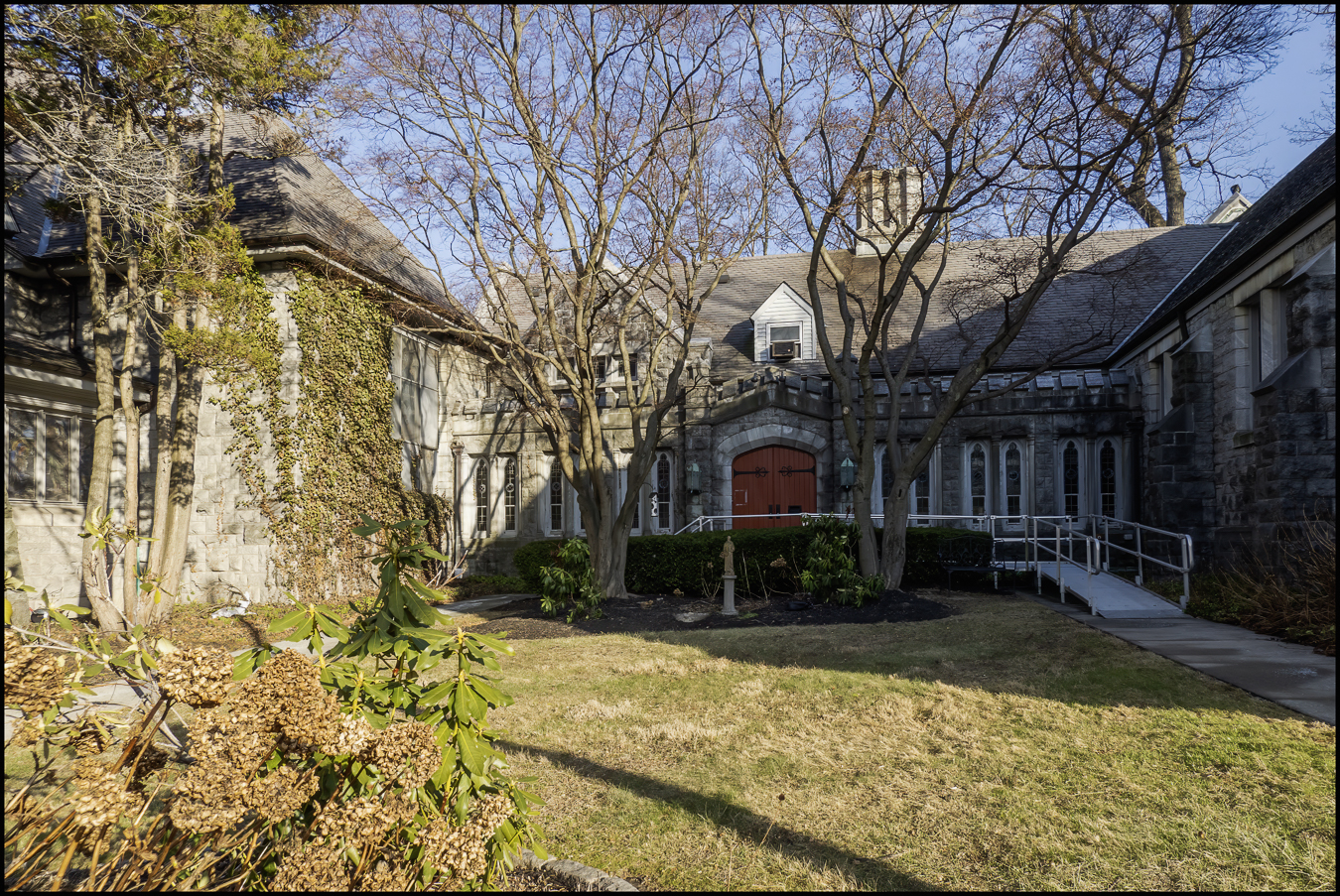
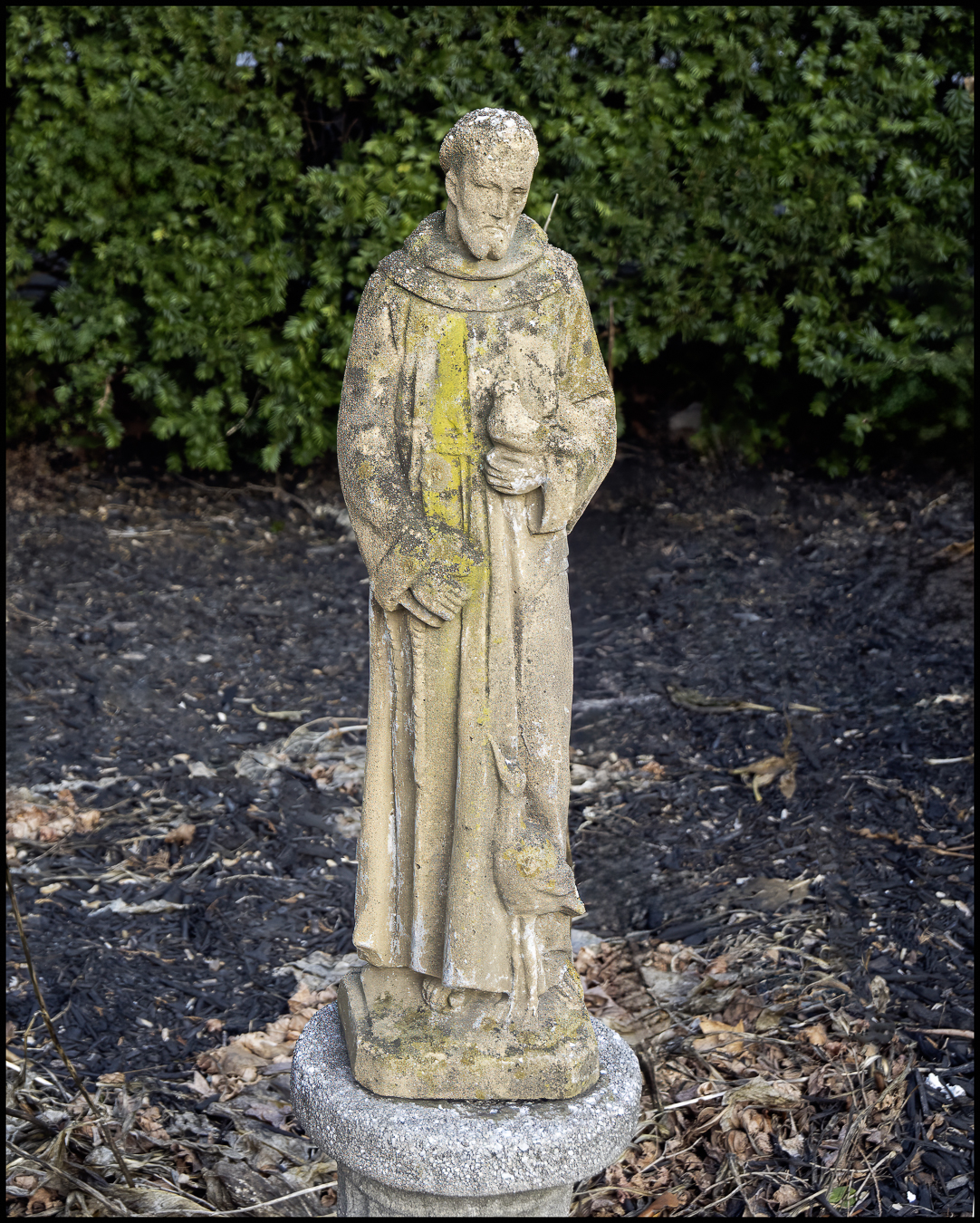
In Ossining again – Garden at Trinity Episcopal Church

“Neo-Gothic architecture, popular from the close of the 19th century until the mid 20th century, represented a revival of interest in the Gothic structures of England over the polychrome High Victorian Gothic variants favored over the preceding decades. These structures were less ornate and tended toward a monochrome color scheme, often utilizing rough faced stone cladding, arched windows, and prominent towers with castellated parapets. The Trinity Episcopal Church consists of two wings: a cruciform shaped 1892 main wing and an L-shaped parish hall and cloister, both of which were constructed in 1905. The overall plan of the structure forms a U shape, with a courtyard in the middle. The Church is constructed with rock faced limestone quarried in St. Lawrence County, New York and has random coursing on the stone facing, lending a rough visual appearance. The main wing contains pointed arch windows with stone surrounds and hooded lintels, with irregularly spaced window openings, and a group of wall dormers on the north and south elevations. The main wing’s most prominent feature is the three-story bell tower, which is square in configuration and contains a clock and a crenellated granite parapet. The main entryway on the parish house is also surrounded by crenellation.

The Trinity Episcopal Church is listed as a contributing structure within the Village’s National Register of Historic Places-listed Downtown Ossining Historic District. It is architecturally significant as a well-preserved example of the Gothic Revival style and is culturally significant for its association with the Second Episcopal Parish of Ossining.

Trinity Episcopal Church, constructed in 1892 and located at 7 South Highland Avenue, was built as the home for the Second Episcopal Parish of Sing Sing (now Ossining). This parish was established in 1868 by returning Civil War veterans and held its first meetings in the basement of
one of the buildings in the Barlow Block. The parish later held meetings for a time in the original First Presbyterian Church, a structure that was once located on the same site where Trinity Episcopal Church now sits. After the First Presbyterian Church moved to its present location at 34 South Highland Avenue (see entry), the Parish purchased the site and built the current structure on the property. The three story stone tower that dominates the Church’s main façade was constructed in accordance with a mandate from the Episcopal Church stating that all churches must incorporate a large tower into their design as a visual symbol of this denomination. A number of the stained glass windows in the building were obtained from Tiffany Glass and Decorating Company of New York City and from Gorham Manufacturing of Providence, Rhode
Island.

Robert W. Gibson (1851 – 1927), an immigrant from England, was the architect. He built a number of other religious, institutional, and commercial structures in New York State during his career. These include the following:

• Albany Episcopal Cathedral (Albany, NY – 1884)
• St. Michael’s Church (New York, NY – 1891)
• St. Paul’s Cathedral redesign (Buffalo, NY – 1888)
• Greenwich Savings Bank (New York, NY – 1892)
• Bank of Buffalo (Buffalo, NY – 1895)”

(Village of Ossining Significant Sites and Structures Guide, Page 200)

Taken with a Sony RX100 MVII.