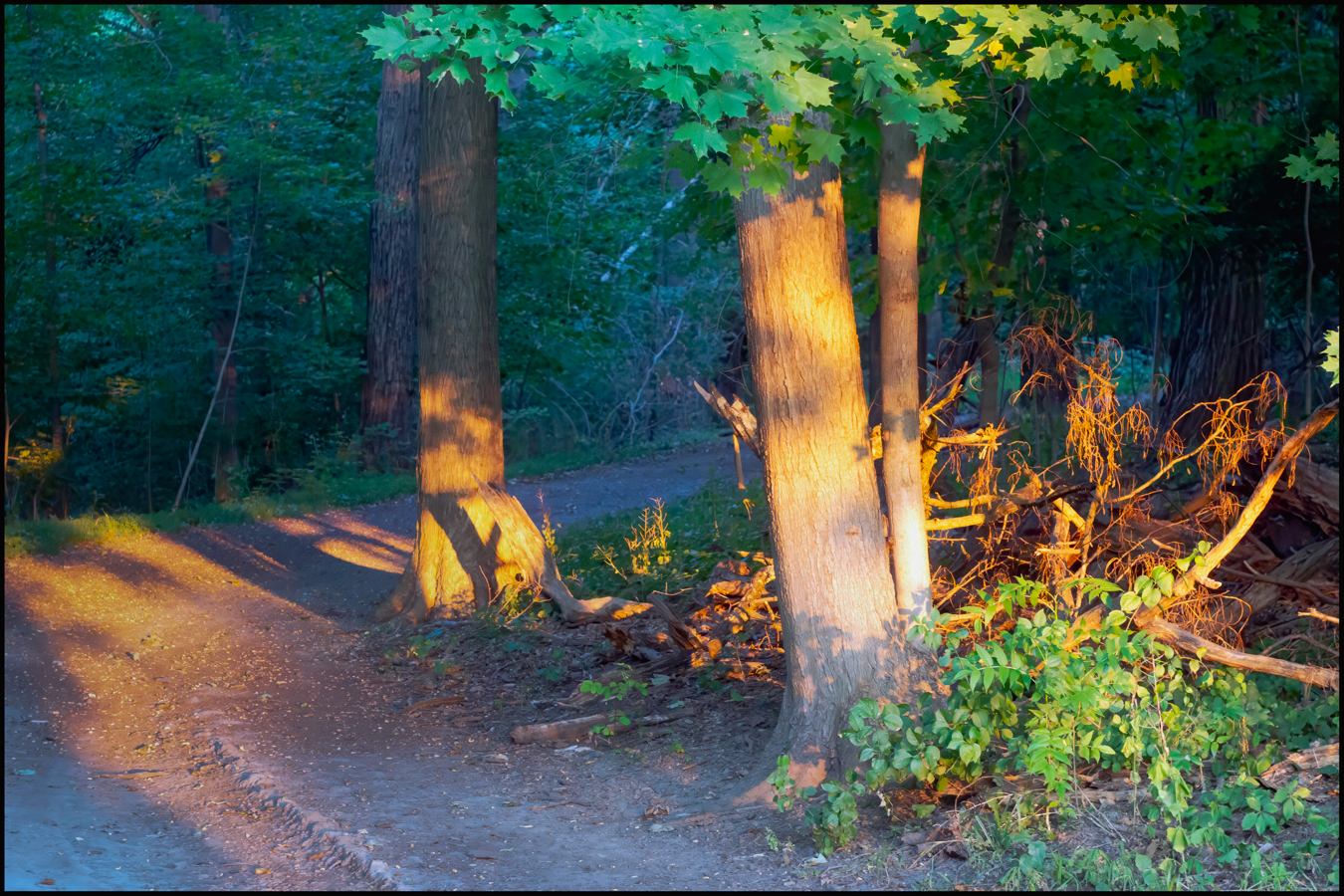
Trees at sunset, Rockwood Hall.
Taken with a Sony Nex 5N and 50mm Industar 61 f2.8.
Photographs and thoughts on photography and camera collecting
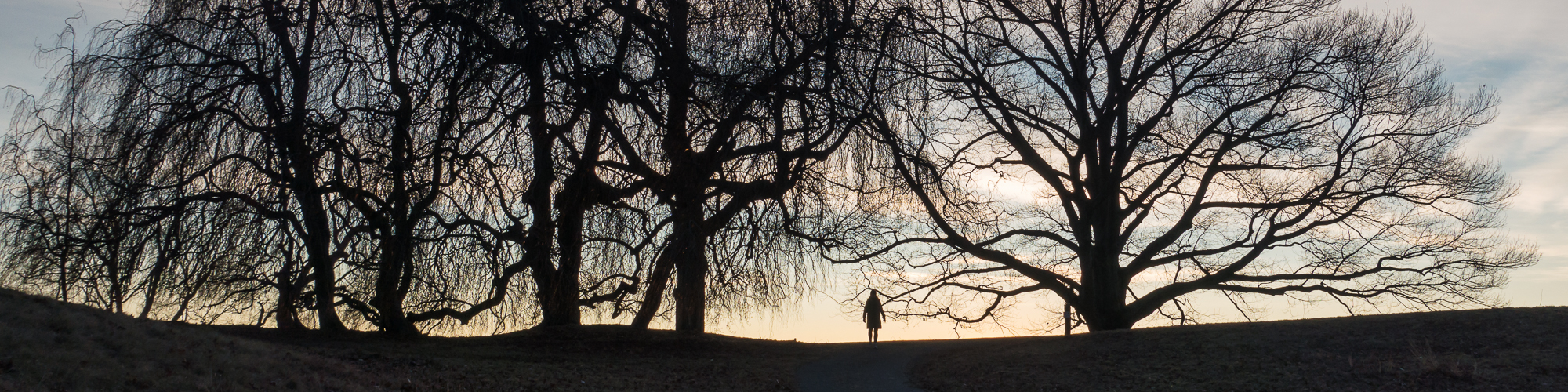
Trees at sunset, Rockwood Hall.
Taken with a Sony Nex 5N and 50mm Industar 61 f2.8.

The hat says it all!
Taken with a Sony A7IV and Sony FE 24mm f2.8 G.
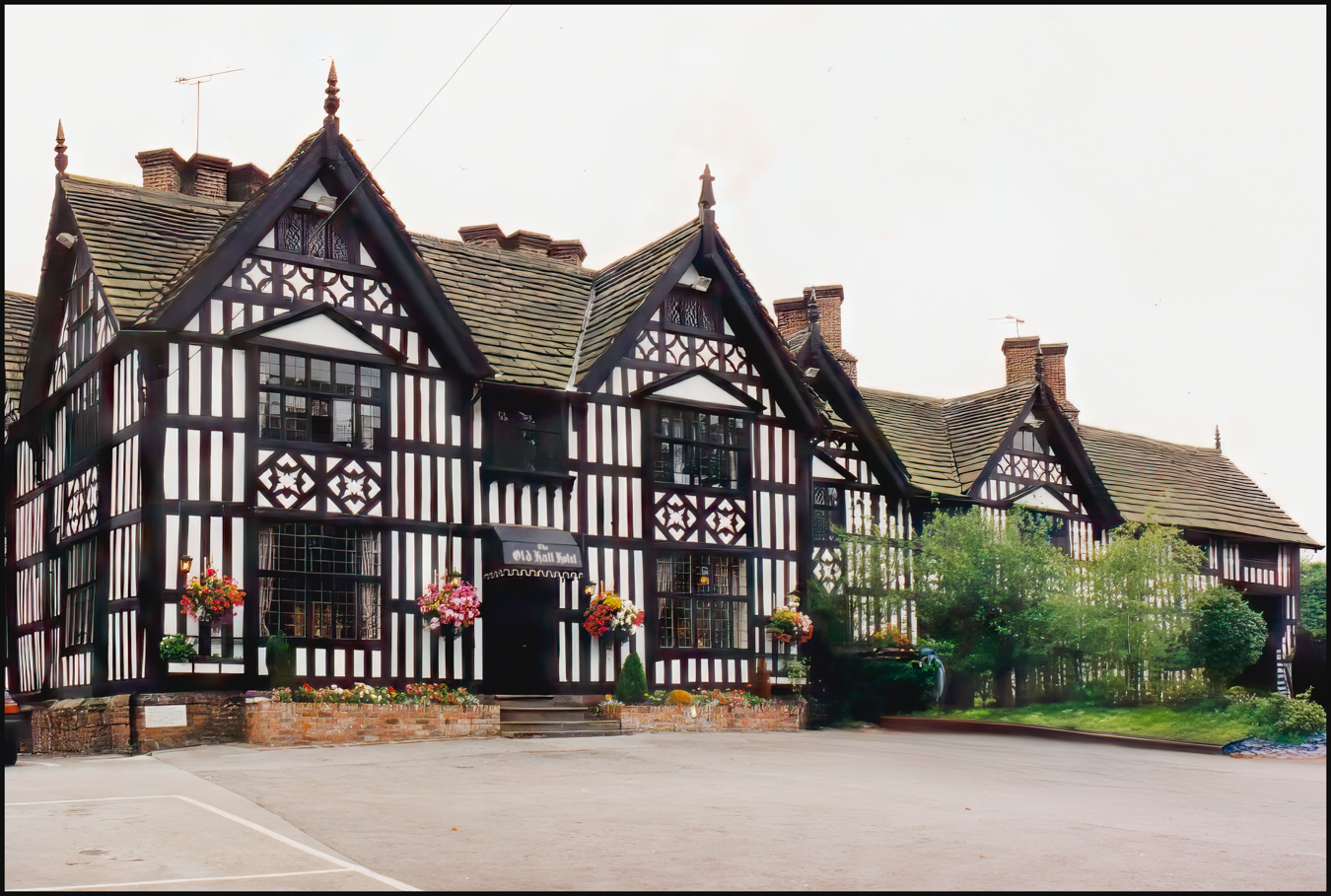
I was going through some old pictures, and I came across these, of the town where I grew up: Sandbach, Cheshire, UK.
The National Heritage List for England designates three types of listed buildings:
Sandbach has 78 listed buildings. Of these, two are listed at Grade I, the highest grade, two are listed at Grade II*, the middle grade, and the others are at Grade II. Here are a few of them. They were taken almost 30 years ago (in 1995). I’m sure I have more somewhere, but I can’t lay my hands on them at the moment.
Above: Old Hall Hotel, 1656. Erected on the site of a former manor house, this is a timber-framed building on a brick and stone plinth and with stone flag roofs. The rear is partly in brick. The building has been used as a coaching inn, a hotel, and most recently as a public house. It is in three storeys, and on the front are four gables with bargeboards and finials. The windows are mullioned and transomed. Inside are three Jacobean fireplaces. Grade I.
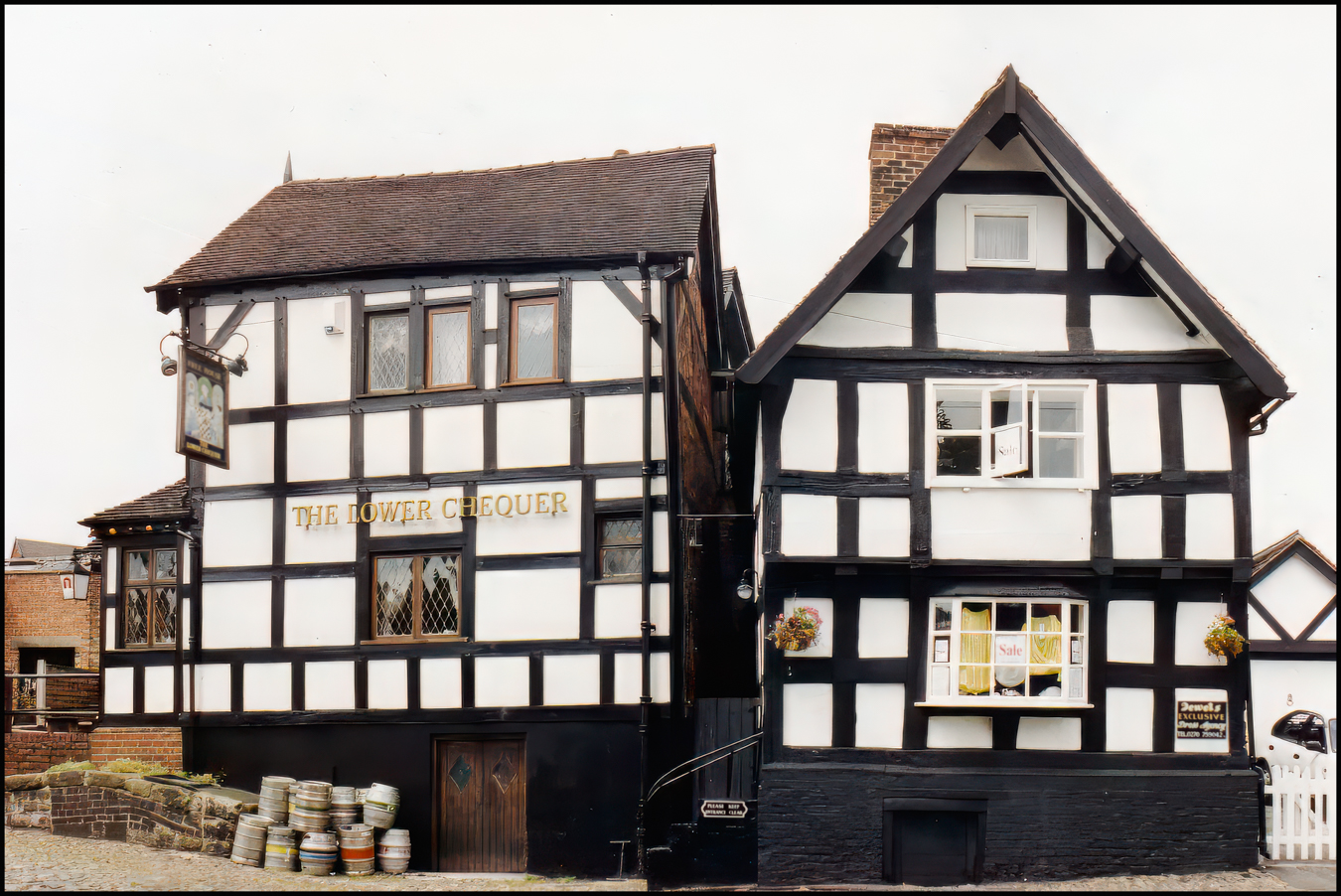
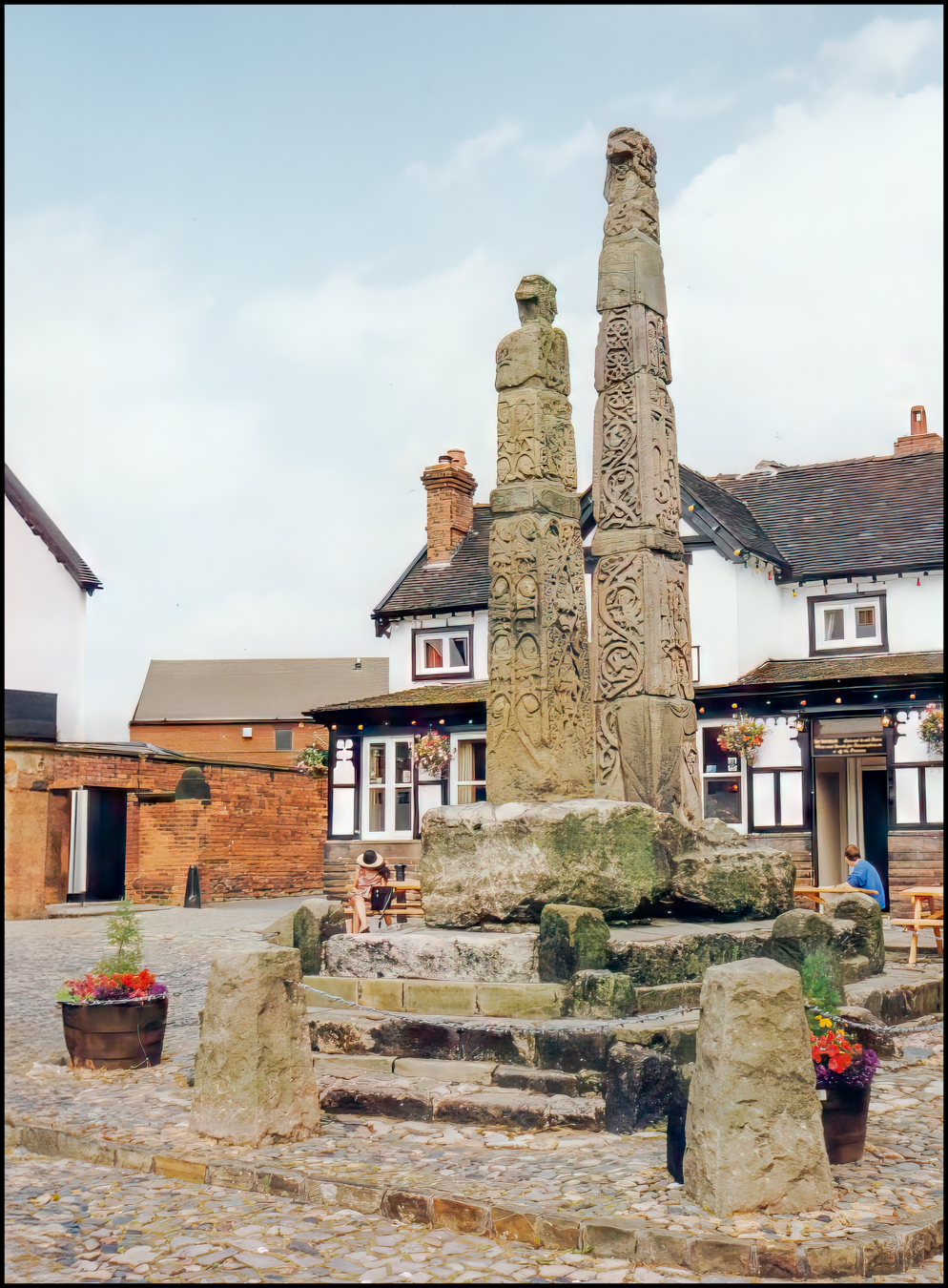
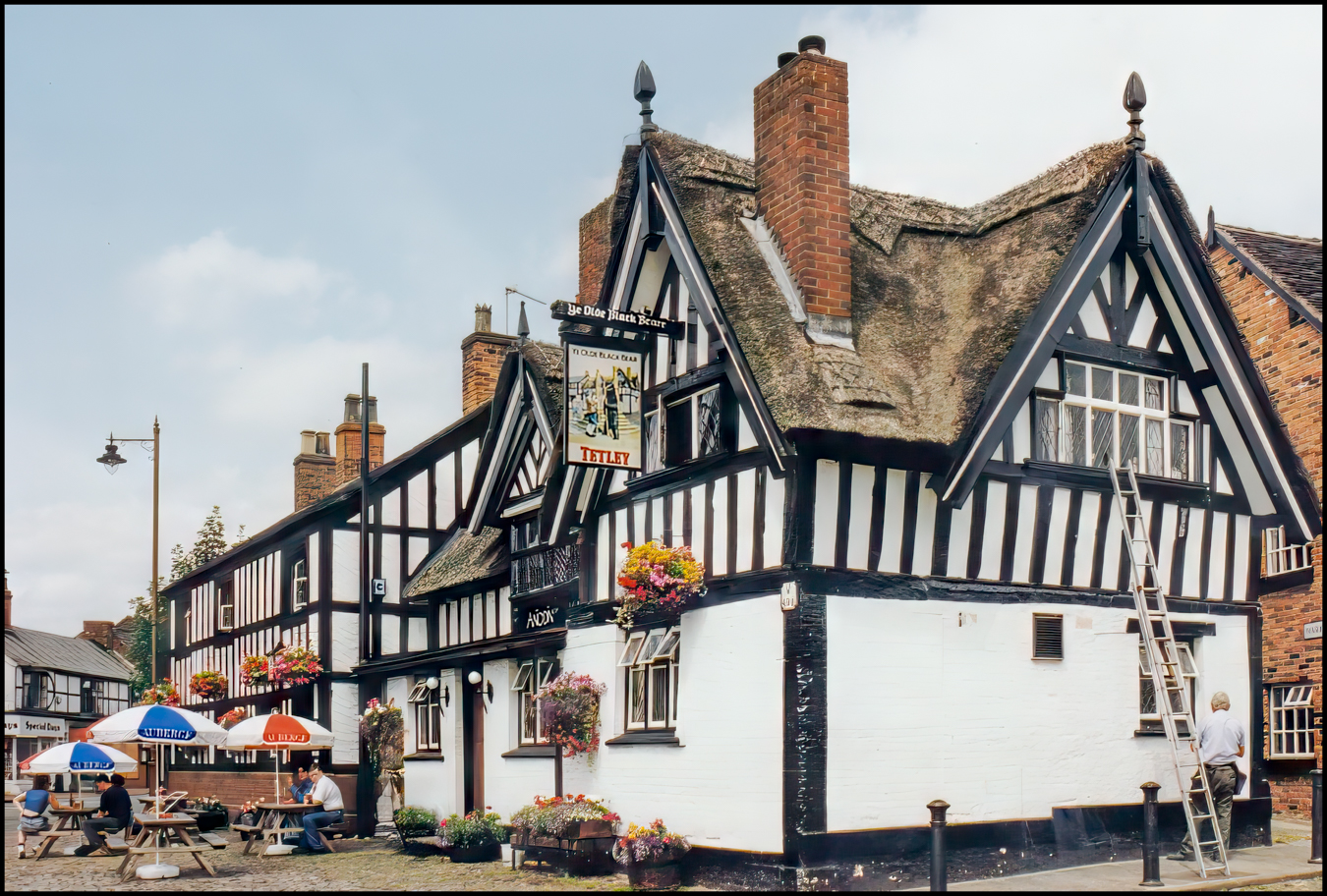
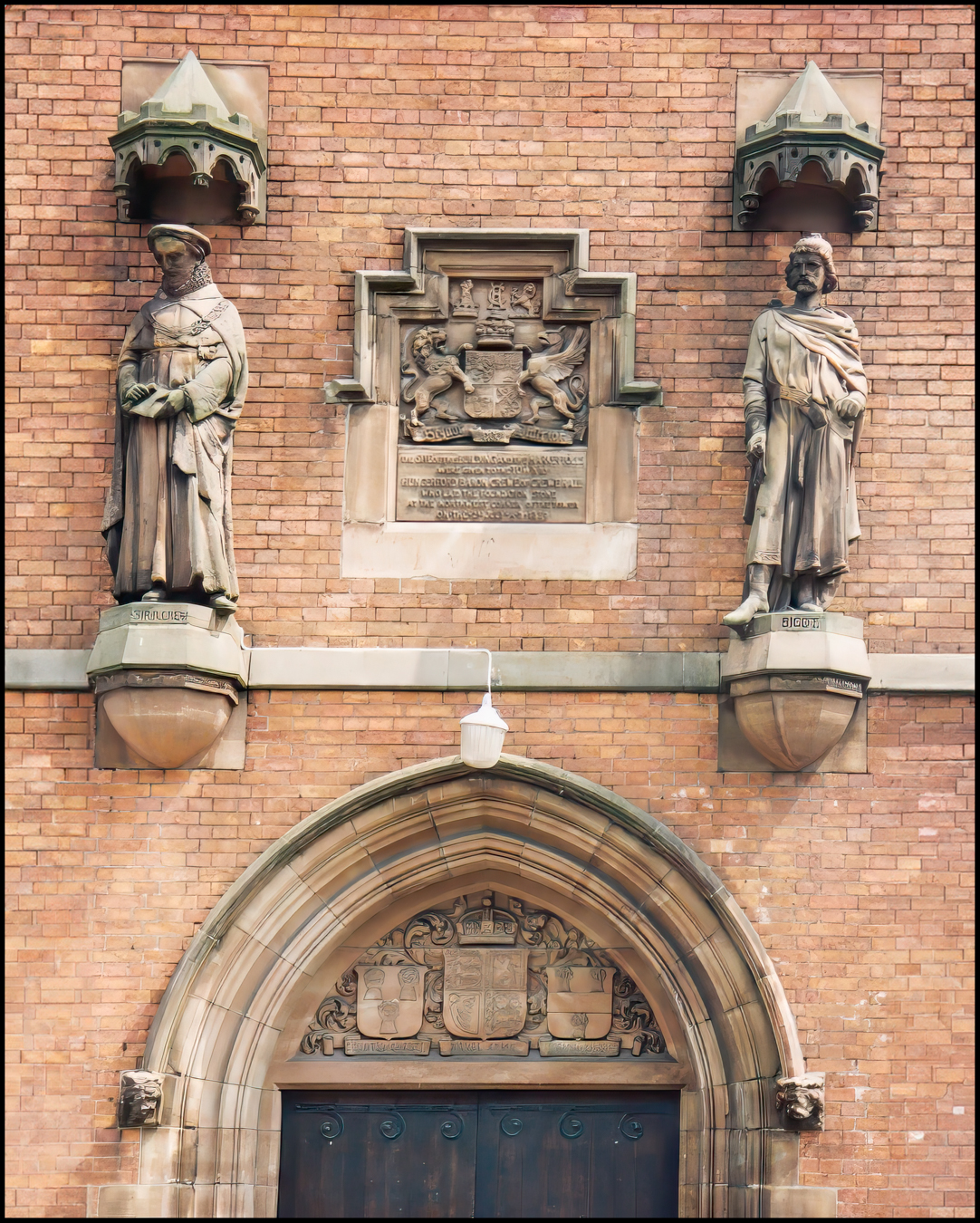
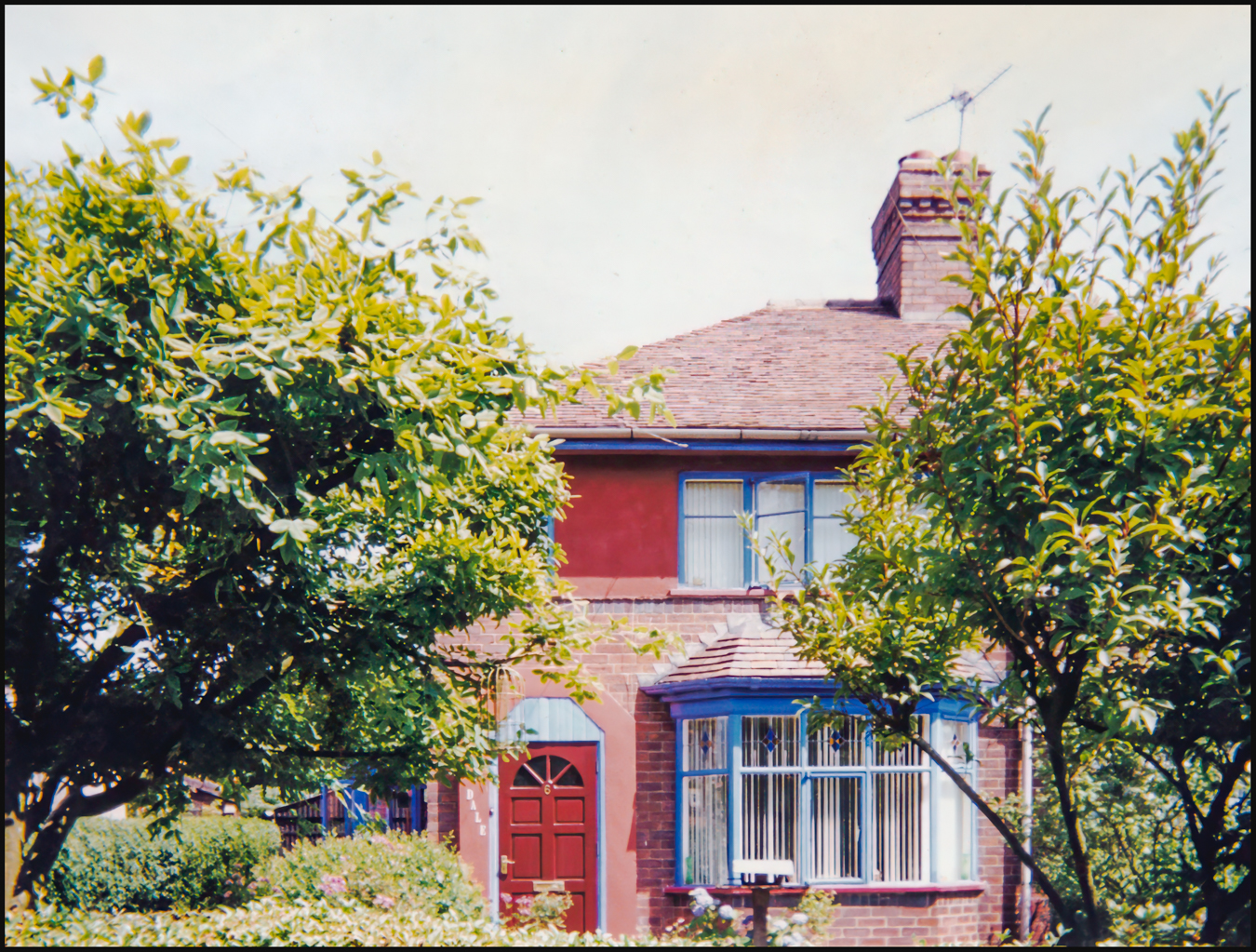
All descriptions are taken from Listed buildings in Sandbach

I came across this appealing composition in a friend’s garden.
The crane statue is a recent addition. I know this because it was one of the items being thrown out at the Law Mansion (See: Sunday Morning Walk Home from The Patio – Walter Law’s Mansion). I initially took this piece, but later decided that it would work better in her garden than in mine. So I gave it to her.
Taken with a Sony RX100 III

Early in his book “Photographing the World Around You“, author Freeman Patterson tells the story of Alice, a participant in one of his workshops. It’s a bit too long to re-tell here, but later on he provides this summary:
Remember Alice, whom you met earlier; she had so little confidence in her personal creativity that she automatically assumed every picture she made was, at best, competent. In her view, non-creative people canmake only non-creative photographs and, since she regarded herself as having no imagination, she felt incapable of improving her seeing and her photographs very much.
I am Alice…but not as much as I used to be.