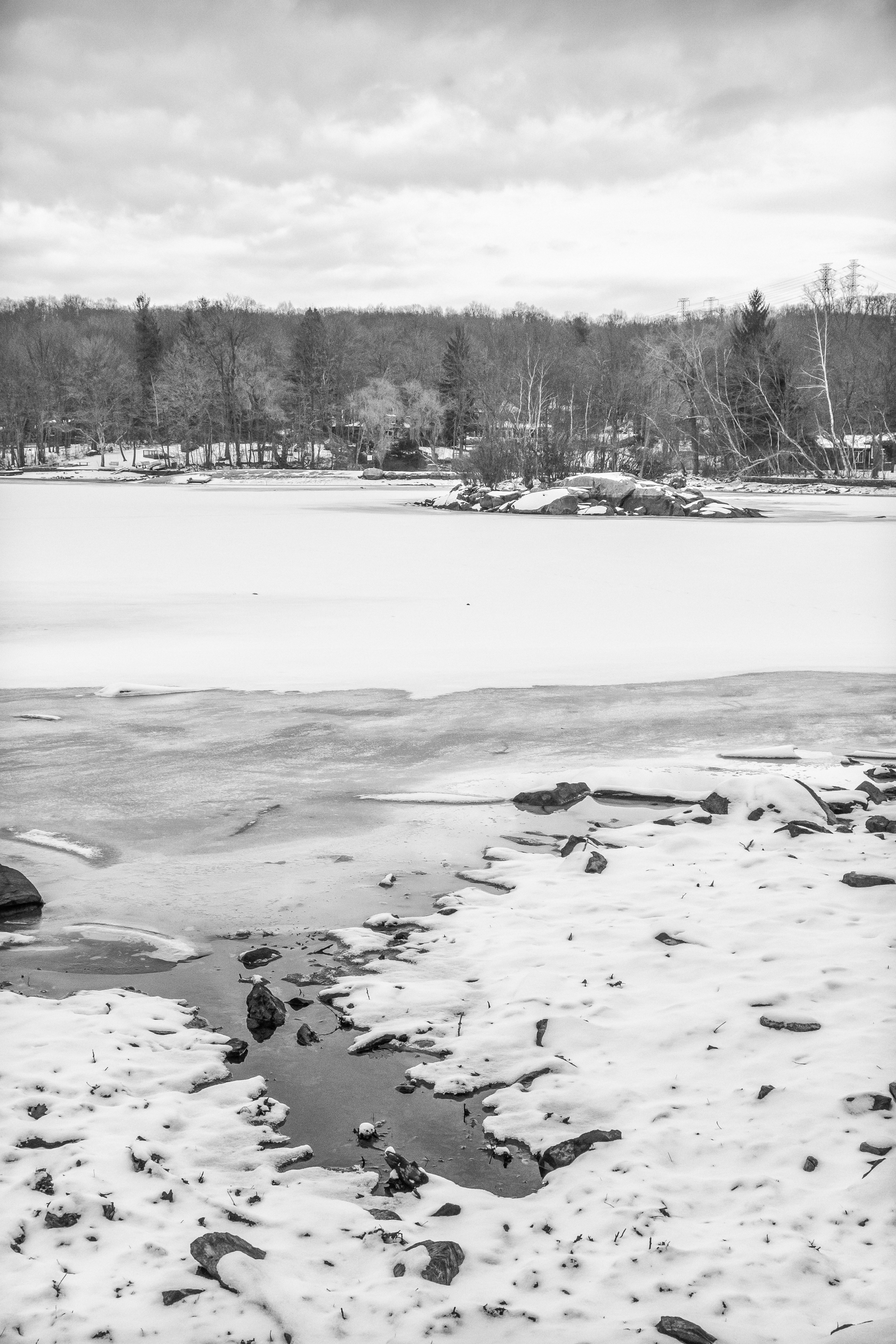
Cairn on Peekskill Hollow Creek


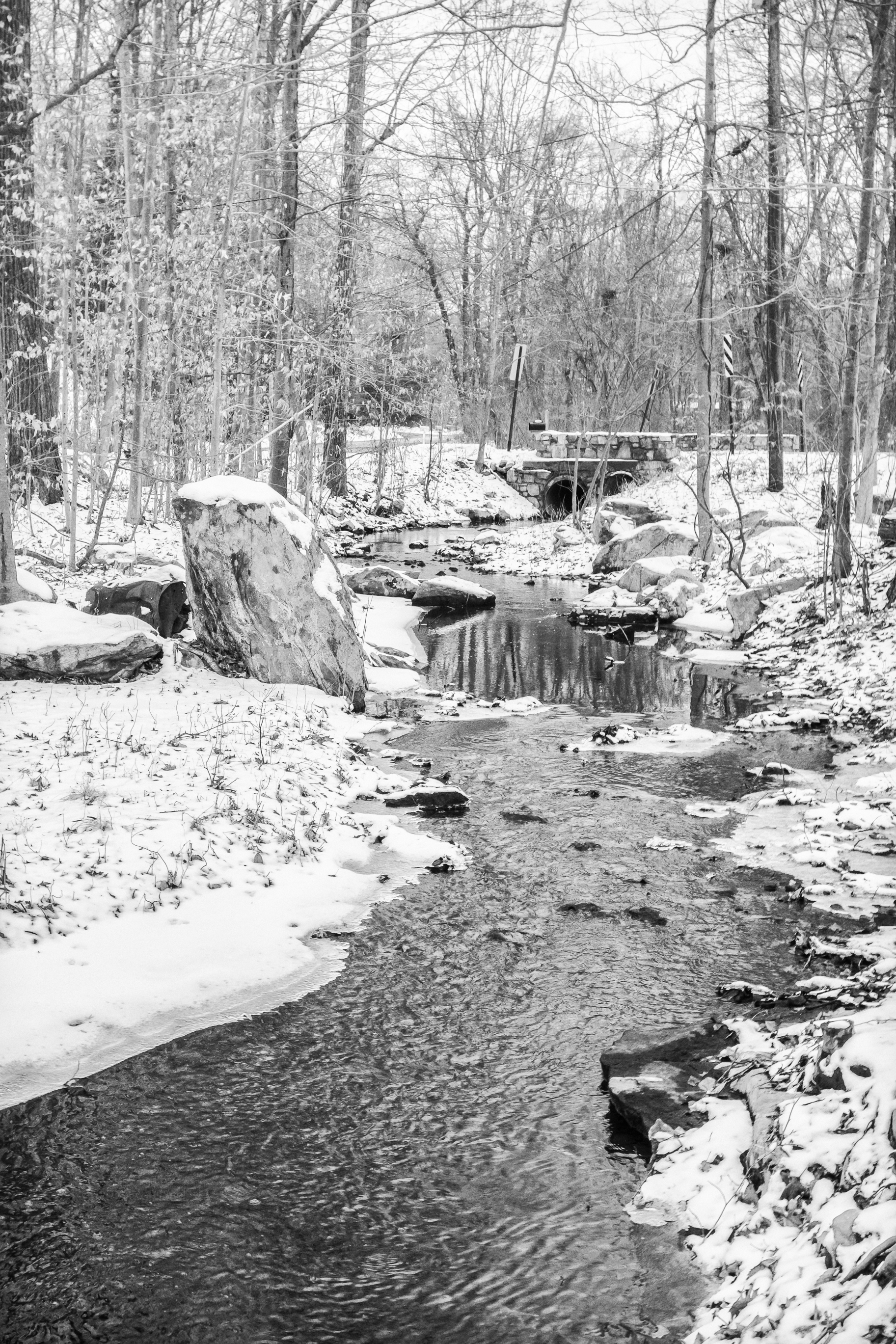
I was driving along Peekskill Hollow Road a few days ago – as I had many times in the year or so that we’ve lived out here. Most of the time you can’t really see Peekskill Hollow Creek because the leaves on the trees block the view. In winter though you see more. For the first time I noticed this cairn, apparently in the middle of the creek. A few days later I went back to take a closer look. On a platform (or rock?) in the middle of Peekskill Hollow Creek is this cairn. I have no idea what it is or why it’s there.

View vaguely south. Taken from the bridge in the second picture


View vaguely north.

Putnam Valley Grange


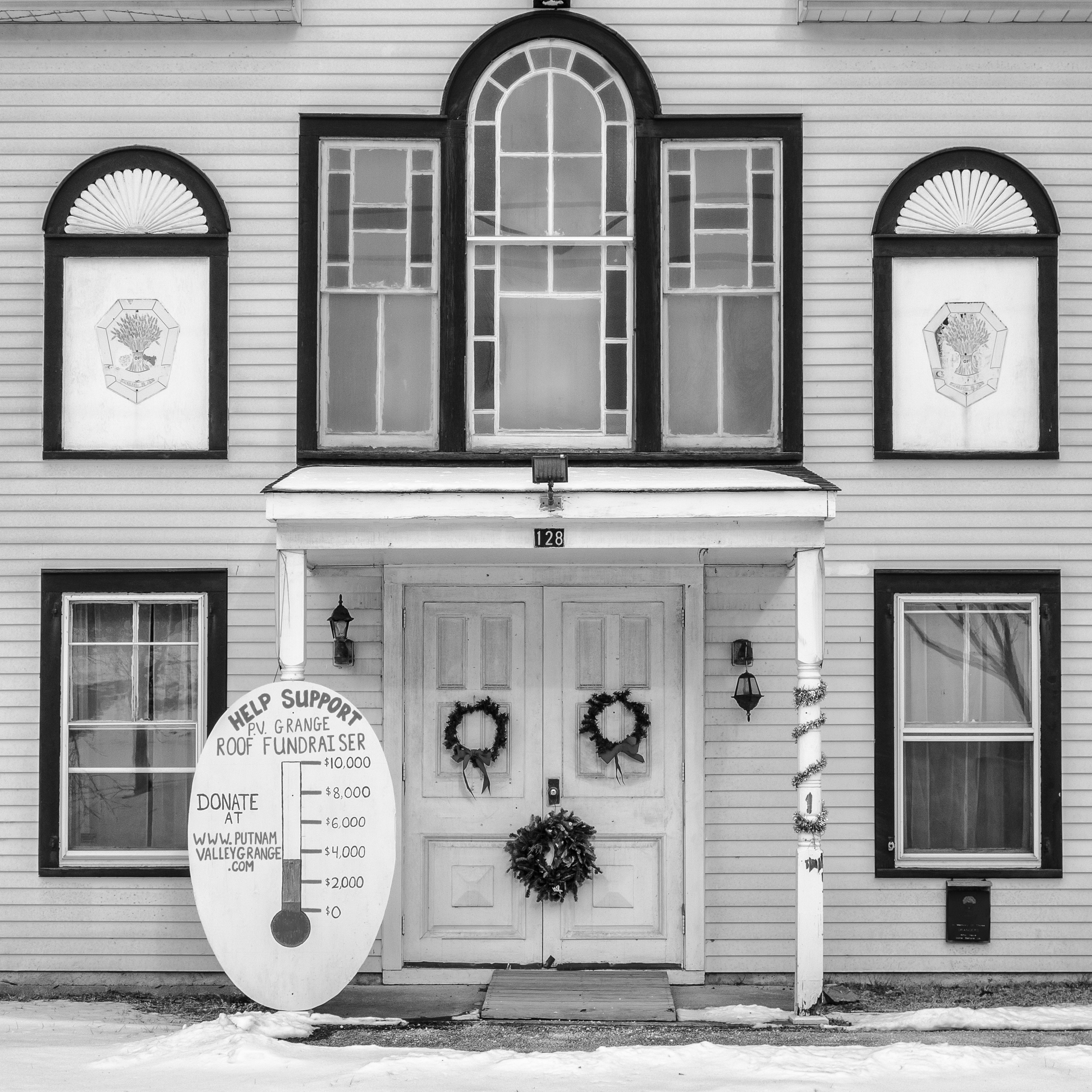
At the interesection of Peekskill Hollow Road and Mill Street is a small, but very interesting looking builiding. It’s the Putnam Valley Grange and according to its website:

On December 4, 1867 in a small Washington, D.C. building that housed the office of William Saunders, Superintendent of Propagating Gardens in the Department of Agriculture, the Order of Patrons of Husbandry, more commonly known as the Grange, was born. Sitting around a plain wooden table, a group of seven earnest men planned what was destined to become a vital force in preserving and expanding American democracy. They were men of vision, they had faith in God, in their fellow man, and in the future.

The Seven Founders of the Order of the Patrons of Husbandry were Oliver H. Kelly, William Saunders, Aaron B. Grosh, John Trimble, John R. Thompson, Francis McDowell, and William M. Ireland. They were assisted by Caroline Hall.

Recognizing the importance of a viable agriculture and strong family unit, the Grange established these principles as cornerstones of the organization.

Early on, women were given equal representation and this has proven to be of great benefit to the Grange’s success. It was the first organization to give women an equal vote with men in 1867, as well as full and equal recognition.
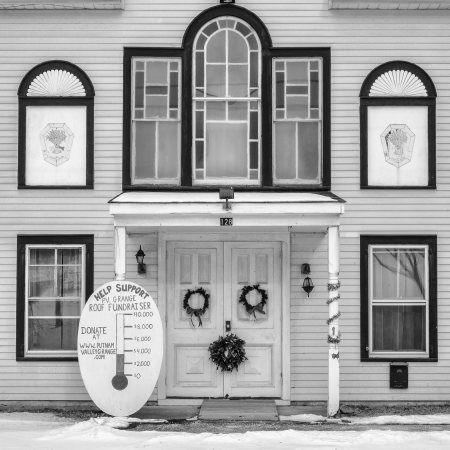

Facade. Again from the website: “The Grange emblem has a lot of history behind it. The seven-sided emblem represents the seven degrees of the Grange, and the seven founders. “P of H” stands for “Patrons of Husbandry”. The name “Grange” was chosen because old English farm estates, each a complete community, were called Granges. The sheaf of wheat represents our interest in agriculture.”


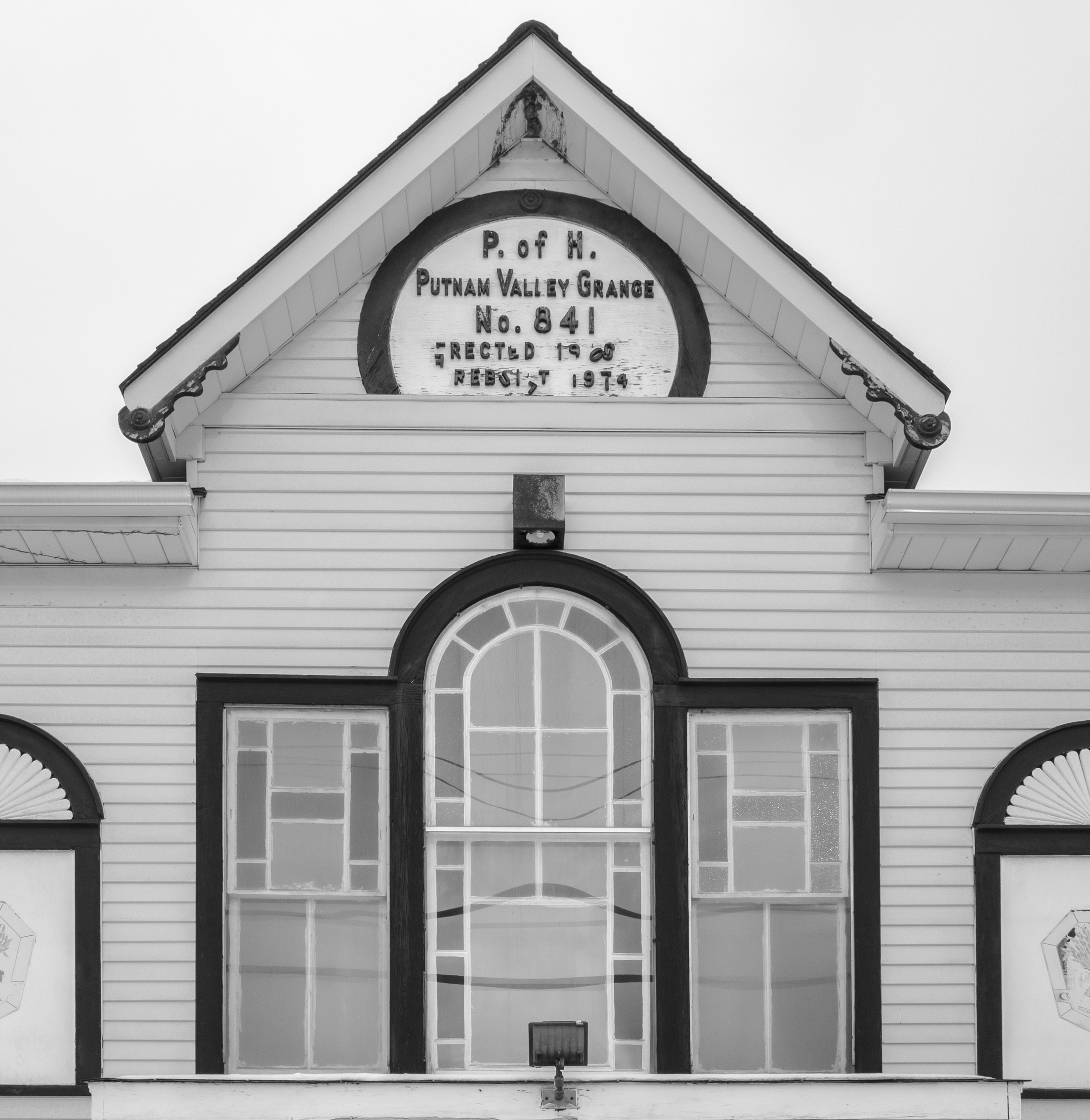
Pediment with date of construction.


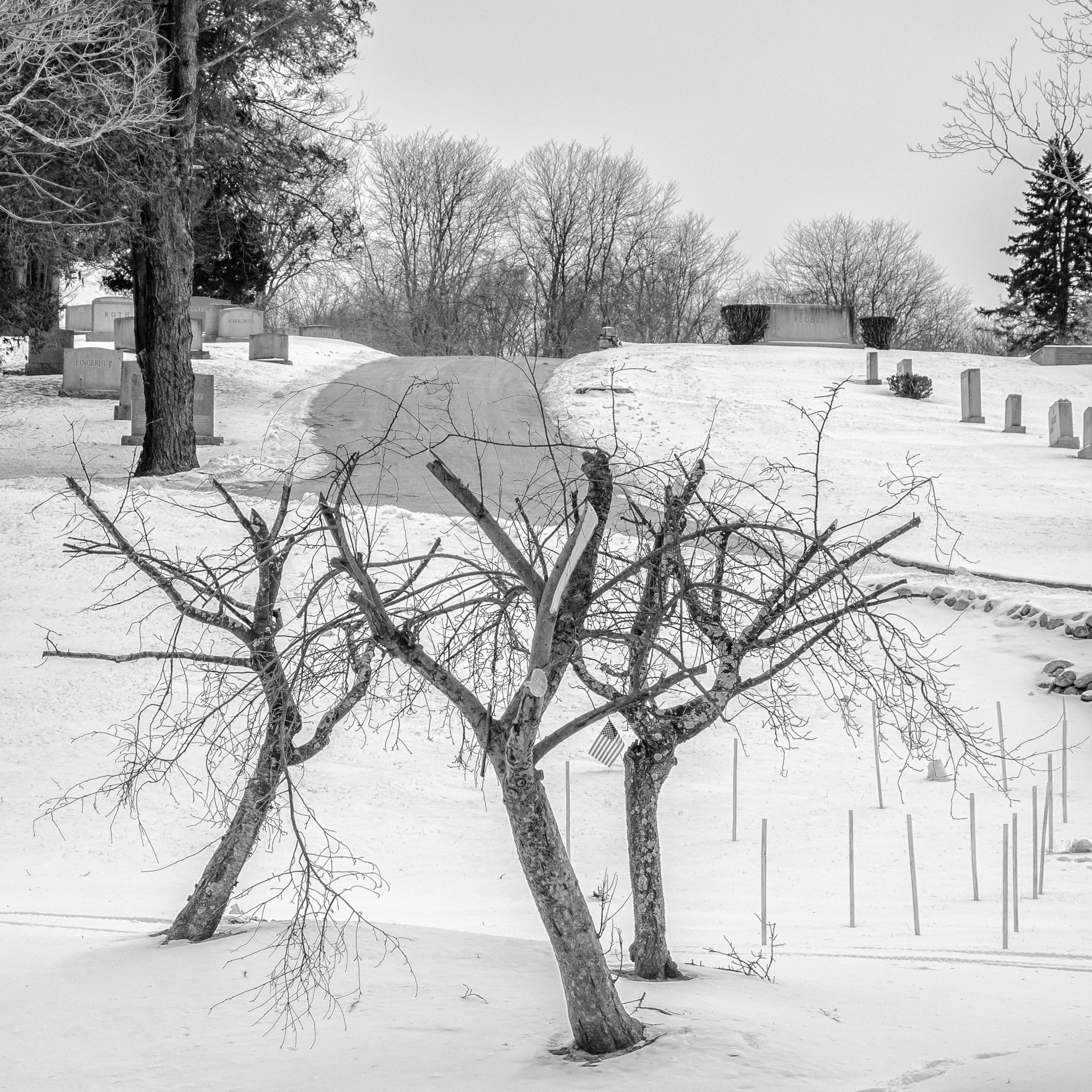
The King David and Beverly Hills cemeteries are directly opposite ‘The Grange’ building. I’ve yet to explore them. This is the view over an interesting grouping of trees towards the King David Cemetery.

‘Looking at Ansel Adams’

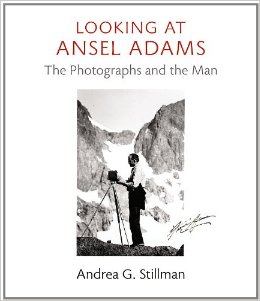
Looking at Ansel AdamsWe’ve been going from time to time to a nearby shopping centre.  While my wife goes shopping I usually go to the Barnes and Noble, grab something to read and then go and have a coffee.  On the last few visits I’ve been reading ‘Looking at Ansel Adams‘ by Andrea G. Stillman.


As the description on Amazon says:

LOOKING AT ANSEL ADAMS is a personal and penetrating study that explores Ansel’s life as an artist by looking closely at the stories behind 20 of his most significant images. Immediately recognizable photographs like Moonrise, Hernandez, New Mexico, and Mount McKinley and Wonder Lake are turned on their axes and seen from a new angle, along with ancillary photographs, alternative versions, and letters and postcards that relate to these beloved icons. Less familiar but equally important photographs provide unexpected insight into Ansel’s creative and personal life.

I finished it today.  It’s a great book.  Stillman worked as Adam’s assistant for a couple of years and she presents an interesting viewpoint.  While she’s definitely an Adams fan she brings a little more objectivity than I’ve seen in some of the books he wrote himself.  She really makes him human.  I particularly liked some of the sections presenting different prints of some of Adams most famous pictures.  He was clearly willing (eager even) to manipulate the image to achieve his vision.  Well worth the read.