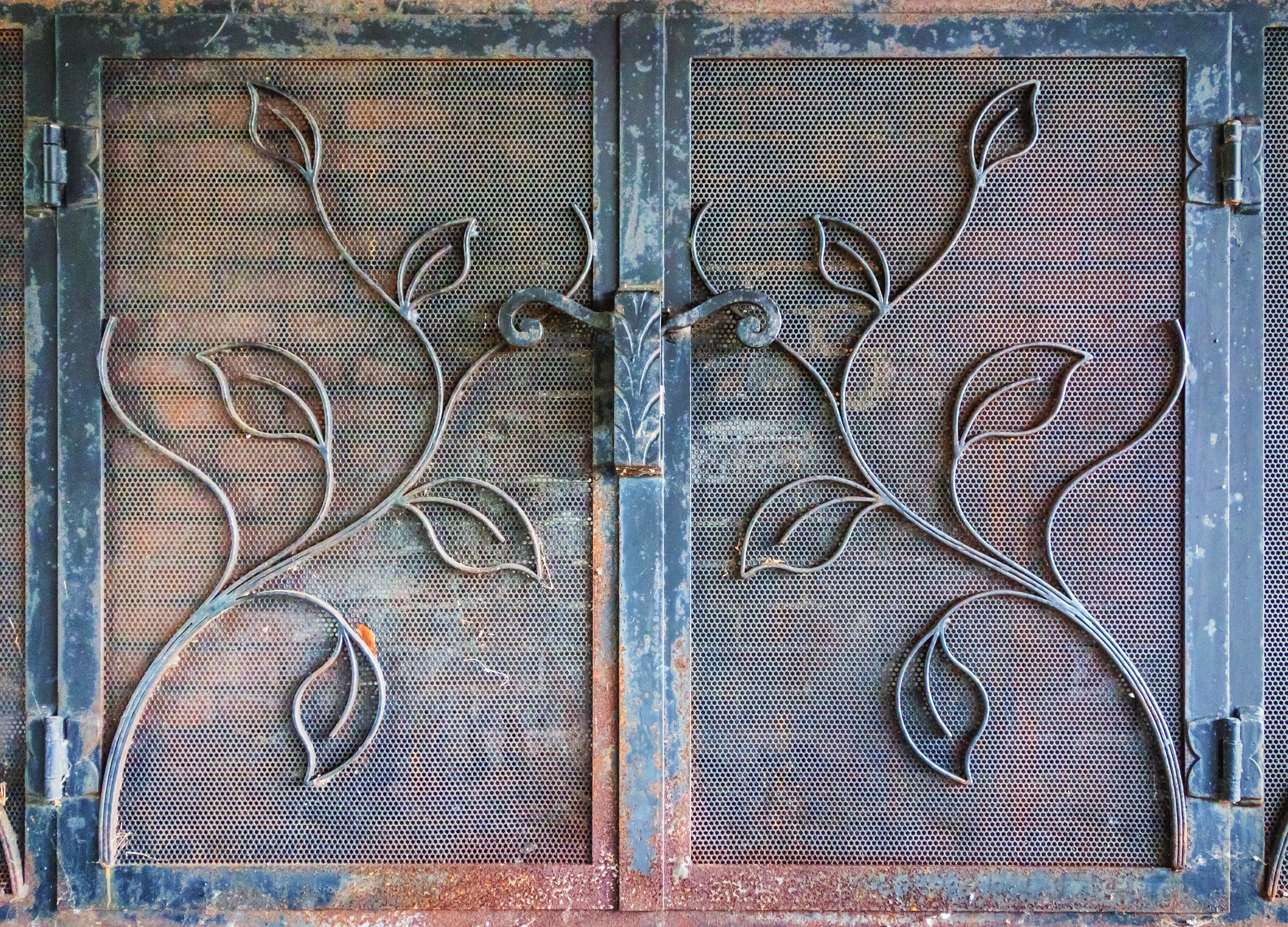
Firescreen at Law Park

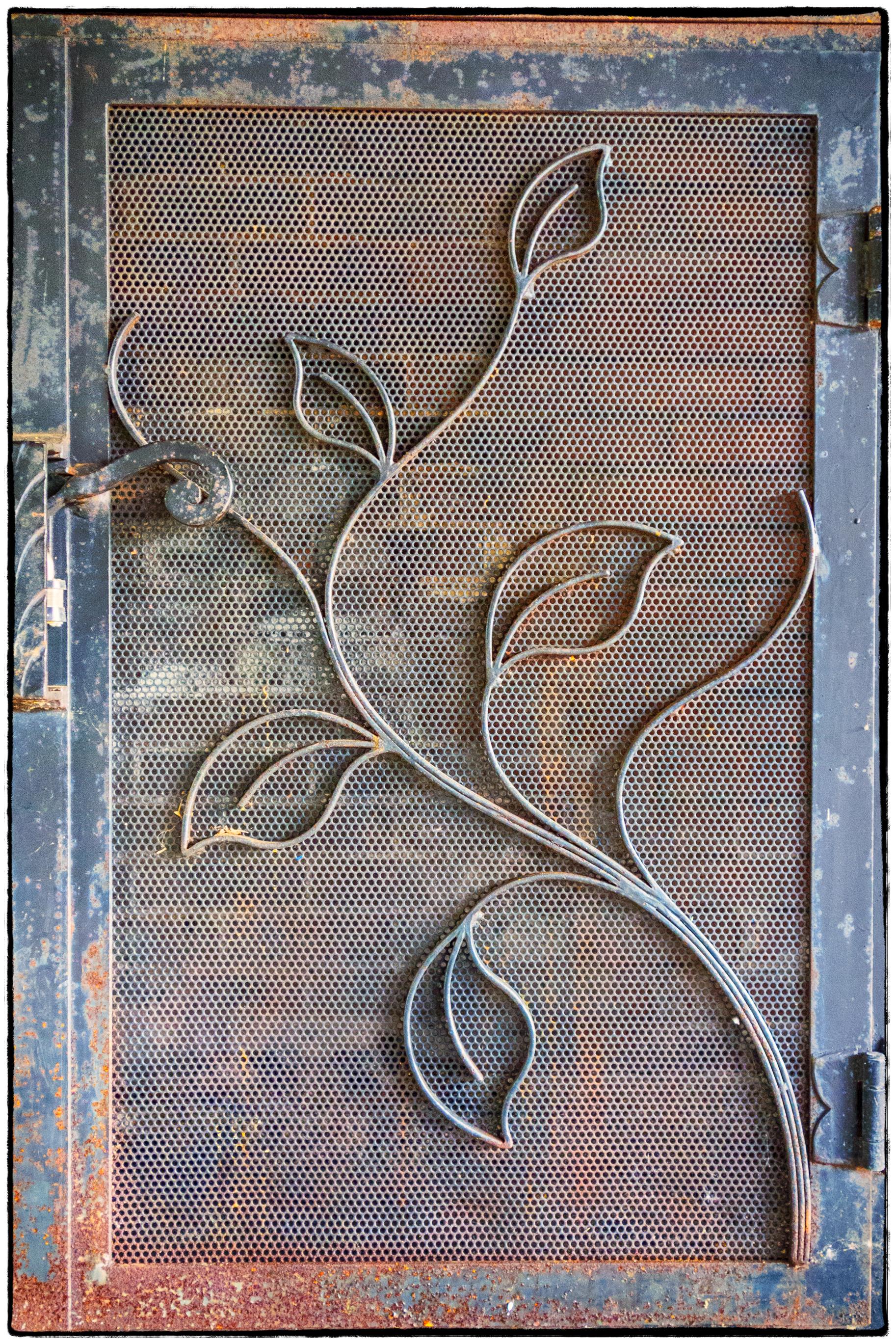
This is a great example of how we walk past so many interesting things without really seeing them. This lovely firescreen is in the pavilion in our local park: Law Park. The pavilion looks out over the swimming pool and in summer they serve food and drinks. It’s a pleasant place to pause during a dog walk, and also a shelter from inclement weather. So I’ve been there many times. I’ve noticed this fireplace and may even have included it in a picture, but I’d never really looked at it. When I did today I was surprised by the graceful lines of the beautiful wrought iron work. The rusty textures are nice too. At first I was going to convert this to black and white, but eventually decided that it was interesting enough to stay with color.

Shrub Oak United Methodist Church

According to Commentary: The History of Shrub Oak, by Lawrence Constant:

After the Revolution, by 1789, there was built in the village a Methodist Church – one of the first in the county – upon land owned by Pierre Van Cortlandt, Jr., whose father, Pierre, Sr., had been a Congressman, Lieutenant-Governor of New York, president of the convention which established the Constitution, and a personal friend of George Washington. (Pierre Jr., in his own right studied law under Alexander Hamilton; served as a Congressman; and was a higher general of the local militia, with James Fenimore Cooper, author of “The Last of the Mohicans”, serving as his aide). This first Methodist meeting house in Shrub Oak stood about where the large Denver-Hallock monument is, in the southeastern portion of the Old Shrub Oak Cemetery. Several circuit-riding ministers preached in it, the most famous of which was the celebrated Reverend Francis Asbury 91745-1816), the man responsible for the flourishing of the Methodist faith in America. Asbury, who preached in Shrub Oak on more than one occasion, was a welcome visitor in the homes of such notables as Meriweather Lewis, John C. Calhoun, and Washington.

In 1867, work was begun on the present Methodist house of worship, an ivy-clad Gothic edifice, built of stone drawn from Piano Mountain and a quarry on Stony Street. At the ceremony of the laying of the cornerstone, held on June 29 of that year, an address was made by the Reverend Henry Ward Beecher (1813-1887). He was the brother of Mrs. Harriet Beecher Stowe (authoress of Uncle Tom’s Cabin), and had served as Abraham Lincoln’s orator during the recent Civil War.

Turkeys in the Meadow

I’d been hearing the distinctive “gobble, gobble” sound for a few days, but hadn’t seen the authors. Then the dog started barking like crazy and I thought he’d seen some deer. When I took a look I didn’t see any deer, but I did see this trio of wild turkeys in the meadow adjoining our property. I was a very long way away and the turkeys were barely visible on the LCD screen of my Sony RX100 so I just pointed the camera in the general direction and hoped. This is a very extreme crop and so the sharpness and detail leave a lot to be desired. I does have a sort of “painterly” almost impressionistic look to it that I rather like.

Tompkins Corners Cultural Center

Friday marked the opening of the Tompkins Corners Cultural Center in the former United Methodist Church, now to be the regular venue for a famers market. Fruit, vegetables, crafts, wine and entertainment (including the renowned John Cohen of New Lost City Ramblers fame). We missed the dinner and movie in the evening.

According to Wikipedia:

Tompkins Corners United Methodist Church is located along Peekskill Hollow Road (Putnam County Route 21) in Putnam Valley, New York, United States. It is a wooden frame structure built in the 1890s. In 1983 it was listed on the National Register of Historic Places, the only property exclusively in Putnam Valley to so far receive that distinction.

The congregation was founded in 1789, making it one of the oldest Methodist churches in the state outside of New York City. It can trace its roots to early missionary work by Methodist evangelist Freeborn Garrettson. Today it is part of the United Methodist Church. Since 2011 it has been closed.

In 1833 the first church on the site was built. By 1890 it had become outdated, and the current structure replaced it the next year. Its L shape, unusual for that era, was necessitated by the reuse of the original church’s foundation. A nearby carriage house, used in the past for church events and today as storage space, remains from the original church. It is a contributing resource to the National Register listing.

After standing empty for four years the church has recently been purchased by a group of concerned locals so that it can become a badly needed community cultural center. More information can be found at: Historic Church to Become Cultural Center and on the Center’s Facebook Page.

The band.

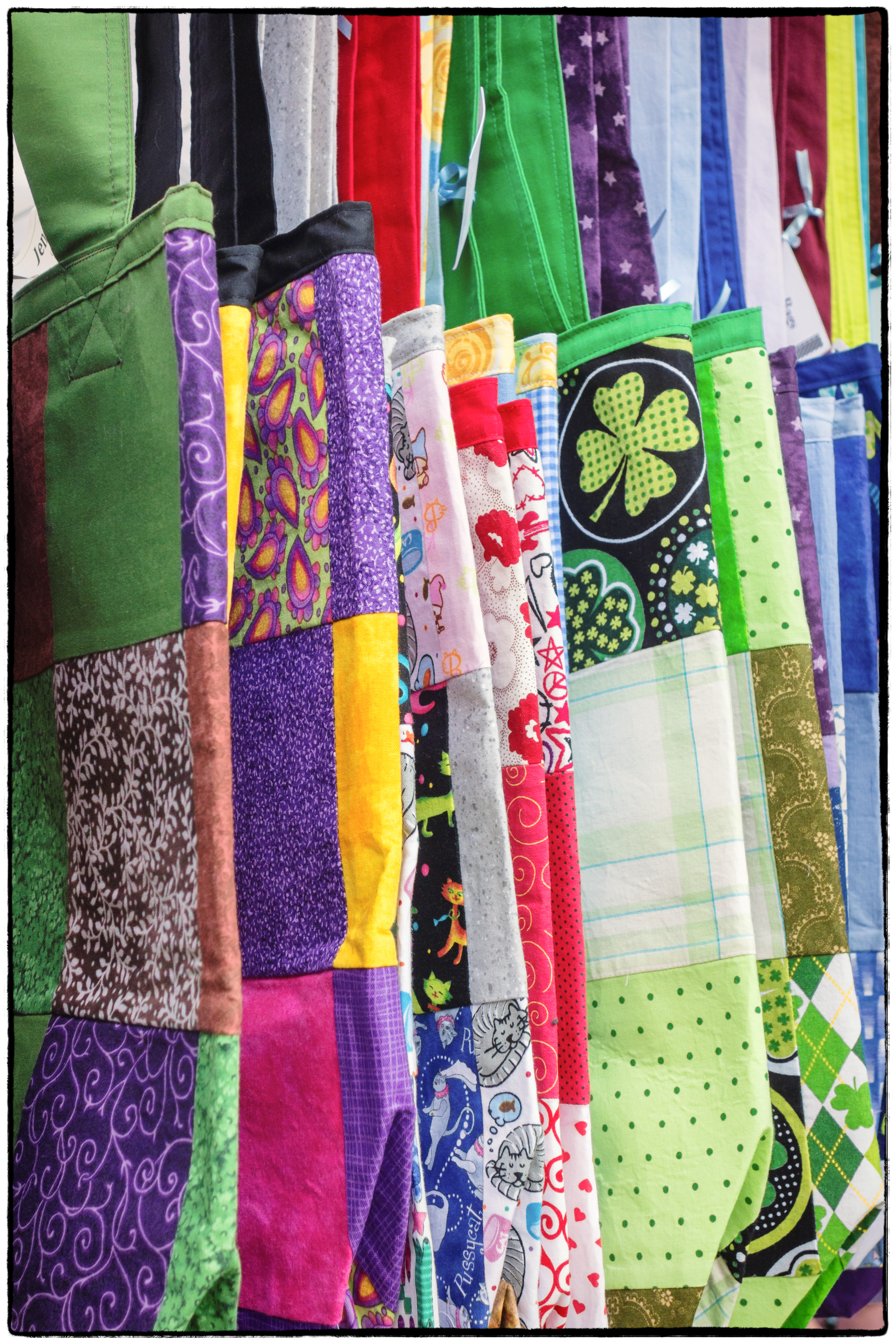
Colorful bags.

Cherries. A bit out of focus, but my wife tells me that they tasted much better than the cherries she’d bought at the supermarket. We also got some blueberries, which I’ve yet to try.

Vegetables. We bought some very tasty tomatoes (and yes I know that they are fruits, but everyone seems to treat them like vegetables); and some golden beets, which I roasted last night for dinner.

Inside the church.
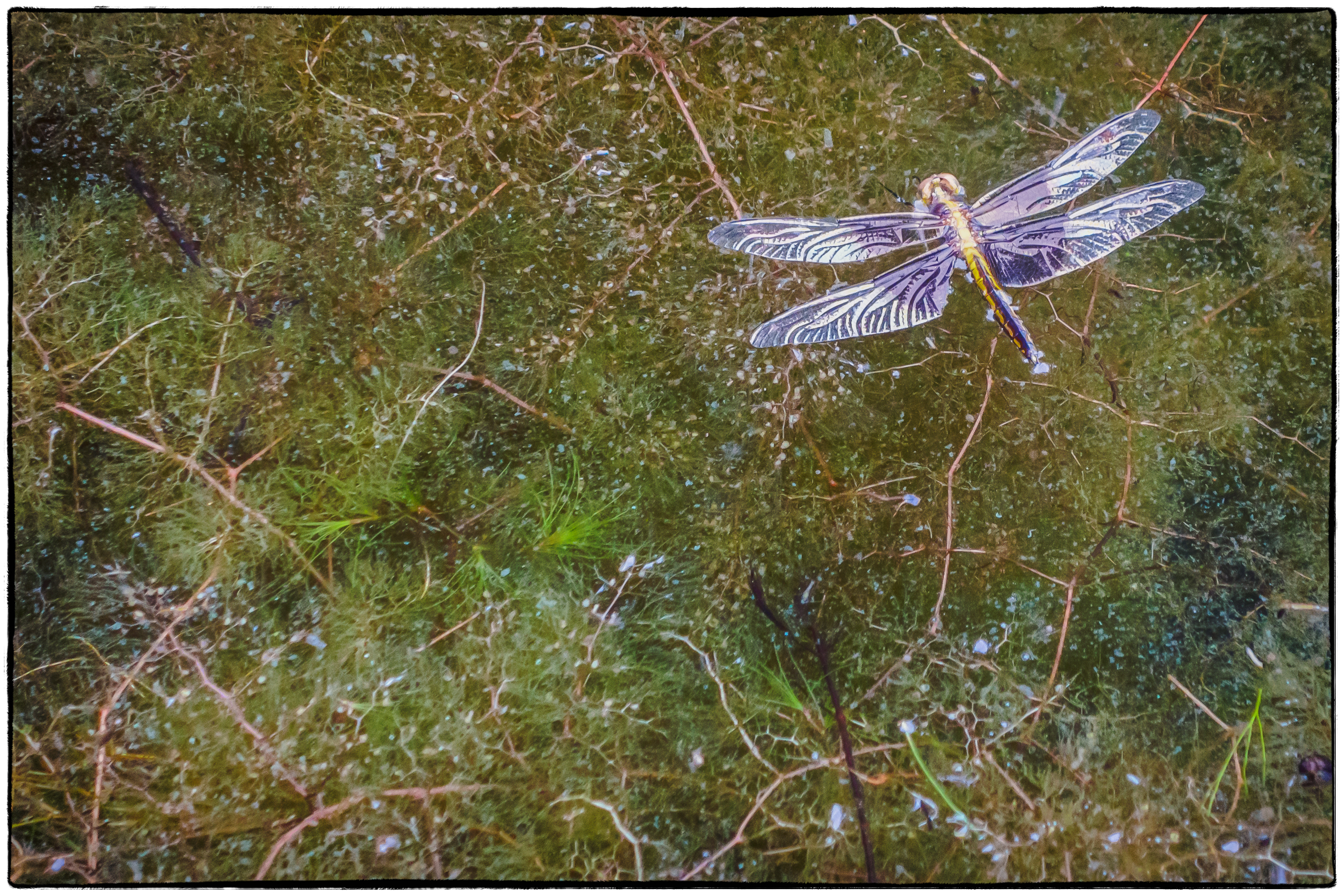
Mayfly on the Water

This mayfly (at least I think that’s what it is) had somehow managed to end up in the water. I was optimistic about it’s chances of getting out though. Lots of sticks and other objects were sticking out of the water. I felt it was only a matter of time before it managed to move itself closer to one of them so it could climb out, dry itself off and fly away. Didn’t stay around long enough to find out if that was the case though.