Bali I: Batiks

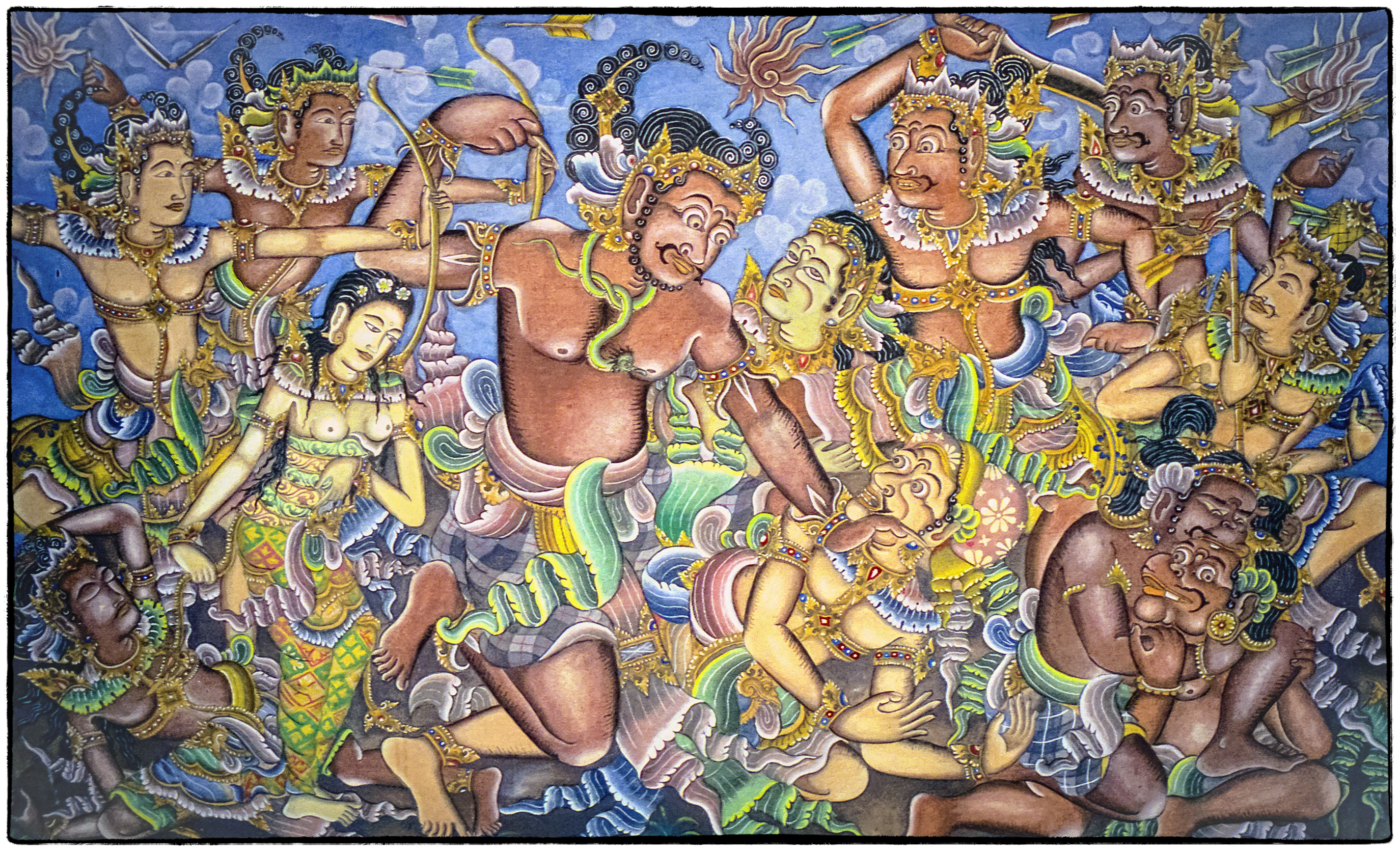
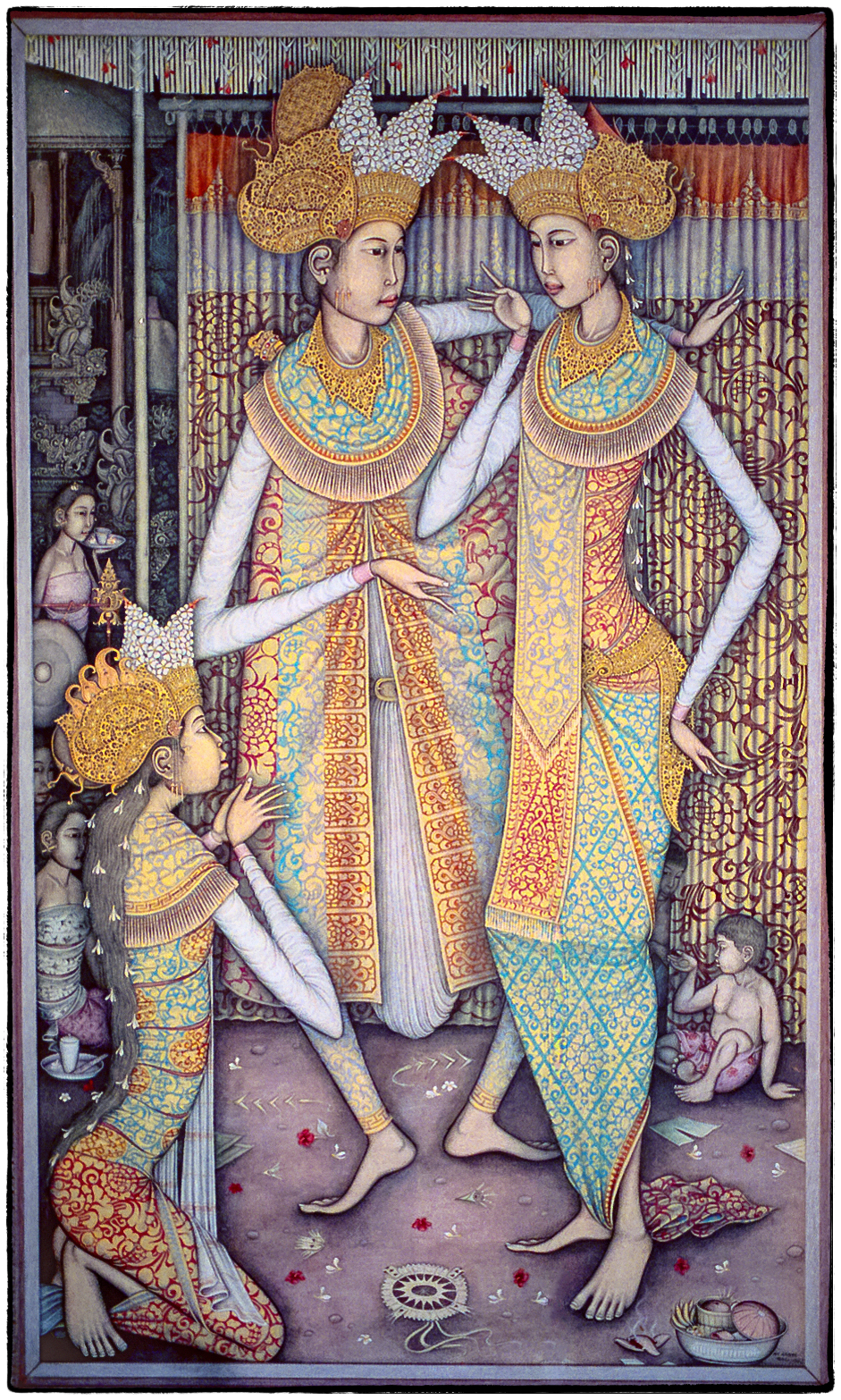
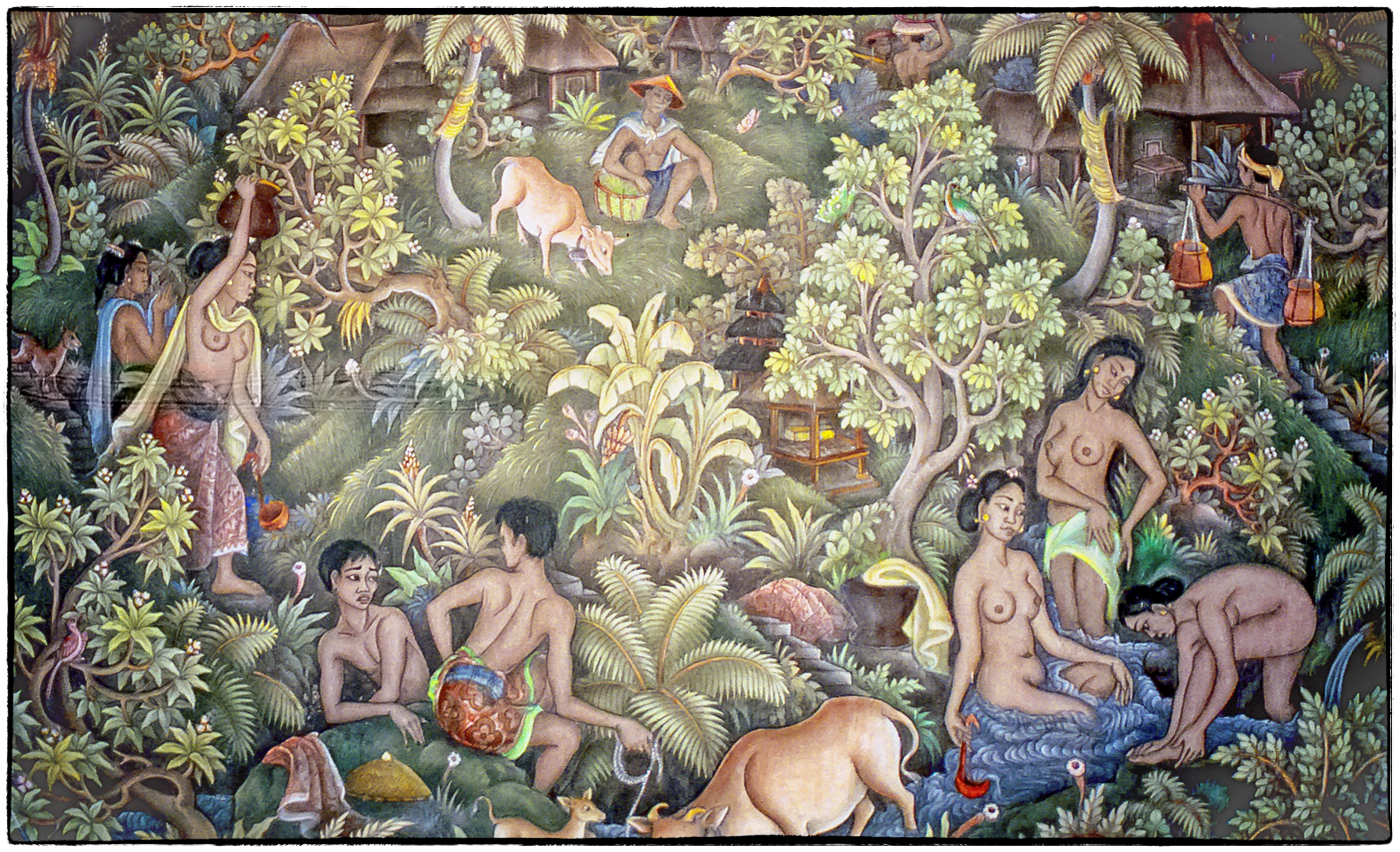
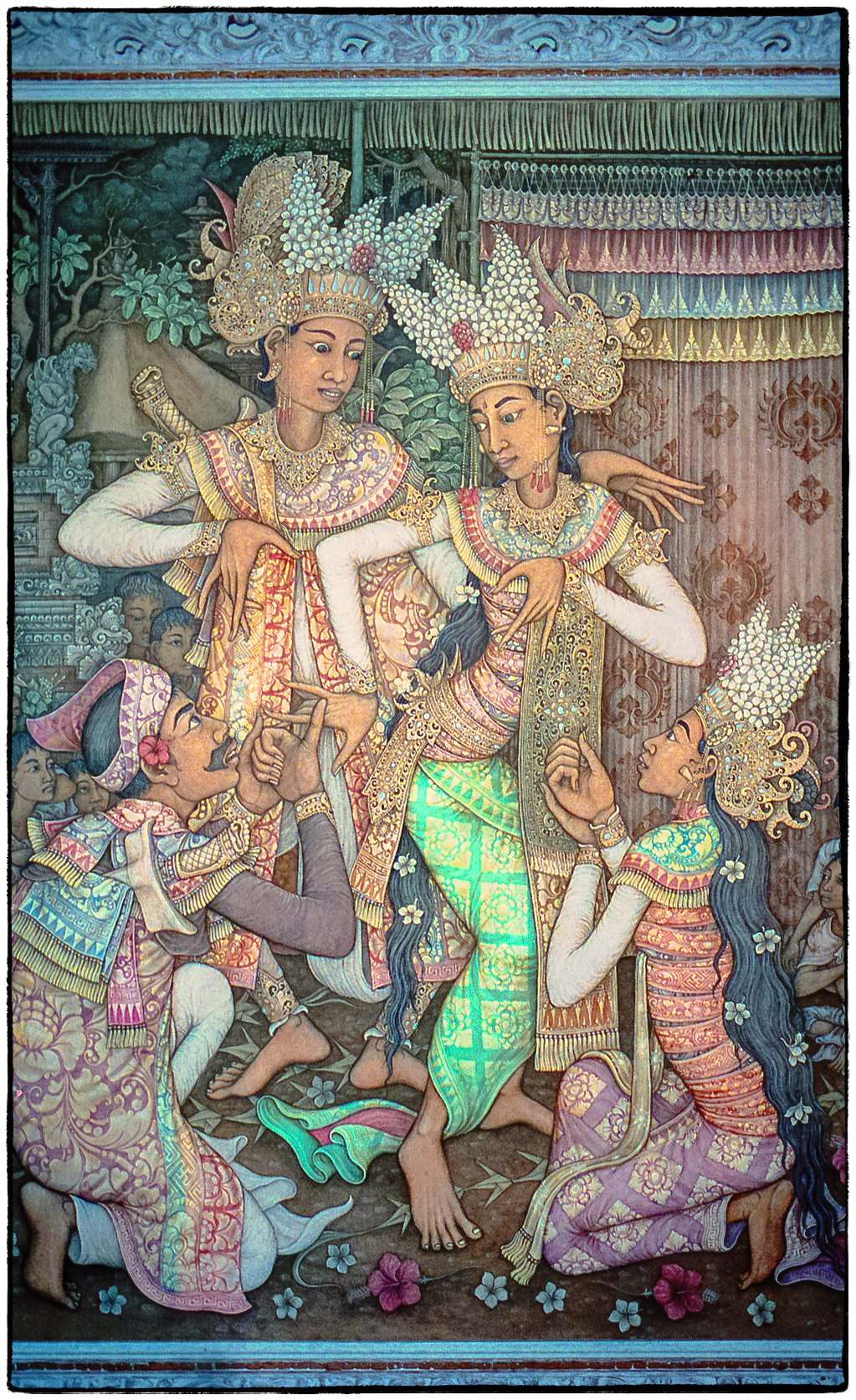
Taken in a shop somewhere in Indonesia (I can’t remember exactly where). I was very much taken by their vibrant colors. We ended up buying one (not one in the pictures) and as I write this it’s hanging on the wall in one of our bedrooms. Ours is about 2ft wide by 3ft long.

35mmc – A Site for Compact Camera Lovers

reviews, thoughts & experiences with 35mm compact cameras, rangefinders & lenses

Reviews, thoughts & experiences with 35mm compact cameras, rangefinders & lenses

If you’re into compact cameras (as I am to some extent) this is a site for you. Lots of useful information available.

35mmc is a blog dedicated to reviews, thoughts and experiences with 35mm compact cameras, rangefinders and their lenses.

I love cameras, and I make no excuse for that. I love buying them, playing with them, learning their foibles and working within and around their limitations. I also really enjoy writing about them… which of course gives me a perfectly valid excuse to buy more of them… …

My particular interests lies with 35mm compact cameras. As history has proven, Oskar Barnack was really on to something with his work in the popularisation of the 35mm format. A format that to my mind offers the sweet spot between big enough for quality yet small enough for cameras to remain light weight, and often even pocketable.

Of course, some of the 35mm cameras manufactured since the early Barnark Leicas could be described as anything but compact. But the ones that interest me most – and are therefore the subject of this blog – are those which have been designed to be compact.

via 35mmc.

The most important cardboard box ever?

Kodak Brownie

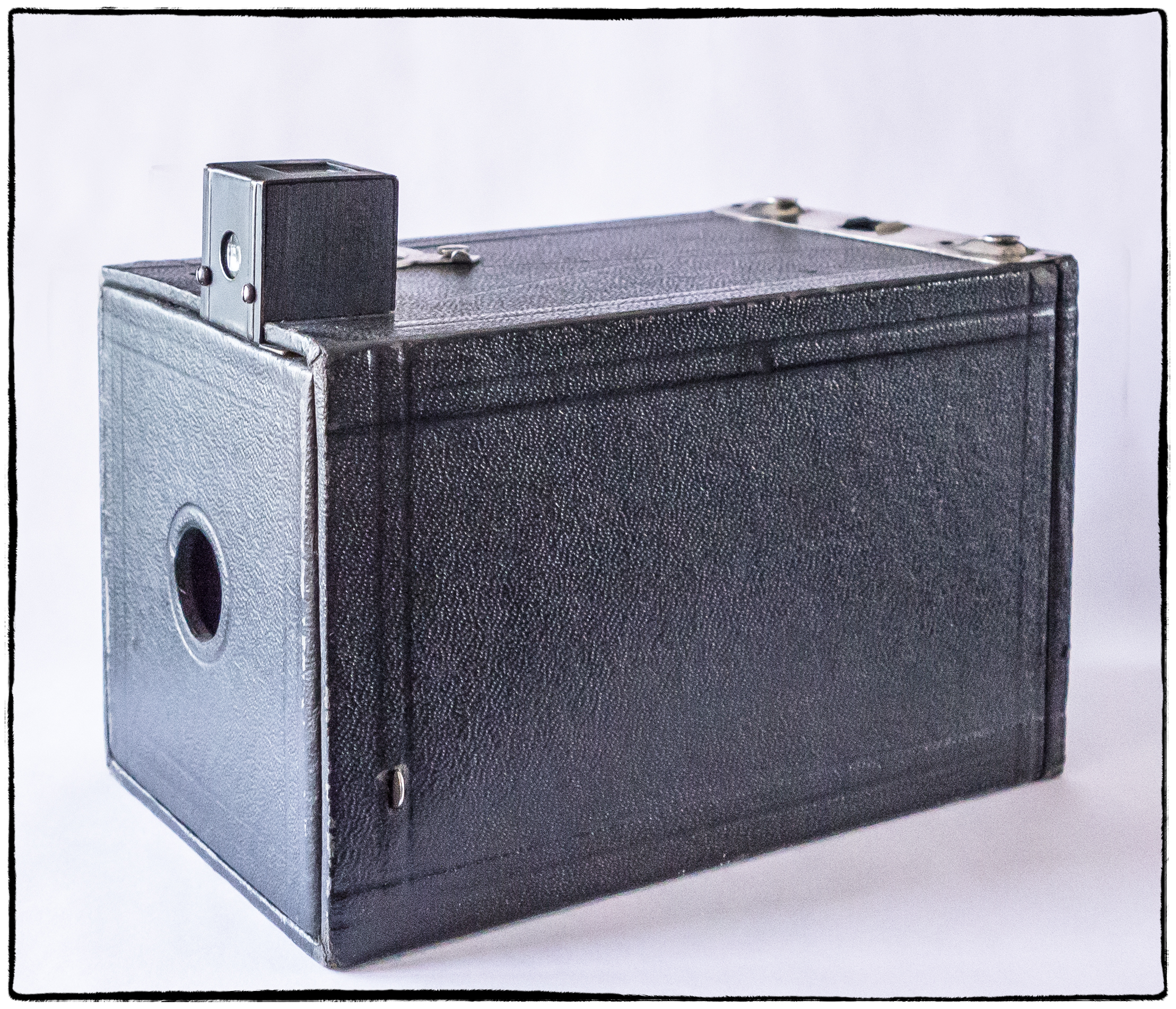
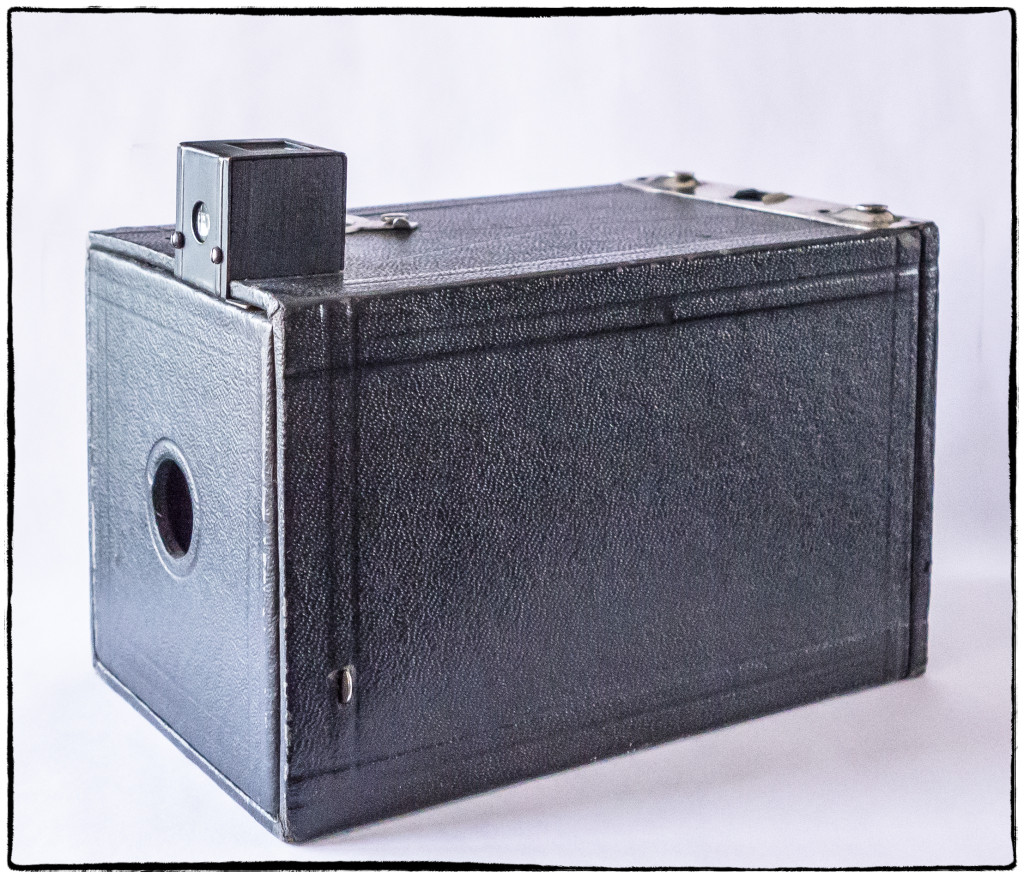
My 1900 original Kodak Brownie

It doesn’t look very exciting – a cardboard box about 5in (13cm) tall, covered in leatherette, with a small round opening at the front. You might have some trouble working out what it was for if you didn’t know. But the Brownie might be the most important camera ever made, writes the BBC’s Stephen Dowling.

via BBC News – The most important cardboard box ever?.

Interesting article! Above my 1900 Kodak Brownie. Unfortunately I can’t take any pictures with it. Everything seems to work, but it takes 117 film, which has not been available for a long time. Maybe I’ll get one of the later models that takes 120 film and give it a try.

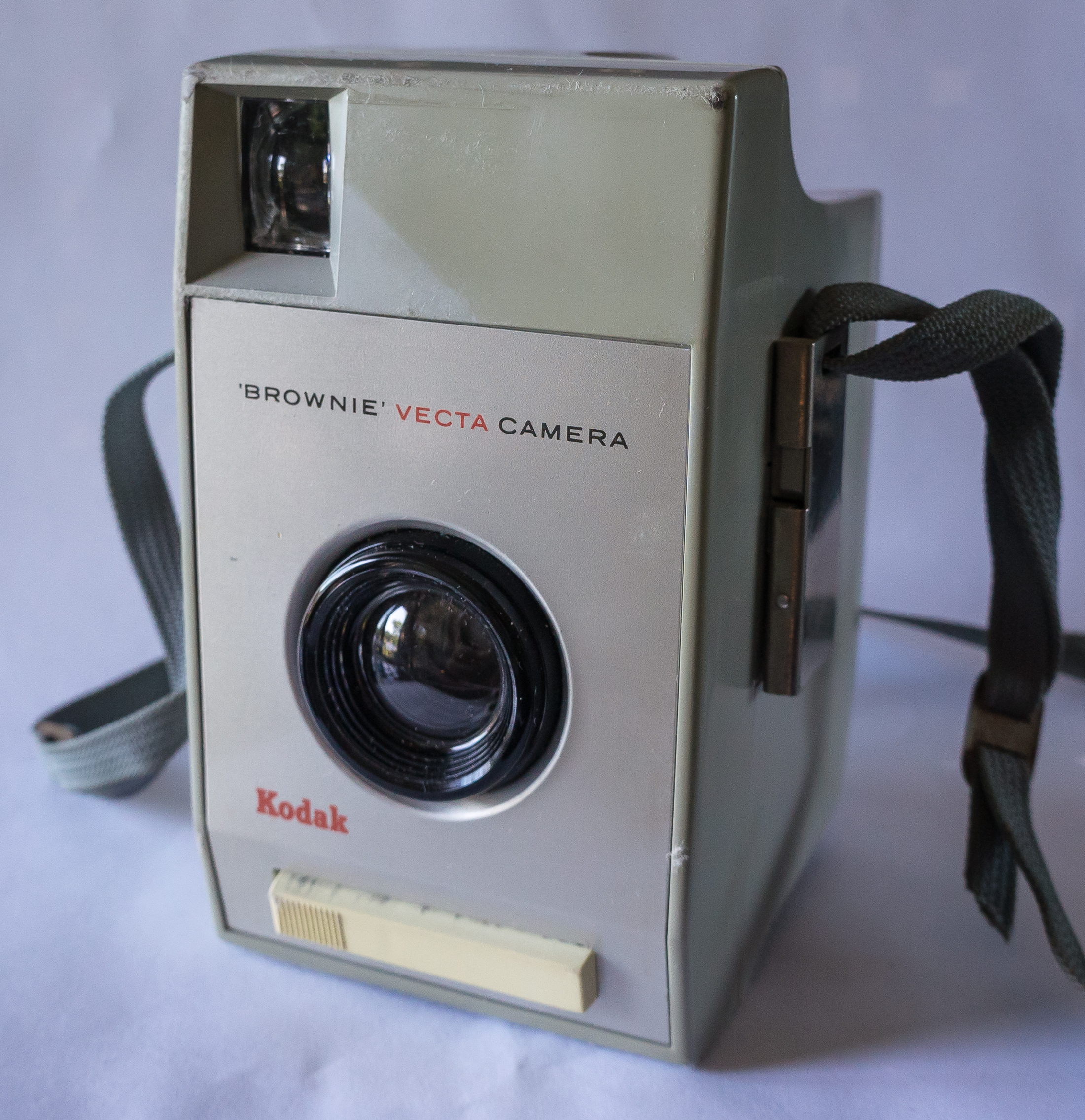
I also have another Brownie, my first ever camera: A Kodak Brownie Vecta, but of a much later vintage: sometime early to mid 1960s. This one took 127 film, which was still readily available. Apparently you can still get it if you look hard.

My Kodak Brownie Vecta

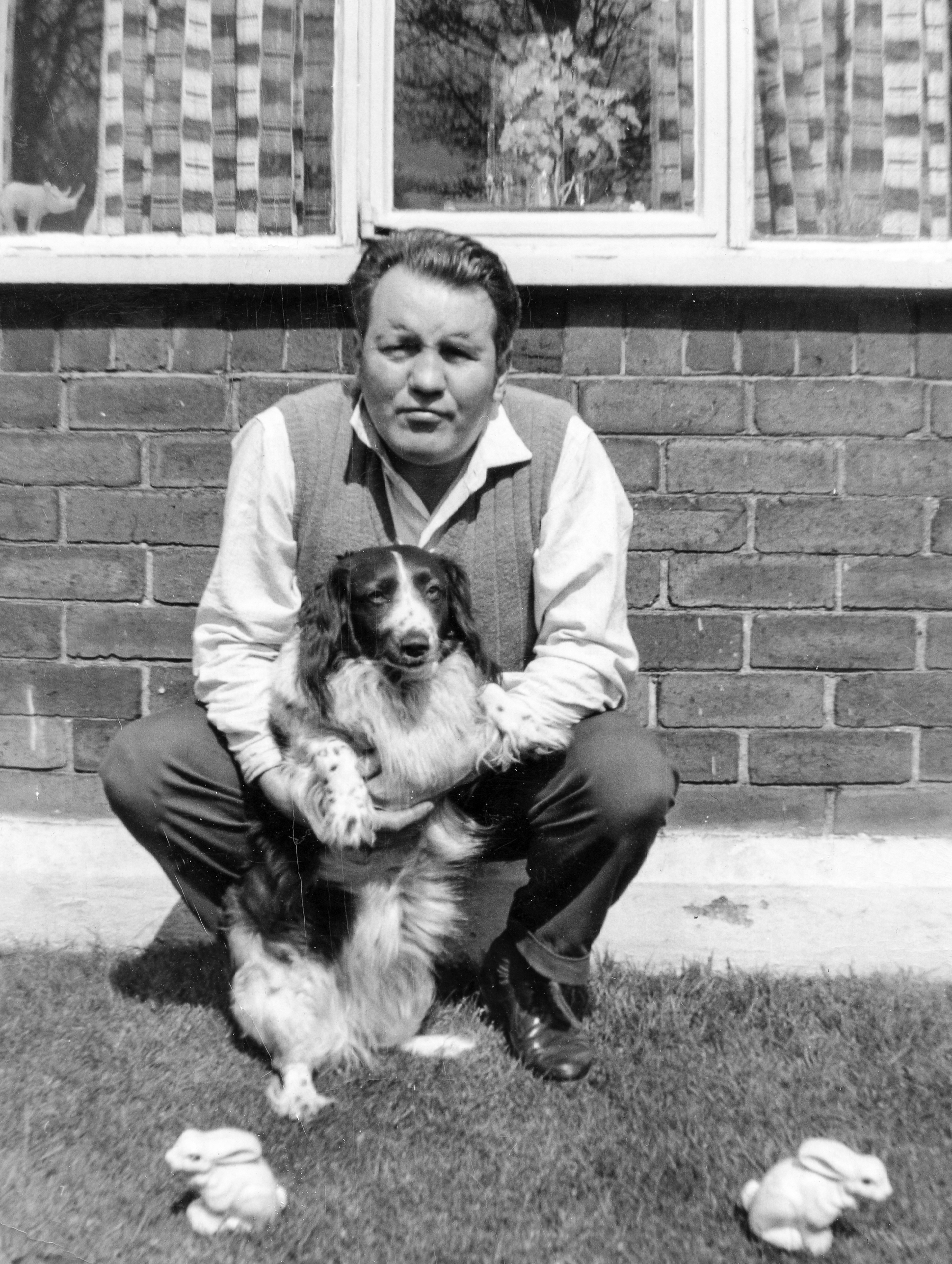
The only remaining picture from this camera: my father with our dog, Peg in front of the house where I grew up.

Andreas Gursky — New York Magazine Art Review

Andreas Gursky, Chicago, Board of Trade II, 1999 via The Red List

I think I’m starting to appreciate Gursky more. I’ve never been much of a fan of his work, but I’m starting to realize that the sheer size of the photographs and the amount of detail that can be seen must be quite amazing. So far I’ve only been able to see small images in books and on the internet. I’ll try to find somewhere where I can see some of his work in all of its glory – there must be somewhere in New York City.

The German über-photographer Andreas Gursky was the perfect pre-9/11 artist. He excelled at portraying the border-to-border, edgeless hum and busy obliviousness of modern life, what Francis Fukuyama ridiculously declared “the end of history,” George W.S. Trow called “The Context of No Context,” and Rem Koolhaas dubbed “Junkspace.” Not only did Gursky seem to be critical of all this, but his handsome images of trading floors, hotel lobbies, raves, and landscapes were charged with a visual force and intellectual rigor that let you imagine that you were gleaning the grand schemes and invisible rhythms of commerce and consumption. His amazing picture of a convenience store brimming with goods, 99 Cent II, Diptych 2001, which recently became the most expensive photo in history when it was auctioned for over $3.3 million, fizzed like cherry cola but packed the formal power of a Monet.

via Andreas Gursky — New York Magazine Art Review.

Also found this article interesting: 99 Cent: A Look at the Widespread Confusion Over a Photo Gursky DIDN’T Shoot

Gawsworth Old Hall

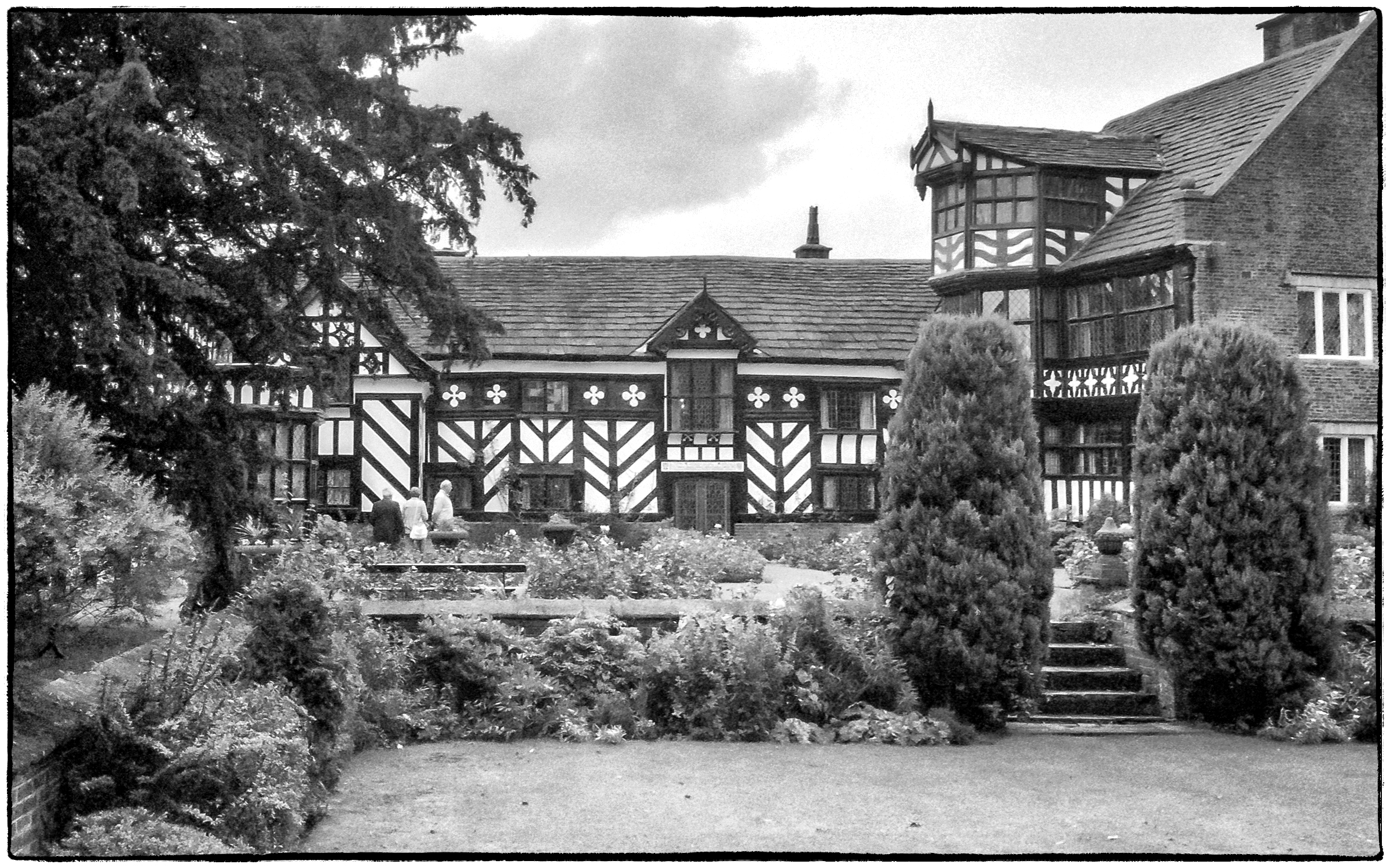
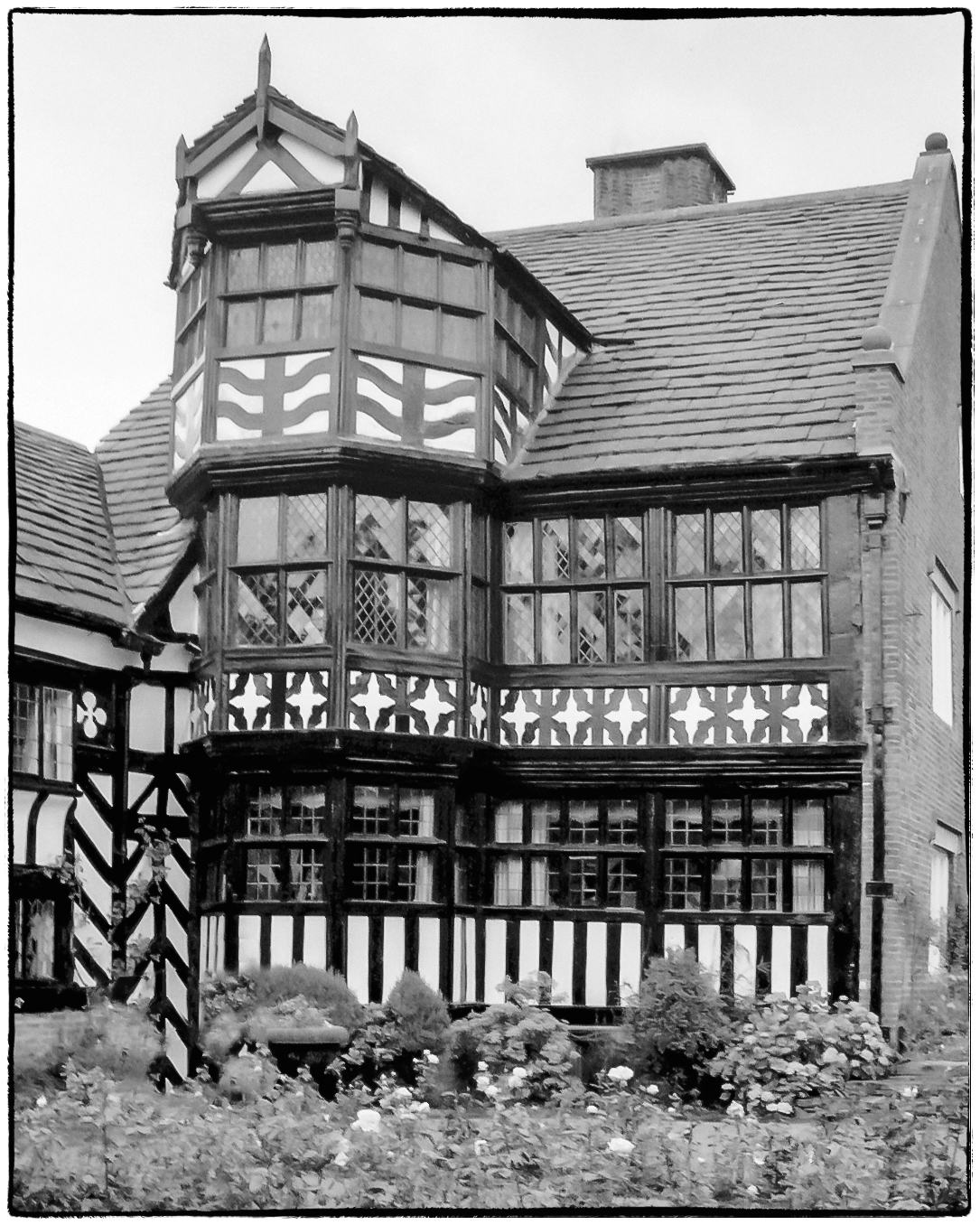
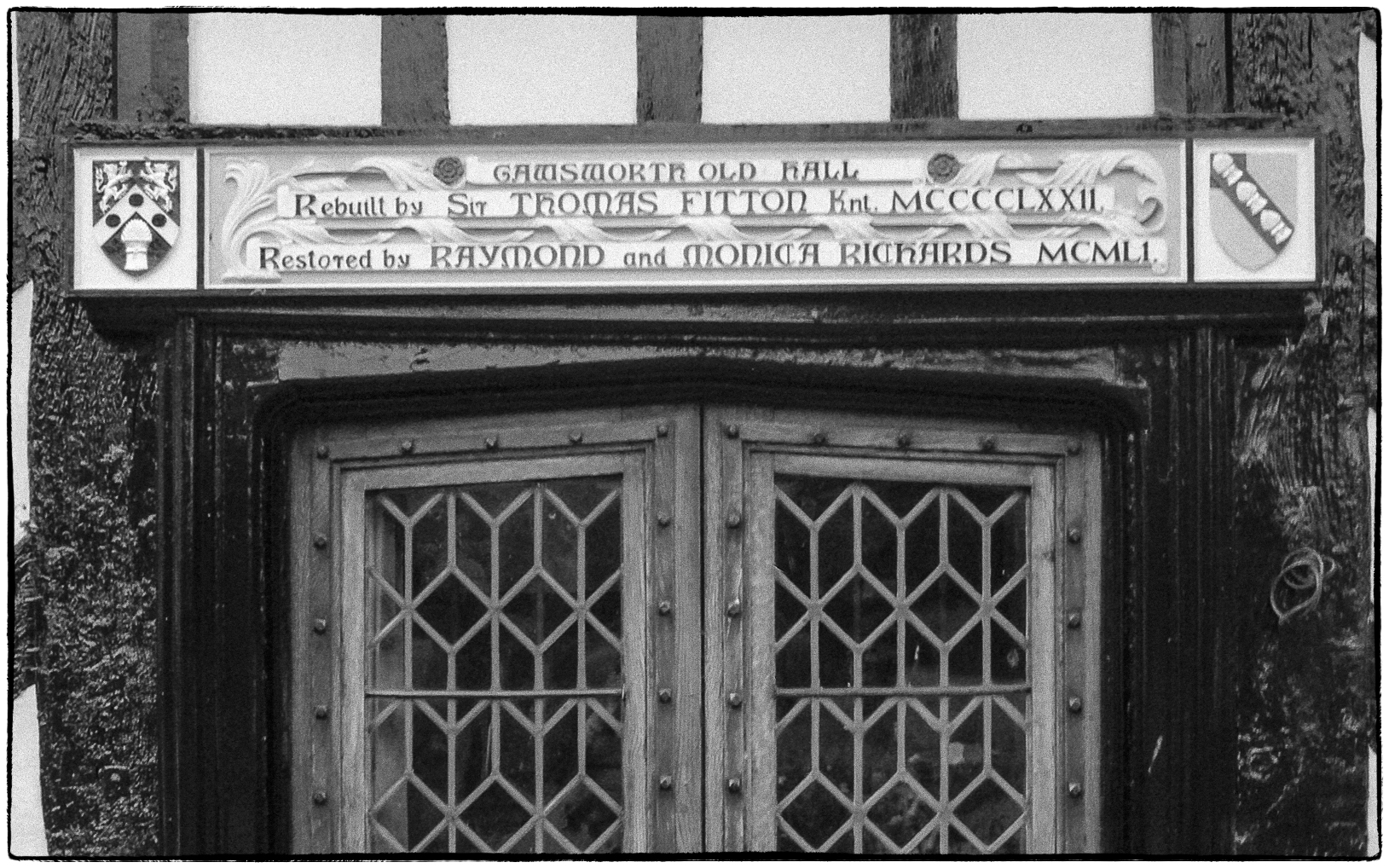
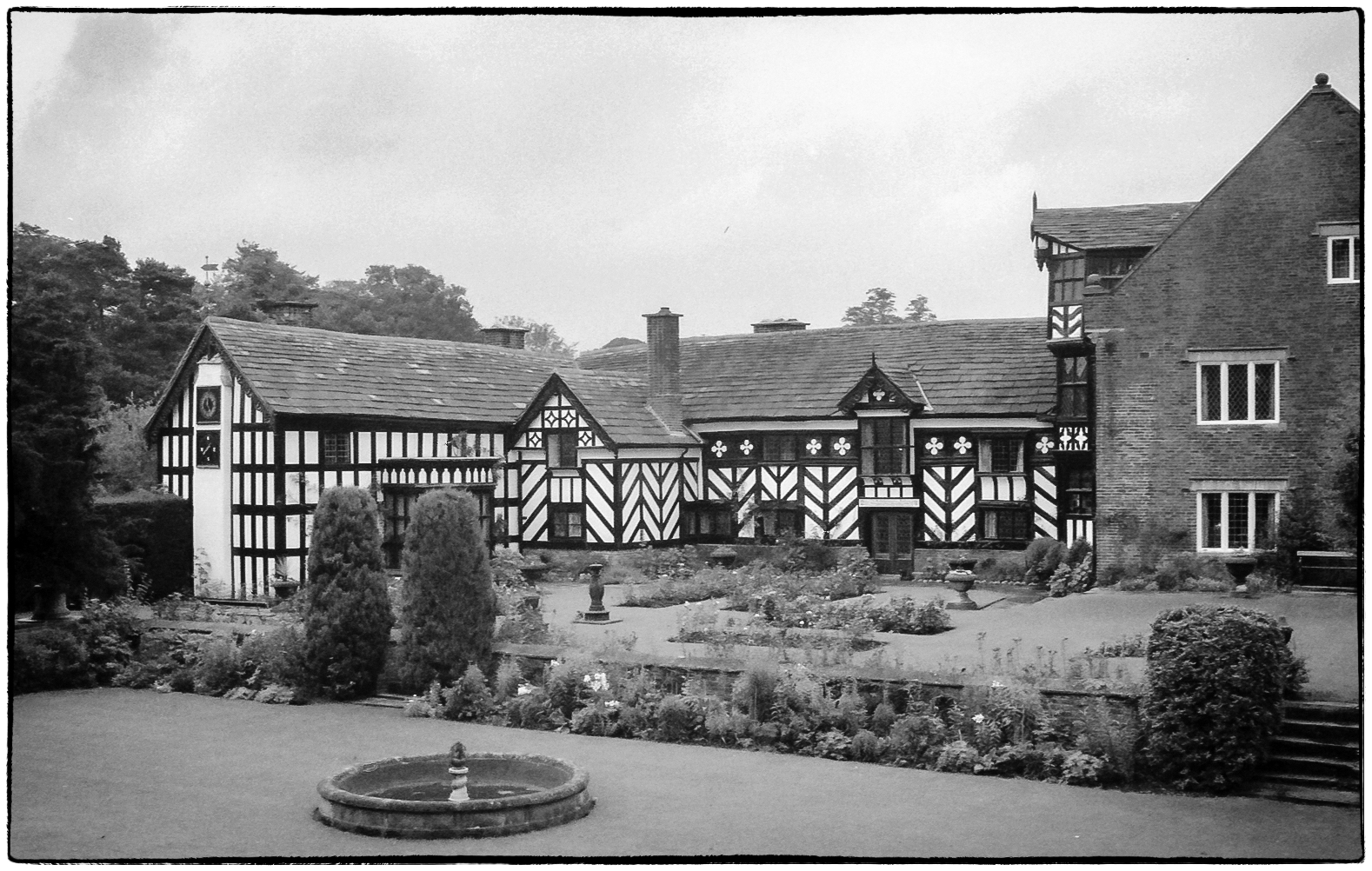
Some old pictures of a picturesque old building near where I grew up in the United Kingdom: Gawsworth Old Hall. Like many old buildings in the UK it’s reputed to be haunted. According to the Haunted Mansions Around the World site:

Gawsworth Hall is a half-timbred, sixteenth century manor house situated in Macclesfield, Cheshire. According to many sources it has a number of ghosts.
The mansion was once occupied by Mary Fitton, the maid of honor to Elizabeth I, who is now believed to haunt not only the house but the church and the surrounding roads. It is rumored that Mary Fitton was the ‘Dark Lady’ that Shakespeare wrote of in his sonnets.

In the 1970s, the smell of incense was reported near a priest’s room in the hall. This room was used as a hiding place for holy men in the sixteenth century.

The Old Rectory is also thought to be haunted. Smashing glass and various knocks and bangs have been heard and, on one occasion, an image of a man with a pointed beard was seen in a dark alcove.

Maggoty’s Wood, nearby the Hall, is said to be haunted by Samuel Johnson, the last professional jester in England. He has been seen dancing around the wood, near the place he is buried.