Beavers at work

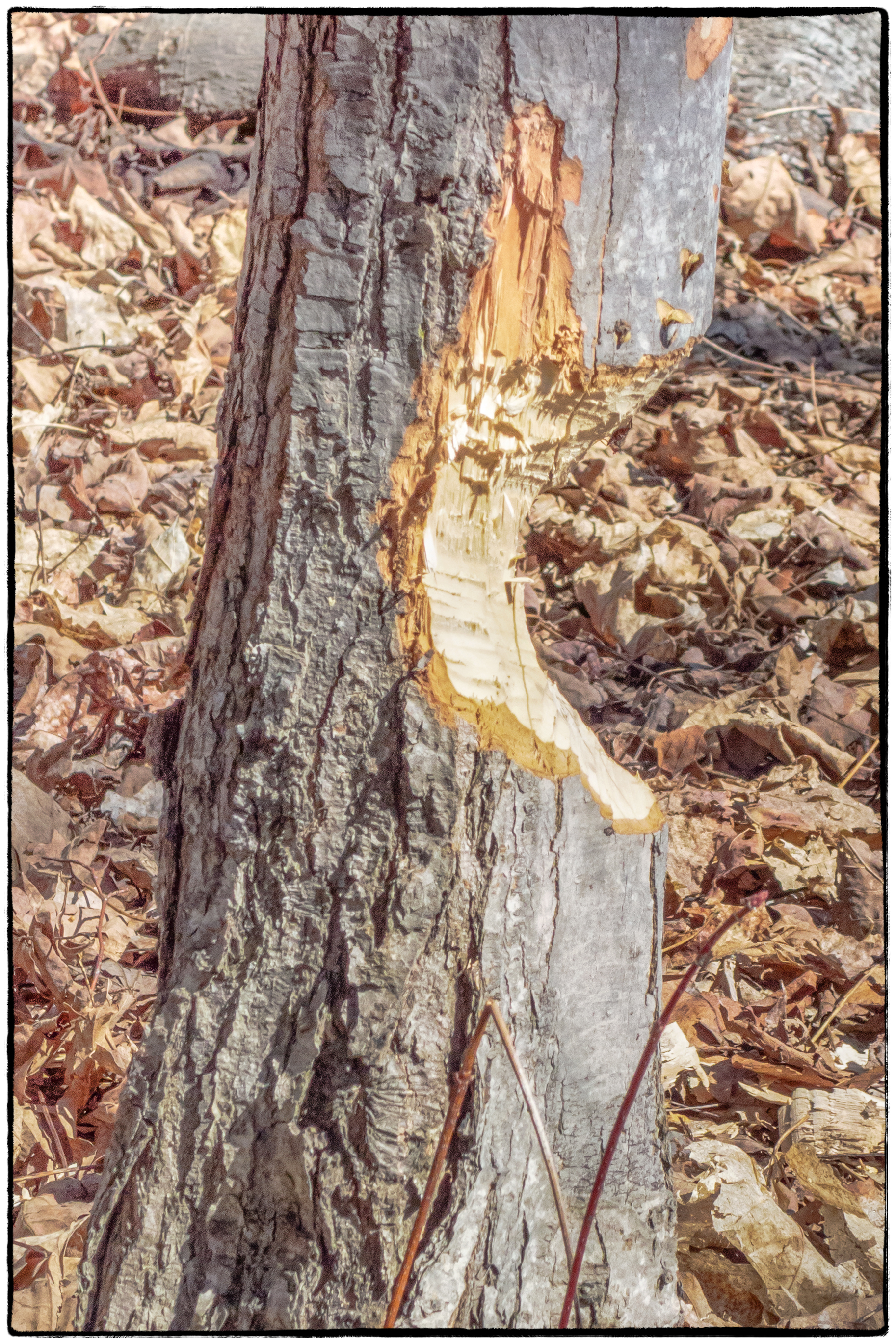
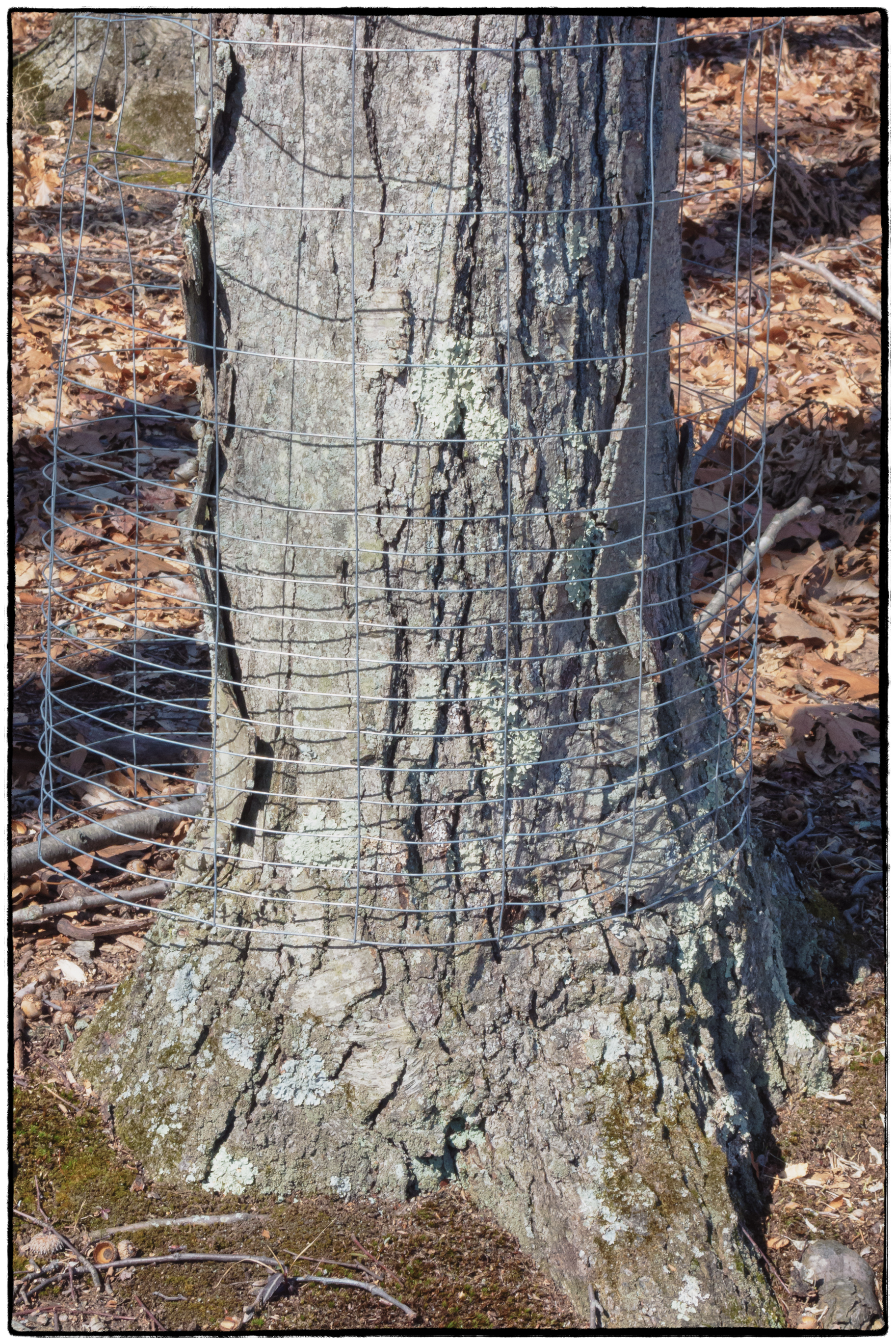
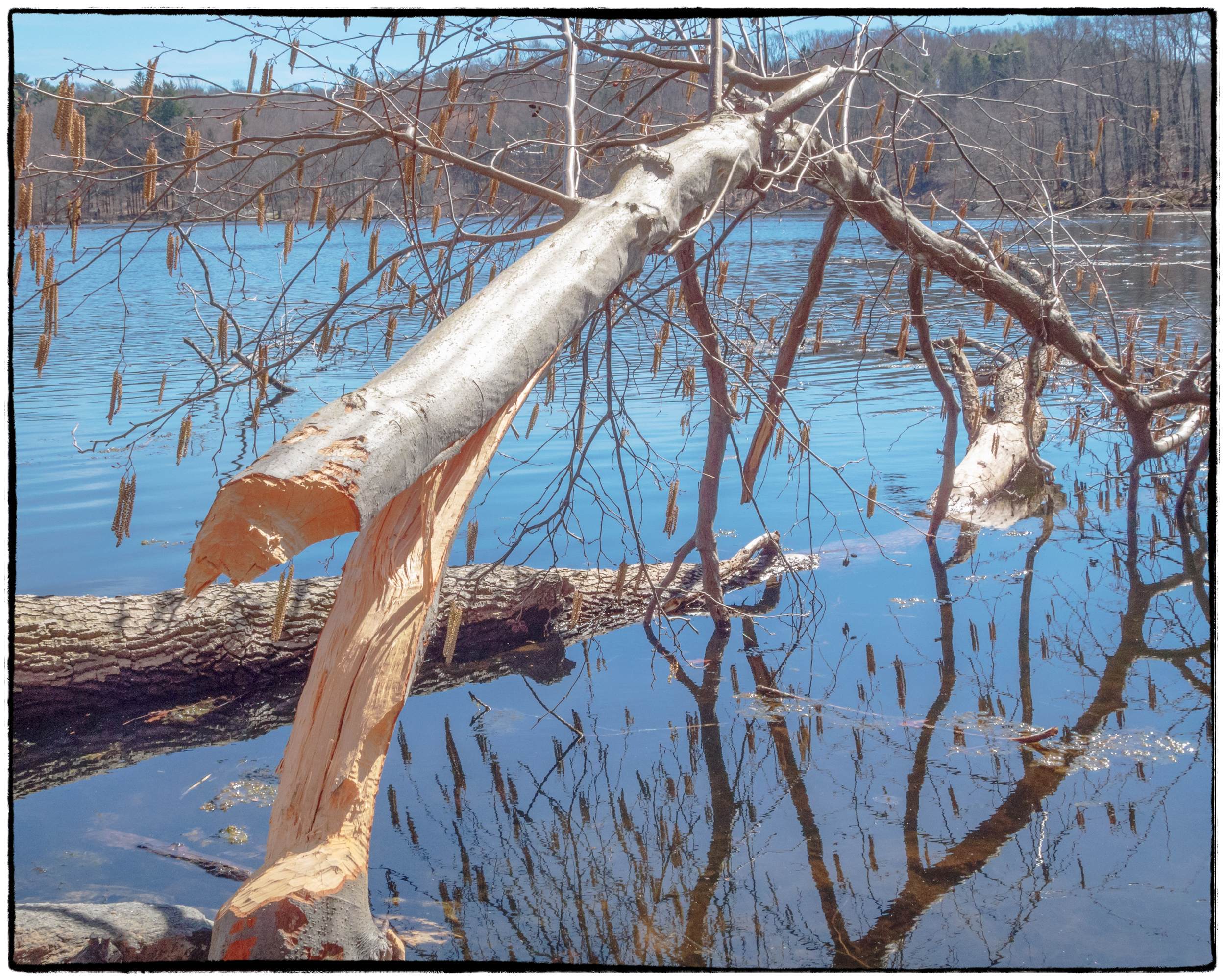
In a recent post on Teatown Reservation I noted a number of changes since I’d last been there. However, I failed to note one significant difference: signs of increased Beaver activity everywhere. Never before had I noticed so many downed trees near the lake – all with signs of “beaver chewing”. It seems to have become such a problem that many of the trees by the water now have metal cages around their base – presumably to stop the beavers getting at them (see second picture below). On my walks I’ve often seen signs of beaver activity, but I’ve never once seen an actual beaver. I just checked to see if beavers are nocturnal. Apparently they’re not. They’re actually crepuscular meaning they are most active at dawn and dusk, which would explain why I never see them as I’m rarely (if ever) out at these times.

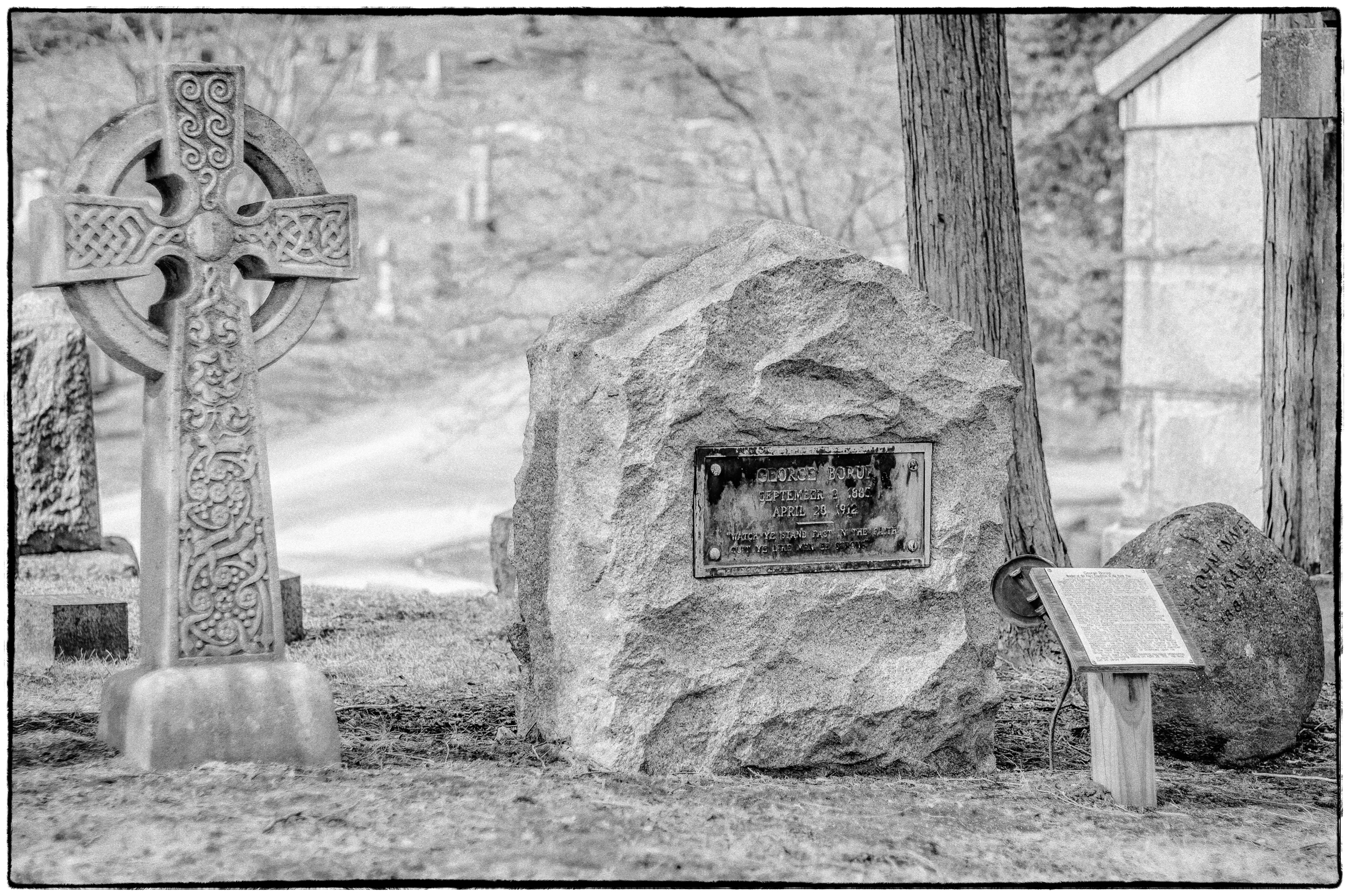
George Borup RIP

According to a sign next to the grave site:

George Borup. Member of the Peary Expedition to the North Ploe (sic).

George Brandreth Borup was born in Ossining on September, 2 1885. The son of Lieutenant Colonel Henry D. Borup and Mary Brandreth, he attended the local Holbrook Military Academy (formerly located almost opposite our house in Briarcliff Manor) and the Gorton School in Massachusetts before attending Yale University. Borup made his most last impact, however, when he accompanied Admiral Robert Edwin Peary on his expedition to the North Pole.

Borup was a member of the exploratory group from July 1908 through October 1909 (they reached the pole of April 6, 1909). Admiral Peary called him an ‘enthusiast’, ‘reliabkle’ (sic) and ‘absolutely essential’ to the expedition. Borup served as the photographer and assisted in the collection of data for the expedition, which was largely credited with being the first to discover he North Pole. Well-known for his bravery and athleticism, he regularly hunted and drove sleds for long distances. Amiril (sic) Peary recalled once seeing Borup “single-handedly drag his frightened dog team out of icy water,” according to an artical (sic) in the local Citizen Register.

After the expedition, Borup wrote “A Tenderfoot with Peary“, a book which chronicled the journey to the North Pole. His alma-mater noted that his account was far more humble than the lauditory (sic) account of his participation given in Peary’s own “The North Pole“. In addition to this literary gift, Borup built a lasting monument at Cape Columbia on Ellesmere Island, to commemorate the launching place of the Peary expedition. He also became assistant curator of the American Museum of Natural History, a fellow of the Royal Geographical Society of London, and a member of the New York Academy of Sciences upon his return from the Expedtion (sic).

Borup died in a tragic boating accident attempting to save a drowning friend on April 28, 192. He was just 26 years old.

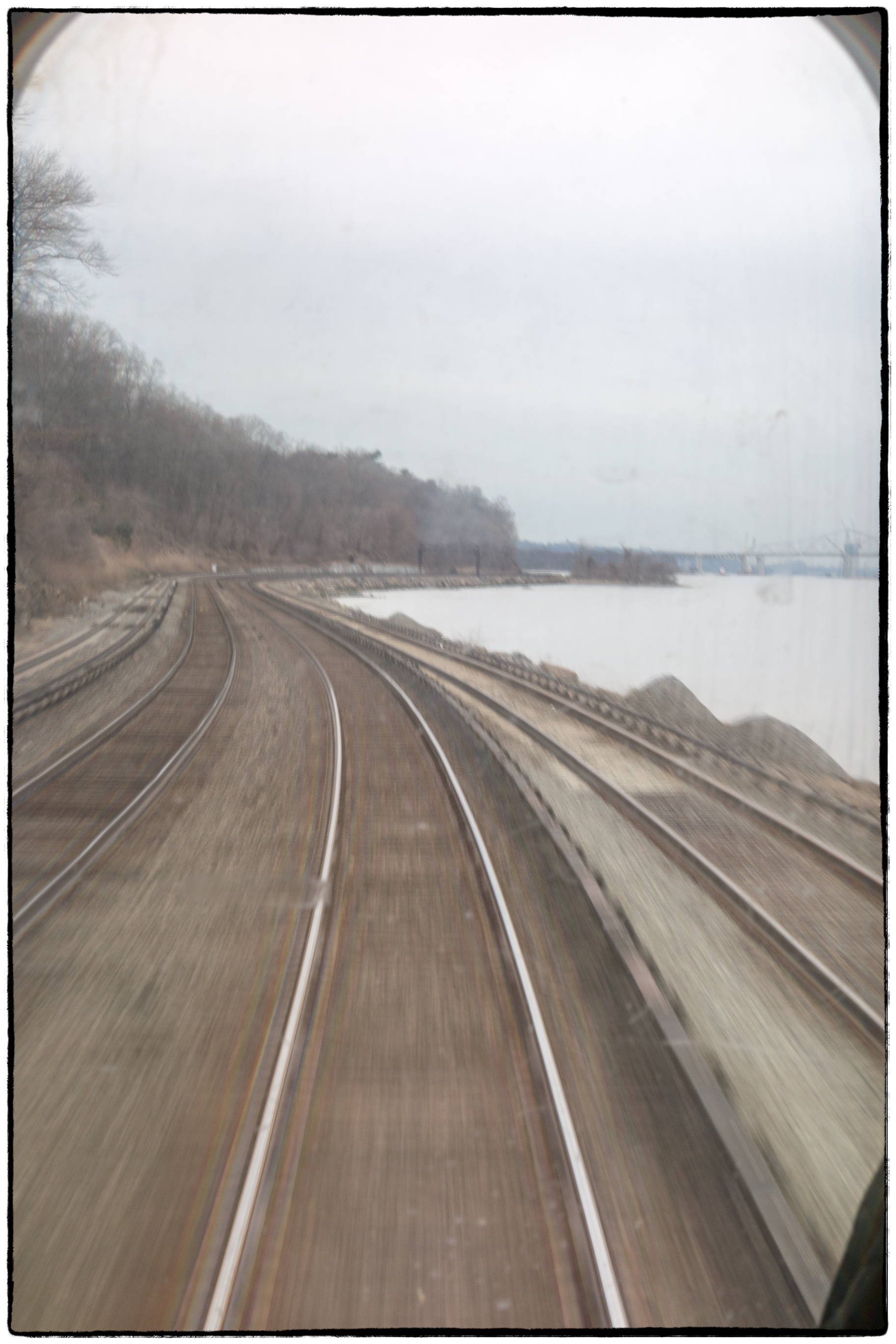
On the 5:06 pm to Grand Central

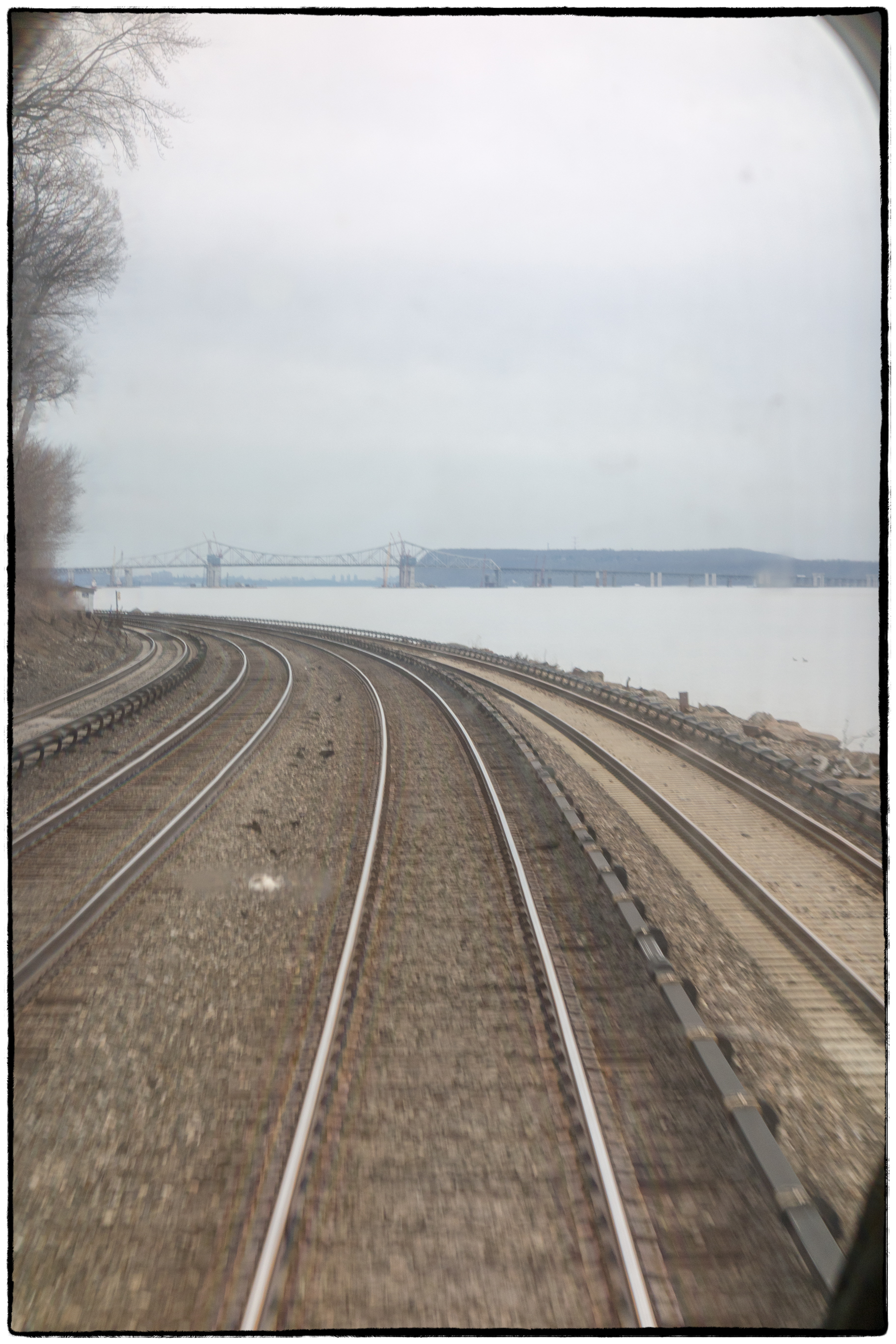
Somewhat experimental for me. Taken through the front window of a metro-north train en route to NY city. I was trying for a certain amount of blur. The first picture is less blurred, and I like the Tappan Zee bridge in the background. The second has more blur and I like the way the track curves. It was a gloomy day and both pictures seem to me to have a kind of “old style” look to them – particularly since the the corners of the window look like a vignette.

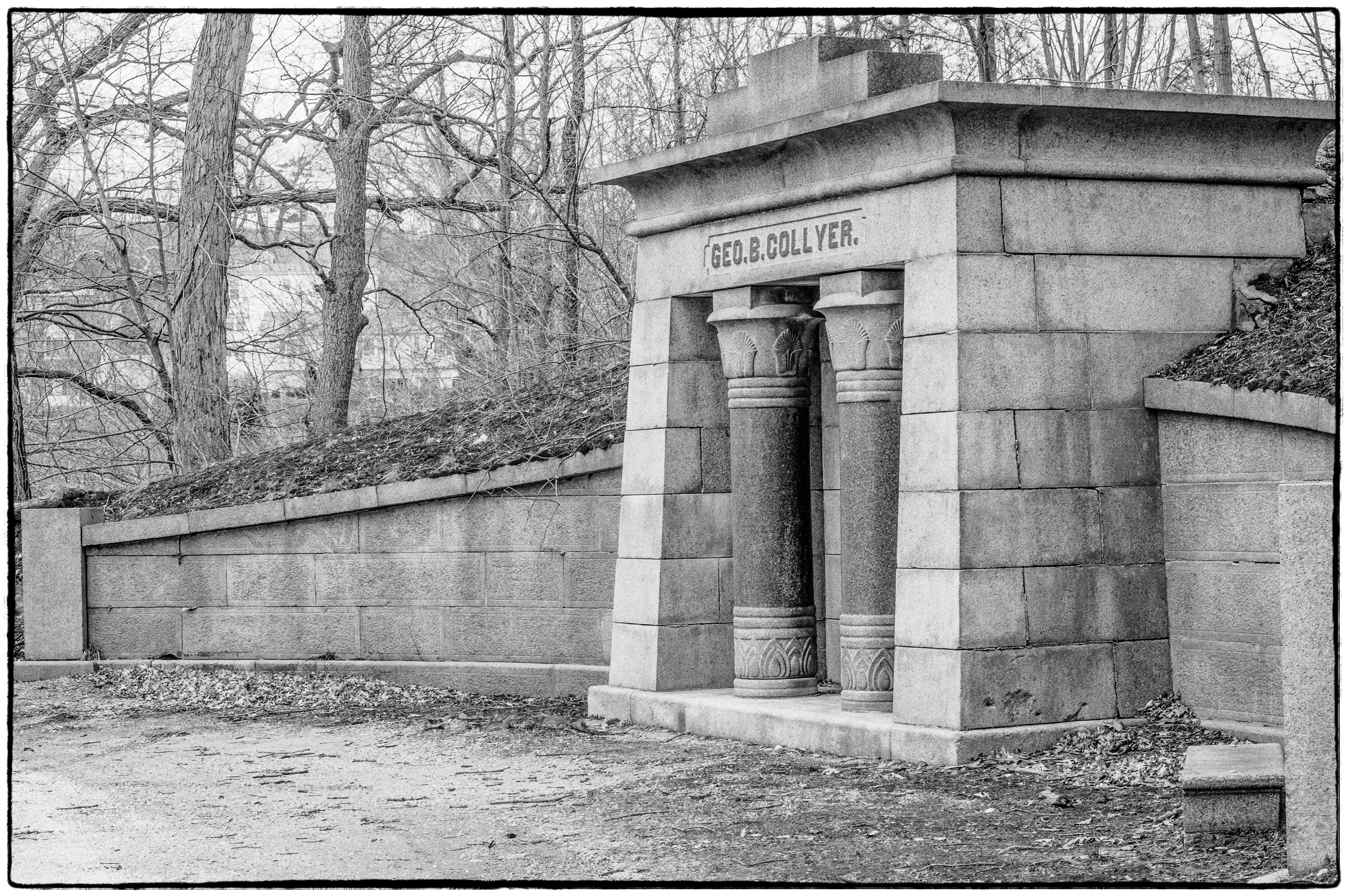
Collyer Mausoleum

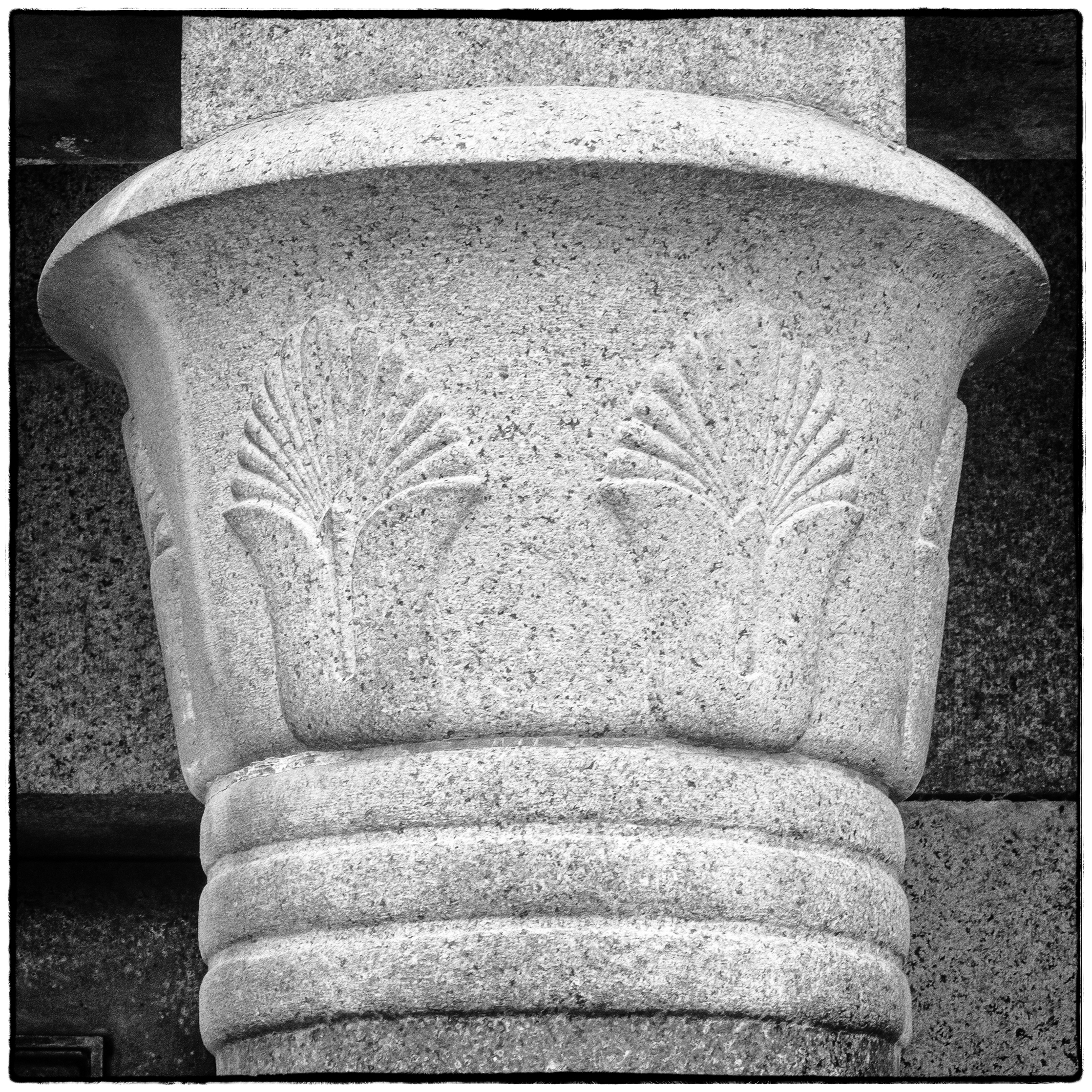
Interesting Egyptian looking mausoleum in Dale Cemetery. Their site describes it as follows:

The Collyer Family played an important role in the ship-building industry during the 19th Century. Thomas Collyer was born in Sing Sing in 1818 and exhibited a fascination for boats from early childhood. He was employed at the age of fourteen by his elder brother, William, who at that time operated a boar yard in Sing Sing. When he was nineteen, Thomas had designed and built his own sloop.

Thomas entered into the boat-building business on his own in Sing Sing, and began modeling and constructing vessels which won widespread praise. He later moved to West Troy, New York, where he built his first steamboat, named the “Trojan.” The Trojan was followed by “Francis Saltus” and “America,” which were run on Lake Champlain. Both vessels were fine models which brought Collyer a reputation as a respected designer and builder.

His career grew further with his removal to New York City. Here he modeled and built almost every type of vessel in use in the mid-nineteenth century, including steamships, barks, and clipper ships. One of his best known steamboats on the Hudson was the “Daniel Drew.” This handsome boat was admired as one of the fastest and finest on the river for many years.

Over the years, the Collyer Family has been associated with many commercial activities in Ossining, and at times operated several successful commercial enterprises in the Village.

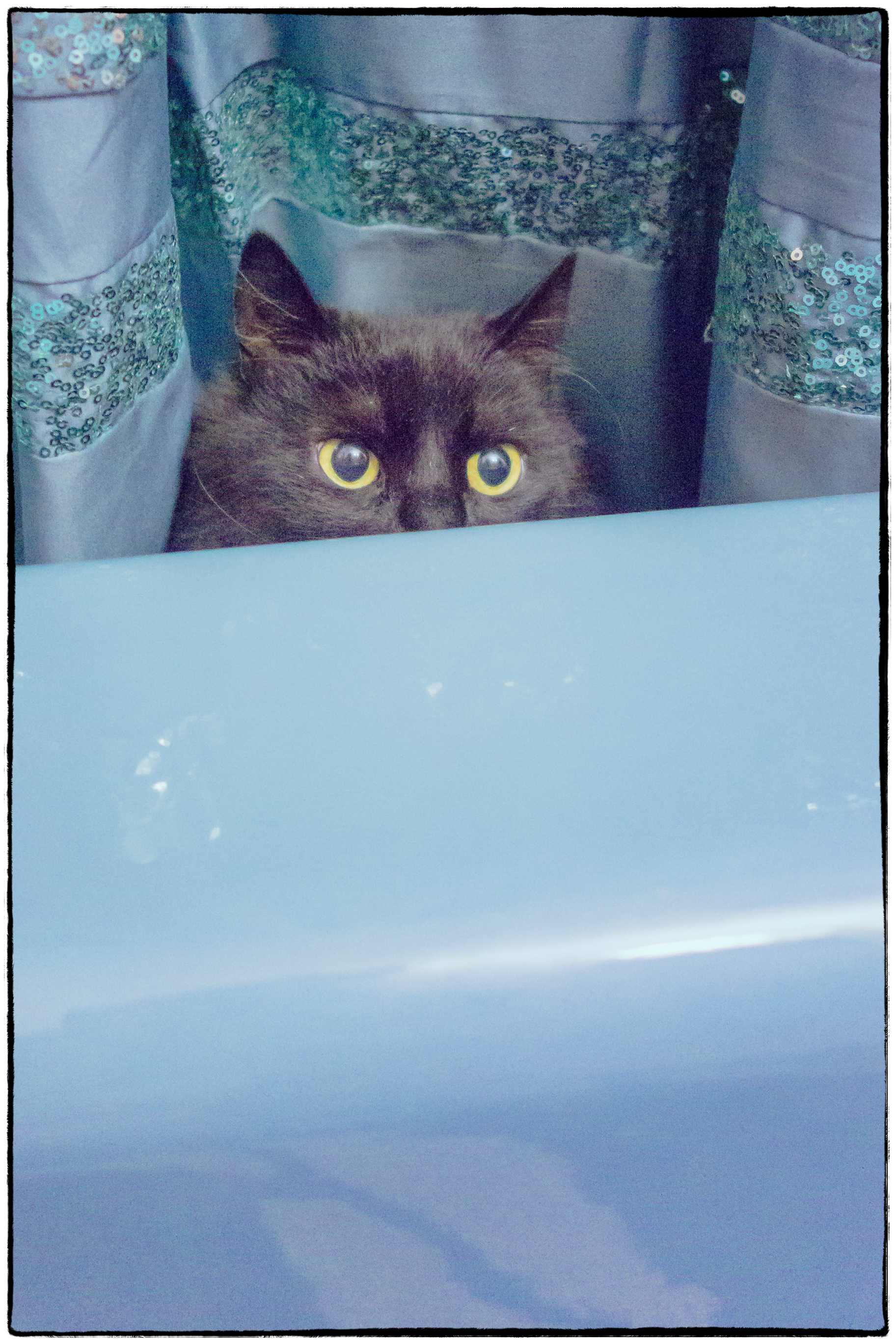
Cat in a bath

Illustrates some of the crazy things out cat gets up to even if it’s not much of a picture. It is what it is: a cute picture worthy of sharing with our grandkids – which is exactly what my wife did with it. I’m pleased whenever I get a “half way decent” picture of Gypsy as I find it difficult to photograph her. It’s the old black cat in a cellar at night problem. I recently read that hundreds of black cats are being abandoned in the UK because they don’t look good in selfies – how sad! I hope the selfie craze dies out soon.