The Octagon House

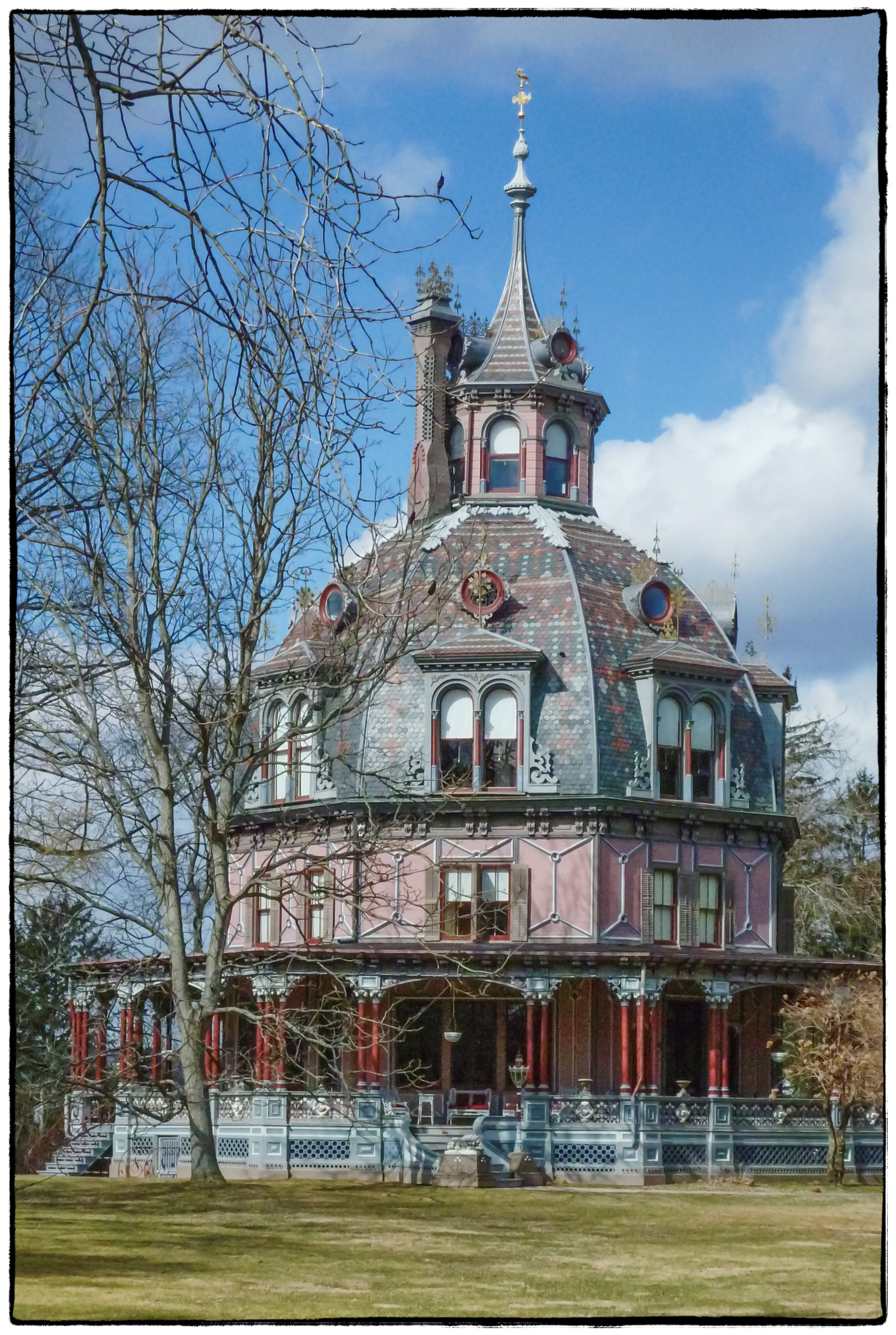
I saw this remarkable structure while walking south along the Old Croton Aqueduct Trail from Irvington, NY. According to Wikipedia it’s the Armour-Stiner House:

The Armour–Stiner House, also known as the Carmer Octagon House, is a unique octagon-shaped and domed Victorian style house located at 45 West Clinton Avenue in Irvington, in Westchester County, New York. It was designated a National Historic Landmark in 1976. It is known that other domed octagonal residences were built in the United States, but it is unknown if any of them still exist.

The house was built in 1859–1860 by financier Paul J. Armour based on the architectural ideas of Orson Squire Fowler, although the specific architect of the house is unknown. The dome was added and the house was enlarged during 1872–1876 by Joseph Stiner, who was a tea importer. The Armour–Stiner House is said to be one of the most lavish octagon houses built in the period, and is now one of only perhaps a hundred still extant.

The house was occupied from 1946 to 1976 by historian Carl Carmer, who maintained that the house was haunted. In 1976, the house was briefly owned by the National Trust for Historic Preservation to prevent it from being demolished. The Trust was unable to fund the amount of renovation the property required, and sold it to a preservationist architect, Joseph Pell Lombardi, who has conserved the house, interiors, grounds and outbuildings.

The house remains a private residence. It is located on the south side of West Clinton Avenue, on the crest of a hill overlooking the Hudson River, to the west. It is about 1650 feet from the river, and about 140 feet above it, consistent with Fowler’s siting ideas. The Old Croton Aqueduct, another National Historic Landmark, abuts the property on the east.

It caught my attention because I’d never seen anything like it before (and from the text above am not likely to). I also liked the pastel colors and lavish decoration.

Taken in February, 2012 with a Panasonic Lumix ZS7, which accounts for the picture’s overall softness.
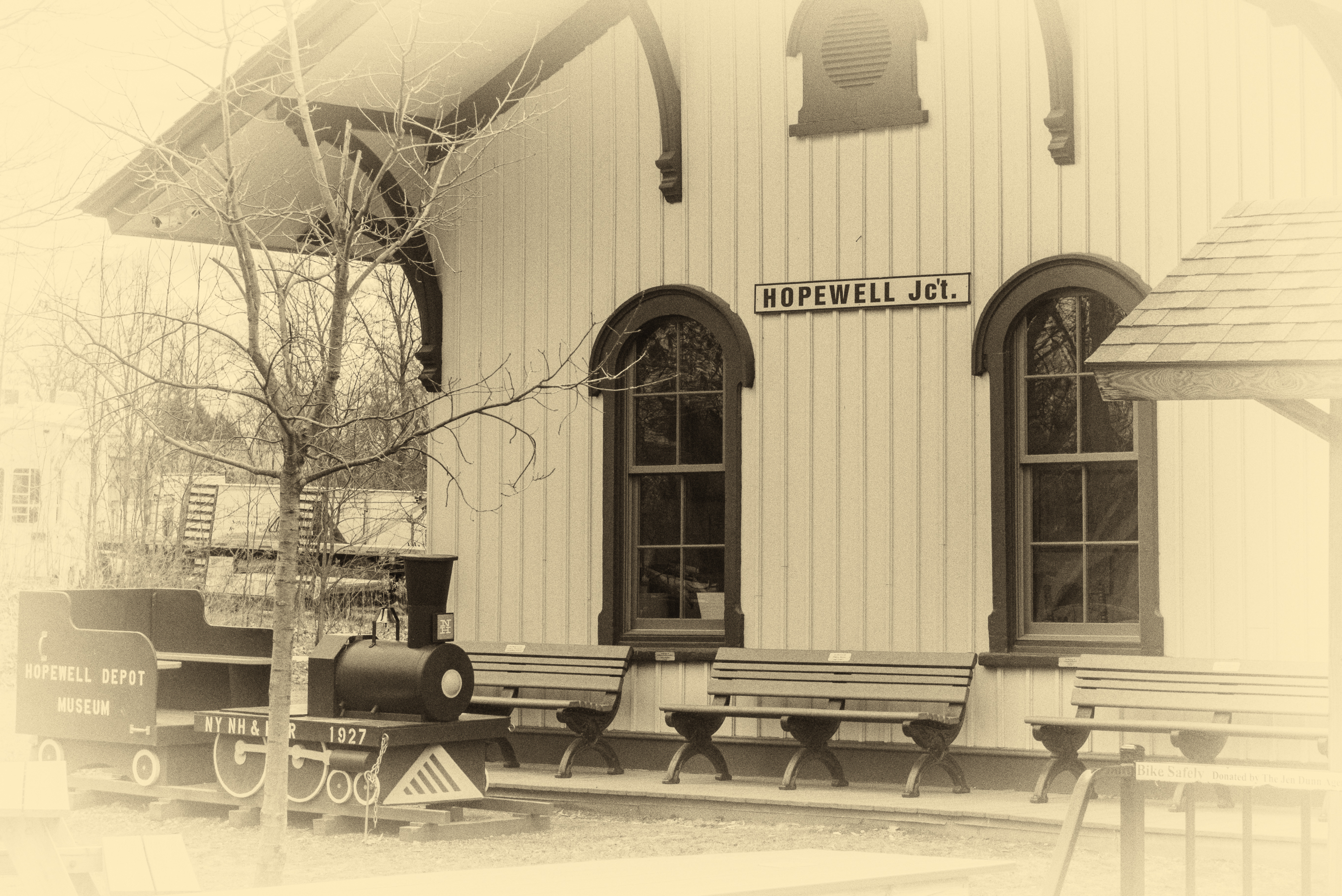
Hopewell Junction Depot

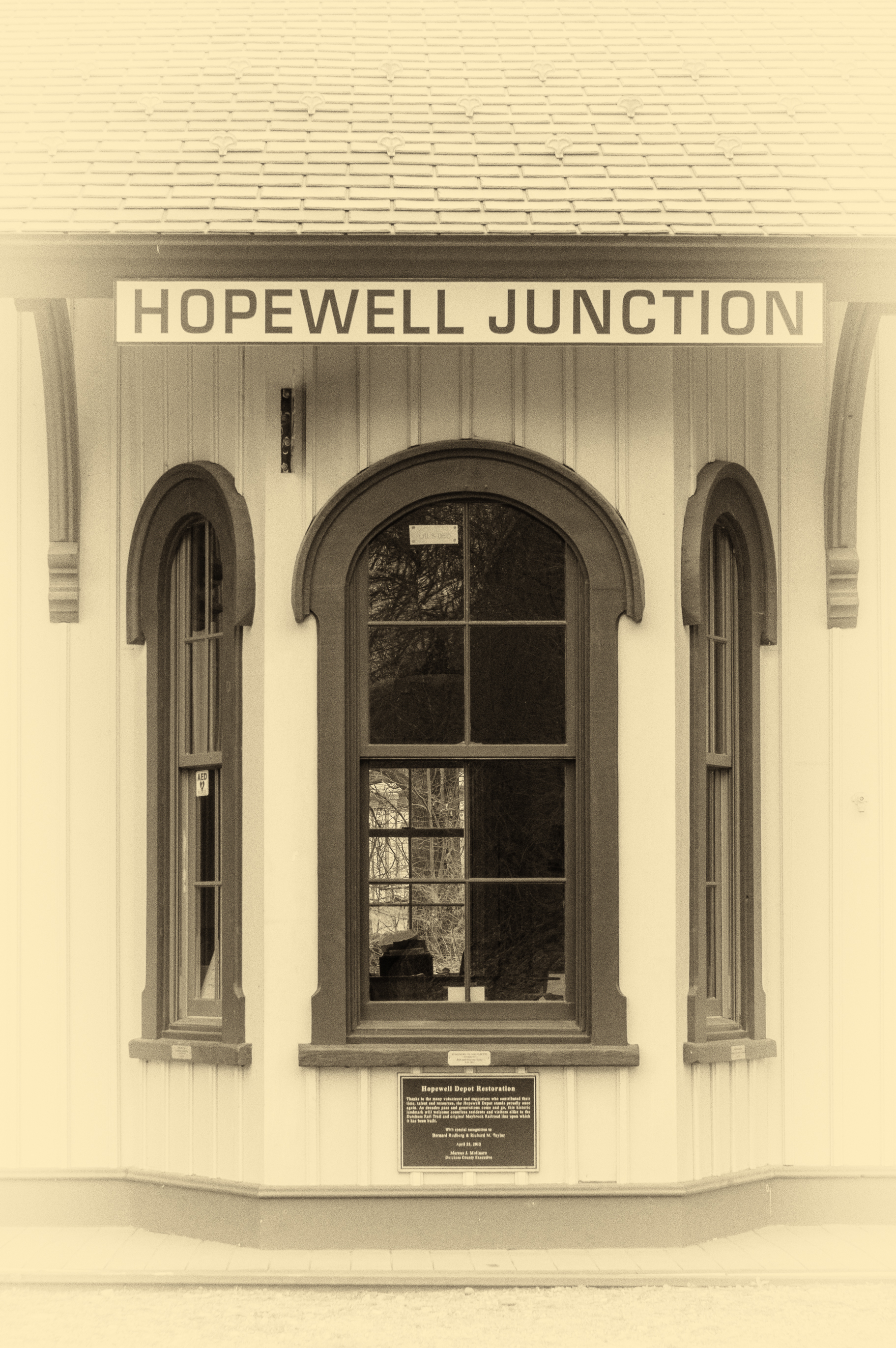
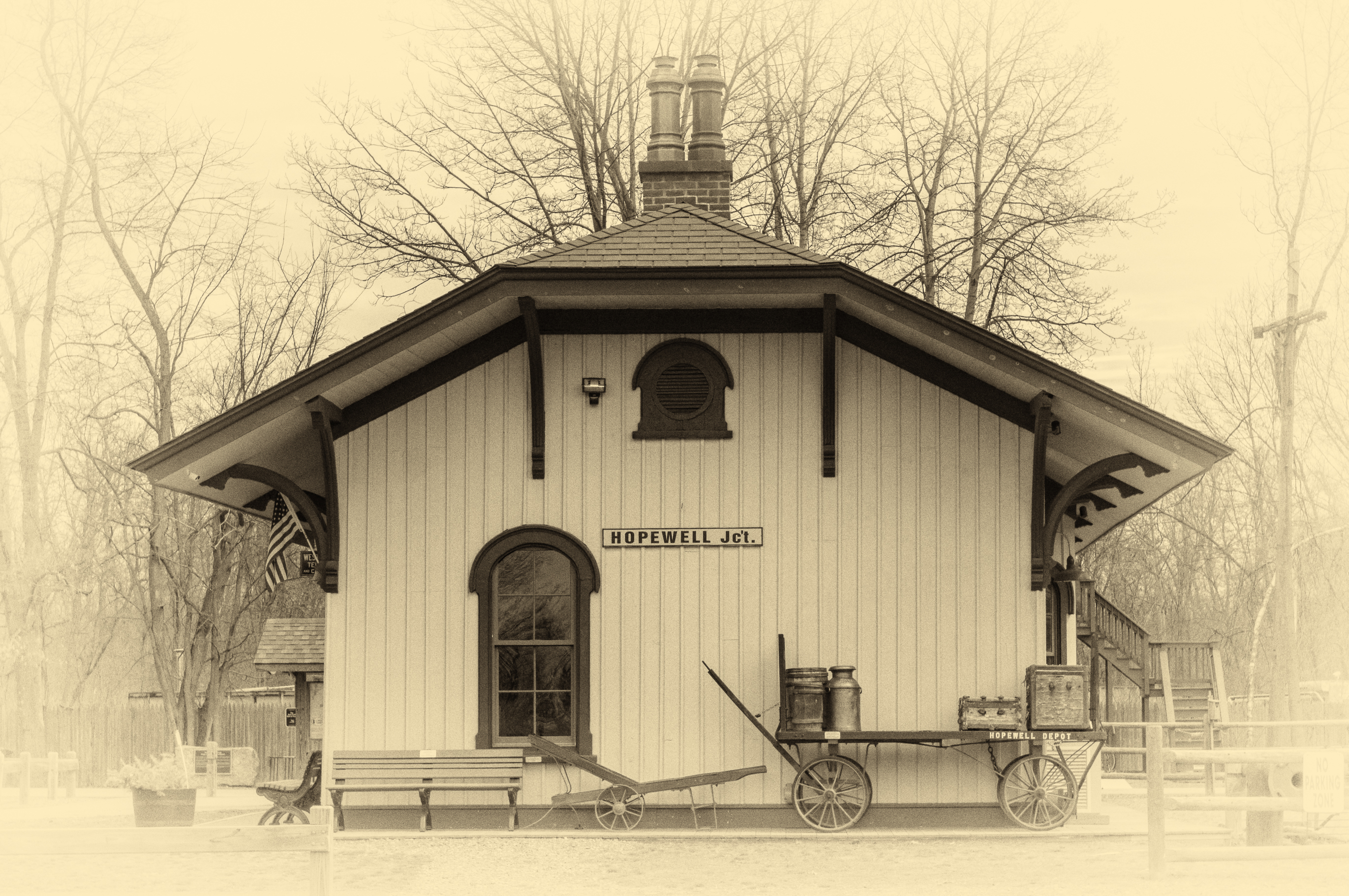
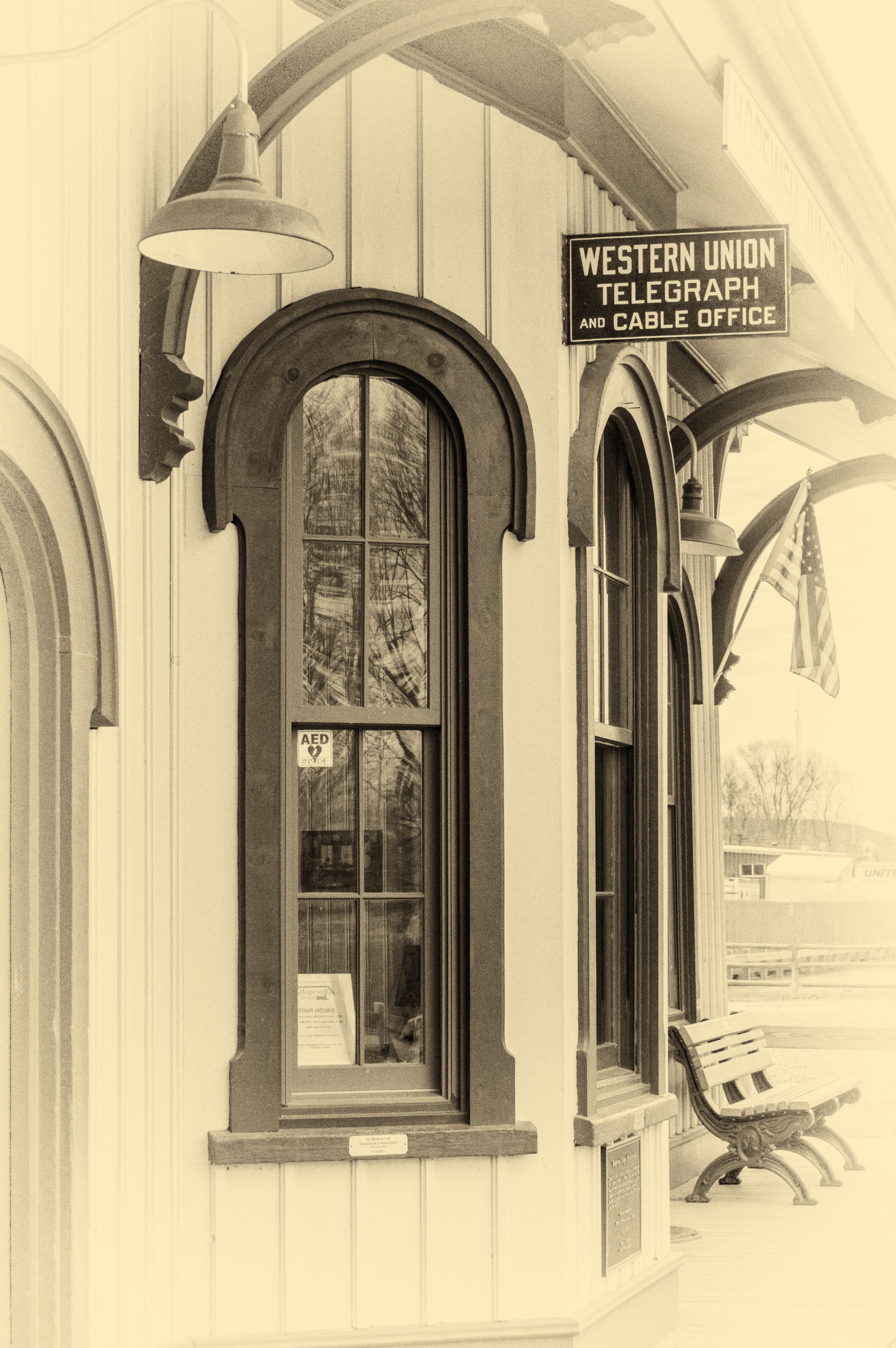
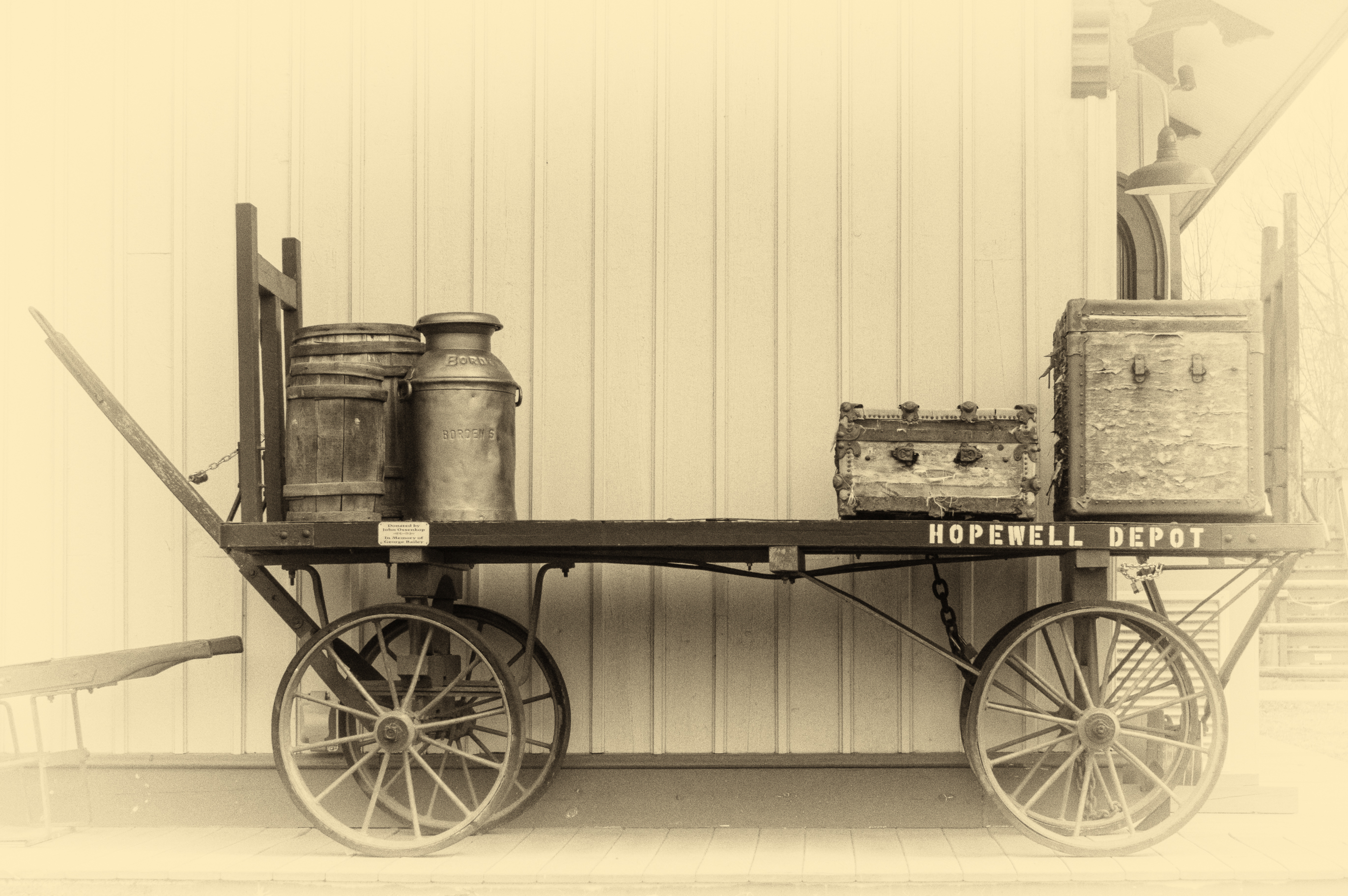
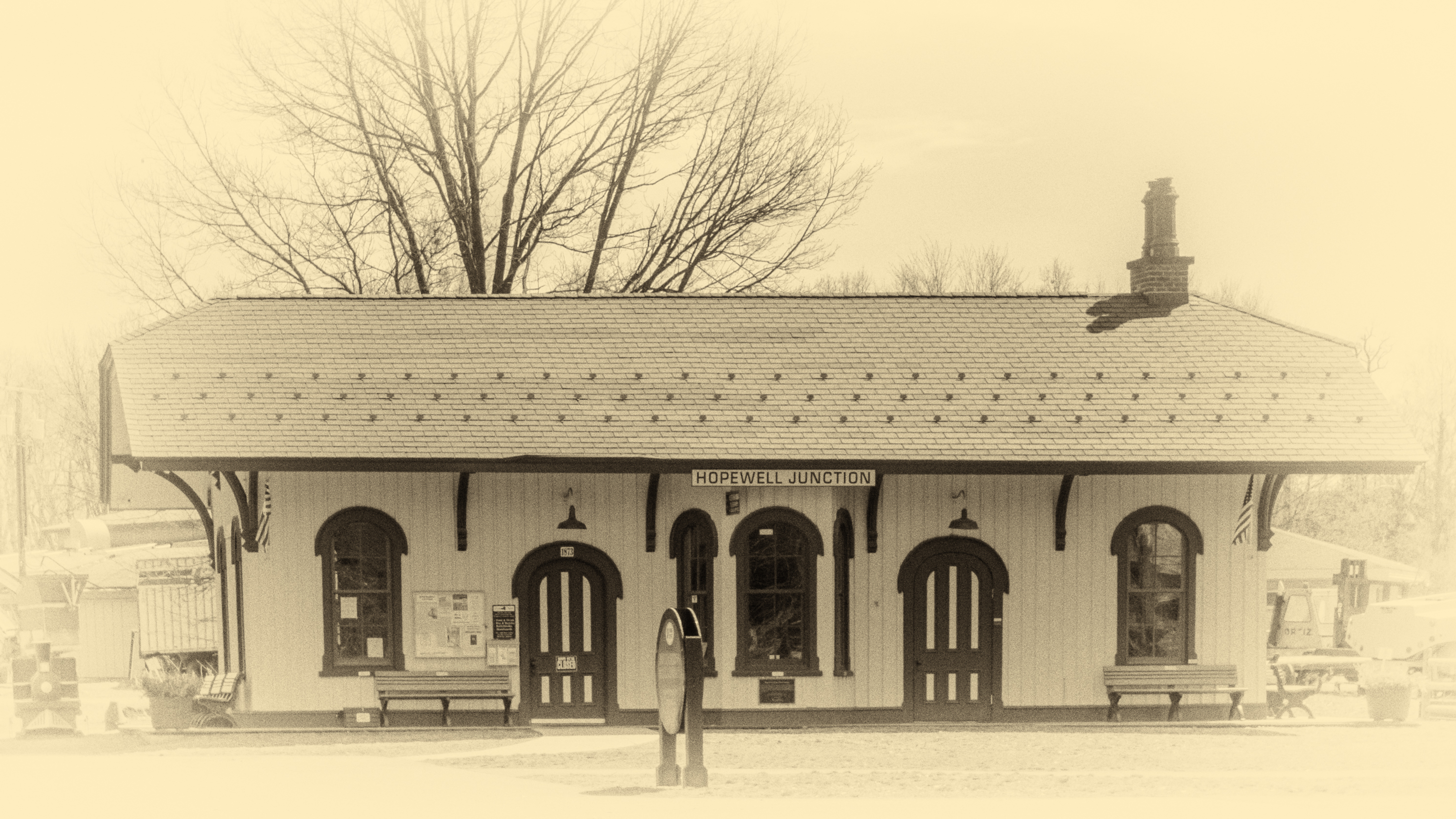
I came across these old photographs of the Depot at Hopewell Junction. I could tell that they were old because Anthony Musso in his book Hidden Treasures of the Hudson Valley Vol. II mentions that the original depot originally had doors with rounded tops. Apparently it was hard to insulate properly so all but one were replaced with square topped doors. In the pictures you can clearly see that the doors all have rounded tops so the pictures must pre-date the change. Right?

Actually no. I took these pictures about a month ago and decided that this “aged” look was appropriate. Mr. Russo’s book is now a few years old and it seems that the restoration efforts have proceeded well, with the doors having been changed back to their original tops. For additional information on the restoration efforts see here.

For a good, short, illustrated history of the depot see here.

The depot is now a vistor’s centre/museum located at the beginning of the Dutchess County Rail Trail. I’ve walked on a number of these converted rail trails and don’t usually like them. They’re also used by cyclists who go whizzing by at high speed, often without giving you any warning that they’re coming. This one is, however, different: The old railway had two tracks so there was room to separate the walkers and the cyclists. In fact there are two trails: one of packed earth for walkers and another one paved for cyclists so there is no likelihood of collision.

Taken with a Sony Nex 5N and Carl Zeiss Jena 50mm f3.5 T Tessar

PBS Documentary Looks at the Life of Dorothea Lange

“Dorothea Lange: Grab a Hunk of Lightning”: A granddaughter considers the legacy of a devoted photographer. Credit Paul S. Taylor

I recently watched this documentary:

Lange (1895-1965), the photographer known for gritty, evocative pictures of the Depression, has influenced not only countless photographers but also our sense of national identity, helping to define the United States of the middle of the last century through her images. The film examines her career and how some of her best-known photographs came about, among them “Migrant Mother,” an image so widely reproduced and imitated that Lange says of it in a film clip: “It doesn’t belong to me anymore. It belongs to the world.”

“Dorothea Lange: Grab a Hunk of Lightning,” written and directed by Lange’s granddaughter, airs Friday night on PBS’s “American Masters.”
Source: PBS Documentary Looks at the Life of Dorothea Lange

It’s well worth watching. I can also heartily recommend Dorothea Lange: A Life Beyond Limits. It’s a fascinating mix of documentary, history, biography and photography. Really very engaging in its portrayal of Lange as very much a part of of her time, but willing to pursue her passion and break with traditional roles. I suspect that this was more improvement of social conditions than it was pure photography. Photography for her was just a means to an end.

Locust Grove – Blue Flowers

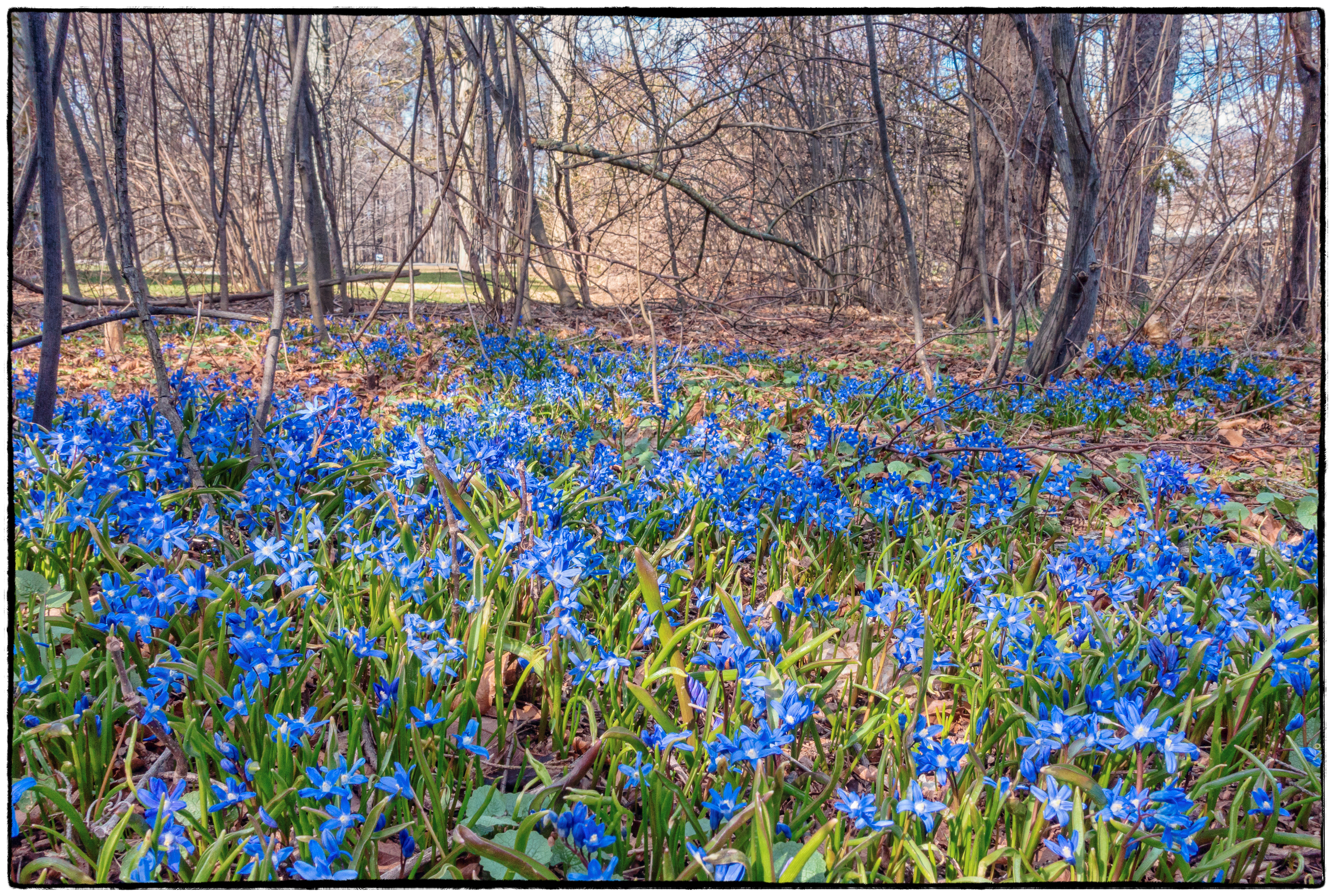
May favorite color is blue and as a child growing up in the United Kingdom I have fond memories of extensive carpets of bluebells growing in the woods. They were truly beautiful. These blue flowers were growing everywhere when we went to Locust Grove. They’re not bluebells (or at least not those I remember from the UK), but they are about the same color and the effect of masses of them is similar (but not quite as spectacular – possibly because British bluebells are taller and he flowers hang down).

Taken with a Sony RX-100 M3

Locust Grove – Green Barn

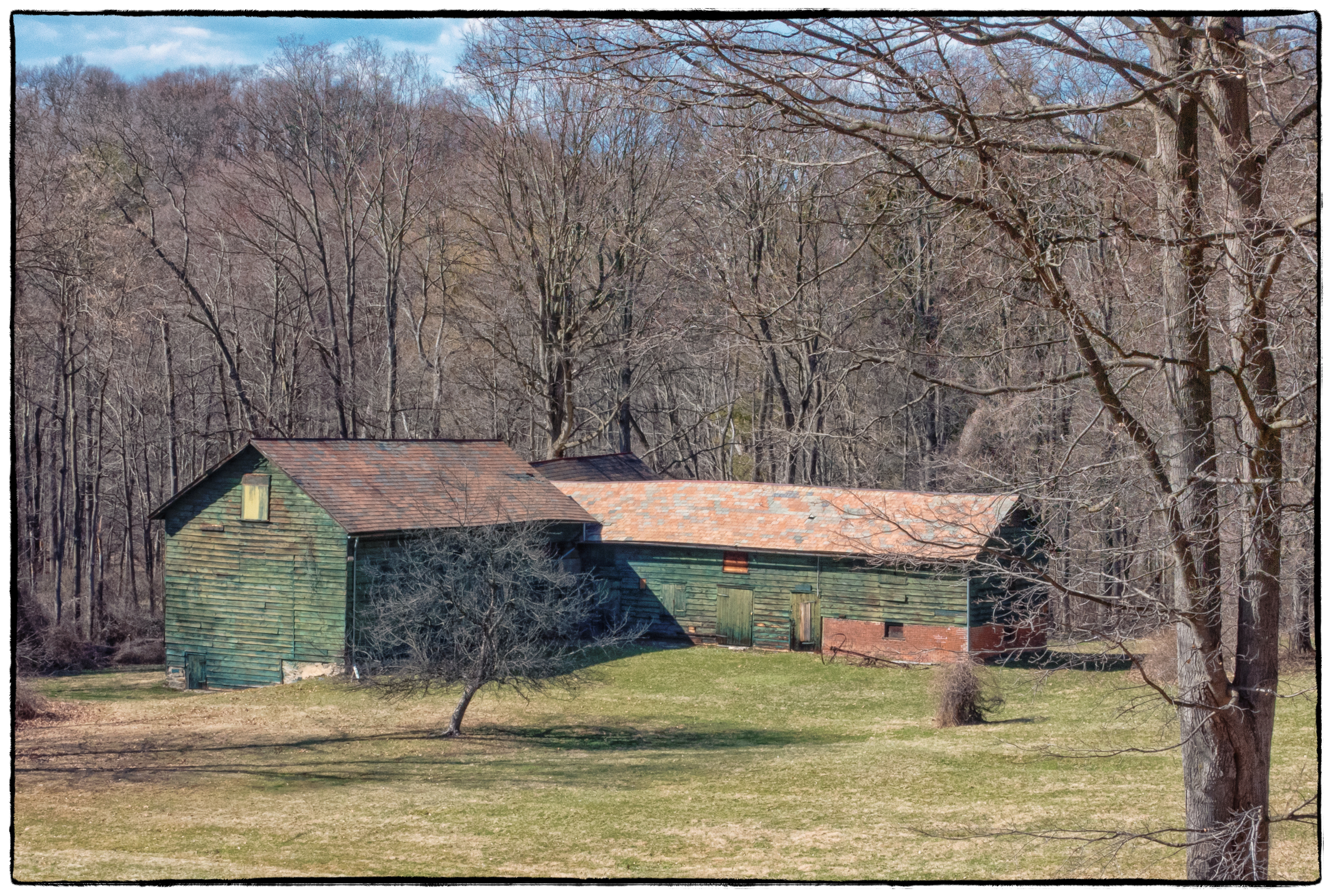
This is the same barn as in Locust Grove – Barn Doors, but seen from the other side, across a meadow. Surprisingly for a barn in the US, it’s green. Most of them are red (see: Why are barns in the US always red?).

Who can resist an old barn: colorful, textures, serenely sitting in the middle of pastoral landscape? Apparently there are lot of abandoned barns around though, because they’re no longer required for modern day farming. They can’t fit modern, huge farm equipment and are too small to accommodate large herds or cattle or pigs. The raw materials from which they are made have become very popular though (see: Your Dilapidated Barn Is Super Trendy. Just Ask HGTV):

For 20 years, Bowe has been taking old barns apart. He says his customers are interested in what’s called “upcycling” — taking undesirable or waste materials and creatively reusing them. The barn siding he sells can turn into brewery bars or restaurant tables.

“Most people want those accent pieces,” he says. “They want to have those pretty beams in the ceiling or they want to have the barn wood walls, or the tables and the furniture.”

A few years ago, many farmers didn’t understand how valuable their old barns were and might have been swindled, Bowe says, but today they know the capital they’re sitting on.

He says we’re in the midst of a barn wood frenzy right now, but it still likely has a shelf life. Indeed, there are only so many weathered barns in the U.S.

“This is a finite resource,” he says, “so it seems like every building we take down, we deplete our livelihood.”