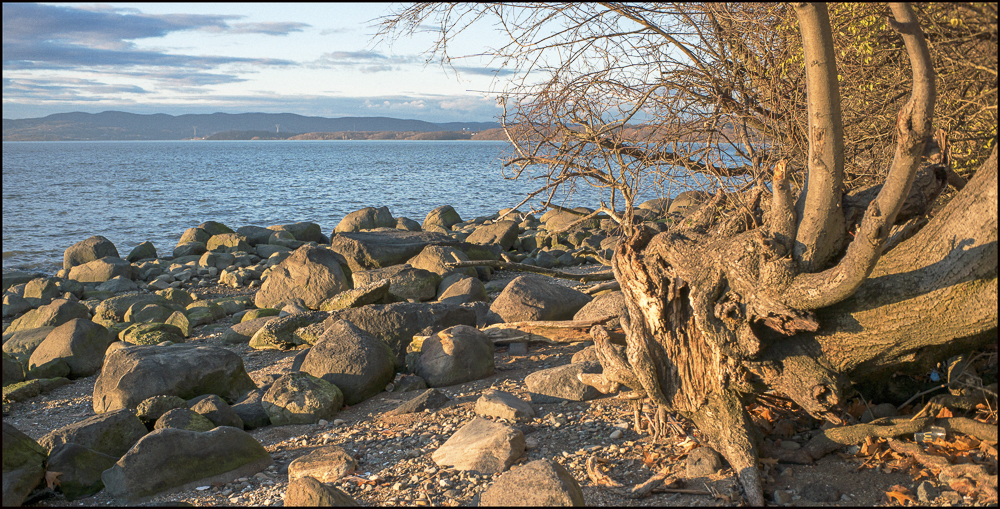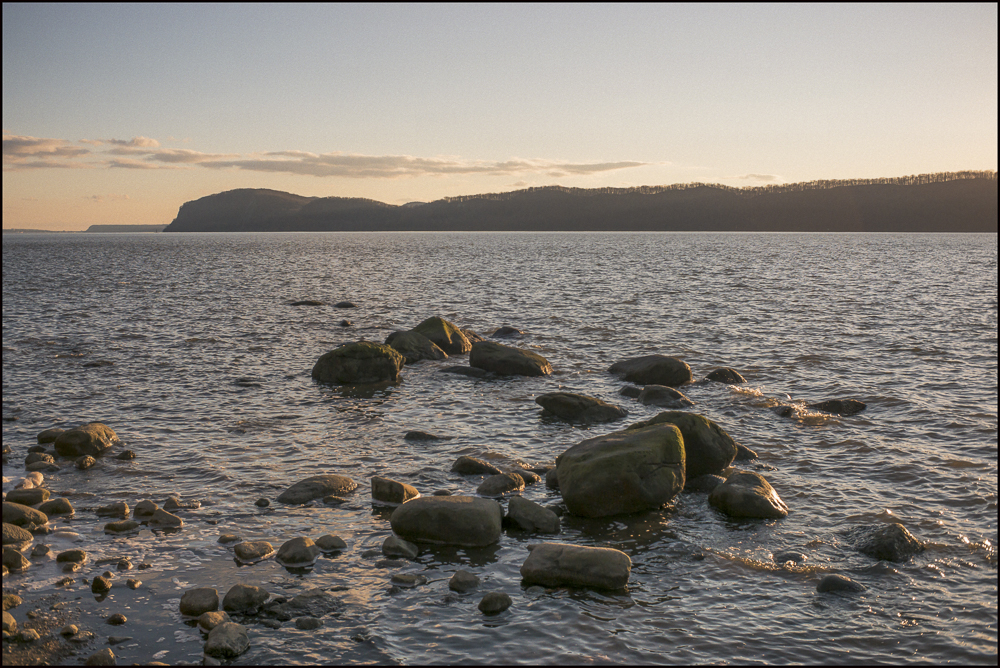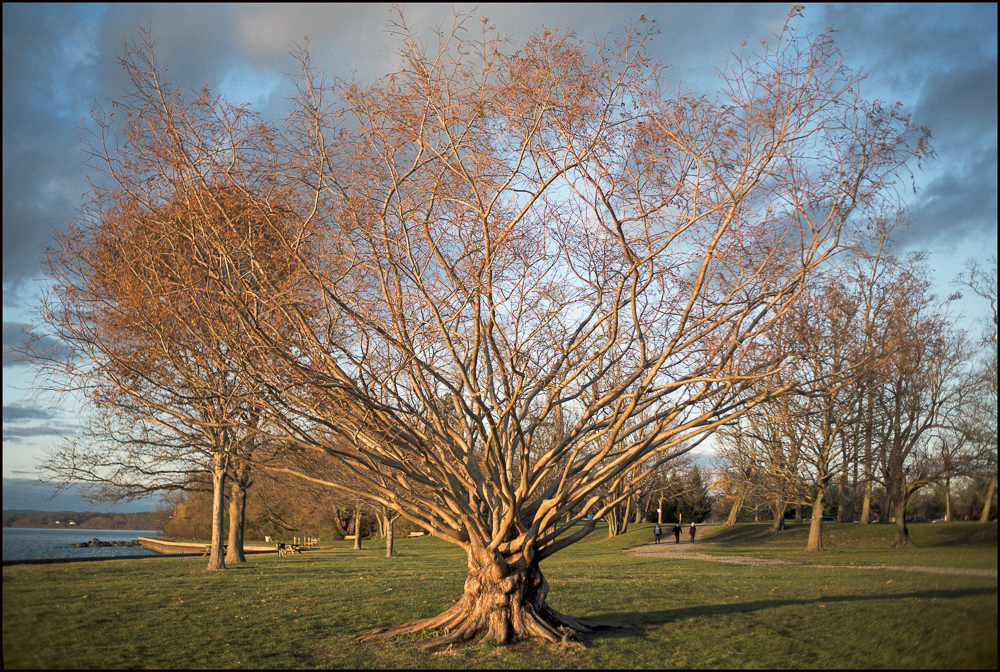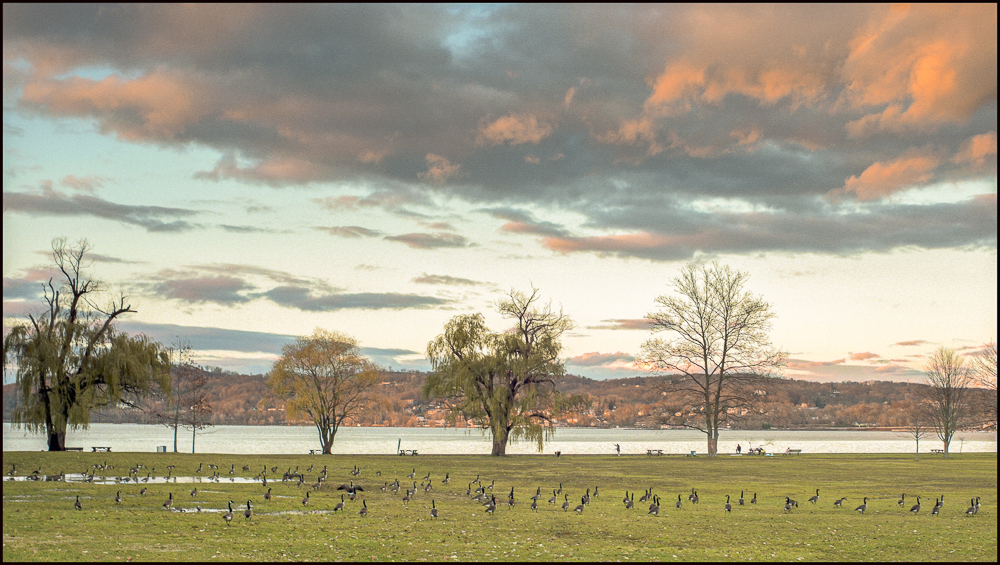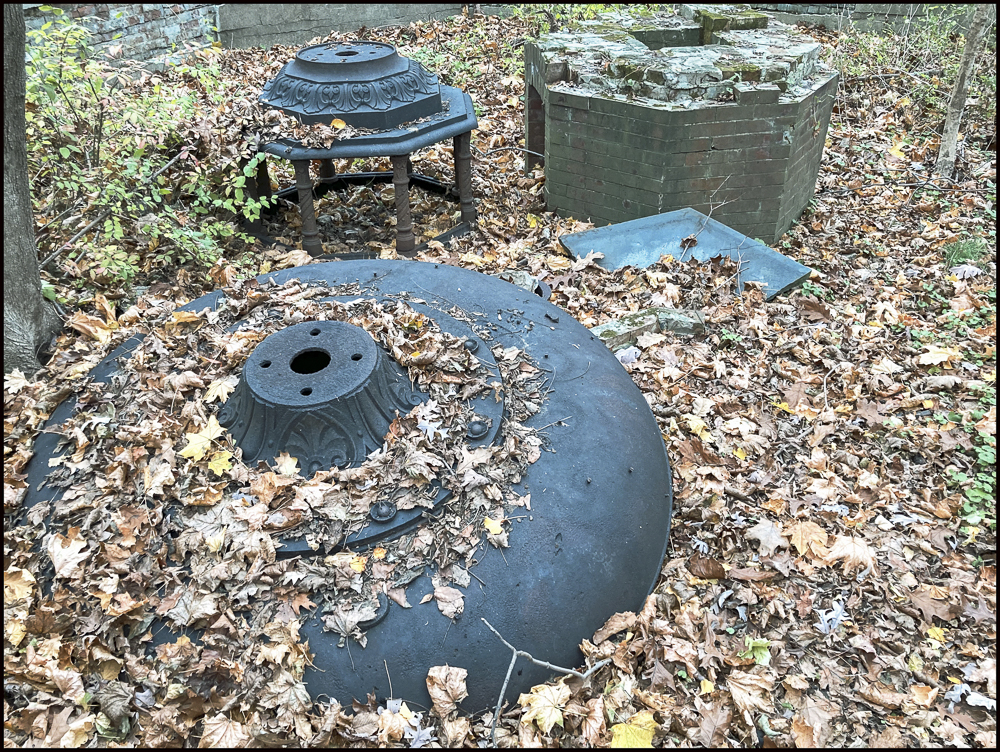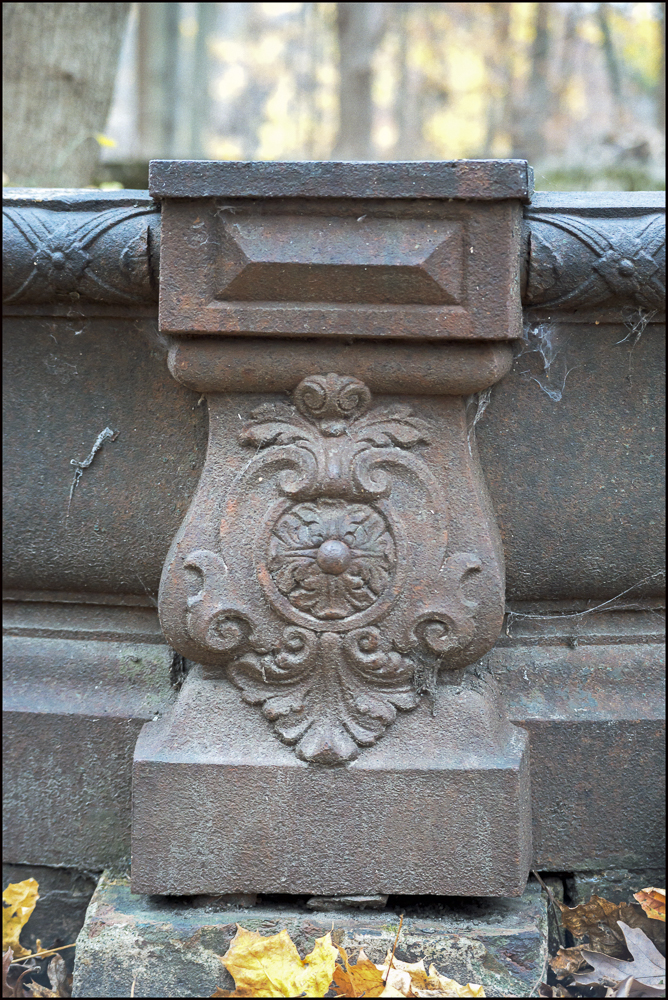
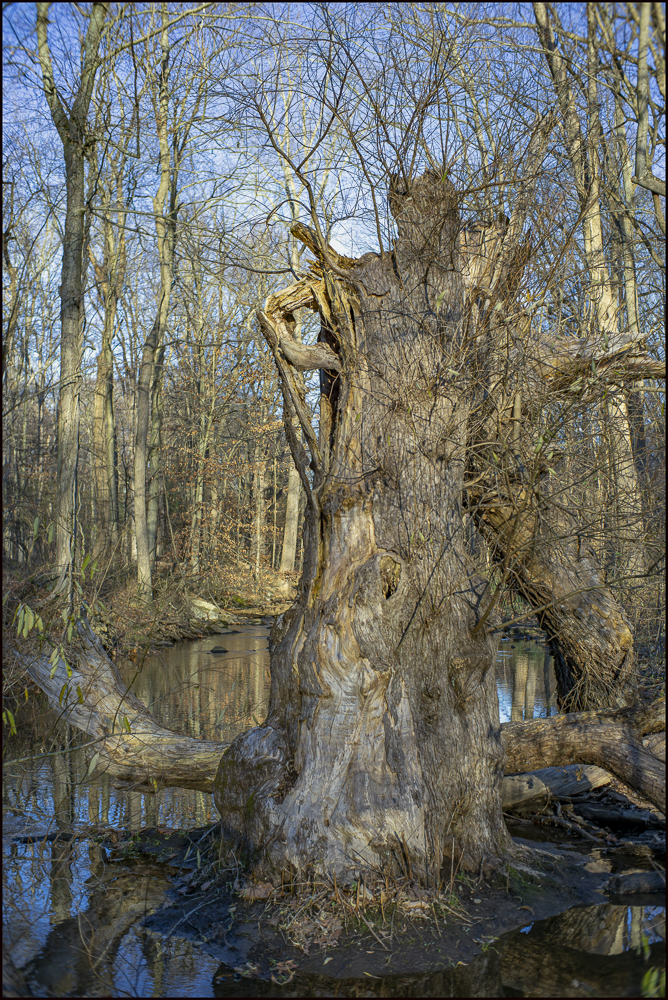
Went for a walk along the Pocantico River, which states:
The Weckquaesgeek Native American tribe, who established their primary settlement around the mouth of a river in present-day Dobbs Ferry, also had a village at the mouth of the Pocantico River called Alipconck, meaning “place of elms”. The river historically set the dividing line between Mount Pleasant and Ossining.
The river was once called by the English as “the Mill river”, while the Native Americans called it Pocanteco, a derivative of the Algonquin term Pockóhantès, meaning a “run between two hills”. The Dutch called it the Sleepy haven kill. Dutch colonist Adriaen van der Donck’s Beschrijvinge van Nieu Nederlandt, published in Amsterdam in 1655, referred to the Pocantico River as “Slapershaven” . The anglicized term “Sleepy Hollow” grew to apply to the Pocantico’s river valley and later to the village of North Tarrytown in particular; the village changed its official name to Sleepy Hollow in 1996.
Frederick Philipse moved to the area and started purchasing land in the late 1600s, his properties would become known as Philipsburg Manor. He established his country seat at what was then known as North Tarrytown, at the mouth of the Pocantico River. A small community had already been established there when he arrived in 1683.
A ship called the Roebuck, which transported cargo to and from New York City, ended up in the river, where its keel was scavenged by the miller at the mill of the Philipsburg Manor House site.
Around the late 1890s, Walter W. Law and Briarcliff Farms deepened the river for a length of 2 miles (3 km), taking out the rifts so the stream would flow and the swamps adjacent to the river would drain. The workers also cut rock and took out trees that lined the swamps to reclaim land for farming.
The North Tarrytown Assembly, a large automobile factory in Sleepy Hollow, was owned and operated by General Motors for much of its history; a 1923 expansion of the facility involved land-filling the river; two-thirds of the factory site was land formerly occupied by the river. The river was rerouted south of the site.
During 1999’s Hurricane Floyd, the Pocantico was blocked by fallen trees and almost washed away the Philipsburg Manor historic site; about 70 employees of the parent organization Historic Hudson Valley assisted in its protection, along with the site’s curators and security guards, and other village residents.
Above a fallen tree.
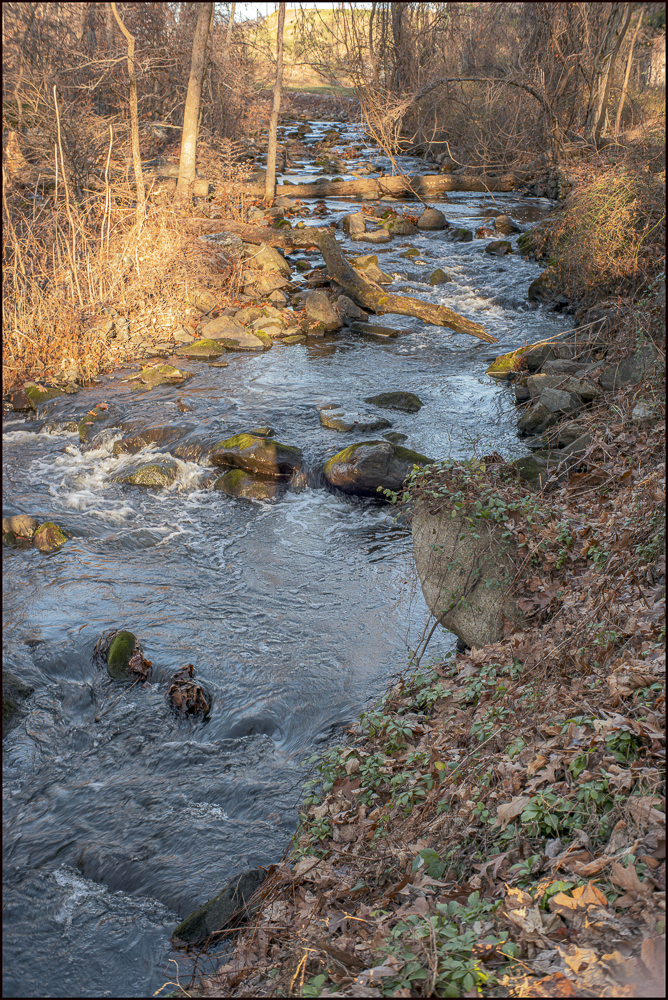
View of the river looking towards Pocantico Lake.
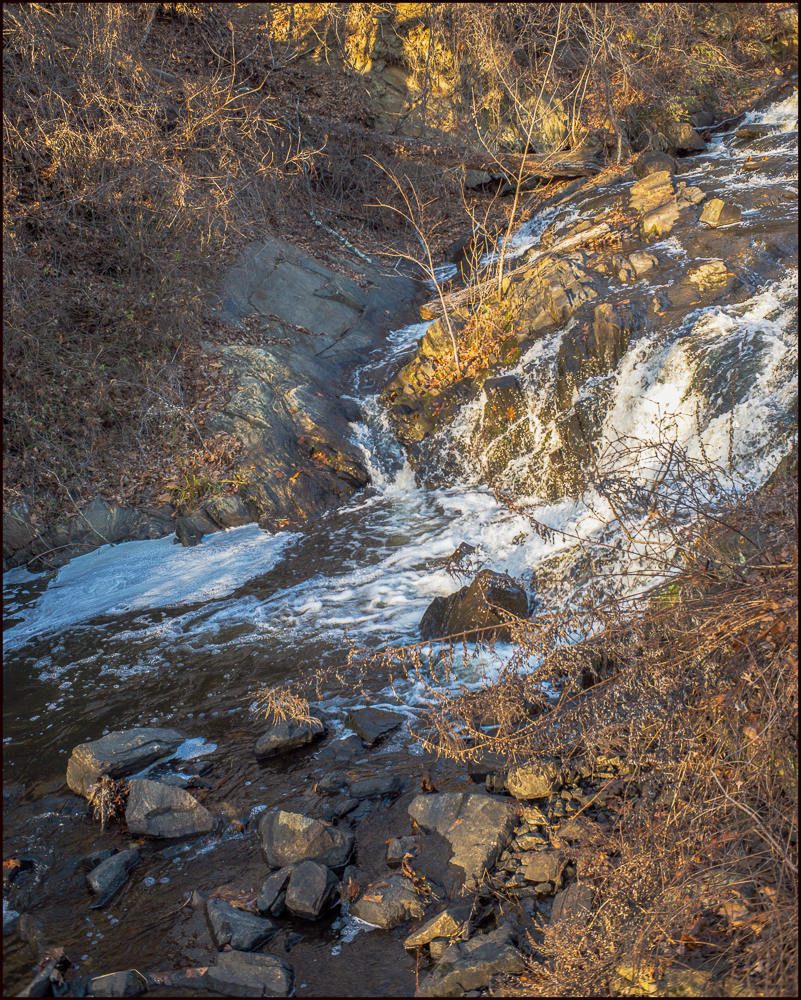
The river flowing over some rocks.
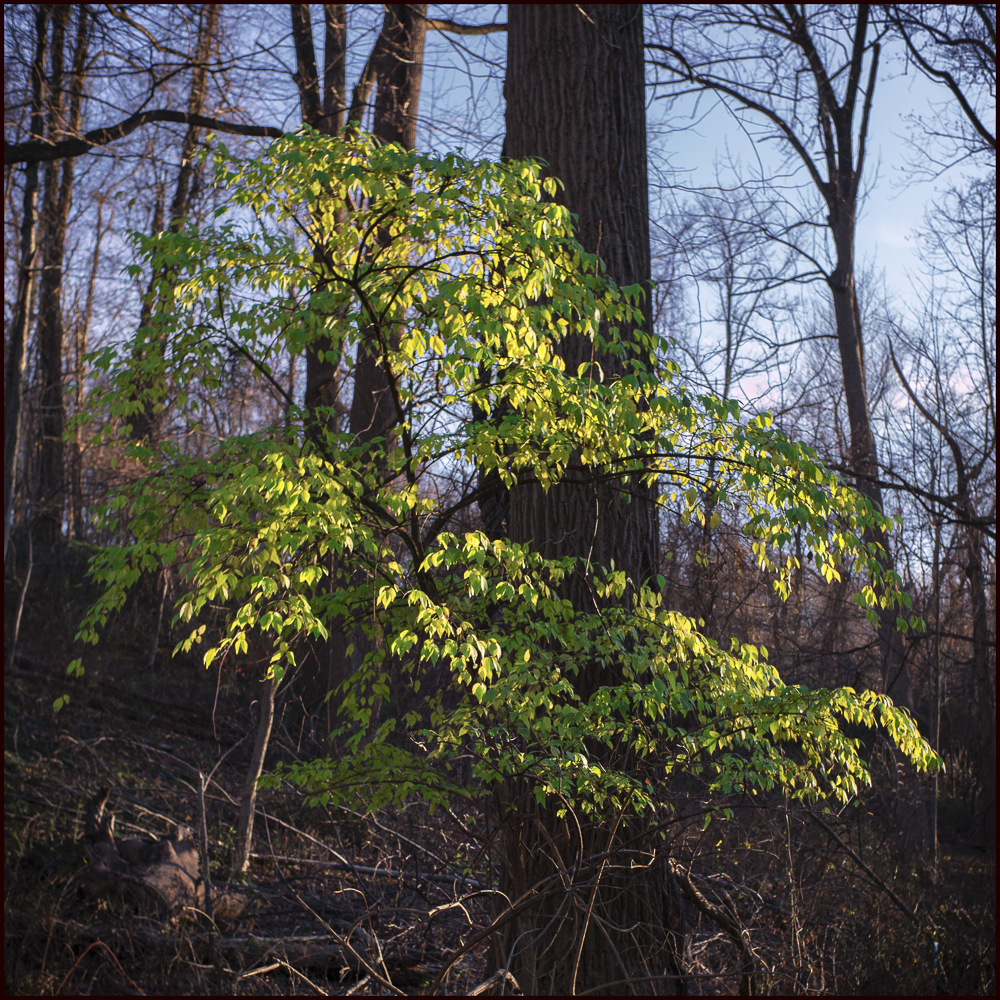
Light on green leaves.
Taken with a Sony A6000 and 7artisans 25mm f1.8 lens.