Old Paris and Changing New York

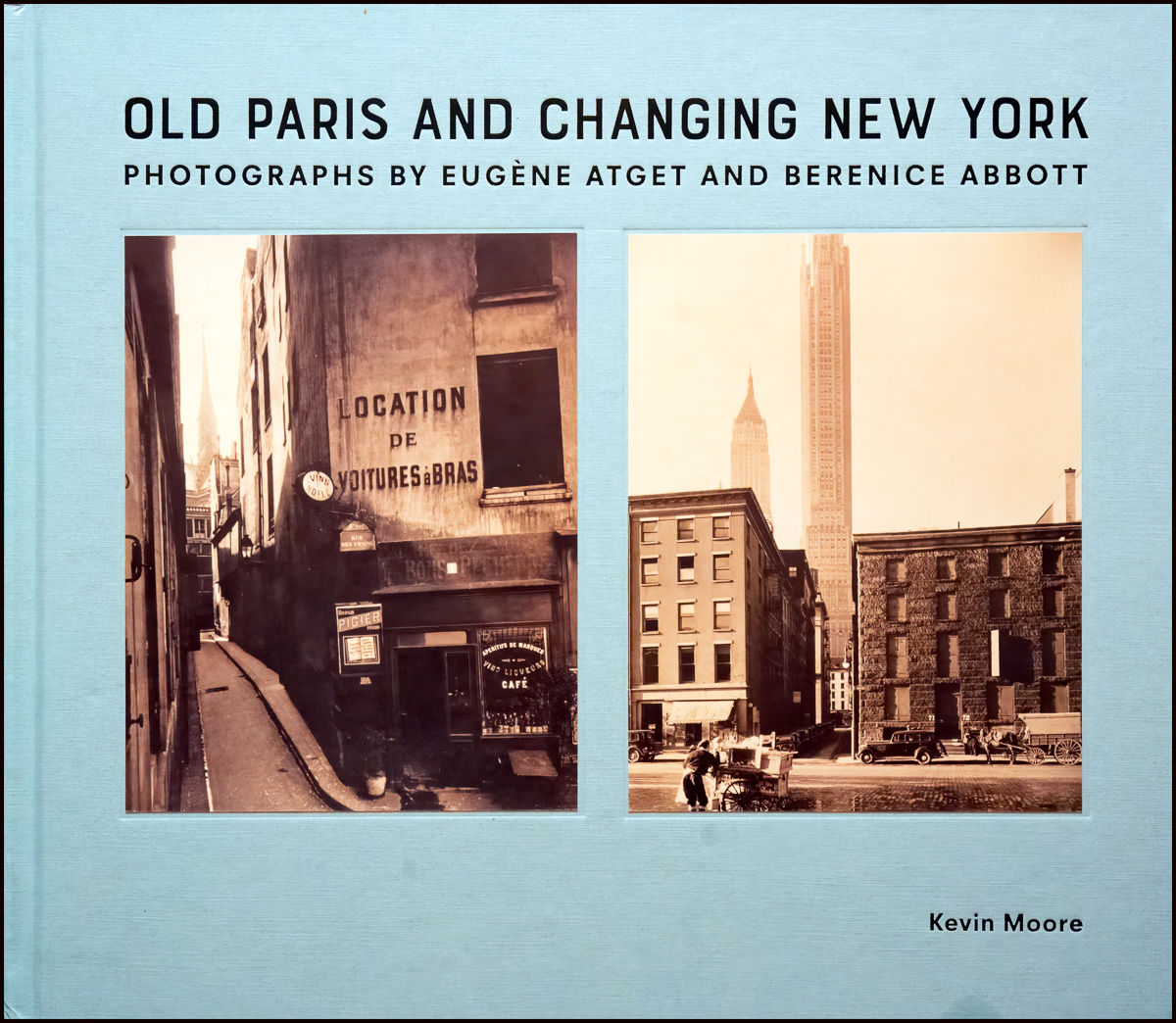
I came across this book in my local library and liked it so much that I got a copy for myself. It’s “Old Paris and Changing New York. Photographs by Eugène Atget and Berenice Abbott” by Kevin Moore.

I’m a long time fan of Atget and to a lesser extent of Abbott and found the content of the book to be particularly interesting. There’s a, too me, ideal mix of text and photographs. An 81 page essay by Moore including a number of photographs followed by 52 full page plates: photographs by both Atget and Abbott.

Photobooks are often large and heavy. I understand the need to present the photographs as well as possible. I have a number of such photobooks. The problem is that I find them too heavy and cumbersome to comfortably read so I rarely look at them. This book is not too large and not too heavy, but still presents its materials effectively.
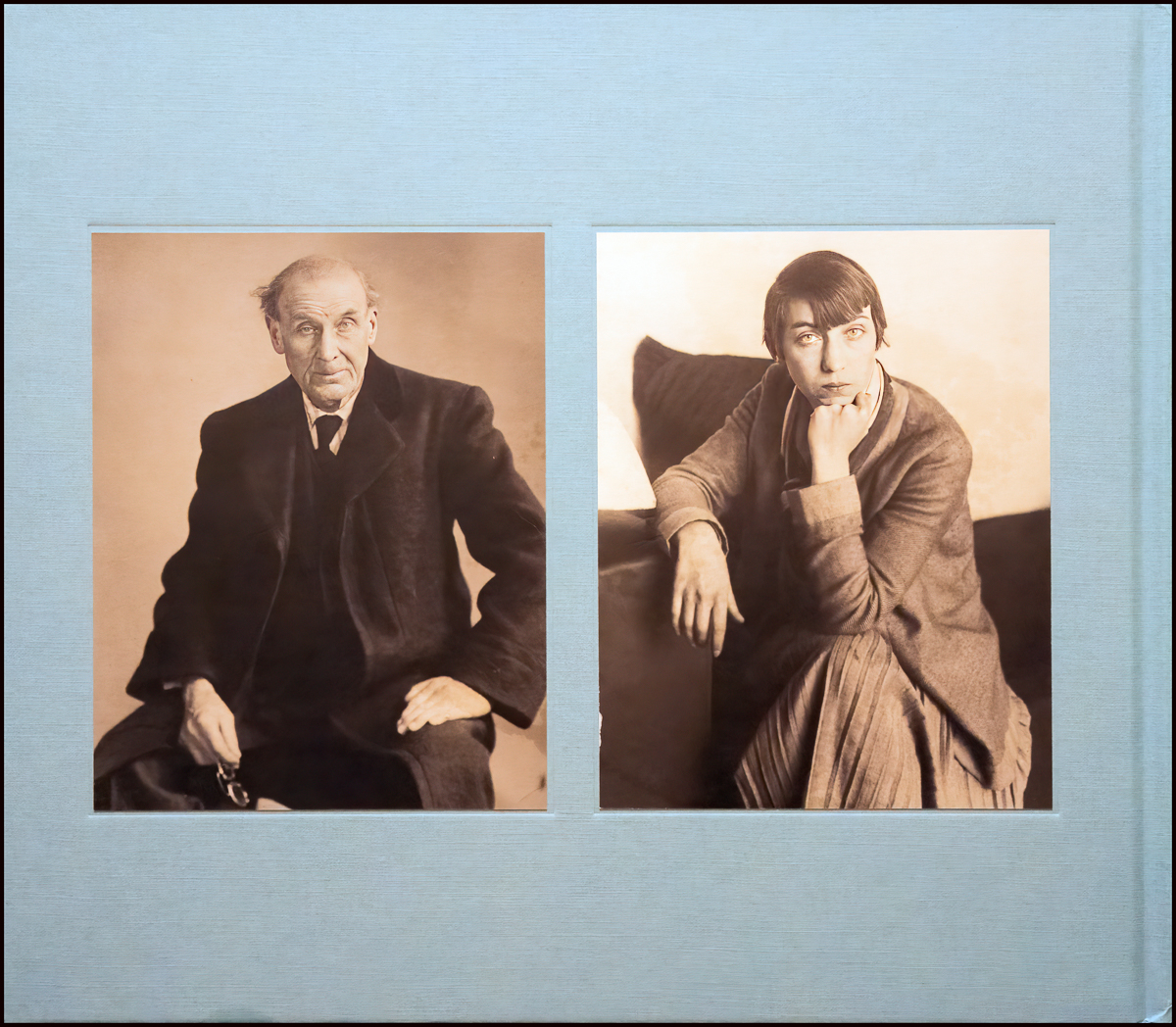

Atget to the left. Picture taken by Abbott. 1927. Abbott to the right. Self Portrait. 1928.

Taken with a Sony A7IV and Samyang 45mm f1.8
Walter Law’s Mysterious Lanterns

I recently started to volunteer at my village’s historical society: The Briarcliff Manor-Scarborough Historical Society (BMSHS).. One of my first tasks was to help with the creation of a presentation on “Walter Law’s Mysterious Lanterns”

I’ve posted about them before. See:

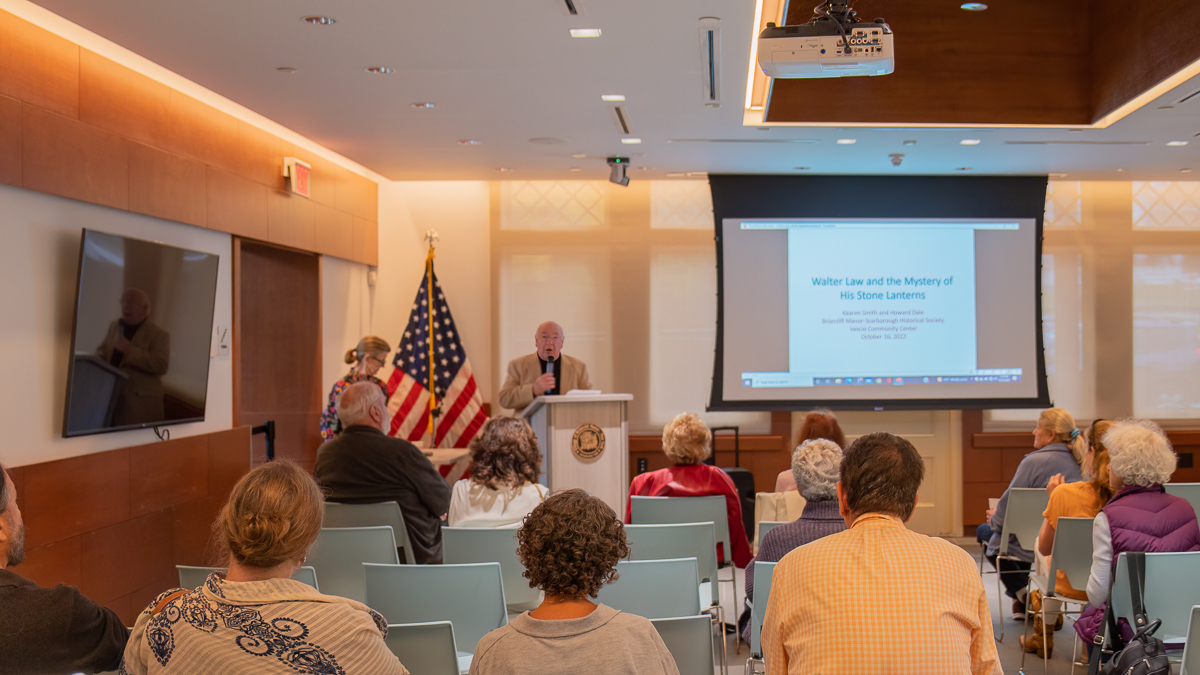
Above long time friend of the BMSHS, Charlie Trainor introduced the presentation. In his introduction Charlie made the following points:

  • Who? Us. The Briarcliff Manor & Scarborough Historical Society
  • What? We almost became extinct.
  • Where? In this community, in this building, and in the Youth Center.
  • When? Over the past two and a half years.
  • Why? The Covid 19 pandemic and a storm named IDA.
  • How? We survived through the efforts of one very dedicated person, Karen Kotter Smith.
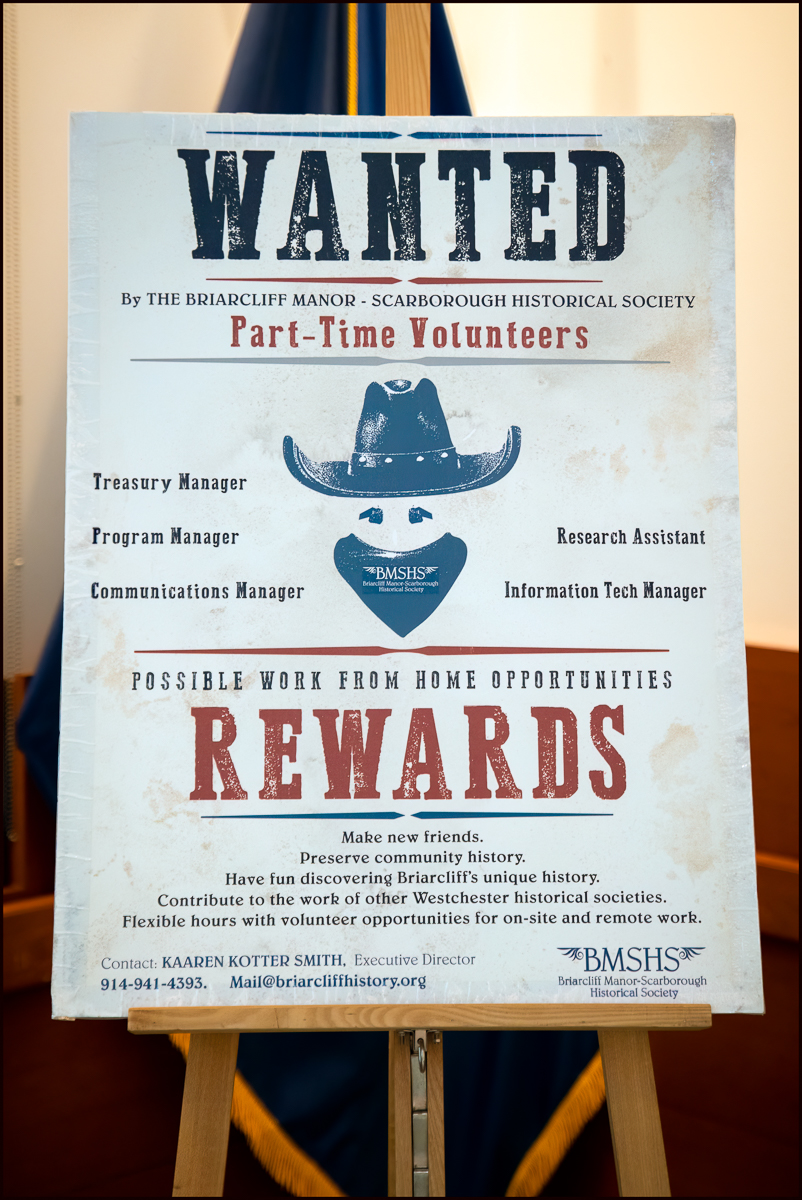
  • What Now? We need help. Real help. We need volunteers to assist in re-newing the kind of research and vibrant programing the Society has provided to the community in the past. Please see our “Wanted Poster”.
  • Facts you may not know: We receive no financial help from any government agency. We have on going expenses such as venue fees, storage fees, phone bills and office equipment. We are a tax-exempt 501-3C entity. We will appreciate anything you can do to help us carry on our mission to preserve and share our unique community’s history.


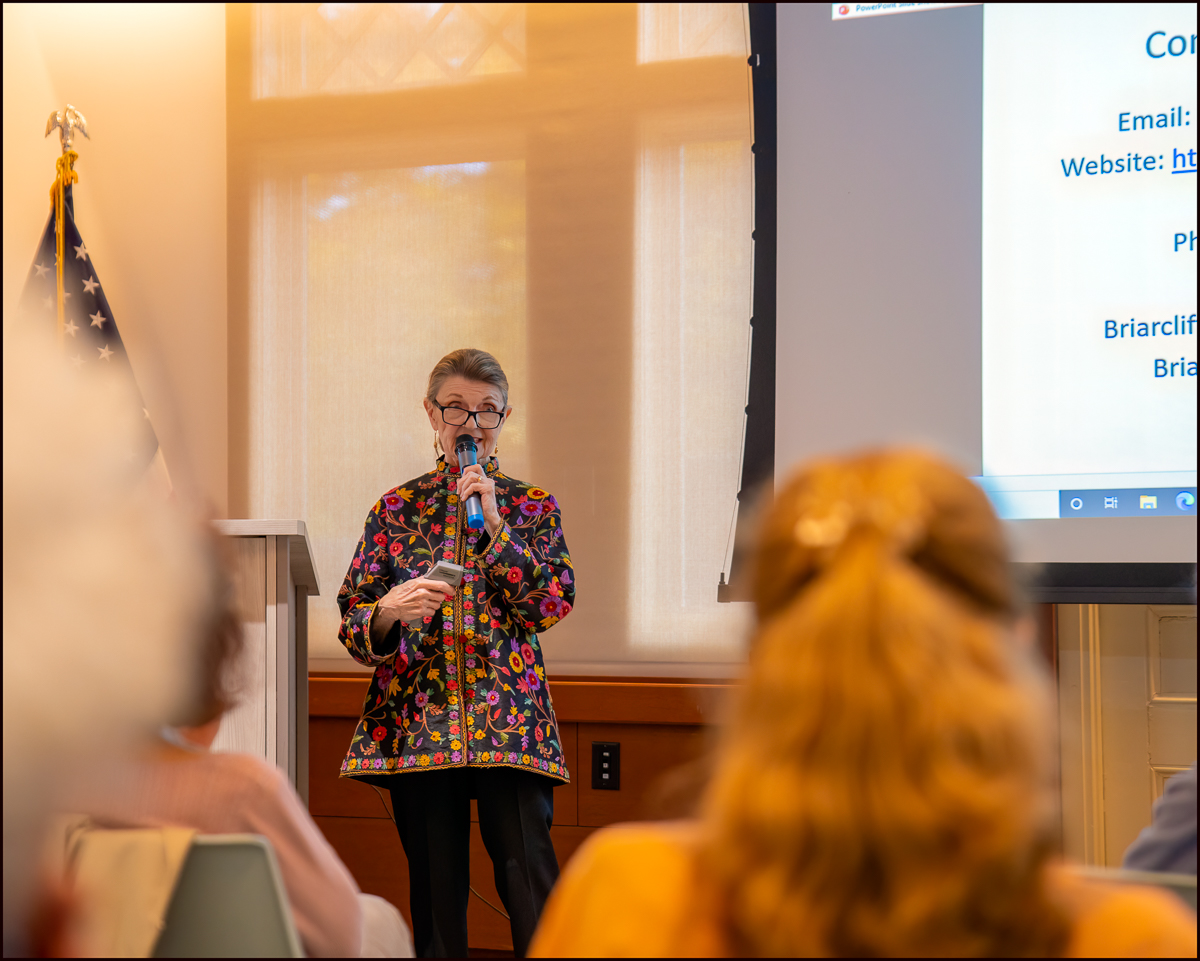
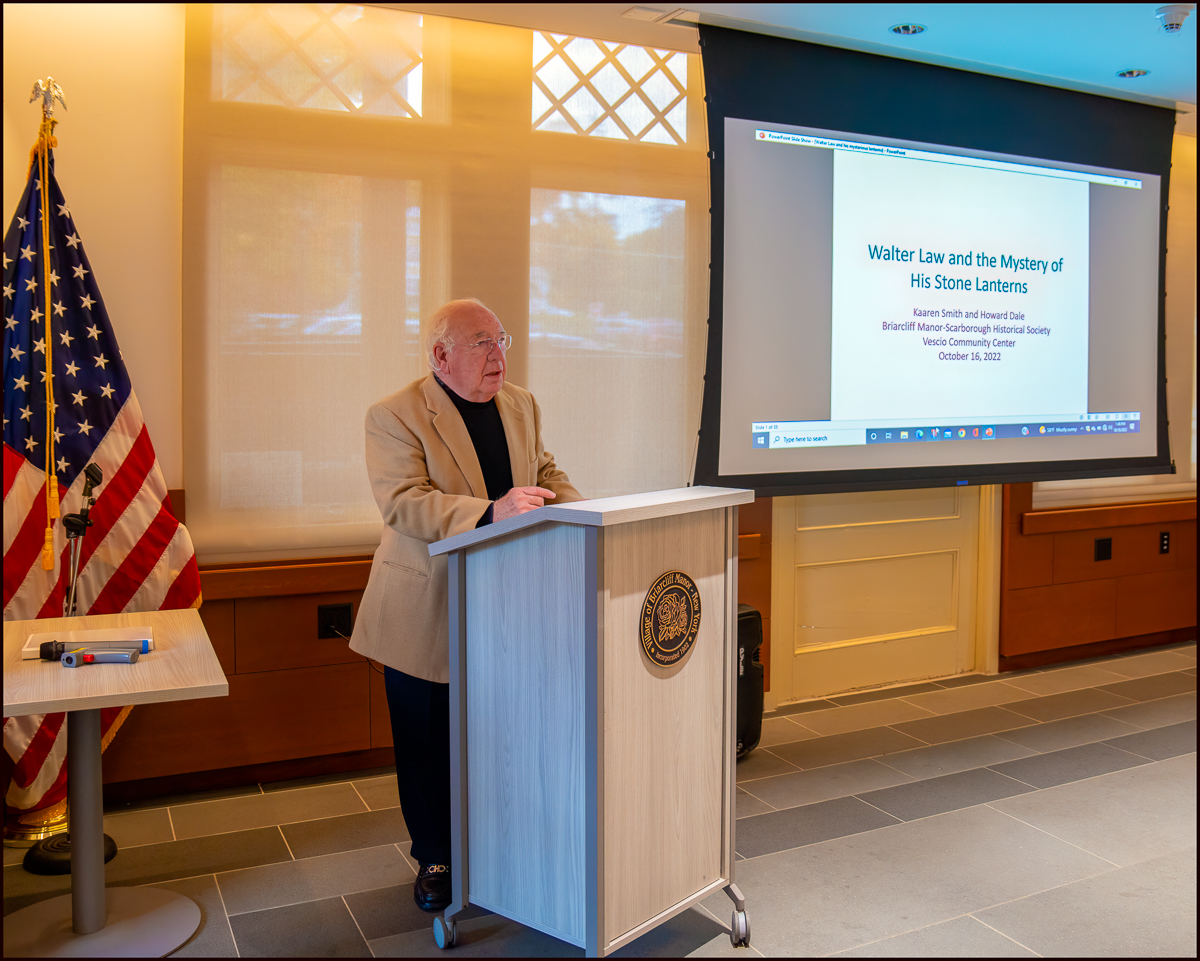
Kaaren Smith, Executive Director of the BMSHS giving the presentation. She addressed such issues as who was Walter Law? What was his connection to the lanterns? How many lanterns are there?; Where are they located? Where did they come from? How did they get to Briarcliff Manor? and more.


Some of the participants.


The Wanted Poster

A copy of the full presentation is available here on the Briarcliff Manor-Scarborough History Society website.

Taken with a Sony A7IV and Rokinon AF 24-70 f2.8 FE

A walk around Dobbs Ferry – Leaving Dobbs Ferry

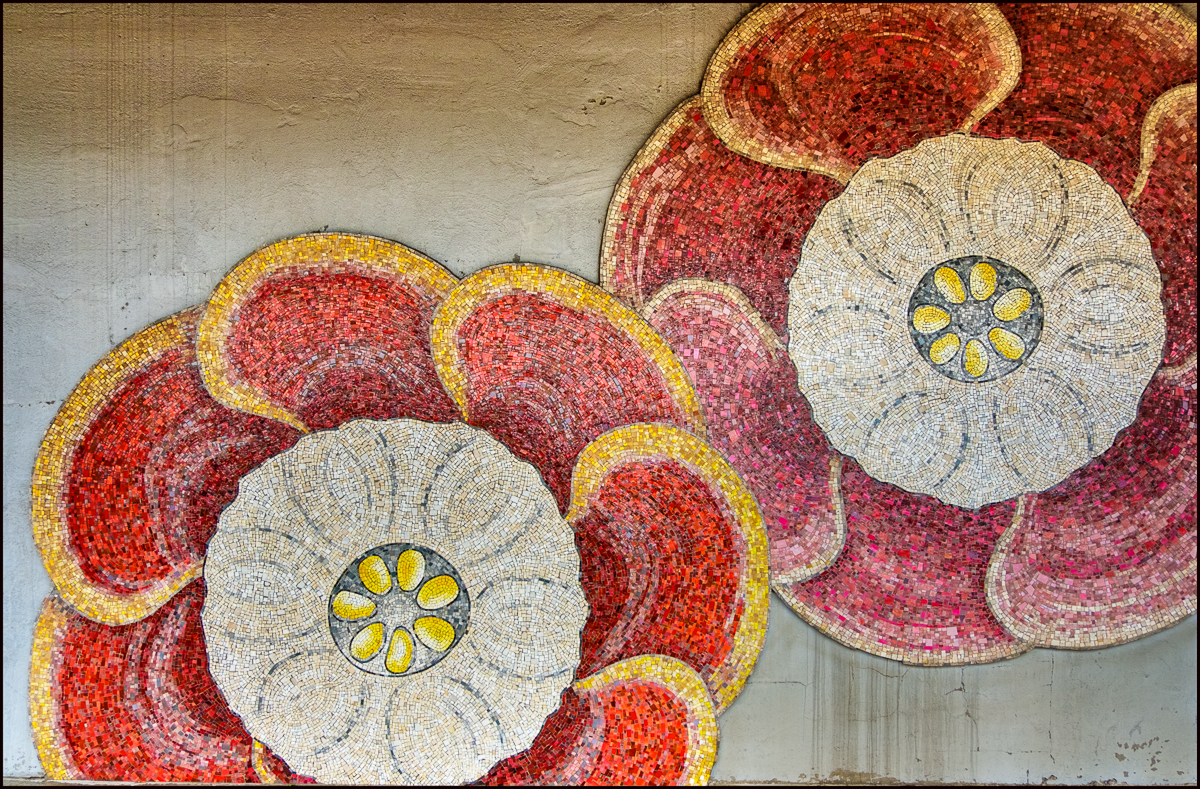
It was time to return home. Here’s one of a number of murals at the Dobbs Ferry train station. The series is called “Floating Auriculas” and its done under the auspices of the Metropolitan Transit Authority’s Art in Transit project. They were created by Nancy Blum. Her website describes them as follows:

Installed in the spring of 2007, this piece spans a large retaining wall that runs parallel to the Hudson River. Commissioned by the Metro Transit Authority, Arts For Transit, the work is located at the Dobbs Ferry train station along the New York Hudson Line. Installed are seven full and partial ‘auricula flowers’ at 8 feet in diameter. They are made out of a combination of Italian glass and marble tile.

Taken with a Fuji X-E3 and Fuji XC 16-50mm f3.5-5.6 OSS II

A walk around Dobbs Ferry – Lunch on the Hudson

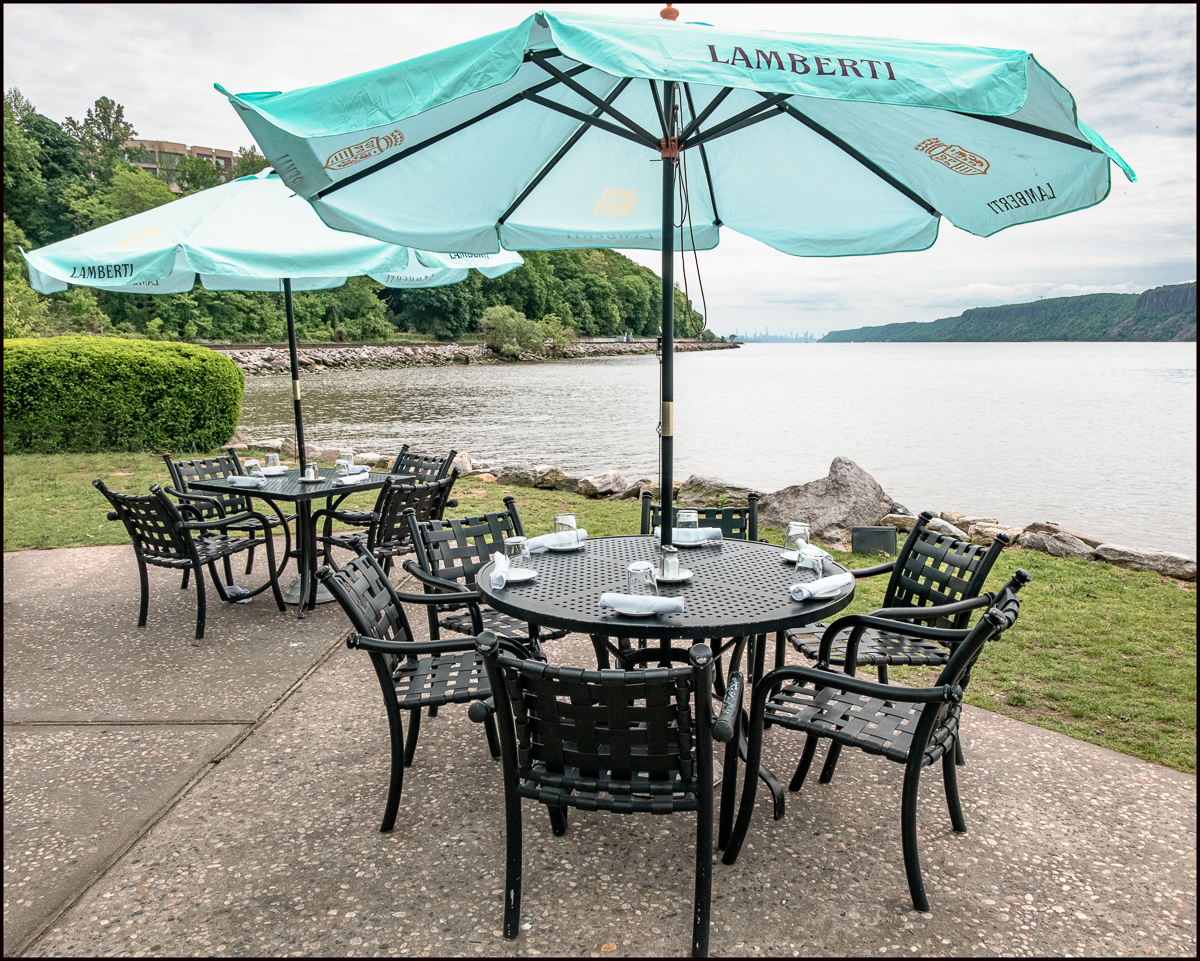
It was now past 1:00pm and I was feeling peckish. So I decided to have something to eat at Half Moon, a waterfront restaurant close to the railway station. Of course it’s named after Henry Hudson‘s ship. In 1609, he landed in North America on behalf of the Dutch East India Company and explored the region around the modern New York metropolitan area looking for a Northwest Passage to Asia. He sailed up the Hudson River, which was later named after him, and thereby laid the foundation for Dutch colonization of the region.

A replica of the Half Moon has been built and can often be seen sailing along the Hudson, but not today.


Taken with a Fuji X-E3 and Fuji XC 16-50mm f3.5-5.6 OSS II