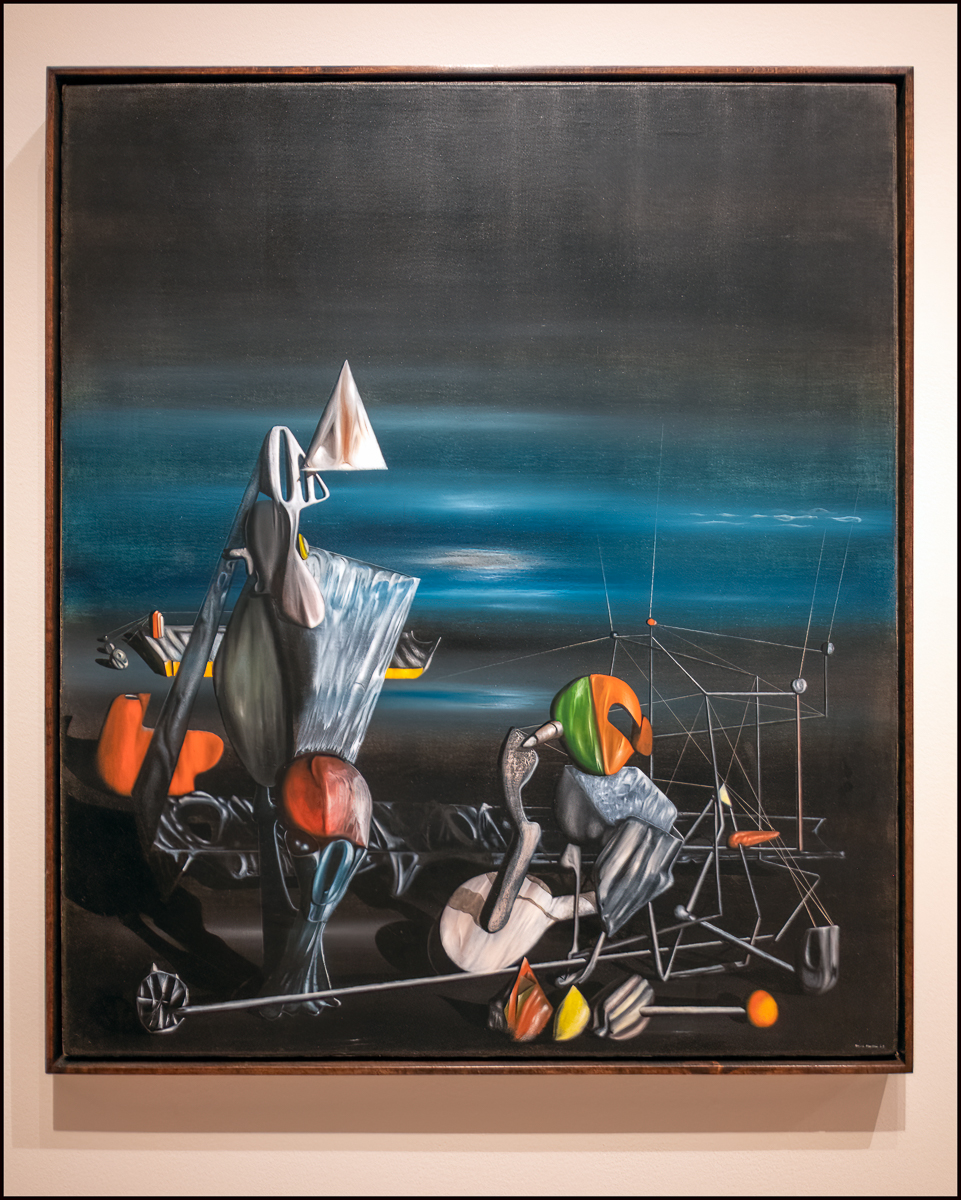
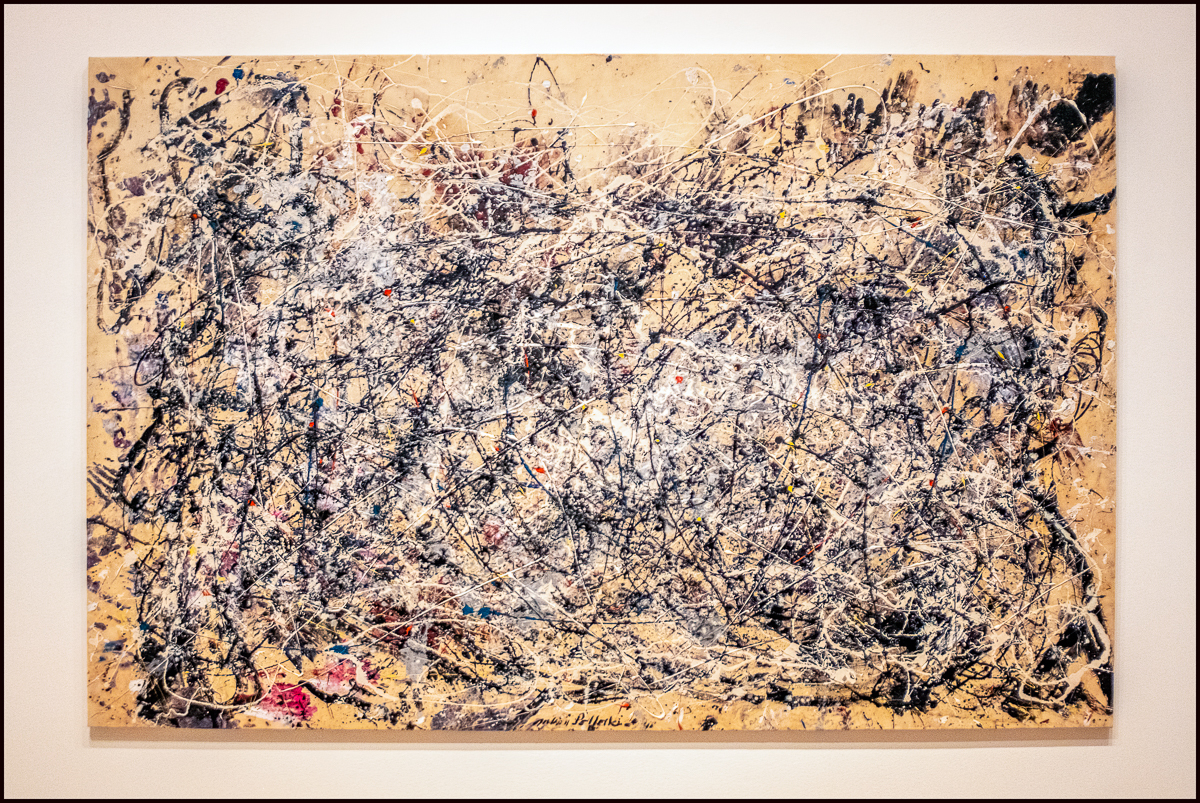
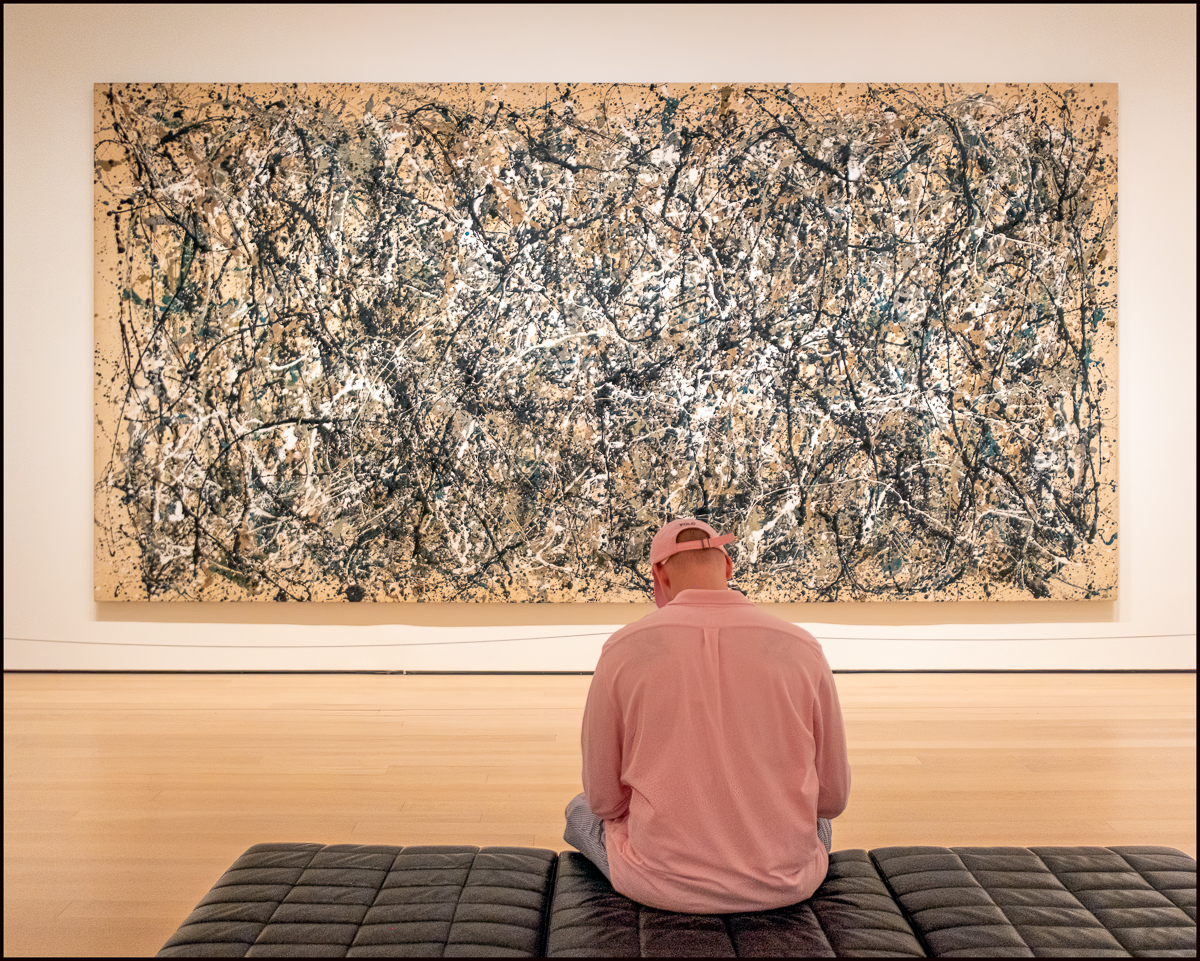
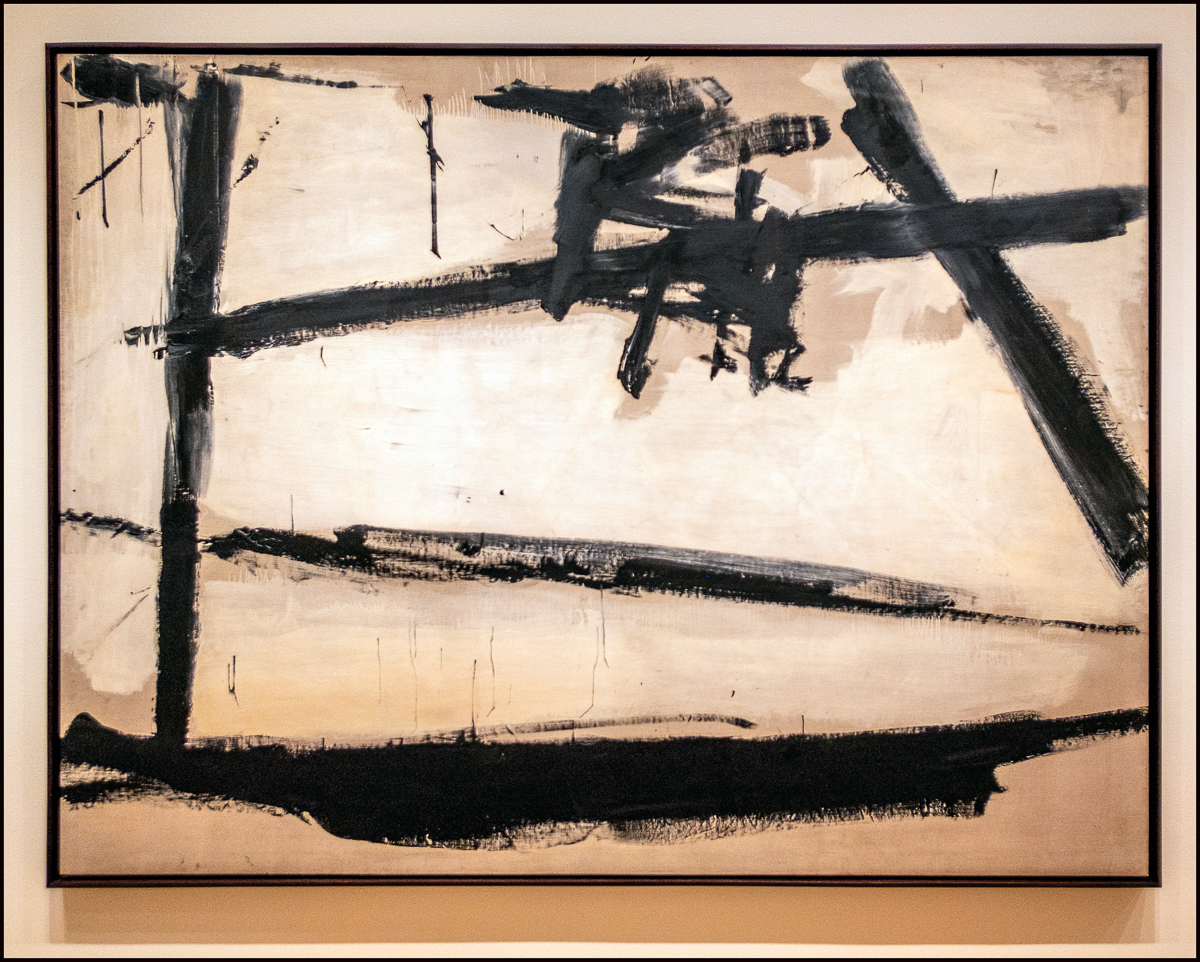
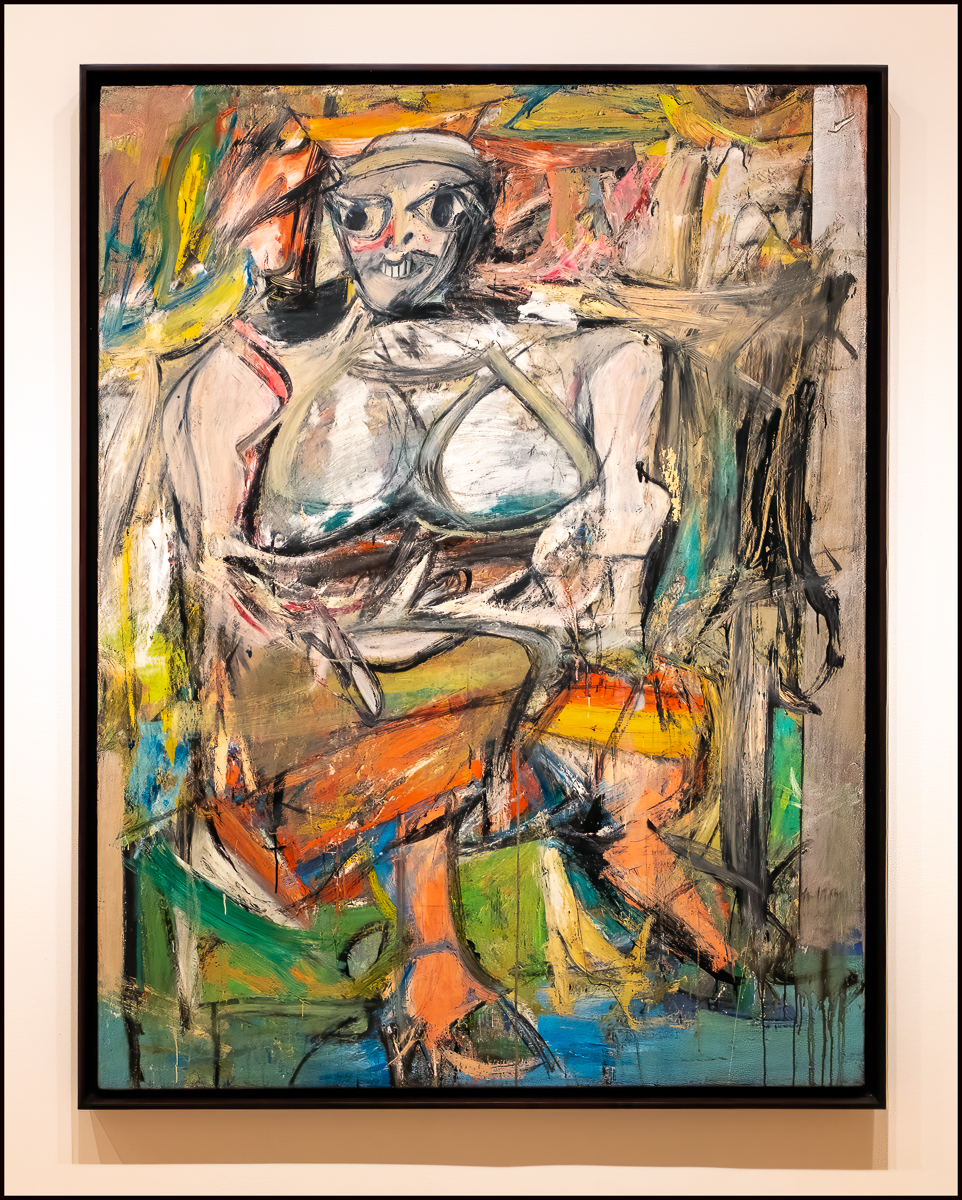
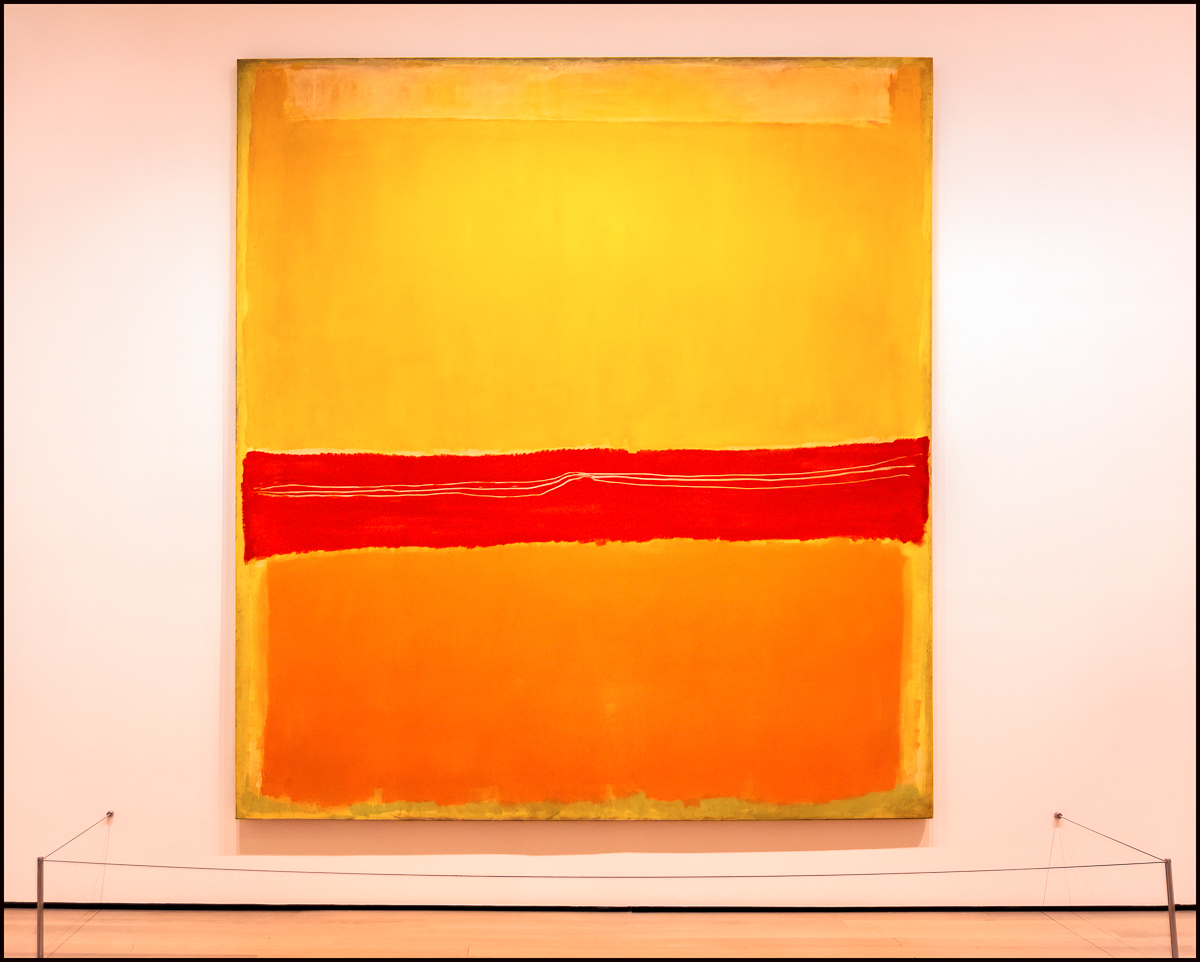
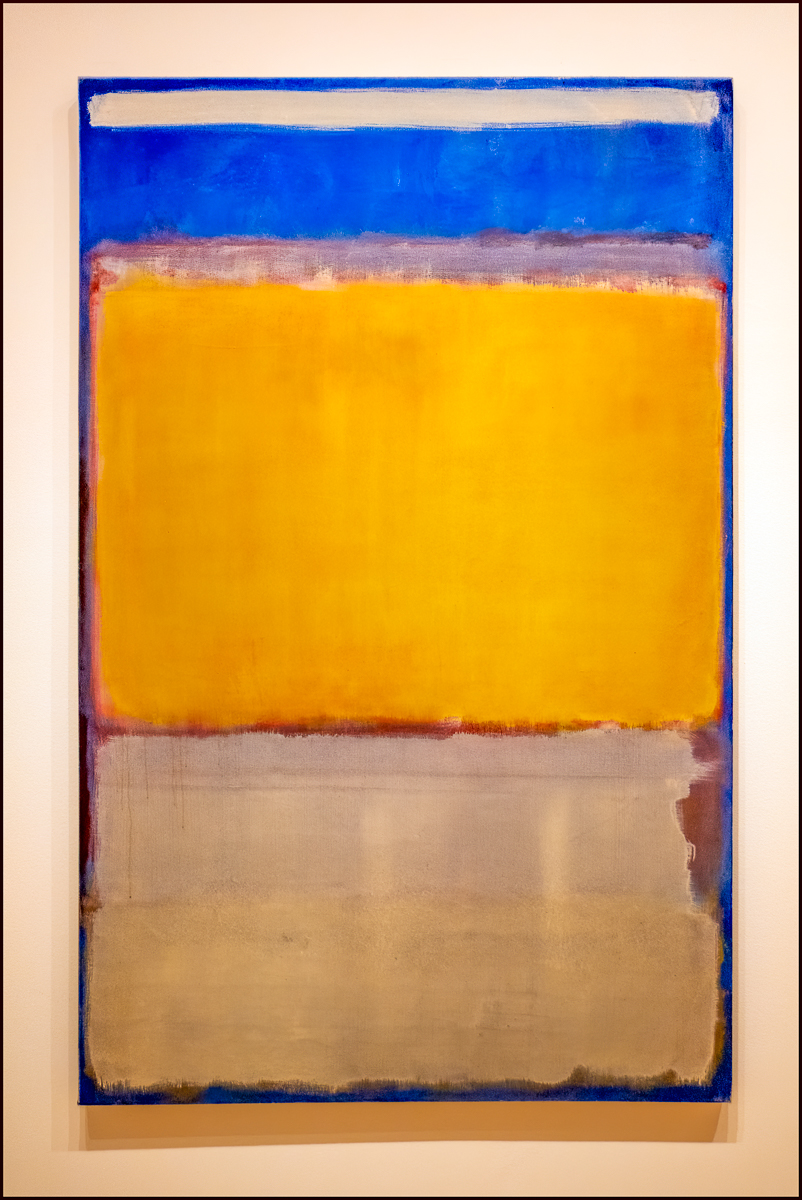
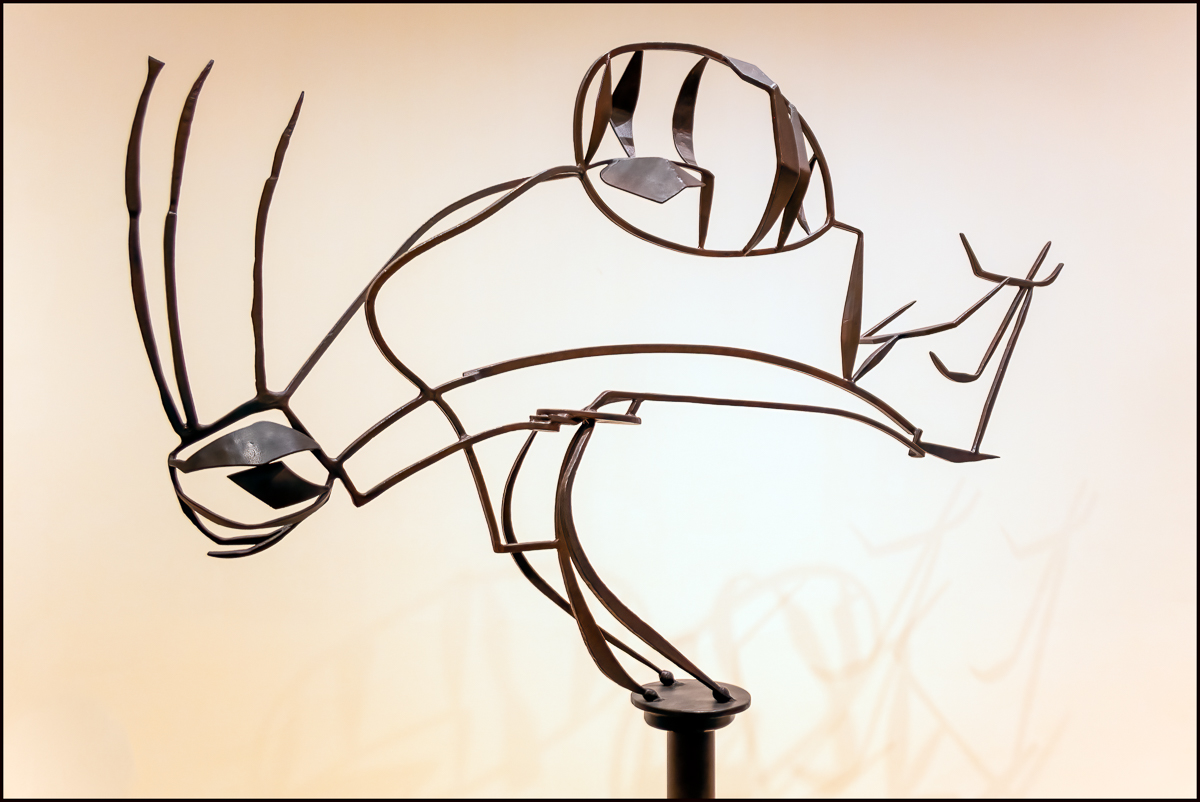
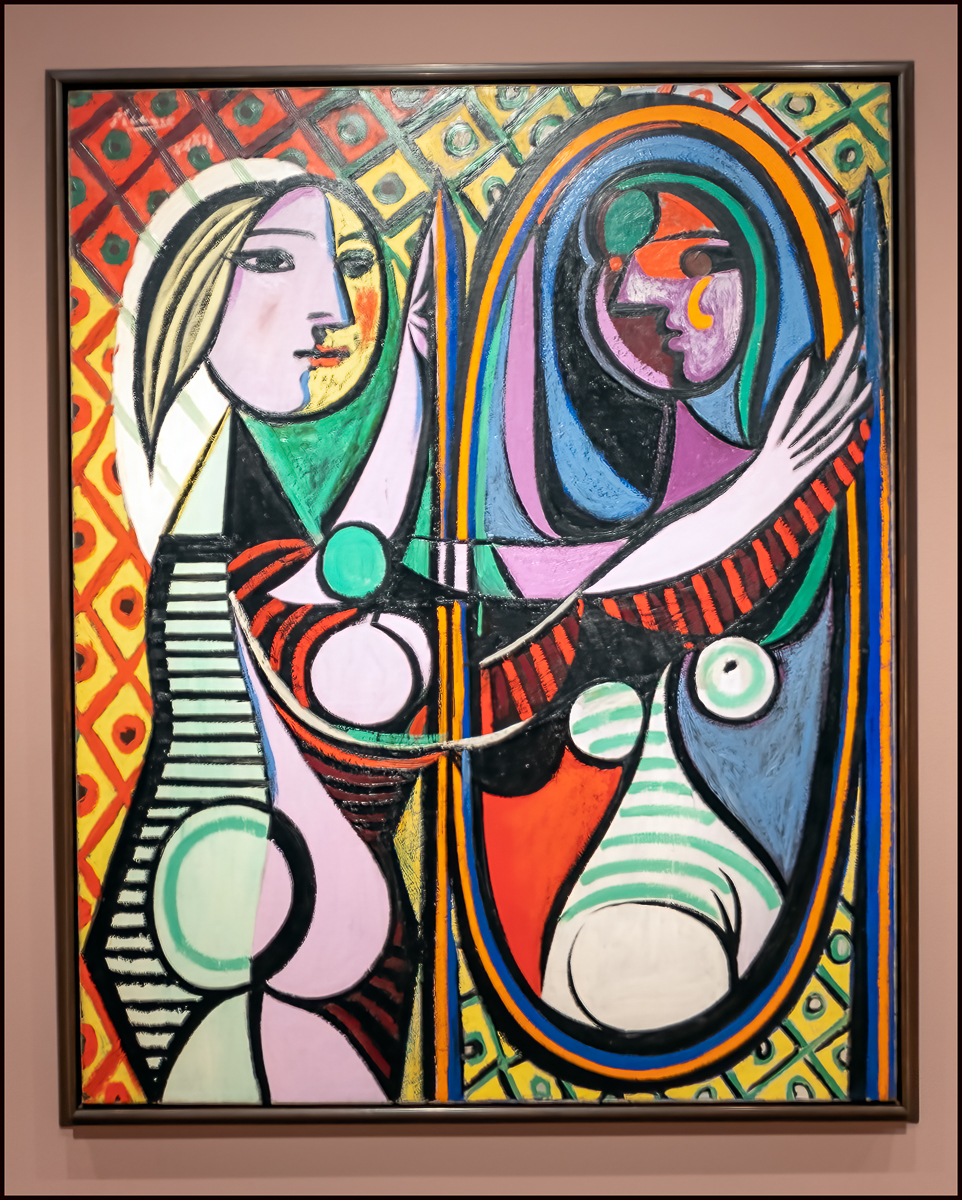
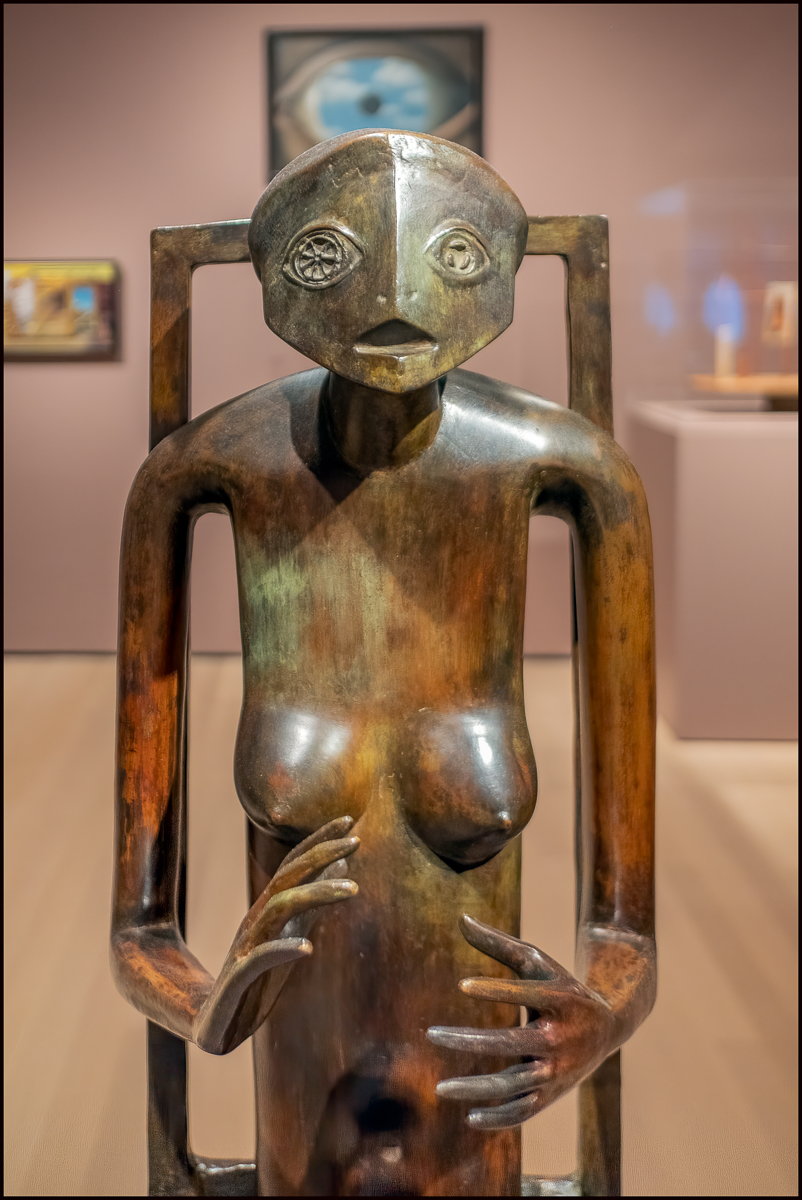
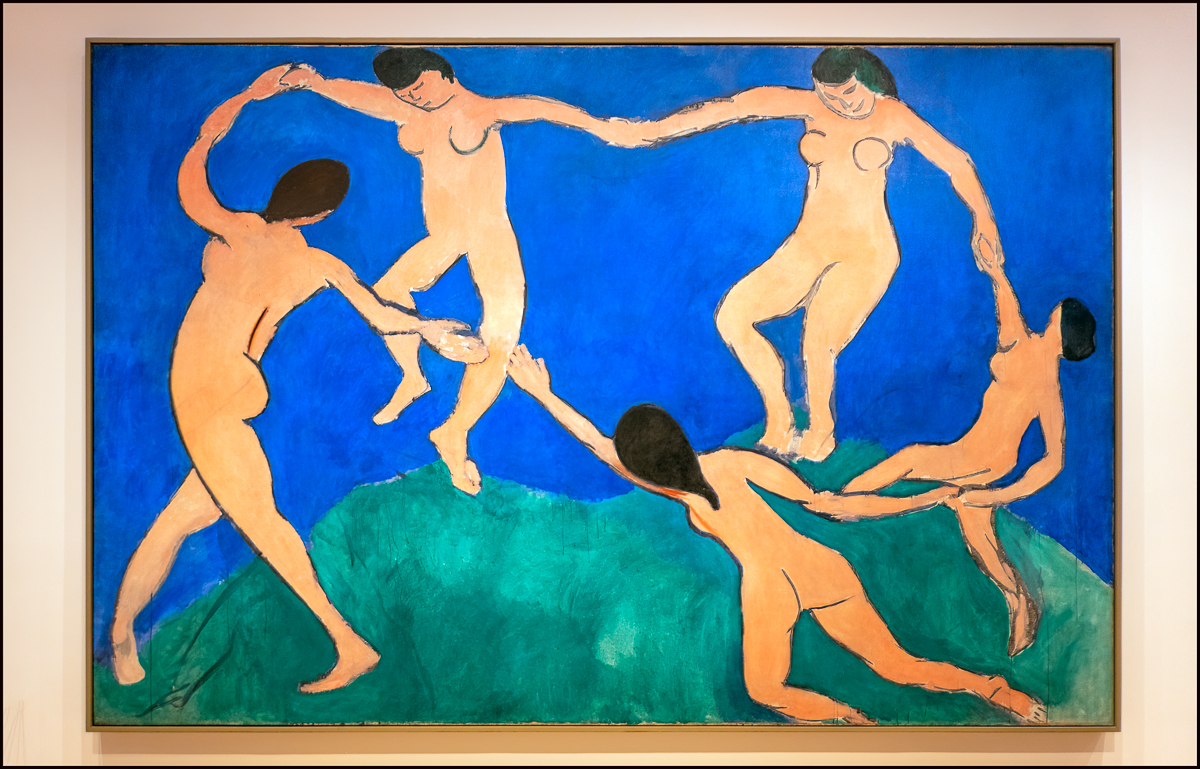
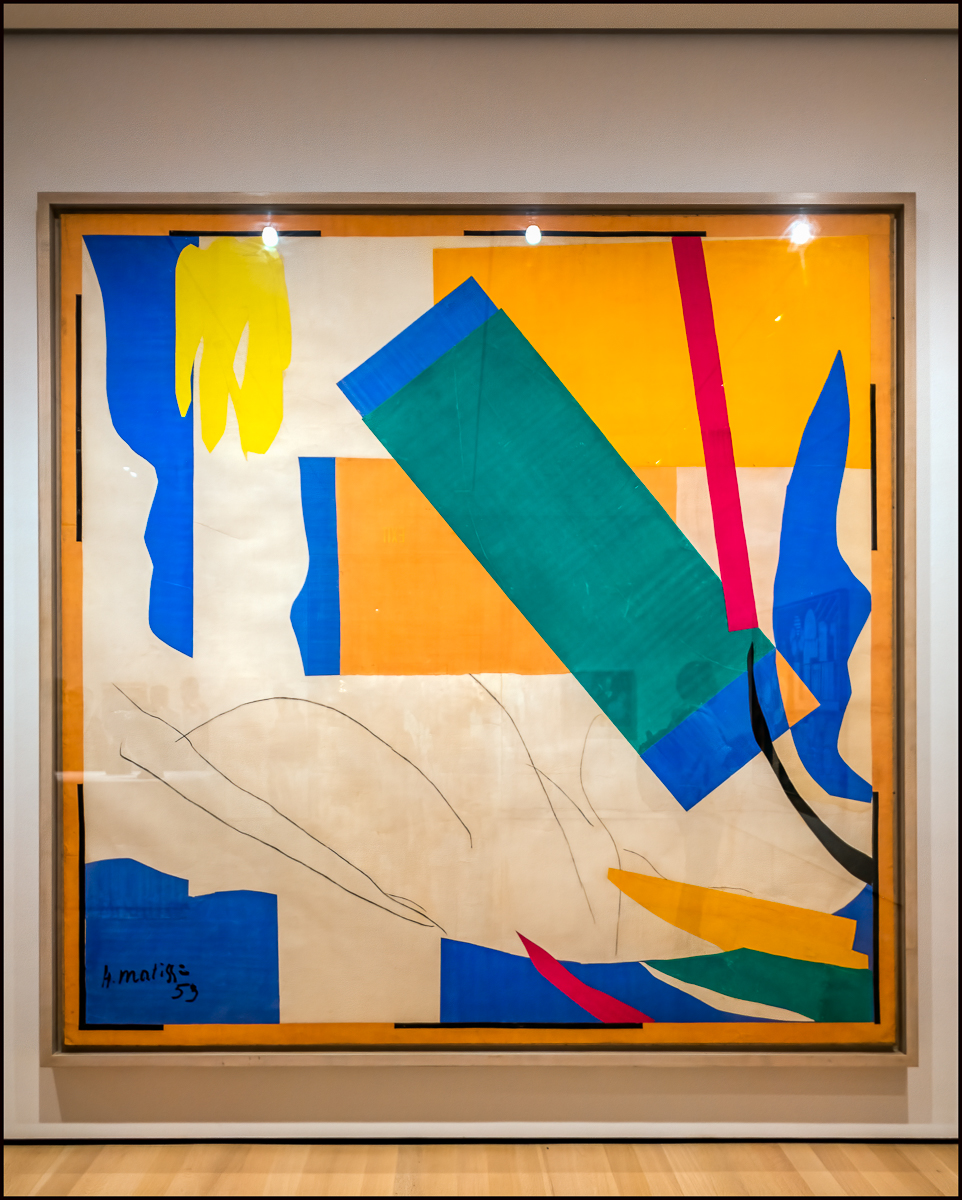
A visit to the Museum of Modern Art – Some Photographs

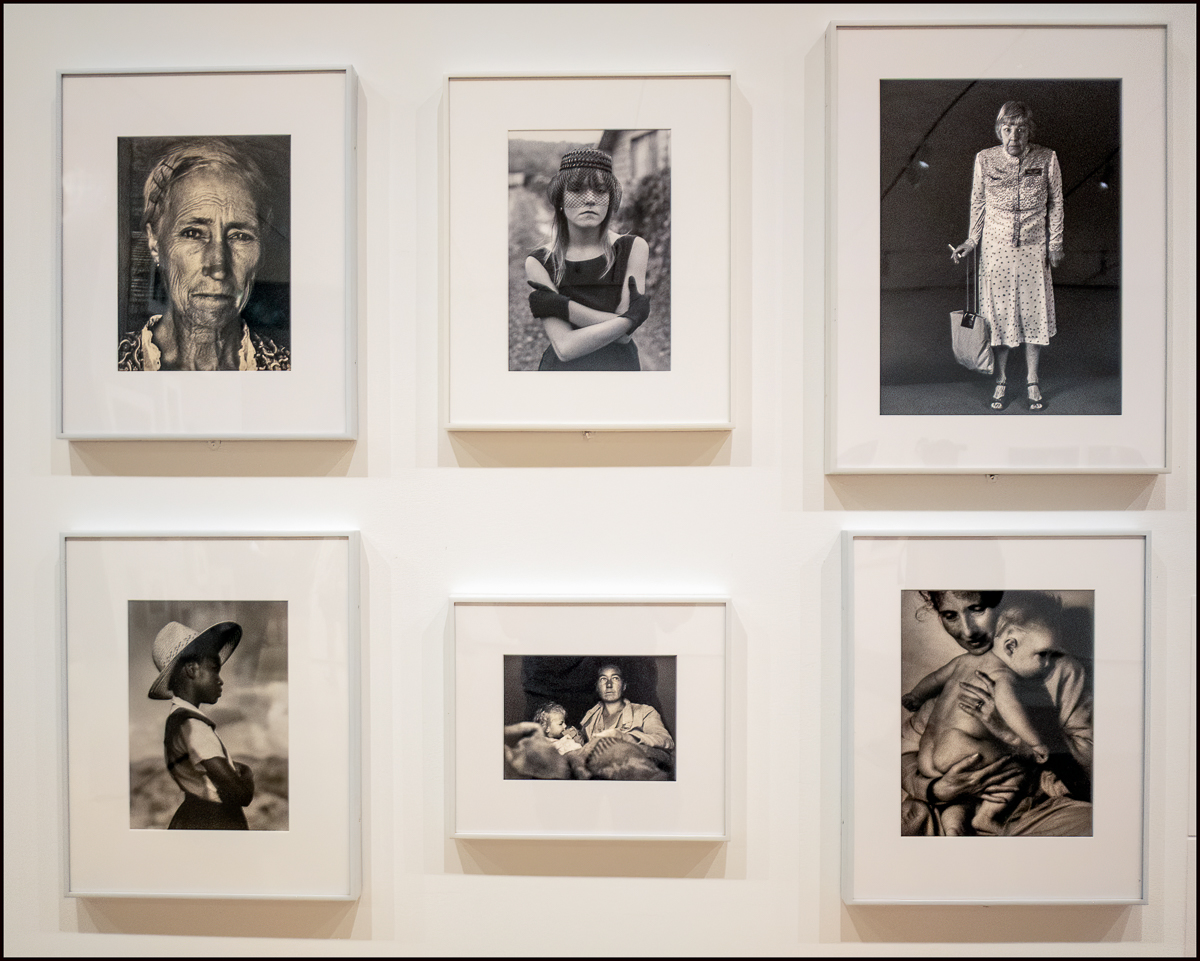
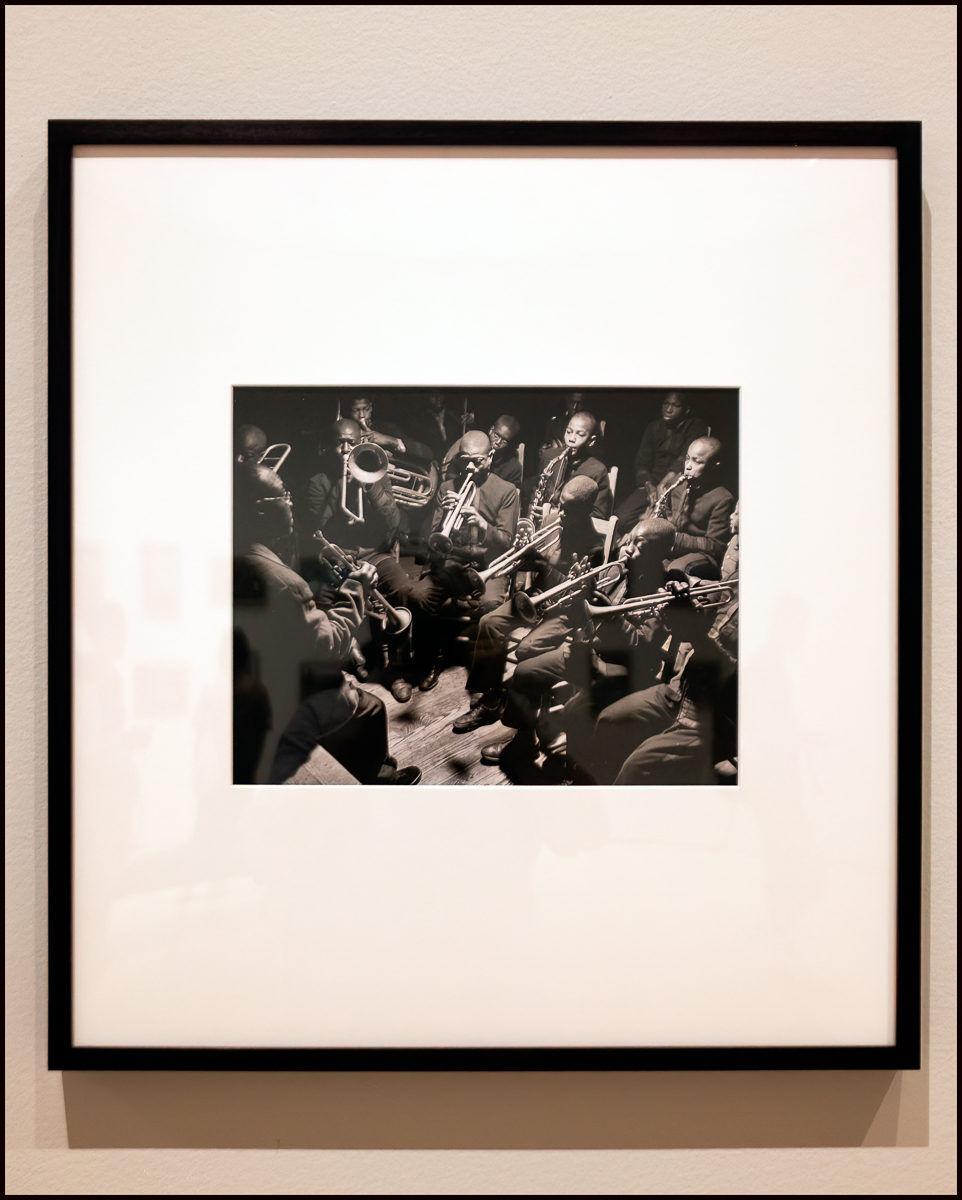
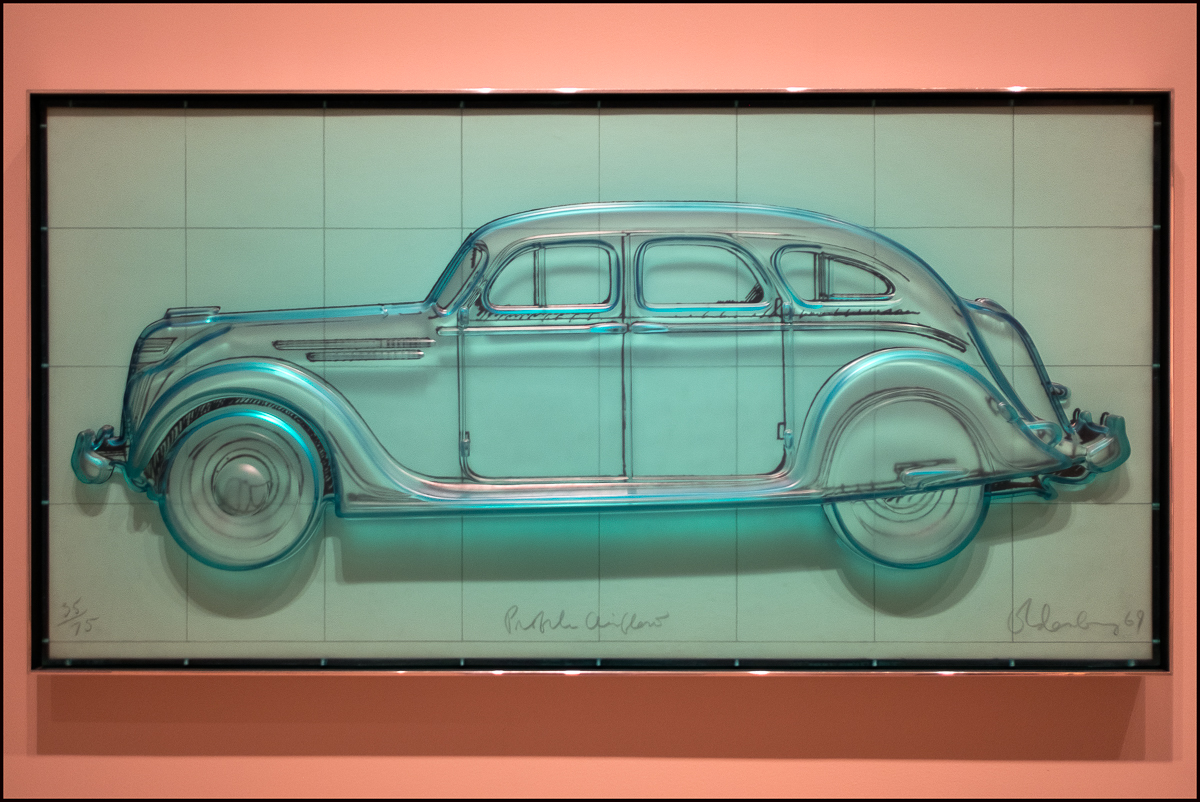
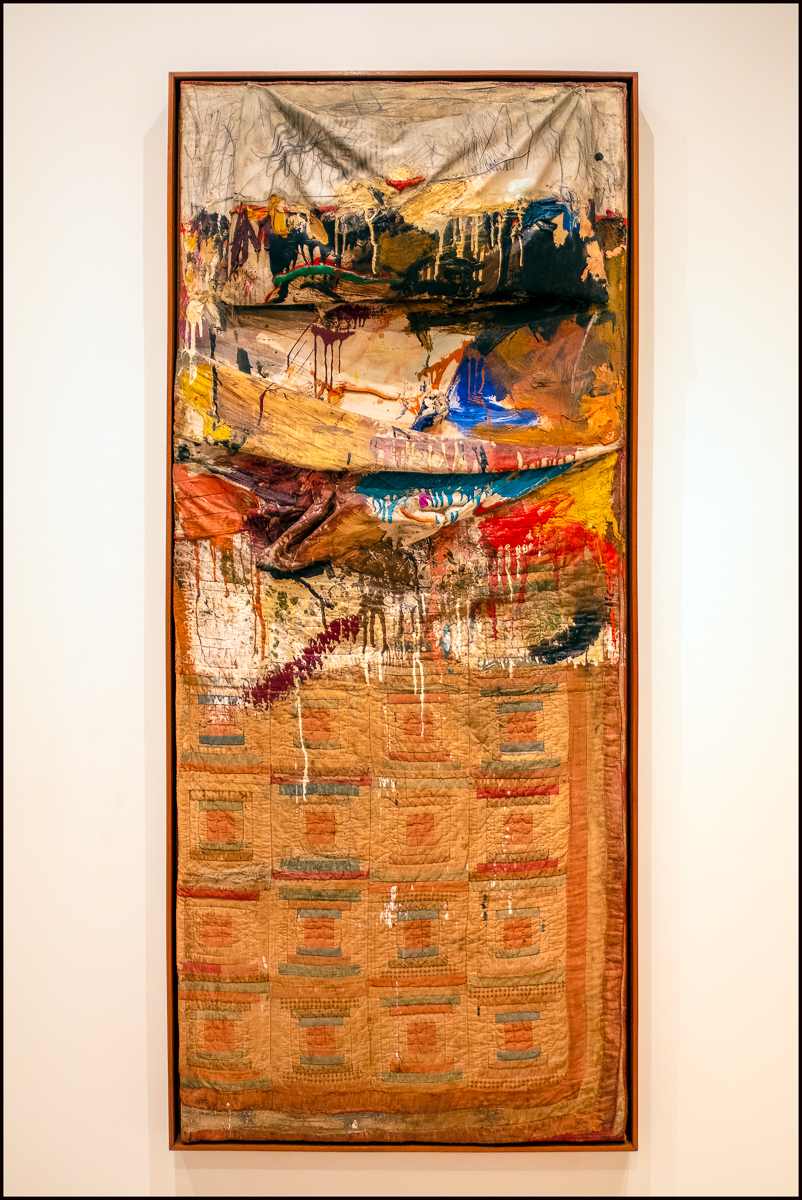
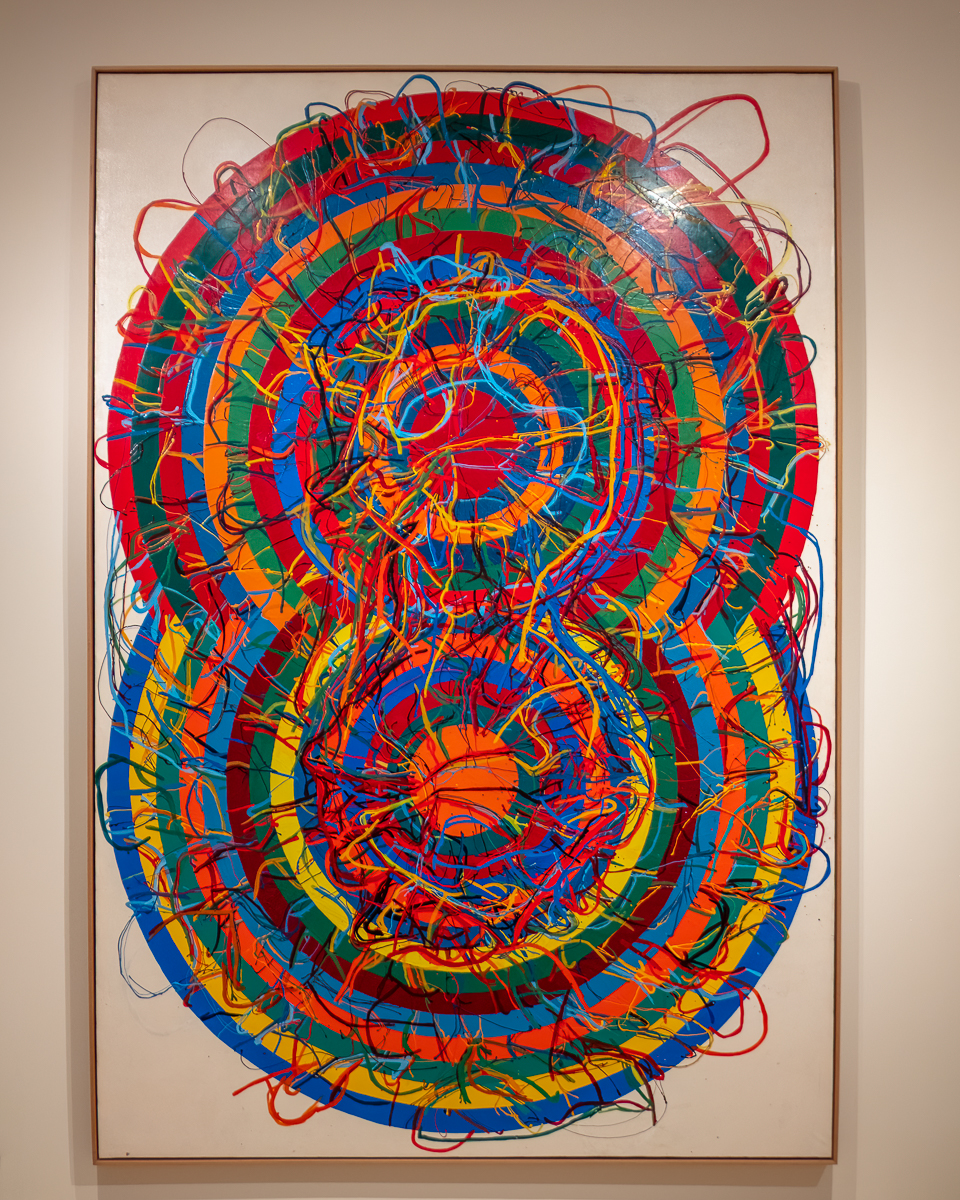
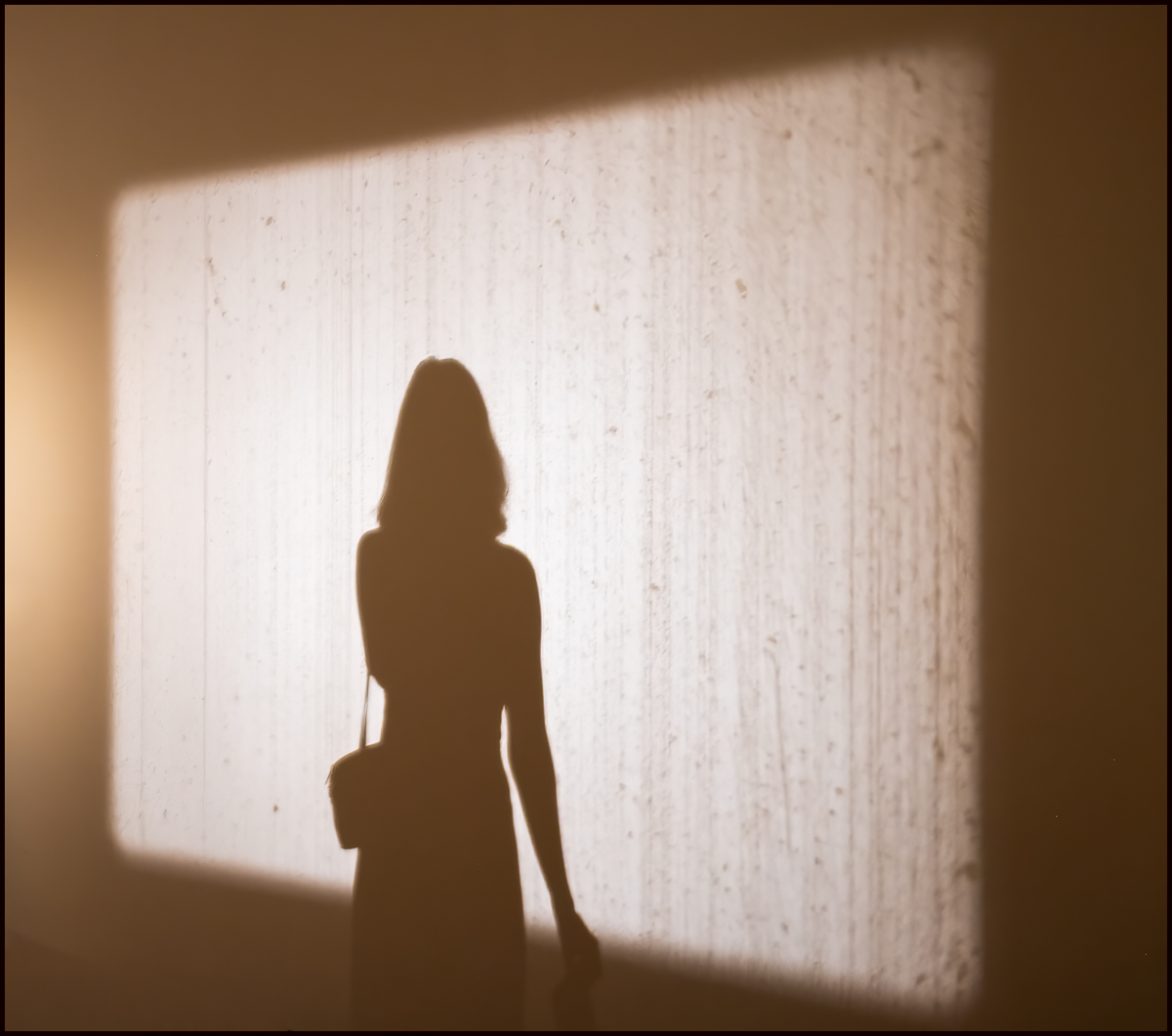
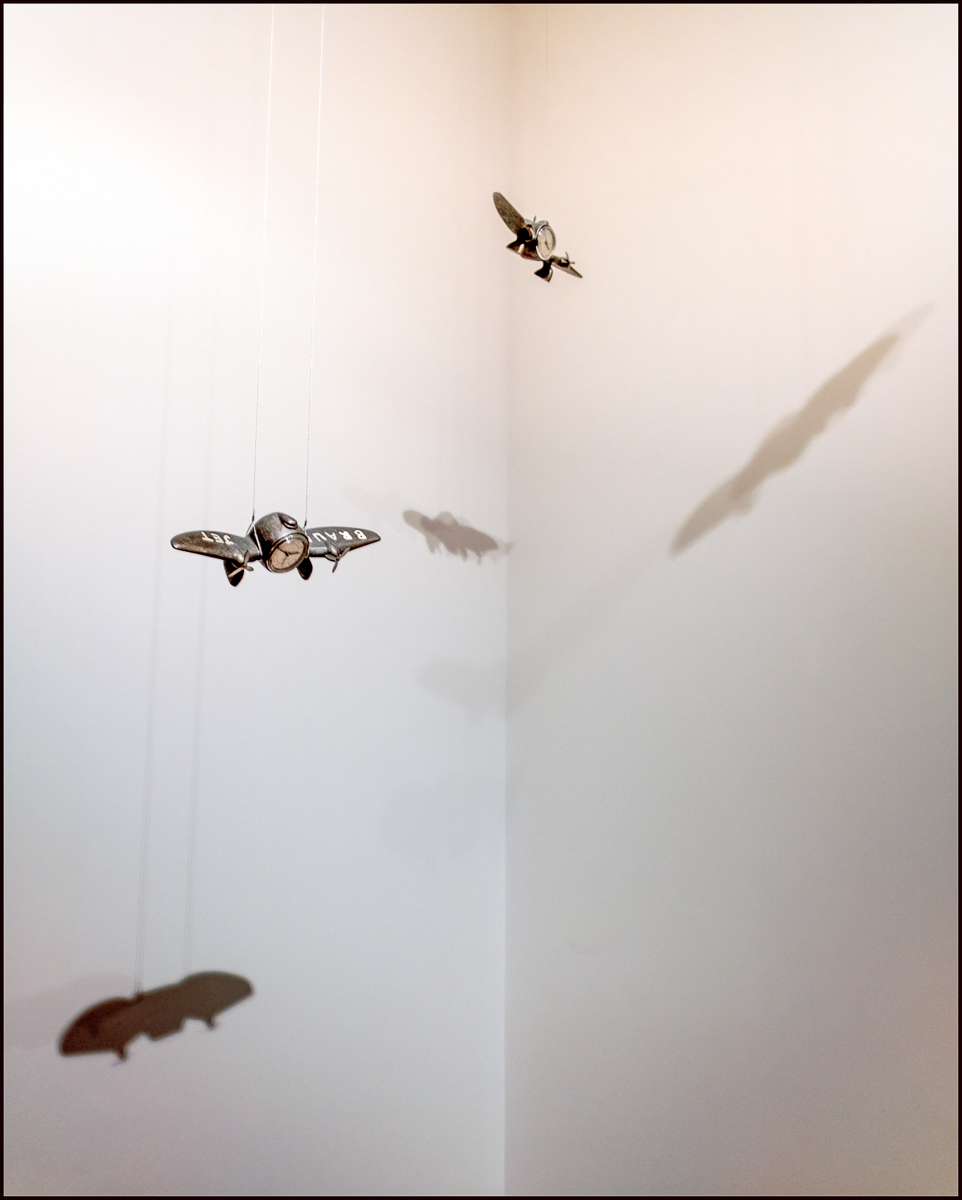
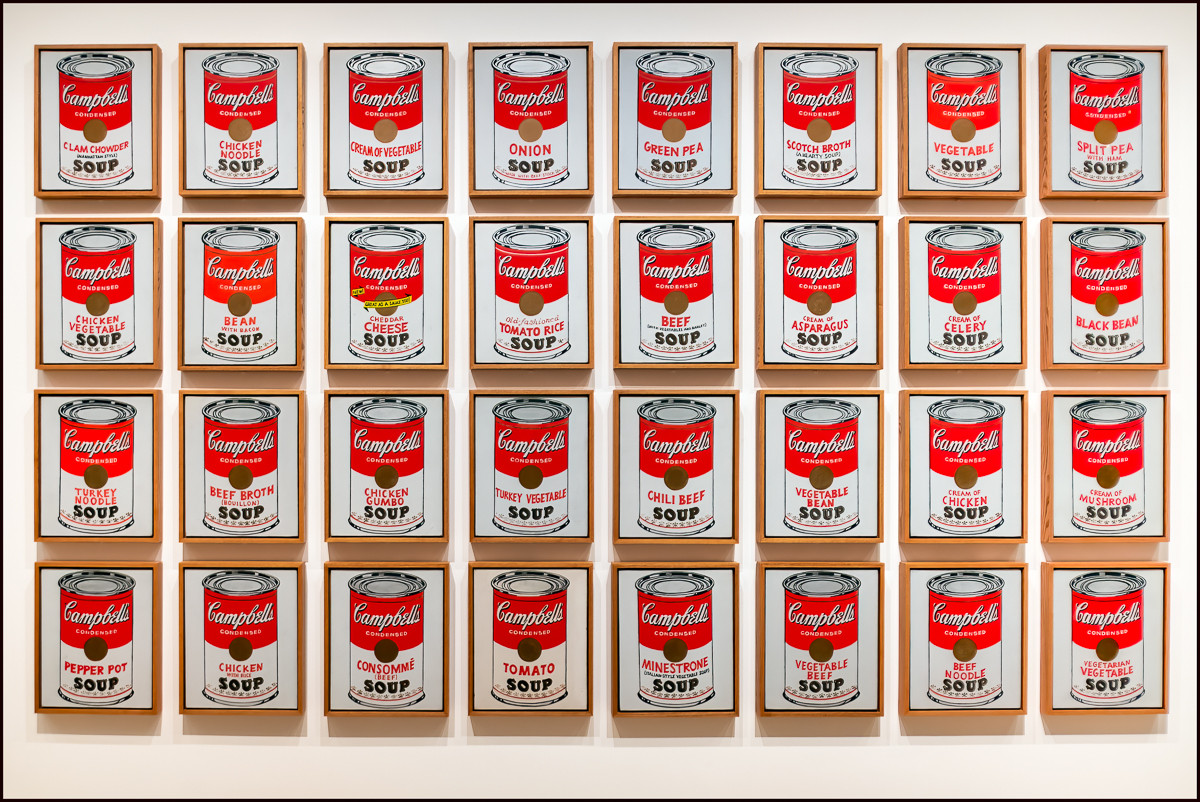
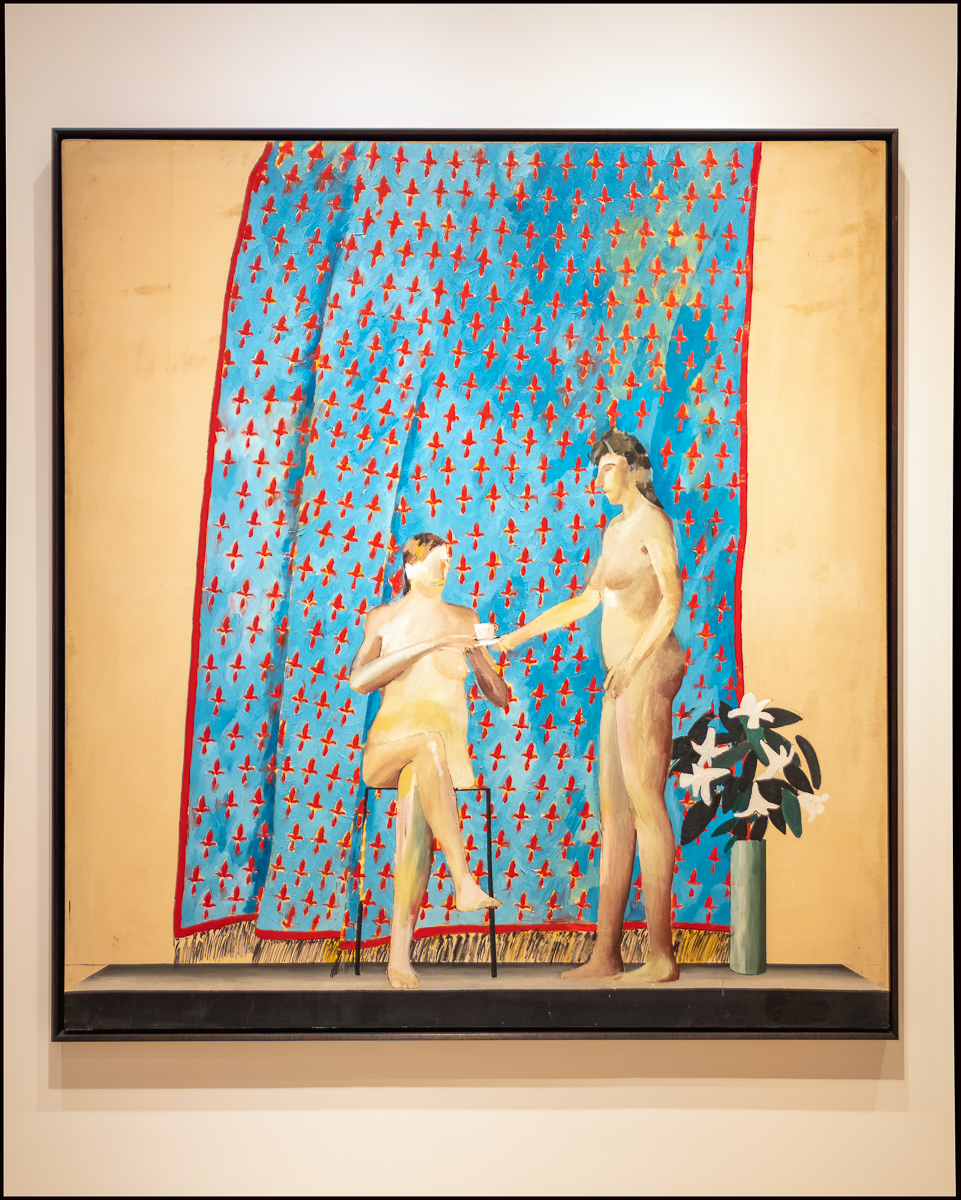
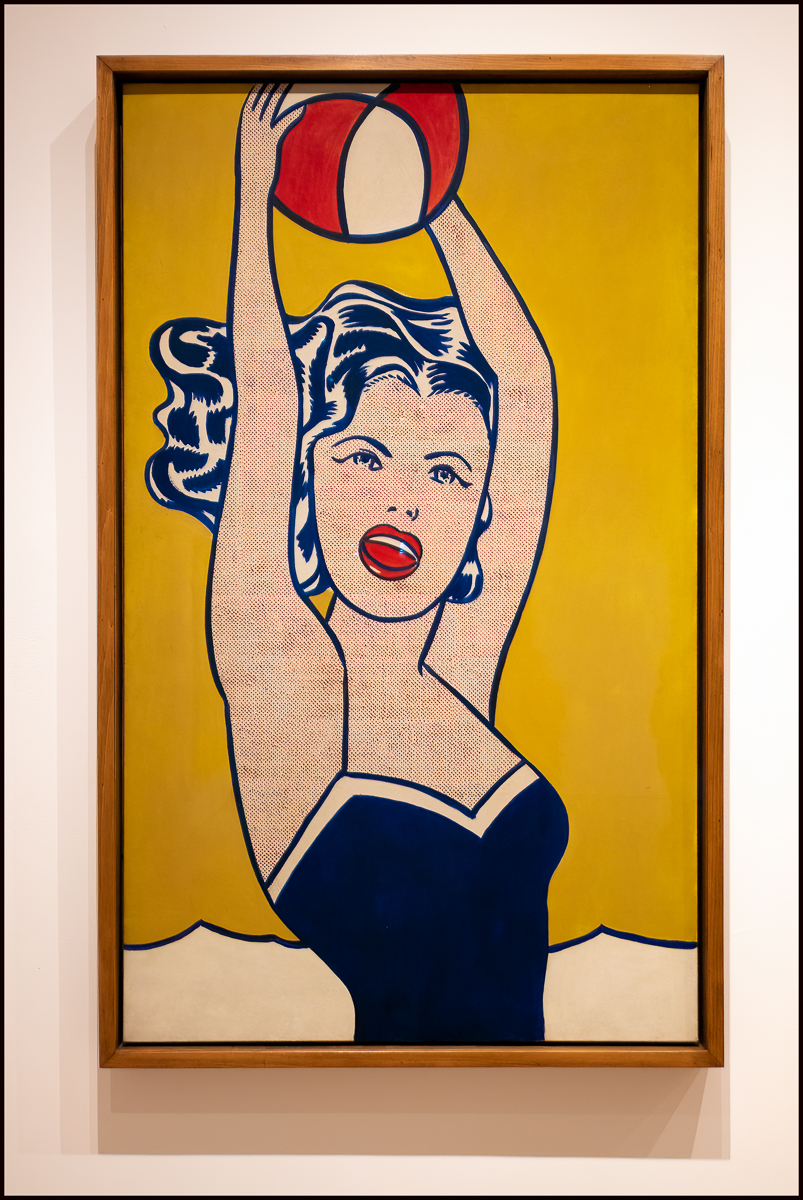
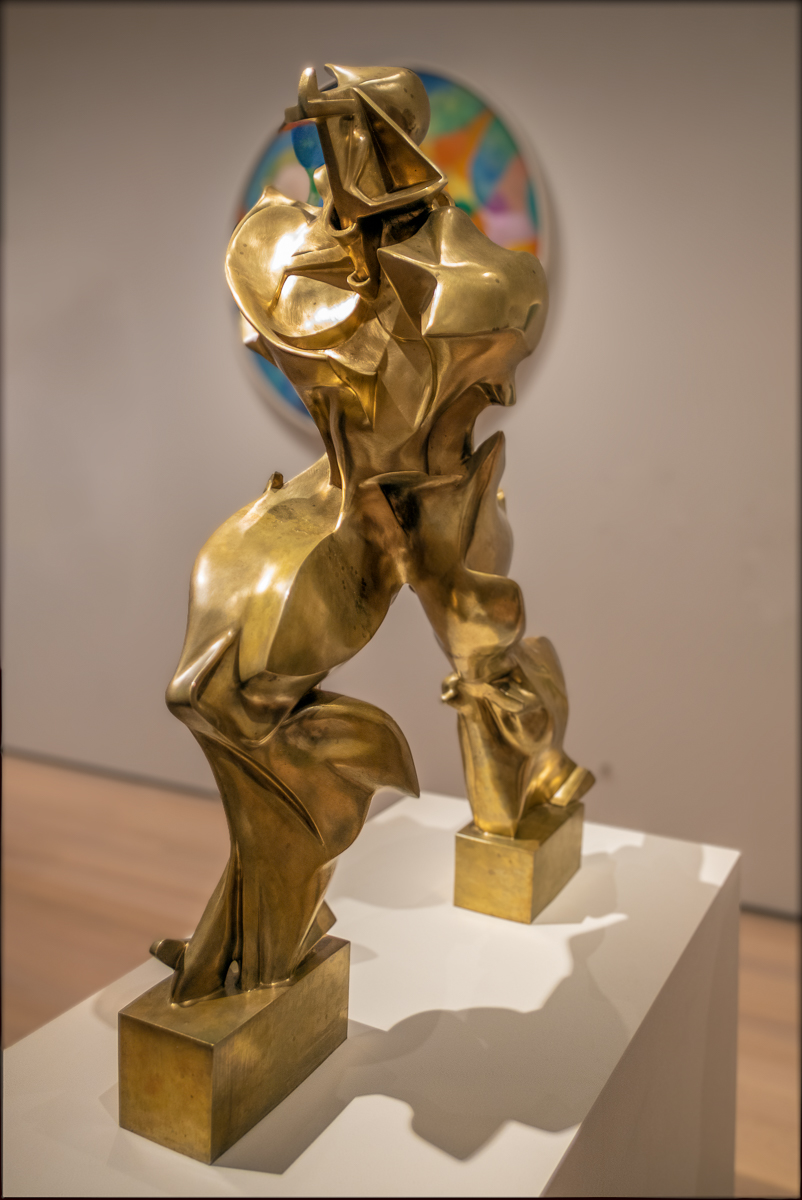
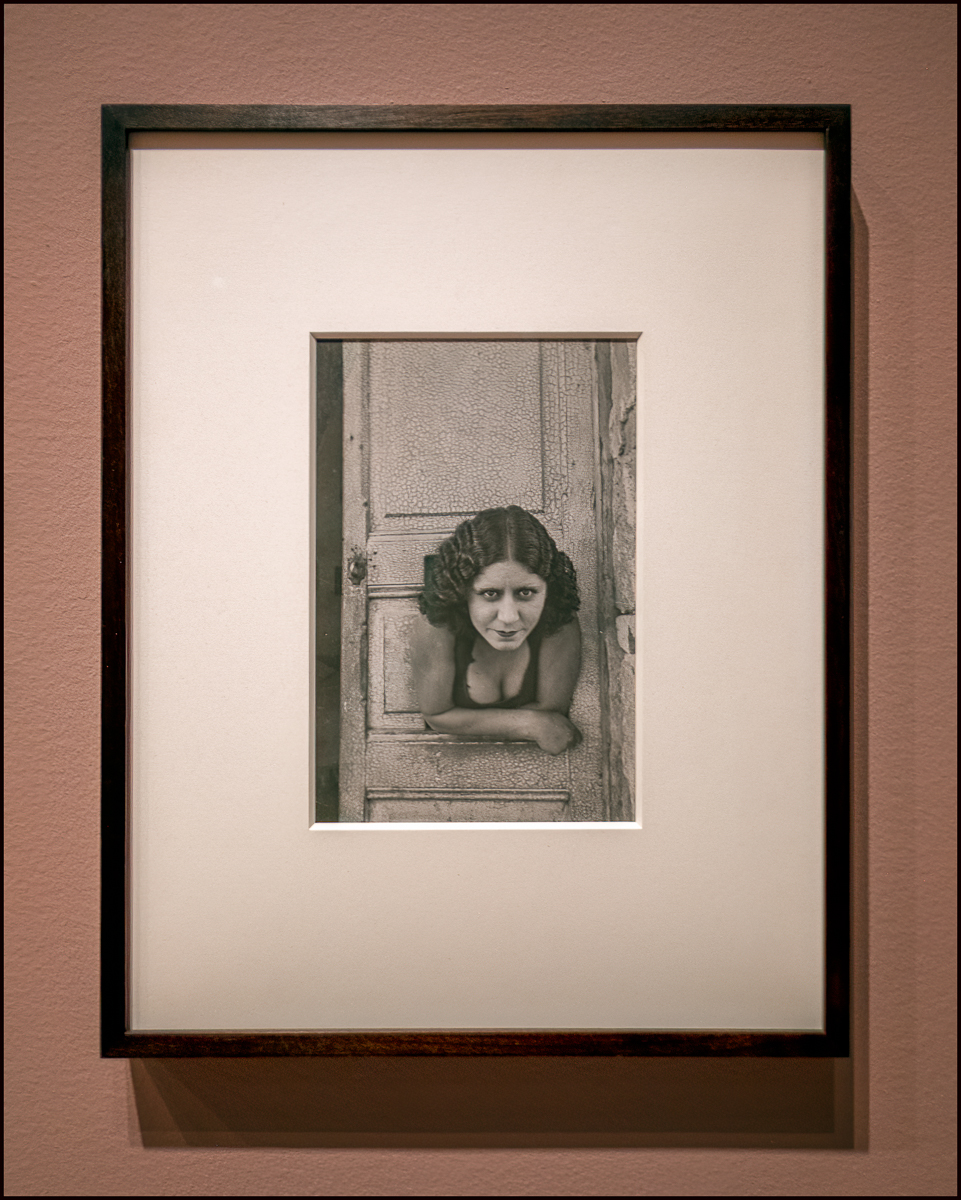
Of course the Museum of Modern Art doesn’t just have paintings, sculpture etc. I also has photographs. Here are a few including some from an exhibition entitled: “Ourselves. Photographs from Women Artists from Helen Kornblum” (Closing October 10).

I struggled to get pictures of these photographs as they were almost invariably in frames with glass surfaces. While I’m sure this protects the valuable photographs it also presents reflections, which spoil the picture being taken.


Taken with a Fuji X-E3 and Fuji XF 18mm f2 R

A visit to the Museum of Modern Art

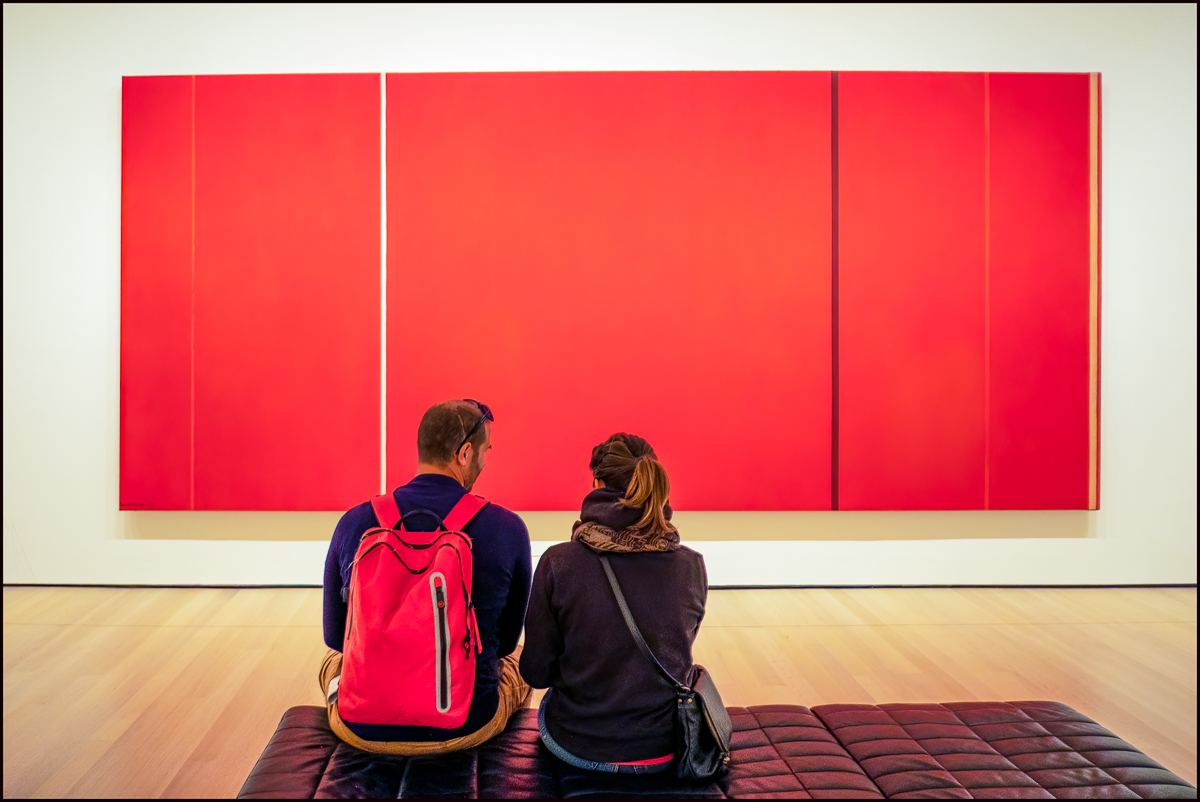
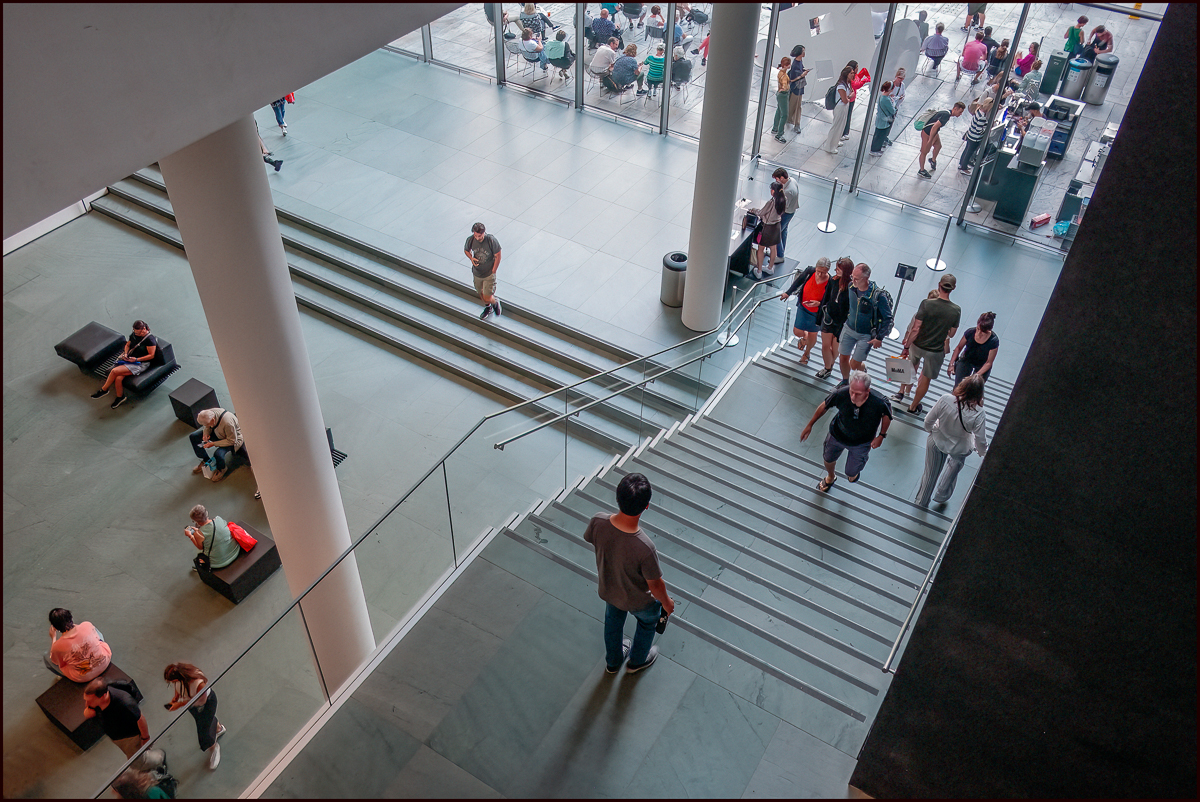
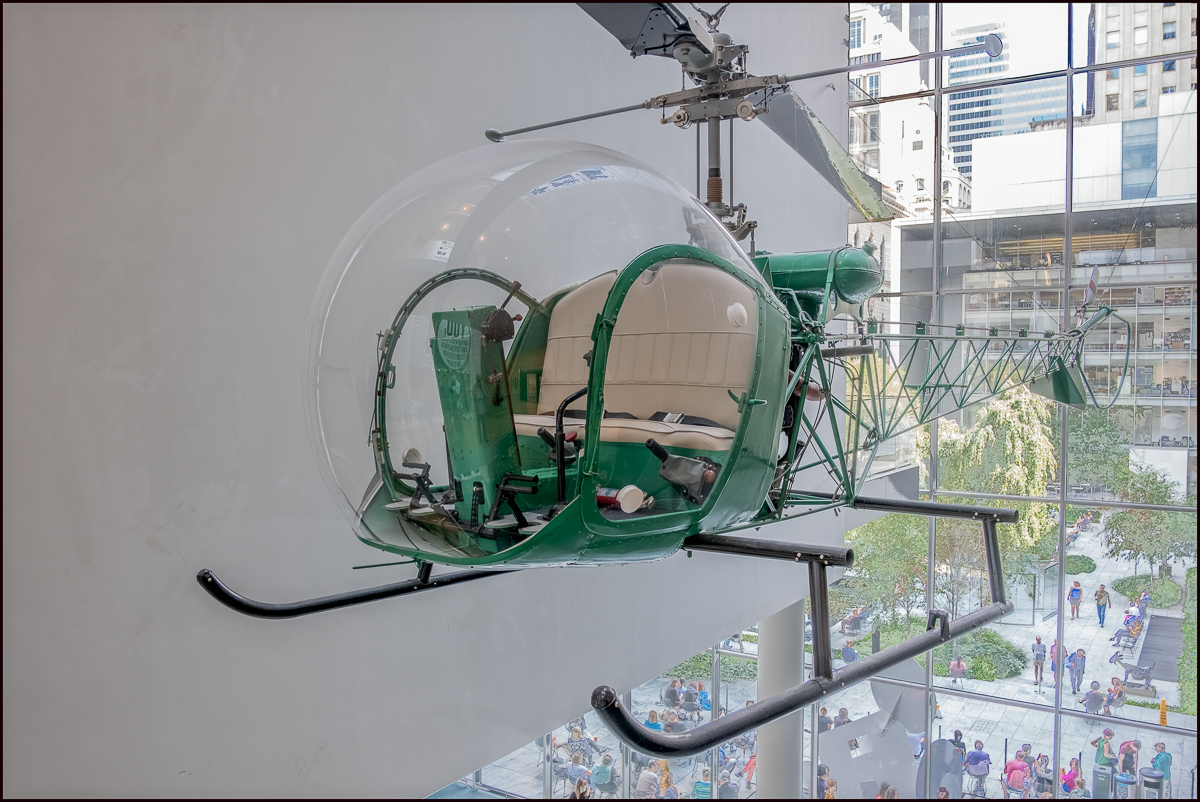
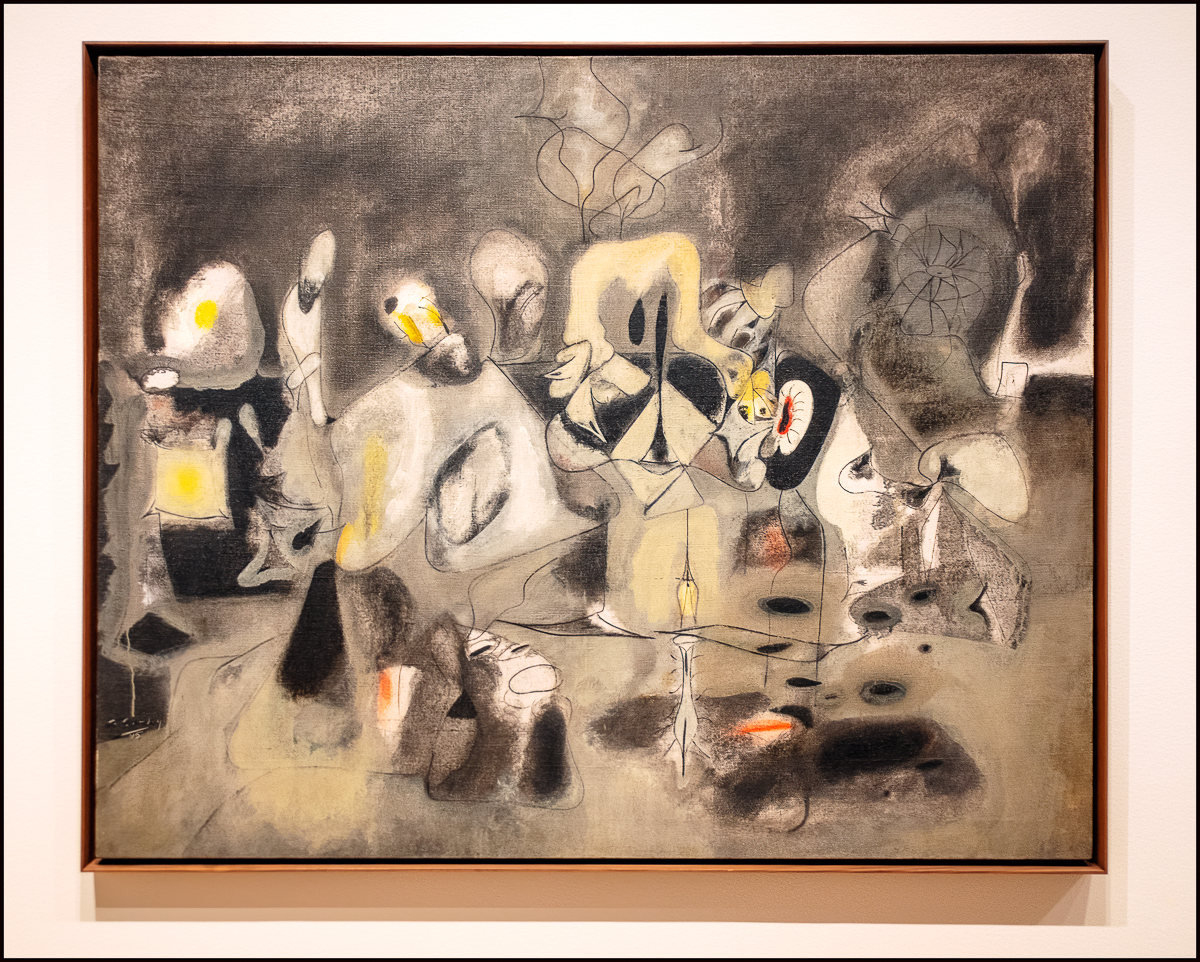
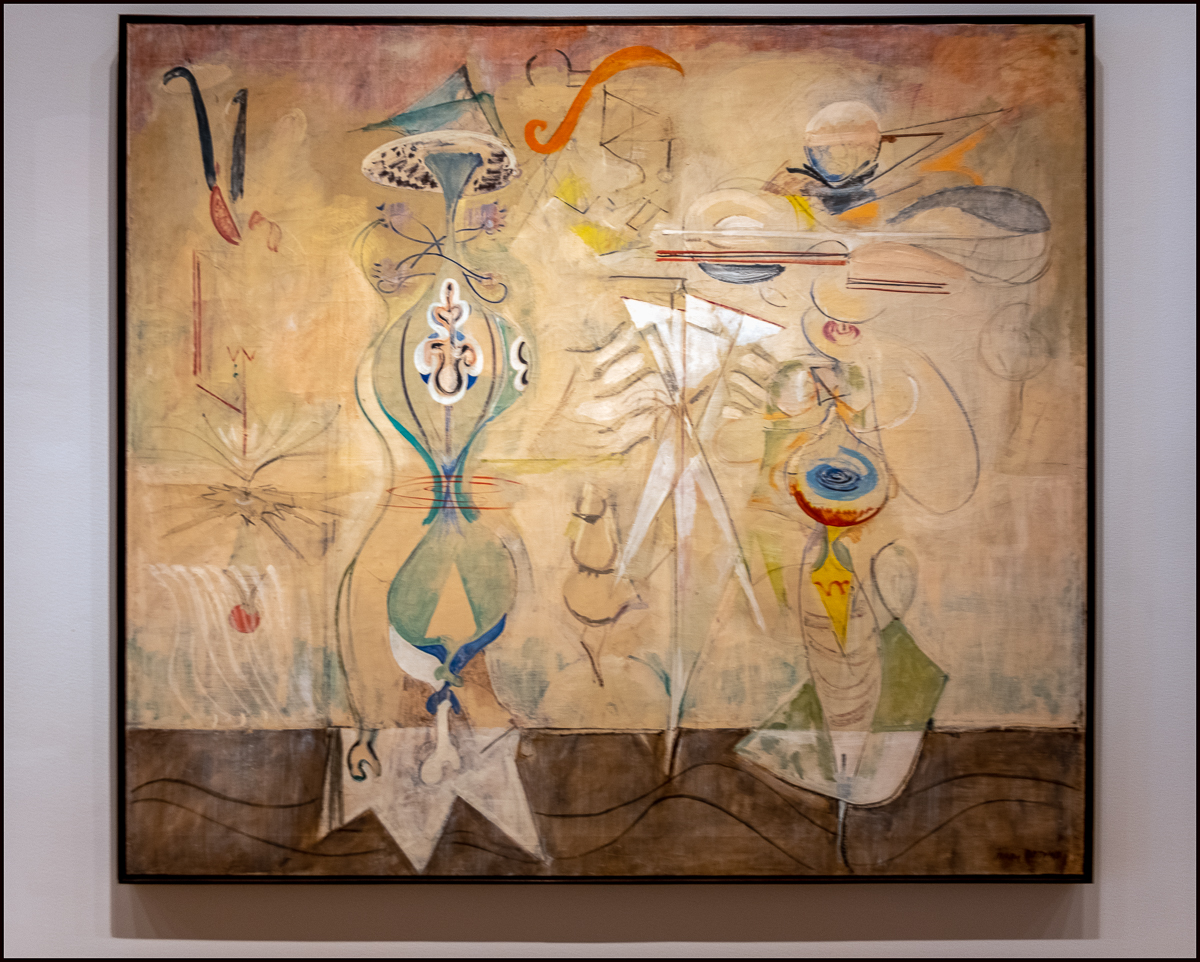
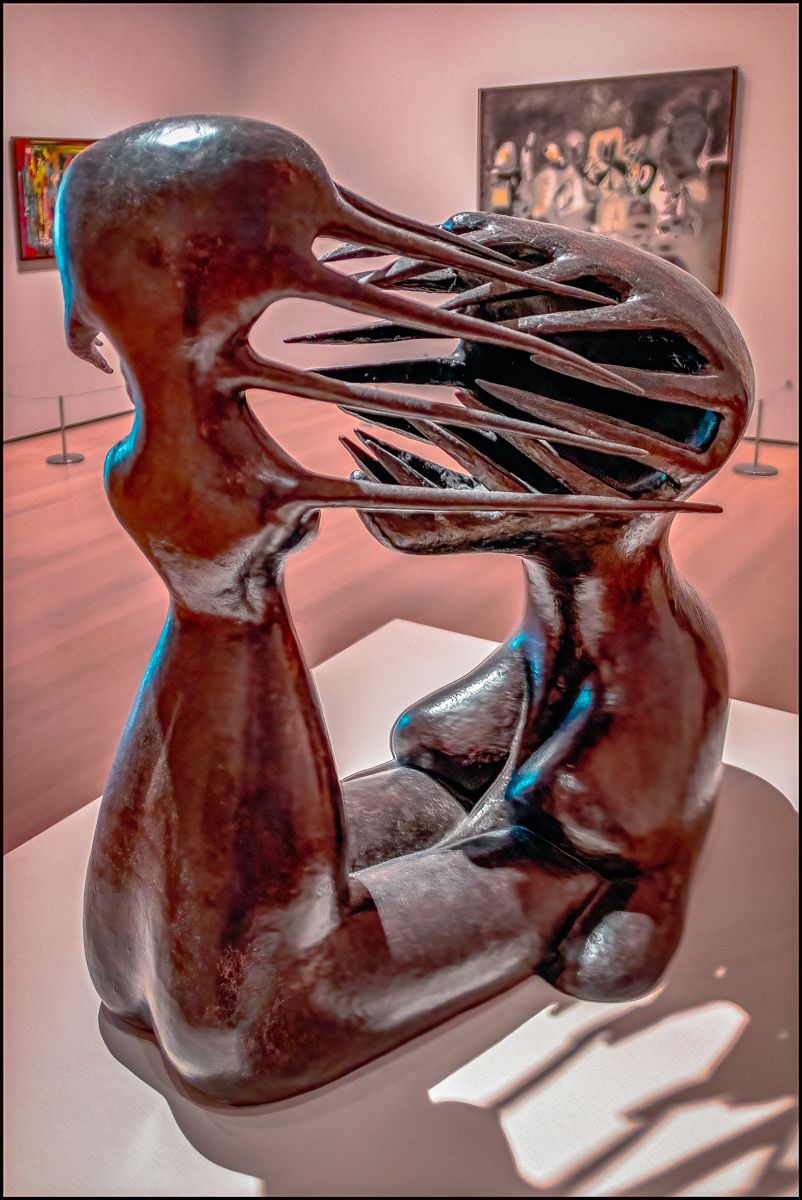
I recently went into New York City to meet up with a friend for drinks. My plan was to go in early and walk around taking some pictures. Unfortunately it turned out to be a very hot, humid day and I didn’t feel much like walking around. It occurred to me that I could take refuge in an air-conditioned museum, but which one? Since I hadn’t been to the Museum of Modern Art for about a decade I decided to go there.


Taken with a Fuji X-E3 and Fuji XF 18mm f2 R

The Roy Stryker Photo Project

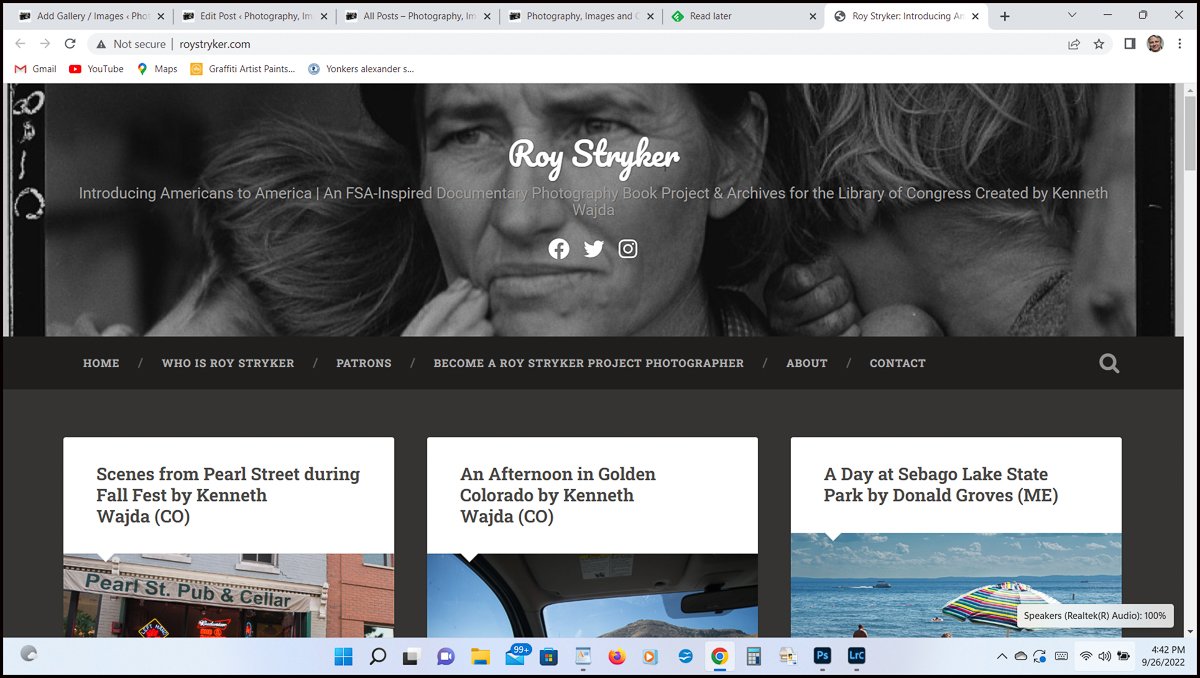
I was recently reading Kenneth Wadja’s interesting and articulate blog: 6×6 Portraits. Mr. Wadja is a professional photographer in Colorado who also has a commercial website; a site devoted to street photography; a site devoted to senior portraits; a YouTube Channel and the site which caught my attention for this post: The Roy Stryker Photo Project via a post on his blog: Roy Stryker is Back After A Summer Vacation.

The About page on the Roy Stryker Photo Project site reads:

Inspired by the drive and passion of Roy Stryker, and his belief in the power of the photograph to bring about social change, Kenneth Wajda, a professional documentary photographer in Boulder, Colorado, created this photo project.

Collecting black and white and color photographs from across the U.S., the project’s goal is to document the rural and urban lifestyle in the U.S. 80 years after the first FSA photography collection was started. And to publish a book of the images.

The original FSA collection was started during difficult times in the history of the U.S., and we are living in a similar tumultuous time, and the aim for this project is to document all of the aspects of American life that exist today.

In an internet age where more photographs are being taken than ever before in history, there is a great concern that this may be a digital dark age for photography, as more people make photographs but the number of images actually being stored, archived and printed is quite low.

Each photographer maintains the rights to their images in the collection and inclusion of images to the Library of Congress is solely up to the photographer.

This seems to me to be admirable goal and I considered contributing to the project until I read:

Here’s a list of some of the photos we need in the collection. We need people engaged in life mainly, and good caption info. See the examples on the site. We don’t need names necessarily, but we do need descriptions, date, and camera used.

It seems that the emphasis is on people, which pretty much rules me out as I rarely take pictures with people in them. Maybe I should?

In any case congratulations to Mr. Wadja for initiating such an interesting and important project. I wish you success and the project may inspire me to take more pictures of people so that I can contribute later.

More on Briarcliff Manor’s Lanterns

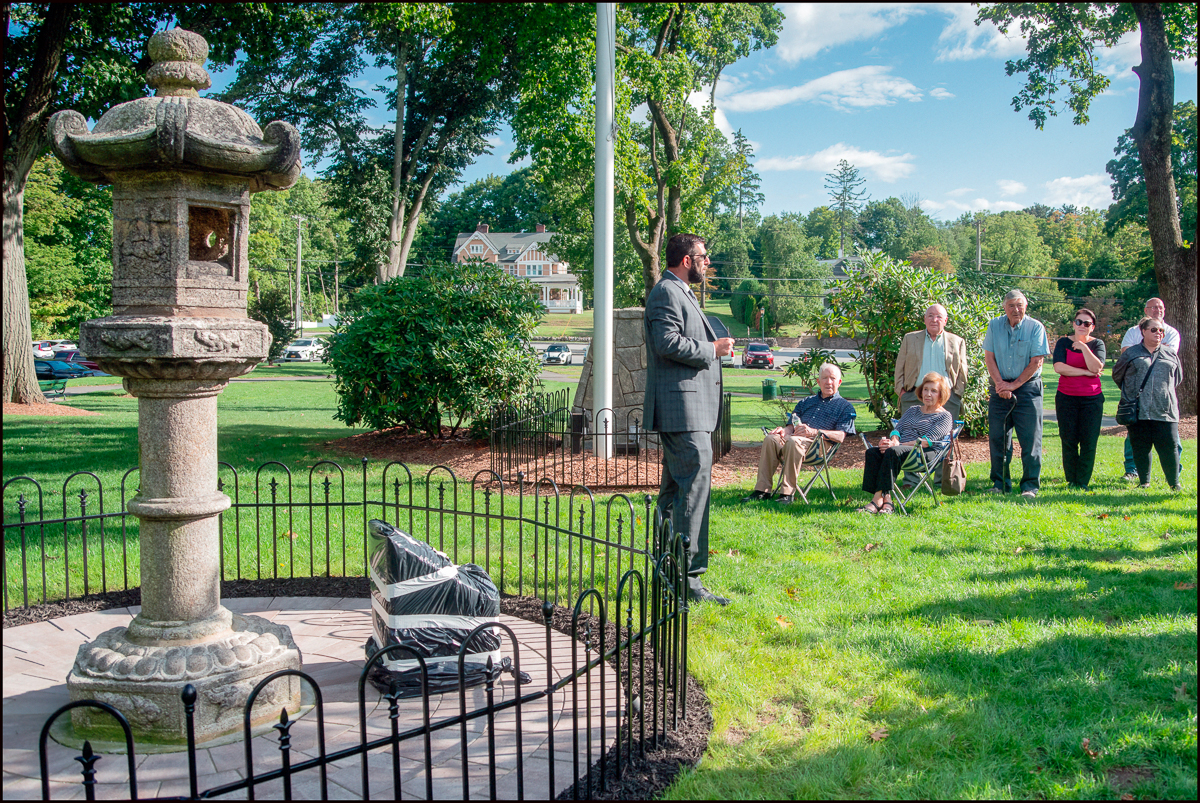
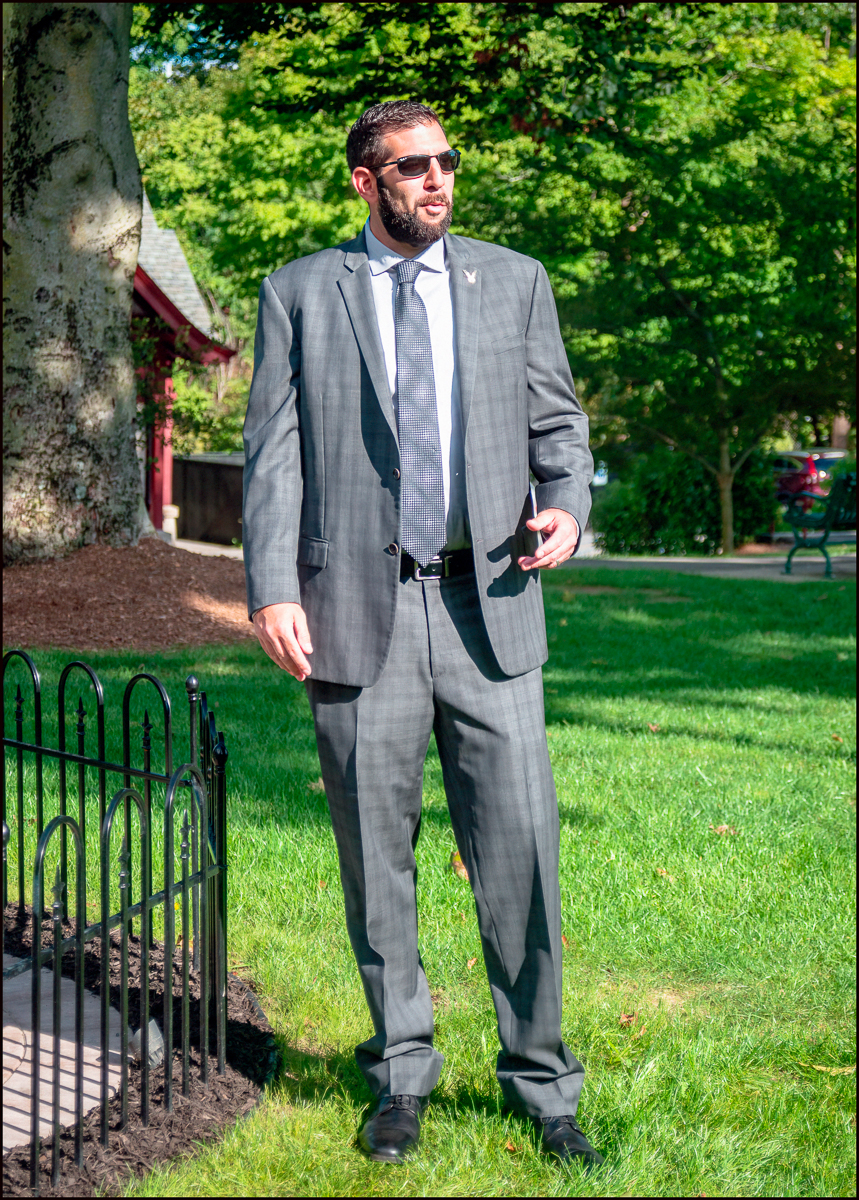
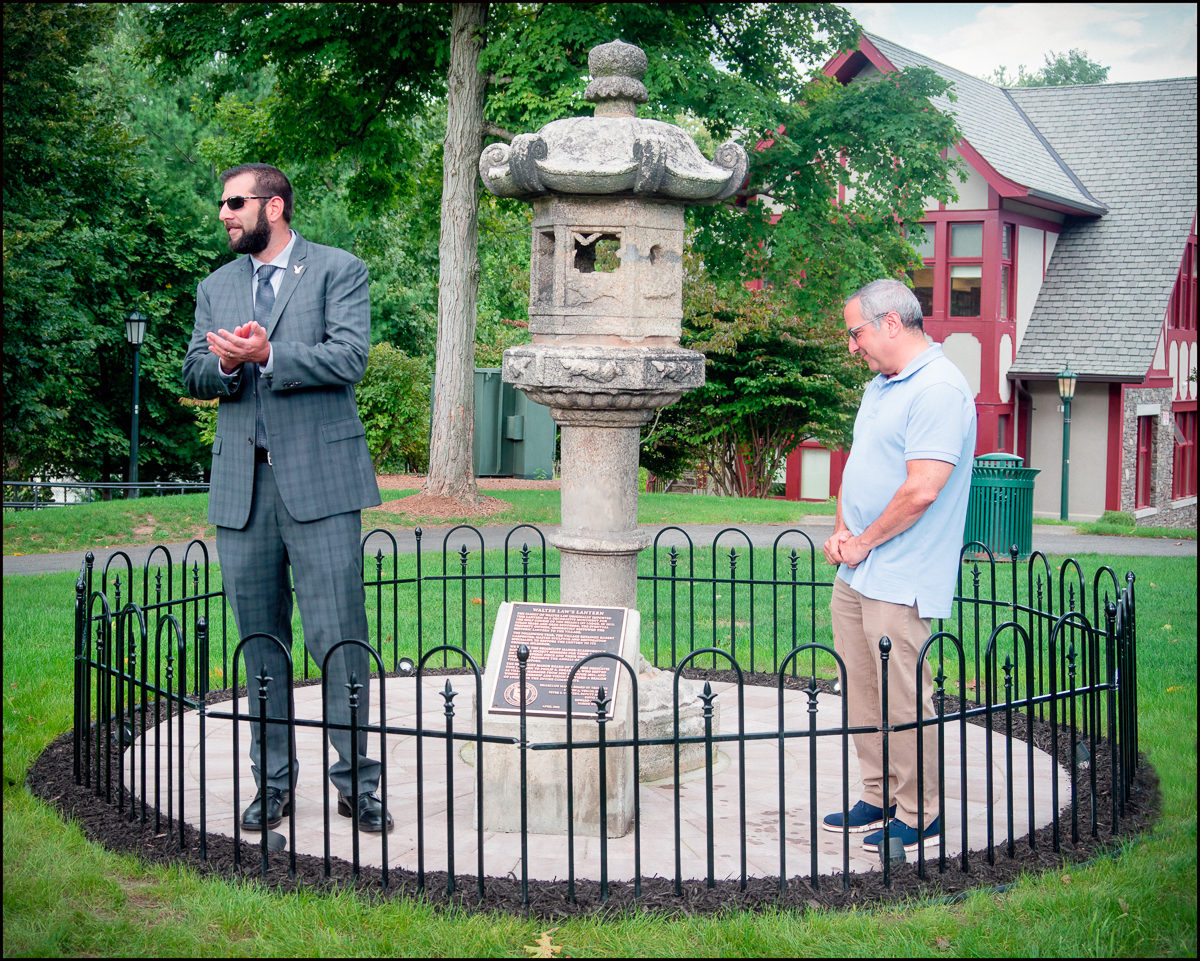
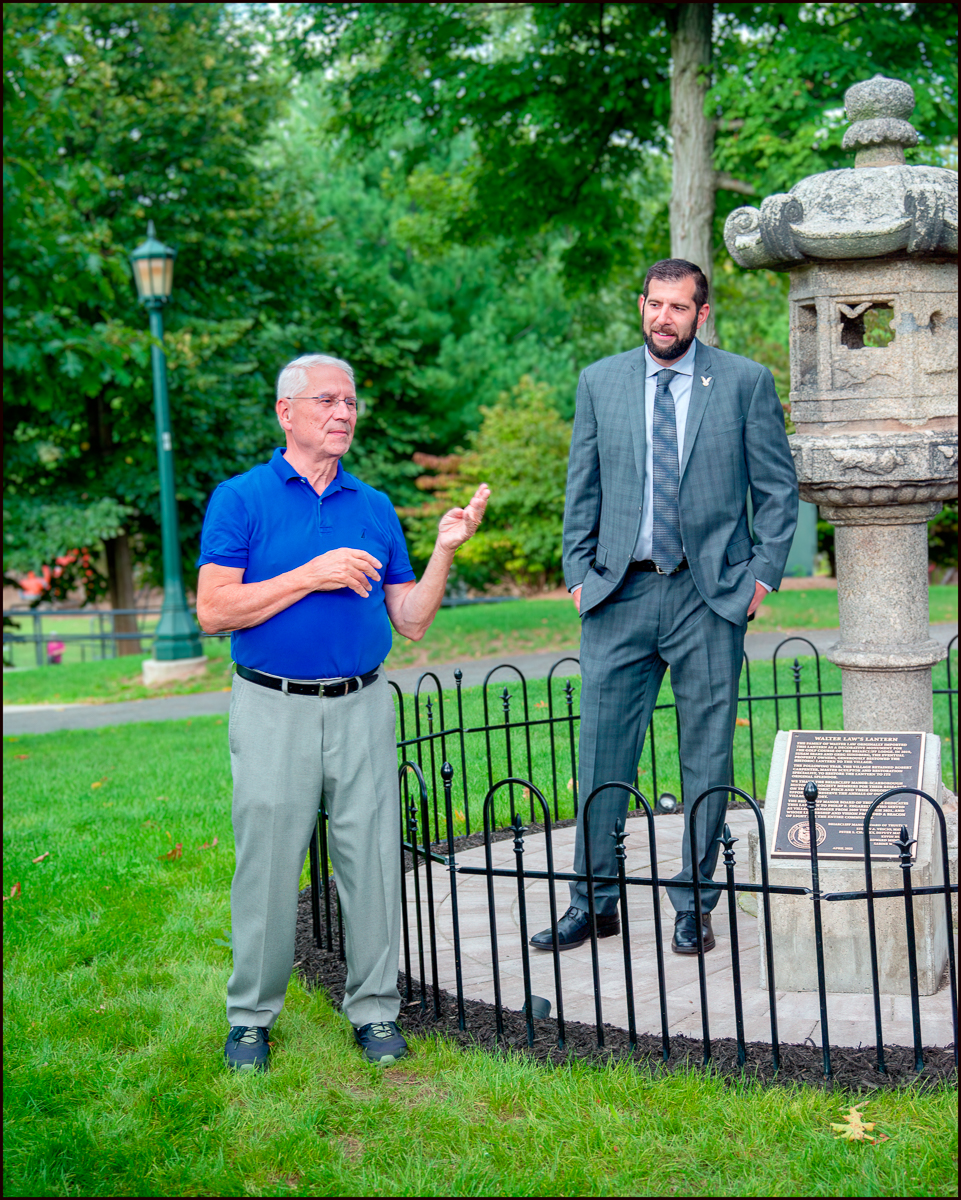
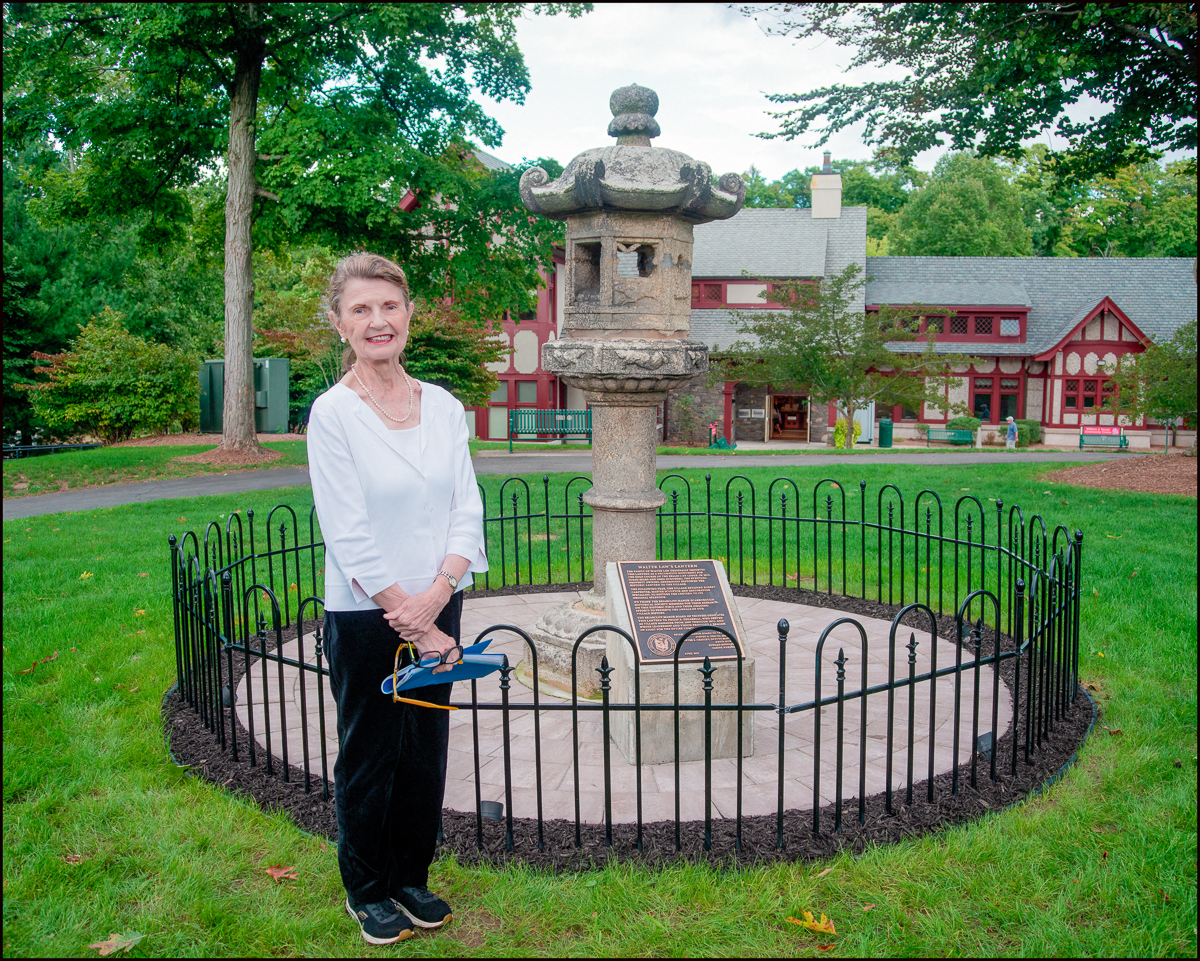
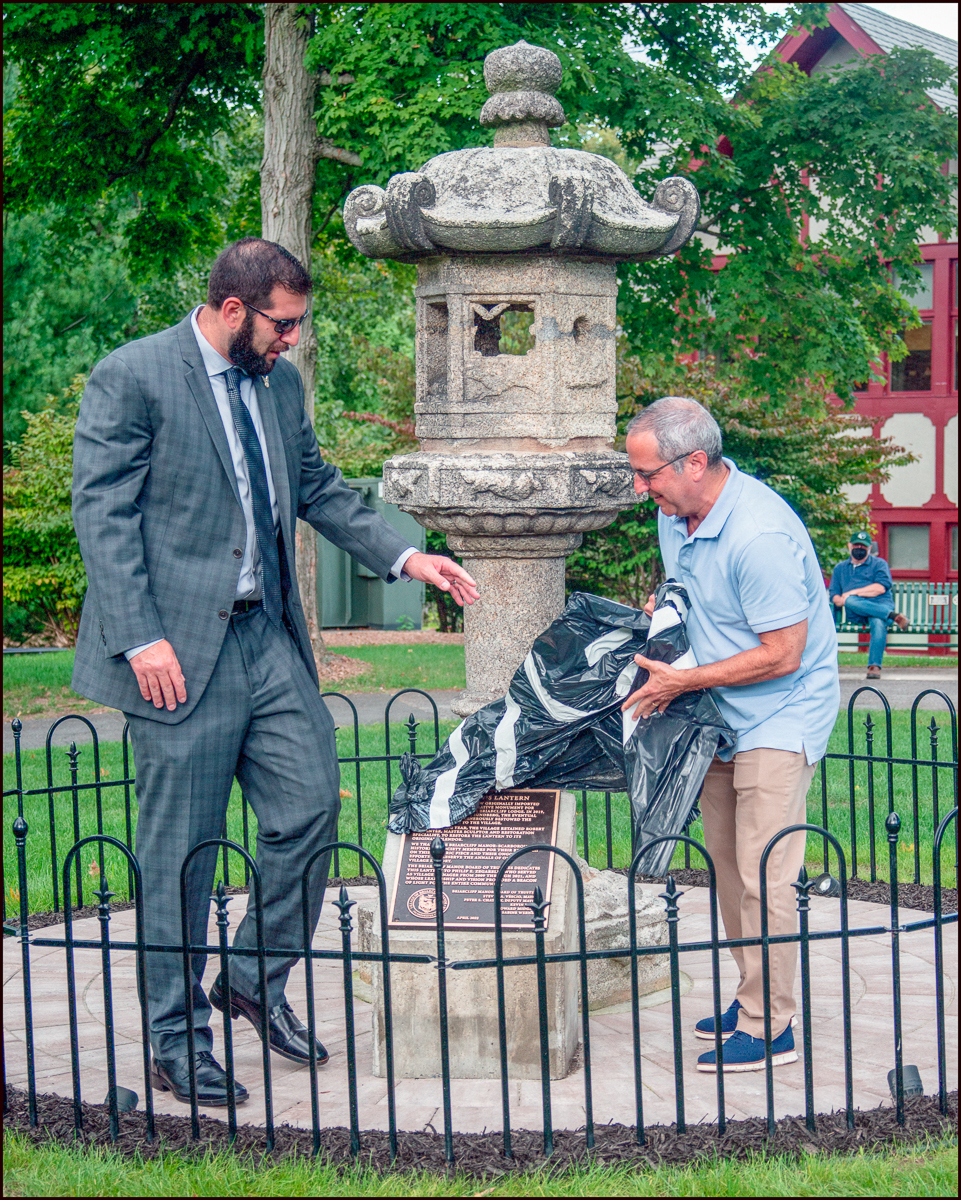
Back in May of this year I posted about my town’s oriental stone lanterns. (See: Around the Neighborhood – Briarcliff Manor’s stone lanterns.). Well, on Tuesday 20 September 2022 the town finally got around to the official ceremony to welcome one of these lanterns to our town park, Law Park: one of the original lanterns from Walter Law’s personal collection. The lantern was given to the town by Susan Sears and Greg Sundberg. It had been sitting on their property for many years. I had a couple of questions for town historian, Kaaren Smith. First, are lanterns Japanese or Chinese (or from somewhere else)? I was told that they were originally Japanese but came via China. How did they get to Briarcliff Manor? According to Kaaren the prevailing opinion is that they were brought by missionaries. However, she had come to realize that this may not be the case. She believes that, based on evidence she has discovered, the lanterns were brought back by members of the Law family who spent some time in China.


Mayor Steven A. Vescio introduces Kaaren Smith the town historian.


Kaaren Smith provides information on the origins and history of the lantern.


The unveiling of the commemorative plaque.


Mayor Vescio introduces Philip E. Zegarelli (town manager from 2009-2021 and out of frame to the left) to whom the lantern is dedicated.


Mr. Zegarelli speaks.
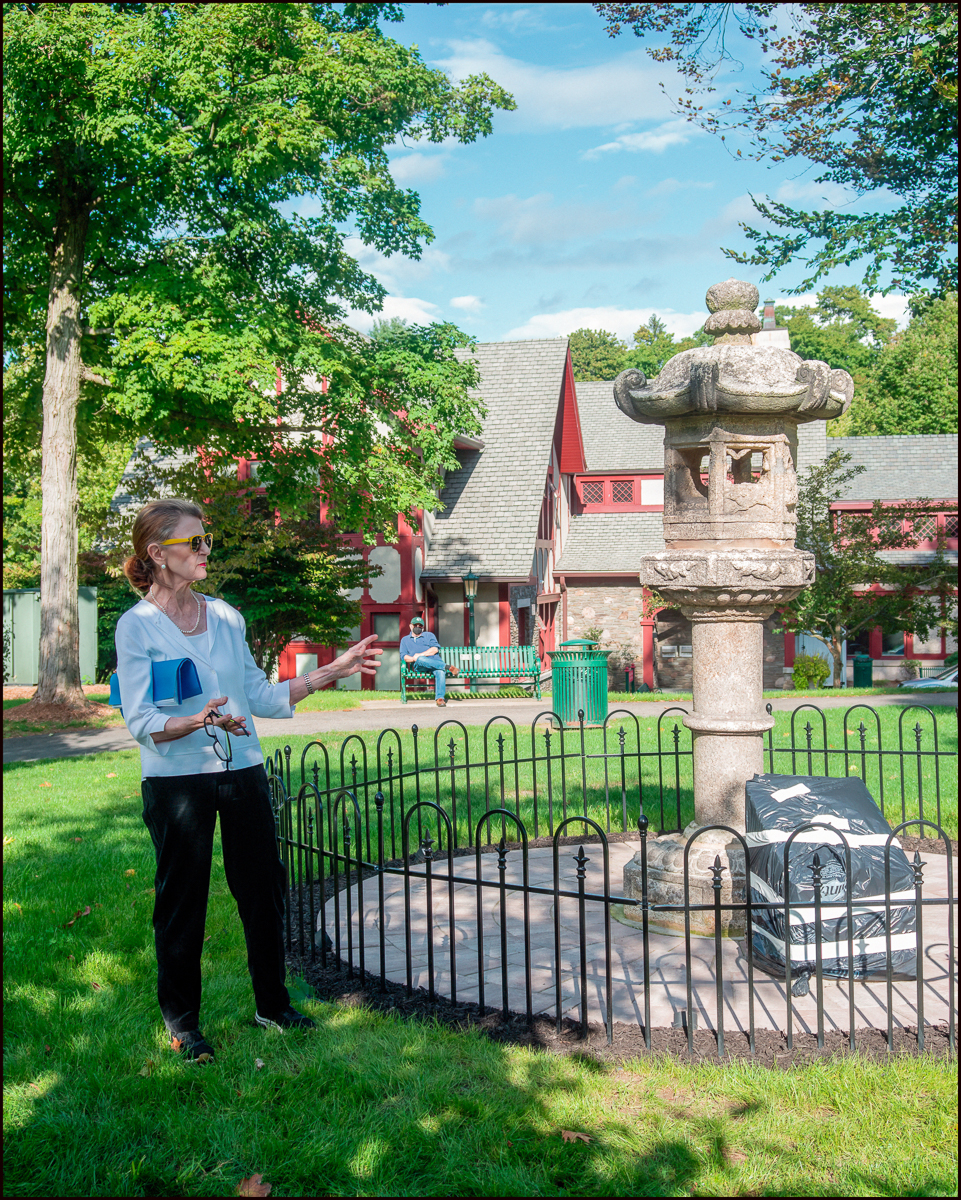

Kaaren Smith, Town Historian.


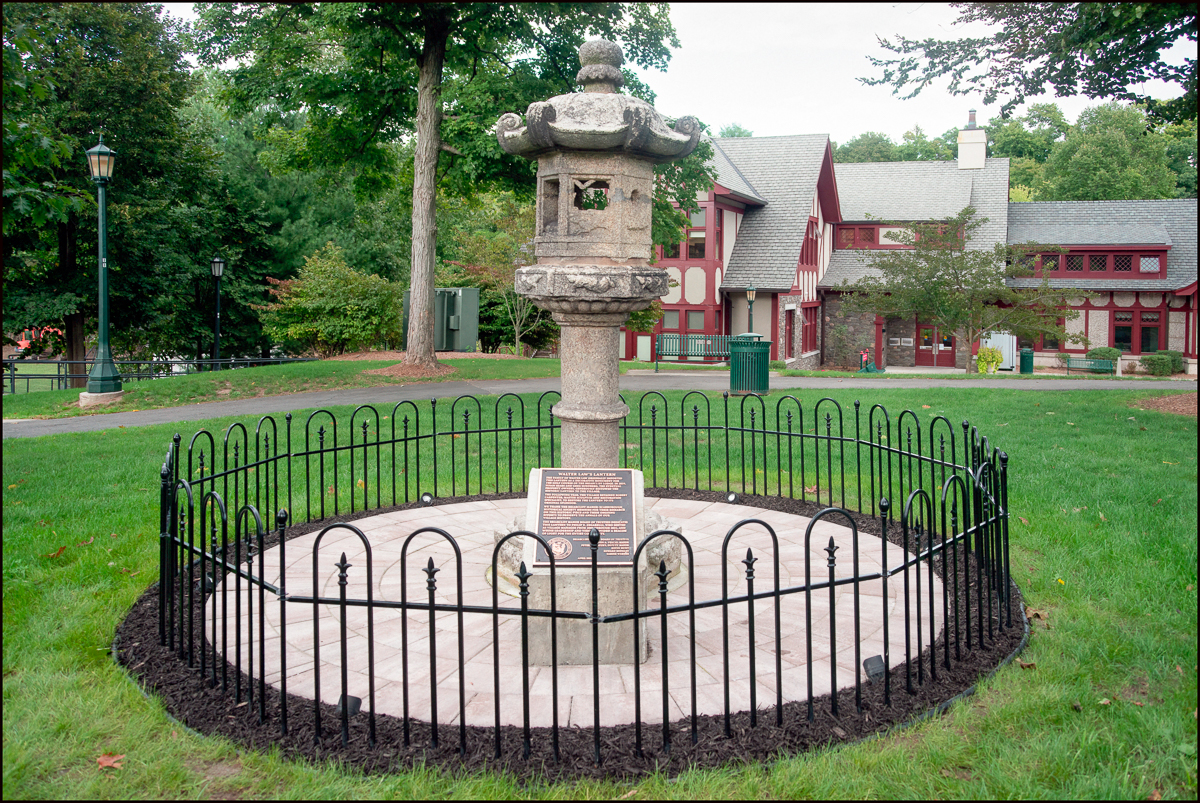
The lantern with the library in the background.


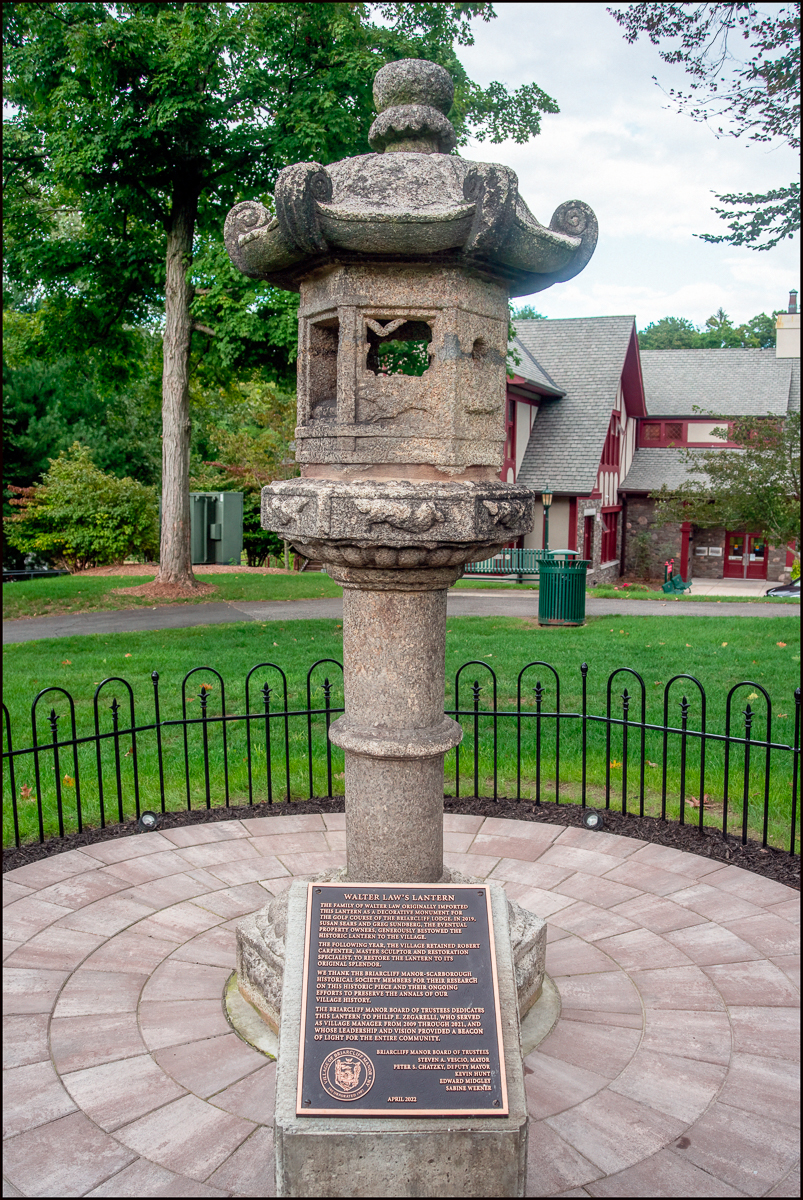
The lantern and its commemorative plaque.


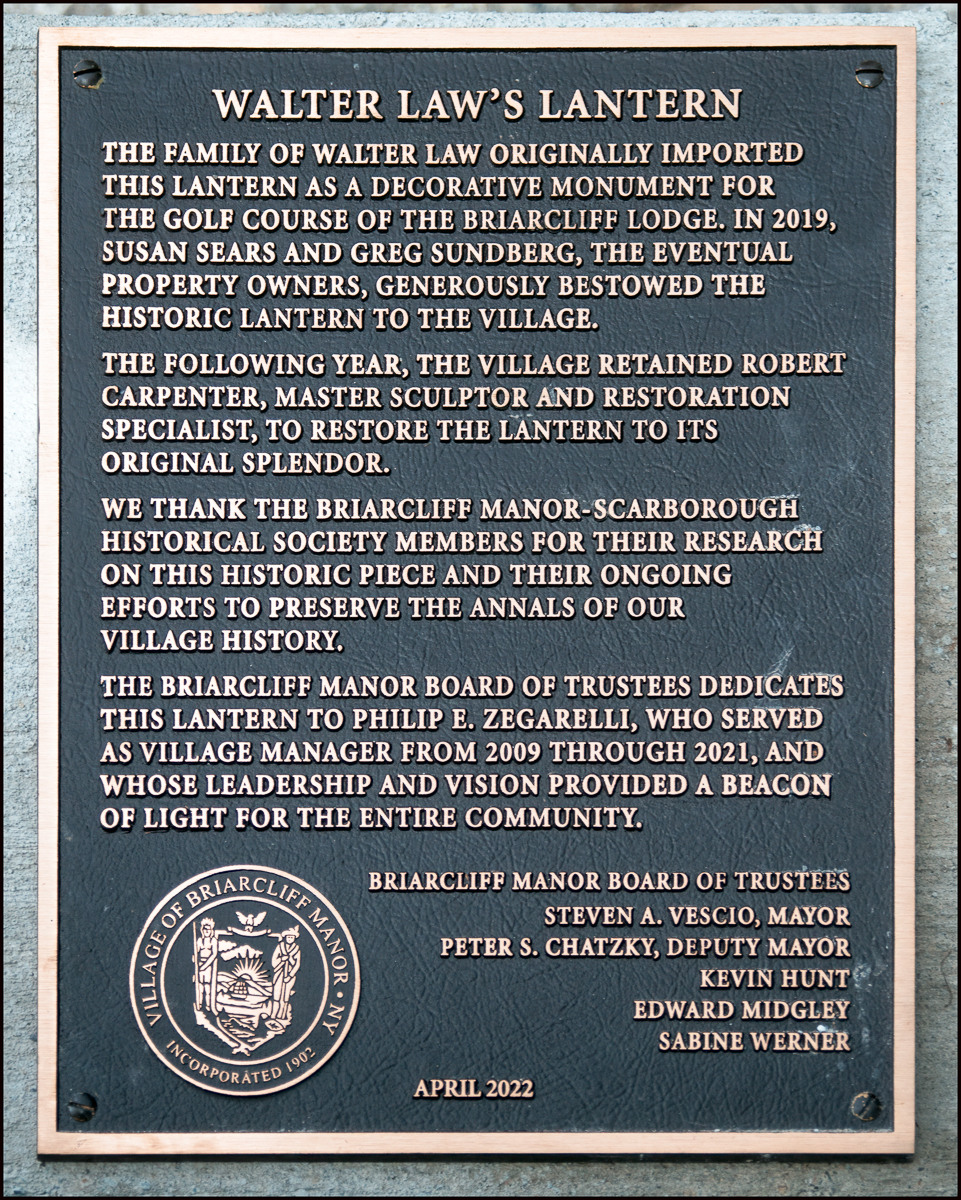
The plaque.

Taken with a Sony A7IV and Rokinon AF 24-70 f2.8 FE