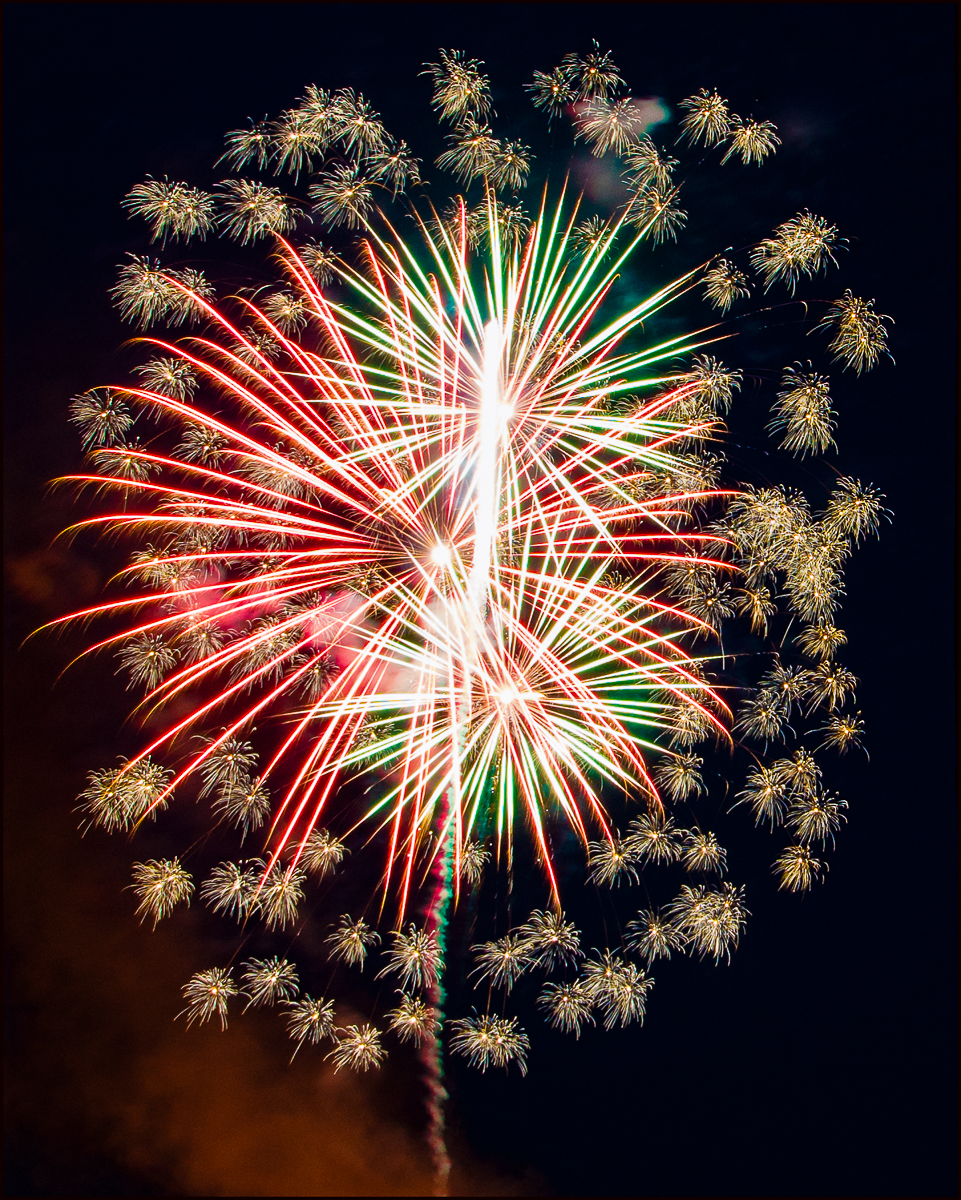
Happy Independence day 2022

On July 4 I was invited by some friends to go with them to a fireworks display. It seems that every year the Sleepy Hollow Country Club puts on a display and you can go down to the parking lot of a church on Route 9 (about a five minute drive) and watch it from there. I almost declined thinking that once you’ve seen one fireworks display you’ve seen them all. But I decided to go and I’m glad I did. I was right in that the display itself was just like all the others I’ve seen. What was different was the perspective from which I saw it. Usually the fireworks are set off a long way from where you’re watching and I’m sure that was the case here too – if you were watching from the Country Club. However, from where we we sitting they were being set off right next to us. It seemed like they were bursting right over our heads. Very impressive if a little scary, and I imagine not all that safe.

Note: Since I wasn’t expecting to take any pictures I didn’t take a camera with me (who was it who in answer to the question “What’s the best camera” replied “The one you have with you”. The picture above was taken July 2017 at a fireworks display by the Hudson River in Ossining, NY (for more pictures see: Independence Day 2017 Fireworks on the Ossining Waterfront).

Taken with a Sony A500 and Tamron A18 AF 18-250mm f3.5-6.3
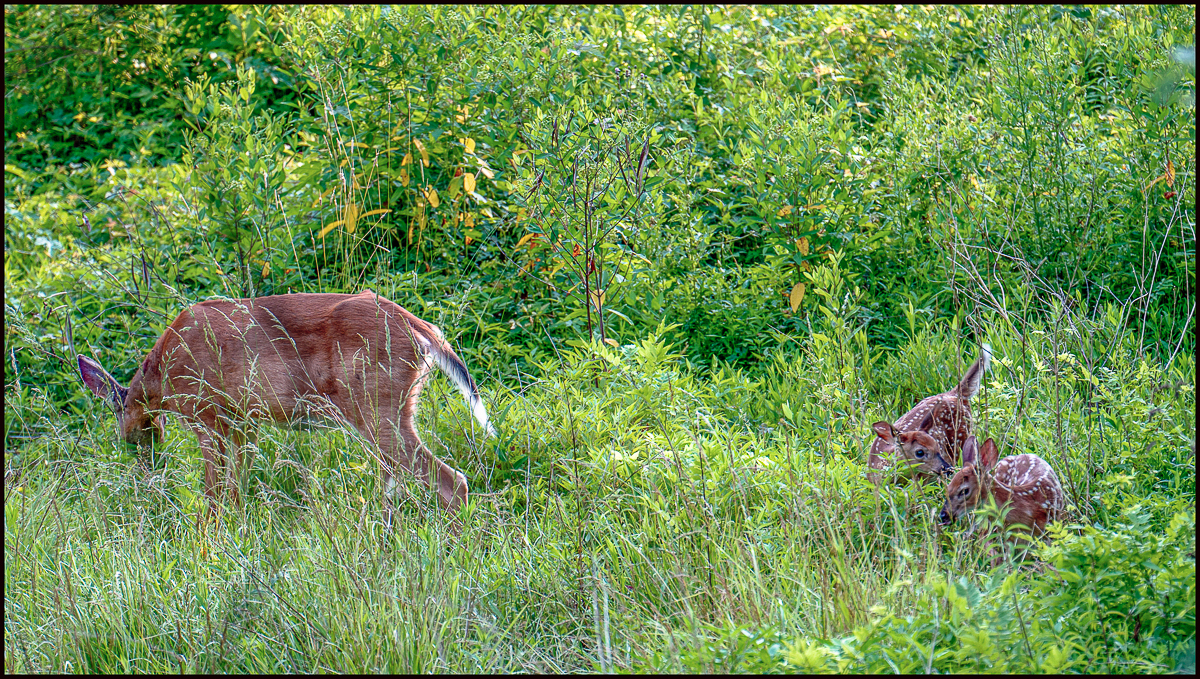
Deer and Fawns

It’s funny how things happen. I was talking to my grandson, Alexander and he mentioned how, during a previous visit some years ago he’d been impressed by the number of deer he’d seen in close proximity to the house. We were talking about my photography and I told him that I’d rather lost interest in deer as I see so many of them.

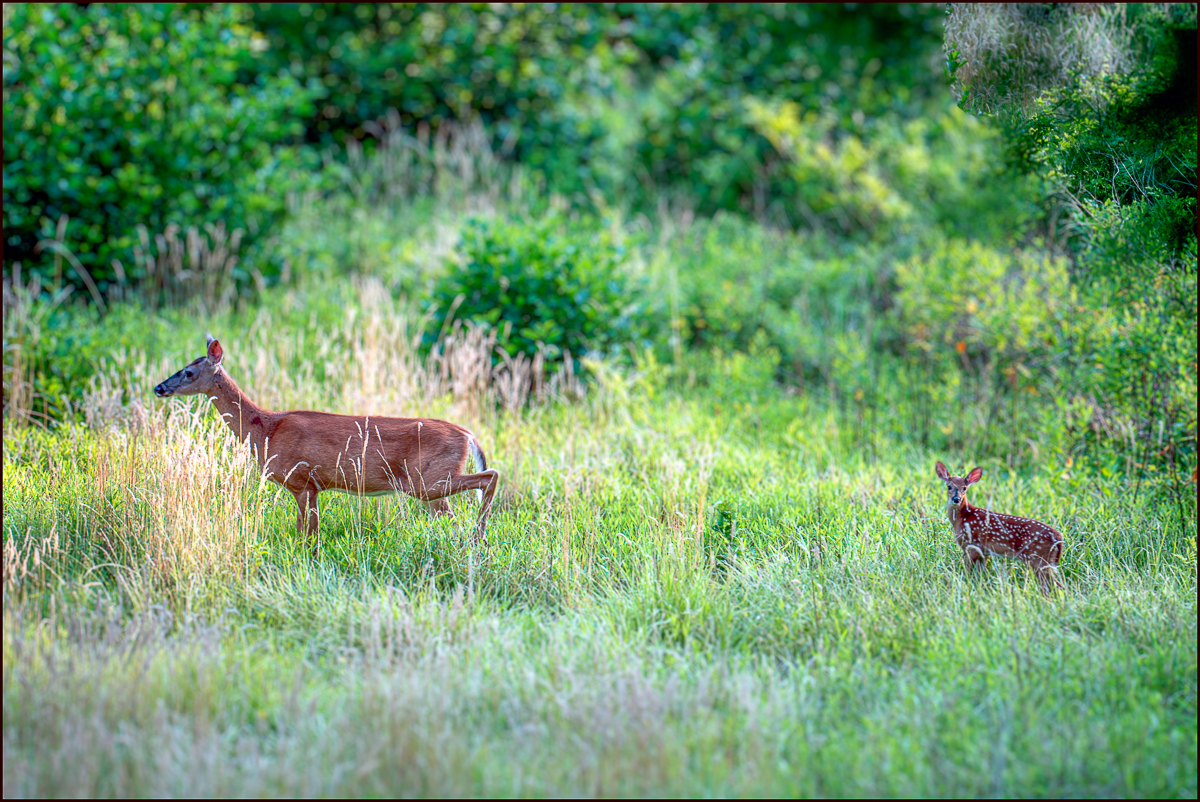
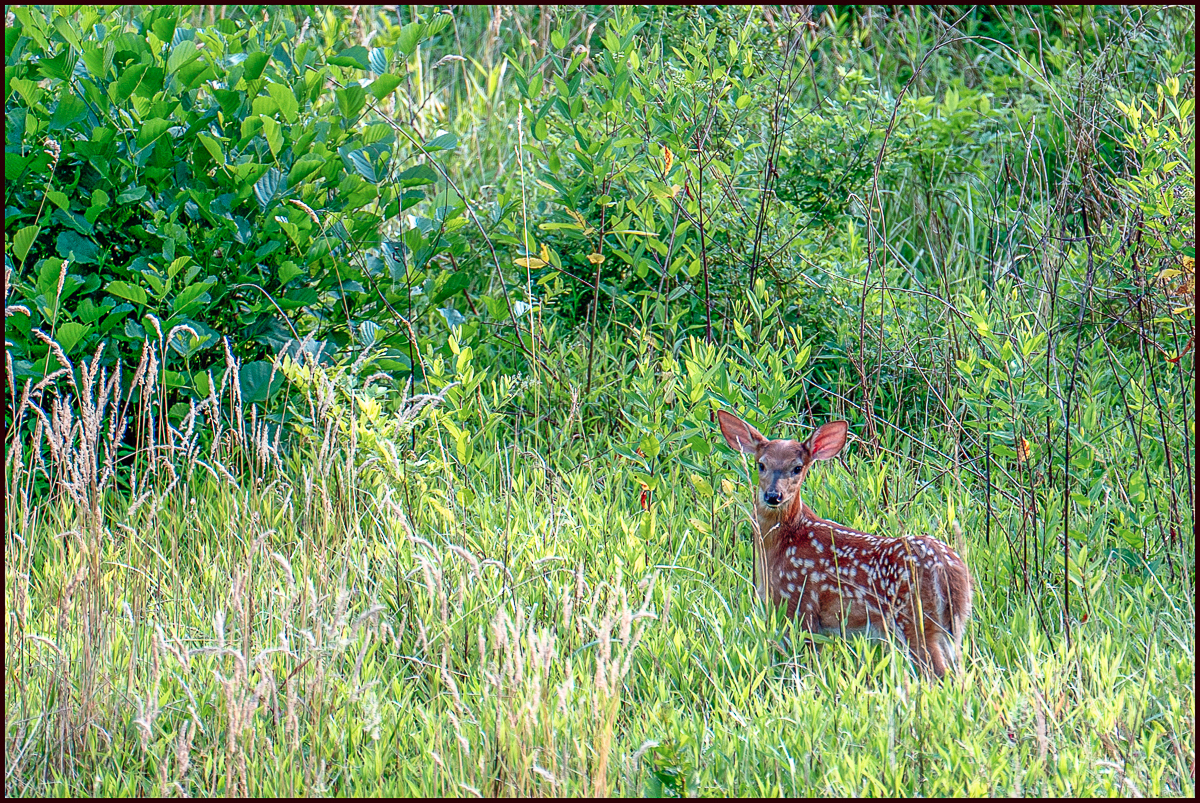
Fast forward to this evening. As is my habit I was sitting on the balcony outside my bedroom reading when I noticed some movement in the meadow. I took a quick look. Just another deer I thought and turned back to my book. However, this time was a little different. The deer was accompanied by two adorable little fawns.


Deer and one of the fawns


One of the fawns. Aren’t they cute? I could almost forgive the deer for eating all my plants.


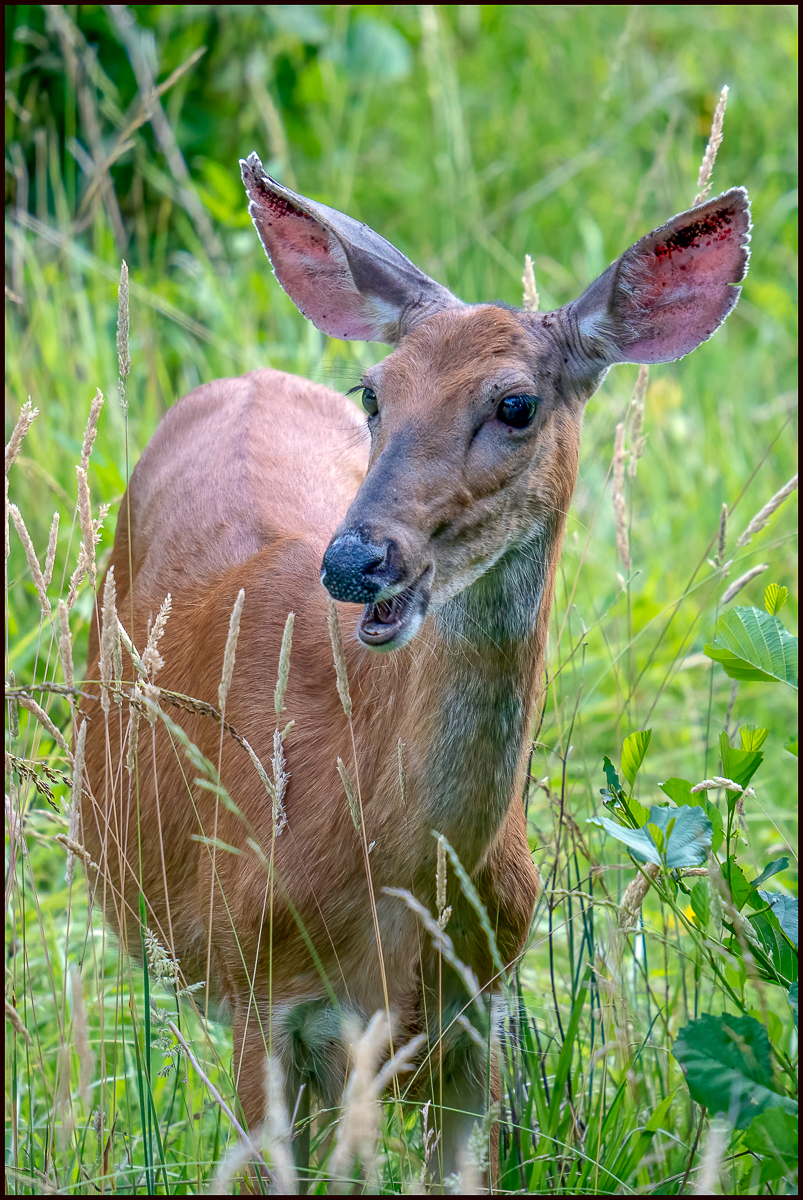
I little later this one appeared. I don’t know if it’s the same one as before. It was alone (i.e. not accompanied by any fawns) so either it had left the fawns somewhere safe or it was a different deer entirely.


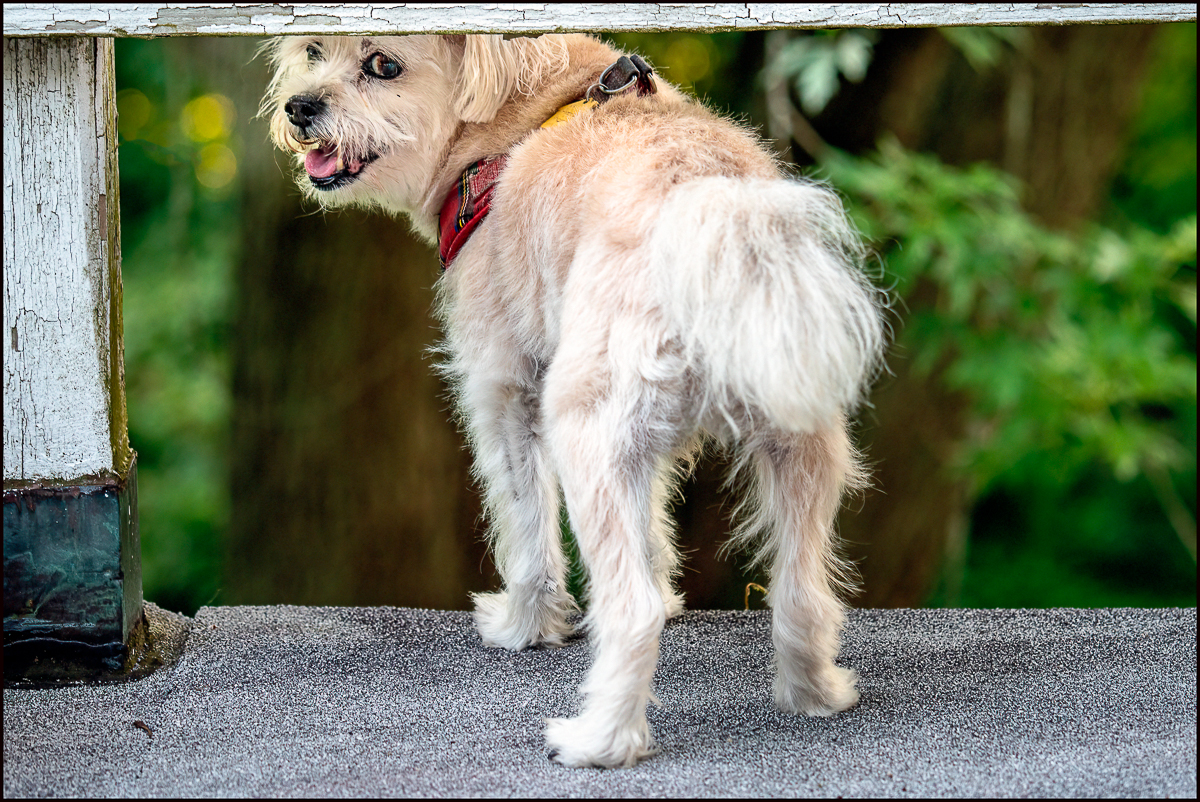
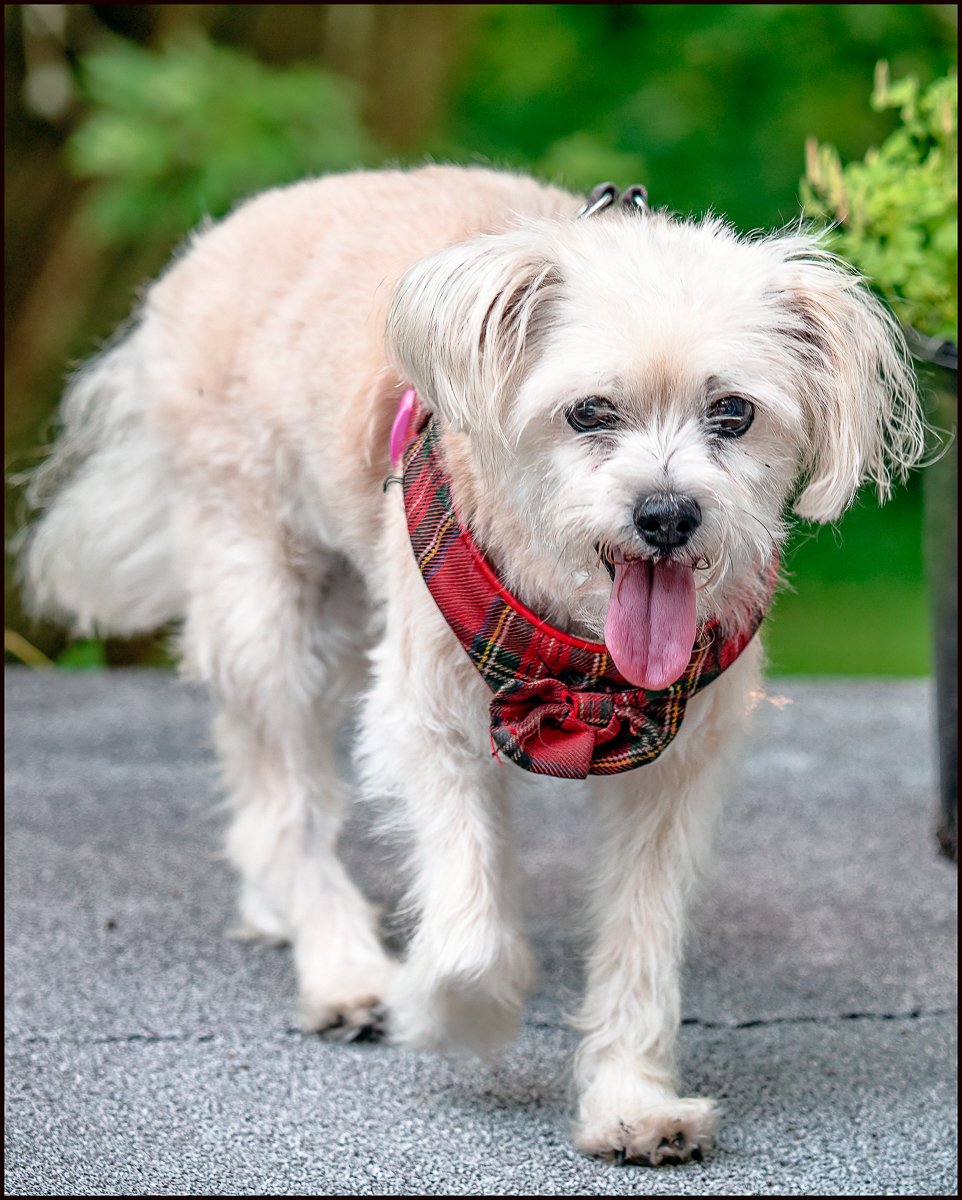
My dog, Harley is usually indifferent to other animals. Other dogs, chipmunks, squirrels, rabbits, skunks…he couldn’t care less. But the deer are his mortal enemies and he loves to bark at them, which he did a lot on this occasion. Can you tell from the glint in his eye that he’s having a great time barking at them?


This is of course the new look Harley. He finally had his grooming. He’s usually quite placid when he’s being groomed. However, this time the groomer said that it seemed that he really didn’t want to be there and was wriggling a lot. Of course this might have just been a ploy to suggest that he had to work harder and thus get a bigger tip. Who knows? He looks a lot better. He has nice eyes and before he was groomed I couldn’t even see them. This is how he looked towards the end of May.. It only got worse since then. I’m sure that he’ll do better now in the heat of a New York summer.

Taken with a Sony A7IV and Sigma 150-600mm f/5-6.3 DG DN OS Sports Lens

In Manhattan. Two hippos and a rhinoceros

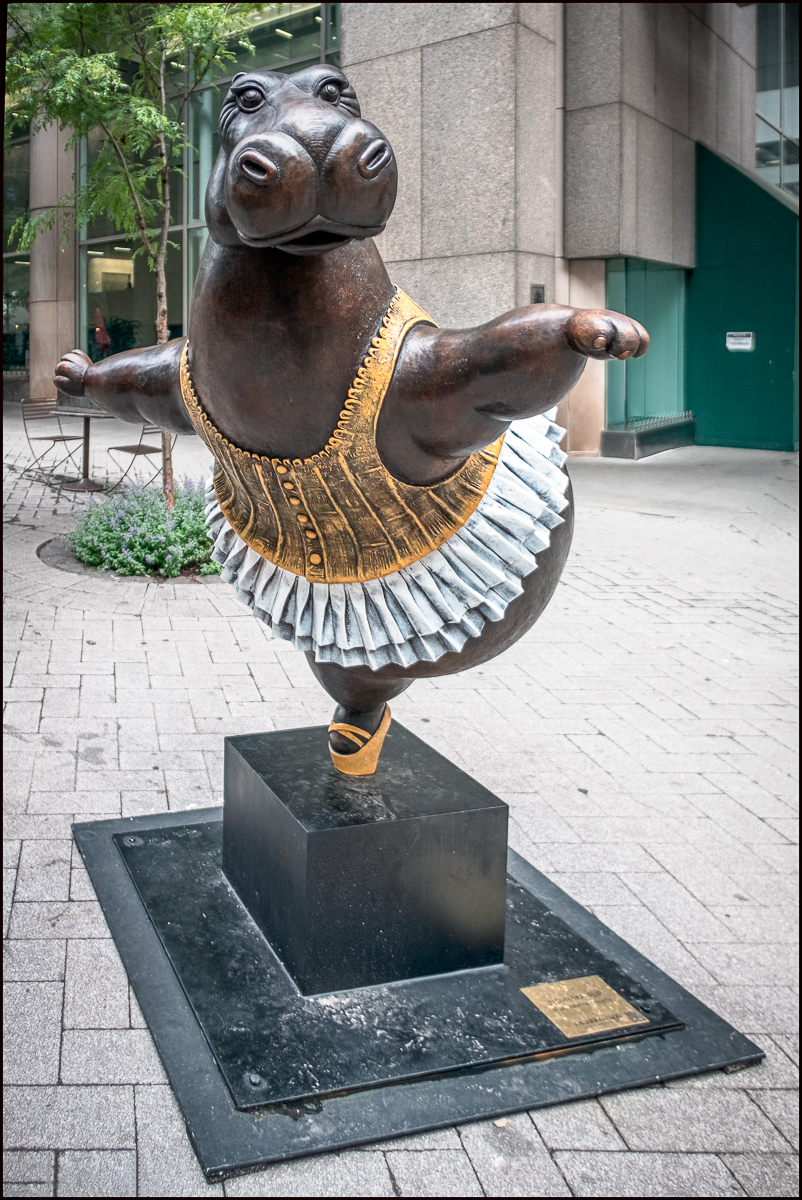
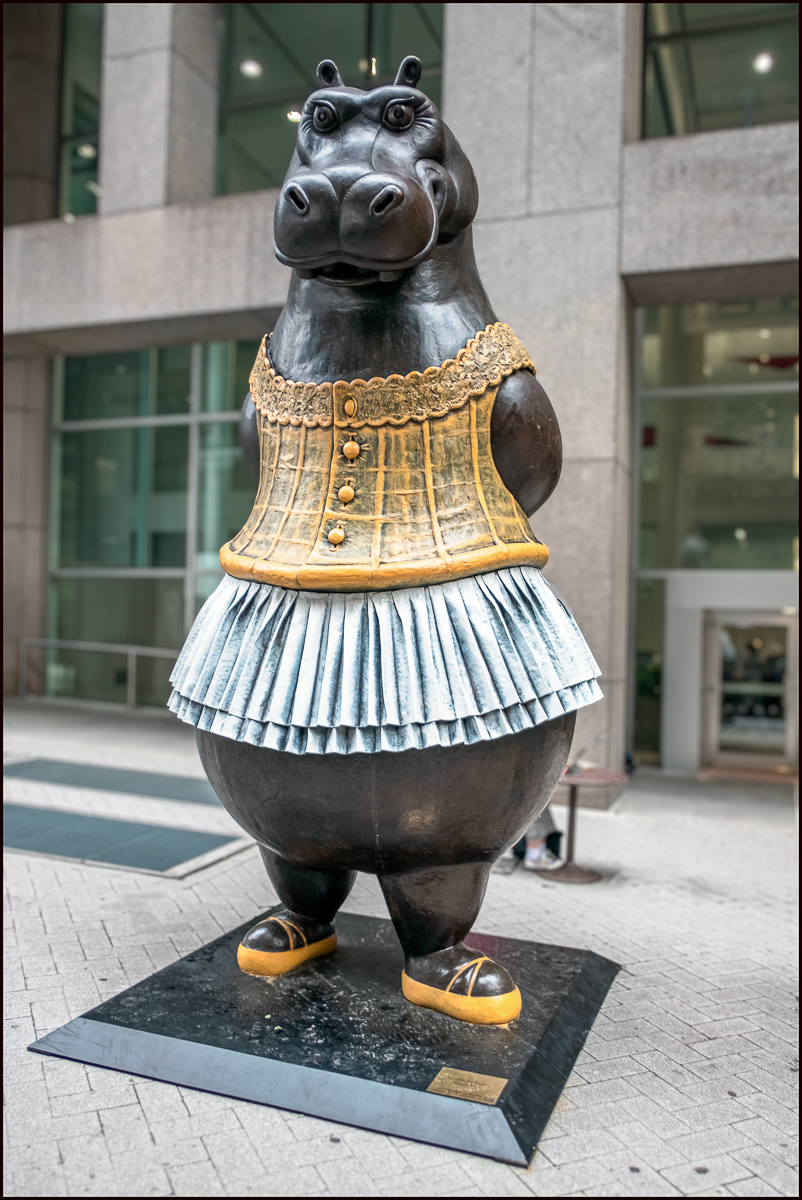
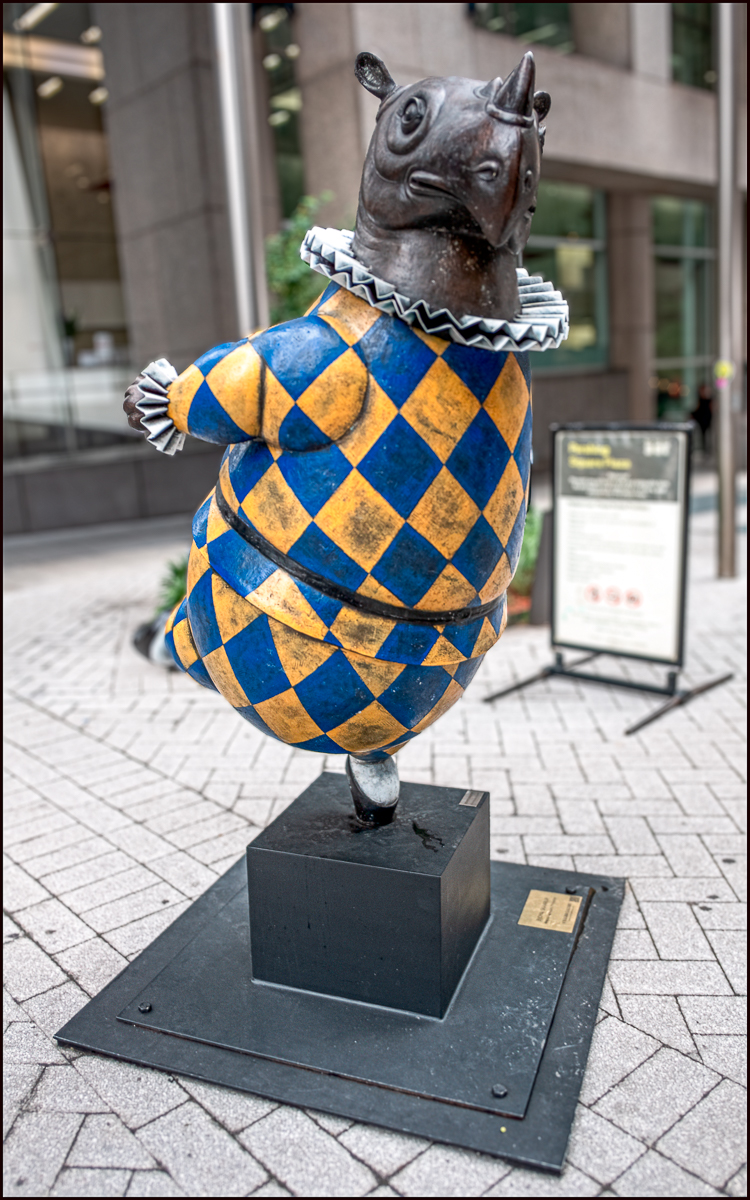
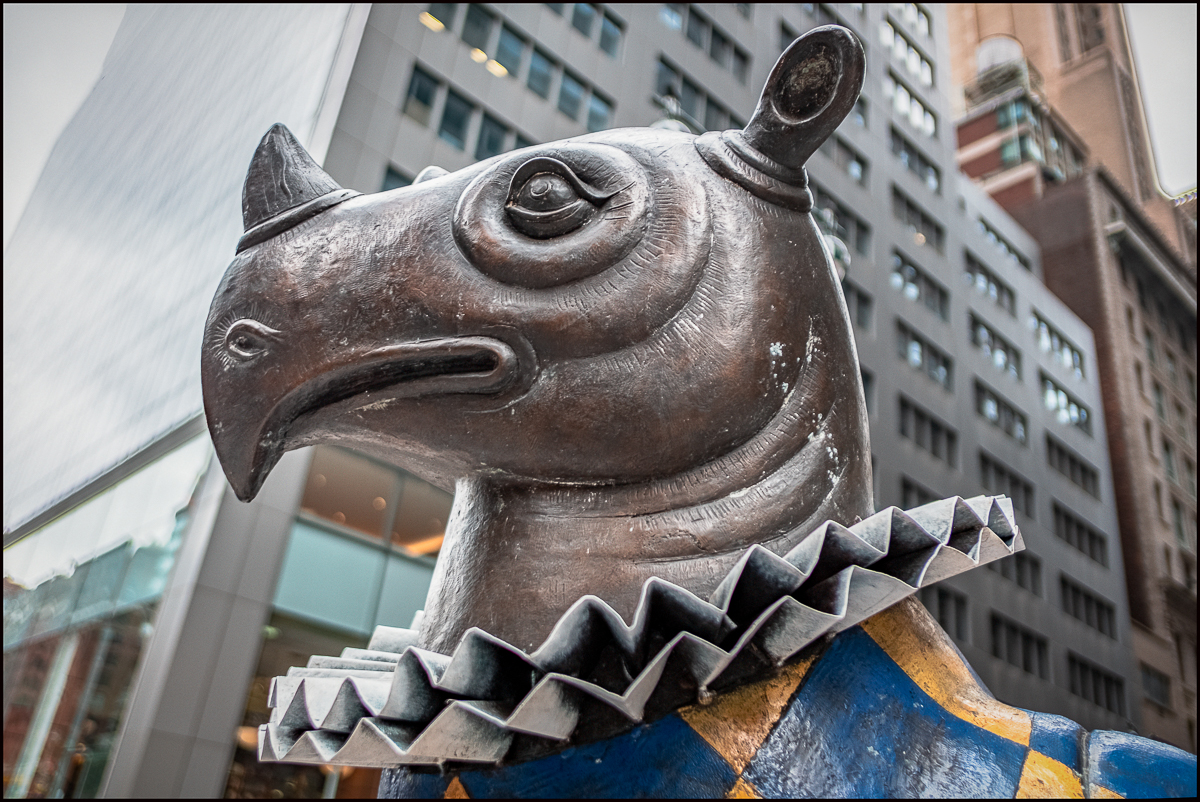
I recently went into New York City to take some photographs. On the train down I found I had a bit of a dilemma. Do I go to some of the ‘sights’ that I haven’t yet visited (e.g. South Street Seaport, Ellis Island, The High Line etc.)? Or do I just walk around and see what I bump into? I chose the latter option largely because I didn’t feel like mingling with thousands of tourists. So I decided to walk down Lexington Avenue as far as 14th Street, have a poke around Union Square and then go east and walk back to Grand Central on Third Ave. I left Grand Central, crossed 42nd Street and immediately came across these sculptures. There are three of them and they’re named Hippo Ballerina; Hippo Ballerina, pirouette; and Rhino Harlequin and they’re by Danish artist Bjørn Okholm Skaarup. For more information see here.

Above: Hippo Ballerina, pirouette


Hippo Ballerina

Rhino Harlequin

Rhino Harlequin close up

Taken with a Fuji X-E3 and Fuji XF 18mm f2 R

Some macro photography

It was very hot and humid today and I was a little frustrated. I’d been sitting in front of a computer for most of Monday, Tuesday and Wednesday. Yesterday (Thursday) I had lunch with a friend but other than that I stayed home. I really wanted to get out and take some photographs. But I’d already taken the dog for a walk, was feeling a bit tired and didn’t feel like walking around much in the hot weather. Then it occurred to me that I could do some macro photography. I wouldn’t have to go far – just into the wooded area across the road. I’d be sure to find something – and indeed I did.

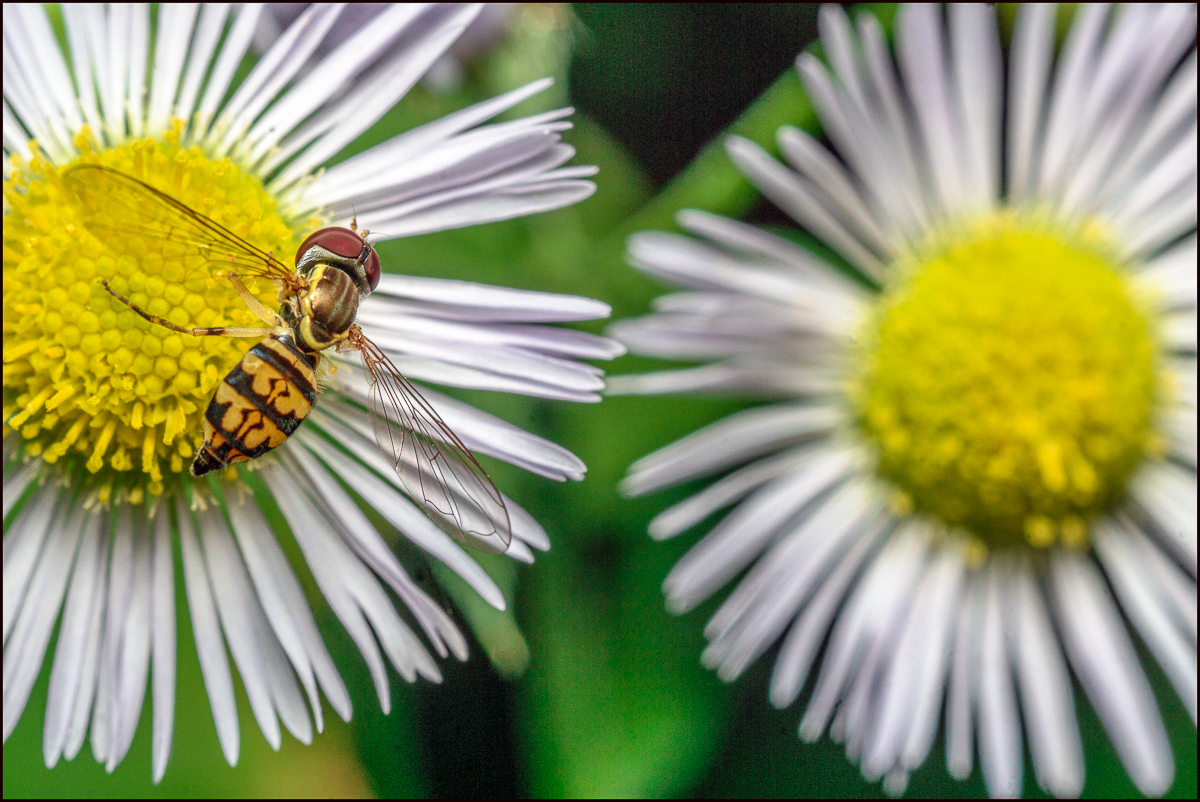
Above: A tiny wasp (or at least that’s what I initially thought it was). It really was very small (somewhere between 1/8 and 1 inch). Then the more I thought about it the more I started to think it wasn’t a wasp (the head didn’t look right for a wasp) so I did a bit more research. It’s a Hover Fly.

“Hover flies are true flies, but they look like small bees or wasps. They are the helicopters of the insect world, often seen hovering in the air, darting a short distance, and then hovering again. These beneficial insects are valuable tools in the fight against aphids, thrips, scale insects, and caterpillars.

What are Hover Flies? Hover flies (Allograpta oblique) go by several other names, including syrphid flies, flower flies, and drone flies. Hover flies in gardens are a common sight throughout the country, especially where aphids are present. The adults feed on nectar as they pollinate flowers. The female lays her tiny, creamy-white eggs near aphid colonies, and the eggs hatch in two or three days. The beneficial hover fly larvae begin feeding on the aphids as they hatch. After spending several days eating aphids, the hover fly larvae attach themselves to a stem and build a cocoon. They spend 10 days or so inside the cocoon during warm weather, and longer when the weather is cool. Adult hover flies emerge from the cocoons to begin the cycle again.

Read more at Gardening Know How: Hover Fly Information: Plants That Attract Hover Flies To The Garden.


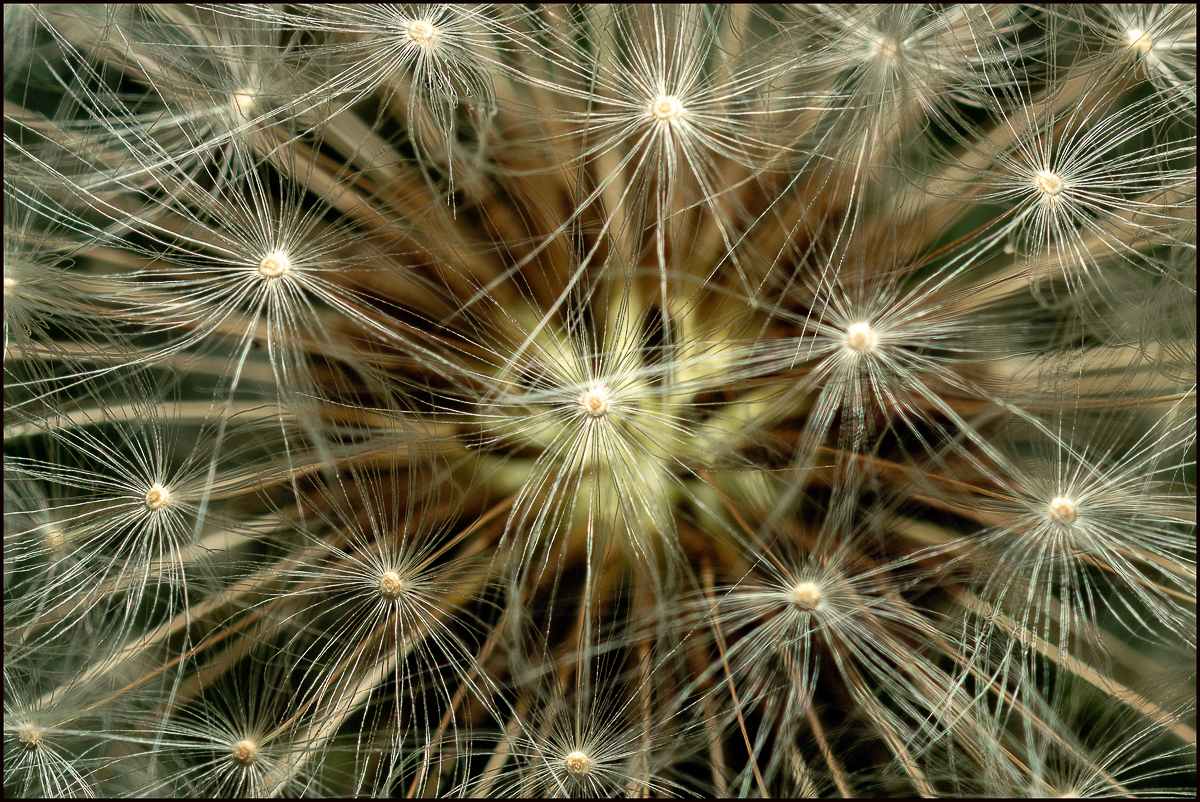
Dandelion Seeds


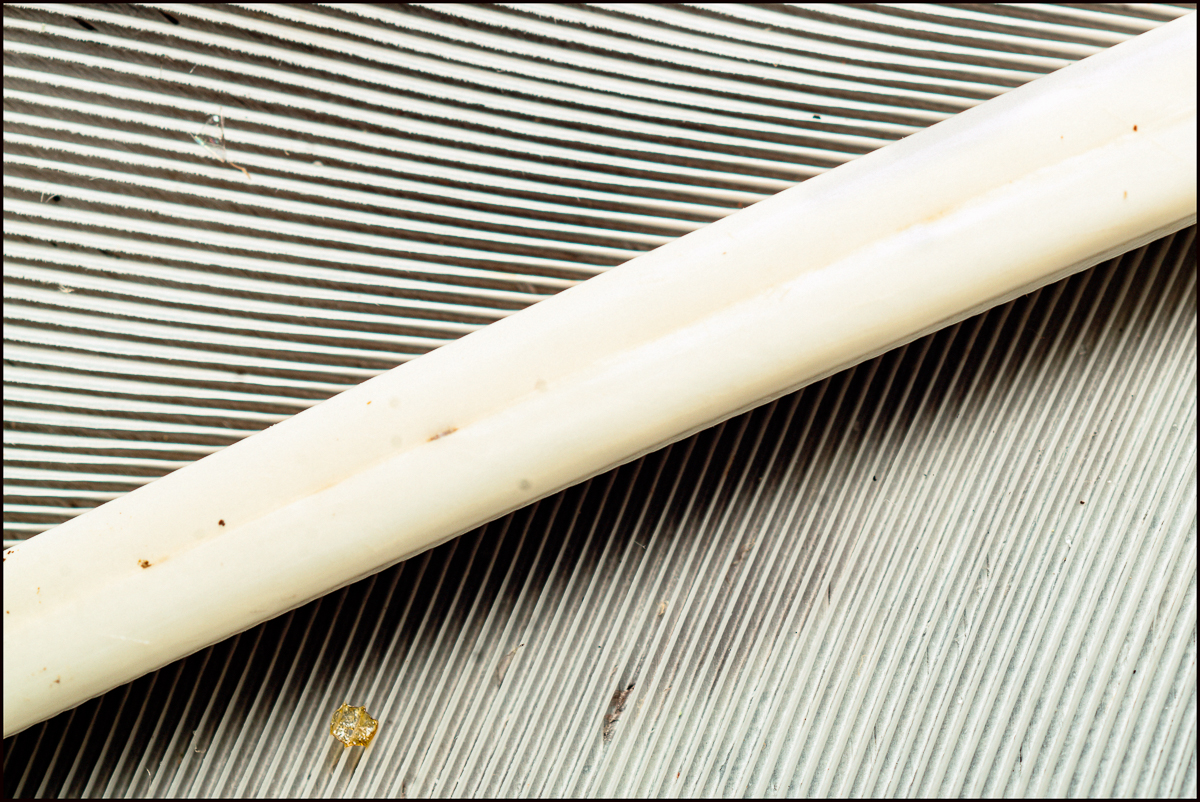
Detail of a bird feather I came across.


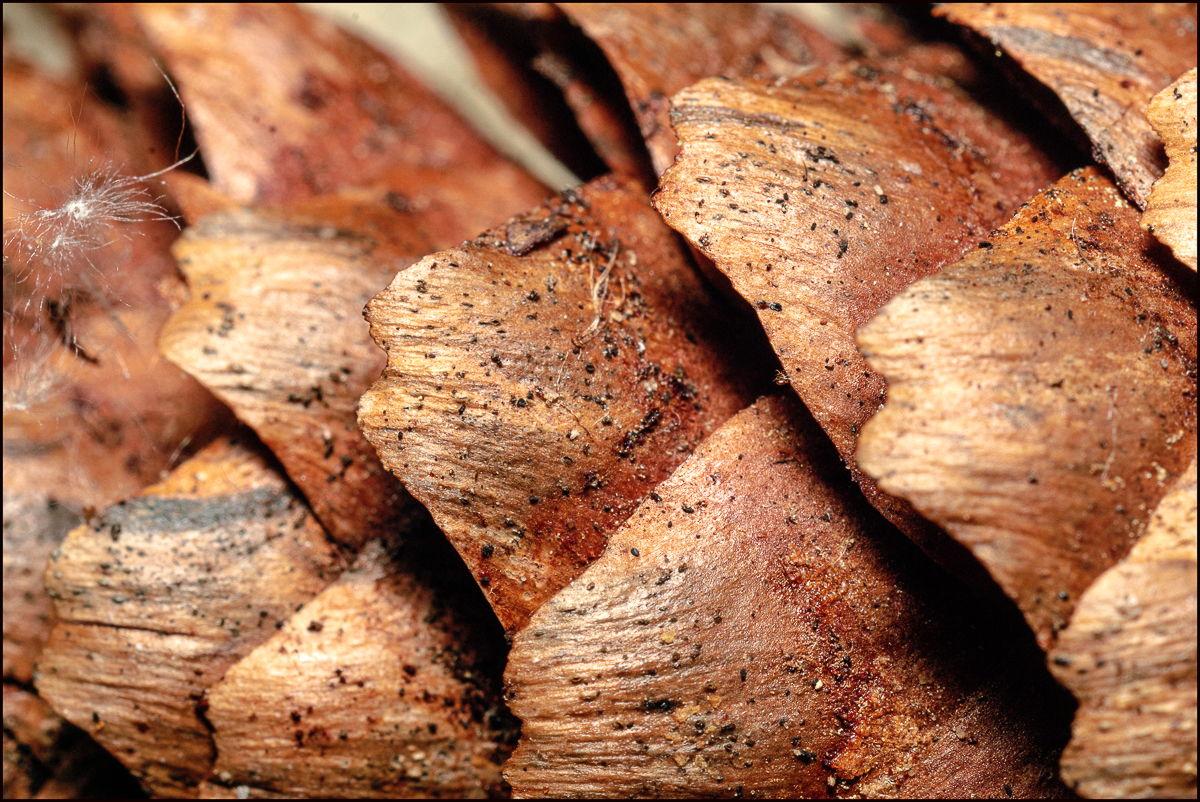
Pine Cone.


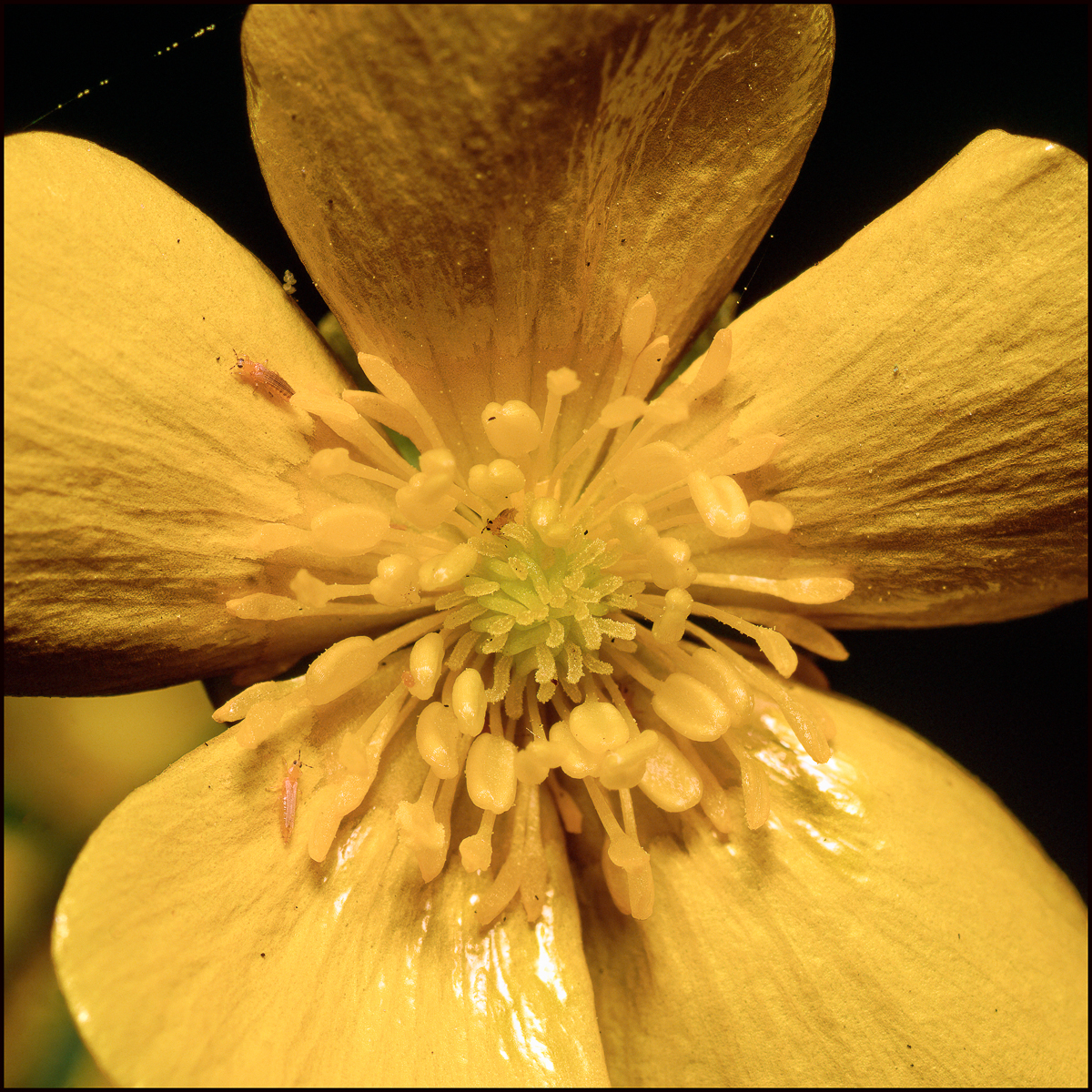
Some kind of yellow flower. I don’t know what kind. I love the tiny bugs. I can see three of them. I didn’t notice any of them when I took the picture.


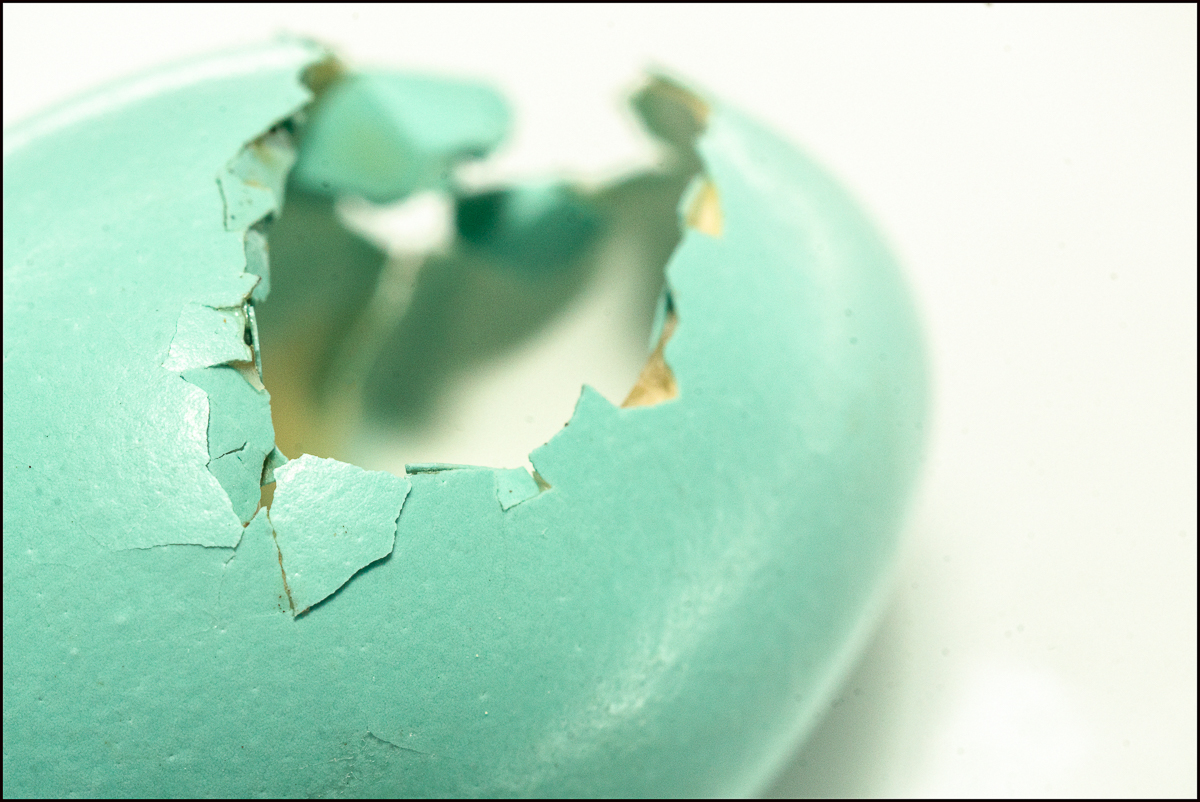
Broken/hatched birds egg.

Taken with a Sony A77II and Minolta 50mm f2.8 Macro lens