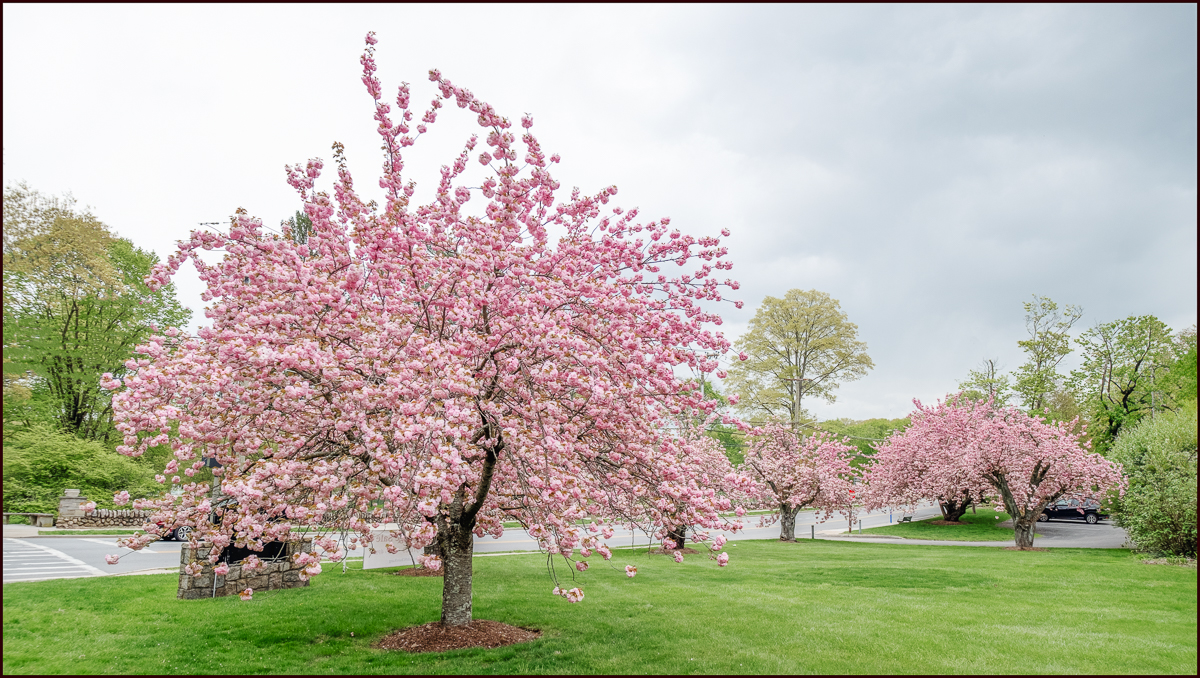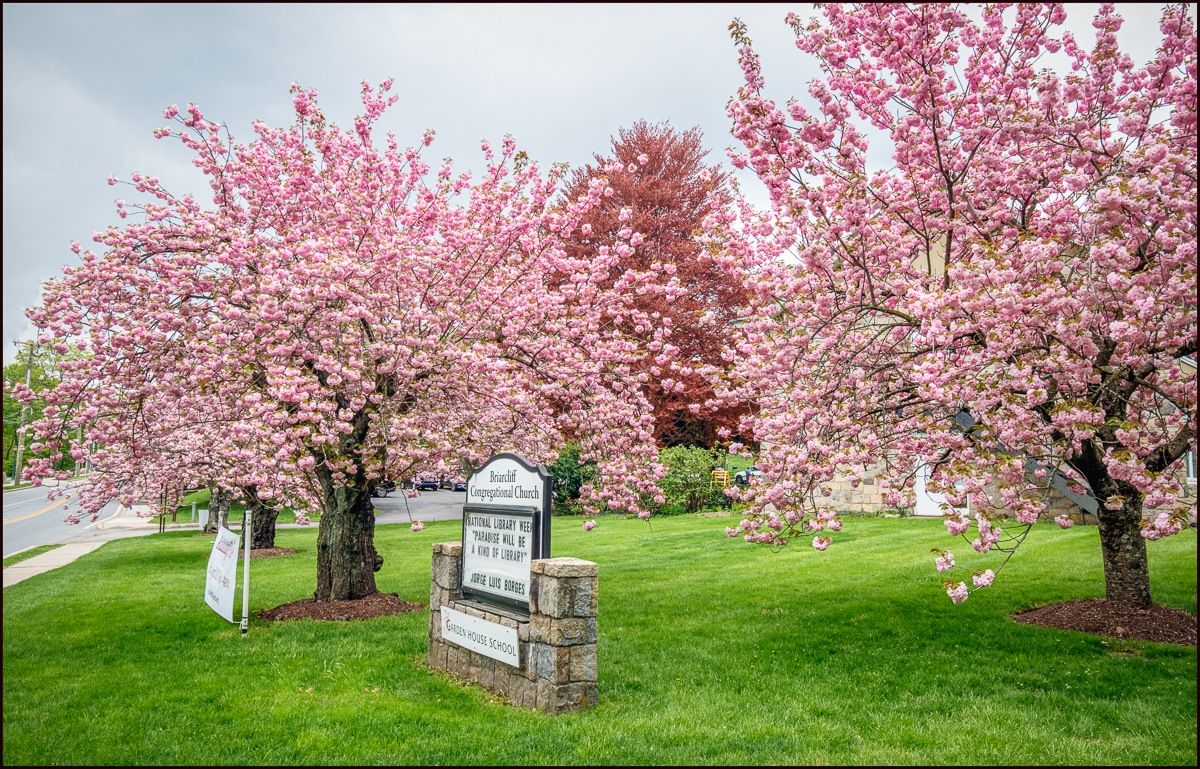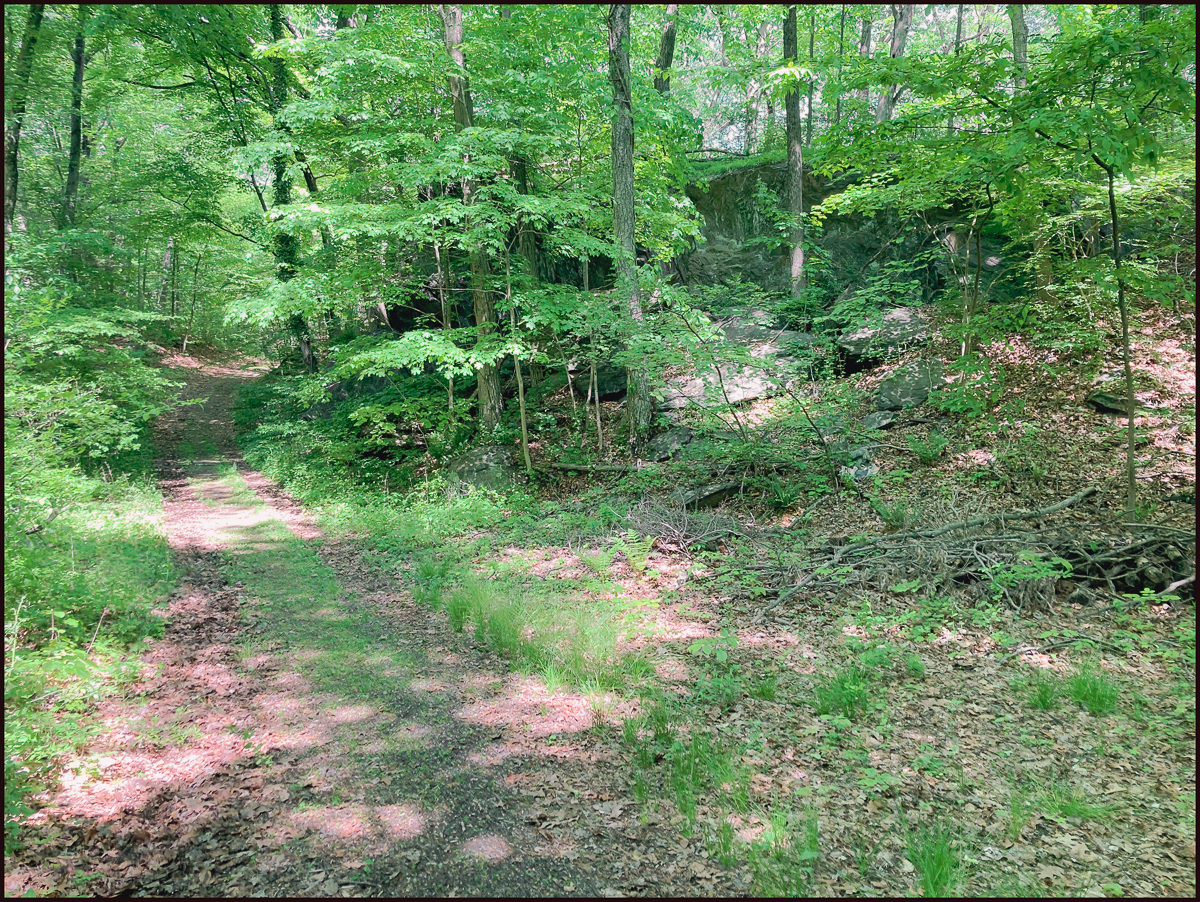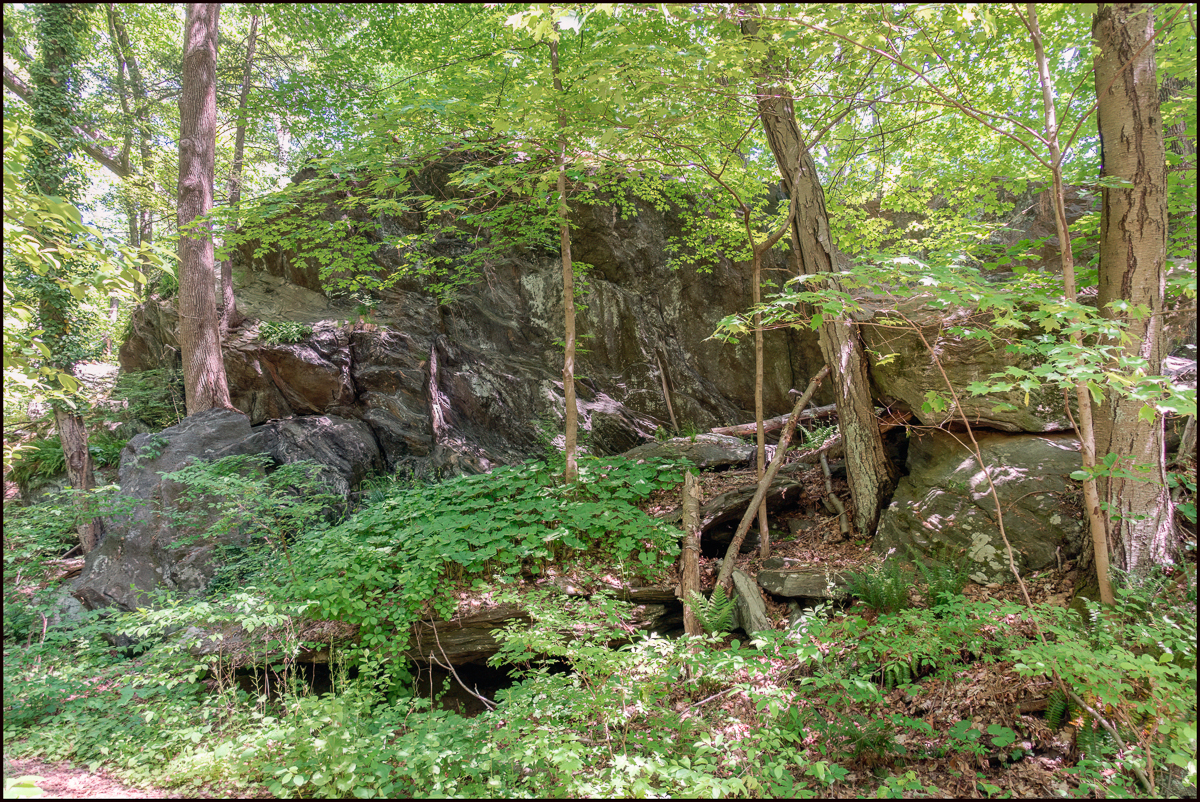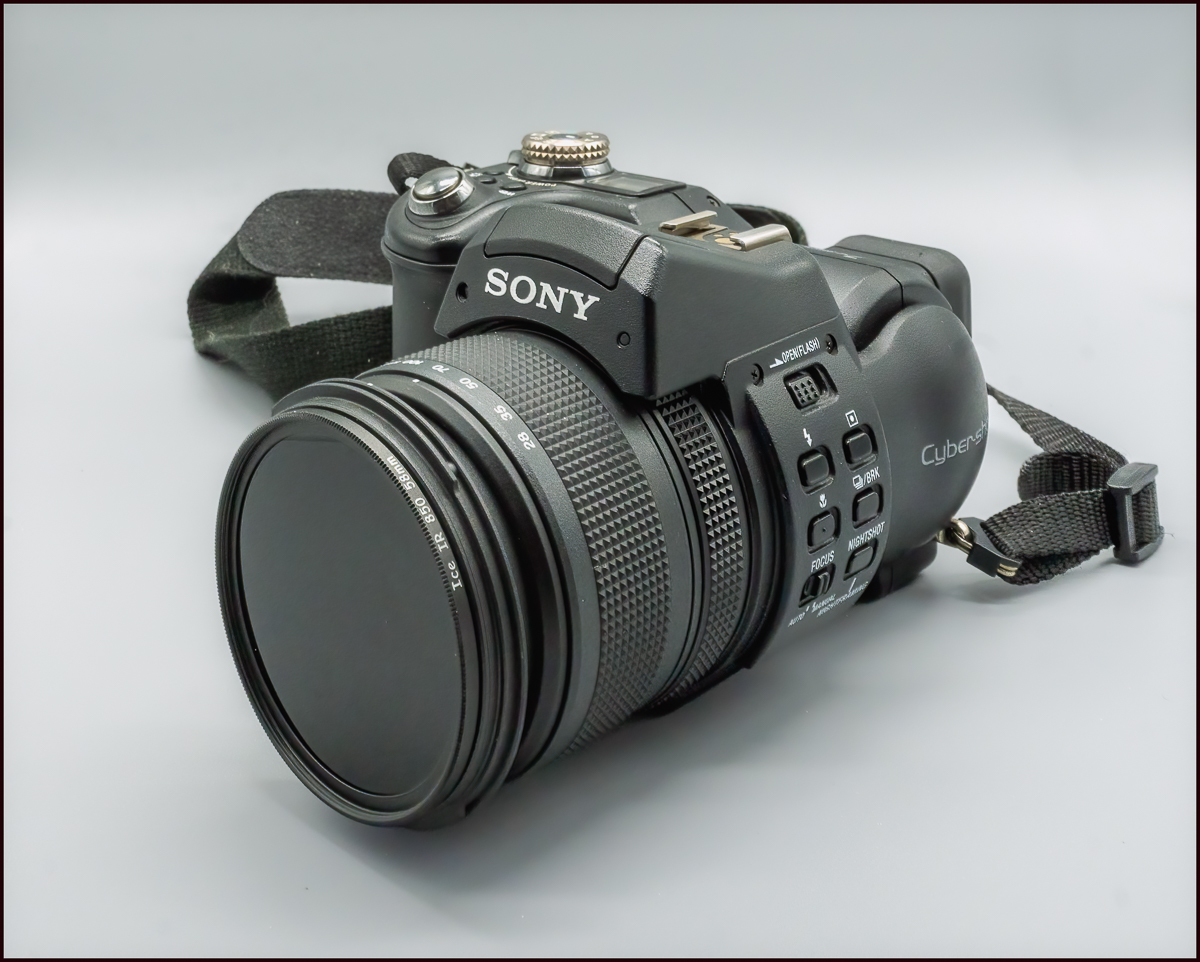
I continue to collect older digital cameras. While reading about another new acquisition (See: Another recently acquired old camera: Sony R1) I came across information on its predecessor the Sony Cybershot F828. It looked interesting and was inexpensive so I decided to get one.
In its January 2004 Review (yes the camera is almost 20 years old) DP Review wrote the following:
The Cybershot DSC-F828 was announced on 15th August, this new camera is very obviously a development of the DSC-F717 design. Just under a year since the F717 and Sony’s flagship prosumer digital camera has certainly undergone a large number of changes, not least of which is the switch from the electronically zoomed five times lens of the F707/F717 to an all new mechanical zoom seven times lens with Carl Zeiss T* coating and a wide angle 28 mm equiv. capability. Sony has also chosen to go with their latest sensor, the all new eight megapixel four-color (RGBE) 2/3″ type (8.8 x 6.6 mm) CCD. Ignoring all other changes this makes a formidable combination, a high quality mechanically linked zoom lens combined with the resolution of an eight megapixel CCD. This camera is arguably the most important prosumer digital camera this year.
And concluded
There’s no doubt that physically the DSC-F828 is one of the most unusual and arguably best designed prosumer digital cameras. It took the successful design of the F717 to the next level with a mechanically linked zoom lens, full black metal body, new control layout and improved EVF among others.
Sony has clearly concentrated on giving digital camera owners the full SLR experience without the need to carry multiple lenses. Performance was on the whole very good, with fast startup times, short shutter release lag and better than average focusing speed. From a feature set point of view the F828 is strong although still not up with the likes of Minolta’s excellent DiMAGE A1 nor the Nikon Coolpix 5700.
It’s a shame that Sony couldn’t directly document that the ‘Real color’ mode of the camera is actually mapped to a known color space (sYCC) and perhaps even have provided the color profile for this color space so that owners could make proper use of it.
Where the F828 starts to disappoint is image quality, many observers had concerns about the very small pixel pitch of the camera’s eight million pixel sensor knowing that it would most likely lead to noisier images but what we weren’t prepared for were chromatic aberrations. This came as a surprise especially considering the F828’s lens carries not only the Carl Zeiss name but also the ‘T*’ notation indicating the use of special lens coatings. So in reality the F828’s biggest issue becomes chromatic aberrations, with noise a second place.
Throughout the latter part of writing this review I had an ‘Above Average’ rating fixed in my mind, higher than average noise at ISO 100, the green hue shift issue and the chromatic aberrations problem dominating the final conclusion.
However after going back through the advantages the camera offers, the extra resolution, the ability to produce very good images with a little experience, the flexibility of the lens (wide angle, reach, fast maximum aperture, mechanical zoom), the improved build quality and feature set the DSC-F828 just scraped through to a Recommended rating. (That said I am still on the edge of an ‘Above Average’ rating).
So about what you would expect for a 20 year camera. But there’s something very special, even unique about this camera. But that’s a topic for a future post.
Taken with a Sony A7IV and Sony FE 24mm f2.8 G.