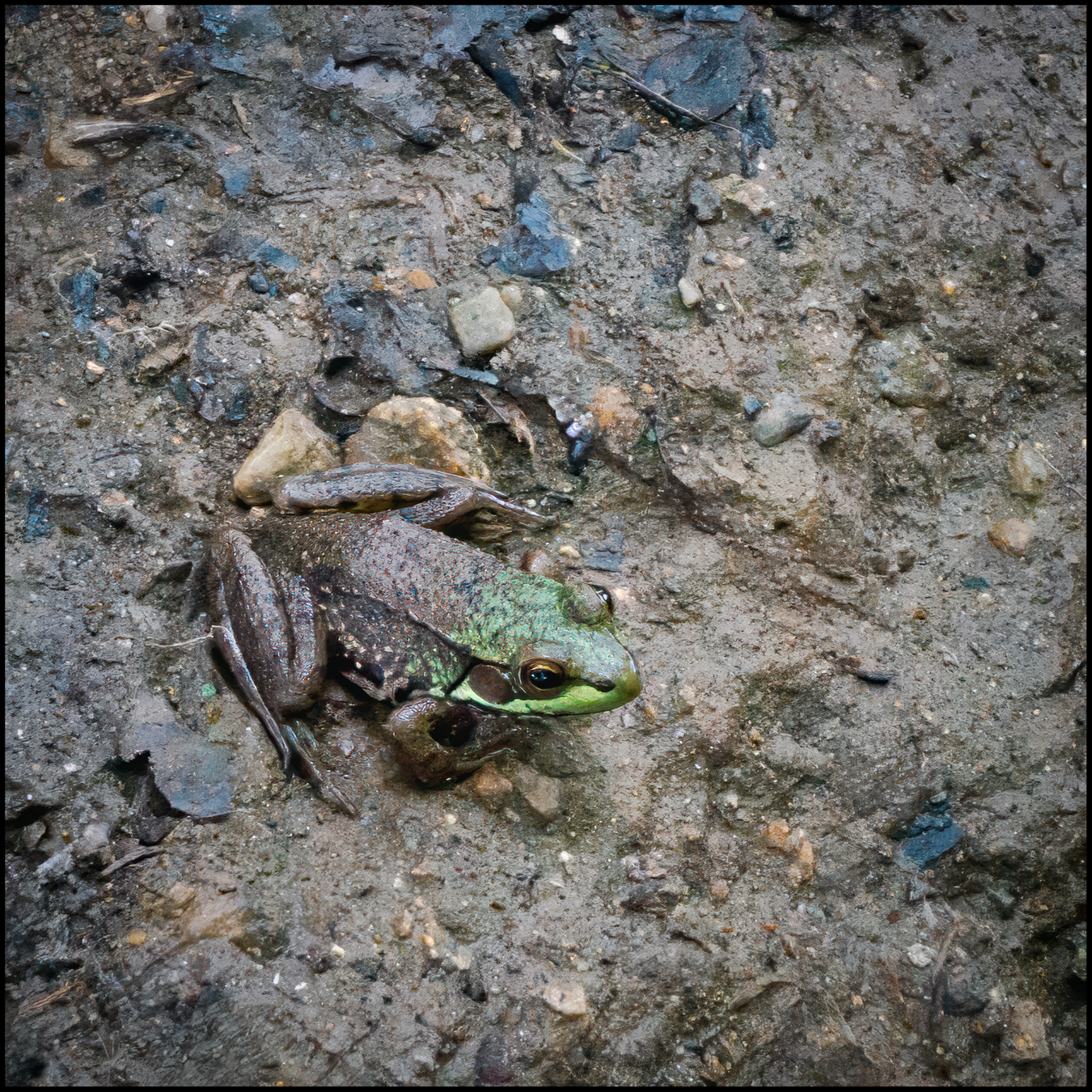
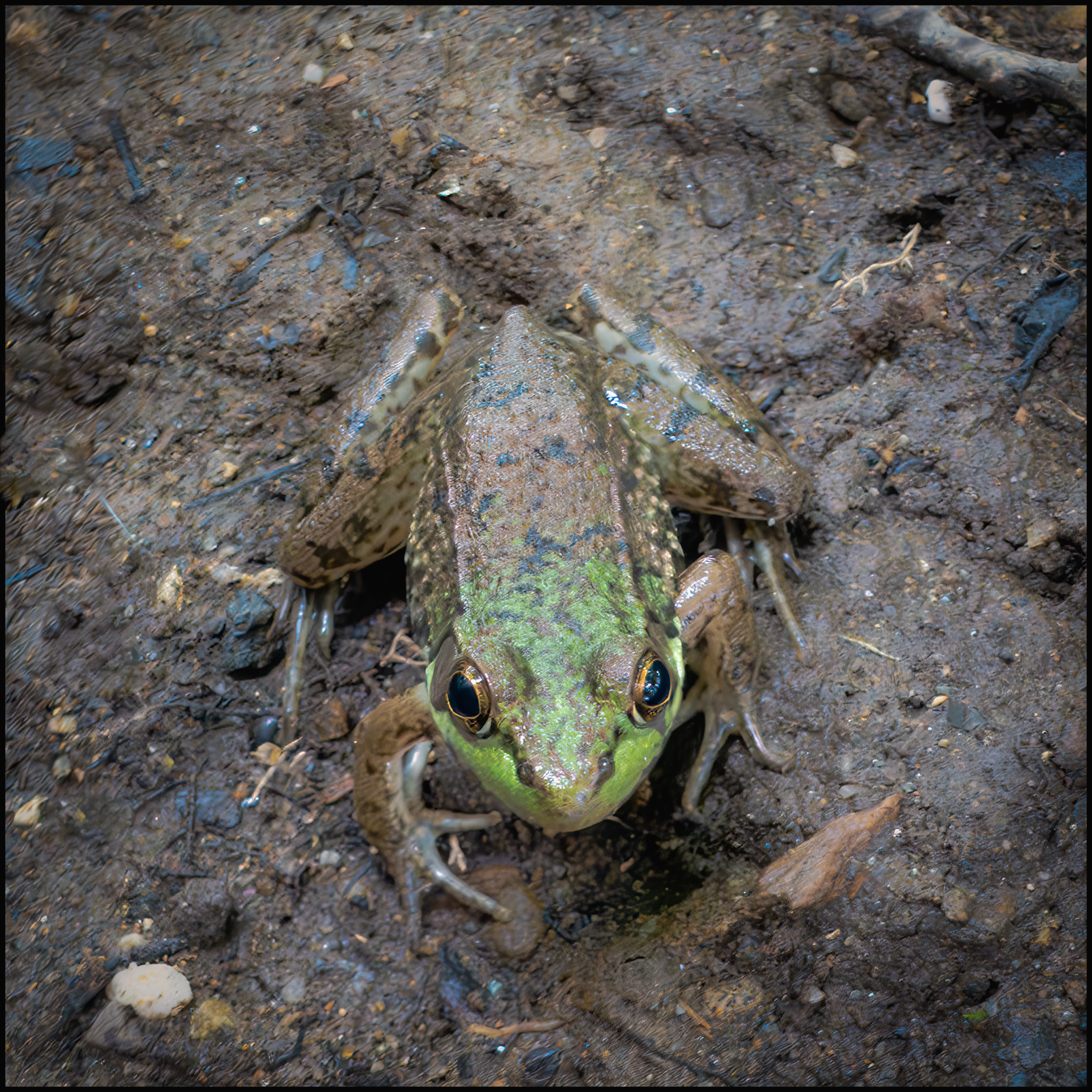
A couple of frogs

A friend of mine has a problem with her water main. Water bubbles up to the surface and accumulates in a small hole. It seems to stop at this level and doesn’t overflow the hole. Very Strange.

Anyway, we passed by the other day and heard a ‘plop’ as something jumped into the accumulated water. Looking more closely we noticed that a number of small frogs had taken up residence. Luckily, one of them was kind enough to stay at ground level and pose for me. He/she is the frog (two views of a single amphibian) in the pictures. Eventually he/she got bored, dove into the water and disappeared.

Taken with a Sony RX100 M3

Gettysburg. A Journey in time

The Briarcliff Manor-Scarborough Historical Society where I volunteer is located in the same building as the Briarcliff Manor Public Library. Occasionally the library has to dispose of books. When that happens anything that seems to relate to history comes our way first in case we’re interested (which we often are). This fascinating book came along recently. It’s perfect for someone (like me) who’s interests combine history (particularly military history, and even more particularly the US Civil War with photography)

Its title is Gettysburg. Journey in Time and it’s by William Frassanito. He was educated at Gettysburg College and did his graduate work in American cultural history in the Cooperstown Graduate program. While at Gettysburg College, he was a guide for three years at the Gettysburg National Park. He served with the U.S. Army in both Germany and Vietnam, and in Vietnam, where he won the Bronze Star, he was assigned to the Joint Chiefs of Staff as an intelligence analyst.

In his conclusion Frassanito writes:

For more than a hundred years, the Gettysburg photographs have remained in a confused and neglected state. Their value as historical documents was realized well before the turn of the century, but their value as historical source materials was basically left untapped. A large number of the views were arbitrarily attributed to the famous Mathew Brady; captions and dates were vague and often incorrect; significant relationships between scenes went unnoticed; and although the views appeared time and time again in monumental works such as Miller’s ten-volume Photographic History of the Civil War, for all practical purposes no one thought to question the credits or the captions, or otherwise thought to treat the Gettysburg photographs as a distinct series.

By identifying the confusion that has existed, and by substituting order for that confusion, I have attempted to demonstrate what can be done – and indeed, what must be done – with historical photographs if they are ever to be accurately employed by students of the past.
The value of the early photograph is manifold. It is a unique document rich in information. It provides a dimension to the study of history available nowhere else. Moments in time have been captured and preserved, and it is for us today to be aware of the fact that unless such images are gathered, researched, organized and used to the fullest, we will be doing ourselves, as well as the photographers who recorded them, a great injustice. The loss, however, will mainly be ours.

Warning: some of the posts below depict dead soldiers on the battlefield, which may be disturbing for some.


The Gateway to Evergreen Cemetery, July 7, 1863. O’Sullivan.


The Thompson House, Lee’s headquarters during the battle of Gettysburg. Brady, July 15, 1863.


Scene looking northward toward Cemetery Hill from the crest of Little Round Top. Brady, July 15, 1863.


Confederate dead at the edge of the Rose Woods, O’Sullivan, July 5, 1863.


Dead Confederate soldier, Gardner, July 6, 1863.


Dead Confederate soldier at sharpshooter’s position in Devil’s Den. O’Sullivan, July 6, 1863.

Can you spot the red car. Up your photography game using the red car theory

I just came across this YouTube video – from one of my favorite photographers/content creators. His name is Craig Roberts, and his channel is called E6. The video’s premise is that if, every time you go out to take photographs, you have a goal (e.g. as in this case red cars) in mind you will see red cars where otherwise you might not. You would see things that you otherwise might miss.

I’d agree with this…up to a point. Yes, you might well see things you would otherwise miss, but you might also miss equally or even more interesting photographic opportunities because you’re focusing so much on looking for your subject.

Maybe a way around this is to spend a morning focusing on a particular subject followed by an afternoon wandering around with no focus to see what you find? Or maybe spend one day on a particular subject and the next day just wander around?

Crystal Cave, Bermuda 2005

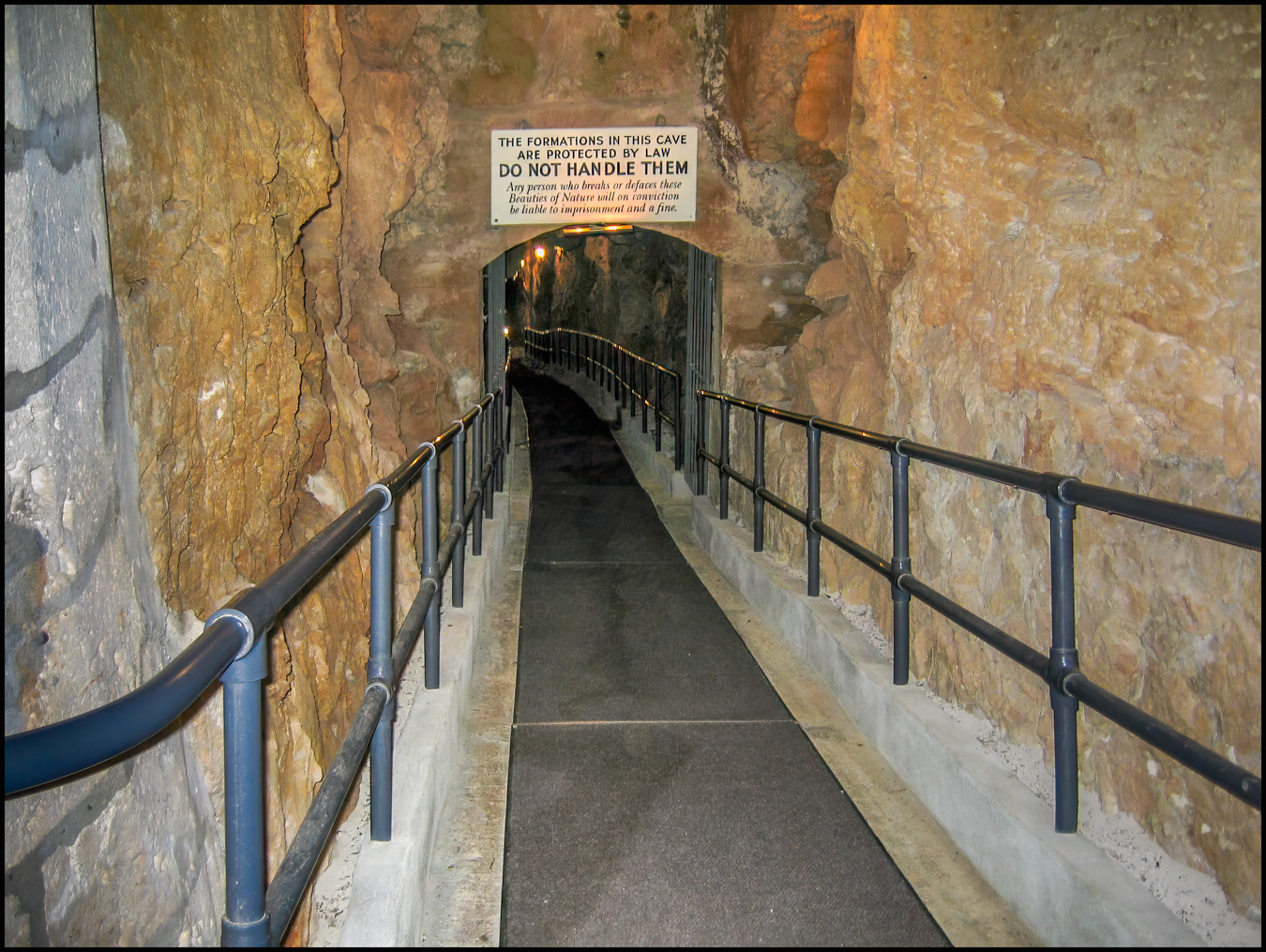
We went to Bermuda in April, 2005. Bermuda is a lovely place: picturesque, clean, well-organized – a sort of Switzerland in the North Atlantic. I was actually surprised that it was in the Atlantic as I’d always thought of it as being in the Caribbean. Nice though it is it’s also quite small and unless you want to spend all of your time in/at/around the water there’s not all that much to do. There are a few excursions though and one day we went on one of them: to these caves. From the entrance to the caves you go down a very steep set of steps. That finished my wife. She has a fear of heights and just couldn’t go down, so she said she wait for me outside. So down I went. I’m glad we went. I like caves and these were pretty impressive. Wikipedia describes them as follows:

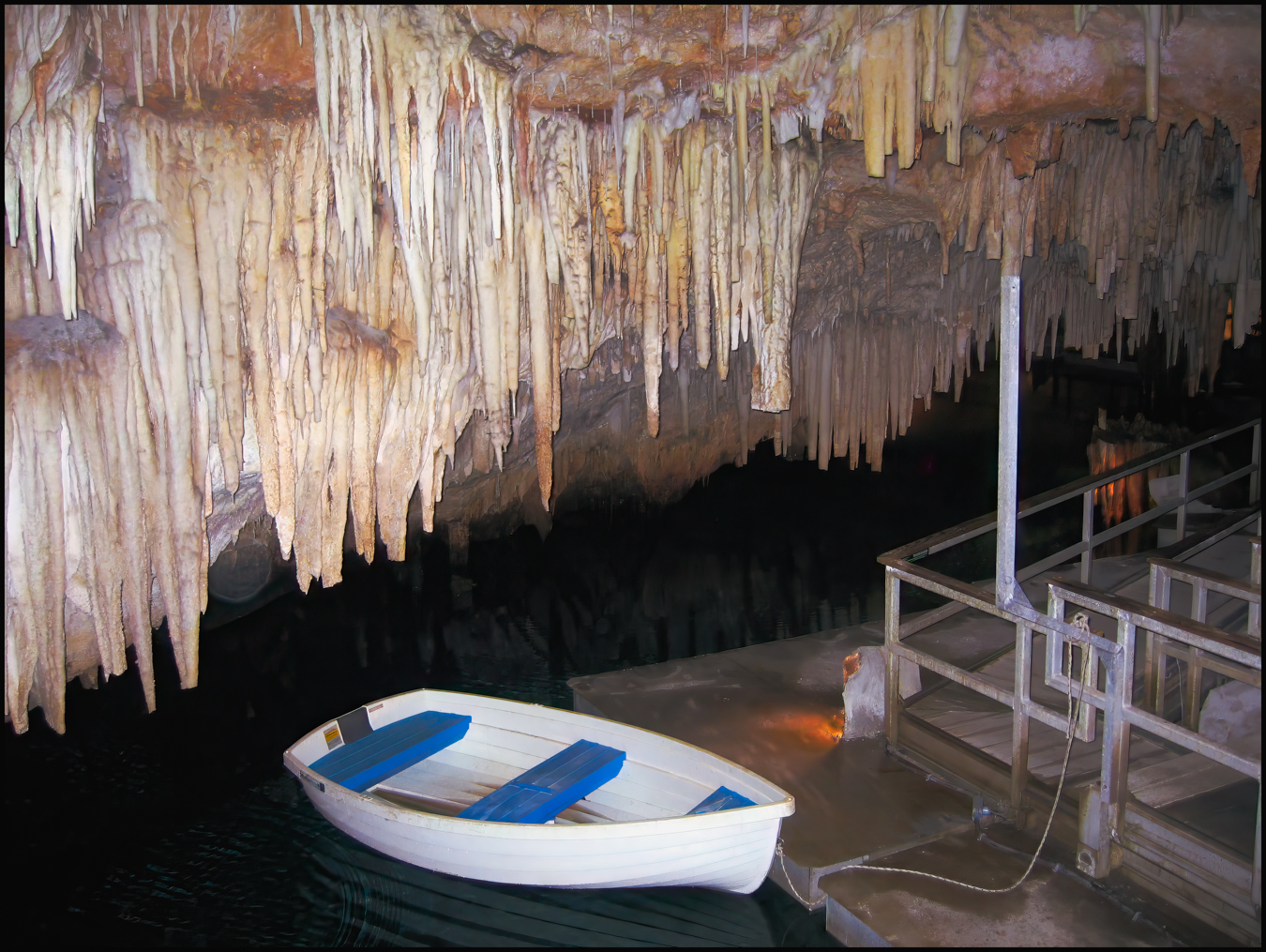
Crystal Cave is the most famous of Bermuda’s many subterranean caverns. It is located in Hamilton Parish, close to Castle Harbour. The cave is approximately 500 m long, and 62 m deep. Lower 19 – 20 m are below water level. The cave formed at lower sea level and, as the sea level rose, many speleothems, which formed in air, now are under water level.

A tourist attraction since 1907, it was discovered in 1905 by Carl Gibbons and Edgar Hollis, two 12-year-old boys searching for a lost cricket ball. Soon after, the Wilkinson family (the owners of the property since 1884) learned of the discovery, Mr. Percy Wilkinson lowered his 14-year-old son Bernard into it with a bicycle lamp on 140 feet of strong rope tied to a tree to explore the cave.

The area surrounding Harrington Sound (which lies to the south of Crystal Cave) is of limestone formation and noted for many subterranean waterways, through which the waters of the sound empty into the Atlantic. Crystal Cave is one of these, and – as its name suggests – is one of the most spectacularly beautiful, with many stalactites, stalagmites, and deep crystal-clear pools. However, some crystal formations have been damaged by earthquakes in the far past.

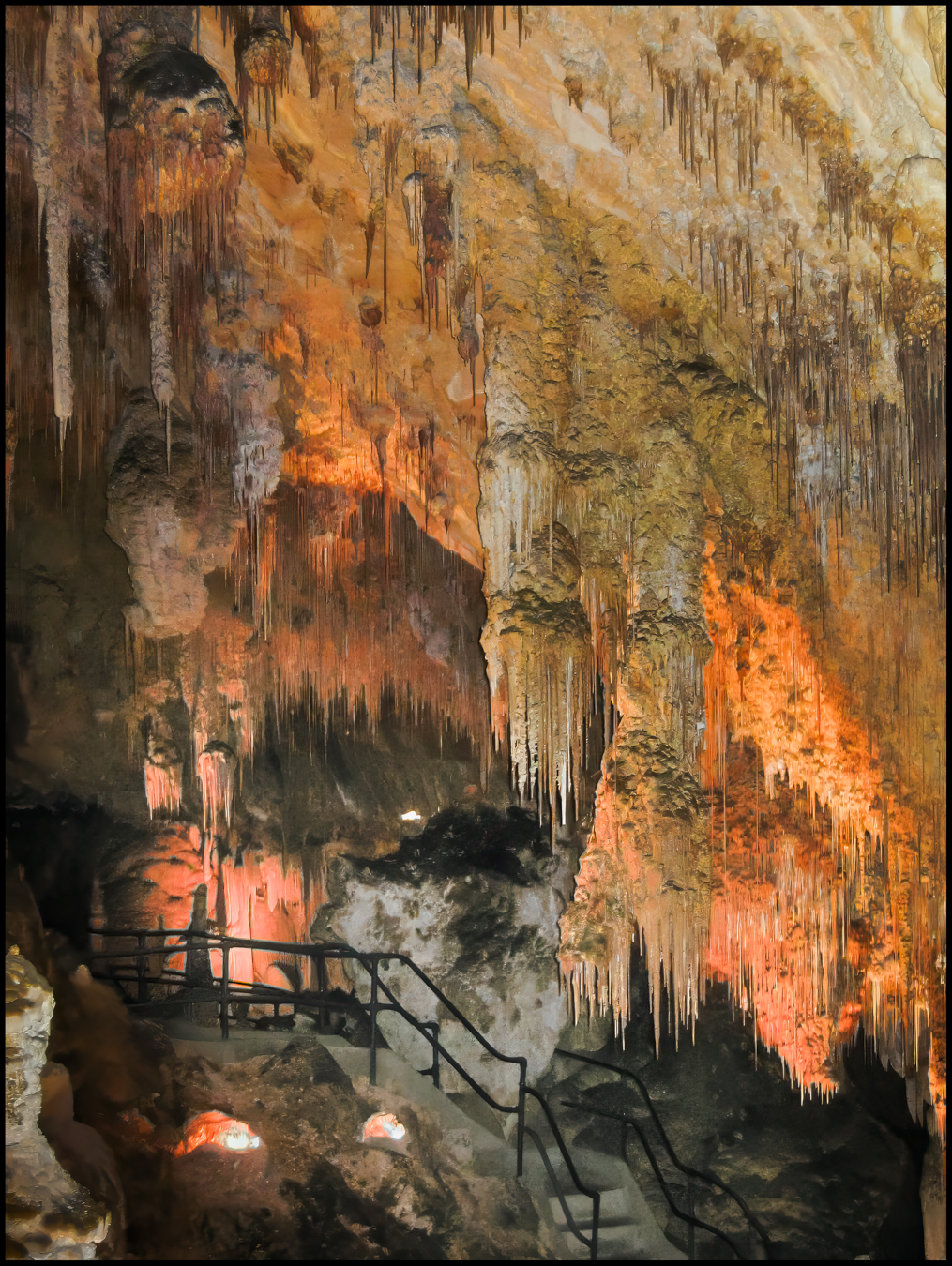
The pictures aren’t stunning, but considering they were taken with a Canon Powershot S50 (an early 2000s 5Mp camera – essentially a fairly sophisticated compact point and shoot) they’re not that bad either. It was quite dark an I was quite surprised that I got anything at all.


Phantom of the Opera anyone?


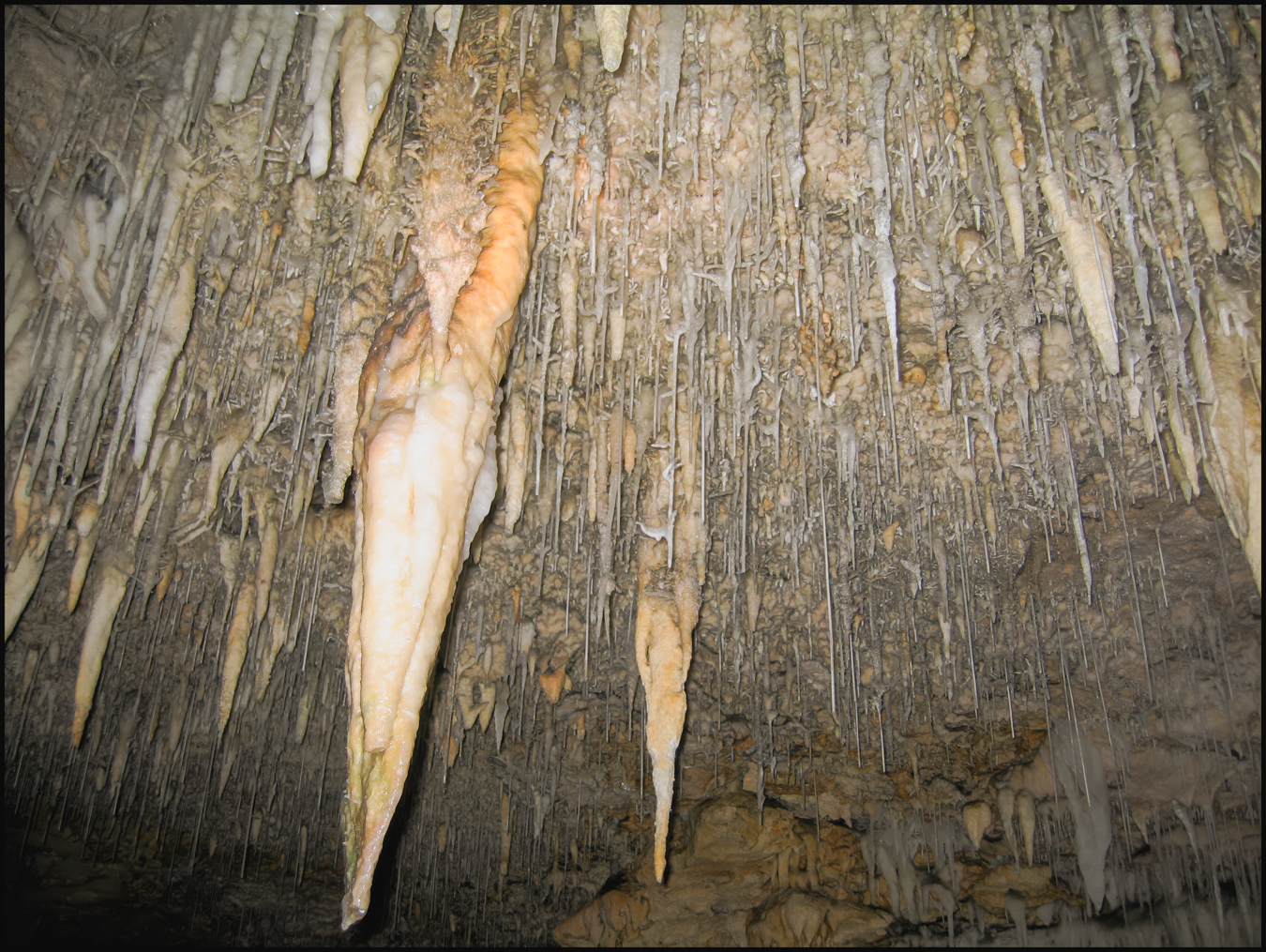
Stalgtites


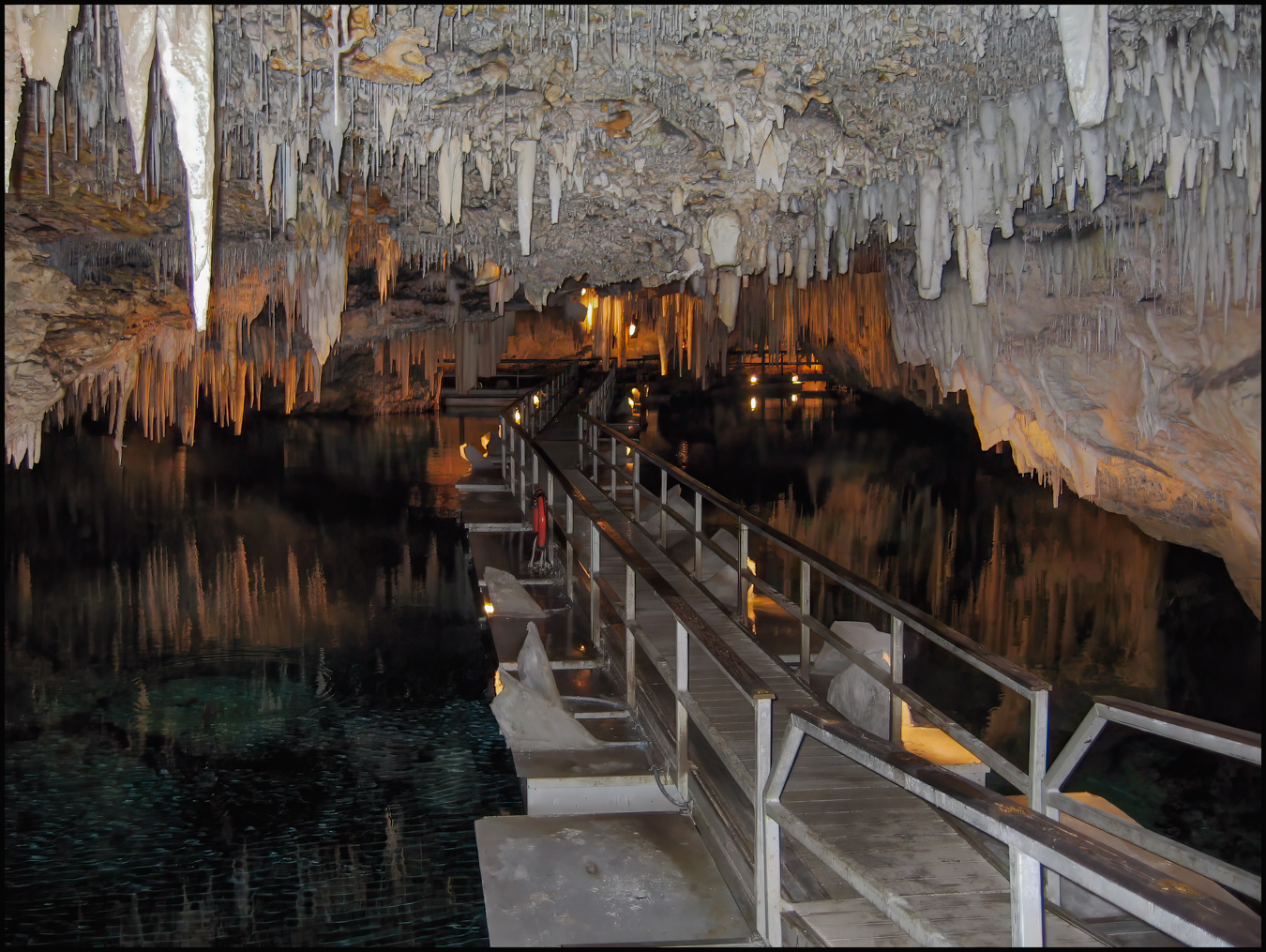
Walkway across the water.


Cathedral in Stone

Taken with a Canon Powershot S10

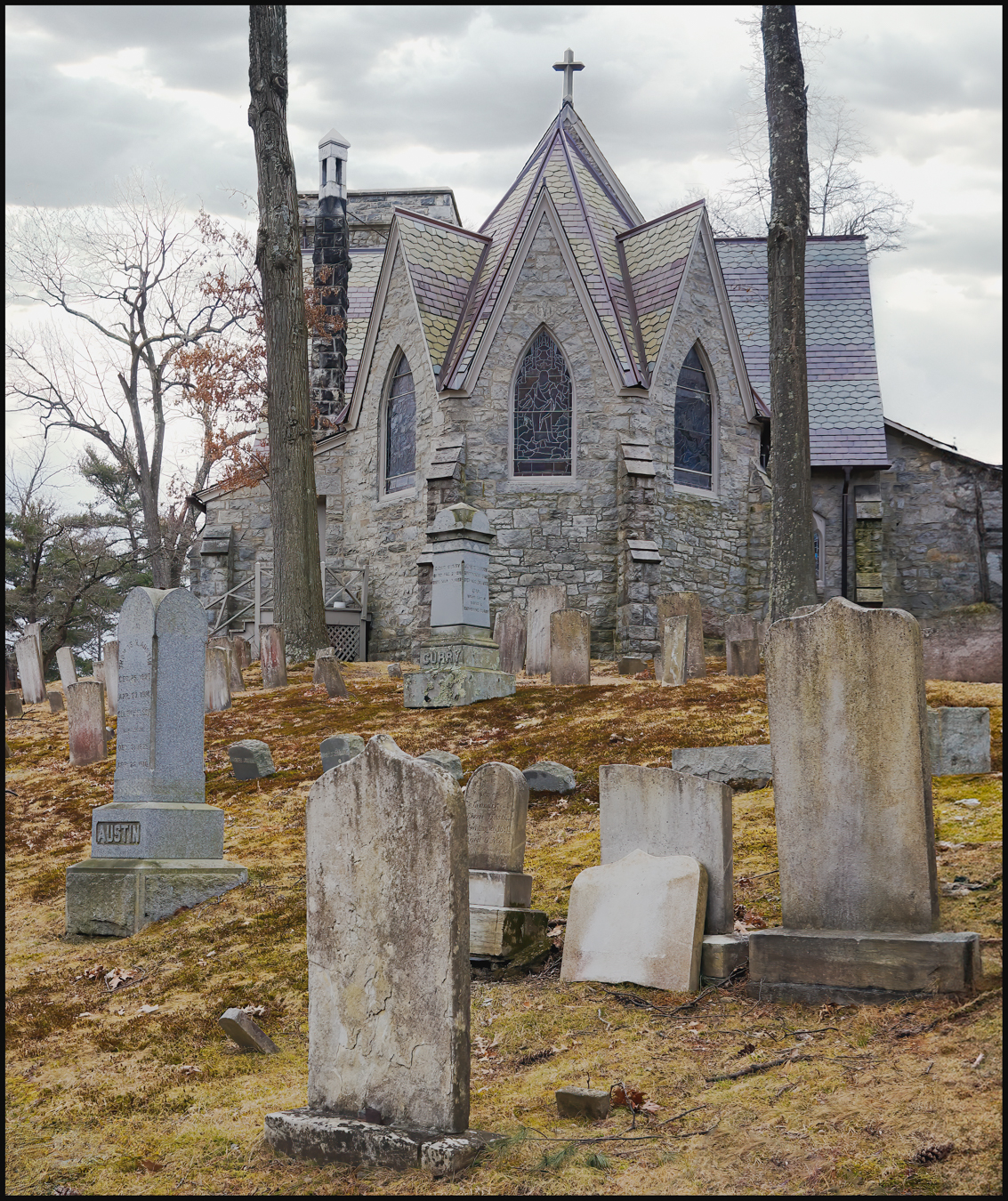
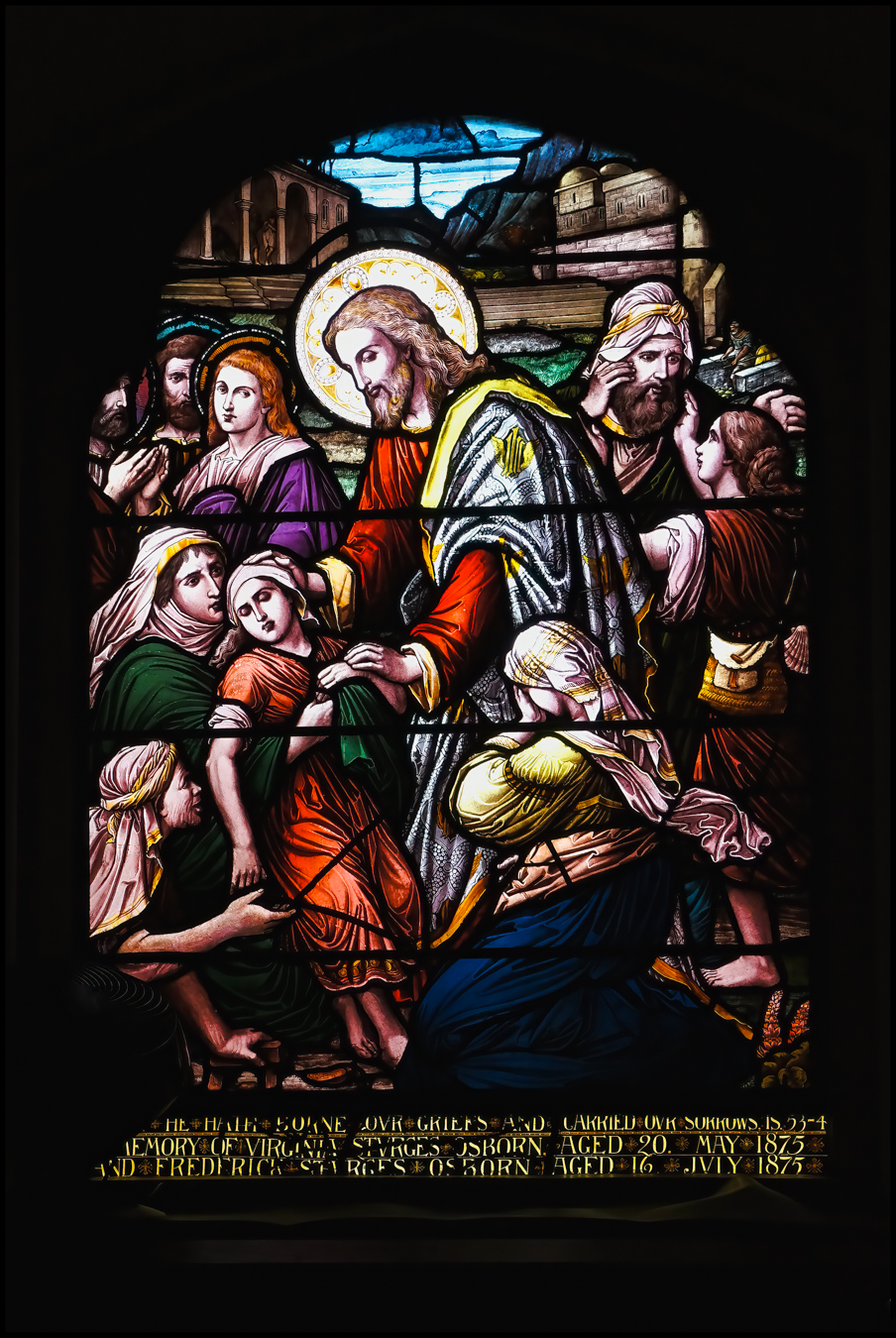
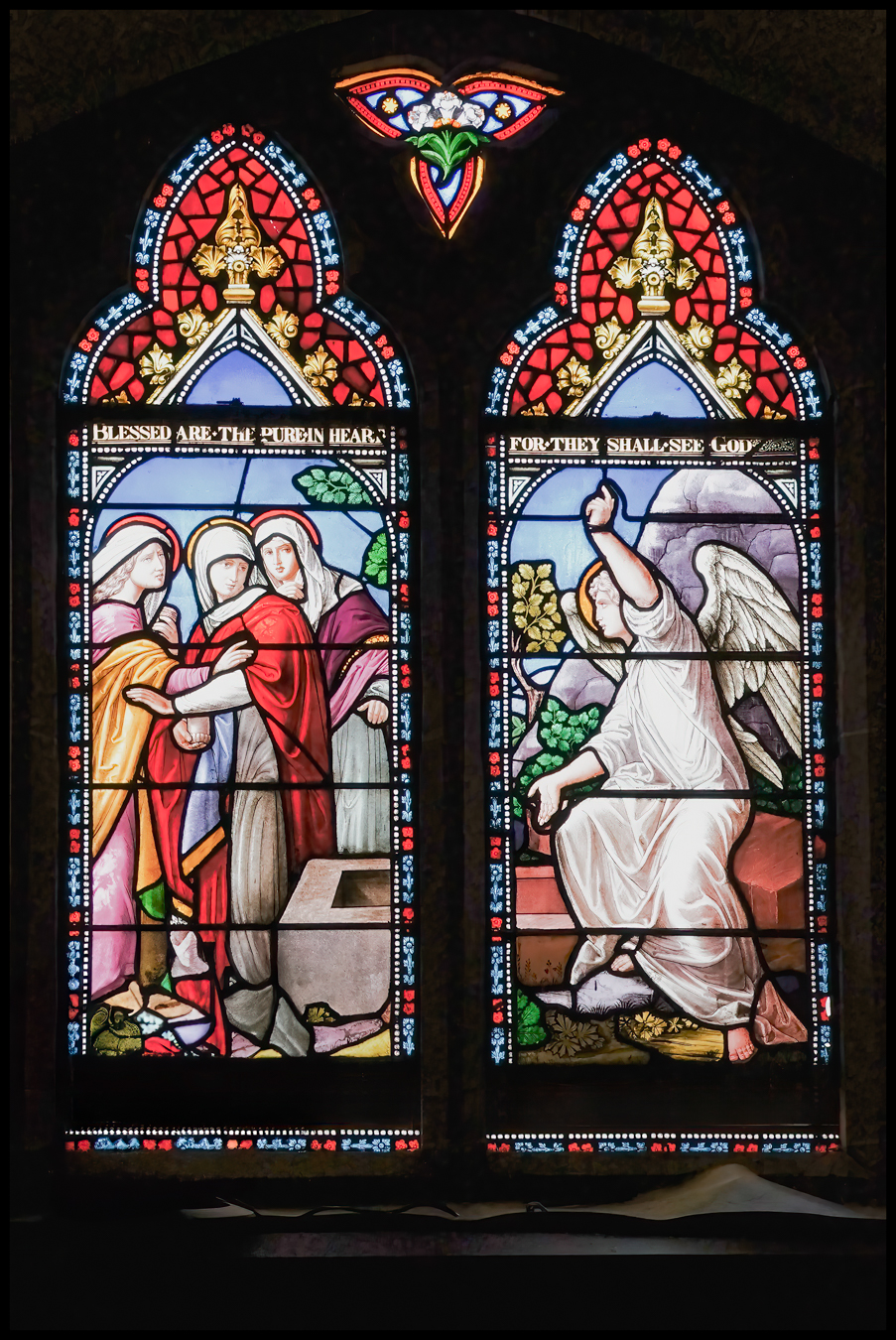
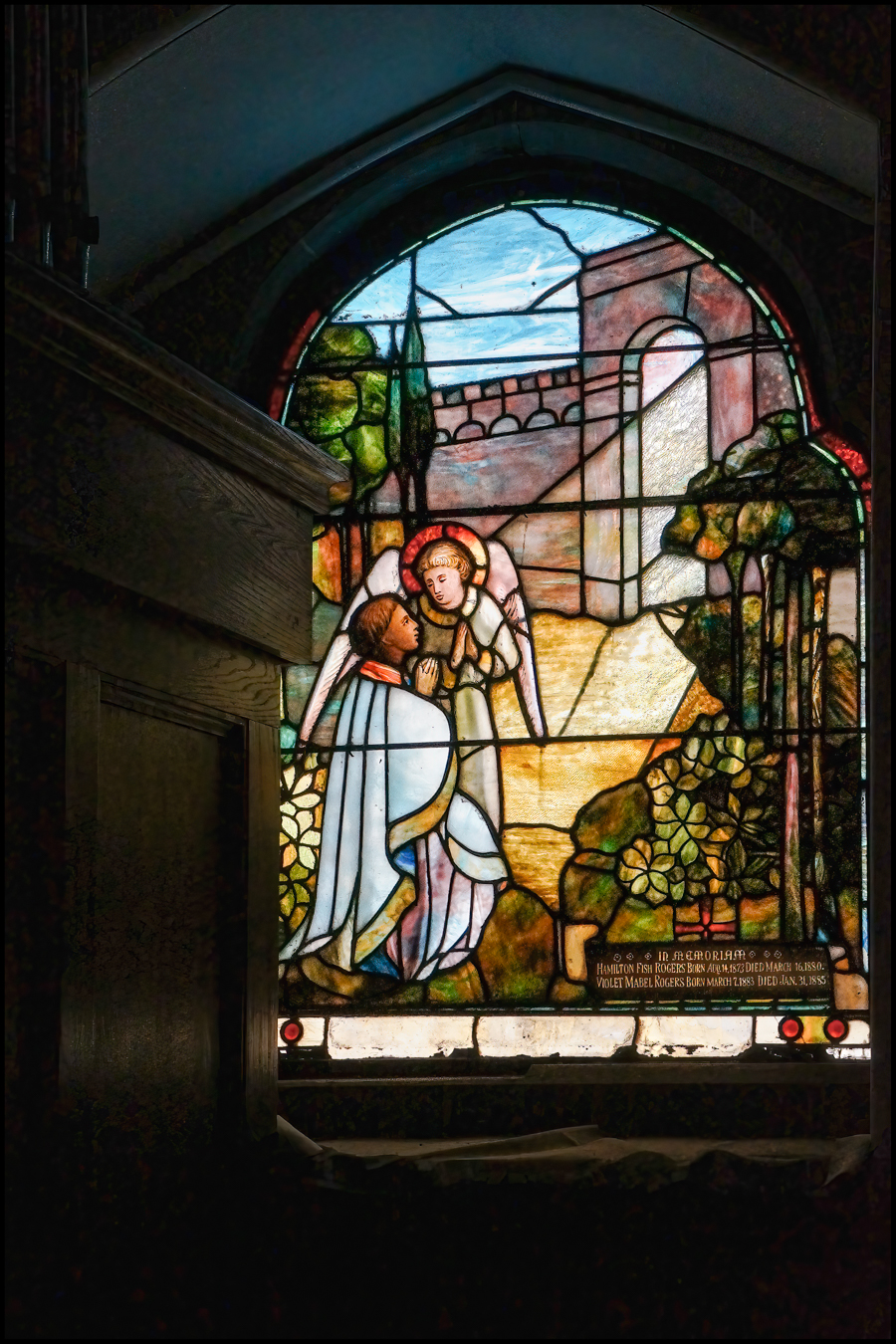
One of my Favorite Hudson Valley Churches

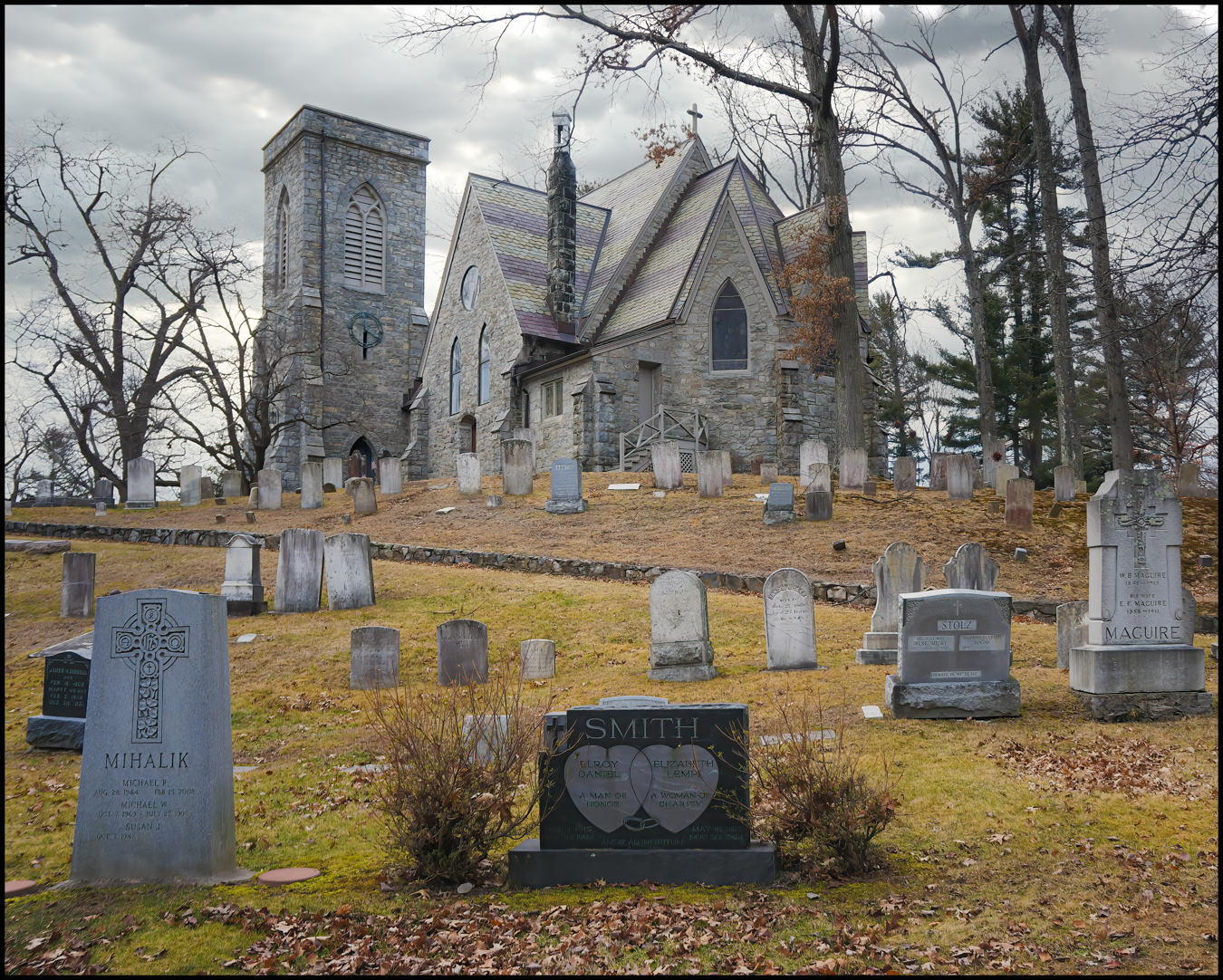
It’s St. Philip’s Church in the Highlands in Garrison, NY.

According to the Church’s website St. Philip’s Church:

…began as a modest wooden chapel, a northern outpost of St. Peter’s Church in Peekskill. Built in 1771 for the residents of what is now Garrison, the chapel was called St. Philip’s partly to honor the Philipse family, the largest landowner in the area. St. Peter’s itself was founded only a few years earlier, in 1767; it received a royal charter from King George III in 1770.

Beverly Robinson, a vestryman of St. Peter’s, gave the land for St. Philip’s. Although a good friend of George Washington, he was a Loyalist and was heavily involved in Benedict Arnold’s treasonous plot to turn West Point over to the British in 1780. At the end of the Revolutionary War, Robinson fled to England, losing all his property.

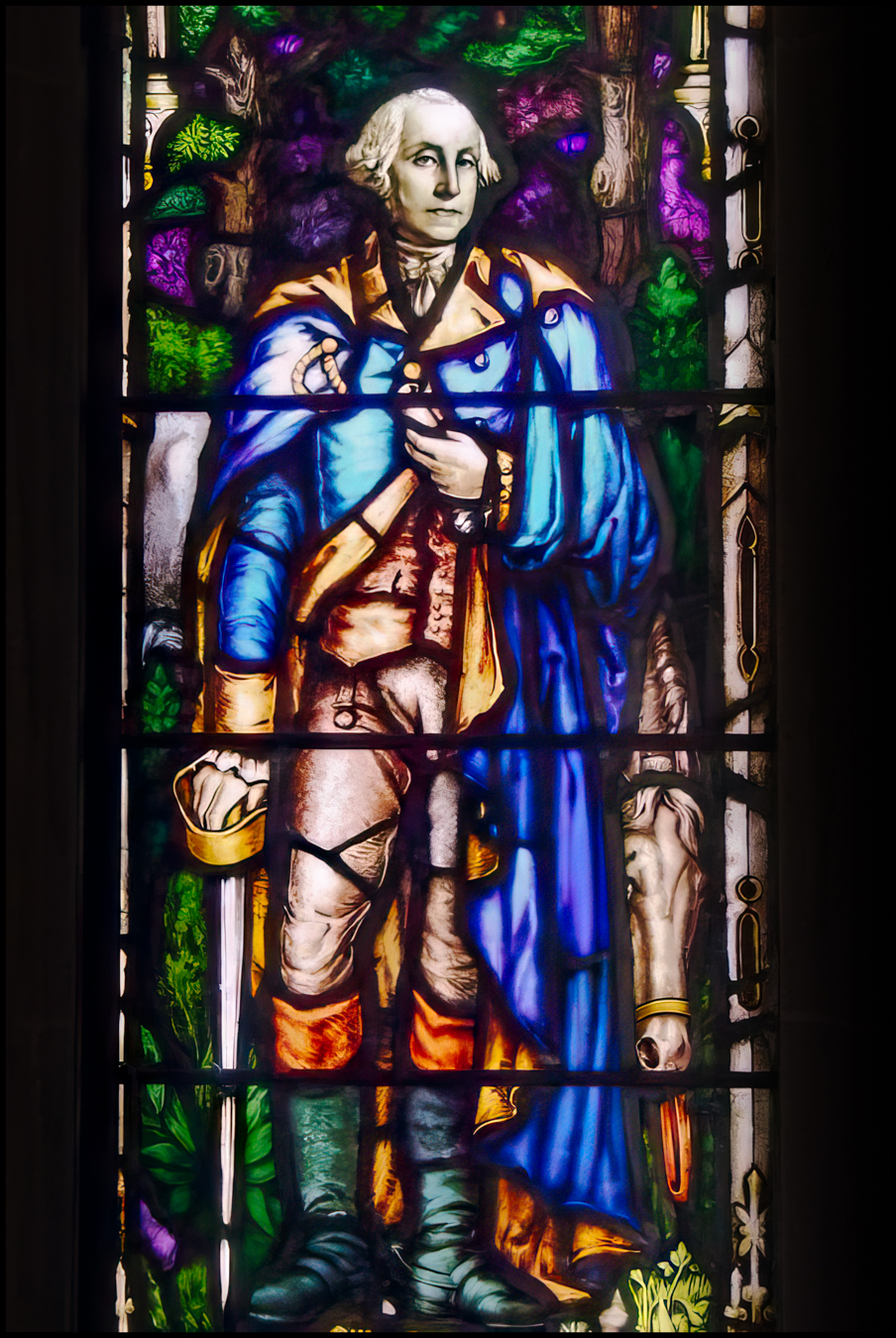
In 1775, the Loyalist rector of St. Philip’s fled to Canada, so no services were held. There is a story that, during the Revolutionary War, Washington was riding past St. Philip’s when one of his officers said, “That is a Tory church,” to which Washington, a loyal Anglican, said, “It is my church.” (A stained-glass window portraying Washington is in the vestibule today.) The chapel was dismantled during the war and its materials were used to help construct the small fort at West Point. The chapel was reopened in 1786, and a larger wooden church was built in 1837. St. Philip’s officially became independent from St. Peter’s in 1840, reflecting the growth in Garrison’s population.

The Hudson River Railroad was finished in 1849, bringing new residents to the Garrison area: families named Fish, Osborn, Sloan, Livingston, and Toucey, who worshipped at St. Philip’s and are buried here.

In 1860, renowned British-born architect and vestryman Richard Upjohn designed a superb Gothic Revival church as a gift to his parish, St. Philip’s. A founder of the American Institute of Architects, Upjohn championed the Gothic Revival ecclesiastical style and is best known for Trinity Church in New York City. A noted Scottish stonemason, Smeaton Forson, came from Scotland to build the new St. Philip’s. Completed at a cost of $9,350 in 1862, it continues today, beautiful and steadfast, to inspire all who worship here.

Dedicated to St. Philip’s, Upjohn also designed a wooden Rectory, built in 1854. It was replaced in 1911 by the present stone building, the cost of which was donated by the family of railroad executive Samuel Sloan, a vestryman and warden. The stone Parish House was built in 1900, a substantial gift from the Toucey family. Generous contributions from William Henry Osborn and Stuyvesant Fish added the Sexton’s House in 1917, so that, by then, our buildings and grounds looked essentially as you see them today.


Taken in April 2012 with a Sony Nex 5n and Sony 18-55mm ƒ/3.5-5.6