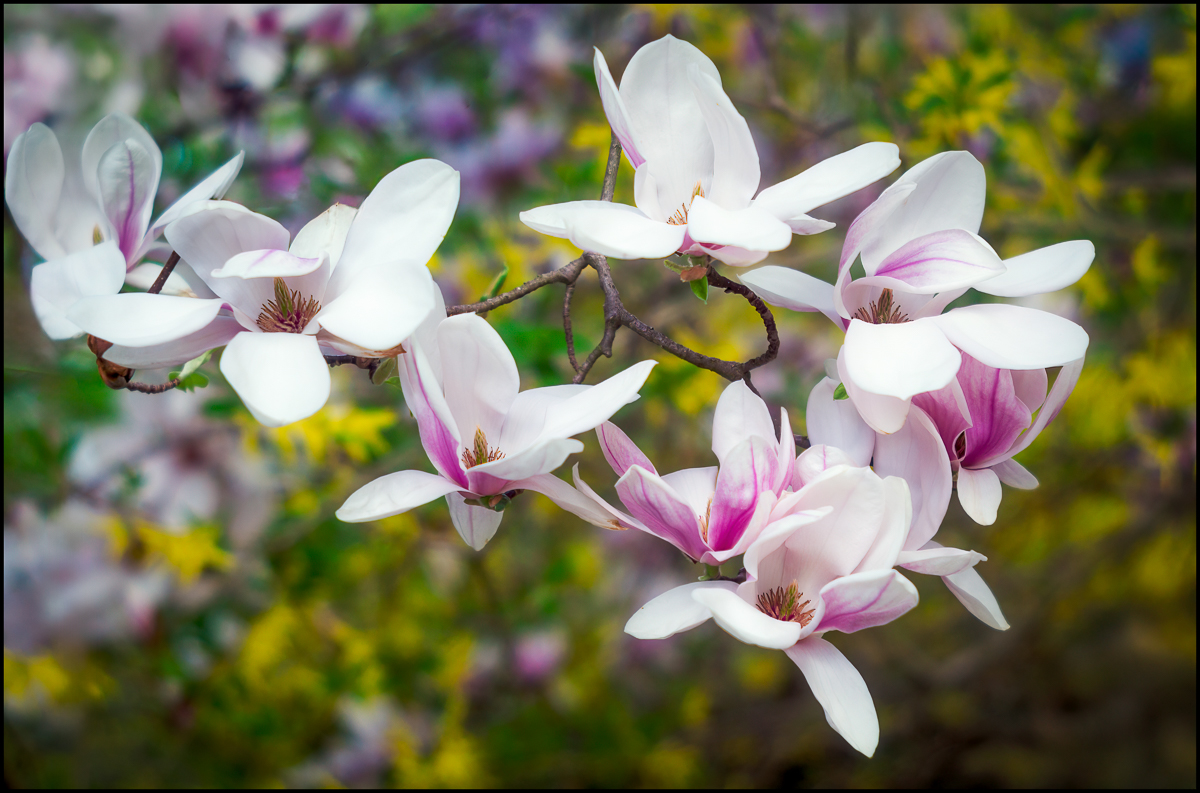
Wisteria

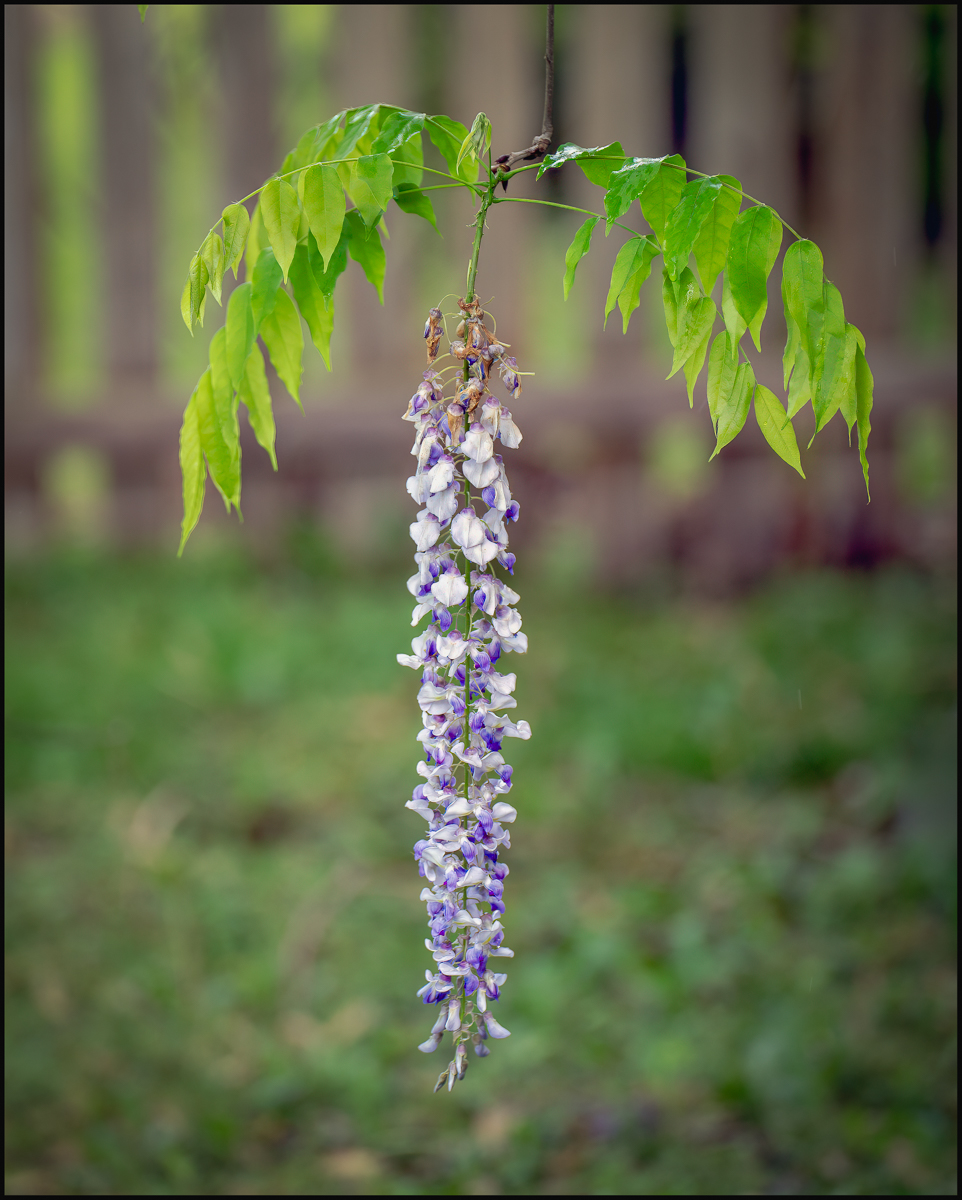
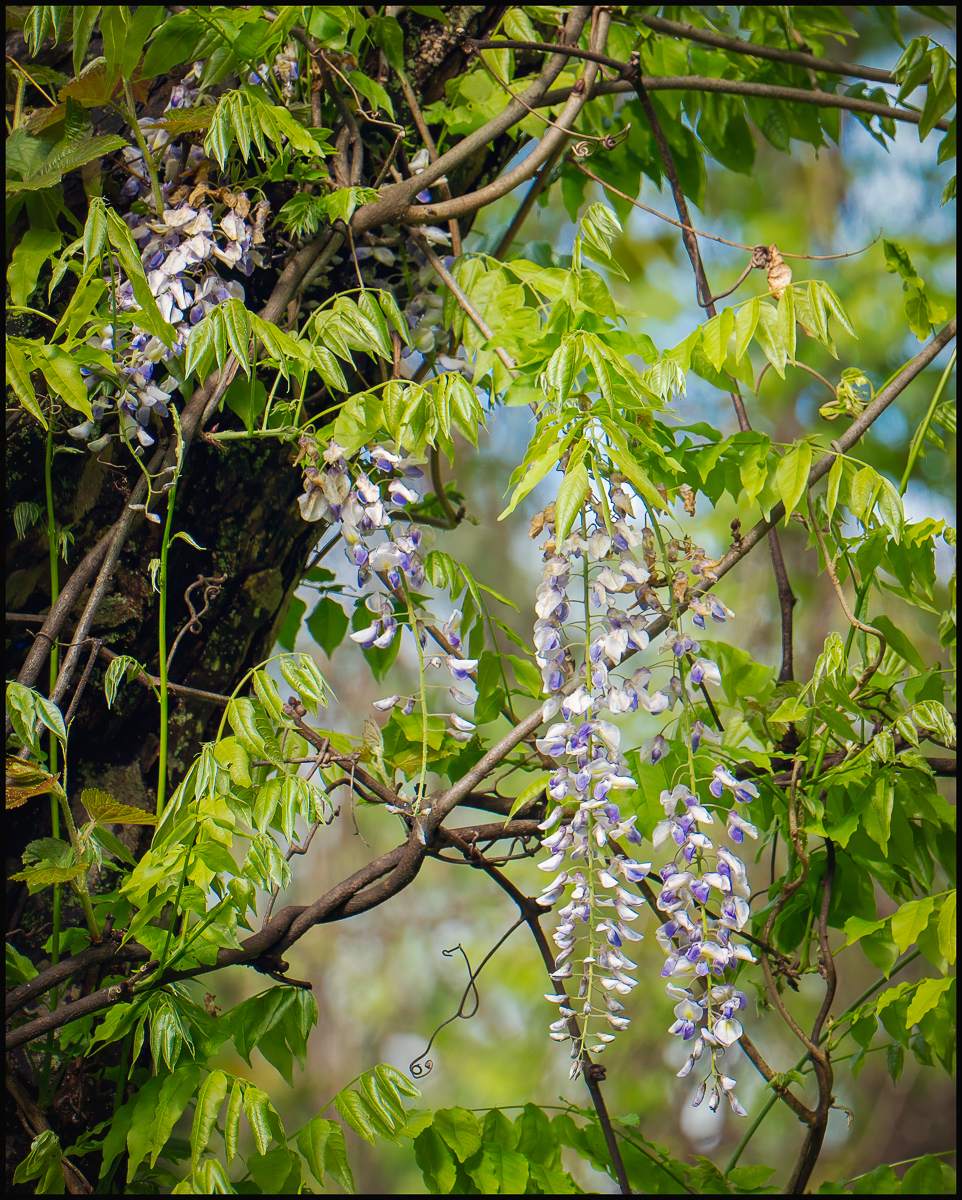
Wisteria is lovely to look at. When we first came to live here there was a lot of it. But over time it seemed to disappear. Actually, it was still there and still growing, but it didn’t bloom. In the last couple of years, it’s started to bloom again.

The first picture was taken of a Wisteria actually growing up the side of my house. The second is growing over a tree in the meadow (actually it’s more like an incipient forest nowadays) in front of my house.

The only problem is that if you don’t like and/or don’t want it, it’s extremely difficult to get rid of.

Taken with a Sony A7IV and Tamron Di III VXD A056SF 70-180mm f2.8.

Jacques Henri Lartigue. The Invention of an Artist by Kevin Moore

According to Amazon:

As a young boy, Jacques Henri Lartigue (1894-1986) set about passionately recording his life in photographs, first documenting his domestic circle and later capturing the auto races, air shows, and fashionable watering holes of the Belle époque. His images have so bewitched modern viewers that even scholars have failed to see them clearly.

In Jacques Henri Lartigue: The Invention of an Artist, Kevin Moore puts to rest the long-held myth of Lartigue as a naïve boy genius whose creations were based on instinct alone. Moore begins by exploring the milieu in which Lartigue became a photographer, examining his father’s crucial role in teaching him the latest techniques as well as the larger context of the turn-of-the-century craze for amateur photography.

Two events brought Lartigue before the public eye in America and created the Lartigue myth: In the summer of 1963, the first exhibition of Lartigue’s work in the United States was held at the Museum of Modern Art, which hailed him as an important modernist photographer, a forerunner of the art-documentary style of the 1960s. That fall, Life magazine published a feature presenting his work as an optimistic and sentimental prologue to World War I. Both treatments portrayed him as a naïve genius and Lartigue happily participated in shaping this new persona.

In Jacques Henri Lartigue: The Invention of an Artist, Moore successfully challenges the Lartigue myth using examples from popular magazines and the cinema. Illustrated with more than fifty of Lartigue’s photographs and drawings as well as press imagery from the period, the book offers a radical reassessment of the photographer and his work.

Many photobooks feature large images, and very little text – maybe a short introductory essay if you’re lucky. This is not one of those books. It’s rather text heavy. Certainly, there are lots of photographs, but they’re mostly rather small.

I enjoyed it, but then I like a lot of text.

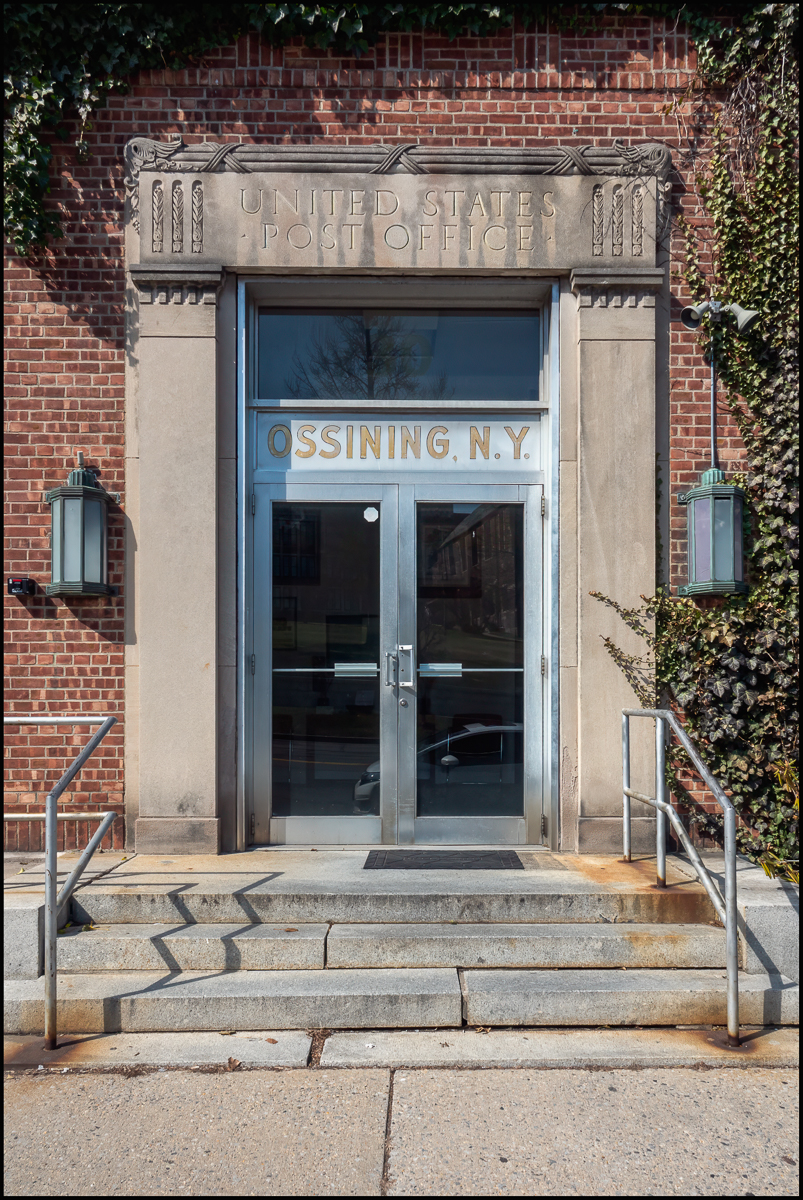
Not a post office

This building, which clearly bears the words “US Post Office, Ossining, NY” is, of course, no longer a Post Office. The left part of the building is a hairdresser, and the right part a doctor’s office.

As the Great Depression set in and construction slowed, one more public building completed the Downtown Historic District. The post office had outgrown its space at the Barlow Block again and needed to move. As part of the national relief programs, many new post offices were built. Arthur Ware contributed a restrained Classical Revival one-story brick building on South Highland, between the Cynthard Building and the Presbyterian Church, on the site of what had been the last remaining house on the west side of Main in the district. It was completed in 1933, the newest contributing property in the district.

As the 20th century became the 21st. The post office moved out of this building for a newer facility on the south side of Main Street, in the space cleared three decades earlier by urban renewal opposite the western extent of the district. Its former building (this one) was converted to retail use.

Taken with a Sony RX10 IV

A new Lens

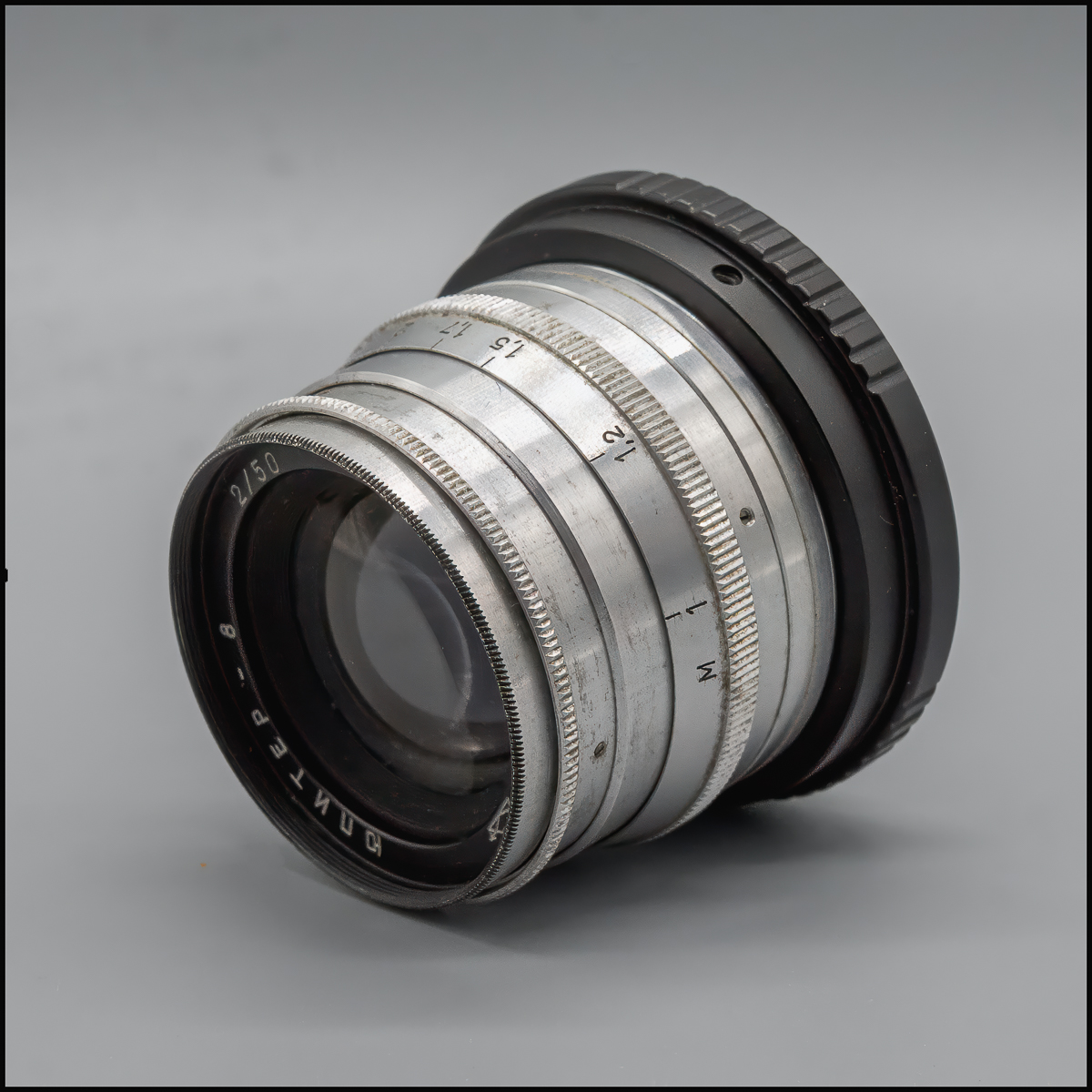
Actually, it’s not all that new. If my information is correct, the serial number suggests that it was built in 1963.

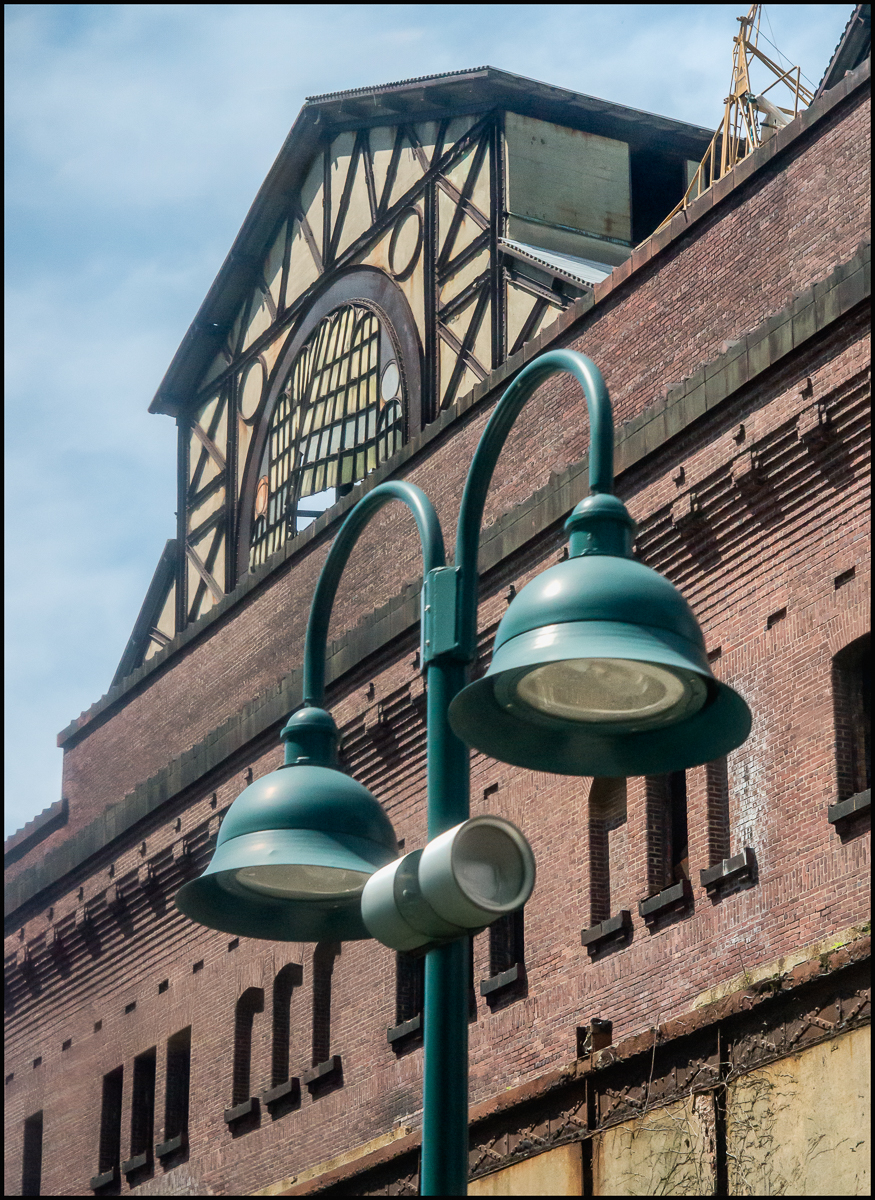
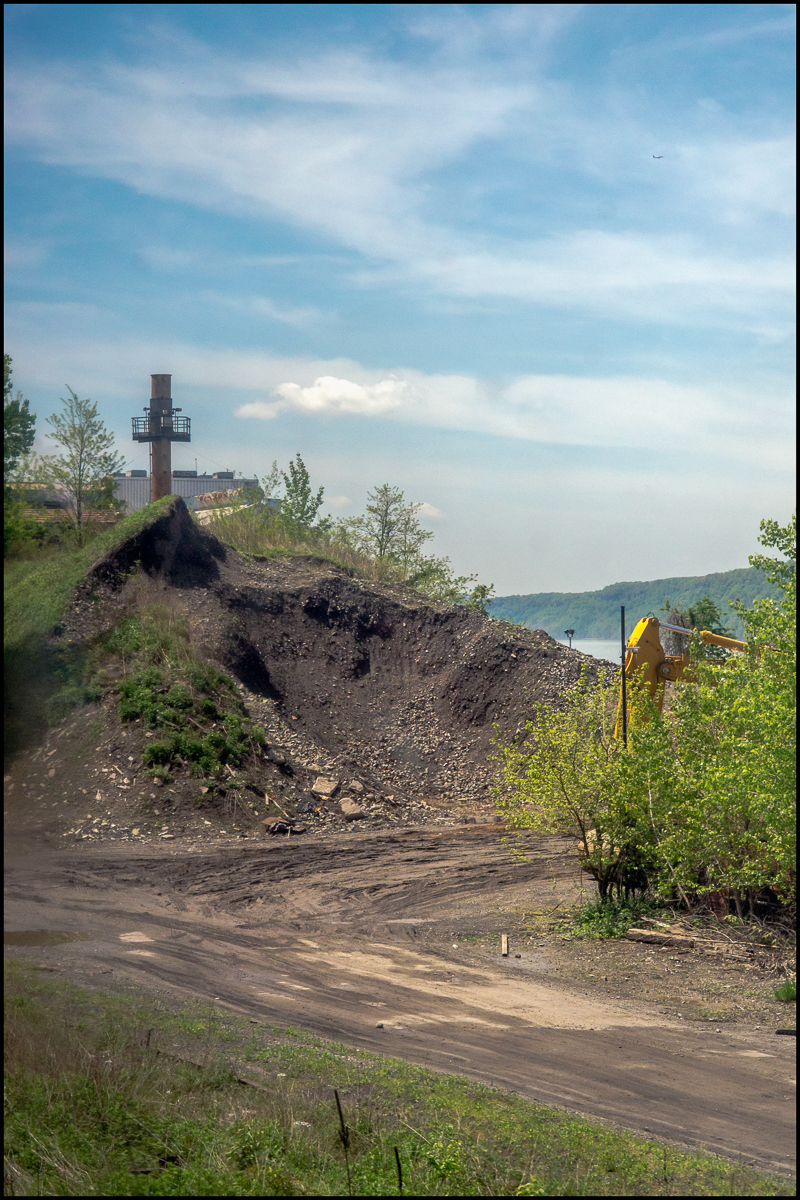
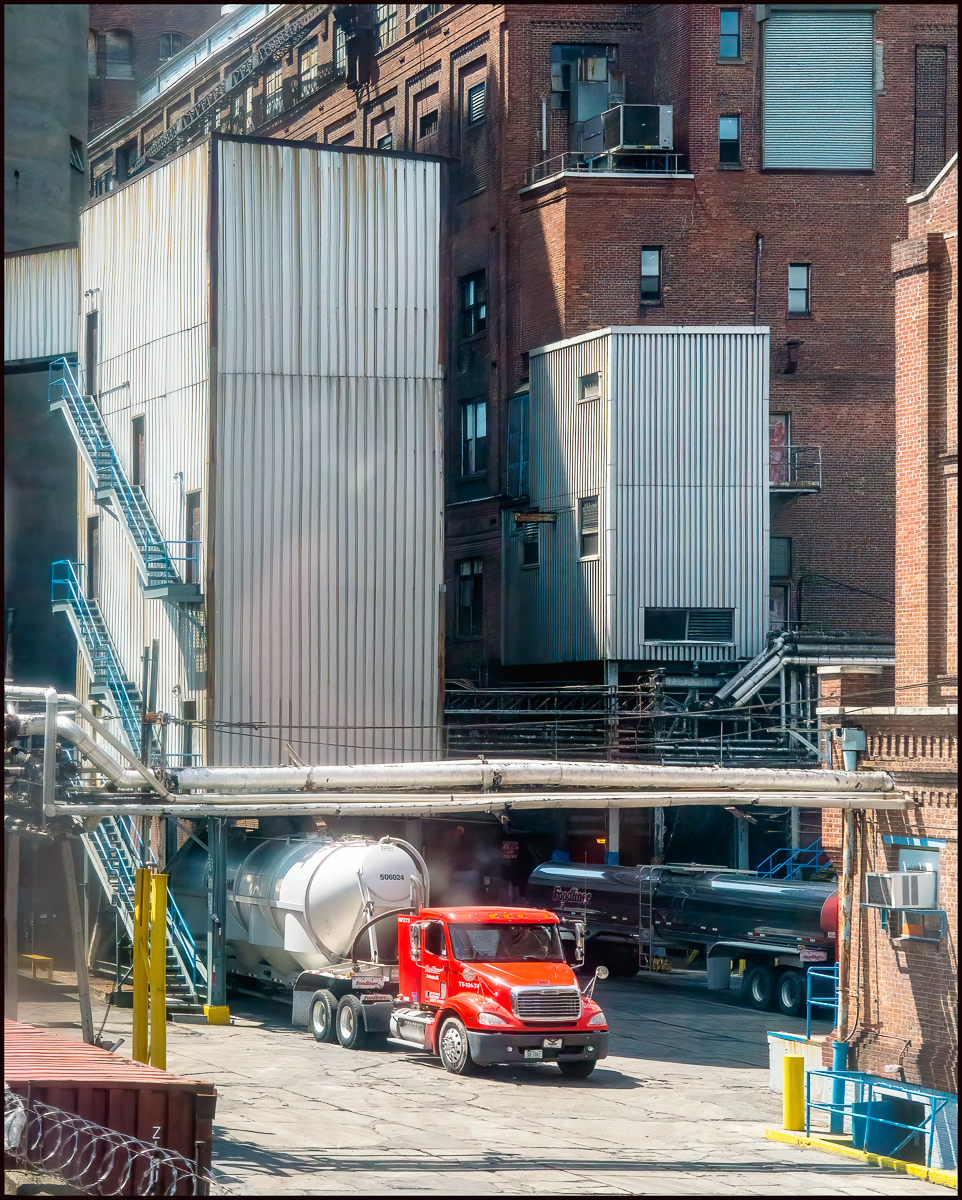
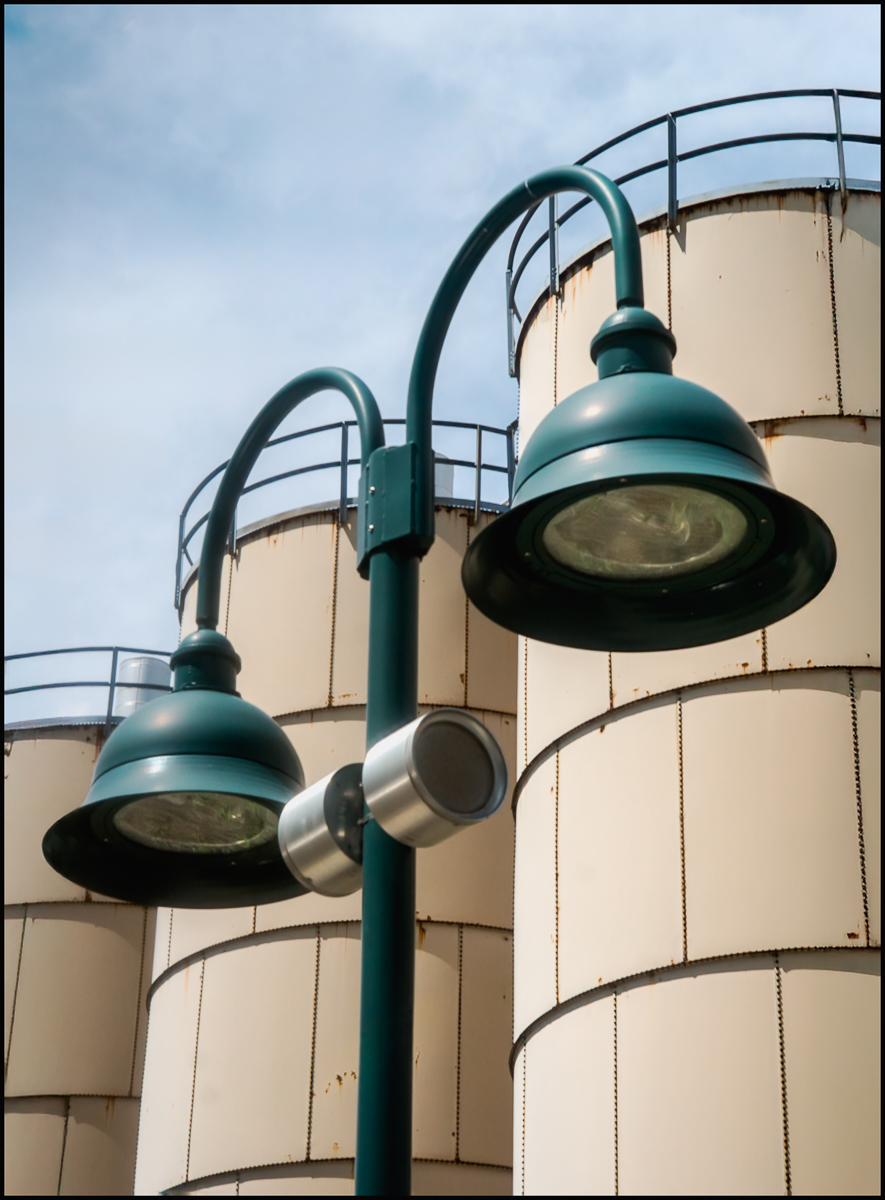
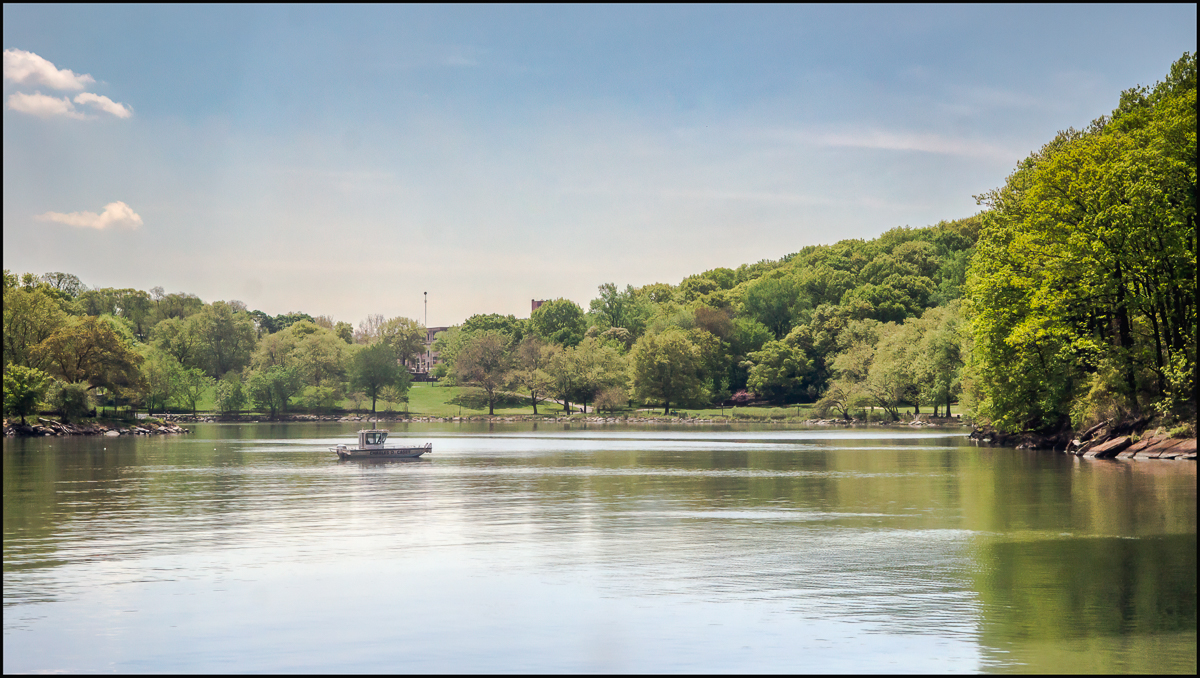
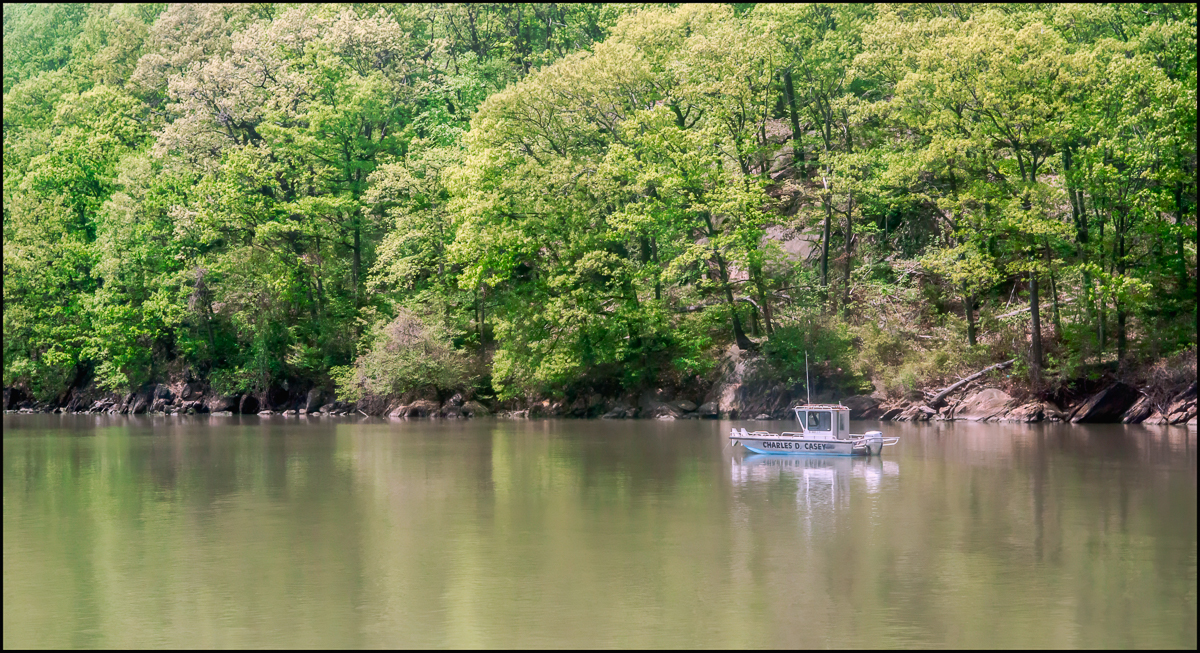
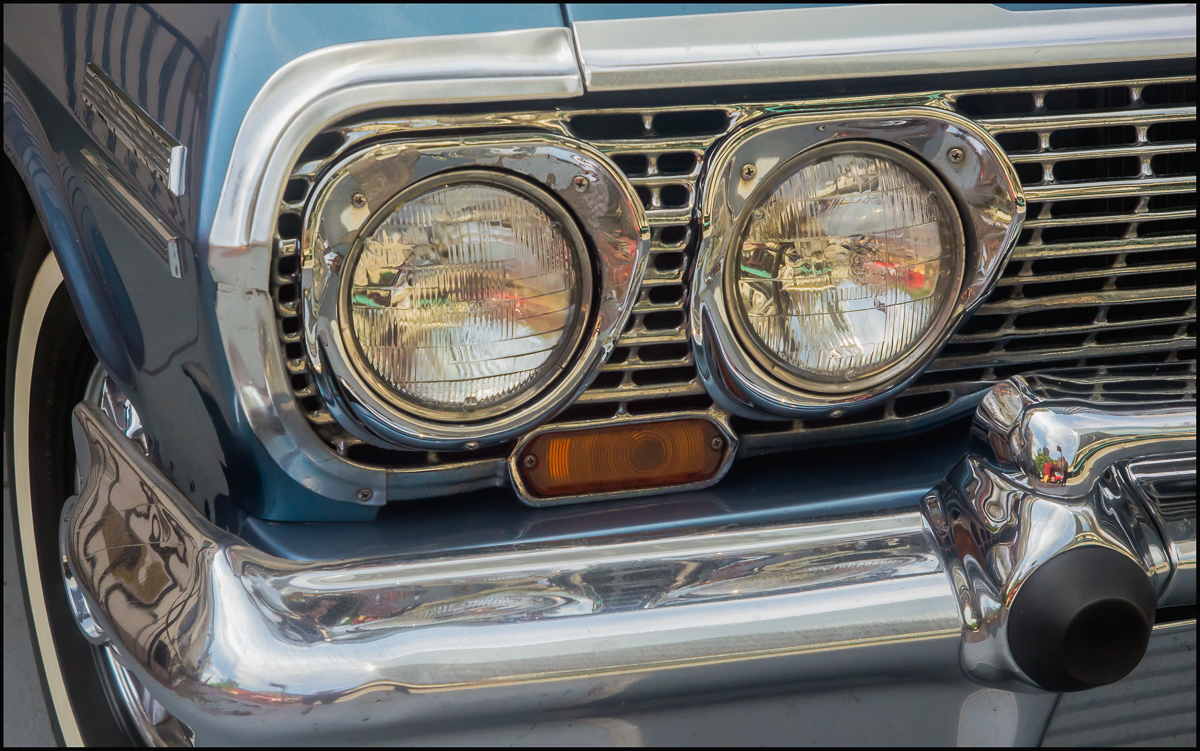
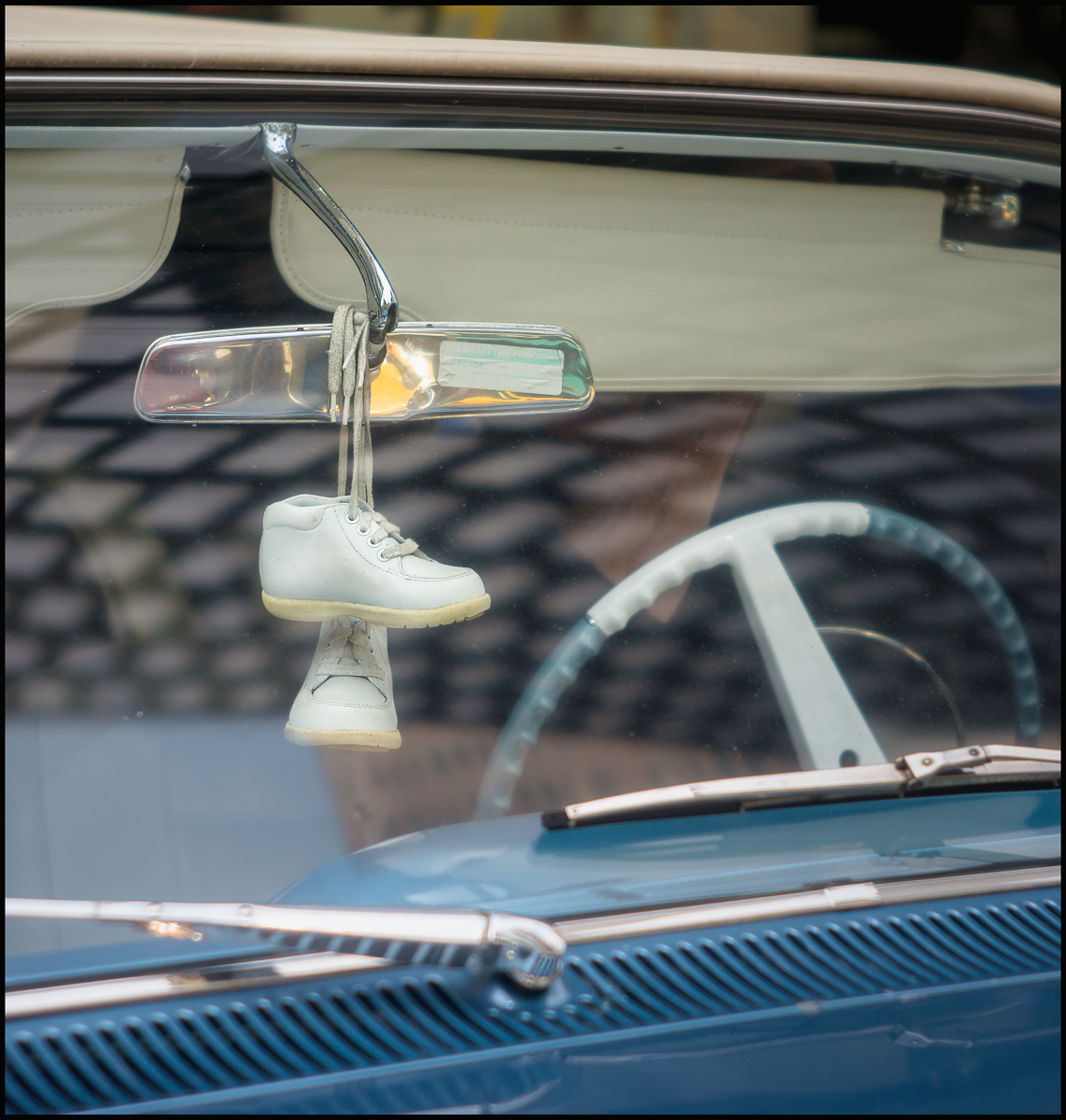
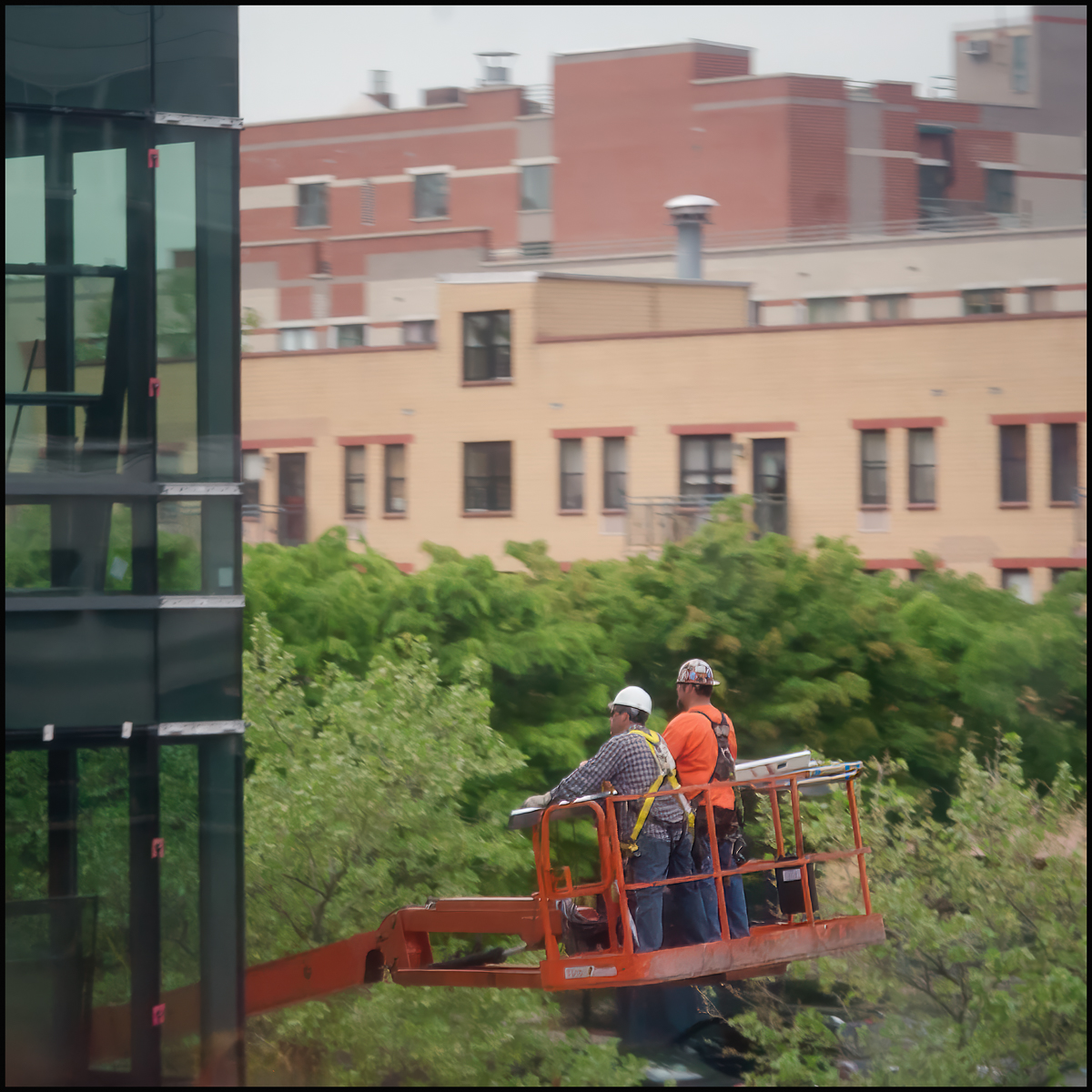
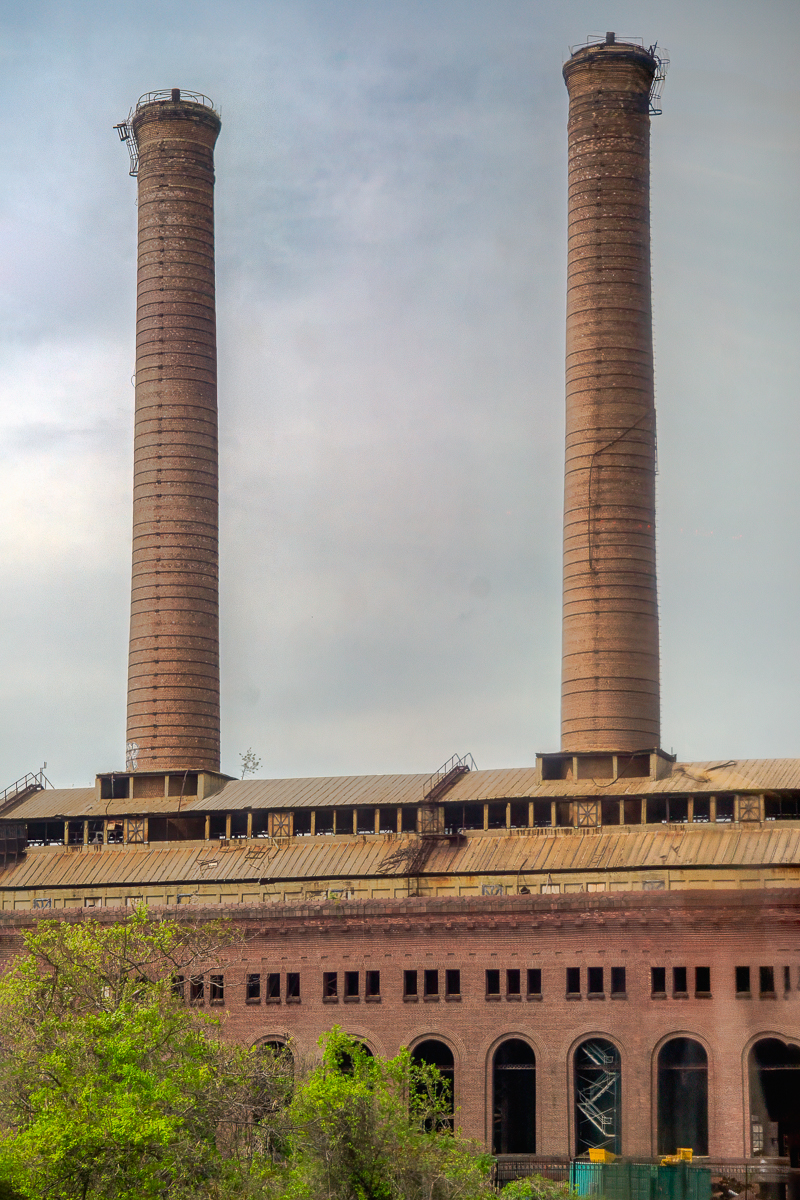
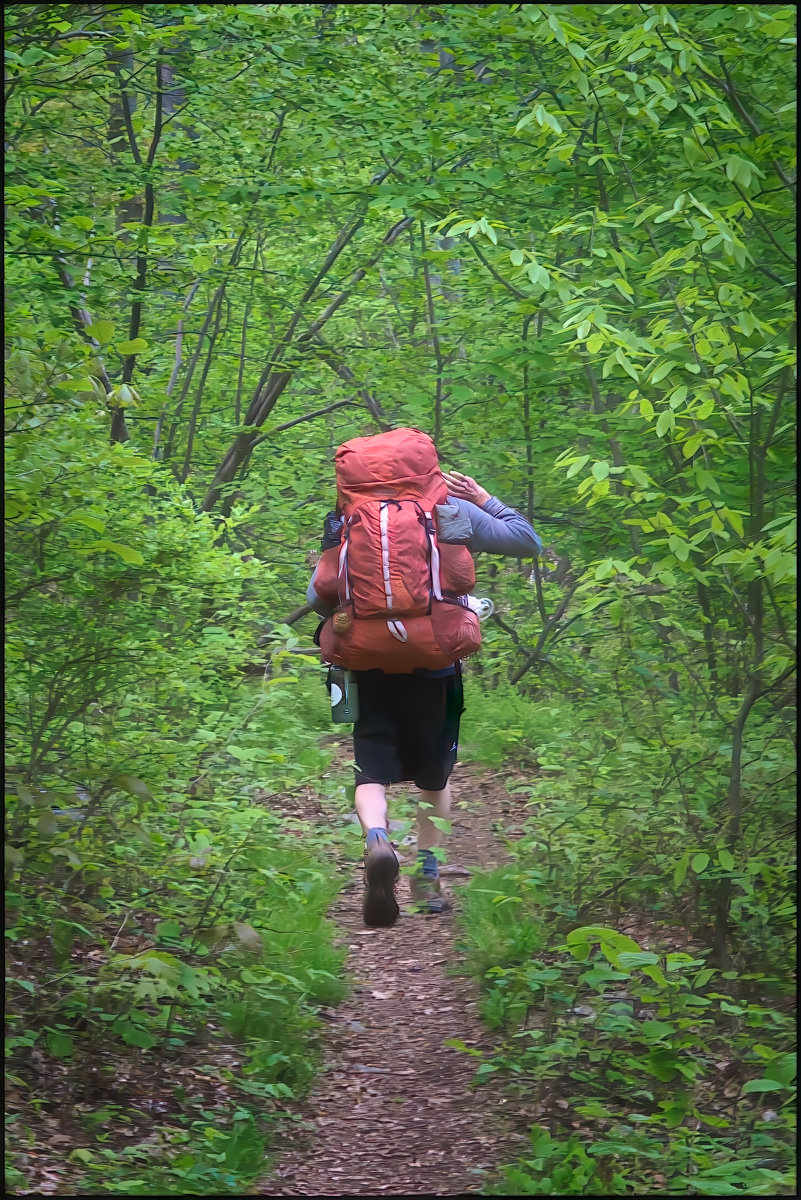
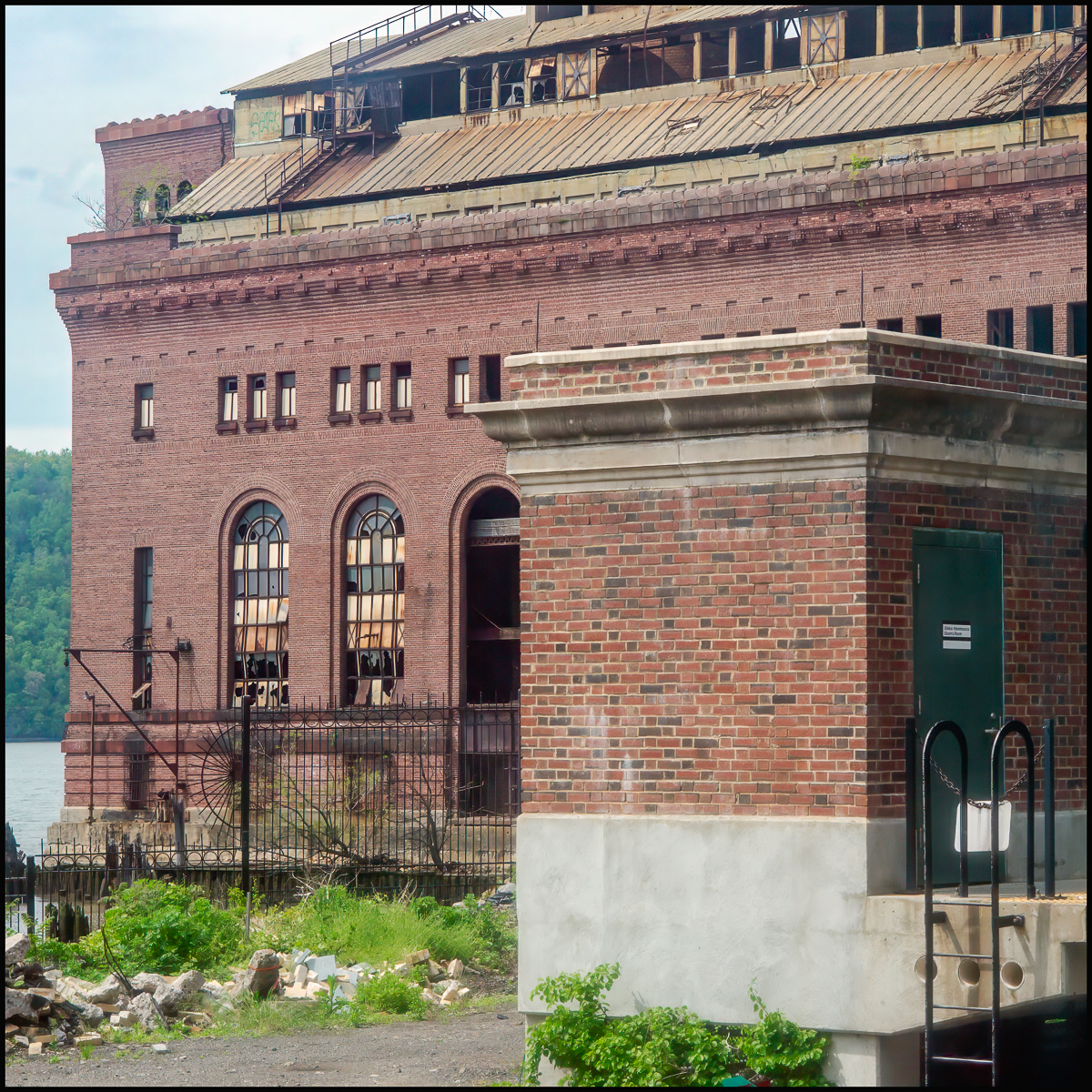
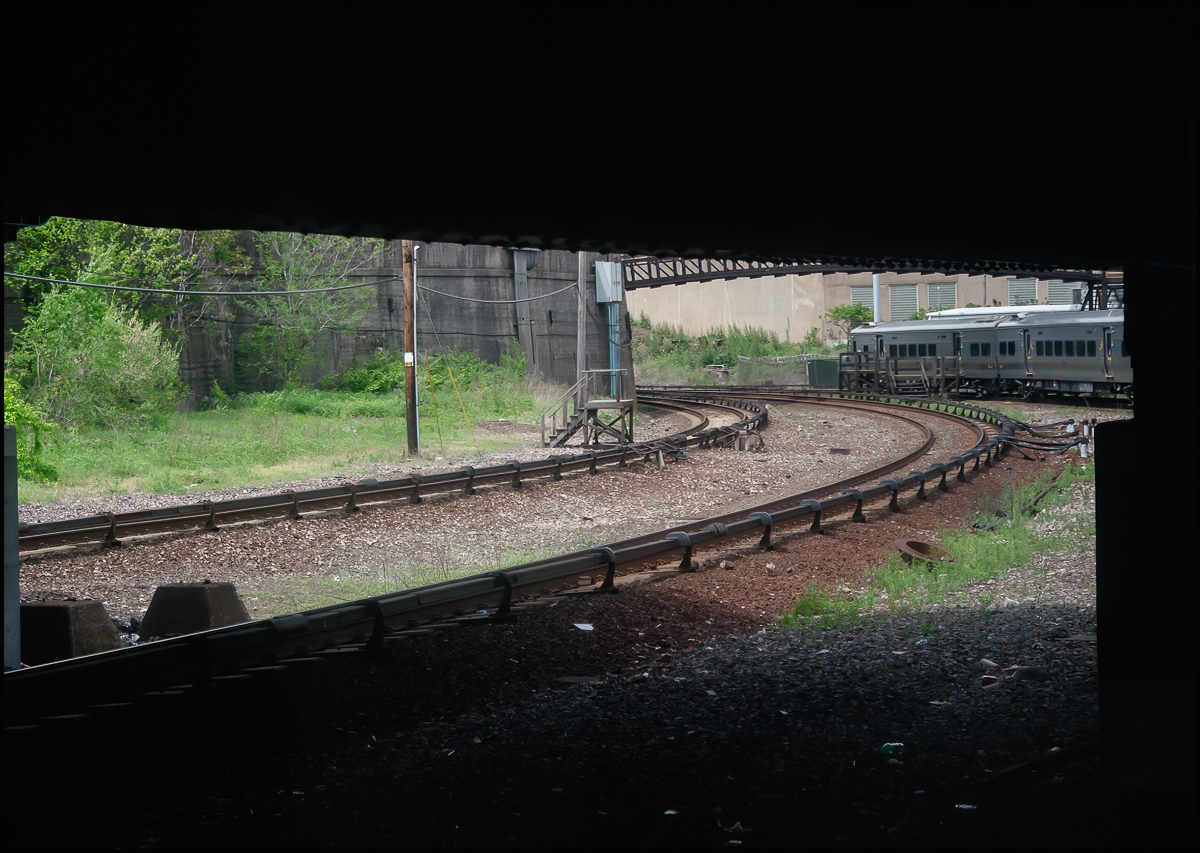
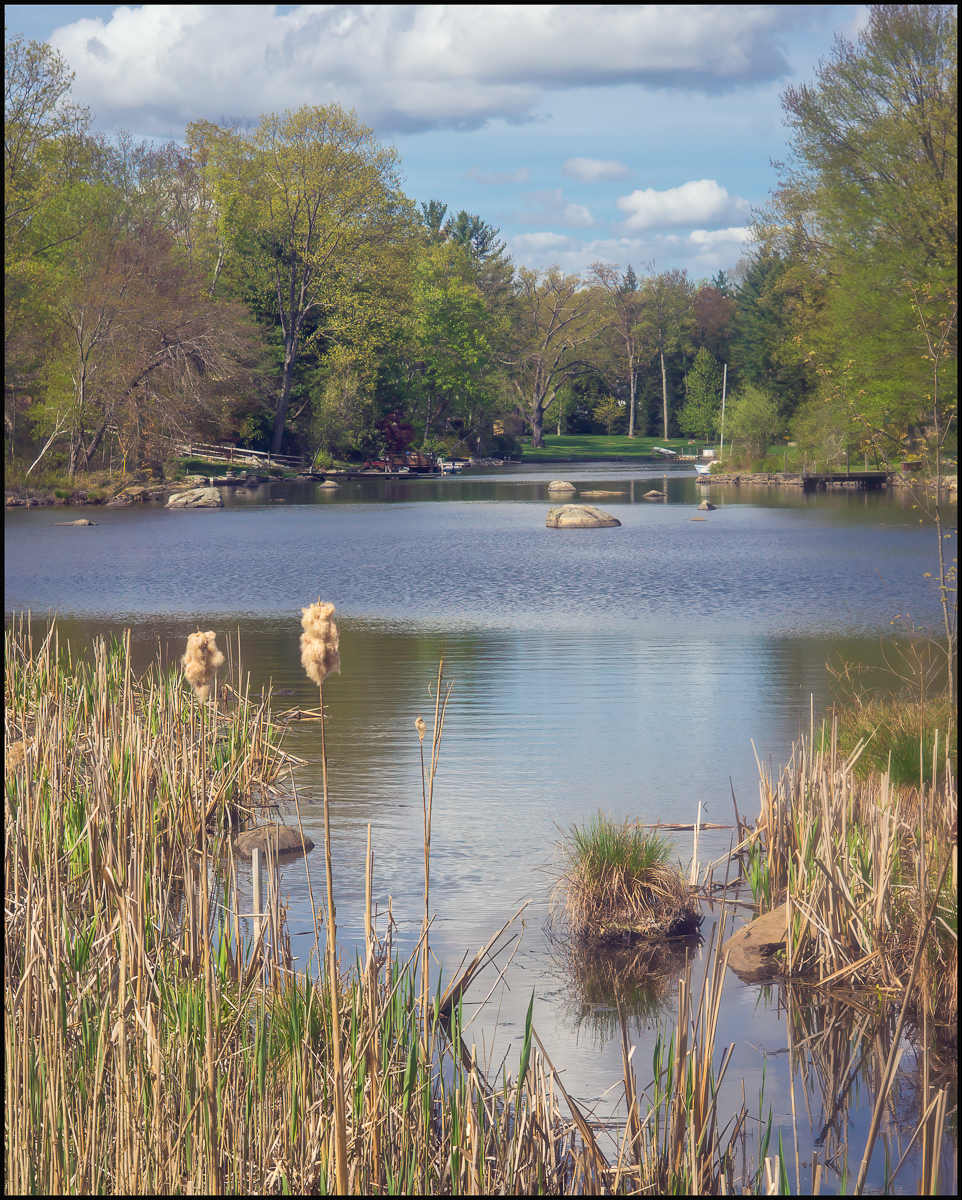
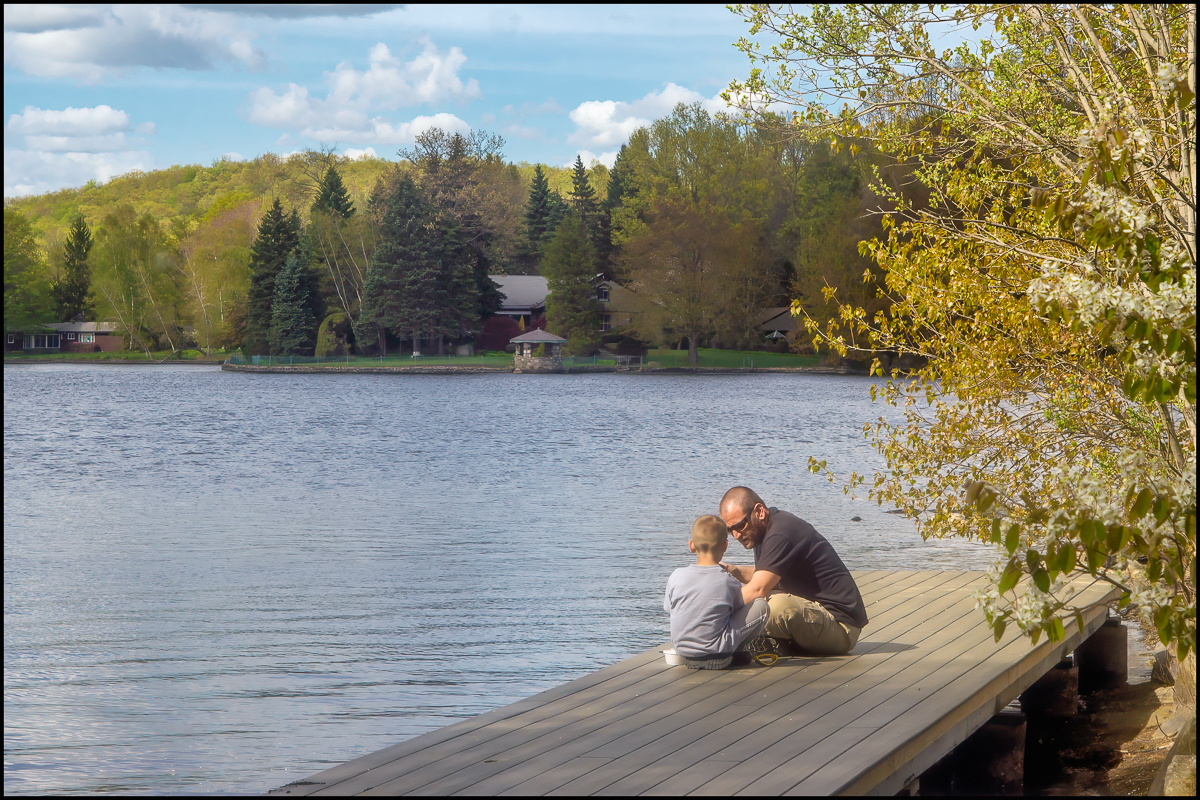
It’s not even new to me: I’ve had it for several years, but I haven’t featured it specifically on this site before. Note that a number of the photographs in this post were taken through a train window. So, if you see reflections, it’s for that reason and not because there’s a problem with the lens.

It’s a former Soviet Union lens, a Jupiter 8, derived from the Zeiss Sonnar design. It has six elements in three groups and a focal length of 50mm with a maximum aperture of f/2.0.It was made for two different camera mounts, the Leica thread mount used on Zorki, FED, and some other Soviet rangefinders, and the Contax mount used on Kiev rangefinders. The latter one can be used on all Contax rangefinders, with the former possibly needing to be adjusted to properly work on non-Soviet rangefinders using Leica thread mount, particularly if you’re using it on a film camera. The lens is a standard M39 mount.

Additionally, there existed a modified version of this lens, called the Jupiter-8M. The only difference between the two versions is that the modified version had click-stops on the aperture ring. It was available only in Contax mount for Kiev rangefinders.

A variation of Jupiter-8 lens was the usual standard lens on many Zorki and Kiev cameras, making it a pretty common lens even today.

Like many classic lenses it can be used with modern, digital, mirrorless cameras with a suitable adapter. Note that it has to be a mirrorless camera. Digital Single Lens Reflex Cameras (DSLRS) do not for the most part lend themselves to such adaptation.

One of the reasons I bought my first mirrorless camera (a Sony NEX 5N) was because I’d read that old lenses (which were at that time, 2011 quite inexpensive. They’re somewhat more expensive nowadays) could be used with it. I bought a number of old lenses and adapters and used them for quite some time. Inevitably, I lost interest eventually and haven’t used them for ages.

However, I recently decided to try them again, especially this one because I really liked using it, and a love the results it can produce.

For a review take a look at Jupiter 8 – A giant amongst the stars