
Shadows of a light post and flower planters seen on Pleasantville Road while approaching “The Patio”.
Taken with a Sony RX100 VII
Photographs and thoughts on photography and camera collecting

Shadows of a light post and flower planters seen on Pleasantville Road while approaching “The Patio”.
Taken with a Sony RX100 VII
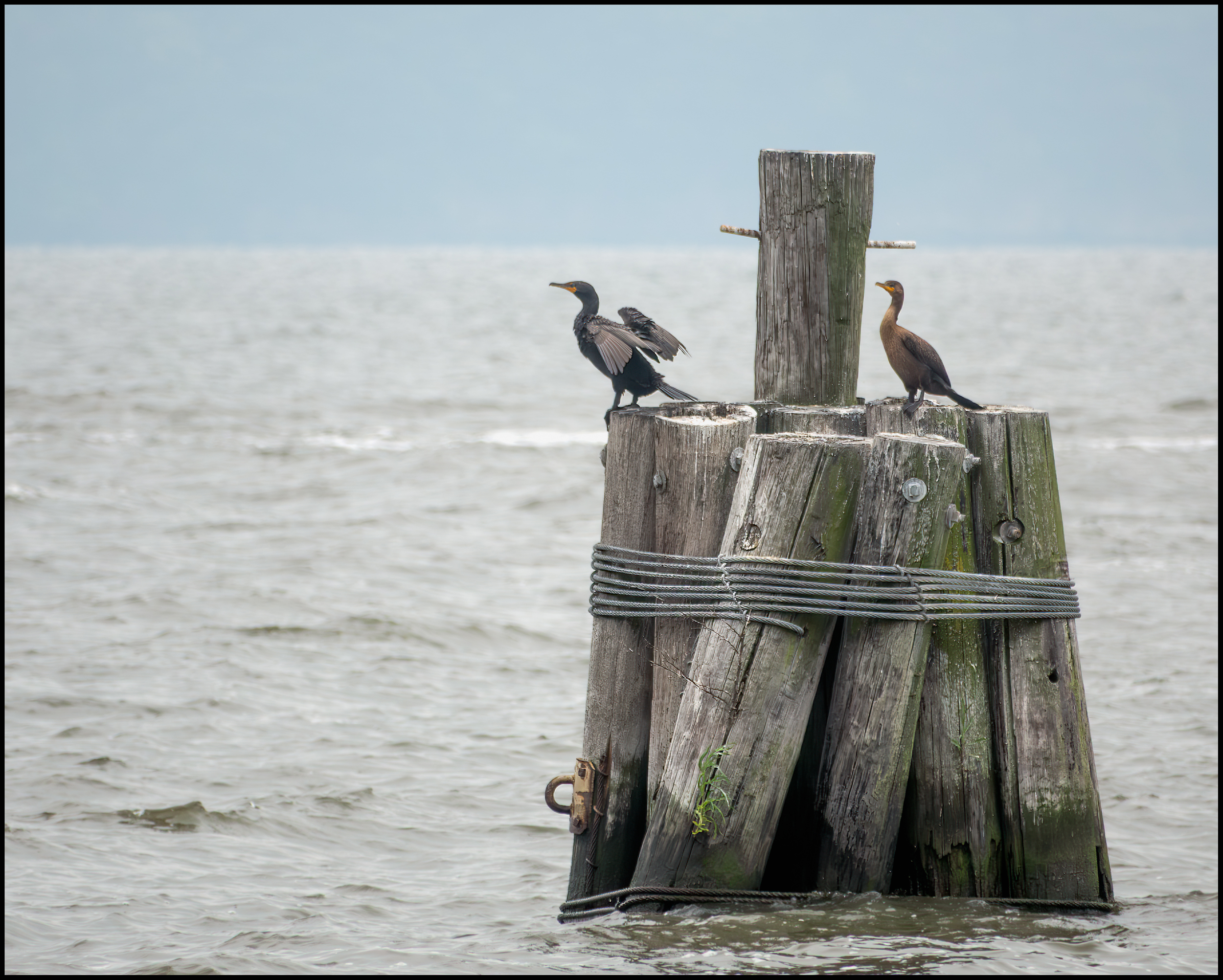
Cormorants have a voracious appetite and can consume up to a pound of fish in a single day? These birds are renowned for their incredible diving abilities and unique characteristics.
Cormorants possess unique physical attributes that distinguish them from other avian species. They have a distinct appearance that allows them to blend seamlessly with their surroundings. They have long necks, hooked bills, and dark plumage, making them well-suited for life in aquatic environments. Their plumage, consisting of dense, waterproof feathers, plays a crucial role in their ability to maintain buoyancy while diving and swimming underwater. These feathers contribute to their sleek and streamlined bodies, enabling efficient movement through the water. The beak of a cormorant is sharp and pointed, perfectly adapted for its diet and hunting techniques. With their beaks, cormorants can catch and grip fish effectively, facilitating successful hunting and feeding. A notable feature of cormorants is their webbed feet, which aid in their swimming abilities. These specialized feet provide greater propulsion and maneuverability in the water, enabling cormorants to swim swiftly and pursue their prey with agility.
They are highly adaptable creatures that can be found in a variety of habitats, both freshwater and saltwater. They have managed to populate different environments worldwide, showcasing their resilience and wide-ranging adaptability. Whether you’re exploring serene lakes, mighty rivers, picturesque coastal areas, or even remote islands, you may come across these remarkable birds. Cormorants are particularly well-suited for aquatic habitats, and they thrive in both freshwater and saltwater ecosystems. Their sleek bodies and webbed feet make them excellent swimmers and divers, enabling them to navigate through various bodies of water with agility. They are often observed in areas with abundant fish populations, such as estuaries, marshes, and mudflats.
In addition to fish, cormorants also incorporate aquatic invertebrates into their diet. These include small crustaceans and insects, which they find in their watery habitats. The inclusion of aquatic invertebrates in their diet allows cormorants to access a broader range of nutrients, contributing to their overall health and survival.
Cormorants are social birds that often gather in large groups, called colonies. These colonies serve important purposes such as breeding, nesting, and roosting. The social behavior of cormorants contributes to their overall survival and reproductive success as a species. During the breeding season, male cormorants perform elaborate courtship rituals to attract females. These rituals involve displays of agility, strength, and vocalizations. By showcasing their desirable traits, male cormorants aim to impress and win the affections of the females within their colony. Cormorants build nests, constructing them out of twigs, grass, and other materials. The nests are typically located on cliff sides, trees, or the ground, depending on the available habitat. Cormorants are diligent nest builders, creating sturdy structures that provide a suitable environment for their eggs and young.
Cormorants have an average life span of around 20 to 30 years. With proper conditions and without significant threats, these birds can live for several decades.
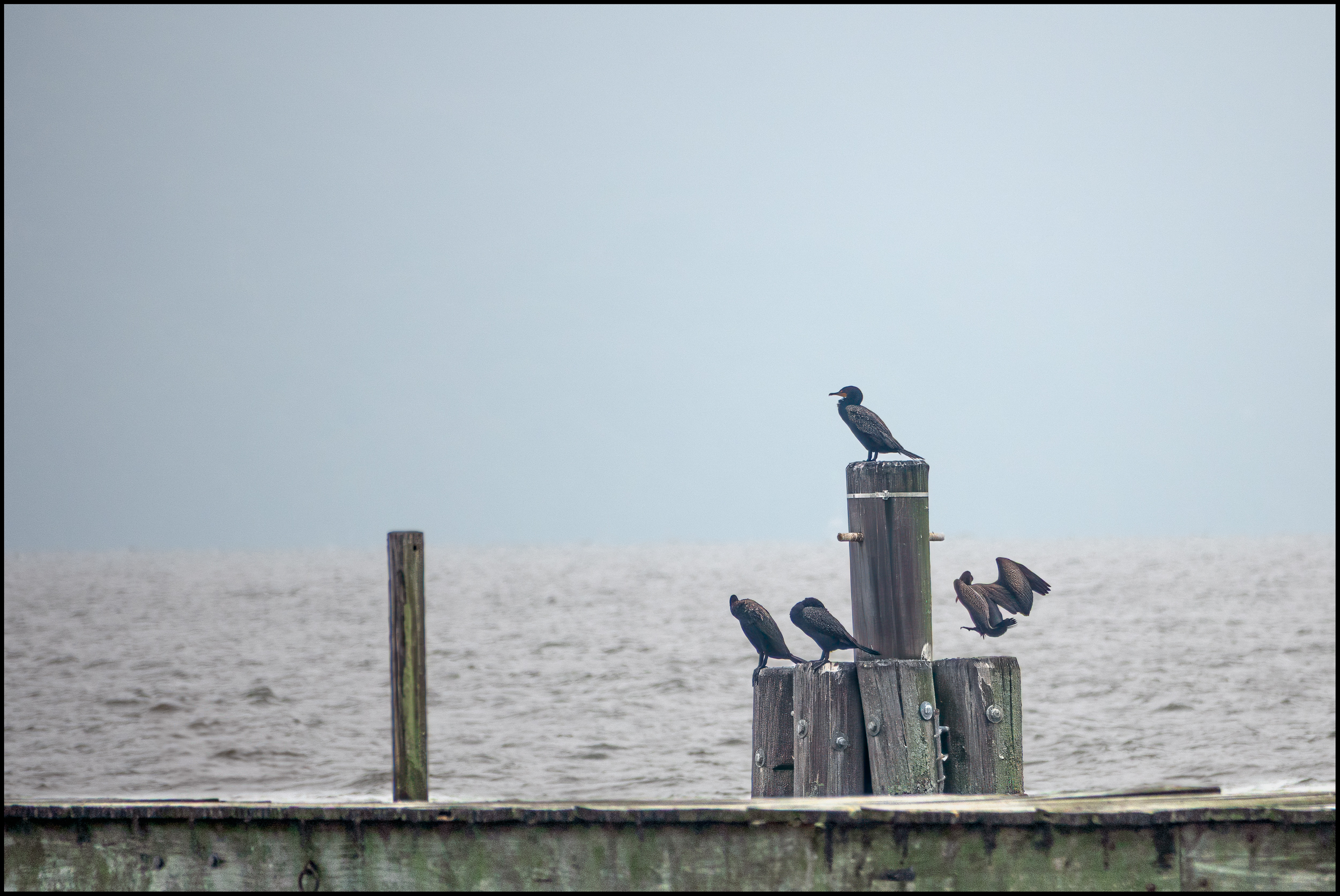
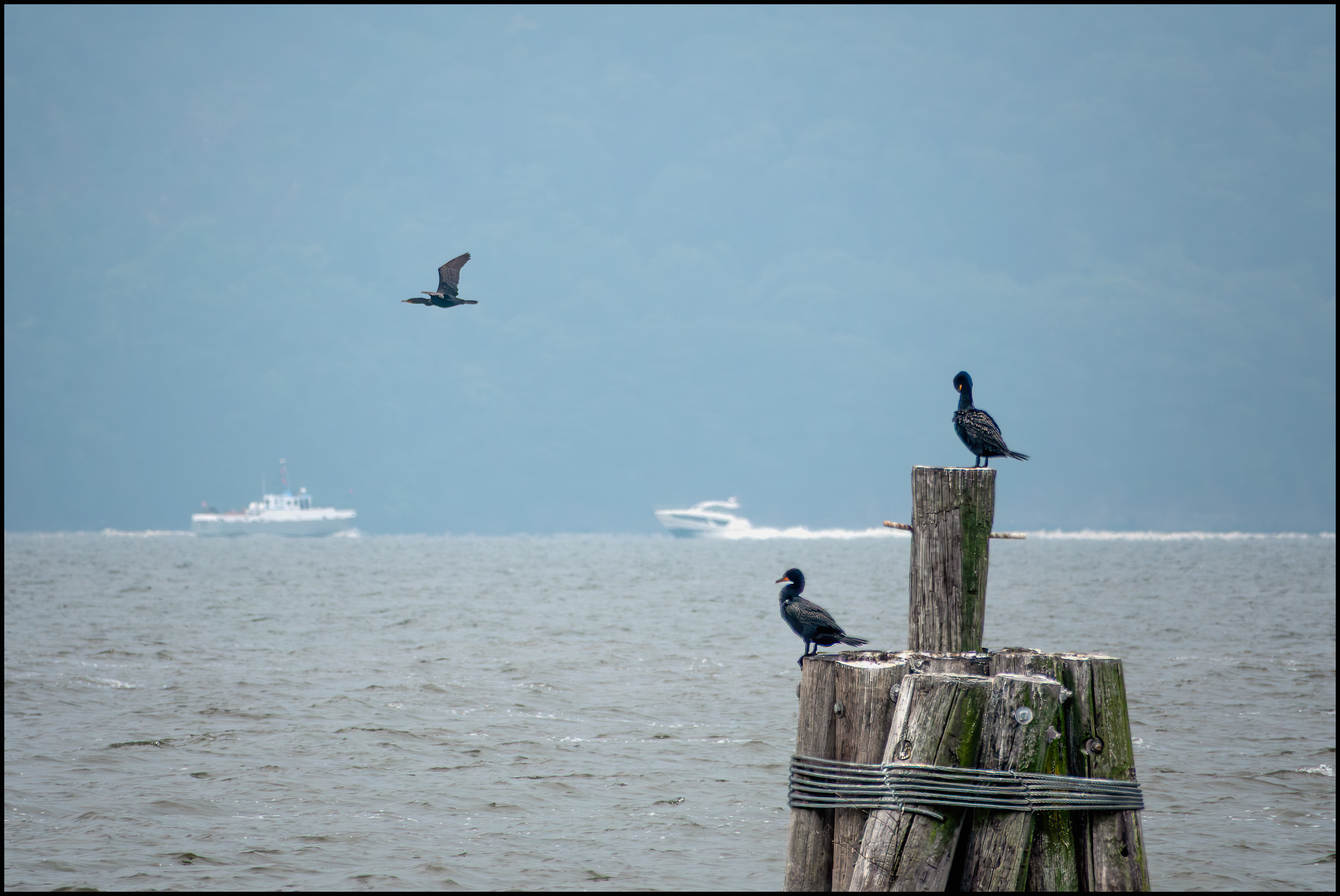
Taken with a Sony RX10 IV

This signboard made me smile! I’m still wondering what a “Chop Chess” is. I assume from the first item that “Chess” is “Cheese”, but I have no idea what a “Chop Chess” is. Chopped Cheese? A chop with cheese? Who knows.
Taken with a Sony RX10 IV

I came across this guy in Henry Gourdine Park.
Ossining’s Henry Gourdine Park is a small riverfront park in the Old Village with beautiful views of the Hudson River, paved paths for walking, benches for watching the sunset, and a neat playground. Located in front of the Ossining Train Station, the park is adjacent to the 3 Westerly Bar & Grill, the Harbor Square apartments, the Ossining Boat and Canoe Club, and the Louis Engel Waterfront Park. Since the park is so close to Louis Engel next door, you can easily visit both at once.
Henry Gourdine was a legendary Hudson River fisherman, storyteller and Ossining resident who died in 1997 at age 94. A fisherman from age 17, he also made and repaired his own nets, built boats, worked as a carpenter between fishing seasons, and relished passing on stories and wisdom to others.
In the part of the park nearest to the train station there’s a tiny area covered by an overpass that takes the road over the railroad tracks. It’s a nice shady place to sit in hot weather (which we’ve had a lot of lately). I was sitting there when I noticed the subject of this photo. I suspect that he was an employee of 3 Westerly Bar and Grill taking a break. He certainly walked off in that direction when he’d finished.
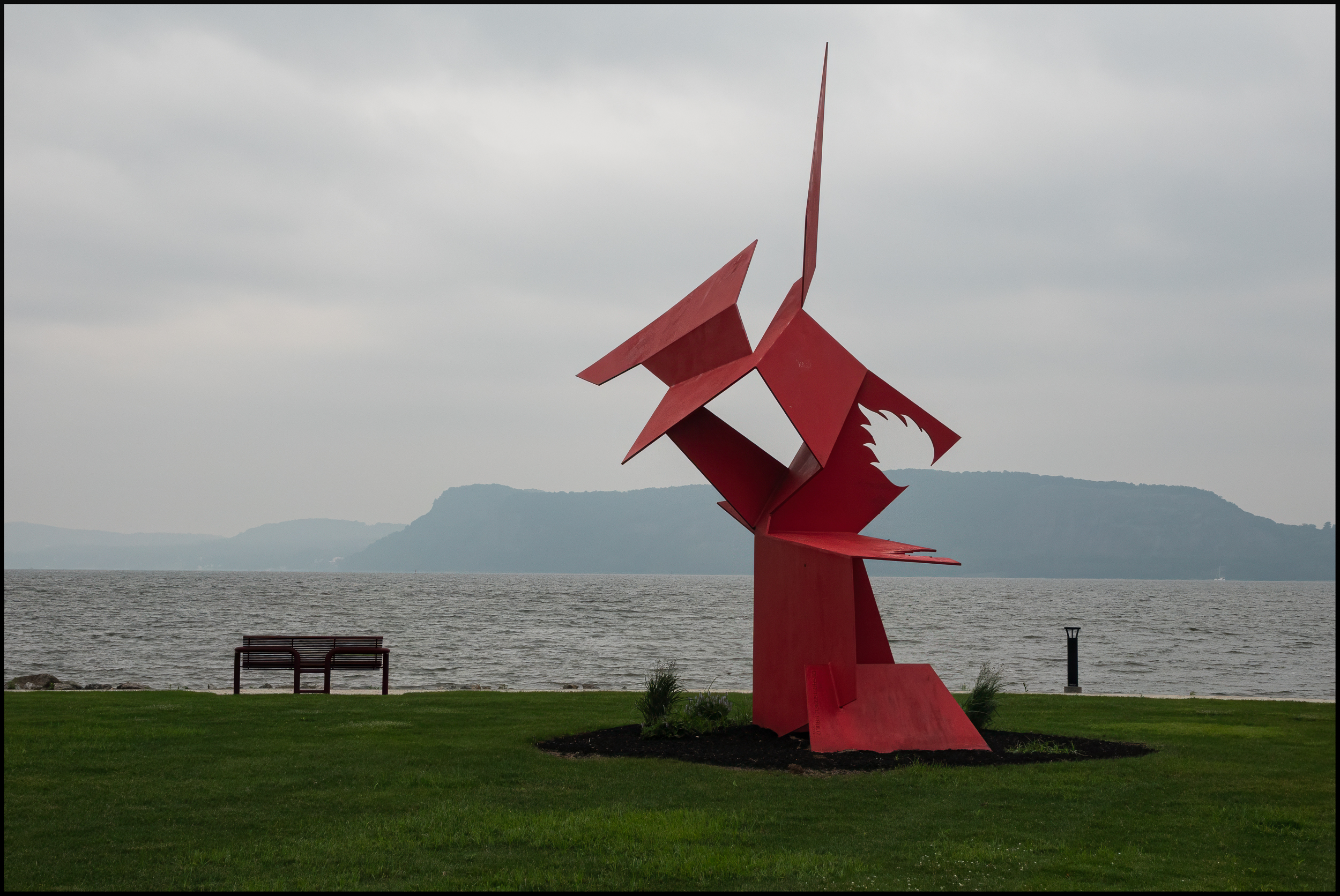
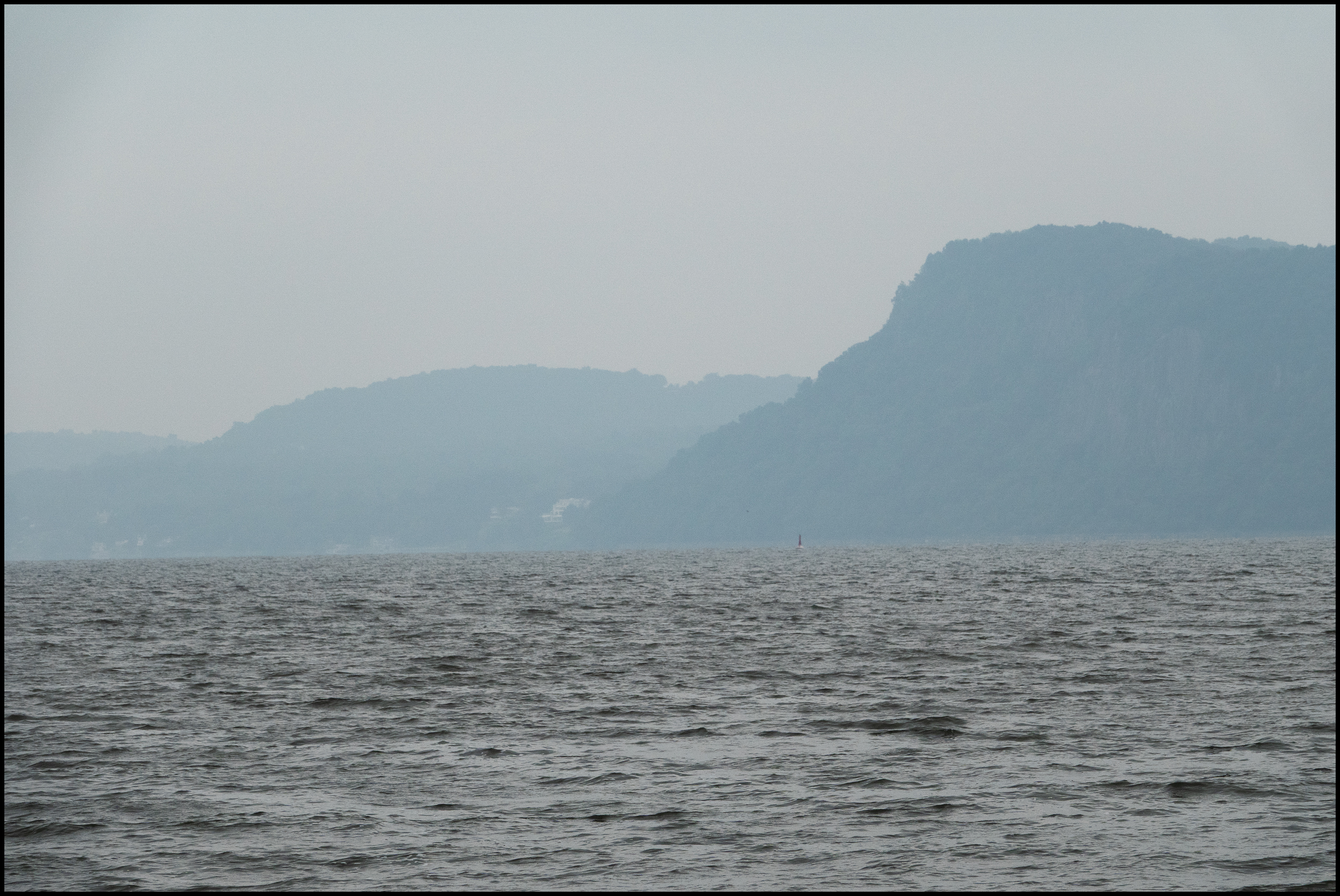
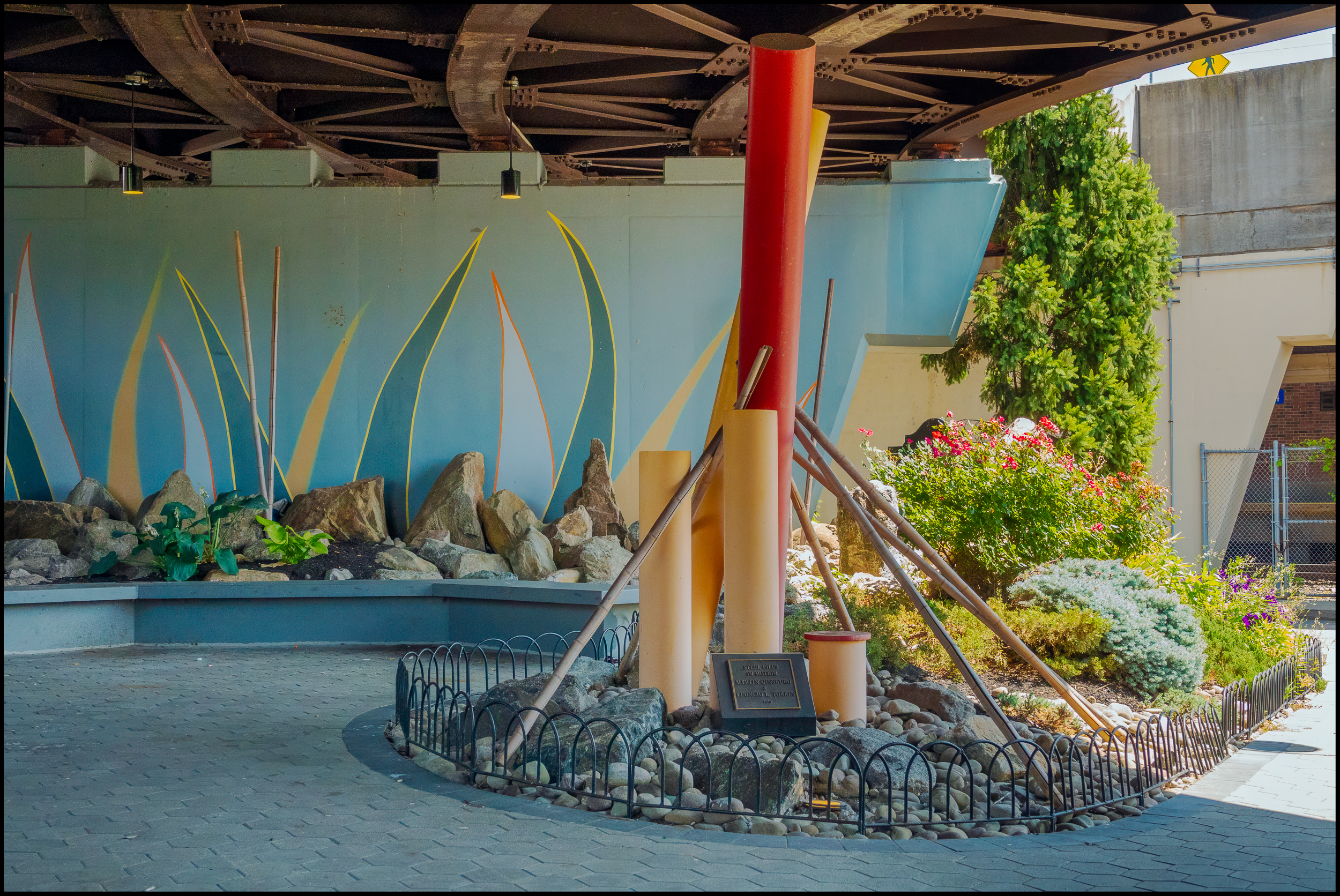
Taken with a Sony RX10 IV
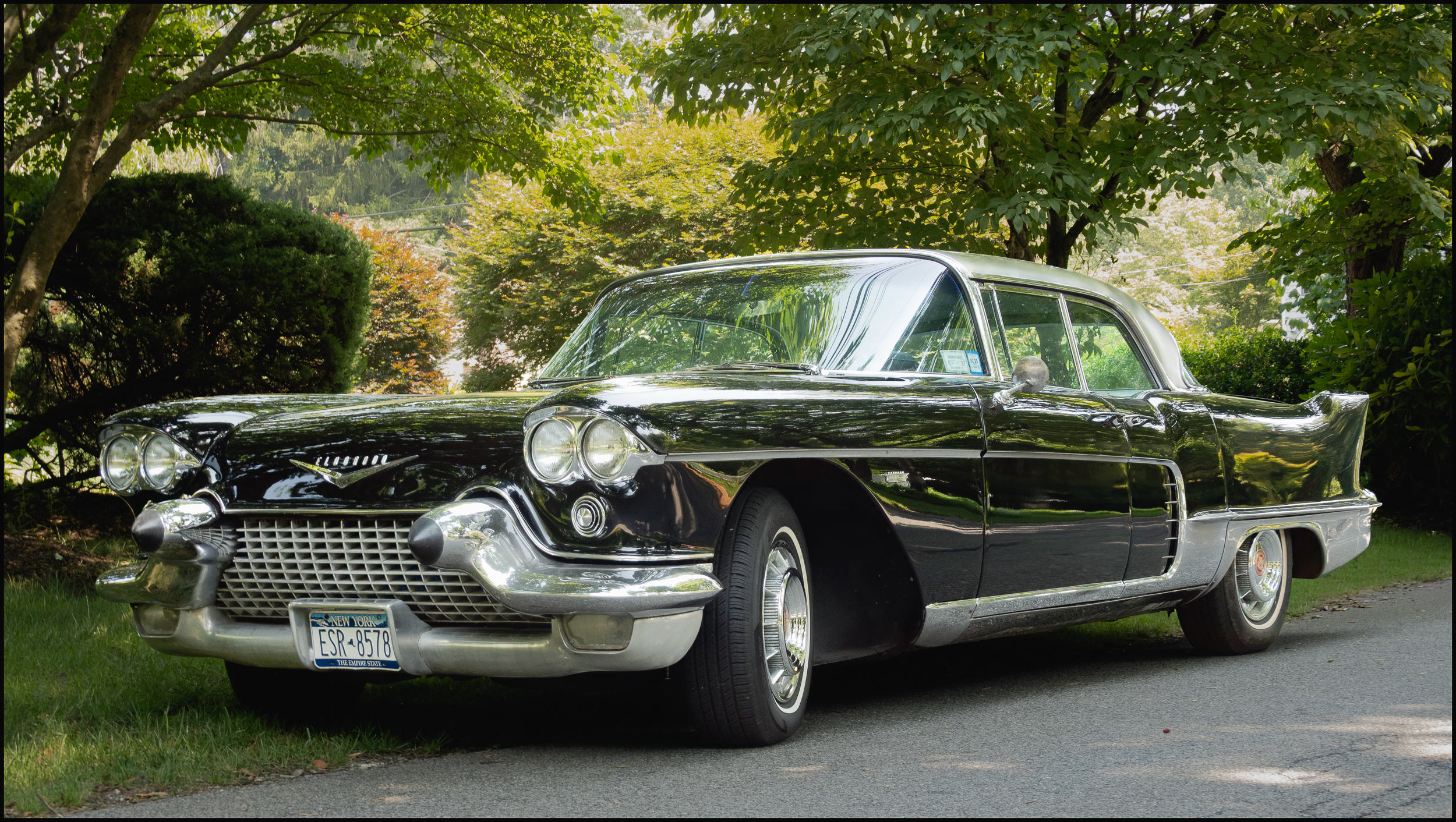
I came across this amazing car while walking in Briarcliff Manor’s “Tree Streets” the other day. I don’t know very much about cars, but after a little research I suspect it’s a 1957 Cadillac Brougham.
For more on this car see:
https://www.supercars.net/…/1957-cadillac-eldorado…/
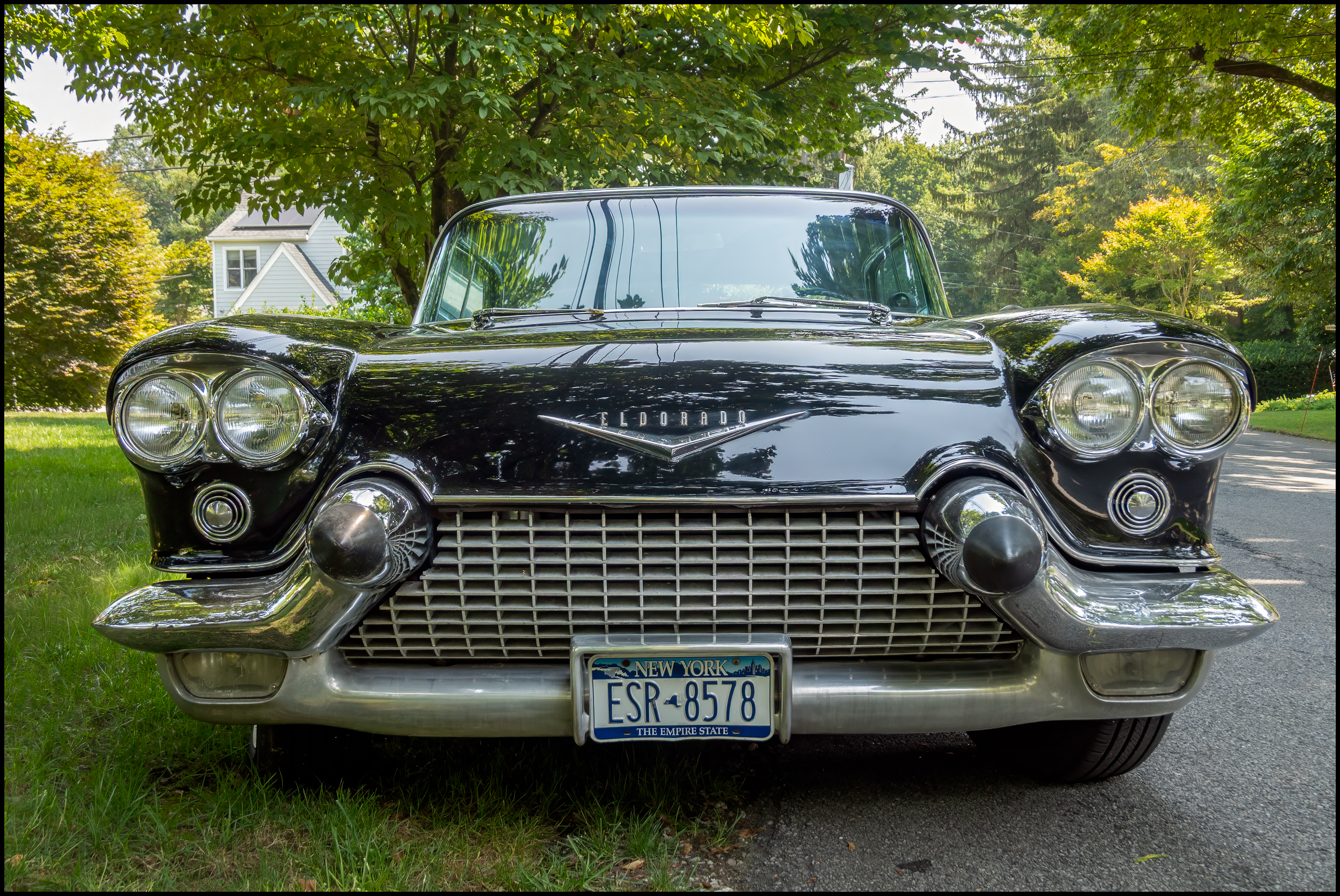

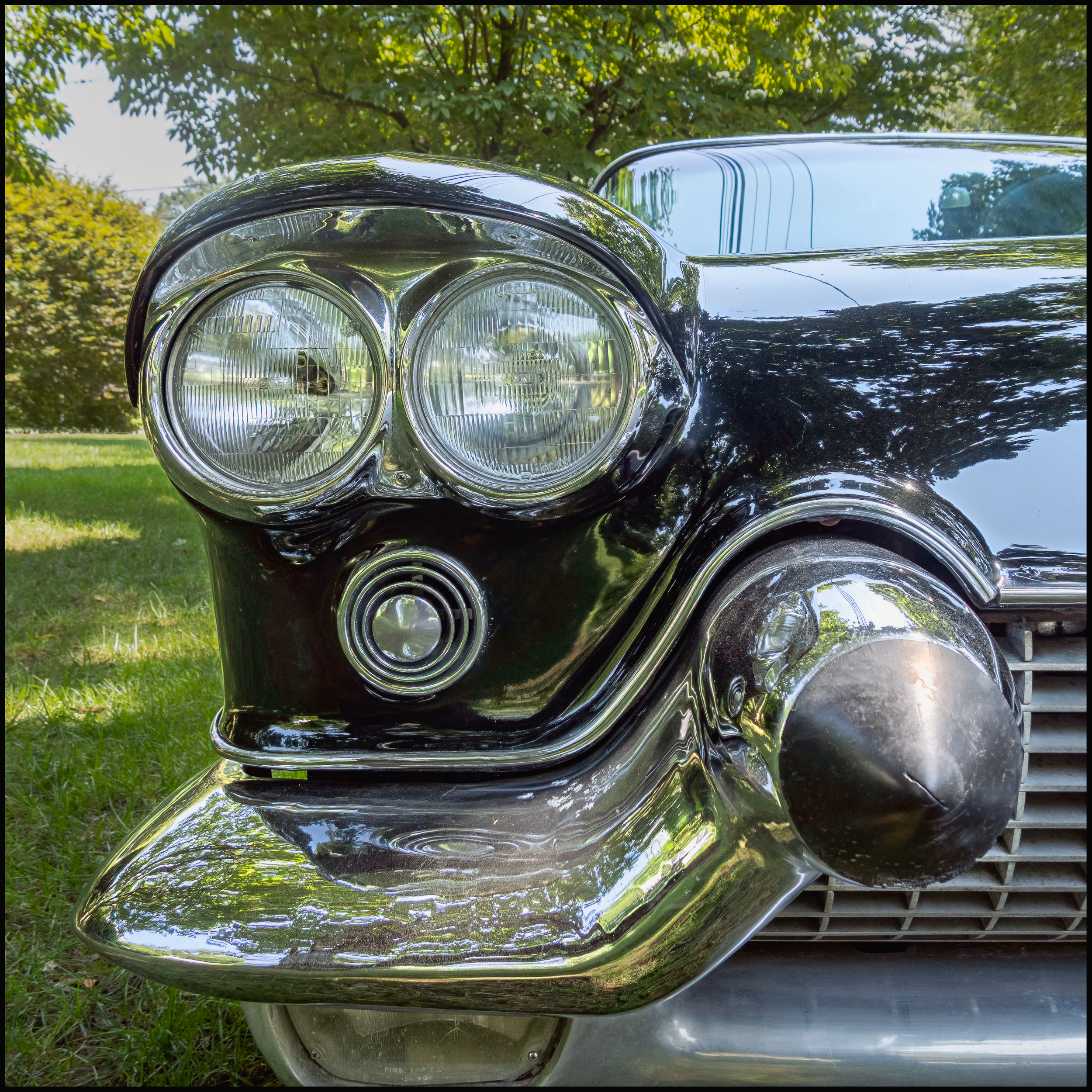

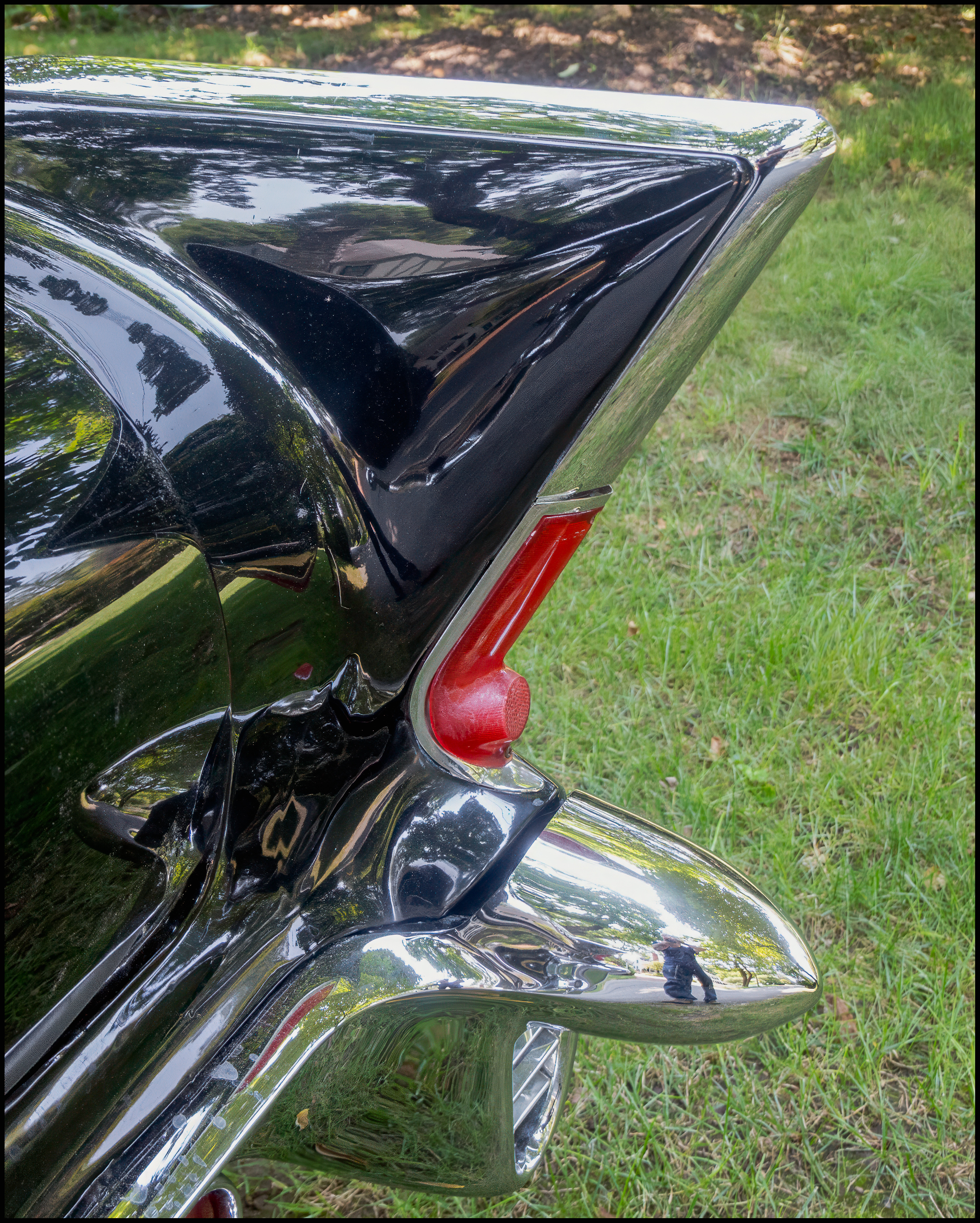

Taken with a Sony RX100 M7