More infrared

Almost a year ago (doesn’t time fly!) I documented my attempts at Infrared photography. See:

The above focused on black and white infrared photography and I was quite pleased with the results.

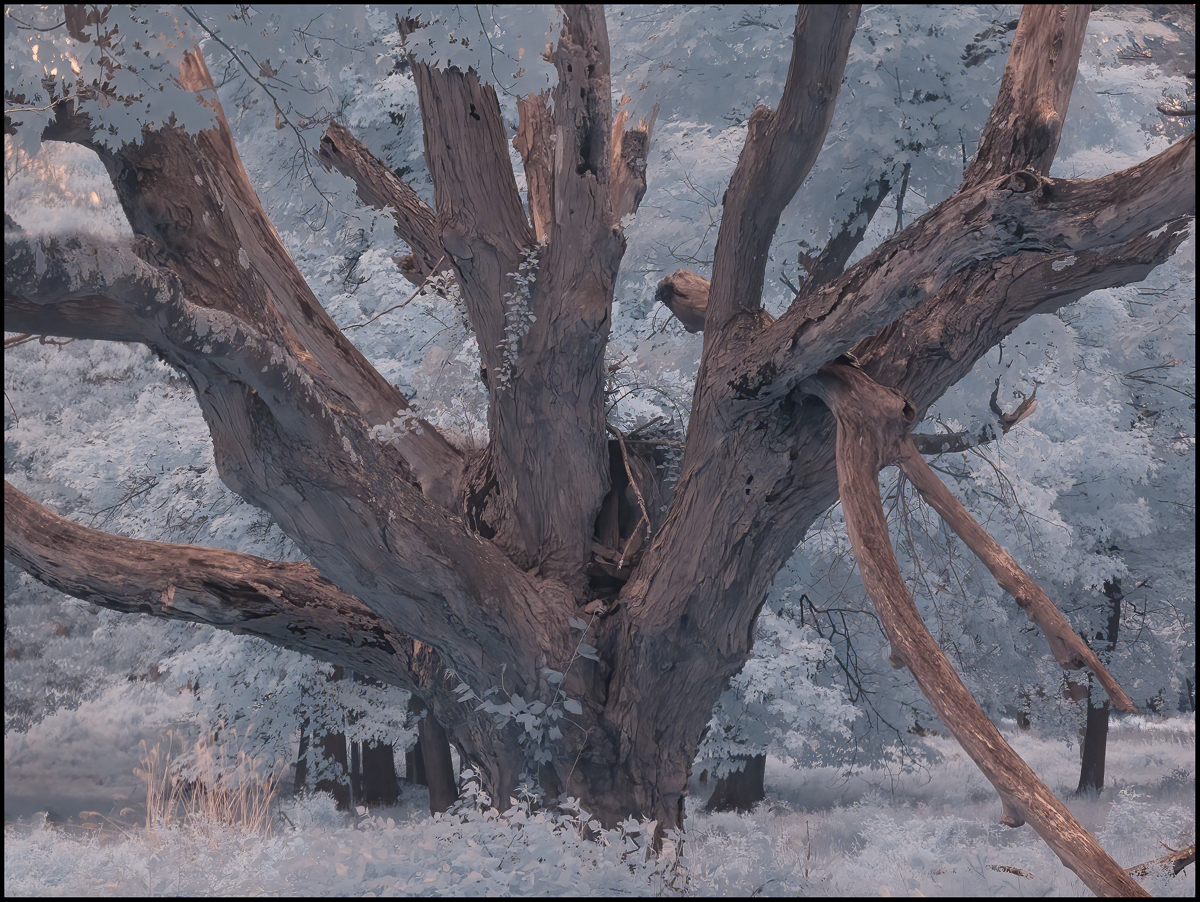
I also tried so-called false color infrared photography (See: First attempts at false color infrared photography). Frankly the results were terrible. I didn’t get it; didn’t understand properly how to do it; and didn’t like it much.

However, I can be quite persistent, and I vowed to try it again, so the other day I went out into some nearby woodland (actually it’s right across the road from my house) to try again. This time I was better prepared. I’d bought a book; watched YouTube tutorials; read articles etc. I was hoping for better results than the last. I wasn’t disappointed. My preparations seem to have helped. Of course, this type of photography is not to every one’s taste, but I rather like the way the pictures came out.

For more examples of this type of photography take a look at my website, here.

The first link above: Trying out Infrared Photography – Exploring the Options describes how I came to the camera I’m presently using for infrared photography. I love it, but it’s still a ten-year-old camera with a very small, low-resolution sensor. I bought it because I didn’t know if I’d enjoy infrared photography and I didn’t want to spend a lot of money until I was certain that I would want to continue with it. I’m now sure that I will and plan to acquire a newer, higher resolution camera with a larger sensor. More on that later.
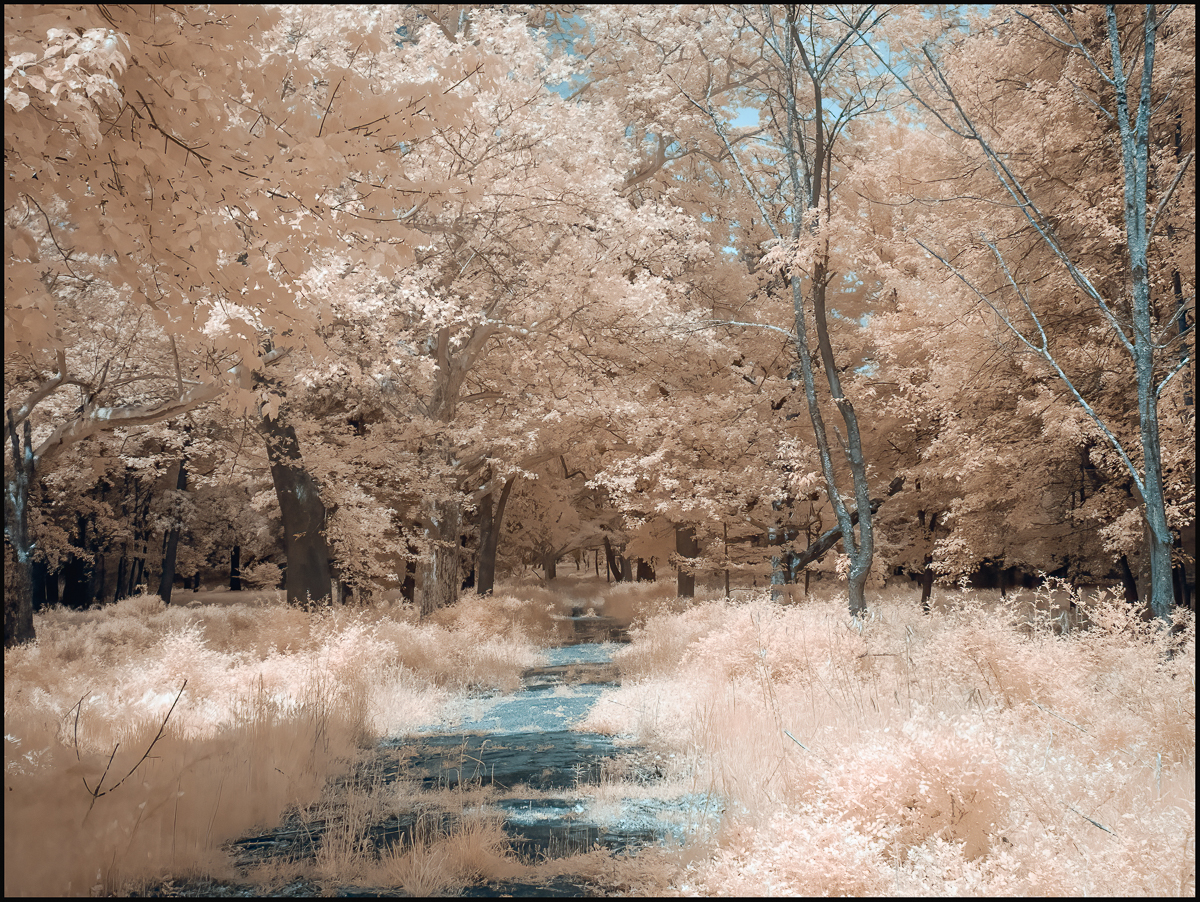
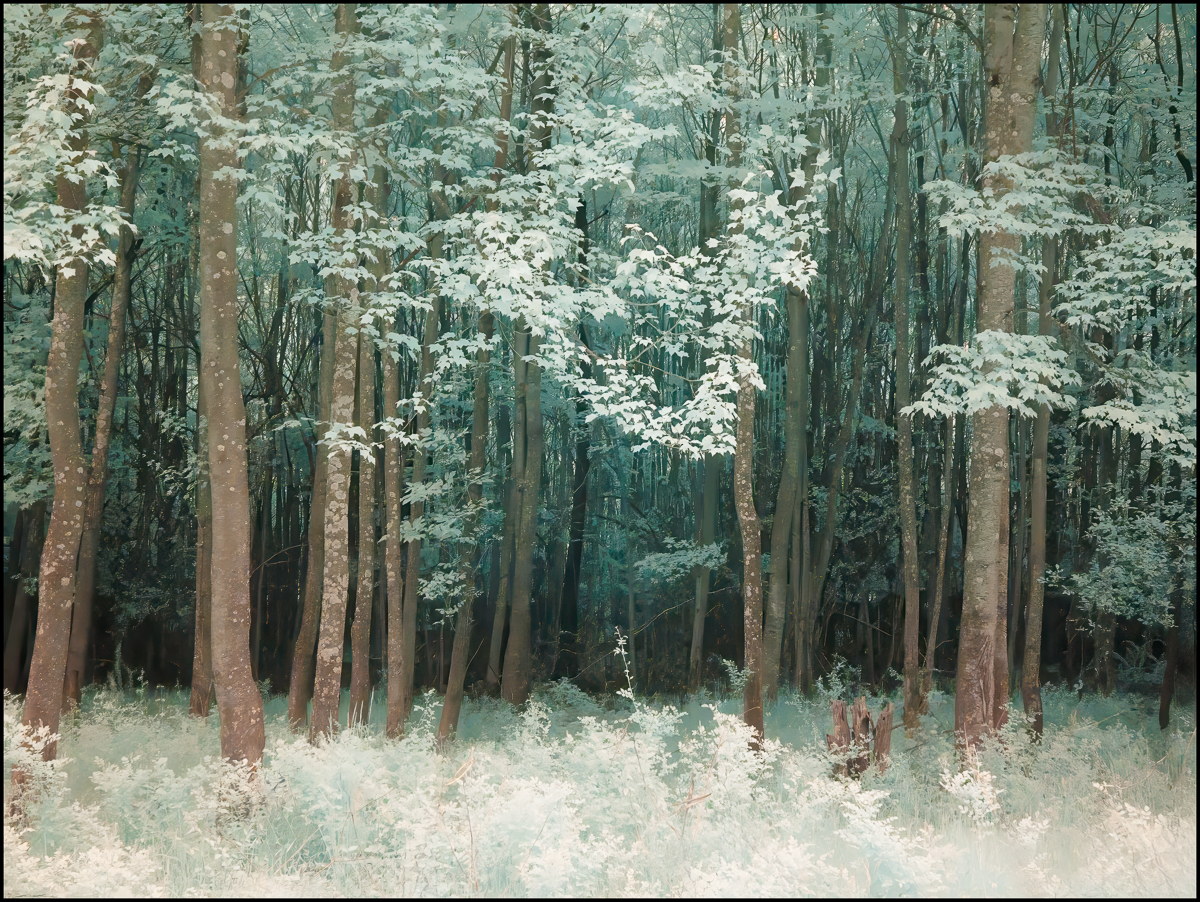
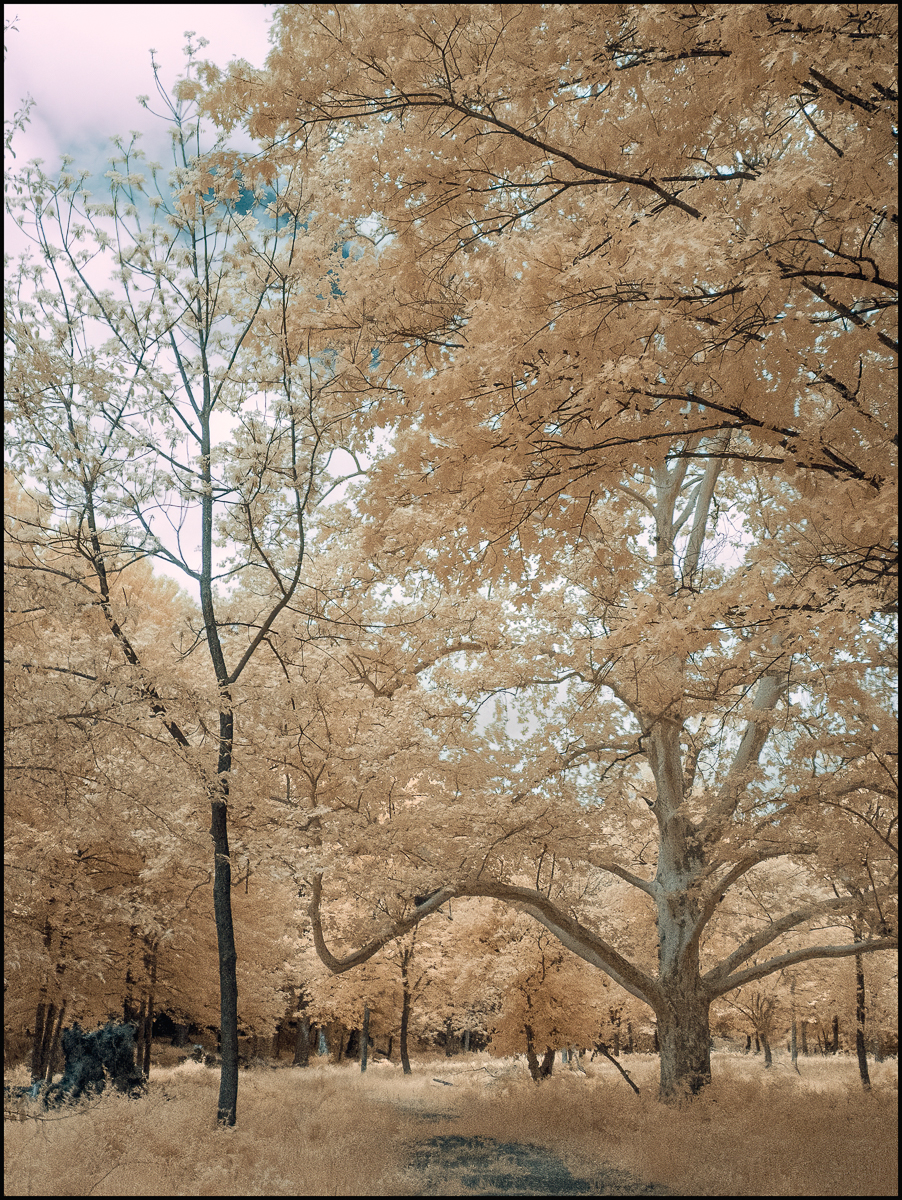
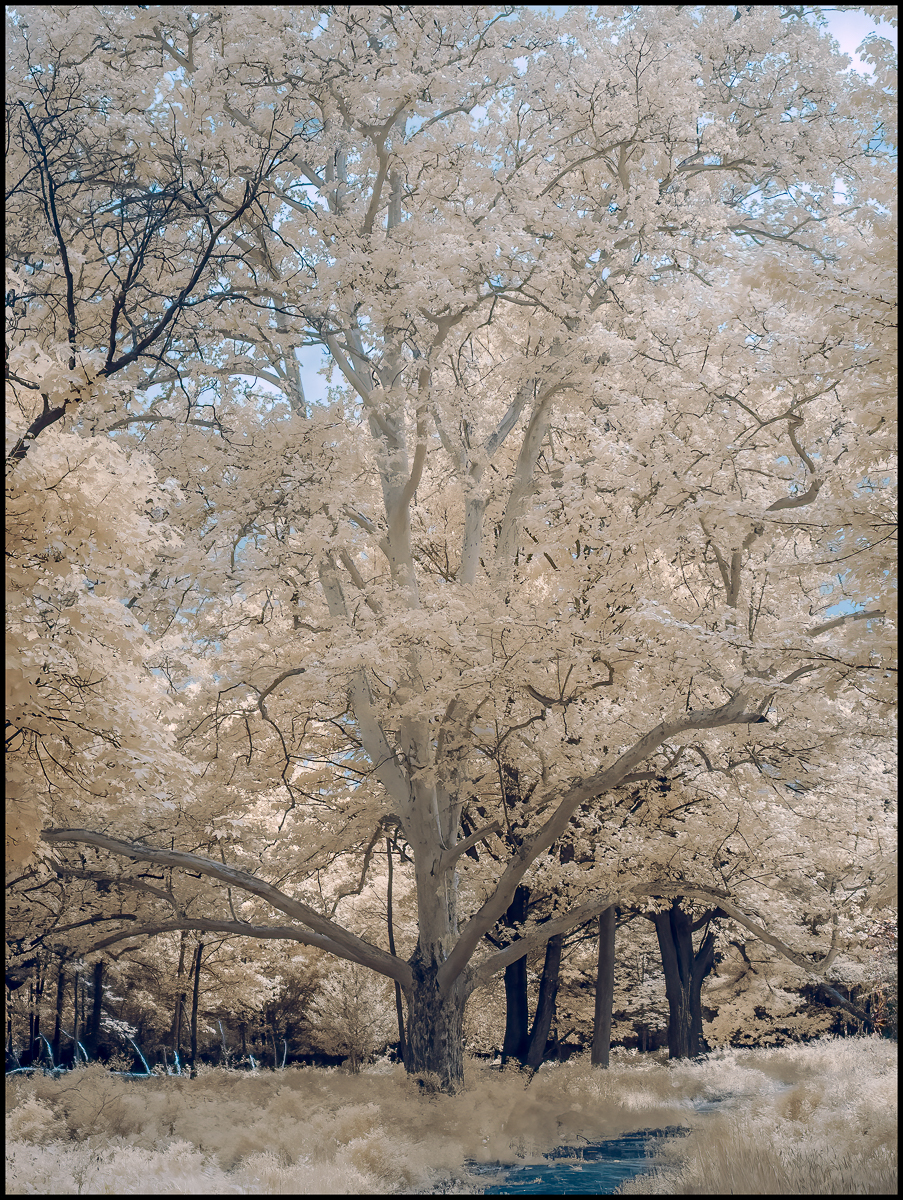
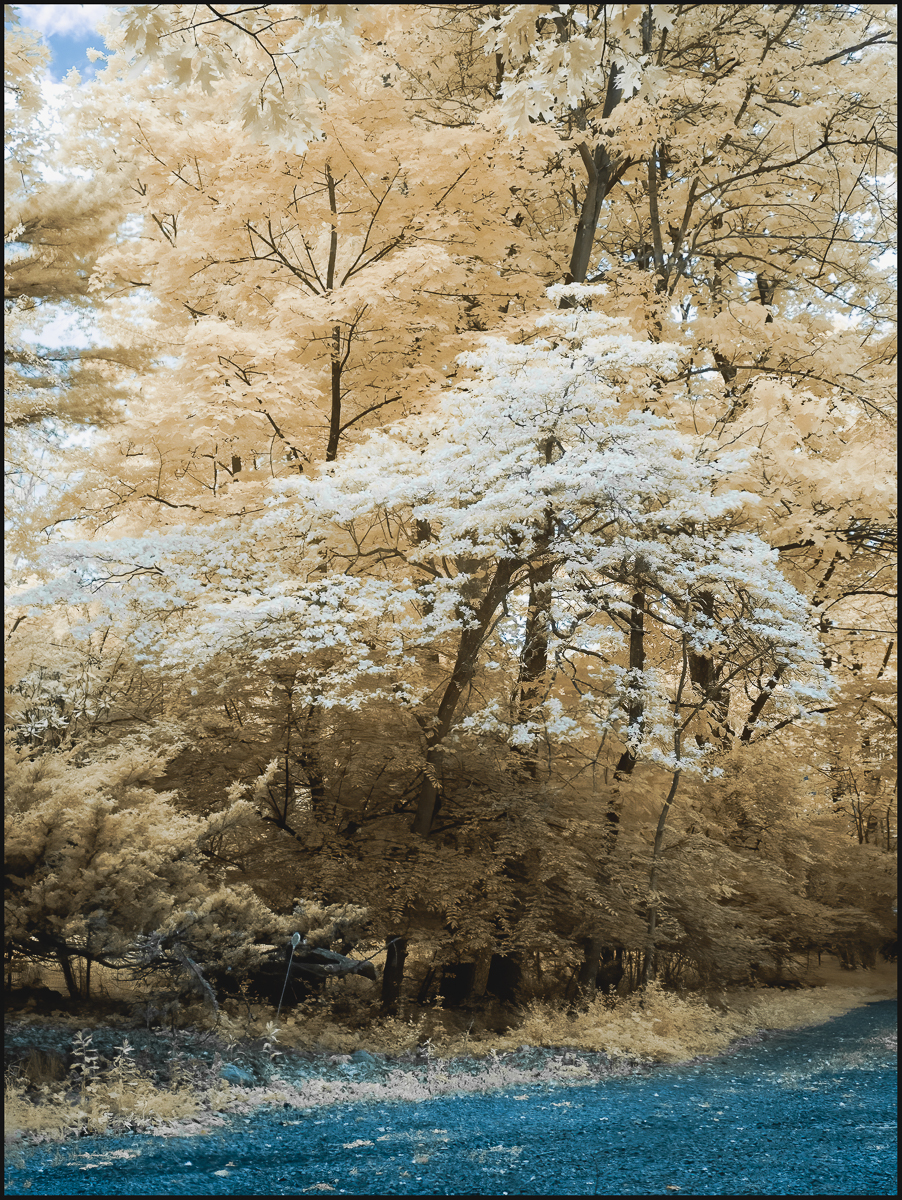
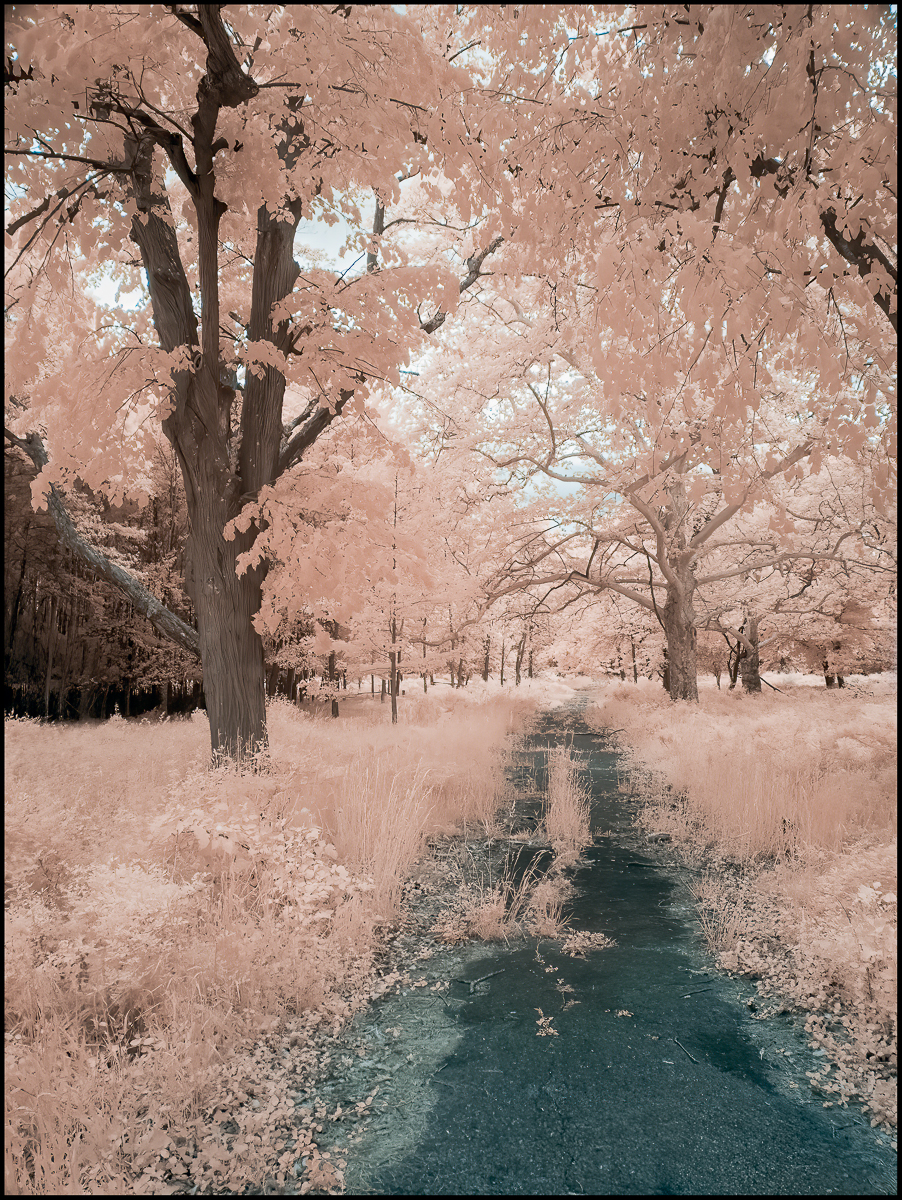
Taken with a Sony F828 and fixed Zeiss 28-200mm f2-2.8
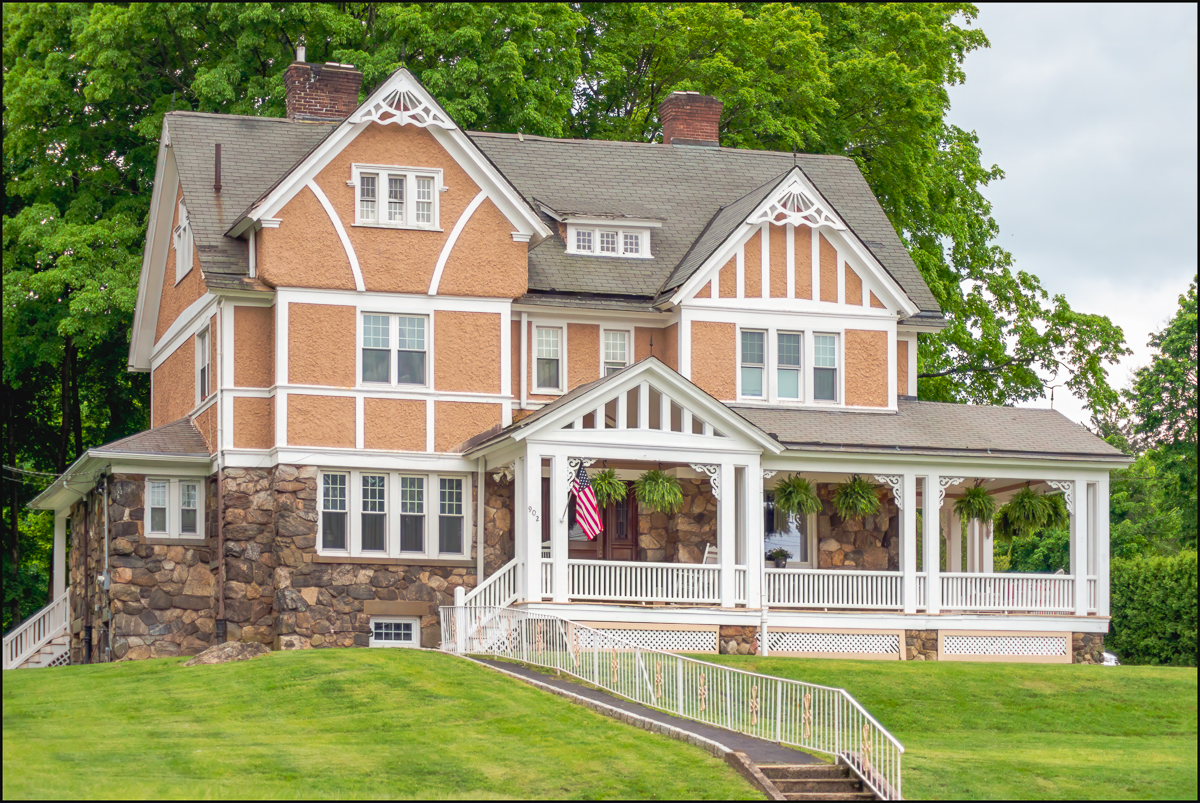
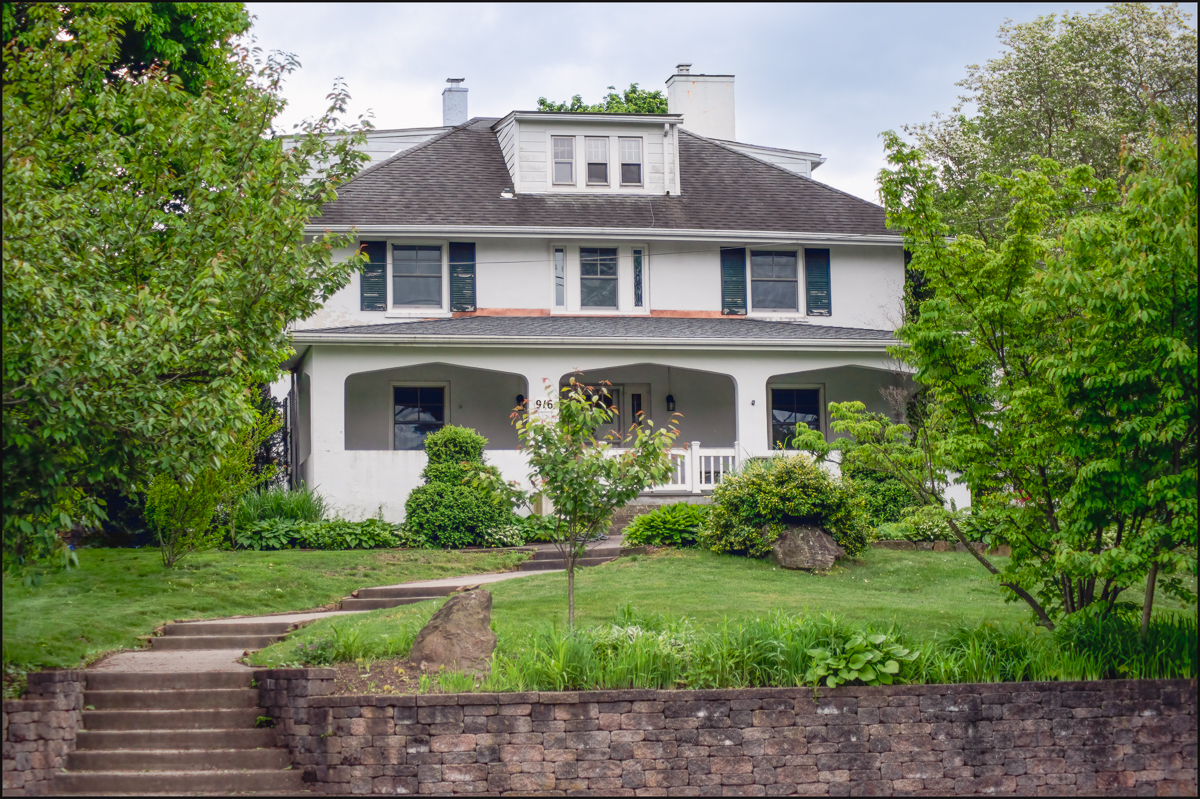
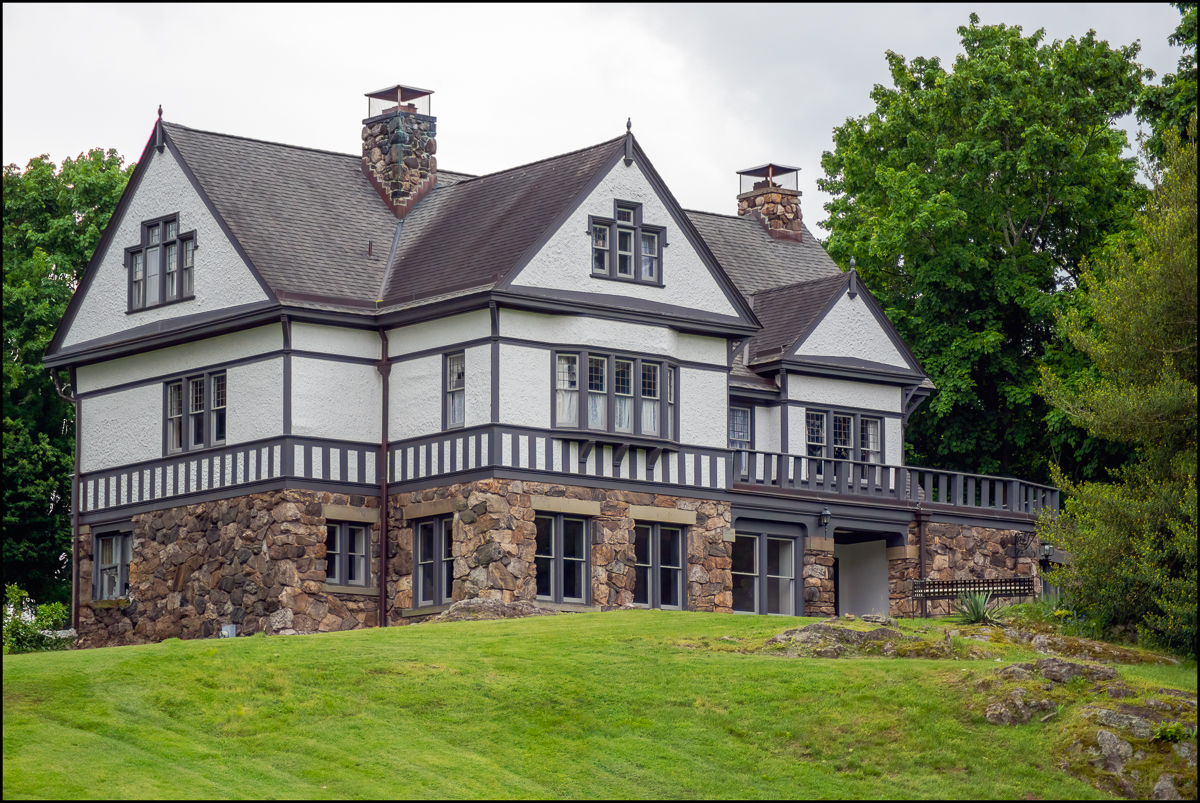
Three houses in Briarcliff Manor

These three houses stand in the village where I live. They all have and interesting history.

Above: Ramorney. This large and beautiful home on Pleasantville Road was built around 1895. It was probably designed as a “show house” to entice prospective home buyers. However, we know it was the home to Eugene T. Booth, an American nuclear physicist who was a member of the historic Columbia University team, which worked on the Manhattan Project, and Andrew J. Vosler, a prominent local citizen and member of the Board of Education.


Spruce Knolls. Built in 1911. This imposing, little-changed house was the home of William Woodward Baldwin, Esq., one of he attorneys used by Walter W. Law, the founder of Briarcliff Manor. Baldwin lawyered the benighted “Plasmon Company of America” deal with Law, Mark Twain and other investors. Plasmon’s factory was located on Woodside Avenue in a stone building currently used by Briarcliff Classic and Imported Car Services. Plasmon, the company claimed, was a skim milk casein, or protein that possessed “all sorts of marvelous qualities.” Twain, who was acting president of the company, which eventually went bankrupt, had written in a testimonial to the effect that if you ingested Plasmon and “trusted in God, you were all right.” When the casein hit the fan and the company faltered. Twain would only admit to being its nominal vice president. An April 19, 2016 article, entitled “The 19th-Century Start-Ups That Cost Mark Twain His Fortune” includes the following:

Twain, being Twain, though, couldn’t resist investing again, once his bank account was restored. He poured thousands of dollars into backing a protein powder called Plasmon, which he claimed delivered 16 times the nutritional value of steak at a cost of a penny a day; it could “end the famine in India.”

The author lost his stake in the U.S. launch and Plasmon was the subject of a fraud trial in 1907, in which Twain tried to recoup his $30,000 investment (about $750,000 today). At the trial, Twain said that company president Henry A. Butters should have been paid “$3 a century” and was a “stallion in intention, a eunuch in action.” Twain was asked if this was the first time that he had been swindled. “No, I have been swindled out of more money than there is on the planet,” he told the judge.

Then, the author paused. “I oughtn’t to say I was swindled out of all the money,” he said. “Most of it was lost through bad business. I was always bad in business.”

Baldwin, meanwhile, lived well in Briarcliff Manor for 27 years, served on the local Board of Education, and was a congregant of the Briarcliff Congregational Church.


The Dysart House. This beautiful house-on-the-hill sports a fieldstone foundation, an upper story of half-timber and stucco and pointed wooden finials. Built by Walter Law to be a large guest house across from the railroad station (before the Briarcliff Lodge was finished). It was probably named after Dysart House in Kirkcaldy, Scotland. When the Lodge was completed and guests could be accommodated there, the house became a school for boys and girls run by the Misses Tewksbury between 1902 and 1913. There are still school bells in the house.

Taken with a Nikon D800 and Nikon AF Nikkor70-300mm f4-5.6G

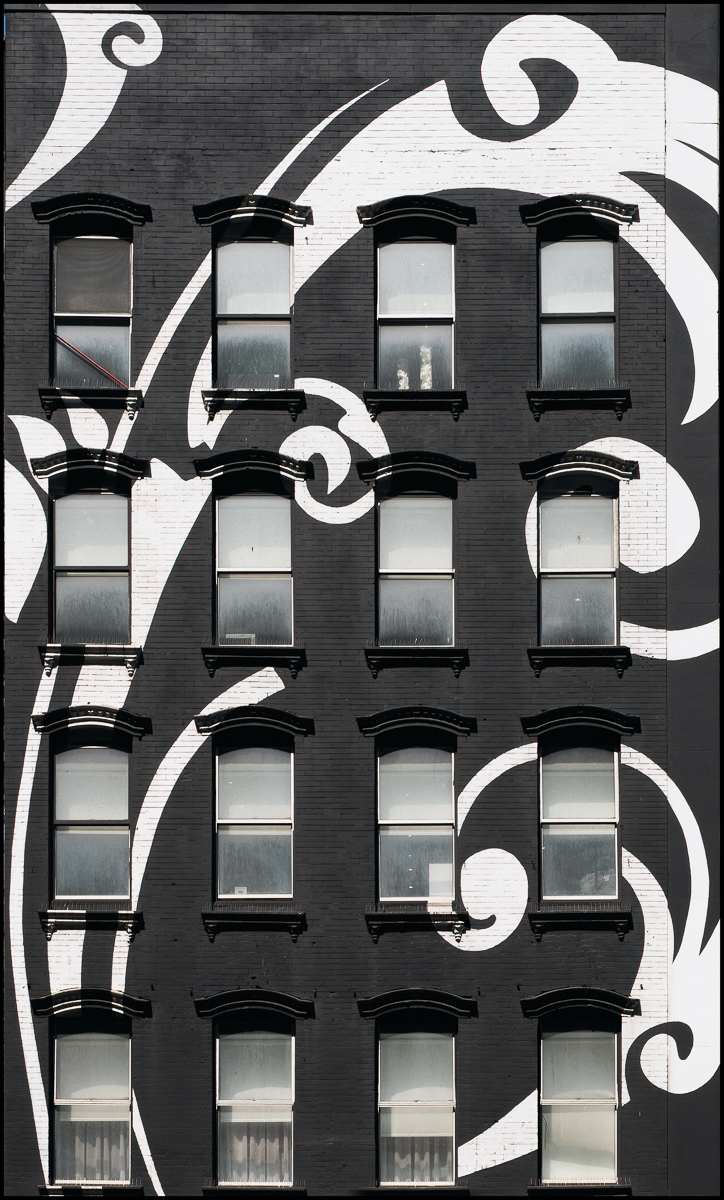
Building Facade, New York City

A few weeks back I went into New York City (Manhattan) to have lunch with my visiting son-in-law. We were going to P.J. Clarke’s on 55th and Third Avenue. The midtown East part of Manhattan (where I used to work) is hardly the most interesting or the most picturesque part of New York City, but I was a bit early and thought I might be able to find a few interesting shots.

I came across this interesting looking building facade on 57th and Third.

Taken with a Fuji X-E3 and Sigma 18-50mm f2.8

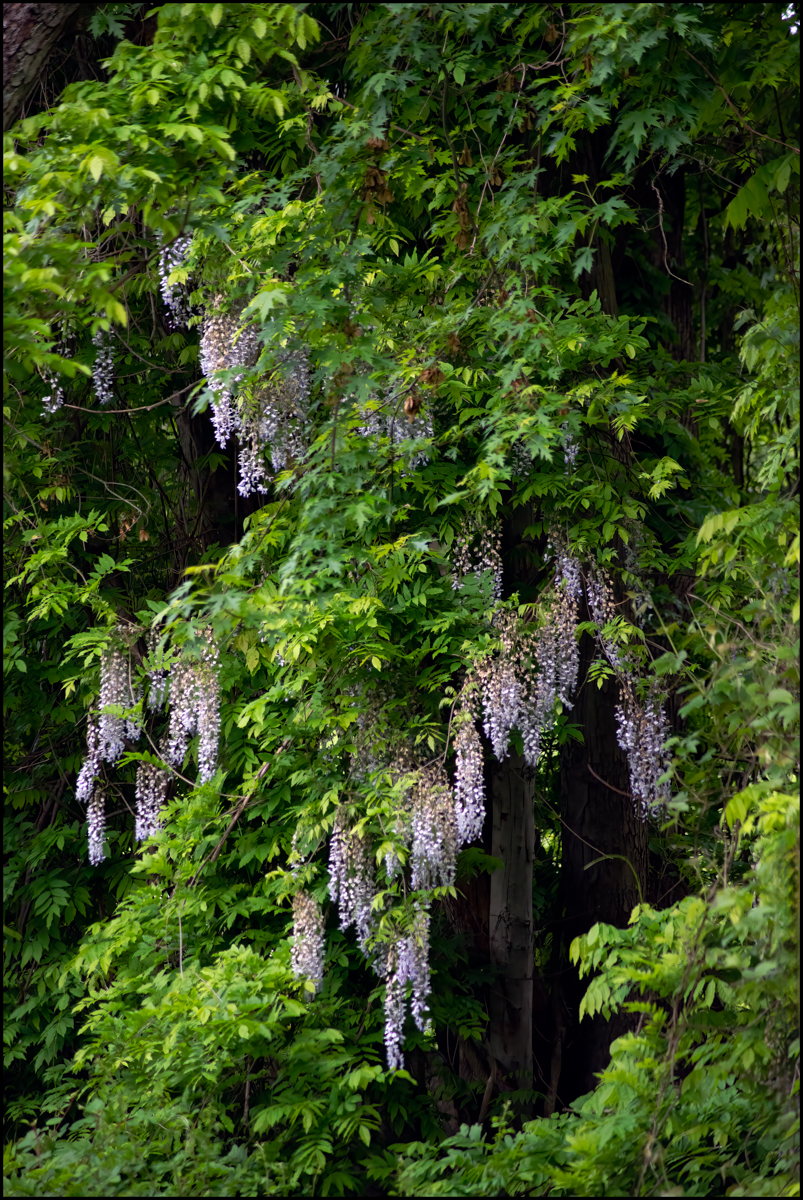
Wisteria

When we bought my current house in 1998 there were a lot of trees right next to my property, but not actually on it. When we first saw the house, they were covered in Wisteria and we thought “how lovely”. Unfortunately, when the Wisteria stopped blooming, we saw that the trees we dead. Worried that they might fall onto our property we informed the owner and he had them cut down.

Although the wisteria grew back it no longer bloomed and I saw no more wisteria on my property…until this year. I wondered why they’ve suddenly started to bloom again so I looked it up. This is what I found:

Why Does My Wisteria Not Flower?

There are a few common reasons why wisteria blooms don’t open, but they all point to the same thing — bud injury at critical development points. Severely damaged flower buds won’t open; instead, they usually dry up and fall off the plant. Damage can be caused by a variety of environmental problems or very tiny pests called thrips. If your wisteria has bloomed successfully in years past, thrips or uncontrollable weather patterns are most likely causing bud blast and your plant may perform just fine in future seasons. Once you’ve checked for signs of thrips, including black spots of feces on plant materials, deformed buds, or brown streaks on the petals of any flowers that did manage to open, resuming normal care may be all that it takes to induce blooming next season.

How to Get Wisteria Flowers to Open Up

When you have buds on wisteria not opening, there’s very little you can do to force them open. This year’s flowers are probably going to be a loss, but you can do more to ensure that the future buds produce beautiful blooms. If your plant has never successfully bloomed, look at the conditions where it’s growing — wisteria needs full sun, good drainage, and a light application of fertilizer in the fall, as well as heavy pruning in the spring after the other wisteria plants have finished blooming. Late frosts and improper summer watering can interfere with proper bud formation. Frozen flower buds will fall off as spring approaches. Late summer is the time when flower buds are initiated by wisteria; if you skimp on the watering during this season, you may be inadvertently hindering the proper development of future flowers. Above all else, watch the use of nitrogen fertilizers. Nitrogen has its place, but in flowering plants it often produces aggressive vegetative growth at the expense of flowers and buds. The addition of phosphorus, like bone meal, can normally help offset this.

Of course I do none these things. Maybe the “thrips” have disappeared? Maybe the winters have been rather mild? Who knows?

Taken with a Nikon D800 and Nikon AF Nikkor70-300mm f4-5.6G

A visitor to my garden

Actually, I don’t think I’m correct in calling “A visitor” as I think it’s actually living in my garden.

I saw it for the first time a couple of days ago. I think it’s a groundhog.

I’ve already learned a few things about it:

  1. It has very good hearing. The first time I saw it I rushed to get a camera. It was some distance away from the house, but when I opened the door to the garden it immediately disappeared. The second time I saw it (i.e. when I took these pictures) I decided to shoot through the glass door so as not to disturb it. Once again it was some distance from the house, but the sound of the shutter caused it to lift its head up and look around. This time it didn’t immediately run away.
  2. It’s a lot faster than I thought it would be. When it finally figured out what I was up to it took off “like a bat out of hell”.

Taken with a Nikon D800 and Nikon AF Nikkor70-300mm f4-5.6G