Ossining High School

I’ve walked past Ossining High School many times, but I can’t recall having taken photographs of it.

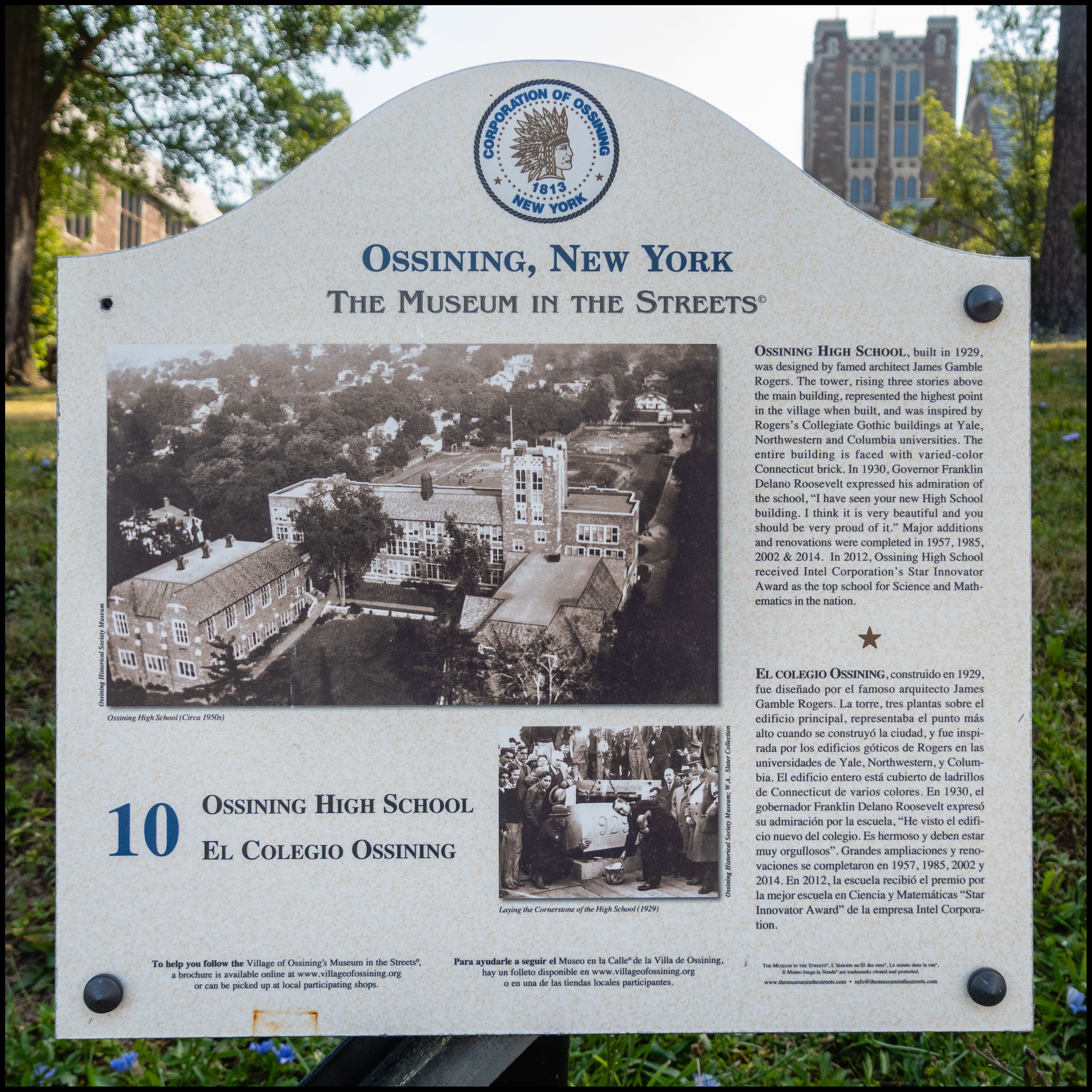
Ossining High School was bult in 1929. It was designed by famed architect James Gamble Rogers. The tower, rising three stories above the main building, represented the highest point in the village when built, and was inspired by Roger’s Collegiate Goth buildings at Yale, Northwestern and Columbia universities. The entire building is faced with varied-color Connecticut brick. In 1930, Governor Franklin Delano Roosevelt expressed his admiration of the school, “I have seen your new High School building. I think it is very beautiful, and you should be very proud of it.” Major additions and renovations were completed in 1957, 1985, 2002 & 2014. In 2012, Ossining’s High School received Intel Corporation’s Star Innovator Award as the top school for Science and Mathematics in the nation.

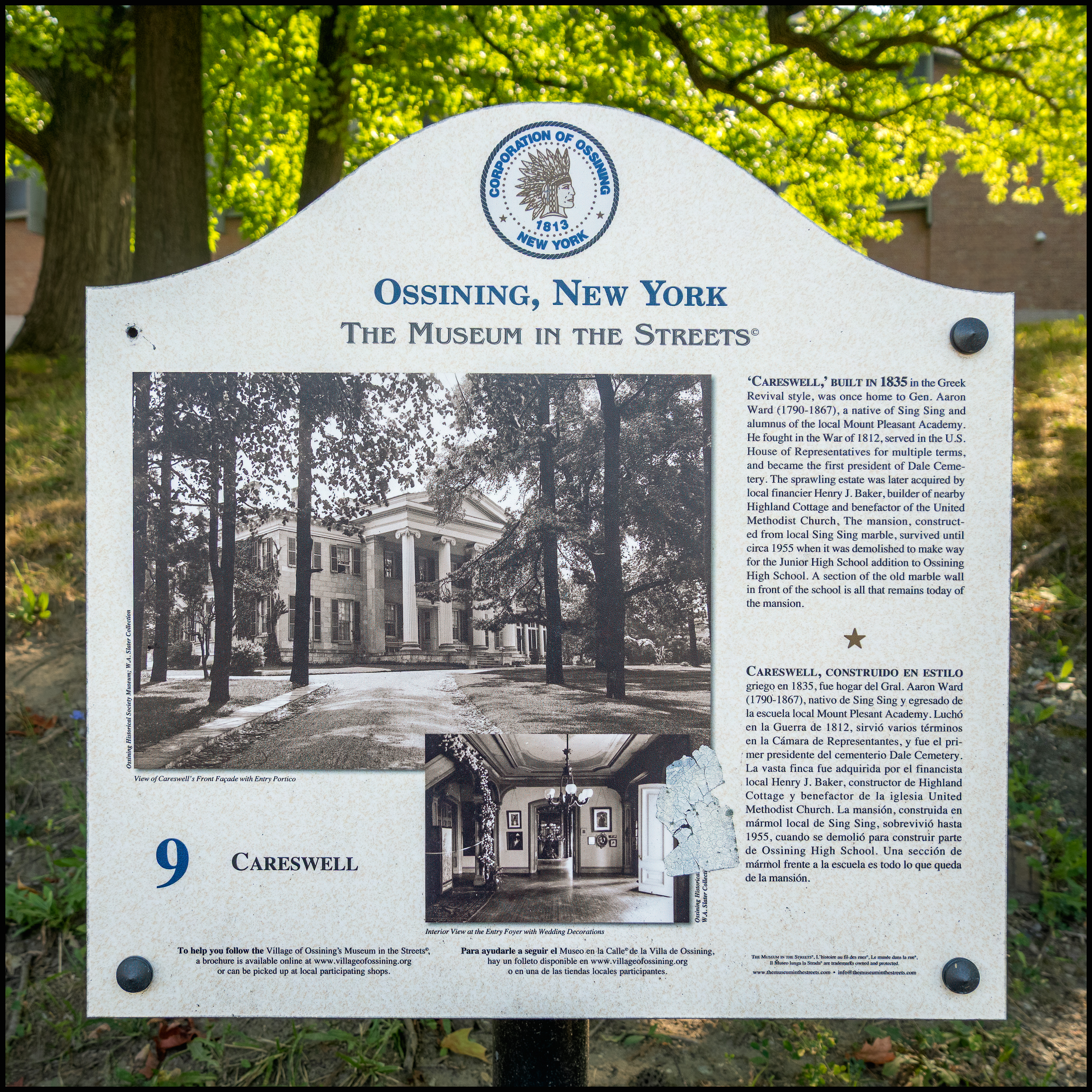
“Careswell,” built in 1835 in the Greek Revival style, was once home of General Aaaron Ward (1790 – 1867), a native of Sing Sing and alumnus of the local Mount Pleasant Military Academy. He fought in the War of 1812, served in the U.S. House of Representatives for multiple terms, and became the first president of Dale Cemetery. The sprawling estate was later acquired by local financier Henry J. Baker, builder of nearby Highland Cottage and benefactor of the United Methodist Church. The mansion, constructed from local Sing Sing marble, survived until circa 1955 when it was demolished to make way for the Junior High School addition to Ossining High School. A section of the old marble wall in front of the school is all that remains today of the mansion (the fourth photograph clearly shows the division between the new (farther away) and the old (closer to the camera) parts of the wall.



The descriptions above are taken from two of the information boards erected as part of Ossining’s Museum in the Streets initiative, two examples of which can be seen below.
Taken with a Sony RX100 VII


A beard

During a recent walk I came across this guy and his partner/wife/girlfriend. I didn’t know what her exact status was, and I didn’t want to ask.

As I walked by, I was very impressed by his beard. Then I did something I don’t usually do: I turned around, walked back and asked him if I could take a picture. He graciously agreed and told me that this wasn’t the first time he had been asked. I wasn’t surprised.

Taken with a Sony RX100 VII

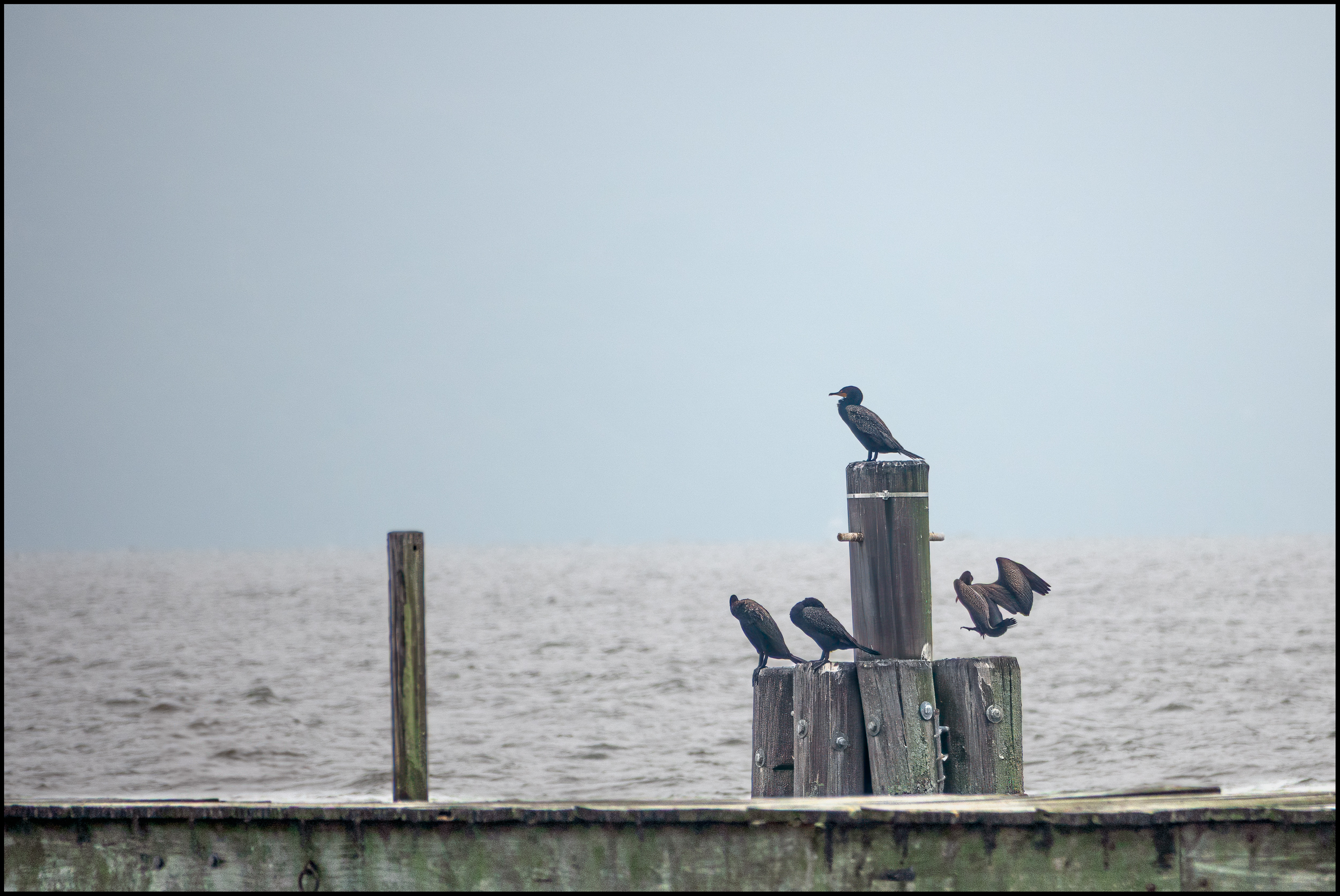
Cormorants

Cormorants have a voracious appetite and can consume up to a pound of fish in a single day? These birds are renowned for their incredible diving abilities and unique characteristics.

Cormorants possess unique physical attributes that distinguish them from other avian species. They have a distinct appearance that allows them to blend seamlessly with their surroundings. They have long necks, hooked bills, and dark plumage, making them well-suited for life in aquatic environments. Their plumage, consisting of dense, waterproof feathers, plays a crucial role in their ability to maintain buoyancy while diving and swimming underwater. These feathers contribute to their sleek and streamlined bodies, enabling efficient movement through the water. The beak of a cormorant is sharp and pointed, perfectly adapted for its diet and hunting techniques. With their beaks, cormorants can catch and grip fish effectively, facilitating successful hunting and feeding. A notable feature of cormorants is their webbed feet, which aid in their swimming abilities. These specialized feet provide greater propulsion and maneuverability in the water, enabling cormorants to swim swiftly and pursue their prey with agility.

They are highly adaptable creatures that can be found in a variety of habitats, both freshwater and saltwater. They have managed to populate different environments worldwide, showcasing their resilience and wide-ranging adaptability. Whether you’re exploring serene lakes, mighty rivers, picturesque coastal areas, or even remote islands, you may come across these remarkable birds. Cormorants are particularly well-suited for aquatic habitats, and they thrive in both freshwater and saltwater ecosystems. Their sleek bodies and webbed feet make them excellent swimmers and divers, enabling them to navigate through various bodies of water with agility. They are often observed in areas with abundant fish populations, such as estuaries, marshes, and mudflats.

In addition to fish, cormorants also incorporate aquatic invertebrates into their diet. These include small crustaceans and insects, which they find in their watery habitats. The inclusion of aquatic invertebrates in their diet allows cormorants to access a broader range of nutrients, contributing to their overall health and survival.

Cormorants are social birds that often gather in large groups, called colonies. These colonies serve important purposes such as breeding, nesting, and roosting. The social behavior of cormorants contributes to their overall survival and reproductive success as a species. During the breeding season, male cormorants perform elaborate courtship rituals to attract females. These rituals involve displays of agility, strength, and vocalizations. By showcasing their desirable traits, male cormorants aim to impress and win the affections of the females within their colony. Cormorants build nests, constructing them out of twigs, grass, and other materials. The nests are typically located on cliff sides, trees, or the ground, depending on the available habitat. Cormorants are diligent nest builders, creating sturdy structures that provide a suitable environment for their eggs and young.

Cormorants have an average life span of around 20 to 30 years. With proper conditions and without significant threats, these birds can live for several decades.


Taken with a Sony RX10 IV