To Halsey Pond Park and Back – Odell’s tavern

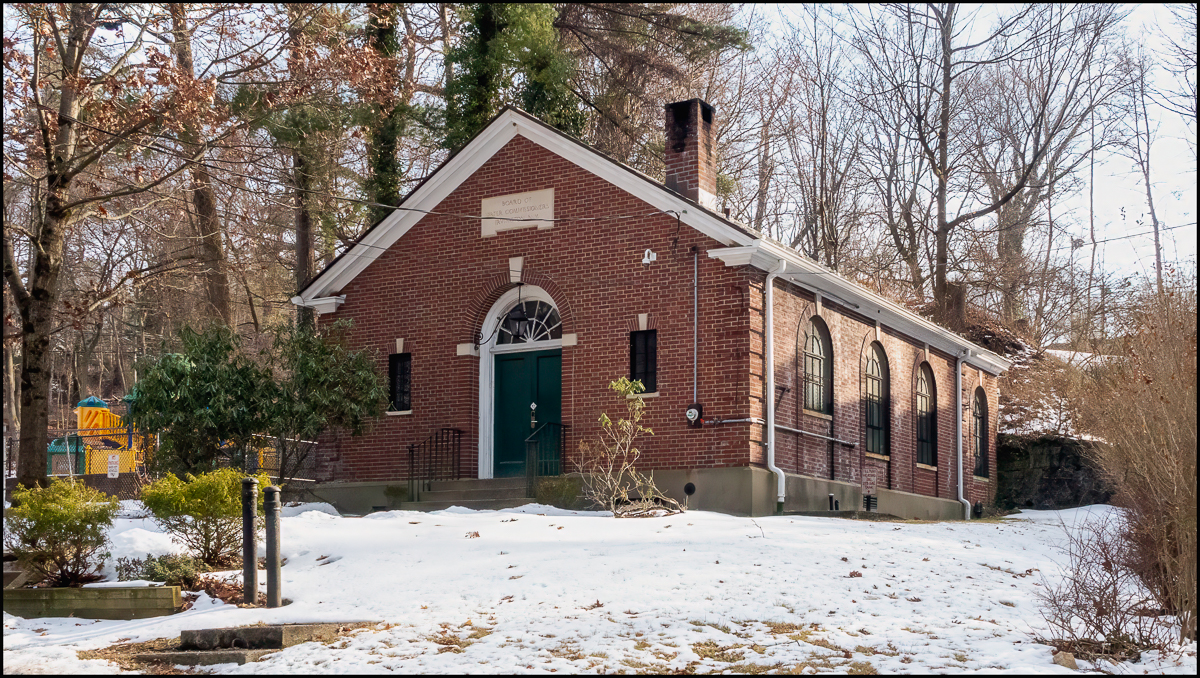
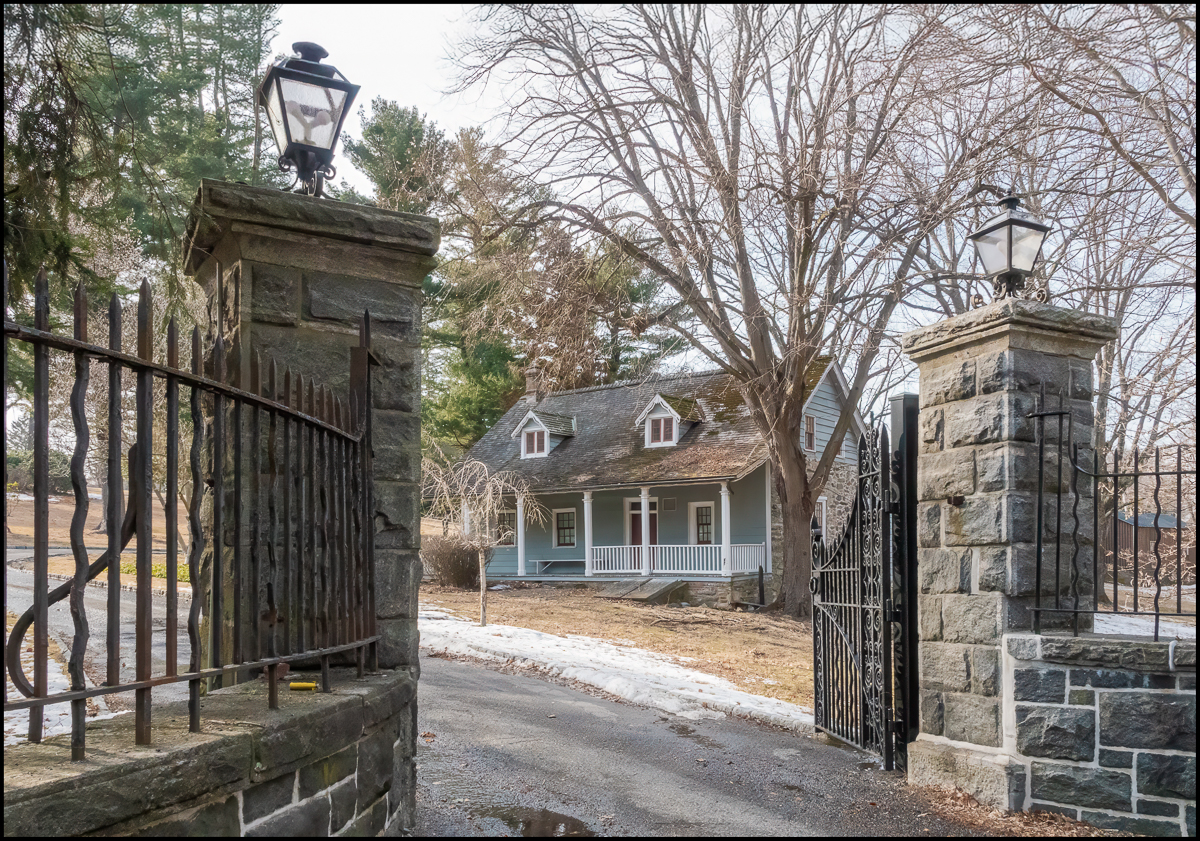
I was walking back along Route 9 towards Irvington when I passed this building. It looked quite old, and it seemed to me that it might have and some interesting history. After searching the internet for a while after I came home, I discovered that it did.

It’s Odell’s tavern (not to be confused with the perhaps better-known Odell House in Hartsdale, where the French general, le Comte de Rochambeau, stayed for six weeks in the summer of 1781, surrounded by his army of 5,000 men, while General George Washington and the Continental Army camped nearby in Ardsley).

According to the Irvington Historical Society:

The structure commonly known as the “Odell Tavern” sits in the northeast corner of a 10-½-acre, privately-owned parcel, located at 100 South Broadway (Route 9) in Irvington, New York. Its name derives from the Odell family who occupied it from the 1750s to the 1820s and used it as a farmhouse and roadside tavern.

The Odell Tavern is the oldest, extant building in Irvington, with parts of its existing stone structure dating from the late 17th century and its later, wooden additions dating from the mid-18th century. The original section of the house exemplifies architectural trends of the 17th-century Dutch colonial period, when the eastern shore of the Hudson River just north of New York City consisted of the vast tenant farms of Philipsburg Manor. A rare surviving example of a Dutch farmhouse, the Odell Tavern is possibly only one of the two remaining tenant farmhouses – the other being the Sherwood House in Yonkers, built circa 1740 by Thomas Sherwood – constructed at Philipsburg Manor.

The Odell Tavern is also a living testament to important historic, economic and architectural developments in the region. These developments include: (i) early settlement patterns during the colonial period of Westchester County, (ii) the operations of the manor system at Philipsburg Manor, (iii) the practice of slavery in the Hudson Valley, (iv) the experience of the Revolutionary War in the no-man’s land between the lines, (v) regional development during the period of the New Republic and Market Revolution, (vi) the gentrification of the Hudson River Valley in the early nineteenth century, and (vii) Irvington’s rise to prominence in the twentieth century as a suburban retreat for wealthy New Yorkers. Because the Odell Tavern’s structure was modified several times to meet the changing needs of its residents, it stands as a record of evolving architectural styles that reflected shifting settlement and economic patterns in Westchester County.

The Odell Tavern is an essential and unique “living museum” right in our midst, and its historical resonance is amplified by its position within the larger network of historic structures in the region. The Odell Tavern stands today with other, well-known extant historic sites in Westchester, including Philipse Manor Hall and the Sherwood House in Yonkers, Philipsburgh Manor Upper Mills and the Old Dutch Church and Burying Ground in Sleepy Hollow, Washington Irving’s Sunnyside in Tarrytown, and the Odell House Rochambeau Headquarters in Hartsdale. Together, these historic structures speak to the experiences of life in the lower Hudson Valley and the social, political and cultural changes during several important eras in the history of the Village, County, State, and Nation.

For more information on the Odell’s see: Revolutionary Westchester: John Odell, General Washington’s Westchester Guide, Part I and Part 2

Taken with a Sony RX10 IV

To Halsey Pond Park and Back – At the park – finally!

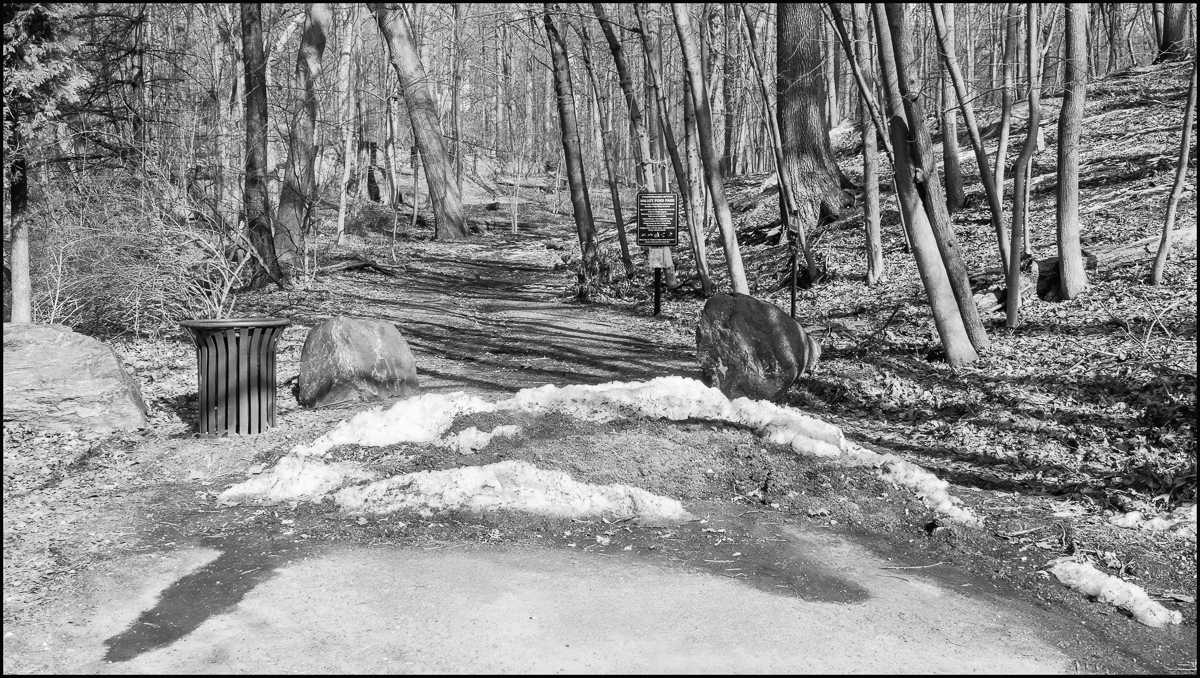
ABOVE: ENTRANCE TO THE TRAIL

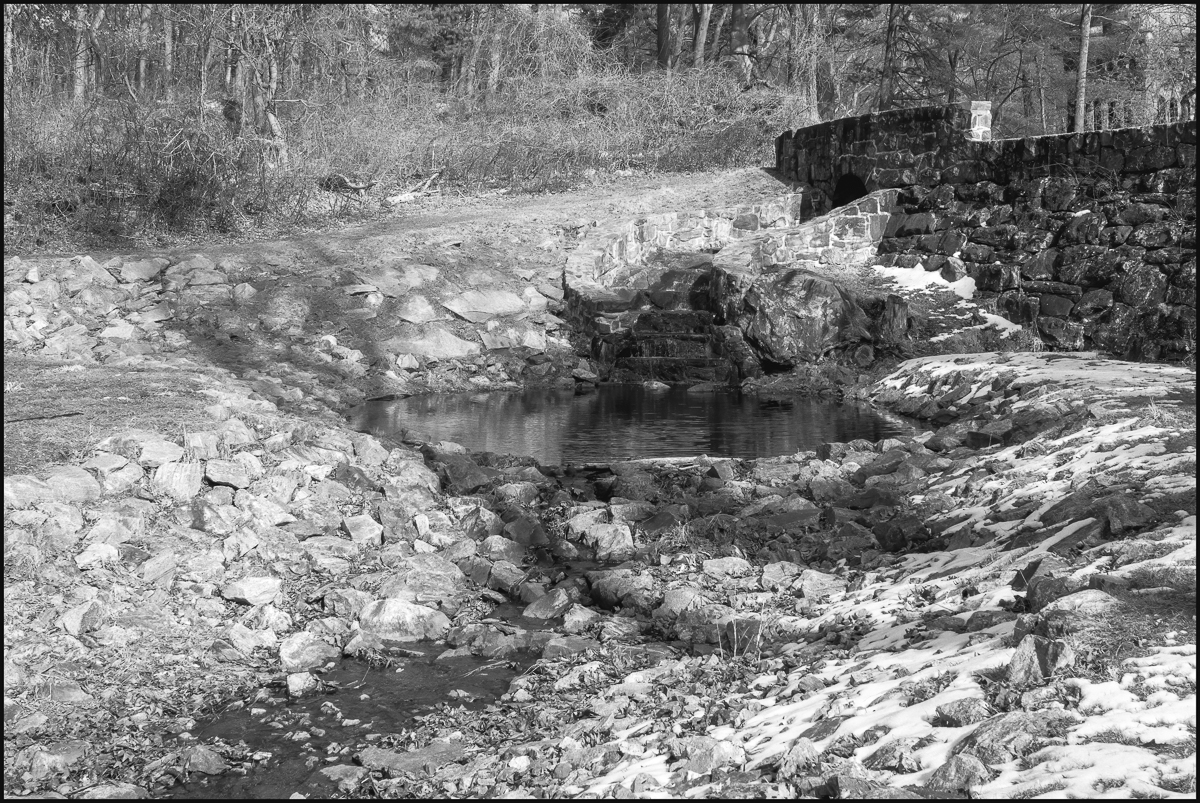
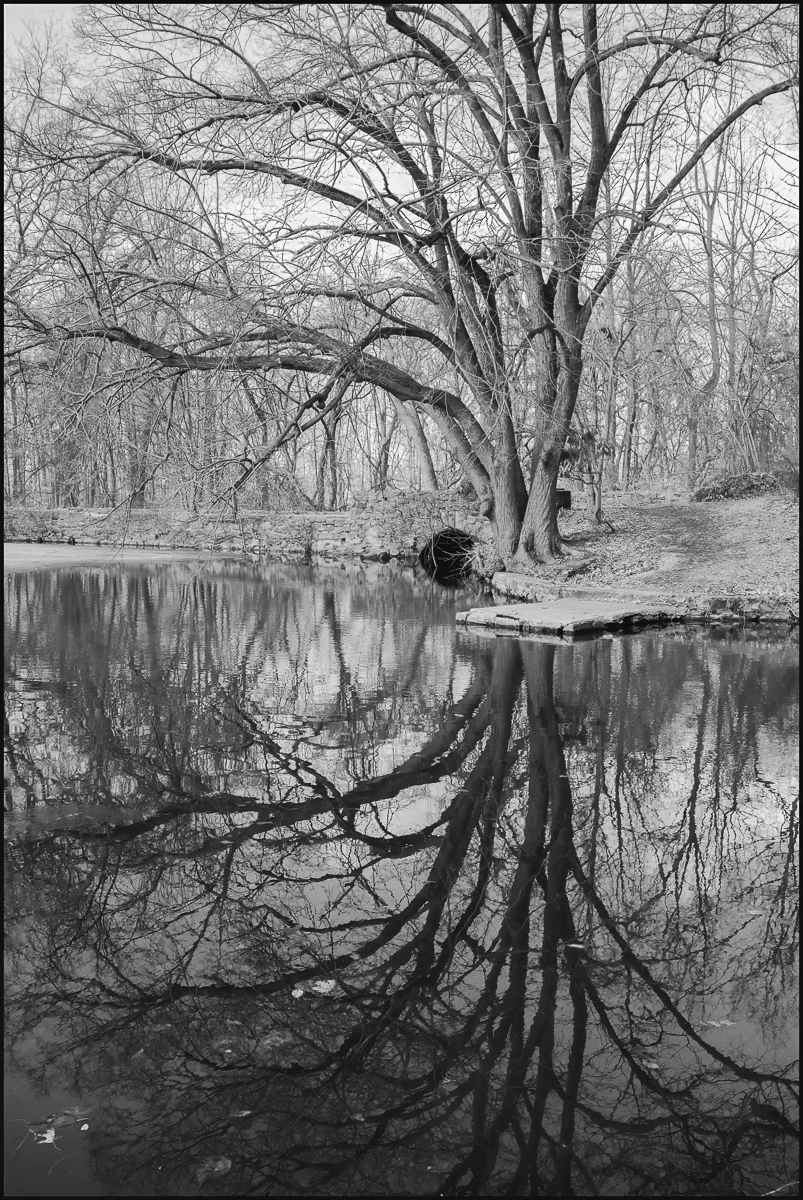
Halsey Pond Park is a 30-acre scenic and tranquil area that is located in Irvington, NY. Nestled between a golf course and private residences, it’s a peaceful oasis drawing families and dog walkers alike. The park is touted as Irvington’s best kept secret. Halsey Pond Park is open to village residents for passive recreation activities. New York State fishing license required for fishing (catch & release). Halsey Pond Park is open from dawn to dusk. The park is managed by the Irvington Recreation & Parks Department.

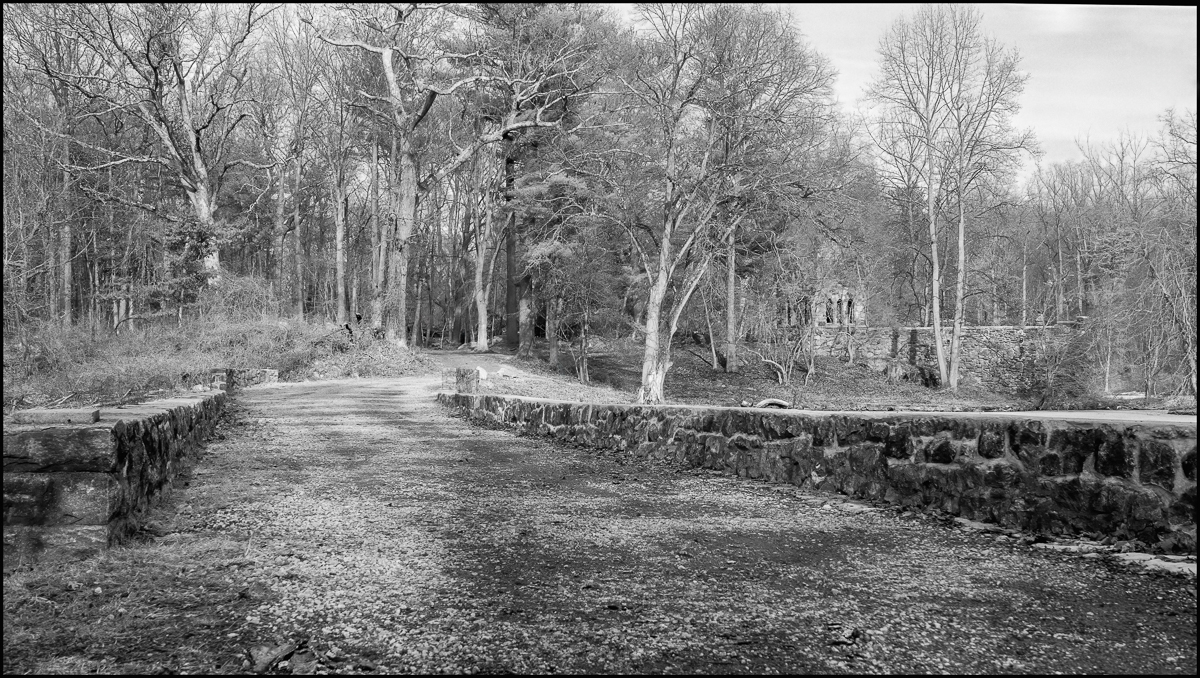
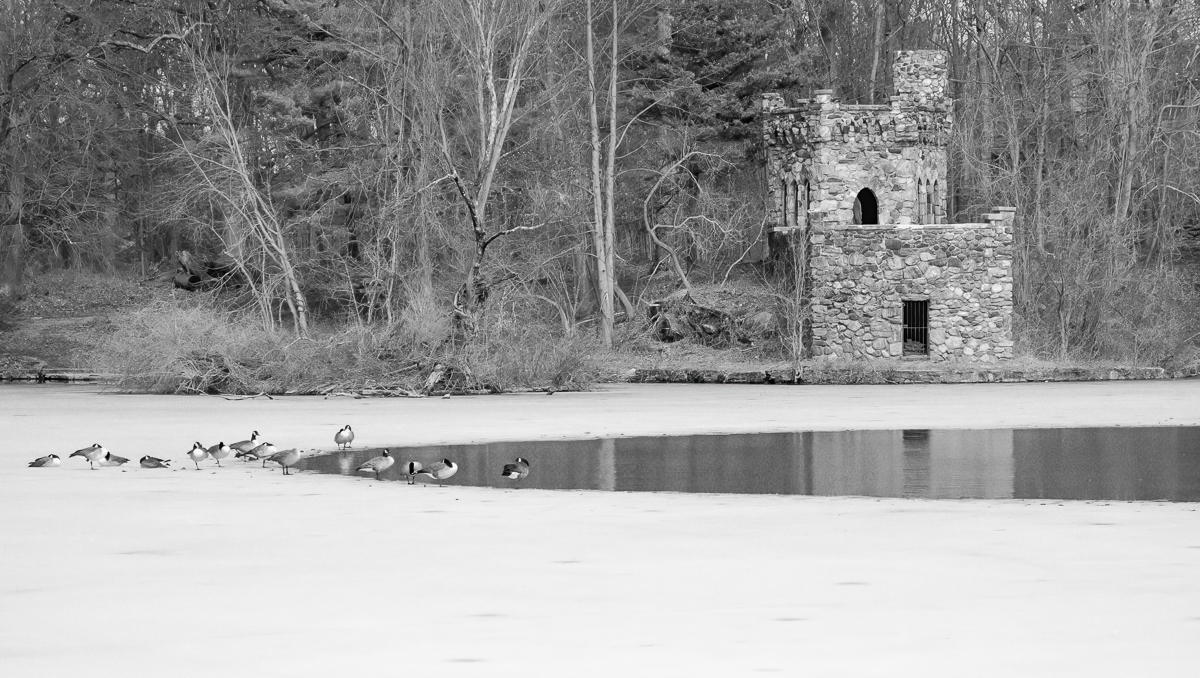
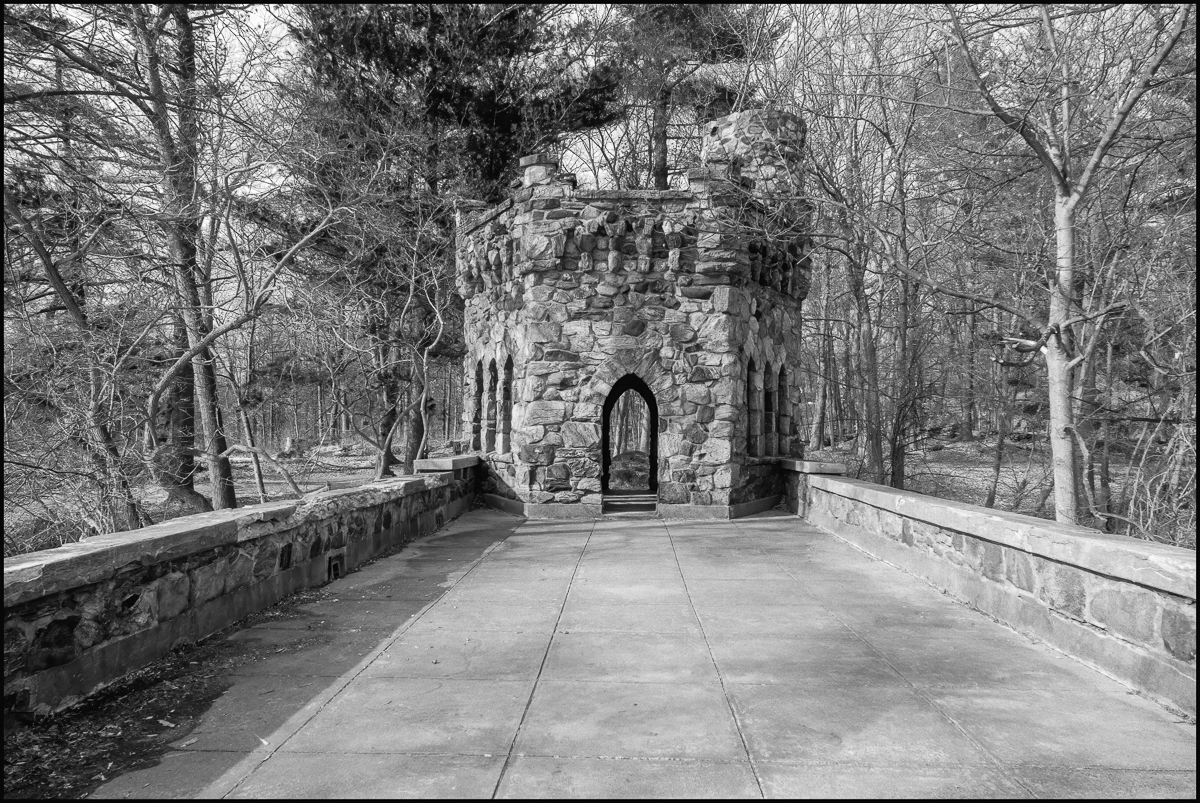
A wide 1/2 mile long crushed stone path circles the scenic pond, passing old stone walls, a dam, and the Beltzhoover Teahouse that overlooks the pond. A haven for birdwatchers, on any given day, you may see ducks, geese, herons, cormorants, warblers or even an Osprey.

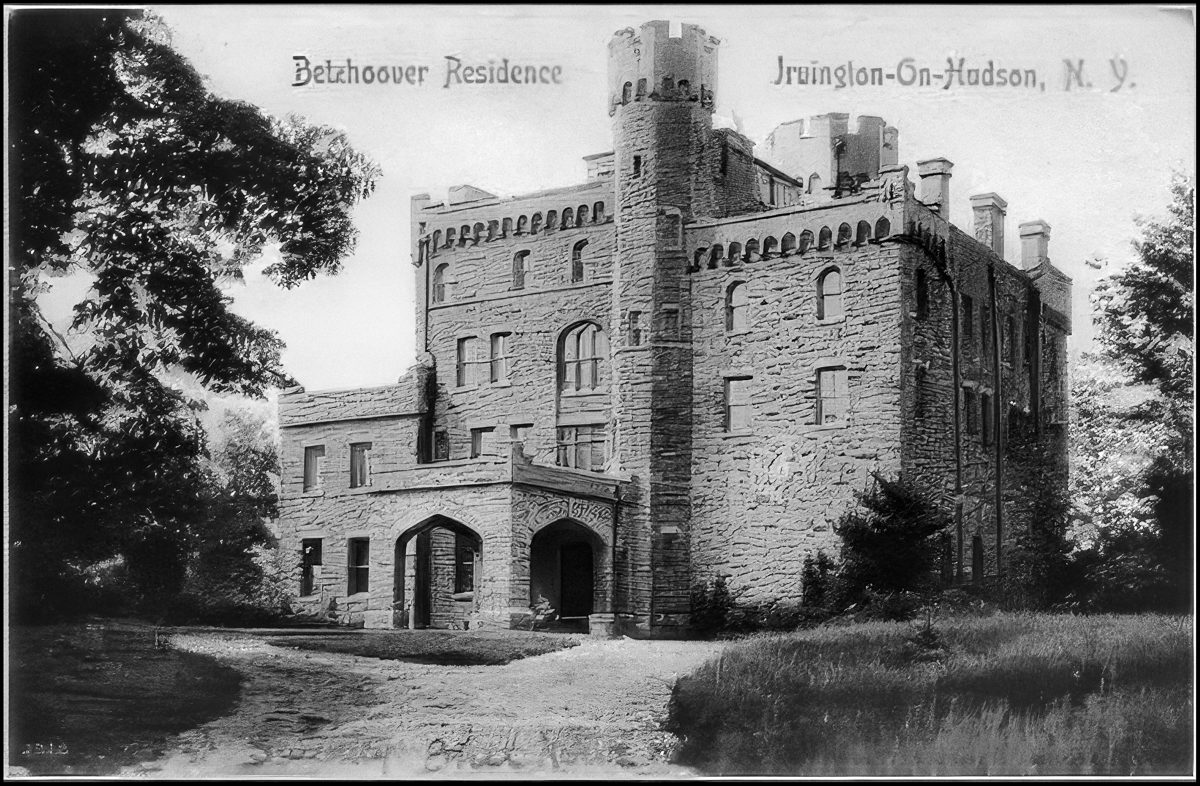
Rochroane castle was built between 1902 and 1905 for Melchior S. Beltzhoover, an oil and cotton magnate from Natchez, Mississippi. The 44-room stone castle, once part of a 200-acre estate overlooking the Hudson River, was designed by Arthur. J. Manning, a New York City architect who also lived in Irvington. The stone was quarried from the land upon which it was built. This “Rhine castle” featured a spectacular stained-glass window by Louis Comfort Tiffany that depicted the Hudson River view as seen from the castle.

Benjamin Halsey bought Rochroane castle in 1927 and renamed it “Grey Towers.” After Halsey’s death in 1956, his widow began donating portions of the estate to the Immaculate Conception Church, ending with the mansion itself in 1976. Gutted by fire a few months later, the mansion and 38 acres were sold to a developer who, in 1980, deeded Halsey Pond and its folly, sometimes called Halsey Teahouse, to the Village of Irvington in exchange for permission to remove Rochroane/Grey Towers and subdivide the rest of the property.

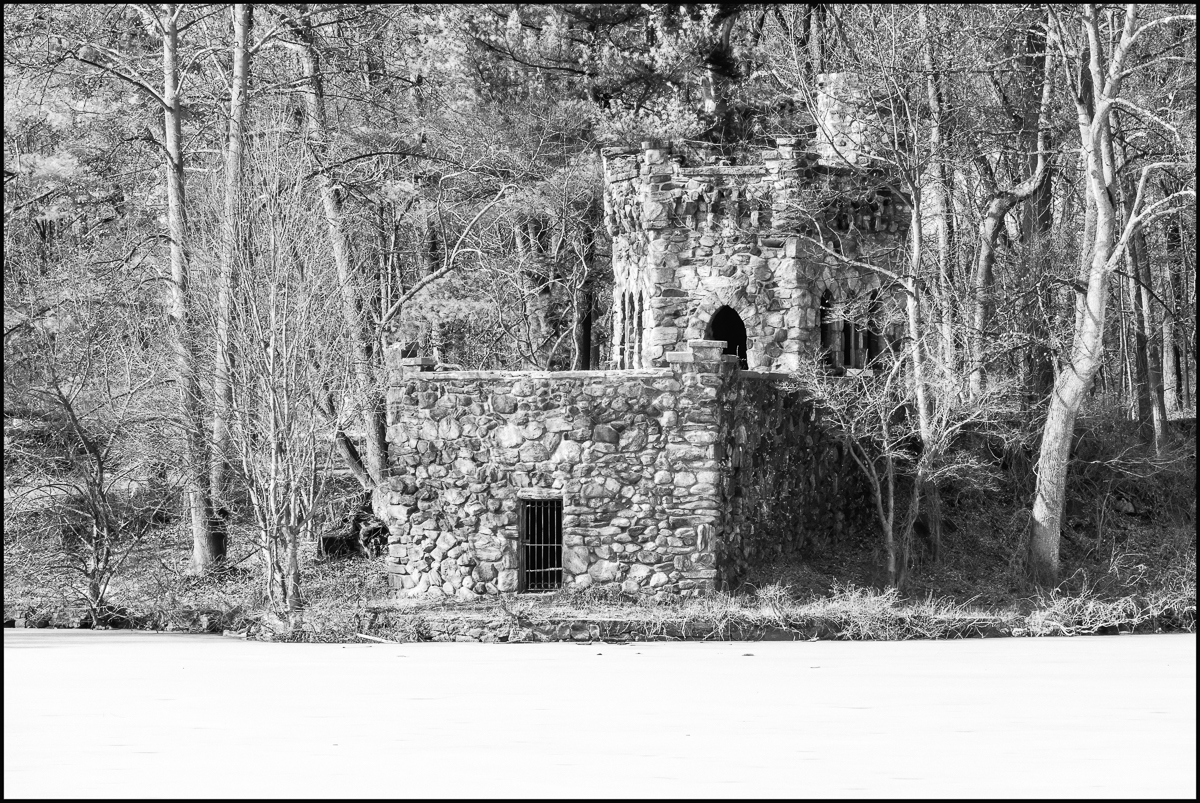
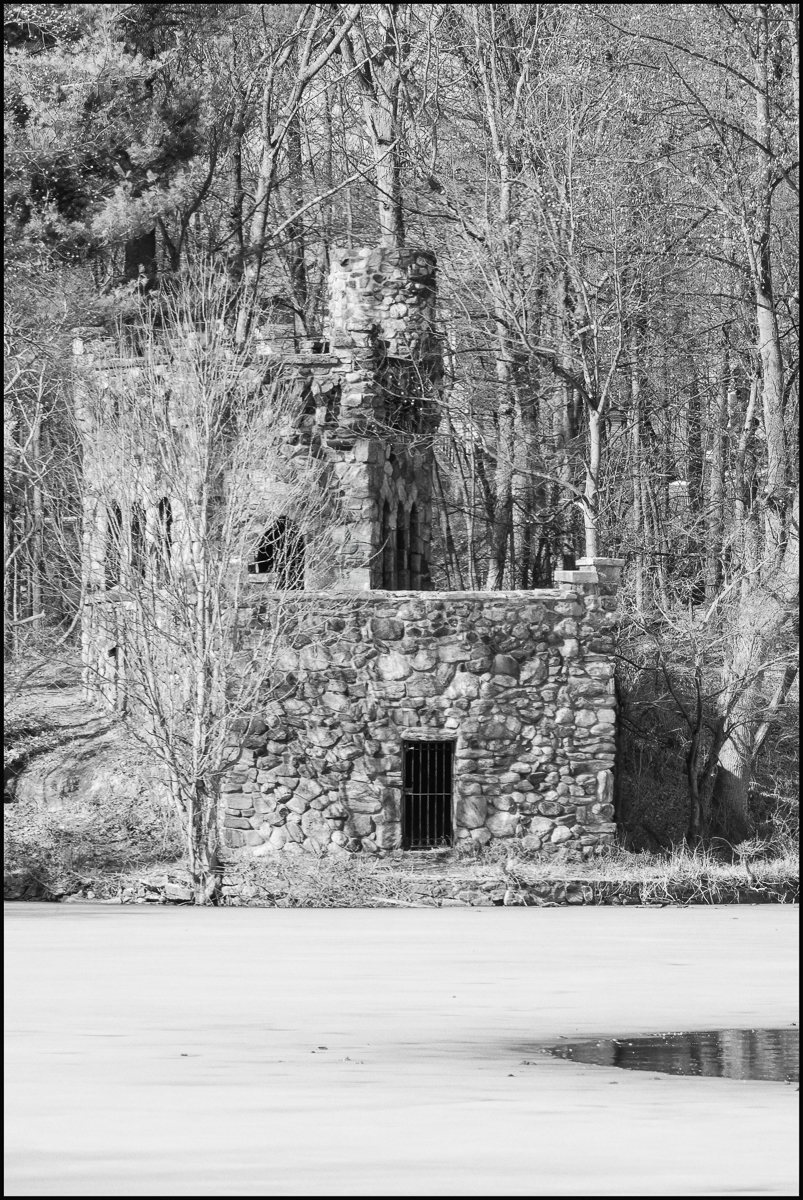
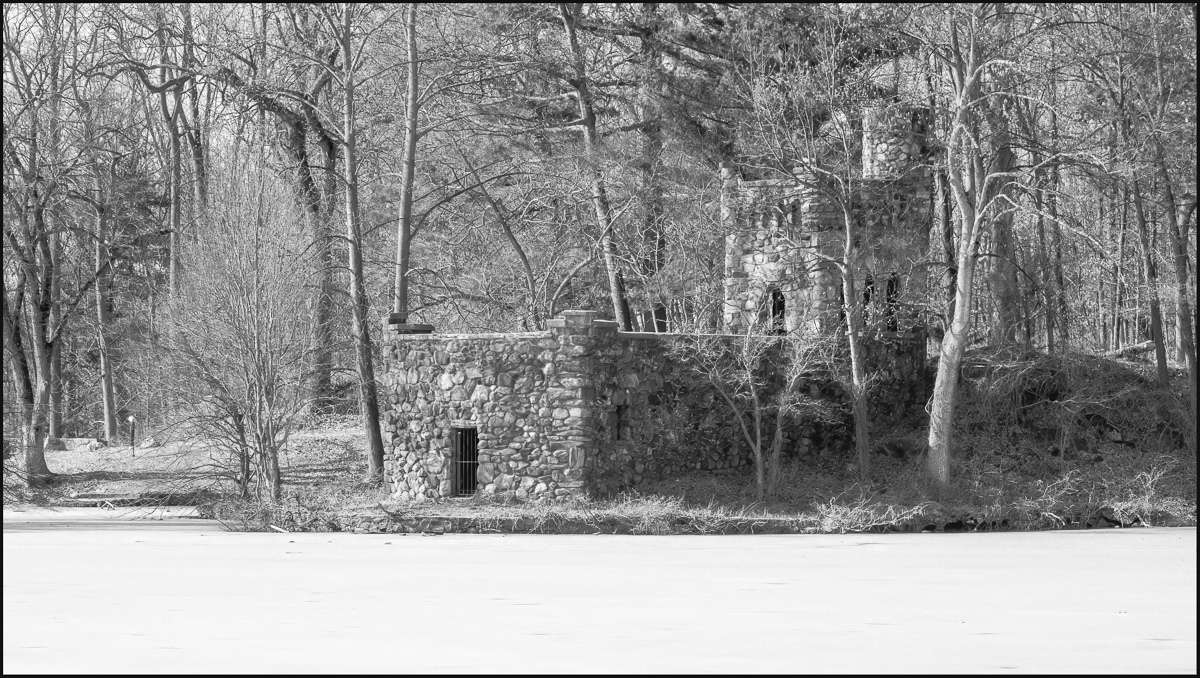
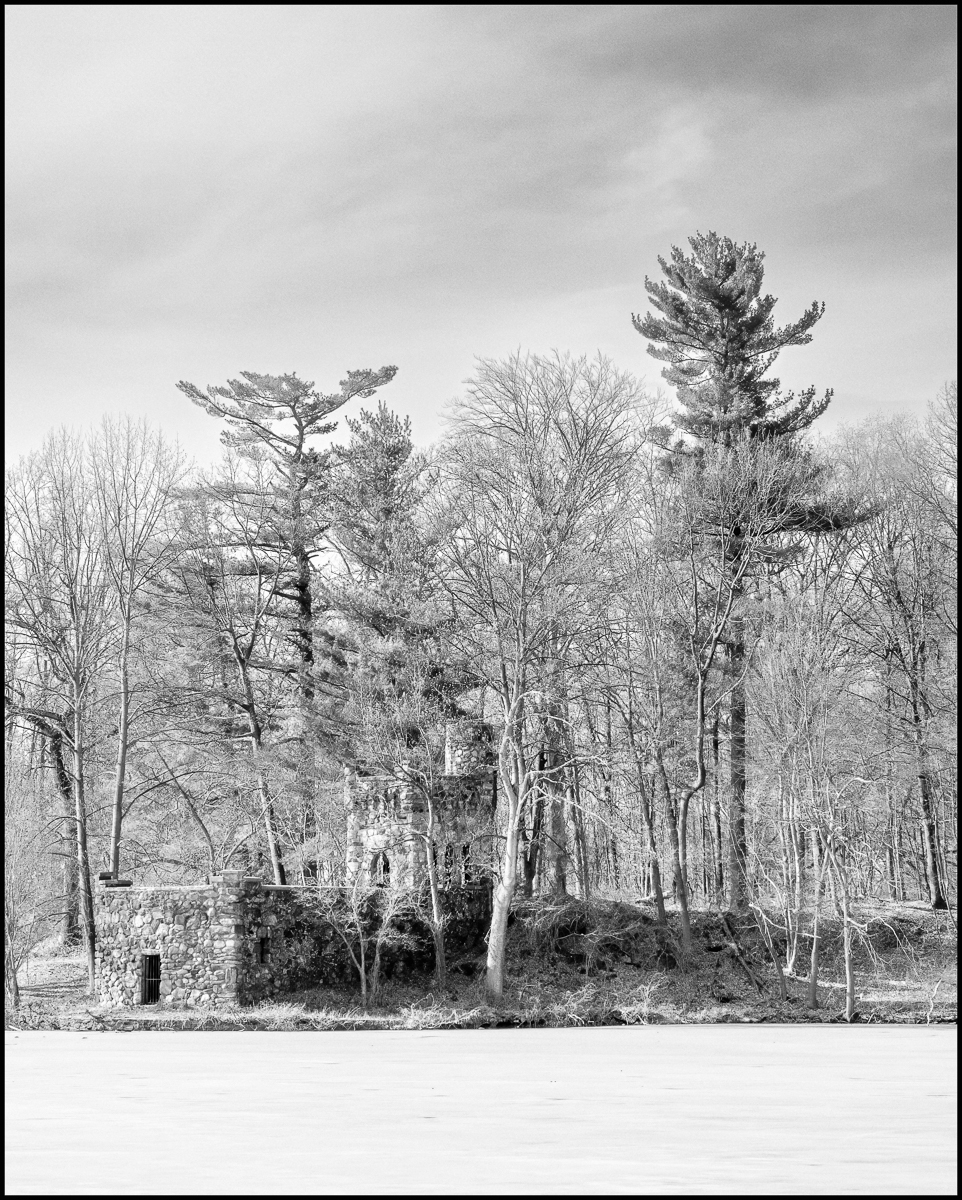
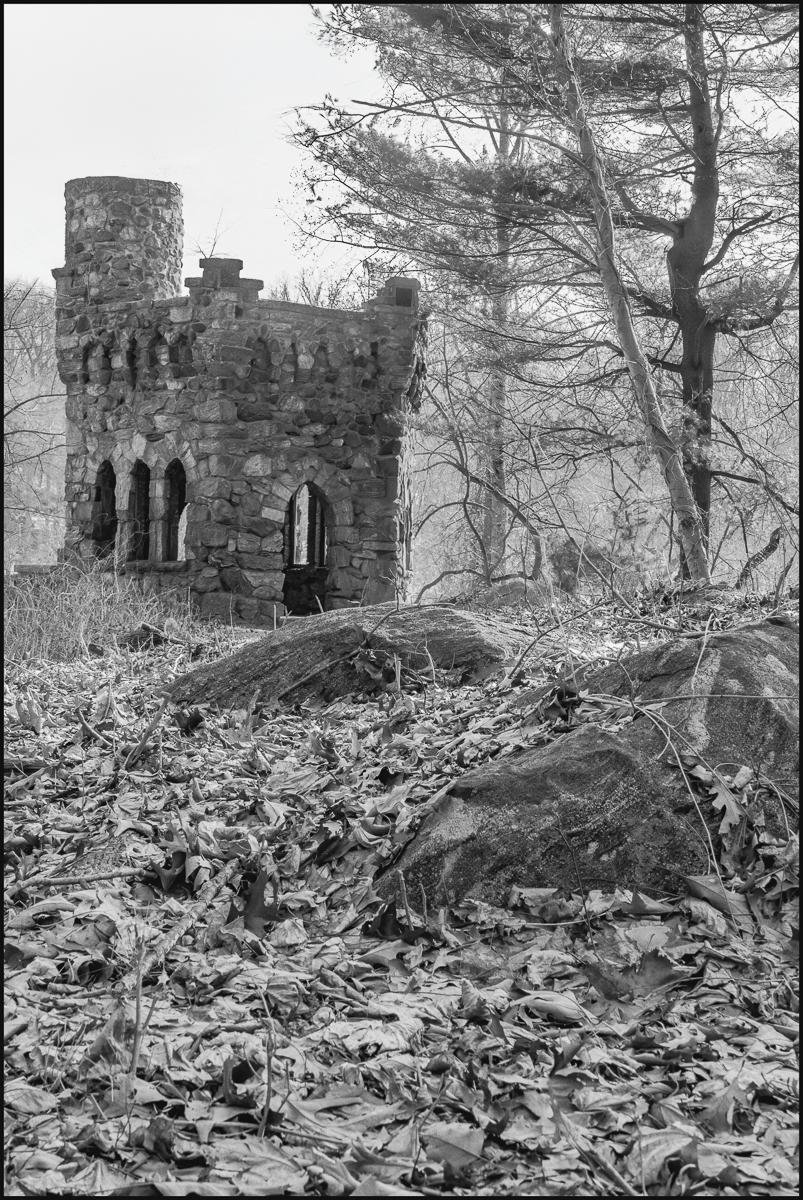
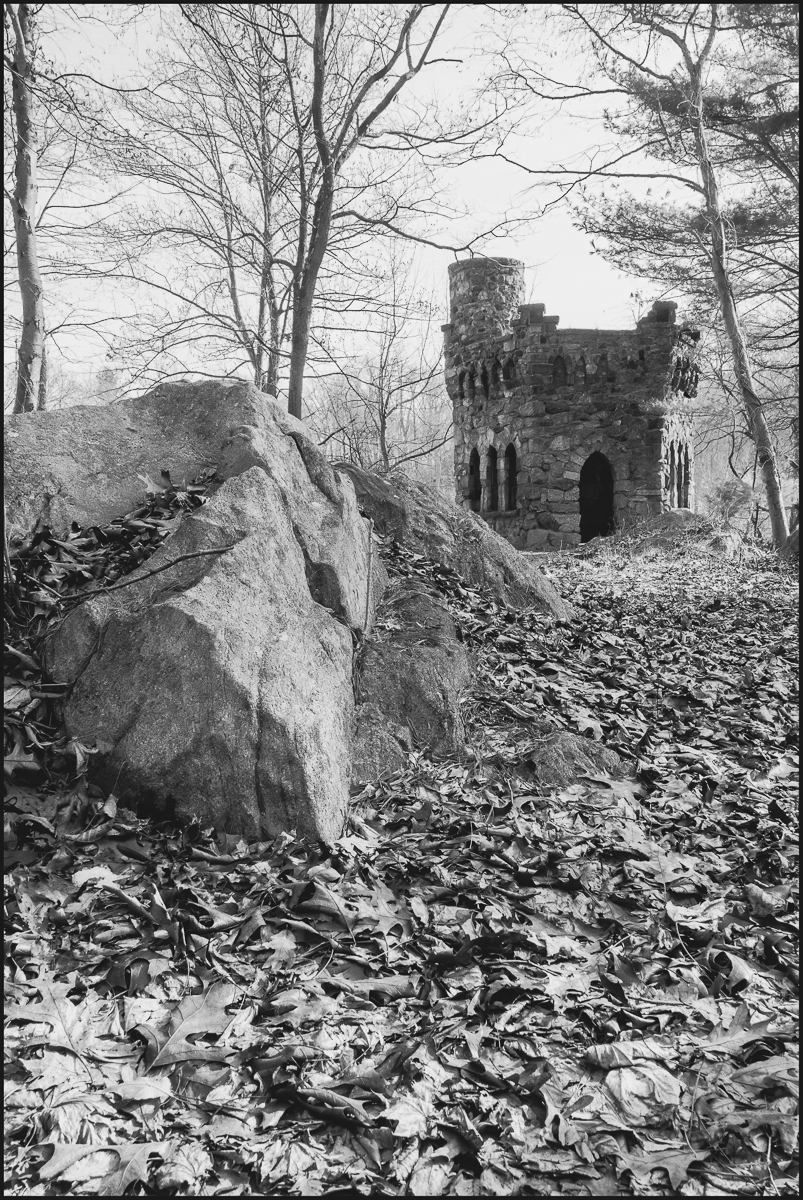
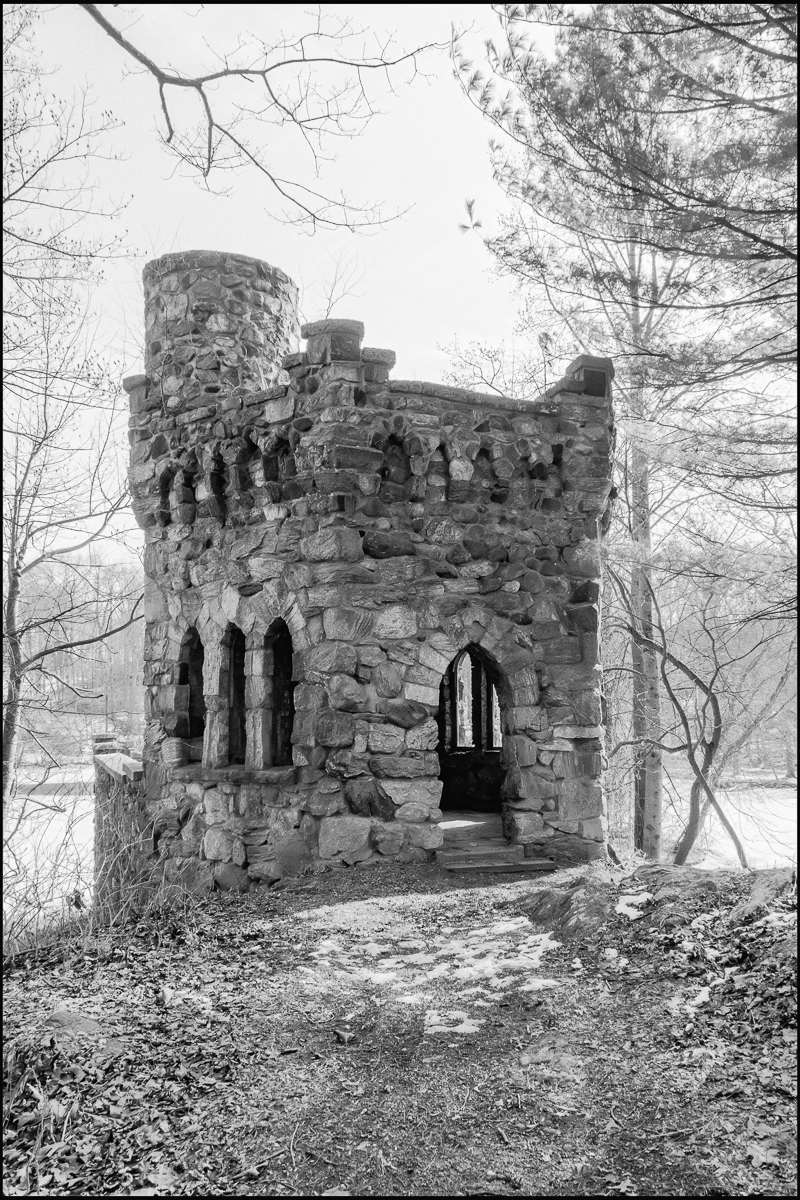
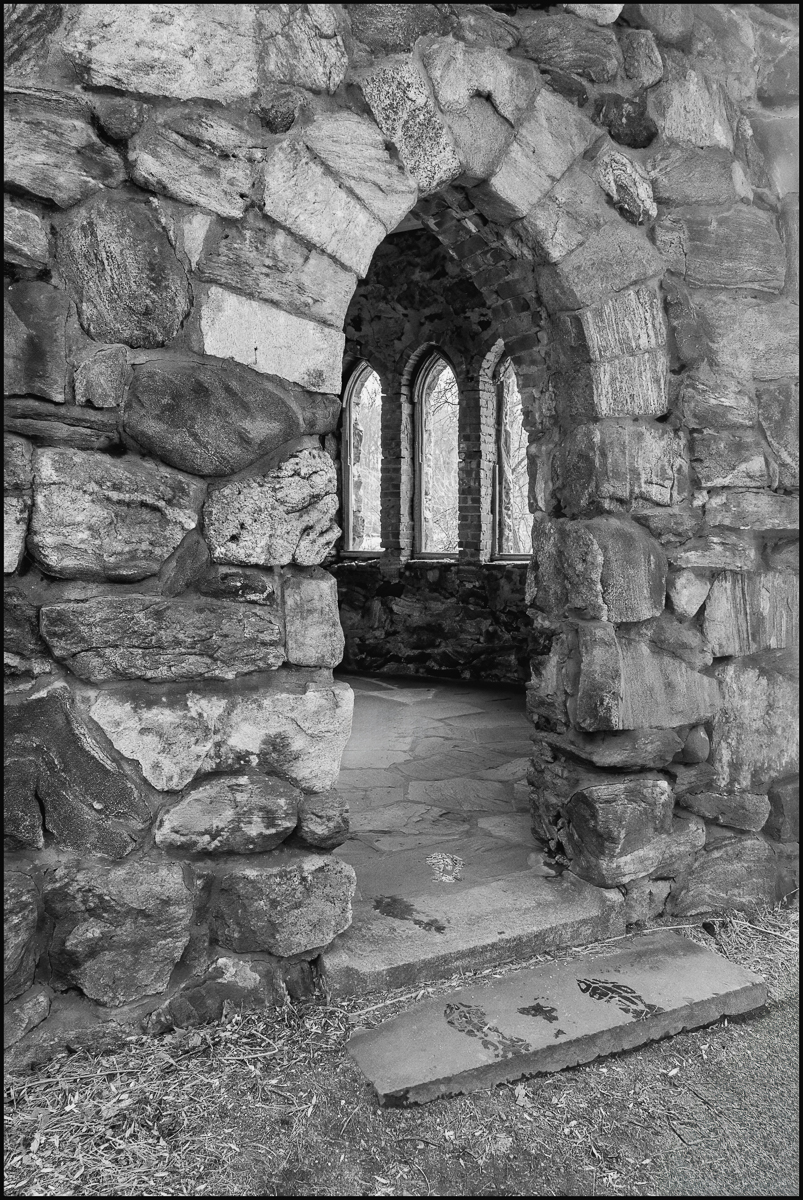
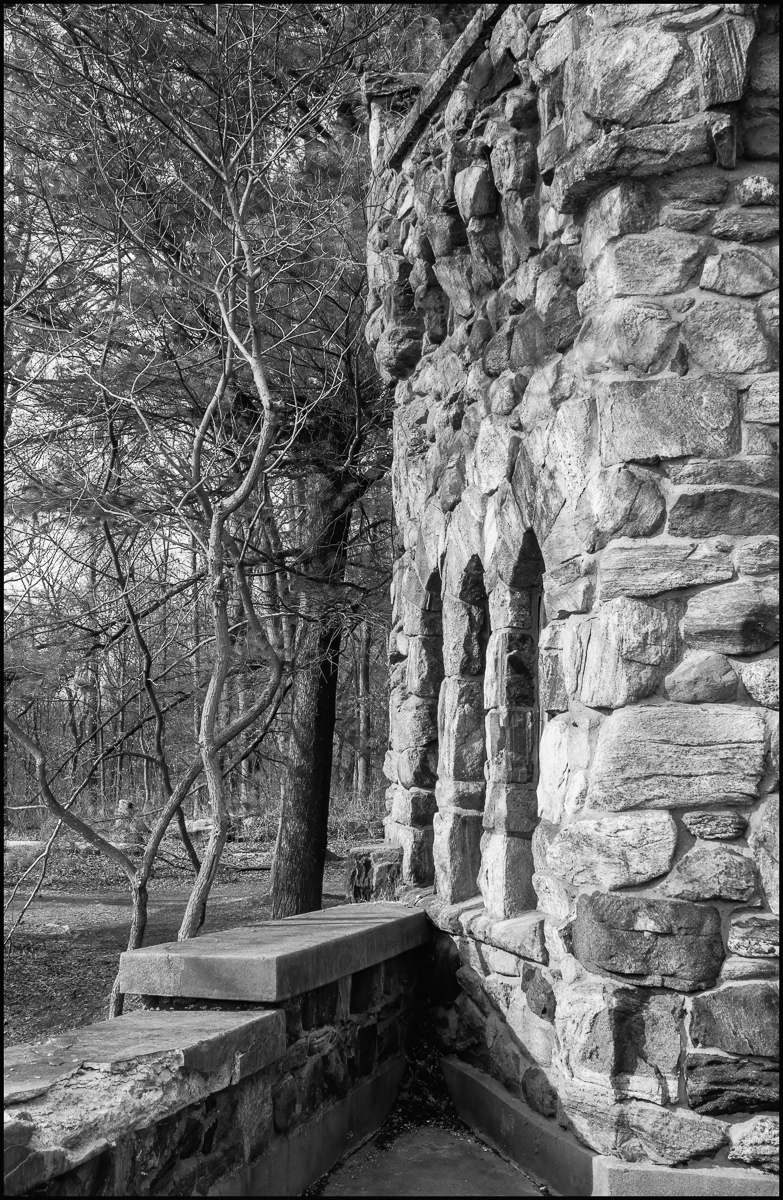
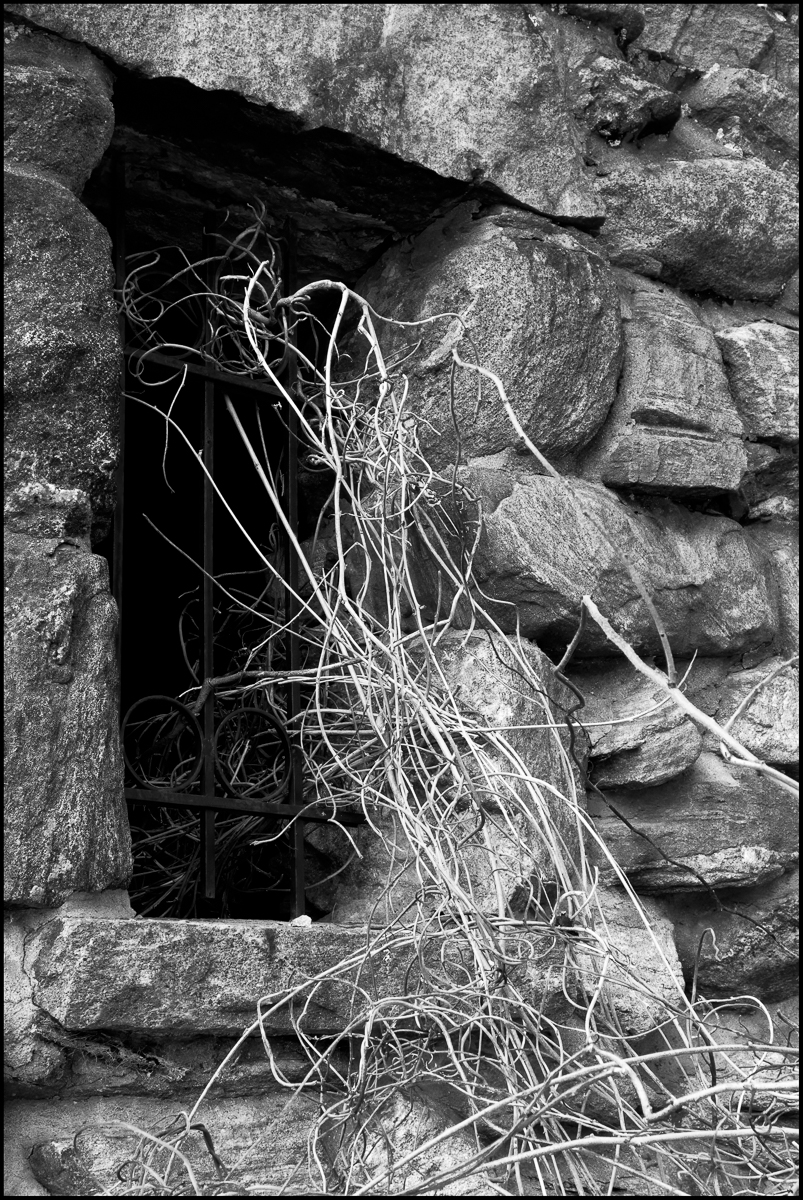
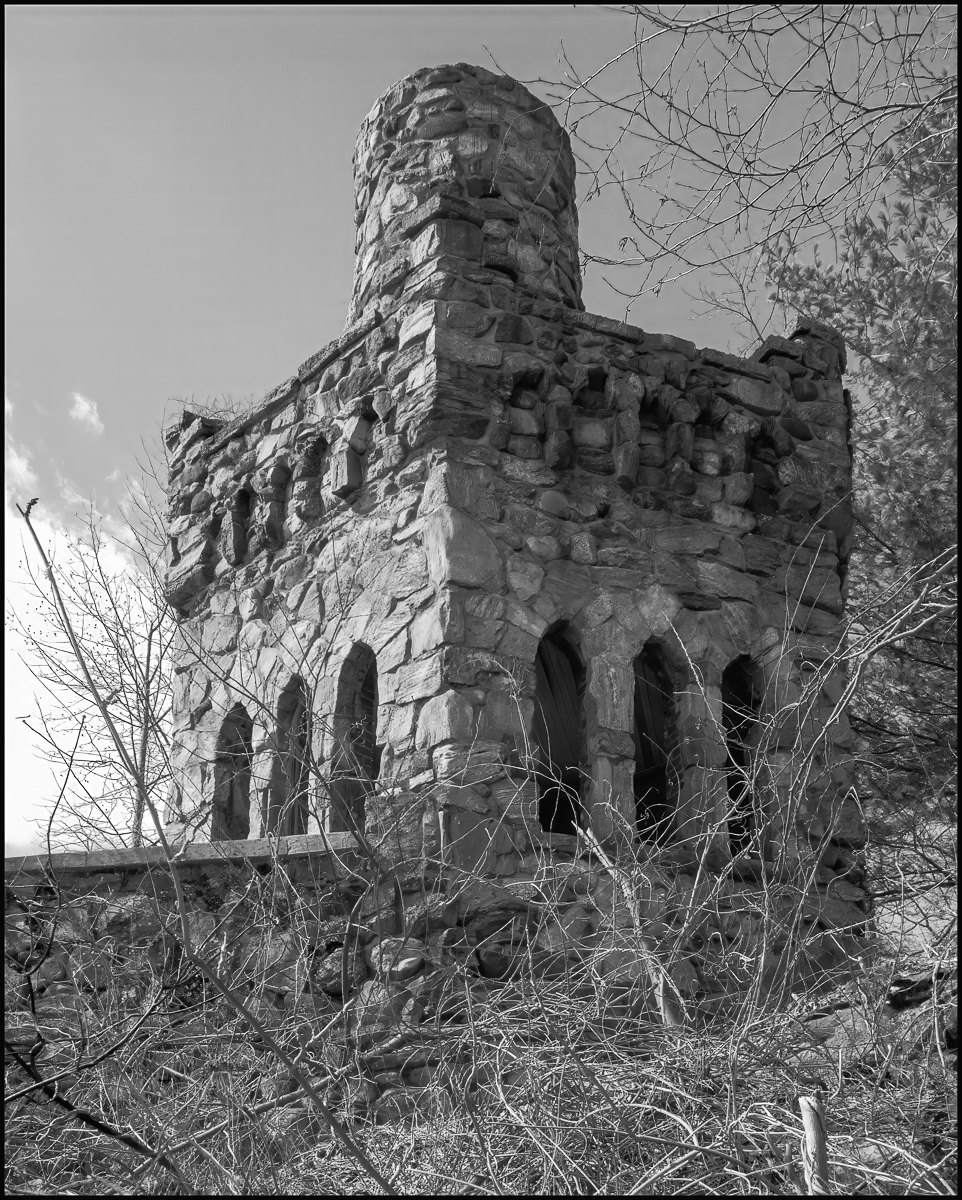
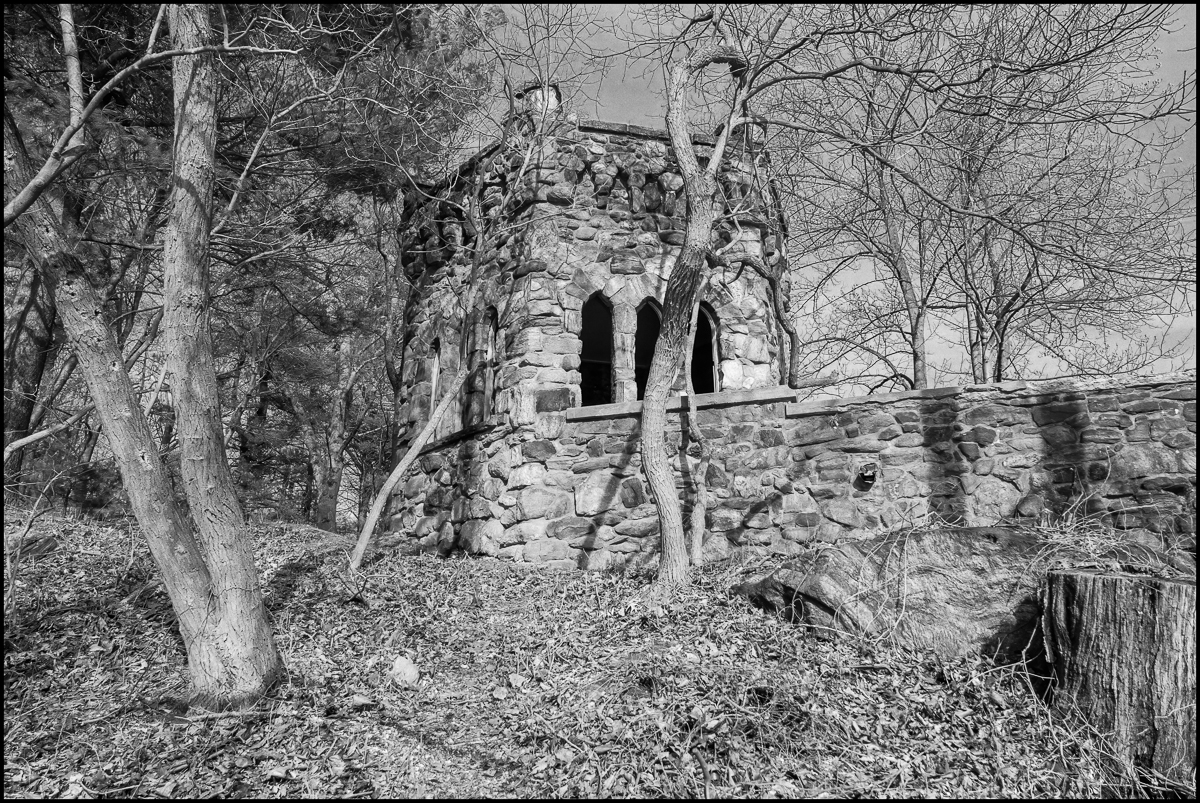
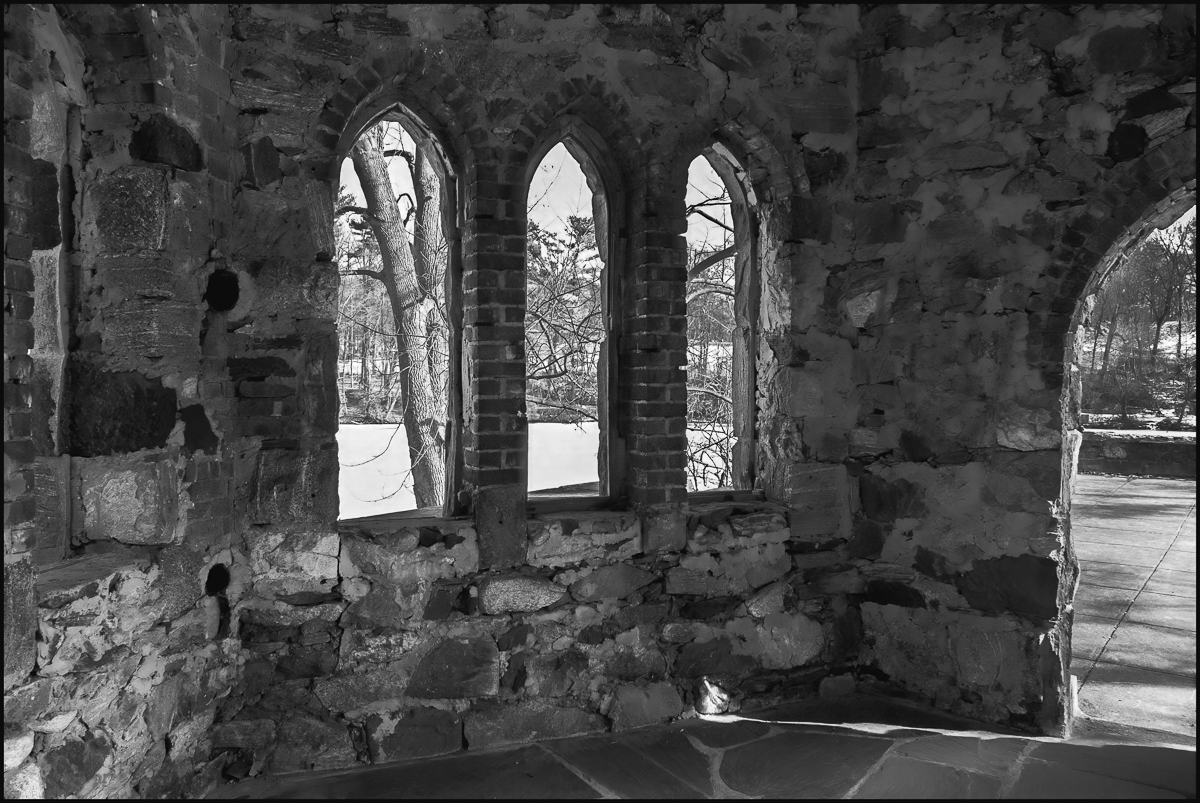
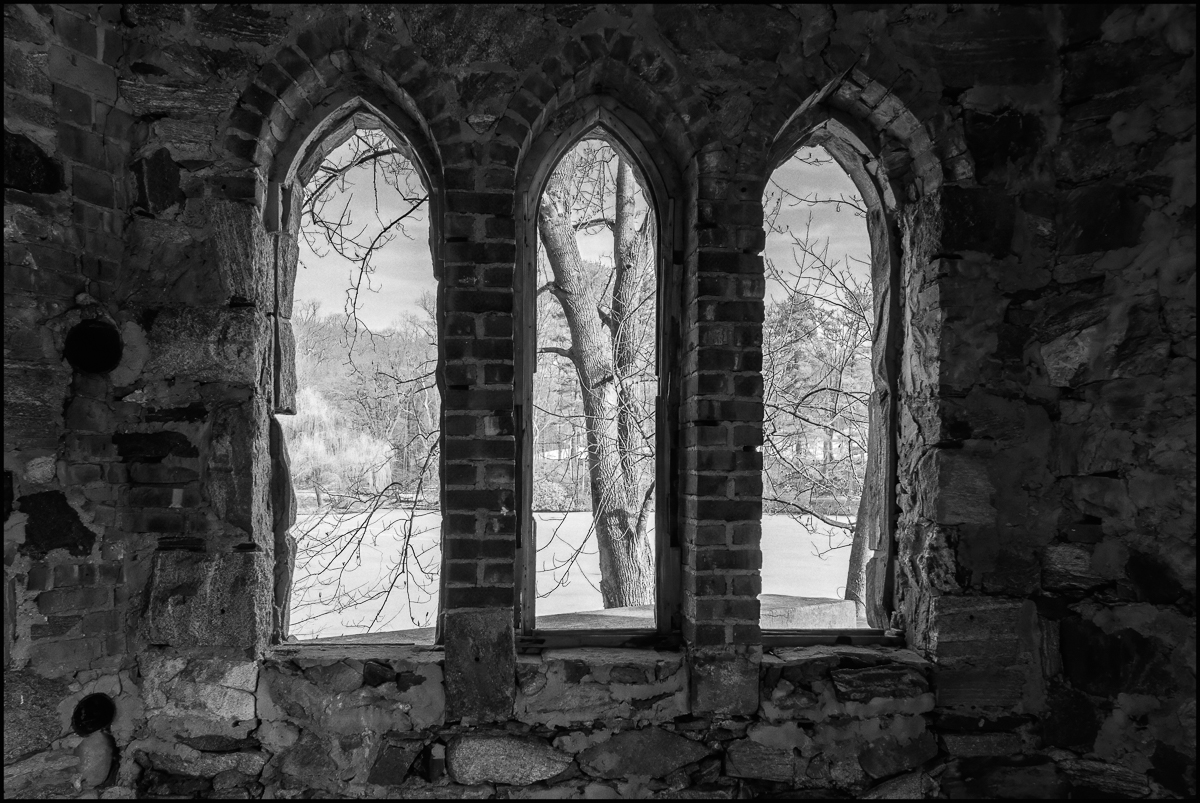
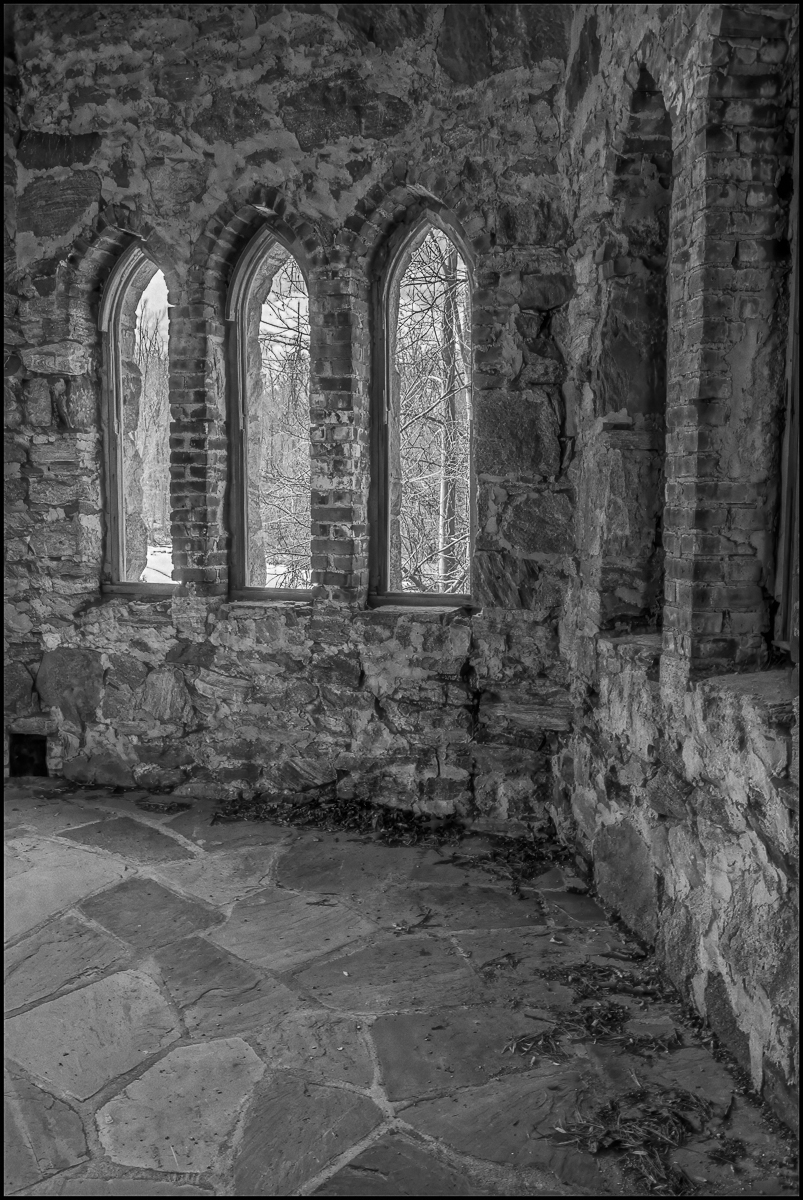
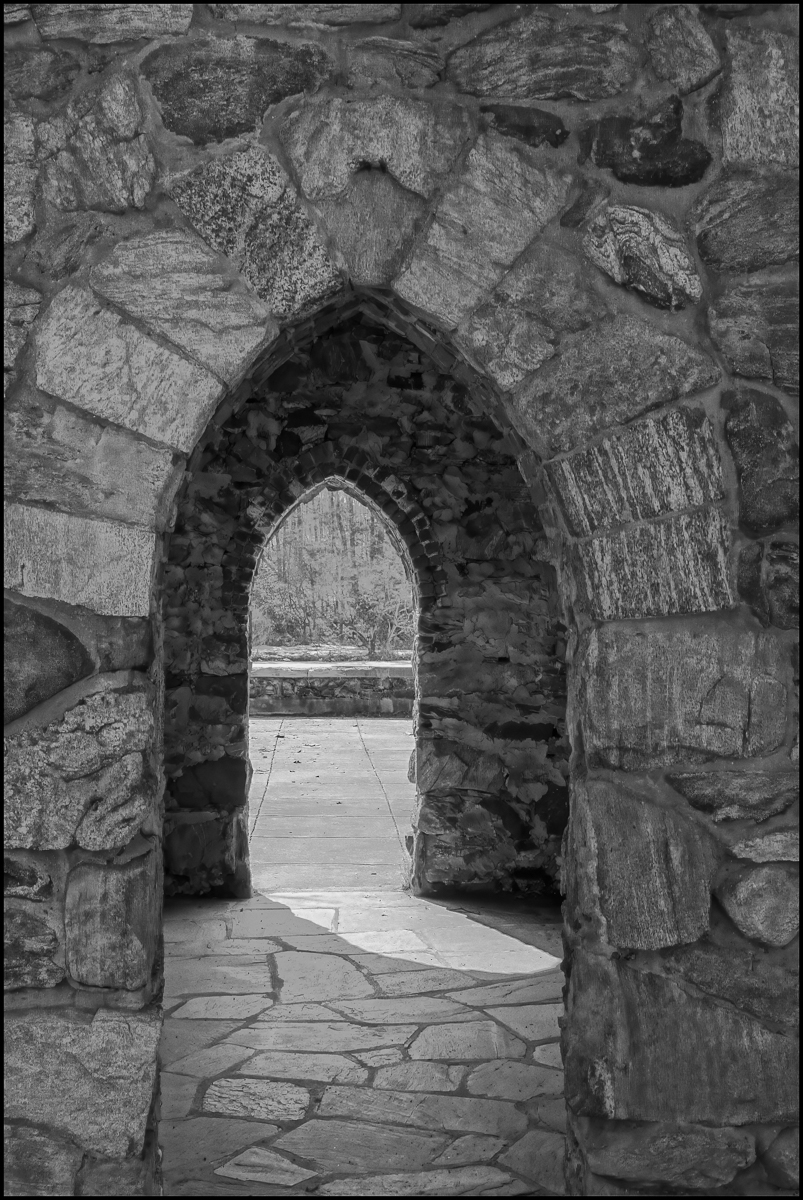
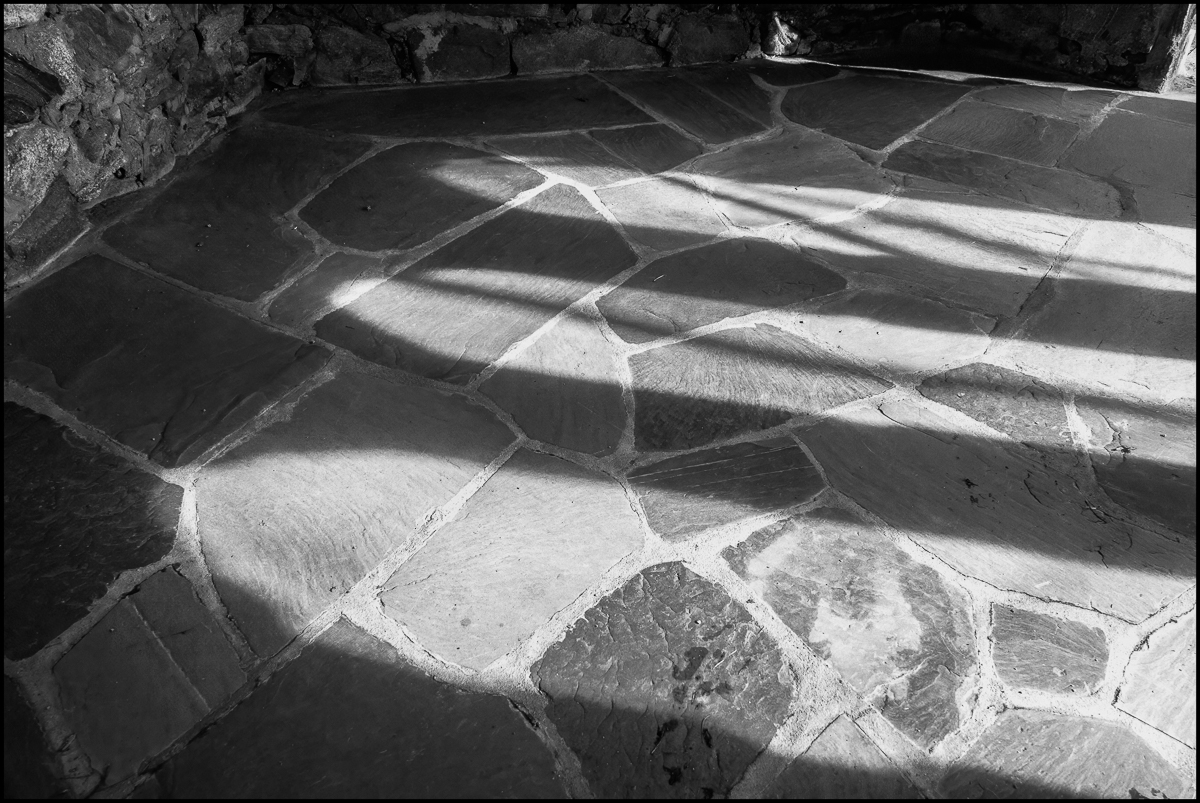
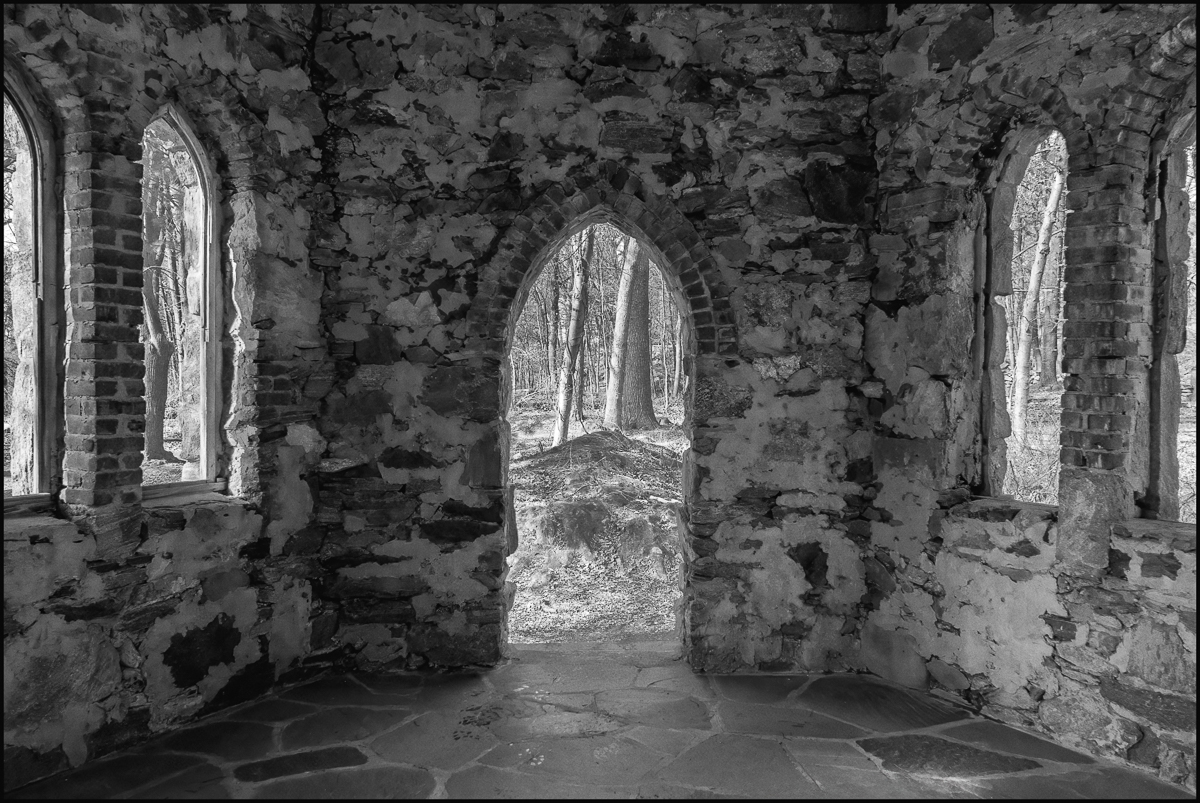
Beltzhoover Teahouse, the last remaining structure of the once-grand estate, is a little turn-of-the-century castle, with an open hexagonal tower featuring gothic arched windows and a roof terrace overlooking Halsey Pond.

Neglect and years of deterioration threatened the survival of this rare historic architectural resource. Beltzhoover Teahouse was preserved through the initiative and support of concerned citizens, the Village of Irvington Trustees and Irvington

Landmarks Preservation, Inc.

A Plaque reads:

Beltzhoover Teahouse on Halsey Pond

Largest remaining structure of “Rochrome”, the 200 acre Belzhoover Estate built in 1905. Melchior Beltzhoover was “President” of Irving ton from 1904 to 1916. The Halsey family owned a portion of the property from 1927-1976. The pond area became village land in 1980.

From 1994 to 1997 many citizens volunteered their time, expertise, and craftsmanship to save the structure. Preservation of the Teahouse was financed equally by private donations and Village funds.

Irvington Landmark Preservation, Inc.
1997

THE DAM AND THE POND


THE TEAHOUSE – EXTERIORS


THE TEAHOUSE – INTERIORS


BELTZHOOVER RESIDENCE AS IT ONCE LOOKED

Taken with a Sony RX10 IV

To Halsey Pond Park and Back – A couple of barns

Before I could take the road (Hamilton Road) up to the park I had to walk along Route 9. Route 9 changes its name lot, depending on which locality it goes through. But it’s essentially the old Albany Post Road, a road used for mail delivery. It connects New York City and Albany along the east side of the Hudson River. It was first designated in 1669.

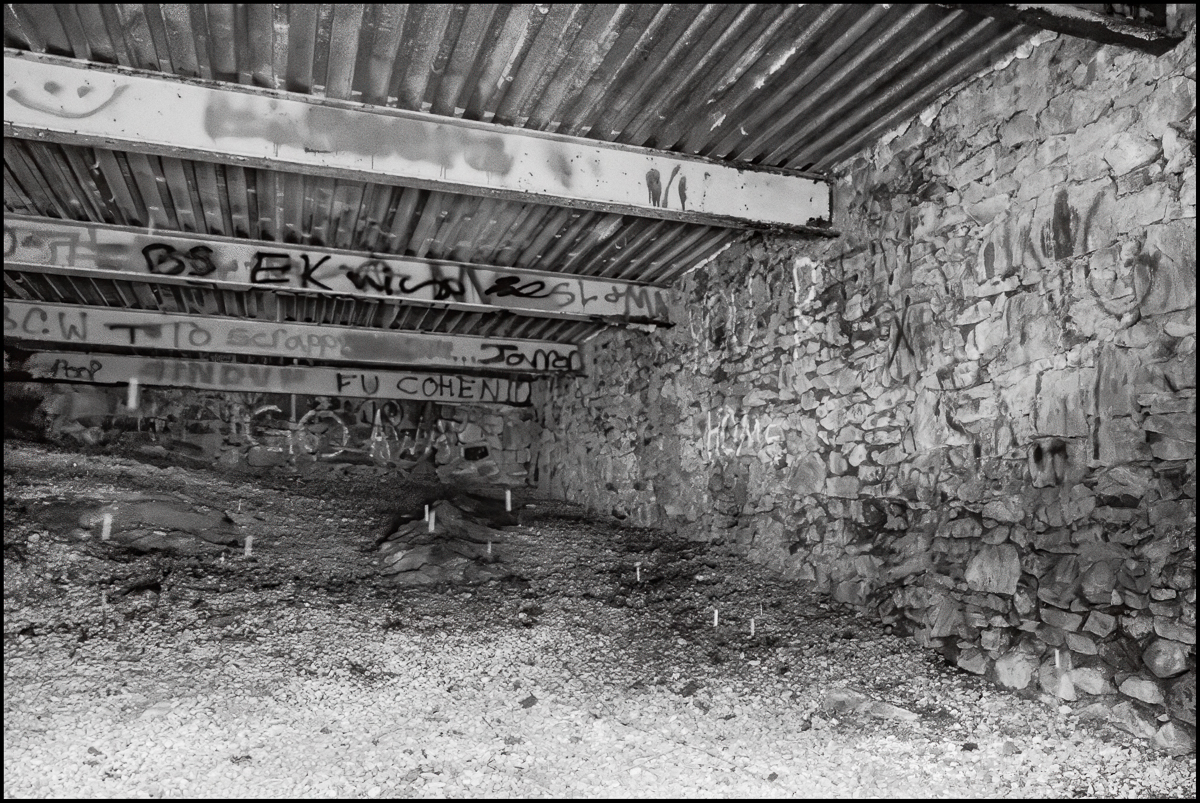
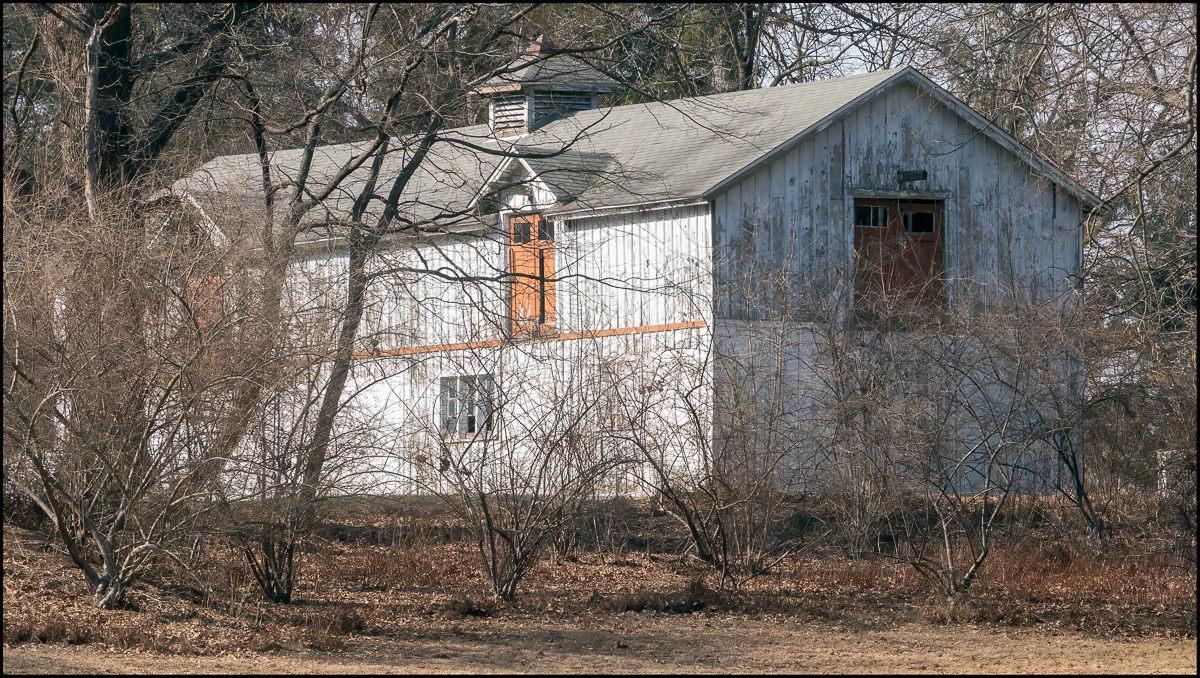
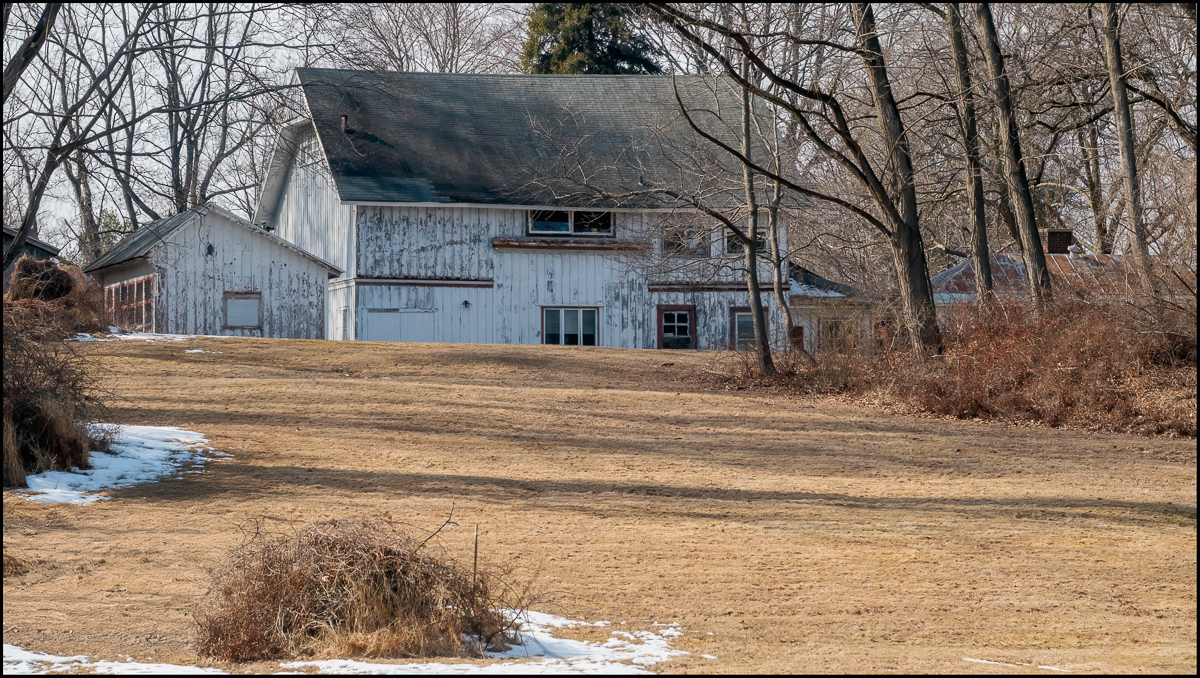
During this part of my walk, I came across these two barn like buildings. I have no idea what they are, but I thought they looked suitably rustic and would make a somewhat interesting picture.

Taken with a Sony RX10 IV