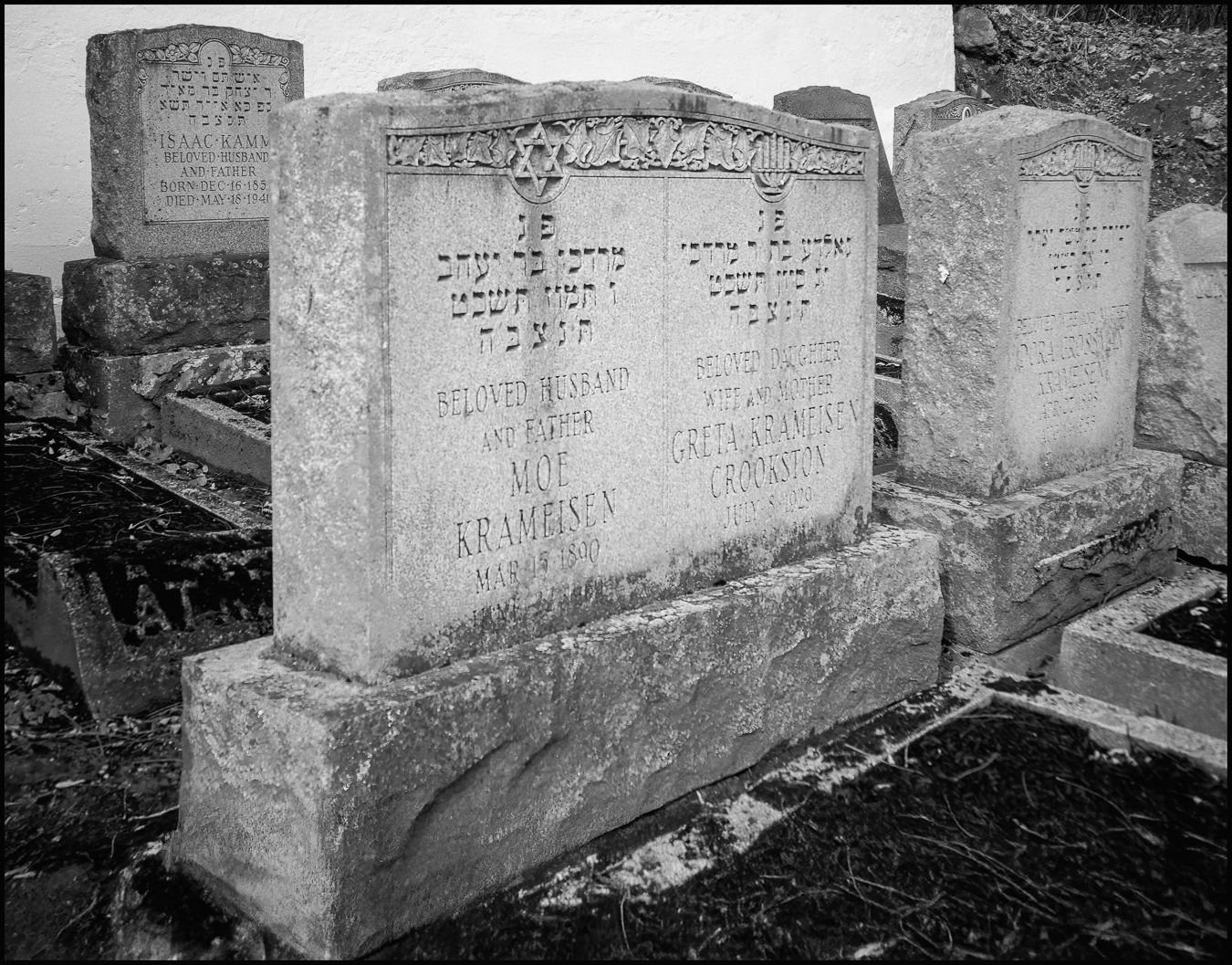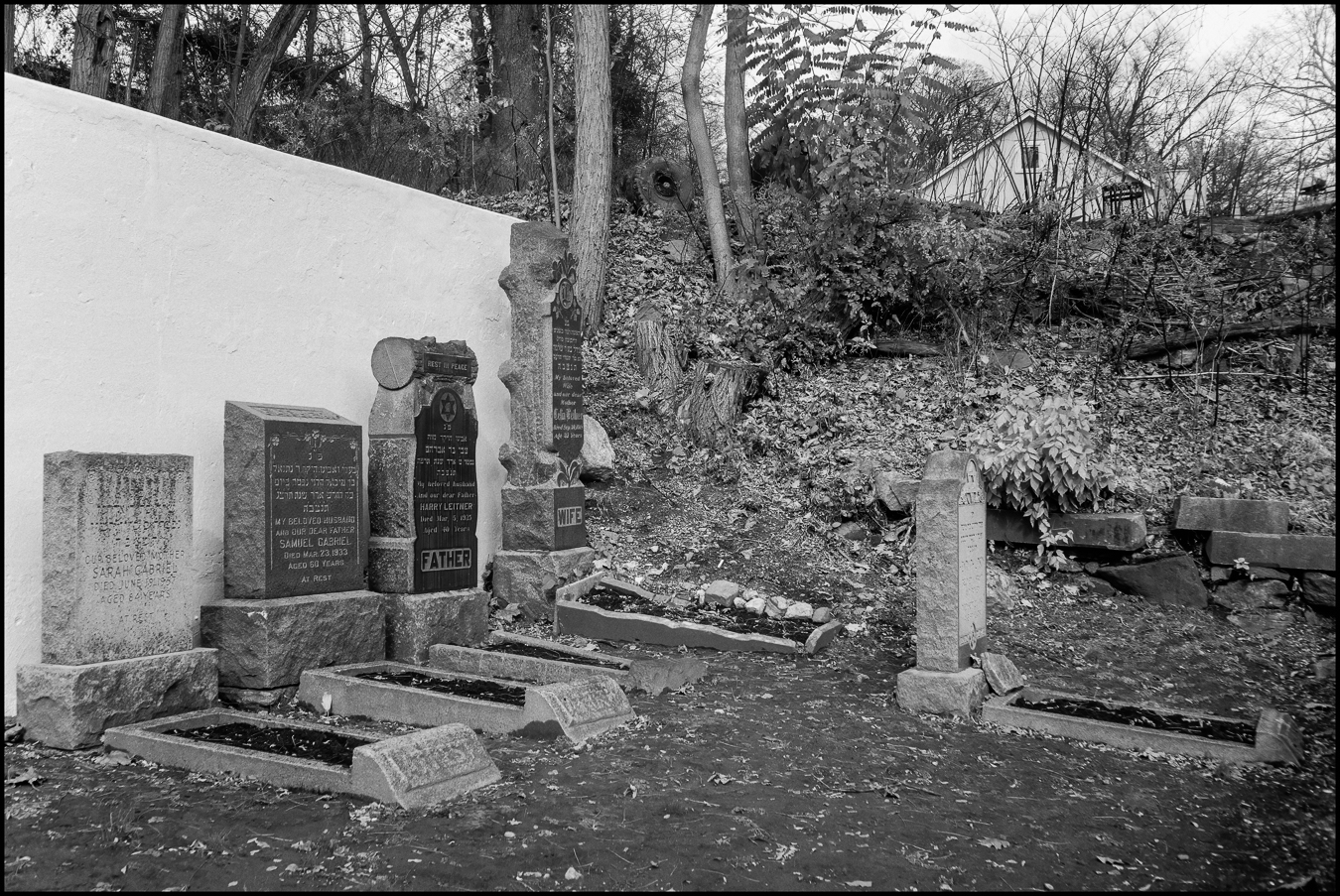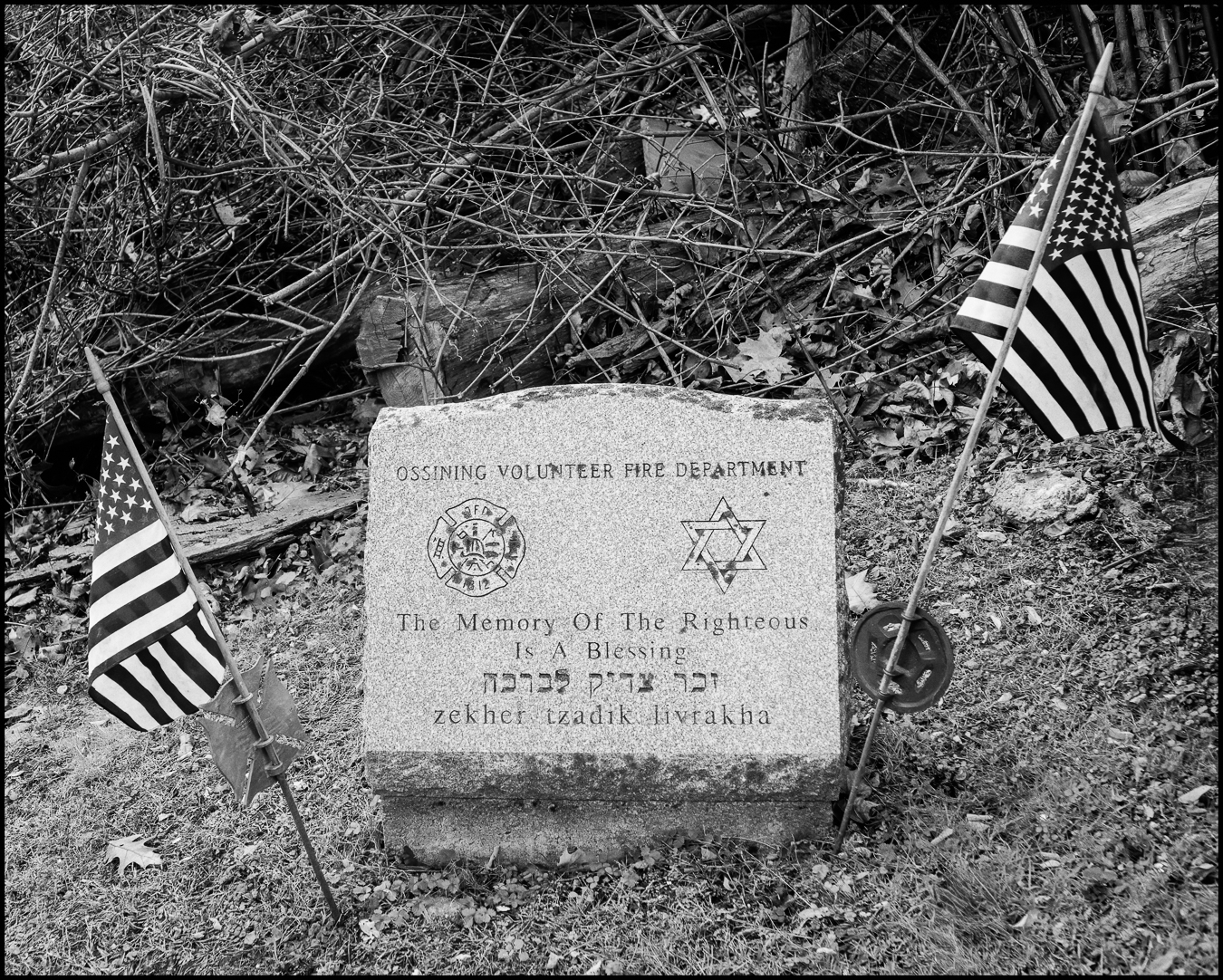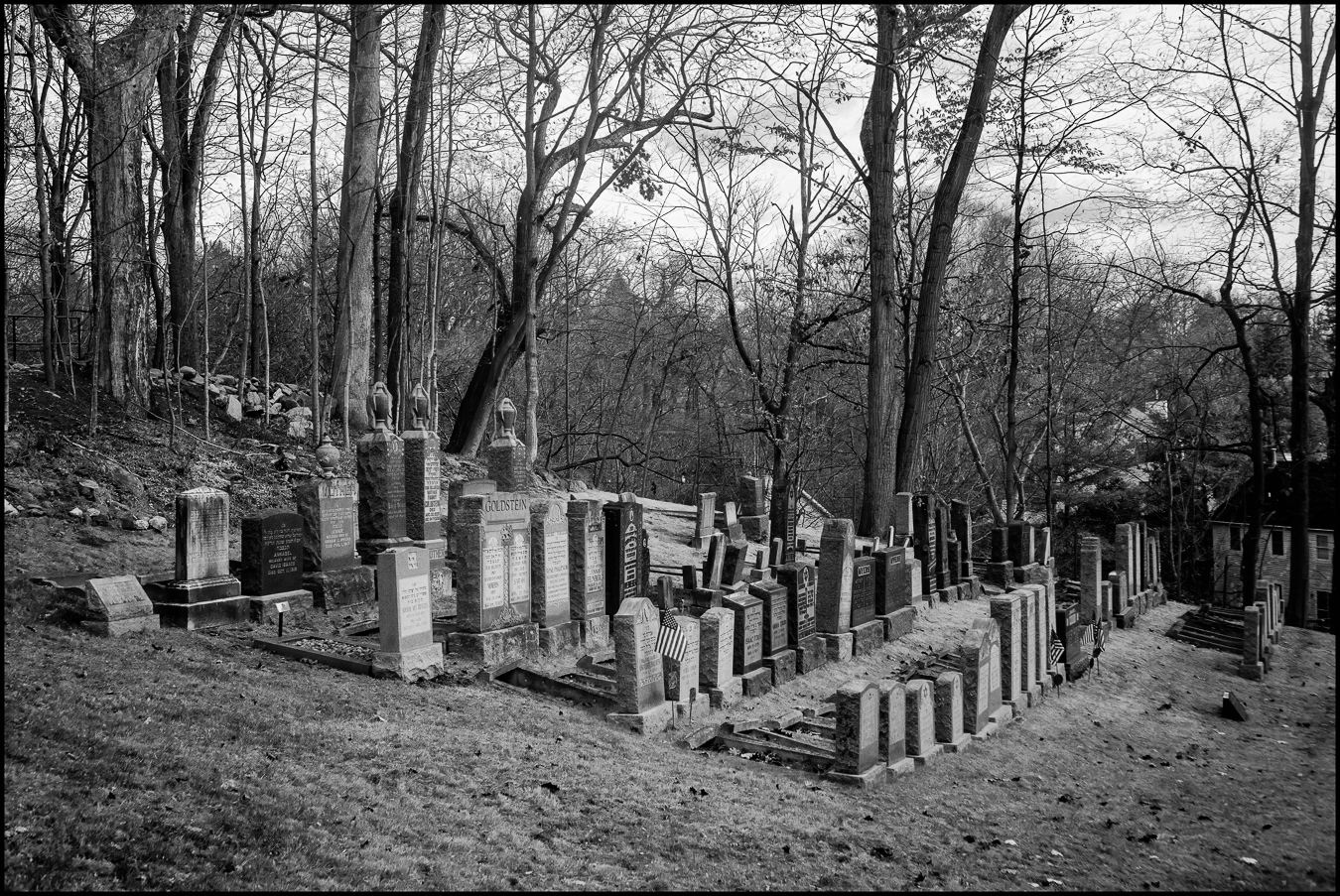
Congregation Sons of Israel Cemetery, Ossining

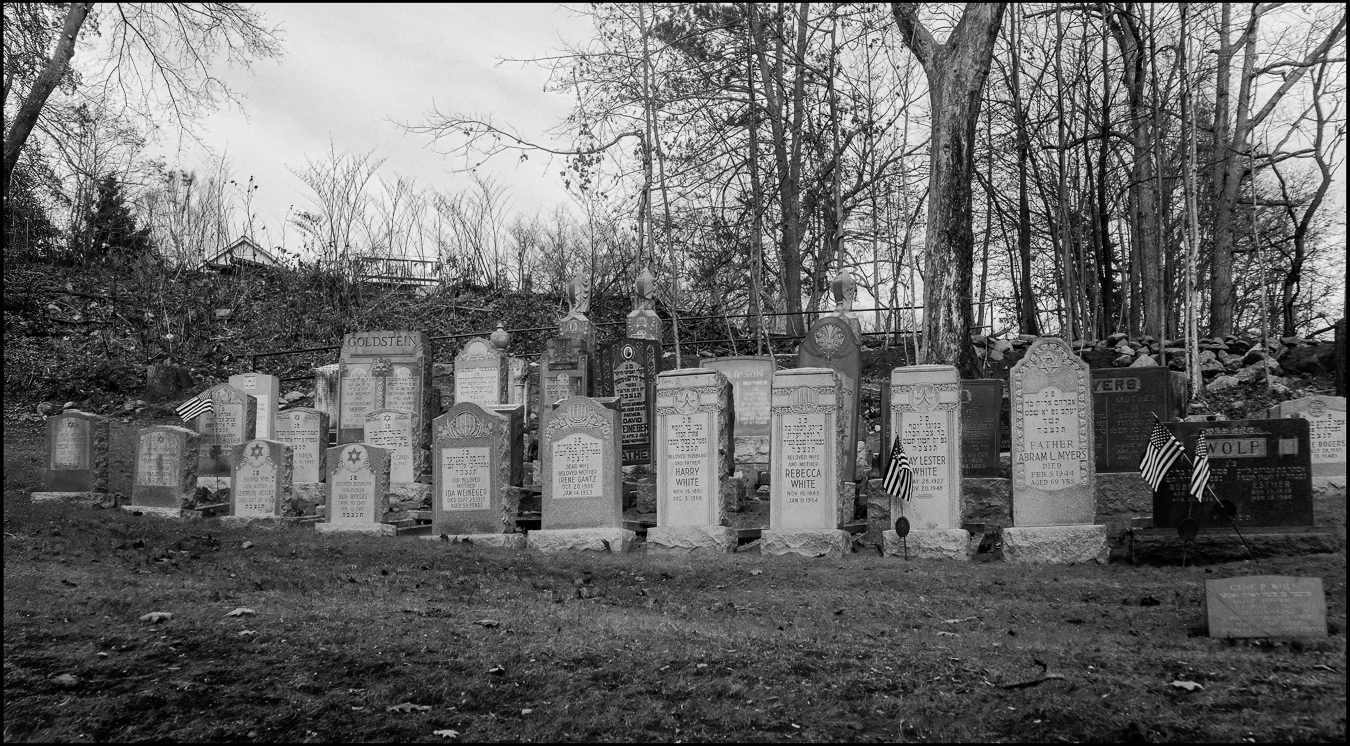
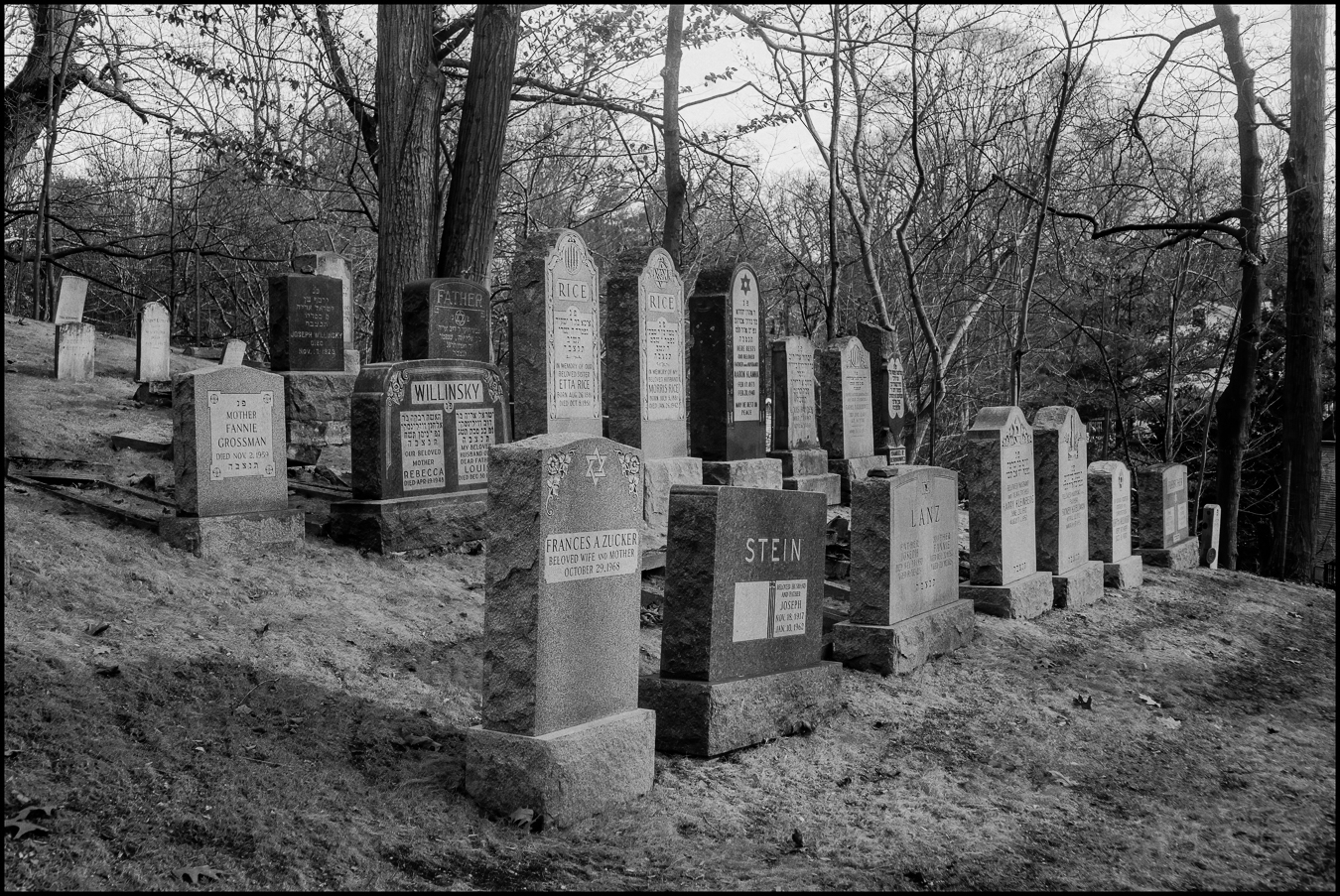
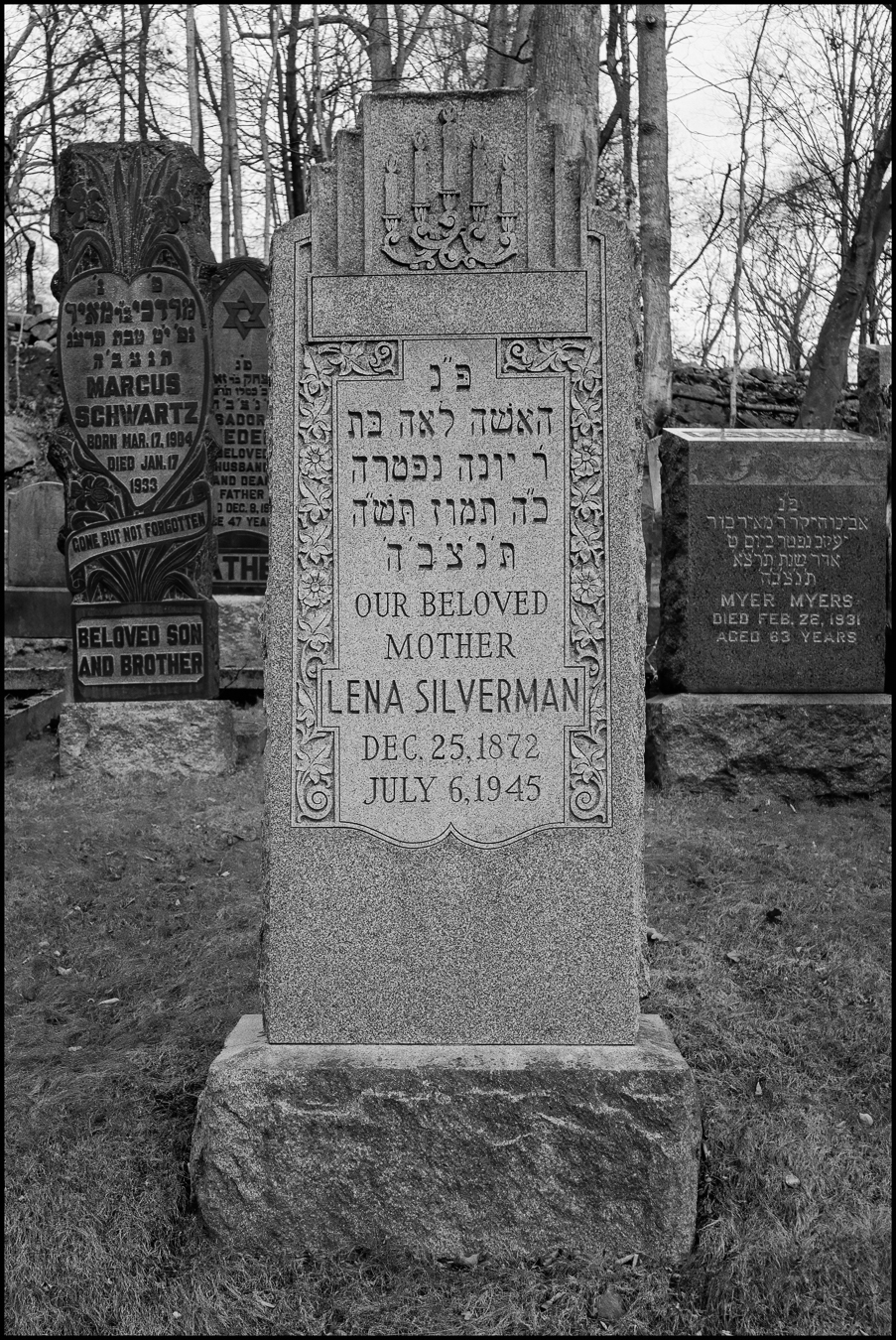
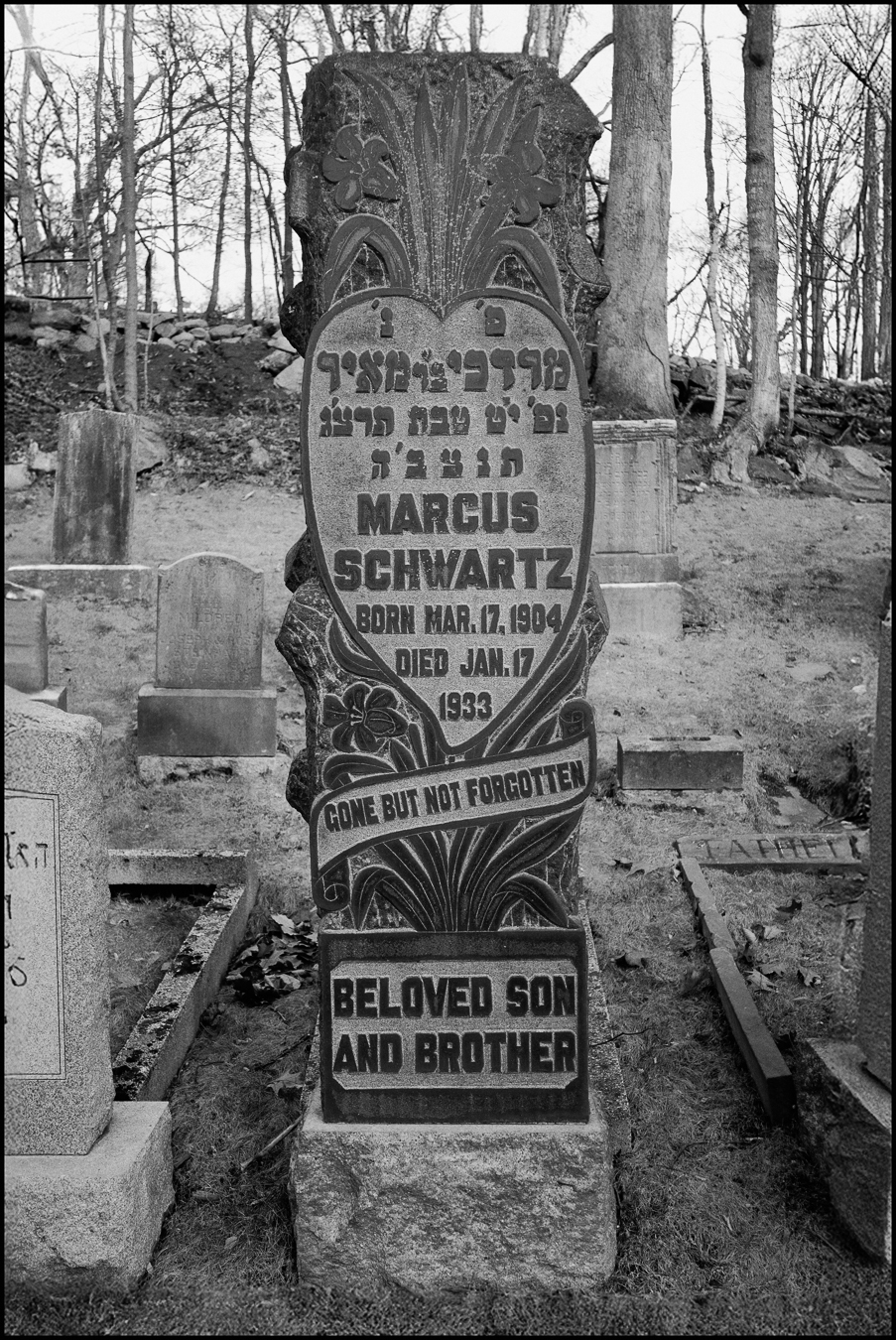
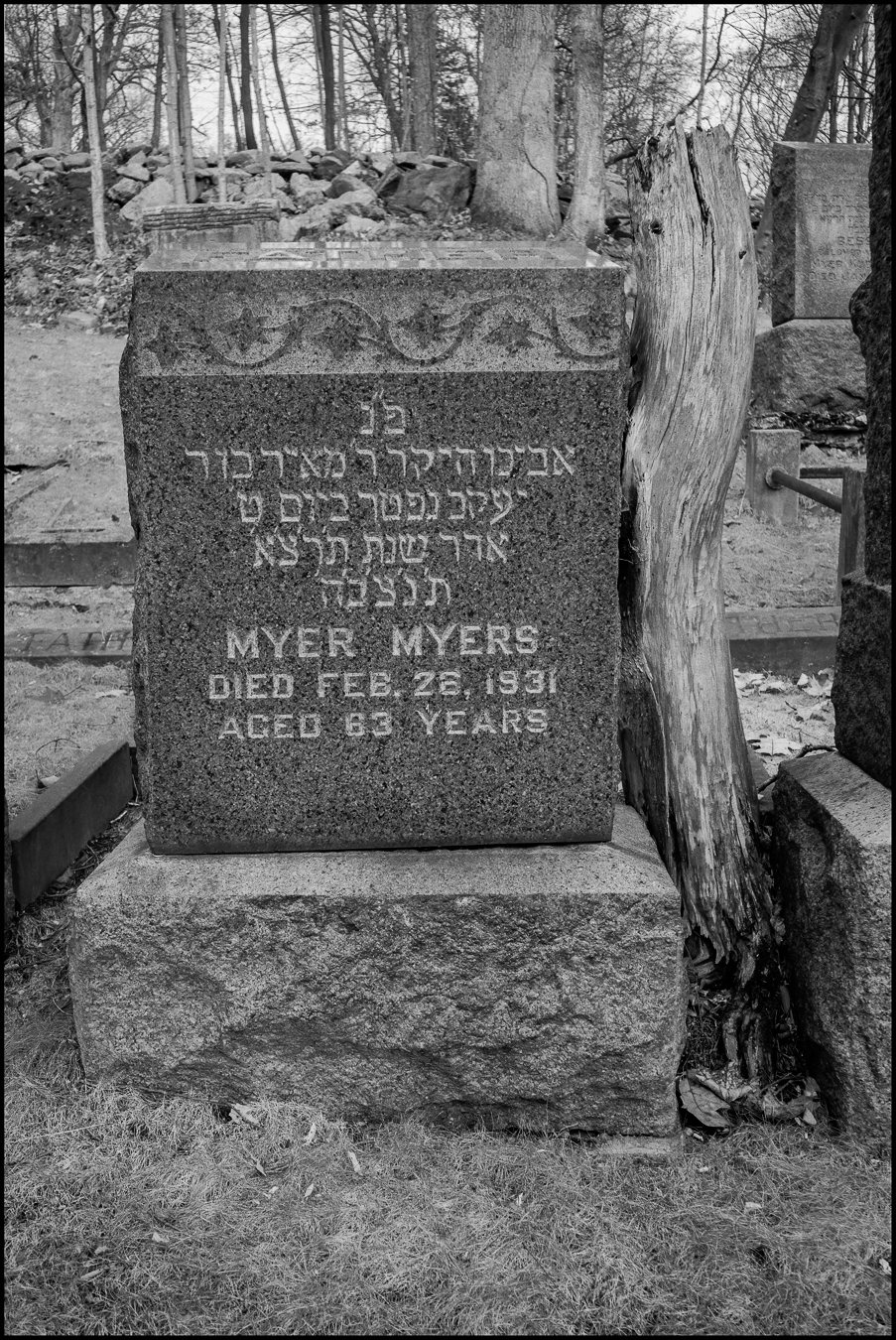
The Briarcliff Manor-Scarborough Historical Society recently organized a presentation on the Congregation Sons of Israel. In his prestation Mr. Irwin Kavy mentioned their cemetery. I’d never heard about it before so of course I had to find out where it was and visit it.

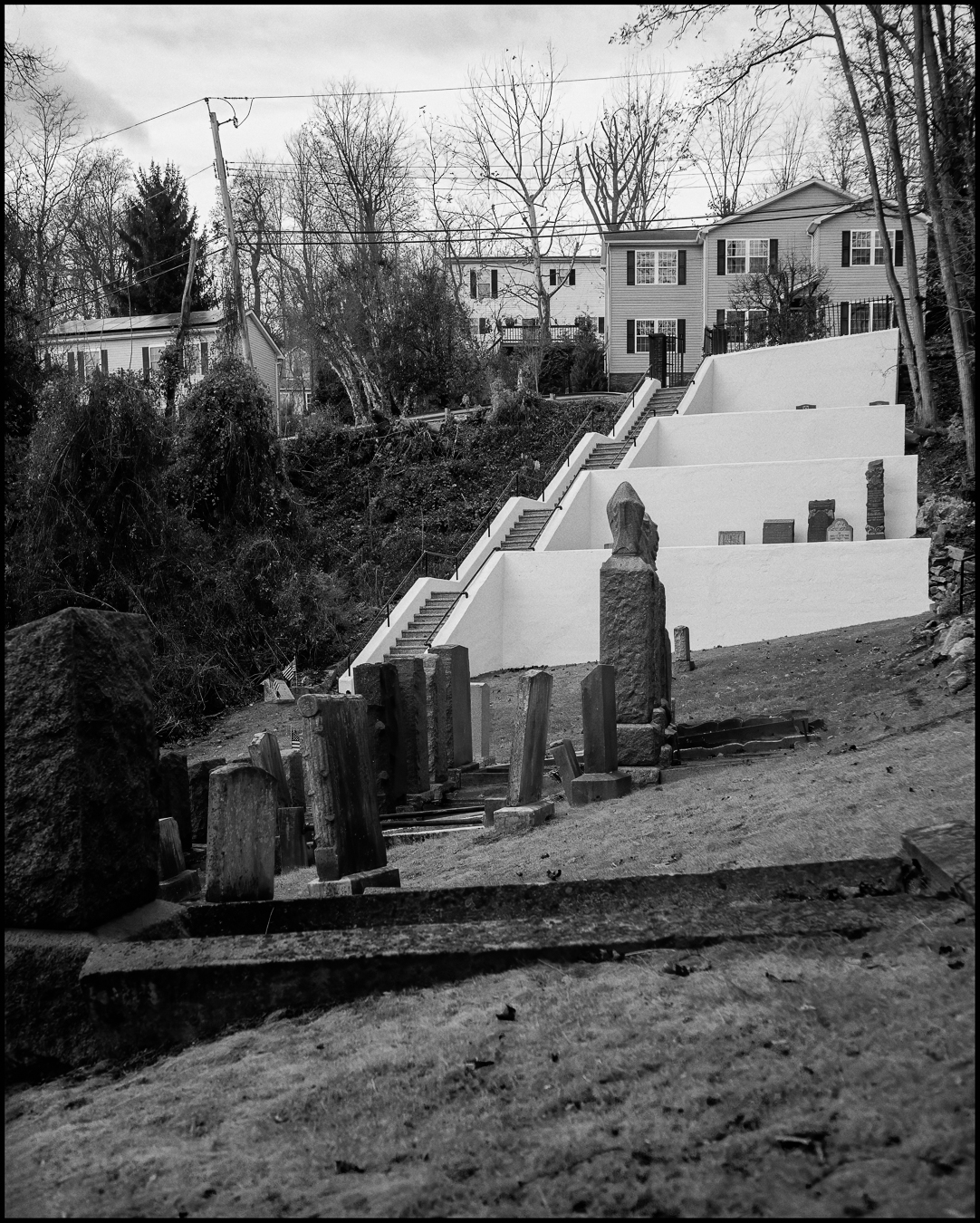
The cemetery is on Havell Street (east of Route 9), adjacent to (west of) the Dale Cemetery entrance. It’s not marked as such but owned by Congregation Sons of Israel, a Synagogue and now located at 1666 Pleasantville Road, Briarcliff Manor, NY 10510.

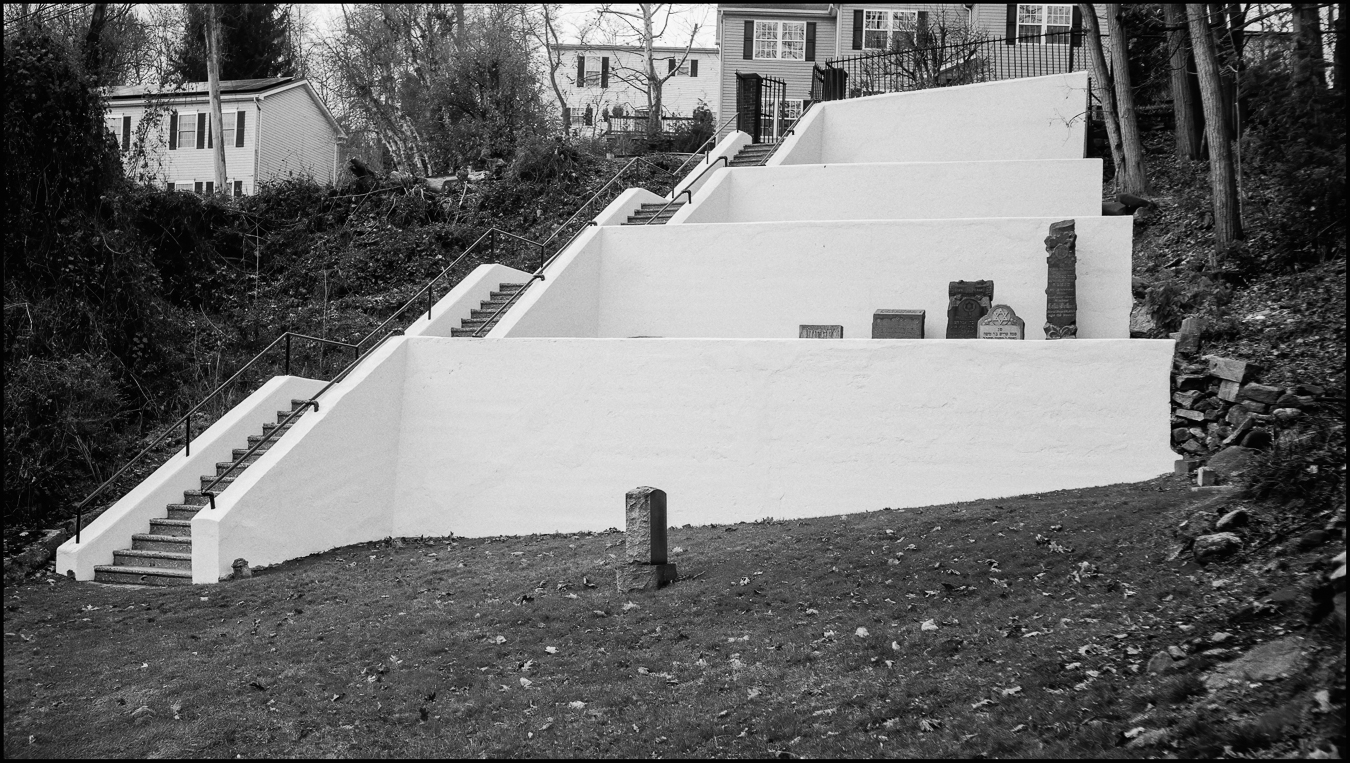
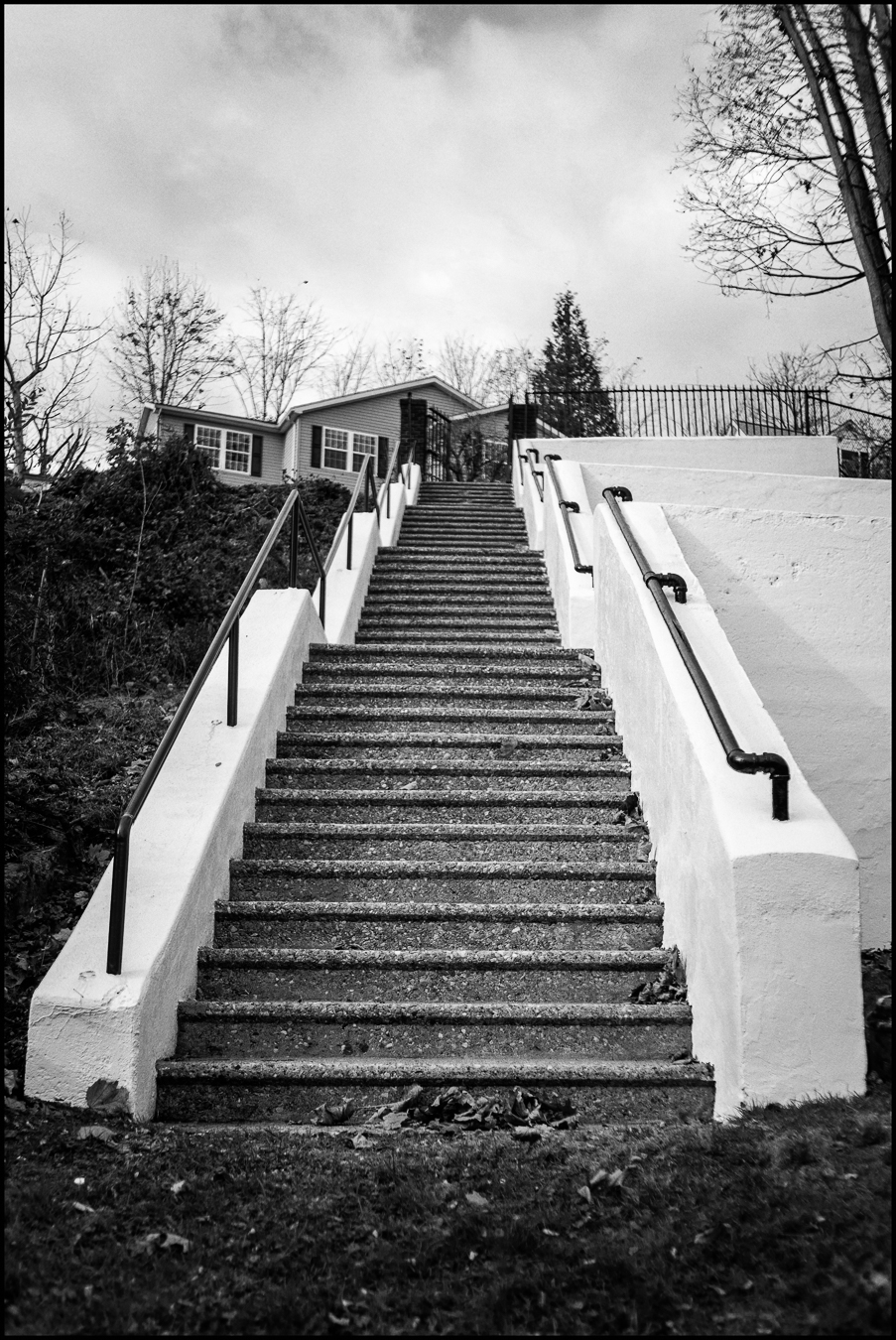
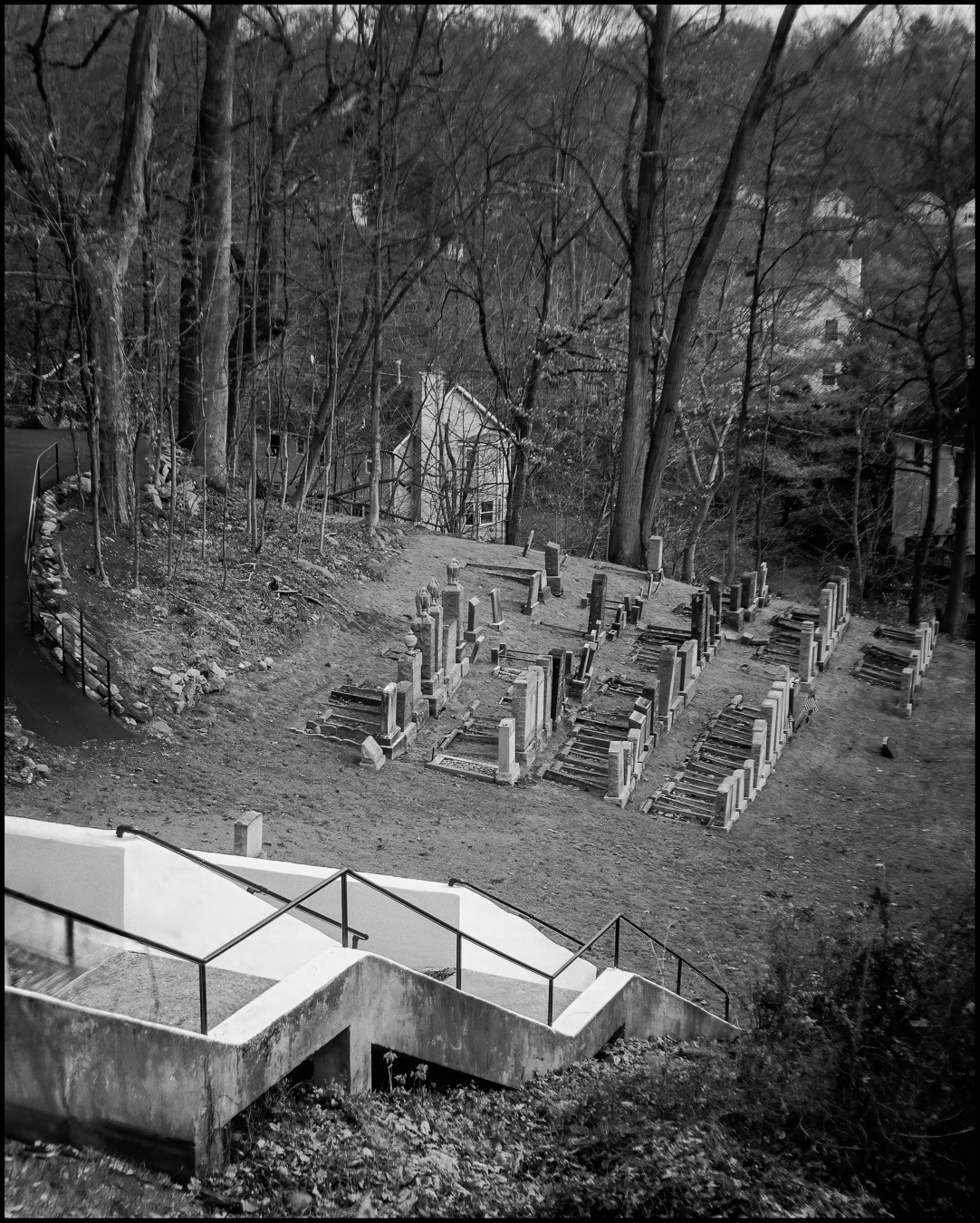
It has approx. 100 graves, all Jewish, from late 19th century to about 1970’s. The cemetery is located on steep hill below Havell Street. Numerous steps lead to about three intermediate burial levels before reaching the main burial area.

I don’t think I’ve ever seen a terraced cemetery before.
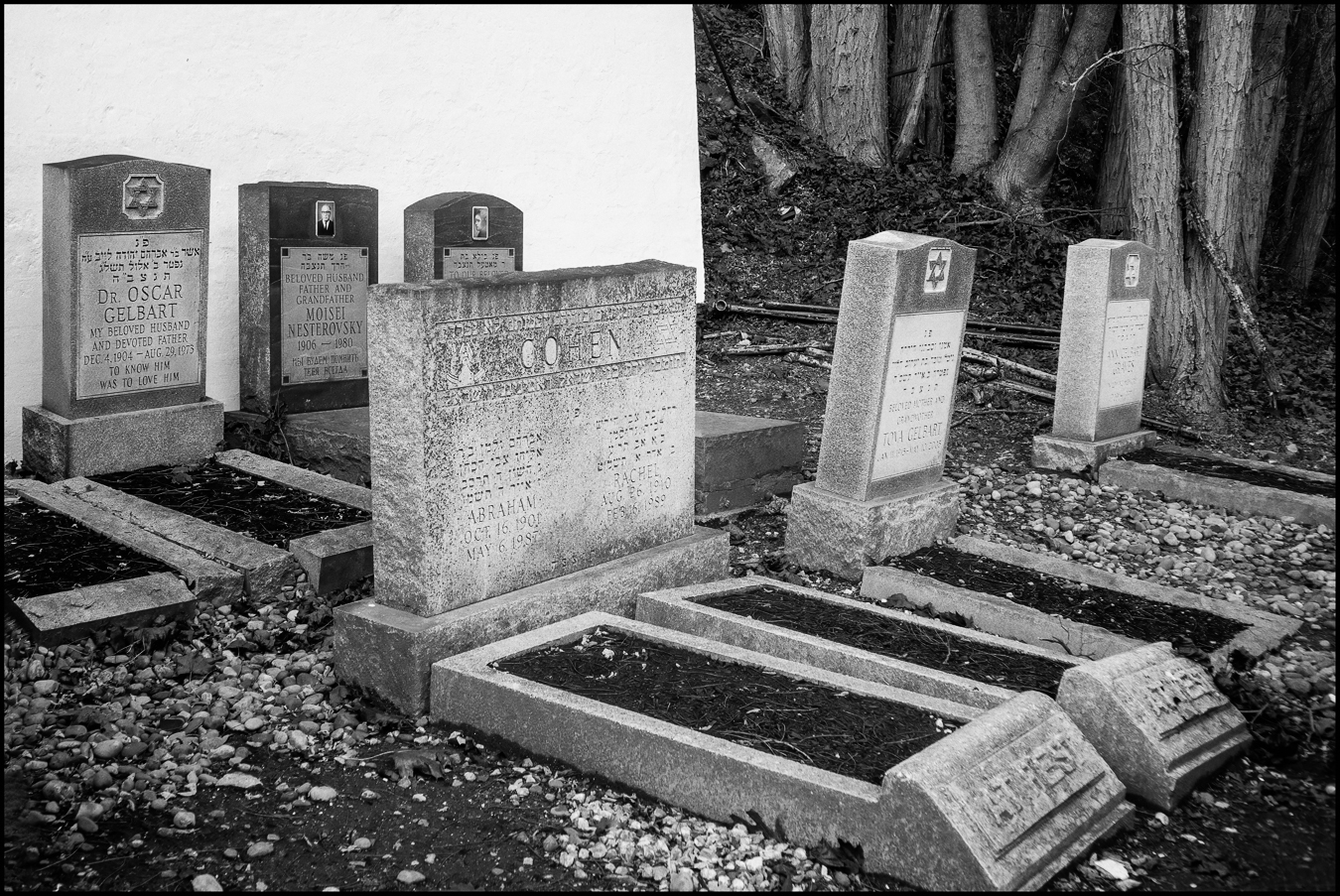


Taken with a Sony A7IV and a vintage lens (I don’t remember which one it was, but I think it might have been a Ricoh 50mm Rikenon XR f2 L).
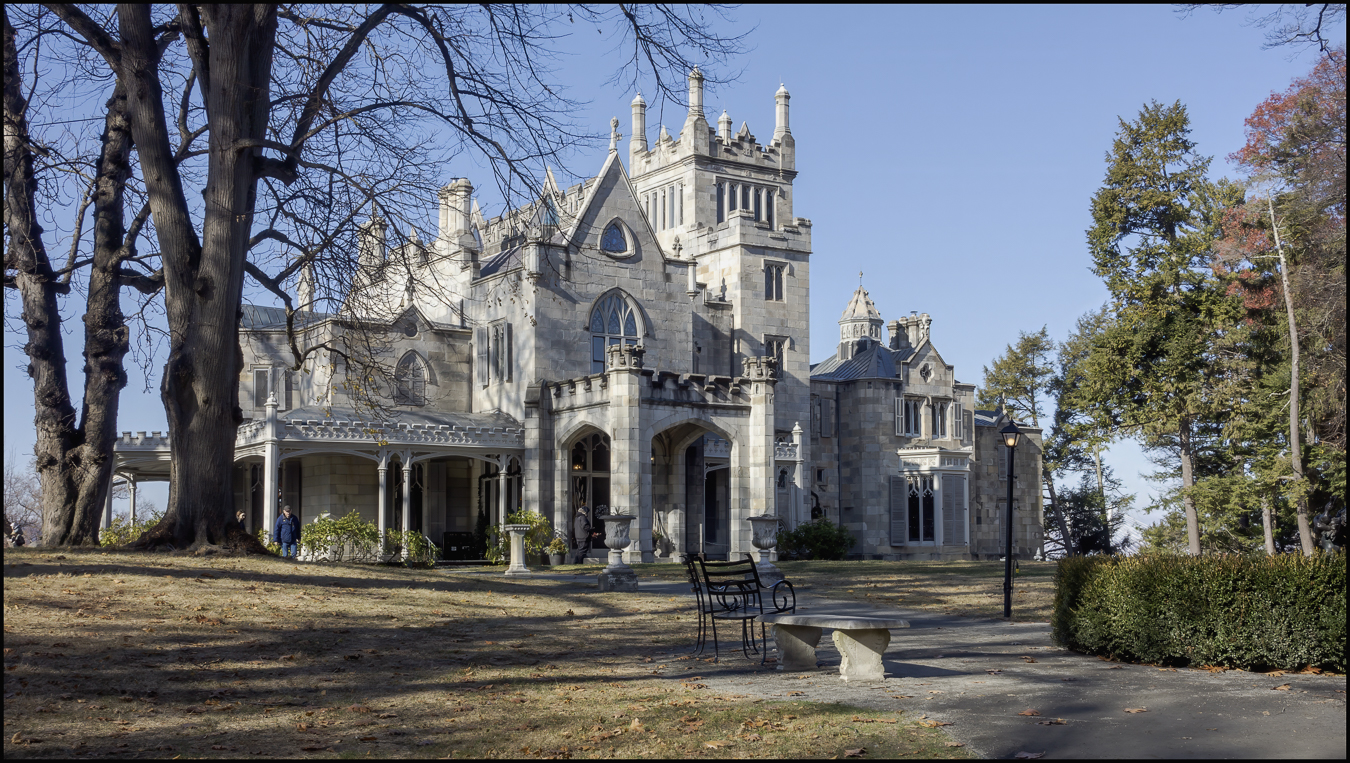
Lyndhurst

For those who don’t know the area:

Lyndhurst is a Gothic Revival country house that sits in a 67-acre park beside the Hudson River in Tarrytown, New York. The house was designated a National Historic Landmark in 1966. The home was designed in 1838 by Alexander Jackson Davis and owned in succession by New York City mayor William Paulding Jr., merchant George Merritt, and railroad tycoon Jay Gould. Paulding named his house “Knoll”. Its limestone exterior was quarried in present-day Ossining, New York. Merritt, the house’s second owner, doubled the size of the house in 1864–1865 and renamed it “Lyndenhurst”. His new north wing included an imposing four-story tower, a new porte-cochere, a new dining room, two bedrooms and servants’ quarters. Gould purchased the property in 1880 to use as a country house. He shortened its name to “Lyndhurst” and occupied it until his death in 1892. In 1961, Gould’s daughter Anna Gould donated it to the National Trust for Historic Preservation. The house is now open to the public.

I went there just before Christmas with my friends George and Martha. Although I’ve been to, and through the property many times I’ve never actually been inside. It was good to see the interior. As you can see they had put a lot of effort into preparing for Christmas. Maybe too much. Very festive, but maybe a Christmas tree (sometimes more) it every room was a bit too much


Taken with a Sony RX100 M3

A recent discovery on YouTube

Actually, it’s not all that recent. I’ve been following this channel for some time. It’s called “Sharing the Work of the Photography Masters” and its creator, Joel Ulises, describes it as follows:

On this channel, I share the work and stories of the greatest photographers—past and present. My goal is to bring their masterpieces to life and inspire a deeper appreciation for the art of photography. Whether you’re a fan of iconic images or curious about the stories behind the lens, you’re in the right place. Join me on this visual journey, and let’s explore the magic of photography together.

So, if you’re interested in the work of “Photography Masters” this might well be for you.

Daido Moriyama – Record

An exceptional selection of photographs by Japan’s leading photographer from Record, the artist’s self-curated journal, published in the early 1970s and from 1996 to the present day. It has 230+ pages, 50+ in color. There’s a short (five page) introduction by Mark Holborn.

Inspired by Japanese photographers, as well as by William Klein’s seminal photography book on New York, Daido Moriyama moved from Osaka to Tokyo in the early sixties to become a photographer. He became the leading exponent of a fierce new photographic style that corresponded perfectly to the abrasive and intense climate of Tokyo during a period of great social upheaval. Between June 1972 and July 1973 Moriyama produced his own magazine publication, Kiroku, which was then referred to as Record. It became a diaristic journal of his work as it developed. Ten years ago, after a decades-long interval, he was able to resume publication of Record. Now this book collects work from all thirty published issues, edited into a single sequence, punctuated by Moriyama’s own text as it appeared in the magazine. After this volume was produced, Moriyama continued with “Record”. Subsequently, a second volume, the direct sequel to Record was created and called Record 2. This volume presents a selection of photographs from Daido Moriyama’s magazine publication Record, from issues 31 to 50 and spanning 2017 to the present.

The book is exceptionally well made. The reproduction of the photographs is of very high quality, and the whole book is contained in a slipcase.

If, like me, you’re a fan of Moriyama’s style (grainy, high contrast, not always ultra sharp images) you’ll love this book).

Three Sisters

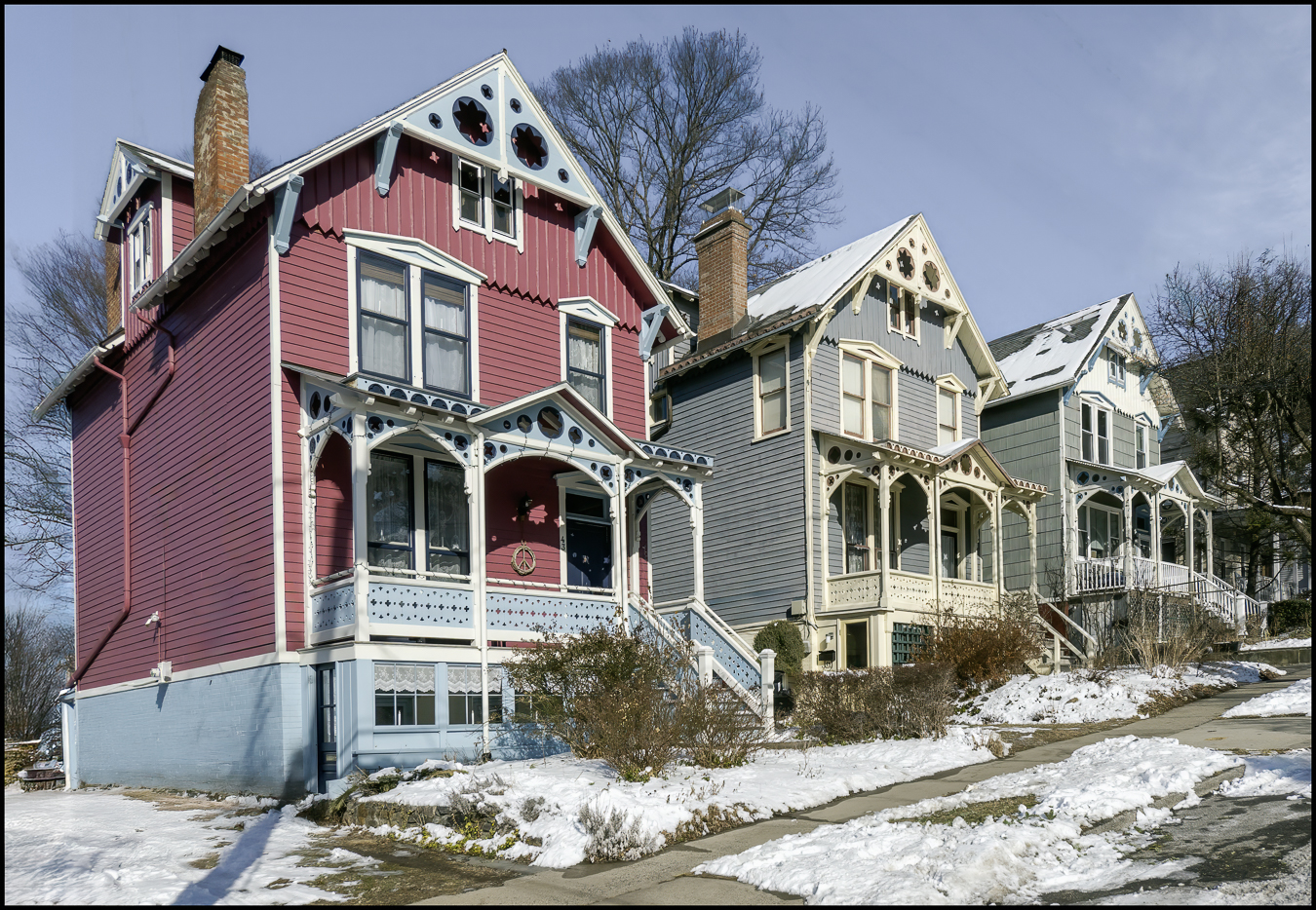
I’d taken pictures of all three of these houses (singly i.e. three separate pictures). I’d always wanted a picture of all three of them in a single image, but every time I passed by the road in front of them was covered with parked cars, which obscured and messed up the view. This time, when I passed and noticed there were no cars, I rushed over to get this picture.

According to the Village of Ossining Significant Sites and Structures Guide (Page 169):

Property Name(s): The Three Sisters
Street Address: 43, 45 and 47 Ellis Place
Section, Block, and Lot: Section 89.20, Block 3, Lots 29, 28 and 27, respectively
Architect/Builder: John O’Brien, Builder
Date of Construction: 1877
Architectural Style: Carpenter Gothic (1840s-early 1900s). Carpenter Gothic architecture, a subtype of the larger Gothic Revival movement, was a style that applied some of the forms typically associated with Gothic Revival architecture to cottage residences. This style was known for its use of board and batten siding, steeply pitched roofs, and elaborate ornamental features known as gingerbread that were made possible by the newly invented scroll saw, which allowed carpenters to cut wooden shapes that had been impossible previously.

The Three Sisters are each two- and one-half stories in height with a raised basement level and have a rectangular, side-hall plan. As originally built, the houses had their kitchens and dining rooms in the basement and a double parlor with side hall on the main floor level. The main façades contain two bays of pedimented one over one sash windows, with a pair of windows on the left side of each story and a single window on the right side of each story. The front porches that extend the full width of the façades contain a gable with a star motif that is repeated on the front-facing gable of each structure, each of which utilizes board and batten siding and contains a pair of small attic windows. All three structures contain asphalt shingle roofs with two side dormers and clapboard siding on all facings.

The Three Sisters are architecturally significant as examples of late 19th-Century Carpenter Gothic-style houses.

The Three Sisters, located at 43, 45, and 47 Ellis Place respectively, were built by John O’Brien, a local entrepreneur who owned and operated a stone and monument factory on Water Street. O’Brien built the houses from 1875-1877 for his three daughters: Birdie, Margaret, and Edith. All three houses have had a series of private owners since their construction and each is painted a different color: Number 43 is painted pink, Number 45 is blue, and Number 47 is gray.

Taken with a Sony RX100 MVII.