The Orchid Show – Part 3

Apparently orchid hunting was once (and maybe still is??) a perilous occupation. According to the NY Times:

The organizers might have included the “knives, cutlasses, revolvers, pistols” that Albert Millican, the author of “Travels and Adventures of an Orchid Hunter” (1893), packed for his trips in Colombia, along with “an overflowing supply of tobacco and newspapers.”

The weapons were not just for show. William Arnold, one of Sander’s men, drew his revolver on a rival hunter he ran into aboard a ship sailing to Venezuela. When he complained about the interloper in a letter to Sander, his boss offered a suggestion: Follow the foe, collect what he collected, then urinate on his orchids.

Rivalry was fierce, methods often unscrupulous. Orchid hunters, having found a rare species, gathered every flower they could find, cutting down trees by the thousands, devastating habitat and, in some cases, setting fire to the forest to destroy any samples left behind.

At the same time, the derring-do could be impressive. Benedikt Roezl, one of the more colorful figures described in the exhibition, blazed a solitary trail and refused to carry a firearm, even after being robbed at gun- or knife-point 17 times. He had a hook for a left hand, deeply impressive to the indigenes, and iron resolve. He scaled the Colima volcano in Mexico as it was erupting, reaching the peak as lava flowed around him. The expedition was a success, with 100,000 plants collected.

Many hunters ran out of luck. “Among my collectors who have died in harness I remember Falkenberg in Panama, Klaboch in Mexico, Endres on the Rio Hacha, Wallace in Ecuador, Schroder in Sierra Leone on the west coast of Africa, poor Arnold on the Orinoco, Digance in Brazil and Brown in Madagascar,” Sander told The New York Herald-Tribune in 1906. “All these have met more or less tragic deaths through wild beasts, savages, fever, drowning, falls or other accidents.”

Not surprisingly, the exploits of the orchid hunters found their way into adventure novels like “The Orchid Seekers: A Story of Adventure in Borneo” or H. Rider Haggard’s “Allan and the Holy Flower,” a ripping yarn about orchid hunting in Zululand.
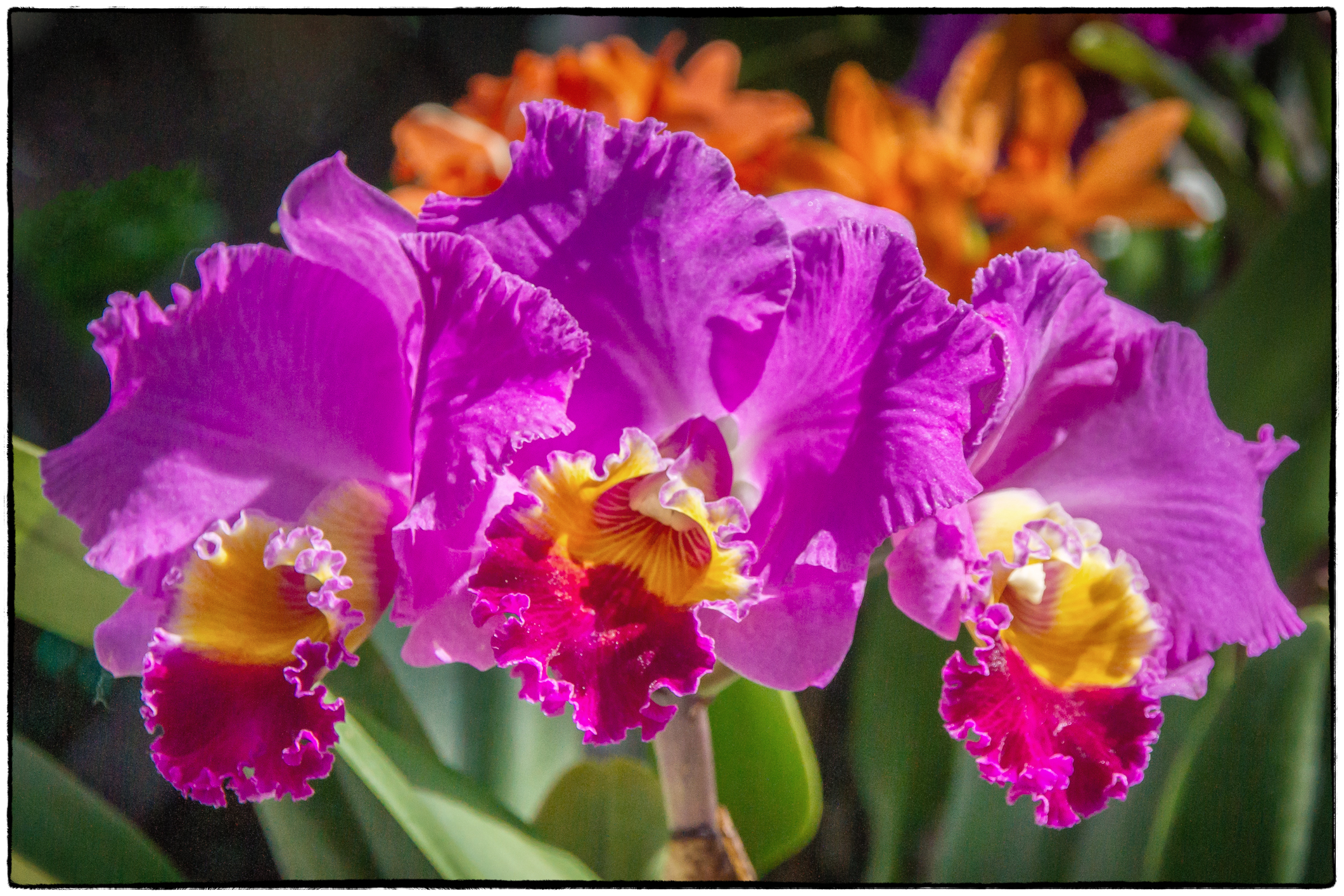
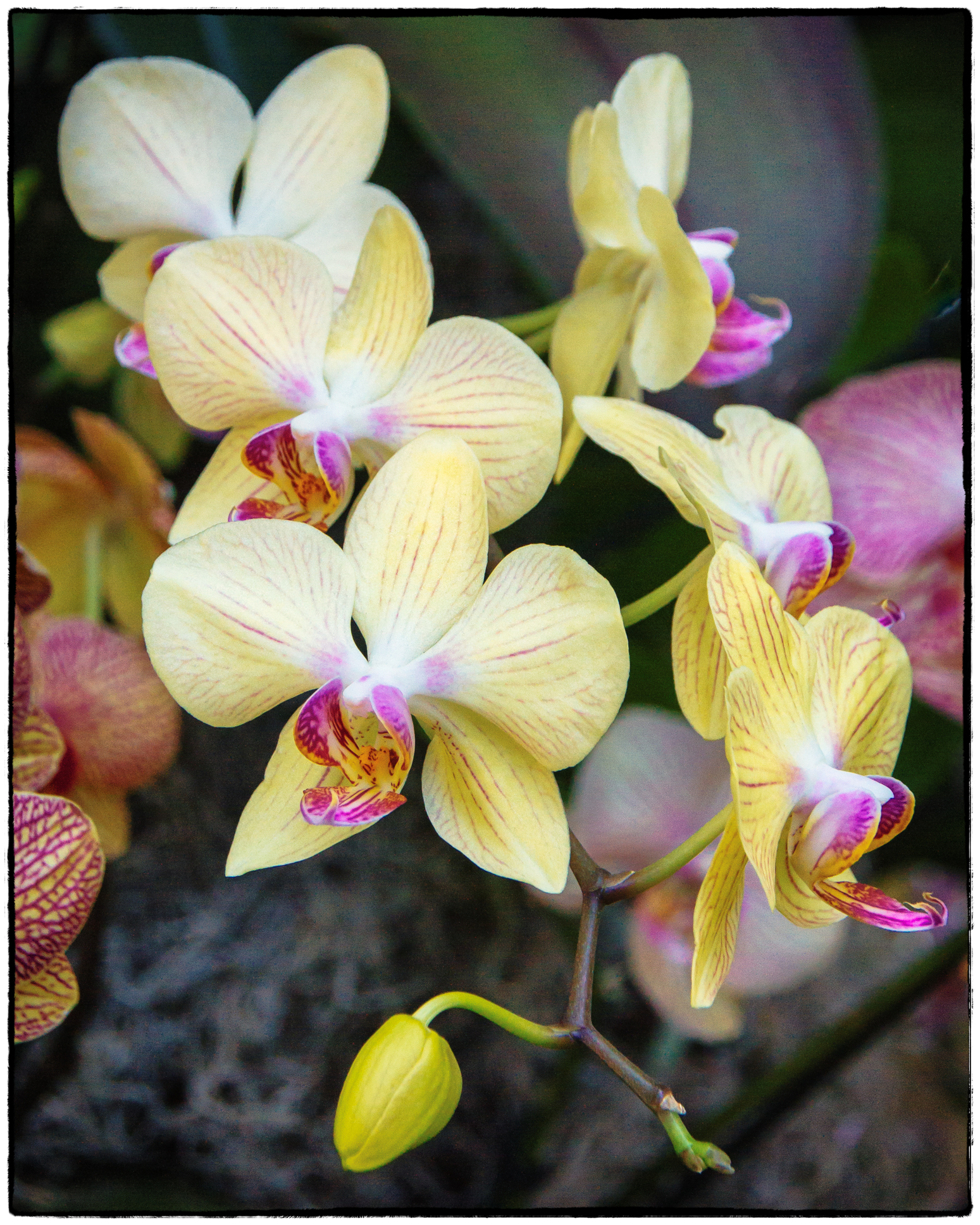
The Orchid Show – Part 2

The New York Times described the 2016 Orchid Show (Orchidelerium) in an interesting article: ‘Orchidelirium’ Explodes With Color at New York Botanical Garden:

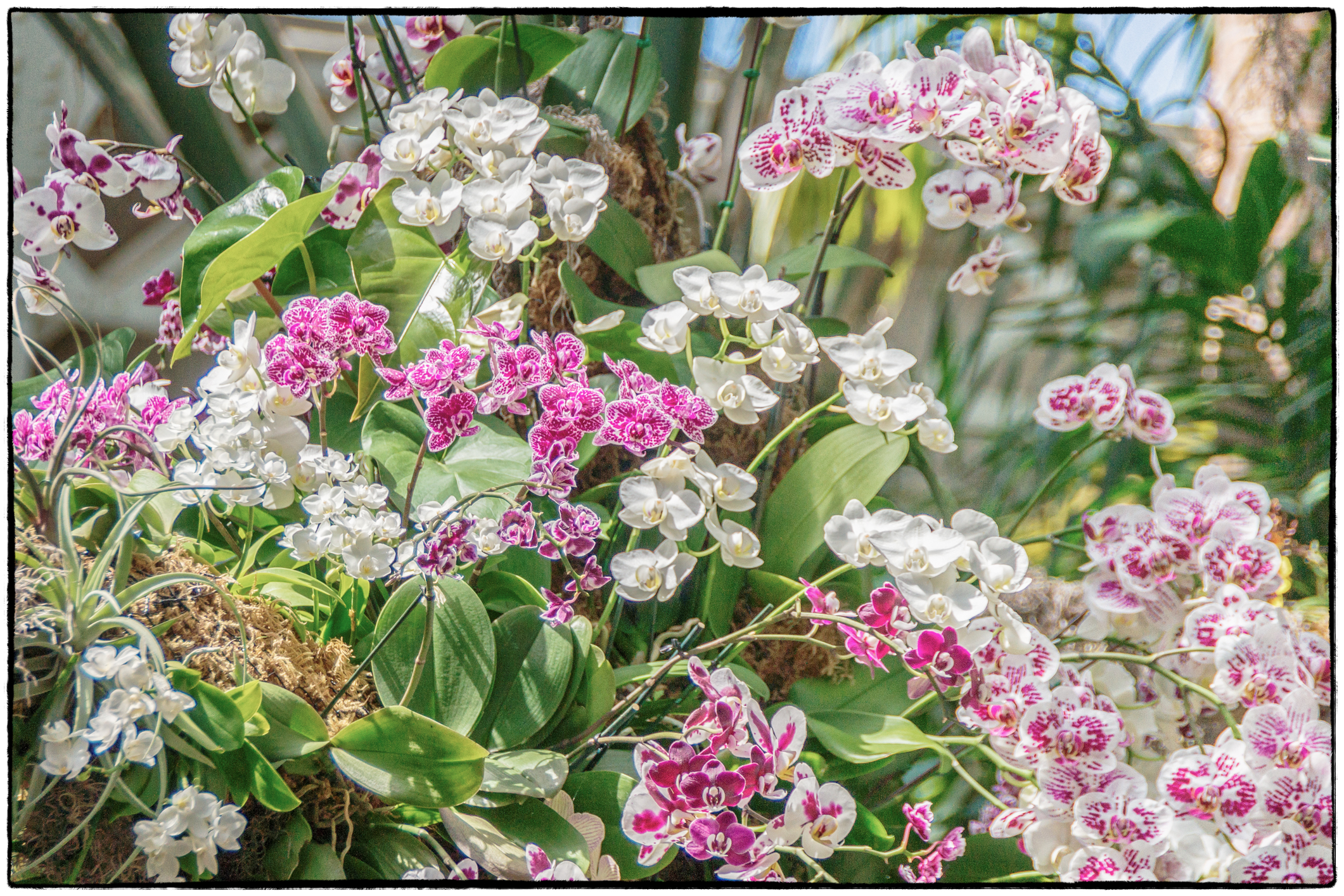
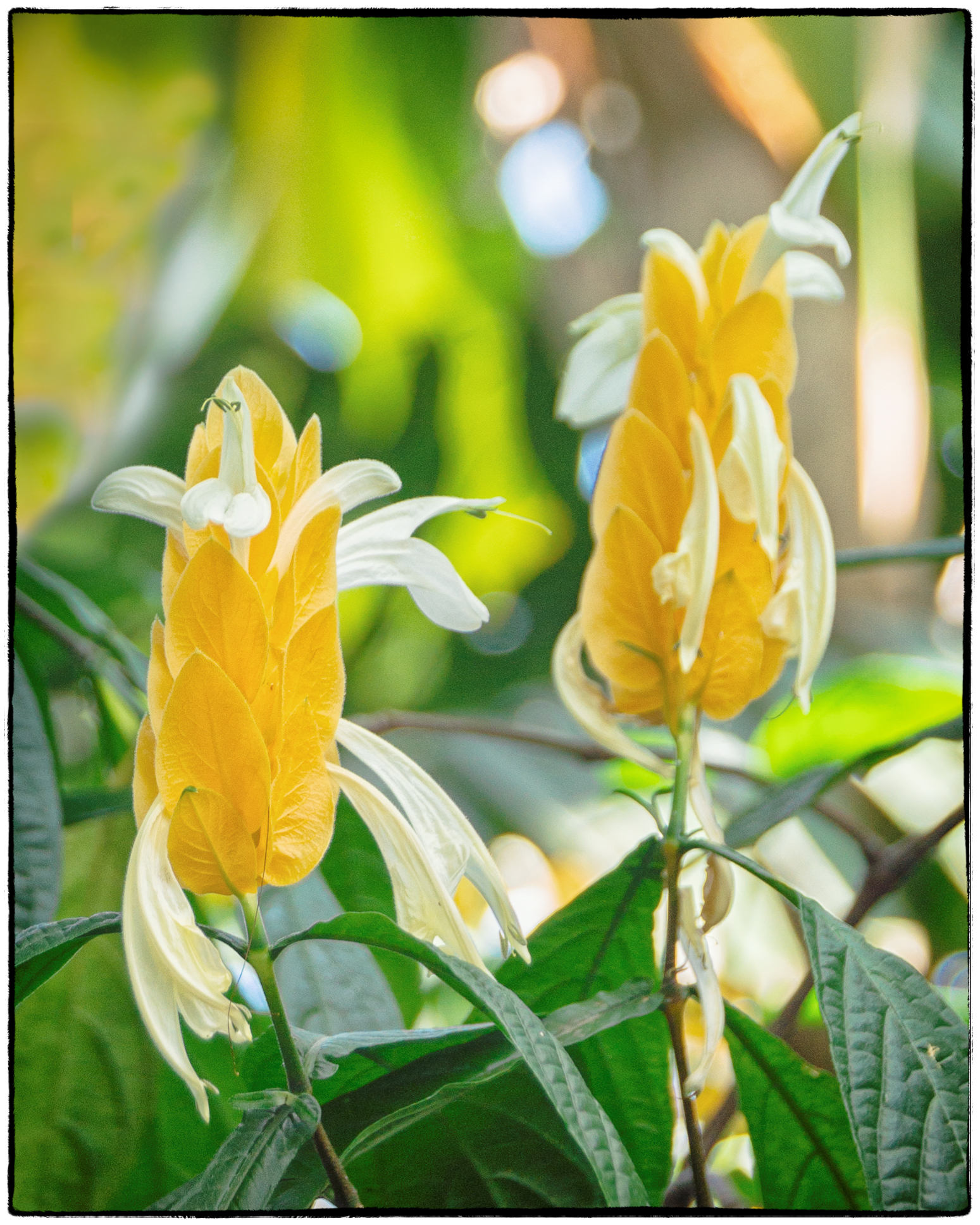
The orchid trail at the New York Botanical Garden burns with color like a slow fuse. Along a greenhouse walkway in the Enid A. Haupt Conservatory, refitted for “Orchidelirium,” this year’s edition of the annual orchid show, clustered plantings clamor, each more brilliant and extravagantly shaped than its neighbor. Tiny blazing-yellow Colombian buttercup orchids jostle with frilly, purply-red Pacific Sun Spots, which compete with hybrid Phalaenopsis, their petals decorated with pink stripes as fine as a hair.

This tropical tour builds to a whopper of a climax. At the end of the path, rising in majesty, is a mountain of volcanic stone, with a waterfall splashing down its forbidding face. From foot to summit, the mountain is draped with orchids in profusion, like a shower of botanical jewels.

This is the Indiana Jones moment: when the expedition, fighting twisted vines and dense jungle undergrowth, reaches a clearing and beholds the sacred peak whose name local tribes dare not speak aloud, a repository of riches beyond the dreams of avarice.

The Orchid Show – Part 1

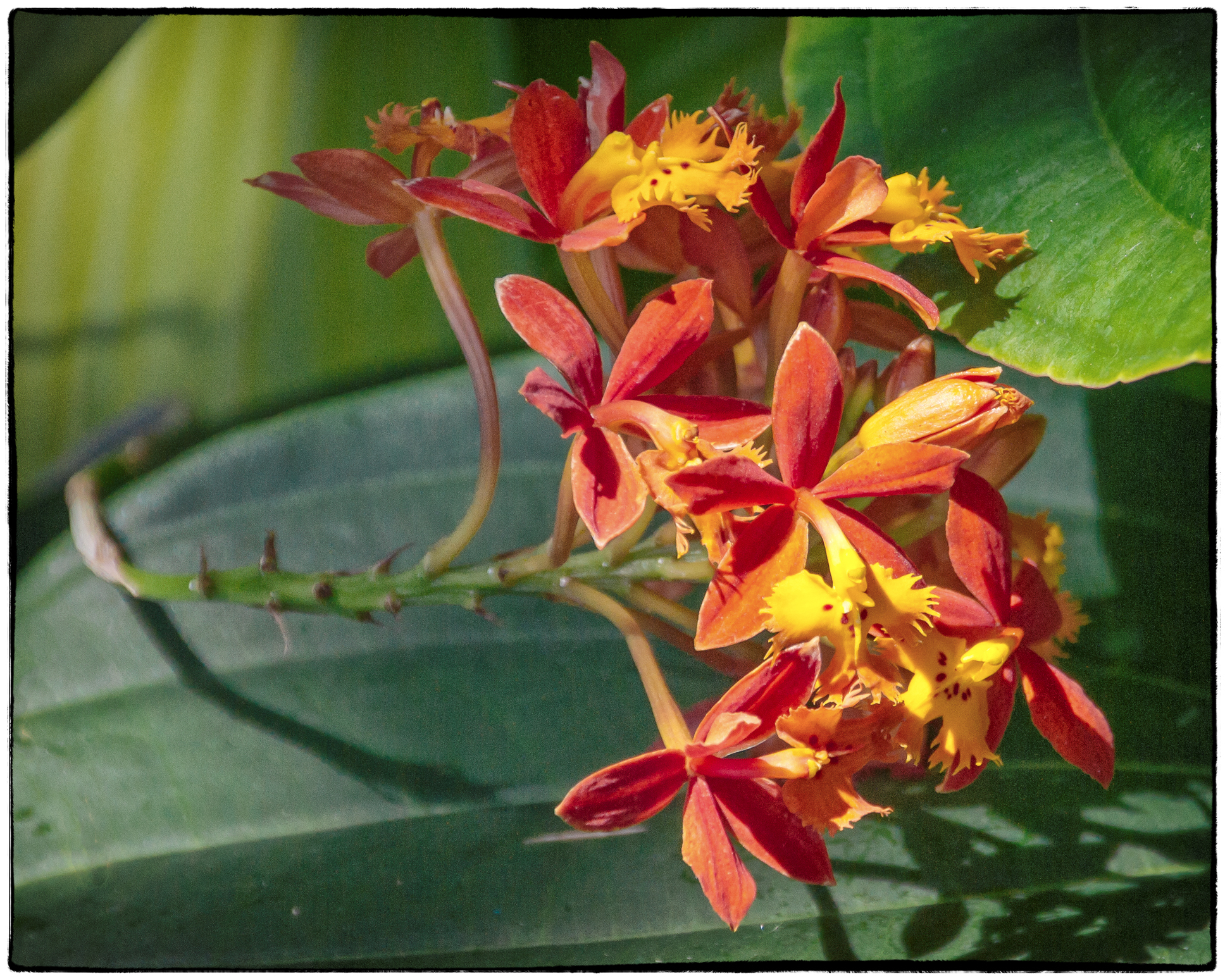
We went to the orchid show at the NY Botanical Garden last week. Needless to say there were lots of things to photograph. I thought about selecting just a few of them to post, but there were so many lovely flowers that I’ve decided to post them all – in batches, a few at a time. This is the first part. Unfortunately I don’t know the names of any of them. I’m sure that they were all marked, but I didn’t think to note the names.

Unfortunately the show closed April 17.

A Recital

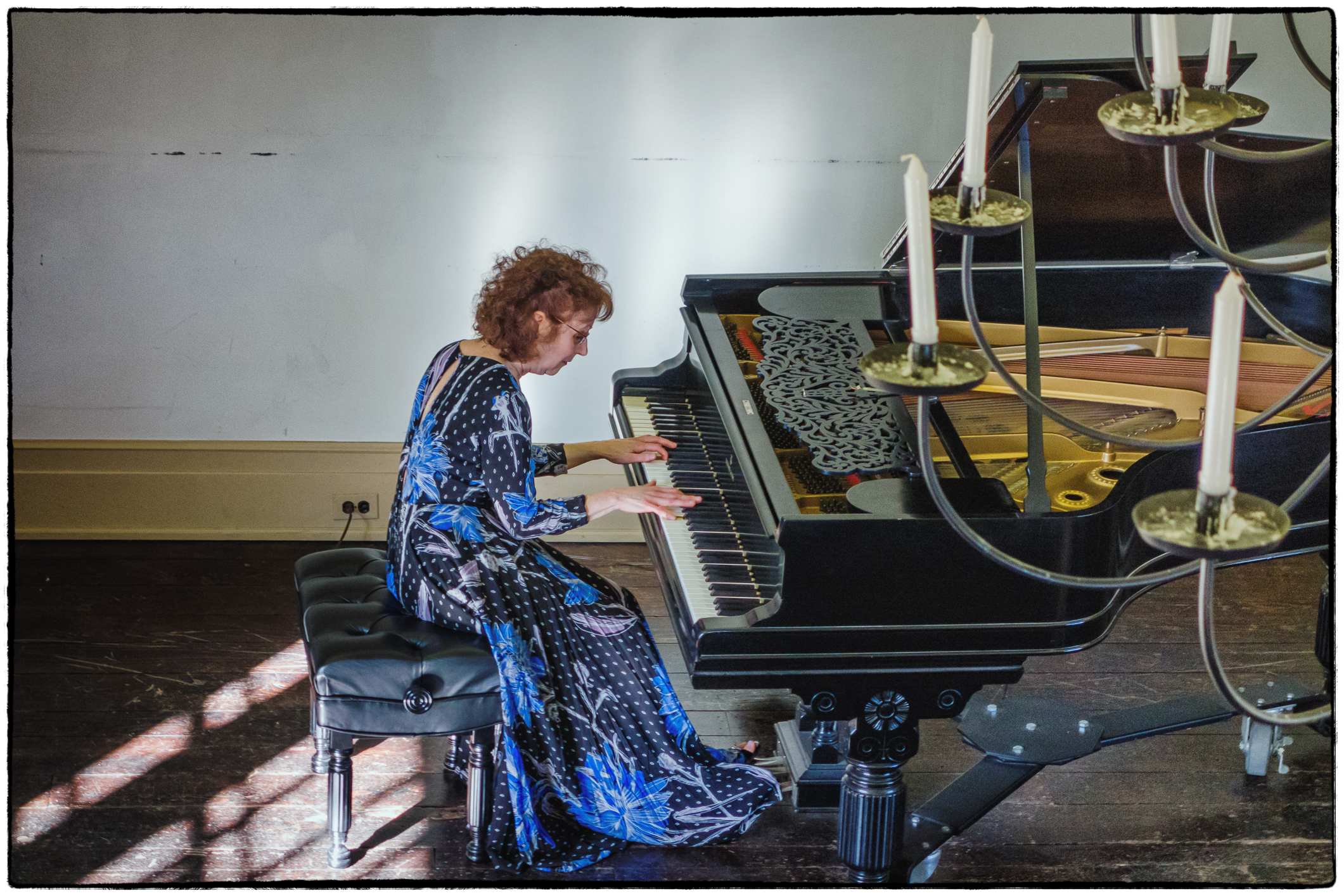
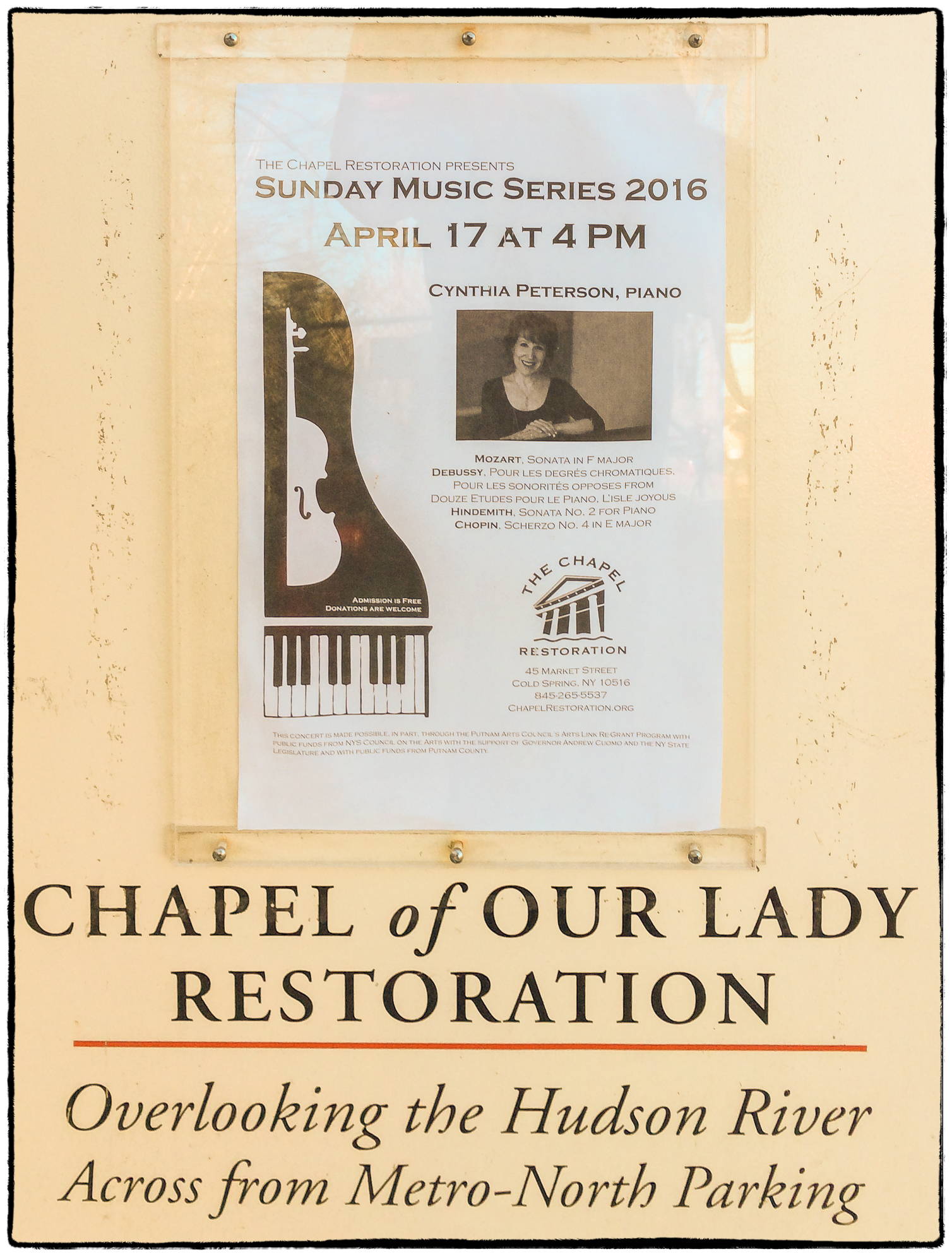
After a visit to the West Point Foundry with my friend, Ken and some refreshments at The Depot in Cold Spring we went to The Chapel of our Lady Restoration. Inside a woman was playing on a grand piano and we discovered that this was preparation for a free recital to be given the following Sunday. Ken was back in Briarcliff, but my wife and myself decided to go.

The pianist was Cynthia Peterson who according to her bio:

Pianist Cynthia Peterson performs works from a broad solo, chamber, and contemporary repertoire. Her performances include the American Academy in Rome, radio broadcasts in Washington D.C. and Virginia, Anderson House Museum in Washington, D.C., Minnesota, and chamber music touring in Canada. She has appeared at many venues in the New York area including the Brooklyn Museum, the Museum of the City of New York, Bruno Walter Auditorium at Lincoln Center, and the Garden State Center for the Arts. As prize-winner of concerto competitions, she performed the Beethoven First Piano Concerto with the Philharmonic Symphony of Westchester, and the Gershwin Concerto with the Virginia Beach Pops Orchestra, and was soloist with several local orchestras including the Yonkers Civic Orchestra and the Westchester Youth Symphony.

She appeared at Yale University and the Metropolitan Museum with violinist Kyung-Jun Kim, and as the featured pianist in works by John Corigliano at the CUNY Graduate Center Auditorium, her performance hailed by the composer as “extraordinary.”

She received a Masters degree in performance from Juilliard, where she was awarded the prestigious Irwin Freundlich Memorial Scholarship Award, and holds a doctorate from the University of Connecticut. She also received fellowships at Tanglewood, the Banff Centre, the Festival at Sandpoint, and the Ravinia Festival.
Ms. Peterson has taught at the City University of New York/Lehman as head of the piano faculty, SUNY/New Paltz, Dutchess Community College, and at the Barry Tuckwell Institute at Gettysburg College, performing with renowned horn player/conductor Barry Tuckwell and other faculty.

Cynthia has also composed music to “Sabbath Service” in collaboration with choreographer Nina Stein White, which was performed at the Scarsdale Congregational Temple.

She co-directed “PlayWeekend,” an adult amateur chamber music workshop held in Cold Spring, New York.

She is currently the Executive Director of the Chappaqua Orchestra.

The programme included: Mozart, Sonata in F; Debussy: Etude – Pour les degrés chromatiques, Etude – Pour les sonorités opposés; L’isle joyeuse; Hindemith: Sonata No. 2 for Piano; Chopin, Scherzo No. 4 in E major. The piano is a Steinway Grand Piano, once owned by the Livingston family. It was the first recital in the 2016 Sunday Music Series.

The Chapel only sits about 200 people and was completely full. I’d tried to take a few pictures, but it was impossible to get a good angle: the heads of the people in the audience kept getting in the way. Then I realized that we were downstairs and there was also an upstairs. So up I went. The angle was much better from there.

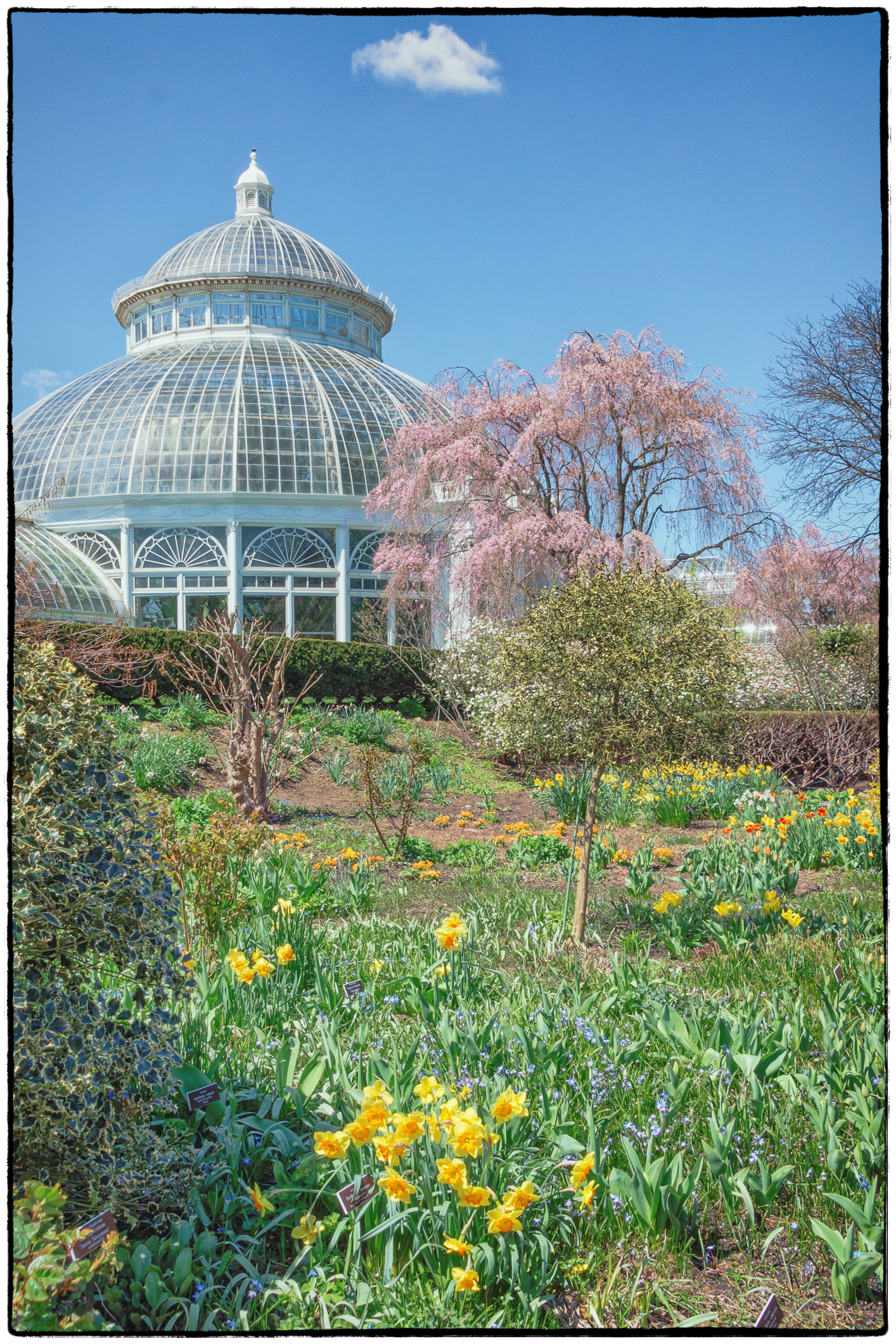
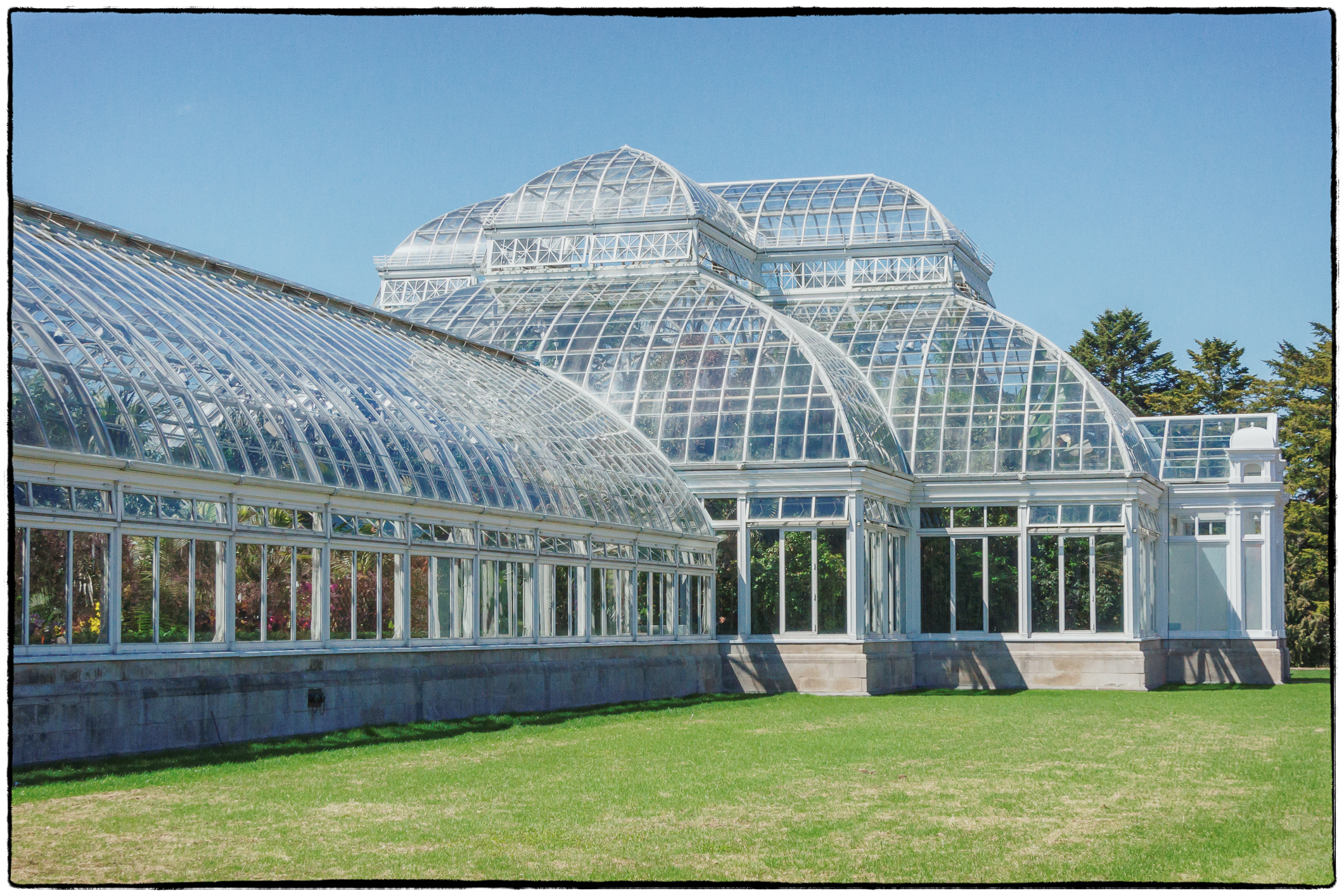
Enid A. Haupt Conservatory at the NY Botanical Garden

We went with some friends to the orchid show at the New York Botanical Garden the other day. First we stopped at the house in Briarcliff to pick up Ken. Next stop was Chita in Pearl River. And then we went via a very circuitous route through New Jersey, and over the George Washington Bridge to the Botanical Garden where we met the fourth member of our party, Menchie. On the way back we discovered that the GPS was again taking us via a tortuous route. It was lucky that I noticed that a journey which should take about fifty minutes was actually projected to take one hour and fifty minutes. It turned out that somehow our GPS settings had been changed to avoid tolls. Once this was changed we got back quickly enough. We very much enjoyed the orchid show and the opportunity to get together with some old friends we don’t see that often.

According to Wikipedia:

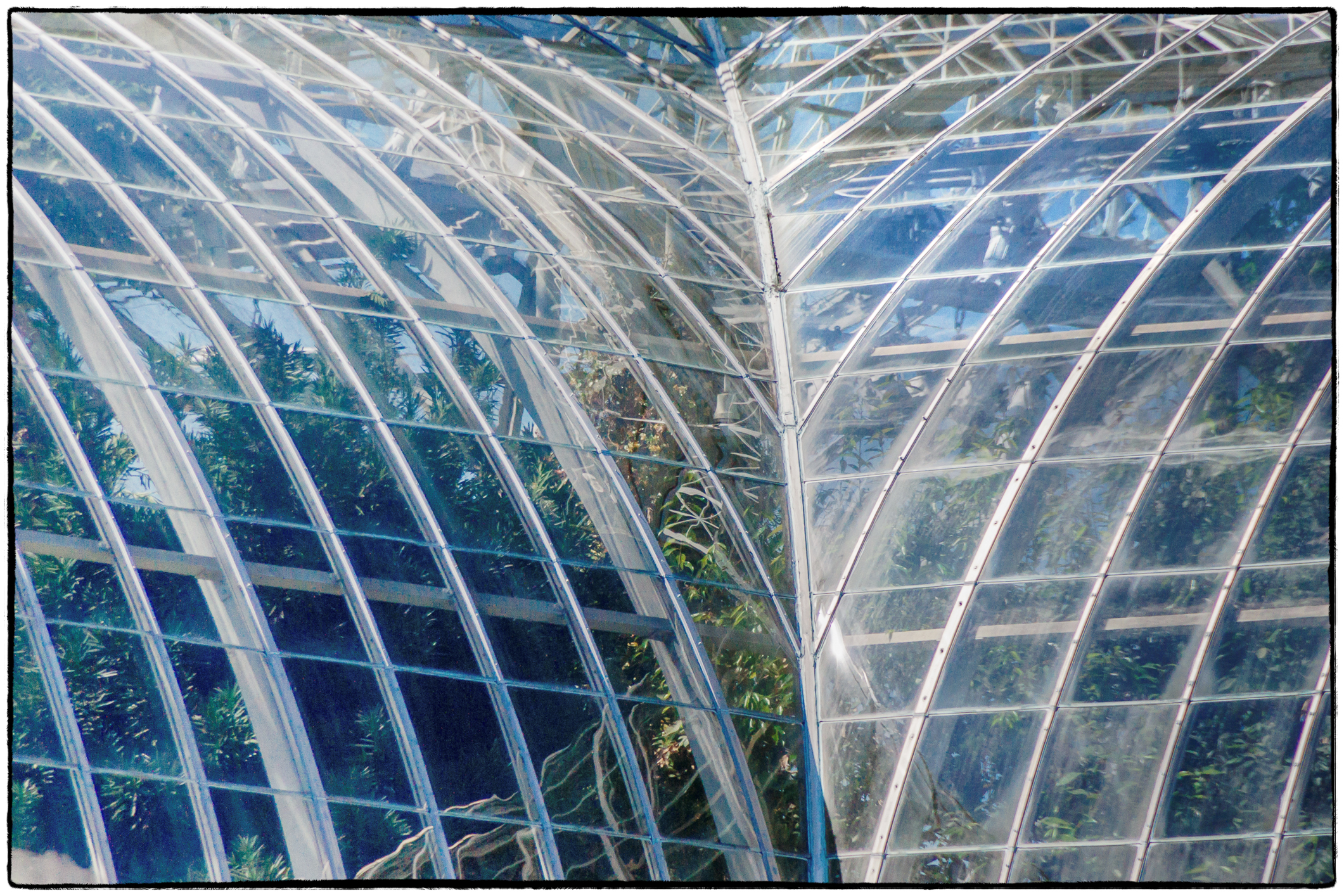
The Enid A. Haupt Conservatory is a greenhouse located toward the western end of the New York Botanical Garden. Enid Annenberg Haupt (May 13, 1906 – October 25, 2005) was an American publisher and philanthropist whose gifts supported horticulture, the arts, architectural and historic preservation, and cancer research. Inspiration for the park and the conservatory stemmed from Nathaniel Lord Britton and his wife Elizabeth. The couple had visited the Royal Botanic Garden at Kew on their honeymoon and thought a similar park and conservatory should be built for New York City. The conservatory was designed by the major greenhouse company of the late 1890s, Lord and Burnham Co. The design was modeled after the Palm House at the Royal Botanic Garden and Joseph Paxton’s Crystal Palace in Italian Renaissance style. Groundbreaking took place on January 3, 1899 and construction was completed in 1902 at a cost of $177,000. The building was constructed by John R. Sheehan under contract for the New York City Department of Parks and Recreation. Since the original construction, major renovations took place in 1935, 1950, 1978, and 1993.