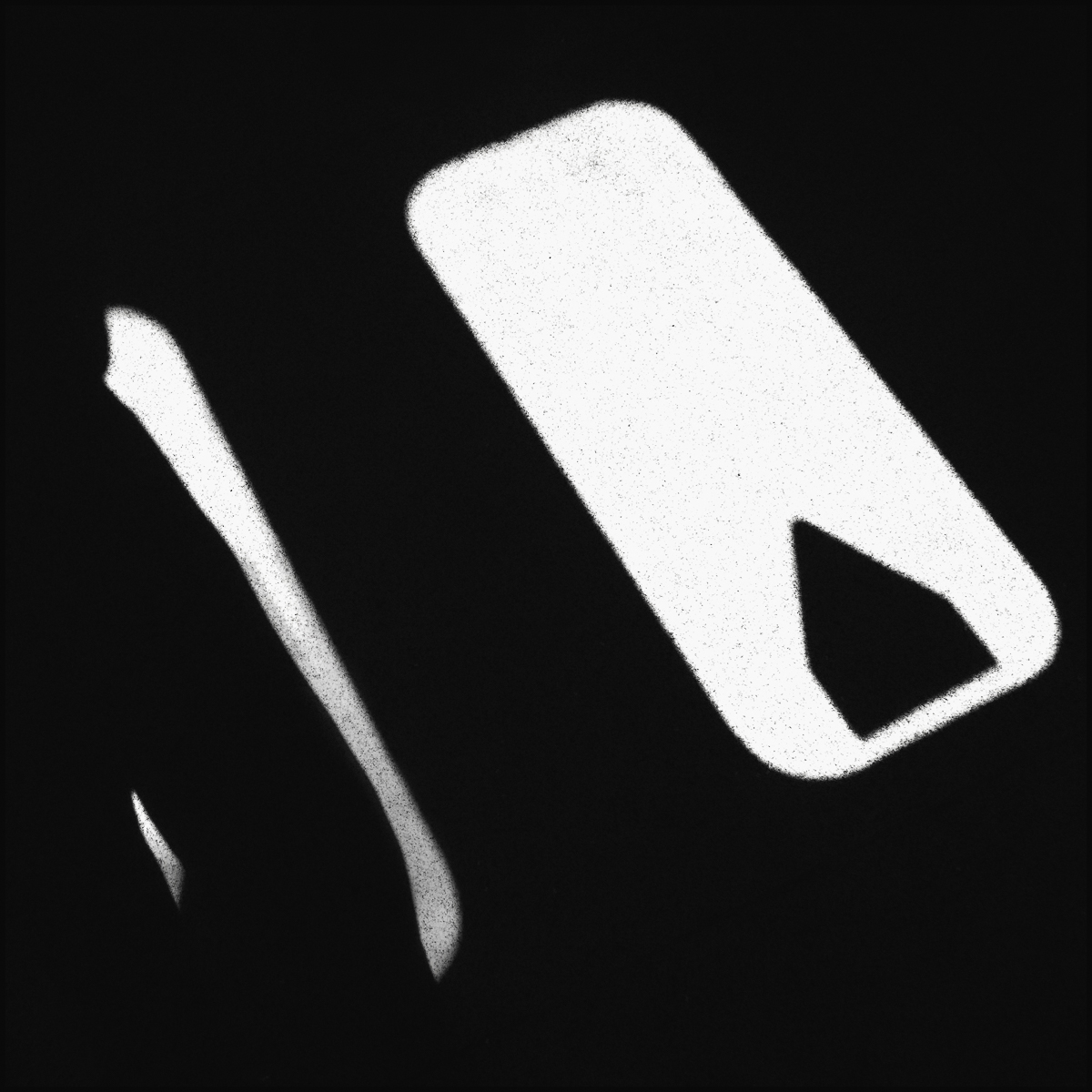
These two statues stand in the UN garden. I still have a UN retiree pass so I could have gone inside to take a picture. But I couldn’t be bothered. I rather like as seen from First Avenue.
The larger of the two is called Good Defeats Evil:
Good Defeats Evil is a bronze sculpture by Soviet/Russian painter and sculptor Zurab Tsereteli (1934 – ) who is well-known for large structures.
Seen here is a human defeating a dragon (you can’t see it in the picture), as in the story of Saint George and the Dragon. The tale tells of St. George slaying a dragon that demanded sacrifices from nearby villagers. Once the villagers ran out of livestock, they offered humans and when a well-loved princess was selected to be sacrificed, the saint rescues the lady. Here we have a new interpretation of the story.
An allegorical St. George, astride a rearing horse, drives his lance through a dragon. The dragon is not the mythological beast of early Christian tradition, but rather represents the vanquishing of nuclear war through the historic treaty between the Soviet Union and the United States. Created as a monument to peace, the sculpture is composed of parts of actual United States and Soviet missiles. Accordingly, the dragon is shown lying amid actual fragments of these weapons, the broken pieces of Soviet SS-20 and U.S. Pershing missiles.
The sculpture was unveiled on the 5th of October 1990 in a ceremony attended by U.S. Secretary of State James Baker (1930 – ), Soviet Foreign Minister, Eduard Shevardnadze (1928 – 2014), UN Secretary-General Perez de Cuellar (1920 – 2020) and the artist, Zurab Tsereteli.
The sculpture commemorates the 1987 signing of the Treaty on the Elimination of Intermediate-Range and Short-Range Nuclear Missiles (INF Treaty) and was given in celebration of the 45 Session of the General Assembly in 1990.

The other, the smaller looking one to the right in the first picture), is, I think the Peace Statue. IF so, it’s actually much larger than it appears in the picture. The Science Times had this to say about it:
The United Nation’s symbol of peace can be seen at its headquarters in New York City. The massive monument features a woman riding a horse with an olive branch in one hand, symbolically leading the nations toward peace.
The Peace Monument is revered as a significant peace symbol at the UN’s main office. The sculpture’s 33-foot-high pedestal is built of marble from the Croatian island of Bra, and it was produced in bronze in Zagreb, Croatia, in 1954.
Antun Augustinčić, a well-known Croatian sculptor, produced the sculpture. The monument was created and erected in 1954 by Yugoslavia, a country then, in front of the UN building in New York. The nation tasked Augustini with carrying out this concept because it wished to present the UN with a gift highlighting its dedication to maintaining international peace.
He proposed a statue of an equestrian that represents world peace. Augustinčić added, “peace would be far better protected if the decision rested with women instead of men.” As for the use of the horse, a war animal, the artist said that he opted to use it because “We must fight for peace.”
The artist visited New York in 1952 to select the monument’s site. Architect Wallace K. Harrison, the Director of Planning for the UN Headquarters, and Augustinčić agreed that the memorial should be erected in front of the General Assembly building alongside the northern entrance, where hundreds of visitors pass daily. However, the newly elected UN Secretary-General, Dag Hammarskjöld, reportedly disagreed and changed the monument’s location. Hammarskjöld wanted it to be installed at the end of the big lawn close to the East River, about 200 meters away from the place originally agreed, which the artist had in mind when he added the final touches to the monument.
Augustin was shocked by the decision, which he found to be exceedingly uncomfortable, but the monument was moved despite his objections. The memorial was eventually placed 40 meters away from the original place. However, even though the monument had greater space at the new location, Augustinčić’s concept of the monument’s organic relationship to the General Assembly building was lost.
The Peace Monument was unveiled on Dec. 2, 1954. UN Secretary-General Dag Hammarskjöld, chairman of the Ninth UN General Assembly Eelco Van Klefens, and Head of the Yugoslav Permanent Mission to the UN, Dr. Jože Brilej, were present at the ceremony. Artist Augustinčić could not attend because he was working on a new project, Monument to the Victims of Fascism, in Addis Ababa, Ethiopia.
Taken with a Sony RX10 IV.