Croton Point – Cabins

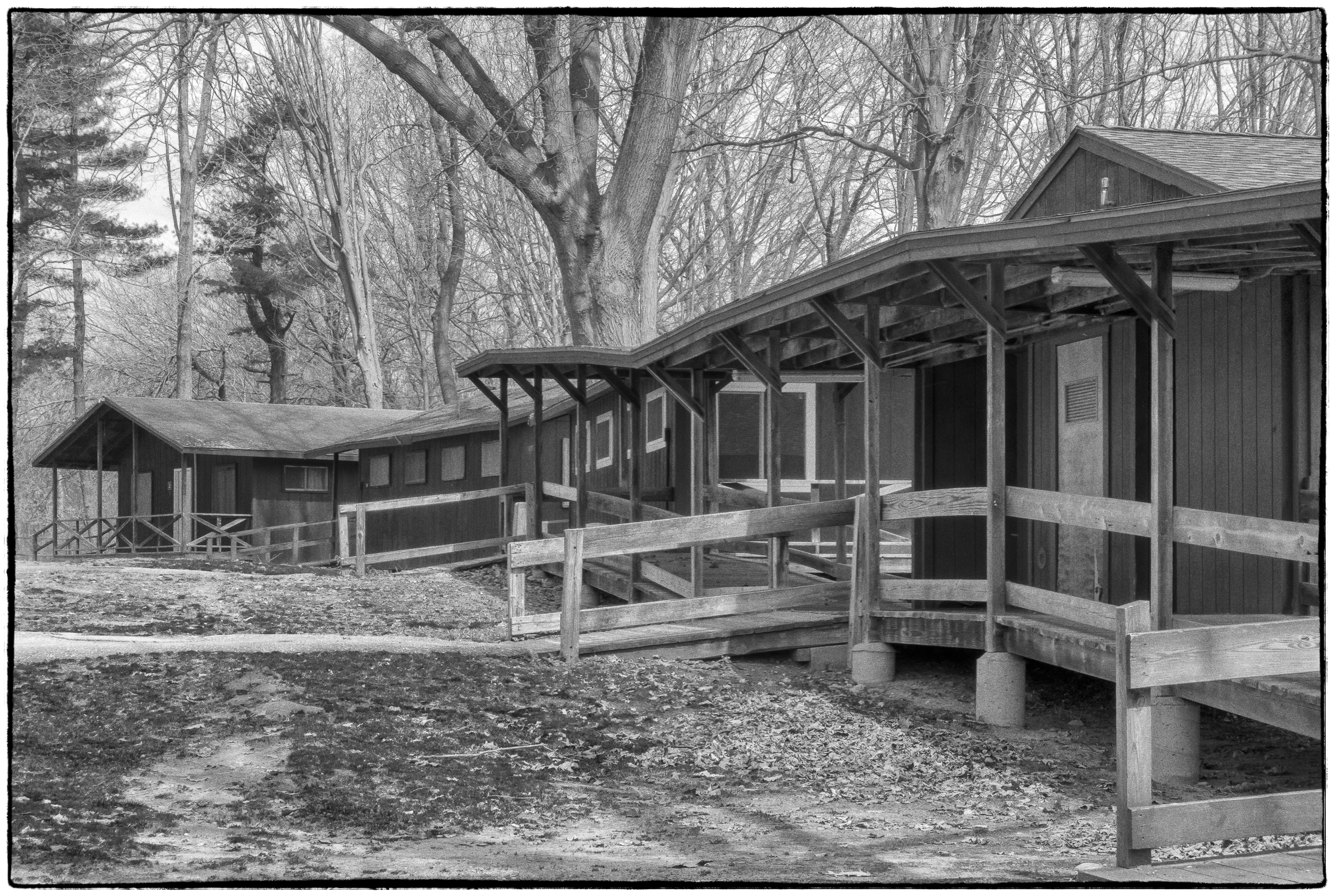
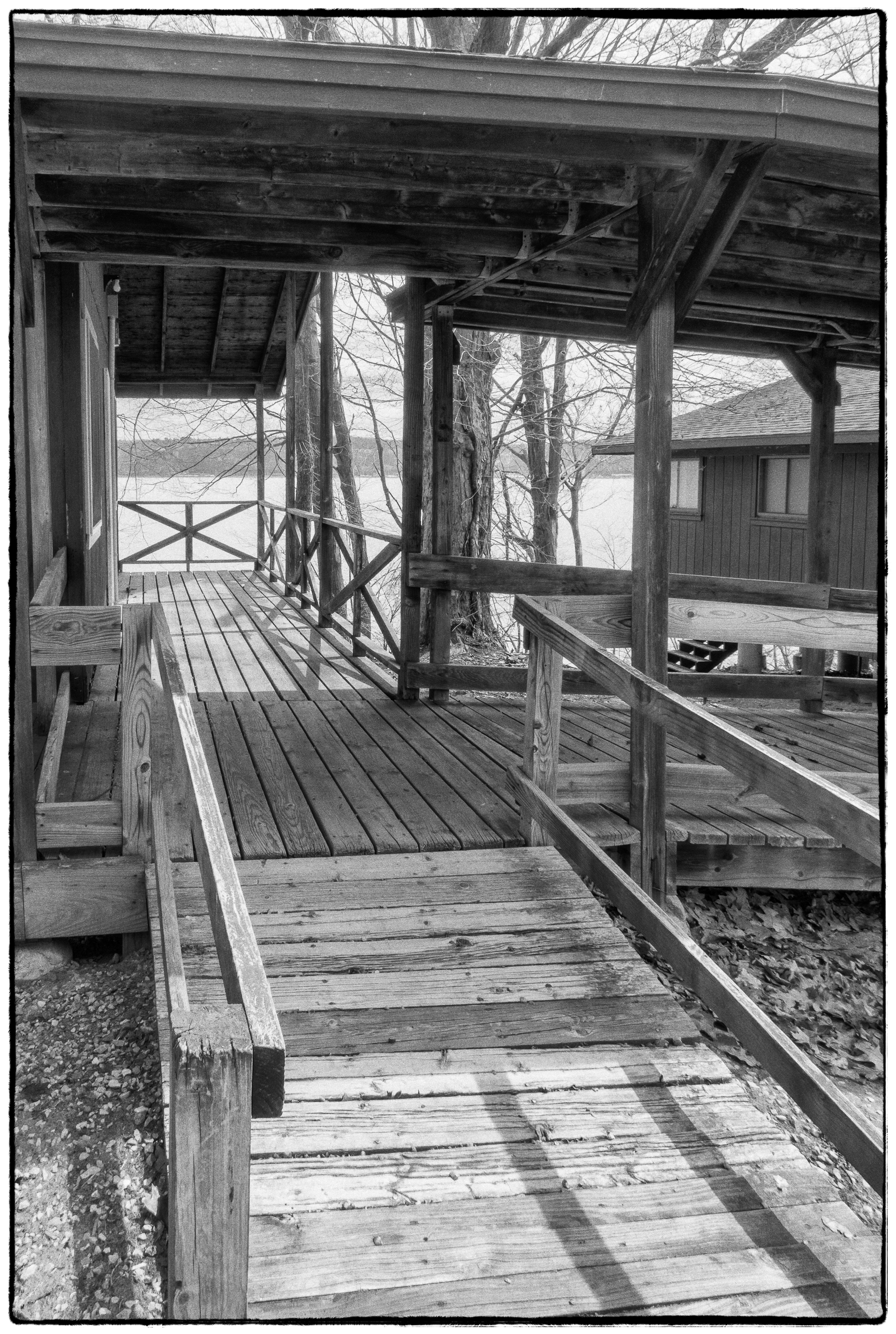
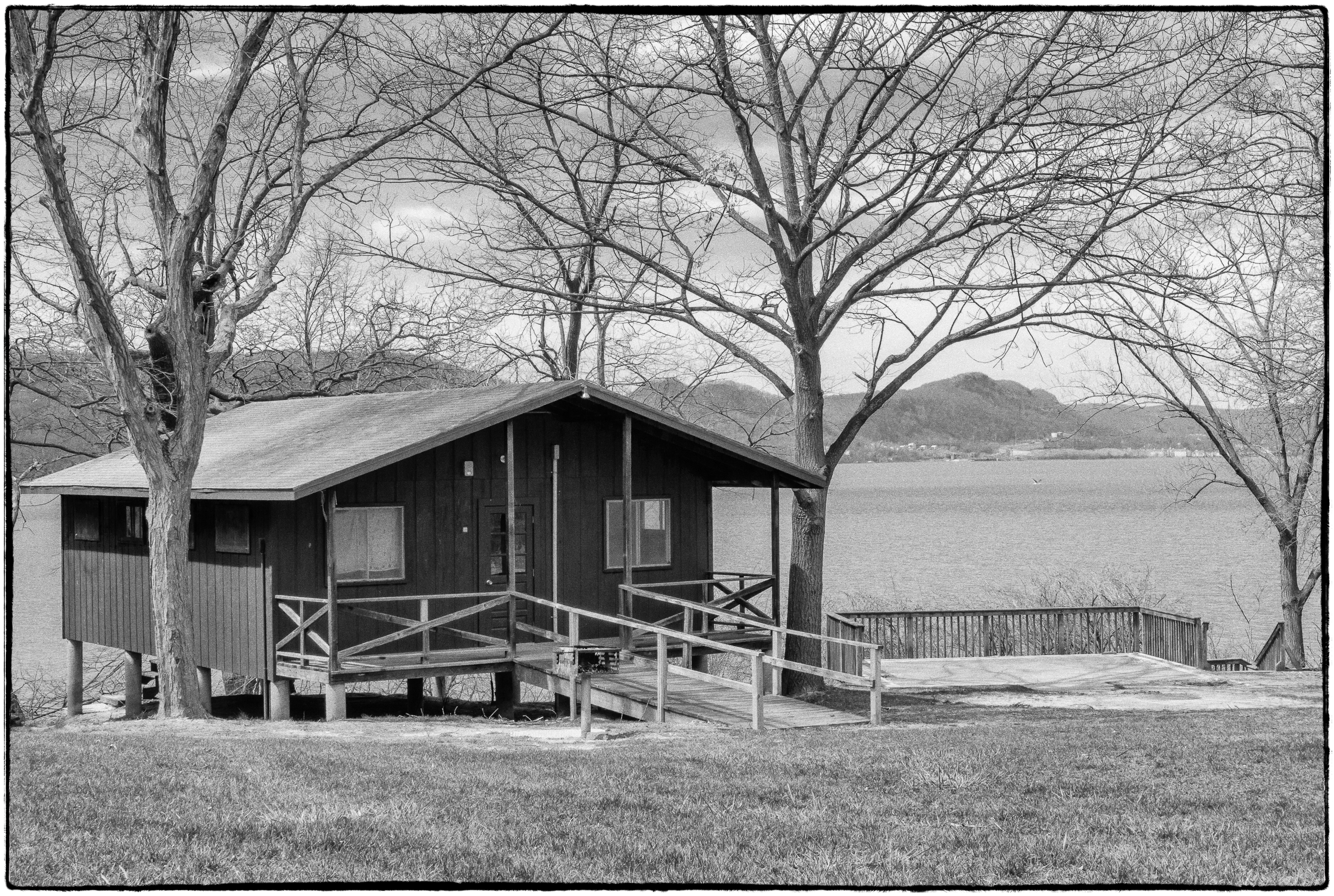
Near the southernmost tip of Croton Point, Teller’s Point are a number of wooden cabins. I couldn’t see inside, but I could see toilet facilities outside and from reading I’m led to believe that the cabins have electricity, water and at least in some cases have tv (although apparently ancient tv sets). The location of the cabins is superb with views out over Croton Bay for those on one side of Teller’s Point and of the Hudson River on the other.

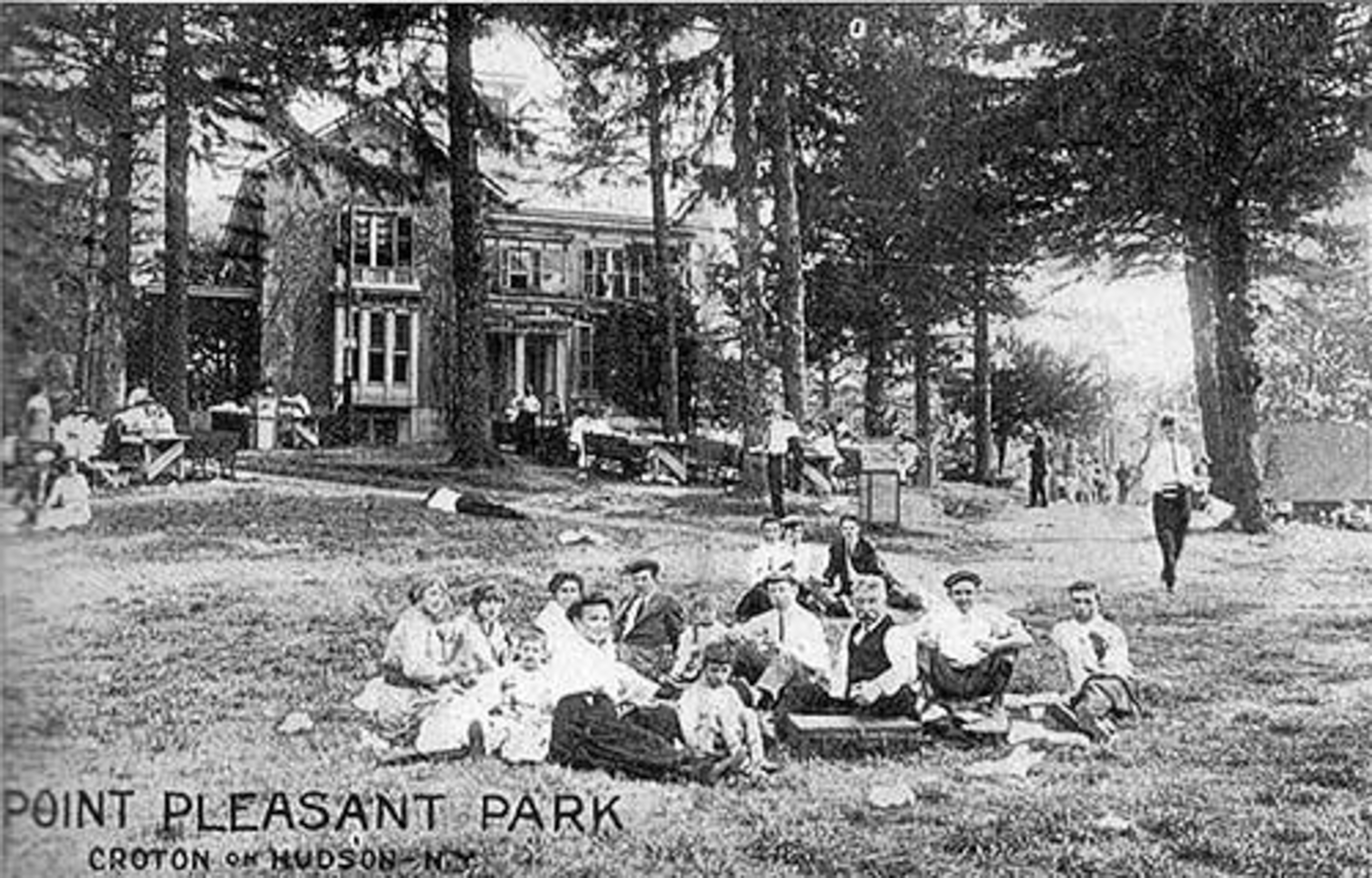
It’s perhaps not surprising that the views are so spectacular because it’s here that the old mansion used to stand. It was called Interwasser (meaning between waters) and additional information can be found in an interesting piece by Sarah Gibbs Underhill (a descendant of the original owners) entitled Tales from Croton Point on Brickcollecting.com (more on the connection to brick making later).

Picnicing on the Lawn at Interwasser, Croton Point, NY from the piece mentioned above.

Dr. Richard T. Underhill, b. 1802, the vintner and proprietor of the southern part of Croton Point, had discontinued his medical practice in New York City to take up residence out on the tip of the Point. He built an Italianate villa there in 1846 as his residence which he christened “Interwasser”. In 1850 four English yew trees were planted in front of this home and I can imagine his brother William, of the IXL word-play, having a lot of fun with the term “U’s yews”.

Today few traces of the house remain; only a few Ashlar marble foundation stones peeking out of the ground, and an old stone hitching post. I pitch my tent on this site during the Clearwater festival and enjoy the site inhabited by my forebears. Cooled by river breezes and with wonderful views of the Hudson (more so in the winter when the leaves are off the trees), it is still a spectacular spot. The four yew trees are still standing, and have grown to heights of 60 to 100 feet. Since this species can live to be up to 1,000 years old, I have undertaken the task of tending to their health (see press release below). An unpublished but formally written historical account left by an Underhill descendant in the Westchester County Historical Society collection describes “Interwasser” thus: “Ashlar marble quarried at (nearby) Sing-Sing and cut by prison labor formed the basement while the upper portion was stuccoed brick. Over the front door was a tower room enjoying extensive views up and down the river. It was another large and commodious house given to hospitality and one of the show pieces in the county. Visitors from far and near were attracted to the Point houses, as traditions and letters bear ample testimony. Among the many assets of the place were shad fishing and crabbing, duck shooting and hunting, boating and skating, together with the wonderful gardens and orchards and all permeated with the most cordial atmosphere.”

Cabin facing Croton Bay with the Bay in the background.

Cabin facing the Hudson River with the river in the background.

Memories of the Dambusters

The Mohne dam in north-west Germany, pictured before the attacks, was broken after five planes dropped “bouncing bombs”. Source: ‘Secret’ Dambusters photos go under hammer – BBC News

A number of earlier posts related to the New Croton Dam and co-incidentally this post too deals with dams, specifically a raid during World War II (WWII) officially called Operation Chastise, but which to many of us is better known as just “The Dambusters” after the book by Paul Brickhill and the 1955 film. When I read about the sale of these photographs it brought back a flood of memories.

A set of rare photographs showing the impact of the Dambusters’ “bouncing bomb” raids have been sold at auction.The raids by 19 RAF Lancaster bombers destroyed two strategically significant German dams and damaged a third.Taken by the Nazi authorities before and after the raids – on 16 and 17 May 1943 – the aerial images are stamped “Secret Command Document”.The photographs were sold in Nottingham for £2,100 – considerably more than the list price of £1,200.As well as the time and date of the images, they also carry a warning forbidding them to be copied.


I was born only a few years after the end of WWII and the war was still very much a part of the British psyche at that time. My father had been a soldier in the British army and my mother had worked in a munitions factory. As a child I was enthralled by the war, particularly the Royal Air Force (RAF). The story of The Dambusters is, along with the Battle of Britain, one of the most compelling stories of the RAF during WWII.

The_crew_of_Lancaster_AJ-T_sitting_on_the_grass,_posed_under_stormy_clouds

The crew of Lancaster ED285/’AJ-T’ sitting on the grass, posed under stormy clouds. Left to right: Sergeant G Johnson; Pilot Officer D A MacLean, navigator; Flight Lieutenant J C McCarthy, pilot; Sergeant L Eaton, gunner. In the rear are Sergeant R Batson, gunner; and Sergeant W G Ratcliffe, engineer. Label: Flight Lieutenant Joe McCarthy (fourth from left) and his crew of No. 617 Squadron (The Dambusters) at RAF Scampton, 22 July 1943. Royal Air Force official photographer – This is photograph TR 1128 from the collections of the Imperial War Museums

The picture above shows one the crews participating in the raid. The figure on the far left is Sergeant George “Johnny” Johnson. At 95 he’s that last British survivor of Operation Chastise. For an interesting 2014 Daily Telegraph interview with him see: The last British Dambuster: ‘Don’t call me a hero’.

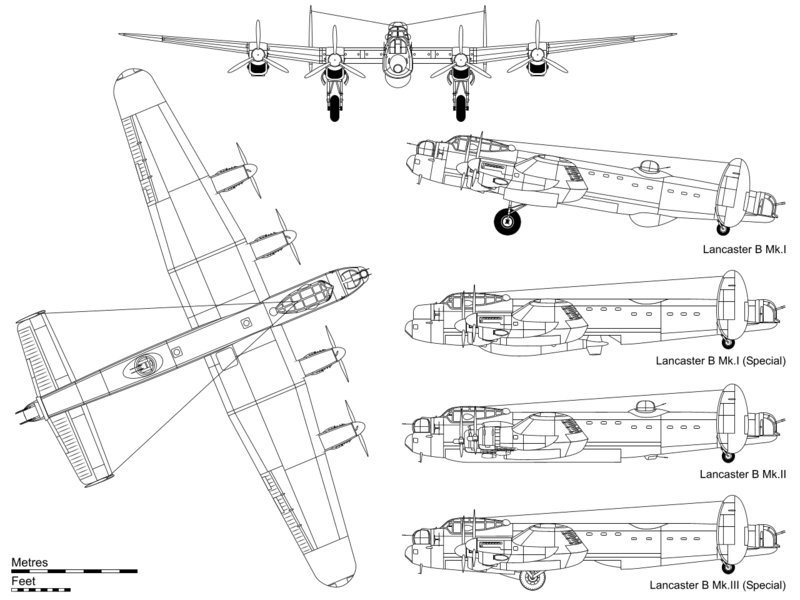
My friends and I were fascinated by World War II aircraft. We even went as far as going up onto the nearby moors to look for the remains of aircraft that had crashed there during the war. Of course the Supermarine Spitfire, the hero of The Battle of Britain was a favorite, but I think we were even more taken by the aircraft used in this raid: The Avro Lancaster (see below). I recall that one of my friends had a huge book, lavishly illustrated, that gave details of every variant of Lancaster ever made.

Avro_Lancaster

Lancaster B Mk.I drawing with extra side views for the B Mk.I (Special) with Grand Slam bomb, Hercules-powered B Mk.II with bulged bomb bay doors and FN.64 ventral turret and the B Mk.III (Special) with the Upkeep store. Source: Emoscopes – Own work

A Hike. Part 2

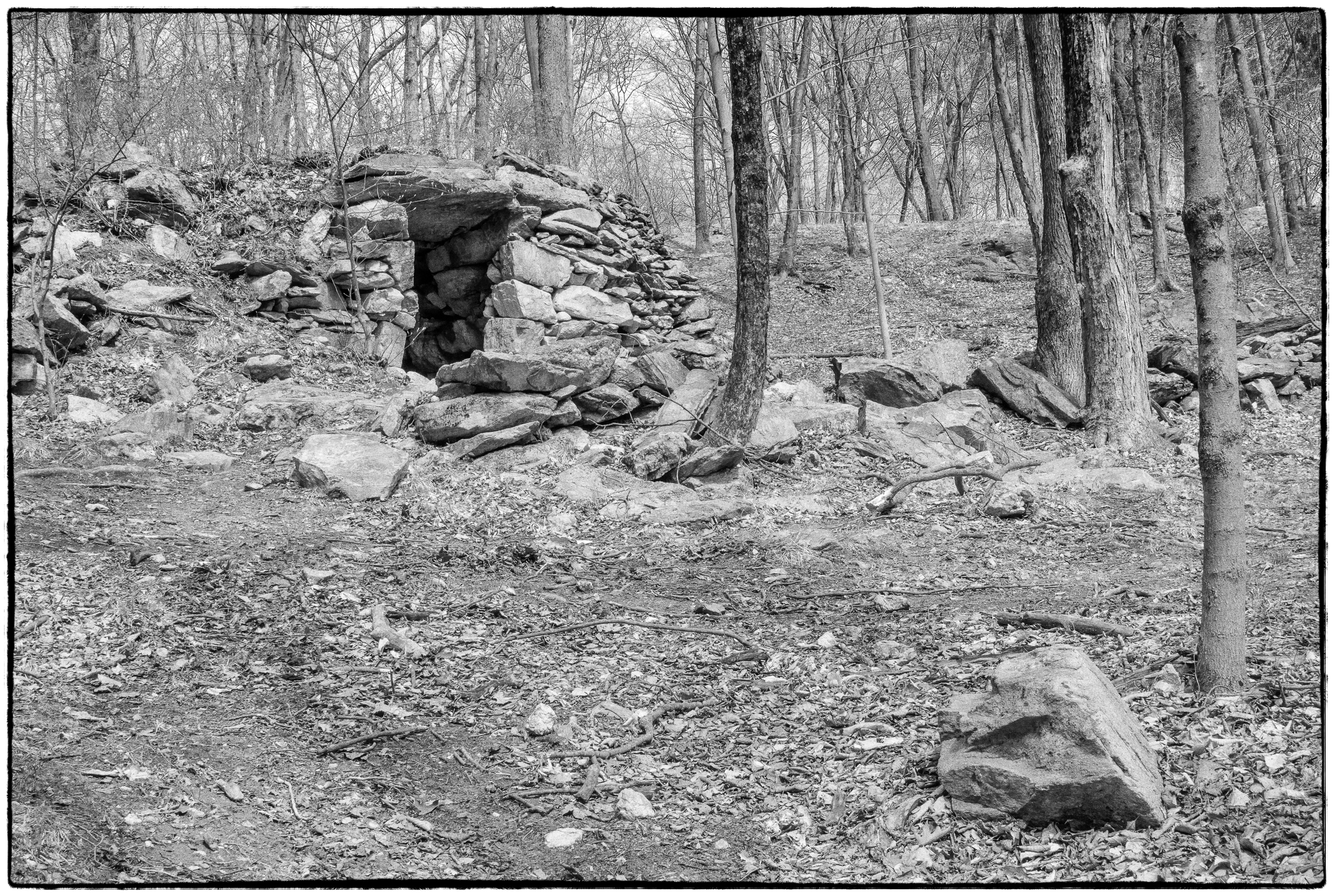
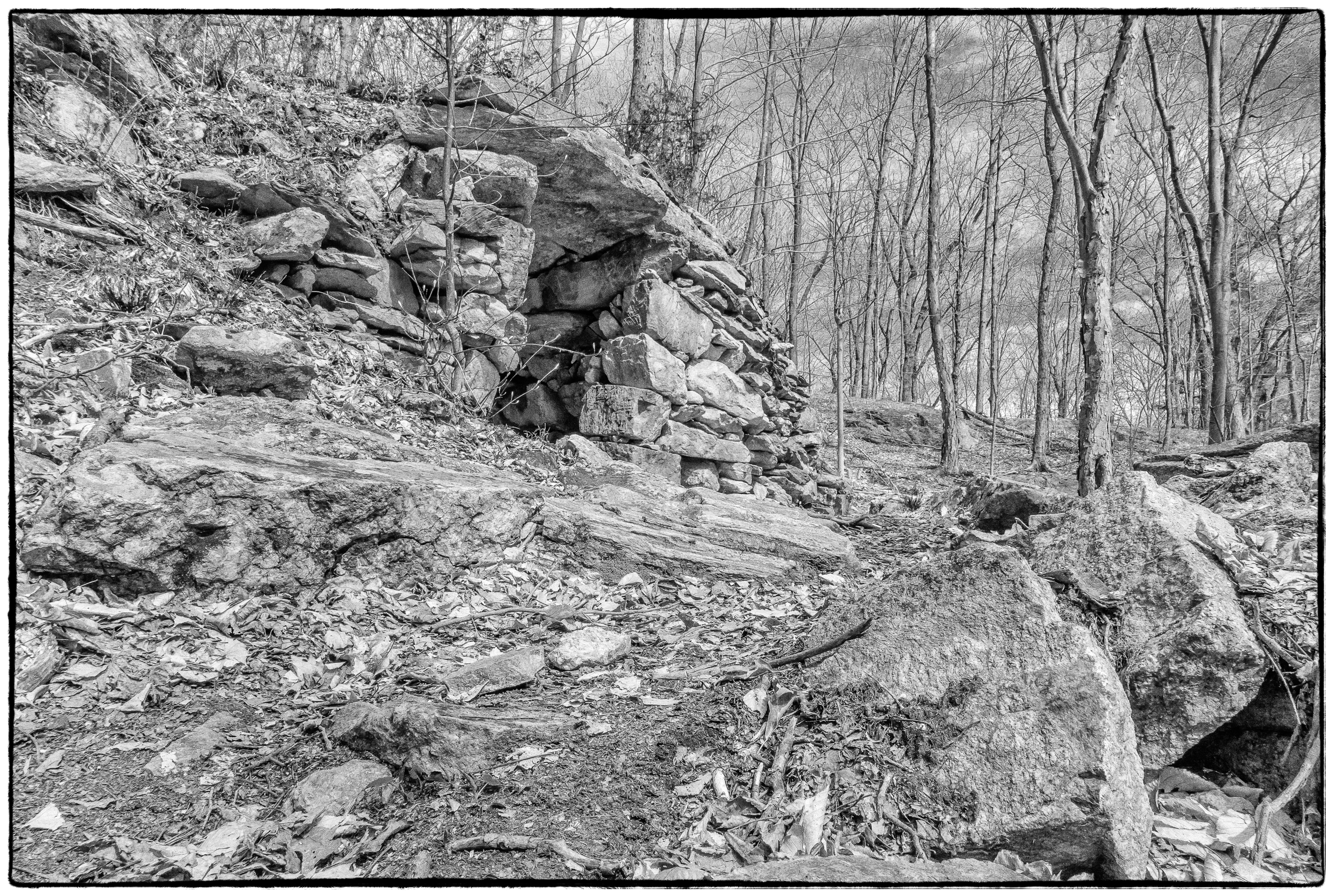
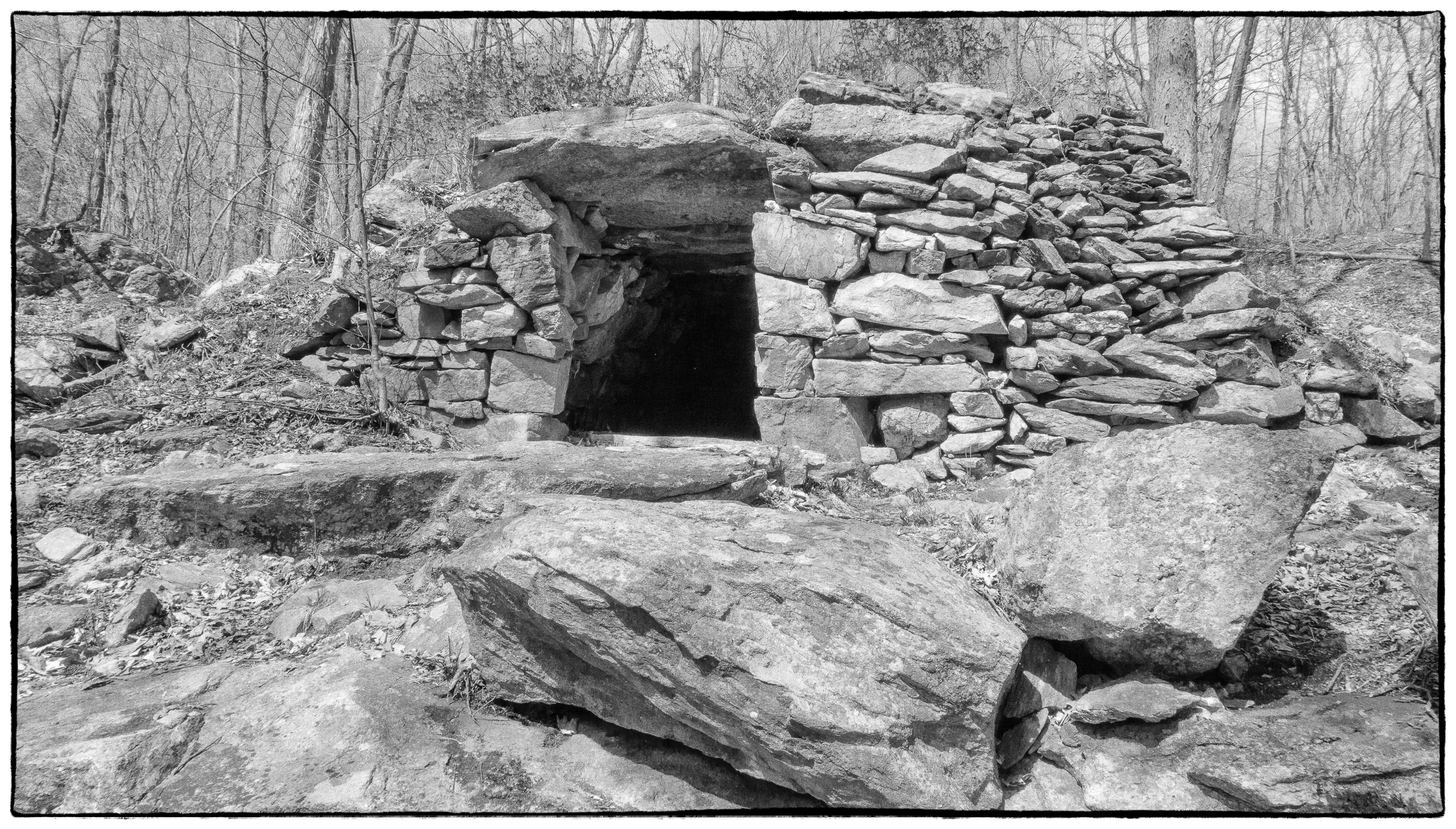
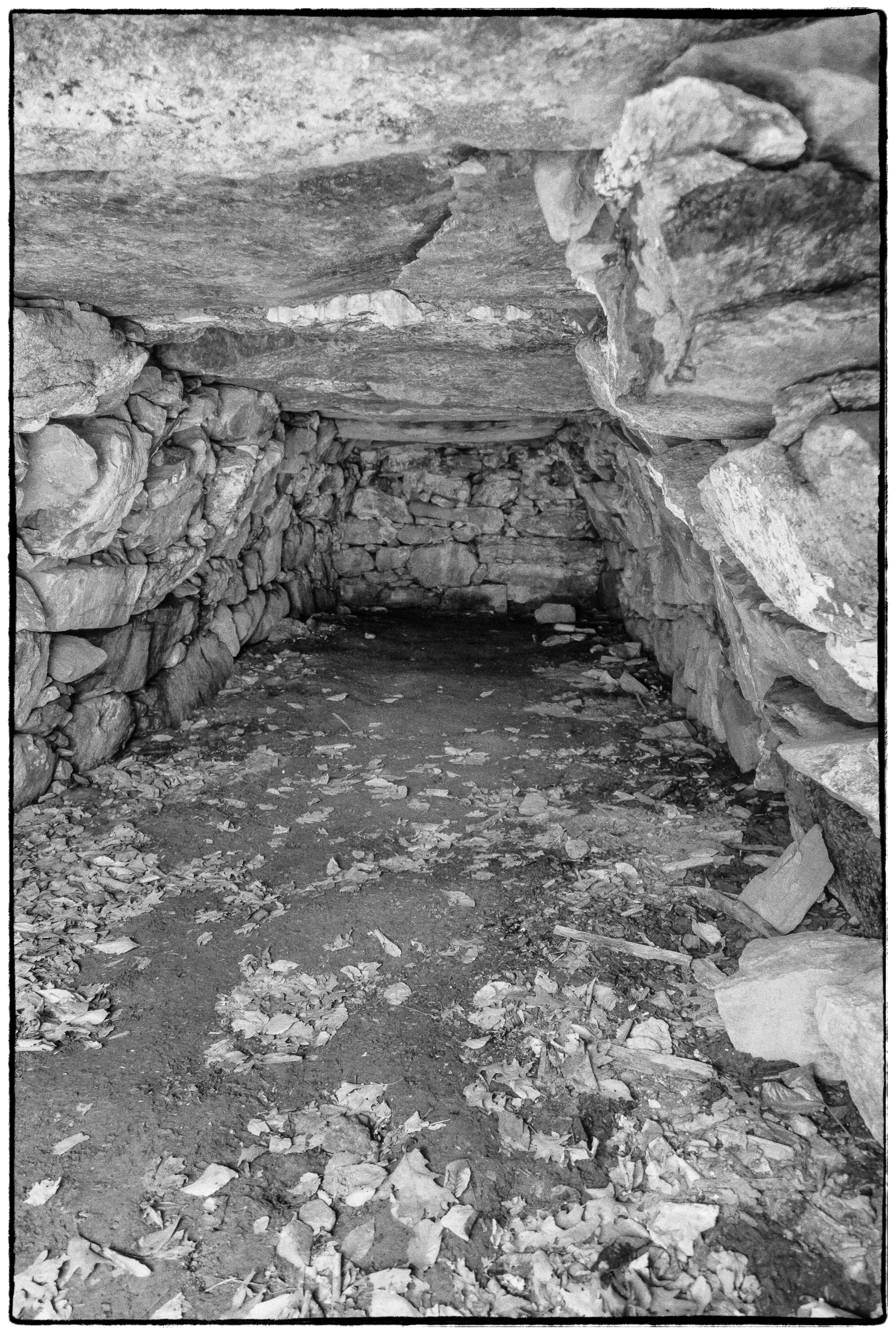
I mentioned in the previous post that that there was something I really wanted to see along this hike. This was it. It’s called the King’s Chamber and it’s one of the largest of the many stone chambers in Putnam County. I’d been trying to find it ever since we moved up here five years ago, but had not been successful. Because of this hike I’d finally located it.

Taken with a Sony RX100M3

For more posts on the Putnam County Stone Chambers (as well as additional information on these strange structures) see:

Mysterious stone chambers of Putnam County.
Another Stone Chamber.
Yet another stone chamber.
A bit of a disappointment.
A walk up Nimham Mountain.

First Baptist Church, Tarrytown, NY

According to Wikipedia:

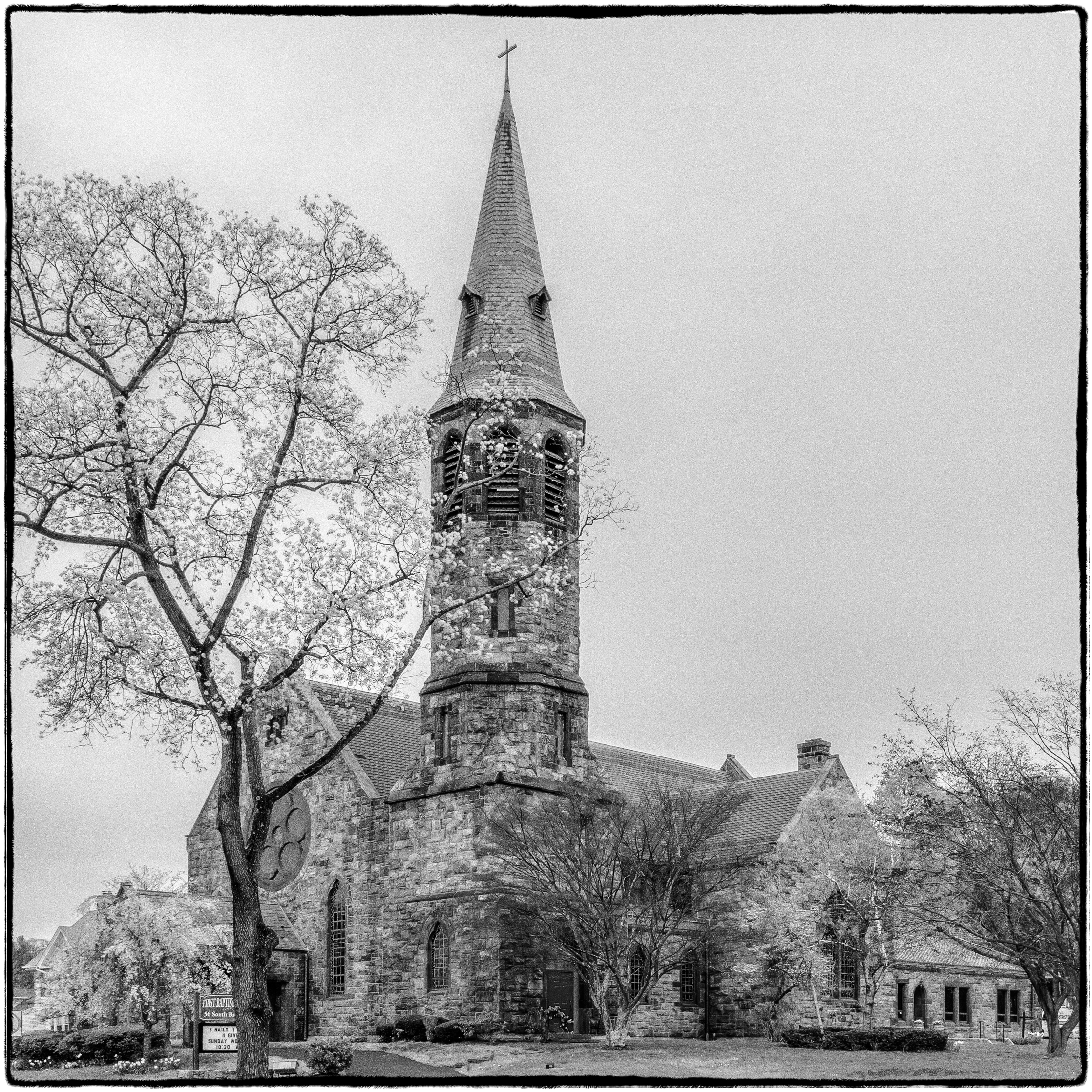
The First Baptist Church of Tarrytown is located on South Broadway (U.S. Route 9) in Tarrytown, New York, United States. It is a stone building in the Victorian Gothic architectural style dating to the 1870s. In 1983 it and its rectory were listed on the National Register of Historic Places.

Congregants first met in the 1840s. The first church on the present site was erected in 1847. A quarter-century later Russell Sturgis was commissioned to design the present structure, which took five years to complete, including a detailed Gothic interior. It signaled Tarrytown’s development as a suburb, especially after John D. Rockefeller and members of his family moved to the village and joined the church. They made possible some of its later enhancements, such as its landscaping and rectory, both added later.

The article later gets into greater detail on the history of the church:

The history of the First Baptist Church goes through three eras: the years of its founding and rapid growth from the mid-19th century through the Civil War, when it met in several different places; the construction of the new church and the impact of the Rockefeller family; and the years since then.

1840s–1873: Founding and early growth

In the 1840s, as Tarrytown grew eastward from the riverside where it had begun, the community became large enough to support several Protestant denominations. For Baptists of the time the nearest church was in Sing Sing, now Ossining, roughly ten miles (16 km) to the north along the Albany Post Road. A local congregation was finally organized in 1843, and recognized later that year as Beekman Baptist Church.

The next year they were able to hire a minister, and rent a building they named Beekman Chapel. Soon they had to abandon it due to financial problems, and a local Methodist minister offered his church in the meantime. Later in the year they bought a lot at Main and Washington and built their first church for $3,000 ($77,000 in modern dollars[3]). It was renamed the First Baptist Church of Tarrytown.

Six years after its founding, the new church had grown more than fivefold, to 60 members. A revival that began in 1857 under William Wines, a pastor known for his abolitionism, almost tripled the church to 172 members by the end of the Civil War nine years later.

After a year without a pastor, David Reeves, a veteran of the Confederate Army, walked all the way to Tarrytown from Alabama to take the job in 1867. The 1844 church could no longer hold the congregation. After Reeves left in 1870, the congregation began to seriously consider a new building. Before Dr. George Stone took over as pastor in 1873, the current lot had been purchased.

1873–1900: New church and Rockefeller patronage

By that time, a building committee had been formed and raised some of the money. Russell Sturgis, the architect and critic who received the commission, was at the peak of his creative years following his designs for two of Yale University’s oldest dormitories, Farnam and Durfee halls. He was also designing another Victorian Gothic religious building, Battell Chapel for the campus. As a critic he had written for the journal New Path on the virtues of the Pre-Raphaelite movement in England as applied to architecture, calling for simple buildings of solid construction and expressive of purpose, qualities his First Baptist Church of Tarrytown would embody.

Sturgis worked closely with the building committee on his design. The beginning of construction had to wait until 1874 due to the financial uncertainties created by the previous year’s banking crisis. The architect’s plan adapted, calling for a five-year plan with separate construction timetables for the main block and spire. By summer 1875 enough of the foundation and walls had been laid to hold a cornerstone ceremony.

The committee began meeting in the new church a year later, and by the end of 1876 the sexton had taken up occupancy. At that time construction began on the spire. Costs of construction ultimately reached $100,000 ($2.48 million in modern dollars), well over the original budget, when the church was formally dedicated in 1881. Originally, the interior walls were completely covered by the stencilled designs that today remain only between the ceiling rafters

At the time the church stood out within Tarrytown, which had only incorporated as a village a decade earlier. Broadway was still unpaved, and the surrounding buildings were of a much smaller scale. First Baptist signalled that the village, once a riverside port town that served the farmers inland, was becoming a desirable residential suburb, a home away from the city for successful financiers and industrialists. In particular, the Gothic stylings of the church were well-suited to a community located on a river that had begun to be referred to as “America’s Rhine”. In 1888 it took delivery of its pipe organ.

Tarrytown’s cachet was secured in the following decade when John D. Rockefeller, founder of Standard Oil and the wealthiest man in America, not only at that time but historically, built his Kykuit estate north of Tarrytown and settled there with his family. The Rockefellers, especially their patriarch, had remained devout Baptists as their fortune grew.

They became members of First Baptist, and their patronage was to prove beneficial to the church. The rectory was built south of the church in 1896 through the generosity of Almira Geraldine Goodsell, wife of William Rockefeller, John’s younger brother. Other gifts from the family strengthened the church’s spiritual work and enhanced its physical appearance. At the turn of the century John D. Rockefeller himself paid for the church’s landscaping.[1]

1900–present: Later alterations

In the early 1910s the interior was converted from gas to electric lighting. Some of the original gas jets remain, and an original gas fixture, unused since then, still hangs in the base of the tower. In 1936 an electric organ replaced the original pipe organ. The stencilling on the interior was painted over in the 1950s, with the exception of the sunflower bands in between the ceiling rafters, which were too difficult to reach. At that time the rectory was also renovated, with the first-floor rooms converted to Sunday school classrooms and office space and the second floor becoming the pastor’s apartment.

The screen that creates the narthex space in the church sanctuary was brought in from another church at some point. It uses classical detailing instead of the Gothic detailing that dominates the space. Two of its eight stained glass windows are believed to be Tiffany glass.[1]

99 White Plains Road, Tarrytown

I’ve driven and walked past this building many times, but never really paid attention to it. Today my wife had a doctor’s appointment not far away and while waiting for her I took the dog for a walk. As I walked by I finally noticed the building and thought to myself that there must be some history to it.

After some digging around I discovered what it was. According to the NYS Office of Parks, Recreation & historic preservation historic resource inventory form for this property:

Constructed ca. 1905, 99 White Plains Road, formerly known as both 105 White Plains Road and the Goebel Collectors Club, is located on the north side of White Plains Road (State Route 119) in the Village of Tarrytown, Town of Greenburgh, Westchester County, New York. It is bound to the north by Martling Avenue, the south by White Plains Road, and the east and west by commercial development. In 1979, the Village of Tarrytown Historic Architectural Review Board (HARB) designated the south, or front, facade a local landmark (LeBeau, 1979). The property is situated on the north side of White Plains Road, and approximately 550 feet north of the New York State Thruway (Interstate [I]-87/287) .The property is fully visible from grade-level White Plains Road, but screened by development from the Thruway which is in a cut.

Originally a residence, 99 White Plains Road is the principal building on the lot, and was converted for use by institutions/commercial enterprises during the 1970s. It sits upon an expansive lawn and is accessed by a circular driveway and a large asphalt parking lot is located to the east. Shrubs and flowers ring the perimeter of the building. A stone wall flanks the south side of the property along White Plains Road, east and west of the driveway.

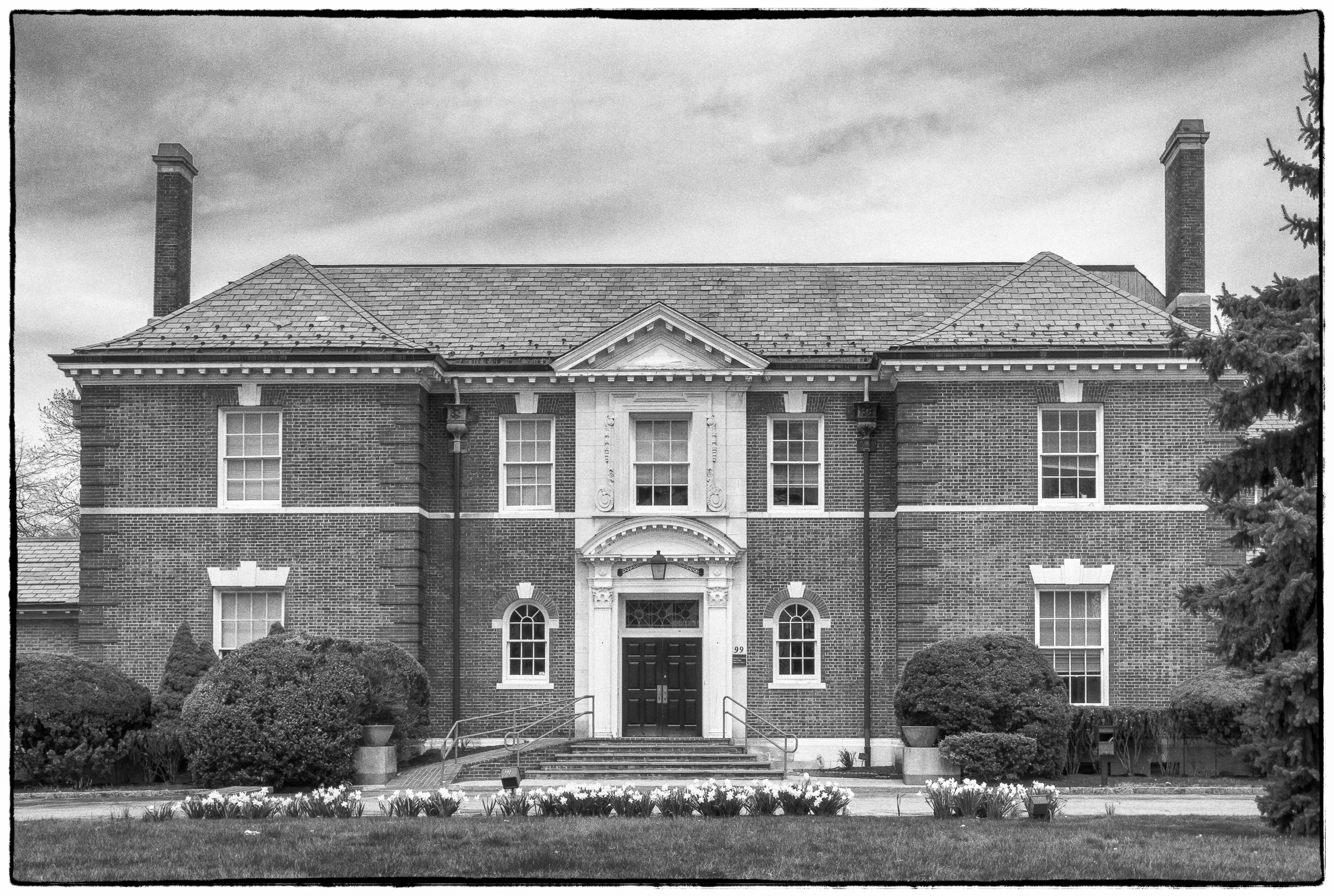
The building at 99 White Plains Road is a two-story, rectangular-plan, Colonial Revival-style brick former residence. The Colonial Revival style was a popular building mode in the United States during the beginning of the 20th century. The Philadelphia Centennial celebration of 1876 is credited with awakening interest in Colonial-era architecture. By the late 19th-century, many studies of Colonial architecture had been published and disseminated, and influenced many architects working throughout the United States, including the architect of 99 White Plains Road (McAlester & McAlester, 1991).

The building is situated atop a hill overlooking and set back from White Plains Road. It rests atop a stone foundation and is capped by a hipped roof sheathed in slate and metal. The roofline is emphasized by a denticulated cornice. Symmetrical brick chimneys with stone caps flank the side, or east and west, façades. The south or principal façade is symmetrically balanced and is five bays wide, flanked by single story, hipped-roof additions. The façade has many embellishments including copper collector boxes with decorative designs; stone belt-course; full-height, hipped-roof projecting bays accented by brick quoins; and a full-height, recessed entry bay set within a stone surround and capped by a denticulated pediment. First-story windows in the projecting bays are eight-over-eight double-hung sash, topped by keystone lintels. Second-story windows are six-over-six double-hung sash, topped by brick-and-stone keystone lintels. Within the entry bay, multi-pane, round-headed sash flank the main entry on the first story, and are accented by keystone lintels and stone sills; second-story windows within the entry bay include two six-over-six double-hung sash accented by brick-and-stone keystone lintels that flank a central six-oversix window situated atop the main entry. The window is set within a decorative stone surround with astone lintel, flanked by scrolls. The main entry consists of double wood-panel doors topped by a transom that is illuminated by finely designed window panes. The entry is set within a Classical surround consisting of Corinthian pilasters, topped by a denticulated pediment.

The side, or east and west, facades include single-story, brick, hipped-roof projections that are sheathed in slate. A square-plan, two-story, brick section is appended to the northeast corner of the building and shares similar details with the main core. A modern, flat-roof addition is appended to the northwest corner of the building

The 1891 map of Tarrytown provides a great deal of information concerning development within the village. While the village proper remained a locus of commercial and industrial activity, residential and estate development thrived south of the village. Multiple estates overlooked the Hudson River. Estates were also depicted east of South Broadway on White Plains Road, including the Braemar estate attributed to G.B. Newton in the present location of 99 White Plains Road. A comparison of the 1872 map and the1891 map appears to indicate that the Braemar estate is similar in form and layout to the 1872 Roberts property, and therefore, one can assume that the Roberts clan most likely sold the property to the Newtons who dubbed it Braemar (Canning & Buxton, 1975).

By the turn of the 20th century, South Broadway became the area’s first paved road when a strip of asphaltic concrete was laid from Central Avenue to Franklin Street (Canning & Buxton, 1975). A 1908 map of Tarrytown depicts the area south of the village core largely made up of estates along the Hudson River, with the exception of Church Street and Van Wart and Paulding Avenues, which were characterized by small-scale lot development. White Plains Road was also characterized by large estates, and in 1908, the property associated with 99 White Plains Road was still attributed to the Newtowns, with Sarah H. Newtown owner of the 17 1/3 acre estate (Hyde, 1908).

However, his map evidence conflicts with local histories that indicate alternate owners of the Newton estate at that time. For example,Canning and Buxton’s History of the Tarrytowns indicates that Judge Rumsey Miller owned the Newtown estate in 1904. That year, the principal residence was destroyed by a fire and afterward, Miller erected the present-day Colonial Revival-style house in 1905 (Canning & Buxton, 1975). Conversely, the Village of Tarrytown’s HARB recommendation to designate the front facade, prepared in 1979, indicates that 99 White Plains Road was constructed in 1905 for Jonathan D.Maxwell of the Maxwell-Briscoe Motor Company, the village’s largest employer from 1900-13 (LeBeau, 1979). Despite conflicting information concerning the builder of the property, both sources indicate that 99 White Plains Road was constructed in 1905 in an era dominated by opulent wealth generated by industrial pursuits in Westchester County and the overall New York City region.

A Sanborn map produced of Tarrytown in 1941 indicates that at the commencement of the war, Thomas Luke was still owner of 99 White Plains Road, although his property was reduced in size by that time (Sanborn, 1941).

Along with this general trend, 99 White Plains Road was converted for commercial use. After the
property was sold by the Lukes in 1961, it was owned by a series of enterprises, including Simmon Precision Instruments; Pondrow, Inc.; and the Hudson River Valley Commission (LeBeau, 1979). This commission was formed by Governor Nelson Rockefeller and his staff to regulate development along the Hudson River in 1966, and led a landmark battle to preserve Storm King Mountain from inappropriate development by Consolidated Edison during the late 1960s (Hudson River Valley Commission, 2004). In 1964, a major fire destroyed much of the interior, forcing renovation and removal of historic fabric. In 1976, the Goebel Collector’s Club opened a gallery and museum at 99 White Plains Road, where, for many years, the largest Hummel figurine was on display. The building is currently occupied by a book publisher and other professional offices.

References

Books

Canning, Jeff, and Wally Buxton. History of the Tarrytowns, from Ancient Times to the Present. Harrison, NY: Harbor Hill Books. 1975.

McAlester, Virginia & Lee McAlester. A Field Guide to American Houses. New York: Alfred A. Knopf.1991.

Reports

LeBeau, Bryan. “Goebel Collector’s Club HARB Recommendation, Tarrytown-on-Hudson, New York.” October 29, 1979. On file at Village of Tarrytown, New York Village Hall.

Maps

Hyde, E. Belcher. Atlas of the Rural County District North of New York City, Embracing the Entire Westchester County, New York. New York: E.B. Hyde. 1908.

Sanborn Map Company. Greenburgh, New York. New York: Sanborn Map Company. 1924, 1941.

Source: New York State Office of Parks, Recreation, and Historic Preservation Historic Resource Inventory Form for 99 White Plains Road, Tarrytown, NY