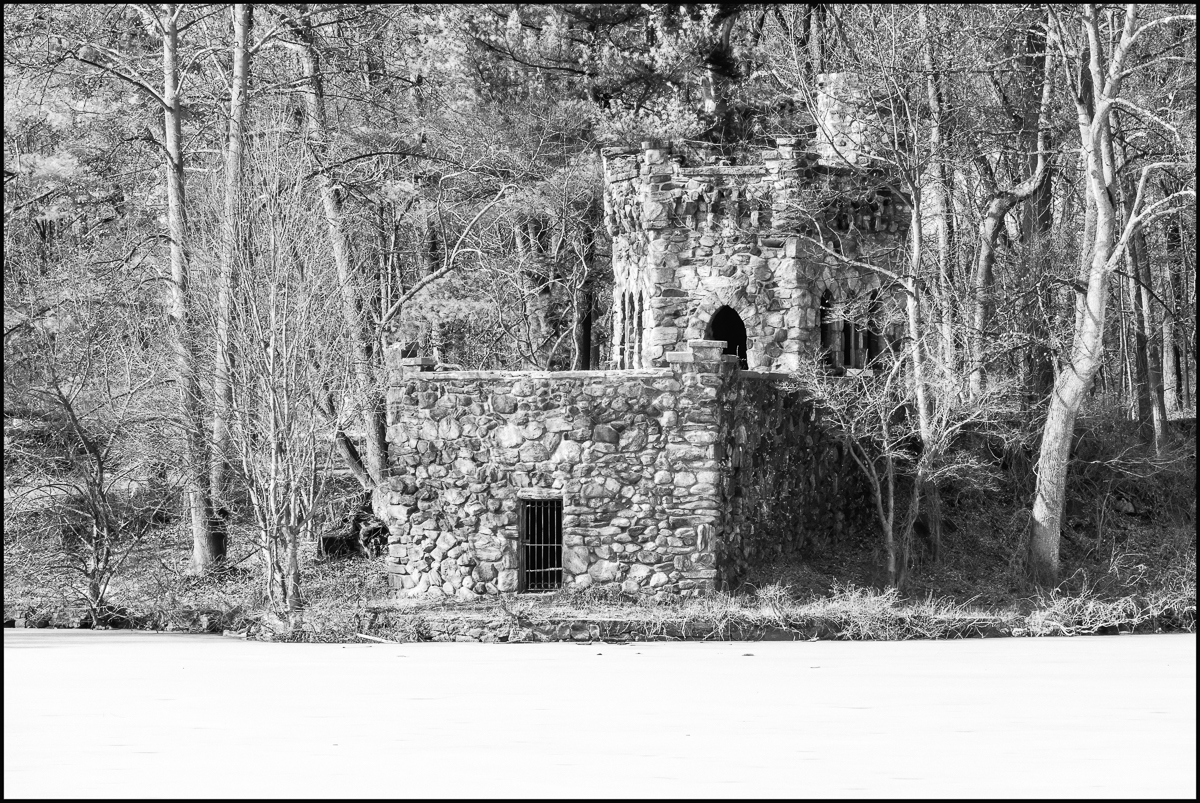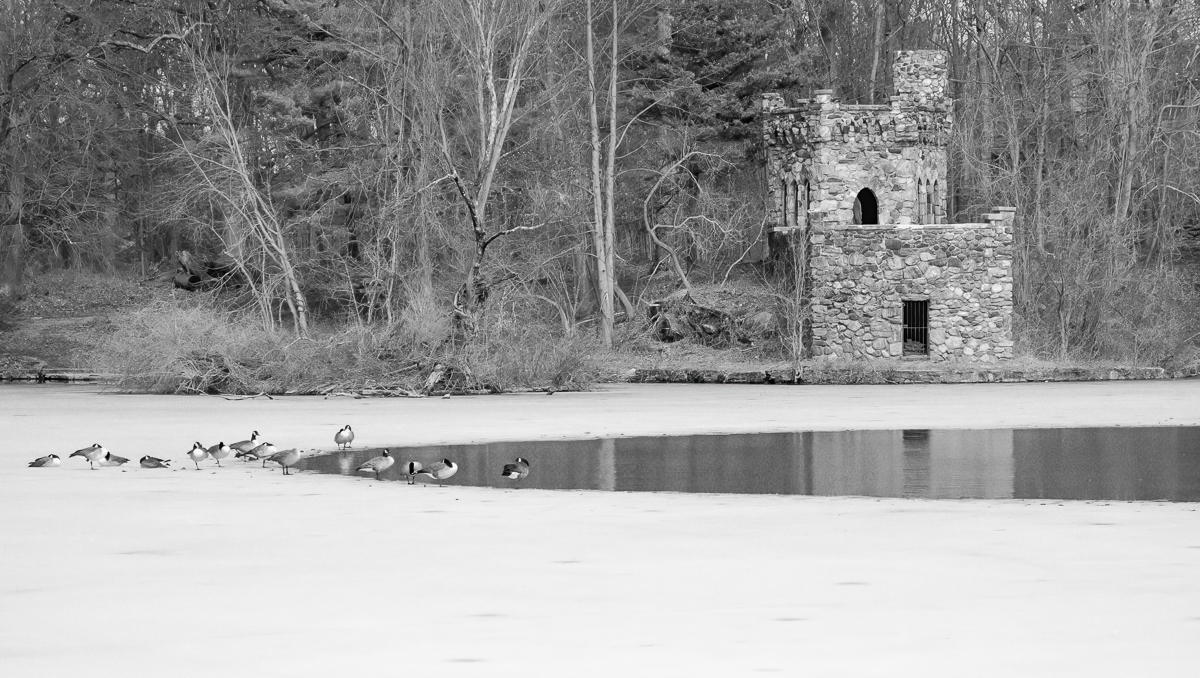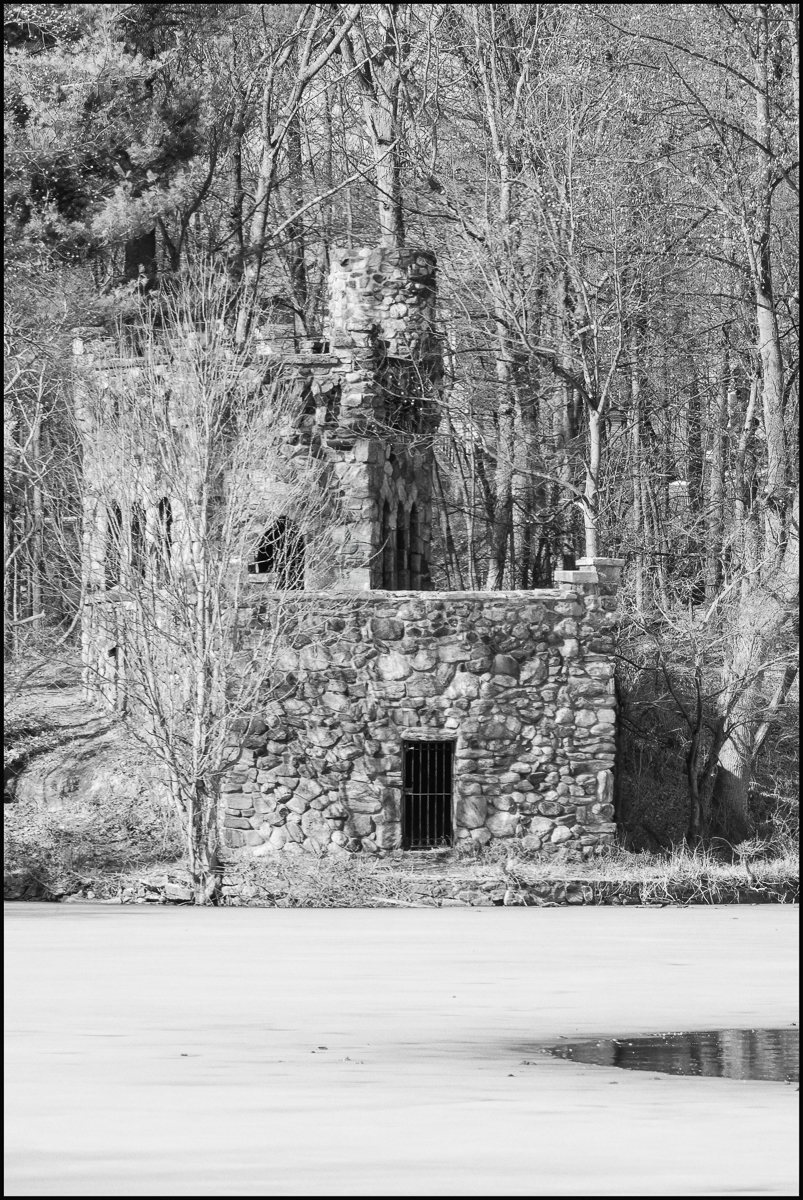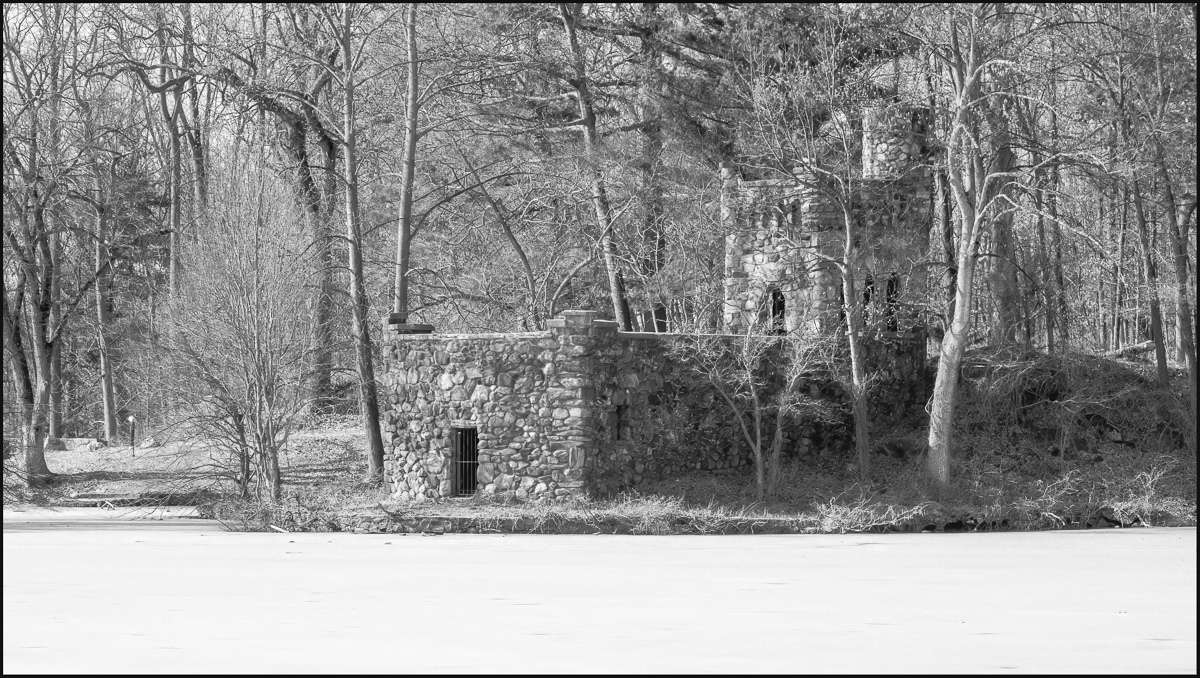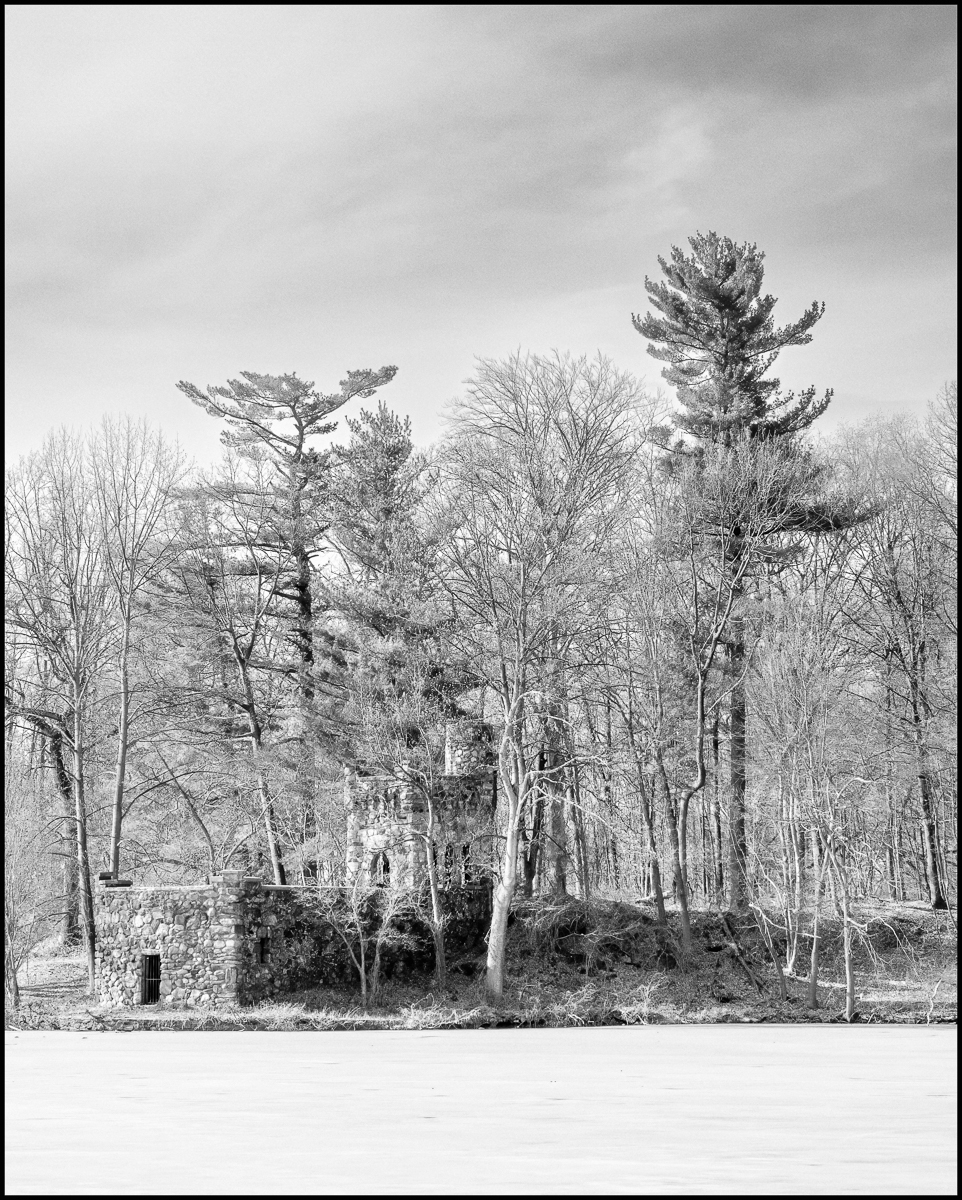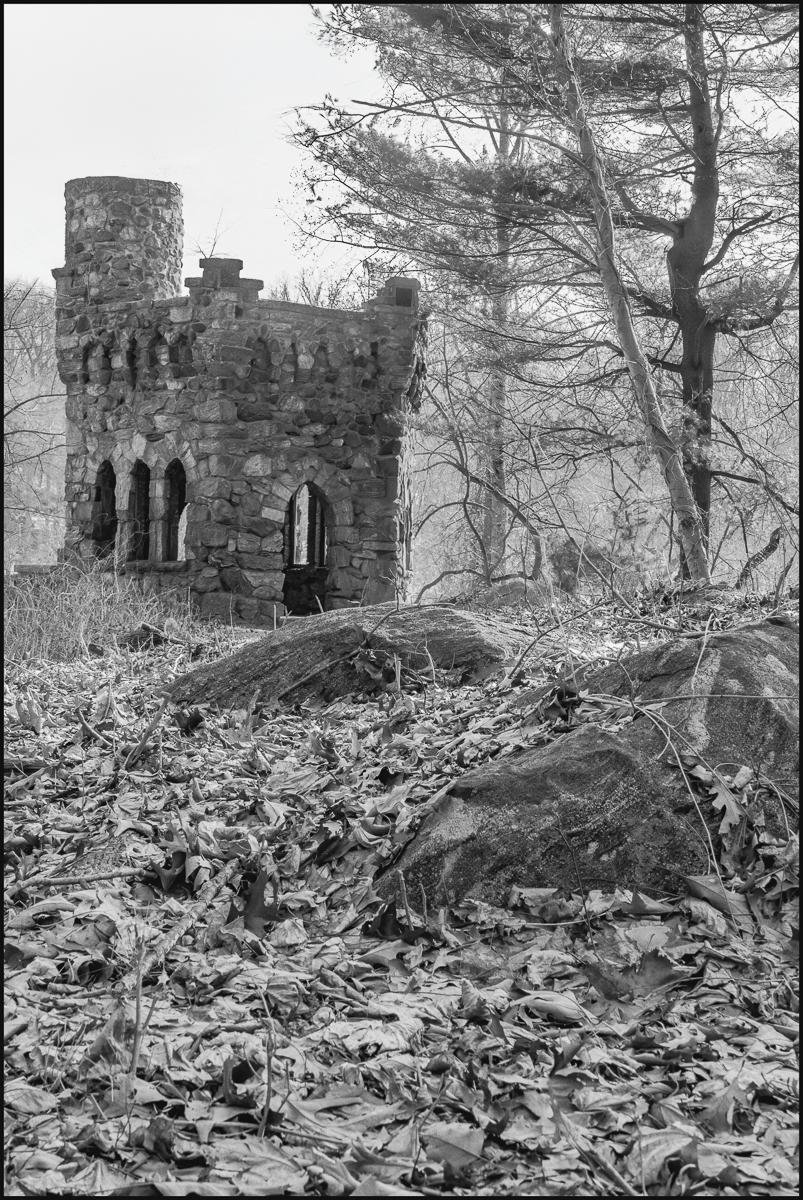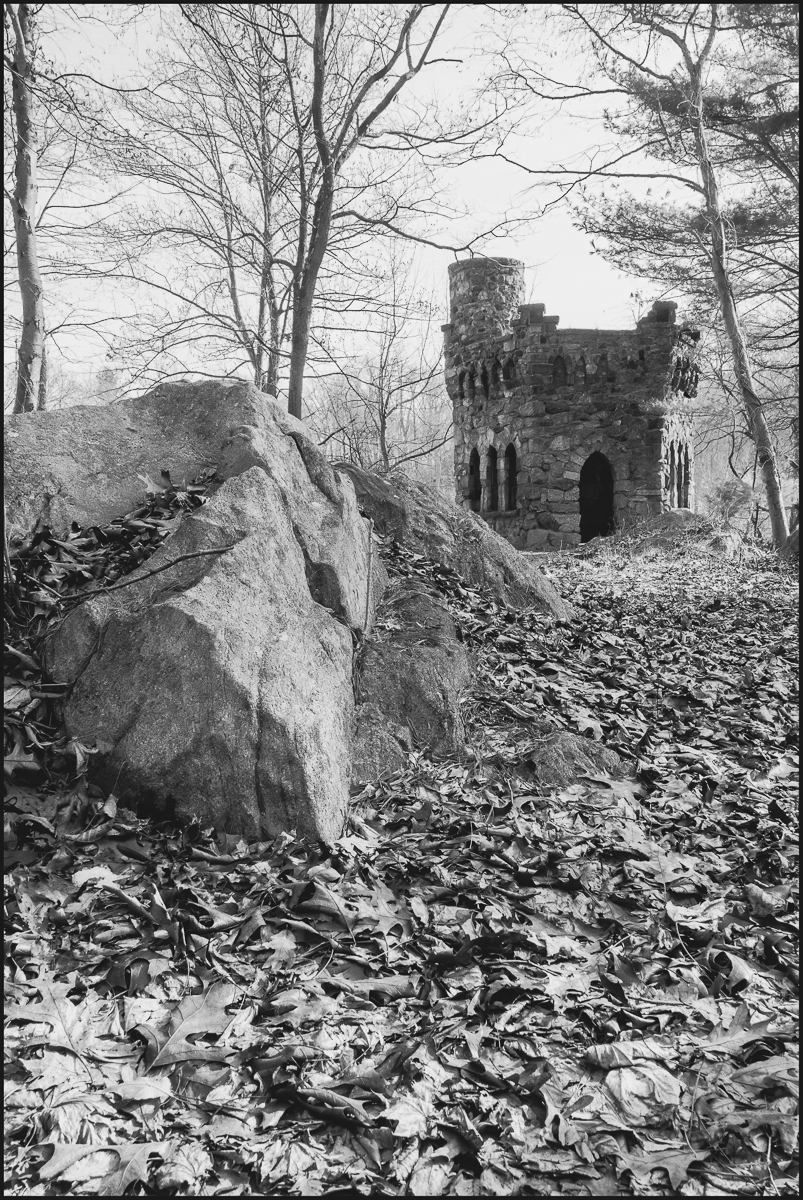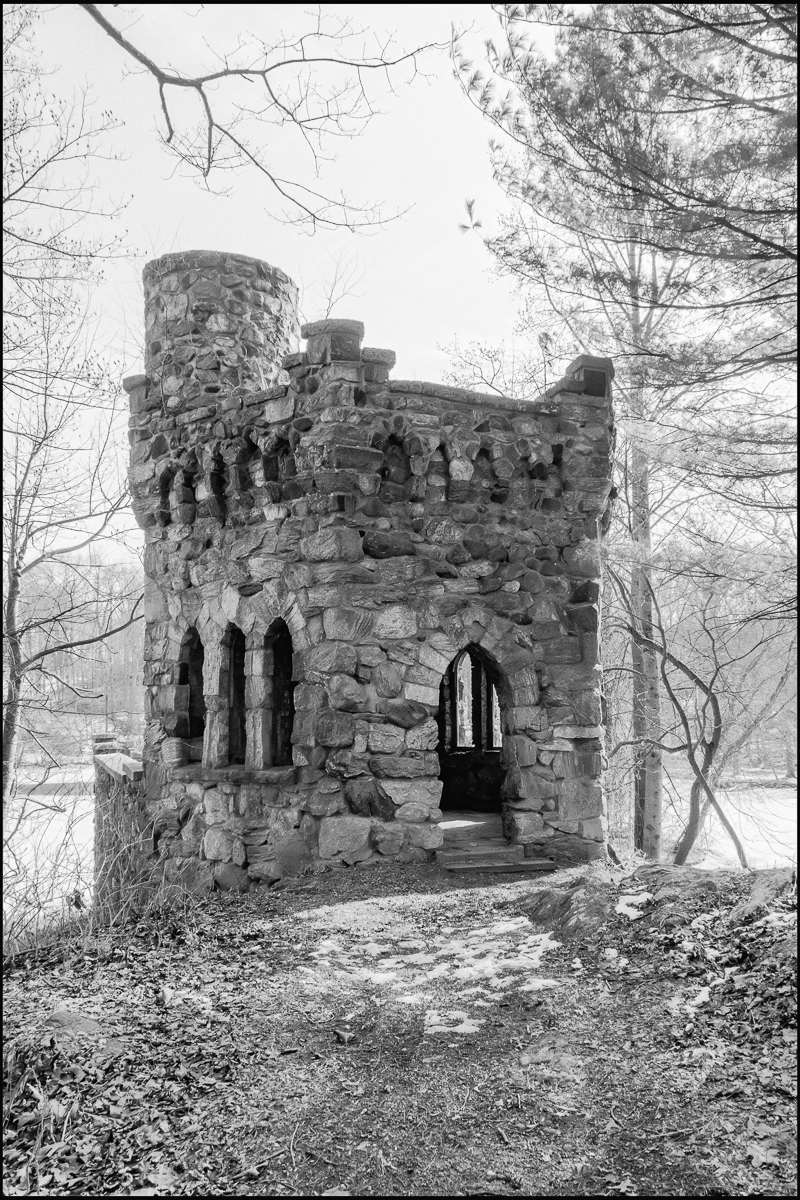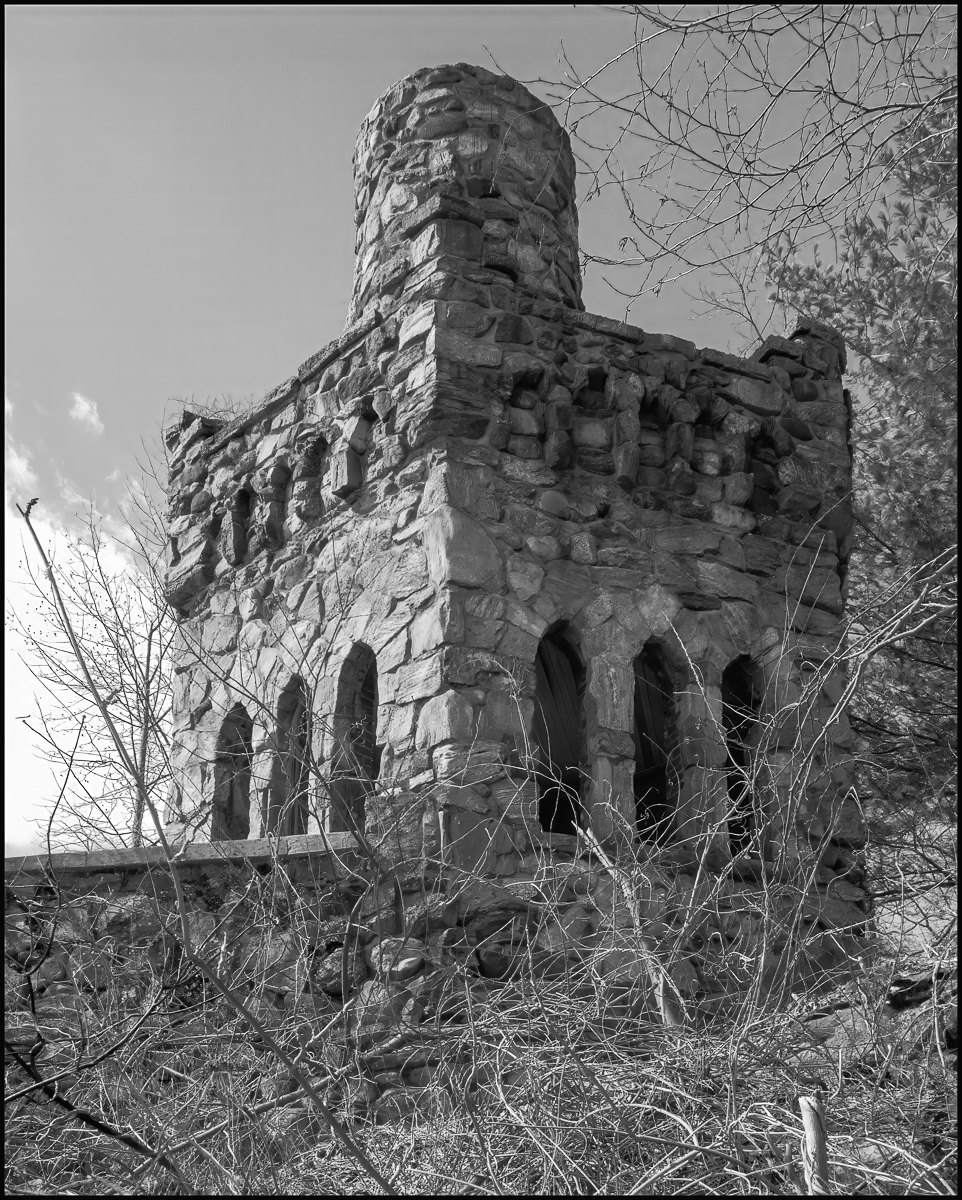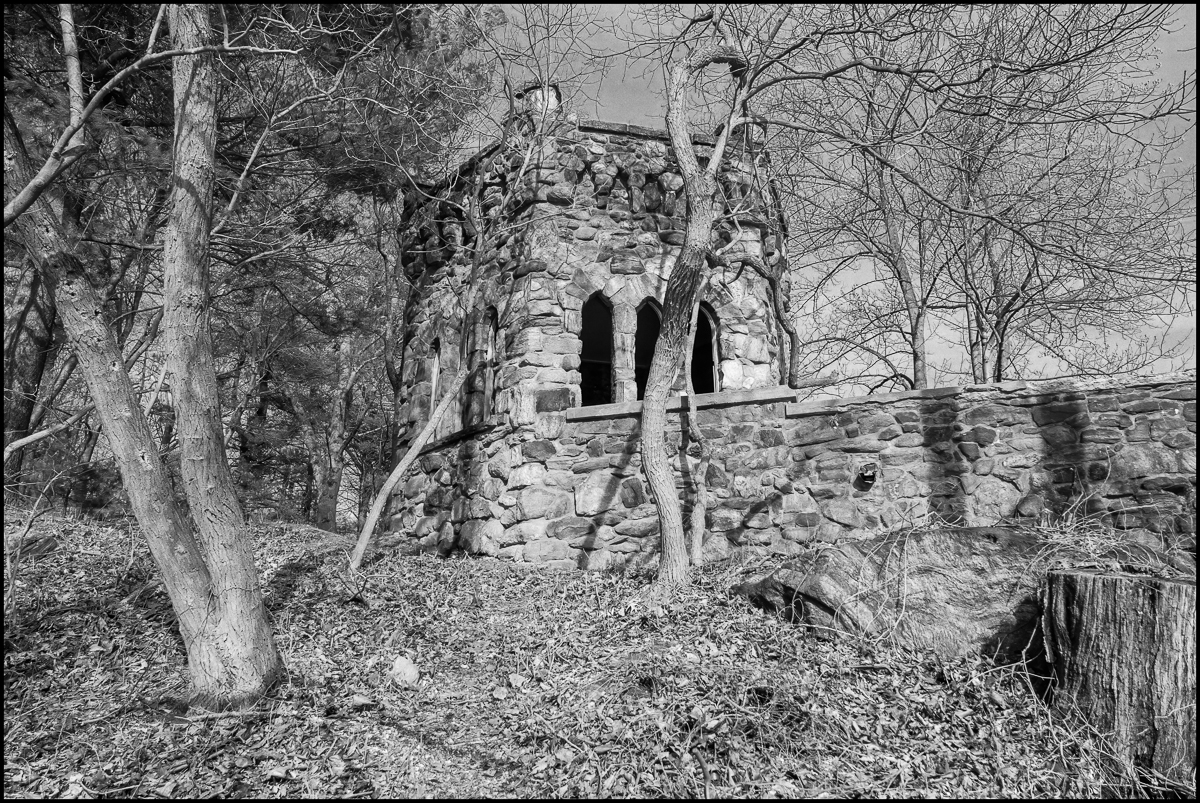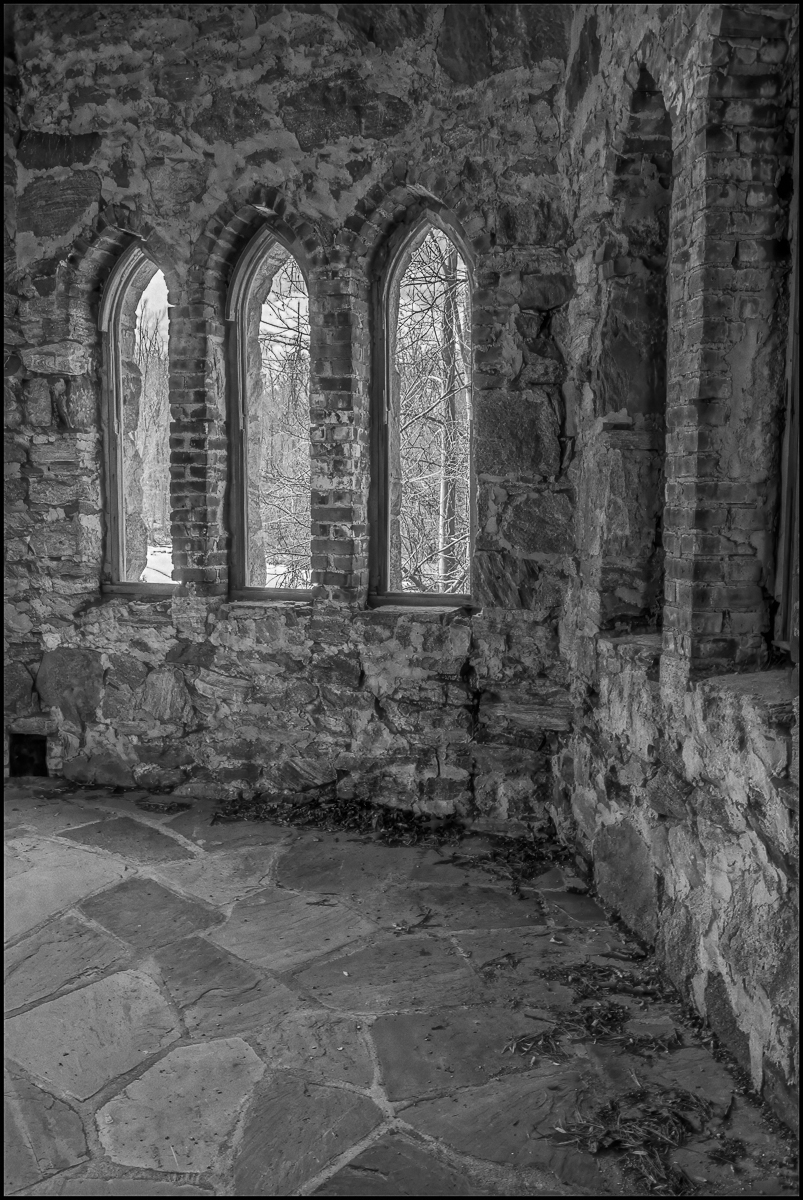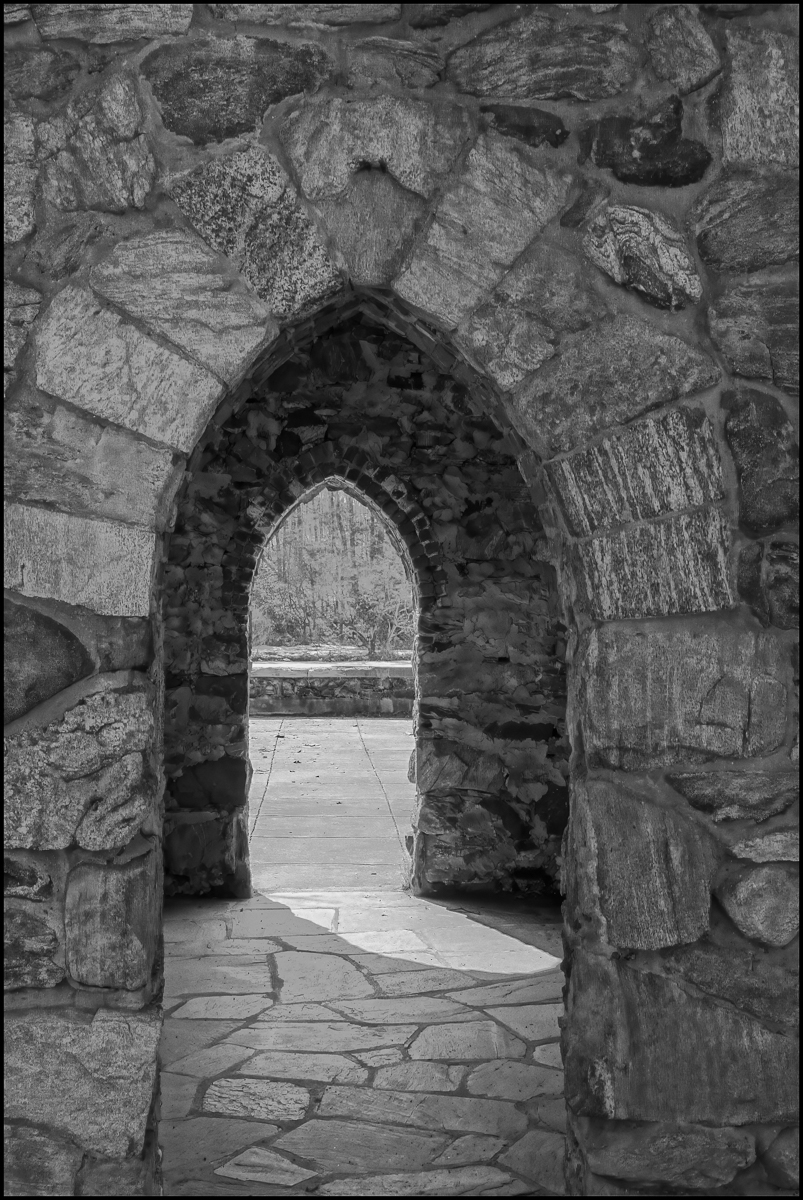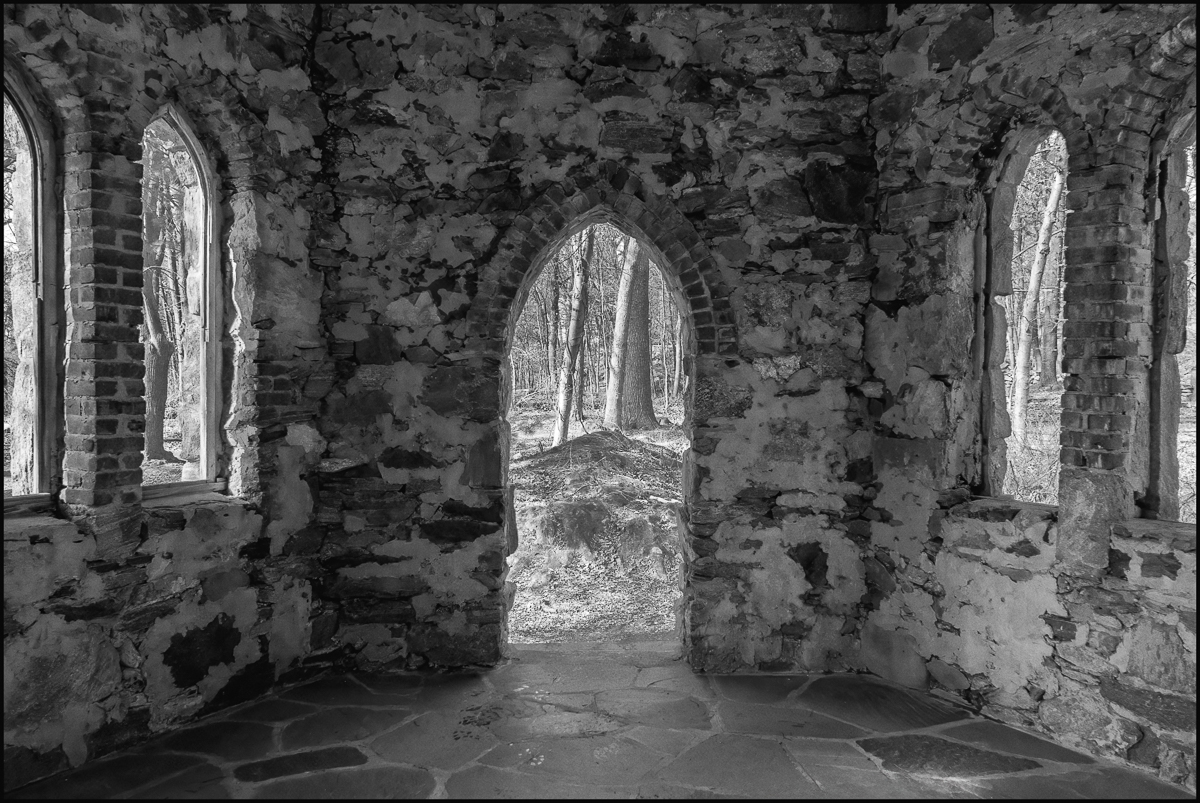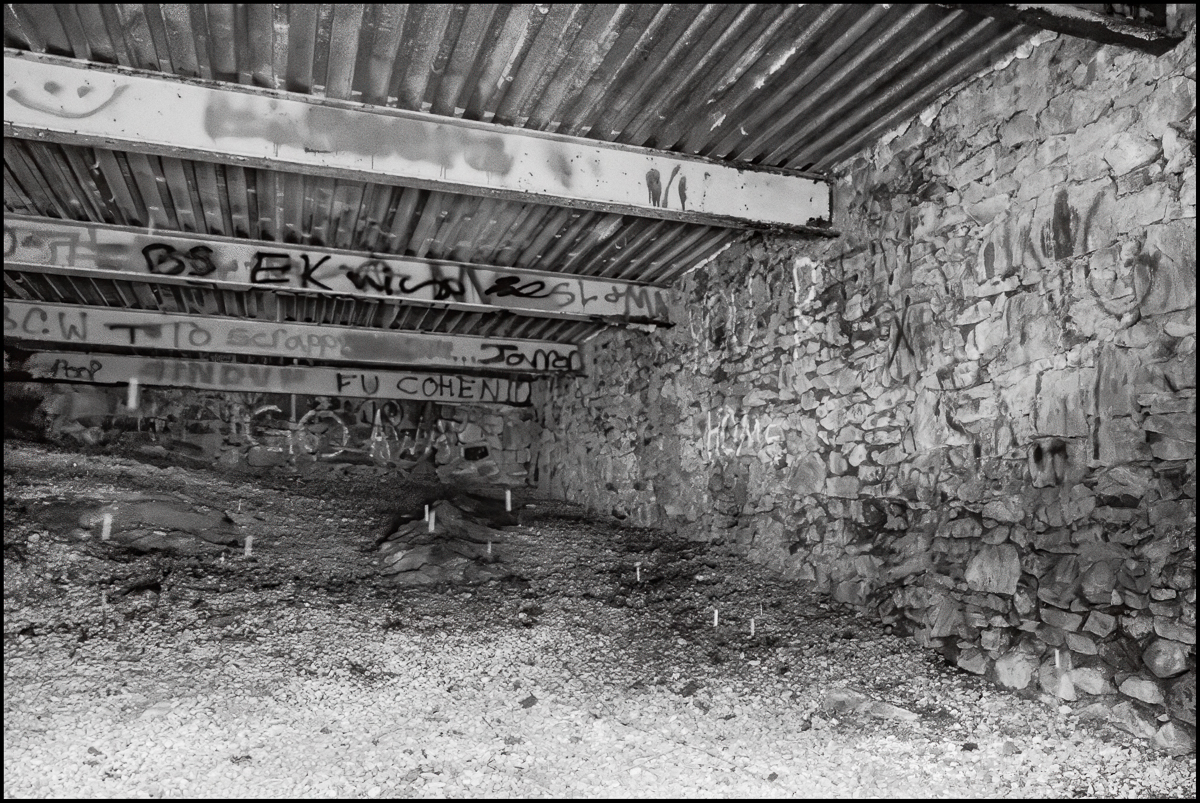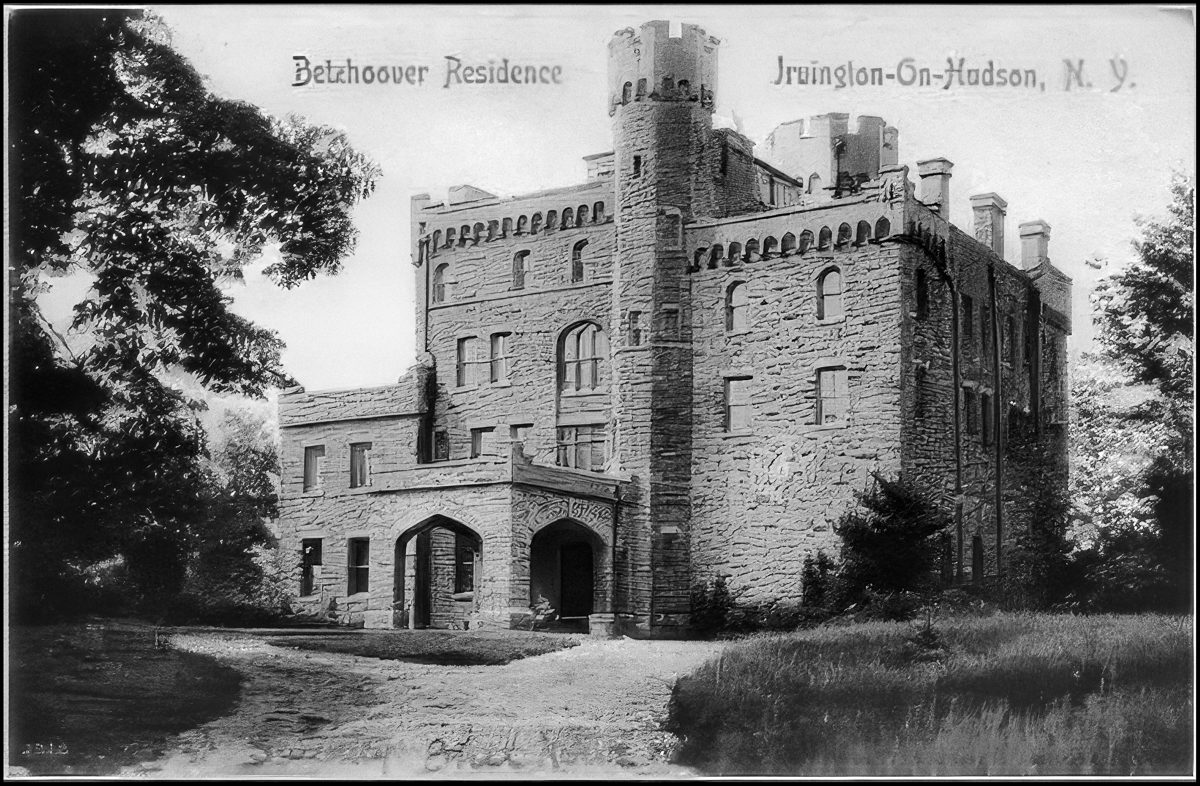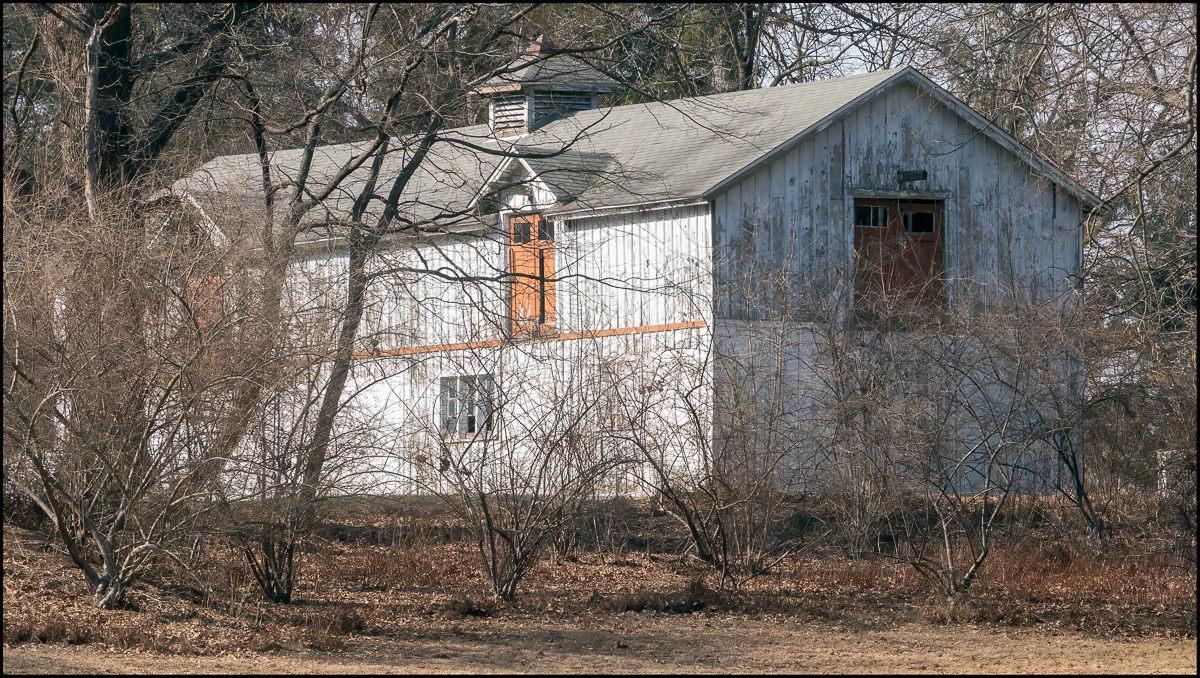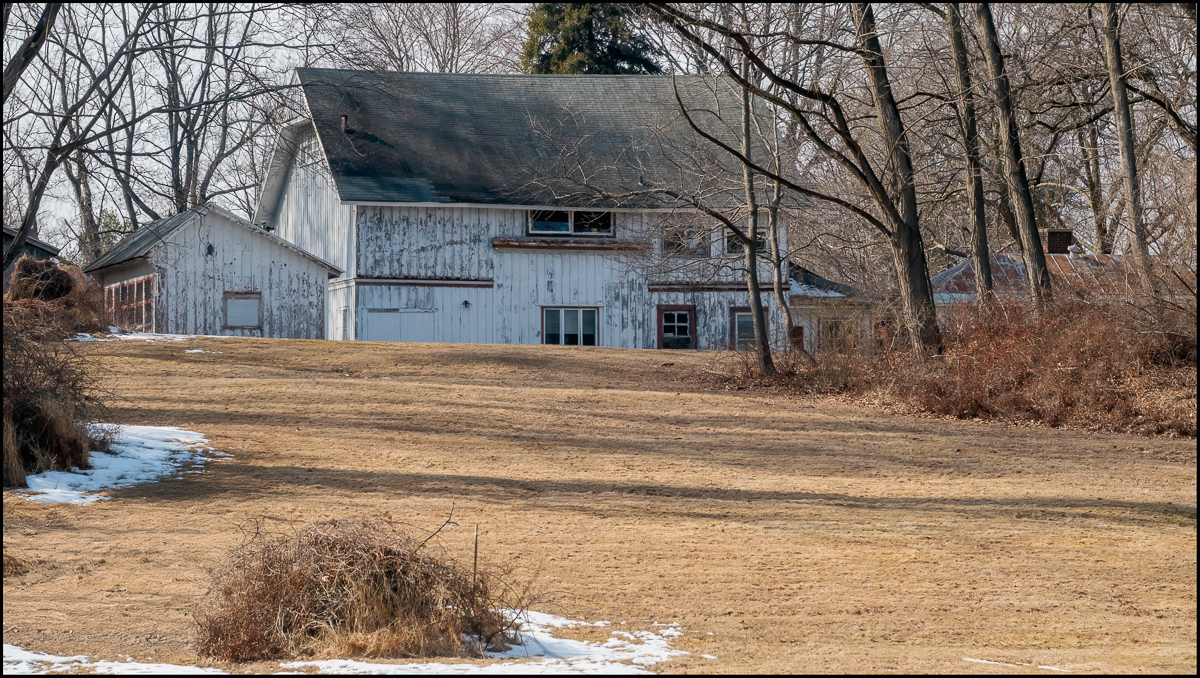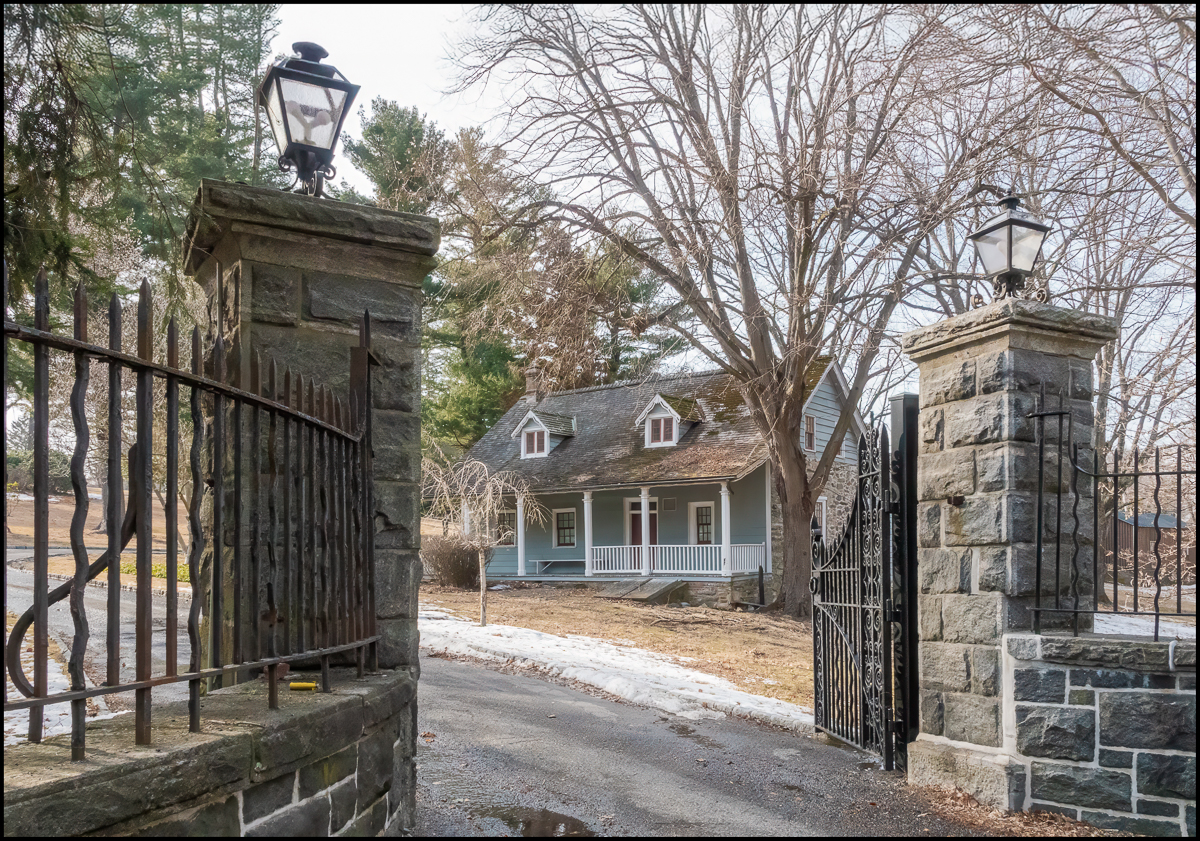
I was walking back along Route 9 towards Irvington when I passed this building. It looked quite old, and it seemed to me that it might have and some interesting history. After searching the internet for a while after I came home, I discovered that it did.
It’s Odell’s tavern (not to be confused with the perhaps better-known Odell House in Hartsdale, where the French general, le Comte de Rochambeau, stayed for six weeks in the summer of 1781, surrounded by his army of 5,000 men, while General George Washington and the Continental Army camped nearby in Ardsley).
According to the Irvington Historical Society:
The structure commonly known as the “Odell Tavern” sits in the northeast corner of a 10-½-acre, privately-owned parcel, located at 100 South Broadway (Route 9) in Irvington, New York. Its name derives from the Odell family who occupied it from the 1750s to the 1820s and used it as a farmhouse and roadside tavern.
The Odell Tavern is the oldest, extant building in Irvington, with parts of its existing stone structure dating from the late 17th century and its later, wooden additions dating from the mid-18th century. The original section of the house exemplifies architectural trends of the 17th-century Dutch colonial period, when the eastern shore of the Hudson River just north of New York City consisted of the vast tenant farms of Philipsburg Manor. A rare surviving example of a Dutch farmhouse, the Odell Tavern is possibly only one of the two remaining tenant farmhouses – the other being the Sherwood House in Yonkers, built circa 1740 by Thomas Sherwood – constructed at Philipsburg Manor.
The Odell Tavern is also a living testament to important historic, economic and architectural developments in the region. These developments include: (i) early settlement patterns during the colonial period of Westchester County, (ii) the operations of the manor system at Philipsburg Manor, (iii) the practice of slavery in the Hudson Valley, (iv) the experience of the Revolutionary War in the no-man’s land between the lines, (v) regional development during the period of the New Republic and Market Revolution, (vi) the gentrification of the Hudson River Valley in the early nineteenth century, and (vii) Irvington’s rise to prominence in the twentieth century as a suburban retreat for wealthy New Yorkers. Because the Odell Tavern’s structure was modified several times to meet the changing needs of its residents, it stands as a record of evolving architectural styles that reflected shifting settlement and economic patterns in Westchester County.
The Odell Tavern is an essential and unique “living museum” right in our midst, and its historical resonance is amplified by its position within the larger network of historic structures in the region. The Odell Tavern stands today with other, well-known extant historic sites in Westchester, including Philipse Manor Hall and the Sherwood House in Yonkers, Philipsburgh Manor Upper Mills and the Old Dutch Church and Burying Ground in Sleepy Hollow, Washington Irving’s Sunnyside in Tarrytown, and the Odell House Rochambeau Headquarters in Hartsdale. Together, these historic structures speak to the experiences of life in the lower Hudson Valley and the social, political and cultural changes during several important eras in the history of the Village, County, State, and Nation.
For more information on the Odell’s see: Revolutionary Westchester: John Odell, General Washington’s Westchester Guide, Part I and Part 2
Taken with a Sony RX10 IV