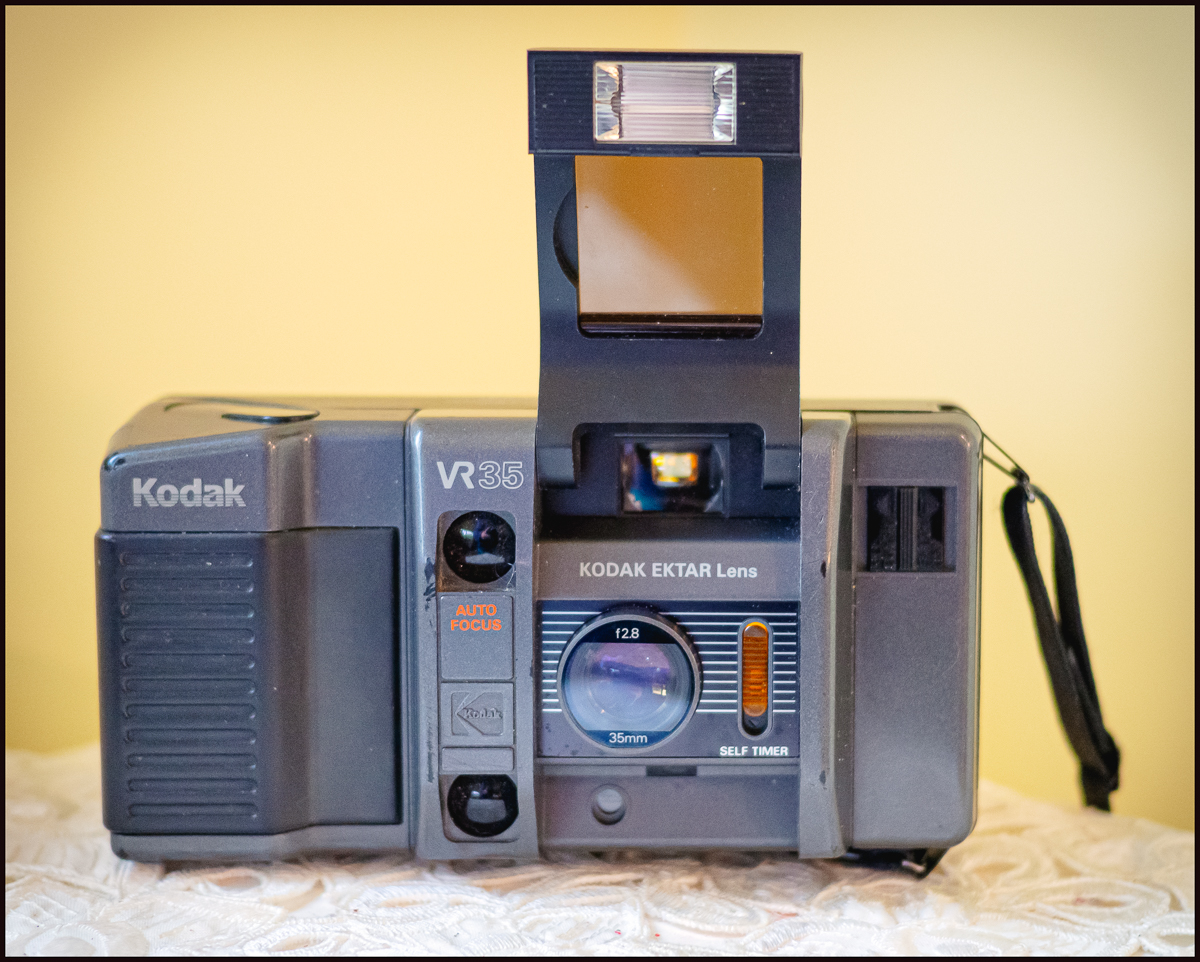
Film Camera 2021 -2 Kodak VR35K14 “Medalist”

Kodak sold a number of 35mm cameras (Ponys, Retinas, Signets etc.) in 1950-1960 period and then sometime towards the and of the 1960s stopped making 35mm cameras to focus on their new instamatic cameras.

In the 1980s other camera manufacturers started to introduce moderately priced 35mm point and shoot cameras. Of course Kodak could not be left out so they introduced a new line of 35mm cameras: the Japanese made (Chinon I believe) KR35 series, of which this camera (the VR35K14) was the top of the line.

For more information on the camera please read Mike Eckman’s usual interesting and thorough review here.

Film Camera 2021 -1 Canon EOS A2/Canon 5 – Results

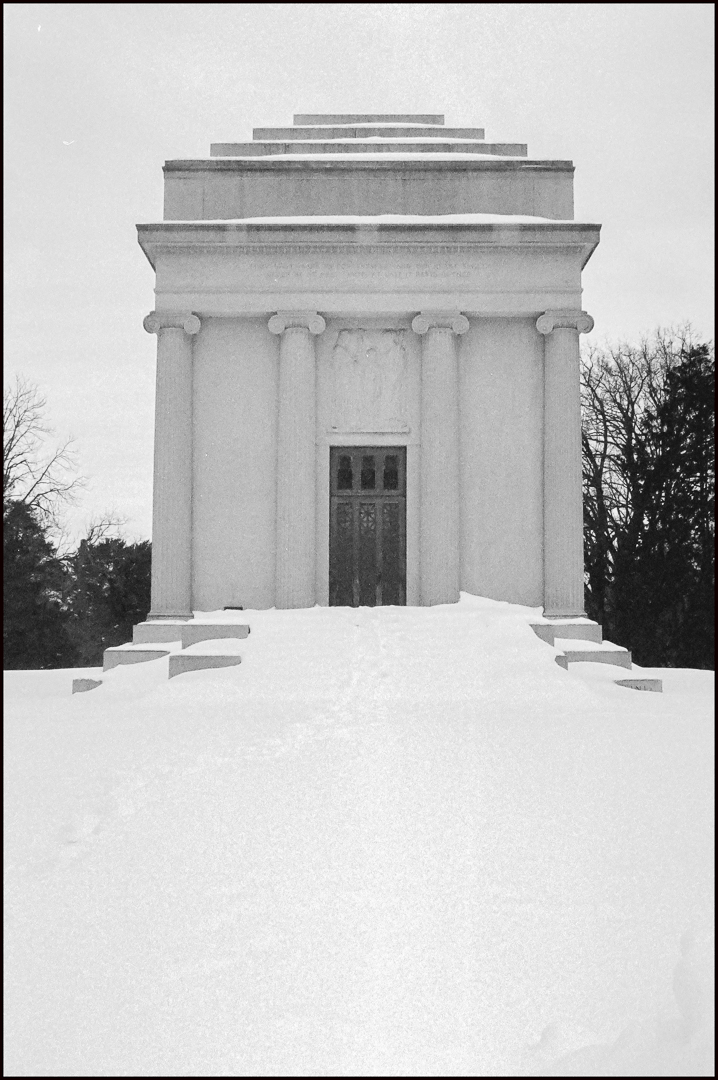
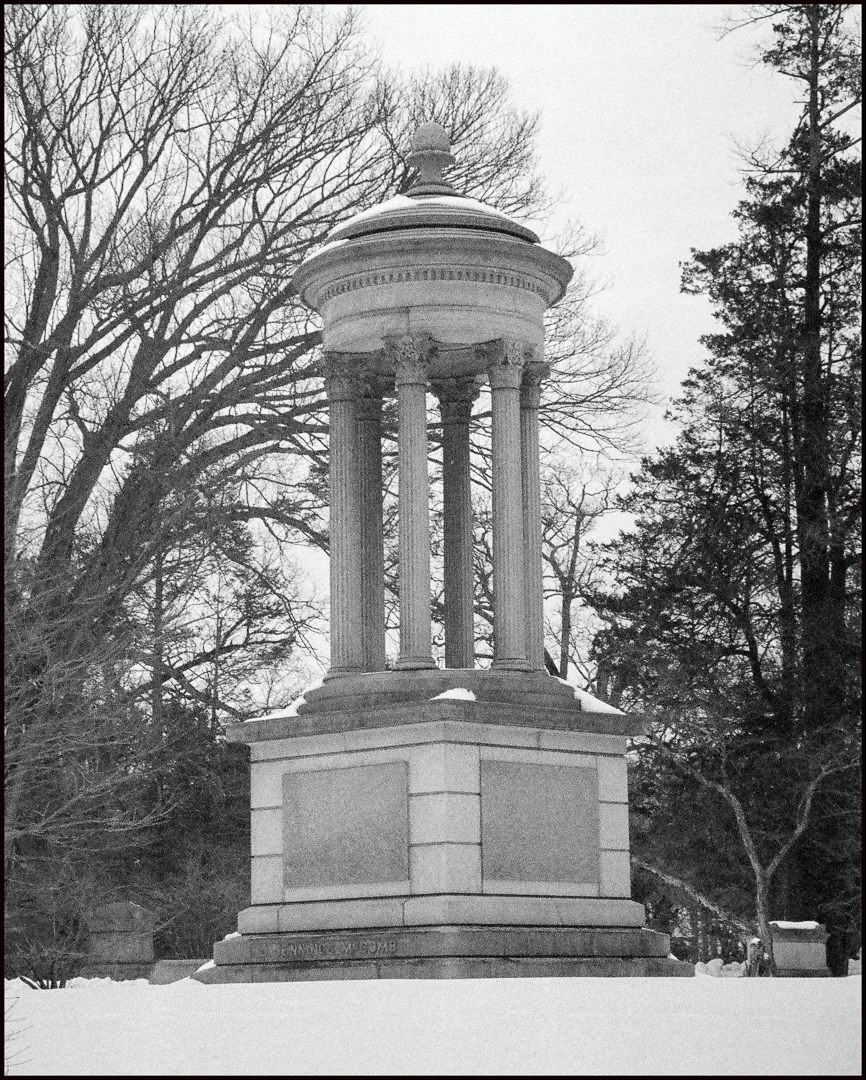
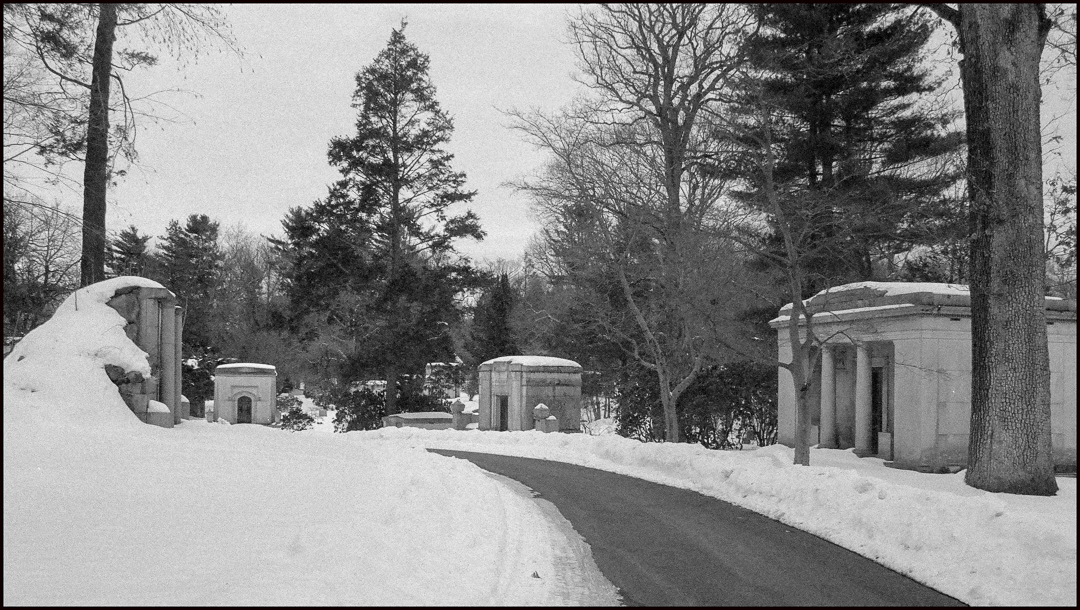
When I acquired the camera I noticed that it still had an apparently full roll of film in it so I decided to just go ahead and shoot it. Since I had no idea how long the film had been in the camera I didn’t have very high expectations. I wasn’t disappointed. The roll showed all of the characteristics of a long expired film: decreased sensitivity, very low contrast, and increased grain.

Still I hadn’t been looking for great pictures. I was more interested in testing a newly acquired camera to see if it was working and how well in performed. In that sense I think my outing was a success.


All pictures taken in Sleepy Hollow Cemetery, Sleepy Hollow, NY.

Film Camera 2021 -1 Canon EOS A2/Canon 5

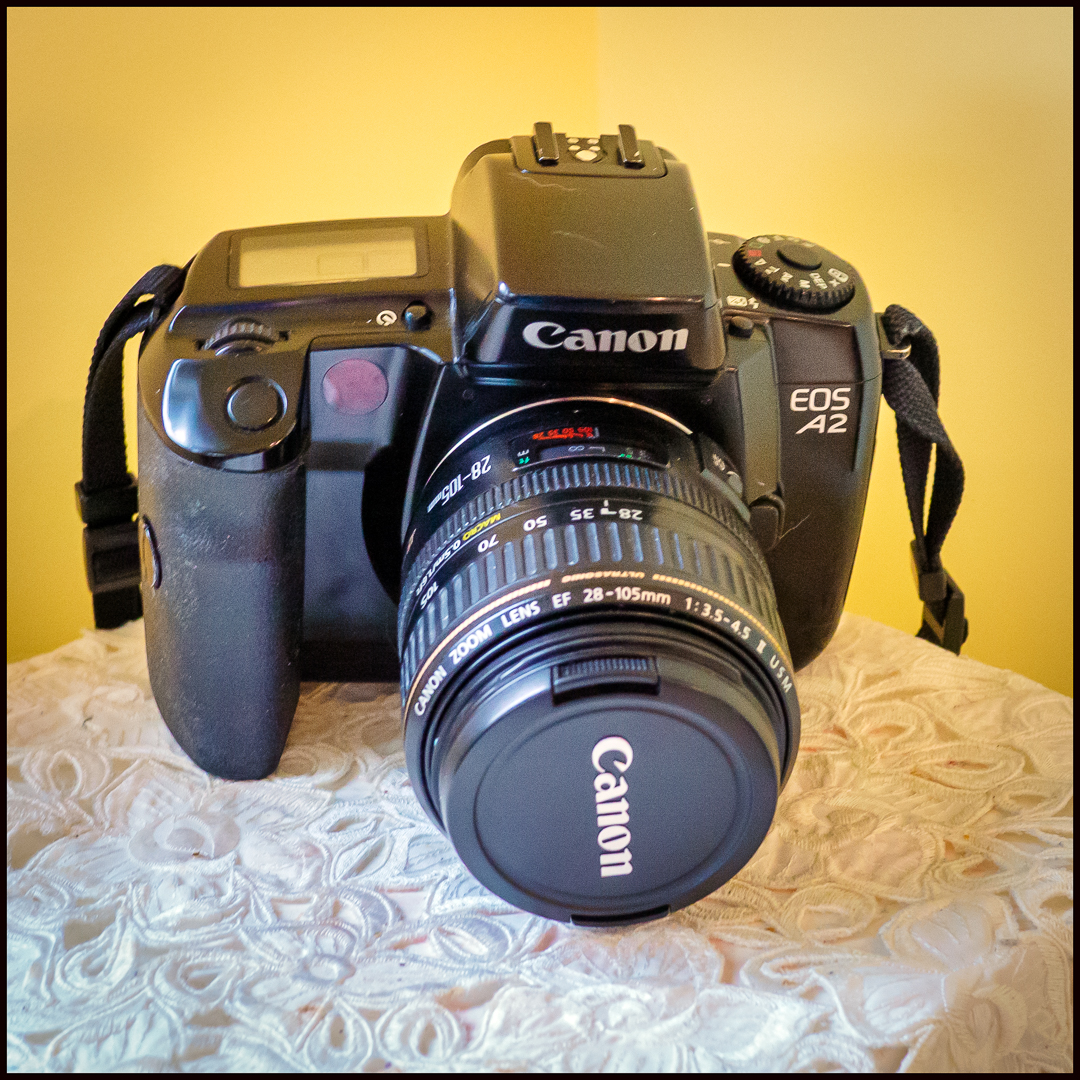
I’m going to follow my usual practice of linking a more detailed review rather than trying to do my own. After all why repeat what’s already been done by others. So for a detailed review see: CANON EOS 5/A2(E) QD (Quartz Date). Mine does not have the eye auto focus, and I don’t miss it. I’ve tried it on my Canon EOS Elan IIe and didn’t like it at all. After a brief trial I turned it off. It seemed to me that it was more of a gimmick then anything else. Nor does it have the data back. I don’t miss that either. Otherwise the camera in the review and the camera I have are the same.

I came across this camera for a very reasonable price. I didn’t really want another camera body, but I was interested in the two lenses that came with it, thinking that I could use them on my other camera bodies.

I came across another review that said:

And when the EOS A2 came out, there was no doubt that this was the modern version of the prosumer or advanced amateur Canon A-1. And while the A2 is a solid camera, an excellent way to get into 35mm film photography for a Canon Digital Shooter (Providing you have a line of EF Mount Lenses), the A2 is another ‘k-car’ camera. It does the job, but it’s just boring. It takes great photos, but it does nothing else of note.

It’s now several months since I used the camera and have to say that I can’t remember anything outstanding about it. It’s a small, relatively light camera that was a pleasure to use. I was keen to try it out and shot an entire 36 exposure roll in a short period of time at Sleepy Hollow cemetery. Everything just worked without me having to think about it a lot. Isn’t that about the best thing you can say about a camera.

The second review I mentioned went on to say:

Just because a camera is boring, doesn’t mean it’s a bad camera. The Maxxum 5000 is both boring and bad, but the EOS A2 is boring, but a solid machine that produces decent [photographs]. Despite looking like a Minolta, the A2 is solid in hand, excellent ergonomics in landscape orientation… with all the controls well laid out and easy to operate even for a Nikon shooter…The camera operates how you would expect it to and produces fantastic images, with a great meter, and a solid line of EF lenses to back it up. And as an accessible camera the A2 shines, if you shoot a Canon digital EOS camera and have EF lenses you can grab an A2 and run with it, and it won’t let you down. It also makes for a great second fiddle to your pro body.

I’m very pleased with my purchase.

Taken with a Sony A6000 and Canon 50mm f1.4 LTM (I think).

Another new (used) camera: Olympus OM-D E-M10

Back in February I posted about my newly acquired Micro Fourth Thirds (MFT) camera: a second hand Panasonic Lumix GF-1. In that post (see A new (used) camera: Panasonic Lumix GF-1 ) I extolled the virtues of this camera and talked about how much I loved it. However, anyone reading this blog will have noticed that I’m now using a different MFT camera: an Olympus OM-D E-M10. If I liked the GF-1 so much how is it that I’m now no longer using it as much?

Well, I still love the form factor of the GF-1: how small and light both the body and the lenses are. And I still like it that you can use MFT lenses on both Panasonic and Olympus bodies. However, as I used it more and more I realized that I was missing some of the features that I had become accustomed to on some of my other camera bodies. These included:

1. Wireless. I have found it convenient to connect a camera to my iphone so as to be able to quickly transfer photographs that I don’t want to edit and to quickly upload them to social media. I missed this on the GF-1.

2. Image Stabilization. As I get older my hands as not as steady as they once were. Image Stabilization helps.

3. Tilting Screen. I often want to get down low to take a shot. The GF-1 does not make this easy. As the screen is fixed I pretty much have to lie down to take the shot. I can usually get down, but my aging body finds it hard to get up again. A tilting screen allows me to just bend over to get the picture.

4. Electronic Viewfinder. The GF-1 does not have a built in electronic viewfinder. It does have an auxiliary viewfinder (which I have), but the resolution is quite low and my aging eyes need all the help they can get.

5. Higher maximum ISO. The GF-1’s maximum ISO is only 3,200. I would have liked something higher.

6. Higher resolution LCD. The LCD on the GF-1 is only 460K

7 Focus Peaking with manual lenses. I was used to this from my Sony cameras and although the GF-1 has focus magnification it lacks focus peaking.

So I did some research and eventually found what I felt was a good deal on an Olympus OM-D E-M10. For a more detailed review see here.

The OM-D meets all of the above criteria and has a few more additional advantages: Live composite mode; touch screen; higher resolution sensor (16mp vs 12mp); more focus points (81 vs 23); 8fps continues shooting vs 3; timelapse recording; better video; smartphone remote.

And, of course, it’s pretty much the same size and weight as the GF-1 and I can still use the same lenses.

So far I’m pleased with my purchase.

Taken with a Sony A6000 and Canon 50mm f1.4 LTM (I think).

A new (used) camera: Panasonic Lumix GF-1

A while back I was unsure of where to go with my camera collecting hobby. So far I’d focused on film cameras and I had most of what I wanted. Others that I wanted were more than I was willing to pay (e.g. most Leicas). So what to do? Then it occurred to me that I hadn’t explored the world of vintage digital cameras. I can see the look on your face: how can digital cameras be vintage? Well, it appears they are. A “Vintage Digital Camera” Facebook group, to which I belong, defines them as “Vintage Digital Camera issued 2015 or before”. In fact I now realize to my horror that this definition includes ALL of the digital cameras (Panasonic Lumix LX-3, Sony Nex 5n, Konica Minolta Maxxum 5d, Sony A500, Sony A6000, Sony A77II, Sony RX-100 II) that I own. Clearly I don’t change cameras very often.

But this was good enough for me to start looking for others. Before long I had a Canon EOS 5d (my first and so far only full frame camera, which I love and which would be my go to camera if it wasn’t so heavy); a Nikon D80 (I’d never used a Nikon digital camera); and an HP Photosmart 433 (given to me by a friend. Even I probably wouldn’t have bought this one.

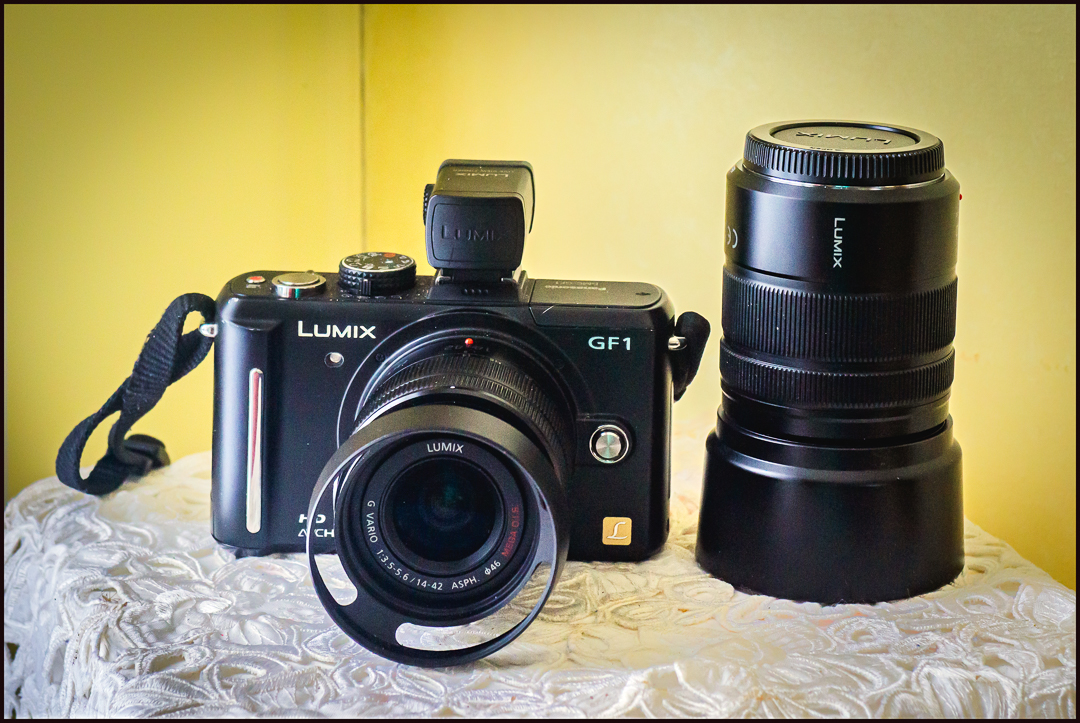
Then it occurred to me that I’d never tried a Micro Four Thirds (MFT) camera. So I searched around and found this one at a good price. At first I thought I’d just use it with an MFT-LTM adapter, but I found that it didn’t work well since the camera doesn’t have the focus peaking feature I’d become used to with the Sony cameras. So I picked up the two lenses you see above: Panasonic Lumix G Vario 14-42 f3.5-4.6 II and Panasonic LUMIX G VARIO 45-150mm F4.0-5.6 ASPH. Since I also prefer a viewfinder rather than using the LCD I also picked up the auxiliary electronic viewfinder seen above.

So how do I like it? Very much. I love the size (small) and the weight (light). The applies to both the camera body and the lenses. Compare this to my Sony NEX 5n which has an equally small body, but very large lenses. I’m also pleased with the performance of the lenses, particularly the 14-42mm, which I use all the time. The viewfinder is adequate if not great, and I find the autofocus to be quick and accurate. The build quality of the camera body is very good, while the lenses feel quite “plasticky”, a compromise I’m willing to make to get a kit which is small and light. I’m more than pleased with the quality of the images produced.

For a more thorough review made when the camera first came out see here.

Taken with a Sony A6000. Can’t remember which lens.