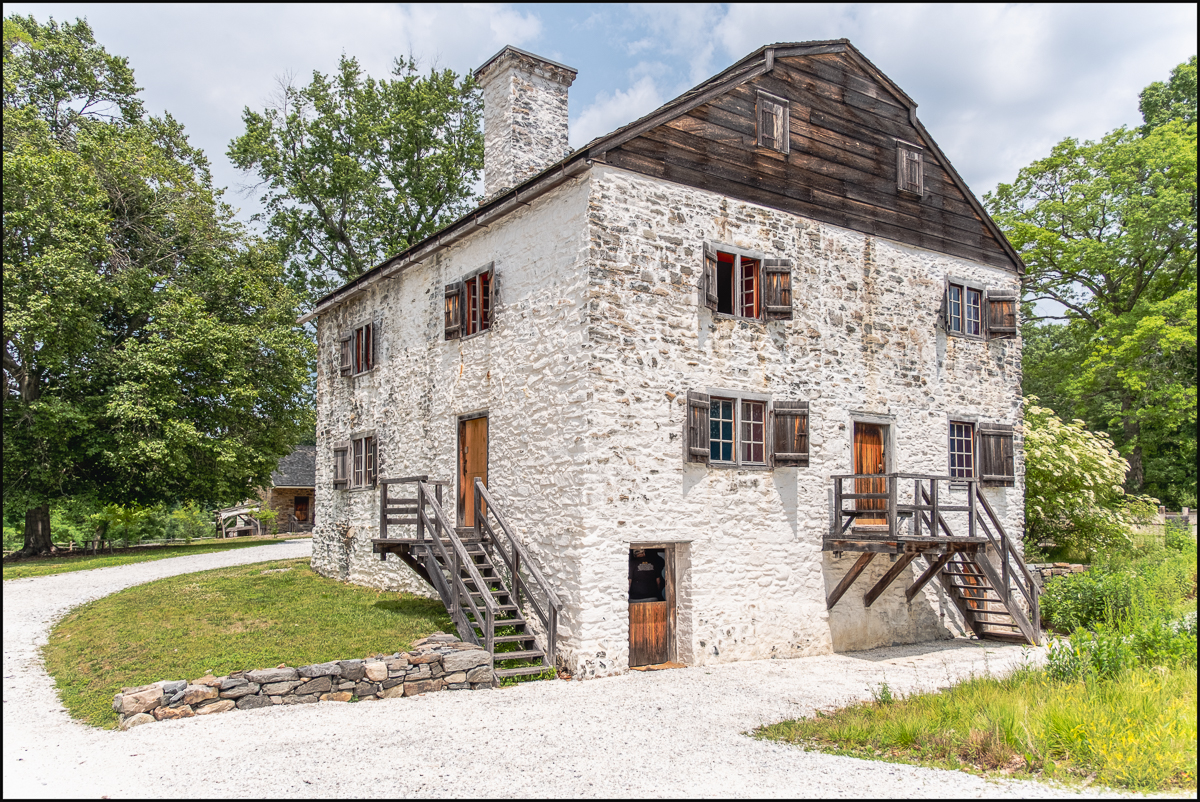
A Visit to Philipsburg Manor – The Manor House

The manor dates from 1693, when wealthy Province of New York merchant Frederick Philipse was granted a charter for 52,000 acres (21,000 ha) along the Hudson River by the British Crown. He built a facility at the confluence of the Pocantico and Hudson Rivers as a provisioning depot for the family Atlantic Sea trade and as headquarters for a worldwide shipping operation. For more than thirty years, Frederick and his wife Margaret, and later his son Adolph shipped hundreds of African men, women, and children as slaves across the Atlantic.
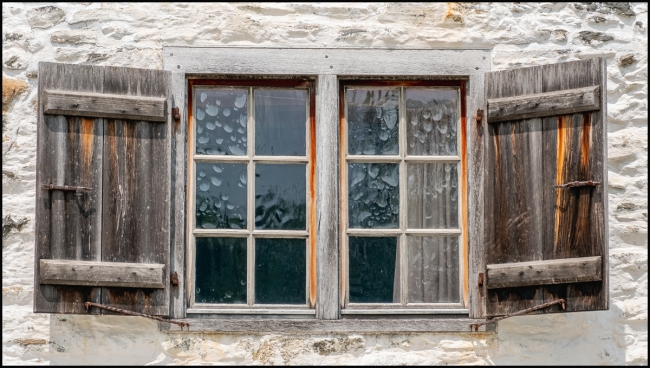
By the mid 18th century, the Philipse family had one of the largest slaveholdings in the colonial North. The family seat of Philipsburg Manor was Philipse Manor Hall in Yonkers

The manor was tenanted by farmers of various European backgrounds and operated by enslaved Africans. (In 1750, twenty-three enslaved men, women, and children lived and worked at the manor.)
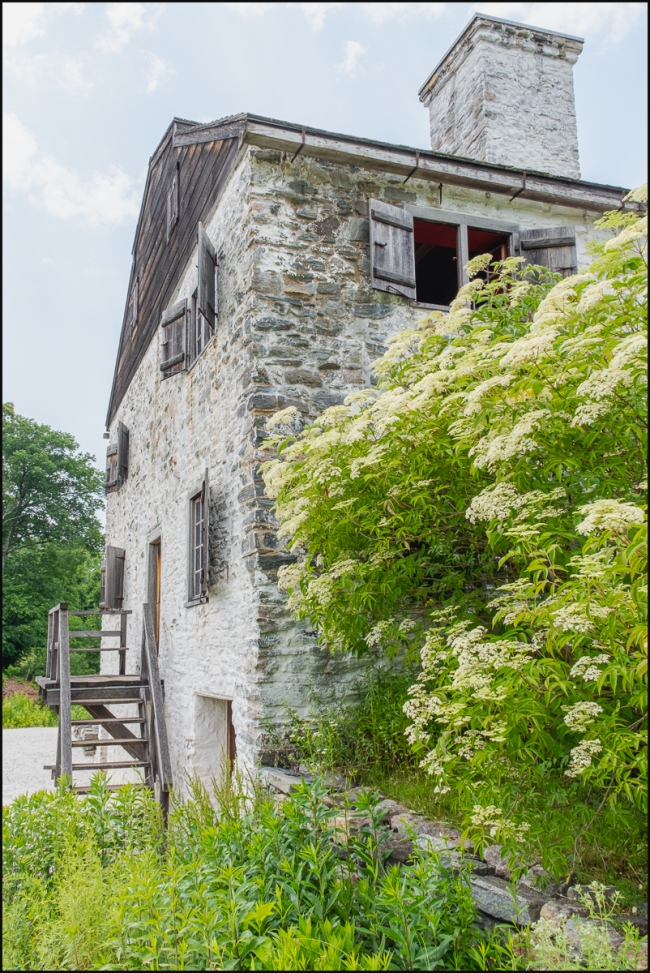
At the outbreak of the American Revolutionary War, the Philipses supported the British, and their landholdings were seized and auctioned off. The manor house was used during the war, most notably by British General Sir Henry Clinton during military activities in 1779. It was there that he wrote what is now known as the Philipsburg Proclamation, which declared all Patriot-owned slaves to be free, and that blacks taken prisoner while serving in Patriot forces would be sold into slavery. (Wikipedia)
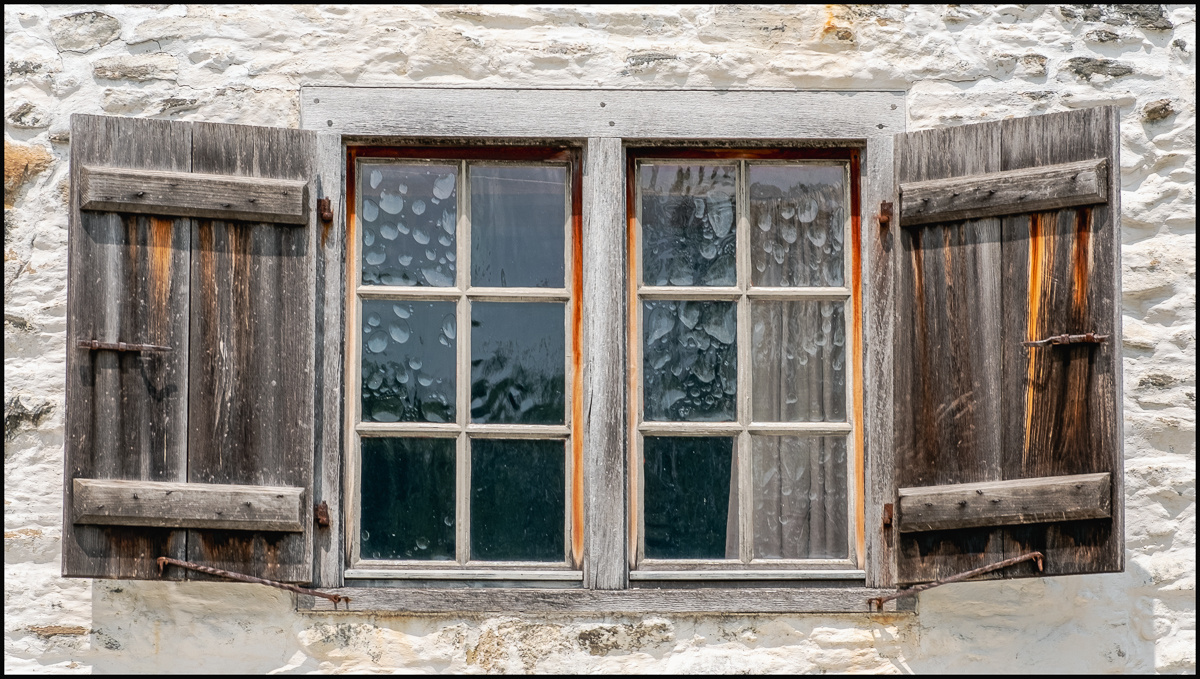
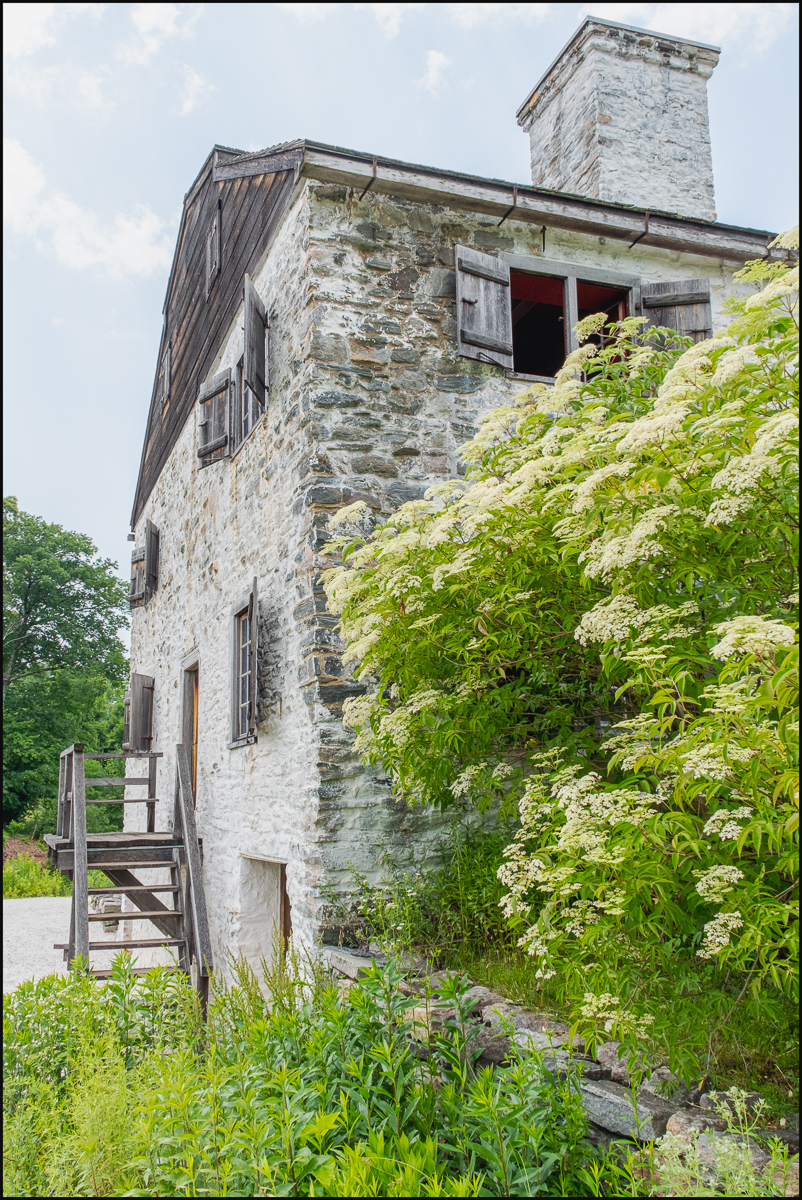
Named a National Historic Landmark in 1961, the farm features this stone manor house filled with a collection of 17th- and 18th-century period furnishings. I believe it’s the only original building on the site, the remainder being reproductions.

Taken with a Fuji X-E3 and Fuji XC 16-50mm f3.5-5.6 OSS II
A Visit to Philipsburg Manor – The Cooper’s House

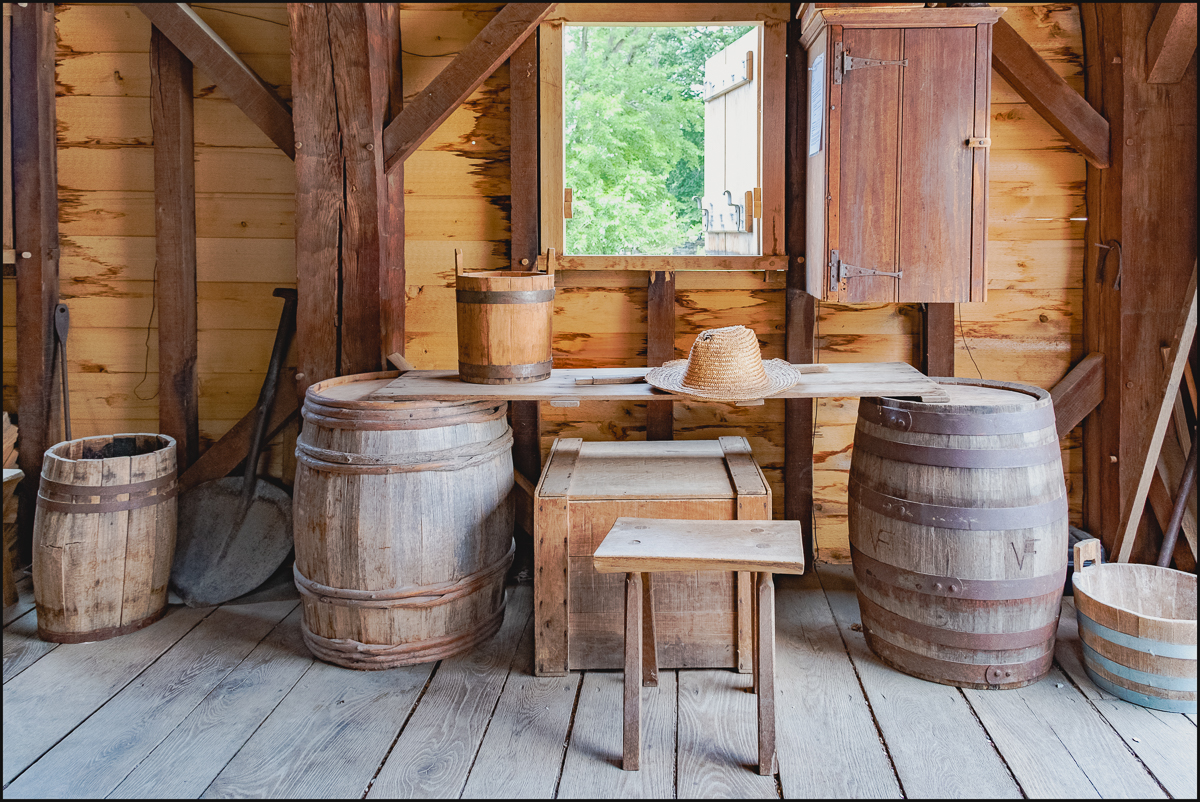
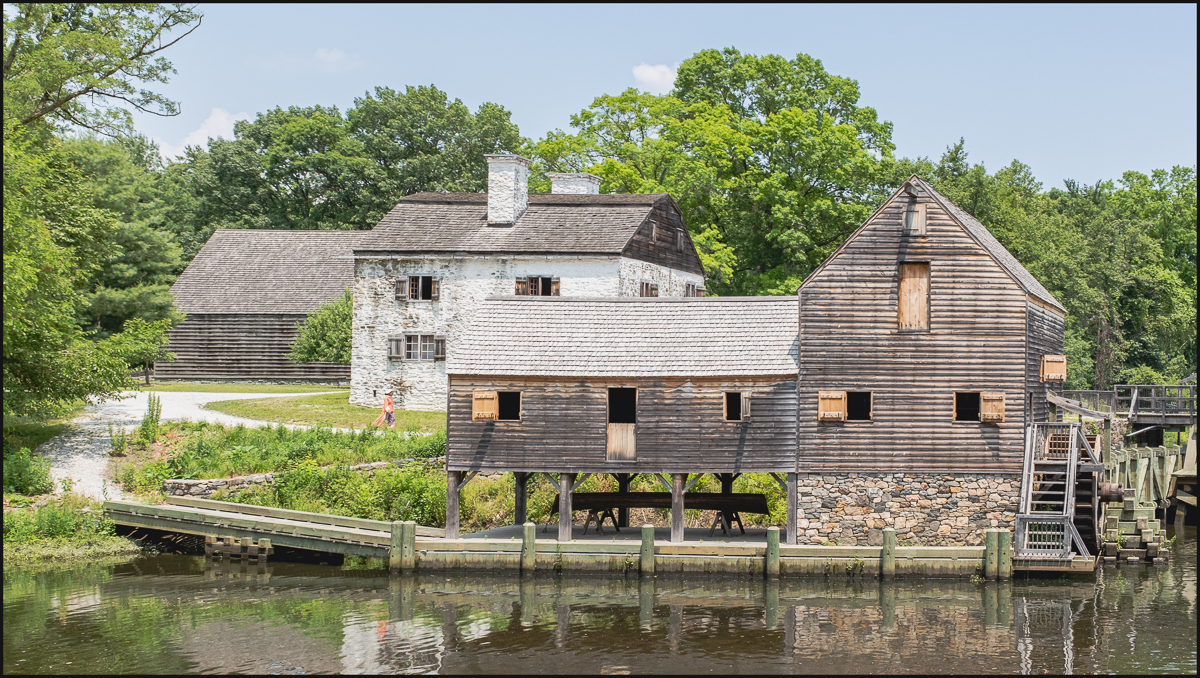
The Coooper’s House. You can see it in the first picture to the left of the mill. It’s attached to the mill, but serves a completely different purpose. After the corn was milled it was put into sacks and barrels, transferred to boat on the Pocantico River. From there it made a short trip to the Hudson River and then along the river to be sold and/or delivered.

“The word “cooper” is derived from Middle Dutch or Middle Low German kūper ‘cooper’ from kūpe ‘cask’, in turn from Latin cupa ‘tun, barrel’. Everything a cooper produces is referred to collectively as cooperage. A cask is any piece of cooperage containing a bouge, bilge, or bulge in the middle of the container. A barrel is a type of cask, so the terms “barrel-maker” and “barrel-making” refer to just one aspect of a cooper’s work. The facility in which casks are made is also referred to as a cooperage.

Traditionally, a cooper is someone who makes wooden, staved vessels, held together with wooden or metal hoops and possessing flat ends or heads. Examples of a cooper’s work include casks, barrels, buckets, tubs, butter churns, vats, hogsheads, firkins, tierces, rundlets, puncheons, pipes, tuns, butts, troughs, pins and breakers. Traditionally, a hooper was the man who fitted the wooden or metal hoops around the barrels or buckets that the cooper had made, essentially an assistant to the cooper. The English name Hooper is derived from that profession. With time, many coopers took on the role of the hooper themselves.” (Wikipedia).

Taken with a Fuji X-E3 and Fuji XC 16-50mm f3.5-5.6 OSS II
A Visit to Philipsburg Manor – A Cat

Of course, where you have a lot of corn and flour, you also tend to get lots of rats, mice and other vermin. So you also need something to deal with them: a cat.

This picture is a little misleading. It gives the impression that I was walking around and came across a sleeping cat. That was not at all the case. A small crowd of visitors was milling (get it? milling?) around this millstone while the guide was explaining how it worked. In typical cat fashion the cat walked through all the people, jumped onto the millstone, lay down and fell asleep. You’ve got to love cats and, as a cat owner myself, I certainly do.

Taken with a Fuji X-E3 and Fuji XC 16-50mm f3.5-5.6 OSS II

A Visit to Philipsburg Manor – The Mill

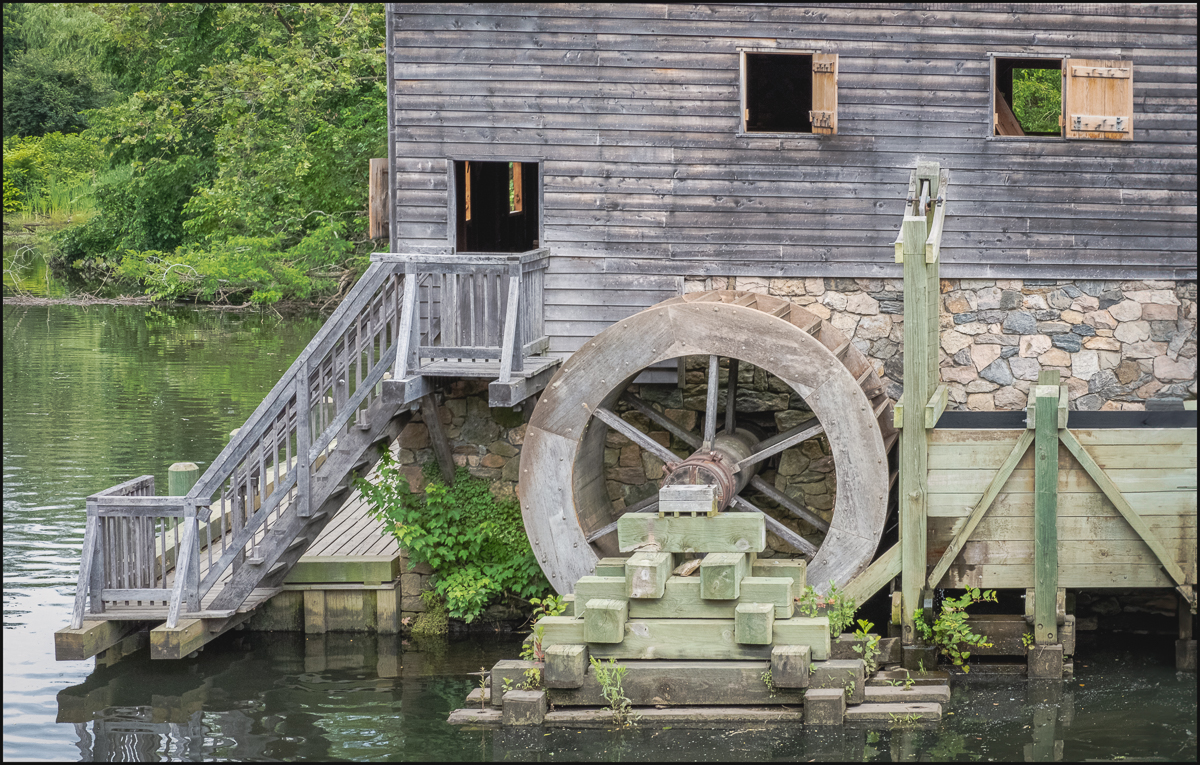
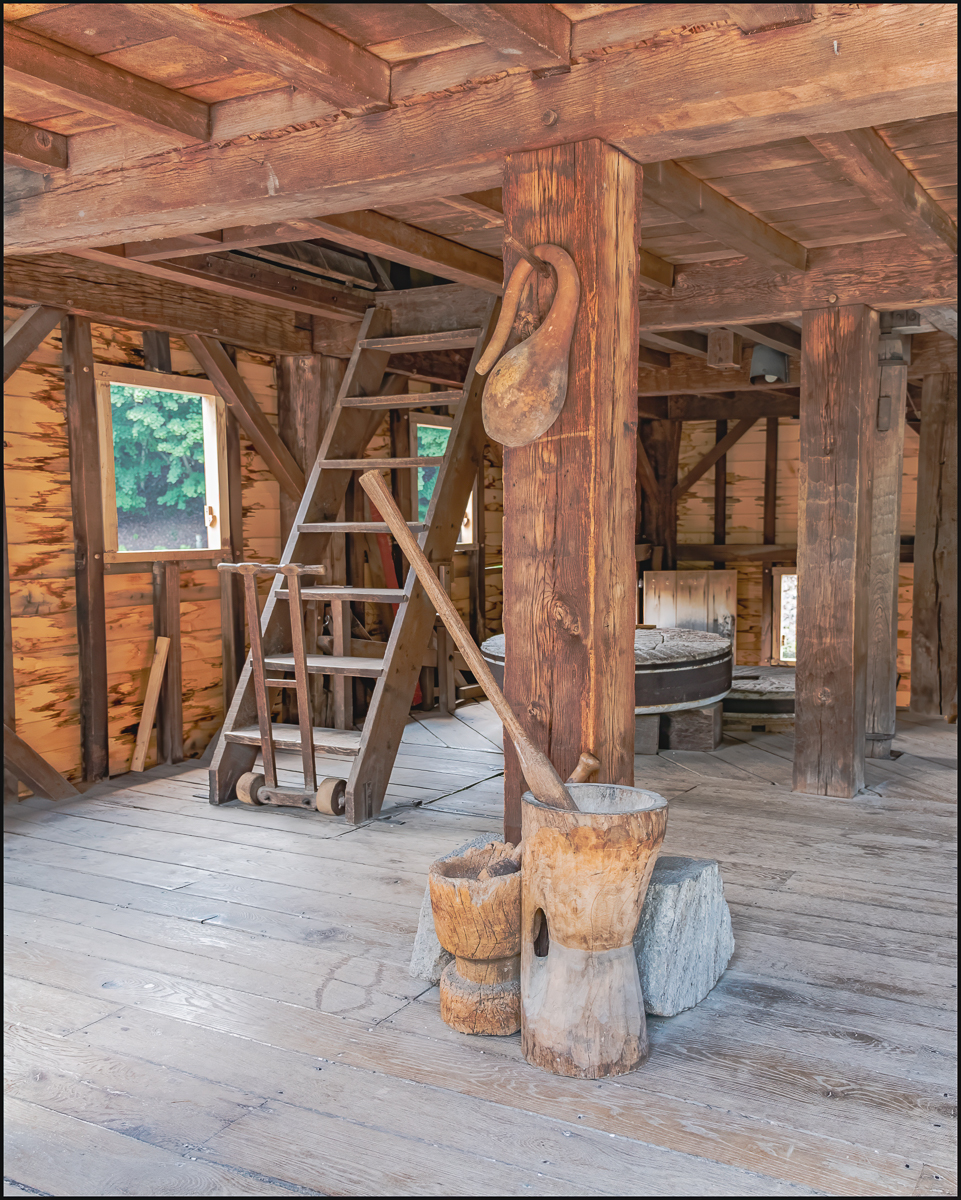
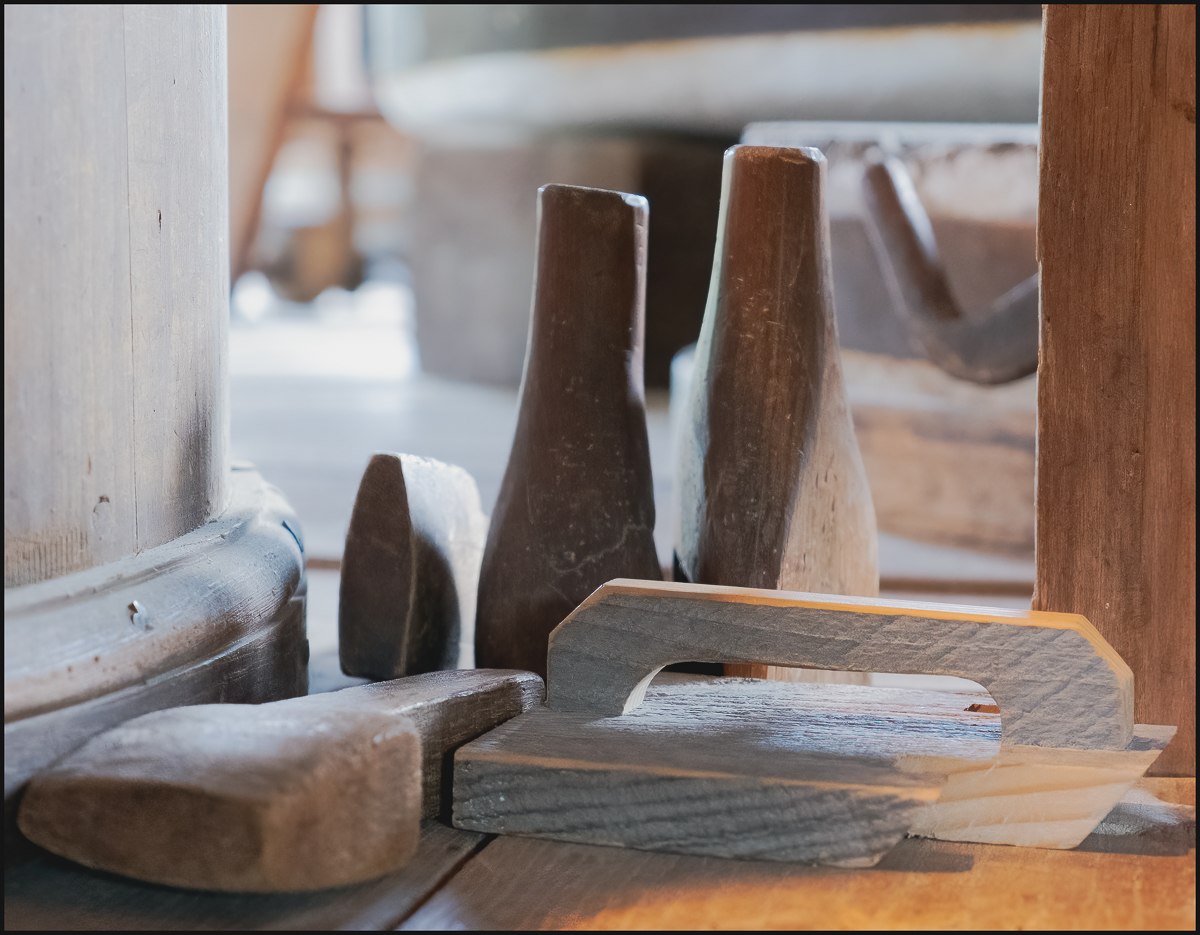
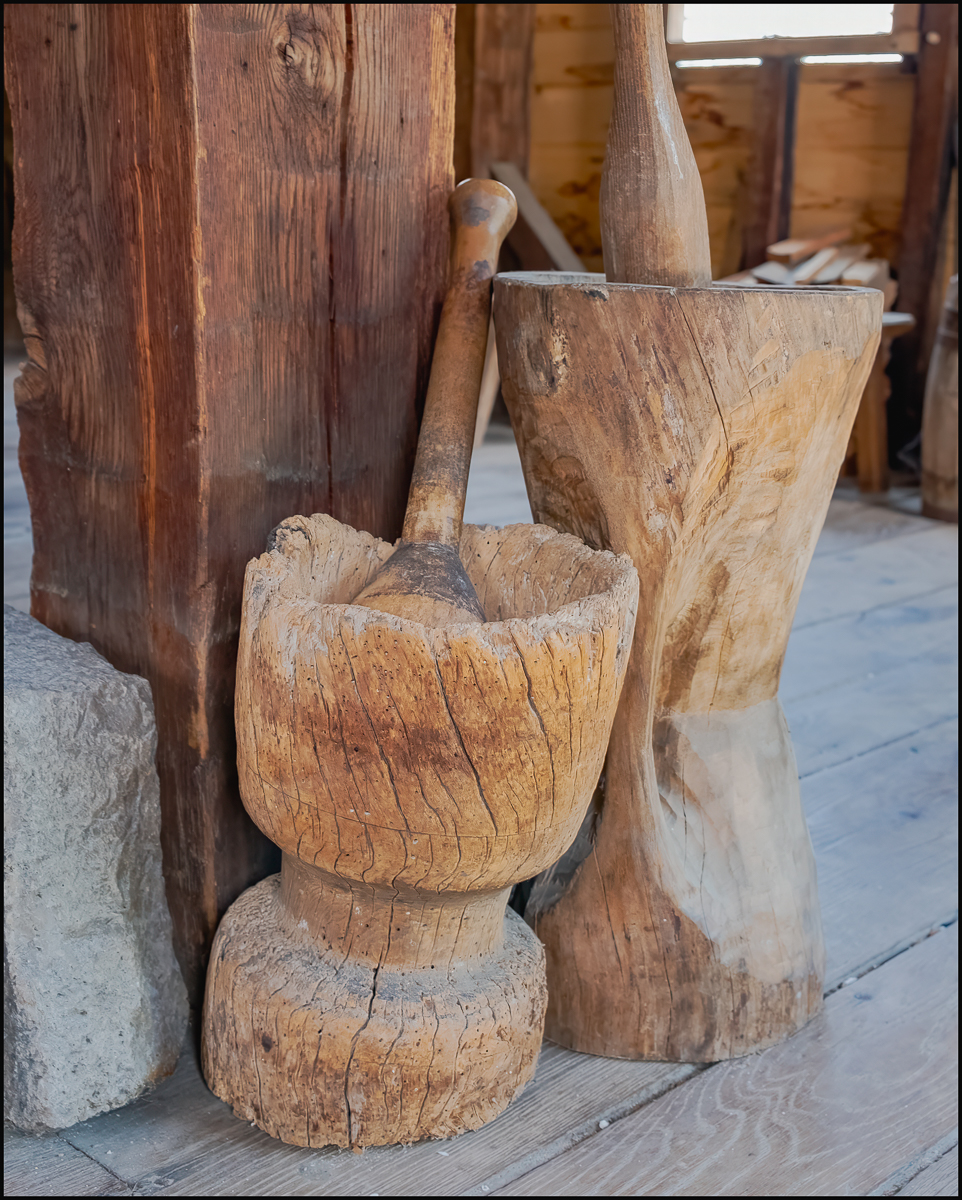
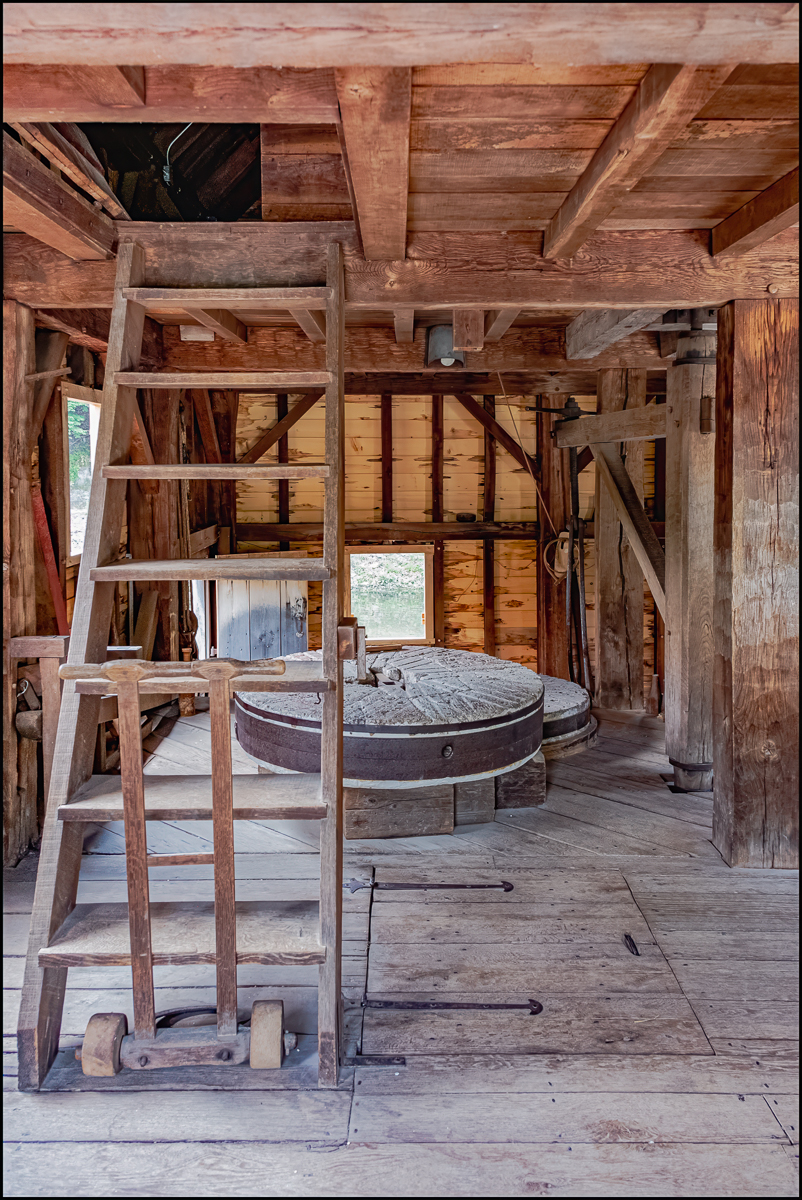
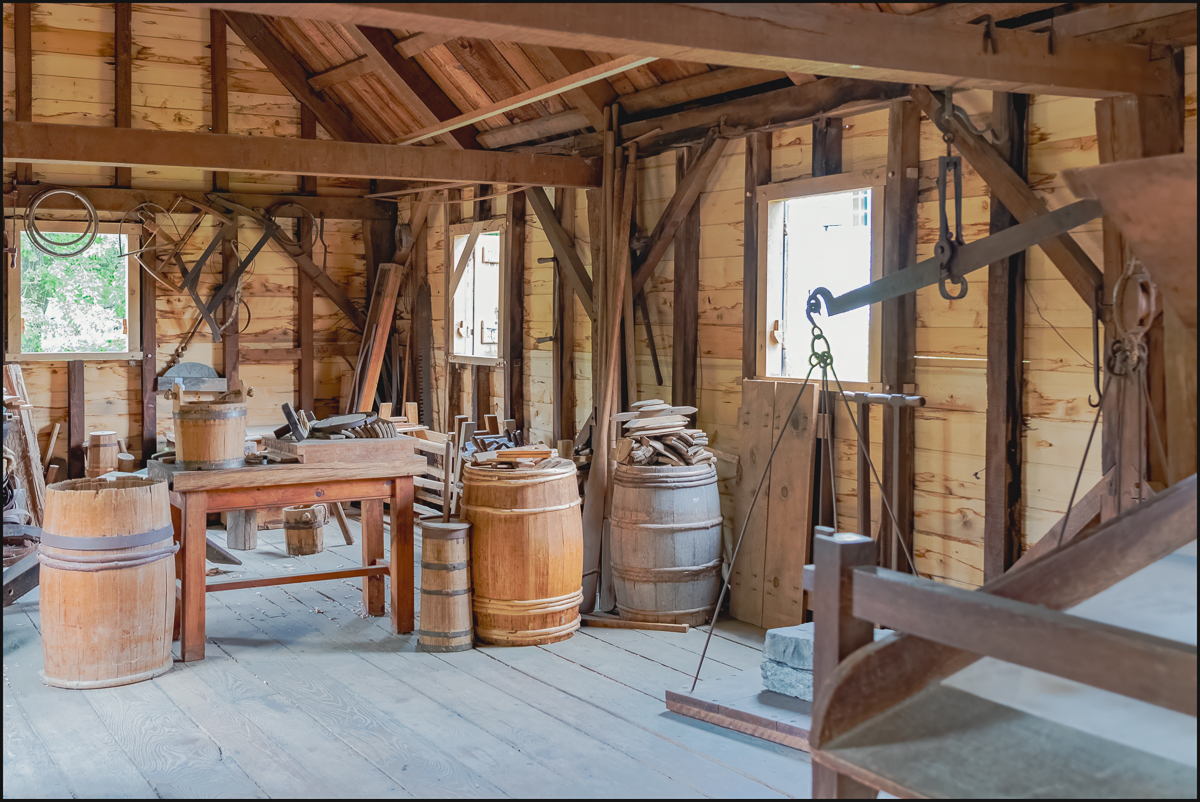
One of the highlights of the tour was the Mill, a working Grist Mill where you could usually see corn being turned into flour. Unfortunately not the day I was there. Apparently, the Pocantico River/Millponds were at a very low level. This, combined with silting meant that there was not enough water to power the mill. Too bad. But I can come again and at least I was able to get some interior shots.


Taken with a Fuji X-E3 and Fuji XC 16-50mm f3.5-5.6 OSS II
A Visit to Philipsburg Manor – Kayakers on the Pocantico River

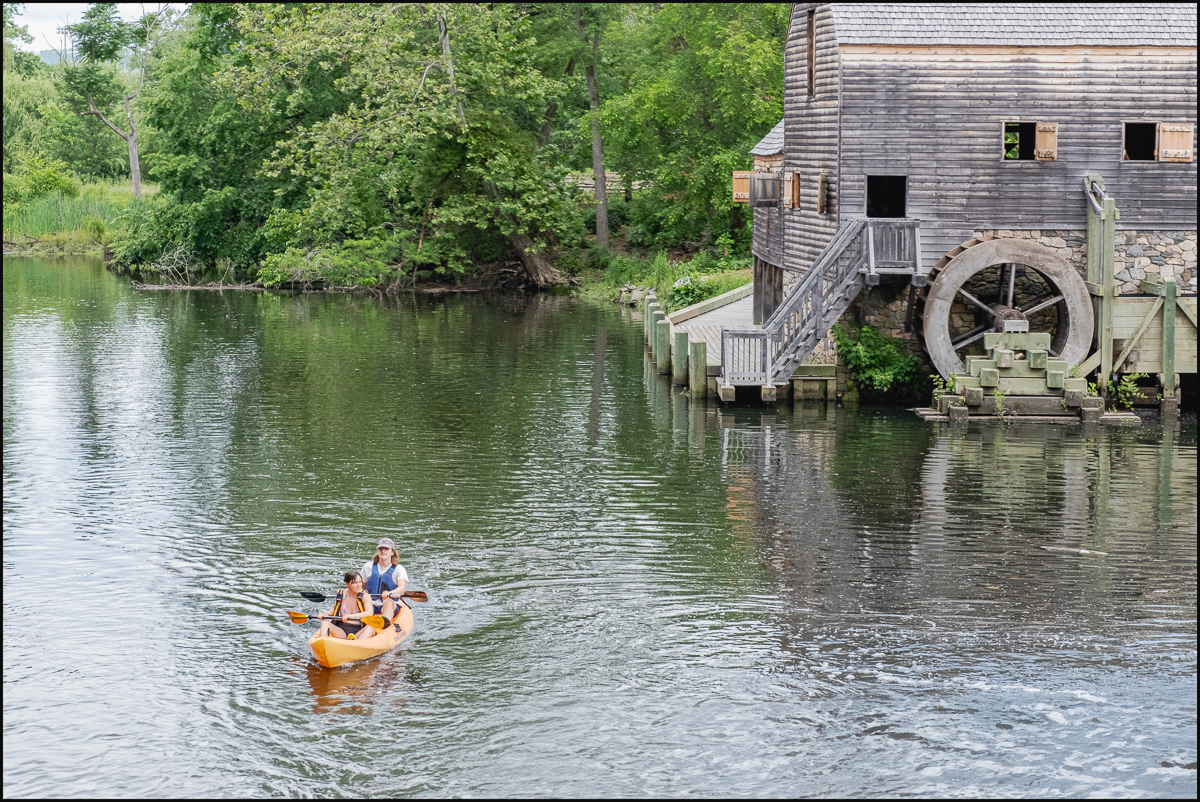
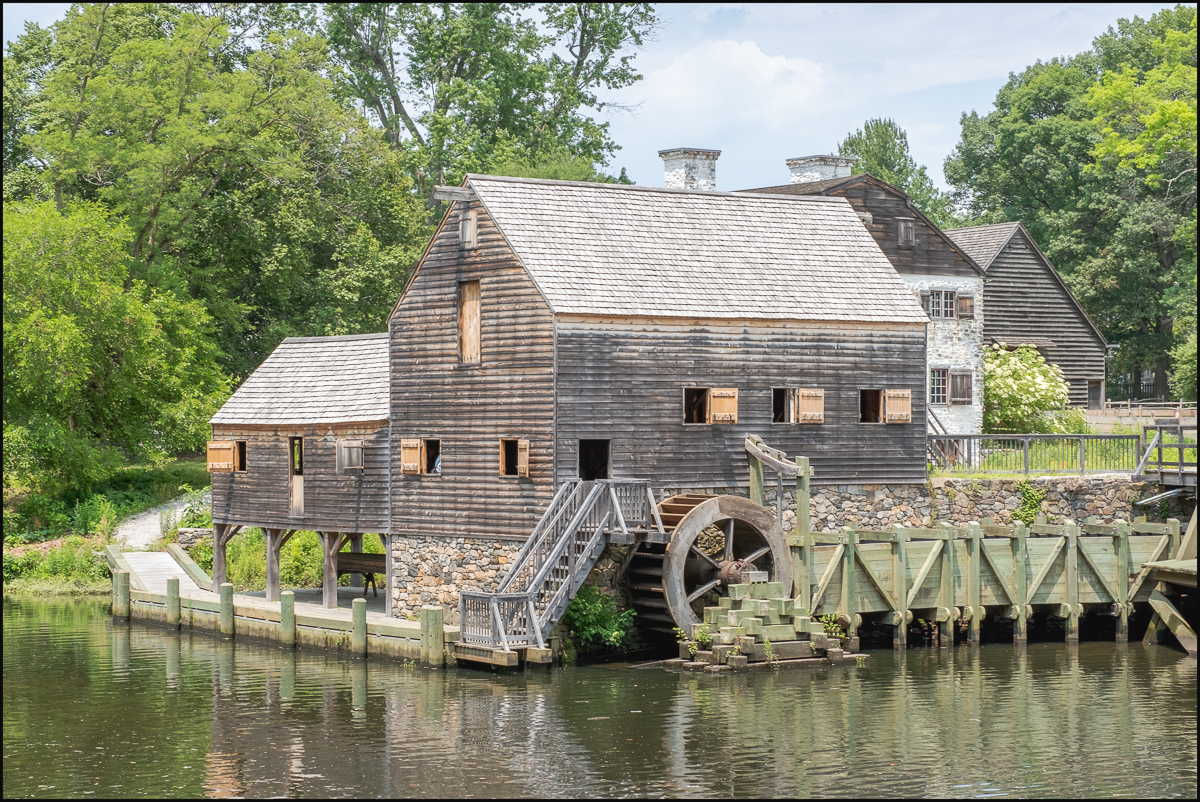
The Pocantico River flows into the millpond, over the water wheel and then out to the nearby Hudson River.

As I was waiting for the tour to begin, I spotted these kayakers (if that’s the right word for someone in a kayak?) and thought that, with the mill in the background it would make a nice photograph.

Taken with a Fuji X-E3 and Fuji XC 16-50mm f3.5-5.6 OSS II