A Visit to Philipsburg Manor – Over the bridge into history

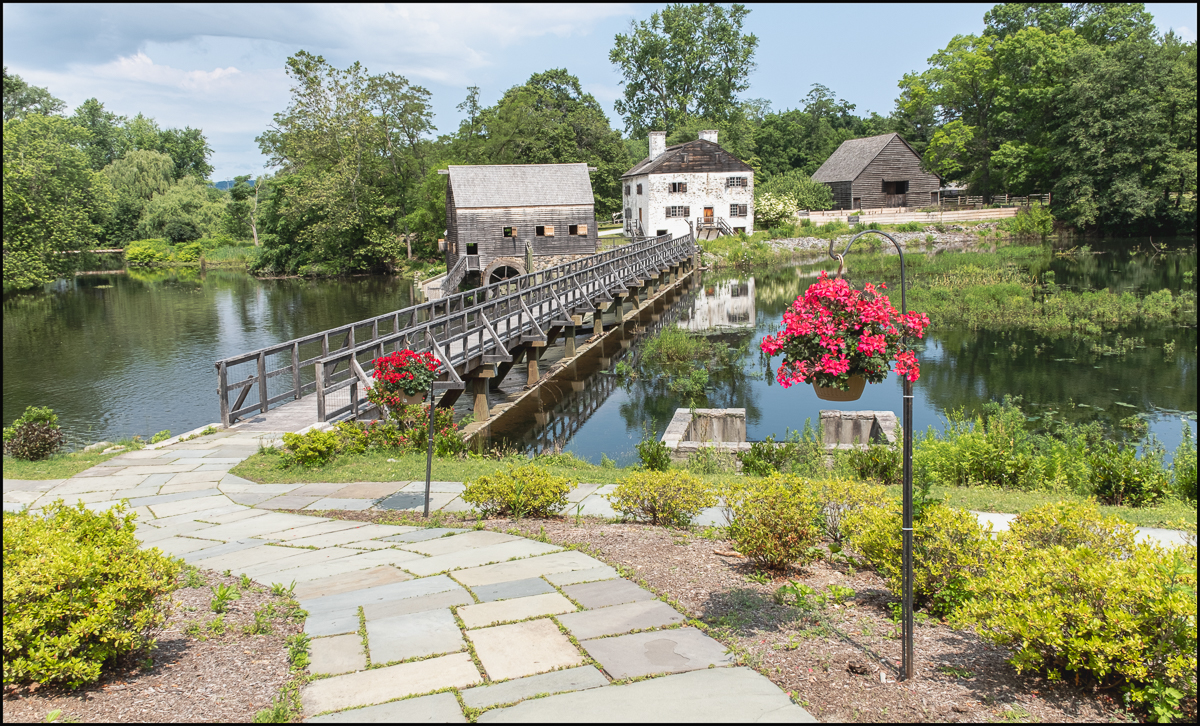
I’ve been to Philipsburg Manor a number of times, usually with visiting friends or families. We usually do the tour and then leave so I haven’t had the opportunity to just walk around and take pictures. Above: Approaching the bridge to the property.

Recently, however, I became a member of Historic Hudson Valley, which, among a host of other benefits gives me free tours of Philipsburg Manor. So I went over to have a look around.

I was still required to register for the tour, which I took as far as the mill. The next stop was the interior of the house, which I’d seen this a number of times already and didn’t’ feel the need to see it again. In any case they don’t allow photography inside the house. So I left the tour and went for a walk around.
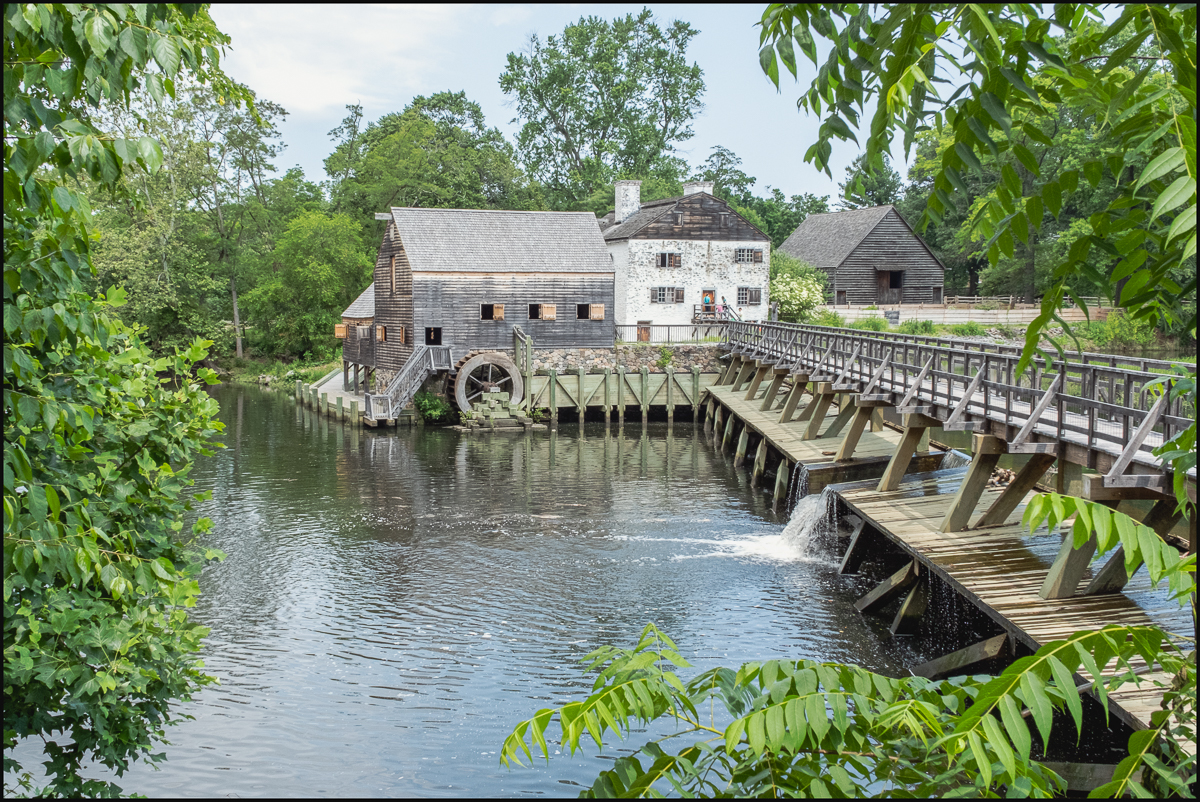

The three main buildings. From left to right: the mill; the manor house; the stable. There’s actually a fourth one (A tenant farmer’s dwelling), but you can’t see it from here.
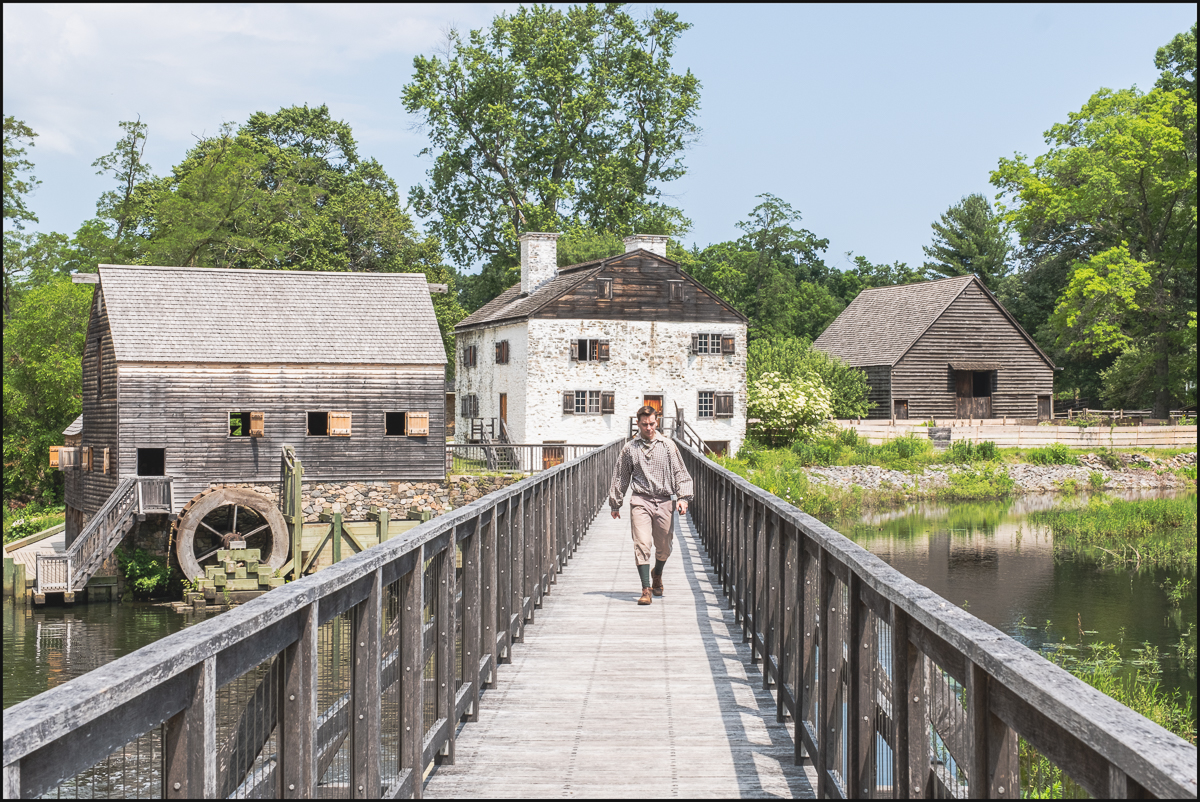

One of the re-enactors/guides crossing the walkway. Possibly a better view of the main buildings.

Taken with a Fuji X-E3 and Fuji XC 16-50mm f3.5-5.6 OSS II
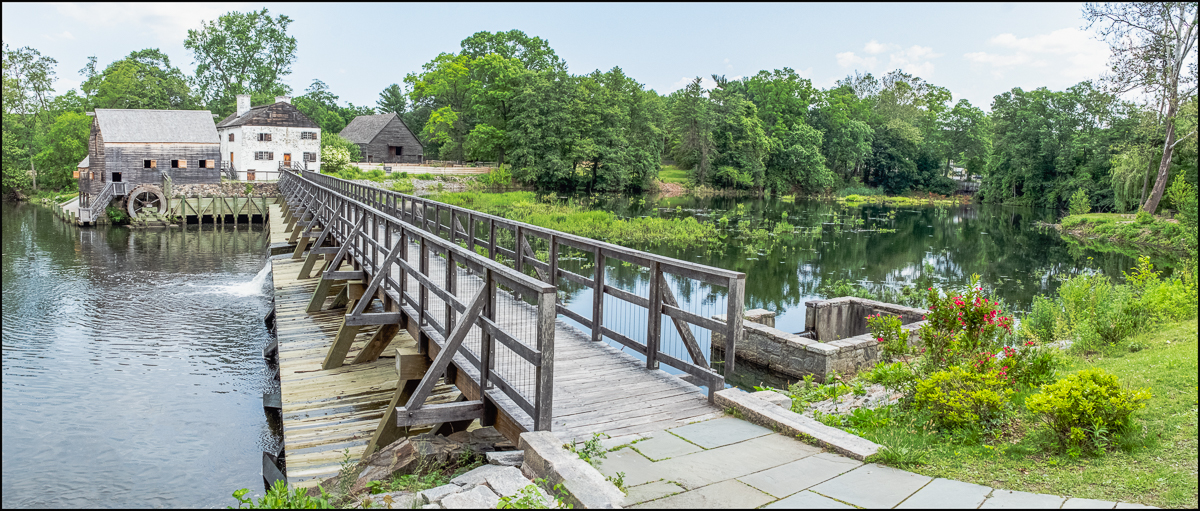
A Visit to Philipsburg Manor – Overview

“Cross the millpond bridge to Philipsburg Manor, a mill and trading complex where an enslaved community lived and labored for generations.

Learn about the enslaved individuals who worked on the property in the year 1750, and whose family relationships and personal histories are revealed in primary documents.

Step into the gristmill and learn about the life of Caesar, the enslaved miller, whose unmatched expertise contributed to the wealth of the Philipse family but benefited him not at all.

Visit the dairy in the cellar of the Manor House, where a commercial butter production was operated by Dina, Massey and Sue, three of the women enslaved by the Philipses at the site.

Discover the many ways the enslaved community at Philipsburg Manor maintained family networks, shared their cultural heritage, and expressed their fundamental humanity in opposition to the inhumane system that bound them.”
So reads the Philipsburg Manor Website.

It’s quite close to where I live. Walk-able even, if you don’t mind a four-hour round-trip walk, mostly along the Old Croton Aqueduct Trail. I’ve done it a few times.

Taken with a Fuji X-E3 and Fuji XC 16-50mm f3.5-5.6 OSS II
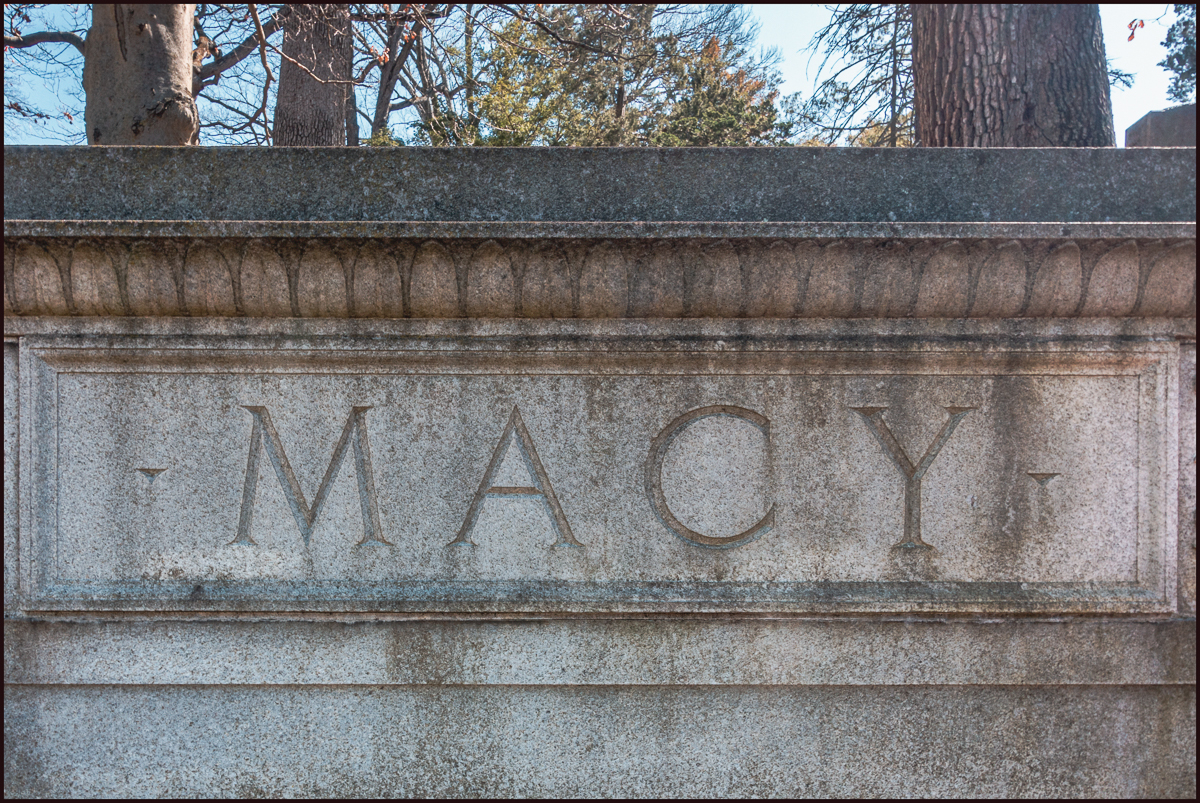
V. Everit Macy Grave Site

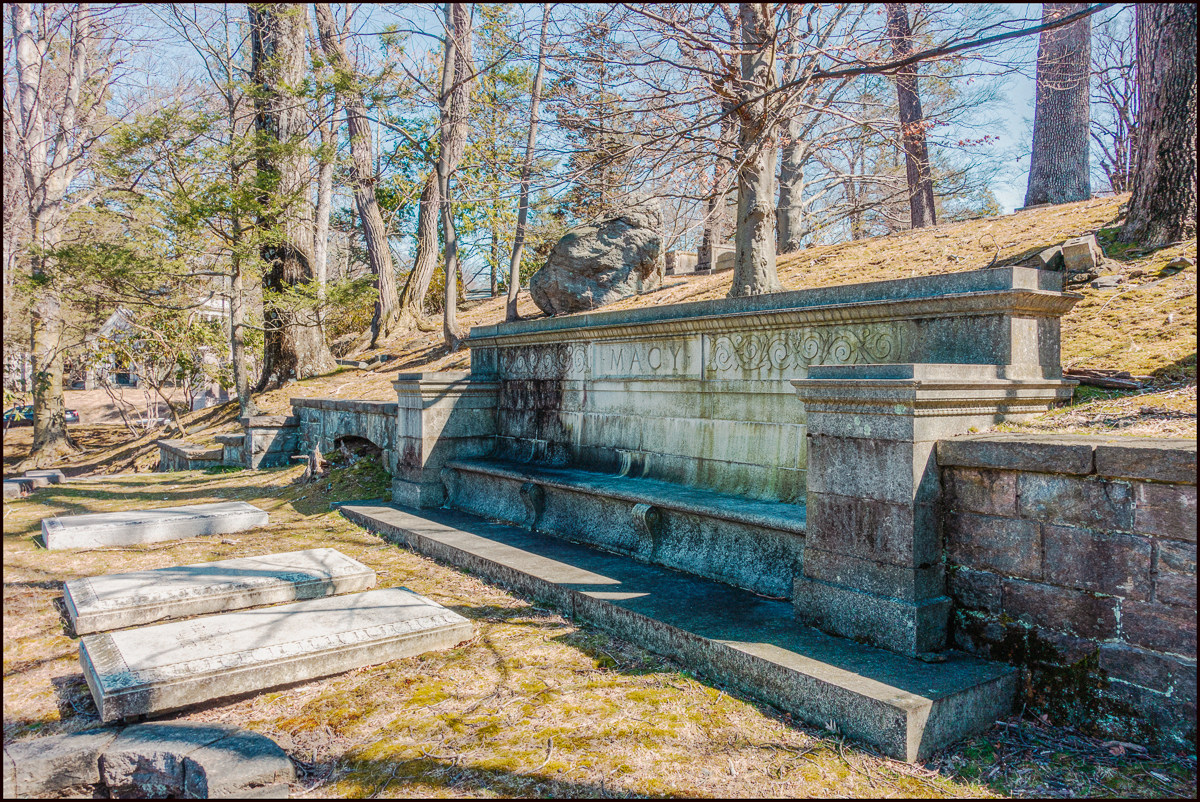
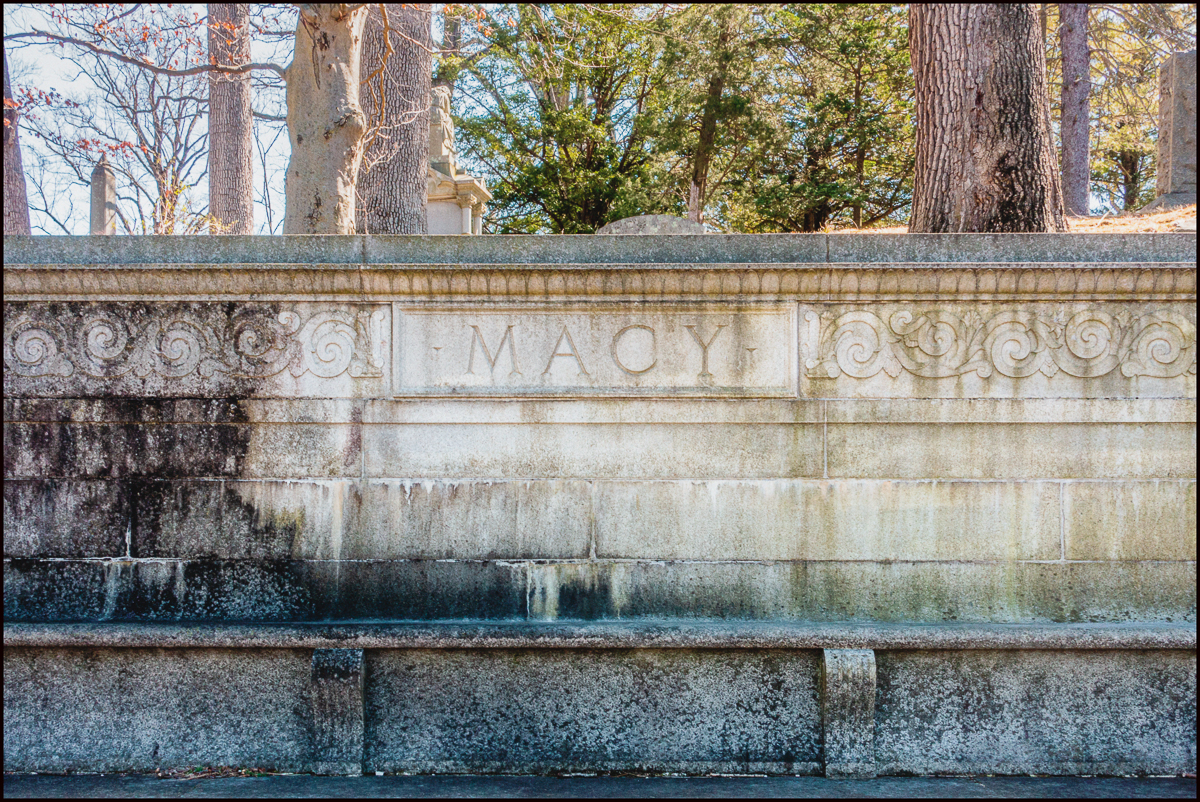
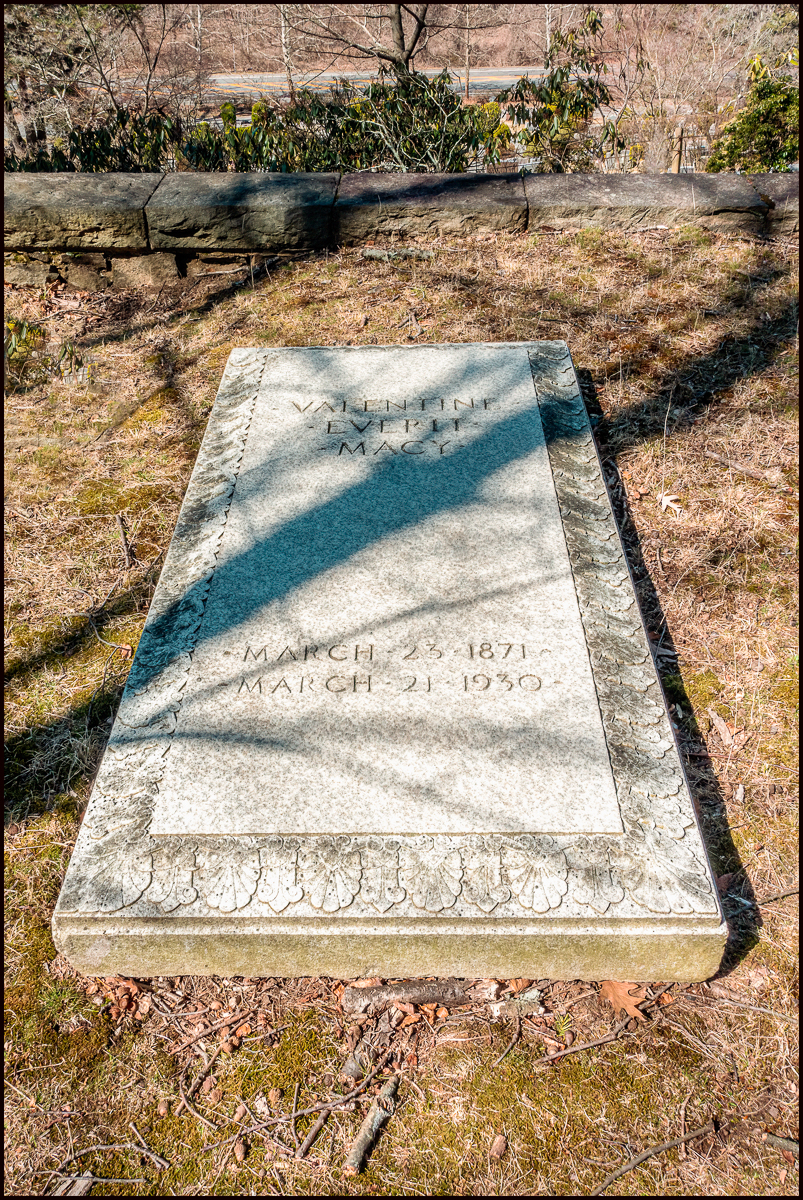
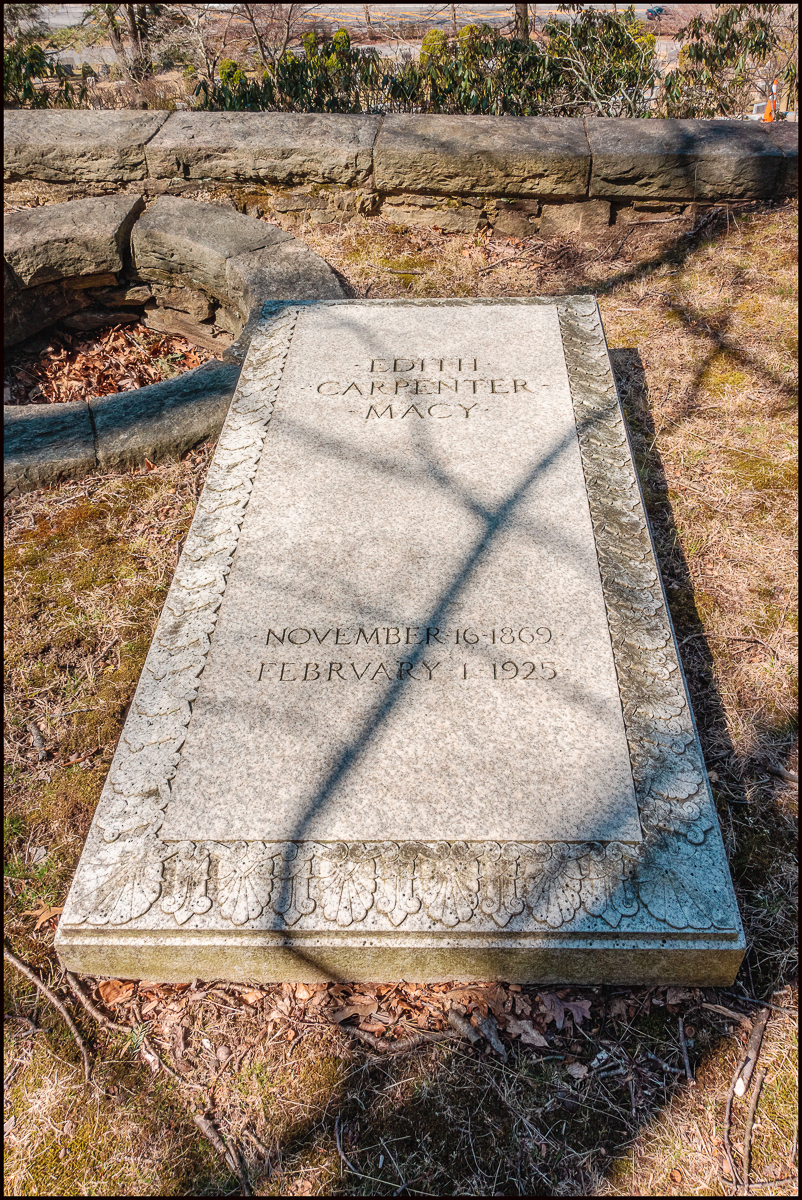
A little over a month ago I did a post on A Wealthy Man. In that post I included a picture I’d found on the internet showing his grave site (actually it’s not just him. His wife, Edith is also there as are a number of other Macy’s). I wasn’t too happy with that picture so I returned to Sleepy Hollow Cemetery with a friend to take my own pictures.

The gravesite is actually on two levels. The lower level seems to be empty. The upper level contains a large bench overlooking the graves themselves and the River Hudson.


View of the bench.


Another view of the bench.


Grave of V. Everit Macy. For more information see: A Wealthy Man


Grave of Edith Carpenter Macy. For more information see: A Wealthy Man

I had walked past this grave site many times before and was surprised that I had not noticed to whom it belonged. I guess that was before my involvement with the Briarcliff Manor-Scarborough Historical Society.

I was even more surprised to discover that next to this gravesite is another magnificent monument, this time to James Speyer. I’d even taken a picture of this before (See: Sleepy Hollow Cemetery- Structures, Final Picture). The Speyer and Macy gravesites are right next to each other, just as their estates were across the road from each other in Briarcliff Manor. I was amazed that I’d missed the Speyer gravesite on the many occasions I’d walked by it. My house is on what used to be the Speyer Estate. (See: Here’s where we live).

I took some pictures of the Speyer grave site too. It looks a lot different from when I took the earlier picture. Then it was difficult to make out anything. It was extremely dirty. Now it looks as if it’s been recently cleaned. I’ll post the pictures soon.

Taken with a Sony RX100 M3.

The Trial of Major John André

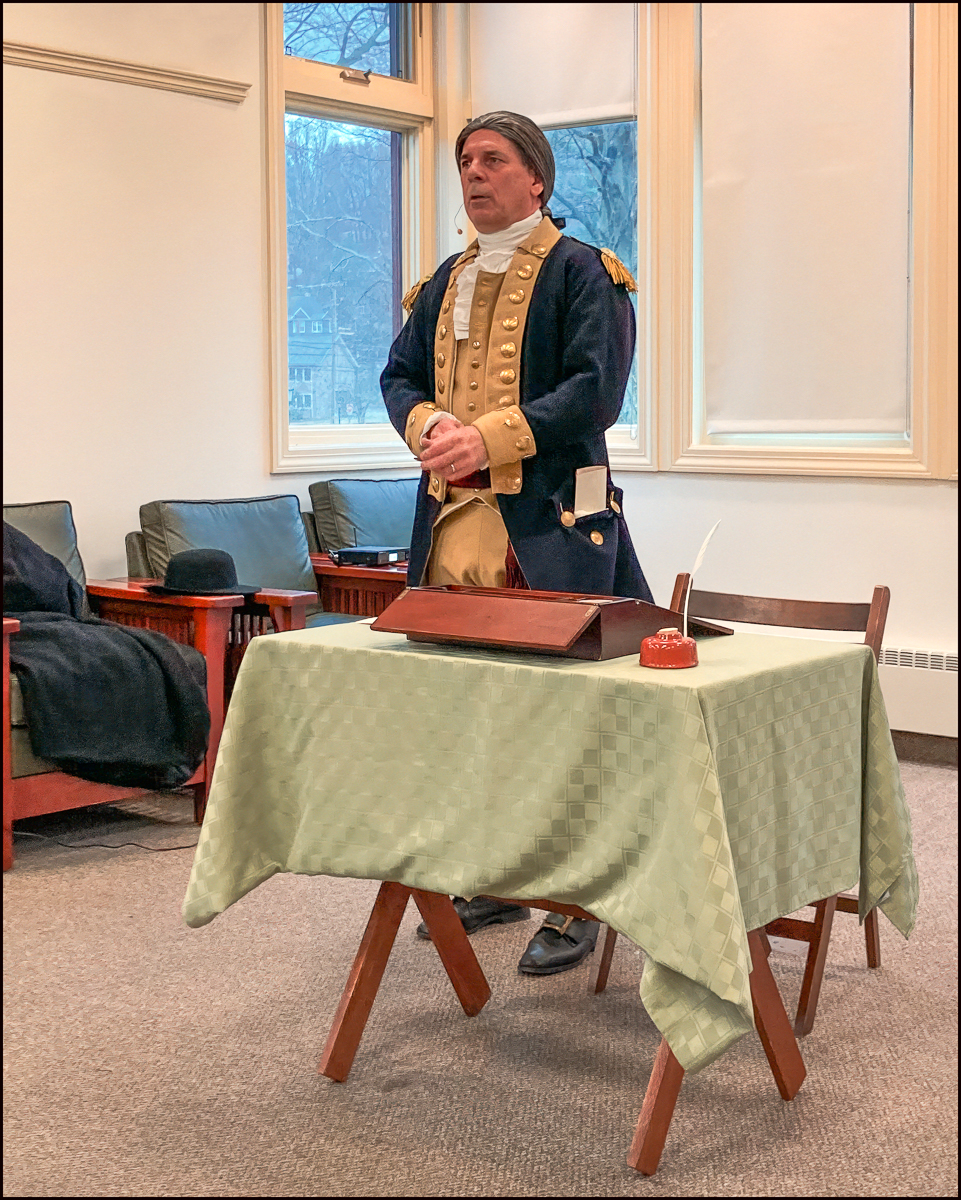
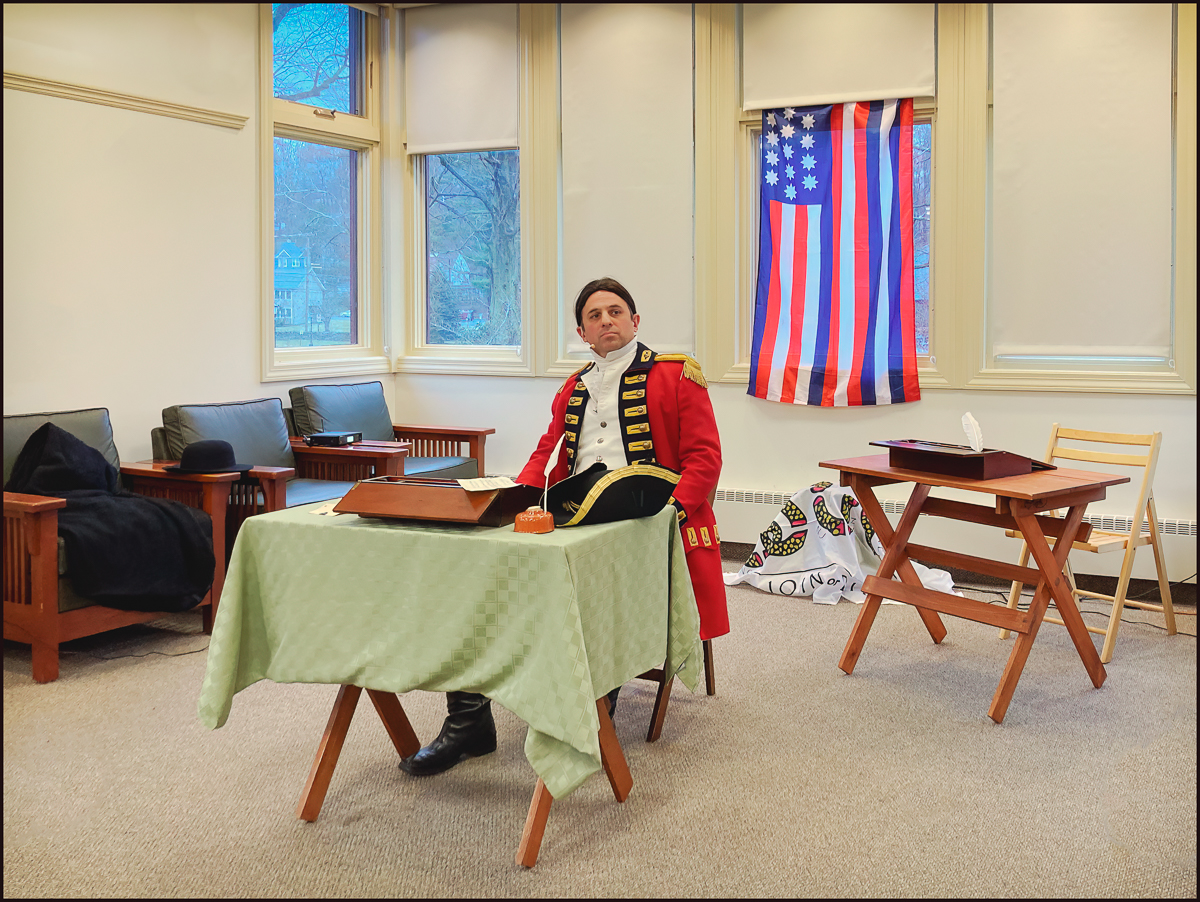
Yesterday I attended an interesting (for those who are interested in US Revolutionary War History, of course) presentation (actually more of a re-enactment) of The Trial of Major John André. It was organized by Revolutionary Westchester 250 as one of the many events and programs commemorating the American Revolution in Westchester County, in the run up to the 250 Anniversary in 2026. The two excellent performers were from “Drama From the Past, LLC. First Person Historical Performances”. The re-enactment was hosted by the Briarcliff Manor Public Library.

For those (particularly my friends in the UK) who may not be familiar with the story I’ll include this short quote from a recent article:

“It is September 29, 1780, the start of André’s trial. General George Washington has just learned the devastating news that American General Benedict Arnold has betrayed his Country and was about to surrender Fortress West Point to the British. Arnold’s accomplice, British Major John André, was captured in Tarrytown, by militiamen John Paulding, David Williams and Isaac Van Wart. André now faces a military tribunal at the Old Dutch Church in Tappan, NY. A Board of Officers has been appointed to decide whether or not he is an officer of the British Army or a spy. Having been captured behind enemy lines, out of uniform and carrying incriminating documents, André is faced with a monumental task of wriggling free from the grim fate that awaits.”

Great fun. I really enjoyed it.

Above: Gary Petagine plays Judge Advocate John Laurence, who prosecuted.

Below: Sean Grady (who portrays Major André). I was sorely tempted to ask him if I could try on his jacket.😀He did a great British accent too.

Taken with an iPhone SE II.

House on Old Briarcliff Road

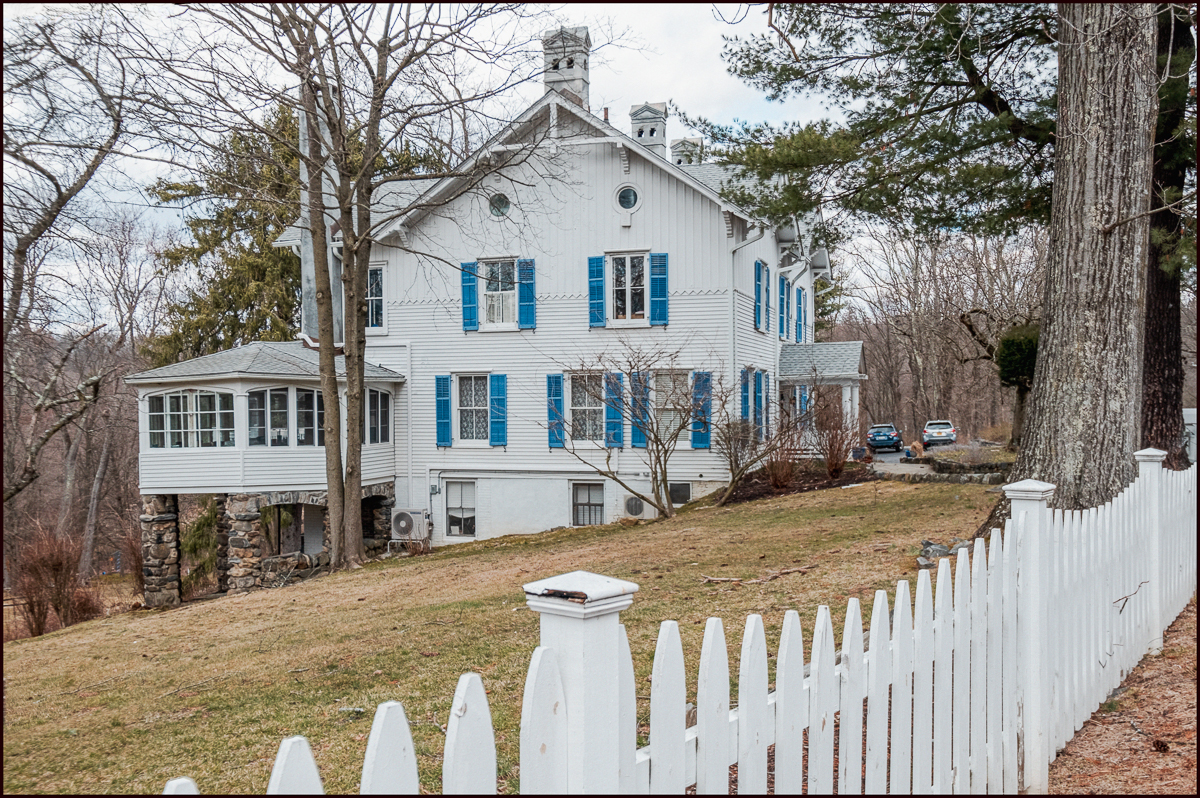
I love this house. It’s on the corner of Scarborough Road and Old Briarcliff Road – opposite All Saints Church and about a five minute walk from my house.

It was built around 1830 on property even older, possibly going back to the 17th century.

According one of the houses owners, it has secret rooms in the basement and the attic and is reputed to have been a stop on the “Underground Railroad.”

Taken with a Fuji X-E3 and Fuji XF 10-24mm f4