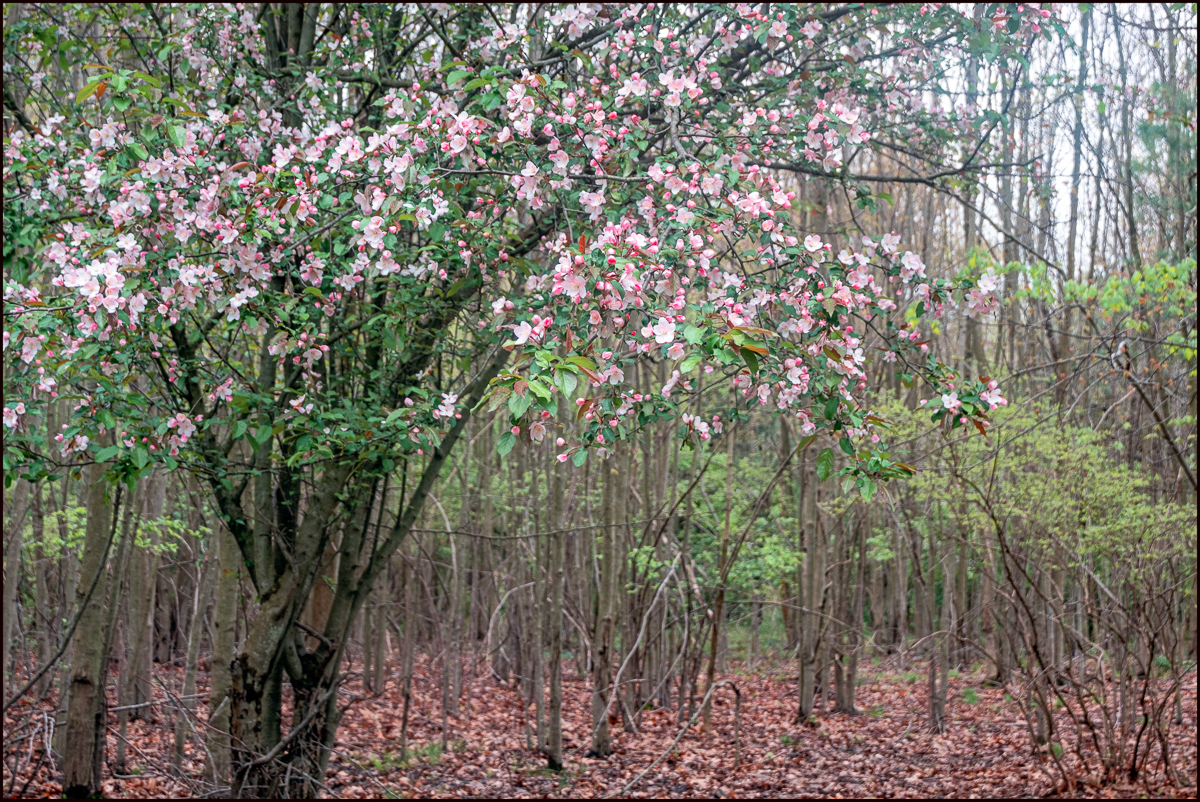
I came across these blossoms while walking in a nearby woodland. I was attracted to the pastel hues.
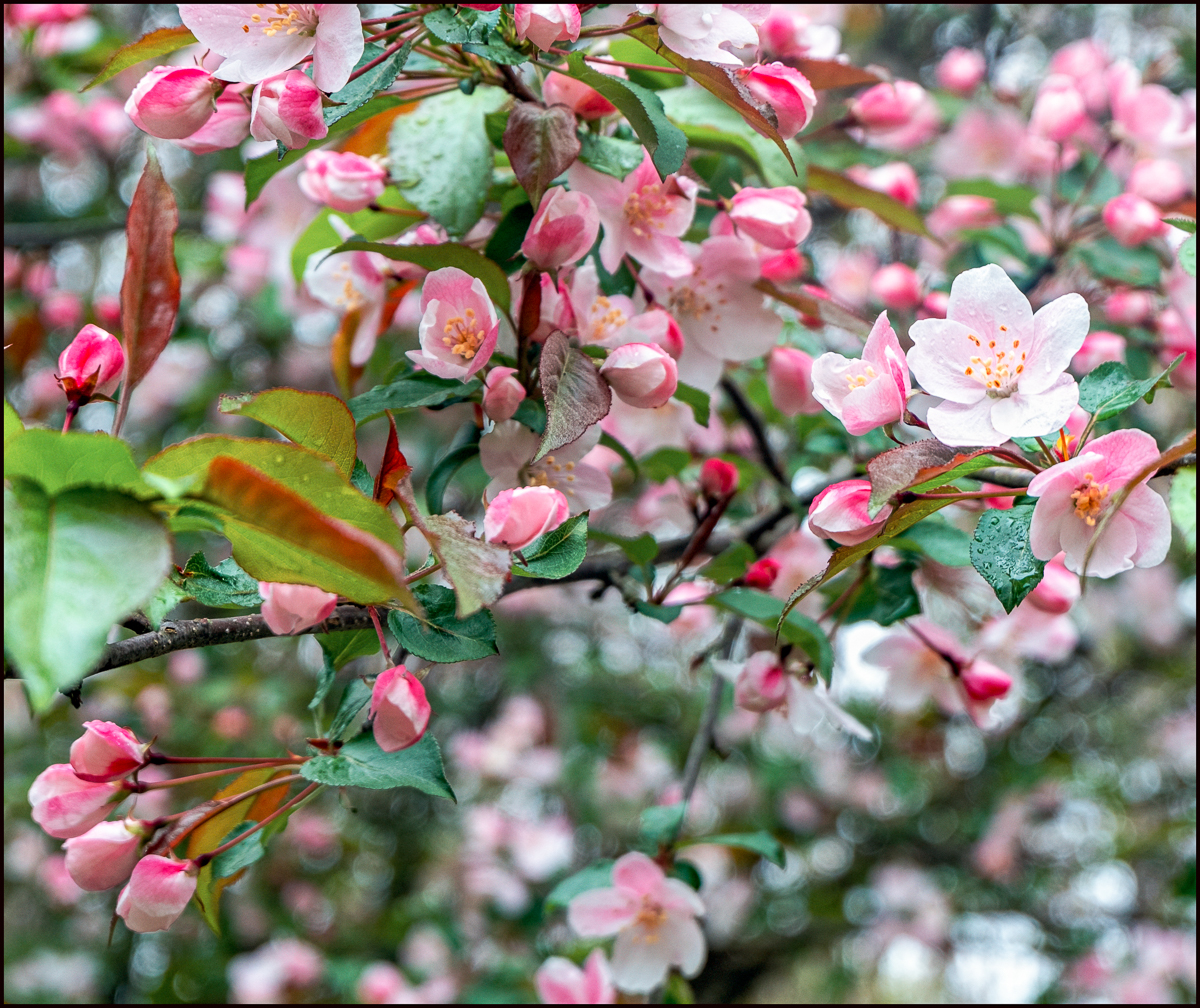
Taken with a Fuji X-E1 and Fuji XC 16-50mm f3.5-5.6 OSS II
Photographs and thoughts on photography and camera collecting

I came across these blossoms while walking in a nearby woodland. I was attracted to the pastel hues.
Taken with a Fuji X-E1 and Fuji XC 16-50mm f3.5-5.6 OSS II
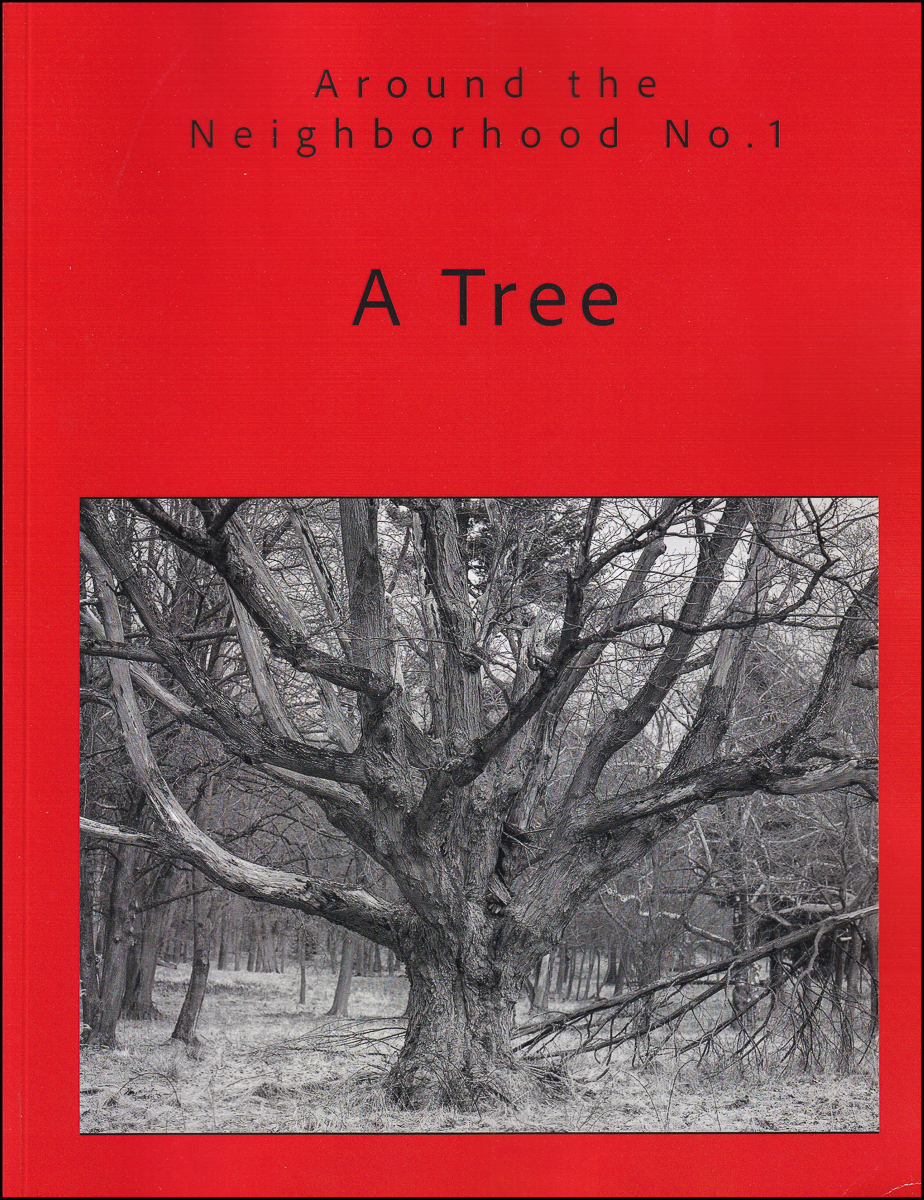
During COVID it was not possible to travel as much as I had been doing. I therefore confined myself to walks in the immediate vicinity of my house and started a series of photographs, which with my usual lack of inspiration I decided to call “Around the Neighborhood”. I defined this as meaning anywhere that I could walk back and forth to from my house.
I intended to make a photo book out of these these photographs, but it quickly became apparent that I risked having too many pictures for a single photo book. Also there was a danger that the task of selecting appropriate pictures, processing, editing, sequencing etc. would become so overwhelming that I would become paralyzed and not produce anything at all.
For a while I had wanted to try producing a Zine and this seemed like a good time to finally get around to it. I therefore decided that instead of a single photo book I would try instead to create a series of Zines. This is the first in this series.
The subject is a single tree in a nearby woodland. I’d already taken a number of pictures of it but on this occasion I decided on the spur of the moment to attempt an exercise that I’d recently read about. This exercise consisted of taking thirty six photographs of a single subject all at once (See: A Photographic Exercise).
Quite easy at first, but after about twenty photographs increasingly more difficult. In fact at that point I almost gave up, but I stuck with it and in the end found it to be quite useful. I’m the kind of person who will walk up to a subject, take a few pictures and then move on. This exercise made me slow down and look more carefully. Indeed, towards the end I was noticing things, which I had already walked past a couple of times.

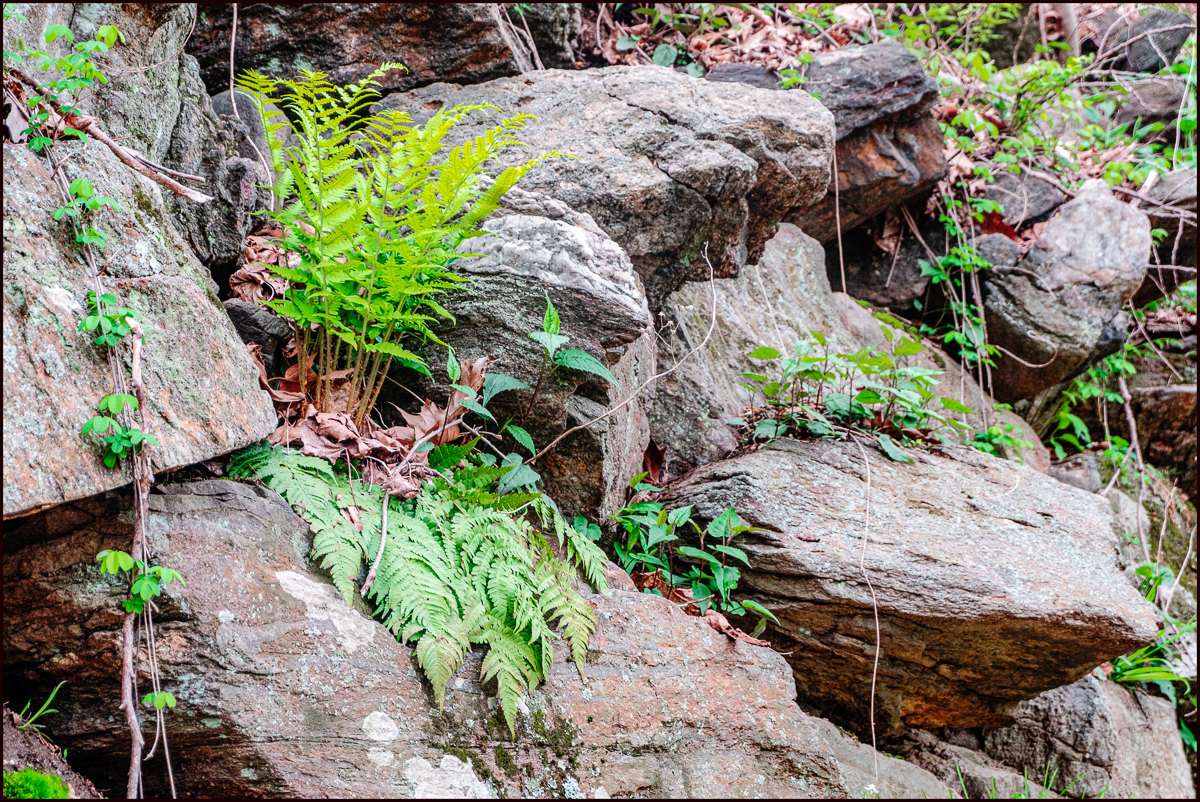
Seen during one of my numerous woodland walks.
Taken with a Fuji X-E3 and Fuji XC 16-50mm f3.5-5.6 OSS II
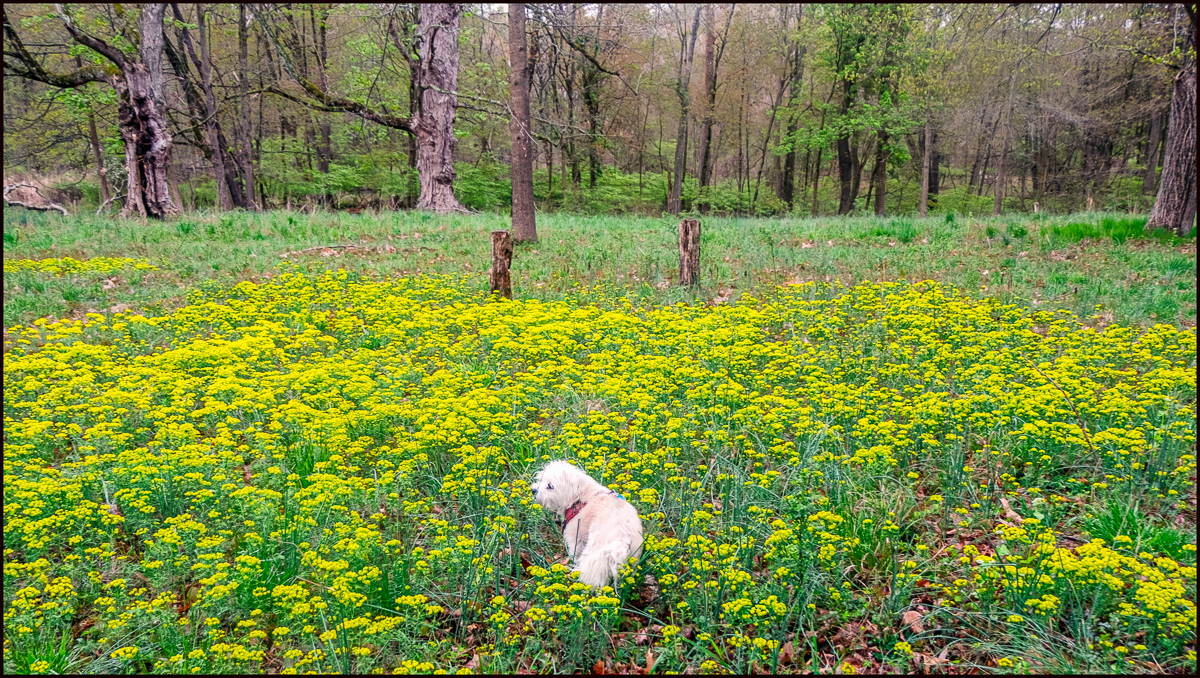
Seen in nearby woodland. He seemed to enjoy running around in the bright yellow flowers.
Taken with a Fuji X-E3 and Fuji XC 16-50mm f3.5-5.6 OSS II
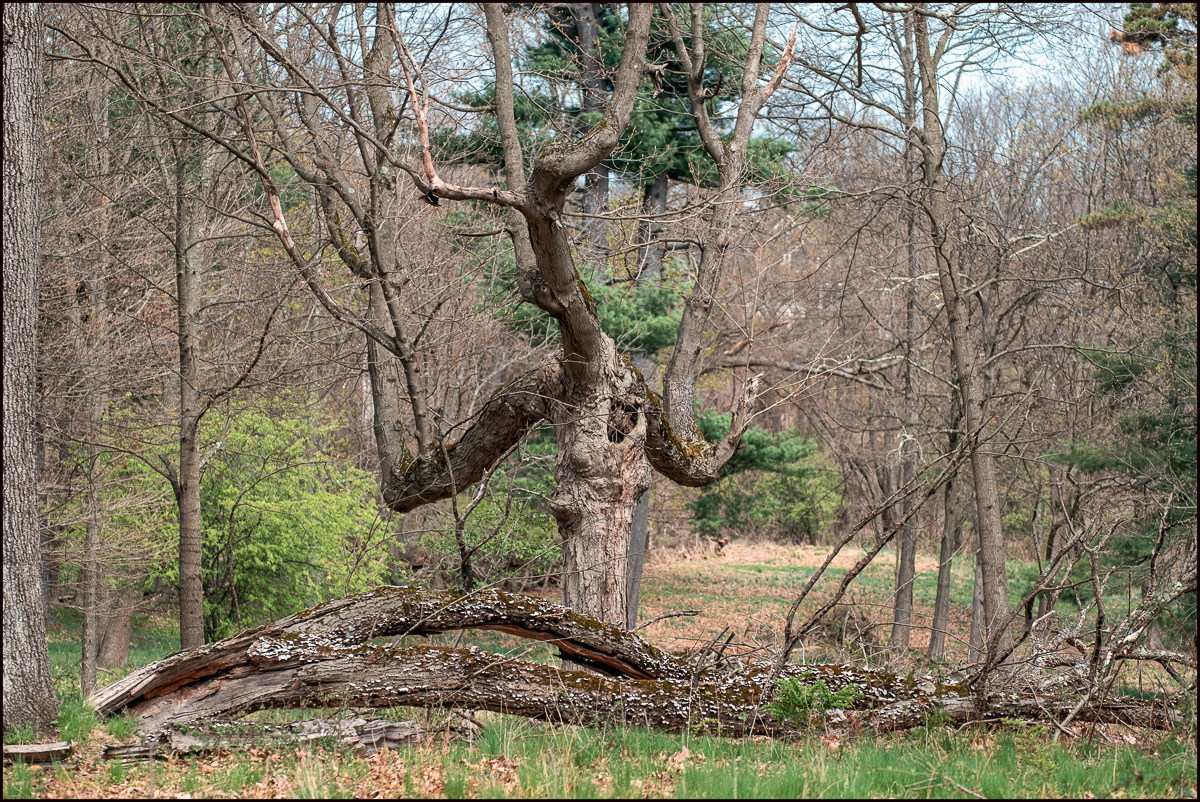
Last November I posted about strangely human looking tree that I called Treeman (See: Around the Neighborhood – Treeman). I’m pleased to report that, despite tree limbs and in some cases entire trees falling around him/her/it, he/she/it made it through the Winter unscathed. Had even one of the major limbs fallen the whole effect would have been spoiled.
Taken with a Fuji X-E and Fuji XF 55-200mm f3.5-4.8 R LM OIS