More flowers in the woods

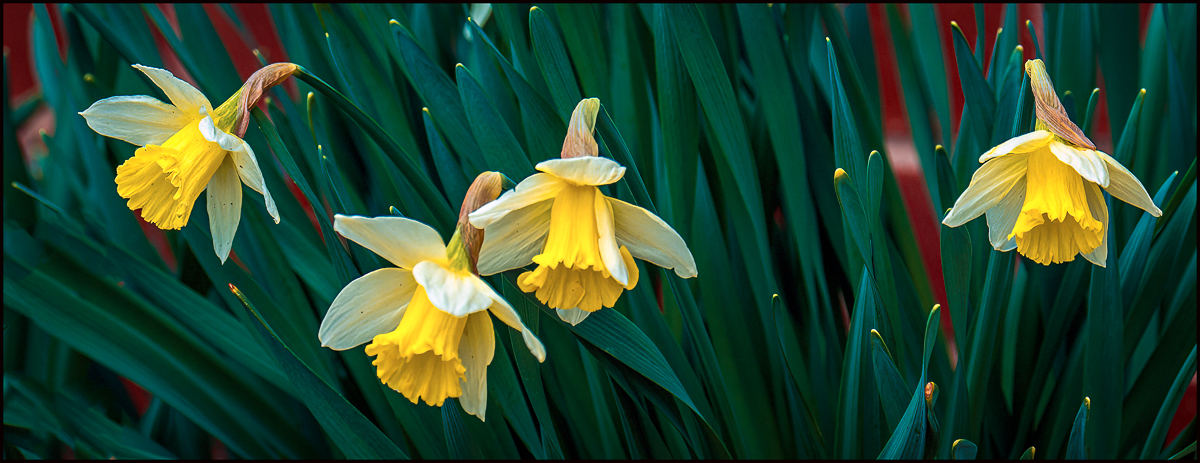
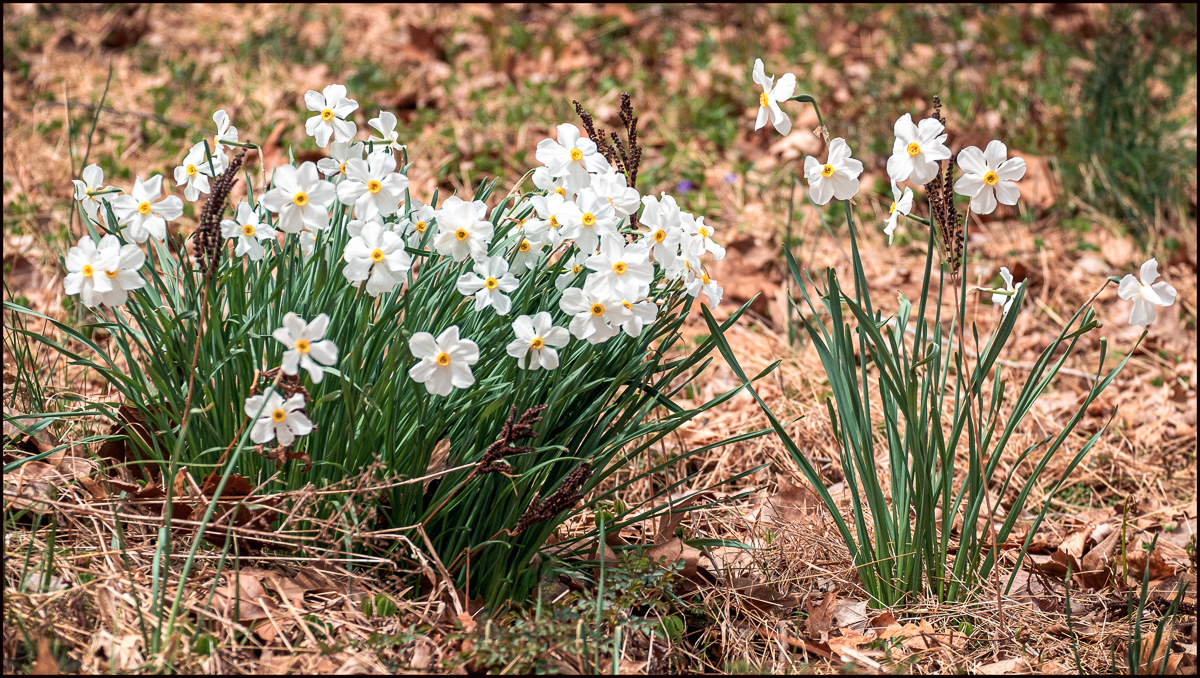
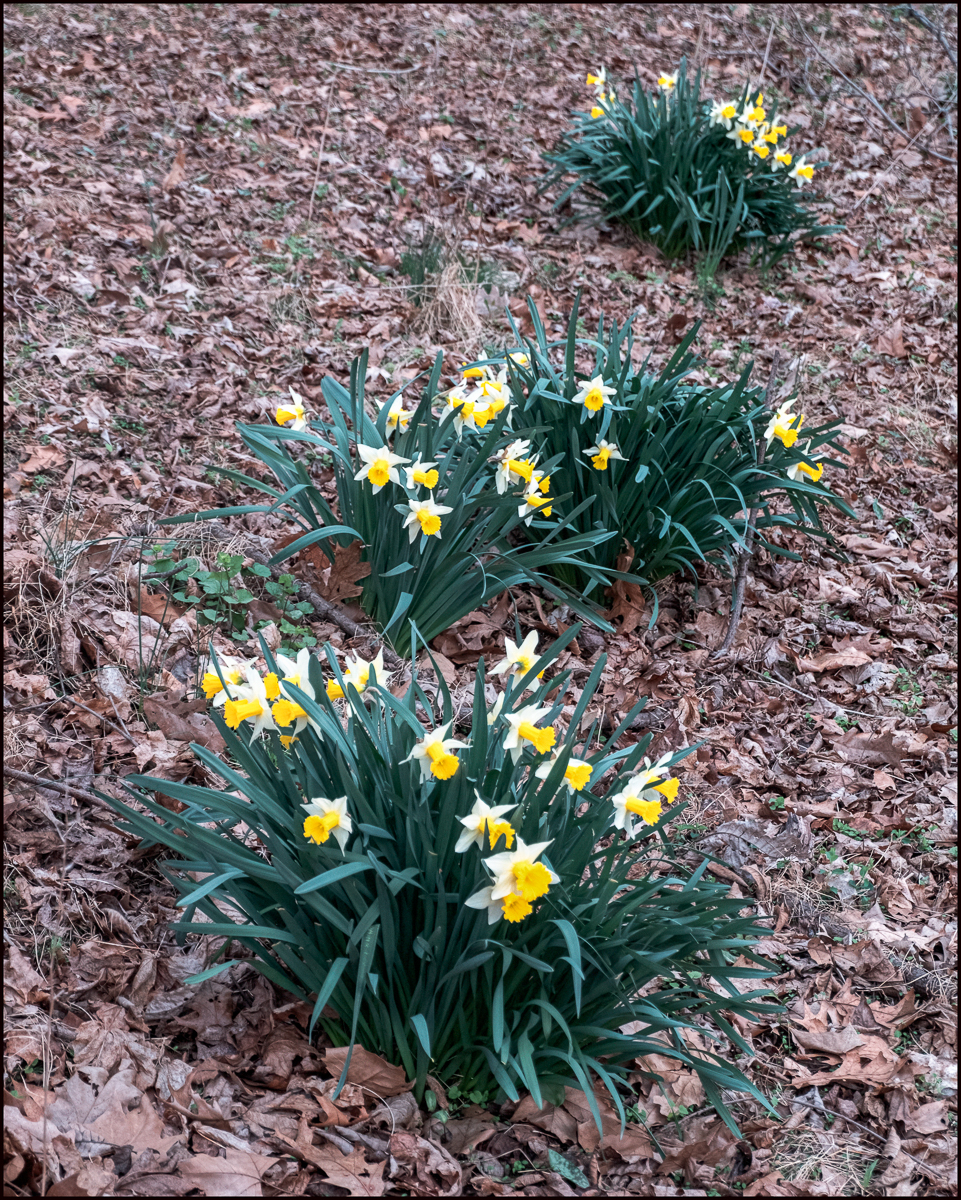
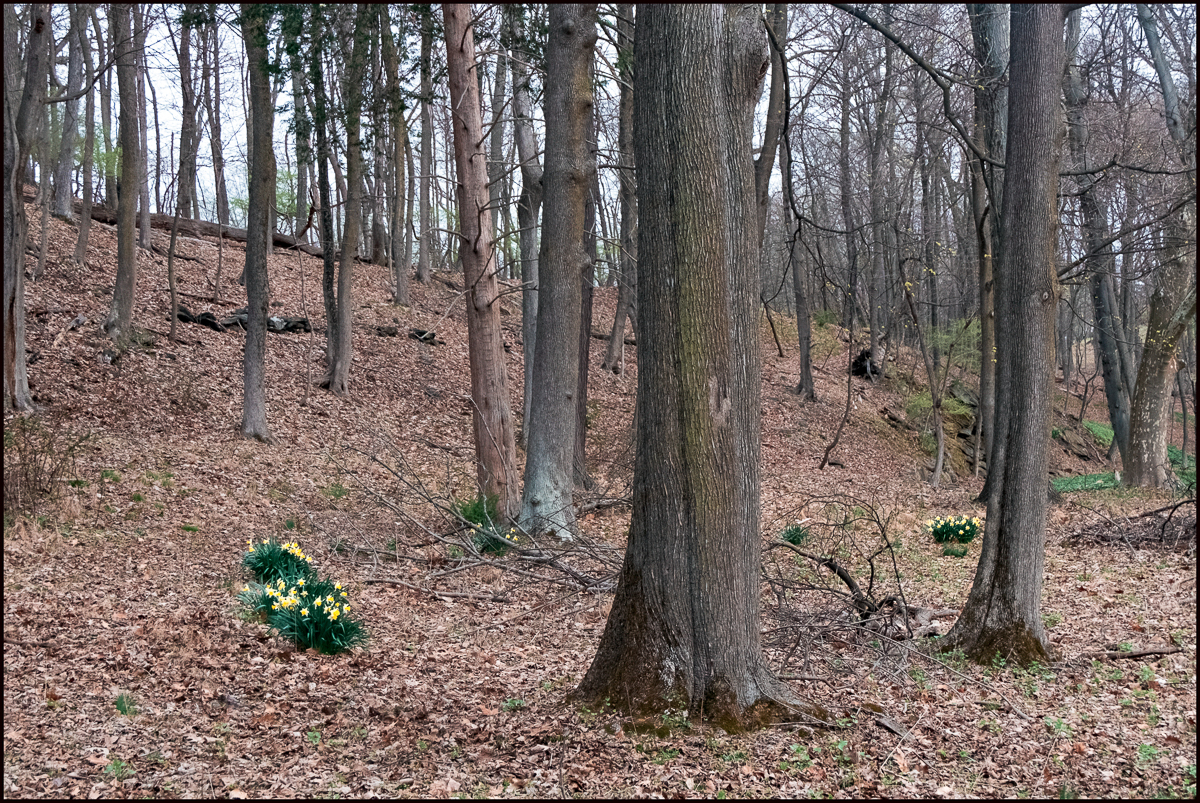
In an earlier post (See: Daffodils in the Woods) I mentioned that I’d come across some clumps of daffodils in the woods. These were only a short distance away from the daffodils. They must have just bloomed because I’d never seen them before. In the landscape they’re so striking that I don’t think I would have missed them. I don’t know much about flowers but some internet searching leads me to believe that they are Poet’s Narcissus (a relative of daffodils). Whatever they are I really like the way they look.

Narcissus poeticus, the poet’s daffodil, poet’s narcissus, nargis, pheasant’s eye, findern flower or pinkster lily, was one of the first daffodils to be cultivated, and is frequently identified as the narcissus of ancient times (although Narcissus tazetta and Narcissus jonquilla have also been considered as possibilities). It is also often associated with the Greek legend of Narcissus. It is the type species of the genus Narcissus and is widely naturalized in North America.

For anyone (like me) who doesn’t know the story of Narcissus:

Narcissus, in Greek mythology, the son of the river god Cephissus and the nymph Liriope. He was distinguished for his beauty. According to Ovid’s Metamorphoses, Book III, Narcissus’s mother was told by the blind seer Tiresias that he would have a long life, provided he never recognized himself. However, his rejection of the love of the nymph Echo or (in an earlier version) of the young man Ameinias drew upon him the vengeance of the gods. He fell in love with his own reflection in the waters of a spring and pined away (or killed himself); the flower that bears his name sprang up where he died.
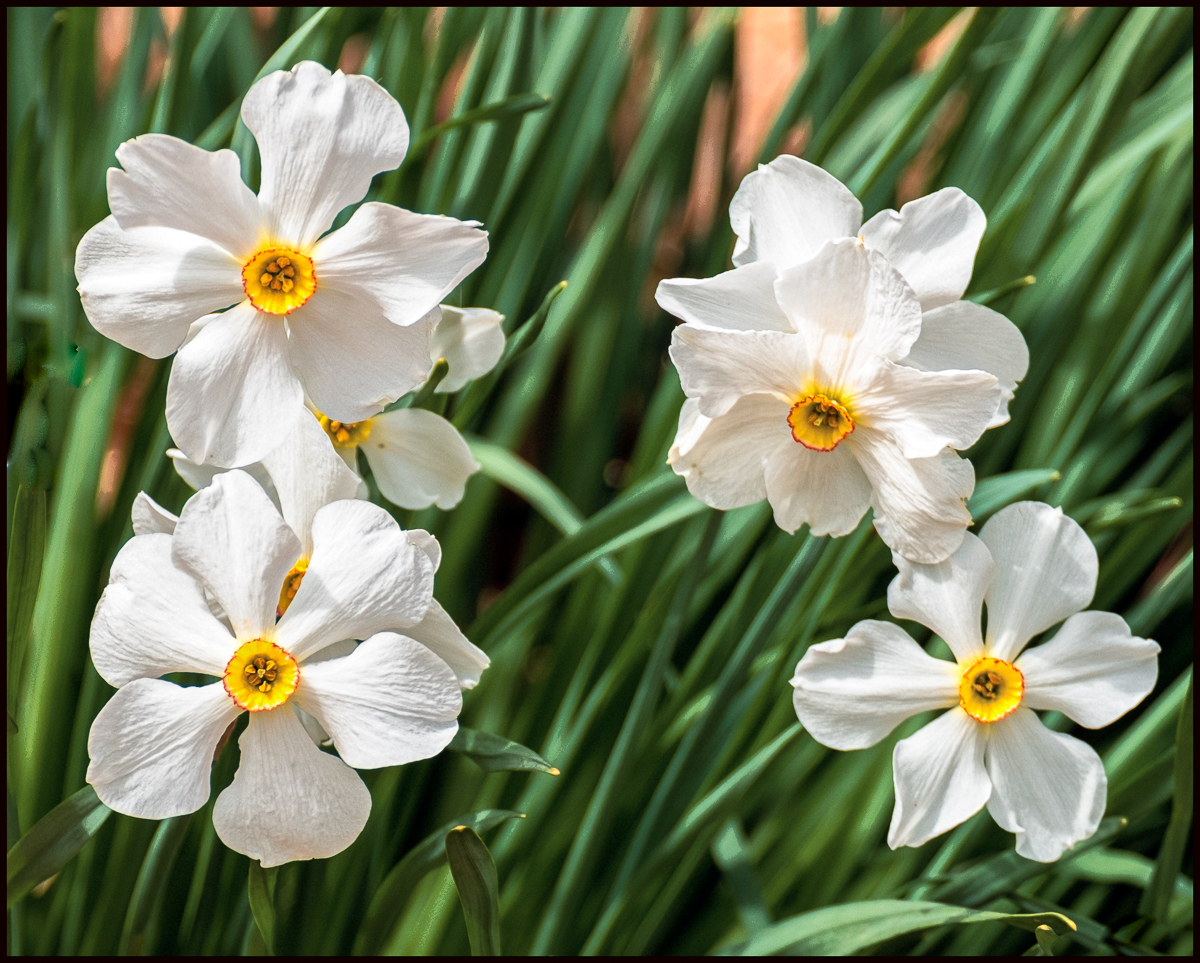
Taken with a Fuji X-E3 and Fuji XF 55-200mm f3.5-4.8 R LM OIS
Daffodils in the woods

When I came across these daffodils in a nearby woodland (see photo below for context) my first reaction was to wonder how they got there. I always thought that daffodils grew from bulbs and I imagined that it would be difficult for the bulbs to easily transfer to the wild. Then I came across this:

First, the wild daffodil can reproduce by generating seeds, which is a sexual method of reproduction. The flowers must be fertilized by an outside source in order to create these seeds, and pollen is required for this process. There are two important parts to a typical plant that are necessary for this type of reproduction. The pistil contains the stigma and the female gamete, where the daffodil’s ovule is found. On the stamen of a plant, pollen is produced, which contains the male gametes. When pollen is transported from one plant to another, it drops into the stigma and fertilizes the ovules of the plant, inside its ovary. A seed then develops from the fertilized ovule. When the daffodil blooms die, the tiny black seeds are dry and ready for dispersal. The seed pod (ovary) of the daffodil cracks open, and seeds either fall to the ground or are transported by wind or animals to a new location.

Essentially any insect or organism can serve as a pollinator for the daffodil. It really doesn’t matter how the pollen gets in the stigma, it just has to come in contact with it in order to start fertilization.

From seeds, daffodils take a very long time to grow into a full plant. It can take from five to seven years for a daffodil to bloom from a planted or dispersed seed.

So there you have it: unless someone deliberately planted them in this woodland they must have grown from seeds.

Taken with a Fuji X-E1 and Fuji XC 16-50mm f3.5-5.6 OSS II

Easter Sunday Dinner with friends Antonio and Marili.

Impressive table setting featuring beautiful tulips from the garden.


I loved the Easter bunny.


Of course there have to be Easter Get Cracking


The evening started with one of Marili’s wonderful cocktails. She’s a well known mixologist and her creations are always different and scrumptious. I was particularly fascinated by the ‘Guarapo de Piña’, a very refreshing drink made in this special vessel from fermented pineapple peel. It was delicious and very refreshing. In this case bourbon was also added. Yummy! The only problem was that it was so light and refreshing that you wanted to have more.


The pièce de résistance: Venezuelan Polvorosa de Pollo. The chef described it as: “This is the most amazing chicken pie you will ever taste. It’s a classic Venezuelan dish that dates back to colonial times. It has over 20 ingredients. And the dough is like a short bread. This was a two day event on my part, and we will be having it for the week. I followed the recipe of Armando Scannone the dean of Venezuelan cuisine, in his classic cookbook “Mi Cocina”. Delicious.


Another view of the Polvorosa de Pollo with its top crust on.


Polvorosa de Pollo with beans, eggs and plantains.

Taken with Apple iPhone 8II

Some Spring Flowers

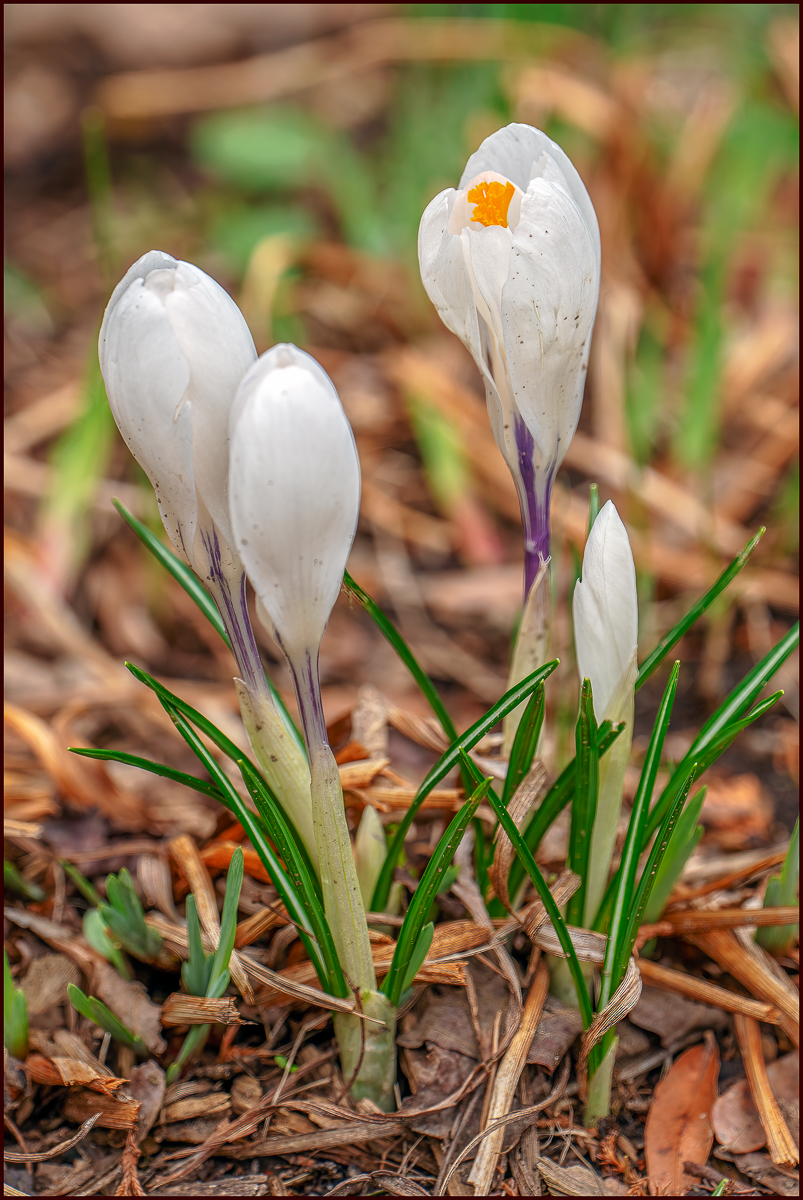
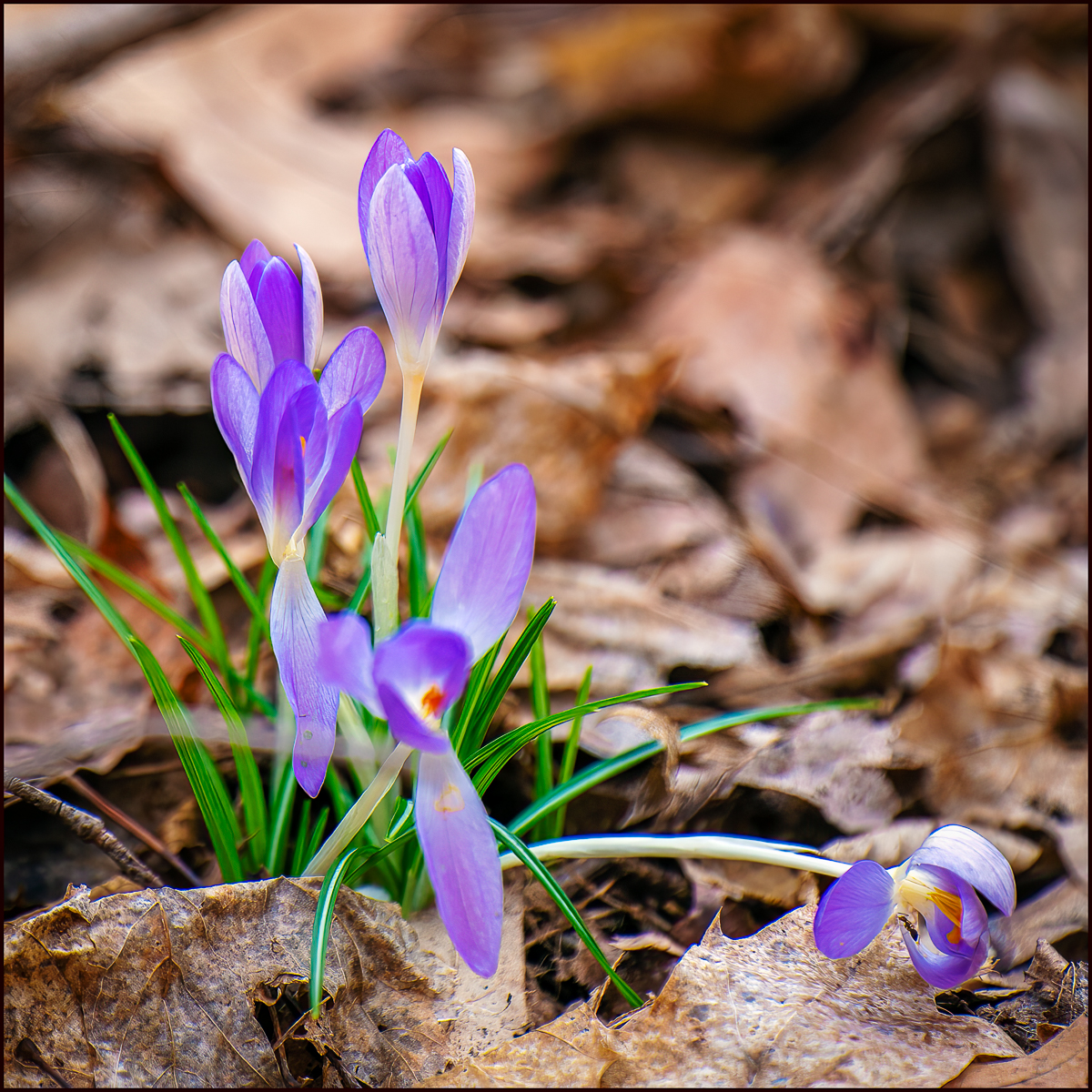
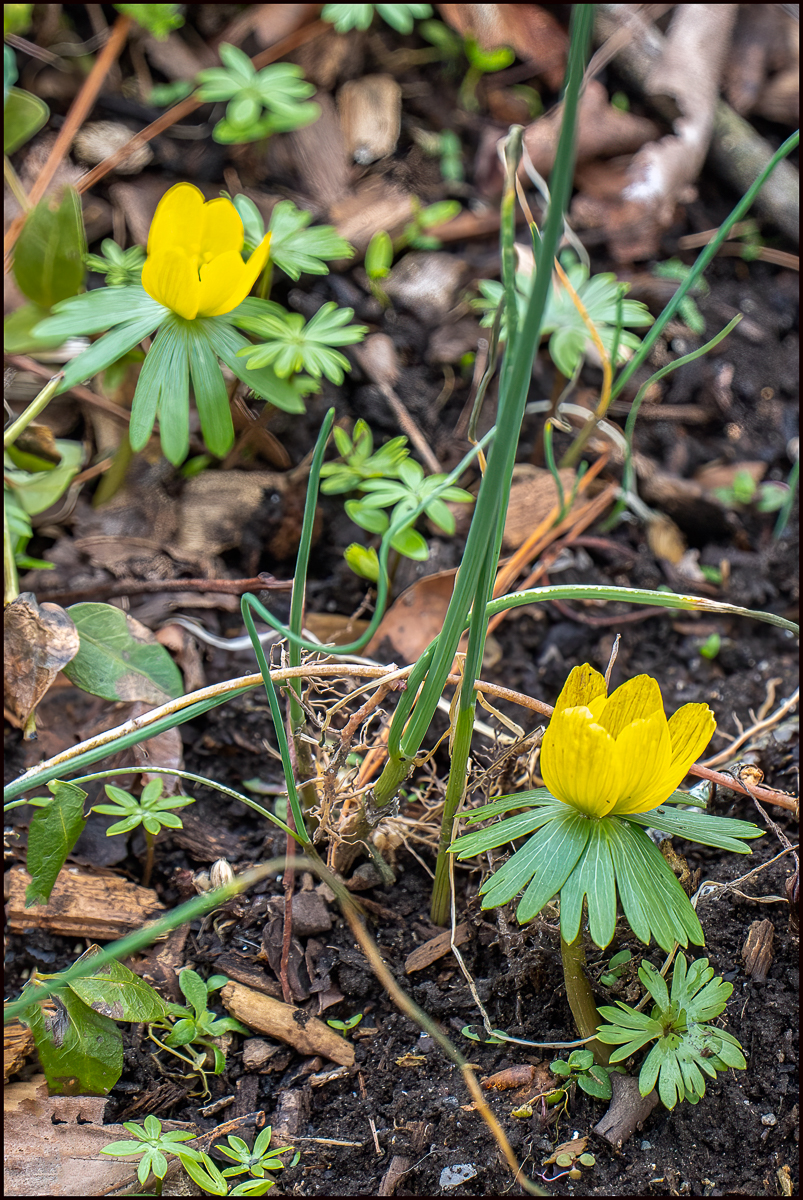
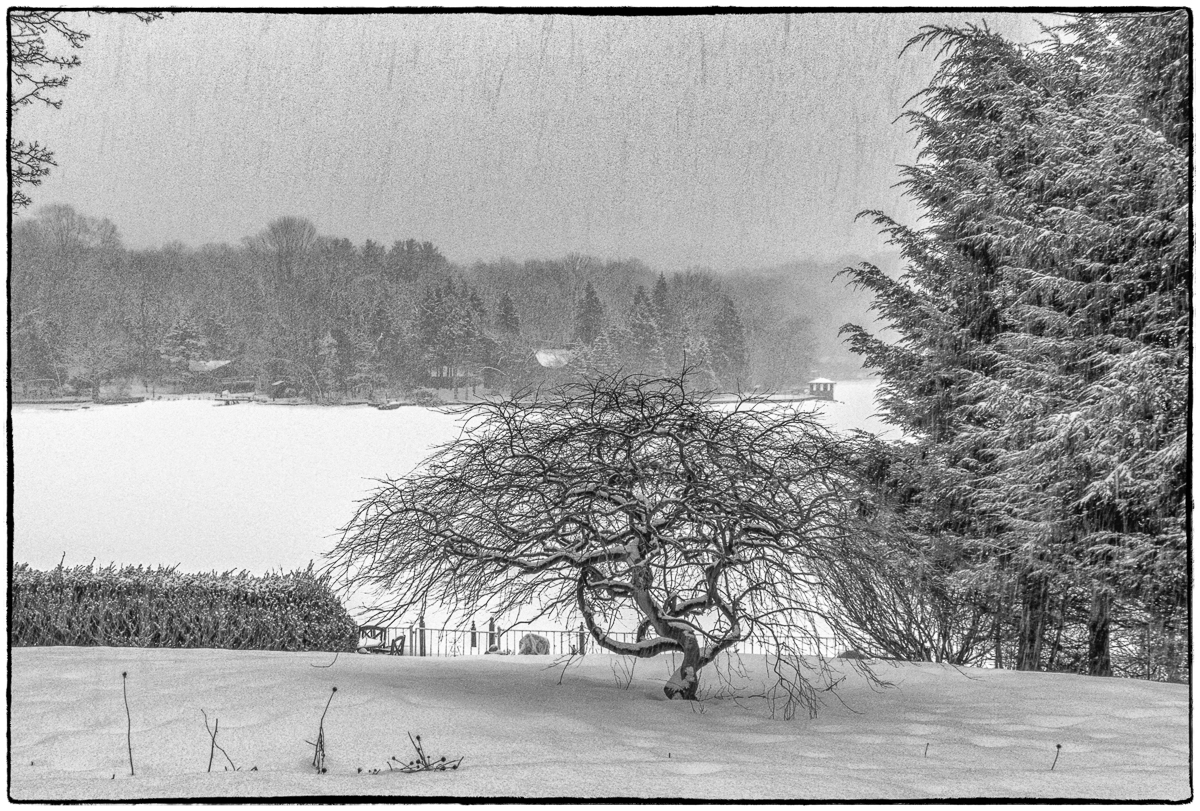
I took these on March 20, the first day of Spring. It was cloudy, and a bit gloomy, but at least there was no snow around and it was fairly warm (that’s not always the case – see the last picture taken on the same date in 2015). To commemorate this I thought I’d take some pictures of Spring flowers. It turned out to be more difficult than I thought. Although there were many shoots, few were in bloom.


Taken with a Sony A7IV and Tamron Di III VXD A056SF 70-180mm f2.8 except for the last picture, which was taken with a Sony RX-100.