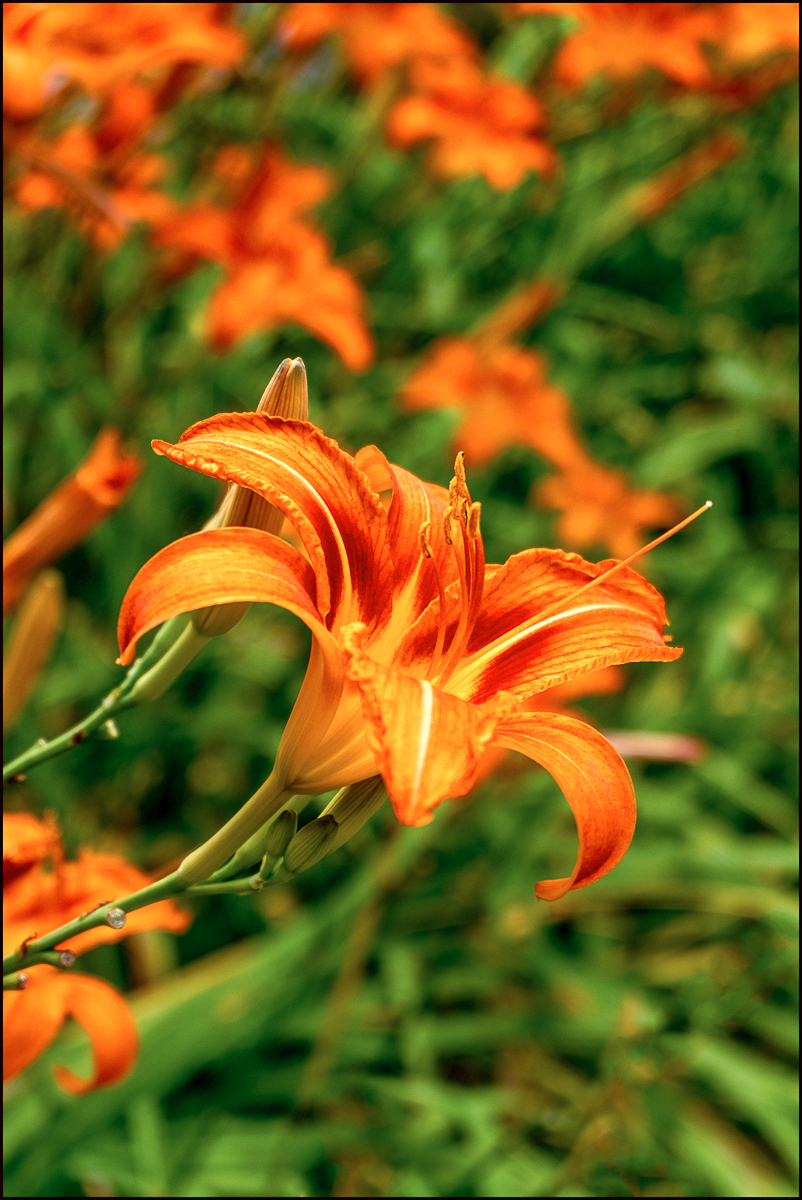
There are lots of them where I live. They grow wild in many places. Such a beautiful flower.
House picture taken with a Fuji X-E3 and Fuji XC 16-50mm f3.5-5.6 OSS II
Photographs and thoughts on photography and camera collecting

There are lots of them where I live. They grow wild in many places. Such a beautiful flower.
House picture taken with a Fuji X-E3 and Fuji XC 16-50mm f3.5-5.6 OSS II
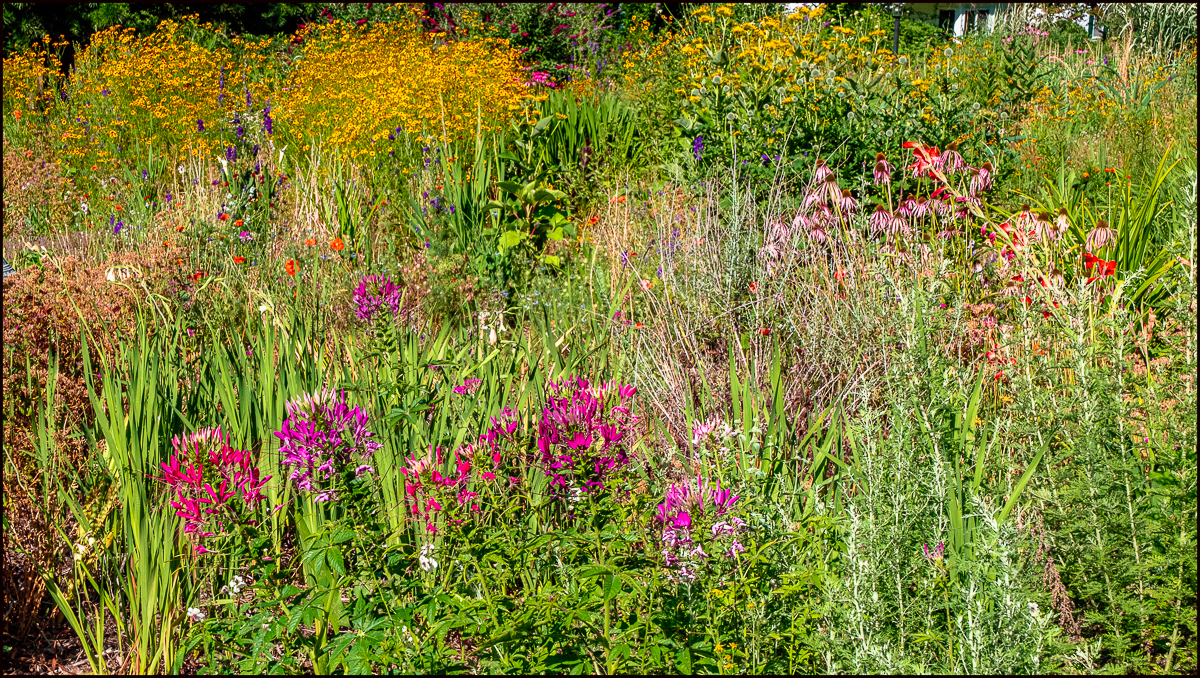
This garden is about a 15 minute walk from my house. I’ve often walked past it while walking the dog, but had previously not taken any pictures. I think it’s wonderful. No messing around with lawns for the people who own this house – just masses and masses of flowers. Of course I couldn’t go onto private property, but by looking up the driveway I could see the the rear of the house was pretty much the same.
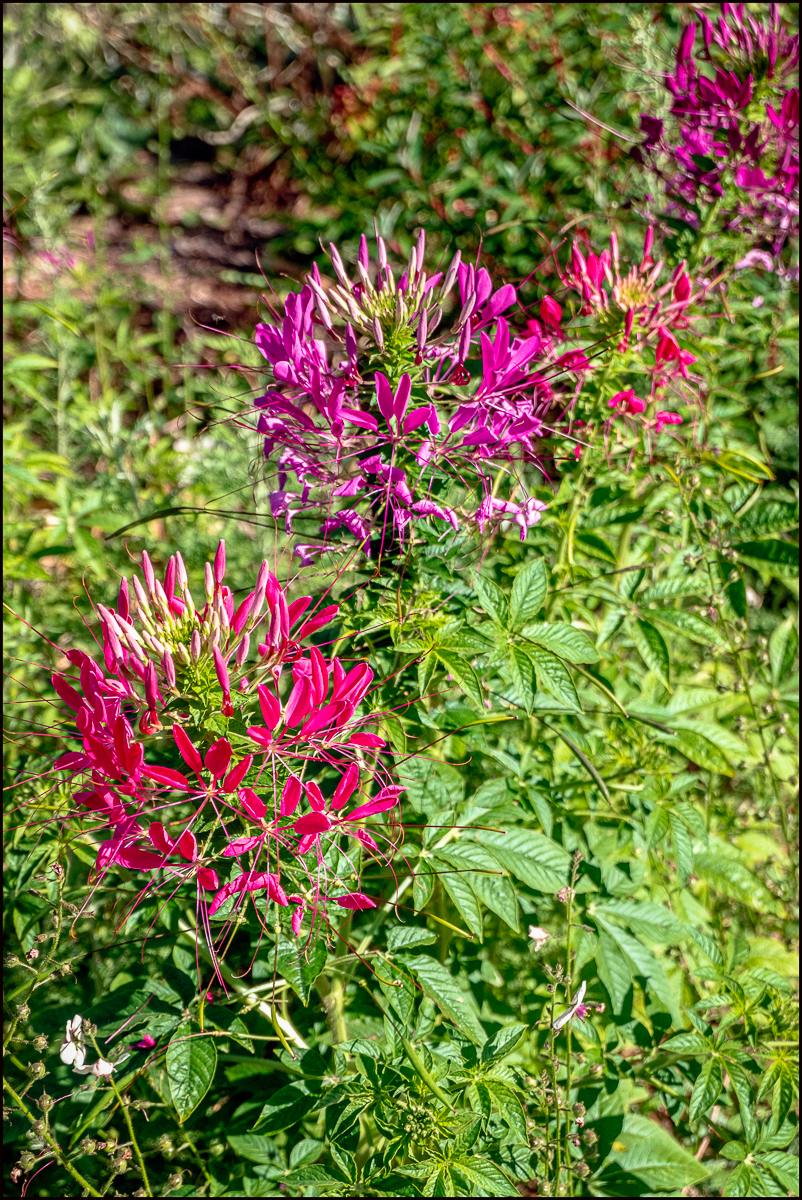
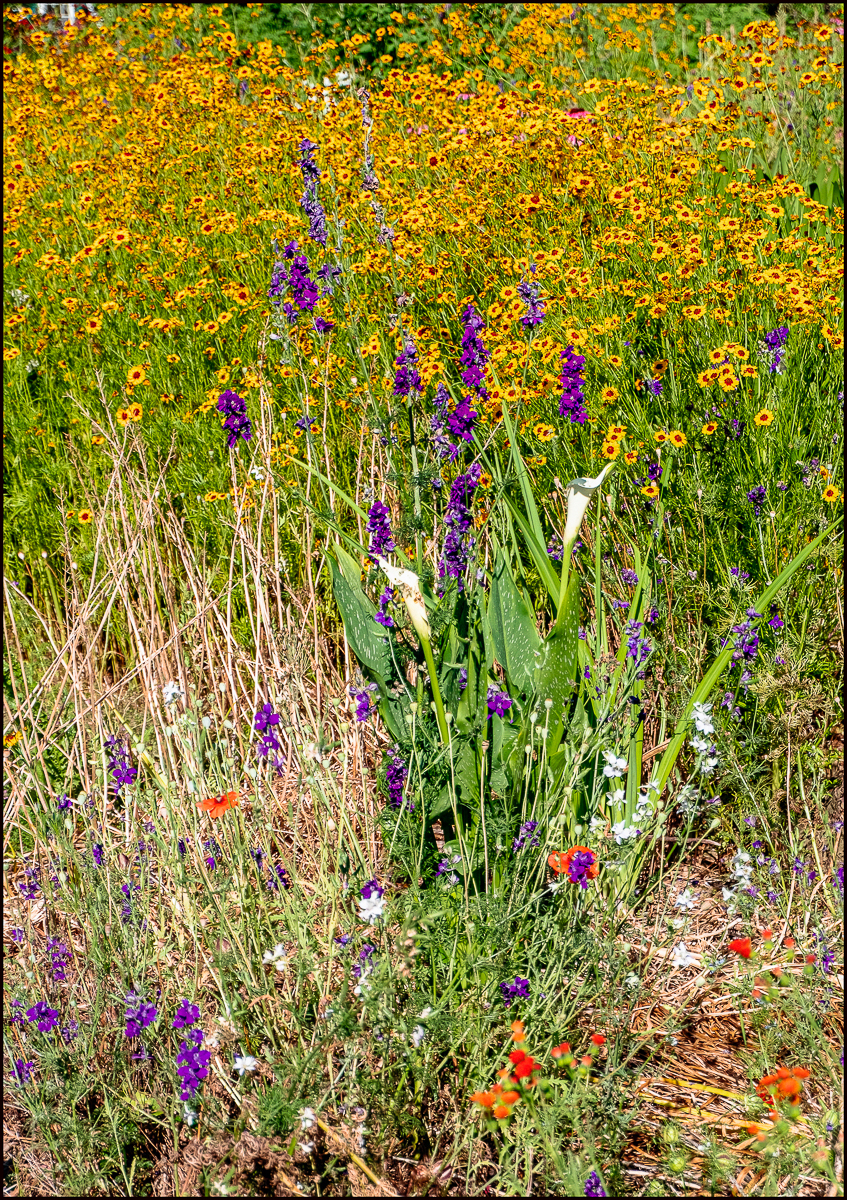
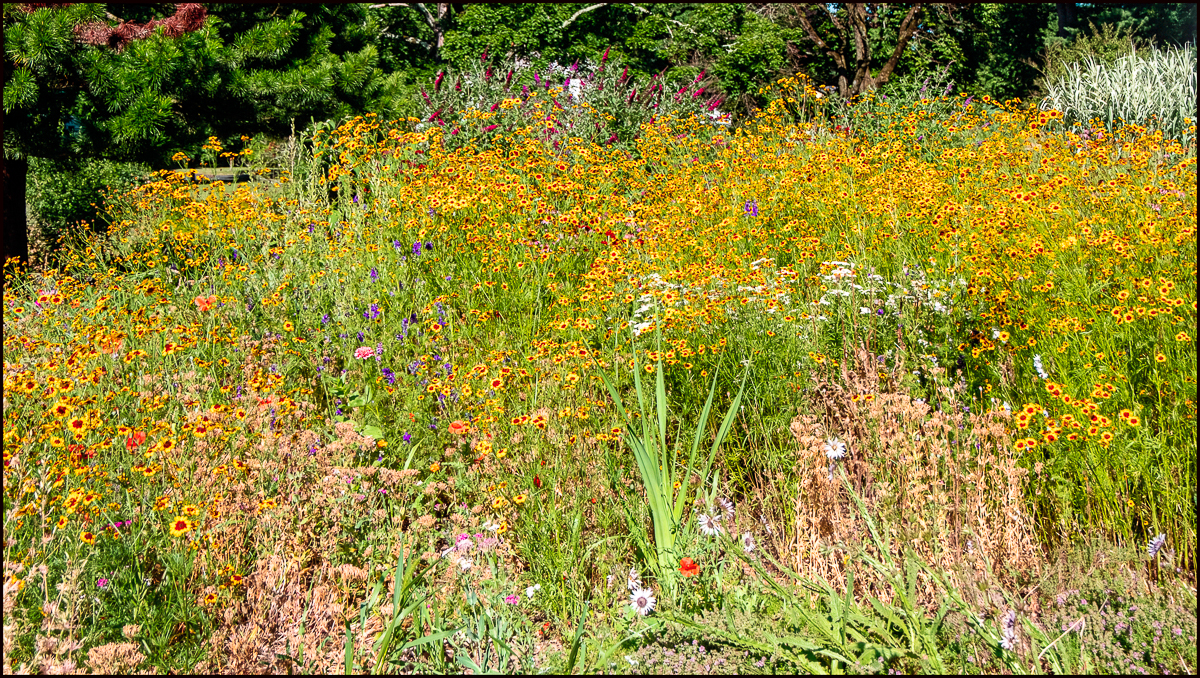
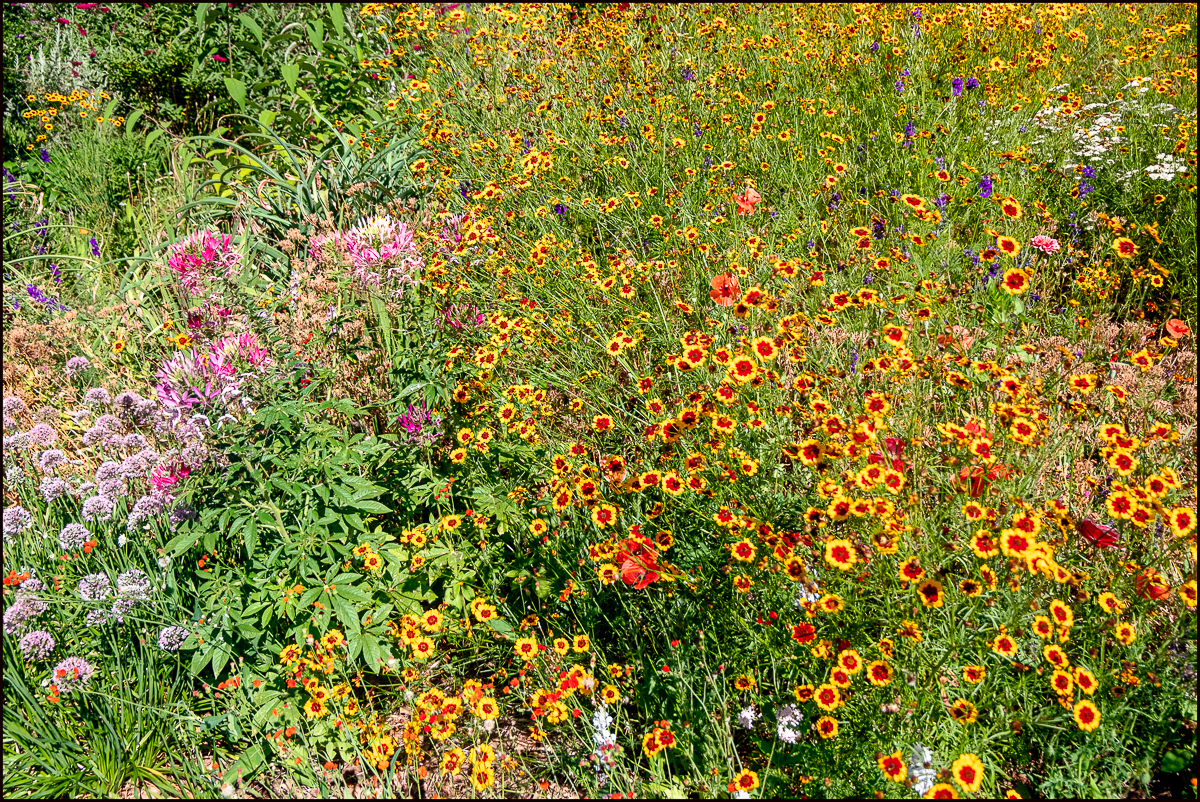
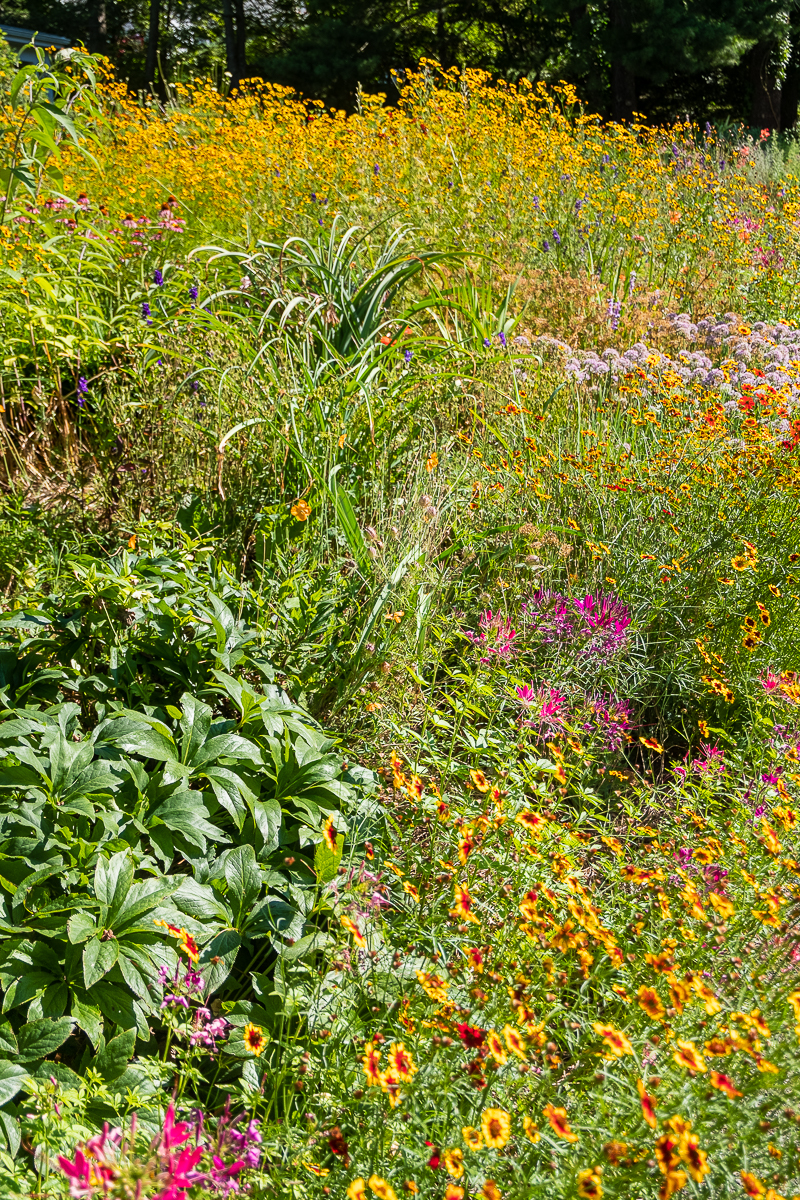
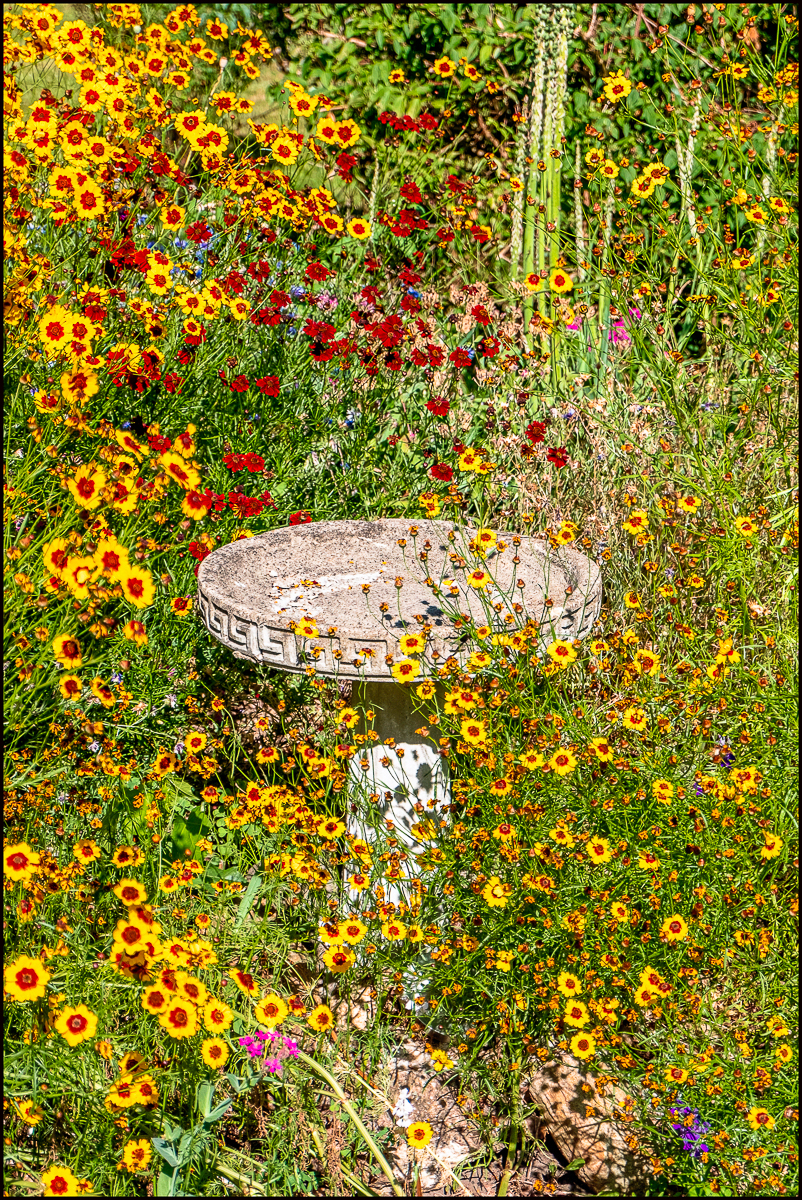
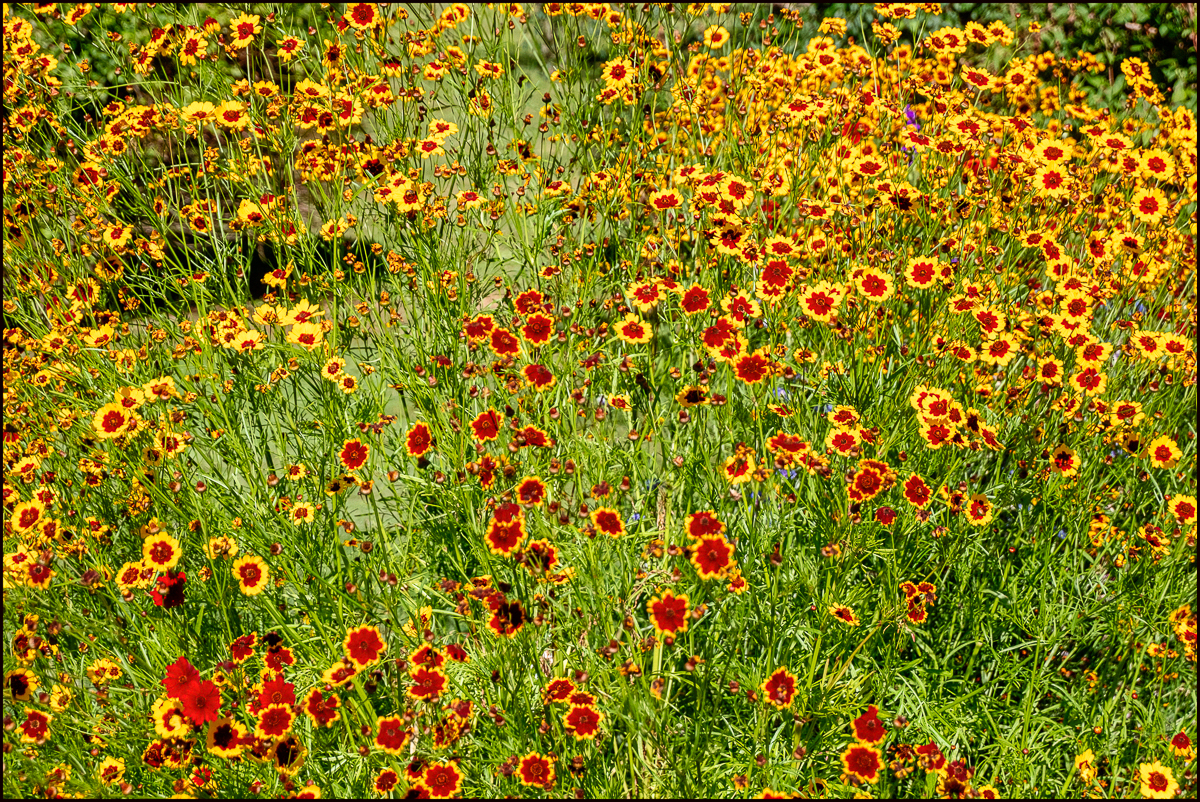
Taken with a Fuji X-E3 and Fuji XC 16-50mm f3.5-5.6 OSS II
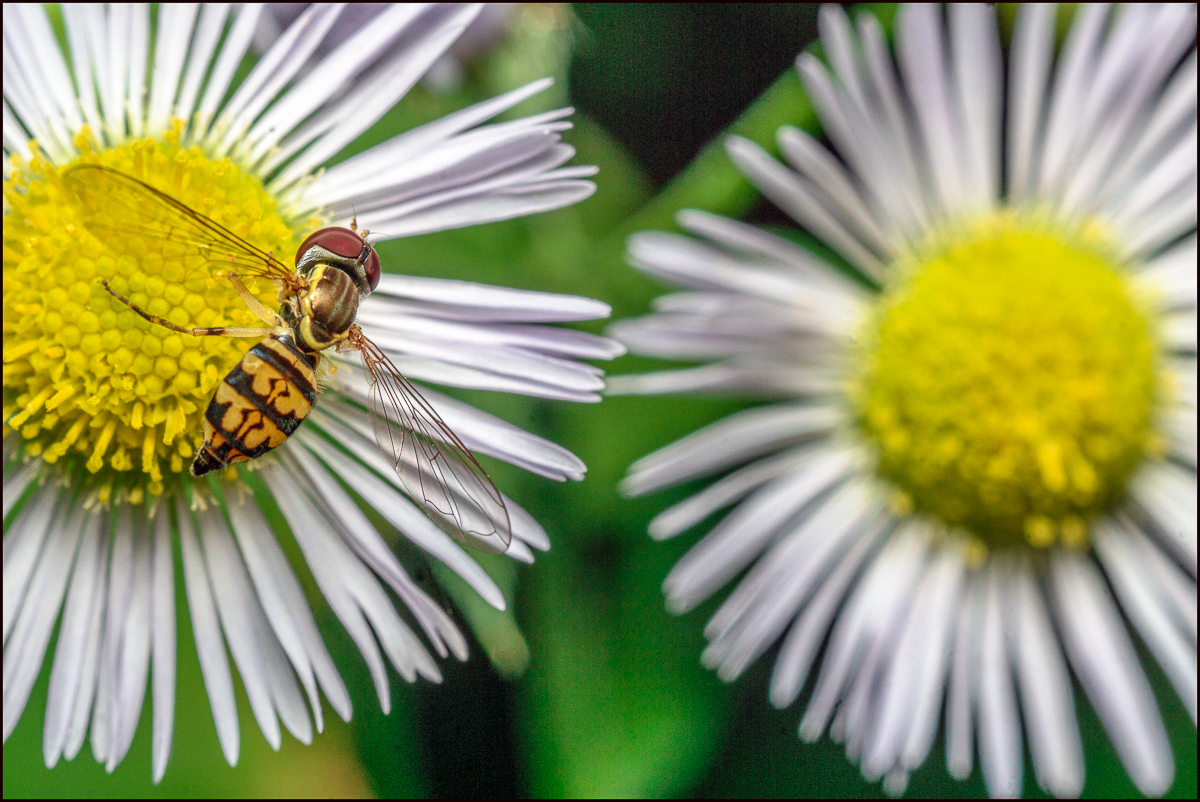
It was very hot and humid today and I was a little frustrated. I’d been sitting in front of a computer for most of Monday, Tuesday and Wednesday. Yesterday (Thursday) I had lunch with a friend but other than that I stayed home. I really wanted to get out and take some photographs. But I’d already taken the dog for a walk, was feeling a bit tired and didn’t feel like walking around much in the hot weather. Then it occurred to me that I could do some macro photography. I wouldn’t have to go far – just into the wooded area across the road. I’d be sure to find something – and indeed I did.
Above: A tiny wasp (or at least that’s what I initially thought it was). It really was very small (somewhere between 1/8 and 1 inch). Then the more I thought about it the more I started to think it wasn’t a wasp (the head didn’t look right for a wasp) so I did a bit more research. It’s a Hover Fly.
“Hover flies are true flies, but they look like small bees or wasps. They are the helicopters of the insect world, often seen hovering in the air, darting a short distance, and then hovering again. These beneficial insects are valuable tools in the fight against aphids, thrips, scale insects, and caterpillars.
What are Hover Flies? Hover flies (Allograpta oblique) go by several other names, including syrphid flies, flower flies, and drone flies. Hover flies in gardens are a common sight throughout the country, especially where aphids are present. The adults feed on nectar as they pollinate flowers. The female lays her tiny, creamy-white eggs near aphid colonies, and the eggs hatch in two or three days. The beneficial hover fly larvae begin feeding on the aphids as they hatch. After spending several days eating aphids, the hover fly larvae attach themselves to a stem and build a cocoon. They spend 10 days or so inside the cocoon during warm weather, and longer when the weather is cool. Adult hover flies emerge from the cocoons to begin the cycle again.
Read more at Gardening Know How: Hover Fly Information: Plants That Attract Hover Flies To The Garden.
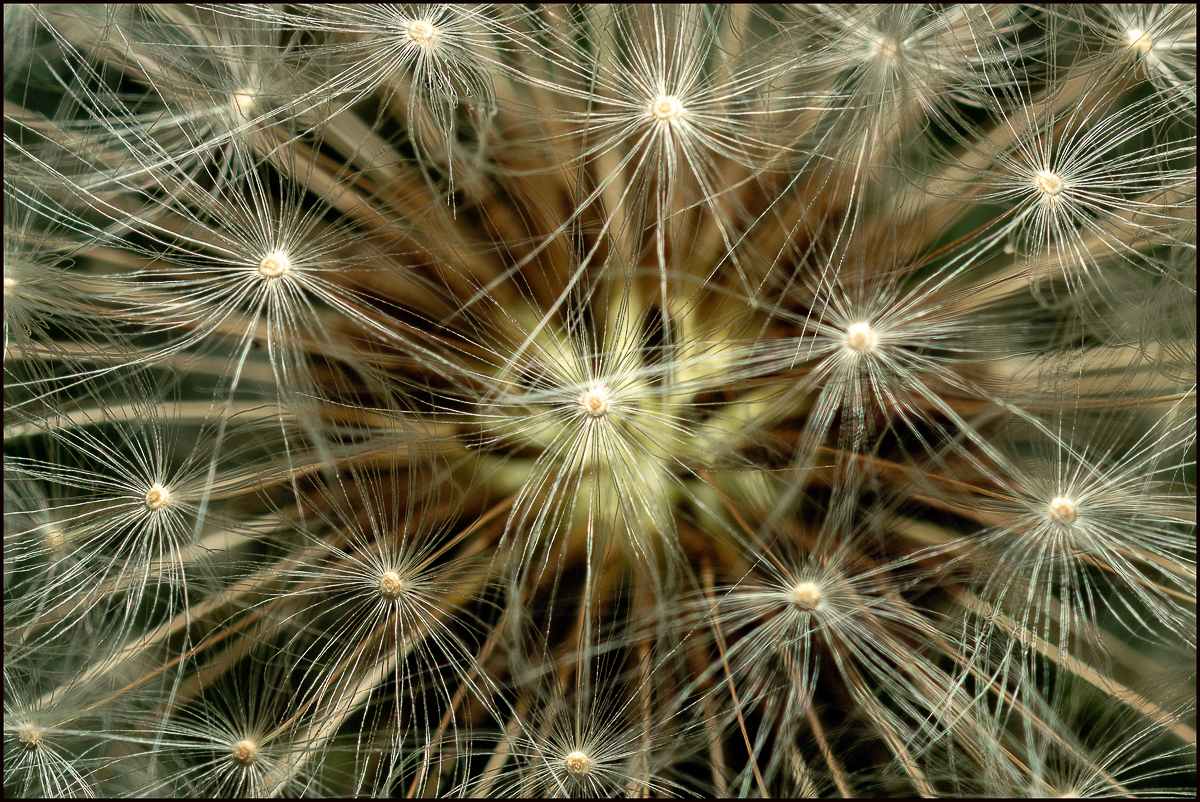
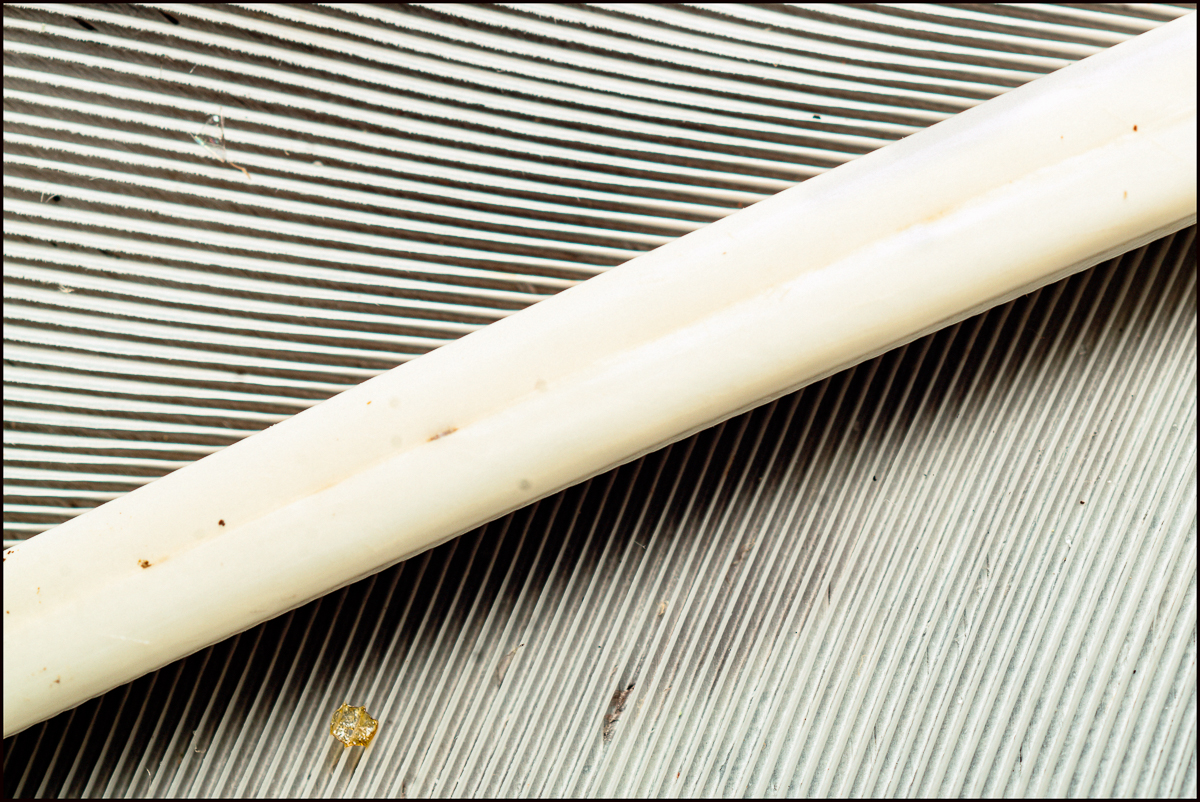
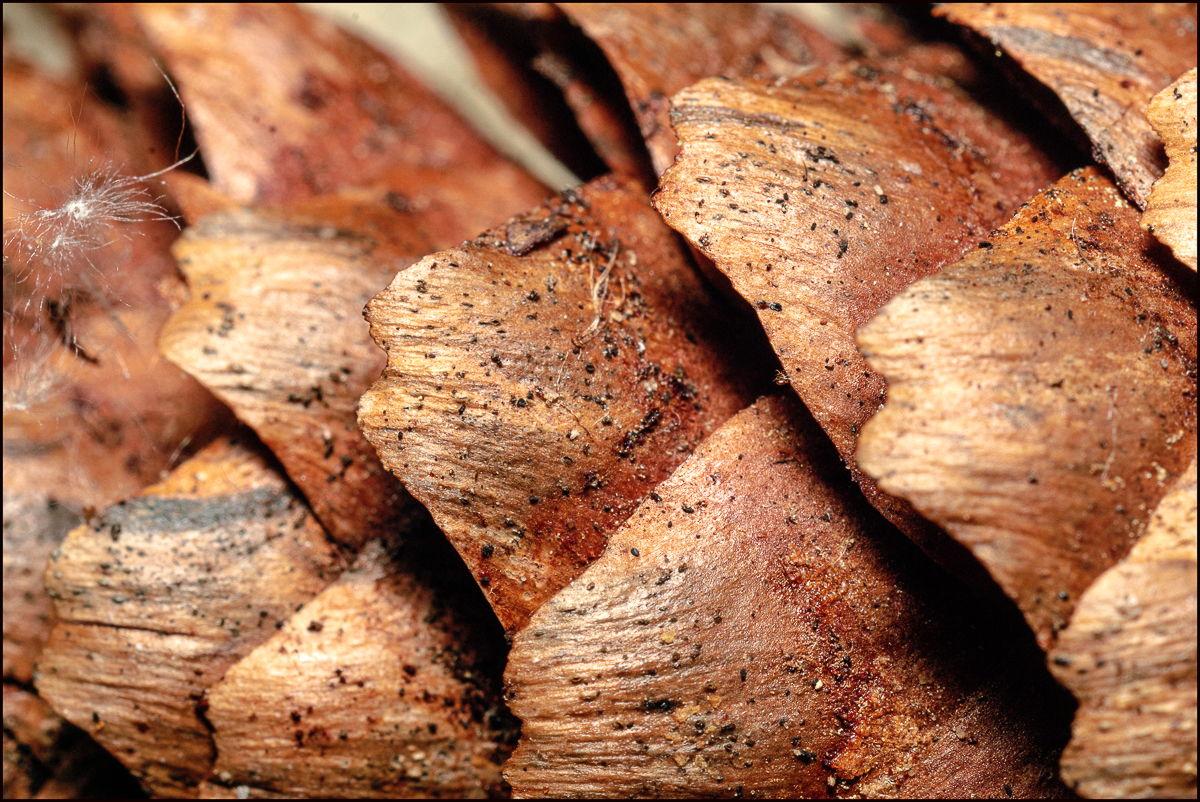
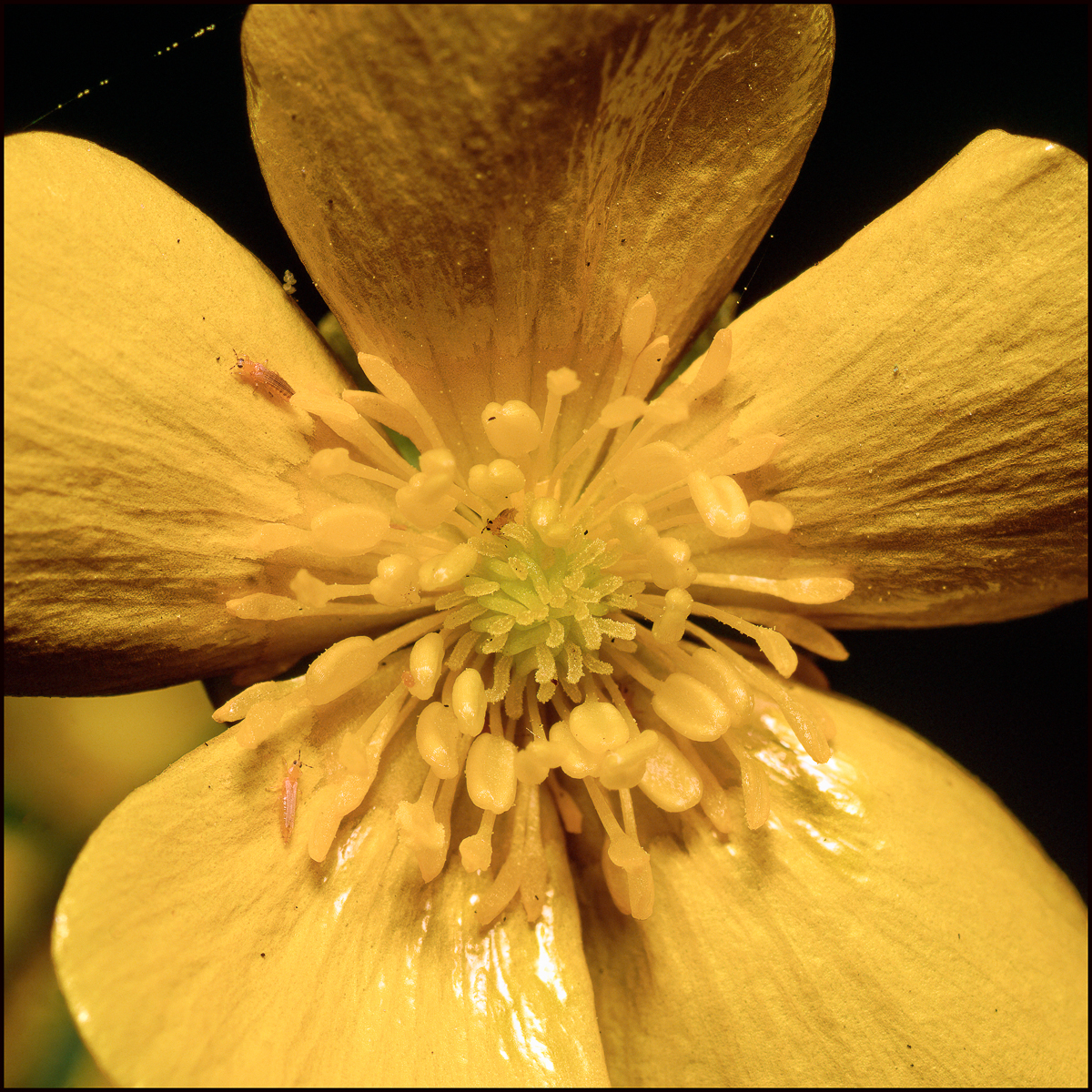
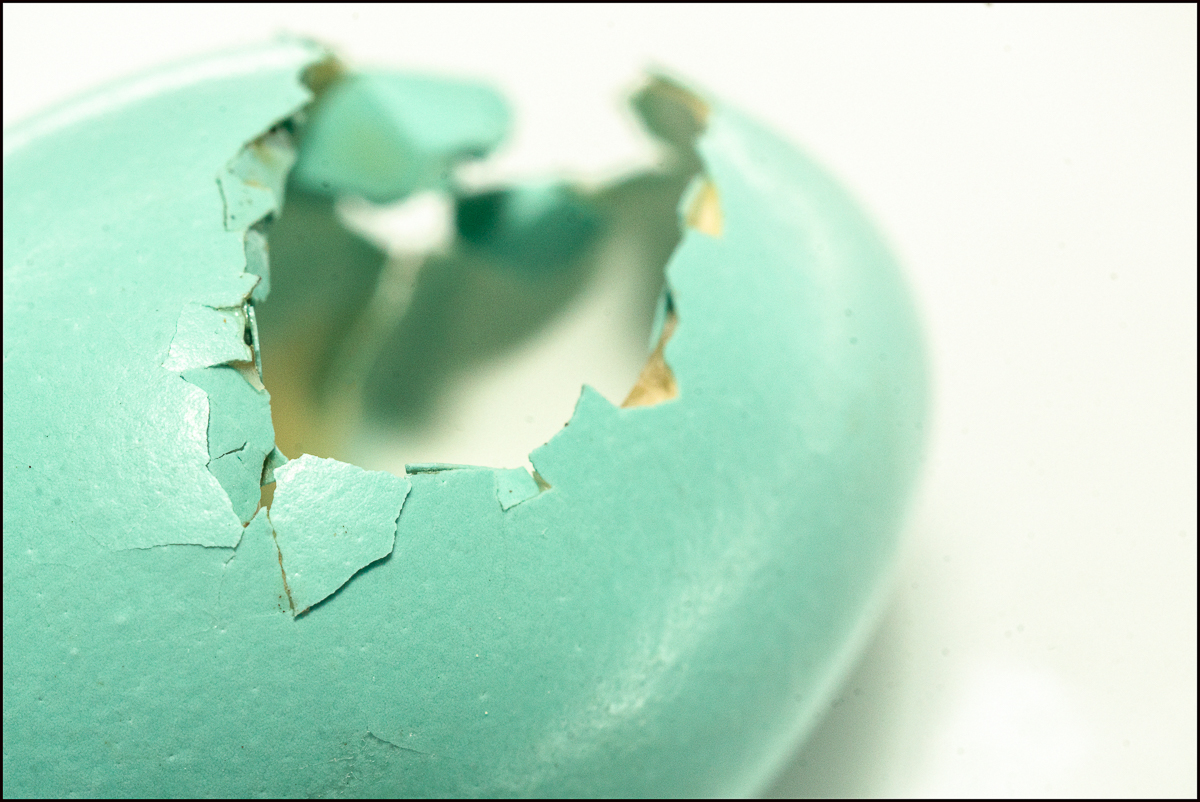
Taken with a Sony A77II and Minolta 50mm f2.8 Macro lens
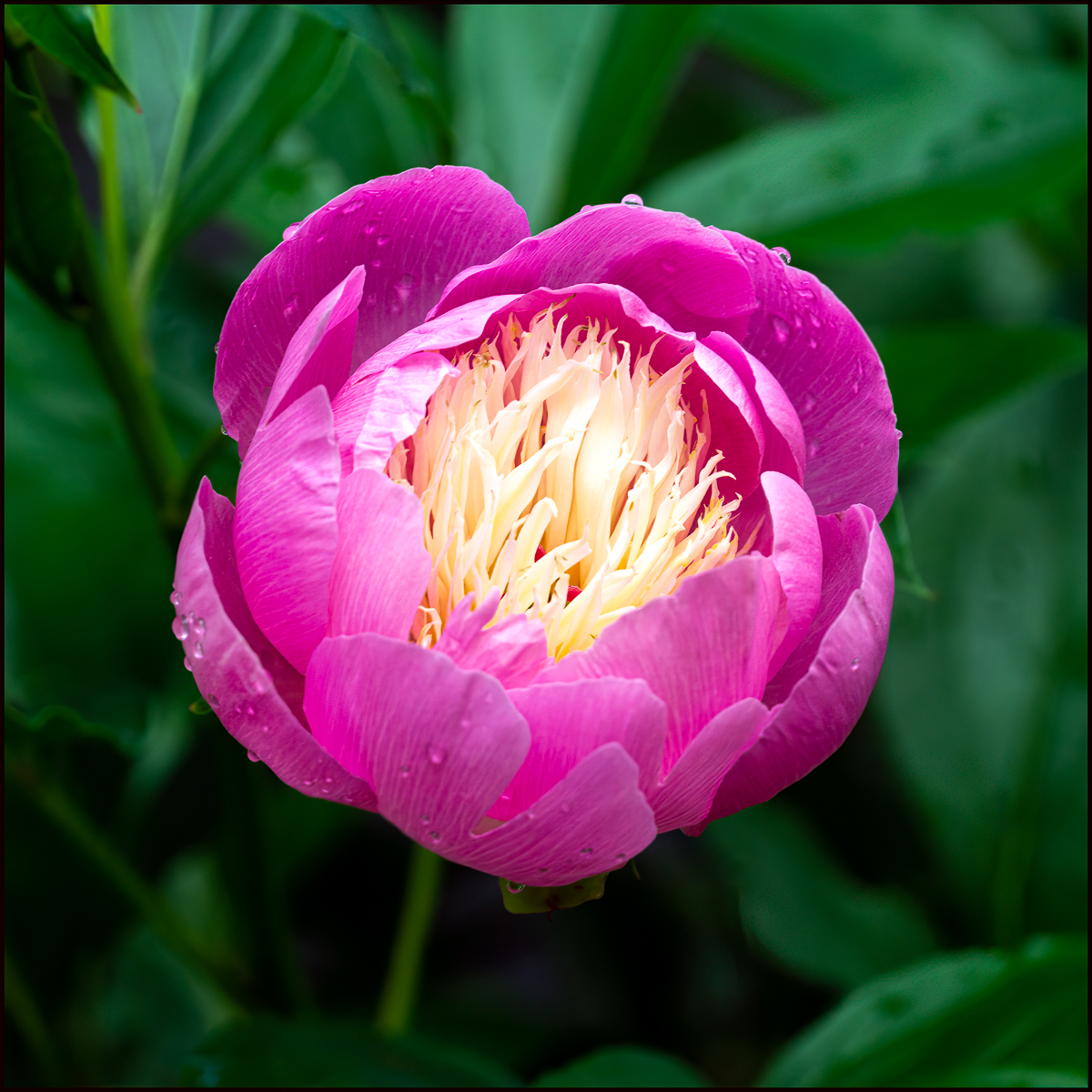
Taken shortly after a rainstorm.
Taken with a Sony A6000 and 18-135mm f3.5-5.6 OSS.
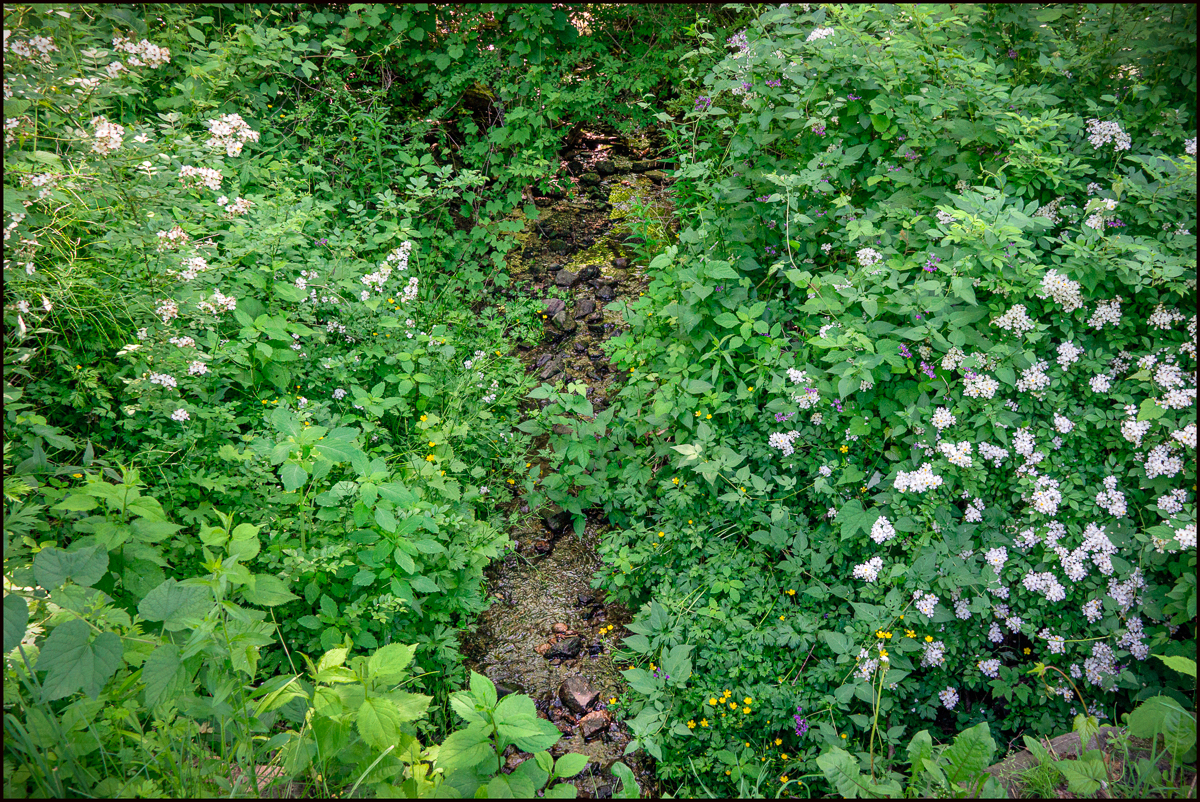
This stream is almost directly across from my house. I’ve walked past it many times but have never really paid it much attention.
This time something caught my eye. This photograph is one of many where I know that I like it, but I have great difficulty explaining exactly why. Maybe it’s the lush greens of the foliage contrasting with the more delicate whites, purples and yellows of the numerous wildflowers. Maybe it’s the contrast between all the colors and the darkness of the stream? I just don’t know.
Taken with a Sony A6000 and 18-135mm f3.5-5.6 OSS.