Some new photobooks

Although I have a lot of fun sharing photographs on social media, I like to see my photos in print. I could print them, frame them and put them on the walls of my house. But I don’t actually have a lot of wall space for displaying photos so that’s pretty much out. I could just print them (maybe frame them) and then give them to friends e.g. when invited to a party I could print along a framed print instead of a bottle of wine? But I’m pretty sure that they’d appreciate the wine more than the framed photograph. Or I could print them, put them in a folder or a box and then probably forget about them entirely until I discover them ten years from now…if I’m still around.

Instead of any of the above options I’ve decided to do photobooks instead. Over the years I’ve done a number of glossy photobooks, but I’ve discovered that they take me a long time to complete. They’re also quite expensive and I have a knack for getting something wrong e.g. I might find that a typeface I thought looked good on screen didn’t work well in print; or I get the spacing wrong; or while proofreading I catch most of the grammatical/spelling mistake but inevitably miss a few etc. Then I have to go back, and fix these problems and re-order the book. Let’s say I spent $60 on the first photobook. Now I have to spend another $60.

Instead I’ve decided to try ‘zines’. While they’re not as nice looking as photobooks I can produce one fairly quickly and they don’t cost very much (the examples in this post each cost no more than $15). So even if I have to redo them I’m only out $30. Of course if I really like one I can use the ‘zine’ as a proof copy, and quickly transform it into a more flashy photobook.

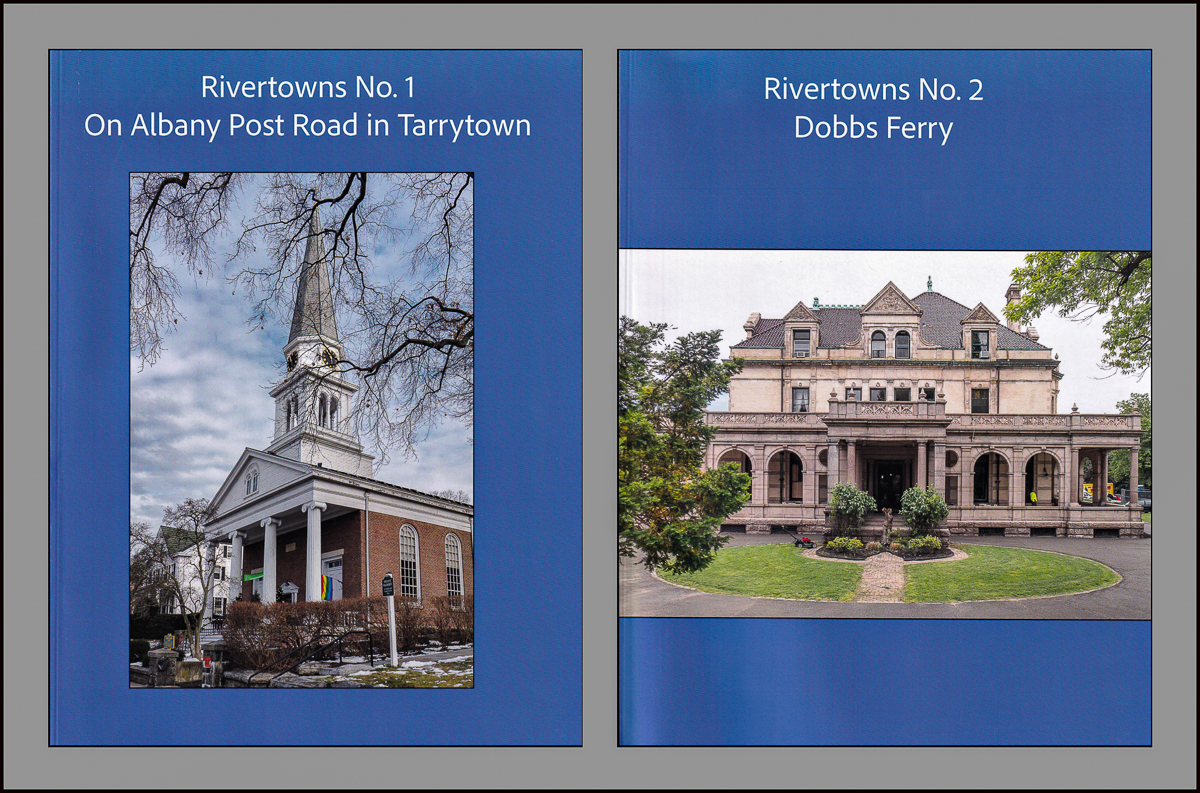
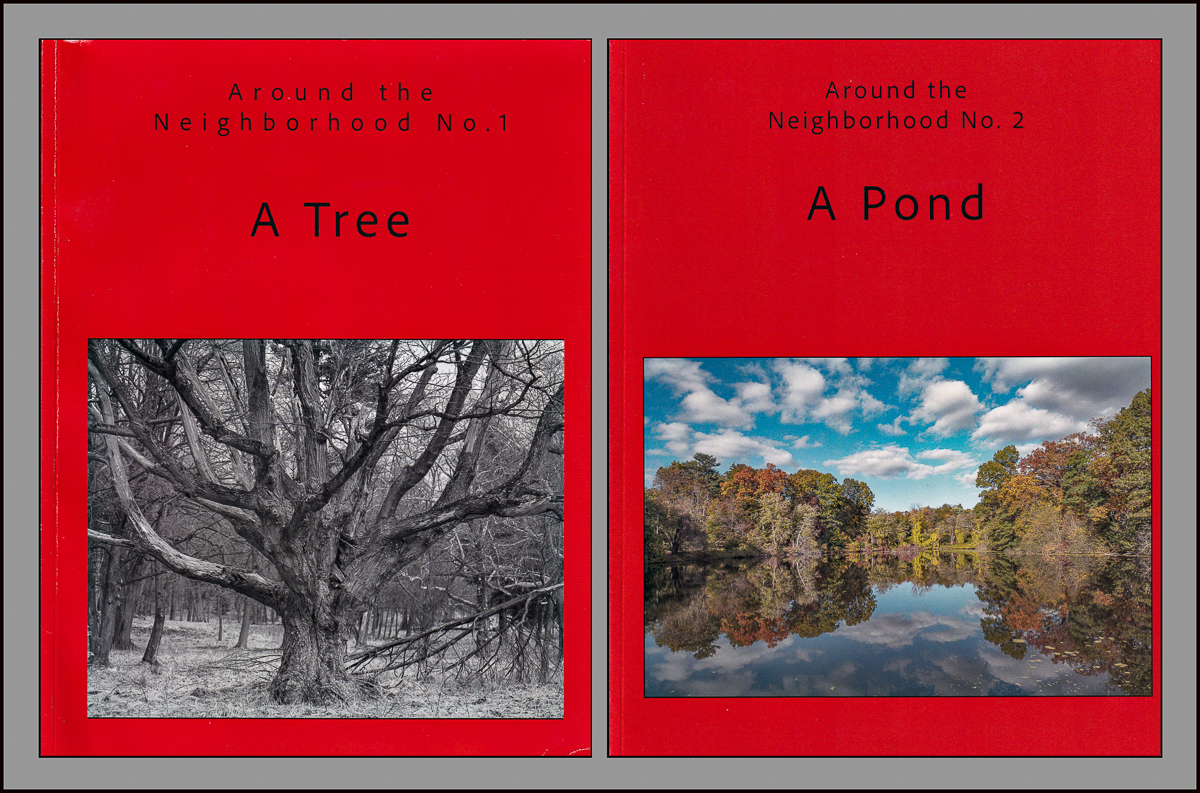
So far it’s working pretty well. I’ve recently done four ‘zines’ in two series.

I’ve lived in the Lower Hudson valley for the past 23 years. For much of that time I commuted into New York City for work. I was lucky that the commute was a very pleasant one. The New York Metro-North Railroad Hudson Line runs right next to the Hudson River and for much of it’s length offers picturesque views across the Hudson to (among other things) The Palisades; The Hudson Highlands; Storm King Mountain etc. Over the years I’ve visited and photographed many of the towns along the river. I anticipate doing a number of these ‘zines’ – each one focusing on a single town (or part of a town as some of them are quite large). For the same reason I’ve decided to focus on those areas, which are close enough that I can comfortably walk to them from the railroad station. With my customary lack of creativity I’ve decided to call this series “Rivertowns”. So far I’ve done two in this series: “On Albany Post Road in Tarrytown” and “Dobbs Ferry”. This series combines photographs with quite a lot of text describing them.

During COVID it was not possible to travel as much as I had been doing. I therefore confined myself to walks in the immediate vicinity of my house and started a series of photographs, which I decided to call “Around the Neighborhood”. I defined this as meaning anywhere that I could walk back and forth to from my house. So far I’ve done two ‘zines’ in this series. The first, entitled “A Tree” has as its subject a single tree in a nearby woodland. I’d already taken a number of pictures of this but on this occasion I decided on the spur of the moment to attempt an exercise that I’d recently read about. This exercise consisted of taking thirty six photographs of a single subject all at once. Quite easy at first, but after about twenty photographs increasingly more difficult. In fact at that point I almost gave up, but I stuck with it and in the end found it to be quite useful. I’m the kind of person who will walk up to a subject, take a few pictures and then move on. This exercise made me slow down and look more carefully. Indeed, towards the end I was noticing things, which I had already walked past a couple of times. The second, entitled “A Pond” focuses on a sad, lonely looking pond. What makes it interesting is that it’s on the site of the former Briarcliff Lodge, a 1902 vintage luxury resort in the village of Briarcliff Manor, New York where I live. It’s said that this pond was once the Lodge’s swimming pool. Local legend has it that if you were to dive to the bottom you’d find tiles.

Fine art photography

I follow a number of landscape photographers on YouTube. I’ve noticed a trend in the way they are using the words “fine-art”. They usually use it to describe a particular type of image:

  • Black and white.
  • Minimalist composition: i.e. usually a single subject, often situated in water.
  • Still water made smooth with a long exposure.

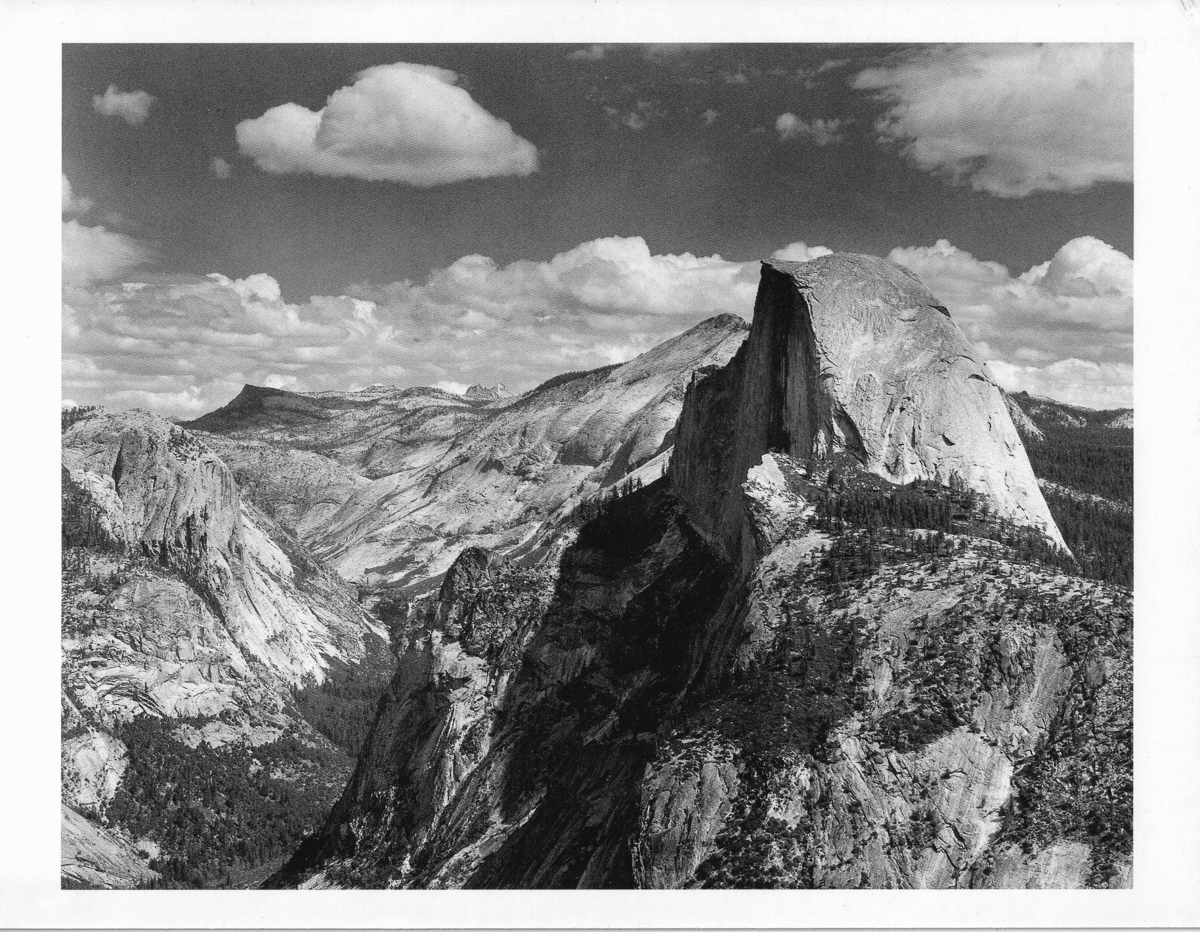
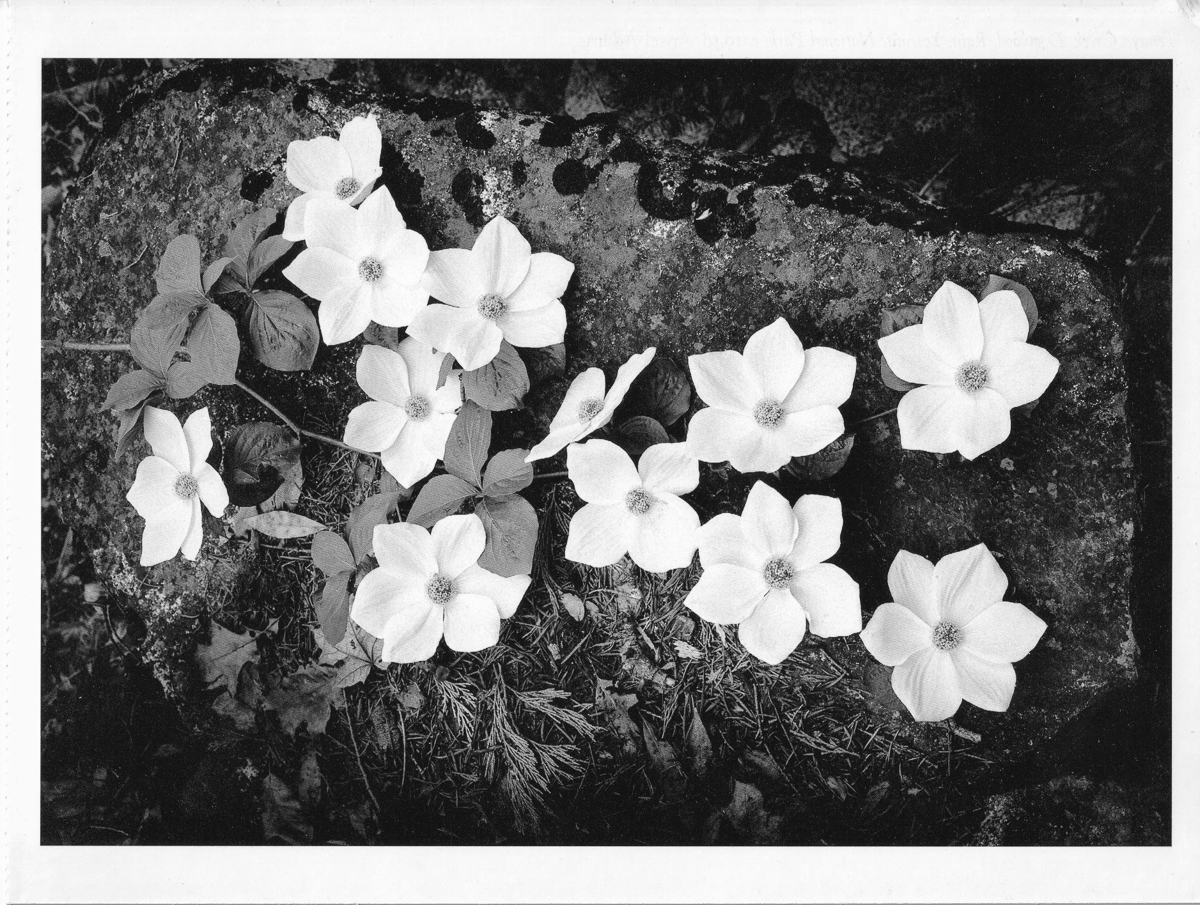
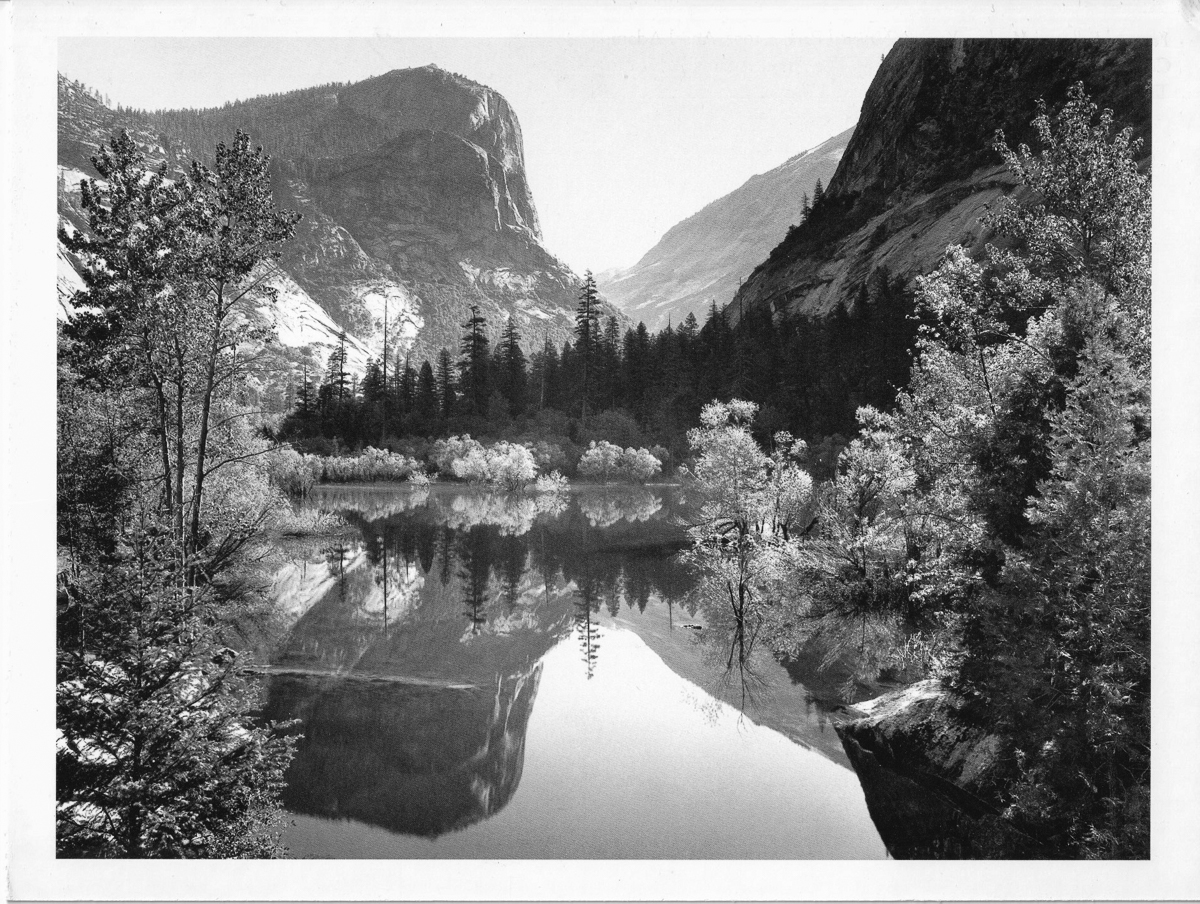
Something like the above, but not quite. The above image is one of mine and I don’t do that kind of photography. This is probably the closest I come. Maybe a better illustration would the work of Theodore Kefalopoulos. Don’t get me wrong. I’m not criticizing this type of work. When done well I rather like some of it.

Rather I feel that labeling this type of photography as “fine art” is too limiting. Surely “fine art” photography is broader that this. Wikipedia provides the following definition, which I prefer even though I don’t altogether agree with it (why, for example can photojournalism not be considered “fine art”):

Fine-art photography is photography created in line with the vision of the photographer as artist, using photography as a medium for creative expression. The goal of fine-art photography is to express an idea, a message, or an emotion. This stands in contrast to representational photography, such as photojournalism, which provides a documentary visual account of specific subjects and events, literally representing objective reality rather than the subjective intent of the photographer; and commercial photography, the primary focus of which is to advertise products, or services.

Clearly I’ll have to think about this some more. I’m not sure that I fully understand what “fine art” photography is, but I think I know what it’s not: it’s not limited to black and white; minimalist; long exposure seascapes.

Taken with a Fuji X-E3 and Fuji XF 10-24mm f4

Peter Lindbergh on Fashion Photography

I haven’t shown a lot of interest in Fashion photography. It’s not that I don’t appreciate it – I do, and I have a number of photobooks by/about well known Fashion photographers including Irving Penn, Helmut Newton, Annie Leibovitz and Edward Steichen. I’m also somewhat familiar with the work of others including Cecil Beaton, Richard Avedon, David Bailey, Horst P. Horst, William Klein, David LaChapelle, Lord Snowden, and Mario Testino. It’s just that I don’t think, much as I might like to take pictures of gorgeous women on a beach I don’t think I’ll ever have the opportunity to do so. Moreover, I’m not really comfortable taking pictures of people in general.

However, my interest was piqued when I saw this video on one of my favorite YouTube channels: Alex Kilbee’s: The Photographic EyeThe Photoshoot Which Changed Fashion Photography

I’d heard of Peter Lindbergh, but had not really appreciated how influential he had been. So I immediately ordered “Peter Lindbergh. On Fashion Photography“, Taschen Books, 2020. In his introduction Lindbergh says:

In 1987, I got a call from Alexander Liberman then the creative director of Condé Nast

I’ve got a couple of books by/about him too. I decided that I would get them after being invited over to the house of, as it turned out, someone who used to work for him). But back to the post:

He couldn’t understand why I didn’t want to work for American Vogue. I told him, “I just can’t take the types of photographs of women that are in your magazine.” I simply felt uninspired by the ways women were being photographed”. He said: “OK, show me what you mean, show me what kind of women you’re talking about.” I wanted a change from a formal, particularly styled, supposedly “perfect” woman – too concerned about social integration and acceptance – to a more outspoken and adventurous woman, in control of her own life and emancipated from masculine control. A woman who could speak for herself.

A few months later, following Mr. Liberman’s proposition, I put together a group of young and interesting models and we went to the beach in Santa Monica. I shot very simple images; the models wore hardly any makeup, and I wanted everyone to be dressed the same, in white shirts. This was quite unusual at the time. Linda Evangelista, Christy Turlington, Tatjana Patitz, and Karen Alexander were all there that day.

Back in New York, Vogue’s editor in chief at the time, Grace Mirabella, refused to print the images. But six months later, Anna Wintour became the the magazine’s editor and discovered the proofs somewhere in a drawer. She put one of them in Condé Nast’s big retrospective book “On the Edge: Images from 100 years of Vogue (1992)”, calling it the most important photograph of the decade. The “supermodel” would go on to represent the powerful woman that I had articulated, and their images dominated fashion visuals for the next 15 years.

The book consists of two distinct parts: a short, but very interesting introduction by Lindbergh himself followed by the heart of the book – Over 300 hundred images (that’s what the book’s sleeve says, but the book actually has 505 pages and the introduction – in English, German, and French – takes up only about 30 of them, and itself contains a number of photographs). Such a large number of images requires some kind of organization and in this case it’s alphabetical by client e.g. Azzedine Alaïa, Heider Ackermann, Giorgio Armani etc.

I like this series of Taschen books. Most photobooks are quite expensive, large format, heavy and difficult to hold. This series is more compact (6×9 inches) and fairly inexpensive. I have a number of them. I guess the only problem with them is that the photographs are relatively speaking rather small, but they’re good enough to provide a thorough overview of his work. Taschen also has a larger format series. I have a few of them too (e.g. Sebastião Salgado‘s wonderful “Genesis” (10×14 inches, but still quite inexpensive for a photobook of this quality), but I find them too big and too heavy to comfortably hold and read.

Iphone Pictures

In an earlier post (See: A Rant) I took exception to what a photographer I follow on his blog and on YouTube was saying about phone cameras not being “real cameras” and people who use them not being “real photographers. In that post I said:

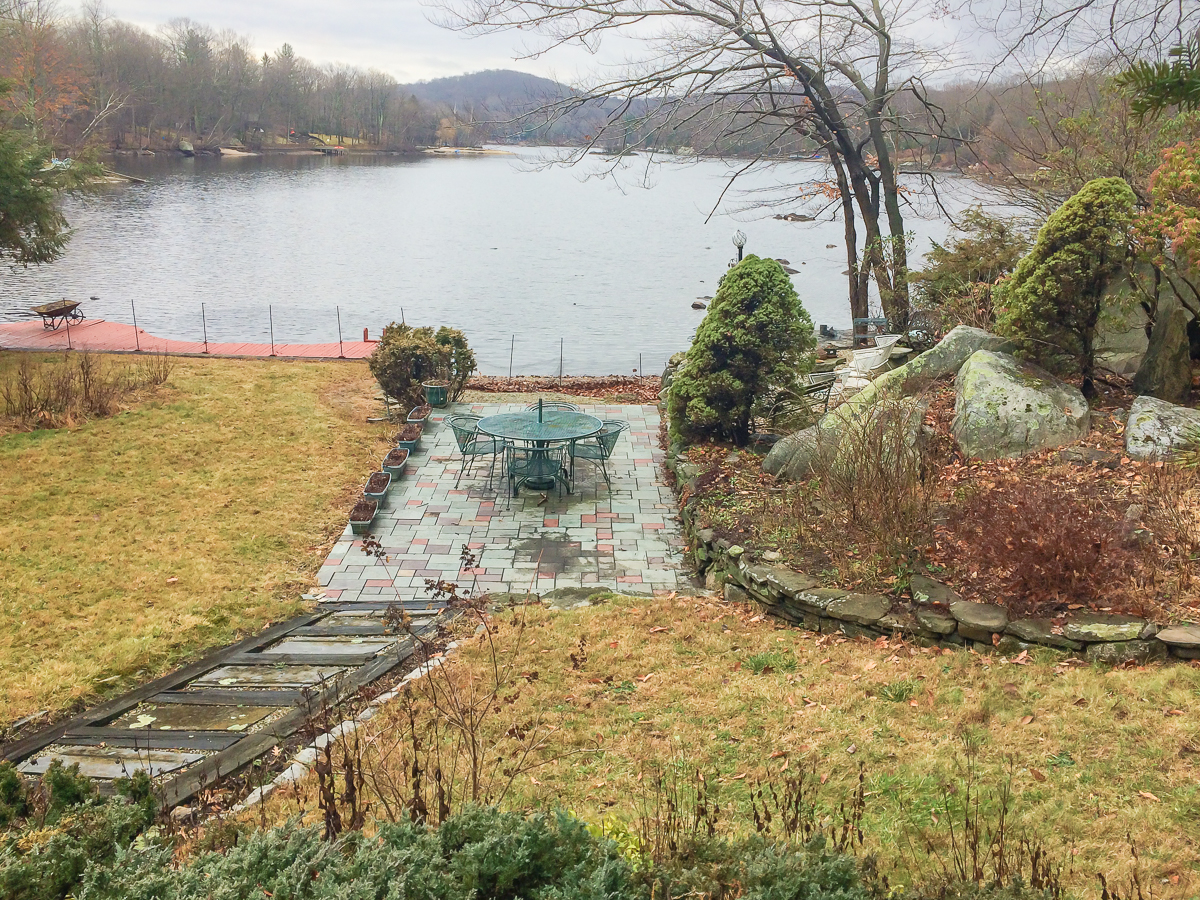
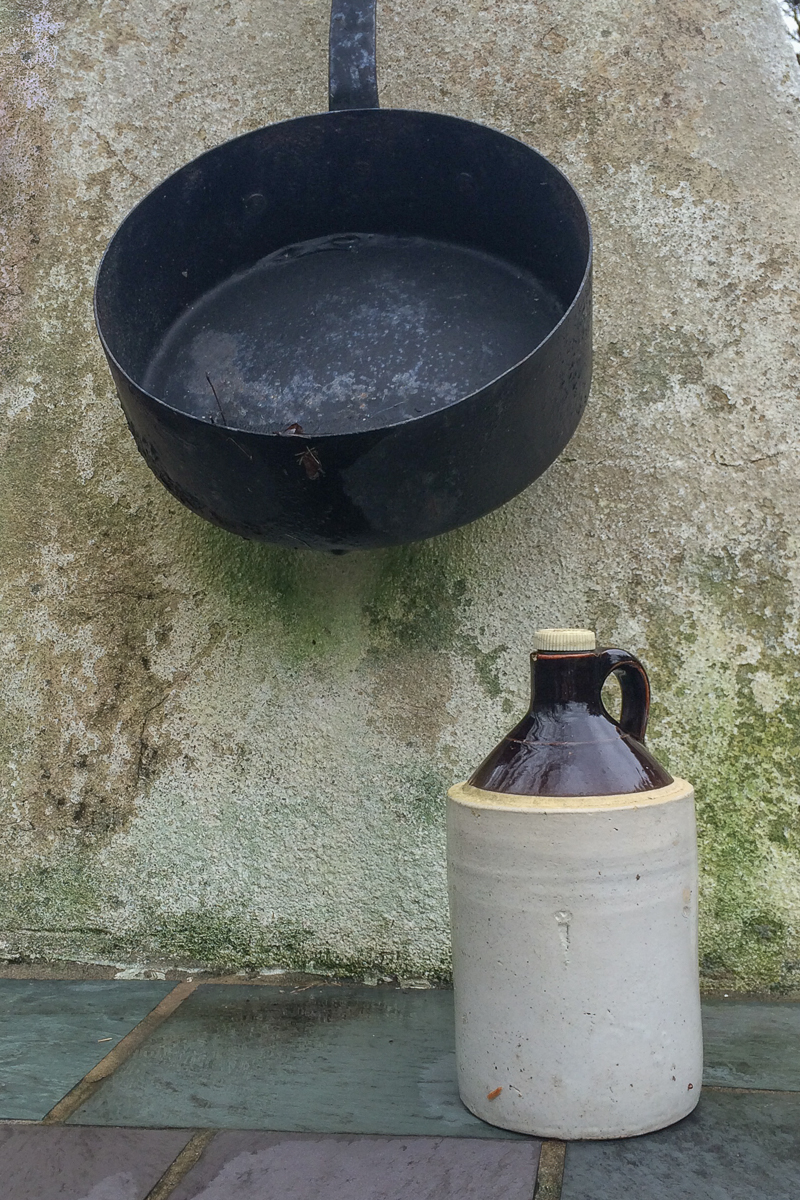
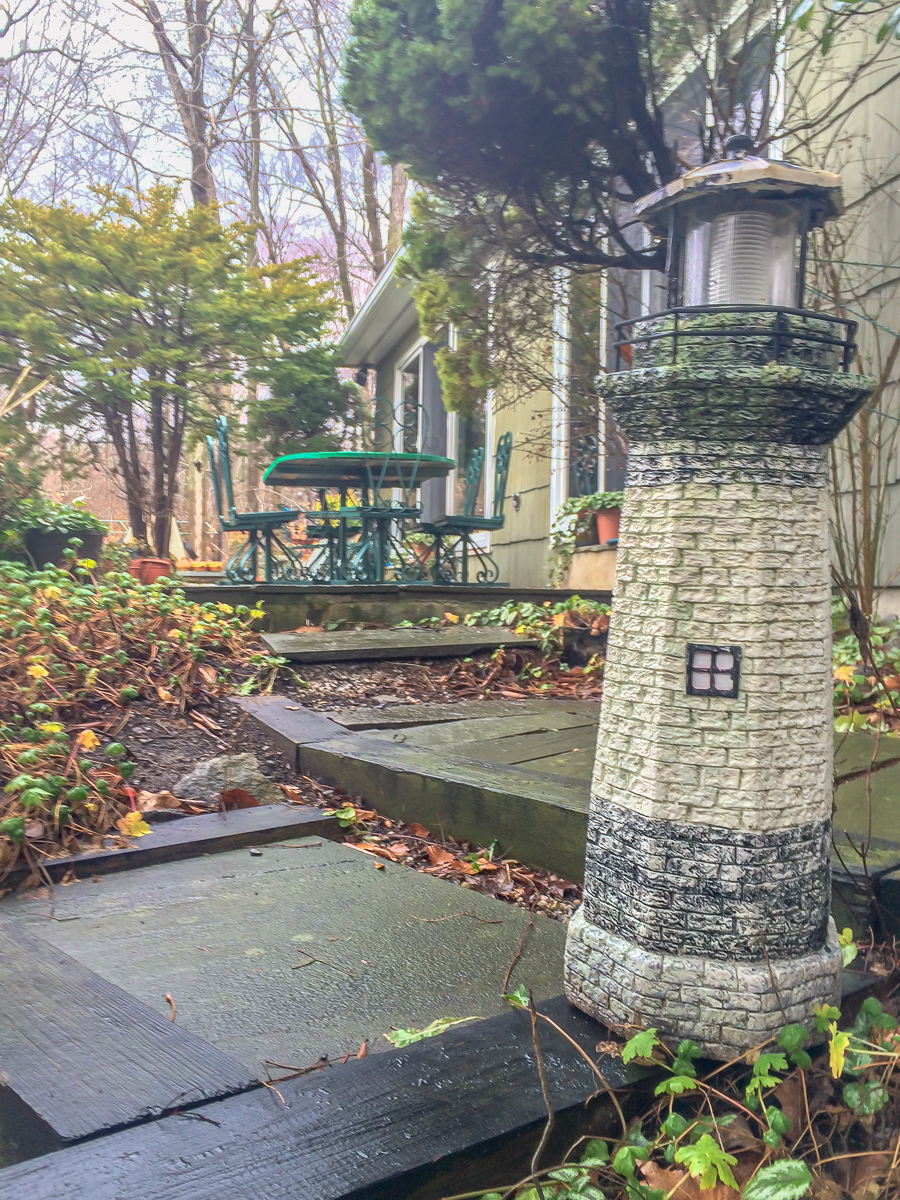
I love cameras. I collect them and have all kinds: film; digital; point and shoot; professional; 35mm; medium format etc. I tend to use “real” cameras more than iphones, but have been known to use my iphone for mundane documentary pictures, for fast sharing, and when I didn’t have another camera with me. For example, I was once invited to a friend’s house. Her name was Germaine and she was already quite old at the time and was talking about leaving that particular house soon. So I decided I would take some pictures in and around her house as I souvenir for her. I then used the images to make her a photobook. The only camera I had with me was an iphone, and quite an old one (an iphone 5s, which came out in 2013) at that, but the photobook looked great and she really liked it.

However, when I was preparing this post I remembered with great sadness that Germaine had passed away last August at the age of 100. When I first posted about her on the occasion of her 92nd birthday I wrote the following.

Germaine is a fascinating person as can been seen from this extract from the Alsace-New York Newsletter, Spring 2007 celebrating Germaine’s induction as ‘Chevalier dans l’Ordre du Merite’:

“Germain Schneider-Chandelier was born on the 22nd of February 1922, at Leutenheim, Alsace, in the Lowe rRhine, the older daughter of a family of six children, 5 daughters and a son. Her childhood and her adolescence have been marked by the hardship of World War II since as many Alsations, here family had to leave Alsace and take refuge in their particular case, near Limoges in the Center of France.
1945, back to Alsace: a new life is starting. One day, when some of the father’s friends participate in a hunting party on his land, Germain is offered a position as governess of the three children of the Minister Plenipotentiary Arnaud Wapler. For the record it is said that one day, as she was filling in for the cook, Germaine offered to bake a dessert: “A chocolate charlotte”: a cake which changed her destiny. This same year 1954, together with a group of 20 people, Germaine abord the ‘Indochine’ crossed the Atlantic. After 12 days, she landed in Boston when she started to work for the Consul General Mr. Chambon.

1954: beginning as a Professional Caterer: Germaine makes the decision of living in New York City. With an early established professional experience, Germaine is self-employed. First she works from home, as a caterer for individuals and families from whom she organizes weeding, luncheons, dinners, cocktail parties…Later she works for big companies such as Chanel, Christian Dior, Hubert de Givenchy, Hermes. She is now “The Caterer” of New York high society.

1962: Germain meets Marcel Chandelier. This event will change their life together. Marcel Chandelier, who came over in 1958 is “Maitre Cuisinier de France”. Together they join their talents and create “La Maison Germaine”. Marcel and Germaine officially open “Germaine Catering” a great ultra-professional kitchen, located at 39-09 33rd street, Long Island City, Queens.

1964: A great new York wedding”: This time, it is the wedding of Germaine Schneider and Marcel Chandelier. The union of a same passion for excellence, which made of Germaine Catering a name synonymous of the French quality and know-how.

Even after Marcel Chandelier’s passing, Germaine will continue to work with the diplomatic community in New York City, the great political personalities: Golda Meir, the Kennedy family, Jacqueline Kennedy, Hilary Clinton, for the release of her book, the American Ballet Theater, the Metropolitan Museum of Art, The Museum of Modern Art, the Botanical Garden.

The New York Daily News referred to her in June 1979 as the “Most legendary caterer in New York”.

Germaine is a remarkable person. She’s still incredibly sharp and physically active and could easily pass for someone 20 or even 30 years younger. At last week’s garden club meeting she came down a series of very steep steps better than many of her juniors. She also says what she thinks, which can be quite a shock until you get to know her. At first I was afraid to bring anything I had prepared to the garden club meeting if she was going to be there, but I eventually did and even got a few positive comments – high praise indeed. She’s offered to teach me some cooking techniques.

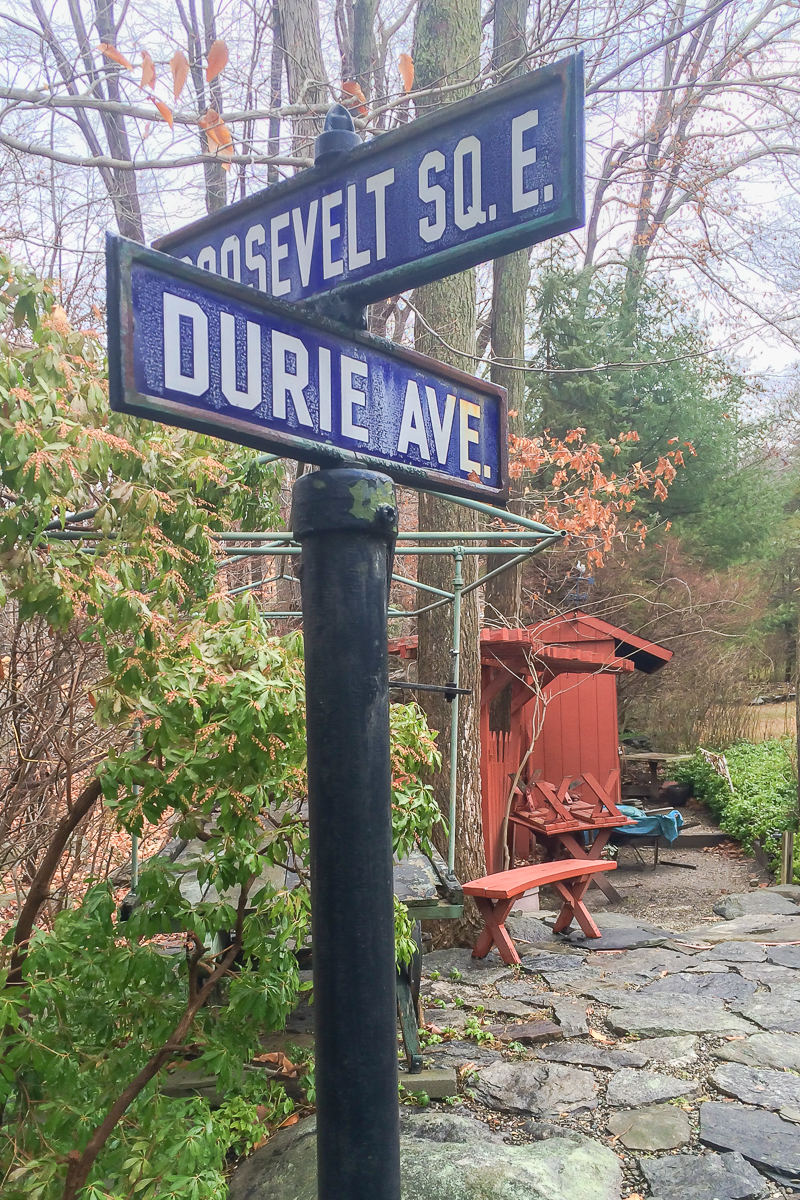
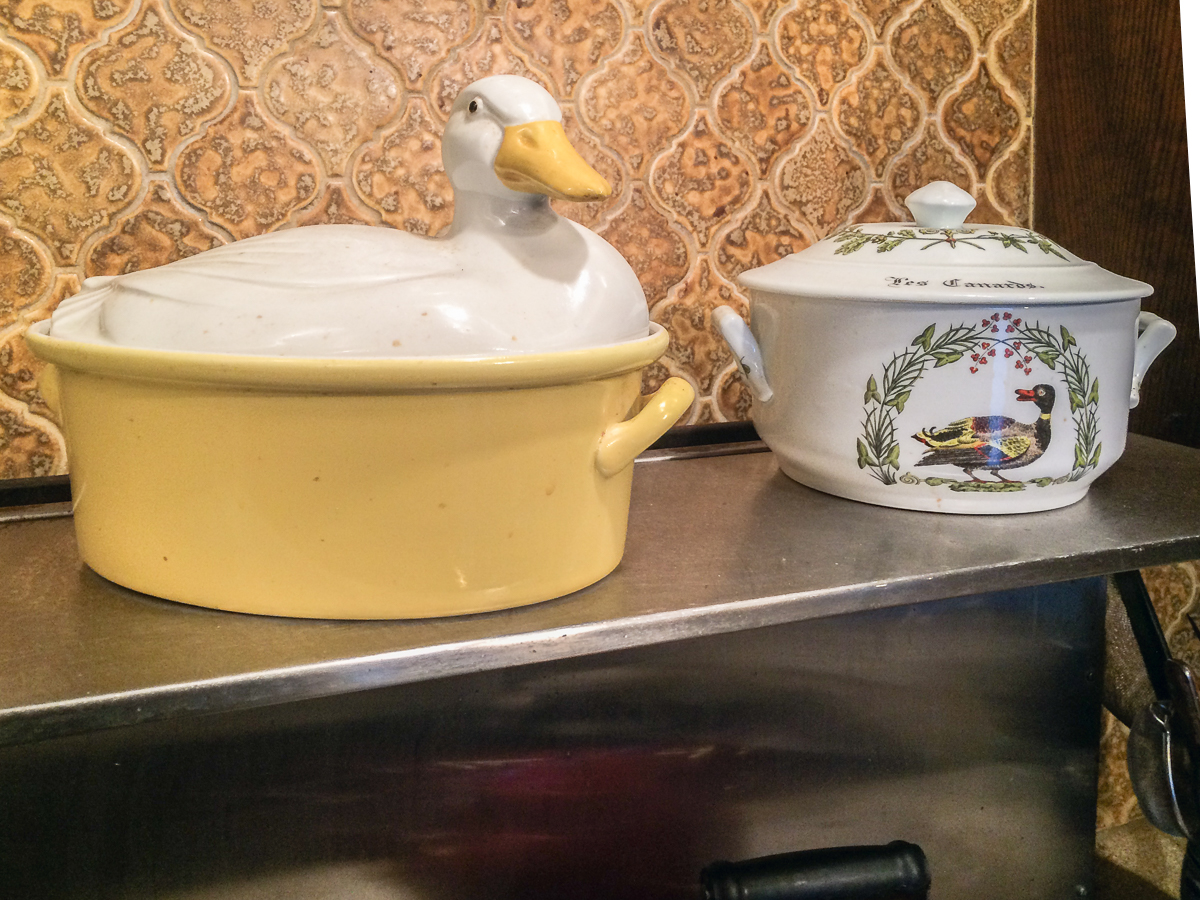
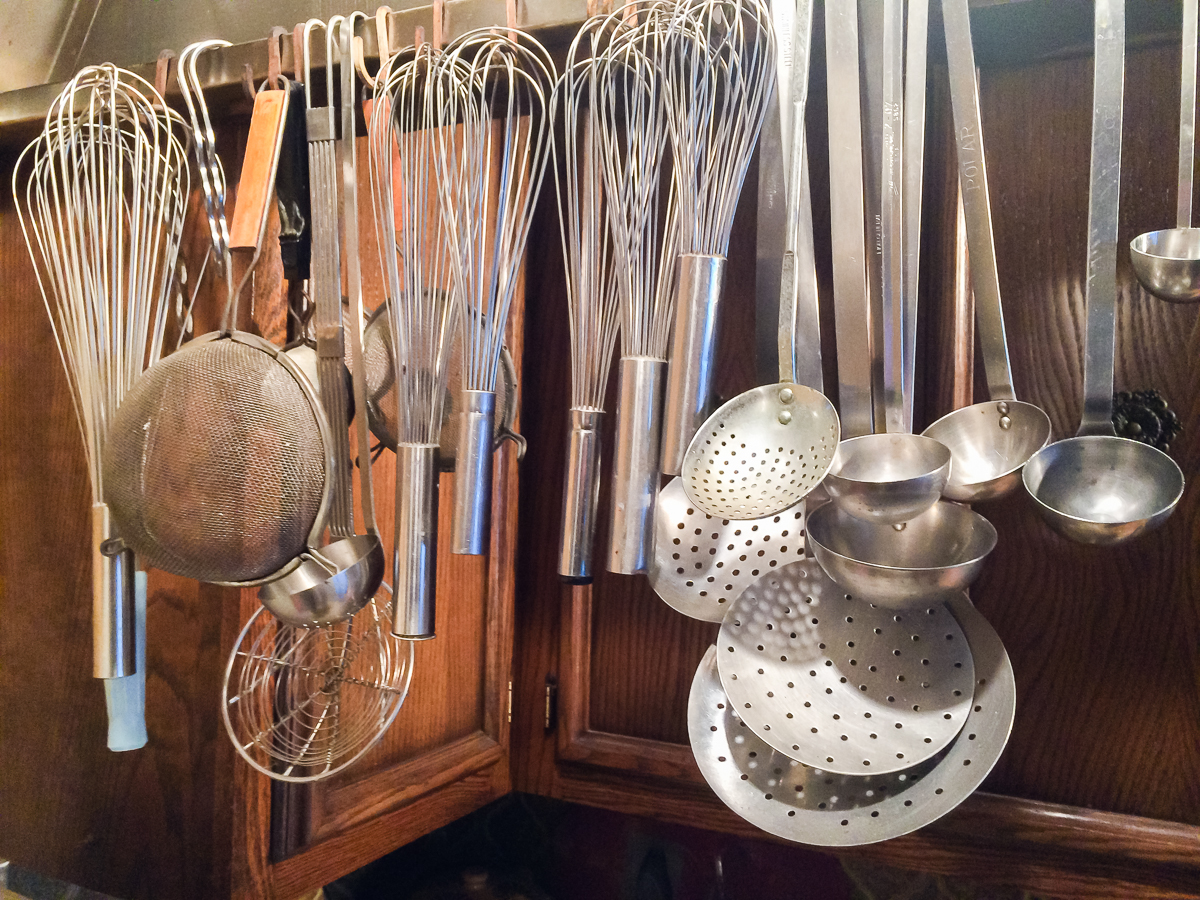
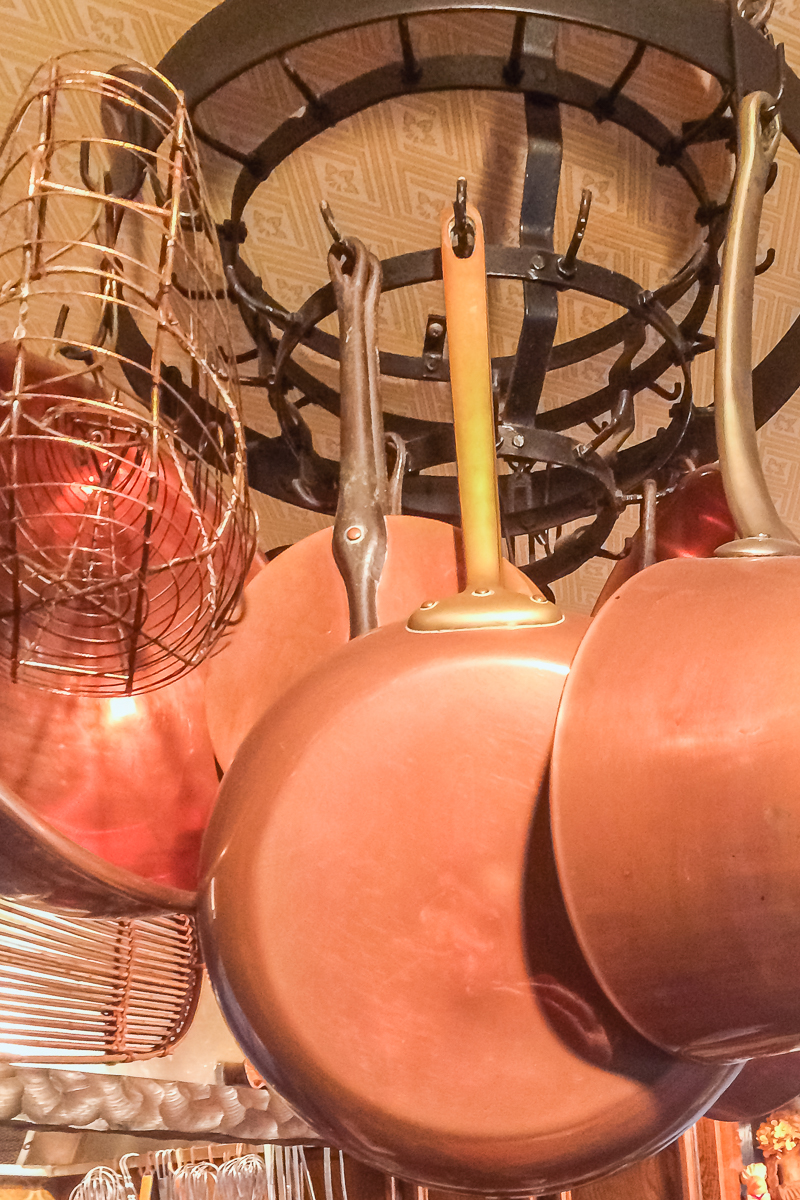
The photobook I created is long gone. I only made one copy and I gave that to her. Moreover, the service that produced the book is no longer around so I can’t order another one. I do, however, still have the pictures


I rather like the pictures and hope that they illustrate the point that you can use an Iphone and still be a “real” photographer. I also hope that they function as a fitting memorial to a remarkable person.

All pictures taken with an Iphone 5s except for the first, which was taken with a Sony Nex 5N and some kind of adapted vintage manual focus lens. I no longer remember which one and of course I have no EXIF data to help me.

A rant

Before I get into this post let me tell you a bit about me and my photography. I’ve been taking pictures for over 40 years, initially exclusively using film (there wasn’t anything else when I started). I’m something of a geek and working in IT for some time makes me comfortable with technology. So when digital photography came on the scene I was an early adopter. I had never collected anything until around 2011 when I decided to collect old film cameras, which I continue to do.

I enjoy the convenience of digital photography and I enjoy processing my images using Lightroom/Photoshop (something I never learned how to do with film photography). But I also enjoy the way film photography makes me slow down and think more about each individual photograph. I’m a fan of photobooks and like to see my images in print. I also print individual photographs, often to give to friends since I don’t have a lot of wall space on which to display them. I’m also into social media and like to share my pictures with friends and family. I’m English and my family is all over the world and social media is by far the easiest way to stay in touch with them.

In summary I like both digital and film photography and think both have their place. I write this to show that I don’t have a bias for or against either.

Which brings me to the subject of this post. There’s a guy whose blog I follow. He’s a long time professional photographer. He writes well and generally I enjoy his posts. He also has a YouTube channel that I also enjoy but somewhat less. Frankly it’s a little boring. He merely sits in front of a camera and talks for about 15 minutes. I don’t think he realizes that nowadays people expect a little more sophistication in the videos they watch.

Of late he has often tended to go off on rants of his own. The gist of these tirades seems to me to be as follows:

1. Film photography is superior to digital photography.
2. Because of their years of experience professional photographers are superior to amateurs
3. Real cameras are better than iphones.
4. If you don’t print you’re not a real photographer.
5. Instantly sharing posts in social media is bad.
6. “Excellence” in photography is getting lost in “good enough”.
7. You are likely to lose your digital photographs whereas prints have a much longer life.

Of course everyone is entitled to his/her own opinion, but I’m forced to conclude that what he’s really saying is that only professionals can call themselves photographers and although the rest of us may take photographs we should not call ourselves photographers. He seems to look down on people who just take pictures for fun and share them on social media. Of course for decades people have been taking snapshots. It’s just that because of the nature of film photography you couldn’t take as many pictures and sharing them was much more difficult).

Needless to say I don’t agree. So in response to the above points.

1. Film photography is superior to digital photography. I don’t believe one is superior to the other. They both have their place.

2. Because of their years of experience professional photographers are superior to amateurs. I would like to remind everyone that amateur originally meant “someone who does something for the love of it rather than for money”. Somehow the word has now come to mean “a person who is incompetent or inept at a particular activity. I’ve come across many “amateurs” whose work is better than some professionals. Moreover, I sometimes wonder if when someone says they have 40 years of experience they really mean that they have one year of experience 40 times.

3. Real cameras are better than iphones. I love cameras. I collect them and have all kinds: film; digital; point and shoot; professional; 35mm; medium format etc. I tend to use “real” cameras more than iphones, but have been known to use my iphone for mundane documentary pictures, for fast sharing, and when I didn’t have another camera with me. For example, I was once invited to a friend’s house. Her name was Germaine and she was already quite old at the time and was talking about leaving that particular house soon. So I decided I would take some pictures in and around her house as I souvenir for her. I then used the images to make her a photobook. The only camera I had with me was an iphone, and quite an old one (an iphone 5s, which came out in 2013) at that, but the photobook looked great and she really liked it.

4. If you don’t print you’re not a real photographer. I like to see my photographs in print, but I can understand why people don’t print: it’s hard to get it right (particularly if you want to print in color) and what do you do with the print once you have it. Unless you’re willing to go to more trouble framing it and putting on a wall you’ll probably end up putting it in an album, or in a box and forgetting about it.

5. Instantly sharing posts via social media is bad. If I’m reading him correctly he’s not so much against sharing on social media. It’s the sharing it straight away that gives him problems. He provides a recent example of someone taking a picture of him, posting it on social media and than showing it to him right away. His argument seems to be that he was there when the picture was taken and so doesn’t need to see it right away. I don’t see why this is such a problem. Maybe the person taking the picture (who I apparently can’t call a photographer) wants to know if you like the picture wants to know whether or not you like it so that he/she can try another if you don’t.

6. “Excellence” in photography is getting lost in “good enough”. I can see what he’s saying, but I think his views are seen through the lens of a professional (i.e. commercial photographer). He seems to do a lot of portrait and wedding photography so I’m sure he’s lost a lot of income because Uncle Joe with his limited photographic knowledge and high end digital camera can deliver images that, while nowhere near as good as a professional might make, are “good enough” and cost a fraction of what a professional would charge. They might even be better in some ways: more dynamic, more interesting, more spontaneous etc. Most of the professional wedding pictures I’ve seen are formulaic and not particularly interesting.

7. You are likely to lose your digital photographs whereas prints have a much longer life. I can backup thousands of digital images in a few hours. I can them take them off-site so they are protected from fires, theft etc. Try doing that with several hundred albums and associated negatives. Of course many (myself included) don’t take the trouble to make these backups, but that’s not a reason to criticize digital photography as a whole.

I’ve seen some of this gentleman’s work. He has a website, a blog, an Instagram presence, a YouTube channel, he’s an active Twitter user, and is also on Facebook. Clearly he’s comfortable with technology so I guess it’s just that he’s somewhat averse to digital photograph in general, phone cameras in particular and the whole digital environment which allows easy creation and distribution of large numbers of photographs. I can certainly relate to that.

Unfortunately this seems to translate into a rather supercilious attitude to those who don’t see things the way he does. It’s the “I’m a real photographer because I use real cameras, and print the results, sharing the prints circumspectly – you use an iphone, don’t print and share a lot of crap with all and sundry so you’re not even worthy of calling yourself a photographer” that I take exception too.

He seems like a nice guy: hard working and devoted to his art/craft; a concerned person involved with a number of worthy causes. His photographs are what I would expect from a professional photograph: competent but not particularly awe inspiring. Don’t get me wrong, he’s a much better photographer than I am, my photographs being mediocre at best. However, I collect photobooks by and about famous photographers and I believe I know a truly great photograph when I see it.

I just wish he would just cool it with the superior attitude. I could even live with this if he didn’t choose to push it down my throat at every opportunity. It makes me avoid his blog and his YouTube channel, which is a pity because I agree with much of what he’s and thoroughly enjoy many of his posts/videos.

Taken with a Fuji X-E3 and Fuji XC 16-50mm f3.5-5.6 OSS II