Mariandale

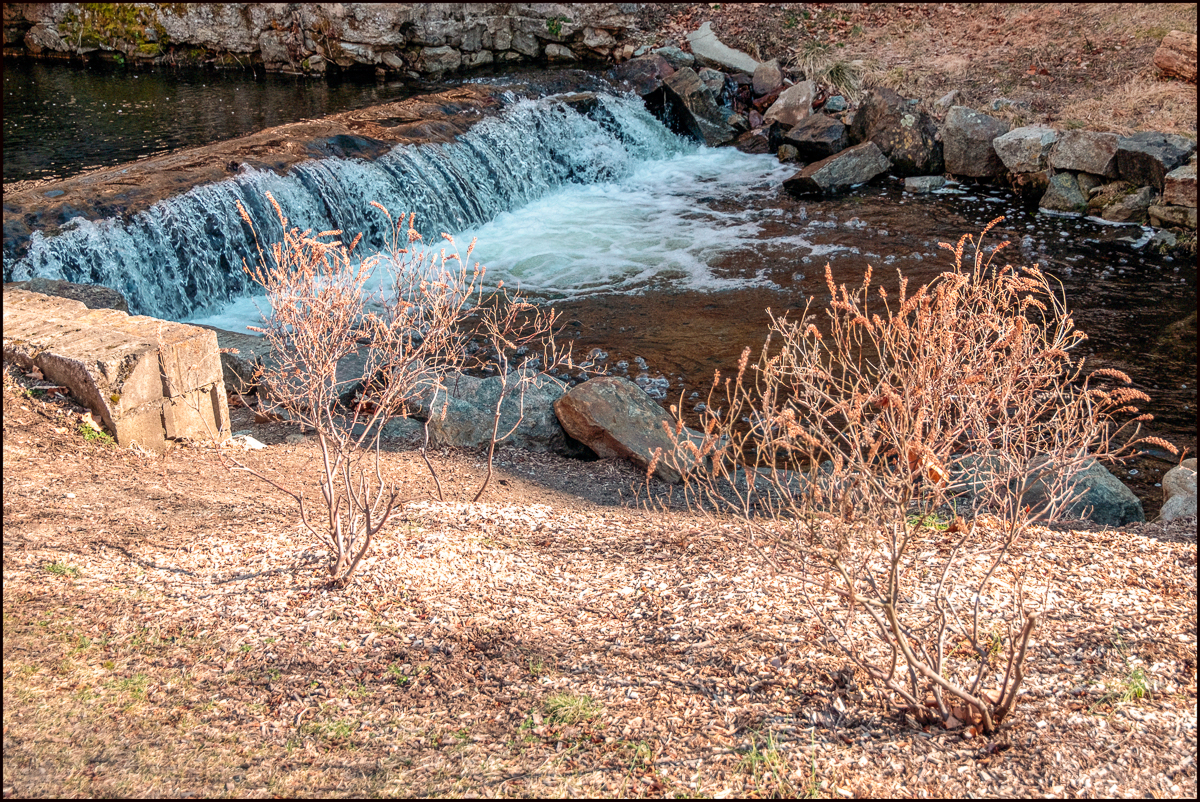
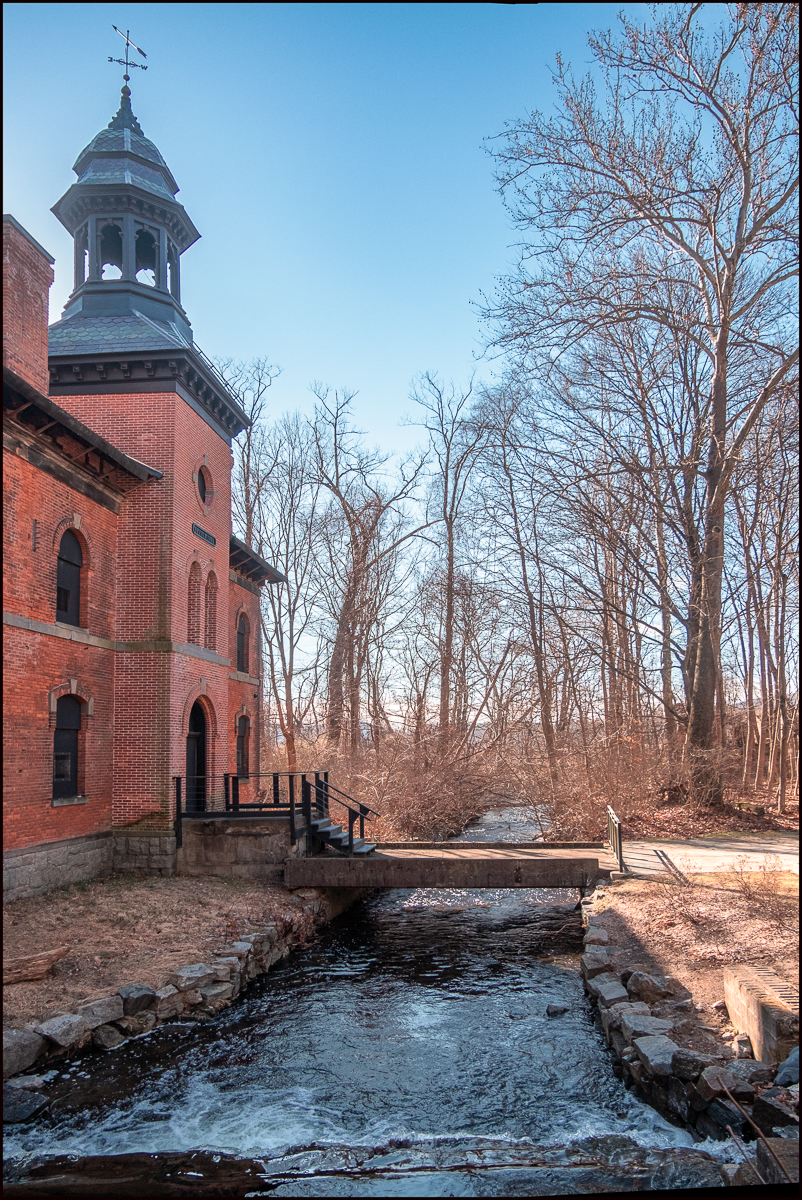
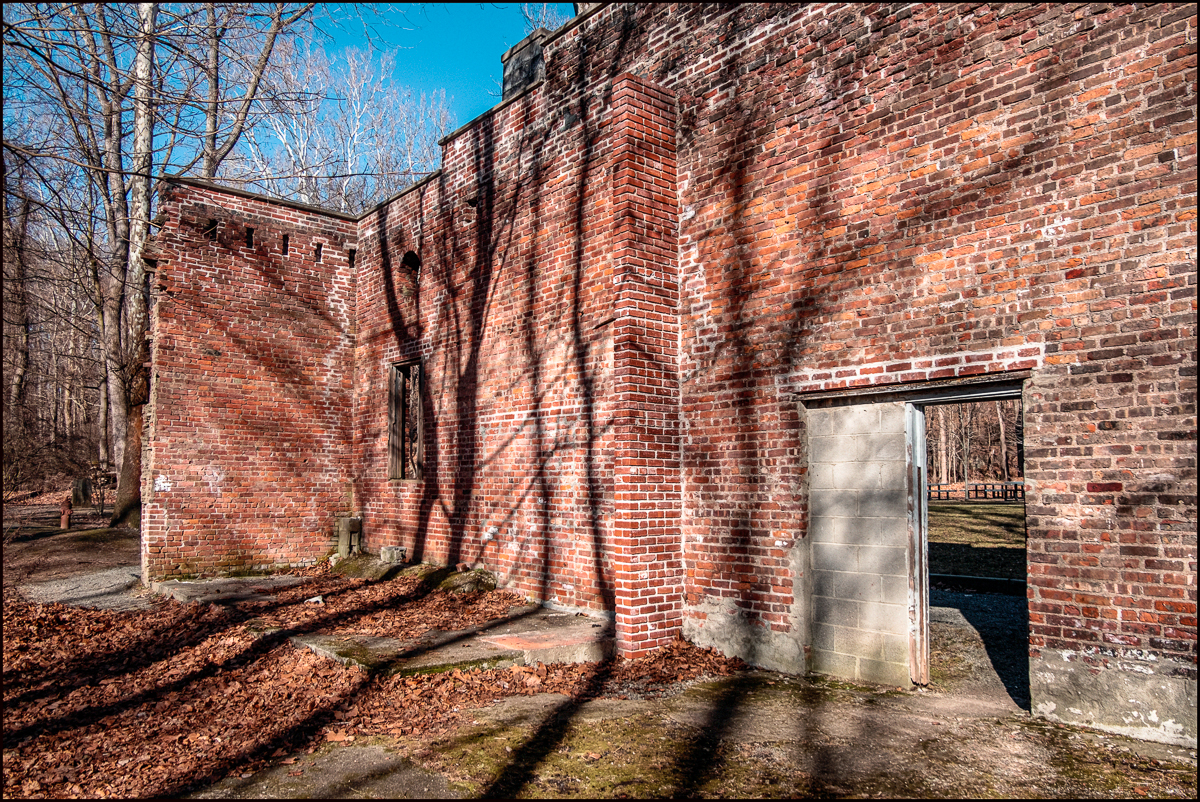
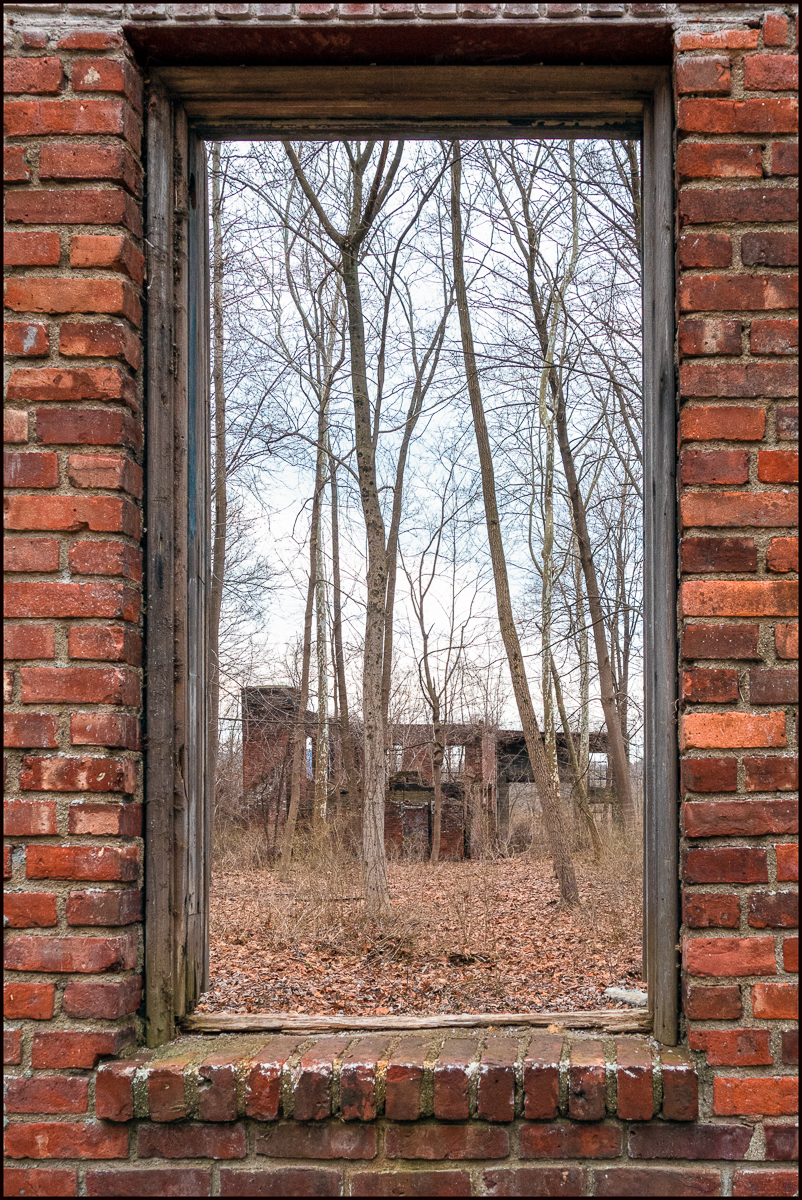
At Mariandale.

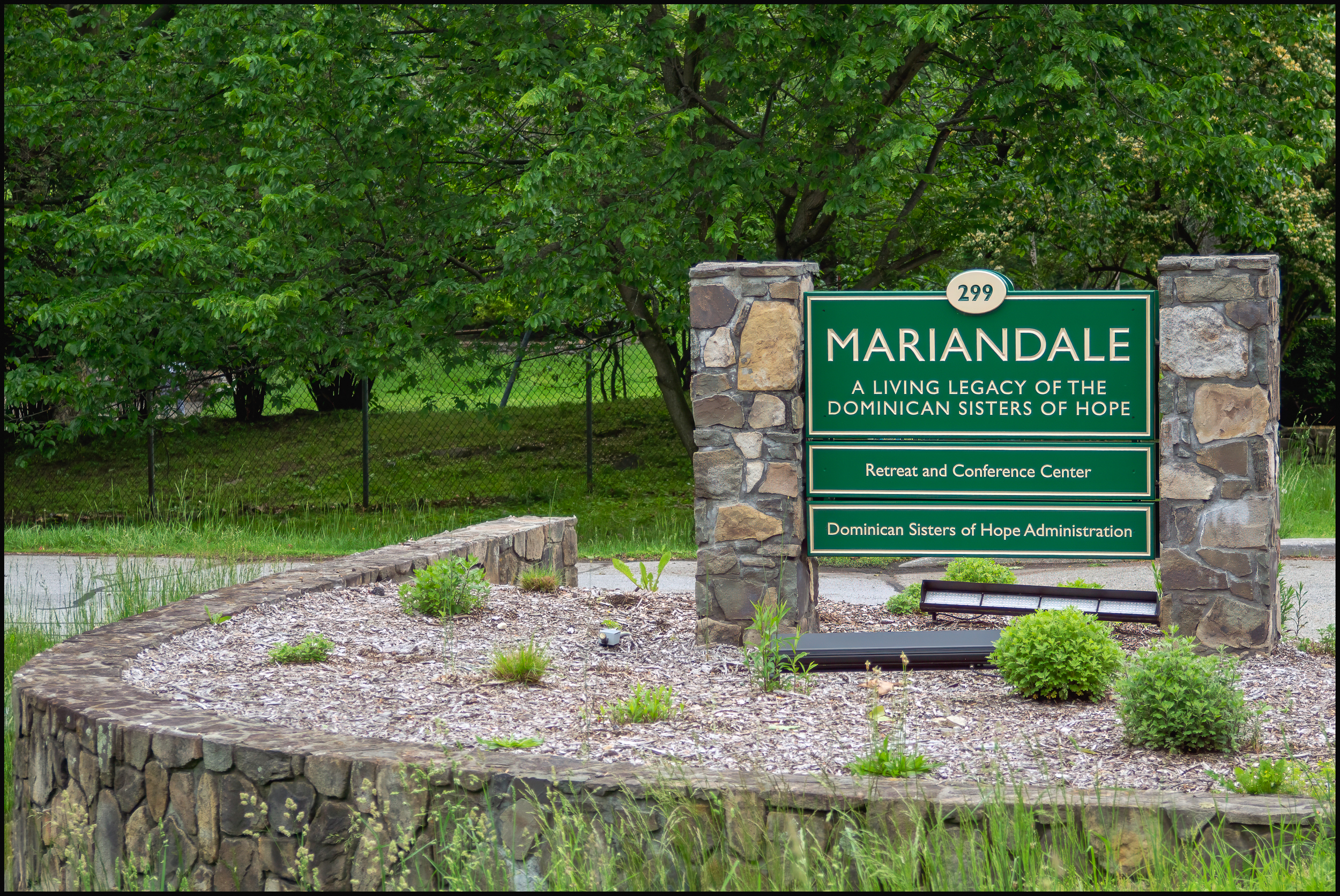
“Situated on 61 wooded acres, The Center at Mariandale is a spiritual retreat center founded on the mission of the Dominican Sisters of Hope, with care of the Earth as its central tenet. The retreat center offers programs and events centered around spirituality and love for Nature and the Earth. They encourage our community and retreatants to find ways to lighten our footprint on the Earth, and to practice land and environmental justice.

It sponsors retreats and programs in numerous areas, including spirituality, contemplative practices, social and environmental justice, interfaith dialogue, the arts, wellness of body, mind, and spirit, and more.
The center also welcomes nonprofit groups and organizations for day or overnight workshops, retreats, and conferences. Our guests enjoy the quiet, serene environment at the center.”

When I first started collecting old film cameras, this was one of the first places I visited to try them out. At that time there were some lovely, old barn-like buildings on the property. There were also a few interesting old, rusting farm implements. Unfortunately, they have now gone. For a couple of pictures taken at the time take a look at the bottom of this post.


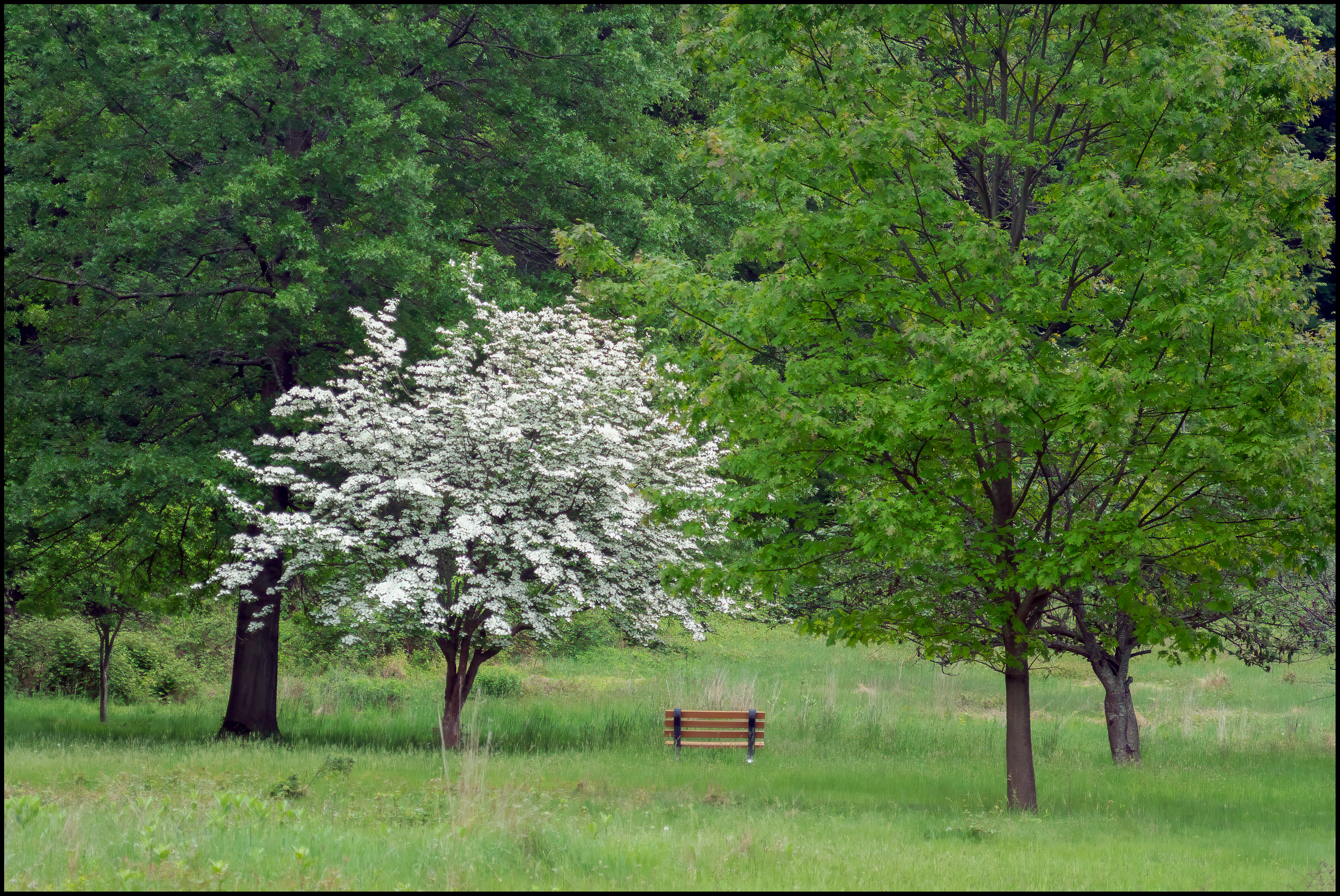
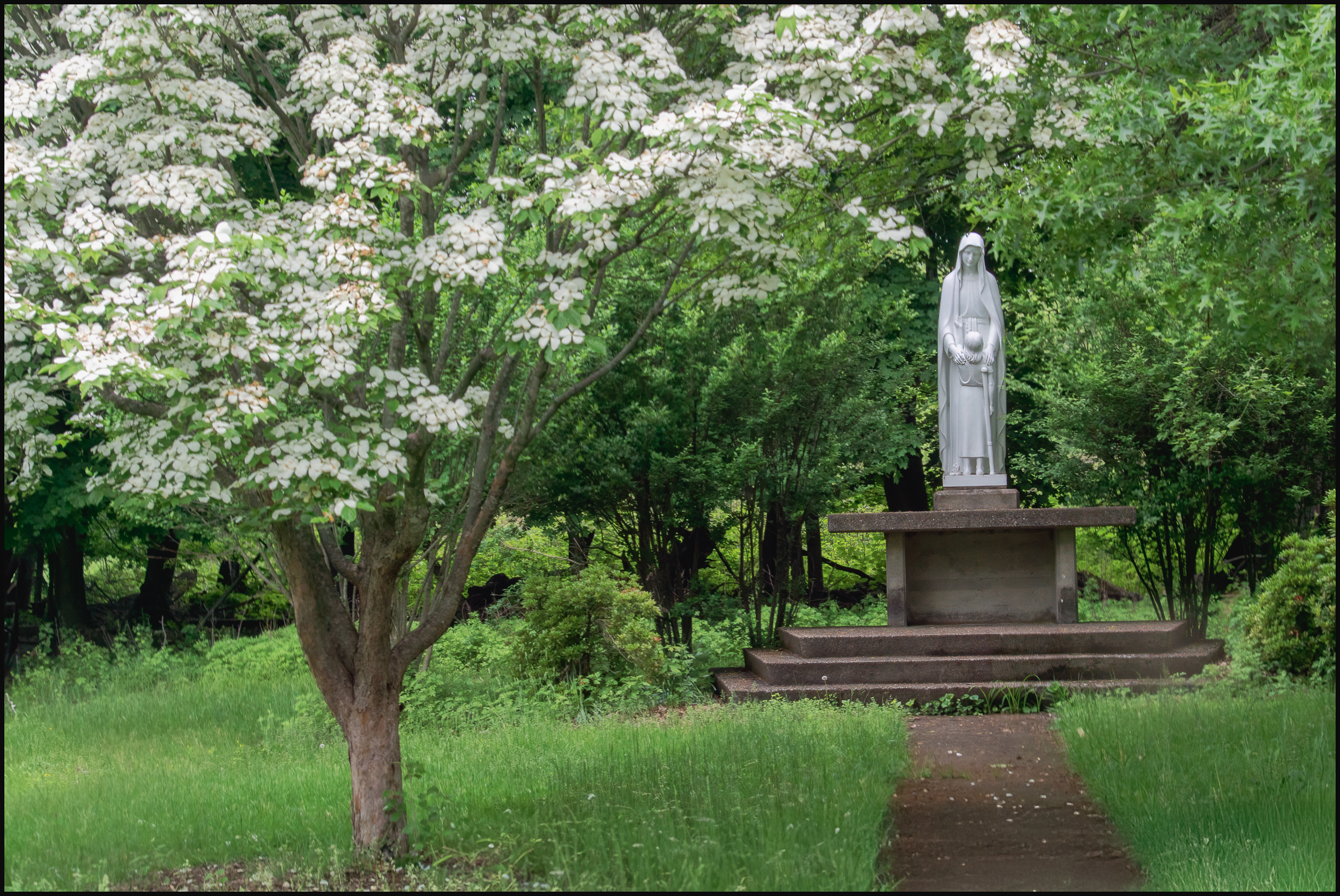

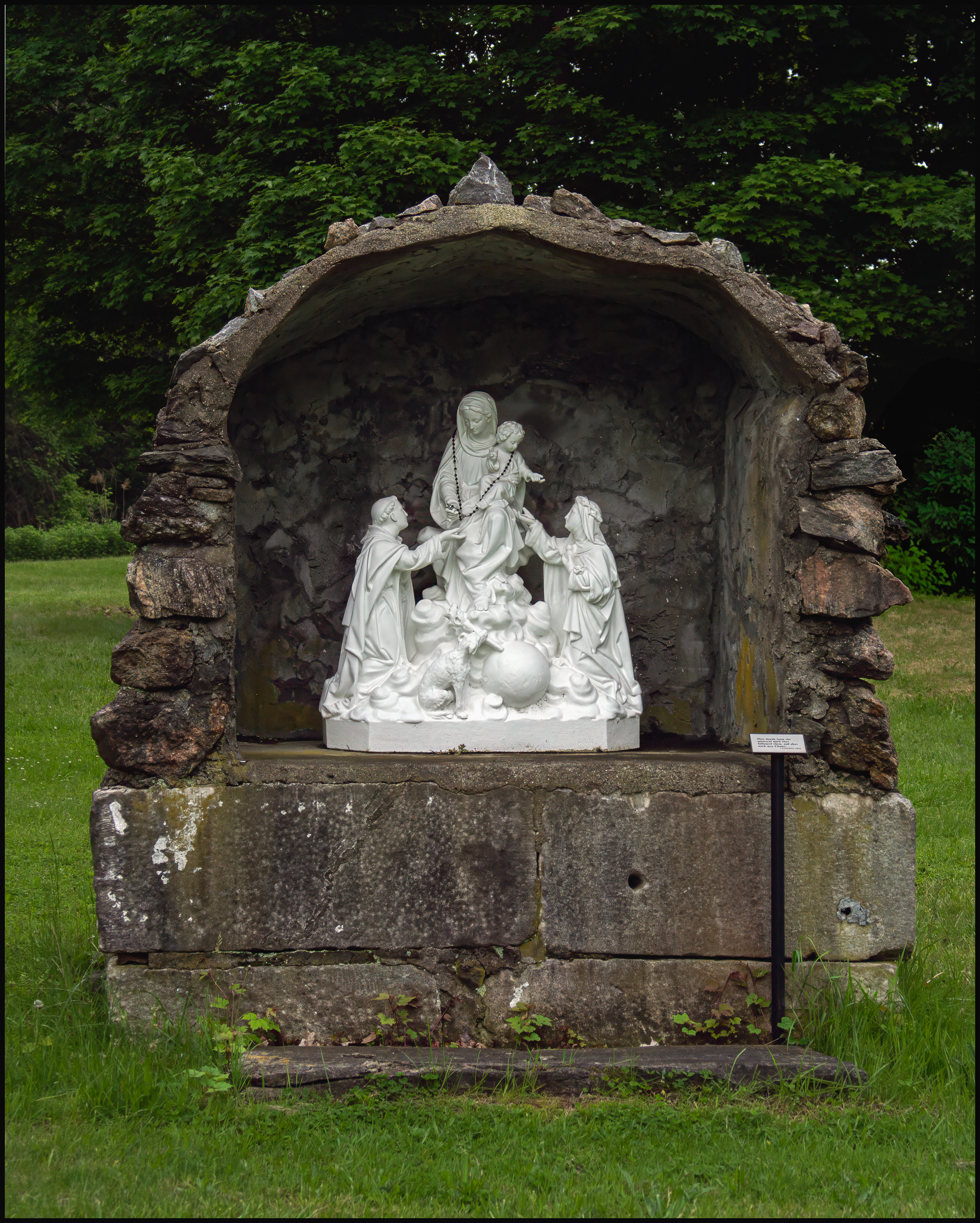
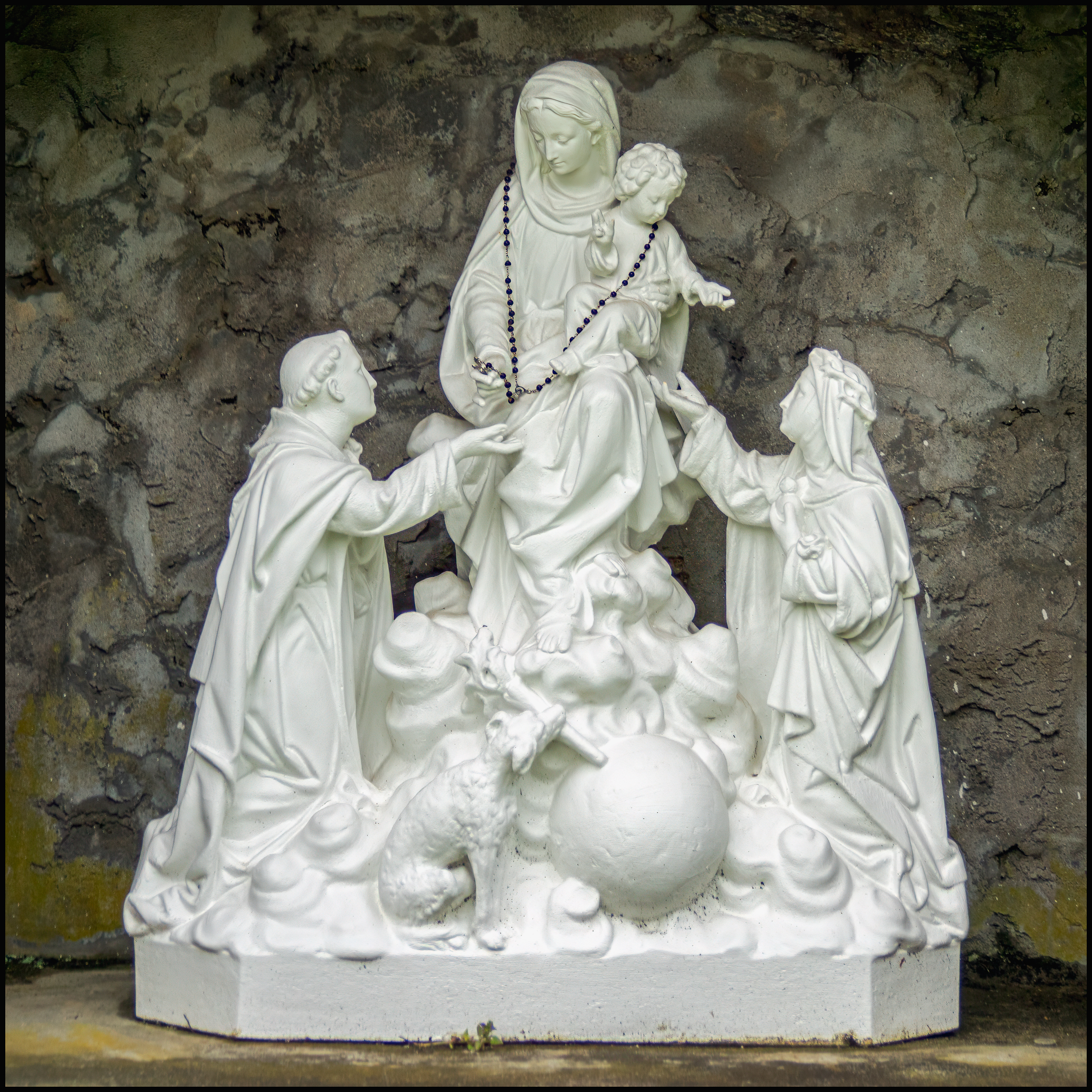
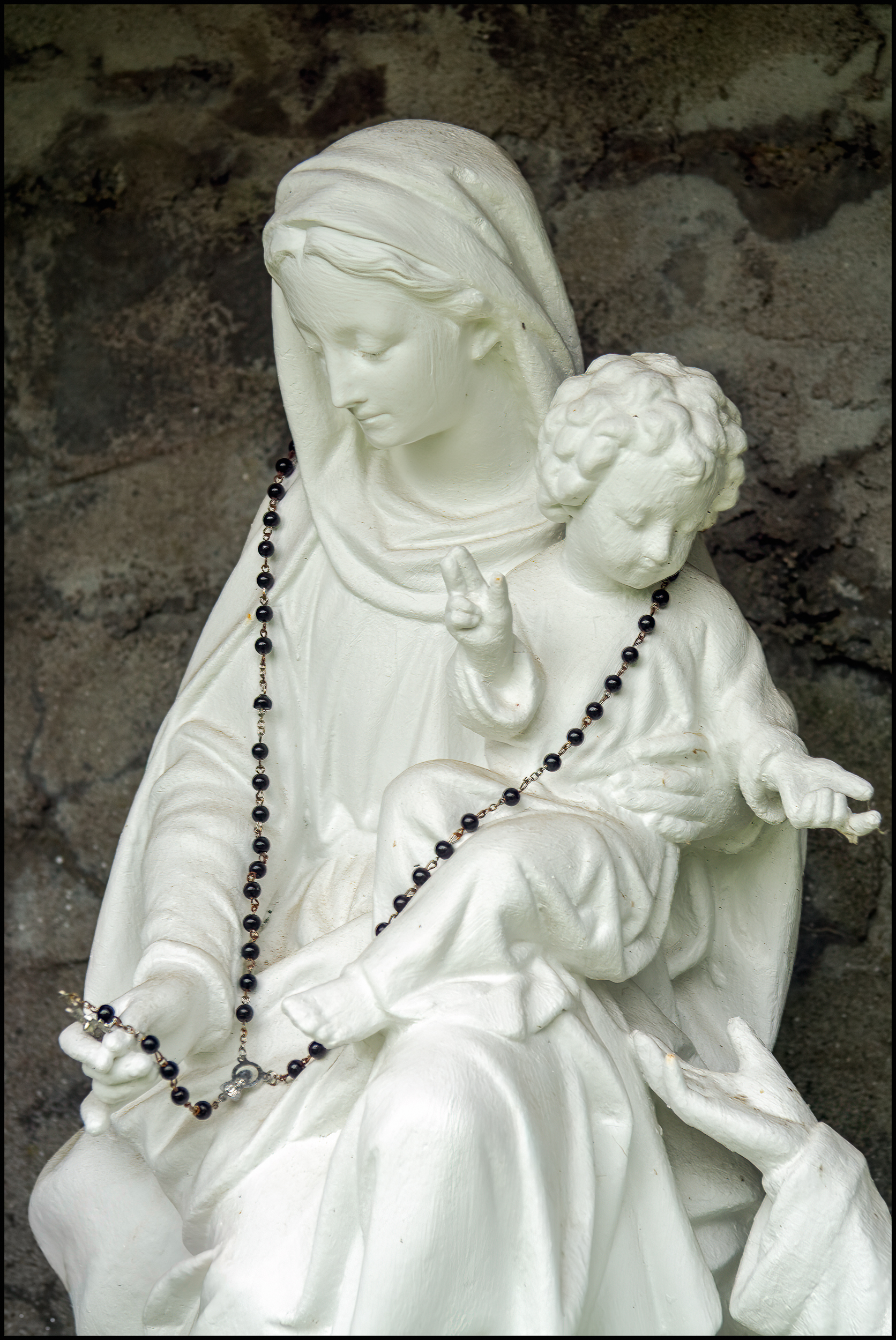
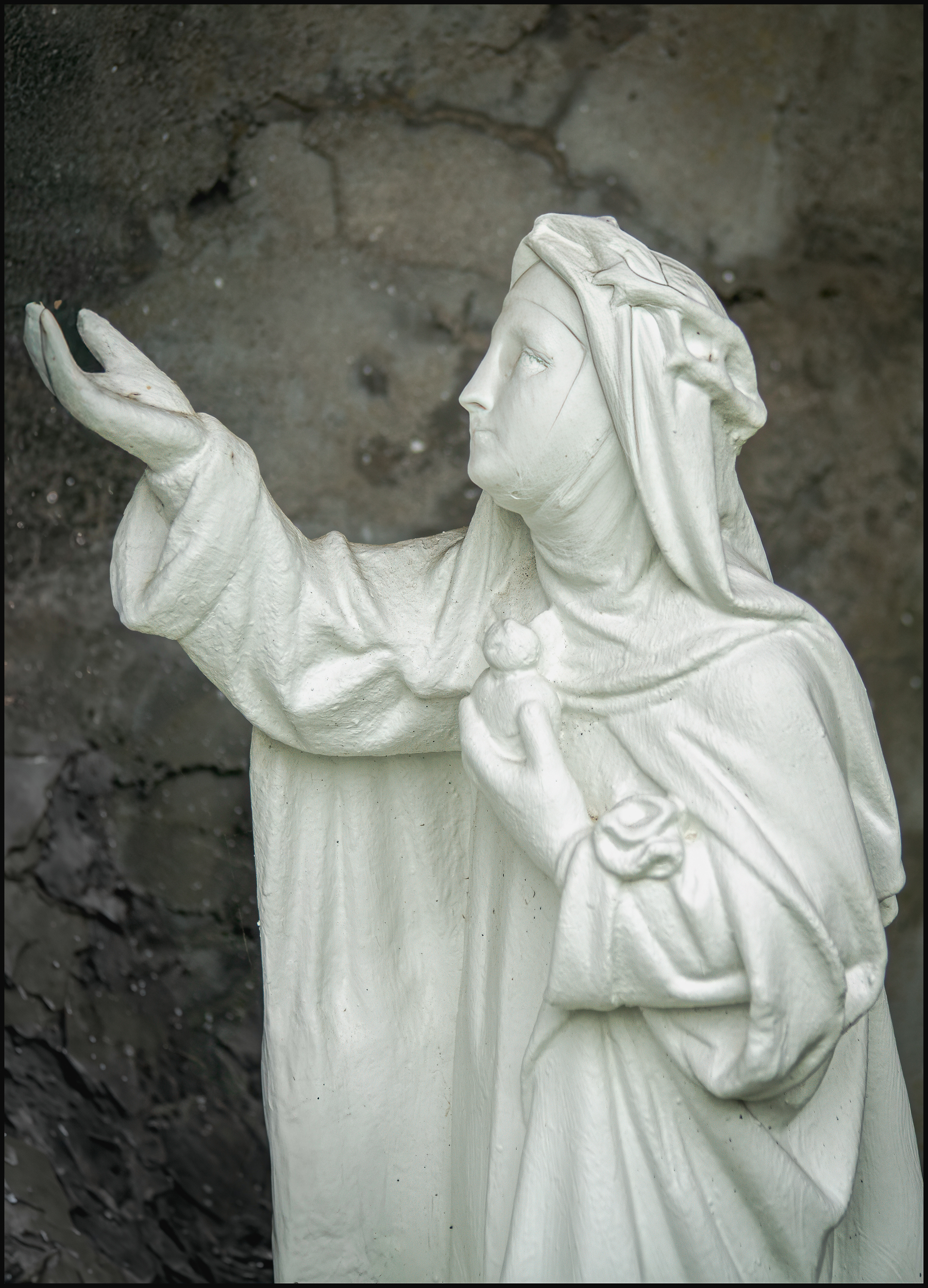
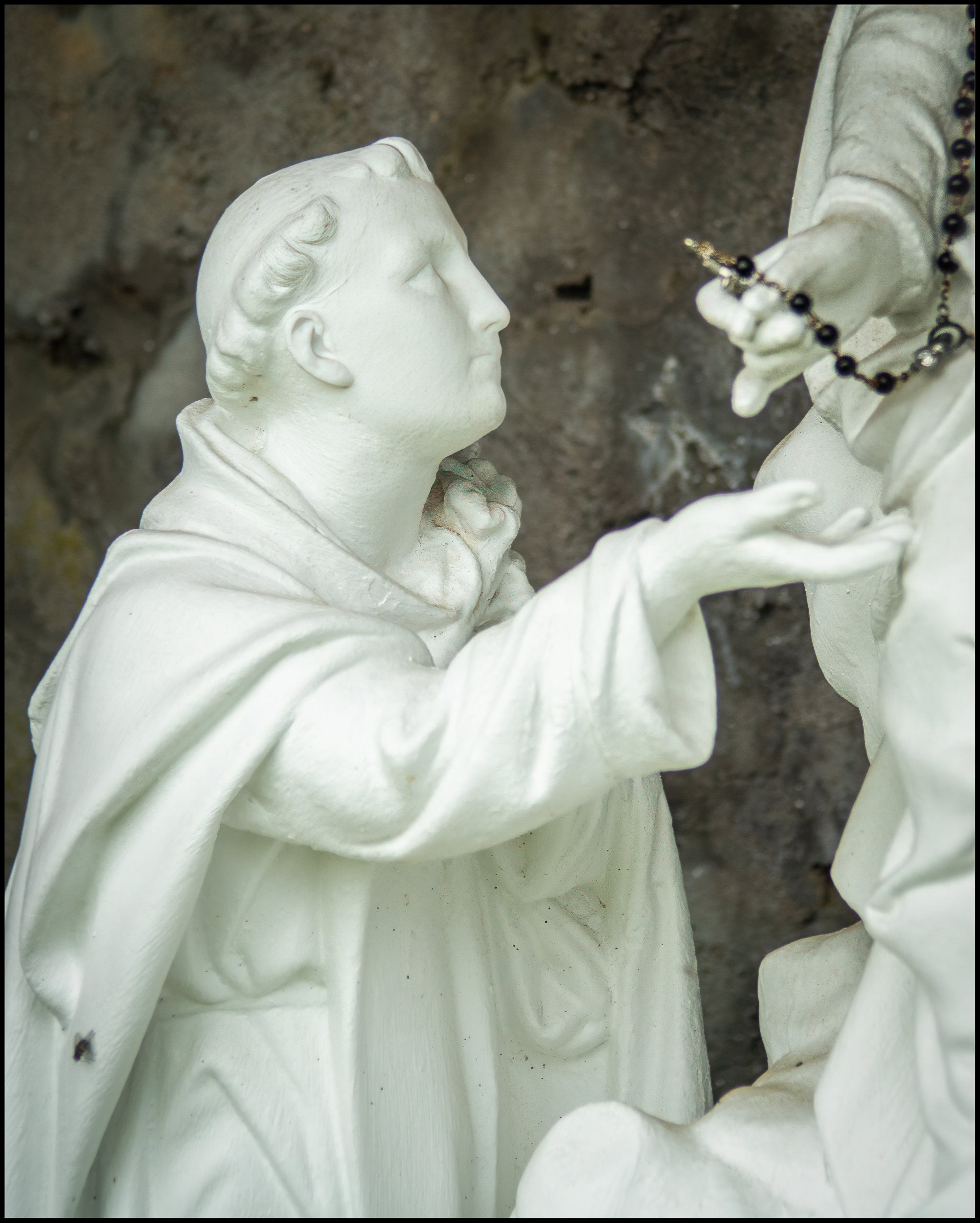
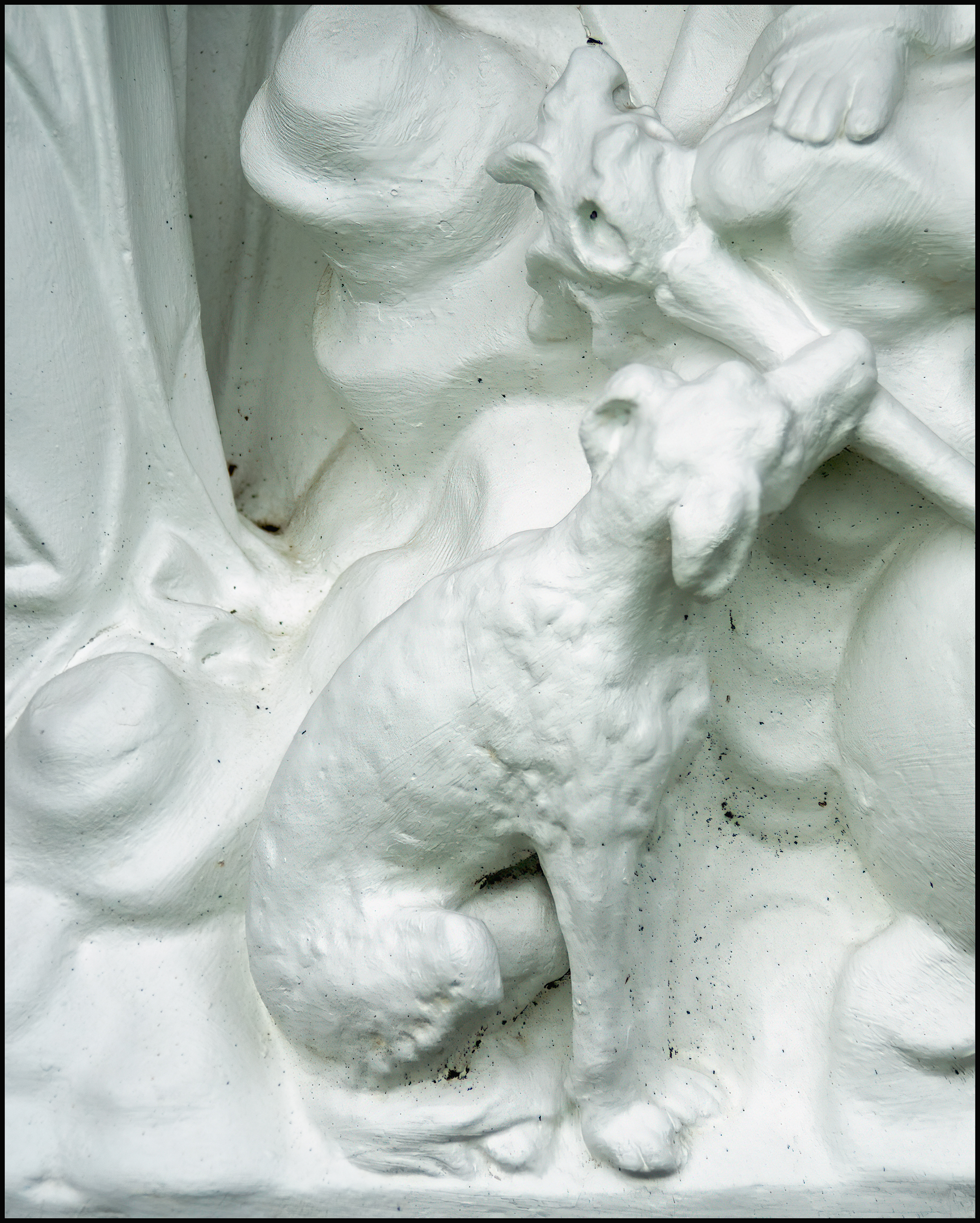
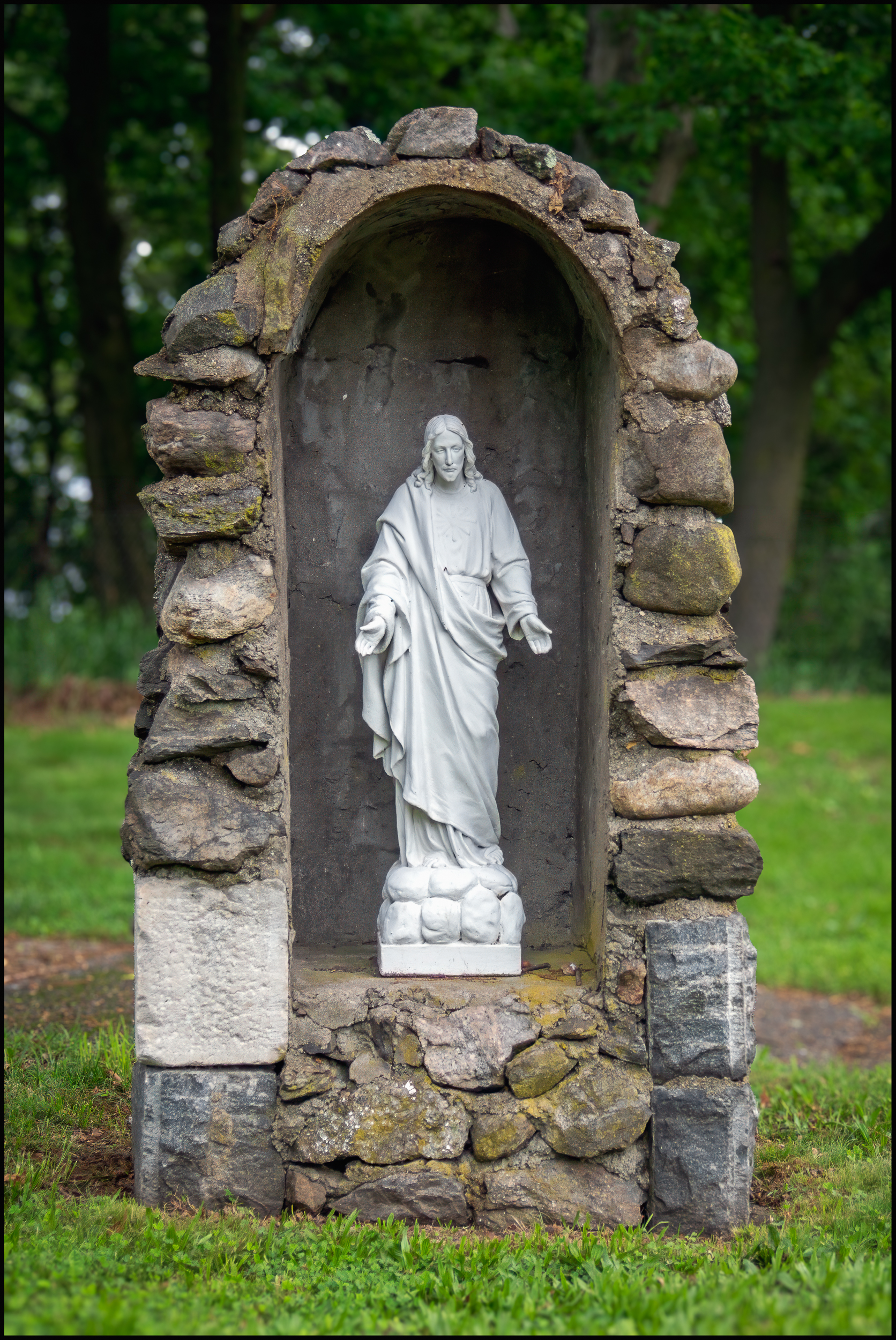
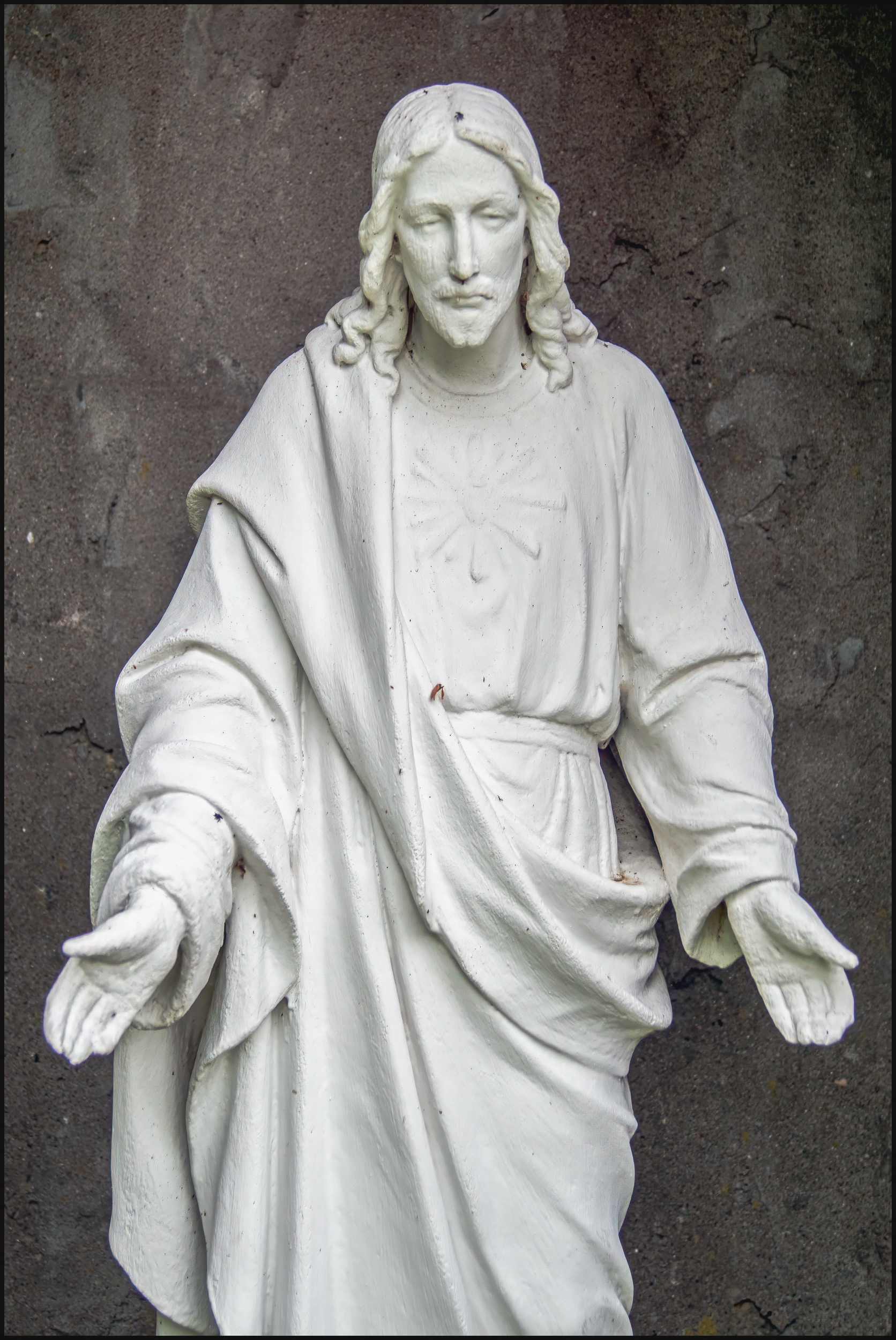
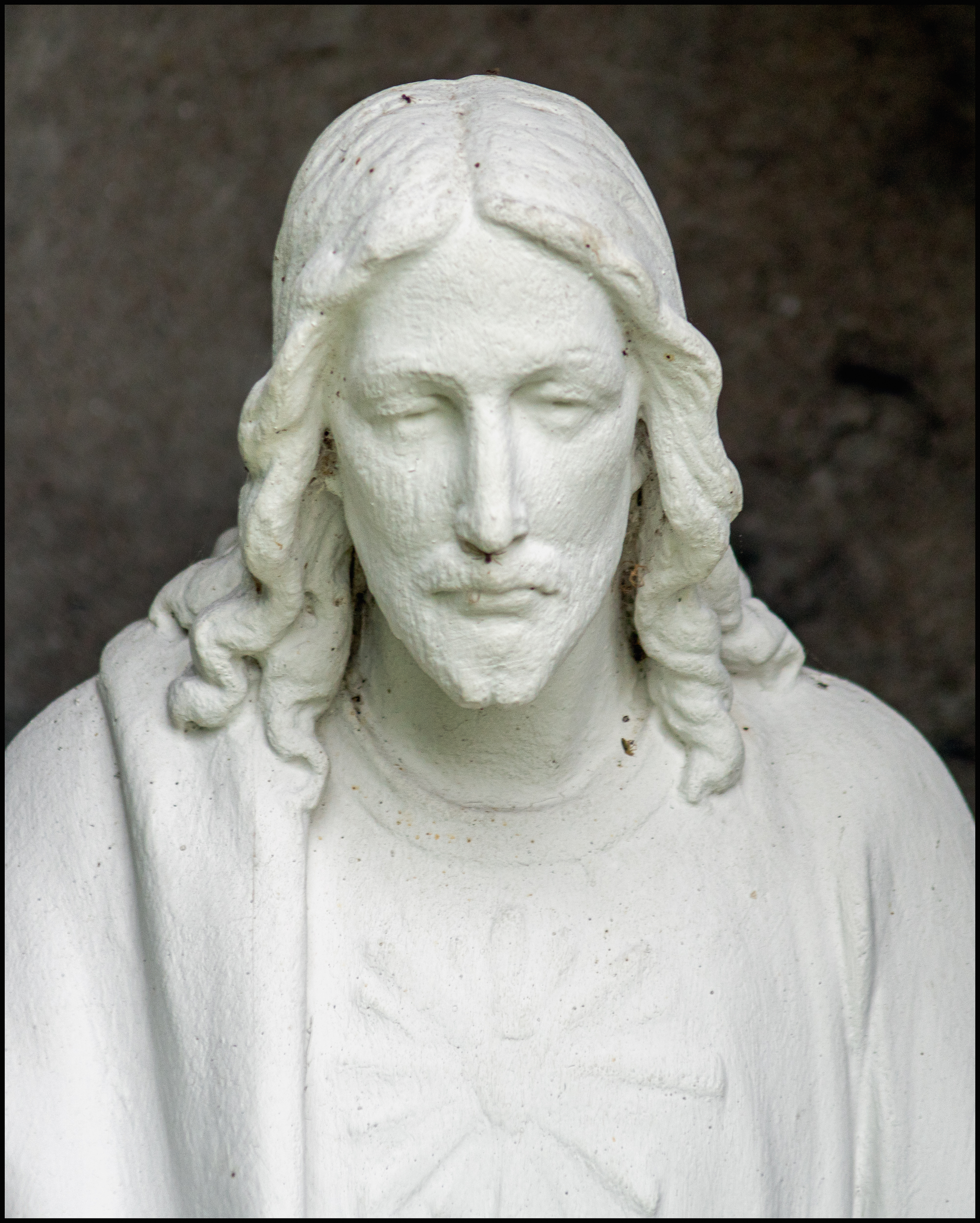
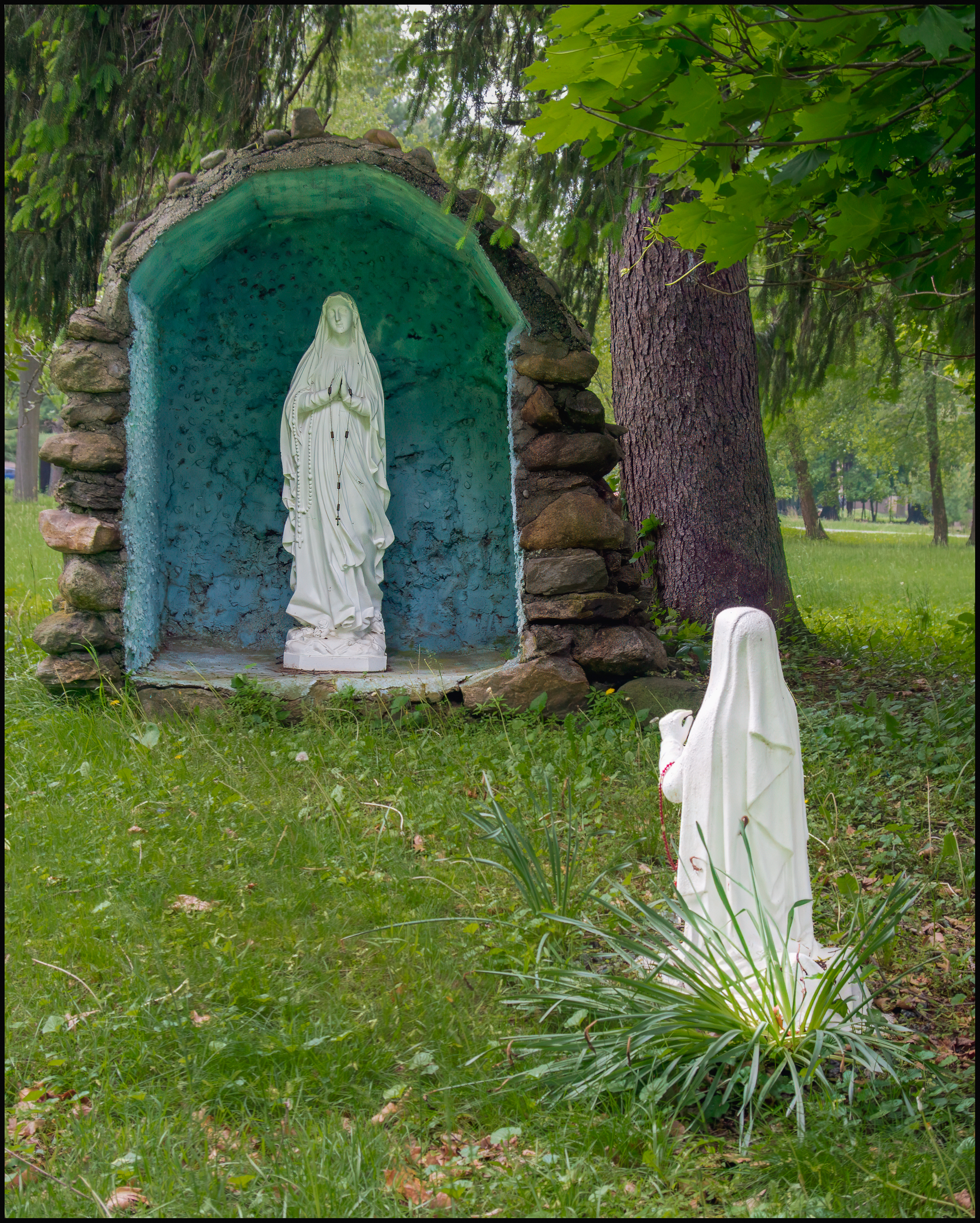
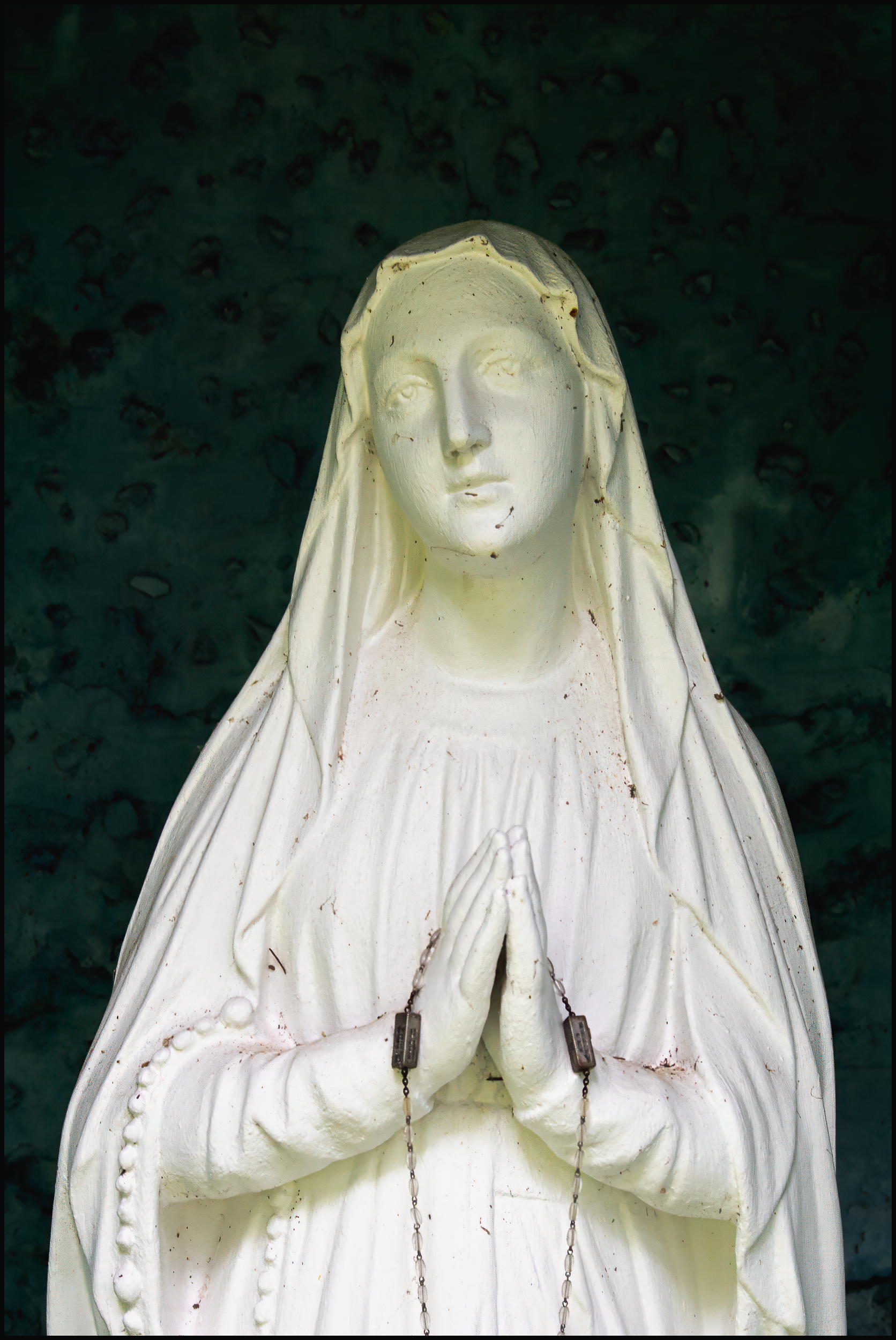
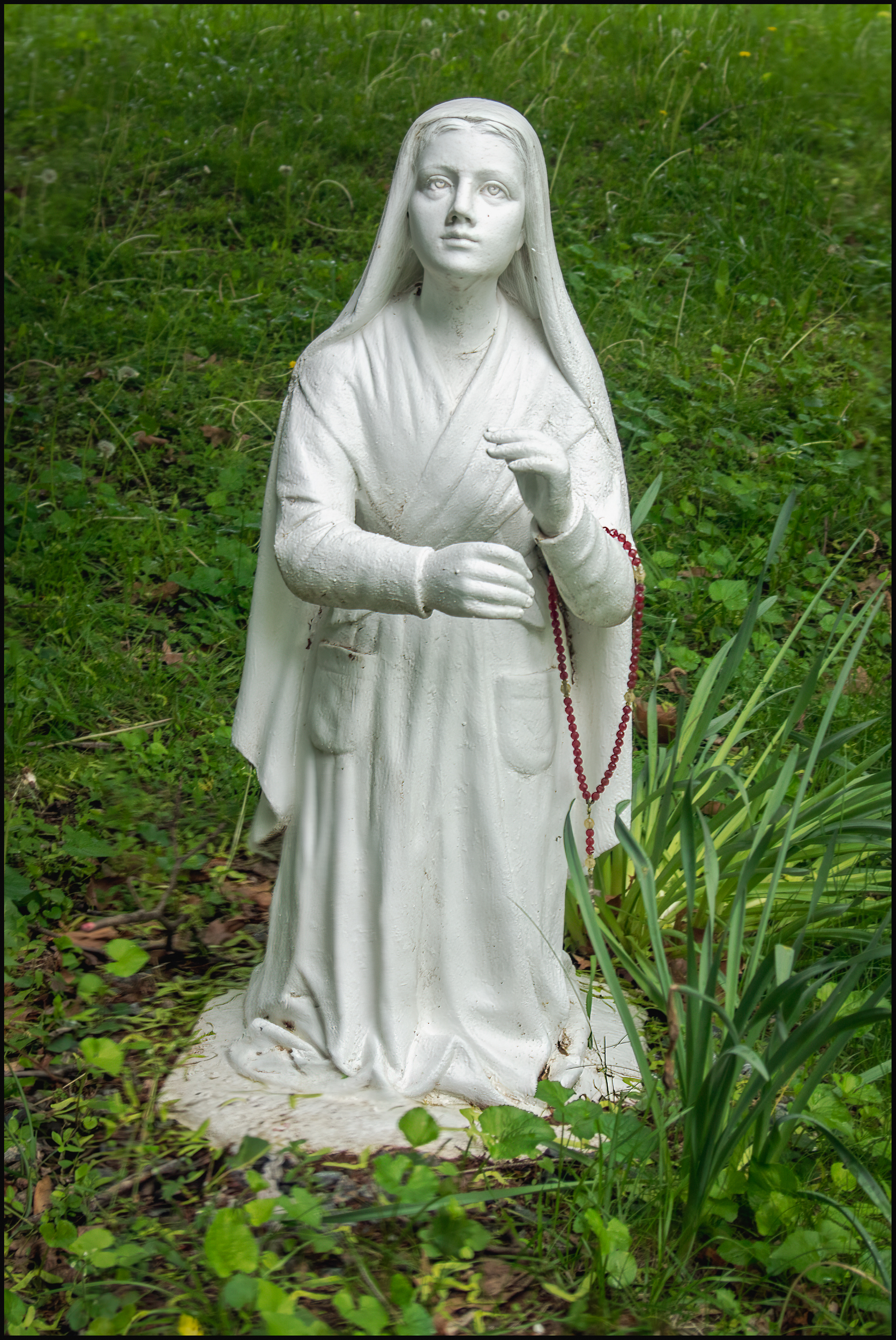
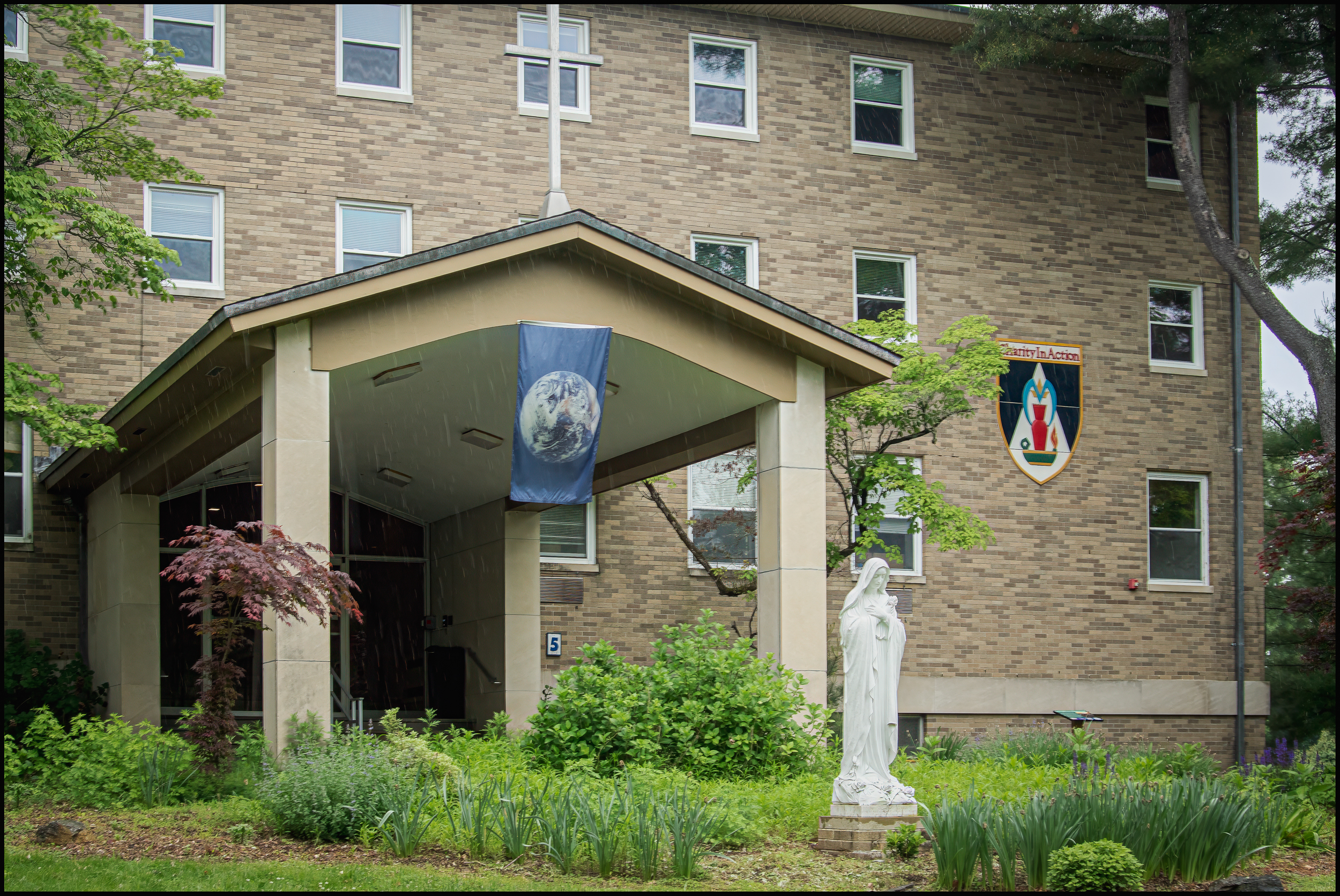
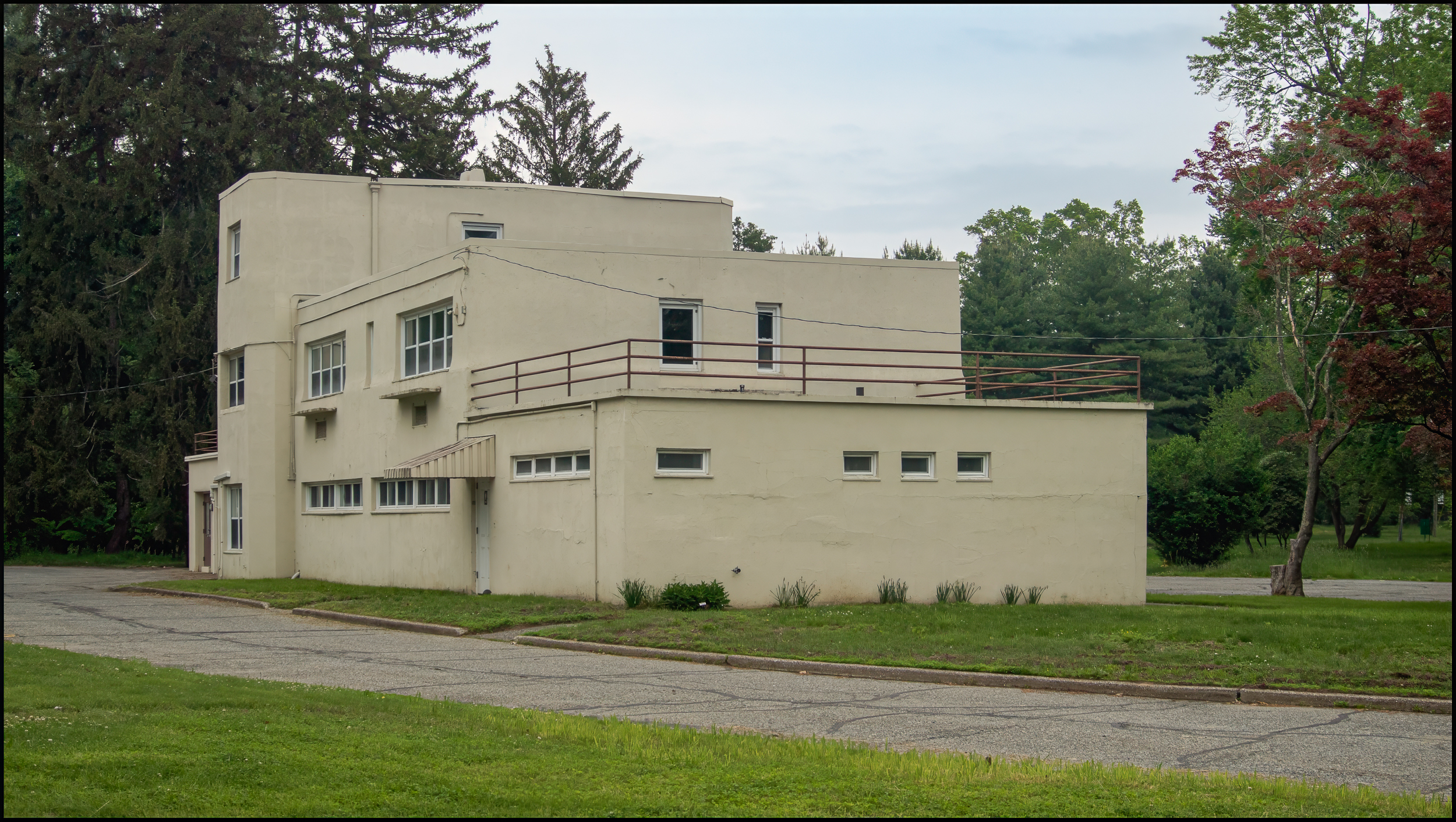
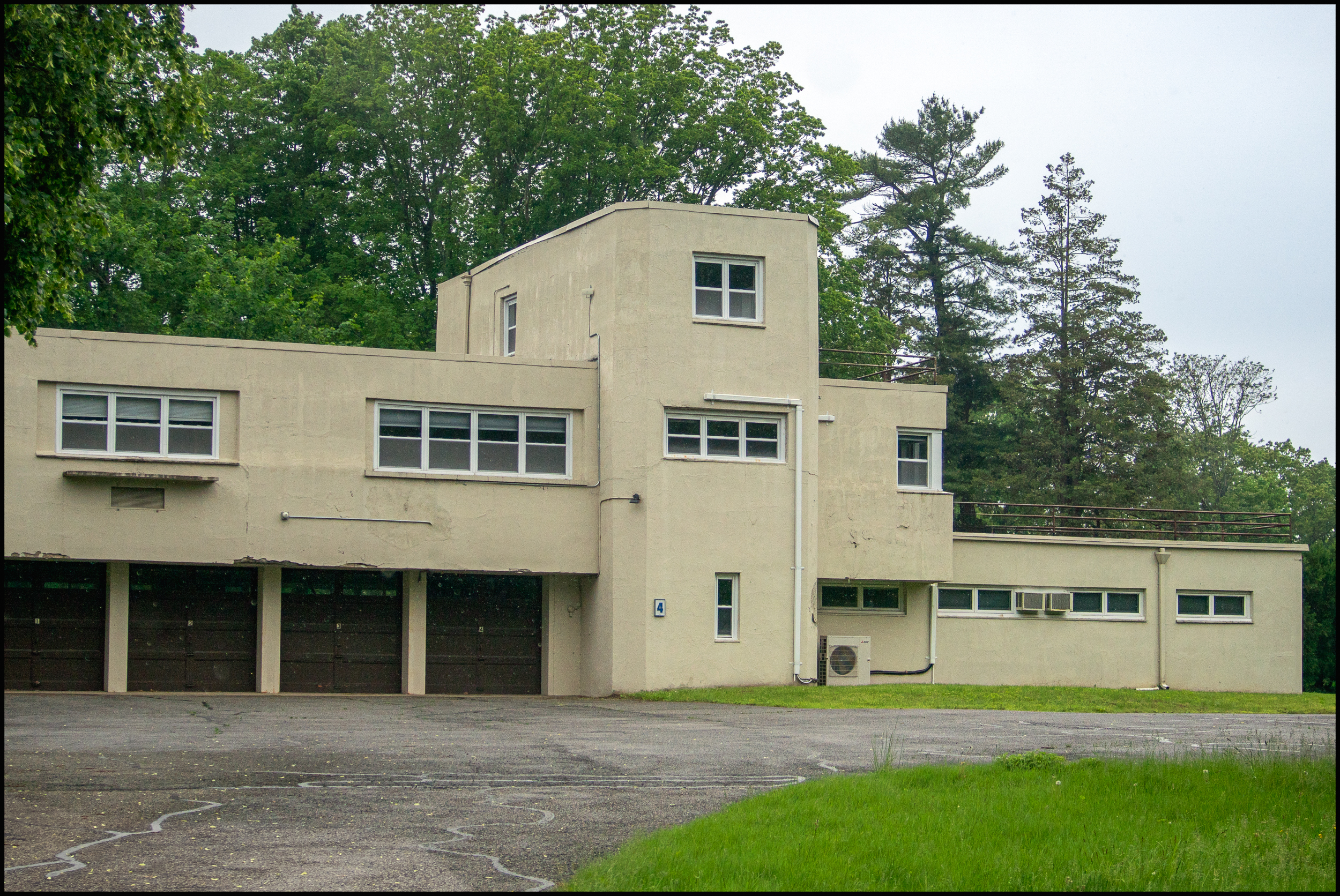
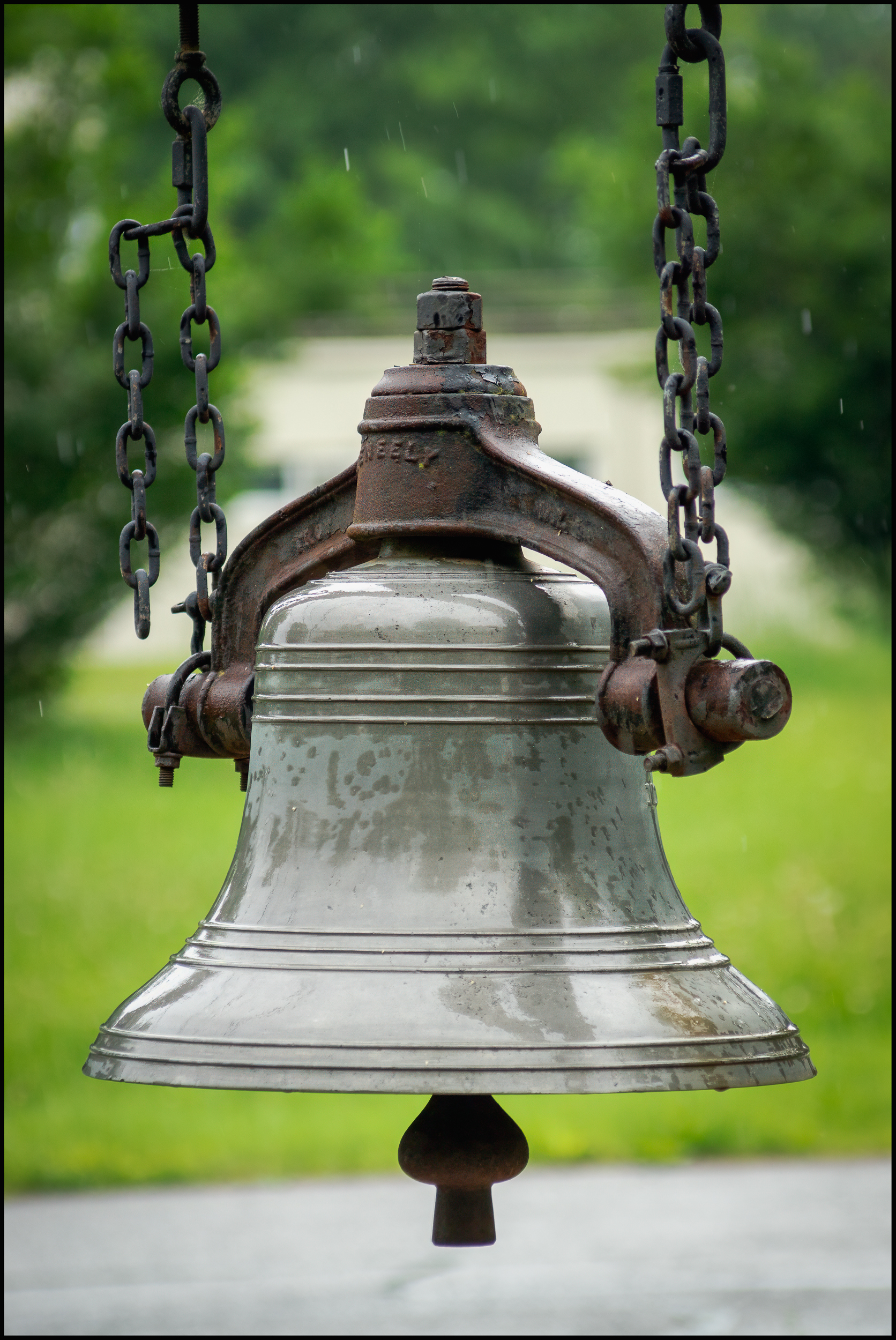
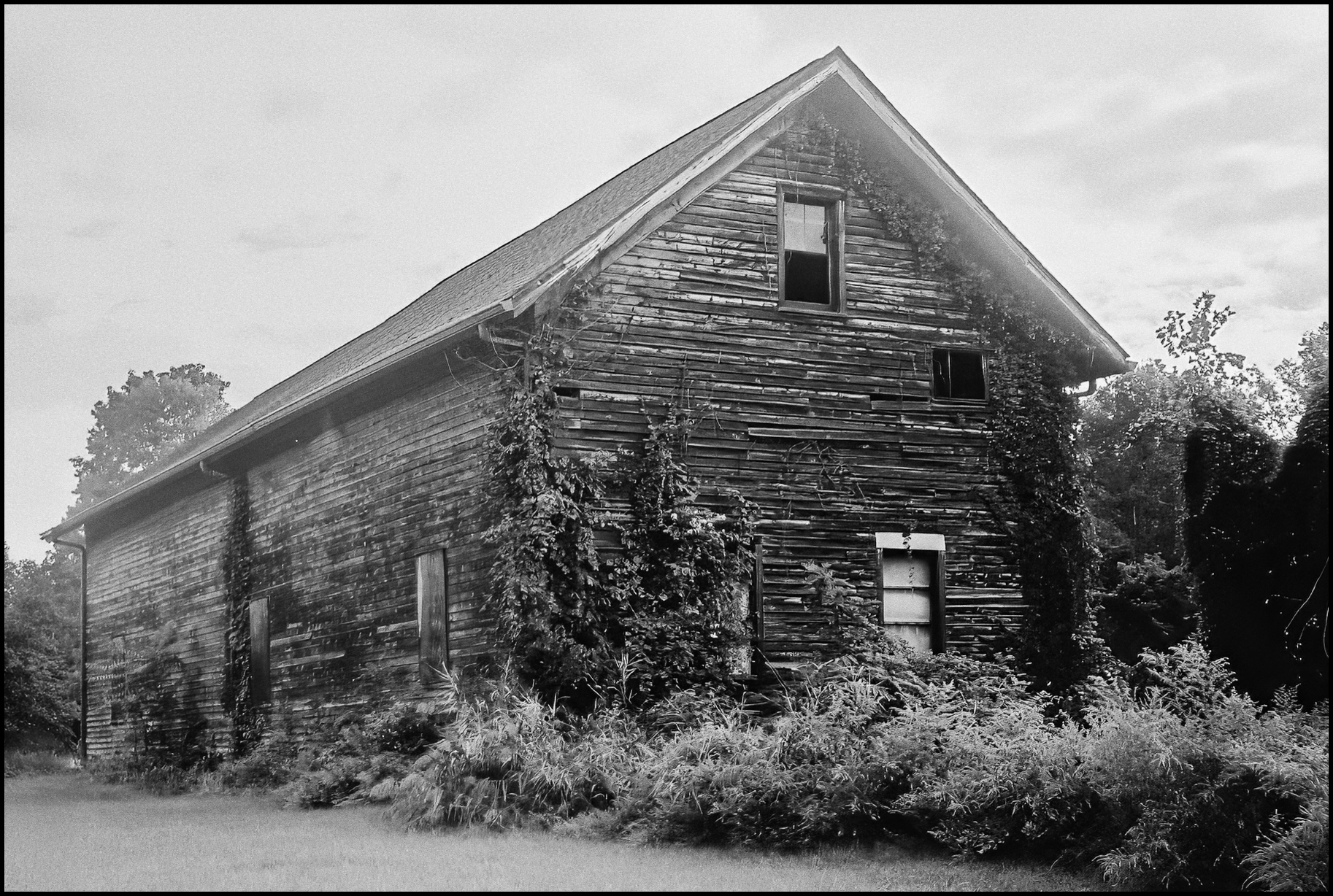
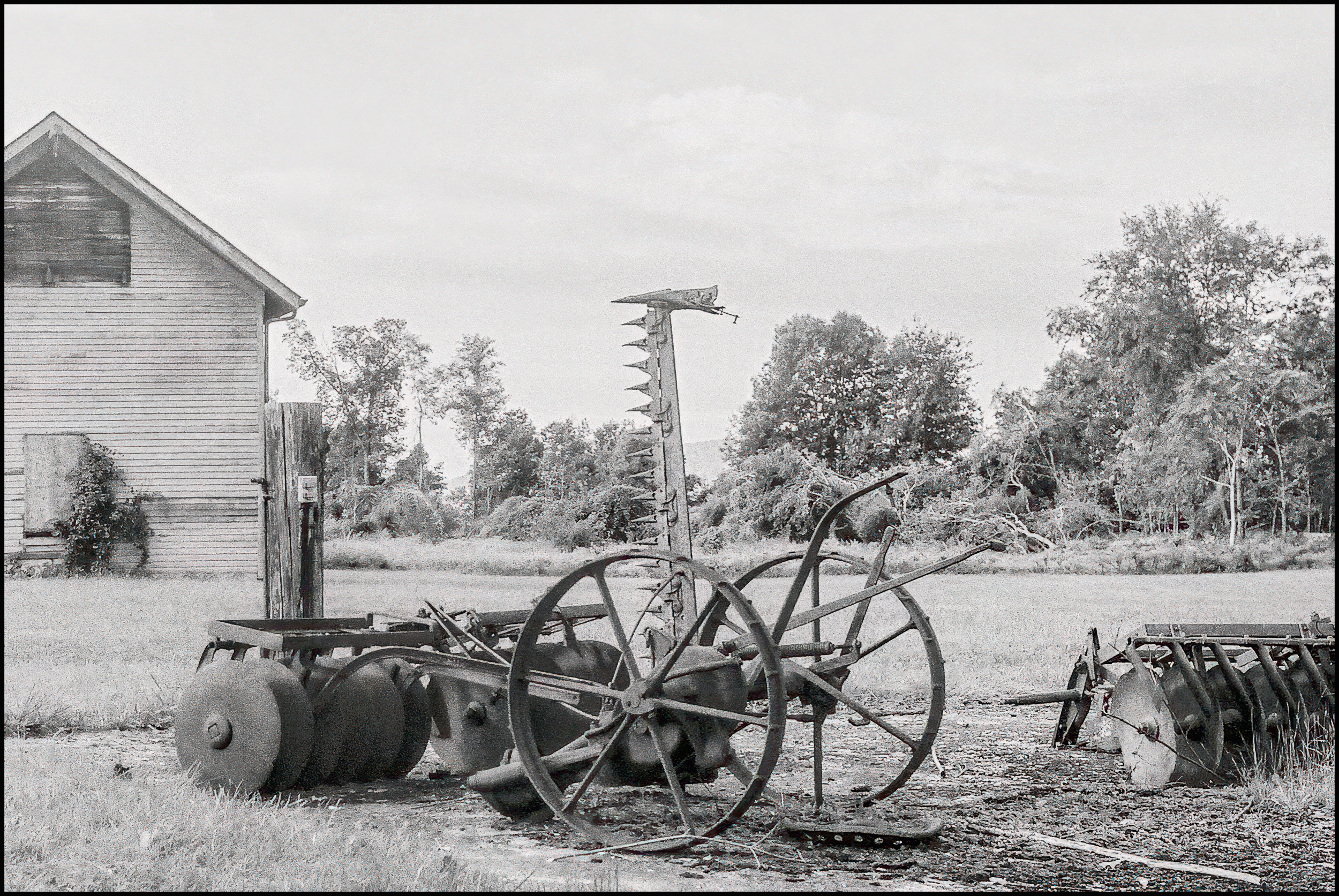
Taken with Sony A77II and Minolta 35-105 f3.5-4.5 except for the last two, which were taken with a a Krasnogorsk Mechanical Factory (KMZ), Zorki 4 and KMZ 50mm f2 Jupiter 8.
The Gasman Cometh

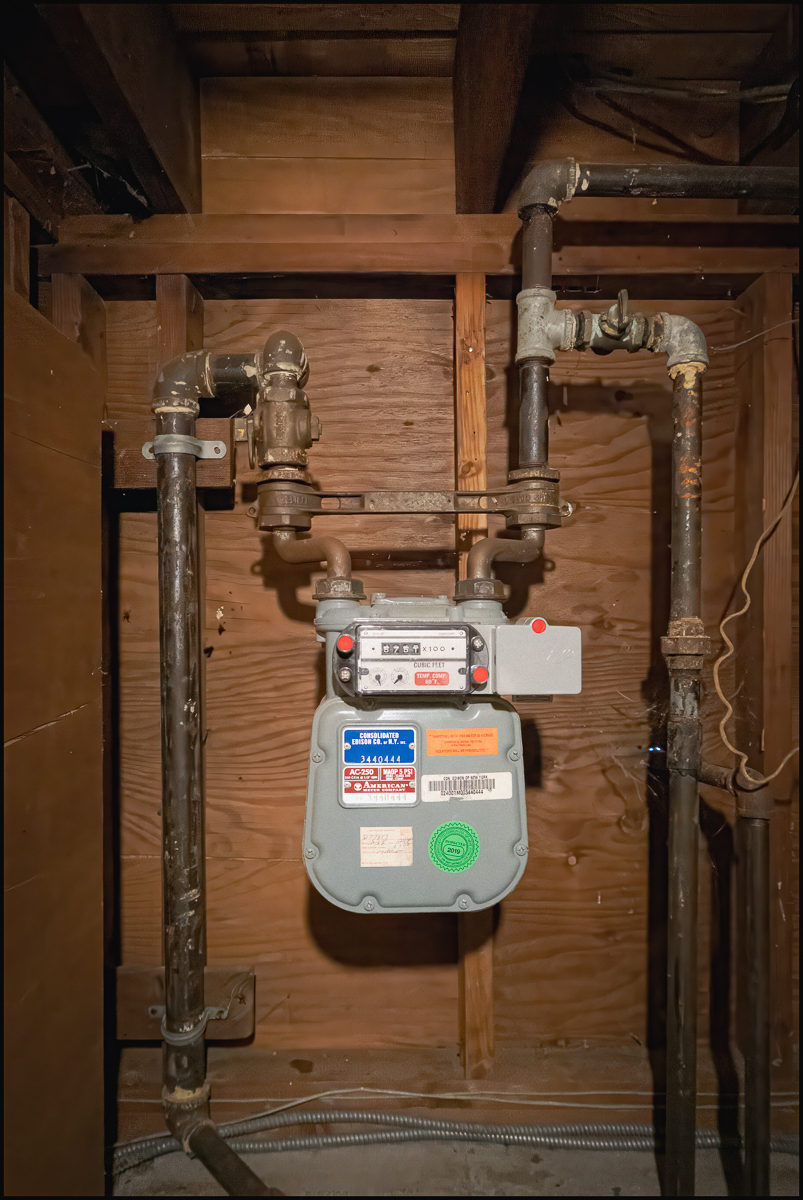
I have an appointment tomorrow with Consolidated Edison (Coned) to inspect my gas meter. It seems that New York State Law requires them to do this periodically.

I was sitting reading, a few minutes ago and suddenly a song from my childhood came to mind. It was released in 1956 and was performed by a duo called Flanders and Swann and it’s called “The Gasman Cometh”. These are the lyrics:

T’was on the Monday morning, the gas man came to call,
The gas tap wouldn’t turn, I wasn’t getting gas at all;
He tore out all the skirting boards to try and find the main,
And I had to call a carpenter to put them back again!

Oh, it all makes work for the working man to do…

T’was on the Tuesday morning, the carpenter came round:
He hammered and he chiseled and he said “Look what I’ve found!
Your joists are full of dry rot, but I’ll put them all to rights!”
Then he nailed right through a cable and out went all the lights!

Oh, it all makes work for the working man to do…

T’was on a Wednesday morning, the electrician came:
He called me ‘Mr. Sanderson’, which isn’t quite the name;
He couldn’t reach the fuse box without standing on the bin,
And his foot went through a window, so I called the glazier in!

Oh, it all makes work for the working man to do…

T’was on the Thursday morning, the glazier came along
With his blowtorch, and his putty, and his merry glazier’s song;
He put another pane in, it took no time at all
But I had to get a painter in to come and paint the wall!

Oh, it all makes work for the working man to do…

T’was on a Friday morning the painter made a start,
With undercoats and overcoats he painted every part,
Every nook and every cranny; but I found when he was gone
He’d painted over the gas tap and I couldn’t turn it on!

Oh, it all makes work for the working man to do…

On Saturday and Sunday they do no work at all;
So it was on the Monday morning that the gas man came to call!

Inevitably there’s a video of them performing the song on YouTube. It’s worth watching to hear the performance and to also hear the lengthy and quite amusing introduction.

Taken with a Sony RX100 VII

West Point Foundry

According to the National Park Service:

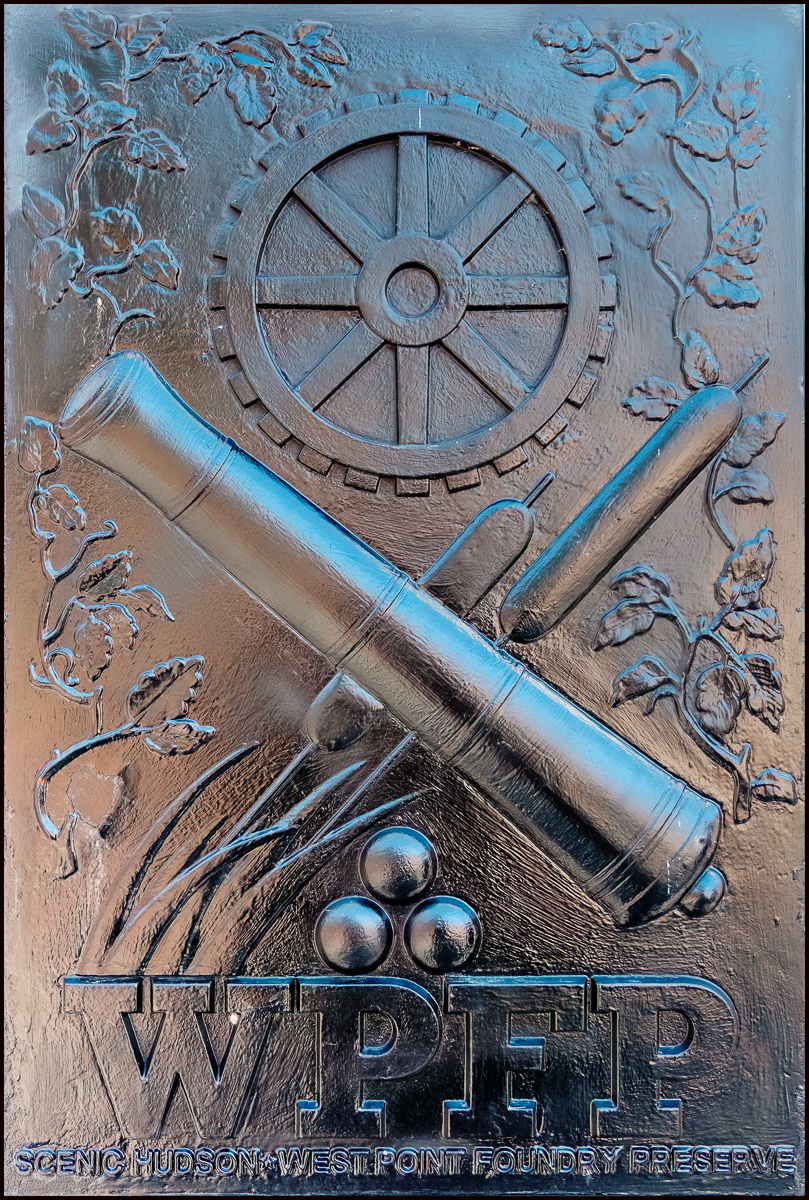
Of the four historic ironworks selected by President James Madison to supply artillery to the U.S. military, only West Point Foundry remains. Operating from 1818-1911, the foundry gained renown during the Civil War by producing Parrott guns, cannons whose range and accuracy gave the North a distinct advantage (prompting a visit from President Abraham Lincoln in 1862). A technological marvel that helped spark America’s rise as an industrial superpower, West Point Foundry also manufactured some of the nation’s first locomotives, ironclad ships and pipes for New York City’s water system. Today, nonprofit Scenic Hudson is responsible for transforming the 97-acre site into an “outdoor museum.” Trails through the wooded preserve, located in a tranquil ravine, pass the significant ruins of foundry buildings. Interpretive features, including a full-scale representation of the boring mill’s 36-foot waterwheel, explore the foundry’s contributions to the Industrial Revolution, its role in the Civil War and the land’s astonishing ecological renewal.

I’ve been here a few times, but not recently. It’s easily reached by public transportation: there’s a trail that starts from the southern end of the north-bound platform of the Cold Spring Metro North station.


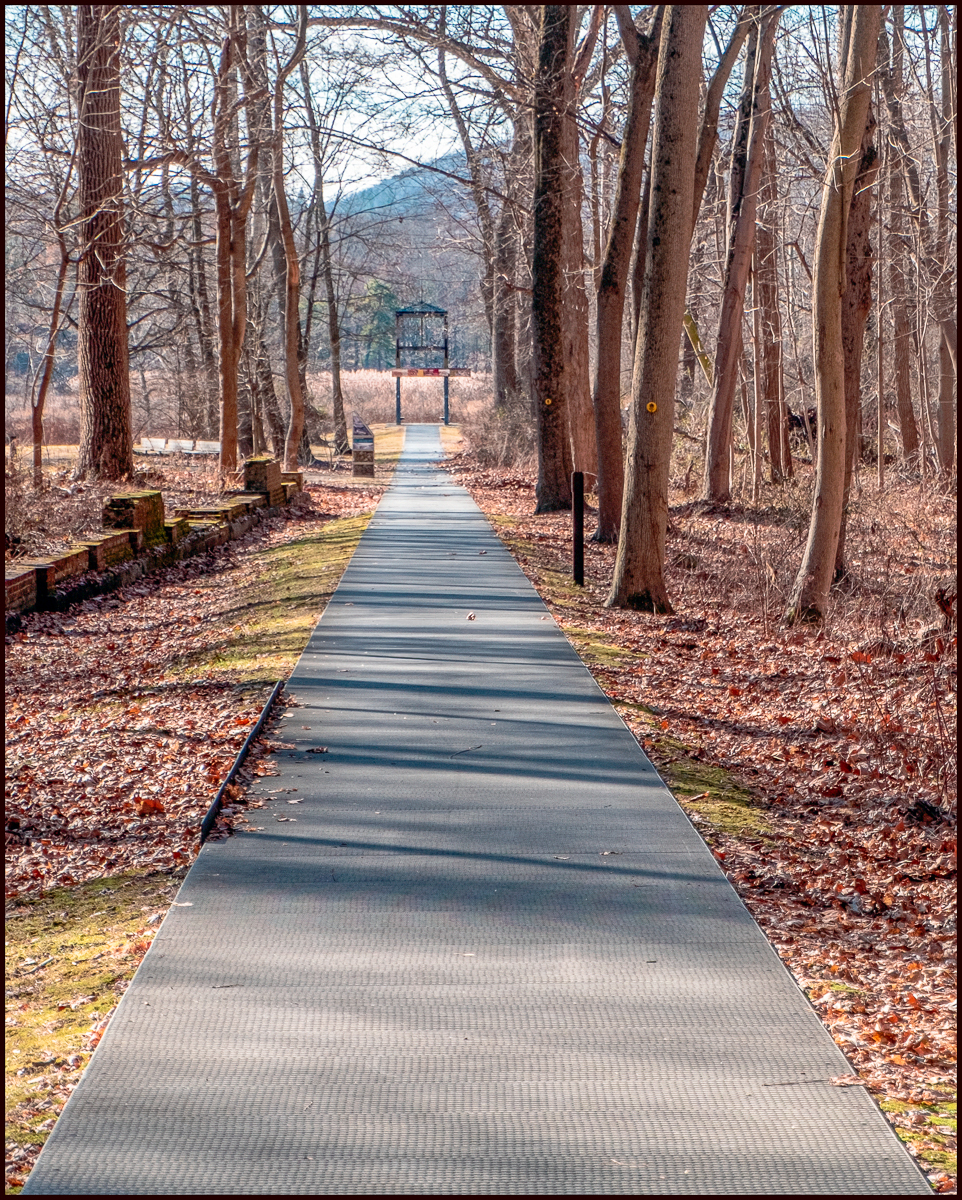
Walkway to the gun testing platform. I believe that at the time of my last visit the walls on the left were covered in vegetation and were barely visible.


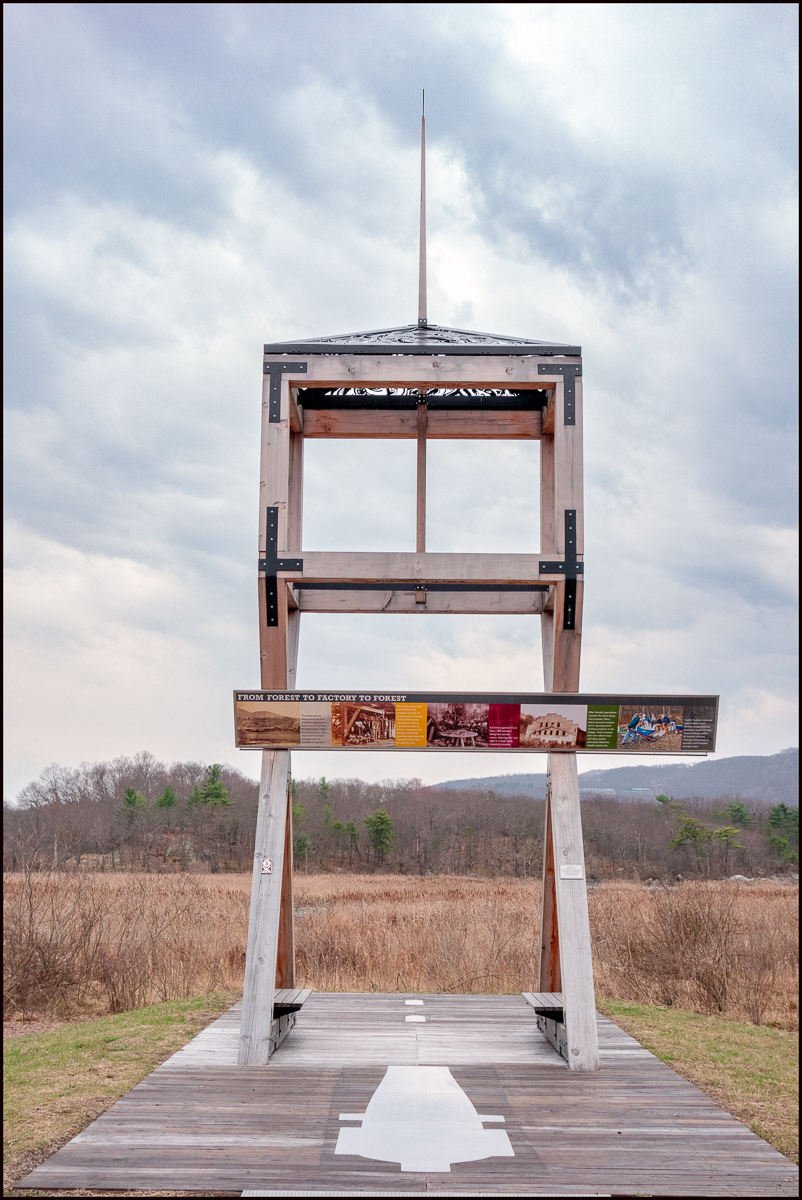
The gun testing platform. From here they fired cannons across the marsh to make sure they were working.


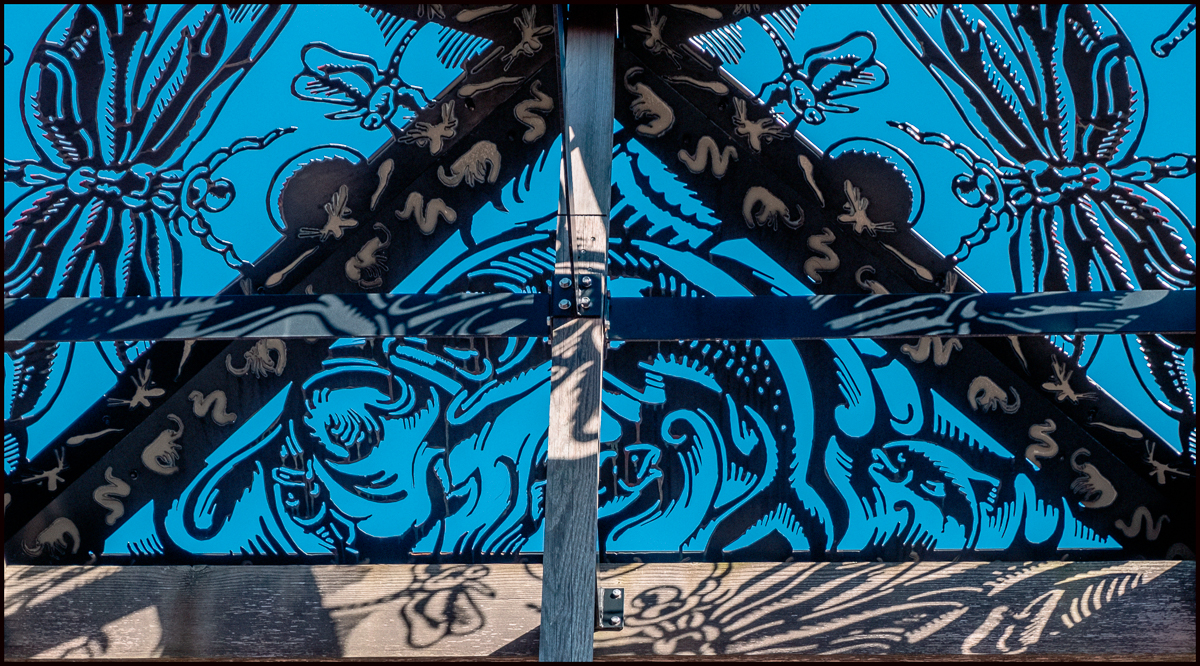
Decoration on the top of the gun testing platform


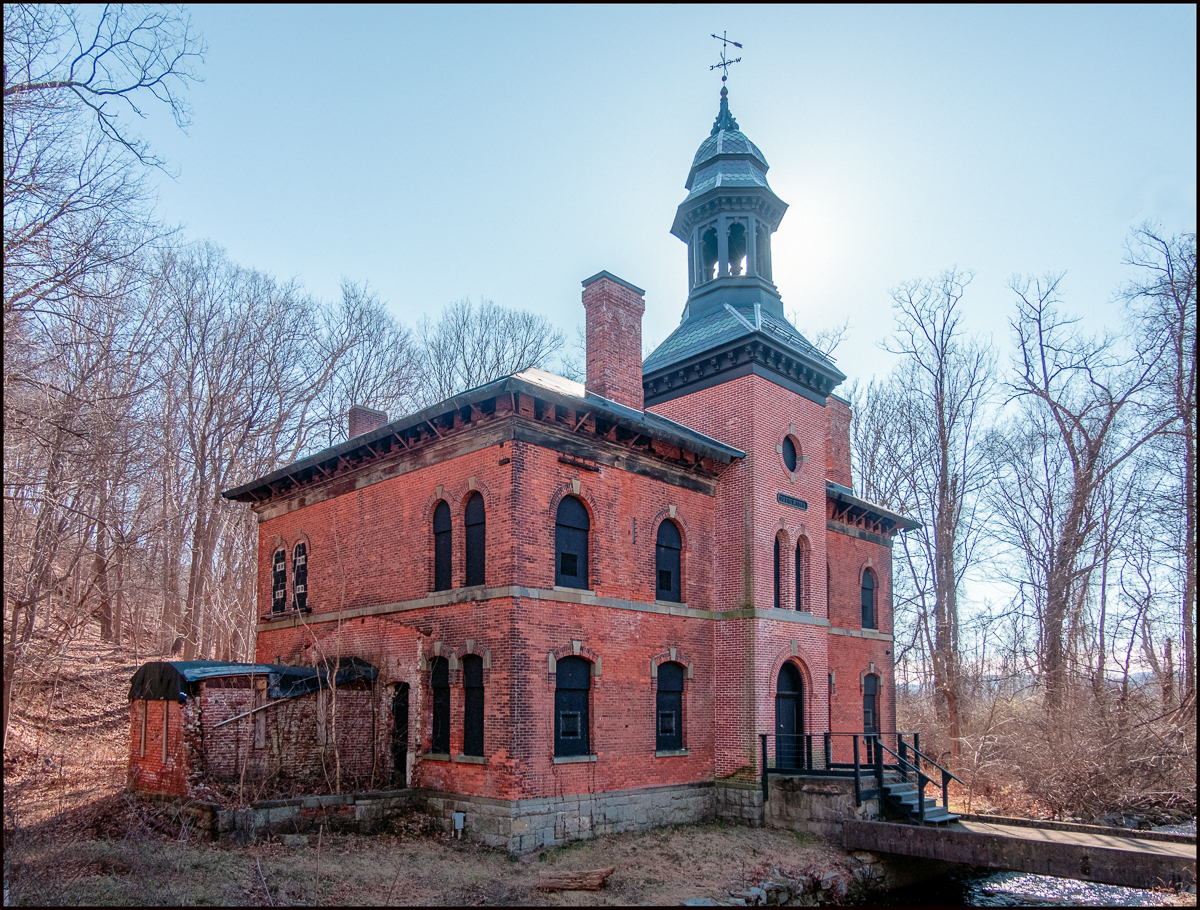
This and the following picture are of Administration Building, the only intact building that remains. When I first came here the cupola was missing. It was on the ground being restored. It seems that they’ve done some more restoration: the brickwork seems to be in better shape.


This and the following picture show Foundry Brook


Ruins


More ruins


Reproduction of a portion of the water wheel, over which Foundry Brook flowed and which drove the Foundry machinery.

For more information see here and here.

Taken with a Fuji X-E3 and Fuji XC 16-50mm f3.5-5.6 OSS II

Strange objects in Manhattan

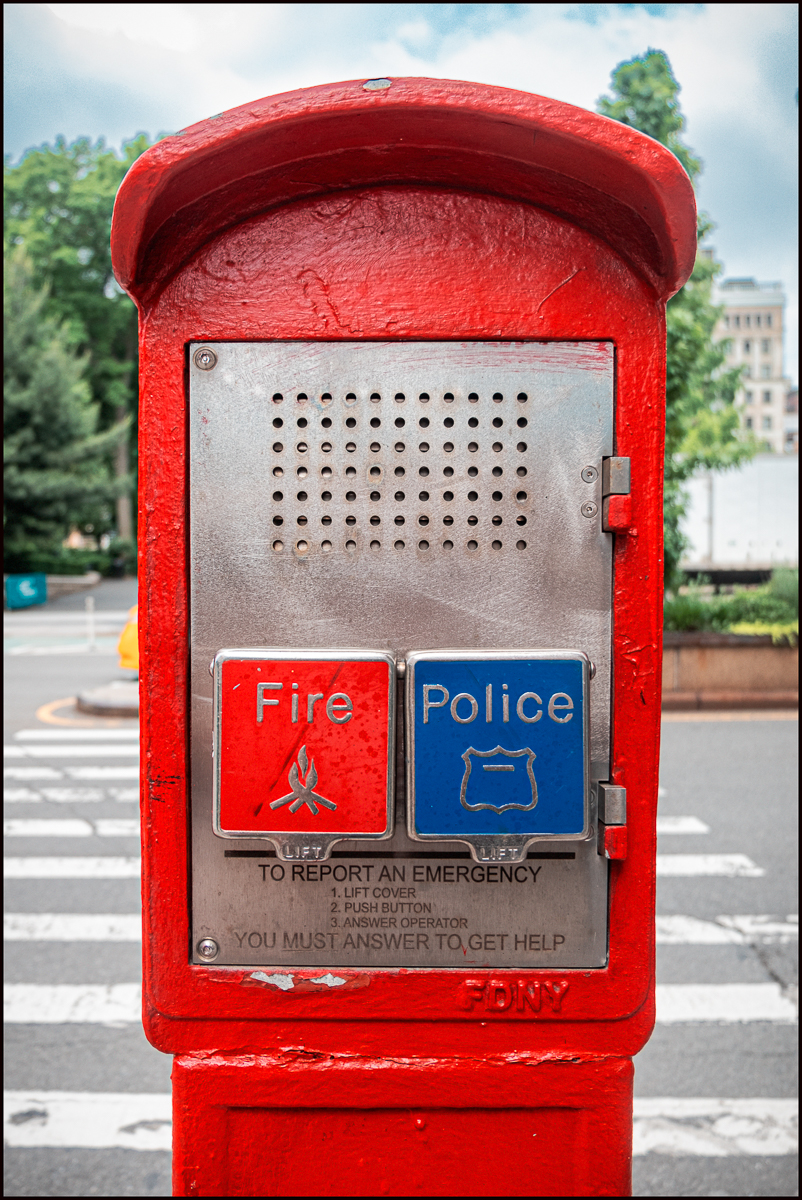
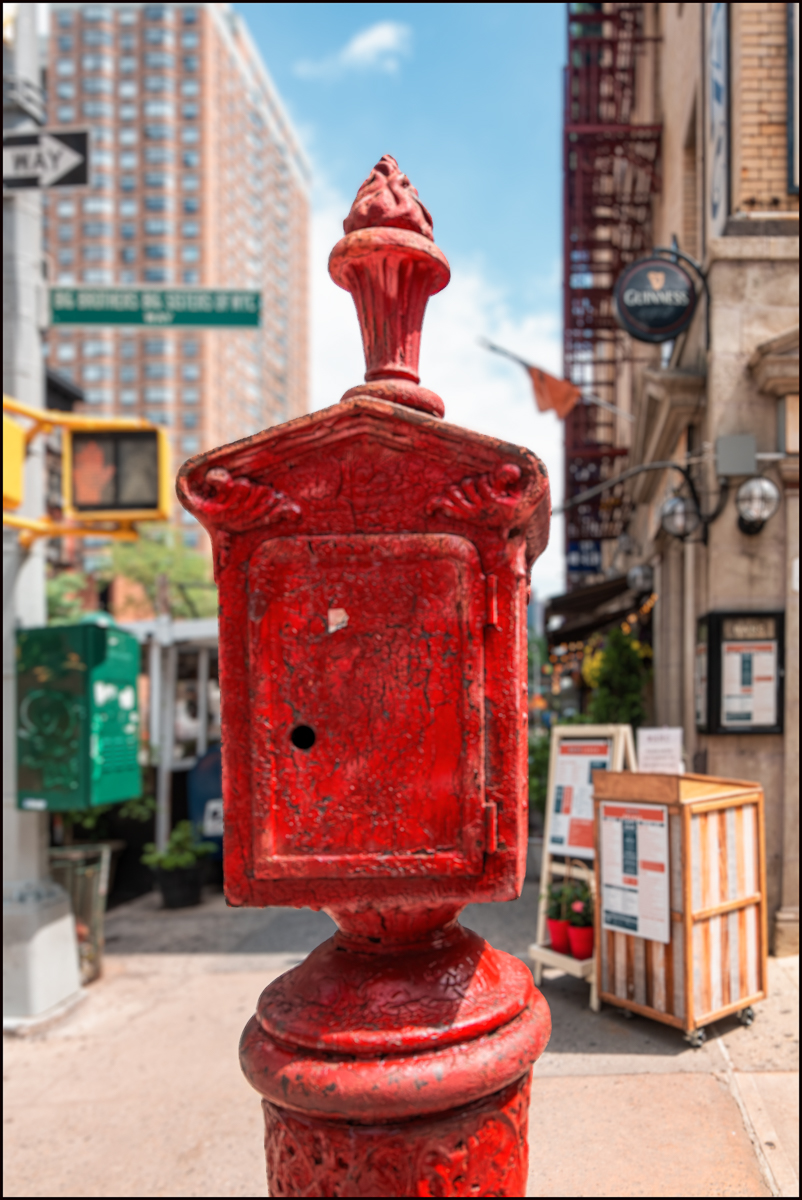
I came across these odd objects while walking around in Manhattan one day. I don’t really know what they are, but they look like some kind of emergency communications device. The second one below looks older than the one above.

After a bit more research I’ve discovered that they are indeed Police, Fire and Emergency call boxes. An article entitled: CITIES 101: RED FIRE ALARM BOXES IN NYC, DO THEY EVEN WORK? on Untapped New York provides more detail.

Throughout New York City, you may be familiar with these red fire alarm boxes that are supposed to summon the fire or police department in the event of an emergency. But how do they work? Many of them have been in the streets for over a century and for more than a decade, several initiatives have emerged to reassess their utility in today’s cell phone age.

The FDNY reports that only 2.6% of calls that they receive come from these boxes, which connect callers directly to their local fire dispatcher, as opposed to the 911 system which acts as a middle-man to the appropriate emergency services. However, 88% of calls from the City’s 15,000 fire boxes are false alarms.

The call boxes come in different shapes and sizes, representative of the decade during which they were installed. Most common are the stand alone rounded posts with a red torch on the top. Some are denoted by an orange bulb attached to a post above a box; these are some of the older ones, as the orange bulbs were used in the 1910s. According to The Works, by Kate Ascher, the oldest boxes date back to 1870:

“when the Fire Department installed fire alarm boxes on telegraph poles south of 14th Street. Though few boxes from that time have survived, a large number of those on the streets today still rely on the original technology: pulling a revolving coded-wheel mechanism sends a signal identifying the box number of the central office of the borough…and dispatchers there forward the alarm to the appropriate firehouse.”

The newer boxes are the ones with two buttons, specifying “Fire” or “Police,” and have a speaker system which the caller can use to speak with the emergency dispatcher. These were installed to lower the instances of false alarms, but pranksters still afflict the system even with these boxes. Posters featuring “Foxy the Firefighter” were pasted to the side of many fire posts in the 60’s and 70’s when false alarms were out of control (the FDNY reported 263,000 false alarms in 1977).

Since the mid-90s the City began to see the fire boxes as a nuisance and former Mayor Rudy Giuliani was the first to attempt to extinguish the problem. Mayor Bloomberg was a major proponent in favor of removing the City’s fire boxes as well (thousands of which are no longer working since Hurricane Sandy). But these removal attempts have received backlash from those who feel that they are crucial in the event of a power/telephone outage (like 9/11) or when servicing a deaf caller. “By removing this system, the city would be leaving our clients with no way to report emergencies from the street,” said Attorney Robert Stulberg, who represented the Civic Association of the Deaf of New York City in 2011 against the initiative. In 2011 it was estimated that the city would save $7 million a year in repair costs related to the fire boxes. To report an out of service call box in your neighborhood, call 311

Taken with a Fuji X-E3 and Fuji XF 35mm f1.4 R