The home page of the Park’s website contains the following:
A Crucial American Victory. Here in the autumn of 1777 American forces met, defeated and forced a major British army to surrender. This crucial American victory renewed patriots’ hopes for independence, secured essential foreign recognition and support, and forever changed the face of the world.
I very much agree. After the British defeat at Saratoga the war was no longer about the British vs. the American Patriots. With the entry of the French on the American side it was now the British vs. the Americans, the French, The Spanish, and the Dutch. And it was no longer limited to the East Coast of the US. The British were now fighting a global war.
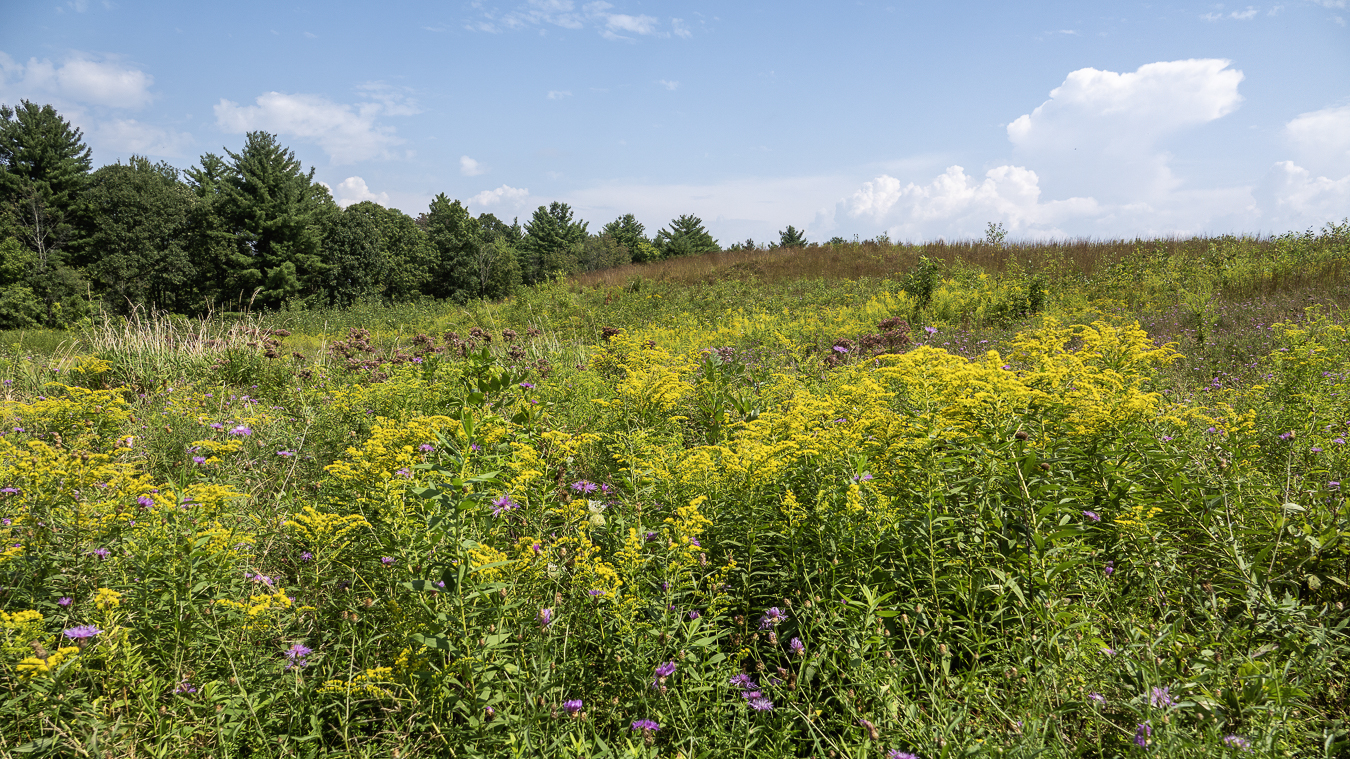
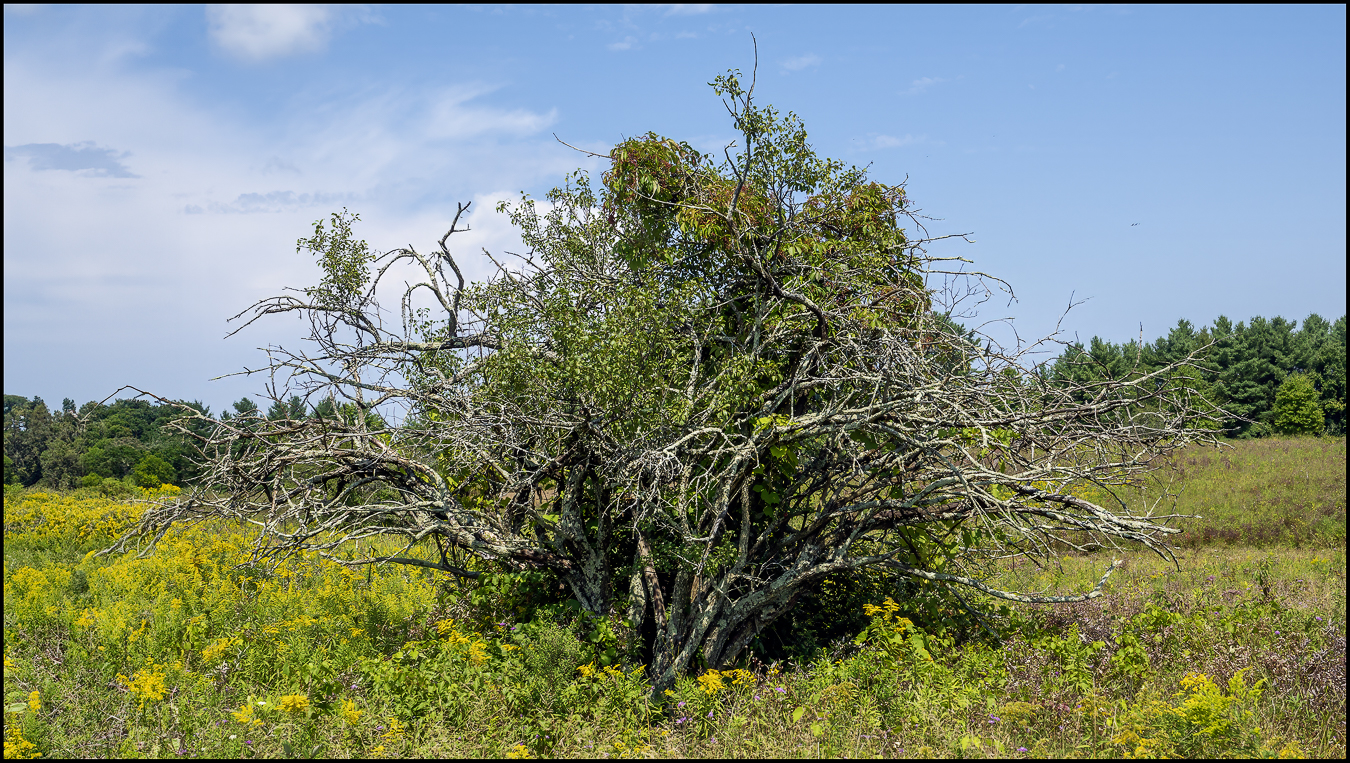
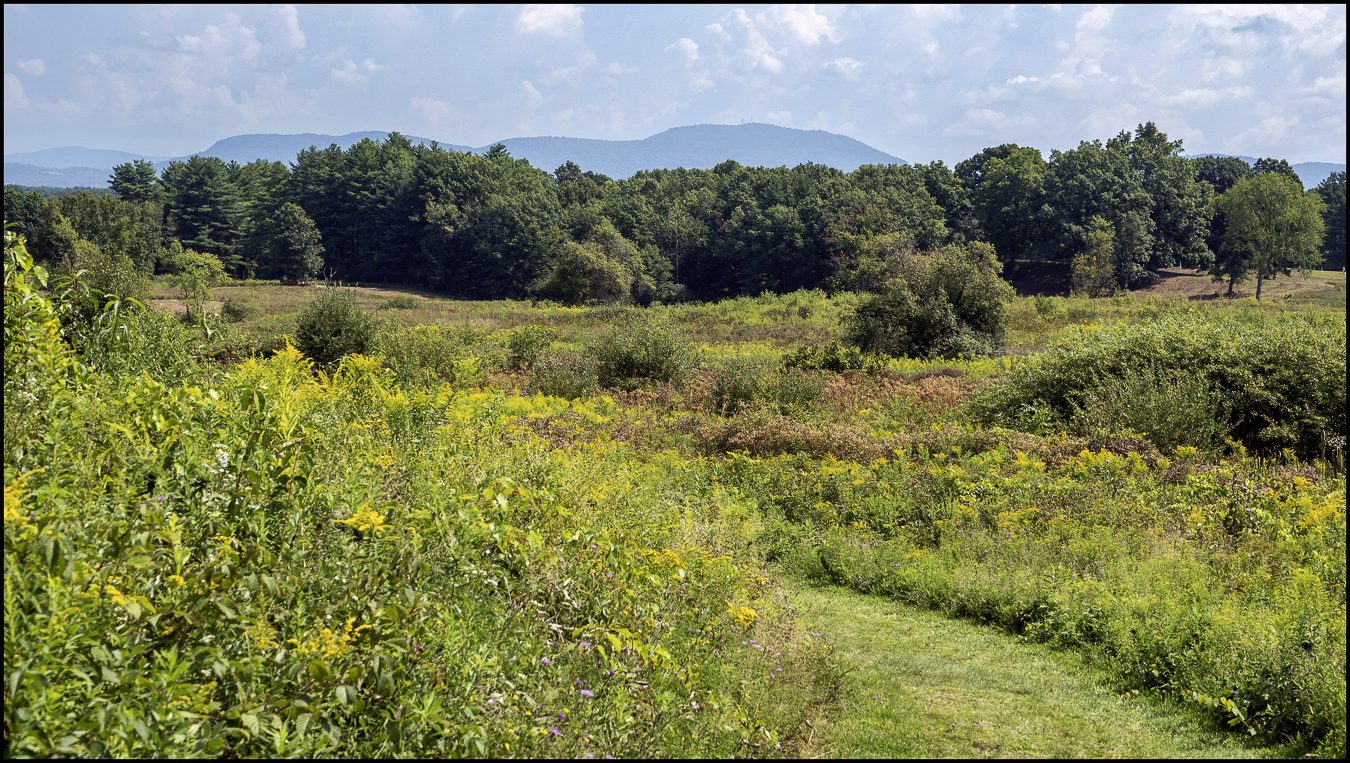
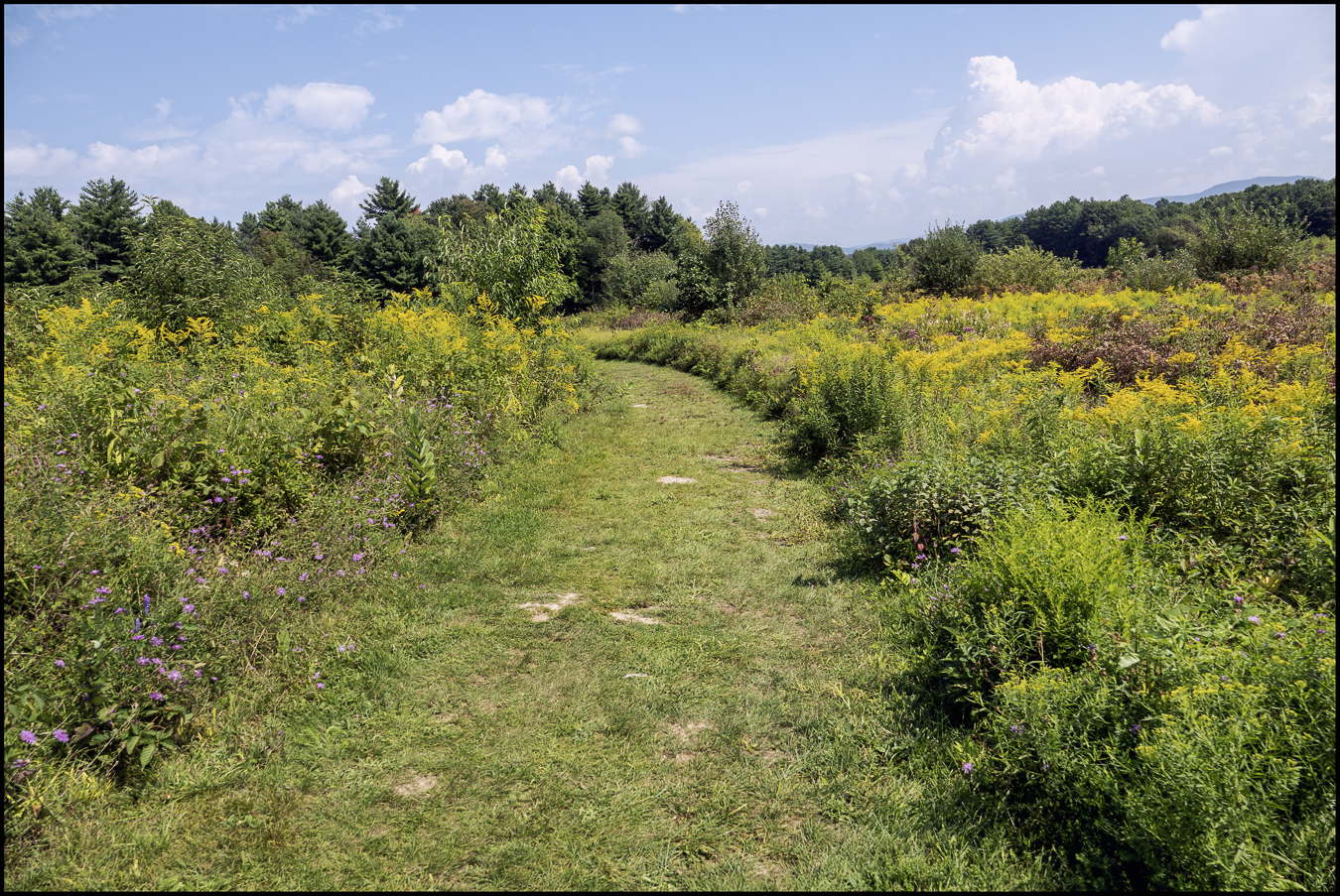
I’d been to the battlefield before. Unfortunately, I chose a very gloomy, rainy day for my visit. The weather was so bad that I just shot around the battlefield and headed off home as quickly as possible. Since that day I’ve always thought that I must have missed a lot. Unfortunately, the truth of the matter is that there isn’t actually much to see. The visitor’s center is somewhat interesting, but other than that there’s just acres and acres of fields (luckily, they were full of flowers, which made them look quite pretty.); a few cannons; a few monuments (not many); and an old farmhouse. It would be a great place to walk your dog.
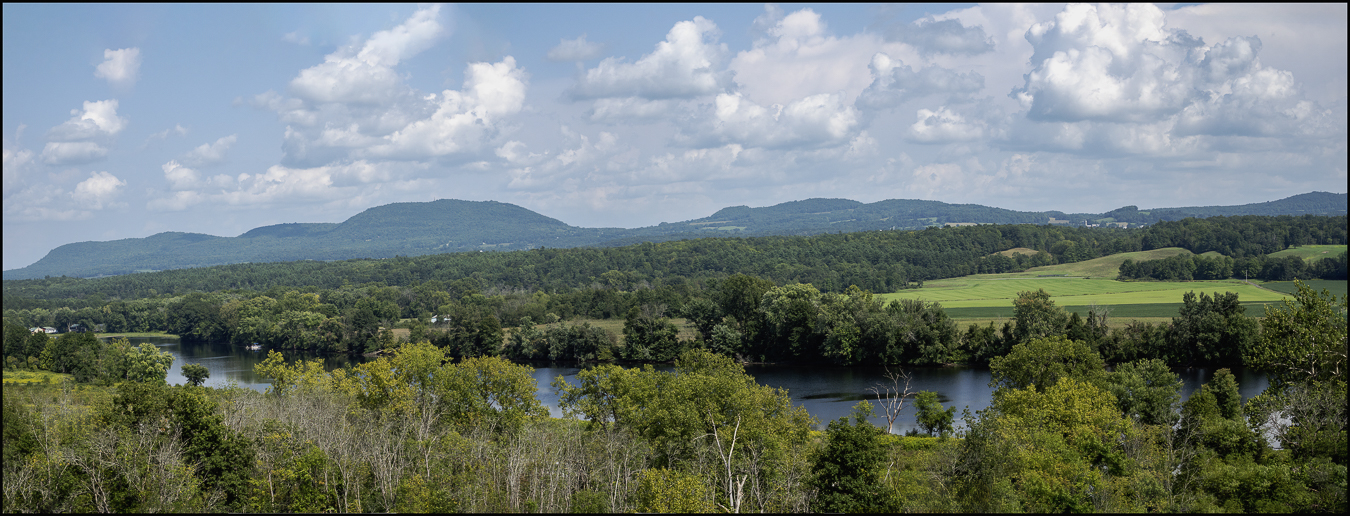
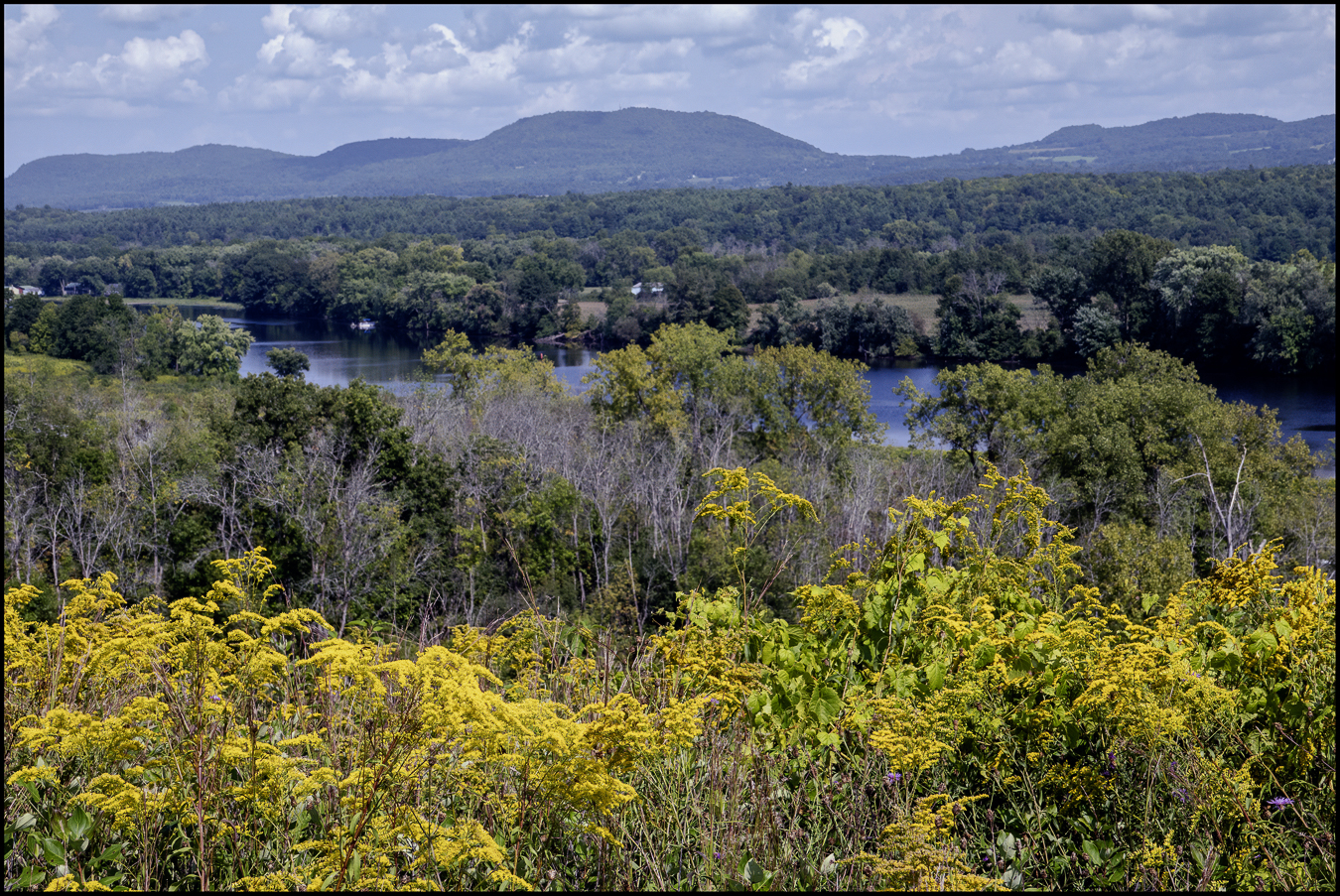
The next two pictures show views of the Hudson.
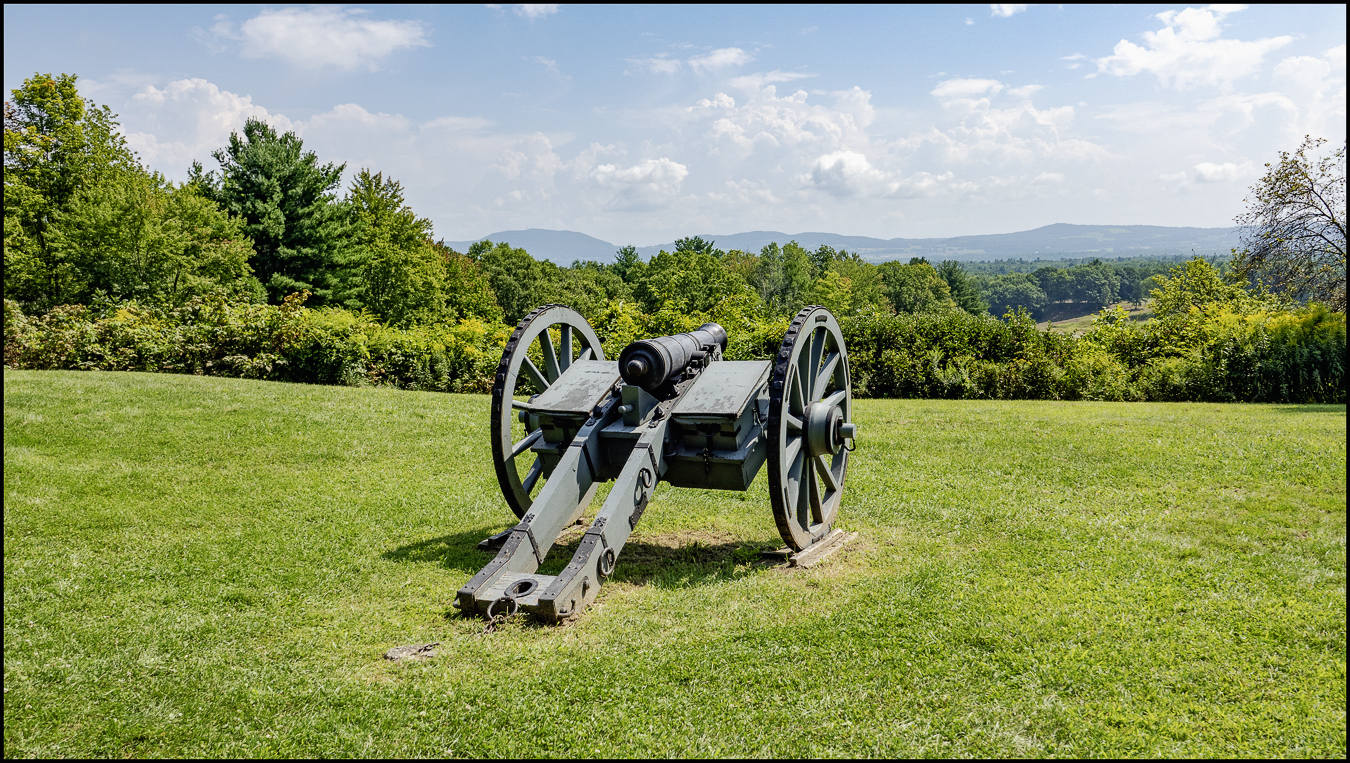
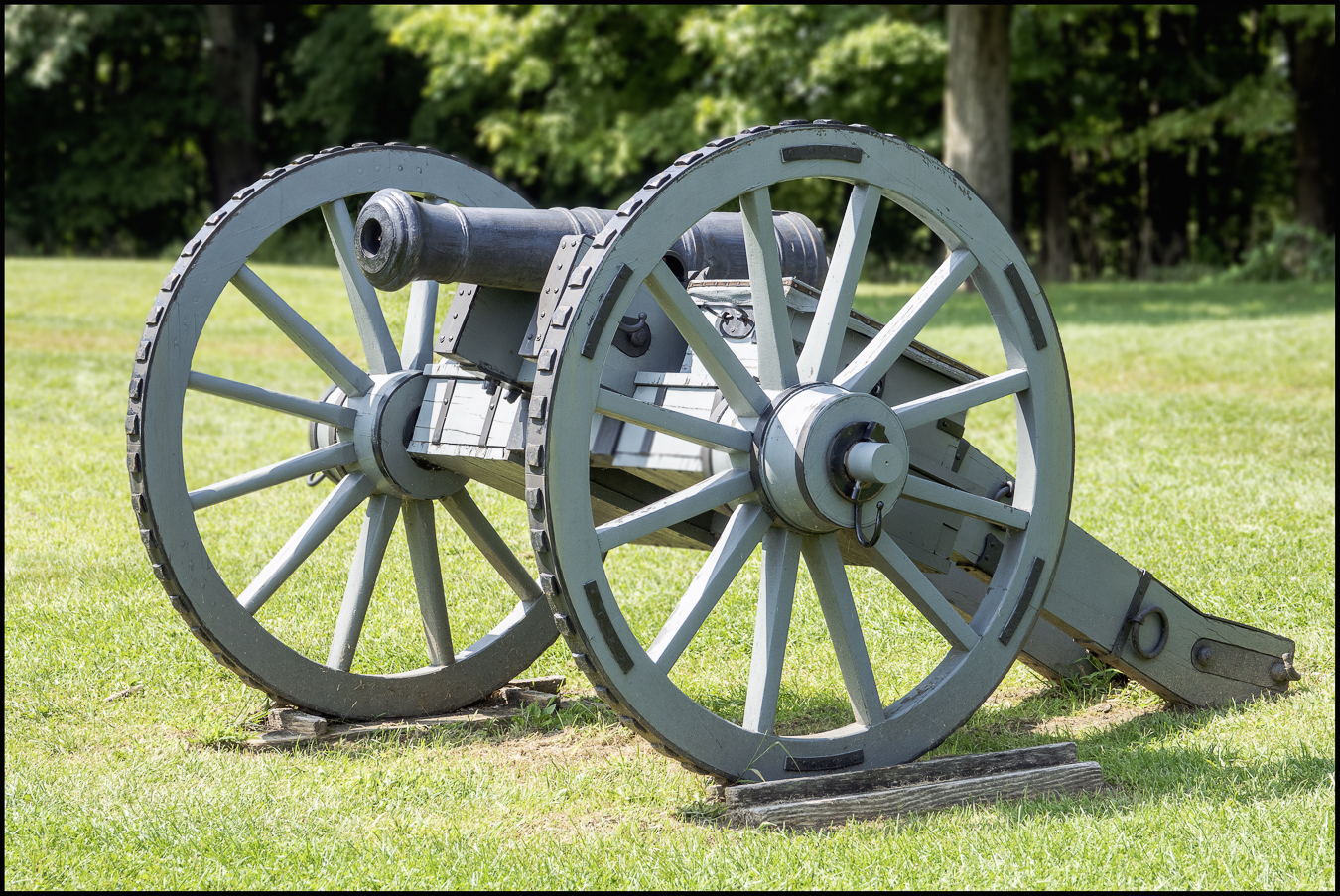
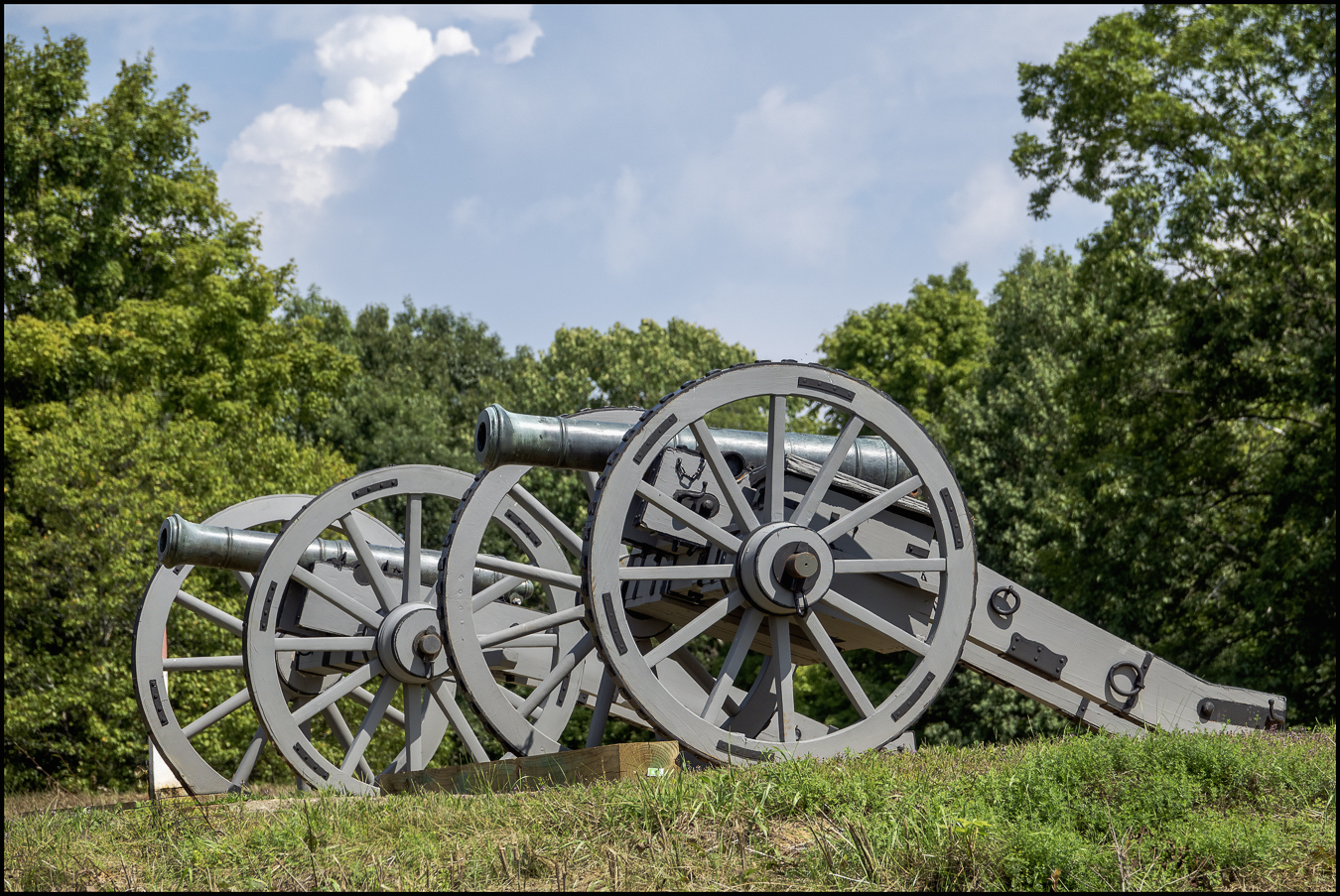
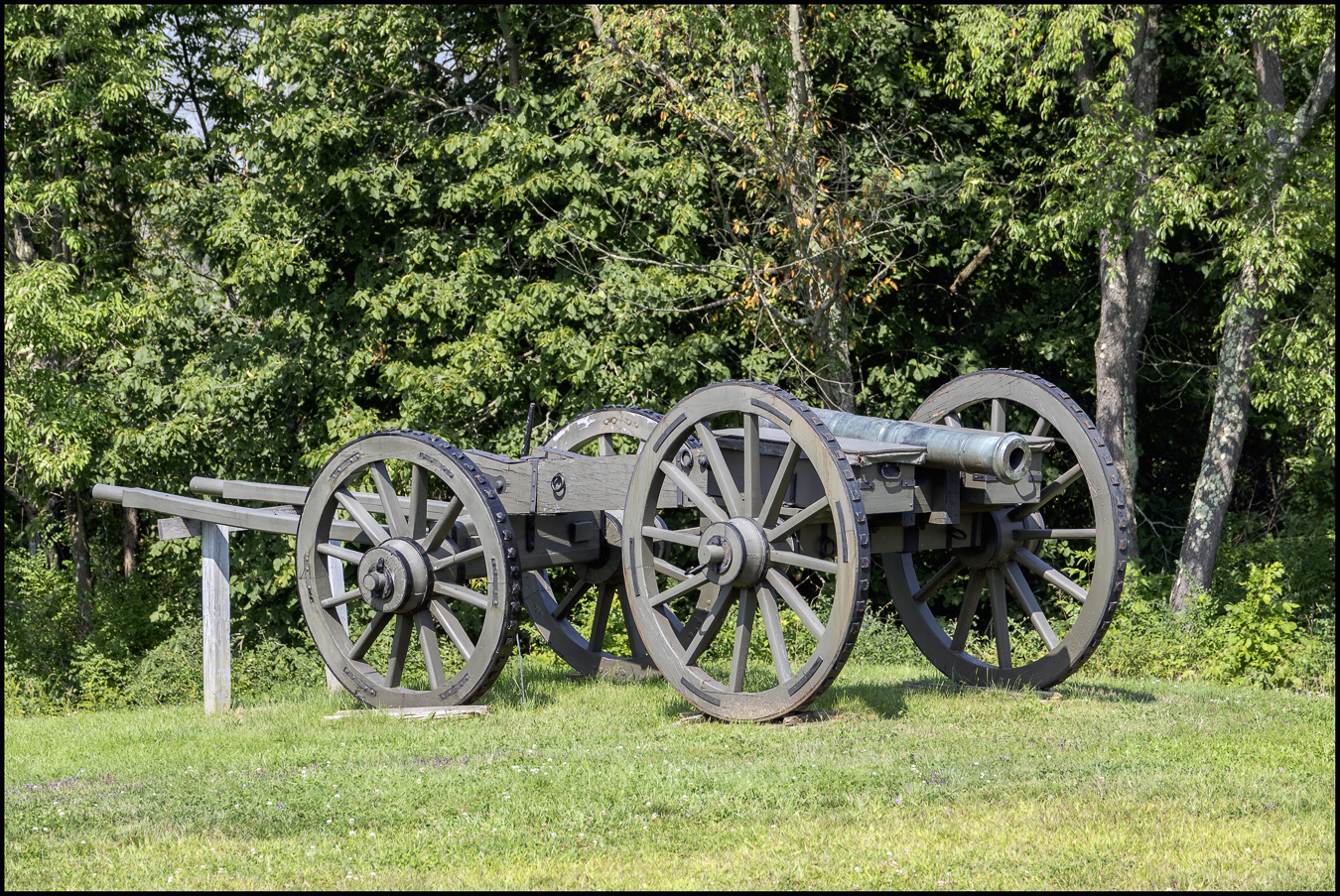
Next four pictures: Cannons
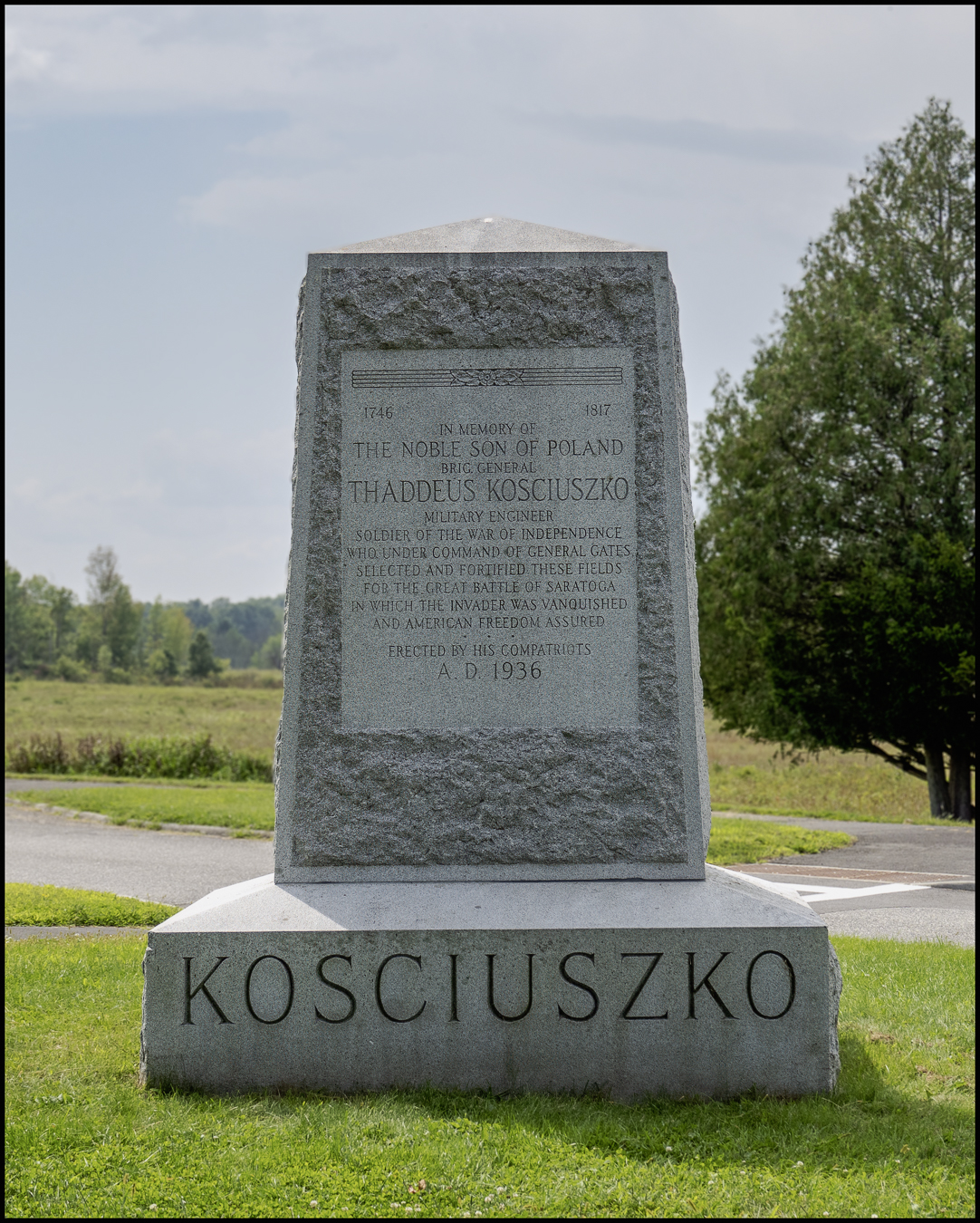
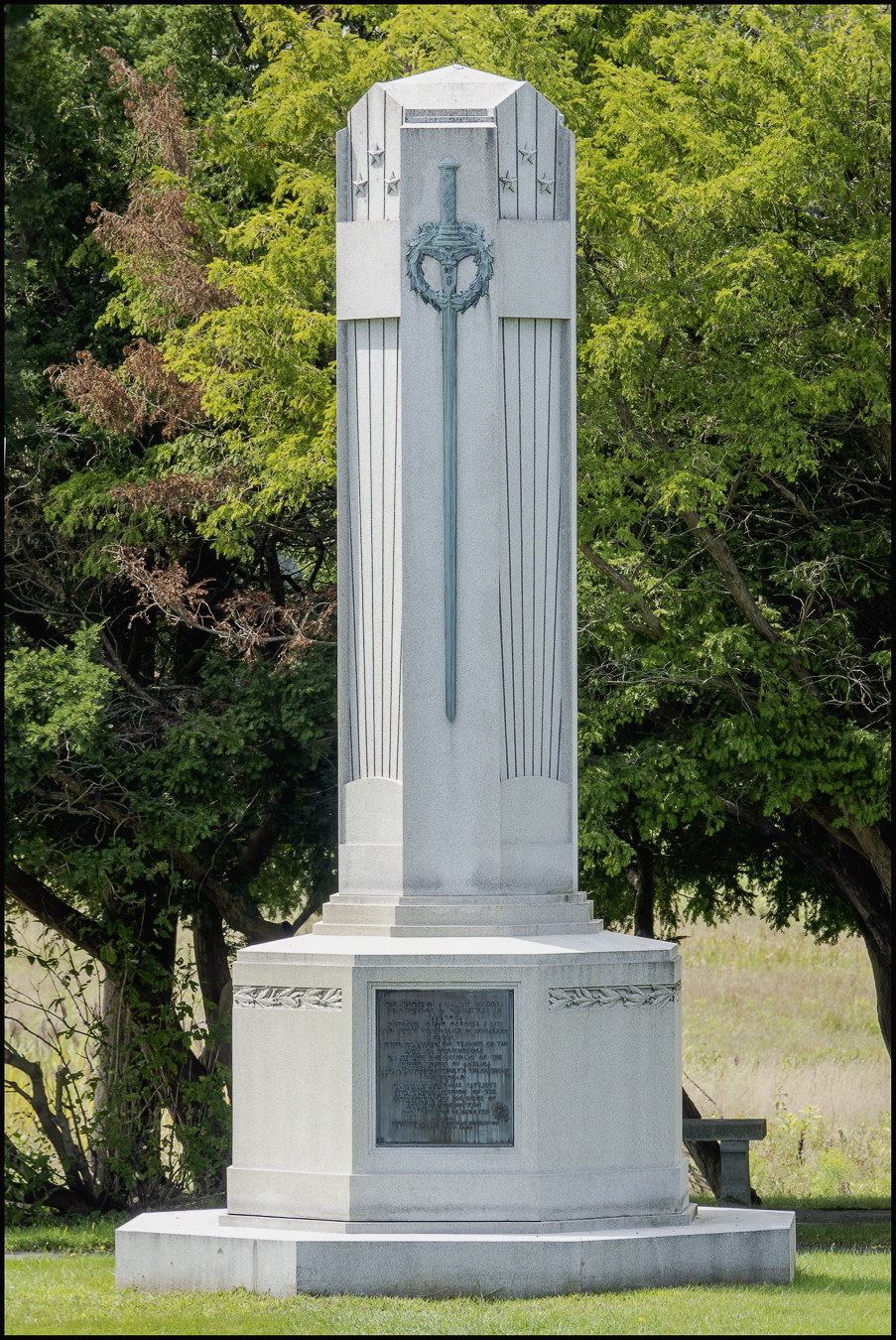
Kosciuszko monument. Tadeusz Kościuszko (born February 4, 1746, Mereczowszczyzna, Poland [now in Belarus]—died October 15, 1817, Solothurn, Switzerland) was a Polish army officer and statesman who gained fame both for his role in the American Revolution and for his leadership of a national insurrection in his homeland. For more information on Kosciuszko see
here.
The inscription on the plaque reads:
THE UNKNOWN AMERICAN SOLDIERS
WHO PERISHED IN THE BATTLES OF
SARATOGA
SEPTEMBER 19 AND OCTOBER 7 1777
AND WHO WERE HERE BURIED IN UNMARKED
GRAVES
HELPED TO ASSURE THE TRIUMPH OF THE
WAR OF INDEPENDENCE
TO CREATE THE REPUBLIC OF THE
UNITED STATES OF AMERICA
AND TO ESTABLISH LIBERTY THROUGHOUT
THE WORLD
IN HONOR OF THESE PATRIOTS
AND IN RECOGNITION OF THE
BICENTENNIAL OF THE BIRTH OF
GEORGE WASHINGTON
THIS MEMORIAL IS ERECTED
BY THE
DAUGHTERS OF THE AMERICAN REVOLUTION
OF NEW YORK STATE
1951
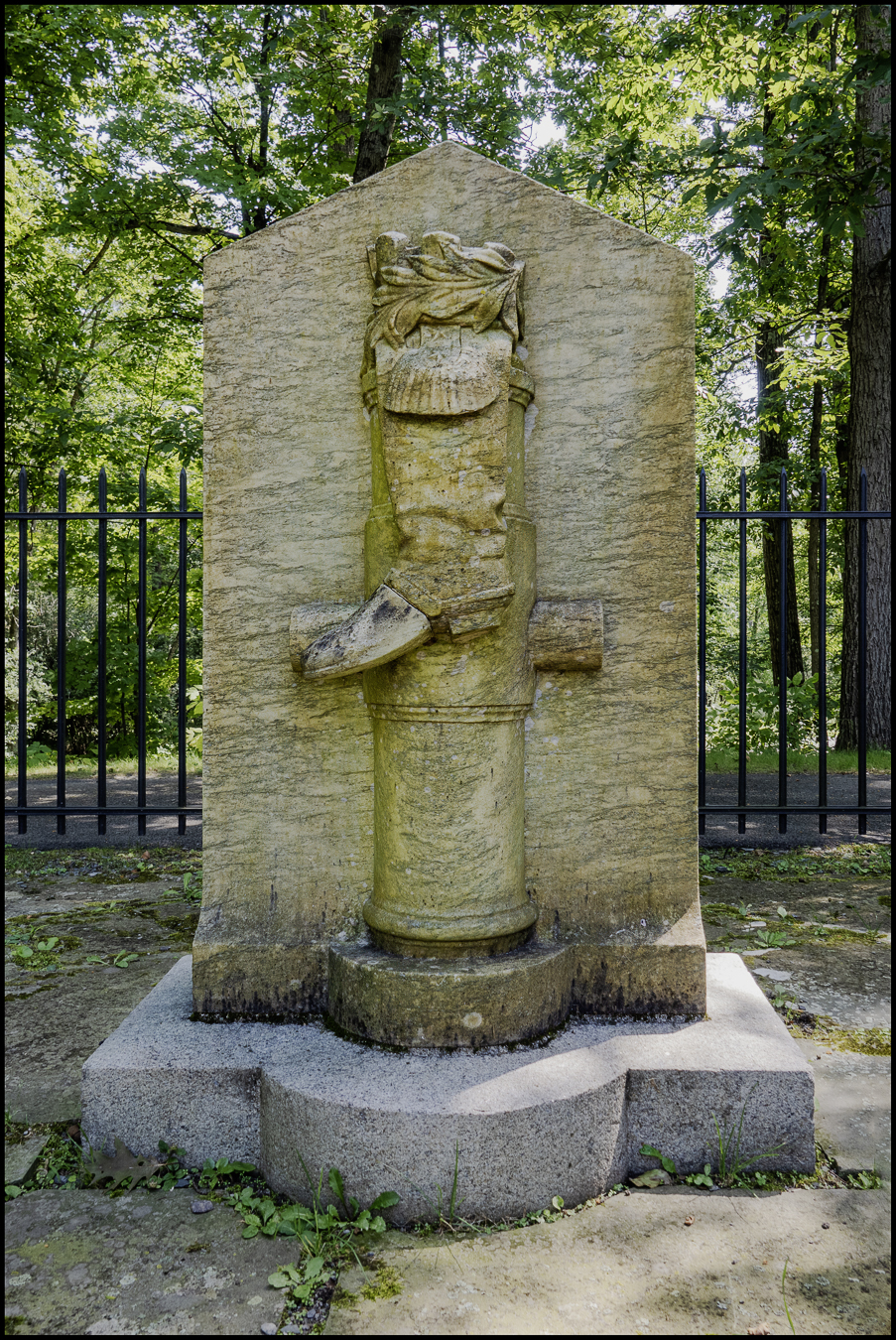
This monument commemorates the actions of a man who was instrumental in the American victory here, but later became a traitor to the United States: the infamous Benedict Arnold. This monument is perhaps the most popular, unique, and controversial monument of the many placed here.
After he was wounded, General Arnold underwent surgery and after months of recuperation was assigned to command the repatriated capital city, Philadelphia, in June 1778. There, Arnold’s resentment of perceived mistreatment boiled over into rage against the United States. He secretly sought British support and shared military intelligence. Exposed as a traitor at West Point in 1780, he escaped.
No one in American history is as vilified for treason as Benedict Arnold. The “Boot Monument” is dedicated to this man who led Americans to victory in the Battles of Saratoga. The monument does not mention Arnold by name, but there are a few intricate details which often go unnoticed by passersby:
- A boot and a two-star epaulet are draped over a howitzer barrel to symbolize an individual with the rank of Major General who suffered a wound during a battle in this location.
- A Laurel leaf wreath sits atop the howitzer, an emblem which often resonates victory, power, and glory.
- The reverse of the monument is inscribed with the following quote: “In memory of the most brilliant soldier of the Continental Army who was desperately wounded on this spot, the sally port of Burgoyne’s great [western] redoubt 7th October 1777 winning for his countrymen the decisive battle of the American Revolution and for himself the rank of Major General.”
Arnold has always been a personal favorite of mine for two reasons: First, if he had died at Saratoga (as he almost did) he would have gone down in history as one of the US’s greatest heroes instead of as probably the country’s greatest villain. Second, I was always fascinated that he was a general on both sides in the same war.
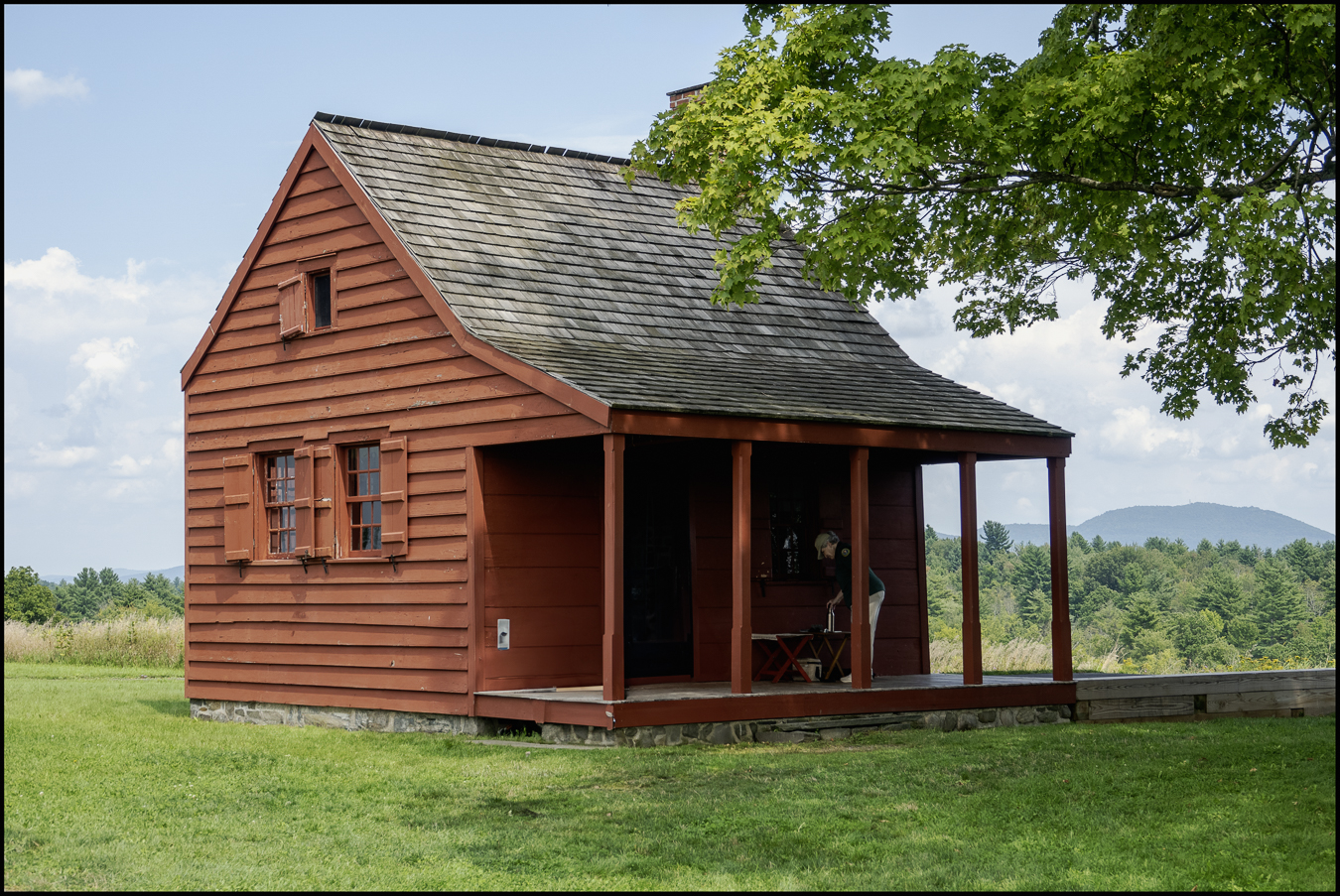
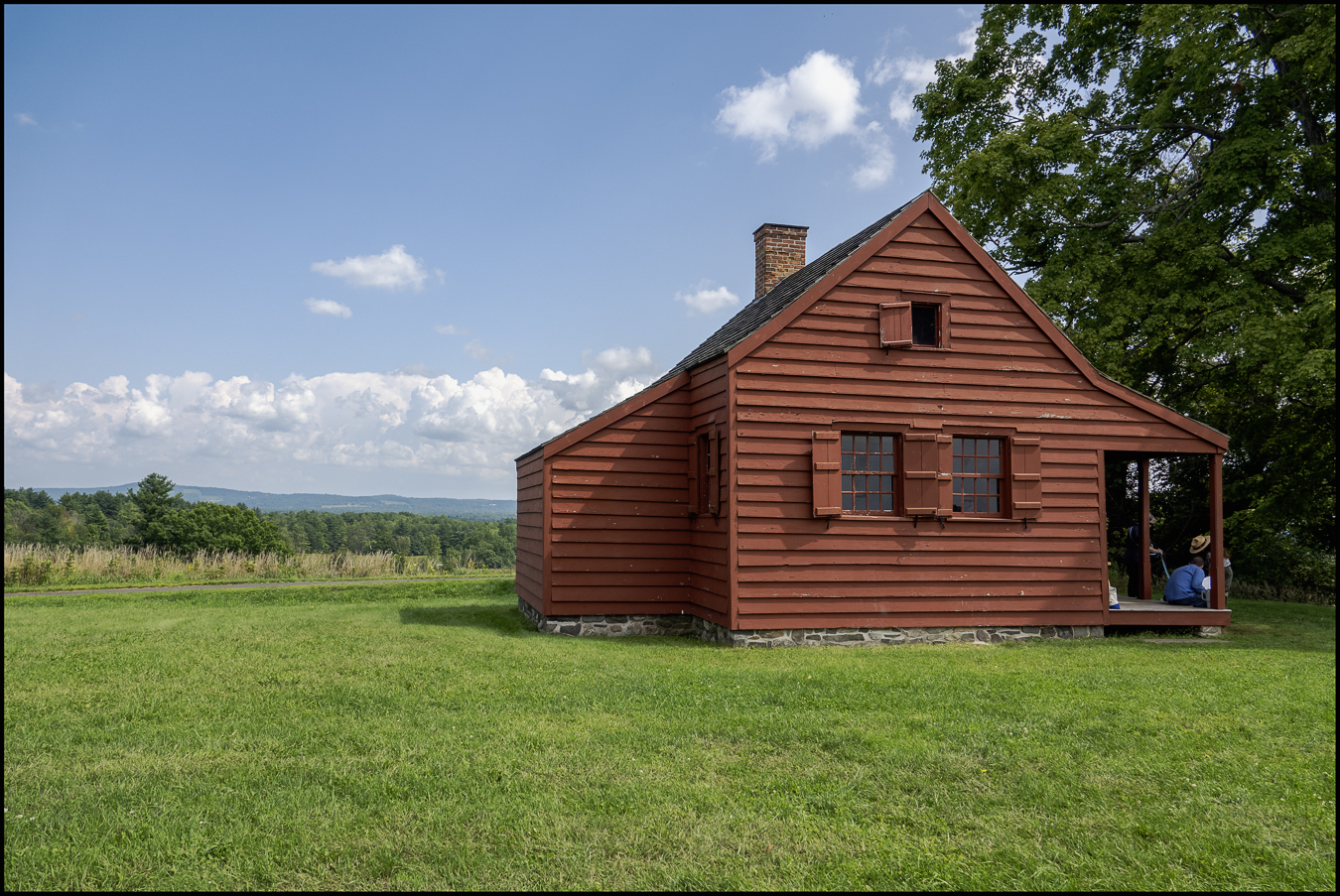
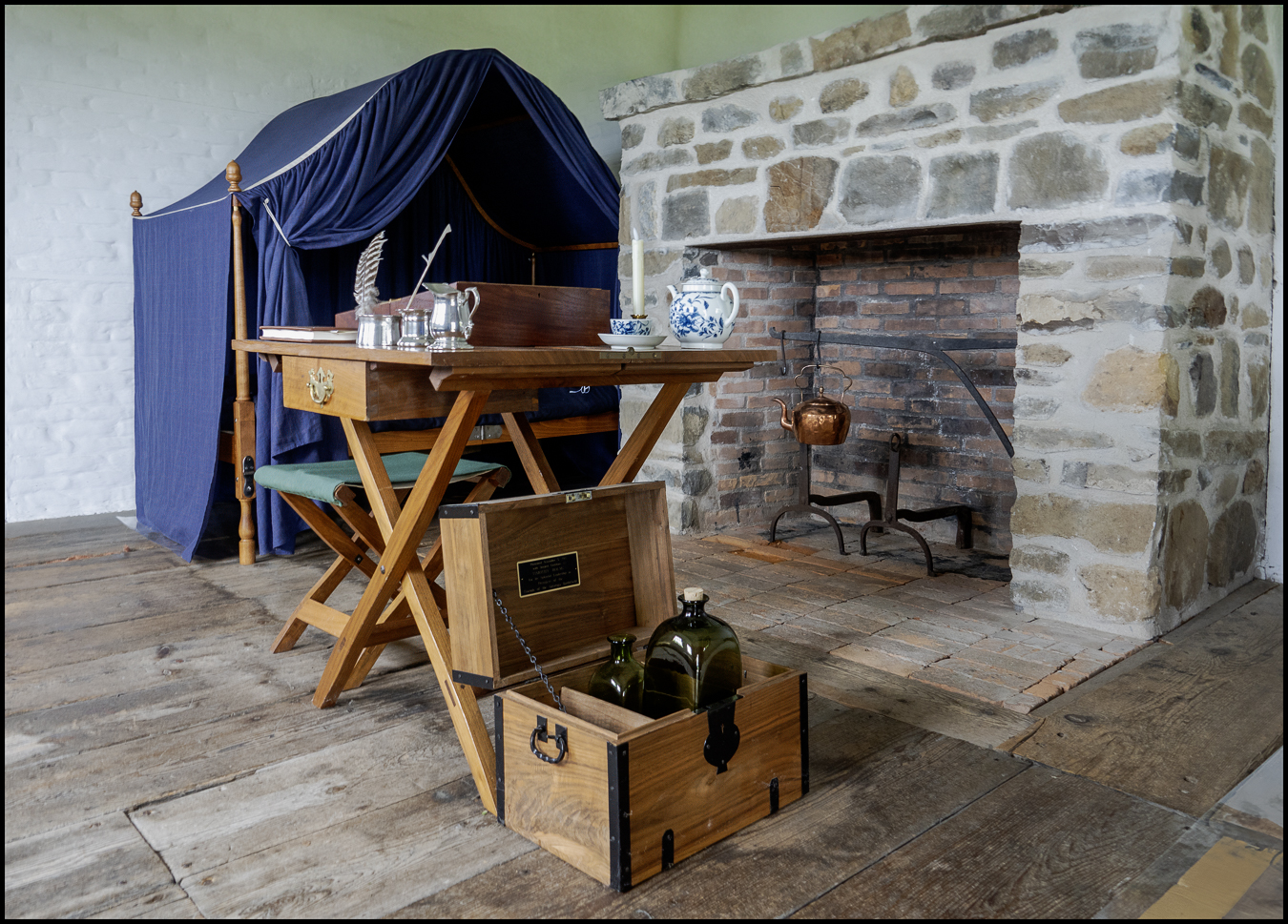
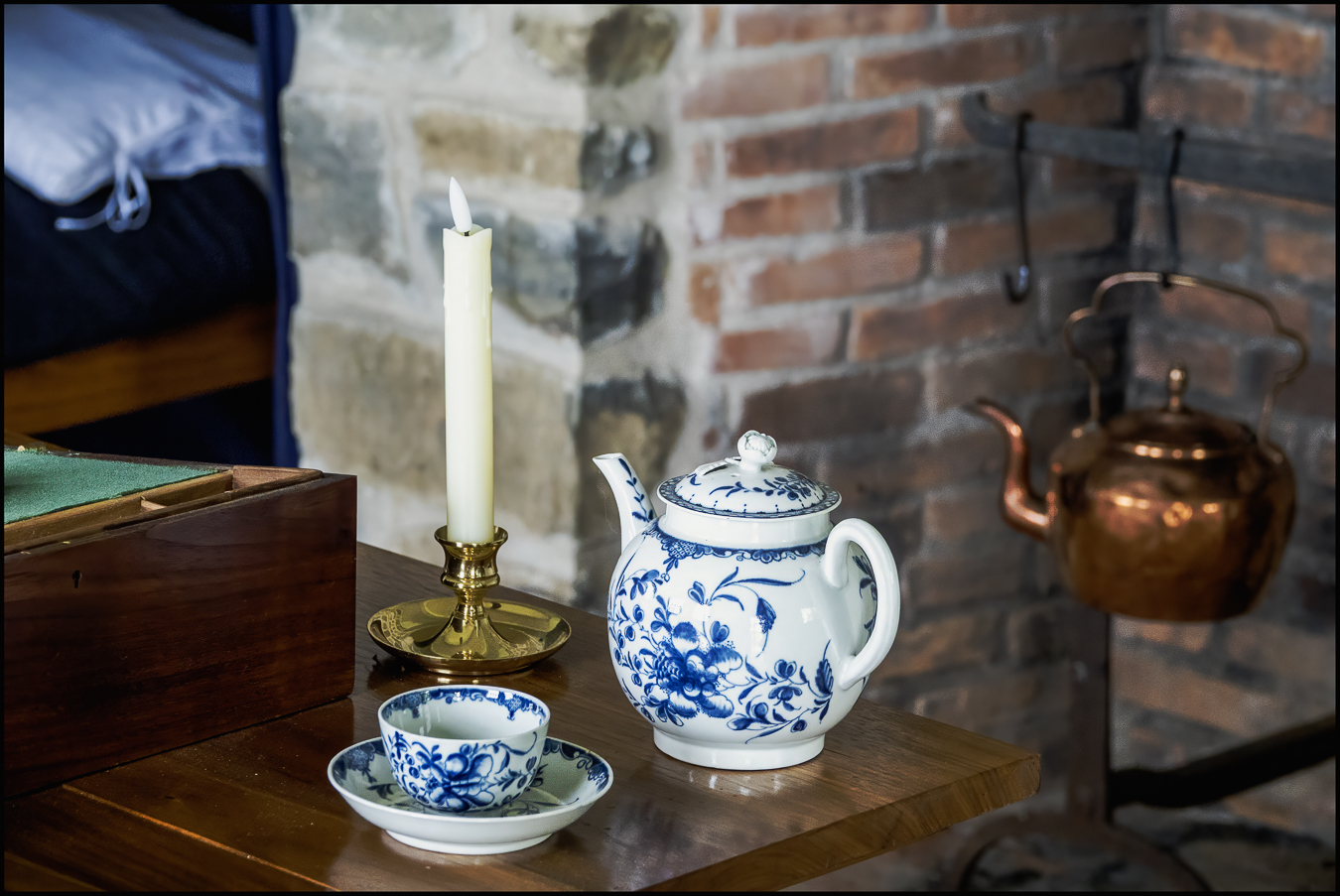
The final pictures below show the Nielson House. The Saratoga National Historical Site describes it as follows:
Before and after the Battles of Saratoga John Neilson farmed these heights, located at Stop #2 along the park’s auto tour road. Today his restored home looks much as it did when Generals Arnold and Poor used it for quarters in 1777. This single-room house may be small, but the panoramic view from the porch is larger than life!
The Family. John Neilson (1753-1833) hailed from New Brunswick, New Jersey. Well-practiced at tree cutting and rail splitting, the teenager left his home behind in 1772 and, working his way up the Hudson River, eventually came to Stillwater, New York. There, he went to work for a local farmer, Abner Quitterfield (1732-1784). Two years later, in June 1774, he leased about 150 acres of land out of Great Lot 12 of the Saratoga Patent, from Albany merchant John Bleecker (that same day, Neilson sub-leased 52 acres of it to one Isaac German). Later, he leased about 100 acres in Great Lot 14 from Killian De Ridder, which included the ridge upon which the present house stands.
For more information on the house see here.
And yes, it really does have a terrific view (which I completely failed to capture).
Taken with a Sony RX10 IV.