Opus 40 – Overview

According to Wikipedia:

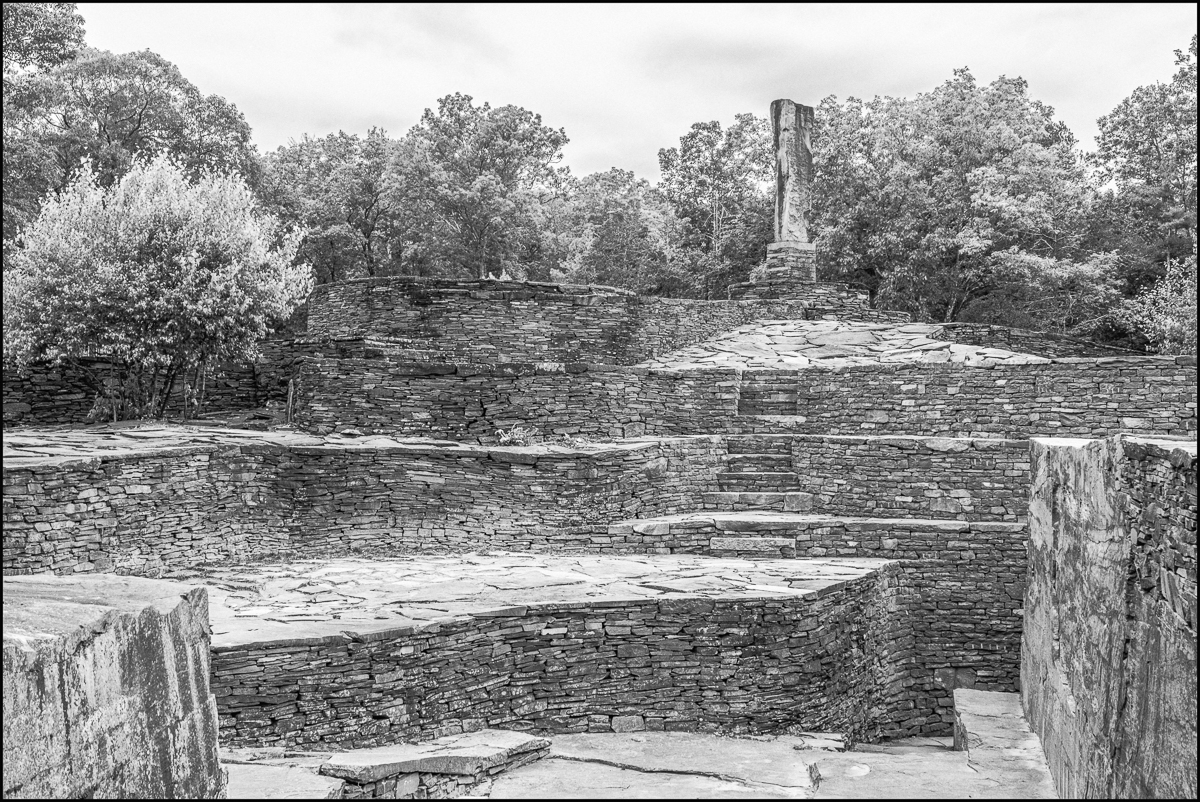
“Opus 40 is a large environmental sculpture in Saugerties, New York, created by sculptor and quarryman Harvey Fite (1903—1976). It comprises a sprawling series of dry-stone ramps, pedestals and platforms covering 6.5 acres (2.6 ha) of a bluestone quarry. Fite, then a professor of sculpture and theater at Bard College, Annandale-on-Hudson, New York, purchased the disused quarry site in 1938, expecting to use it as a source of raw stone for his representational sculpture. Instead, inspired by a season of work restoring Mayan ruins in Honduras, he began creating a space to display the large carved statues he was beginning to create out of native bluestone. Using the rubble that had been left behind as the area was quarried, he built terraces, ramps and walkways to lead to the individual works, doing all the work by hand, and using the traditional hand tools that had been used by the local quarrymen before him. As the rampwork of his open-air gallery expanded, Fite realized that the 1.5-ton (1.36 metric ton) statue, Flame, which had occupied the central pedestal, had become too small for the scale to which his work had grown, and he replaced it with a 9.5-ton bluestone pillar he had found in a nearby streambed, intent on carving it in place as his tallest bluestone sculpture to date. Fite erected the focal monolith in 1962, 23 years after he had begun work on his quarry gallery.

Though Fite’s original plan was to carve the monumental river-stone in place, as his tallest bluestone sculpture to date (he had sculpted Flame in his indoor studio), once the stone was up, he realized that what he had originally conceived as a setting for sculpture had become a coherent sculpture in its own right, and a new kind of sculpture, in which carved representational work was out of place. Fite removed his other sculptures and relocated them on the surrounding grounds, and continued to work on this new sculptural concept for the remainder of his life.

Fite died on May 9, 1976, in the 37th year of his creation, in an accidental fall while working on the ongoing project. Work stopped that day, leaving some areas unfinished”.

For an interesting timeline of Fite’s work see Opus 40 History (from Quarrying to Present)

Taken with a Fuji X-E5 and Sigma 18-50mm f2.8

Kensico Cemetery – Aiken Mausoleum

Bertha Marion Reese Aiken is interred here. Other than her date of birth (19 Feb 1863) and the date she died (2 Nov 1930) I’ve not so far been able to discover any additional information. She was married to Friend M. Aiken, who is also interred in this Mausoleum. Again, I’ve found little information about him, other than the year of his birth (1855), the year he died (1929), and that he seems to have had some trouble with the IRS (If indeed this is the same Friend M. Aiken, a not too common name, See: Aiken v. Commissioner of Internal Revenue – Casetext

I liked the look of the mausoleum, and it has some colorful stained glass.

Taken with a Fuji X-E3 and Sigma 18-50mm f2.8

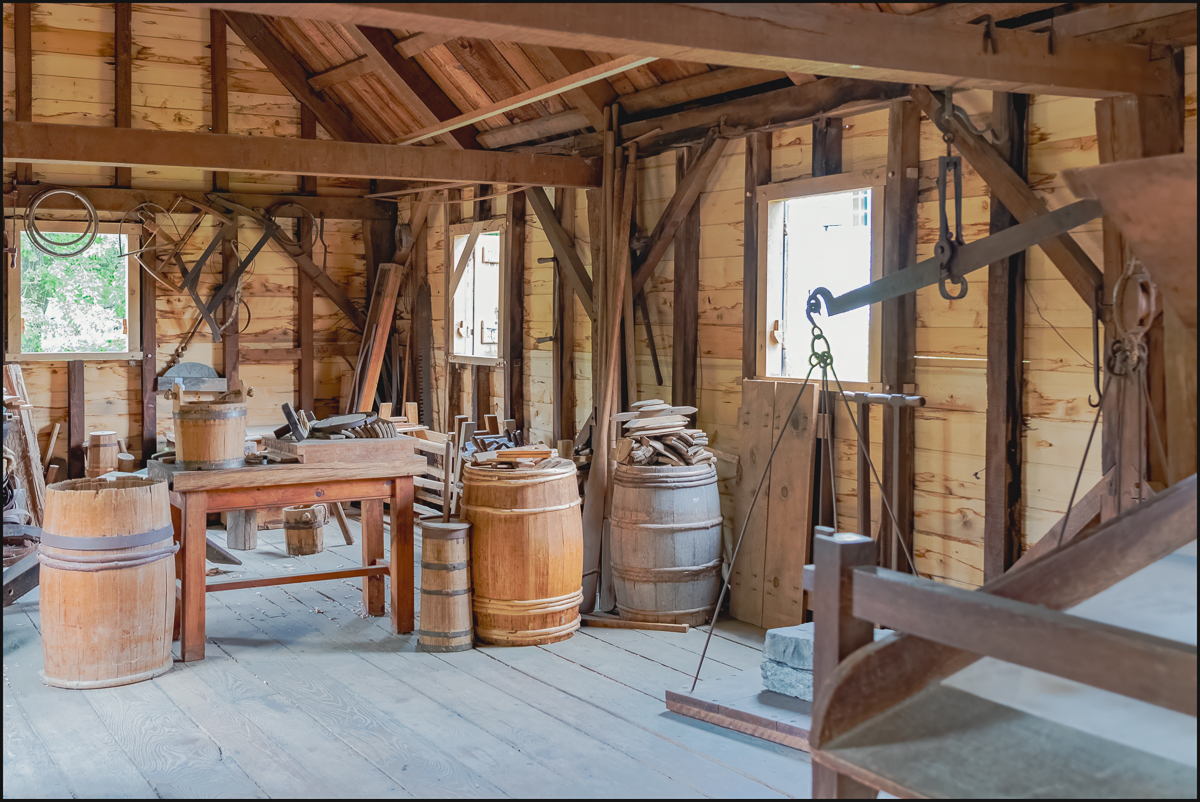
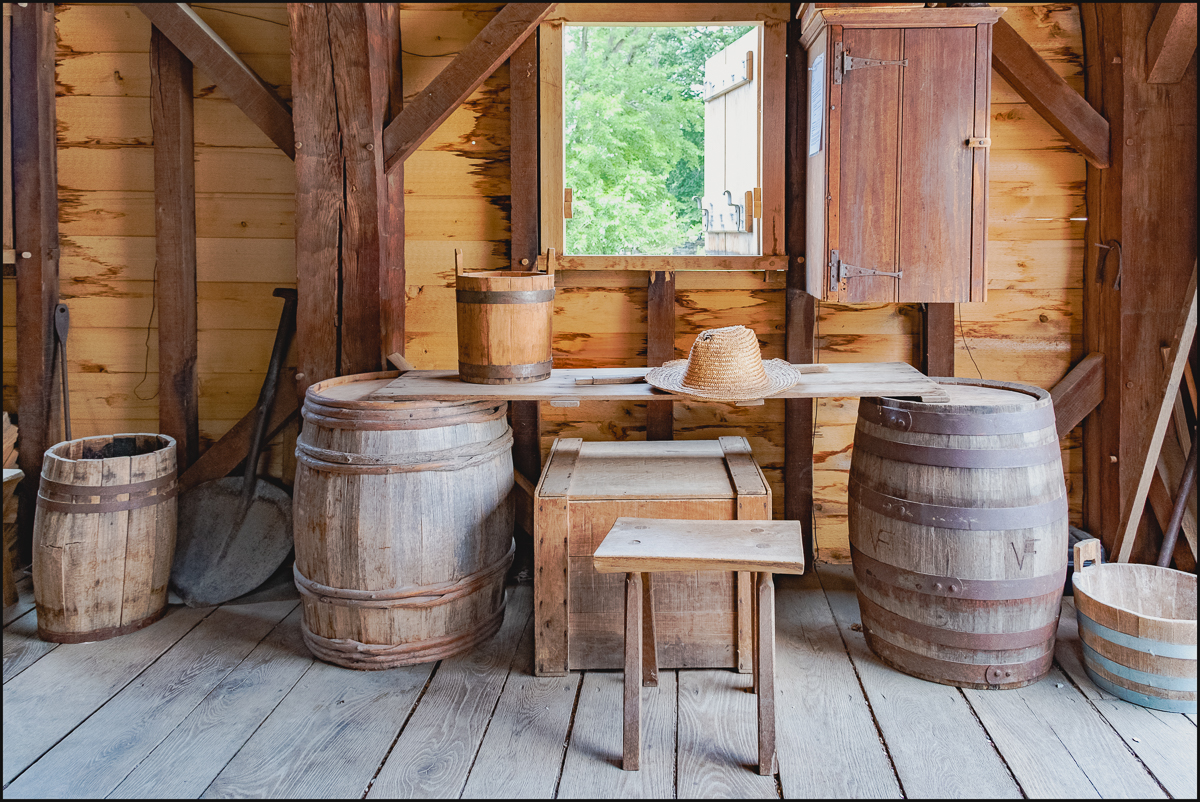
A Visit to Philipsburg Manor – The Cooper’s House

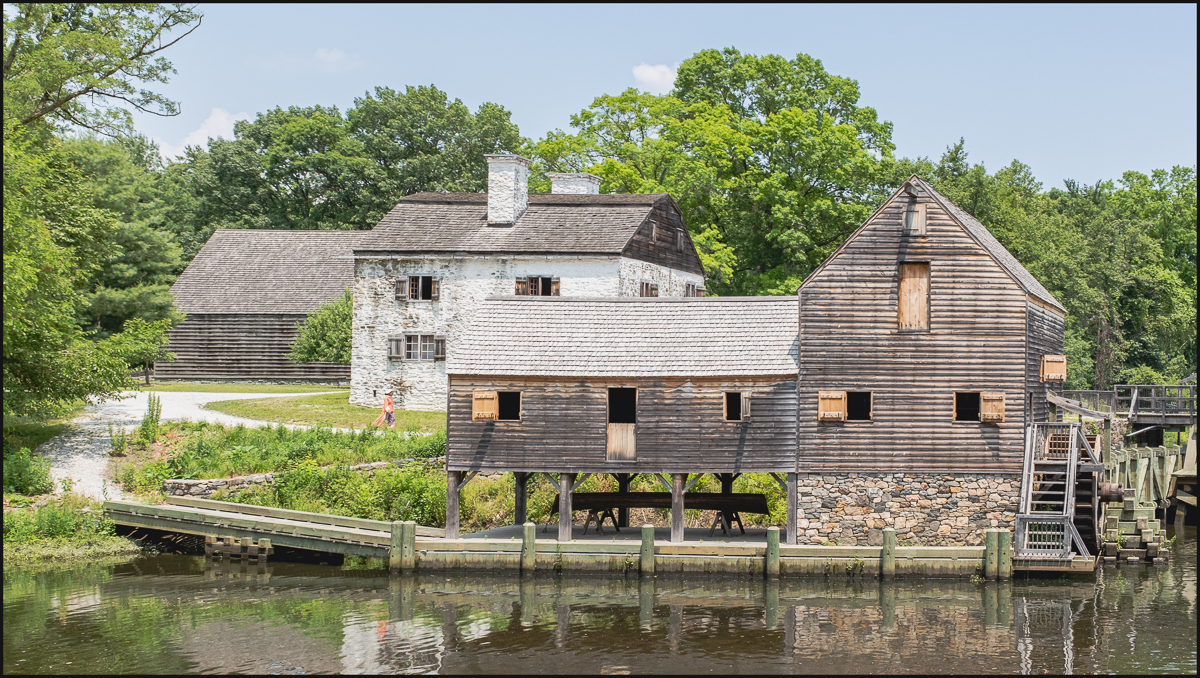
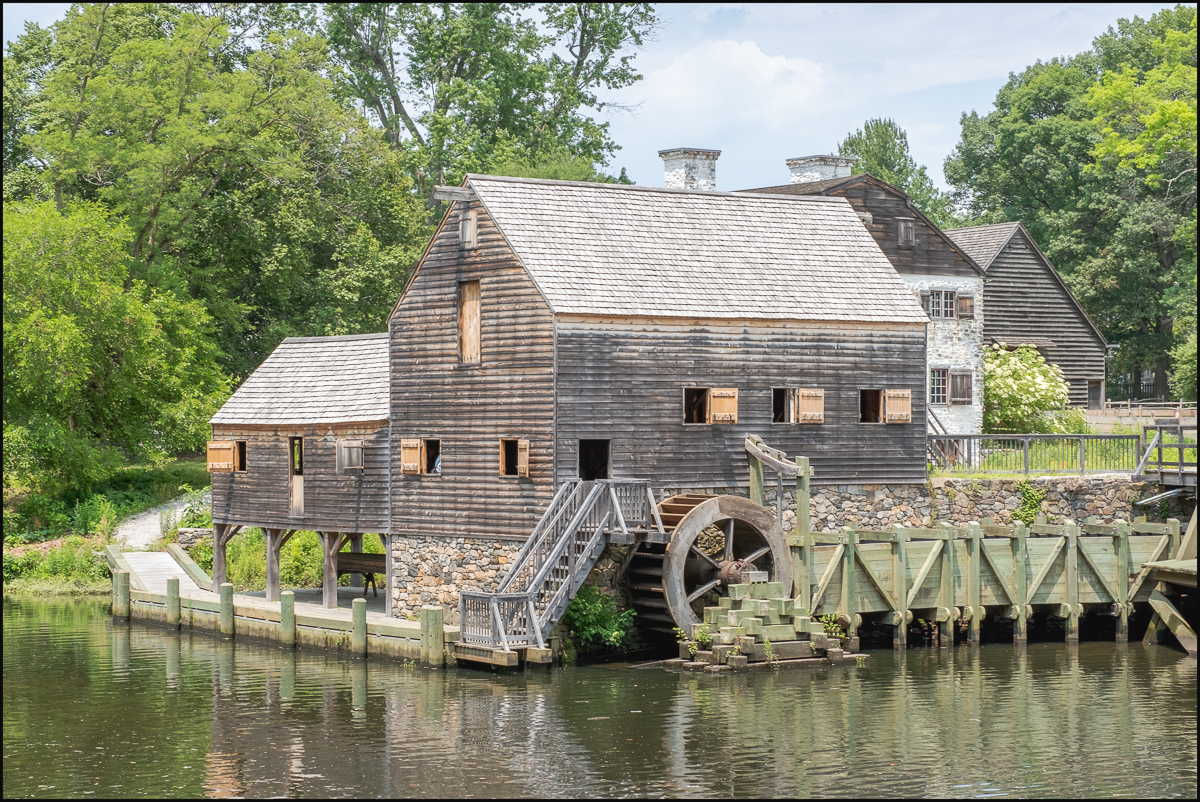
The Coooper’s House. You can see it in the first picture to the left of the mill. It’s attached to the mill, but serves a completely different purpose. After the corn was milled it was put into sacks and barrels, transferred to boat on the Pocantico River. From there it made a short trip to the Hudson River and then along the river to be sold and/or delivered.

“The word “cooper” is derived from Middle Dutch or Middle Low German kūper ‘cooper’ from kūpe ‘cask’, in turn from Latin cupa ‘tun, barrel’. Everything a cooper produces is referred to collectively as cooperage. A cask is any piece of cooperage containing a bouge, bilge, or bulge in the middle of the container. A barrel is a type of cask, so the terms “barrel-maker” and “barrel-making” refer to just one aspect of a cooper’s work. The facility in which casks are made is also referred to as a cooperage.

Traditionally, a cooper is someone who makes wooden, staved vessels, held together with wooden or metal hoops and possessing flat ends or heads. Examples of a cooper’s work include casks, barrels, buckets, tubs, butter churns, vats, hogsheads, firkins, tierces, rundlets, puncheons, pipes, tuns, butts, troughs, pins and breakers. Traditionally, a hooper was the man who fitted the wooden or metal hoops around the barrels or buckets that the cooper had made, essentially an assistant to the cooper. The English name Hooper is derived from that profession. With time, many coopers took on the role of the hooper themselves.” (Wikipedia).

Taken with a Fuji X-E3 and Fuji XC 16-50mm f3.5-5.6 OSS II

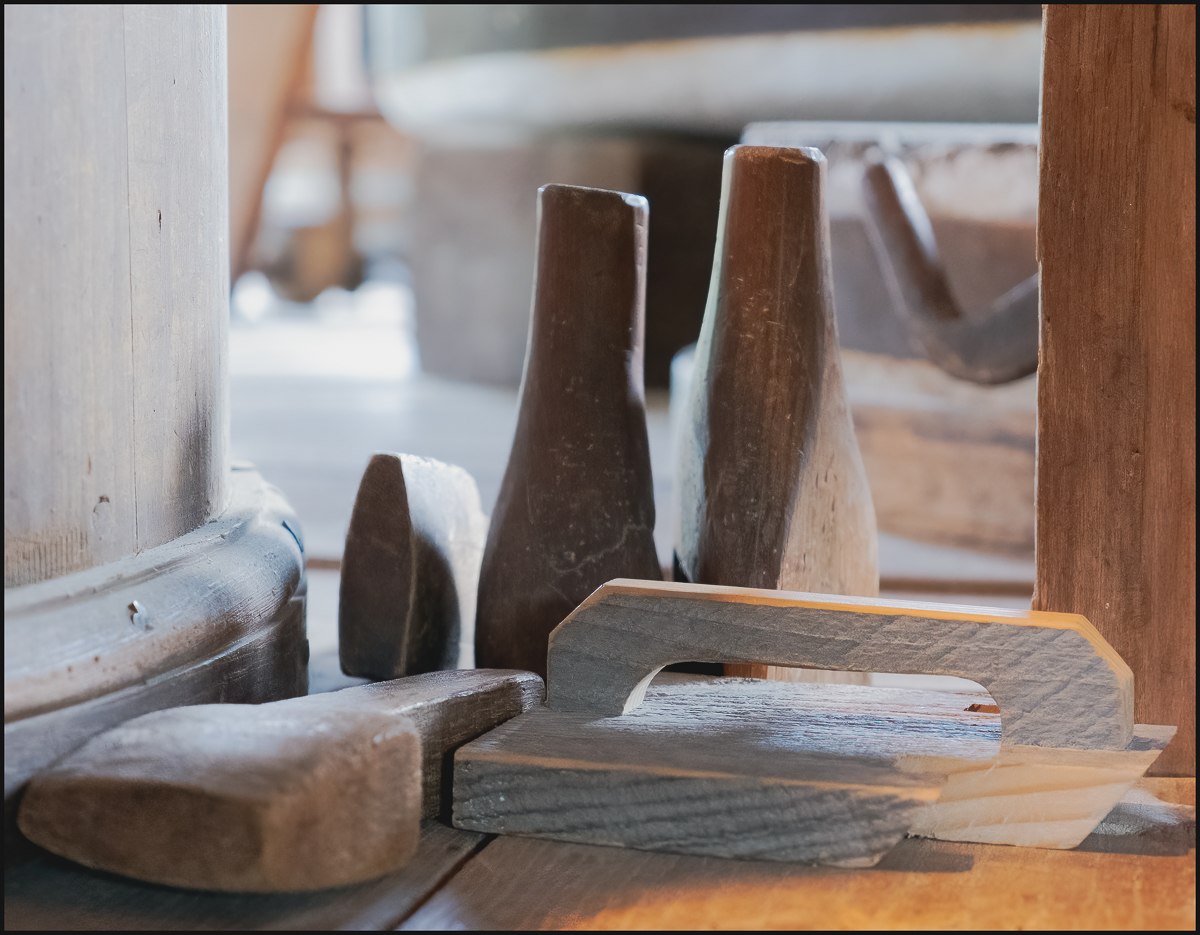
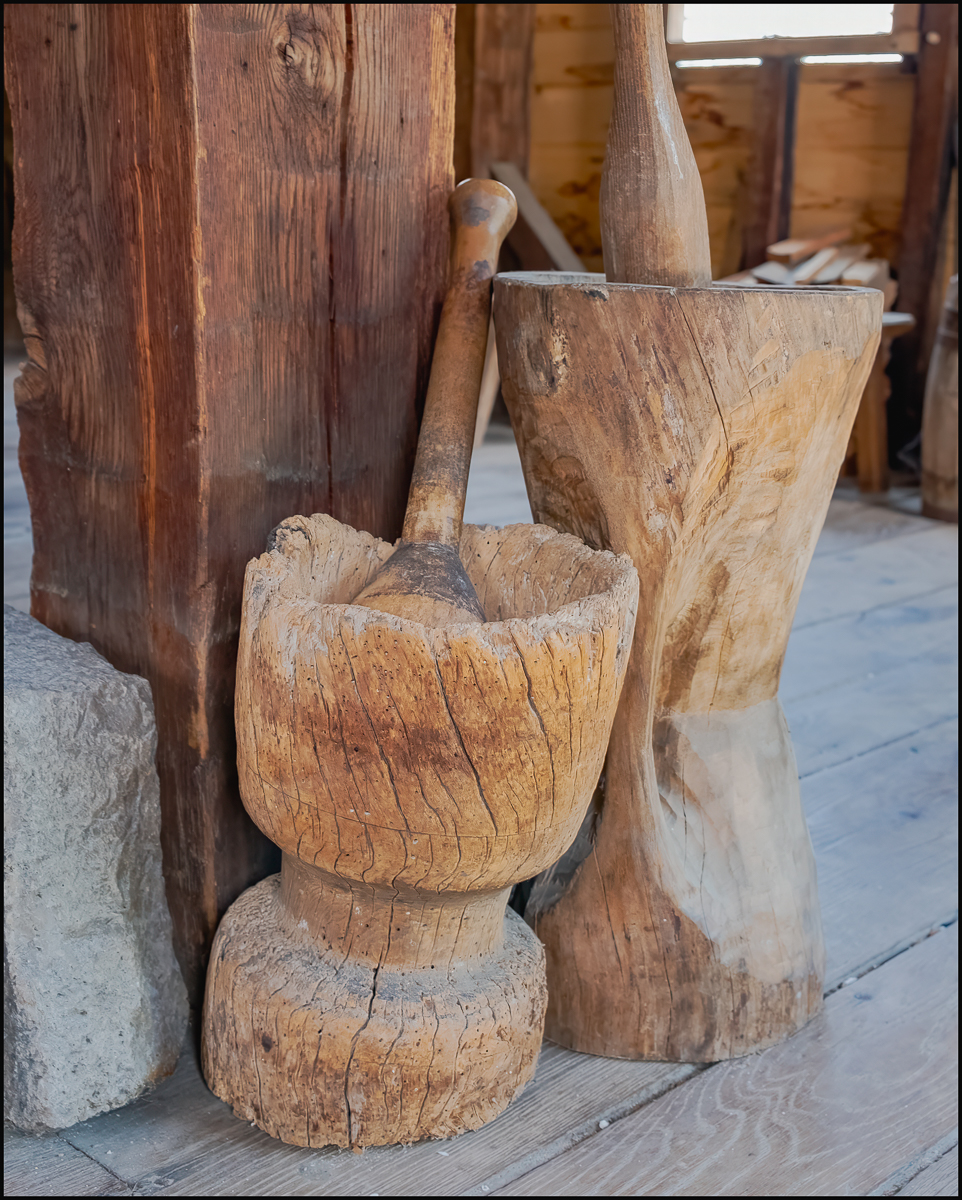
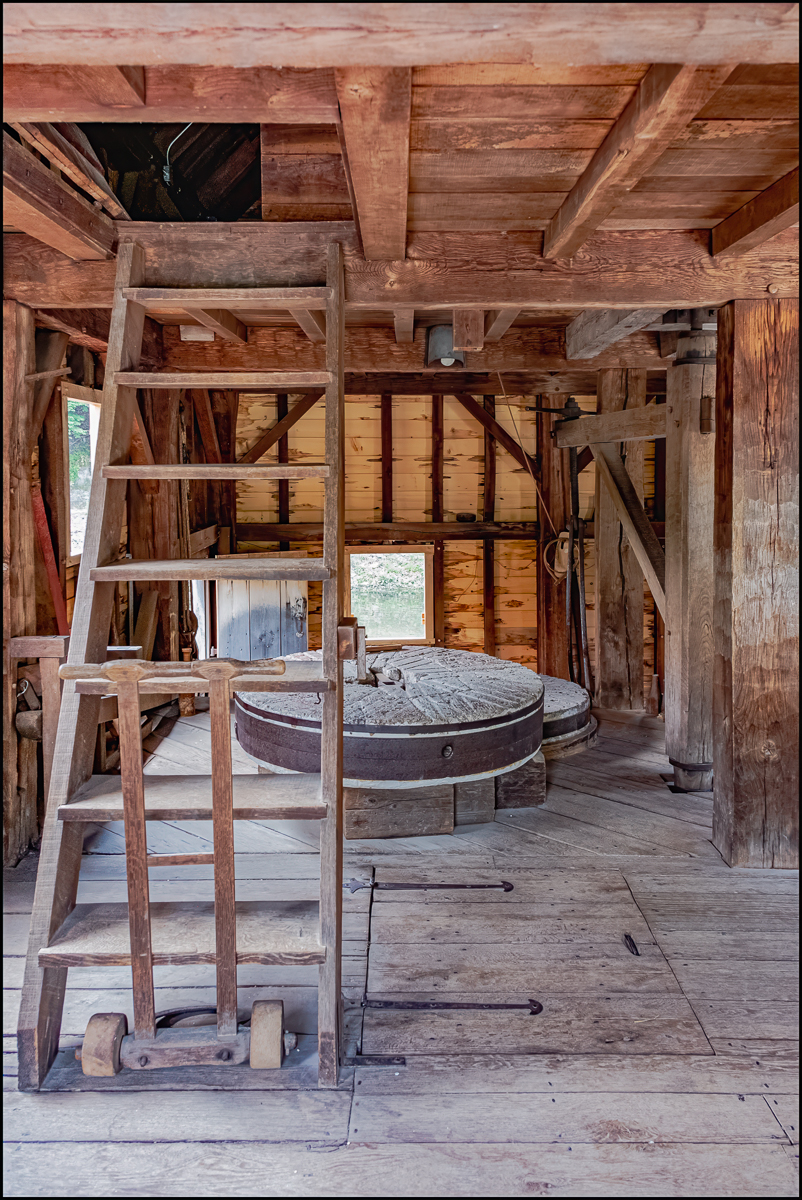
A Visit to Philipsburg Manor – The Mill

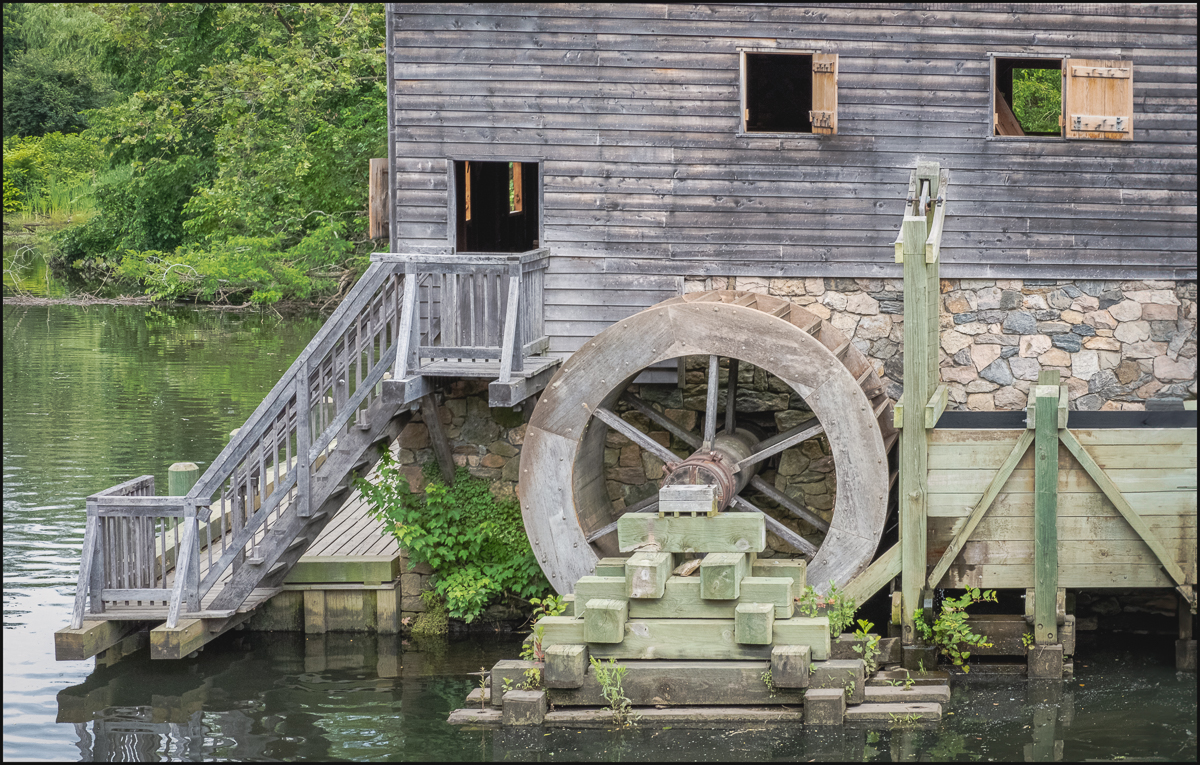
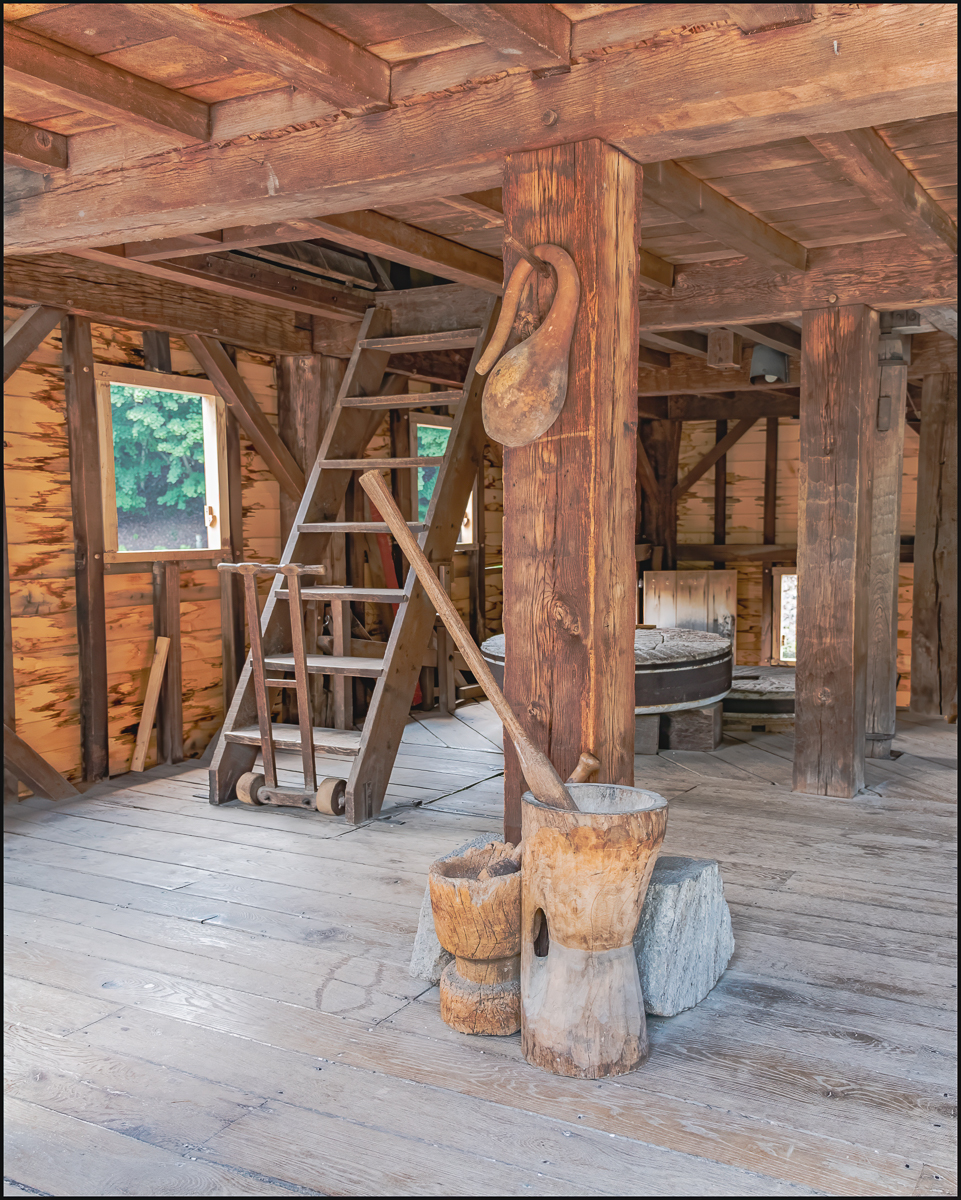
One of the highlights of the tour was the Mill, a working Grist Mill where you could usually see corn being turned into flour. Unfortunately not the day I was there. Apparently, the Pocantico River/Millponds were at a very low level. This, combined with silting meant that there was not enough water to power the mill. Too bad. But I can come again and at least I was able to get some interior shots.


Taken with a Fuji X-E3 and Fuji XC 16-50mm f3.5-5.6 OSS II