A borrowed lens

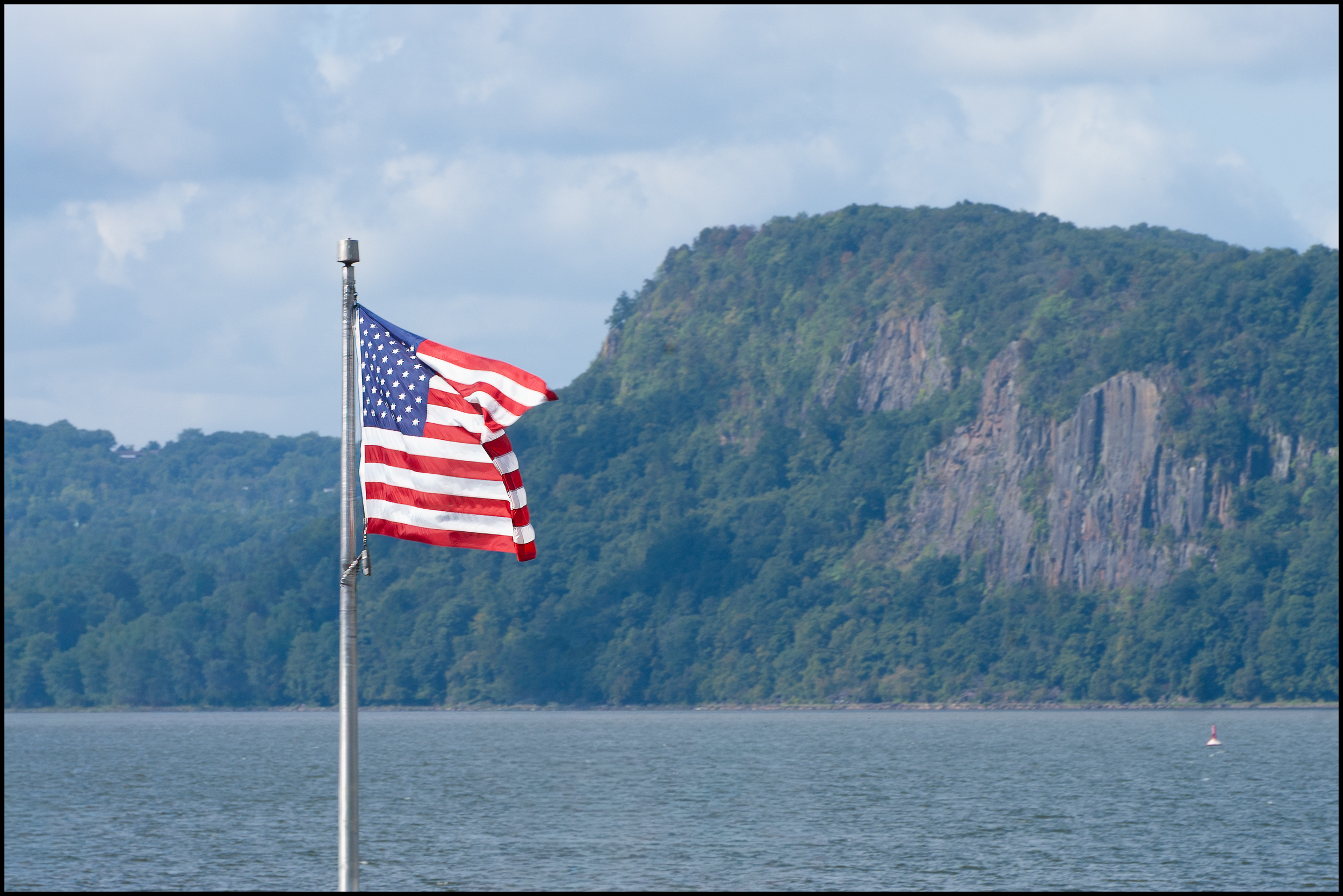
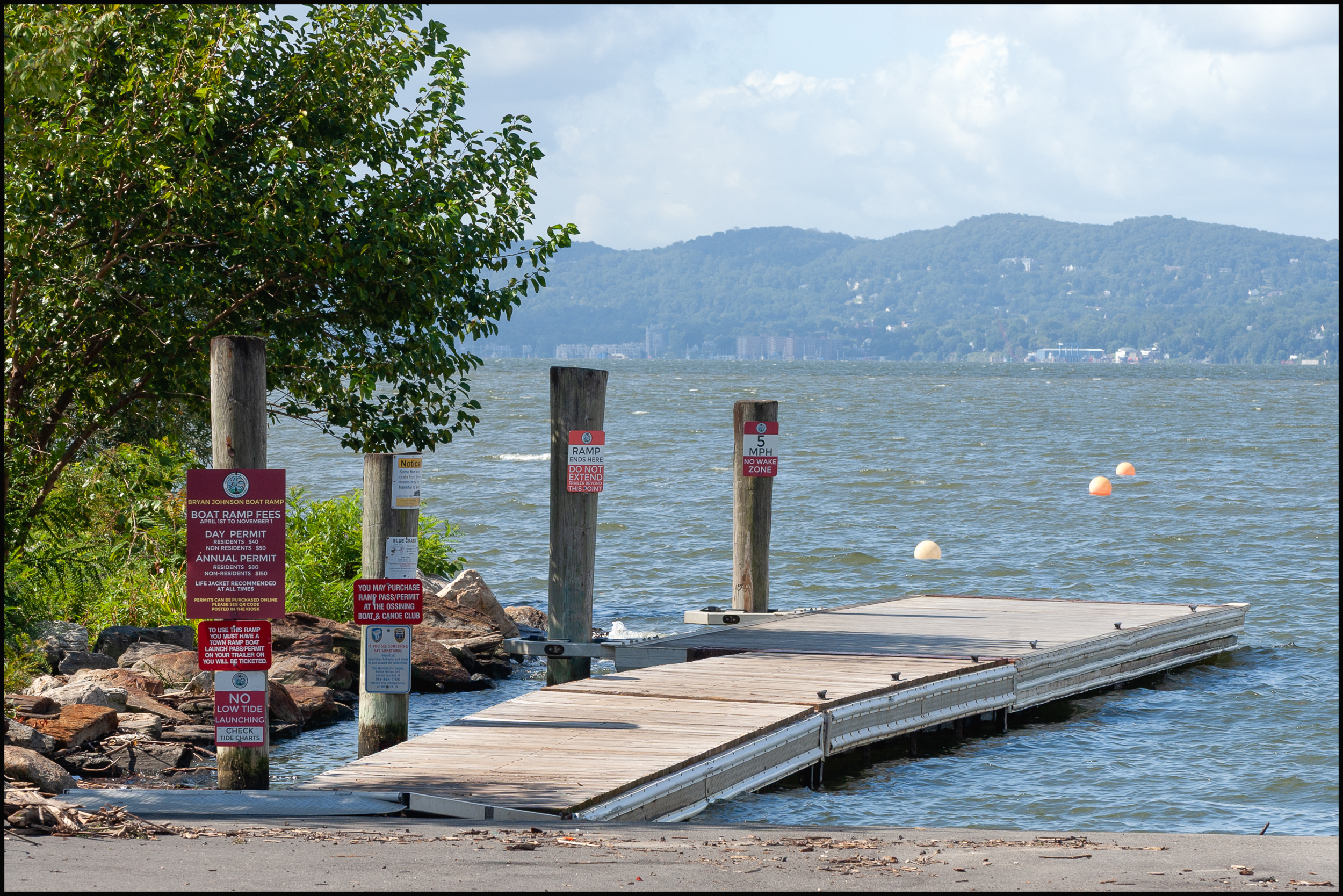
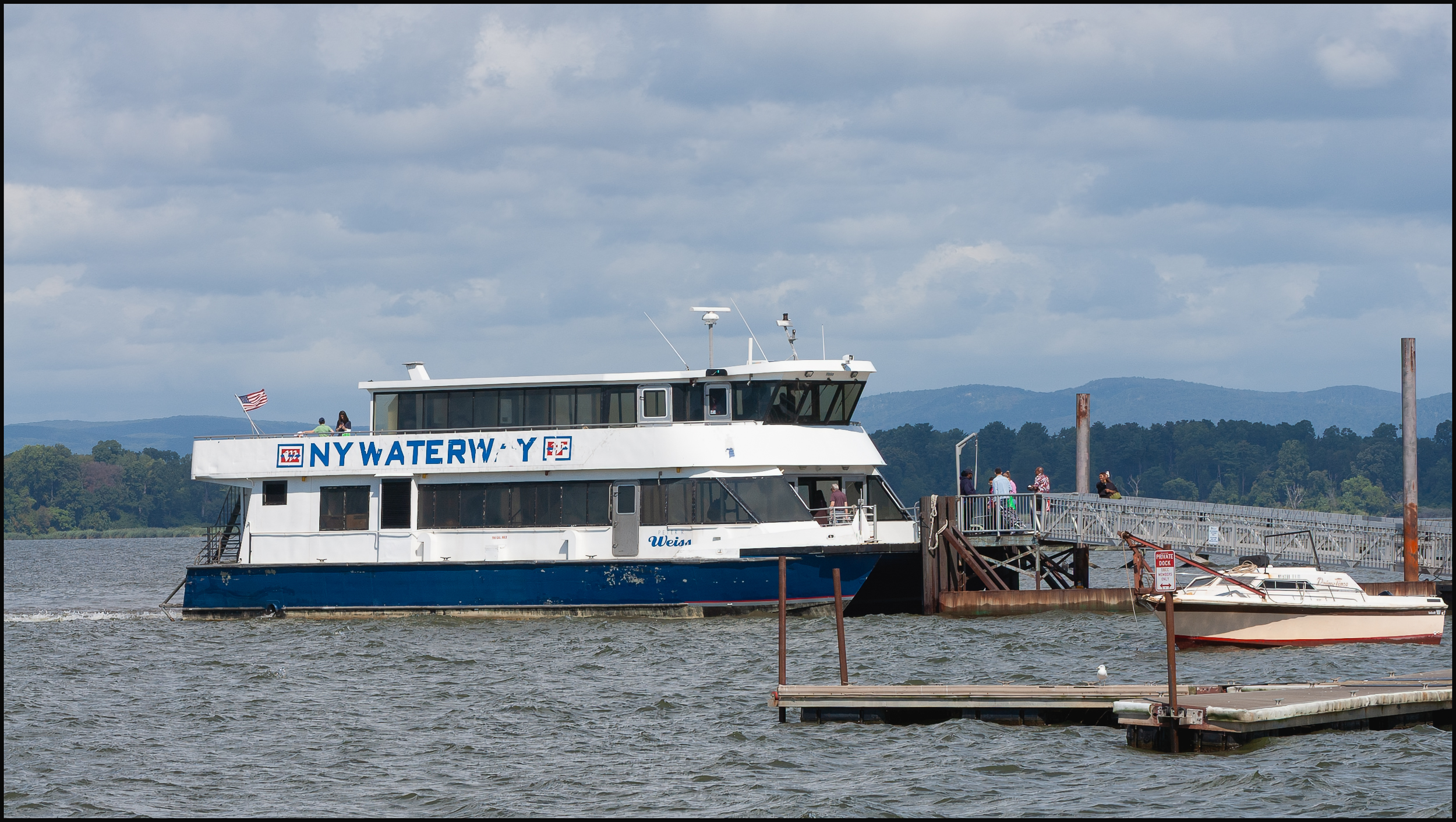
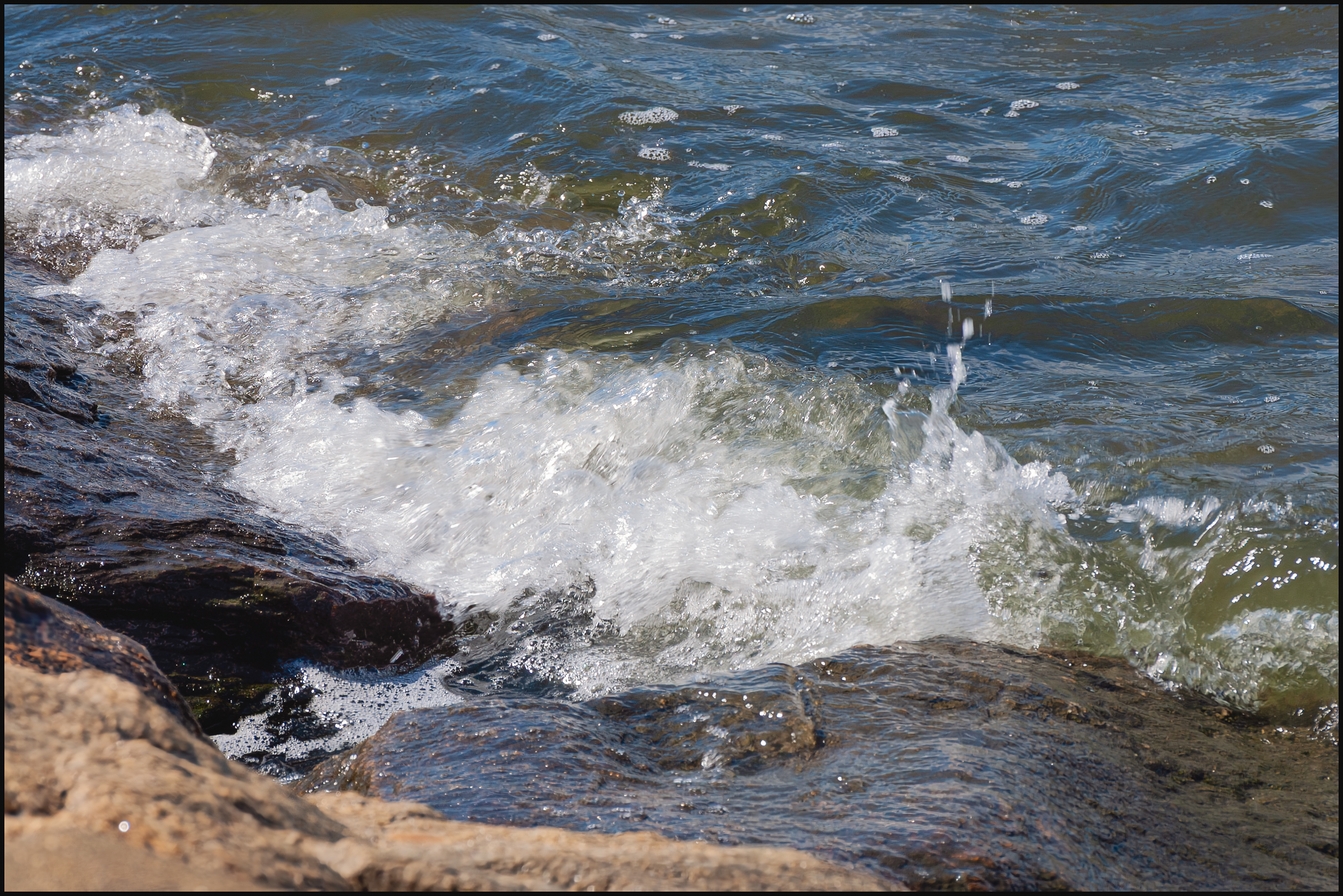
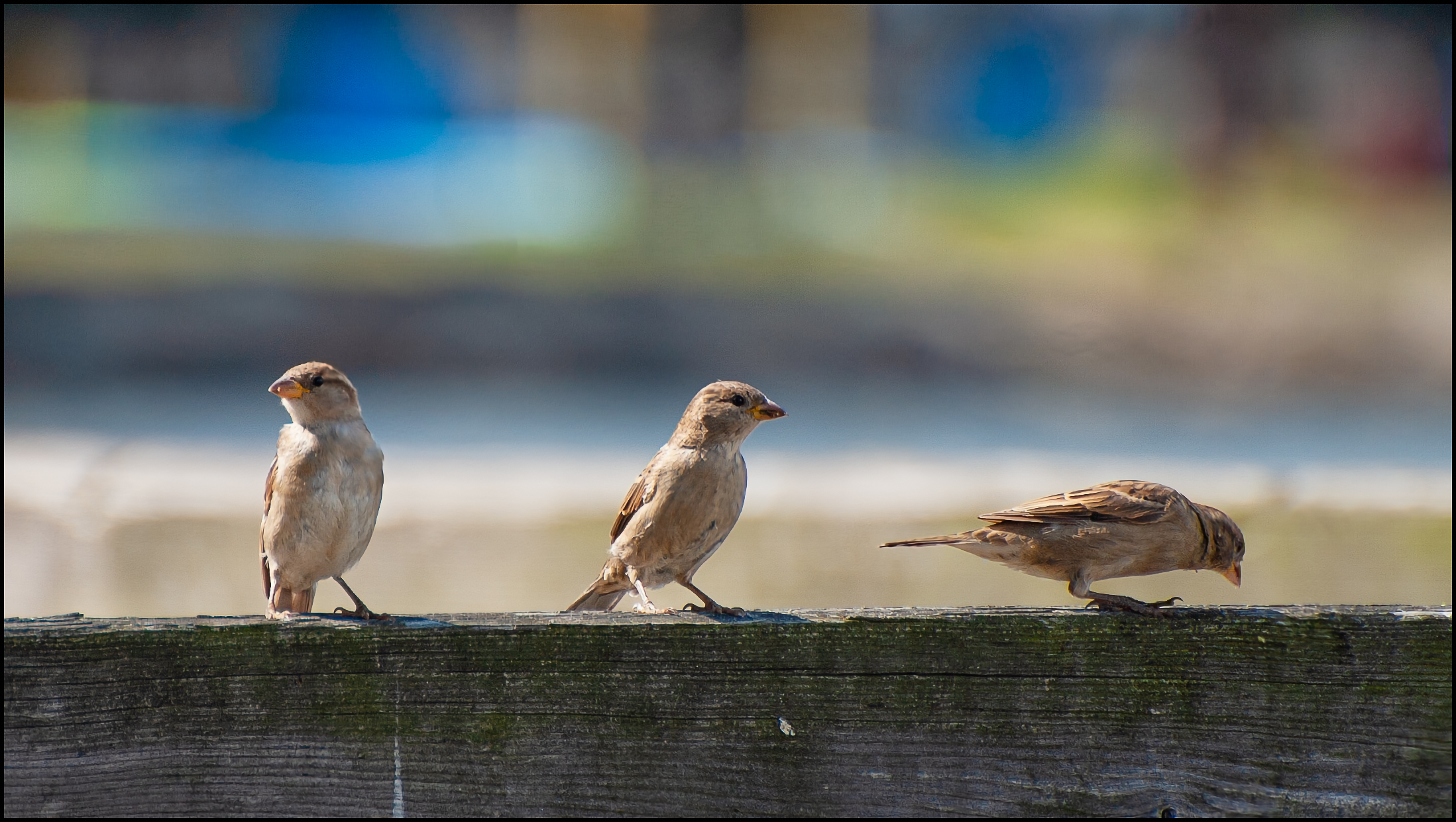
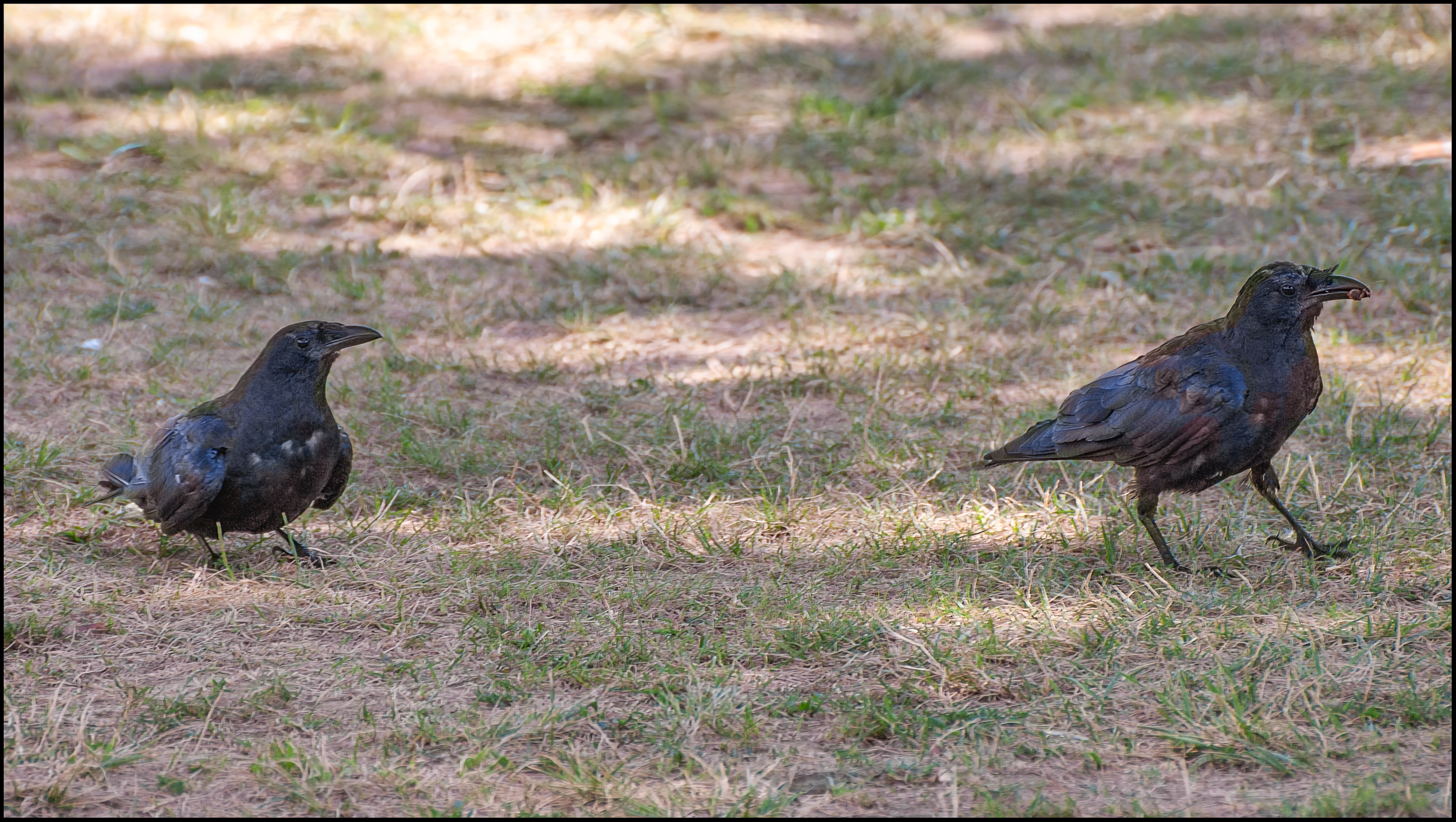
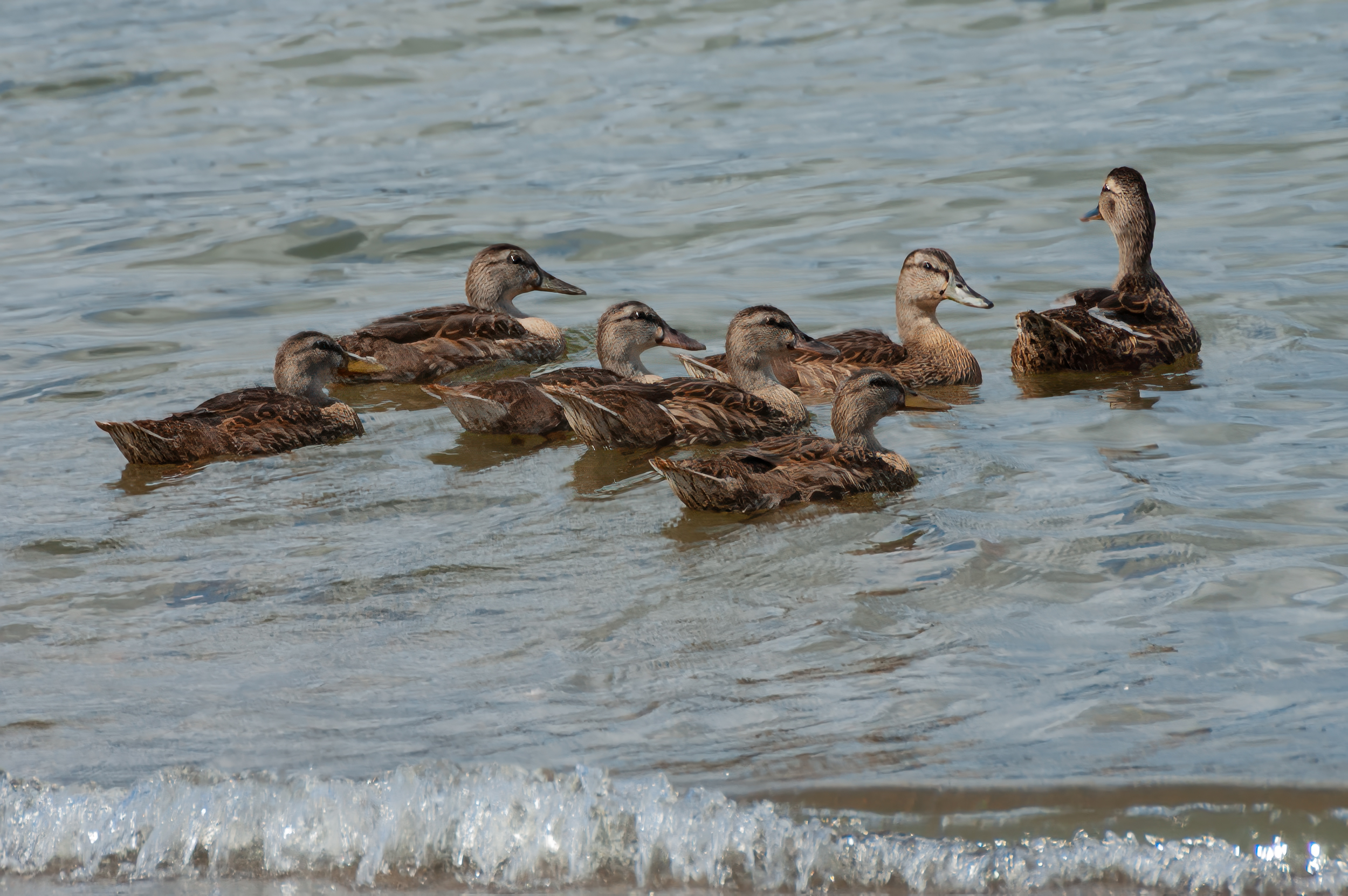
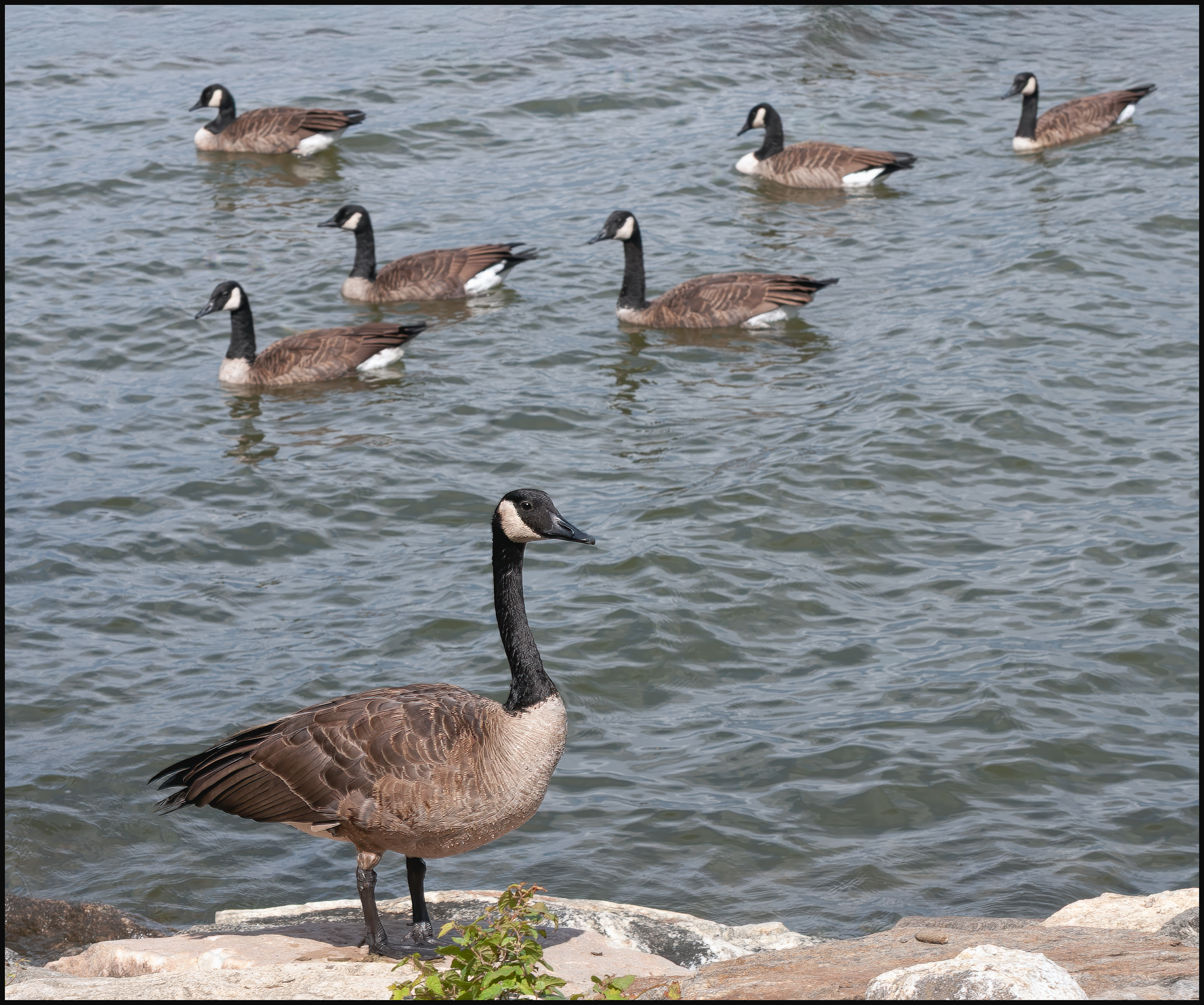
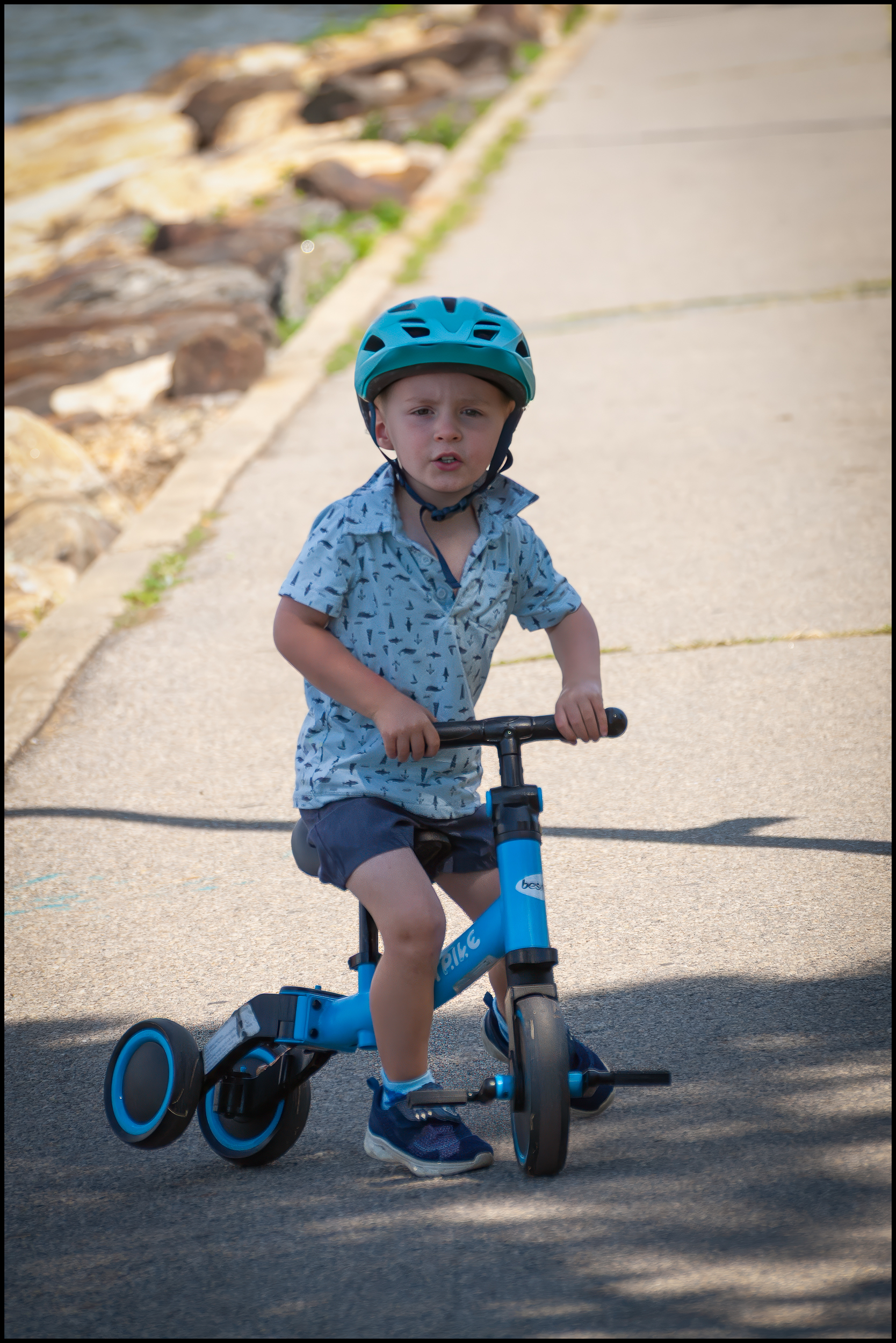
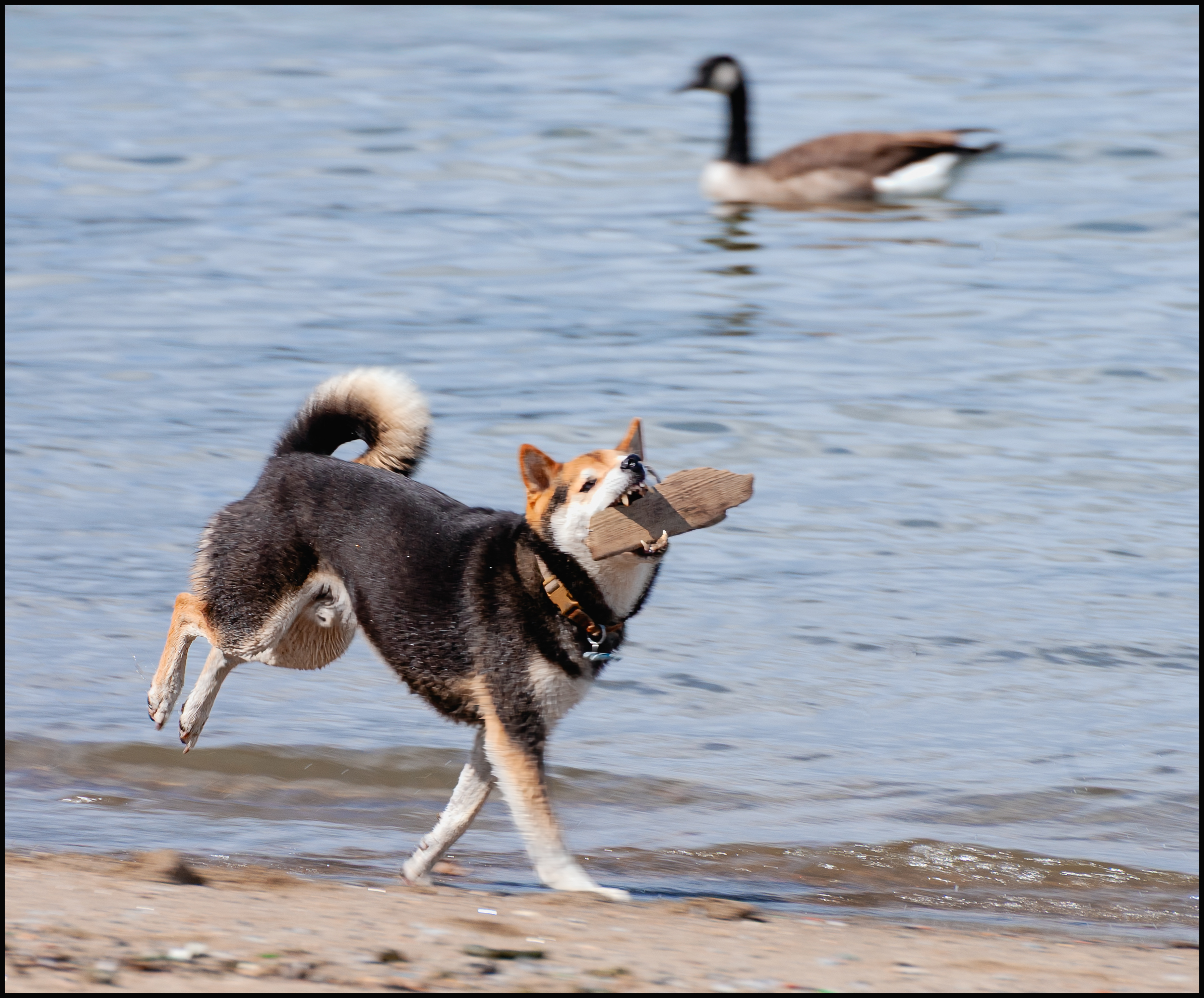
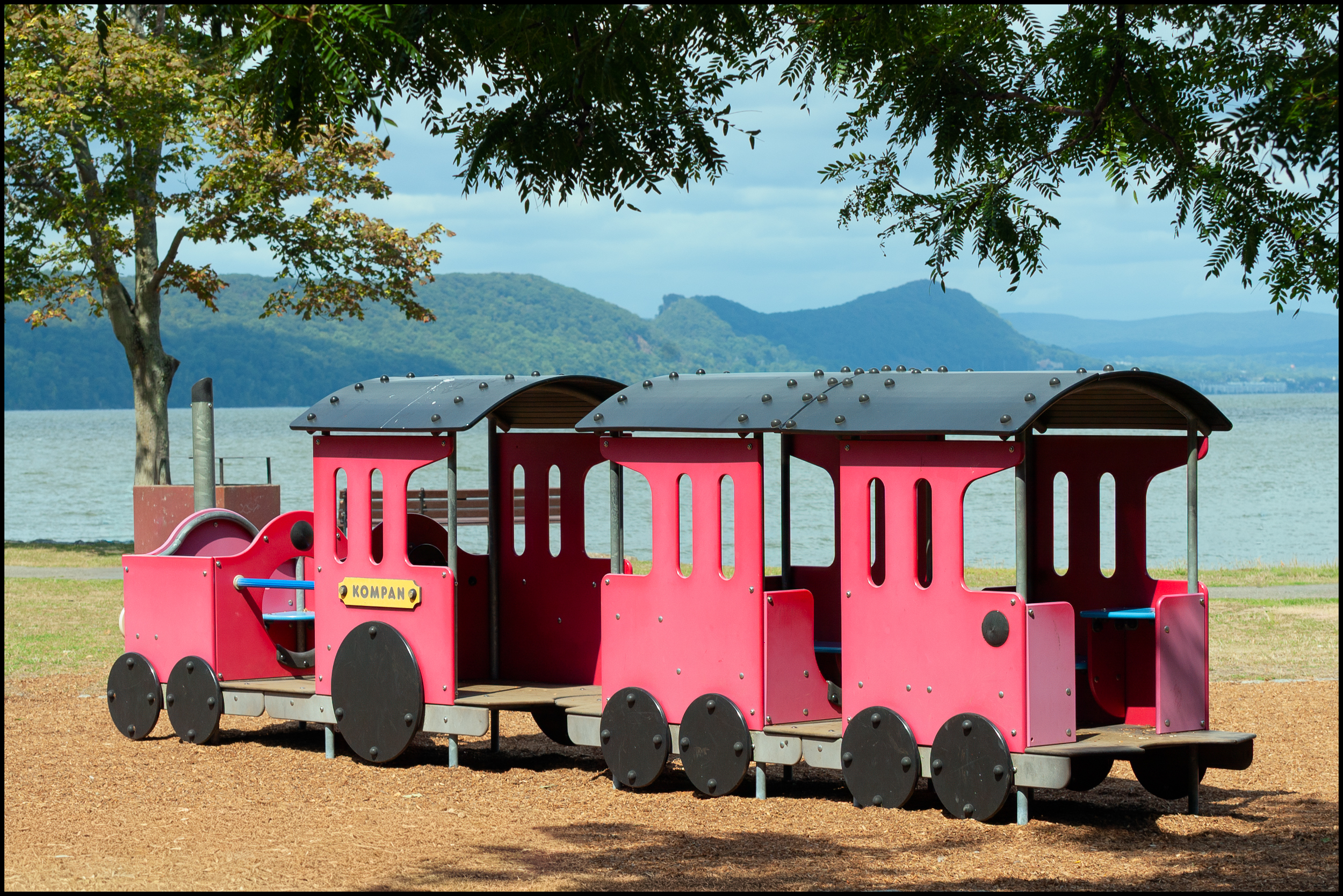
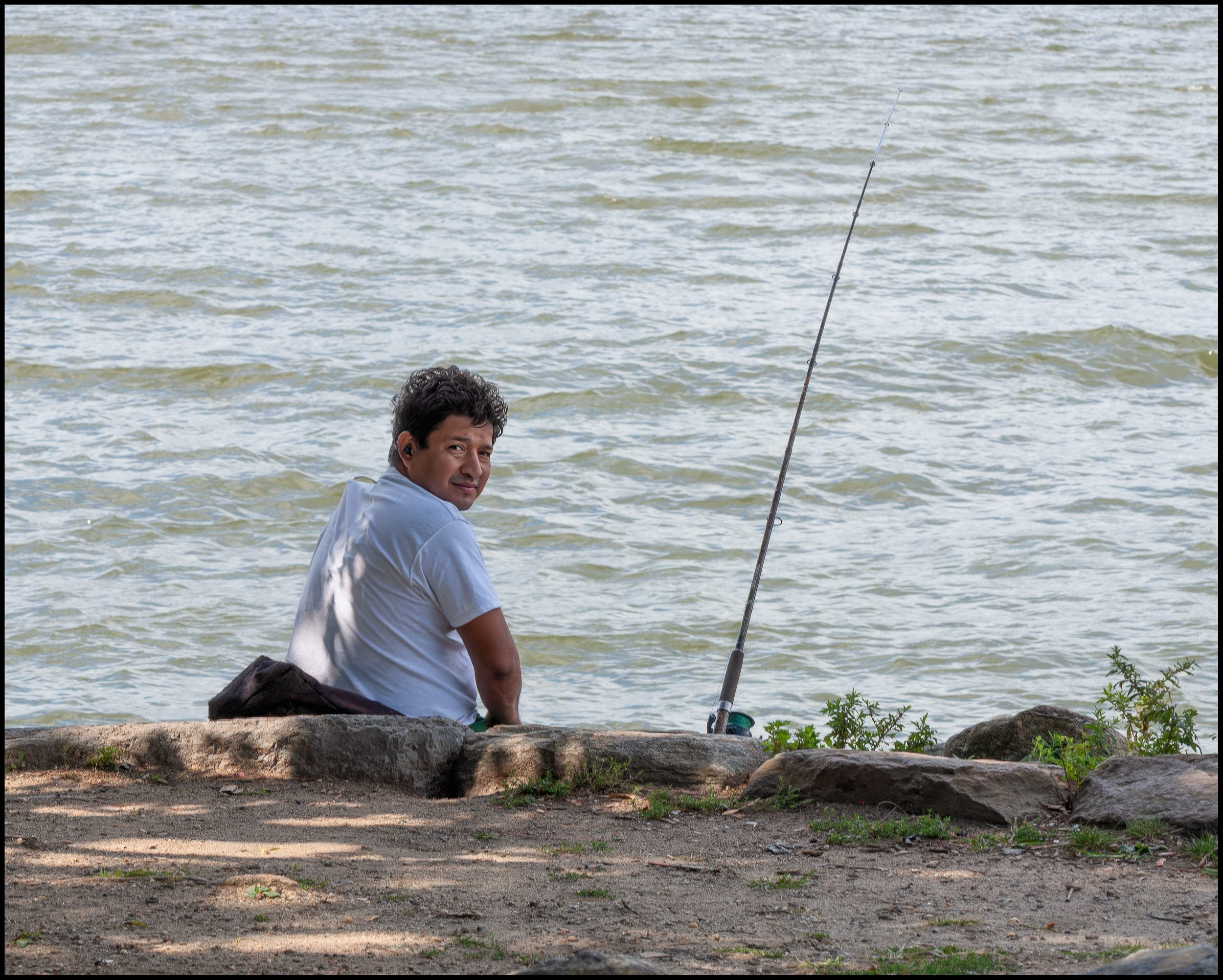
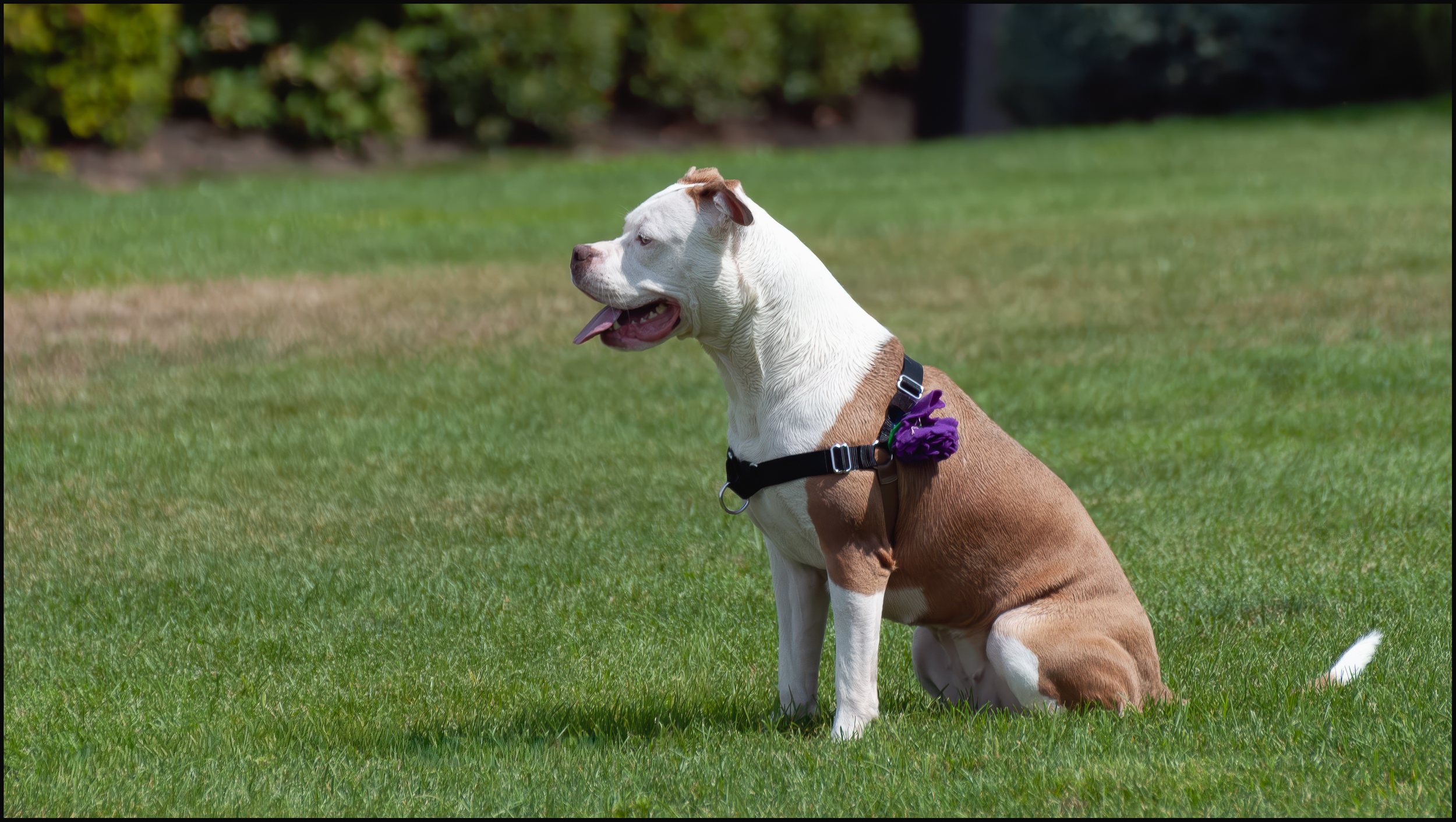
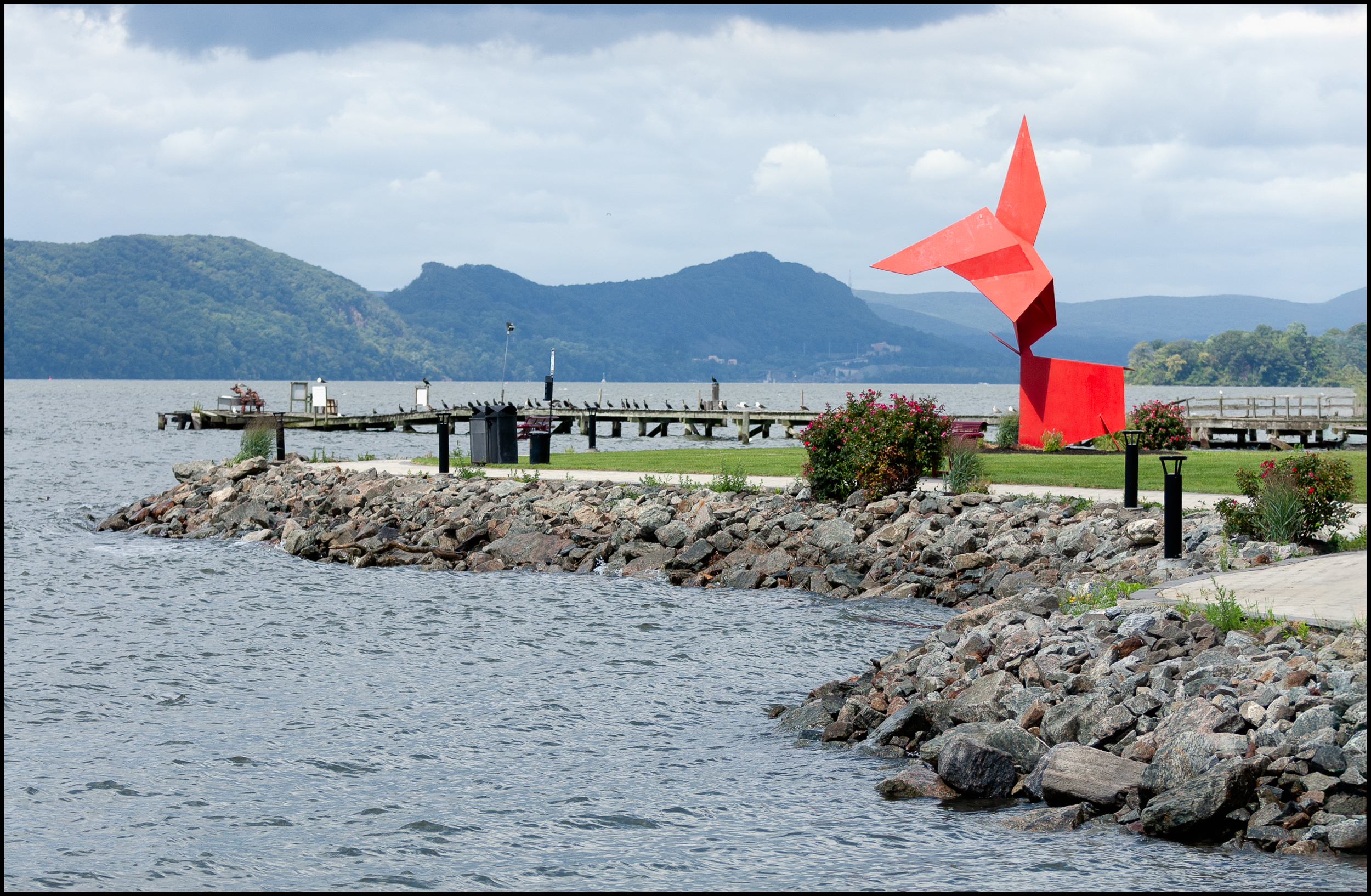
I mentioned in an earlier post (See: Sleepy Hollow Cemetery/Old Dutch Burying Ground) that I was trying out my friend’s almost 20-year-old Nikon D40 digital camera. On that occasion I used the camera with her Nikon Nikkor 18-55mm f3.5-5.6 lens in Sleepy Hollow cemetery. This time I went down to the Hudson River waterfront in Ossining and used the camera with her other lens: a Nikon Nikkor 70-300mm f4.5-5.6.

I like this lens. Of course, being a 70-300mm zoom it’s heavier, but not so heavy that my aging arms can’t tolerate it. It’s also better made. It’s clearly a more expensive lens than the other one (which I suspect was a kit lens). It’s very sharp from 70-200mm; is image stabilized (what Nikon call’s “vibration reduction”); It has a large easy to use zoom ring; The autofocus is fast and accurate. I couldn’t find much to dislike (but that might just be me).

I enjoyed using it.


Taken with a Nikon D40 and Nikon Nikkor 70-300mm f4.5-5.6

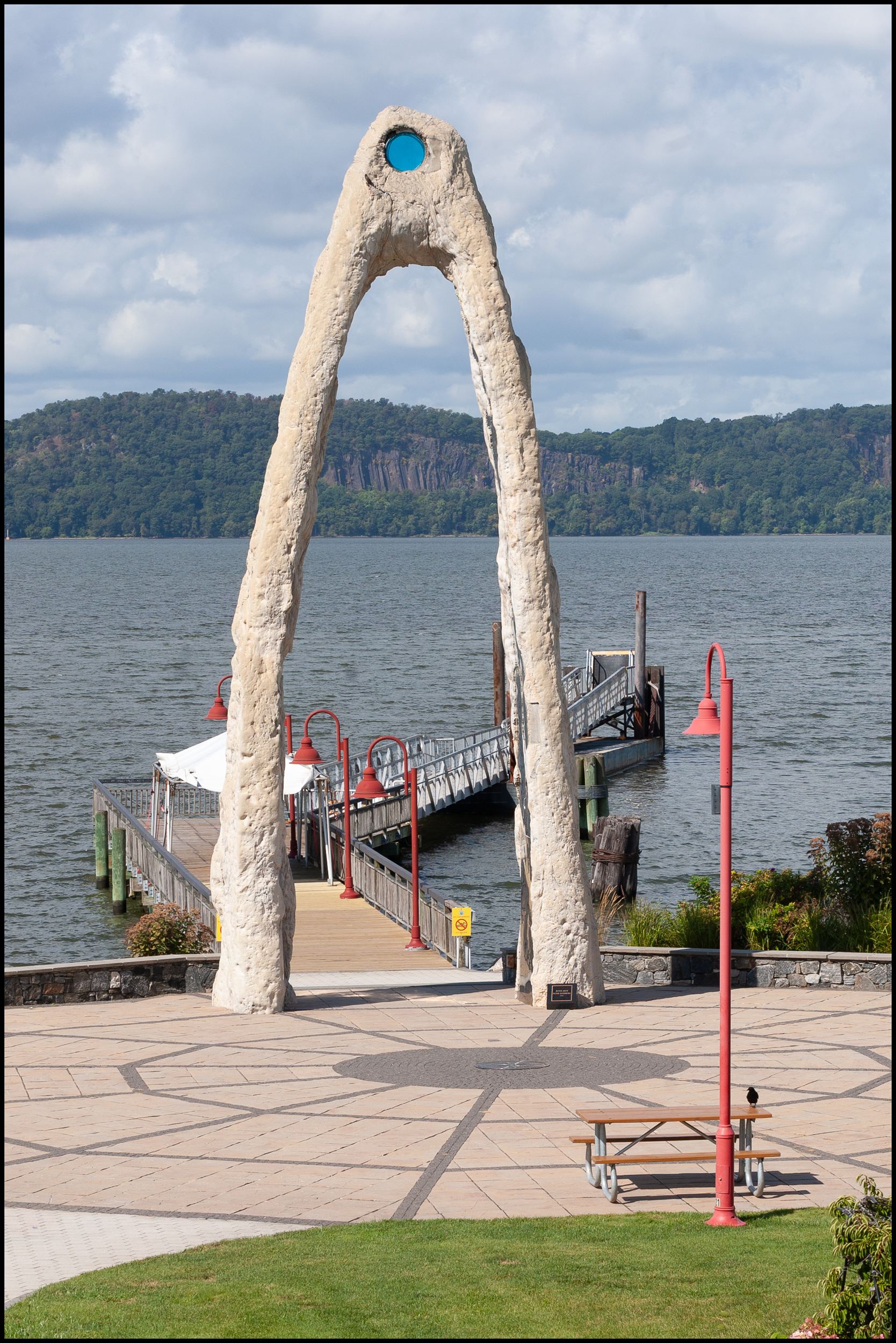
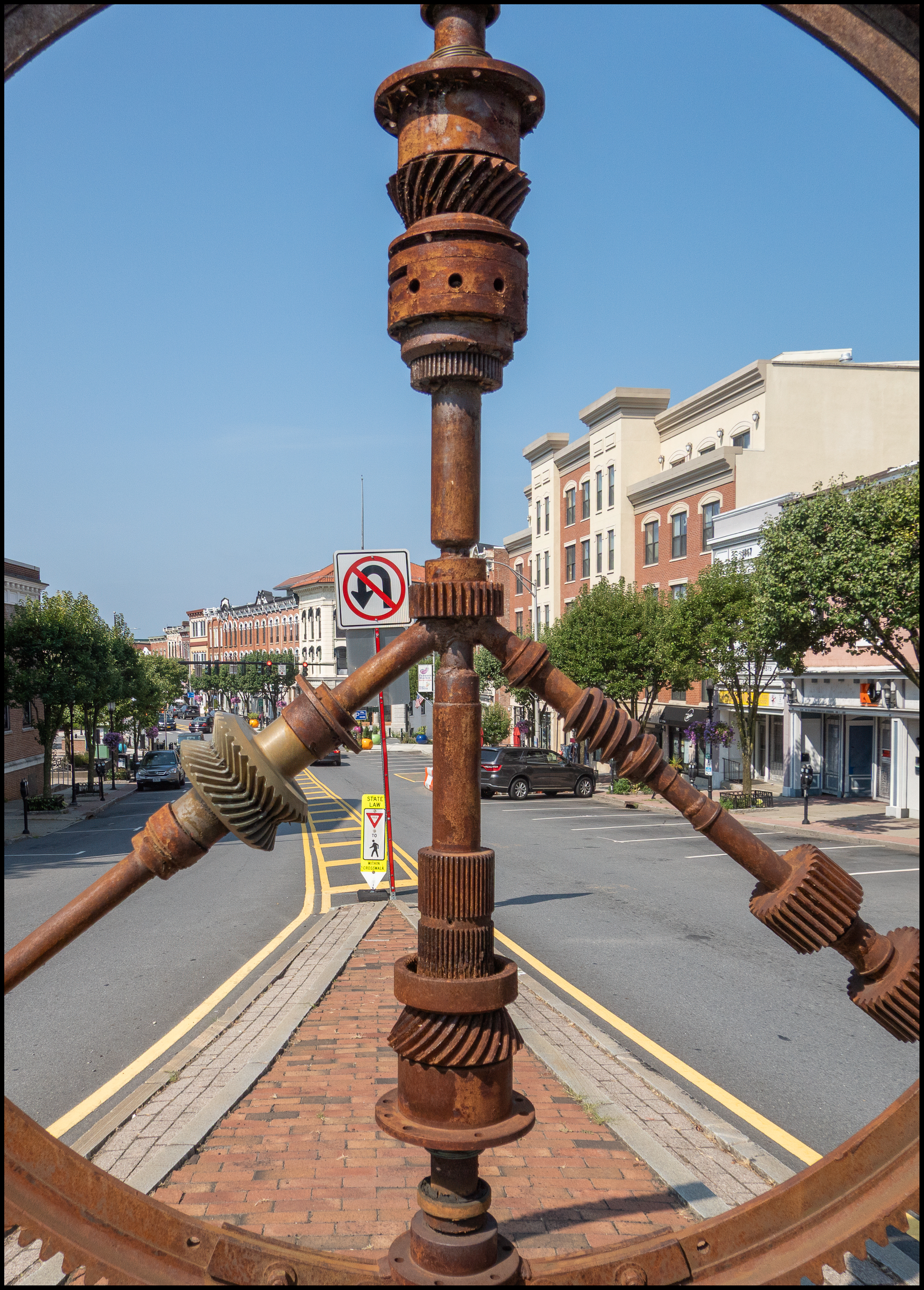
A metal sculpture

A view of Main Street, Ossining through a metal sculpture. A plaque on the sculpture reads:

“Let’s Roll” by James Havens. Installed as a part of the “Ossining in 3d” Sculpture Exhibition and purchased through the generous crowd funding donations of residents and friends in honor of the Village of Ossining Bicentennial 2013 celebration.

.

Taken with a Sony RX100 VII

Meeting Alexander in New York City for dinner – East River Roundabout

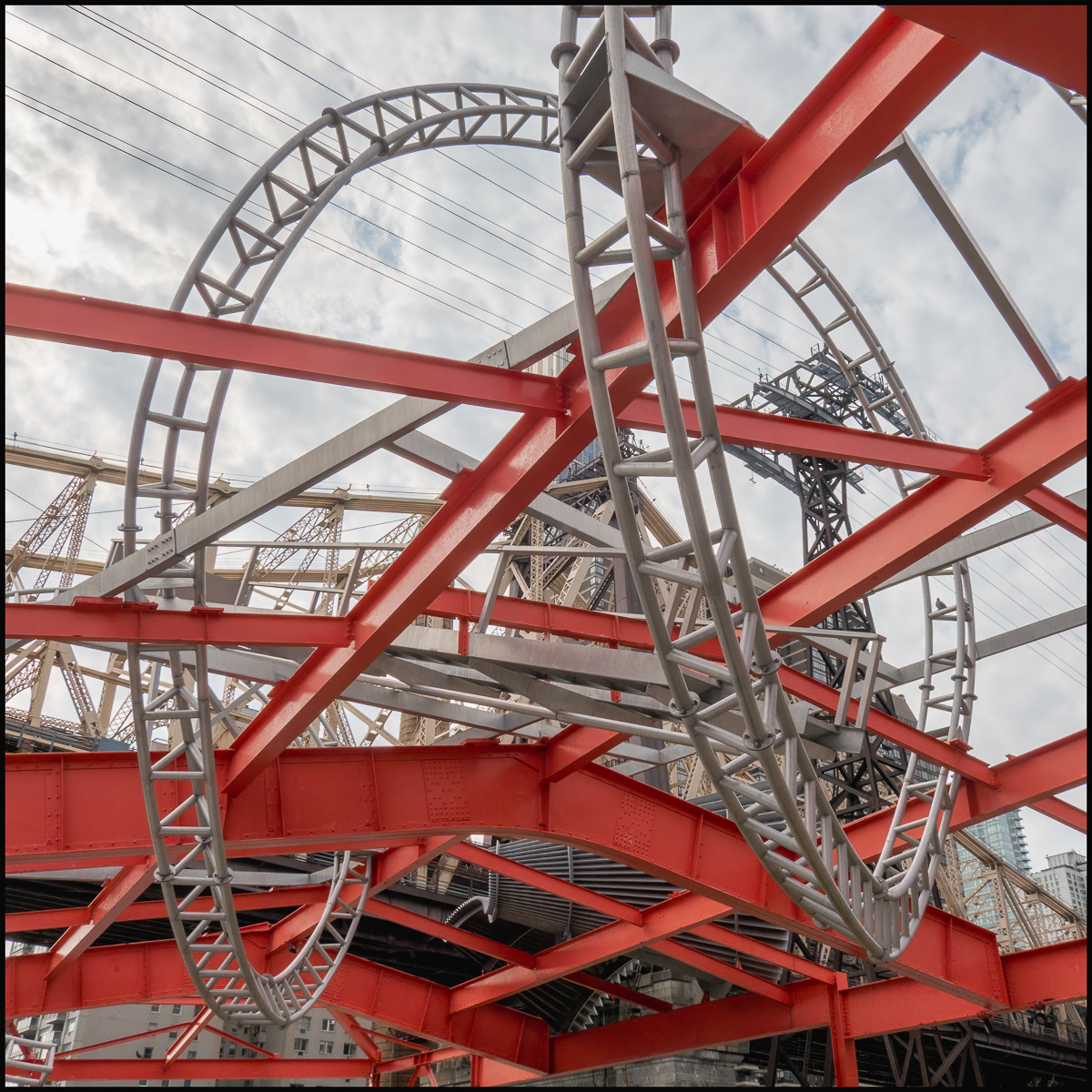
Located in Manhattan on the shore of the East River at the base of the Queensboro Bridge, this pavilion and sculptural installation were designed to stand out amidst the high-density urban environment that surrounds them. The site was used for decades by the Sanitation Department as a waste transfer station until 1985 when the station was decommissioned and an eighteen-story hotel was proposed. A consortium of organizations including the Greenacre Foundation, the Parks Council, and the Municipal Arts Society protested the commercial development. Eventually the hotel project was abandoned and a public pavilion was commissioned. Funded by nearby Rockefeller University and the Hospital for Special Surgery, it was designed by landscape architect Nicholas Quennell, who had been involved in the protest, and sculptor Alice Aycock.

The exterior of the transfer station was removed, exposing its steel superstructure. A fence resembling a ship’s railings was installed along the section of the pavilion overlooking the river. Light blue benches and decorative paving were inserted in the 12,000-square-foot open-air pavilion. In 1995 Aycock’s 80-foot-long aluminum helix was dedicated, funded by public donations and maintained by the Municipal Art Society. Spiraling through the pavilion’s superstructure and reminiscent of a rollercoaster, East River Roundabout includes a curving roof that resembles a folded fan. Accessible from 60th Street via a pedestrian ramp to the elevated Bobby Wagner Walk, the park is adjacent to the 24 Sycamores Playground and the Andrew Haswell Green Park.

For more information see here.

Taken with a Sony RX10 IV.

Seeing a Broadway Show – On to Bryant Park


I intended my make my first stop to be at Bryant Park, but first a picture (above) taken right outside Grand Central Terminal

Bryant Park is a 9.6-acre (3.9 ha), privately managed public park in the New York City borough of Manhattan. It is located between Fifth Avenue and Avenue of the Americas (Sixth Avenue) and between 40th and 42nd Streets in Midtown Manhattan. The eastern half of Bryant Park is occupied by the Main Branch of the New York Public Library. The western half contains a lawn, shaded walkways, and amenities such as a carousel, and is located entirely over an underground structure that houses the library’s stacks. The park hosts several events, including a seasonal “Winter Village” with an ice rink and shops during the winter.

The first park at the site was opened in 1847 and was called Reservoir Square due to its proximity to the Croton Distributing Reservoir. Reservoir Square contained the New York Crystal Palace, which hosted the Exhibition of the Industry of All Nations in 1853 and burned down in 1858. The square was renamed in 1884 for abolitionist and journalist William Cullen Bryant. The reservoir was demolished in 1900, and the New York Public Library’s main branch was built on the site, opening in 1911. Bryant Park was rebuilt in 1933–1934 to a plan by Lusby Simpson. After a period of decline, it was restored in 1988–1992 by landscape architects Hanna/Olin Ltd. and architects Hardy Holzman Pfeiffer Associates, during which the park was rebuilt, and the library’s stacks were built underneath. Further improvements were made in the late 20th and early 21st centuries. (Wikipedia)

The above mentions: “a period of decline”. That doesn’t quite tell the full story. By the 1960s, Bryant Park had deteriorated badly. When I arrived in New York in 1974 it had been taken over by drug dealers and the homeless. In was considered to be somewhere that ordinary people and visitors should avoid.

The park was substantially renovated and rebuilt during the 1980s and re-opened to acclaim in the early 1990s. The dramatic improvement in the park led to an equally dramatic rise in real estate values in the surrounding area. By 1993, the area had become a highly desirable office area, and formerly vacant office space around the park was being filled quickly. The Park is used mostly as a passive recreation space. It is one of the world’s busiest public spaces. Now more than 12 million people per year visit the park and enjoy gardens with seasonal displays, free daily amenities, cultural programming, exercise classes, and much more!


The Winter Village


Plastic igloos where you can sit and eat or have a drink while protected from New York winters.


Statue of William Earl Dodge by by John Quincy Adams Ward. It was cast in 1885 and dedicated on October 22 of that year. The statue was initially installed in Herald Square, having been financed by Dodge’s admirers and friends. It was moved to Bryant Park in 1941 and was renovated in 1992 by the Bryant Park Restoration Corporation.


The Josephine Shaw Lowell Memorial Fountain, a memorial to Josephine Shaw Lowell, a social worker active in the late 19th century. The fountain was designed by architect Charles A. Platt and dedicated in 1912.


Coins in the fountain.


One of the numerous decorative planters scattered around the park.

Taken with a Sony RX100 MVII

A visit to upstate New York and Vermont – last dinner before leaving Vermont

After a fairly long drive back from Ticonderoga we decided to eat in Rutland, Vermont at a restaurant called Roots. We had a great meal in a pleasant and interesting location. This was marred by only one thing. When I came to pay for the meal their machines would not accept any of my credit cards. So, my friends had to pay. When I was able to contact my bank, they told me that there was no problem with the cards, and that if they had been declined, they would have received a message – which they didn’t. The only thing they could offer was that the machine being used by the restaurant must have been faulty.


Taken with a Sony RX10 IV