Bathroom pictures – a reflection

This exercise was taken from the “Thinking Sideways” chapter of Freeman Patterson’s book: “Photography and the Art of Seeing. A Visual Perception Workshop for Film and Digital Photography“. It’s in a section entitled “Familiar Things”, which is described as follows:

The next three exercises will help keep your spirit of discovery alive, make you more aware of familiar things, and help you break the grip of fixed ways of seeing and photographing.

This was the first of the three exercises.

What were my feelings after completing this exercise? I think it was very useful. The subjects of the ten photographs had been there for years, but I’d either not noticed them, or had not considered them to be worthy subjects for a photograph. So it certainly made me “more aware of familiar things”.

Did it make me break the grip on fixed ways of seeing and photographing? I’m not sure. I suspect that I relied too much on the same idea: take something familiar and show it in an unfamiliar way (e.g. closeup of a small detail; unusual angle etc.). I have a feeling that there’s probably an entirely different way of approaching this exercise and I’m just not seeing it. I’d love to have been able to see what others have come up with. I’m sure my reaction would be “I never even thought about doing that”.

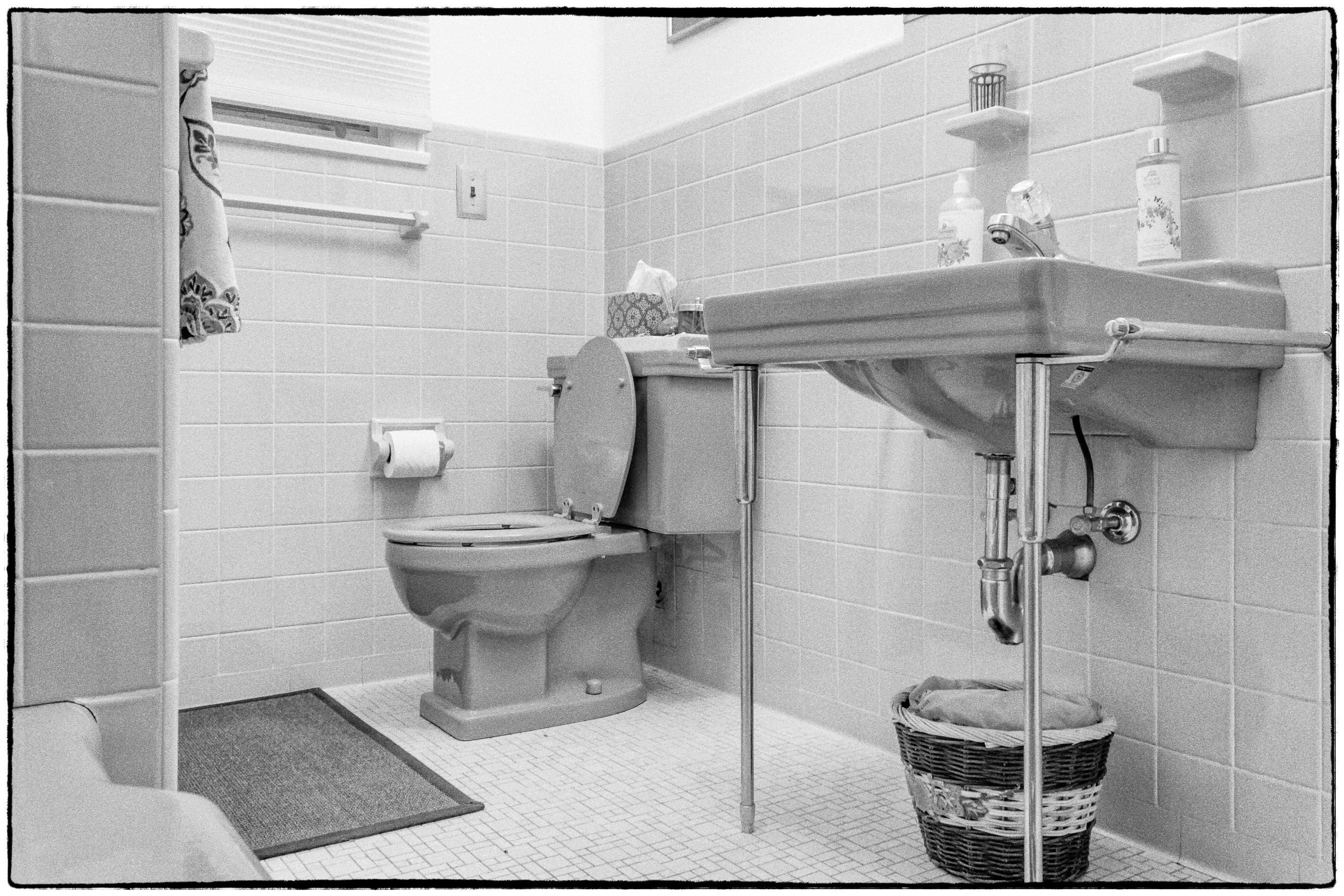
I wanted a picture to illustrate this post so I got inside the bathtub to get a wider view of the bathroom. As I was taking the picture I realized that behind the shower curtain was an area that I had completely missed. There were probably a few more pictures there if I’d looked!

So – a worthwhile exercise and I quite liked some of the pictures: Vortex; Folds; Gradient; maybe even Self portrait and Sparklies.

Bear in mind that this is only the first of three exercises. Maybe the next two will concentrate on breaking the “grip on fixed ways of seeing and photographing”.
Picture appropriated

While I’ve heard of such things happening it’s never happened to me – although to be honest I don’t usually check.

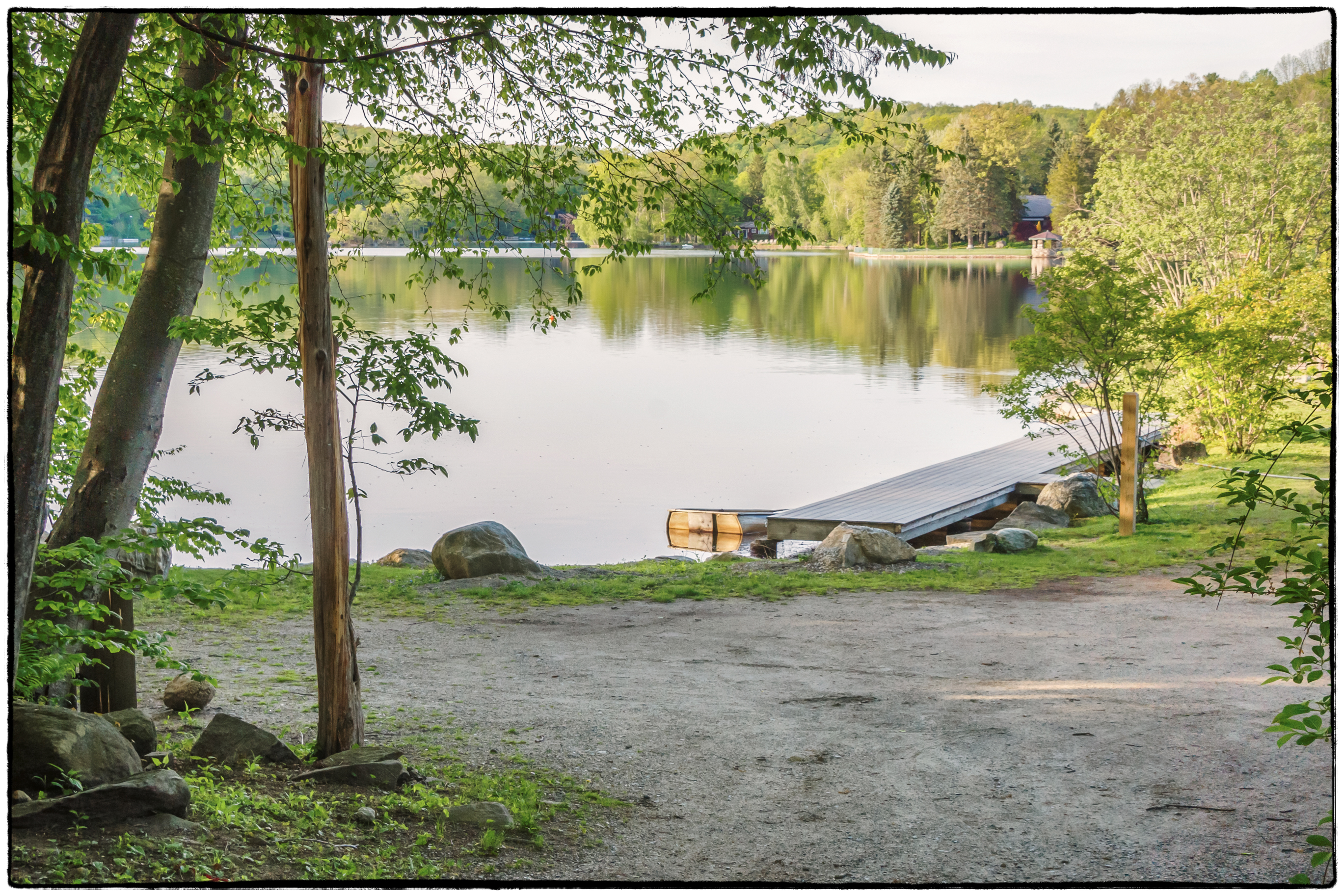
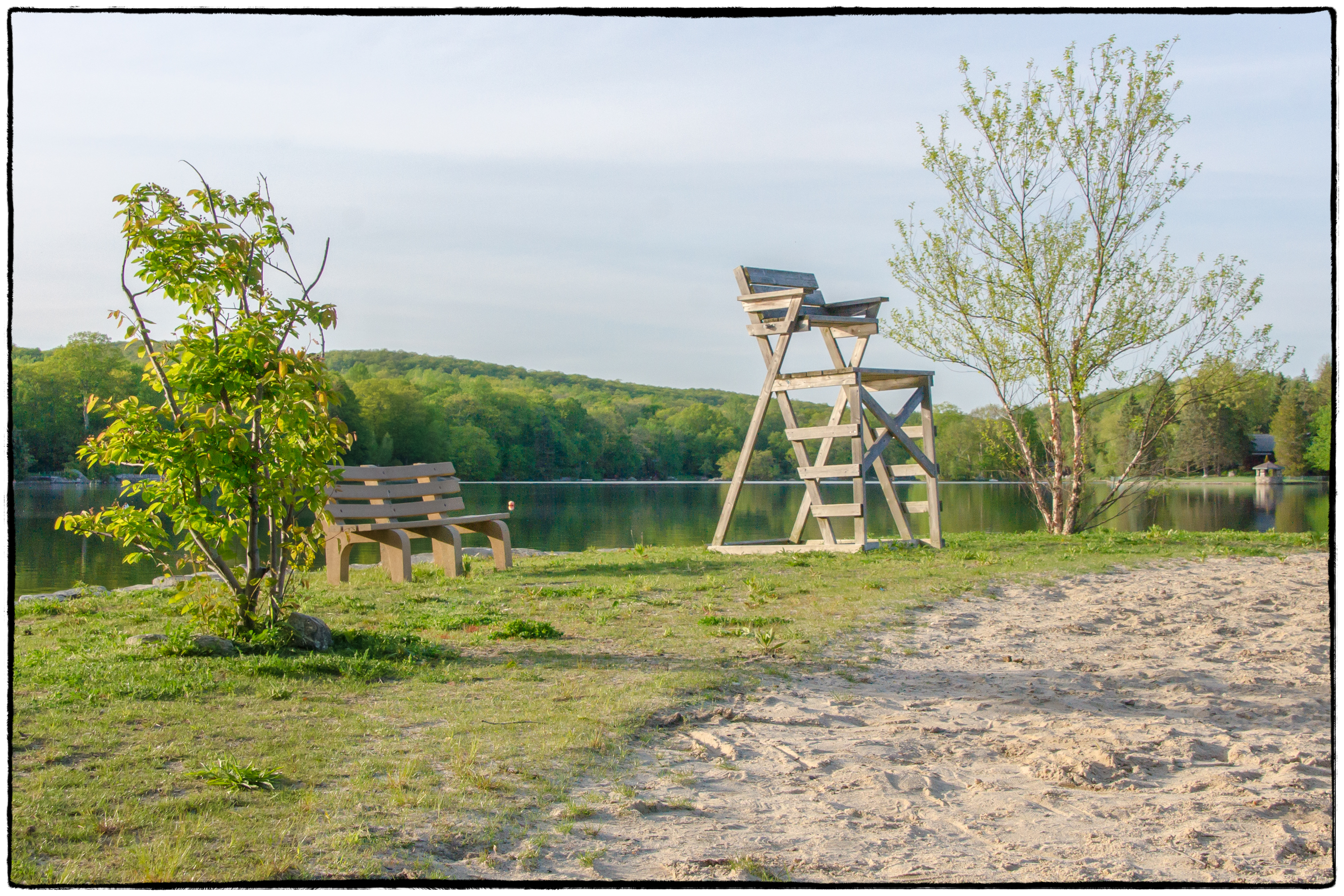
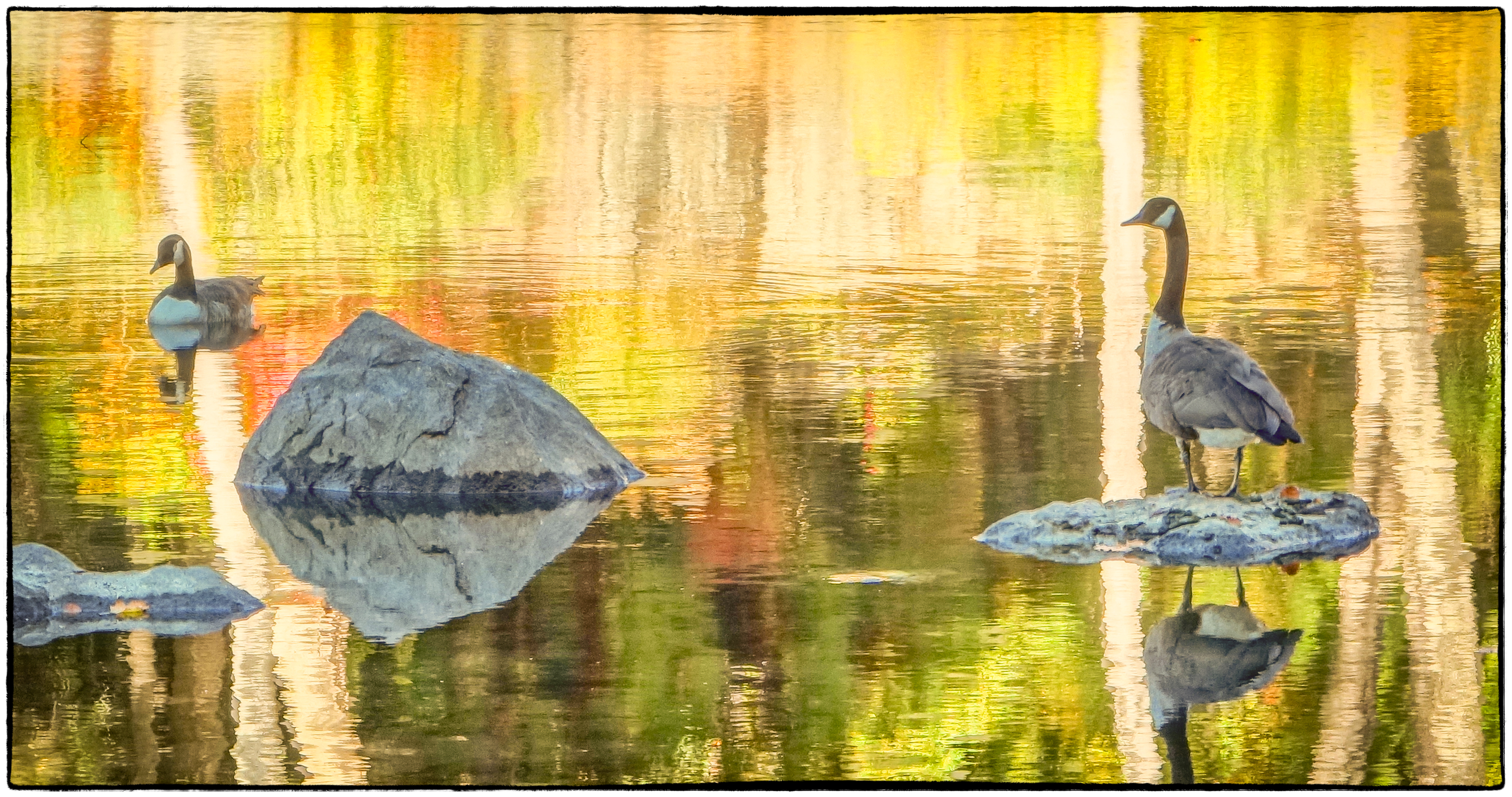
This time I could hardly miss it though. Our lakeside community has its own Facebook group. I was looking at it the other day when I saw the above picture posted by someone with the caption “Visitors”. I’d taken the picture in October, 2015 and didn’t like all that much, so I didn’t post it to this blog (or if I did I can’t find it), but I did post to the Facebook group. I pointed out to my wife that this was my picture and she immediately posted a comment:

“This looks identical to my husband Howard Dale ‘s photo posted here on Oct.13,2015!”

Being a bit less direct than she is I instead sent a personal message to the offending person:

“This is actually a picture I took and posted to the … group on October, 13 2015. It even has the border that I put around all of my pictures. At the time you commented on it saying ‘nice’. Could you please either give me credit for the picture or remove it. Thanks.”

Before he even read my message he, in reaction to my wife’s comment, immediately added an appropriate credit. I later got a response to my message:

“I added credit. It was in my …file without attribution. Sorry for the oversight.”

So it all worked out ok in the end.

Kirk Tuck on obsolescence in cameras

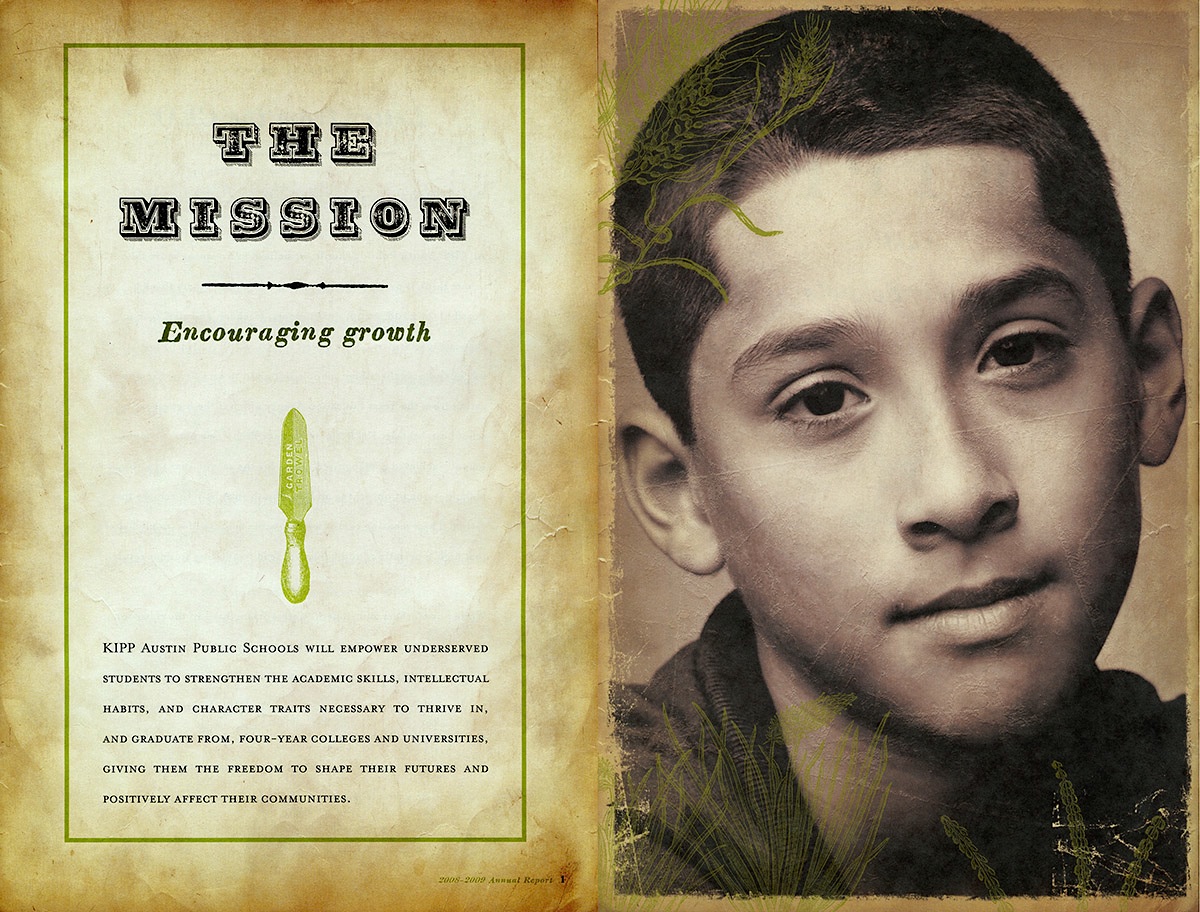
A Spread from the Kipp School Annual Report. Designed by Gretchen H. Source: The Visual Science Lab / Kirk Tuck. I always wonder what they really mean when people tell me their cameras are “obsolete.“. Read the post to understand the significance of the picture above.

I think what I hear when people say, “My camera is obsolete, I need to upgrade to….” is really, “I am too lazy to go out and work to get good shots. I am too lazy to perfect my technique. It’s a hell of a lot more fun to just play with new cameras. Maybe this year’s camera will have an auto-pro mode that will make my photographs more interesting.”

Great post! I agree entirely. I have lots of cameras (mostly vintage) because I like collecting cameras. But I’m under no illusions that they will make my photography better. My digital cameras are all several years old. Sometimes when I read reviews of the latest and greatest cameras I’m tempted by the lure of fancy gadgets, but then I ask myself “what will this camera give you that you don’t already have”. Usually I come up with a list of features that I don’t really need much.

Can you really transform a bland picture into “fine art”???

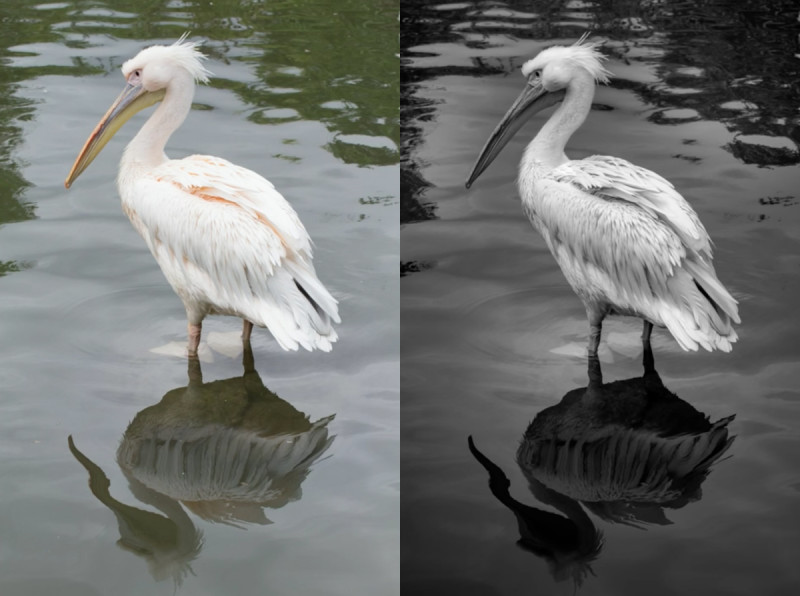
In this video, Swiss photographer and YouTuber YuriFineart shows you how he took a bland snapshot and turned it into a “fine art” looking black and white image. Scroll down and hit play to see how he does it:

Source: Petapixel – How to Transform a Bad Snapshot Into ‘Fine Art’ with Lightroom

What an astonishing title! Hopefully it’s not meant to be serious? A bad snapshot is a bad snapshot no matter what you do to it. And certainly converting it into black and white doesn’t turn it into “fine art”, or art of any kind for that matter. I know – I do it all the time, but I’m not under the illusion that it turns them into “art”. I just like the way they look a little more.

Notice that the extract above reads: “YuriFineart shows you how he took a bland snapshot and turned it into a “fine art” looking black and white image”. Maybe it should be changed to: “…shows you how he took a bland snapshot and turned it into a black and white bland snapshot”.

To be fair to the article it does later say:

Obviously, the final product is not all of a sudden a beautiful image. There are still issues, and to reiterate the idiom, you can’t make a silk purse out of a sow’s ear—but the final image is significantly nicer than the original snapshot.