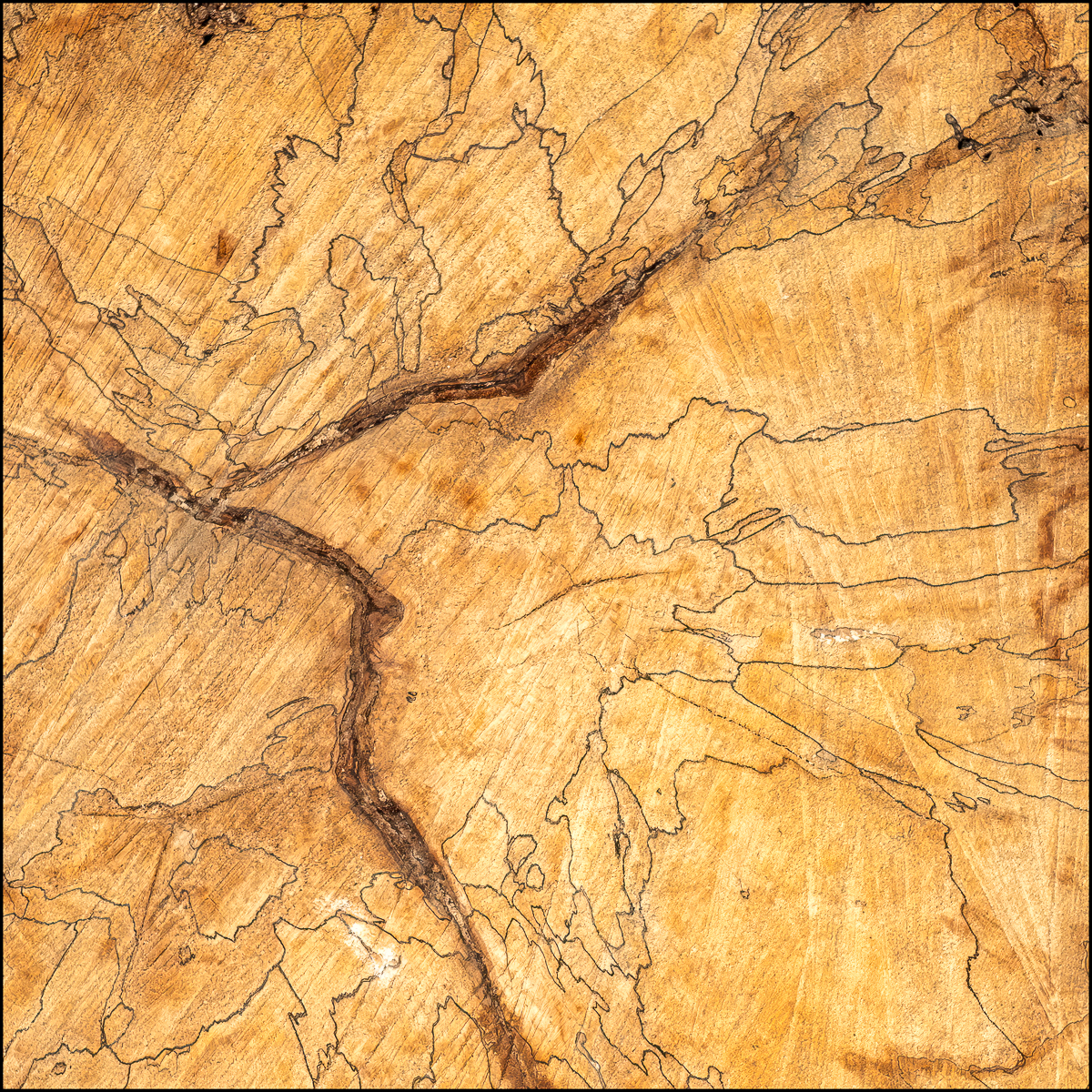
This sawn of log reminded me a little of a map. I thought it might make a pleasant, almost abstract composition.
Taken with a Panasonic Lumix GX85 and Panasonic Lumix 20mm f1.7
Photographs and thoughts on photography and camera collecting

This sawn of log reminded me a little of a map. I thought it might make a pleasant, almost abstract composition.
Taken with a Panasonic Lumix GX85 and Panasonic Lumix 20mm f1.7
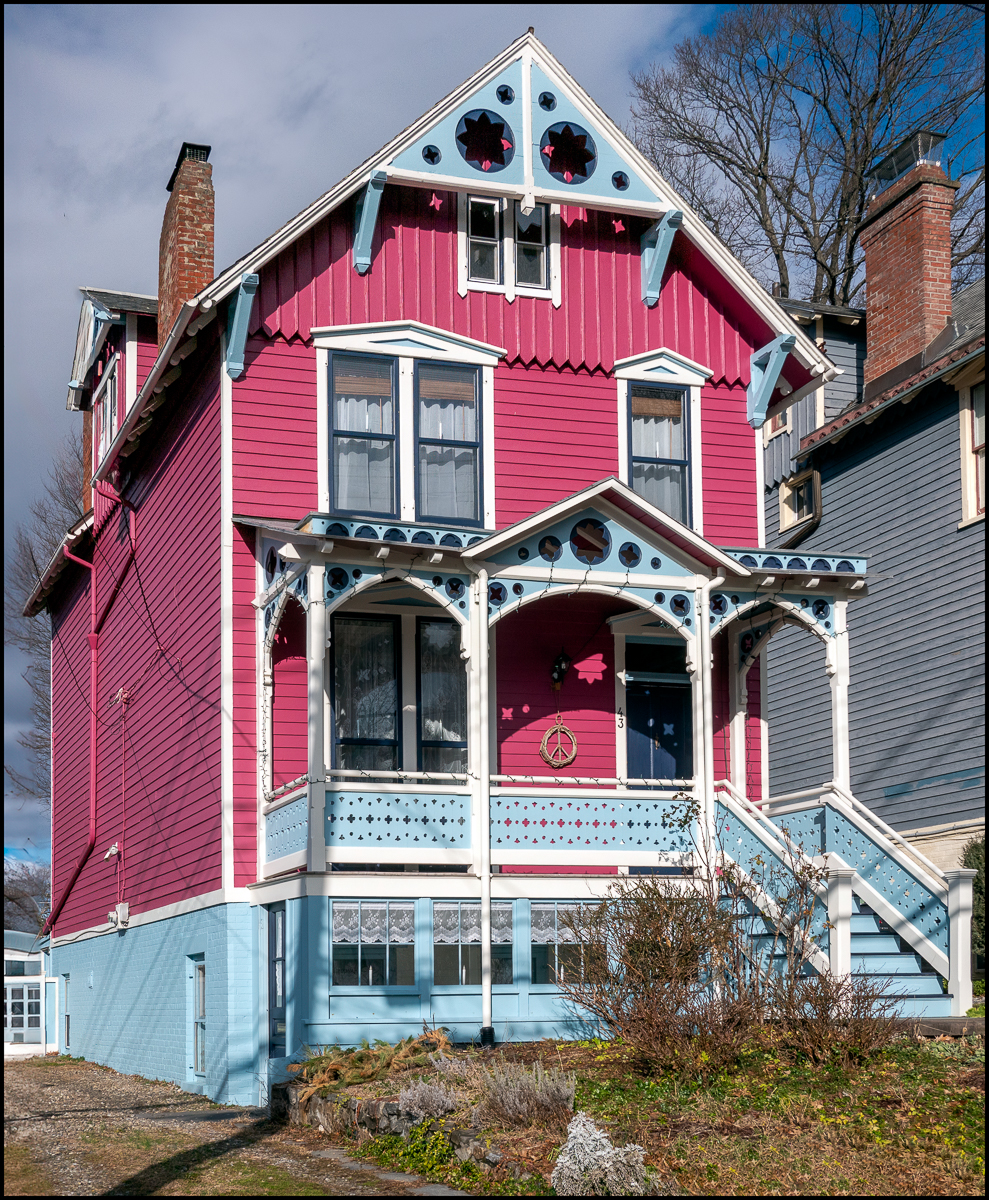
“Ellis Place is a residential street roughly six blocks in length and containing 48 properties. Architectural styles of houses in Ellis Place include Italianate, Queen Anne, Second Empire, Carpenter Gothic, Vernacular, and Greek Revival.Ellis Place is architecturally significant as an example of a mid 19th century Romantic Suburban neighborhood. It is culturally significant as the home of numerous local residents who played a role in the commercial development of Sing Sing (now Ossining) Village from the mid 19th century to the early 20th century.
A residential street and neighborhood located in close proximity to downtown, it was originally a large estate known as The Ellis Place and was owned by Village residents John and Isabella Ellis. In 1851, the Ellises decided to sell the property to three local businessmen: Isaac Birdsall, Abram Hyatt, and Francis Larkin. The new owners then subdivided the property and sold the vacant parcels for home construction. The street was known as Southern Avenue for several years but was renamed Ellis Place in 1862 after the original landowners. Many of the
houses were originally single-family dwellings owned by members of Sing Sing Village’s business and merchant classes who chose to make their homes here due to its close proximity to downtown and pleasant, picturesque environment. Prominent local families such as McCord,
Barlow, Brandreth, and others owned homes here. The street was carefully landscaped with trees species that included maple, horse-chestnut, oak, fir, dogwood, magnolia, copper beech, and walnut. Many of the property owners also took it upon themselves to landscape their yards with
these plants as well. Some of the original plantings on Ellis Place survive to this day.” (Village of Ossining Significant Sites and Structures Guide, Page 123).”
The house above is one of three houses at 43, 45, and 47 Ellis Place. These three 1875 Carpenter Gothic style houses, known collectively as The Three Sisters, were built by local businessman John O’Brien for his three daughters: Birdie, Margaret, and Edith. This one is No. 47. I couldn’t get pictures of the other two because cars were parks outside, spoiling the view. Also, people were starting to look suspiciously at me for taking pictures of the houses, so I thought I’d better move on. In any case this one had, at least in my opinion, by far the most spectacular color scheme.
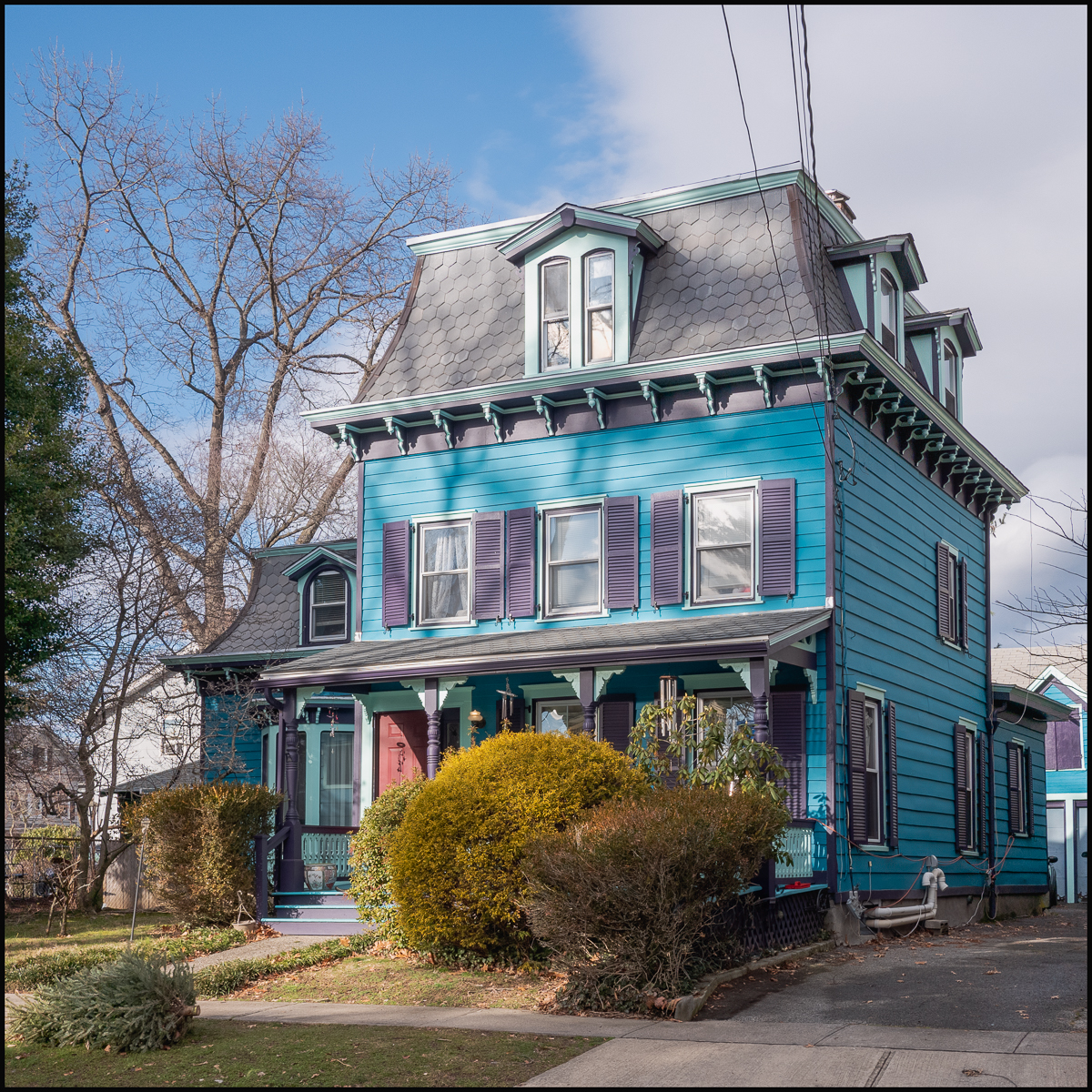
This one is at 27 Ellis Place: It was built in the Second Empire style. Unlike surrounding properties, it sits off-axis on its parcel at an angle of approximately 20 degrees. Another spectacular color scheme.
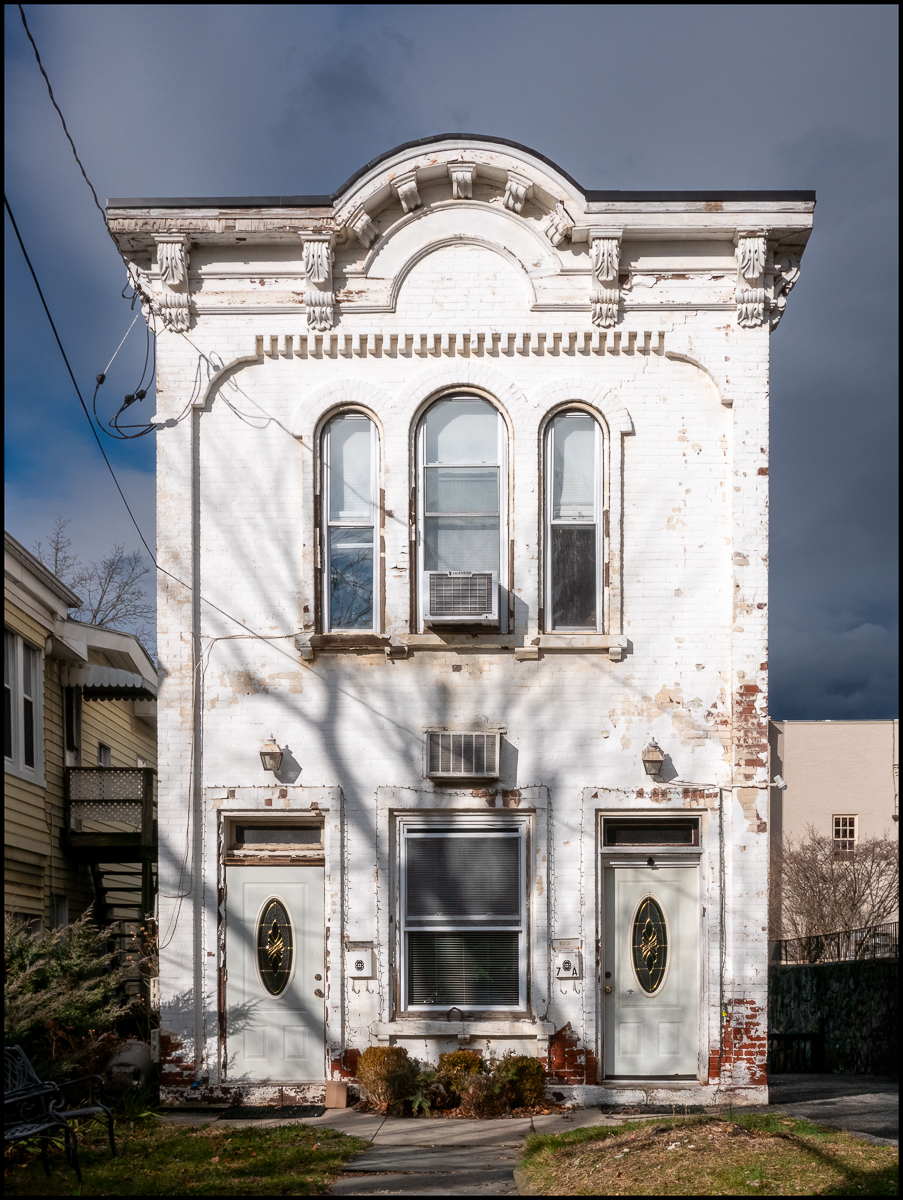
This house is also on Ellis Place, but it’s not as brightly painted as the other two. It looks a little neglected and doesn’t even get a mention in the “Village of Ossining Significant Sites and Structures Guide” (at least as far as I could tell. It’s a long document and I may have missed it). Possibly it has no historic value. I found it interesting though.
Taken with a Panasonic Lumix GX85 and Panasonic Lumix 20mm f1.7
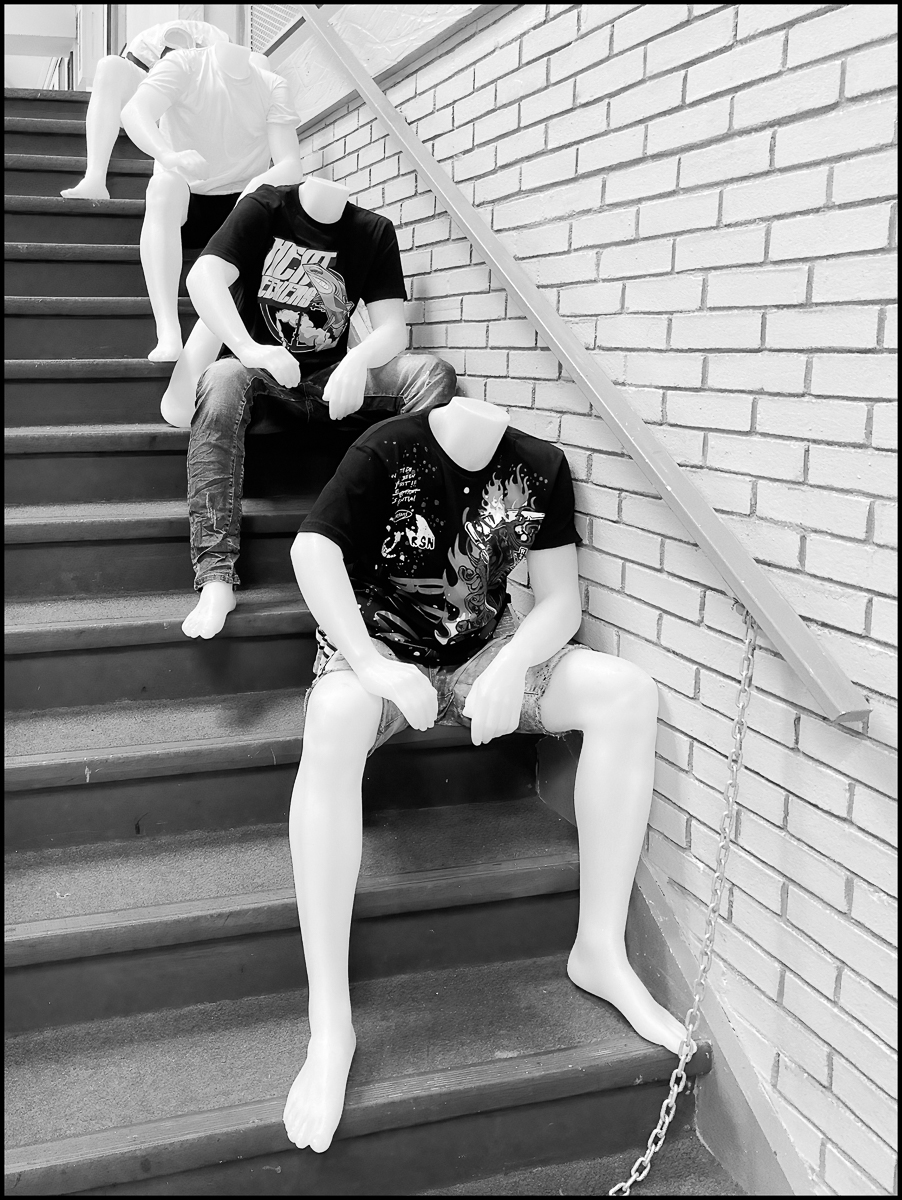
My friend needed to go to the Department of Motor Vehicles (DMV) in Peekskill, NY so I decided to go along. While I was waiting for her I came across these rather surreal (and somewhat spooky) mannikins just outside.
Apple iPhone SE II

Or at least I think it is?
I’m not great with light, which is a pity because light is so important to photography. I don’t get up early enough to benefit from the early morning light. Neither am I usually around at sunset, when the light is often good. Moreover, I lack the patience to wait until the light improves.
This means that I’m usually taking pictures in harsh midday light, or on cloudy, overcast days.
However, today I was lucky. Just as I was walking past this fern (or whatever it is) a cloud opened, and a beam of light fell on it, enhancing the vibrant yellows and oranges.
Taken with a Sony A6000 and 7artisans 60mm F2.8 Macro Lens
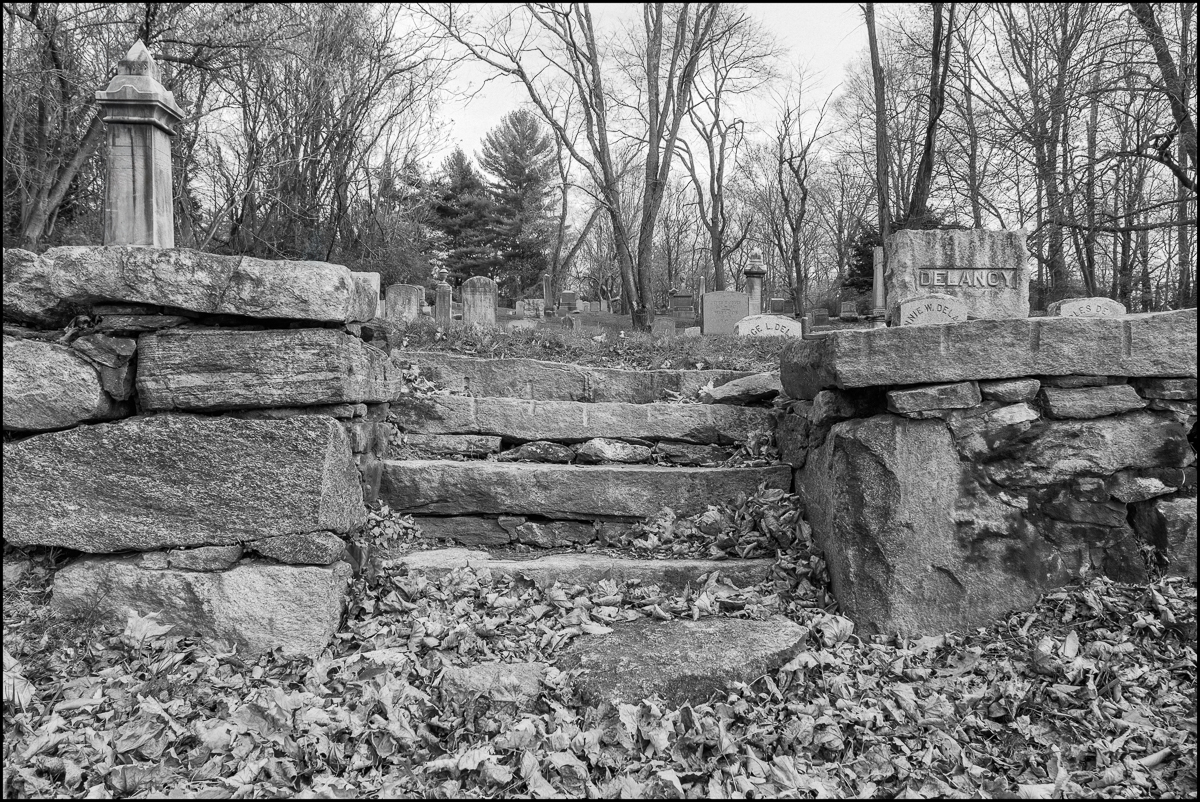
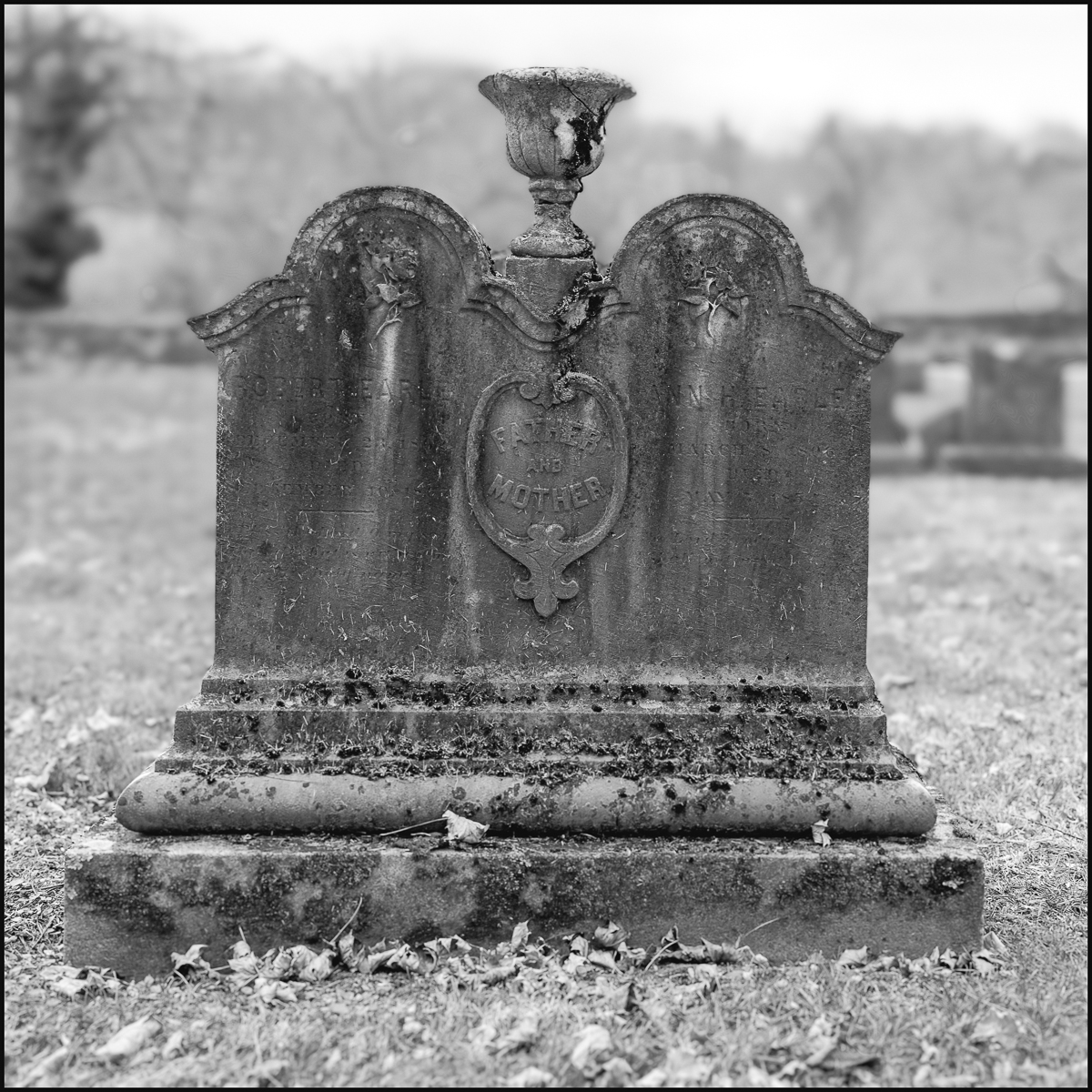
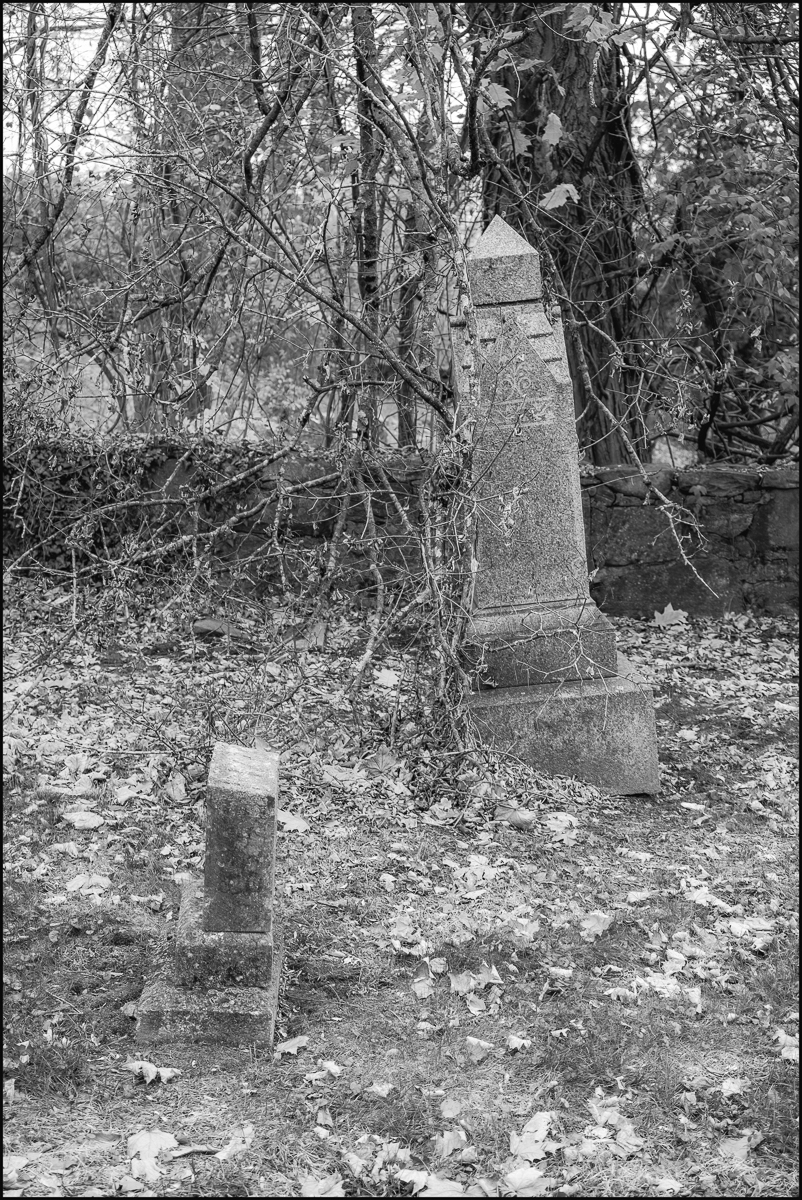
According to Patrick Raftery:
The development of rural cemeteries in southern and western Westchester County in the mid-19th century had not reached Pleasantville by the time of the Civil War, and the residents who did not belong to its Methodist church had little choice but to bury their loved oes in other municipalities such as Ossining, Tarrytown and White Plains. Henry R. Banks (1823-1890), a resident of Pleasantville, responded to this problem by purchasing a two-acre parcel across from the Pleasantville Methodist Chruch Cemetery from John W. Palmer on May 1, 1863. Fittingly, this piece of property also bordered the south side of Mr. Palmer’s family burial ground. Mr. Banks divided this property into several dozen 20-foot-square plots. After Mr. Banks died in 1890, ownership of the cemetery passed to Mrs. Olive Washburne, from whom a plot for 14 graves could be purchased for $50 in 1910. The condition of the cemetery declined until the late 20th century, at which time it was taken over by the town of Mount Pleasant. Today, burials are still occasionally made by plot owners.
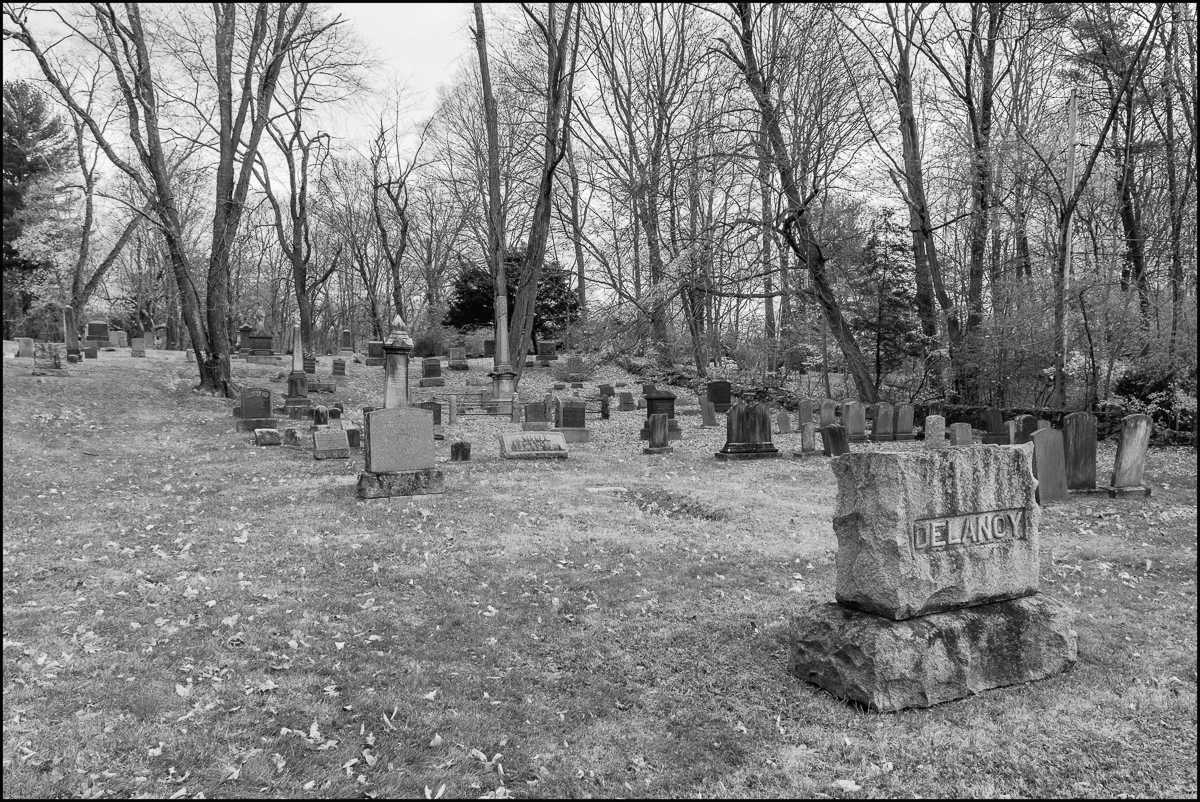
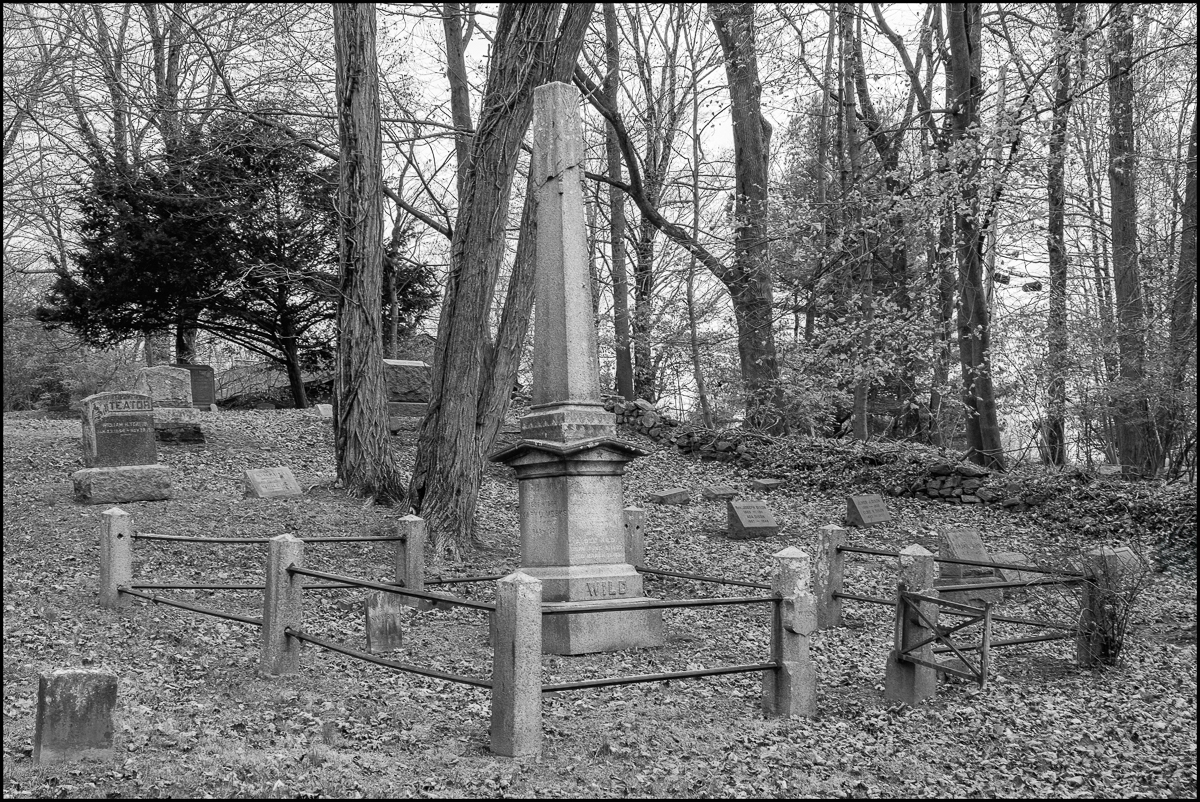
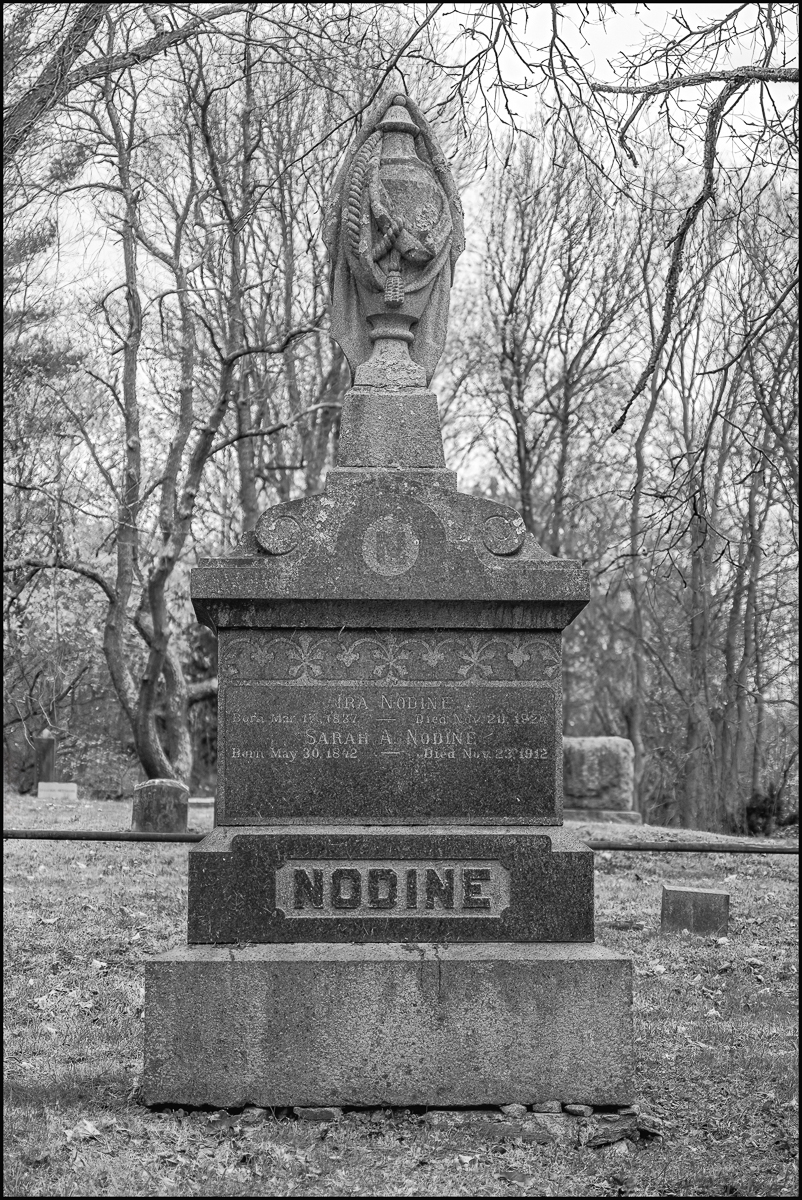
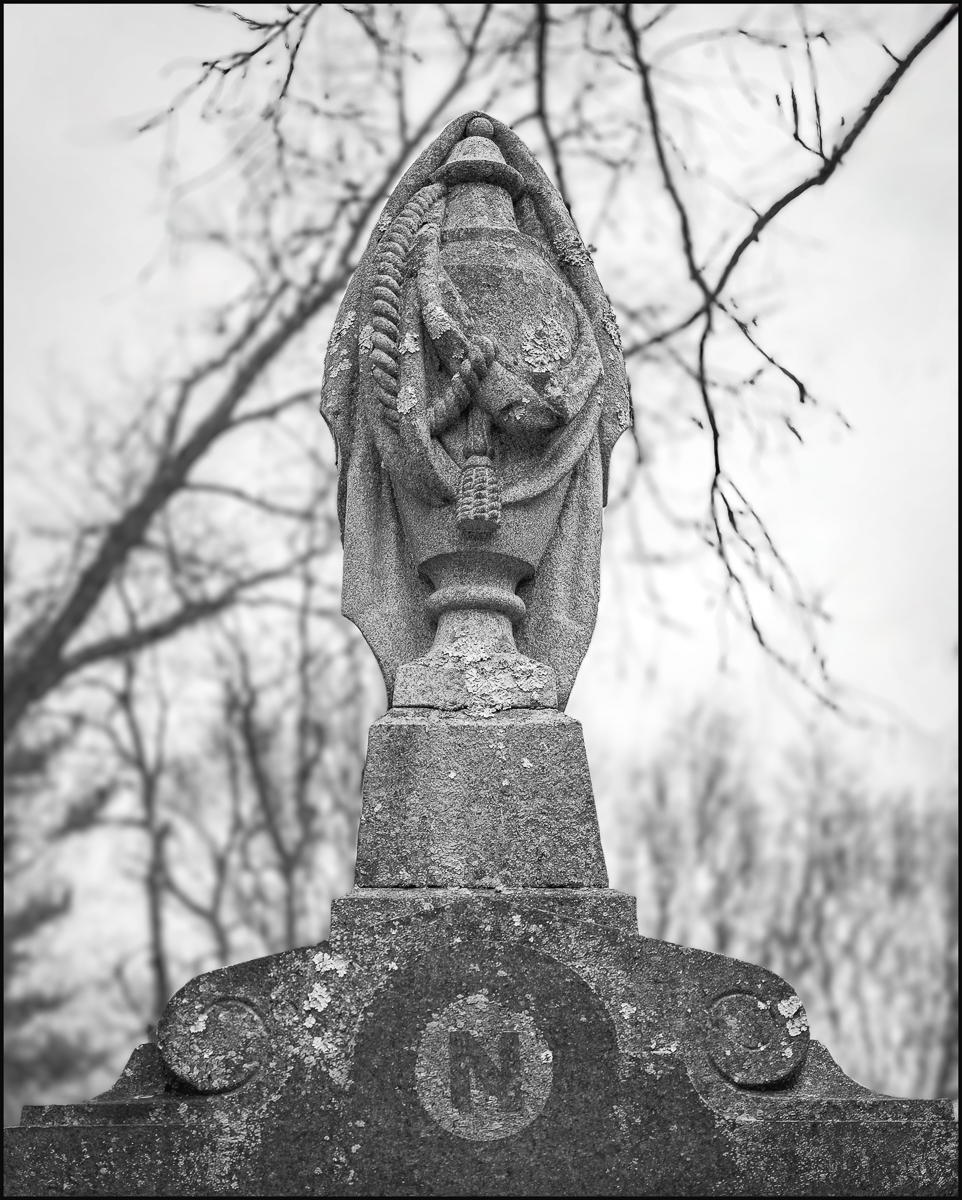
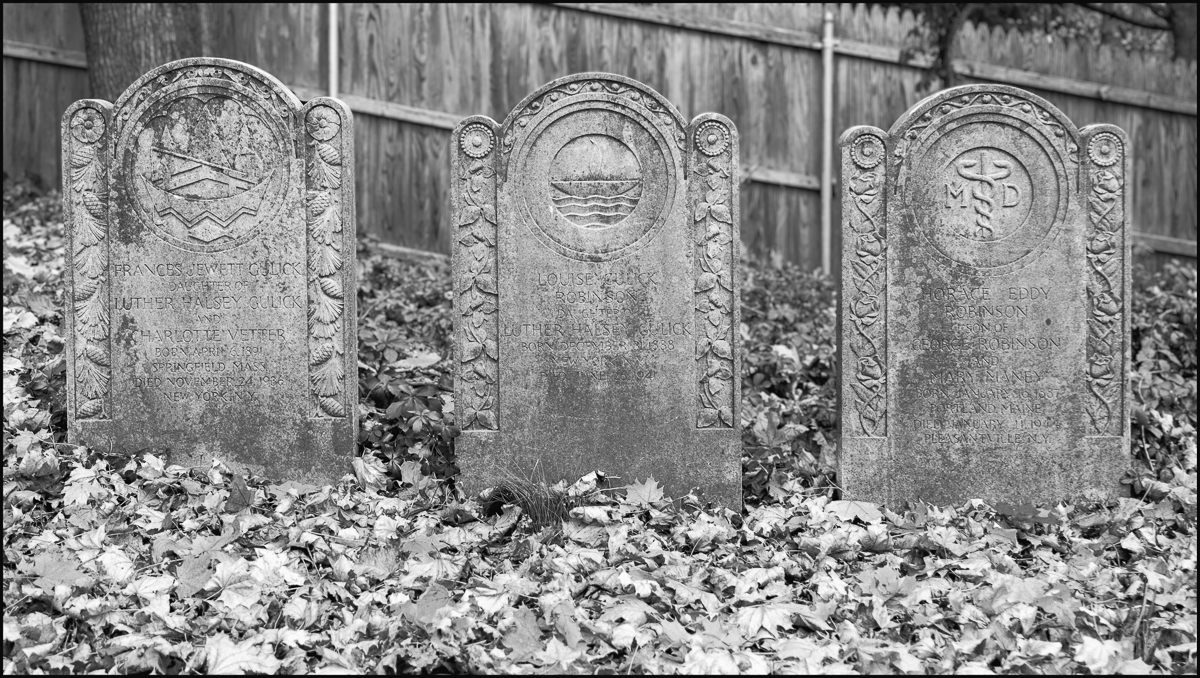
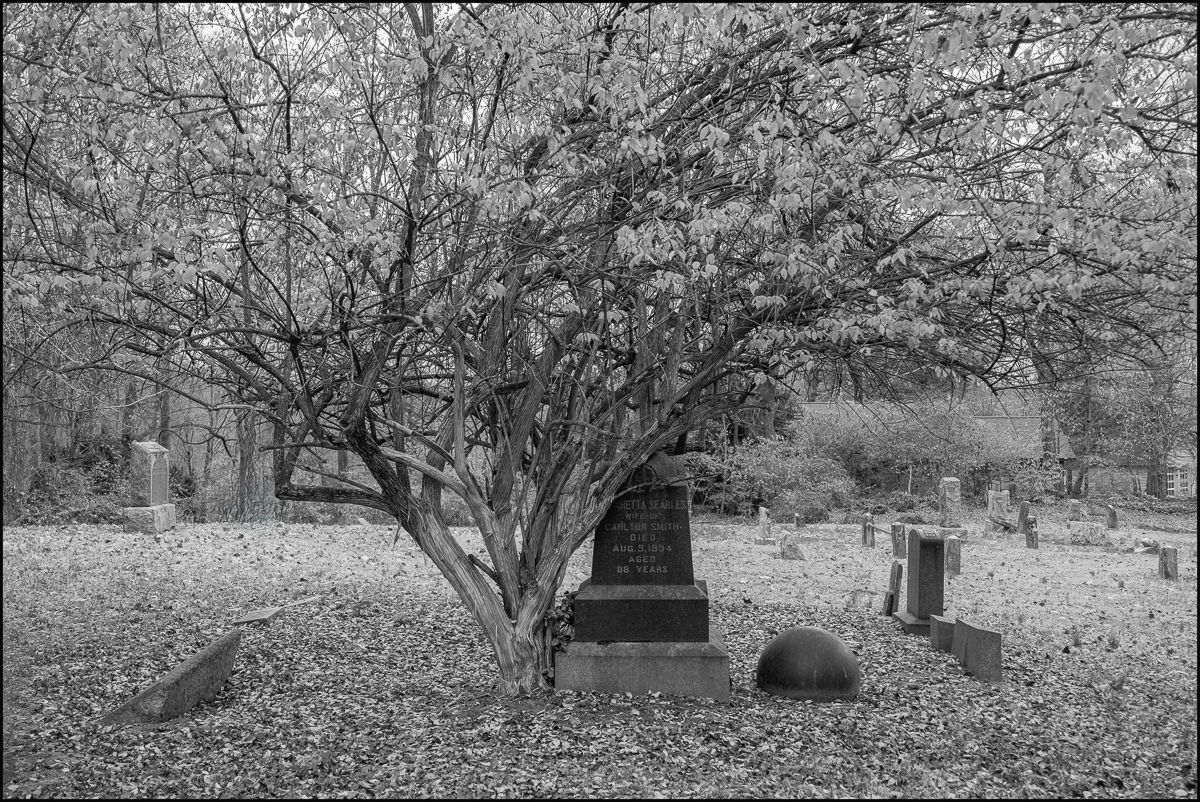
Taken with a Fuji X-E3 and Sigma 18-50mm f2.8