A Visit to Boston – Day Two – Norman B Leventhal Park

According to the park’s website:

“In the heart of the financial district, nestled among the high-rise office buildings, lies a lush oasis of green, a testament to the ingenuity and creativity of a group of people, both public and private, who joined together to foster this unique vision. What had previously been a decrepit and unsightly garage, is now an award-winning and inviting park set above a new underground parking garage. The Norman B. Leventhal Park is supported, structurally and financially, by Garage at Post Office Square, a 1,400-space parking garage.’

The Urban Land Institute describes it as follows:

“The 1.7 acre park’s centerpiece is a walk-through sculptural fountain, so whimsically friendly that in the summertime, office workers eating lunch often kick off their shoes to dip their feet in the fountain. A few yards away is a 143-foot-long formal garden trellis, supported by granite columns, draped with seven species of vines. The jewel-like Great Lawn, raised above the walkways by a granite curb, provides a relaxed retreat. More than a hundred different species of plants, flowers, bushes and trees are within the park. It features custom wrought-iron fencing and specially designed drainage gates. Seating styles fit every posterior and mood – stately teak benches, curving steel settees, movable cast-iron café chairs with tables, hundreds of linear feet of inviting polished granite wall and half an acre of lawn, all meticulously maintained” (Urban Parks and Open Space, Urban Land Institute, 1997).

My Canadian friend had some business with a US bank so we walked around looking for it. Eventually we found it and she went in. While we were waiting, we sat in the park and talked. After a while a guy came up and spoke to us. Apparently, he was from Sudan. At first the conversation was fairly innocuous, but after a while he accused us of “not respecting” him and started hurling abuse at us. Thankfully, he walked away at that point. At that point we needed a change and moved to another part of the park, where there was a pleasant cafe (Sip Cafe) with an outdoor seated area where we waited until my friend had finished her business.


Taken with a Sony A6000 and 18-135mm f3.5-5.6 OSS
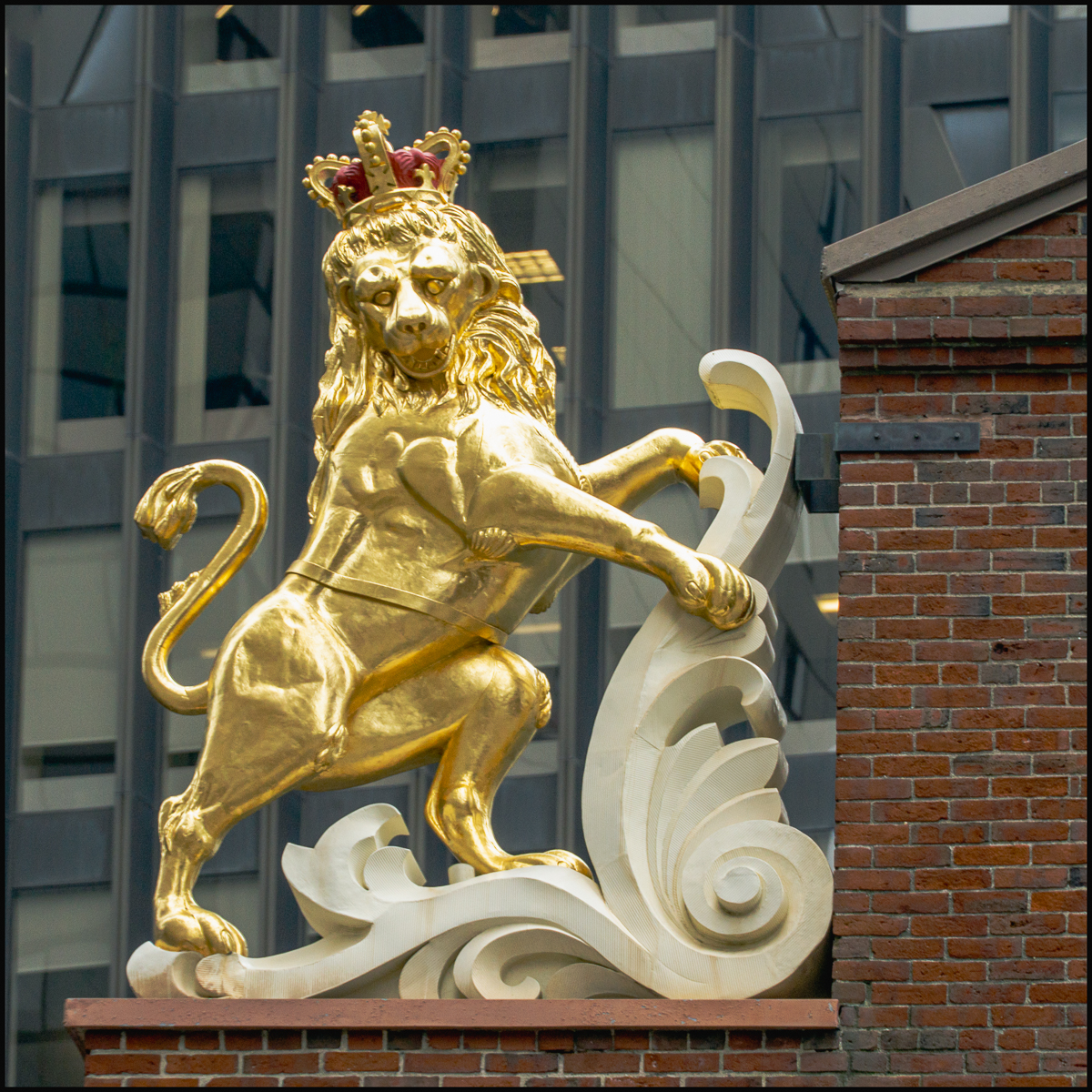
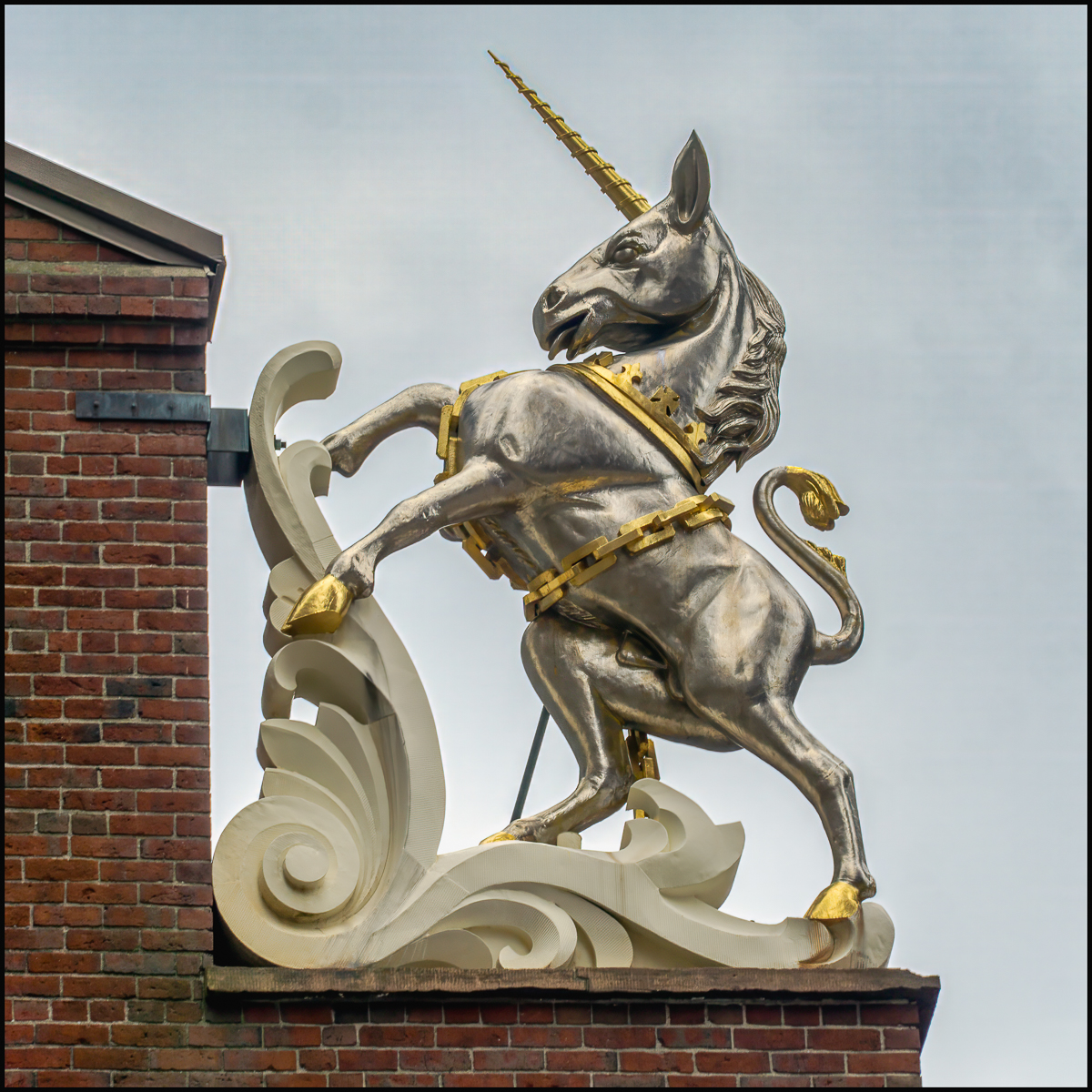
A Visit to Boston – Day Two – Old State House

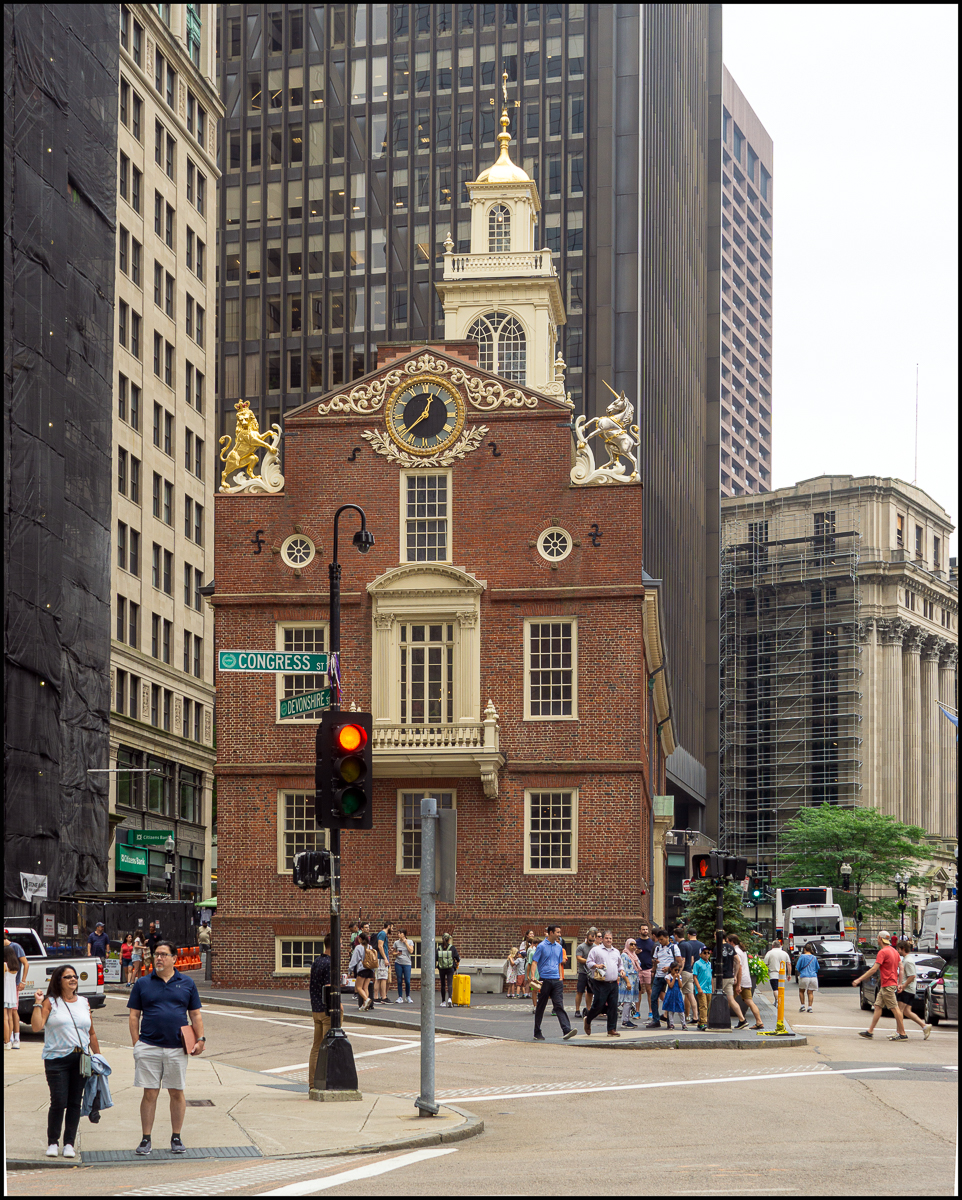
The Old State House is a historic building in Boston, Massachusetts, built in 1713. It was the seat of the Massachusetts General Court until 1798. It is located at the intersection of Washington and State Streets and is one of the oldest public buildings in the United States.

“It is one of the landmarks on Boston’s Freedom Trail and is the oldest surviving public building in Boston. It now serves as a history museum that was operated by the Bostonian Society through 2019. On January 1, 2020, the Bostonian Society merged with the Old South Association in Boston to form Revolutionary Spaces. The Old State House was designated a National Historic Landmark in 1960 and a Boston Landmark by the Boston Landmarks Commission in 1994”. (Wikipedia)


Taken with a Sony A6000 and 18-135mm f3.5-5.6 OSS
A Visit to Boston – Day Two – A Street Entertainer

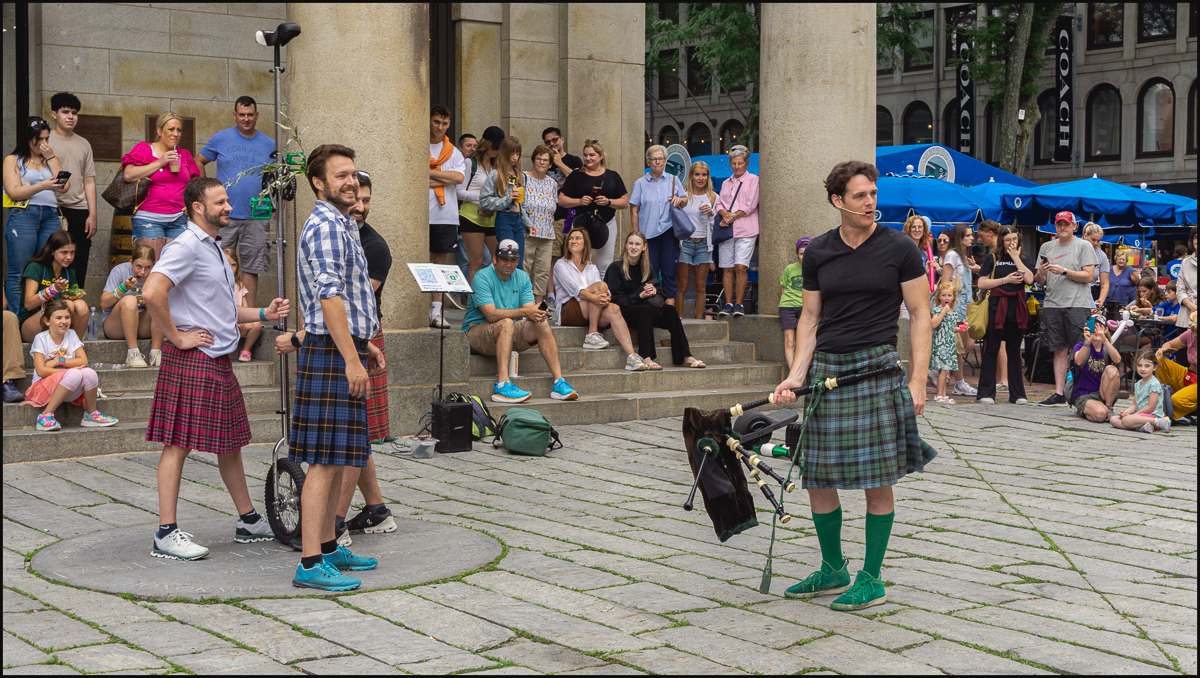
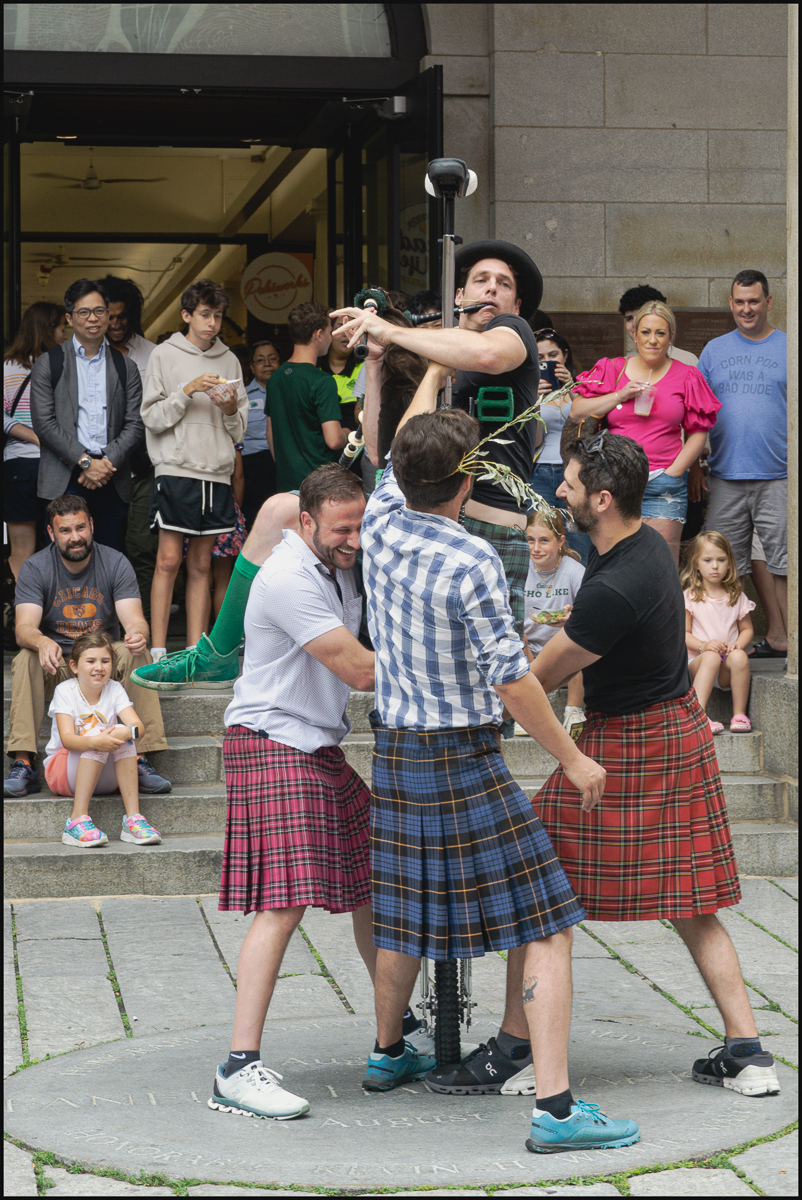
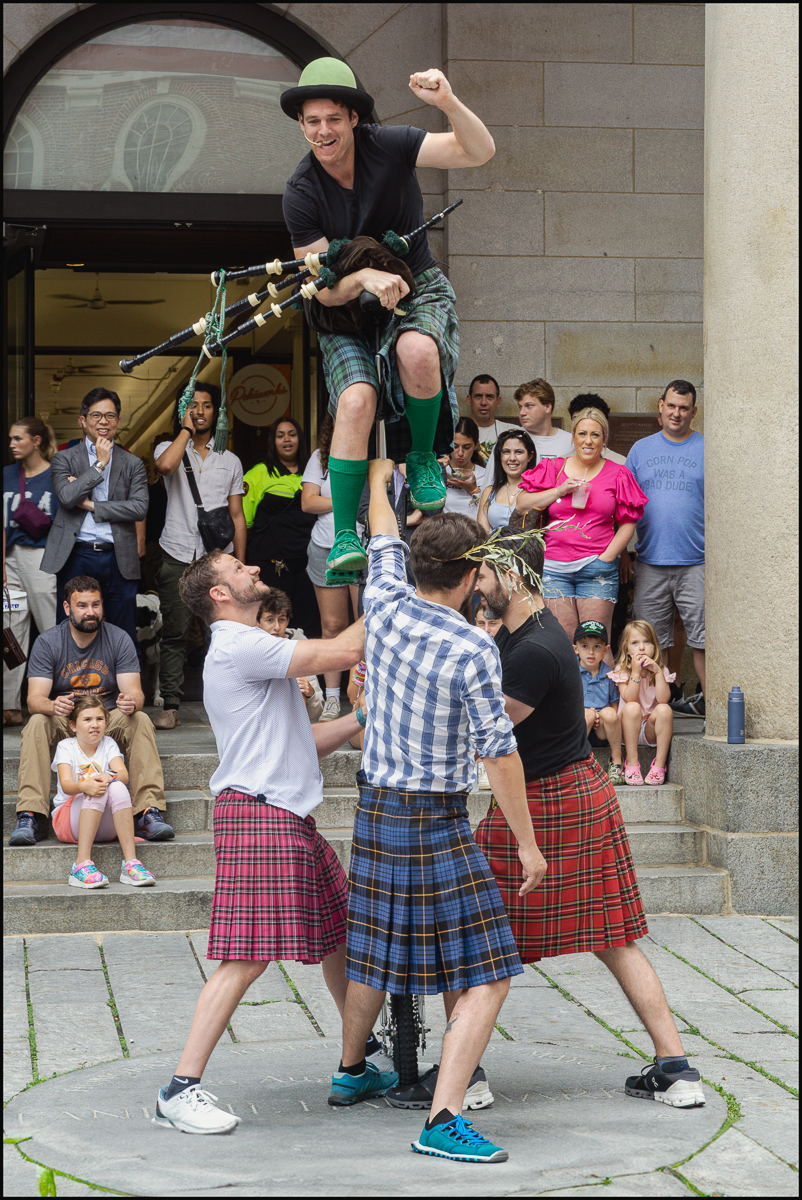
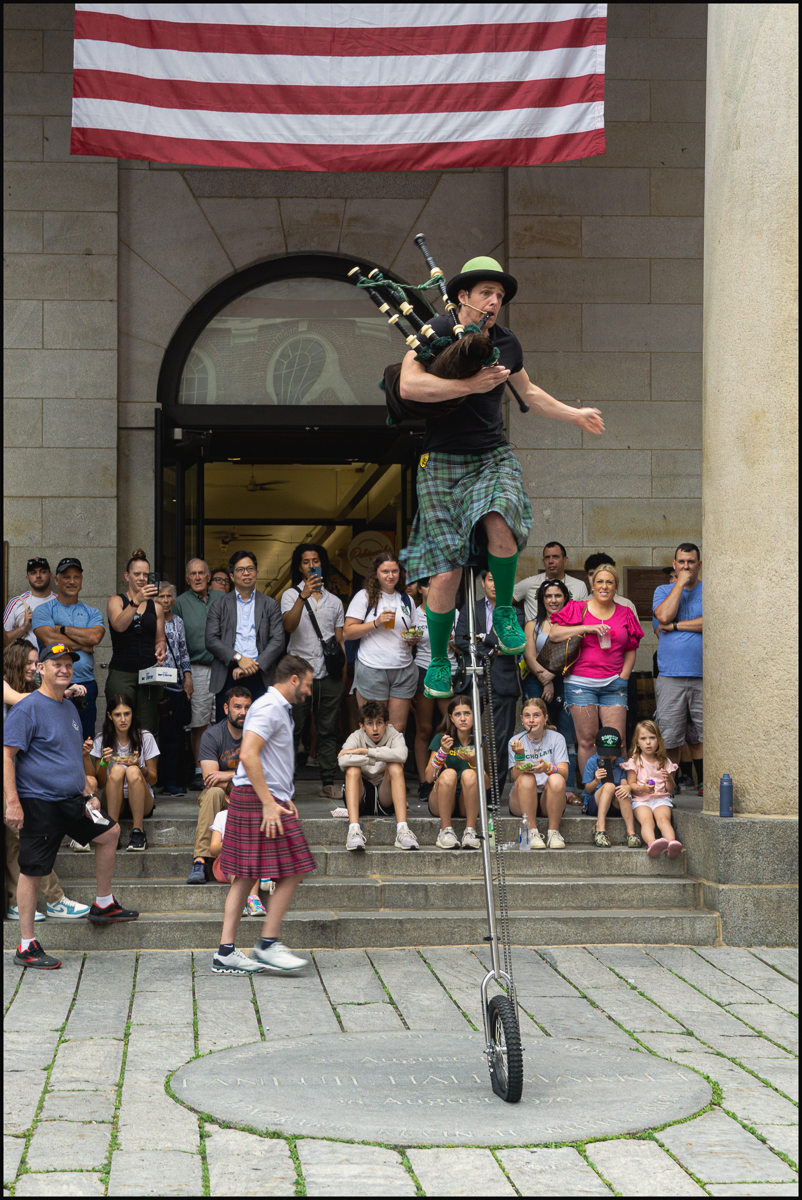
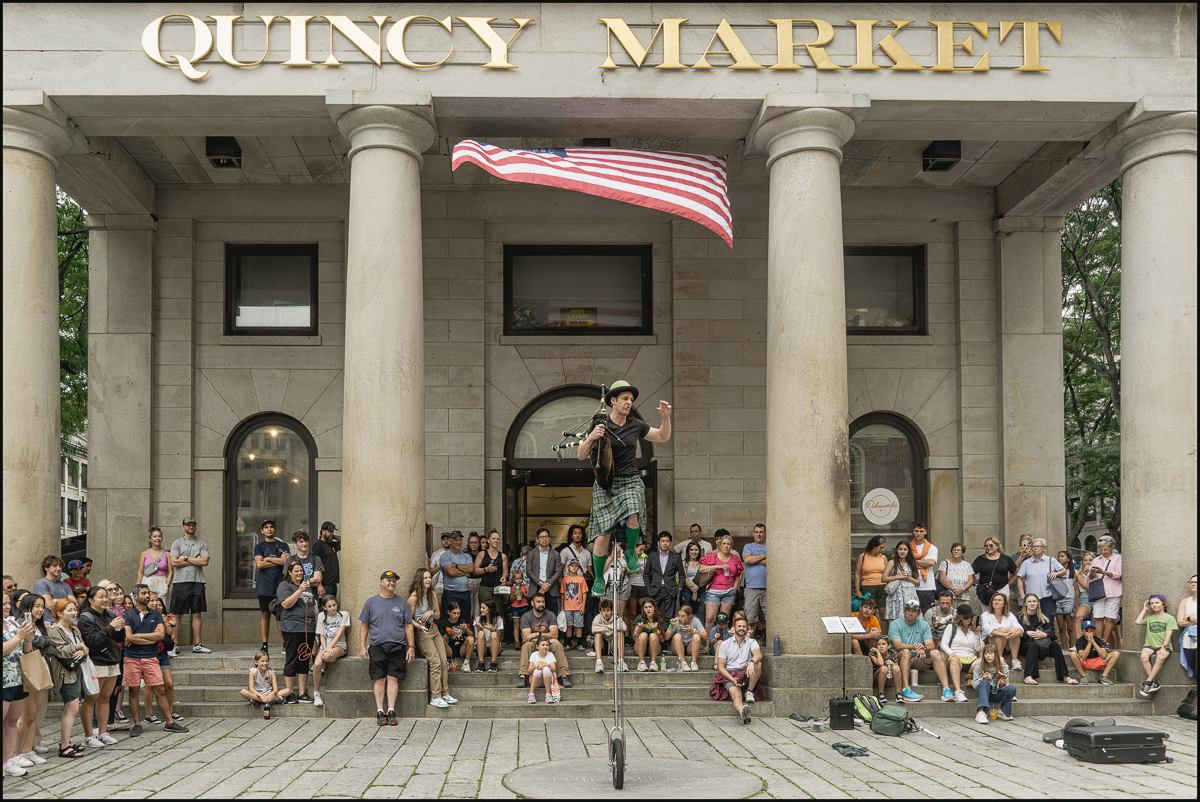
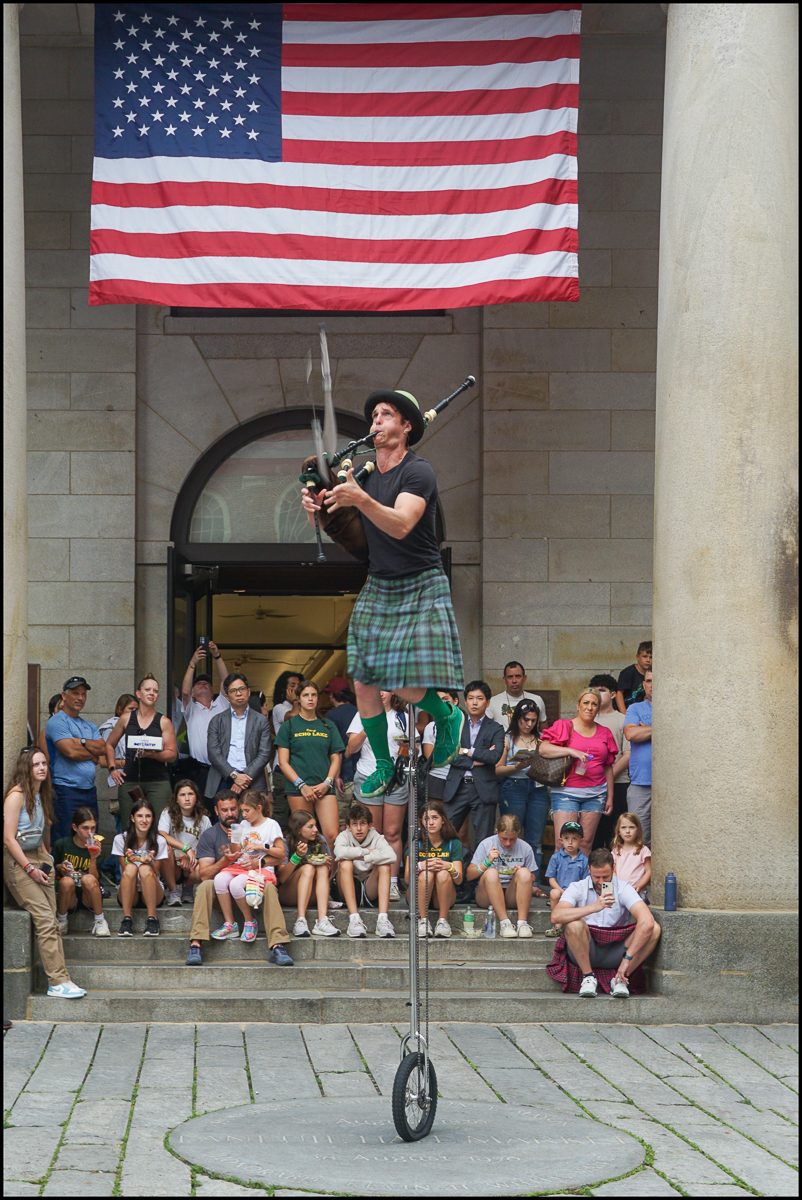
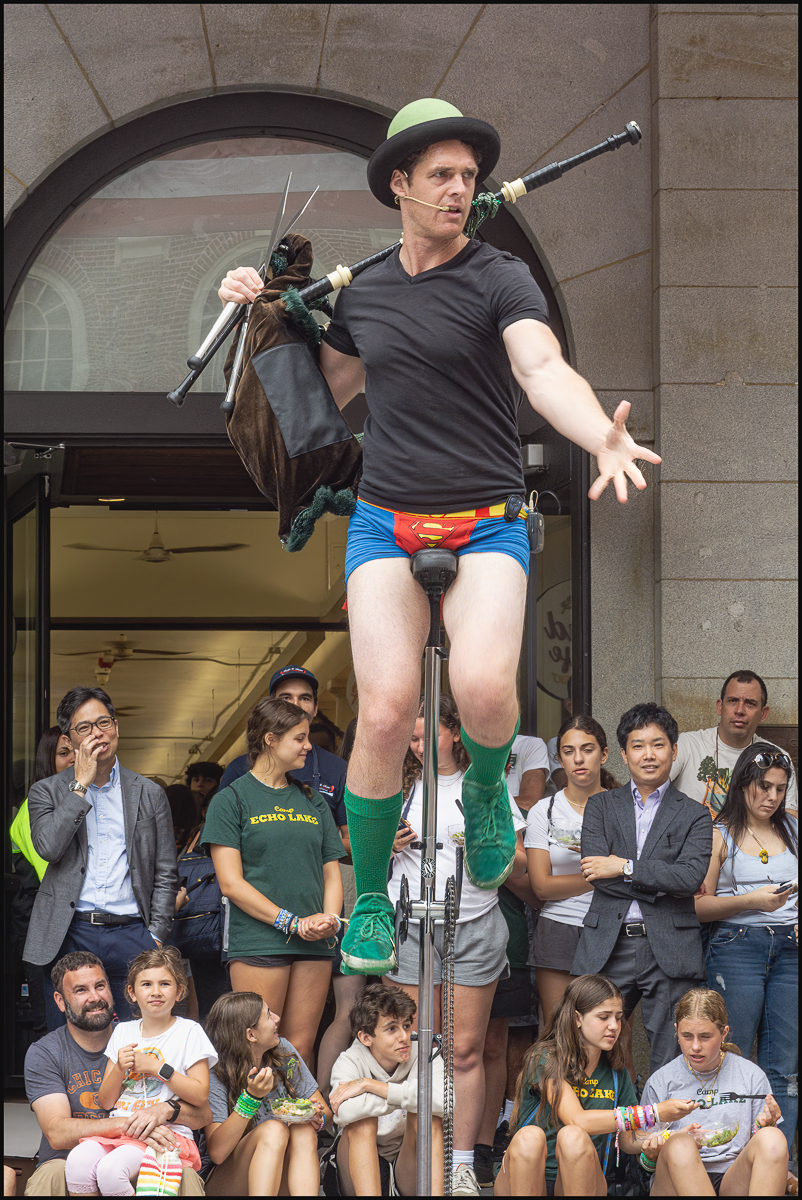
I must say that he was very entertaining. And I don’t think that I’ve ever seen anyone juggling two (I think it was two. Might have been three) knives while riding a 10-foot-tall unicycle and playing bagpipes. He could probably do it in his sleep, but managed to give the impression that he might fall off at any moment.


Taken with a Sony A6000 and 18-135mm f3.5-5.6 OSS

A Visit to Boston – Day Two – In and around Quincy Market

“Quincy Market is a historic building near Faneuil Hall in downtown Boston, Massachusetts. It was constructed between 1824 and 1826 and named in honor of mayor Josiah Quincy, who organized its construction without any tax or debt. The market is a designated National Historic Landmark and a designated Boston Landmark in 1996, significant as one of the largest market complexes built in the United States in the first half of the 19th century. According to the National Park Service, some of Boston’s early slave auctions took place near what is now Quincy Market.

As the central building of Faneuil Hall Marketplace, Quincy Market is often used metonymically for the entire development. By the mid-20th century it was badly in need of repair, and it was redeveloped into a public shopping and restaurant area in the early 1970s and re-opened in 1976. Today, this includes the original Quincy Market buildings, the later North Market and South Market buildings that flank the main Quincy Market, the historic Faneuil Hall lying at the west end, and two smaller curved buildings, added later to the eastern end.” (Wikipedia)


Taken with a Sony A6000 and 18-135mm f3.5-5.6 OSS.