You’re a photographer. You’re not a Photographer.

Earlier this month I published A Rant. I let loose on a photographer whose work I largely respect and admire except when he goes on at length along the lines of “Your not a photographer if you use an iphone; don’t print your work; don’t use a sophisticated camera etc. You can fill in the blanks.

He’s at it again, this time on his YouTube channel.

This time he made me think about who is a photographer and who isn’t. He seems to feel that unless you reach a particular standard (presumably defined by him) you’re not fit to call yourself a photographer.

I don’t agree.

As far as I can tell a photograph is “a picture made using a camera, in which an image is focused onto film or other light-sensitive material and then made visible and permanent by chemical treatment, or stored digitally.”. Photography is “the art or practice of taking and processing photographs.” It follows that a photographer is someone who practices the art or practice of photography. So everyone who practices photography is a photographer. The word “photography” was created from the Greek roots φωτός (phōtós), genitive of φῶς (phōs), “light” and γραφή (graphé) “representation by means of lines” or “drawing”, together meaning “drawing with light”.

So let’s have no more of this “You’re not a photographer if…”. If you’re using a camera to take/make/capture (whichever you prefer) something, then you’re a photographer.

To me photographers fall somewhere along a whole spectrum depending on their talent, skills, experience etc. On one end are the truly bad photographers (see picture on the left above taken by me sometime in the 1980s), on the other are people like Robert Frank (see picture on the right above) who’s acknowledged to be a superb photographer. All other photographers are somewhere in between.

So it’s not a question of “You’re a photographer – You’re not a photographer”. Rather it’s “You’re a bad photographer; You’re a mediocre photographer”; You’re a good photographer” etc. “I think that’s what my blogging/Youtubing friend is getting at.
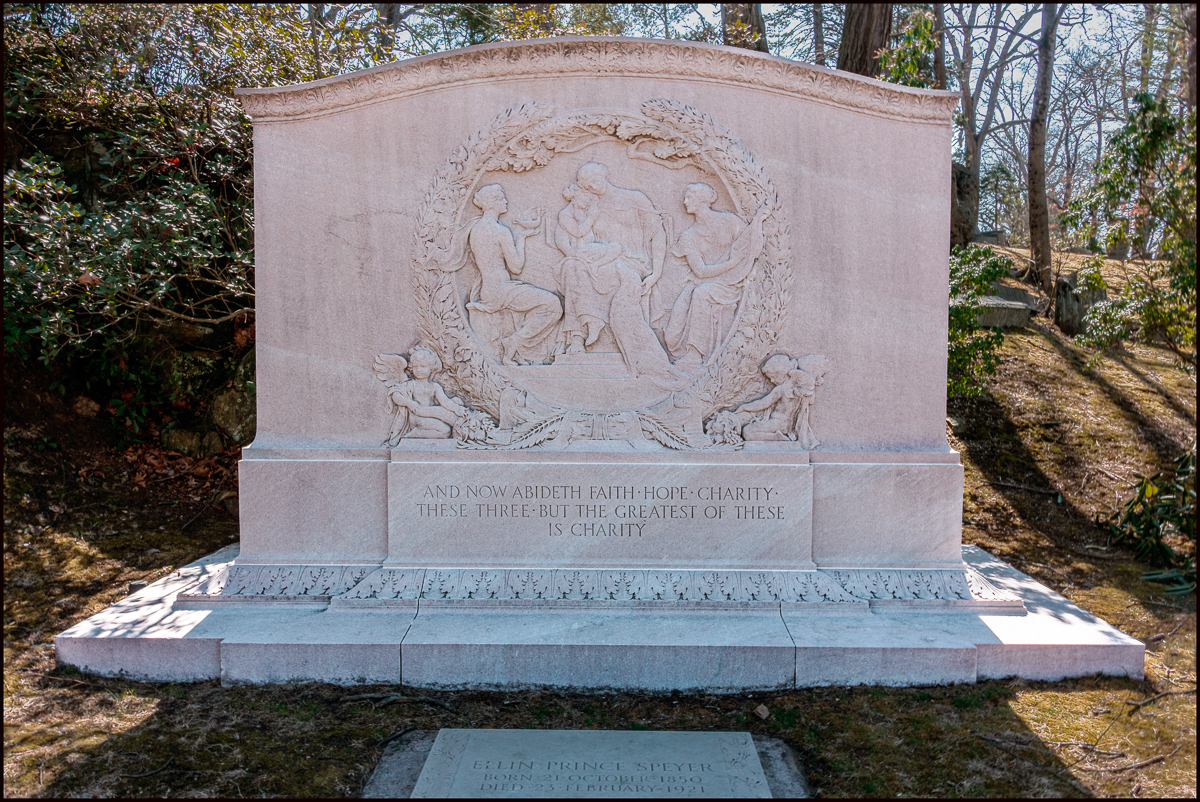
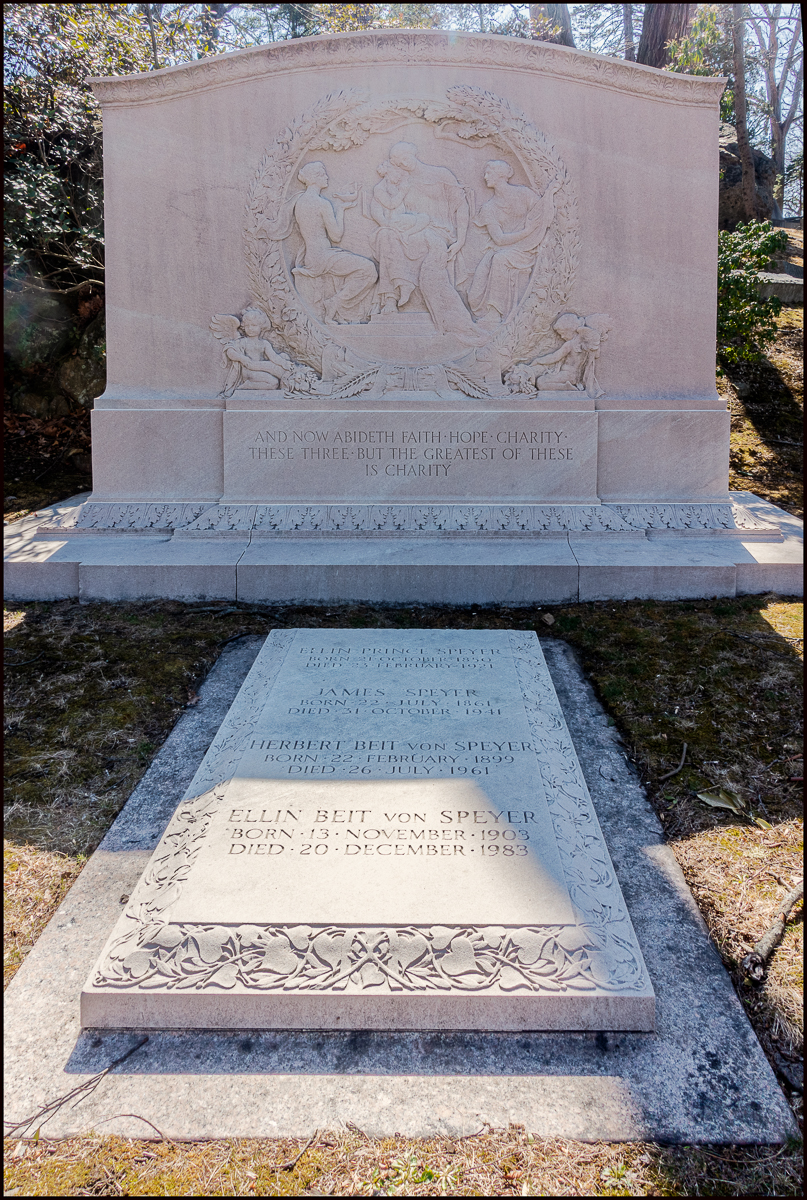
A tale of two tombstones and the fall of a great banking dynasty

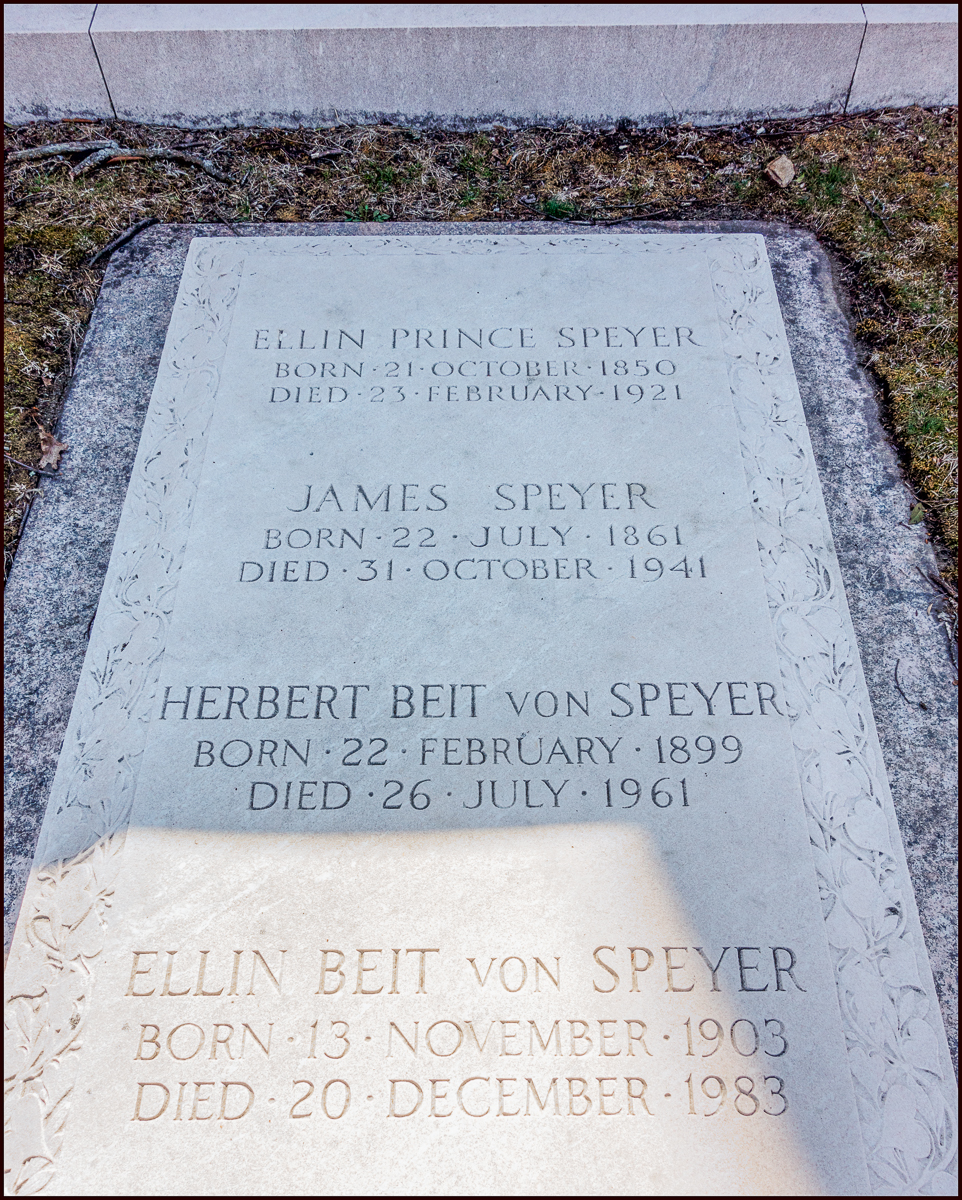
In an earlier post (See: V. Everit Macy Grave Site) I mentioned that I had been surprised to find not only that the Speyer grave site was right next to it, but also that I had already taken a picture of it. The gravesite contains the graves of James Speyer, Ellin Prince Speyer (his wife), Herbert Beit von Speyer (his nephew, his obituary can be found here) and Ellin Beit von Speyer (his niece). For more on the Speyer family see here.


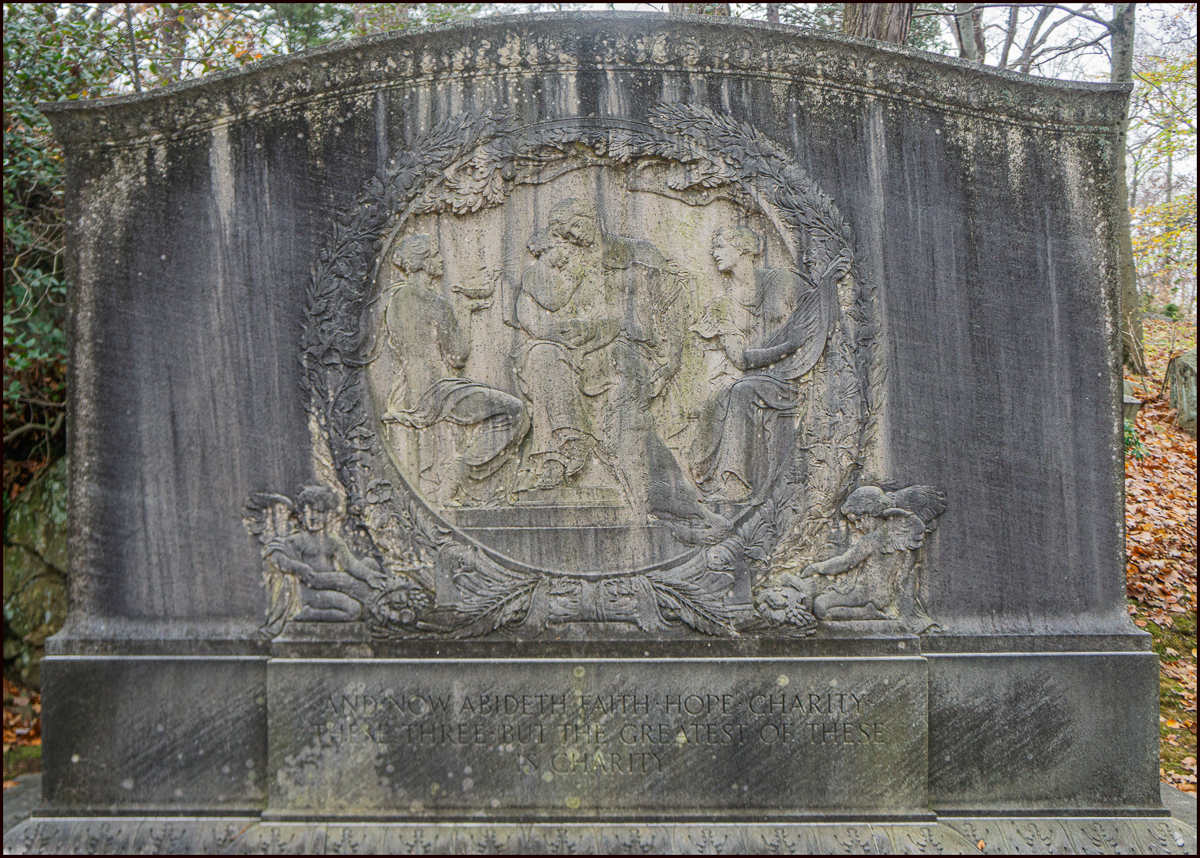
One of the reasons I might have missed this grave site may be that back in 2020 when I was last there it didn’t look the way it does now. You can see from this picture that it was rather dirty. The picture at the top of this post shows it as it looks today. It’s obviously been cleaned recently. Another reason might have been that I was rather taken by the impressive carving and didn’t think to look down at the grave.


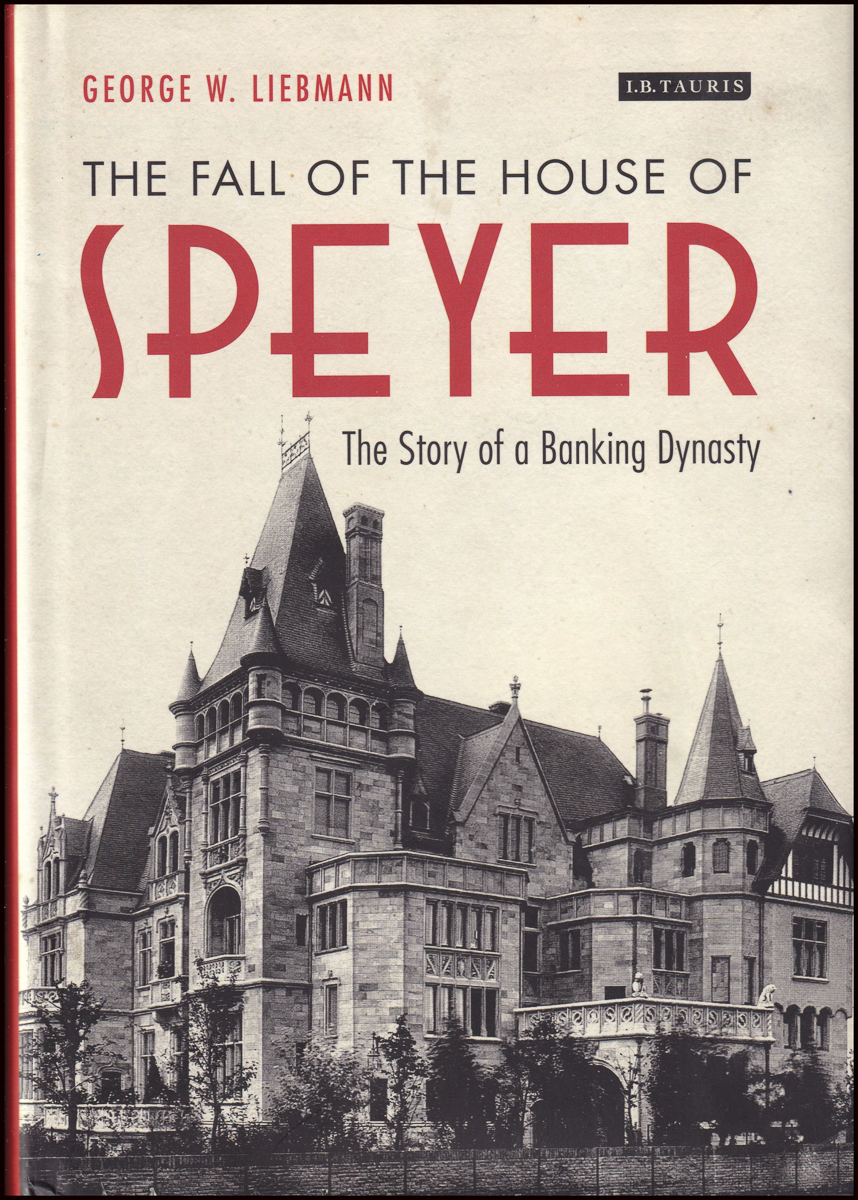
I’ve mentioned in earlier posts that I’m particularly interested in the Speyer Family because my house is on the site of Waldheim, the mansion built by James Speyer in Briarcliff Manor, NY. I even have some vestiges of former estate buildings in and around my garden (See: Some Ruins). Because of this interest I recently acquired a copy of “The Fall of the House of Speyer. The Story of a Banking Dynasty” by George W. Liebmann. I haven’t read it yet, but it looks interesting. The book sleeve describes it as follows:

The dramatic story of the last fifty years of the Speyer investment banking family, a Jewish family of German descent, is surprisingly little known today, yet at the turn of the twentieth century, Speyer was the third largest investment banking firm in the United States, behind only Morgan and Kuhn, Loeb. It had branches in London, Frankfurt and New York, and the projects it financed included the Southern Pacific Railroad, the Los Angelese Aqueduct, the London Underground, the infrastructure of the new Cuban Republic, and the major railroads of Mexico, Brazil, Bolivia, Ecuador, and the Philippines. Later, it was the first major banking firm to finance Germany’s Weimar Republic, as well as providing the League of Nations loans to Hungary, Greece and Bulgaria and the newly invented revenue bonds for the Port of New York Authority.

Equally remarkable were the philanthropy achievements of the two brothers who ran the firm – James Speyer in New York and Edgar Speyer in London – and their families. These included sponsorship of the London Proms, the King Edward VII and Poplar Hospitals and the Whitechapel Art Gallery in England; The University Settlement, the Speyer Animal Hospital, the Speyer School for Gifted and Talented Children, the Provident Loan Society and the Museum of the City of New York in the United States and the University of Frankfurt and the sulfa drug research of Paul Ehrlich in Germany.

Yet, the firm was doomed by the nationalist passions aroused by World War I. Its English partner was denaturalised and exiled; its American partner enjoyed reduced standing because of its German ancestry; and the firm’s Frankfurt branch withered from want of capital and closed with the coming of the Third Reich, its German partner fleeing into exile. The firm was dissolved in 1939, just before the outbreak of war, and a surprisingly anticlimactic end to one of the great international banking houses of modern times.

Once I’ve finished it I’ll donate it to the Briarcliff Manor-Scarborough Historical Society.

First three pictures taken with a Sony RX100 M3, fourth picture with a Sony A6000 with Sony E 18-55mm f3.5-5.6 OSS.

Still more postcards – this time by Ansel Adams


I recently posted about Cornelia Cotton and her wonderful used book store/gallery in Croton-on-Hudson (See: Cornelia). While there I bought an Ansel Adams Yosemite National Park Postcard Folio Book.

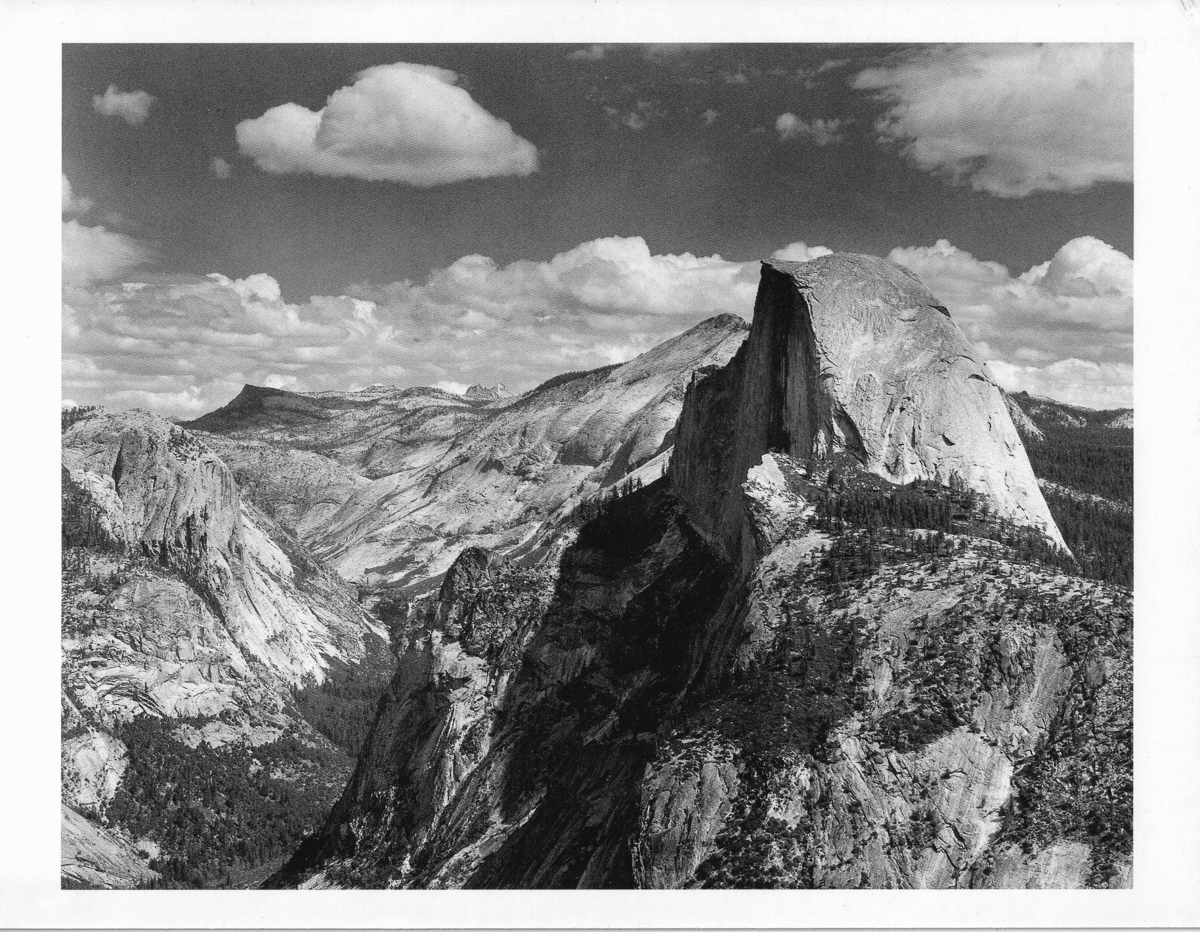
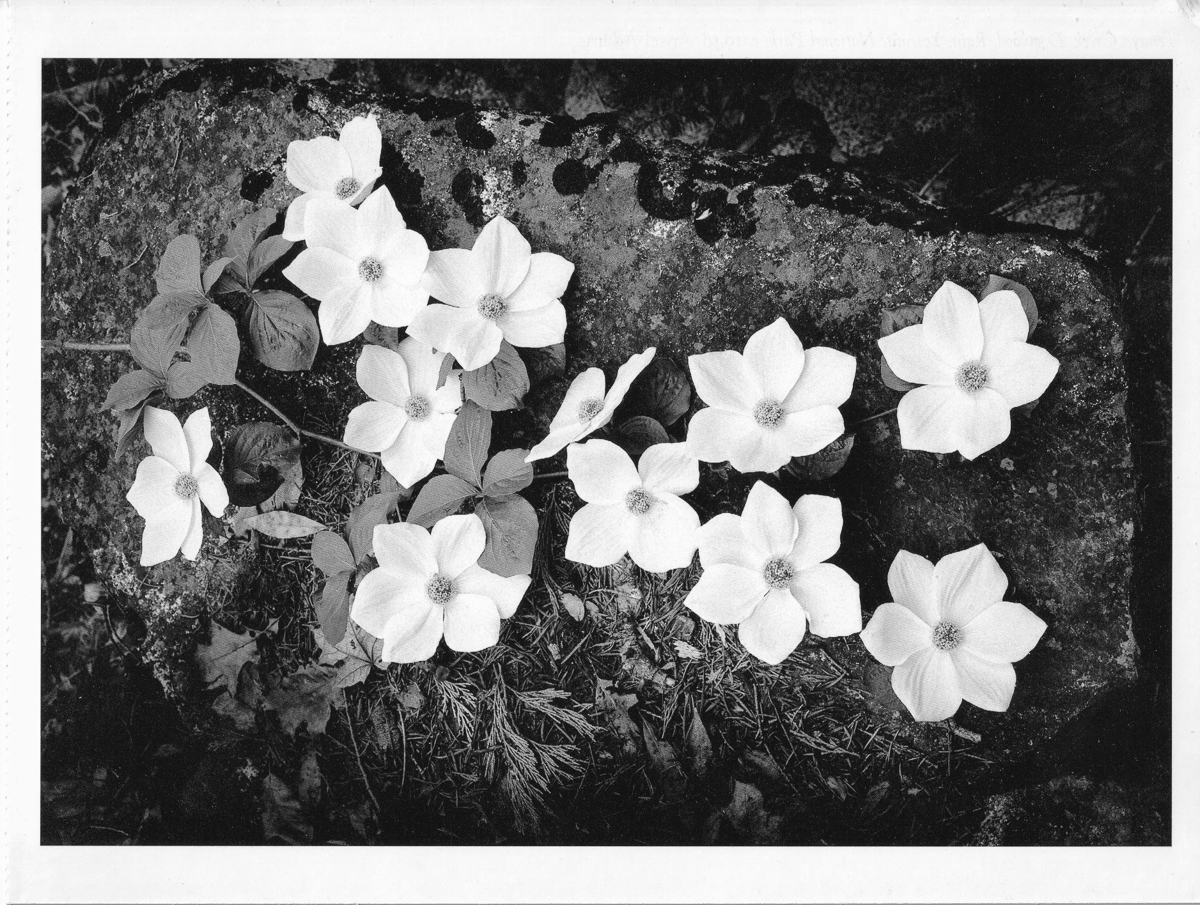
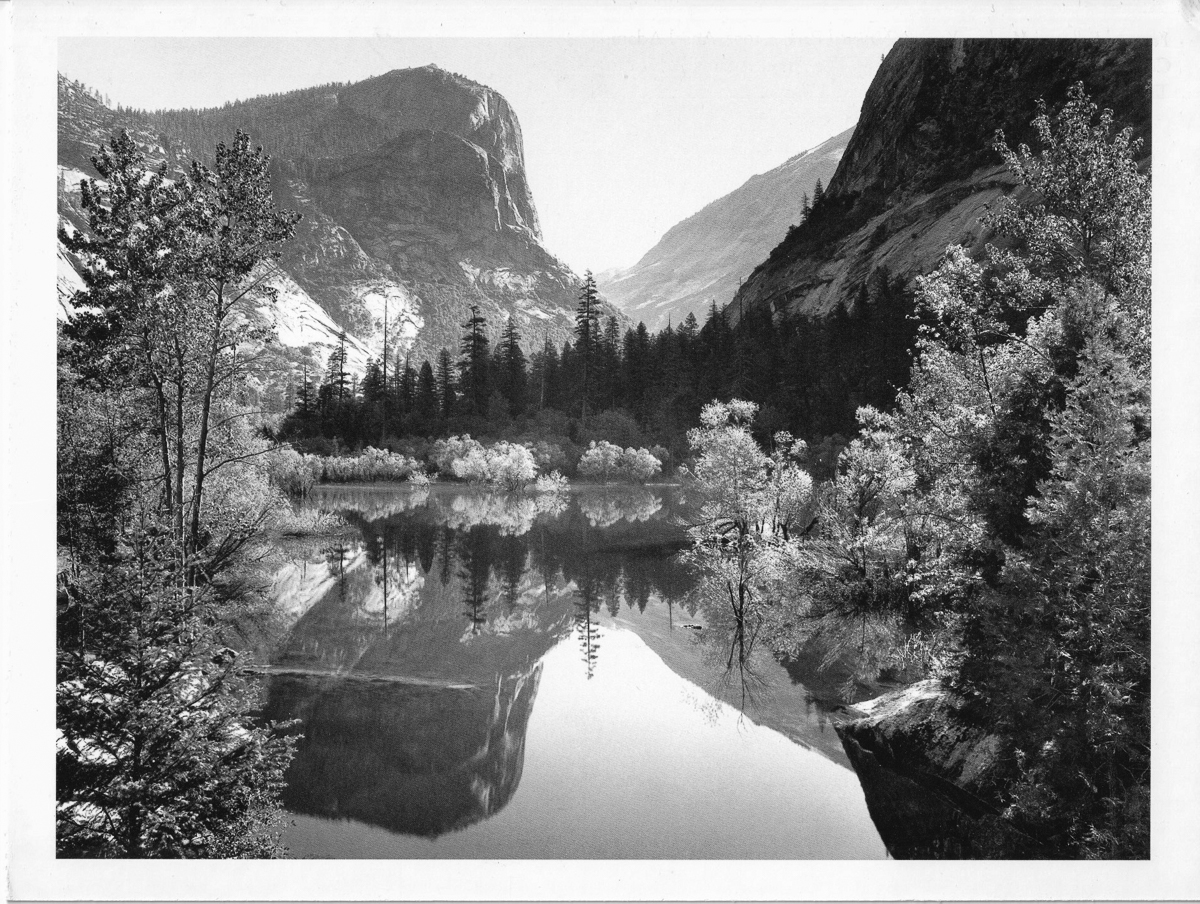
It consists of 25 postcards (23 photographs, a title page, and an introduction). I think there were supposed to be more. The title page mentions “Front Cover Photograph: Clearing Winter Storm, Yosemite National Park, California, 1944″ and “Back Cover Photograph: Ansel Adams by Mimi Jacobs” (Mimi Jacobs took a number of photographs of Adams. Since I don’t know which one was included in this collection I can’t provide a link), both of which seem to be missing. I’ve included five images here to give you a feel for what they’re like. Of course my low resolution scans from my cheap, poor quality scanner don’t come close to doing justice to the the postcards themselves.

My interest in photography started around 1978 when my wife gave me a brand new Minolta Hi-Matic 7sII. Maybe I mentioned that I would like a camera? Maybe she just thought it would be a good idea? Little did she know what a monster she was unleashing. Not long before, an Ansel Adams print (Moonrise, Hernandez, New Mexico) had sold for what then seemed to be the astonishing amount of $71,500 (the same print sold for $609,600 in 2006 and the current most expensive photograph is Le Violon d’Ingres (1924) by Man Ray, which sold in 2022 for $12,400,000). Around that time a friend lent me one of Adams’s books (I believe it was “The Camera“). With my new found enthusiasm for photography I wanted to be Ansel Adams, to make those lovely black and white photographs. Over the years my interest for landscape photography has waned a bit. I live in the rather picturesque Hudson Valley so I still take plenty of landscape pictures, but my photographic interests have broadened to include street photography, macro photography, nature photography etc. I still like black and white photography though and to me he’s still the master of that.

Curiously, while I was working on these images ended up temporarily in a folder, which also contained ten black and white pictures I’d taken of the New Croton Dam. Of course they weren’t anywhere near as good as the Adams photographs. But I was pleased to see that they didn’t look that bad either – at least as seen in low resolution on screen. I’m sure that Adams prints would blow anything I could produce out of the water.


Half Dome and Clouds, Yosemite Park, c.1968, Ansel Adams.


Merced River, Cliffs, Autumn, Yosemite National Park, 1939, Ansel Adams.


Fern Spring, Dusk, Yosemite National Park, c.1961, Ansel Adams.


Dogwood, Yosemite National Park, 1938, Ansel Adams.


Mirror Lake, Mount Watkins, Spring, Yosemite National Park, 1935, Ansel Adams.

The complete set Copyright 1996 by the Trustees of the Ansel Adams Publishing Rights Trust. Published by Little, Brown and Company.

A Postcard

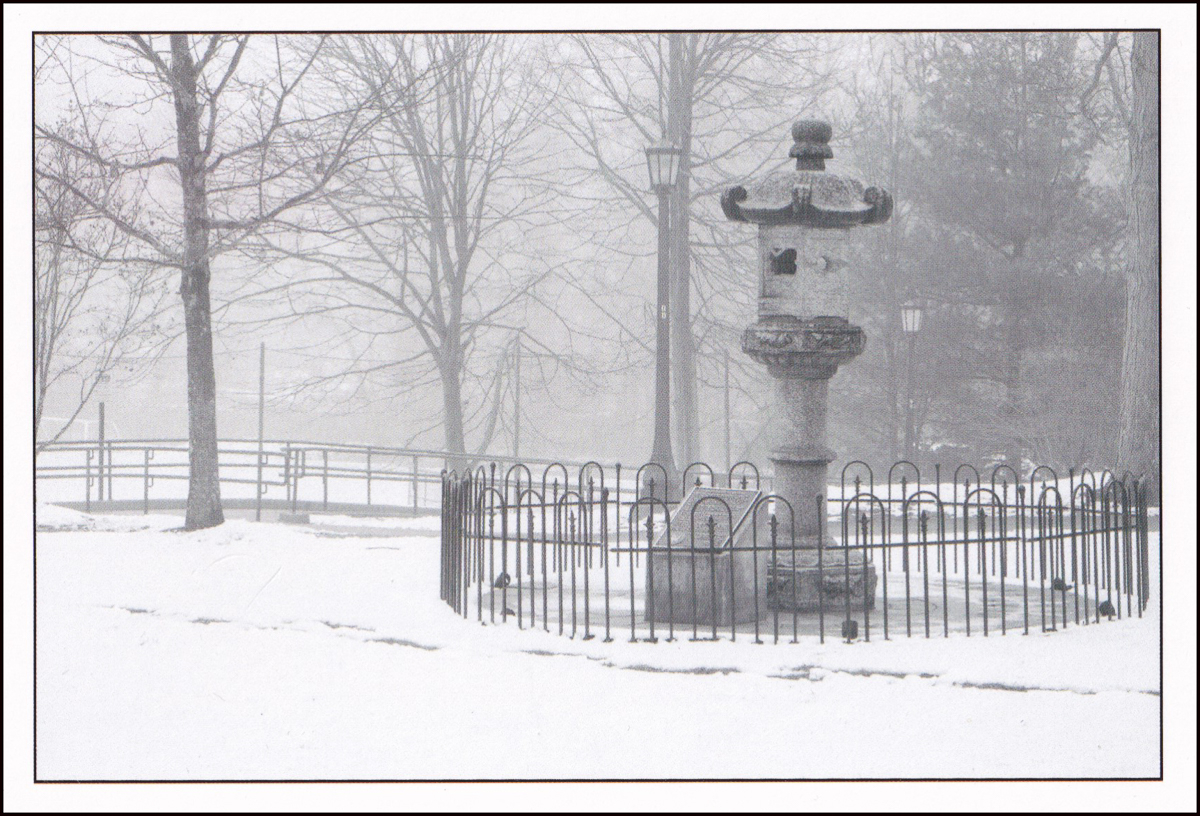
A while ago a friend of mine gave me a set up cards, each one with a different example of his wildlife photography. I was impressed by this and for some time have wanted to try something similar myself.

I came up with the idea of a collection of postcards, each one showing something related to my village. These could be either a number of postcards all with the same picture, or each with a different picture.

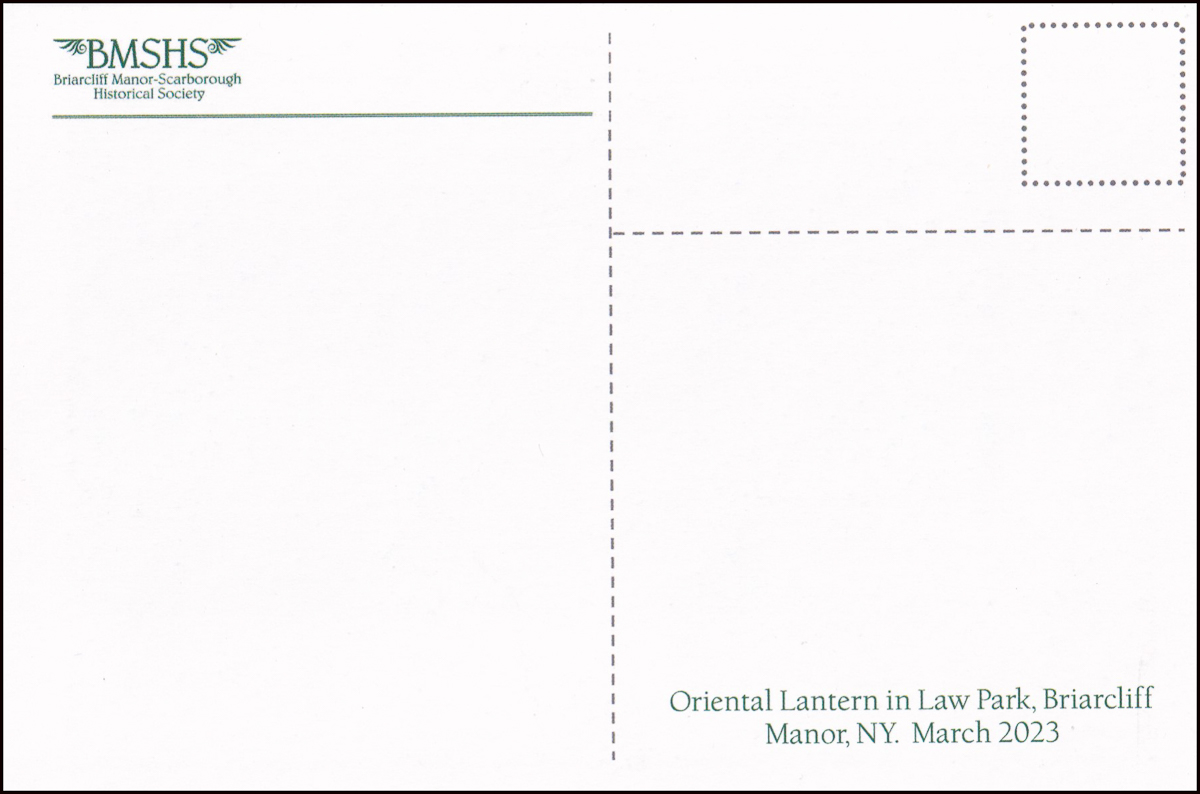
This is my first attempt. Generally I’m quite pleased with it – except for the dotted lines on the rear. If I were to do it again I’d go with solid lines instead.

After I’d finished with this I asked myself: “Does anyone actually send postcards anymore”? I raised this with another friend and he suggested notecards rather than postcards. He may be right. I’ll give it a try.