Doodletown

I usually post about books on or about photographers and photography. This is not one of those books. It does, however, have some wonderful historic photographs.

Doodletown was an isolated hamlet in the Town of Stony Point, Rockland County, New York, United States. Purchased by the Palisades Interstate Park Commission during the 1960s, it is now part of Bear Mountain State Park and a popular destination for hikers, birdwatchers, botanists, and local historians. It is located north of Jones Point, west of Iona Island, and southeast of Orange County. The former settlement is now a ghost town. Members of the first family to settle in Doodletown during the 18th century, Huguenots whose last name was anglicized to “June”, were also the last to leave it in the 1960s. (Wikipedia)

I’ve been there a couple of times and on one occasion took some pictures:

A Walk to Doodletown – Doodletown Overview
A Walk to Doodletown – The 1776 Trail
A Walk to Doodletown – Reservoir
A Walk to Doodletown – June Cemetery
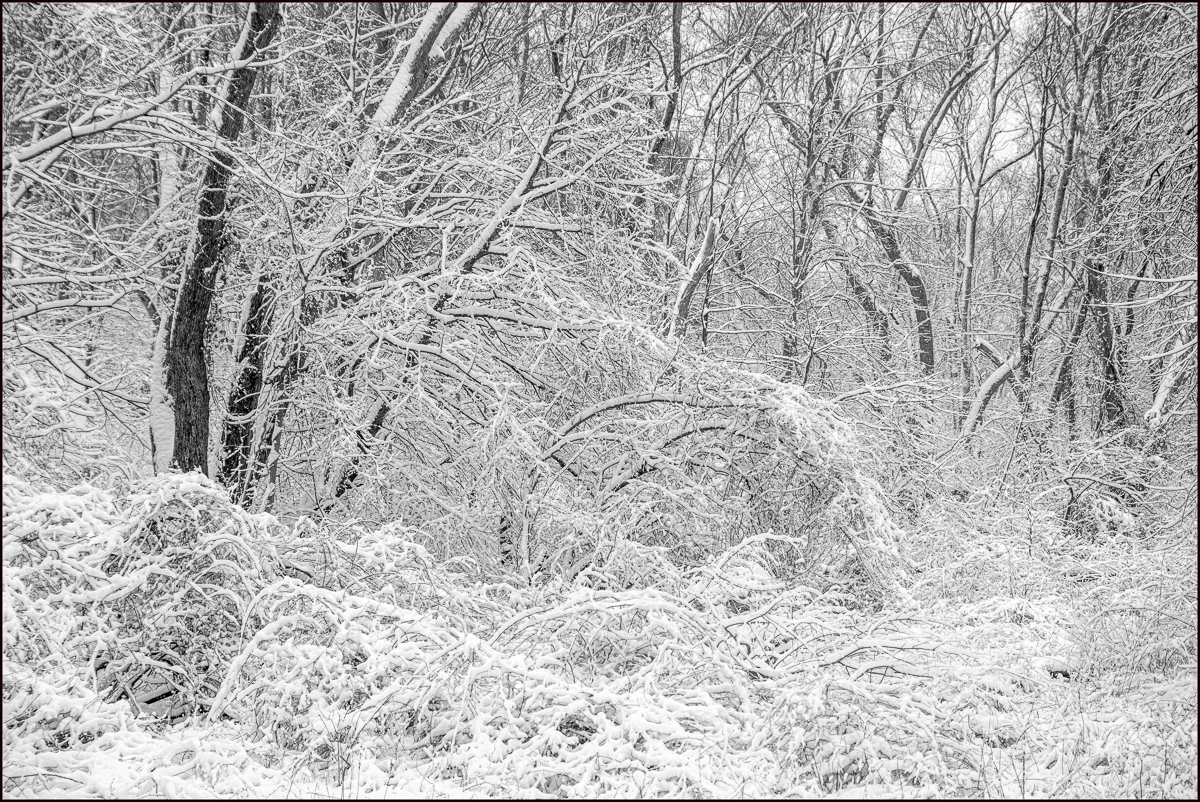
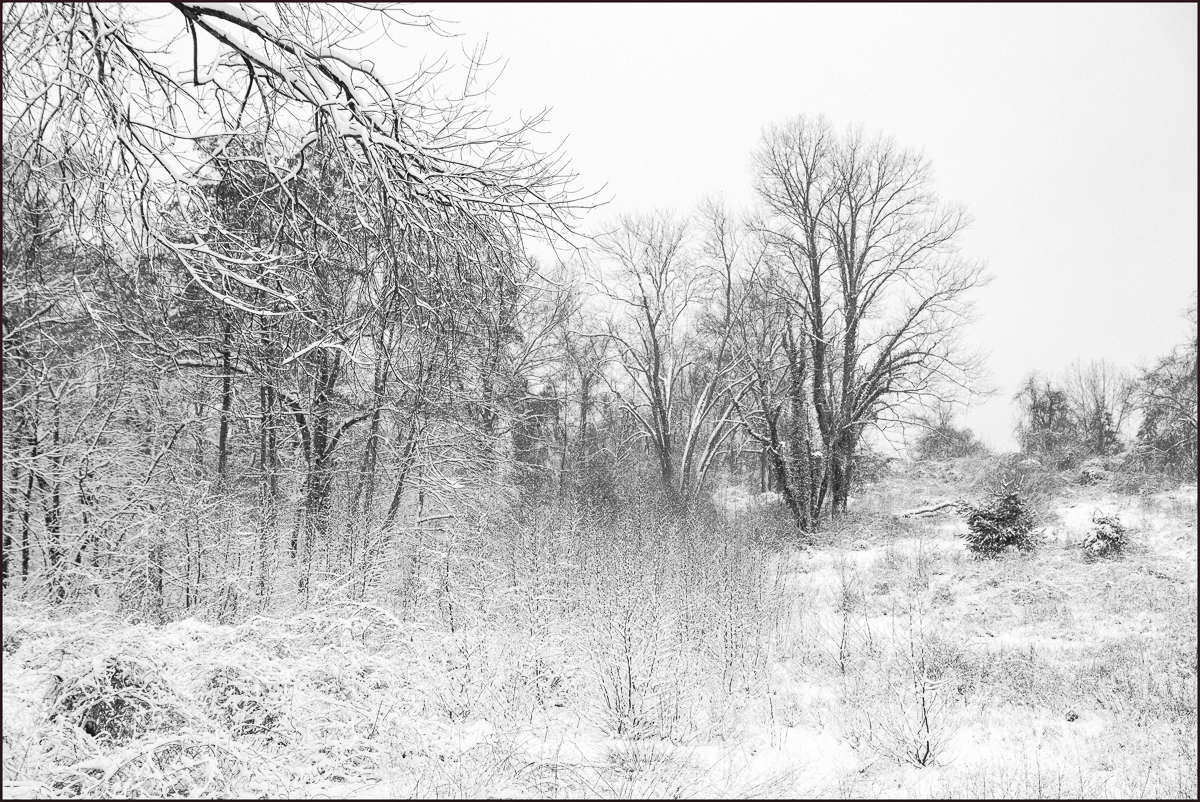
A Walk to Doodletown – There’s still life in Doddletown

The problem with Doodletown is that there’s actually not a lot to see. Apart from a couple of cemeteries (one of them still active), mostly just the foundations of long gone buildings. At some point an attempt was made to erect information boards describing some of the former buildings, but (at least while I was there) the effects of time, weather and maybe vandalism made it difficult, and in some cases, impossible to read them. I came away wanting to know more about the history of the hamlet and its buildings.

Enter Elizabeth “Perk” Stalter and her wonderful book: “Doodletown. Hiking Through History in a Vanished Hamlet on the Hudson.”

The book is divided into two parts. The first: “Did Doodletown Disappear?” largely covers the history of the hamlet from its earliest days, through the Revolutionary War period, the good times of considerable growth with new roads, new churches, new job opportunities for the inhabitants. This section also describes what it was like to live in Doodletown, describing the community and its social life; schools; shopping; law enforcement; fire protection; banking; medical services; the effects of storms and snake attacks etc. She also describes with some sadness the eventual decline of Doodletown and its assimilation into the Bear Mountain State Park. This section of the book concludes with the following:

I sincerely hope that this book will help to show your mind’s eye what our community looked like – and that it will also help you to conclude that, indeed, Doodle town did not disappear! Welcome to Doodletown!

Interesting though Part 1 was, what really attracted me to the book was Part 2: A Hiking Guide to Doodletown today. The highlight of this section are the descriptions (69 of them accompanied by photographs showing what they looked like) of all of the former buildings. This was what I had been looking for.

The book is lavishly illustrated with maps, drawings and especially photographs.

Ms. Stalter lived in Doodletown from 1950 to 1958 and her love for the community clearly comes through.

A great book. I really enjoyed. Now I’ll have to go back to Doodletown.
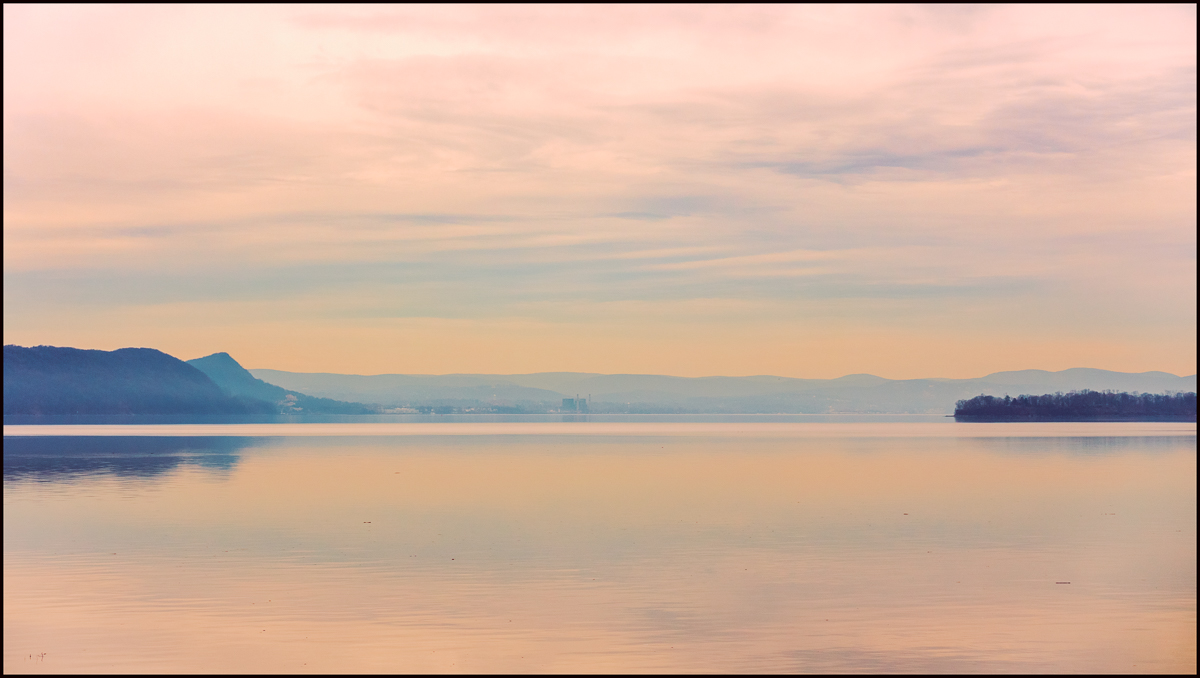
Hudson View 2

Another view of the Hudson River taken at the same time and place as the one in the earlier post (See: Hudson View 1) but this time facing in the opposite direction: North looking towards Croton Point (on the right) and Rockland Lake State Park and High Tor State Park (on the left).

Taken with a Sony RX100 M3

The Europeans

I’m a huge fan of Henri Cartier-Bresson. So it’s somewhat surprising that until recently I had only one, very small, very thin and not very thorough book on or by him.

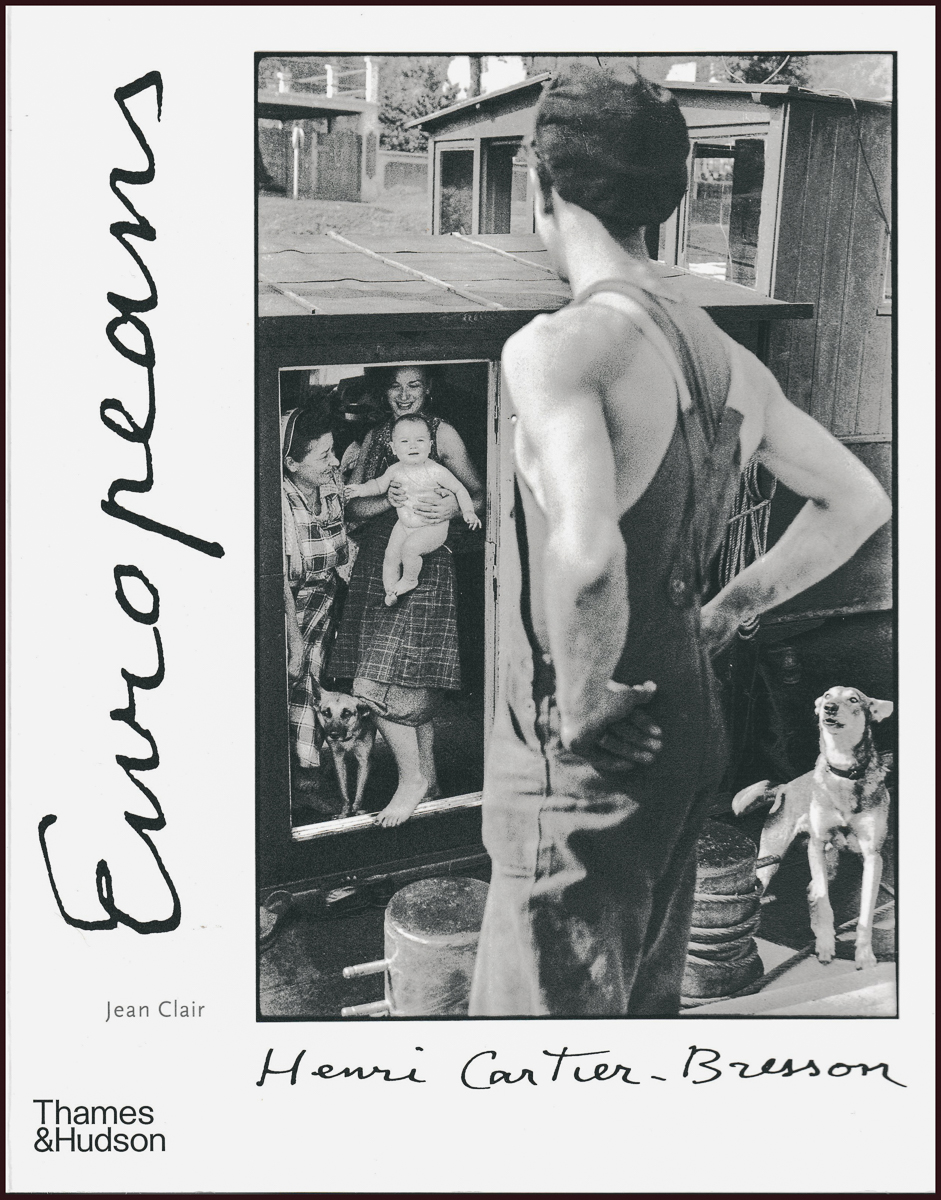
So when I was compiling my Christmas Amazon wishlist (the best way for my family to buy me gifts that I actually want) I included a couple of books about him. This is the first. It’s called “Europeans” and in his introduction, Jean Clair states:

In 1955 a collection of photographs called Les Européens was published. It was conceived and designed by Tériade, with a jacket by Jen Miró. Henri Cartier-Bresson had worked on it for five years, a short period if one considers that the celebrated photographs in Images à la Sauvette (1952, published in English as The Decisive Moment) were selected from work spanning twenty years. The book offered a closely woven portrait of Europe after the war: accumulated ruins and the marks of hunger and woe on people’s faces still appearing very clearly.

After that it was all downhill for the introduction as far as I was concerned. I didn’t know who Mr. Clair was so I looked him up. He’s described as follows:

Jean Clair is the pen name of Gérard Régnier (born 20 October 1940 in Paris, France). Clair is an essayist, a polemicist, an art historian, an art conservator, and a member of the Académie française since May, 2008. He was, for many years, the director of the Picasso Museum in Paris. Among the milestones of his long and productive career is a comprehensive catalog of the works of Balthus. He was also the director of the Venice Biennale in 1995.

I suppose I shouldn’t have been surprised by what followed in the introduction: lots of big, arcane words and tortured sentences. The following is fairly typical:

Now, as a wizard of speed, he needed a certain lightness of touch, something airy, mercurial. Hermes, god of commerce and thieves, could well be the god of photographers. With quicksilver as the escutcheon of his equipment, this disciple of hermetic knowledge, borrowing the the powers of the god with winged hat and shoes, sets out to purloin the the fulgurating moment at the crossroads of appearances and to conserve something of Mercury’s spark.

Maybe it’s just me, but I don’t relate well to this kind of “criticspeak”. When I was in university many years ago I had to read a book by Messrs. René Wellek and Austin Warren. I can’t remember the title (I’ve probably blotted it out) but it was something to do with principles of literary criticism. Their best know work seems to be Theory of Literature, but that title doesn’t ring any bells. Anyway I read that book from cover to cover and after I finished it I found that I couldn’t remember a single thing. Still, I remember thinking that the book must have been important or why would they have made us read it. So I read it again with the same result. Maybe now I’m older I should read it again. Who knows – third time lucky.

But on to the pictures. They are of course remarkable, for the most part. We’re so used to seeing Cartier-Bresson’s masterpieces that it’s easy to forget that not all of his pictures fall into that class. Of the 200 or so pictures I only really liked about 43.

Unfortunately, it’s not immediately obvious how the photographs are organized. There’s no table of contents and at first I thought that the pictures were randomly organized. However, after a bit of study I realized that they are in fact organized by country, but that the order of the countries is not alphabetical. Rather it goes as follows (with the number of photographs for each country in parentheses): France (36); Portugal (7); Spain (18); Italy (20); Switzerland (5); Yugoslavia (5); Greece (6); Turkey (5); Romania (4); Hungary (3); Austria (3); Germany (16); Belgium (1); Netherlands (3); Poland (6); USSR (17); Sweden (3); Denmark (1); UK (13); Ireland (10).

Still despite the minor criticisms I really enjoyed the book.

Now on to the second book: Henri Cartier-Bresson. The Modern Century , but first I have to figure out how to read it comfortably. It’s longer, bigger and heavier that the above book.