A walk at Graham Hills Park

It was a Saturday and I had intended to go for another walk at Rockwood Hall, but it was teeming with people so I thought I’d try the Rockefeller State Park. It was the same story: the car park was full and the parked cars were backed up all the way down to Route 117 and then for some distance along Route 117. So decided to try nearby Graham Hills Park.

I was talking to a friend about this walk and as I started to mention the park’s name I paused thinking: wasn’t Graham Hill a famous British Formula One racing car driver? As it turned out I was right, but this Graham Hill had no connection to the park. Rather it’s named after Graham Hills, a one-time hamlet and station on the Putnam Railroad, which in turn takes its name from Dr. Isaac Gilbert Graham, a Revolutionary War army surgeon, who settled there circa 1785.

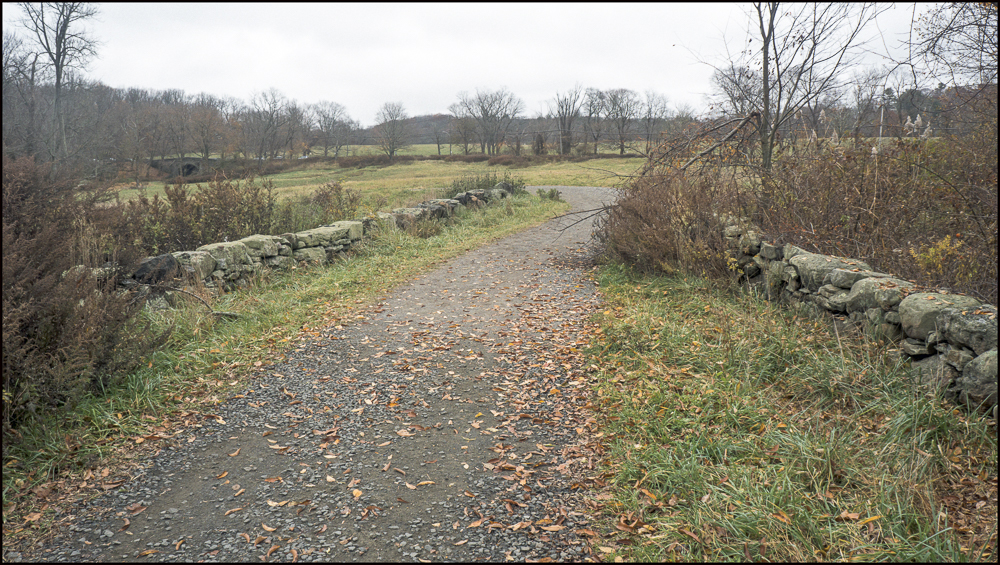
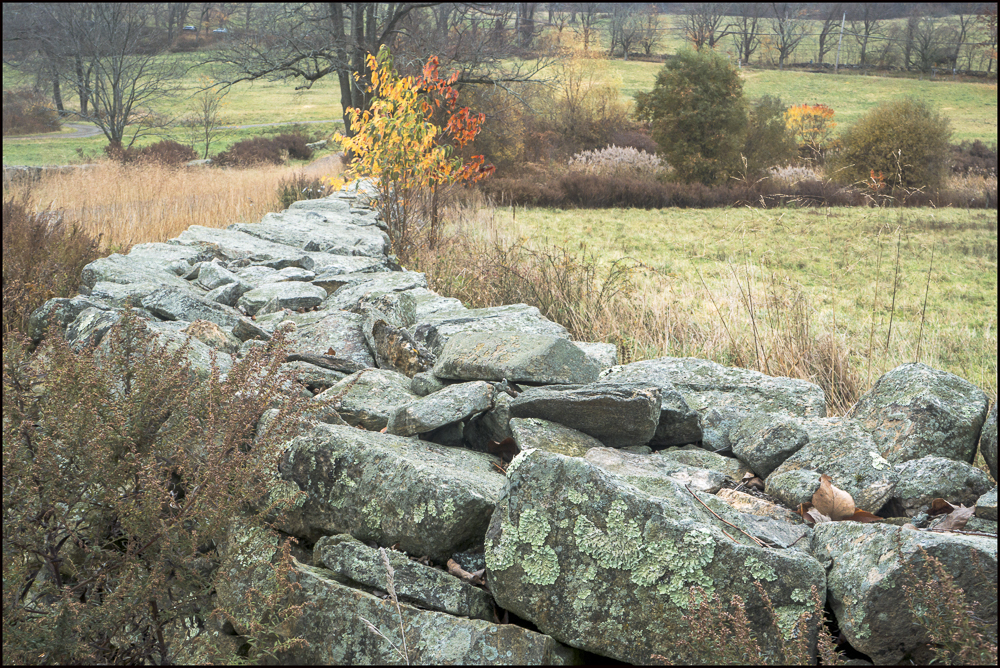
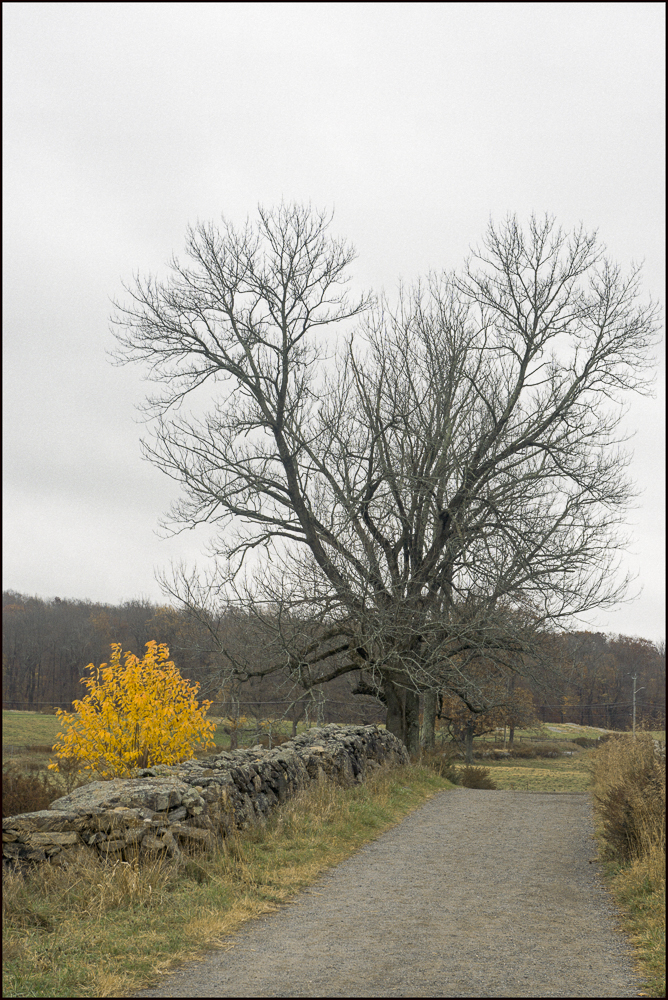
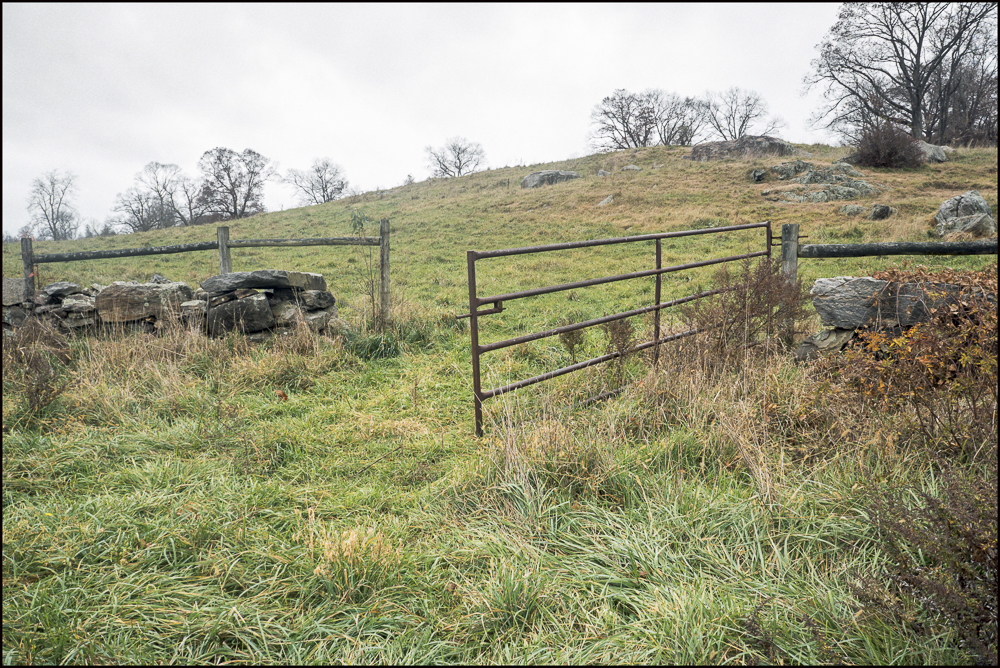
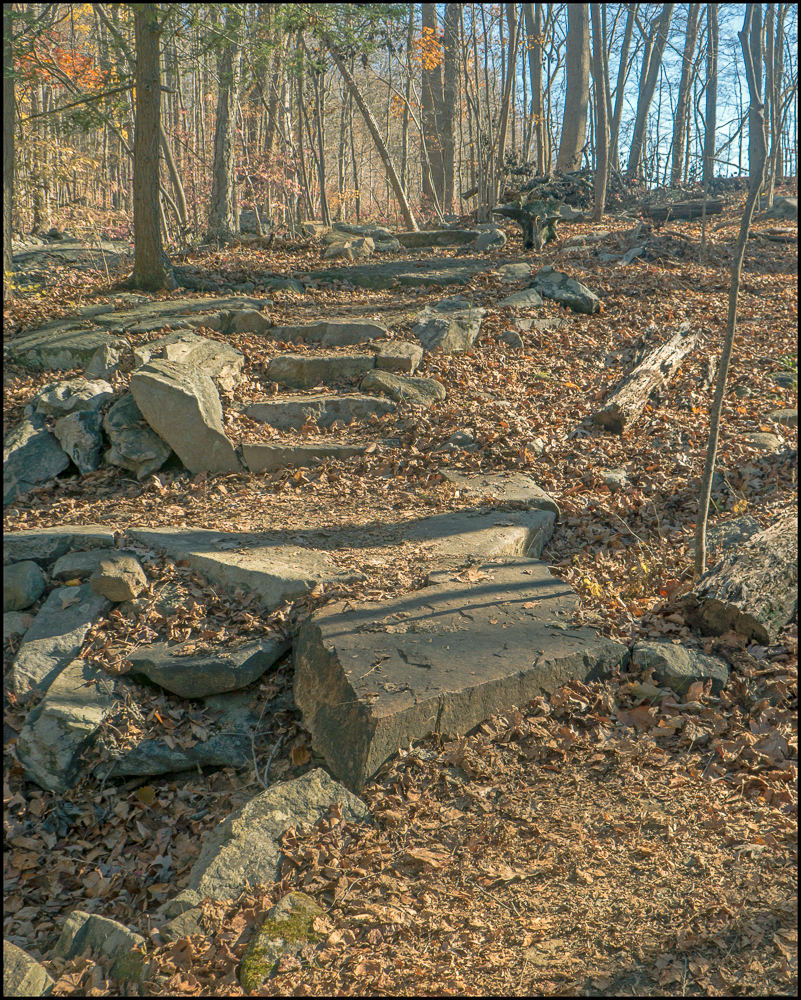
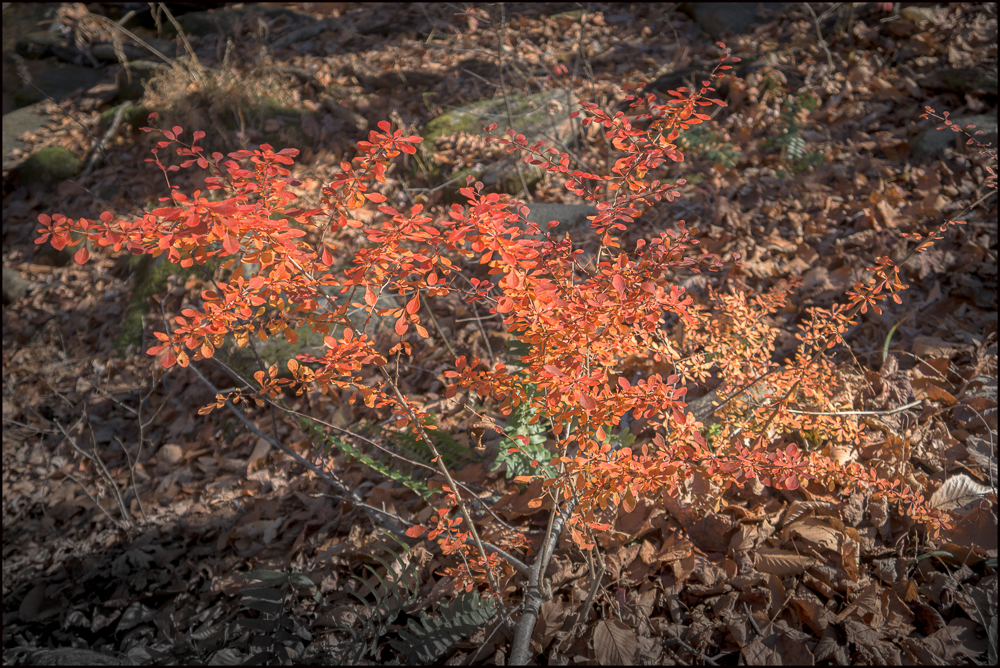
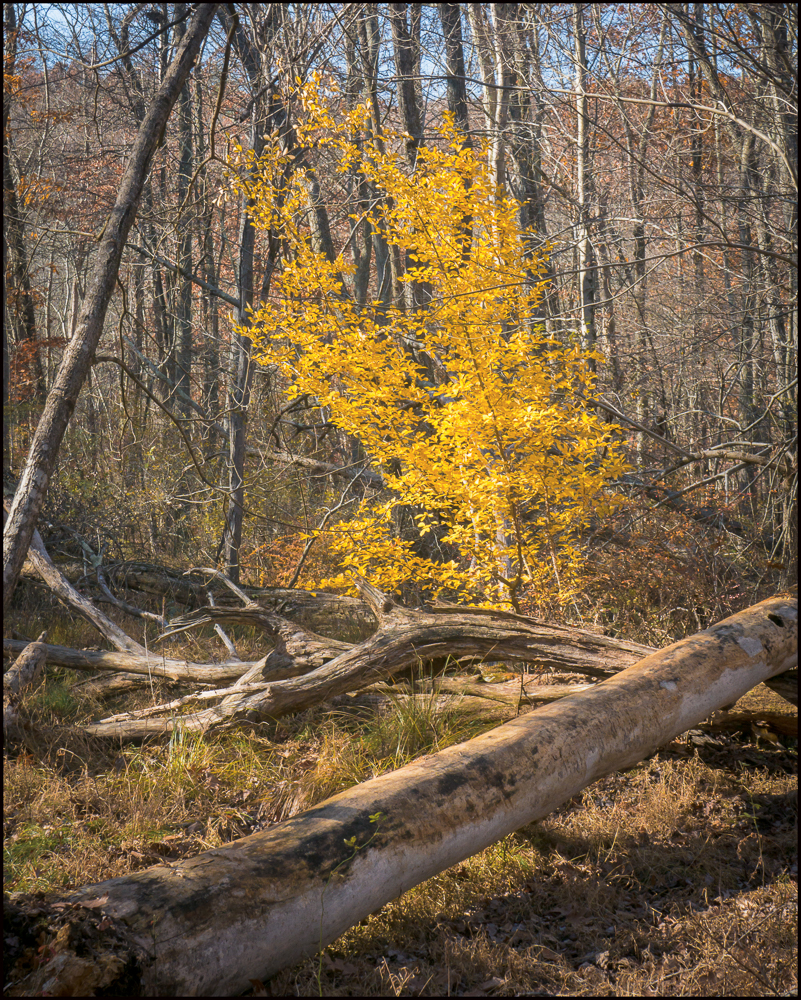
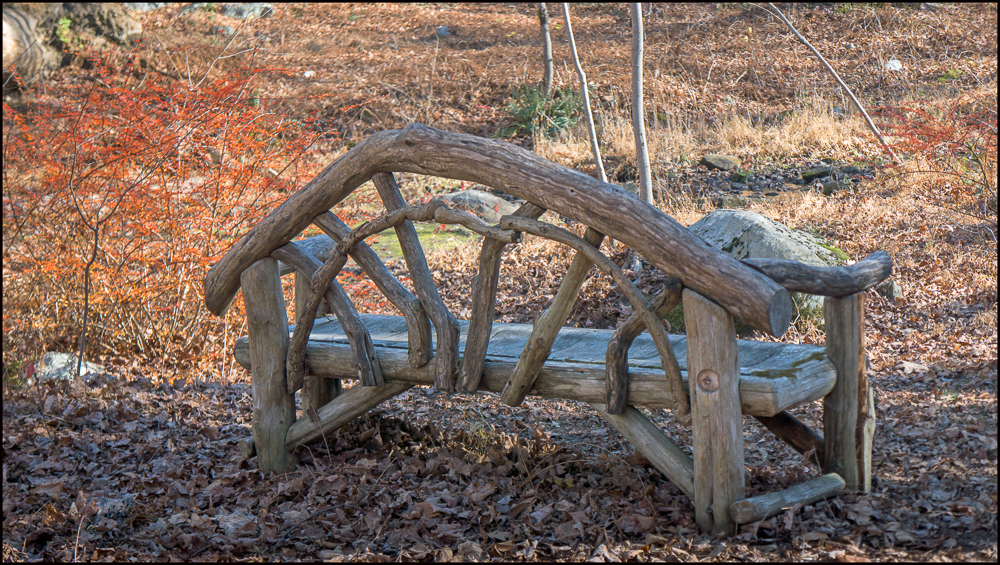
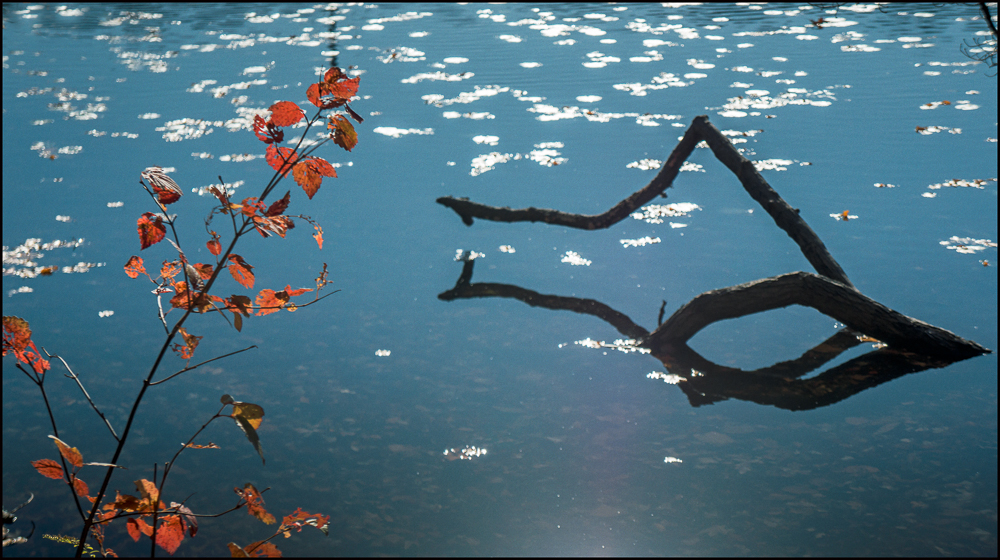
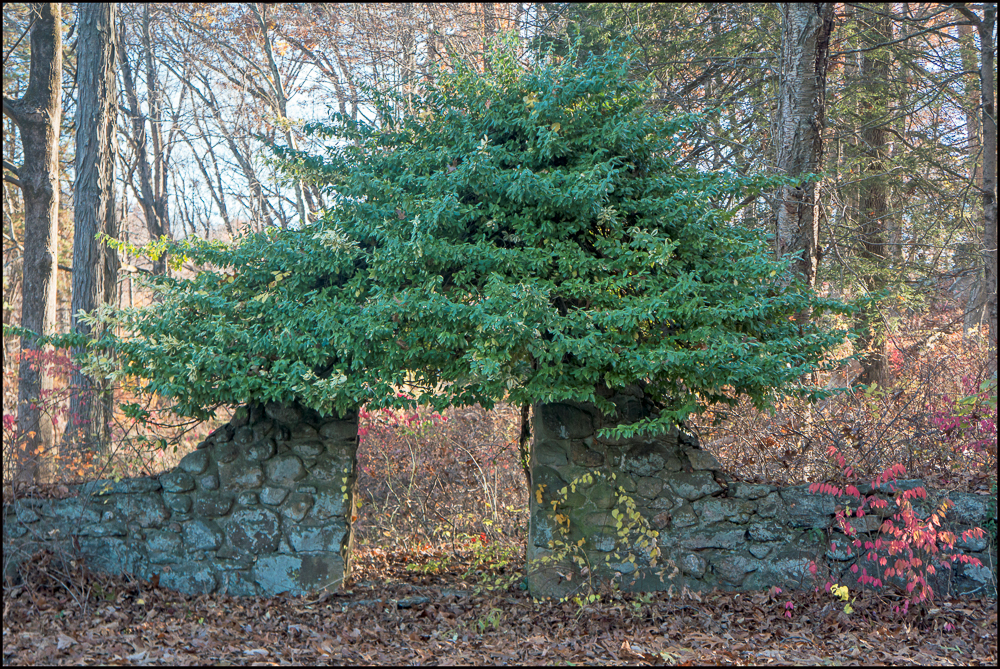
The pictures show a typical woodland walk around here at this time of year: fallen leaves, bare trees, rocks etc. with the odd brightly colored tree (at the time I took the pictures there were still a few but they’re disappearing fast). It’s not an easy walk, particularly when it has rained. The trails are covered in leaves made slippery by the rain and you can’t readily tell what’s under them (rocks, roots etc.) so it’s easy to lose you footing. Also the park appears to be particularly popular with mountain bike riders. While I don’t begrudge them their fun I wish some of them would pay a bit more attention to other people using the park. At times they would come over a rise, or around a corner at high speed and I’d have to quickly jump out of the way.


Taken with a Sony A6000 and 18-55mm f3.5-5.6 OSS kit lens.

Stone Barns Center for Food and Agriculture

The Stone Barns’ property was once part of Pocantico, the Rockefeller estate. The Norman-style stone barns were commissioned by John D. Rockefeller, Jr. to be a dairy farm in the 1930s. The complex fell into disuse during the 1950s and was mainly used for storage. In the 1970s, agricultural activity resumed when David Rockefeller‘s wife Margaret “Peggy” McGrath began a successful cattle breeding operation. Stone Barns Center for Food and Agriculture was created by David Rockefeller, his daughter Peggy Dulany, and their associate James Ford as a memorial for Margaret Rockefeller, who died in 1996. Stone Barns opened to the public in May 2004. In 2008, Stone Barns opened its slaughterhouse to slaughter its livestock for plating at Blue Hill. Using their own slaughterhouse also eliminated the long and expensive drives to the closest one. In 2017, Stone Barns published Letters to a Young Farmer, a compilation of essays and letters about the highs and lows of farming life, including Barbara Kingsolver, Bill McKibben, Michael Pollan, Temple Grandin, Wendell Berry, Rick Bayless, and Marion Nestle. The property also features an upscale restaurant called “Blue Hill at Stone Barns“. As of 2019 it had two Michelin stars!


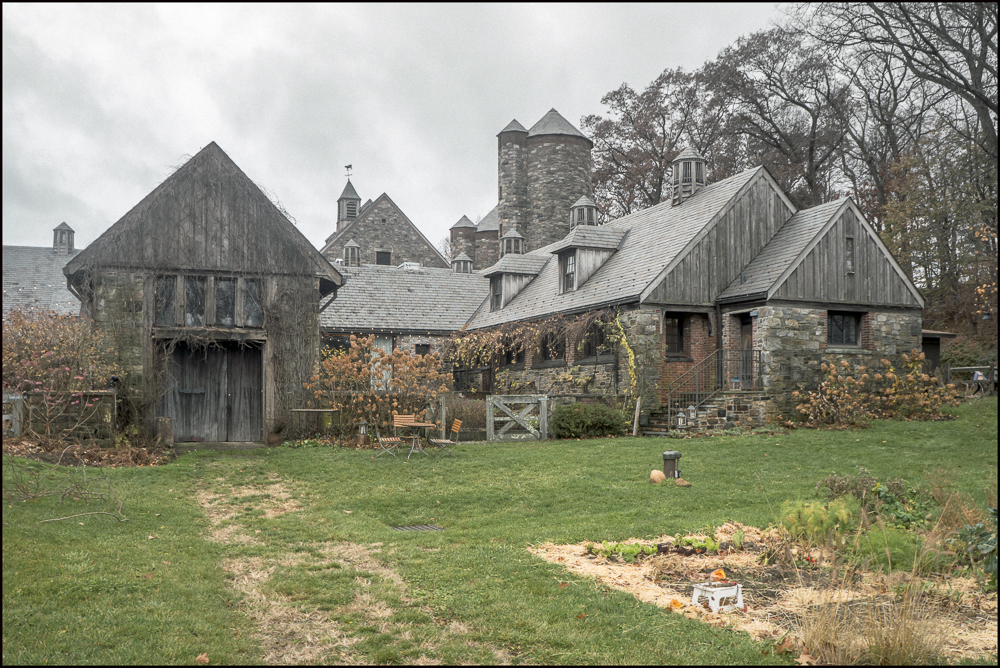
Stone Barns with double Michelin starred restaurant “Blue Hill at Stone Barns” in the foreground. It always reminds of some kind of medieval castle.

Taken with a Sony A6000 and 18-55mm f3.5-5.6 OSS kit lens.
A walk to Stone Barns

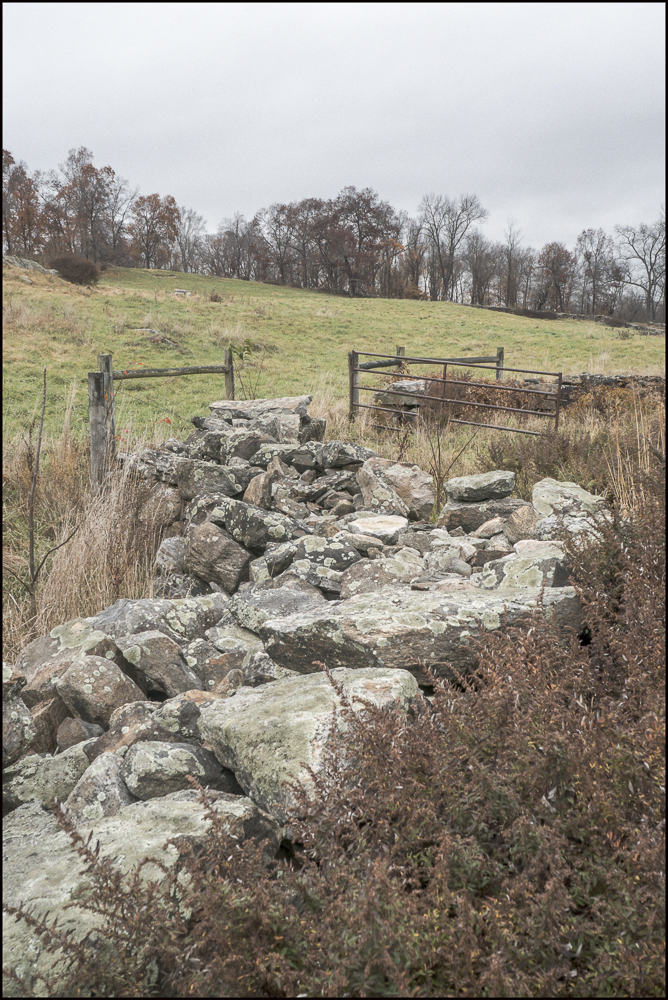
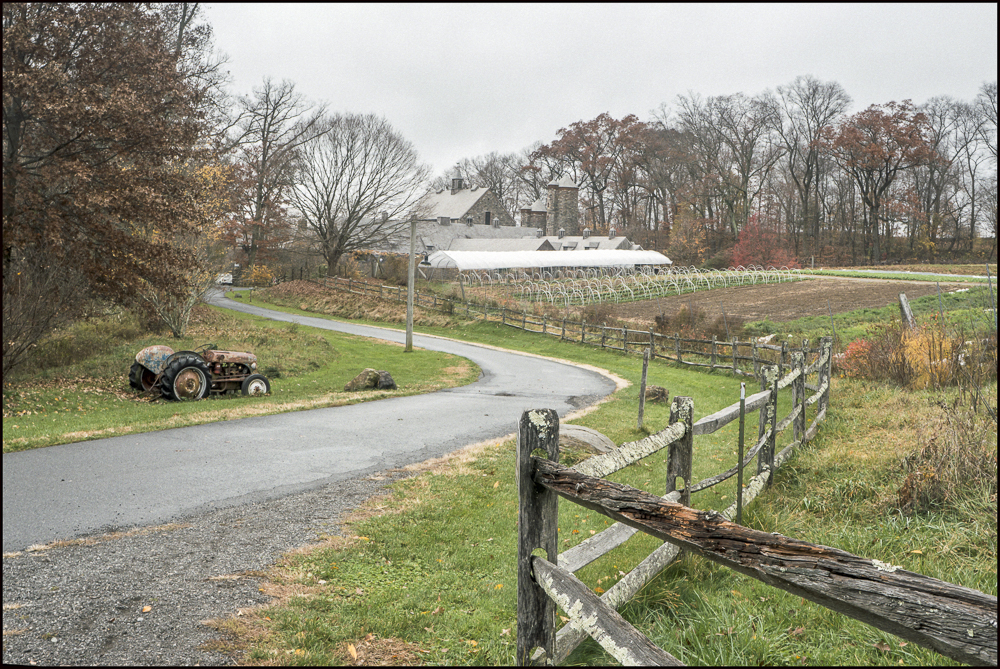
It was a gloomy, overcast day with rain threatening when we went for a walk to Stone Barns Center for Food and Agriculture (more about the center in the next post). I’ve always liked the surrounding land because it reminds me so much of the landscape around where I grew up in the UK: rolling fields, stone walls etc. The main difference is that the stone walls are not as well made as those in the UK. Nearby Storm King Art Center has an outdoor exhibition consisting of a stone wall which snakes through the property. To get it the way they wanted it they had to hire and import people from the UK. Because of the weather I didn’t expect to take many pictures, but it turned out that I did, finding the gloom somewhat appealing – maybe that was because that too reminded me of growing up in the North of England, where the weather is often gloomy/rainy.


Taken with a Sony A6000 and 18-55mm f3.5-5.6 OSS kit lens.
Teatown

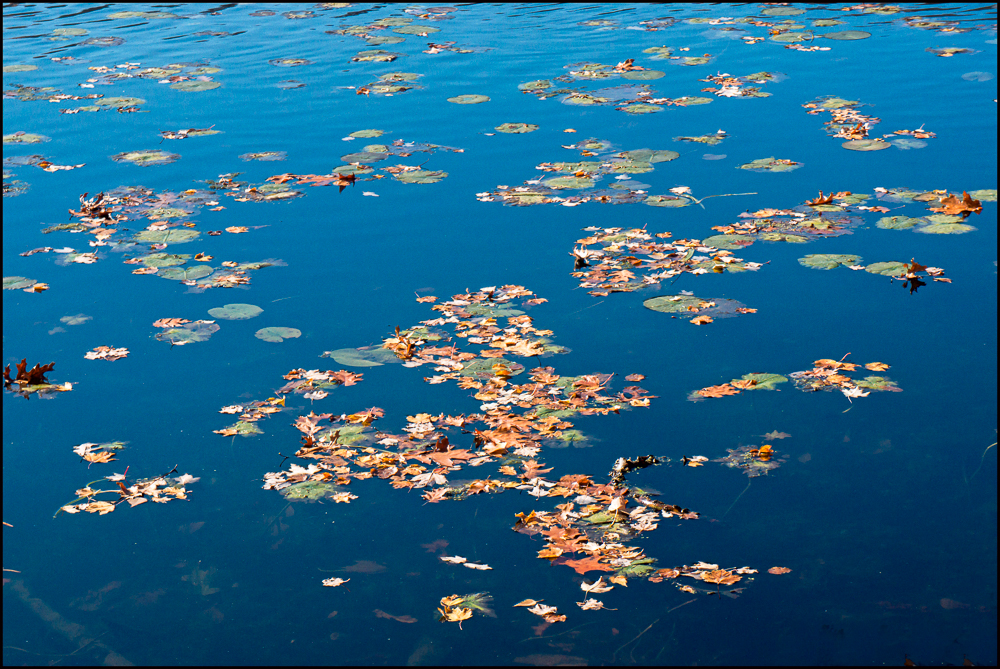
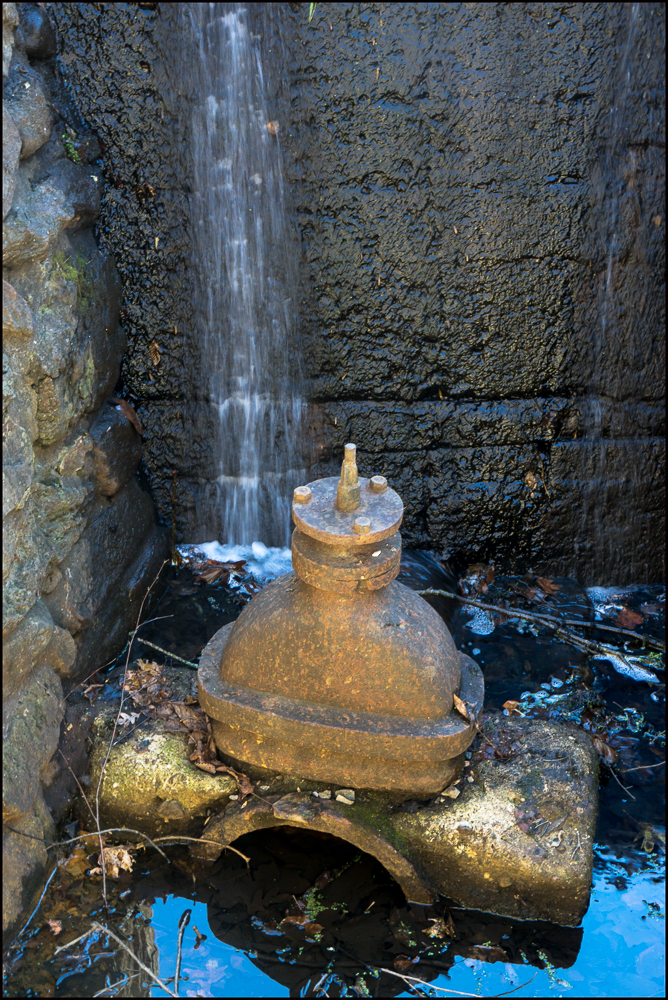
The other day I took Harley for a walk at Teatown Lake Preservation. In 1962 245 acres were donated by a family to the Brooklyn Botanical Gardens, and were managed by staff from Teatown from 1963. From 1980, Teatown leased that property from the Gardens. In 2018, the Garden passed the property to Teatown. It’s a 1,000-acre nature preserve and education center located in Westchester County. There are a wide variety of natural areas to explore, including the 33-acre Teatown Lake, a scenic gorge, hardwood swamps, mixed forests, meadows, and hemlock and laurel groves. Teatown’s Nature Center features numerous natural history and live animal exhibits and a nature gift shop. Outdoor exhibits include a working maple sugar house and live birds of prey. Guided tours of two-acre Wildflower Island with its over 230 native and endangered species of wildflowers are available as well.


Taken with a Sony A6000 and 18-55mm f3.5-5.6 OSS kit lens.