
View across the Hudson the with the Palisades in the background and the Philipse Manor Beach Club in the foreground.
Taken with a Sony A6000 and 18-55mm f3.5-5.6 OSS kit lens.
Photographs and thoughts on photography and camera collecting

View across the Hudson the with the Palisades in the background and the Philipse Manor Beach Club in the foreground.
Taken with a Sony A6000 and 18-55mm f3.5-5.6 OSS kit lens.

The Grand Central Eagle. Part of the Grand Central Station renovation of 1898, the eagle is one of 11 that graced the historic building’s monumental clock towers for 12 years at 42nd Street and Park Avenue.
In 1910, as the station began renovations to become the Grand Central Terminal building we are all familiar with today, the huge cast iron eagles were removed and dispersed throughout the region. One of these eagles was obtained by the Philipse Manor Company, landing at our station by 1911. Its impressive 14 foot wingspan continues to grace the train station in Sleepy Hollow and enhance commuters’ rides today. The few remaining eagles represent a bygone era and offer a connection to the grand history of the New York Metropolitan Area.
It’s recently been renovated. I think I liked it better the way it was before. I find the brightly colored paint to be rather garish.


Taken with a Sony A6000 and 18-55mm f3.5-5.6 OSS kit lens.

We went for a walk along the Hudson the other day. Starting from Kingsland Point Park we walked to the Sleepy Hollow Lighthouse and back. I was surprised to find that the path now extends past the lighthouse so you can walk from Kingsland Point all the way into Tarrytown. On the the way we passed Captain Kidd’s rock and the brightly painted wall above.


Taken with a Sony A6000 and 18-55mm f3.5-5.6 OSS kit lens.
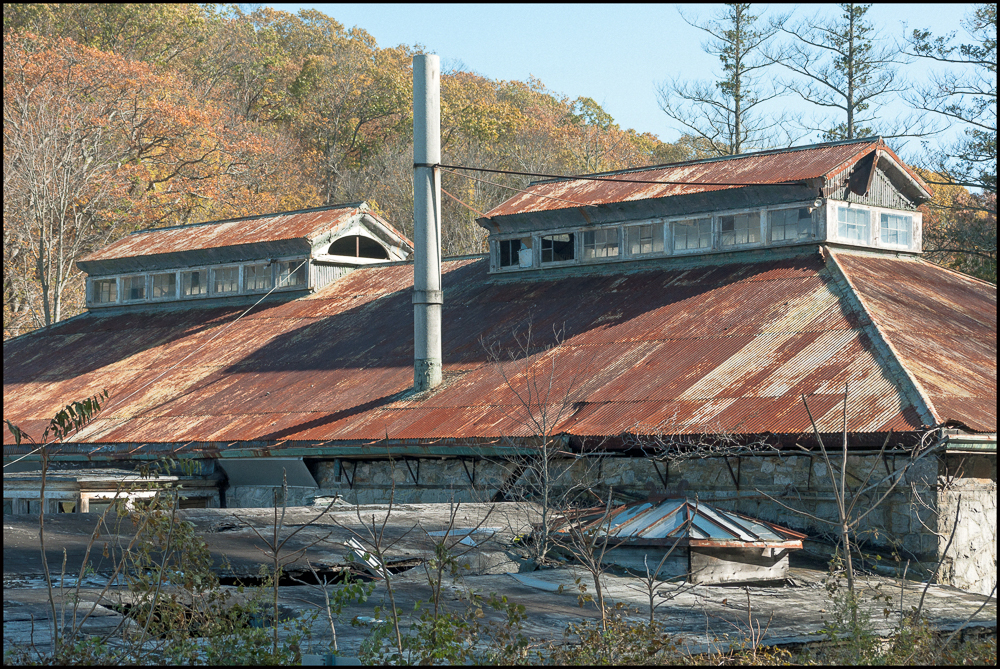
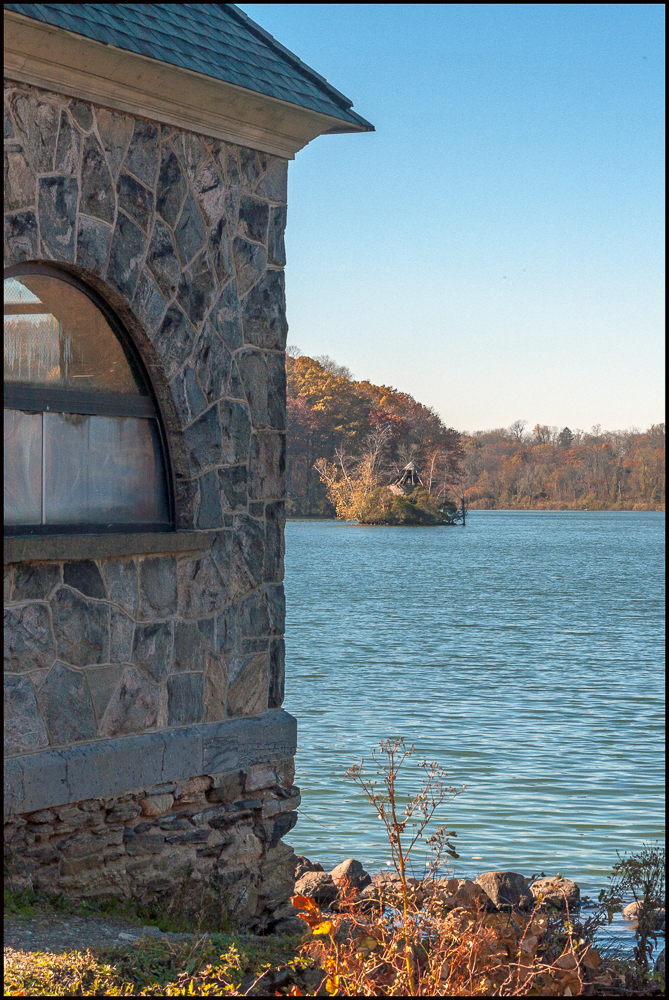
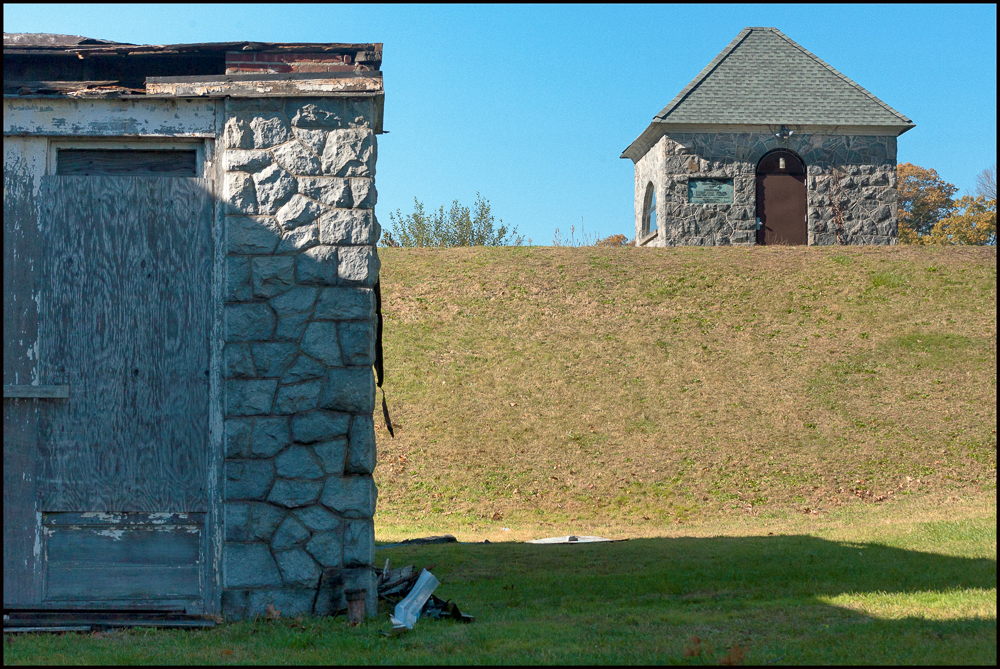
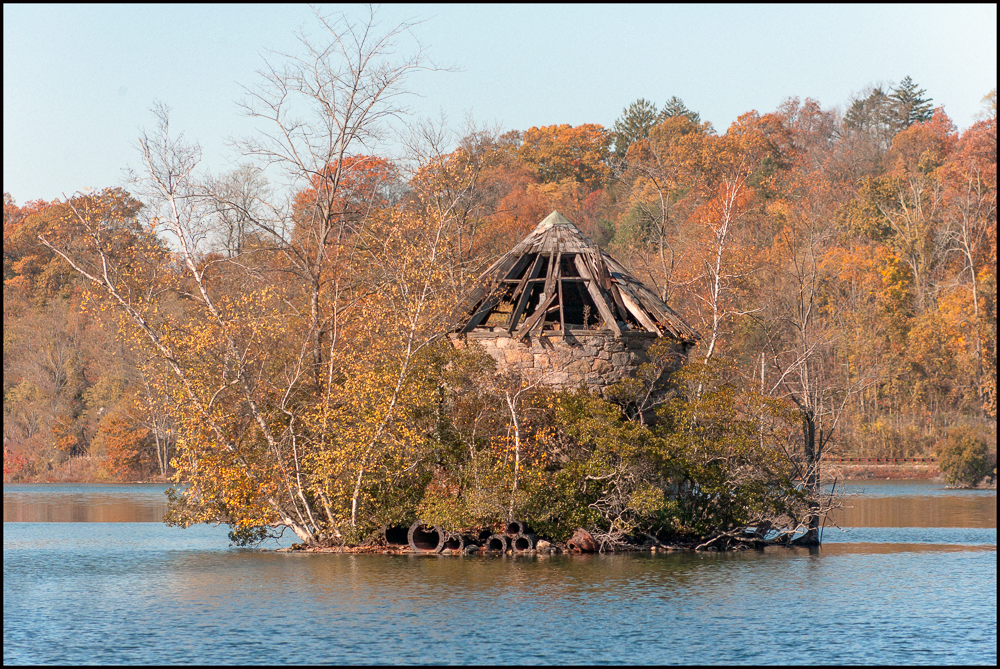
“The Tarrytown Lakes and the pump house have a long history in the region. The creation of the man-made lakes and pump facility were completed around 1888. The project began after the waterflow to Tarrytown was disrupted and it was decided a water source close to home was needed to support the growing population. The project cost $425,000 in total and ended up serving the village with over 1 million gallons of water a day.
The station itself is the last remaining building from the hamlet of Eastview, which was bought up and demolished by the Rockefeller family in order to re-route a railroad line.
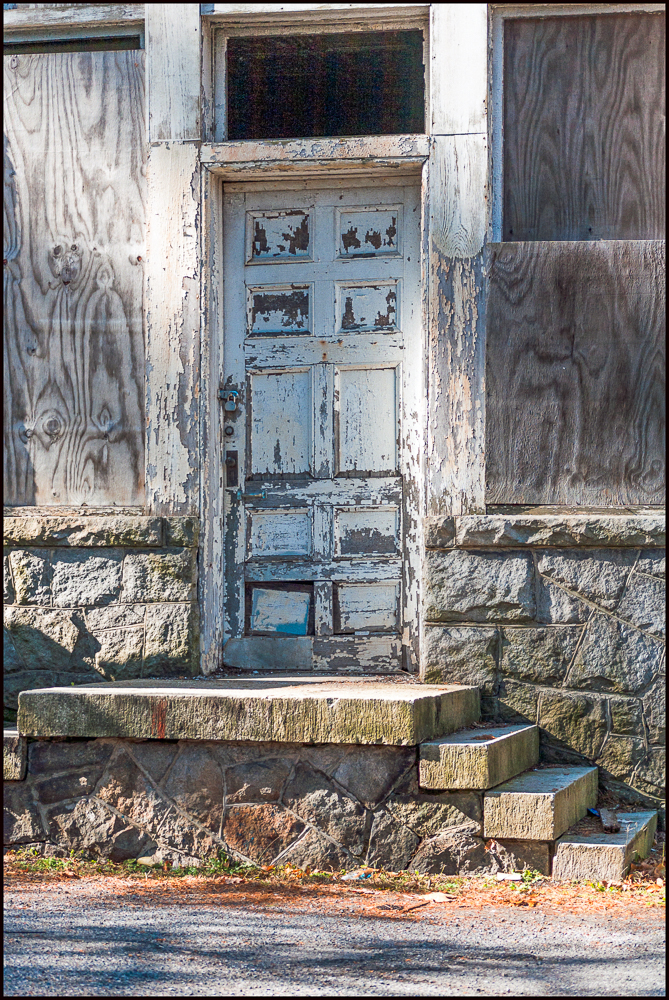
Thirty years ago, as water demand outpaced the capacity of the lakes, the pump station was shut down. It now is used for storage, and parts of the granite structure are beginning to fail, including a portion of the roof. Proponents say the building is at a crucial juncture and needs stabilization soon.” (Eastview Pump Station Plan Earns Key Recognition, Patch).
While the article above has a very upbeat tone about the the vision to refurbish the structure as an educational center and back-up water supply for the village, it should be noted that the it is dated 2011 and as of November, 2020 nothing seems to have happened.
Taken with a Canon EOS 5D and Canon EF 75-300mm f4-5.6 USM
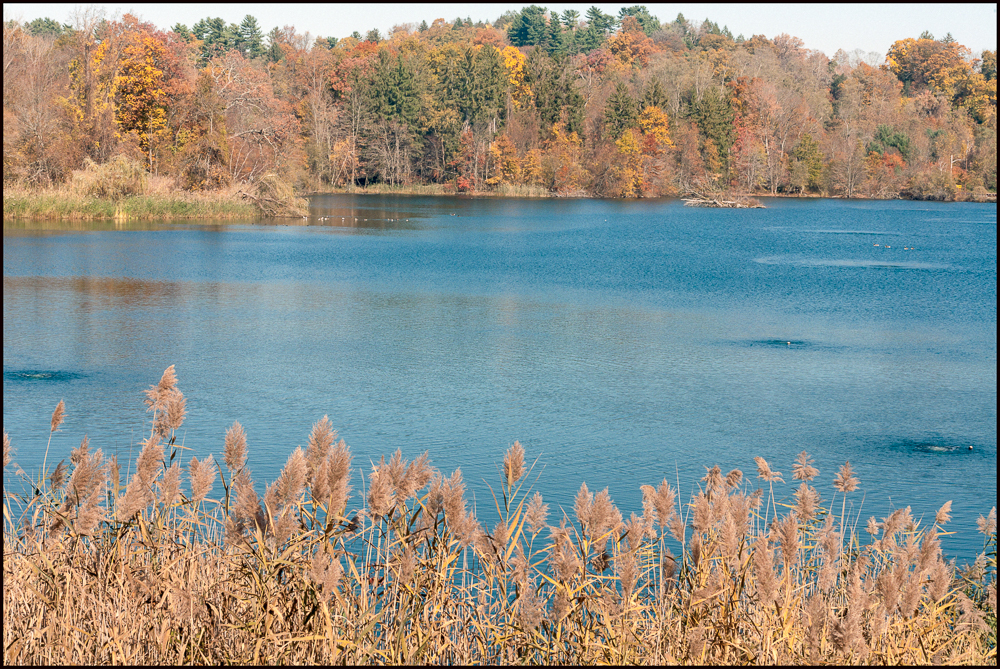
I took the dog for a two hour walk around Tarrytown Lakes the other day.
“At the northeast edge of the village of Tarrytown, New York, is the Tarrytown Lakes Park, a 72-acre scenic escape to walking and biking trails, kayaking in season, birding and, for local residents, fishing.
The park encompasses two man-made reservoirs, the large Lower Lake and smaller Upper Lake. They once provided water to the village, but the lakes are “retired” now, and serve as habitat for flora and fauna, and a place for accessible recreation.
The village created the Tarrytown Lakes in 1897 as drinking water reservoirs for Tarrytown. As Tarrytown villagers required more water than the lakes provided, they were decommissioned as a drinking water source in 1993. Now this area, together with the 60 acres surrounding it, comprise the Tarrytown Lakes Park, almost 5% of the acreage of Tarrytown.
The New York & Putnam Railroad had been established in 1880, with a single rail line that connected Brewster to the Bronx. During its lifetime the railroad had stops in White Plains, Elmsford, Pocantico Hills, Carmel and Brewster. Also along the route were stops at Tarrytown Heights, at the southernmost tip of the reservoir near the present-day intersection of Neperan Road and Sunnyside Avenue, and at East View.
The railroad’s initial path in the area, then known as Swampy Brook Valley, went over a wobbly 80-foot-high trestle bridge at East View, which so frightened passengers that a portion of the rail line was relocated closer to Rockefeller’s estate in Pocantico Hills. Because of the dangers of crossing the trestle, which often required that trains slow down to a crawl, the line was rerouted west around that valley in 1881. The trestle was torn down in 1883 and the valley became the Tarrytown Reservoir.
John D. Rockefeller was annoyed by the railroad that ran through his family’s estate in Pocantico Hills. Rockefeller approached the railroad with a plan to move the line off his property. On April 15, 1930, a construction crew of 500 men began work on the railroad relocation. Three stations were closed: Tarrytown Heights, Tower Hill, and Pocantico Hills. The new route opened in 1931. It served fewer people and generated no freight traffic. The last trains ran on May 29, 1958 and the tracks between East View and Lake Mahopac were removed in 1962.
Today, the 72-acre preserve, just 35 miles north of New York City, serves as a recreation area for local residents and visitors. The park’s two lakes, two bike paths, walking trails, opportunities for kayaking, bird study, ice skating and cross-country skiing in winter, and connections to the county’s extensive network of hiking and bike paths are easily accessible”. (Scenes from the Trail)
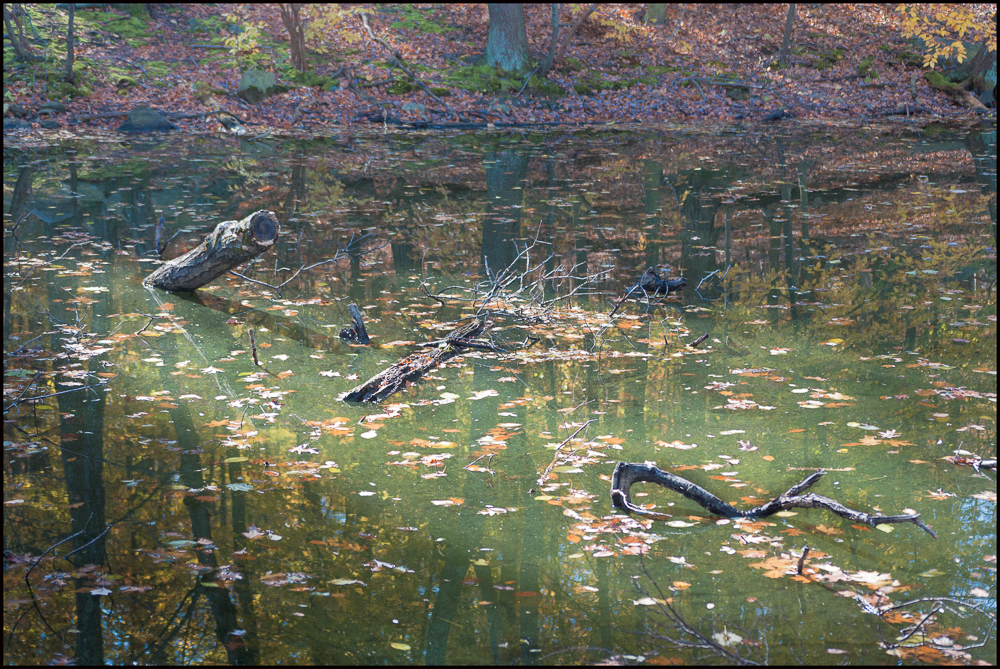
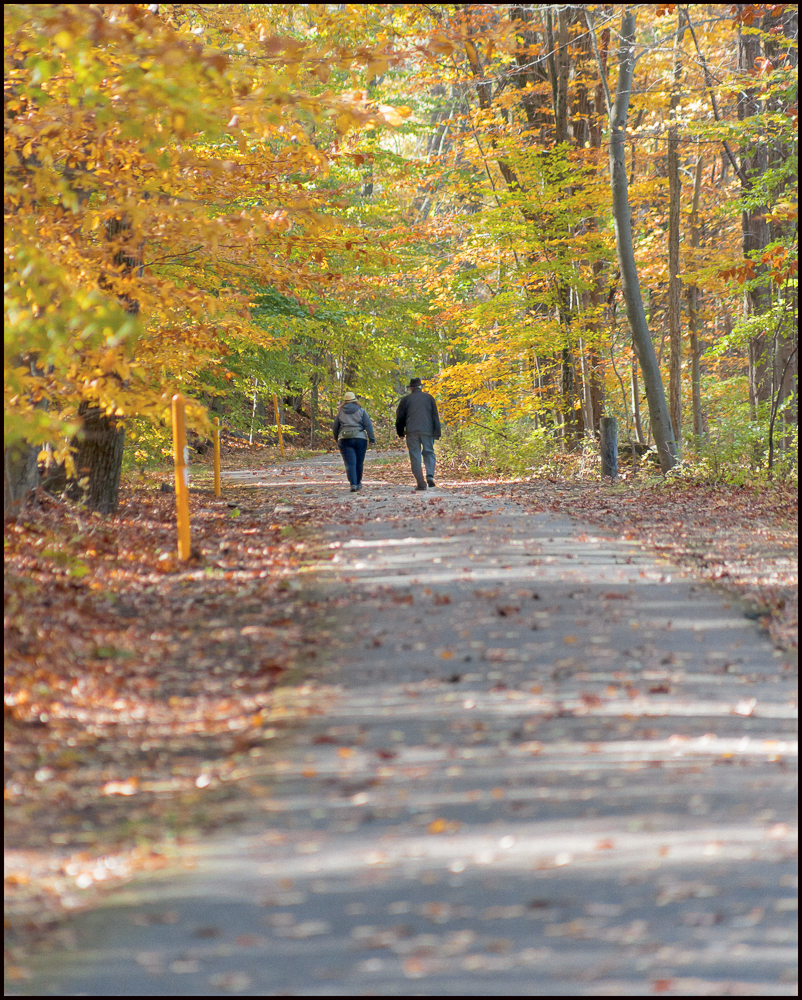
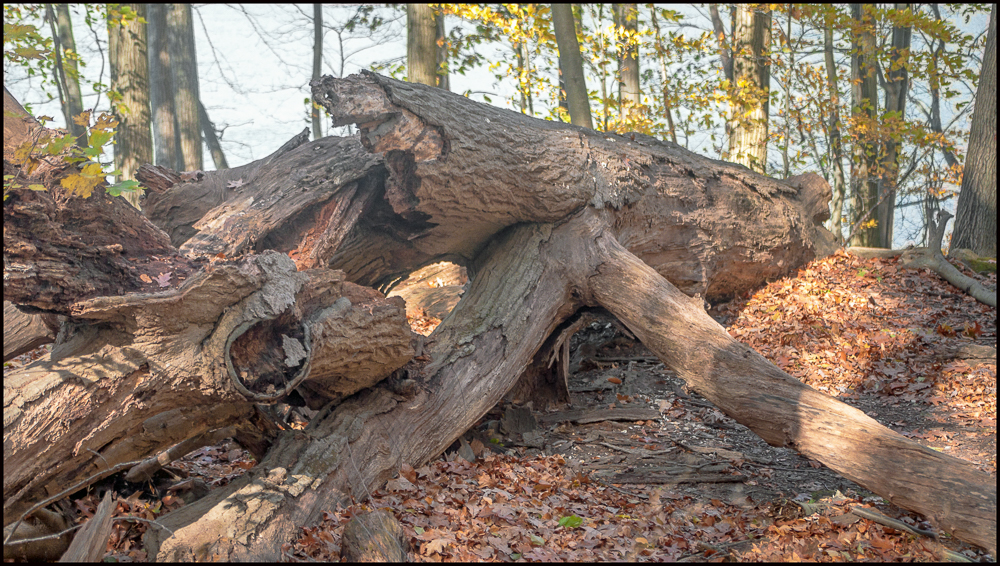
Taken with a Canon EOS 5D and Canon EF 75-300mm f4-5.6 USM